Pentagon Requests $71.4 Billion for Nuclear Triad Modernization in FY27 Budget
The War Department’s fiscal year 2027 budget proposal allocates $71.4 billion specifically for nuclear triad modernization — the largest publicly disclosed, consolidated nuclear investment in recent memory — covering every leg of America’s strategic deterrent force.
Secretary of War Pete Hegseth presented the proposal during Senate Armed Services Committee testimony, framing the nuclear triad as the irreducible foundation of U.S. deterrence strategy.
- The FY27 War Department budget request totals $1.5 trillion, with $71.4 billion earmarked specifically for nuclear triad modernization and nuclear command, control, and communications (NC3).
- The B-21 Raider stealth bomber receives $6.1 billion; the Air Force plans a minimum procurement of 100 aircraft to anchor the air leg of the triad.
- $4.6 billion funds the LGM-35 Sentinel ICBM to replace the aging Minuteman III, covering 400 deployed missiles and 450 hardened silos across five states.
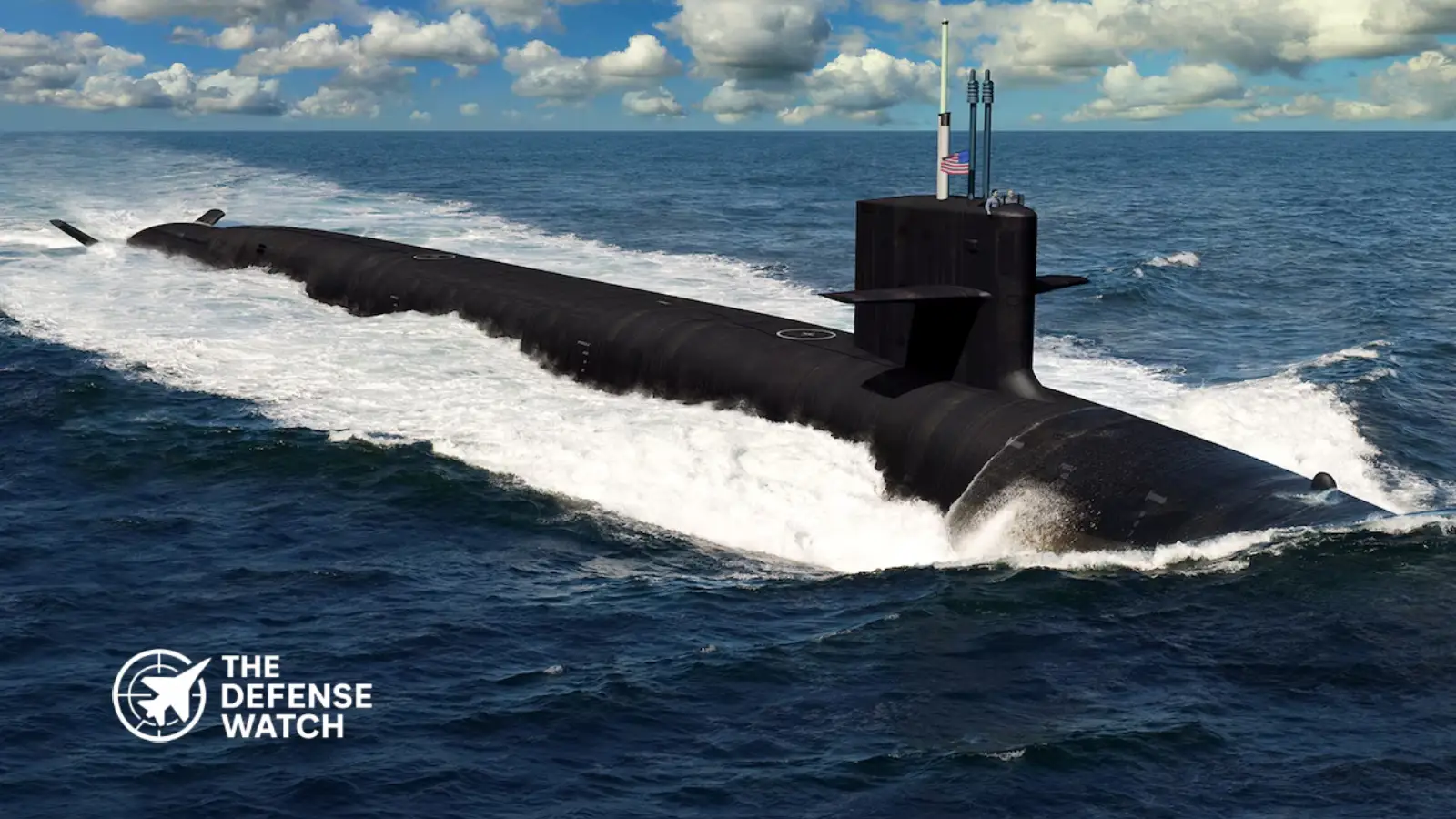
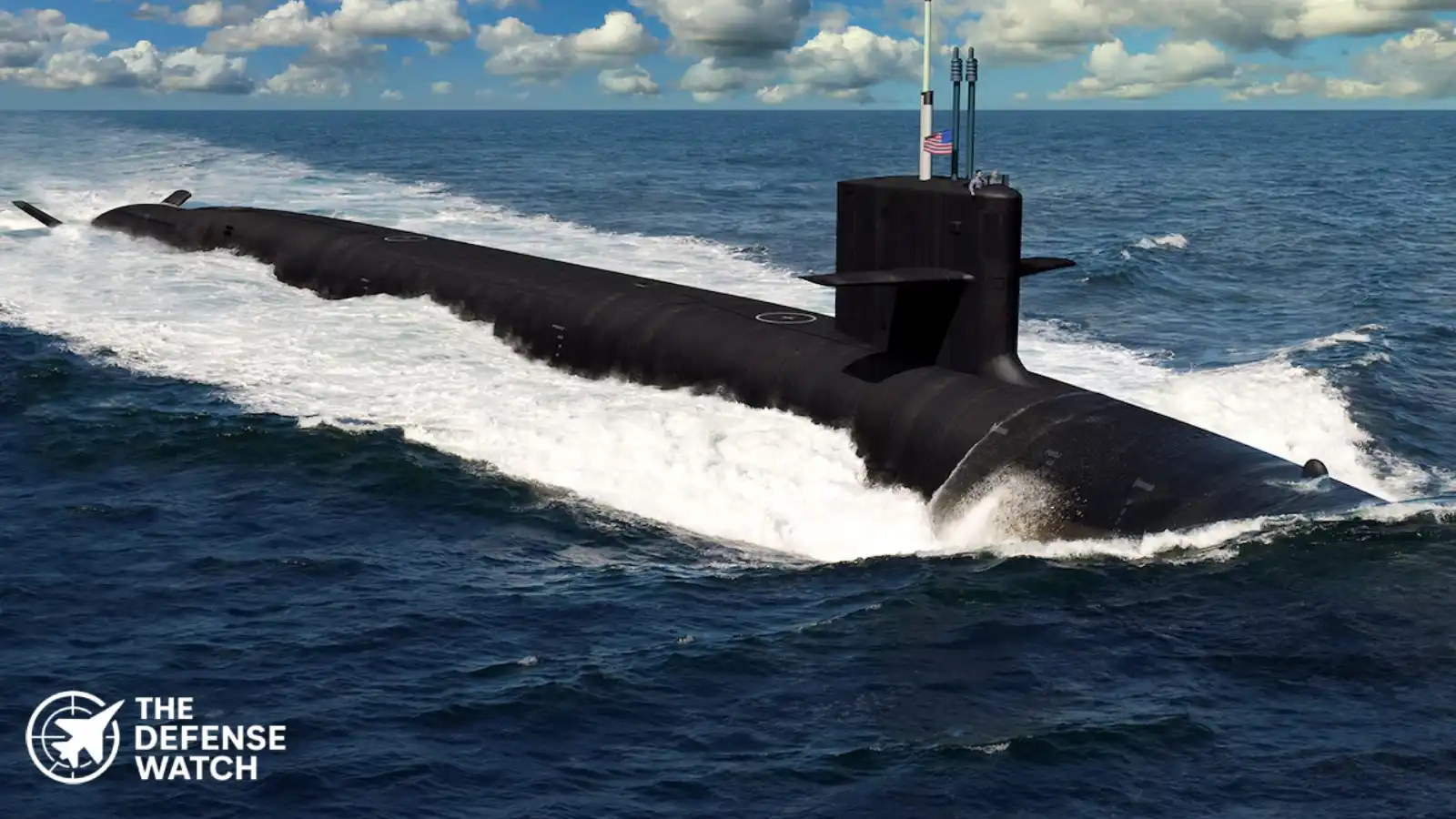
- The sea-based leg receives $16.2 billion for the Columbia-class ballistic missile submarine, including procurement of the fourth boat and continued development of the USS Groton.
- Secretary of War Pete Hegseth told the Senate Armed Services Committee that nuclear deterrence is the foundational priority: “If you get that wrong, you get everything else wrong.”
The Big Picture
The United States has operated a nuclear triad — land-based ICBMs, submarine-launched ballistic missiles, and nuclear-capable bombers — since the Cold War. That architecture has not been simultaneously modernized across all three legs in decades.
Russia completed a near-total overhaul of its strategic nuclear forces over the past fifteen years, fielding the RS-28 Sarmat heavy ICBM, the Borei-class ballistic missile submarines, and continuing Tu-160M bomber production. China has expanded its nuclear arsenal at a pace that U.S. Strategic Command officials have publicly described as unprecedented, with projections placing Beijing’s warhead count above 1,000 by 2030.
Against that backdrop, Washington’s FY27 commitment signals that the administration views nuclear recapitalization not as an incremental upgrade cycle, but as an urgent strategic imperative.
What’s Happening
The $1.5 trillion War Department budget proposal, unveiled during Hegseth’s April 30 Senate Armed Services Committee appearance, dedicates $71.4 billion to modernizing all three legs of the U.S. nuclear capability and nuclear command, control, and communications infrastructure.
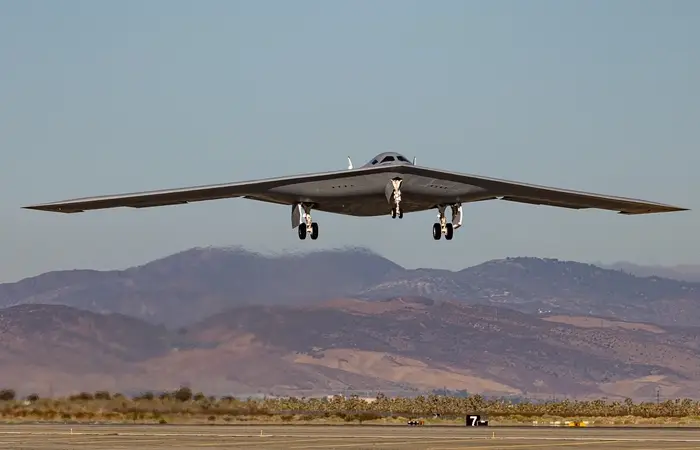
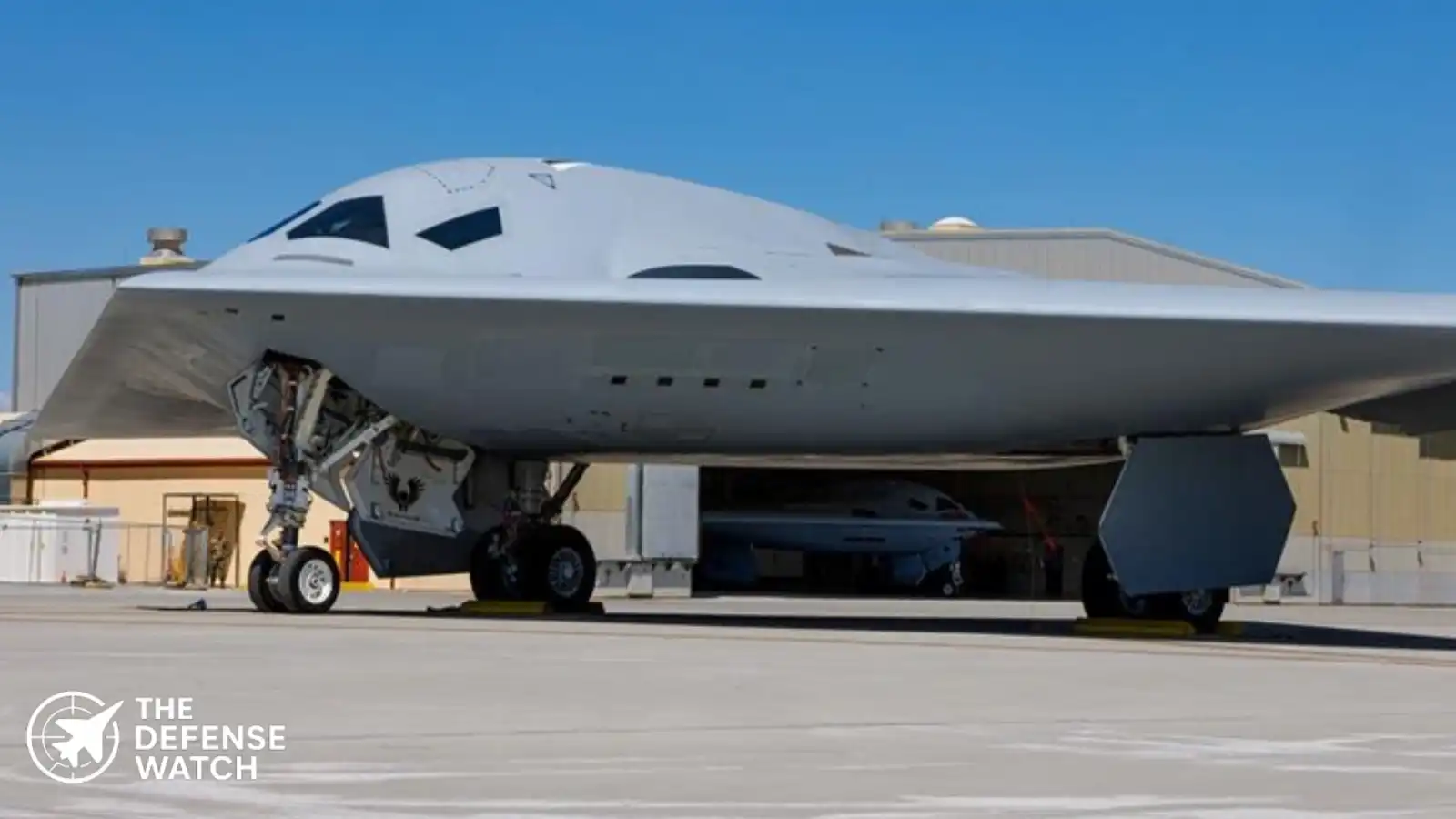
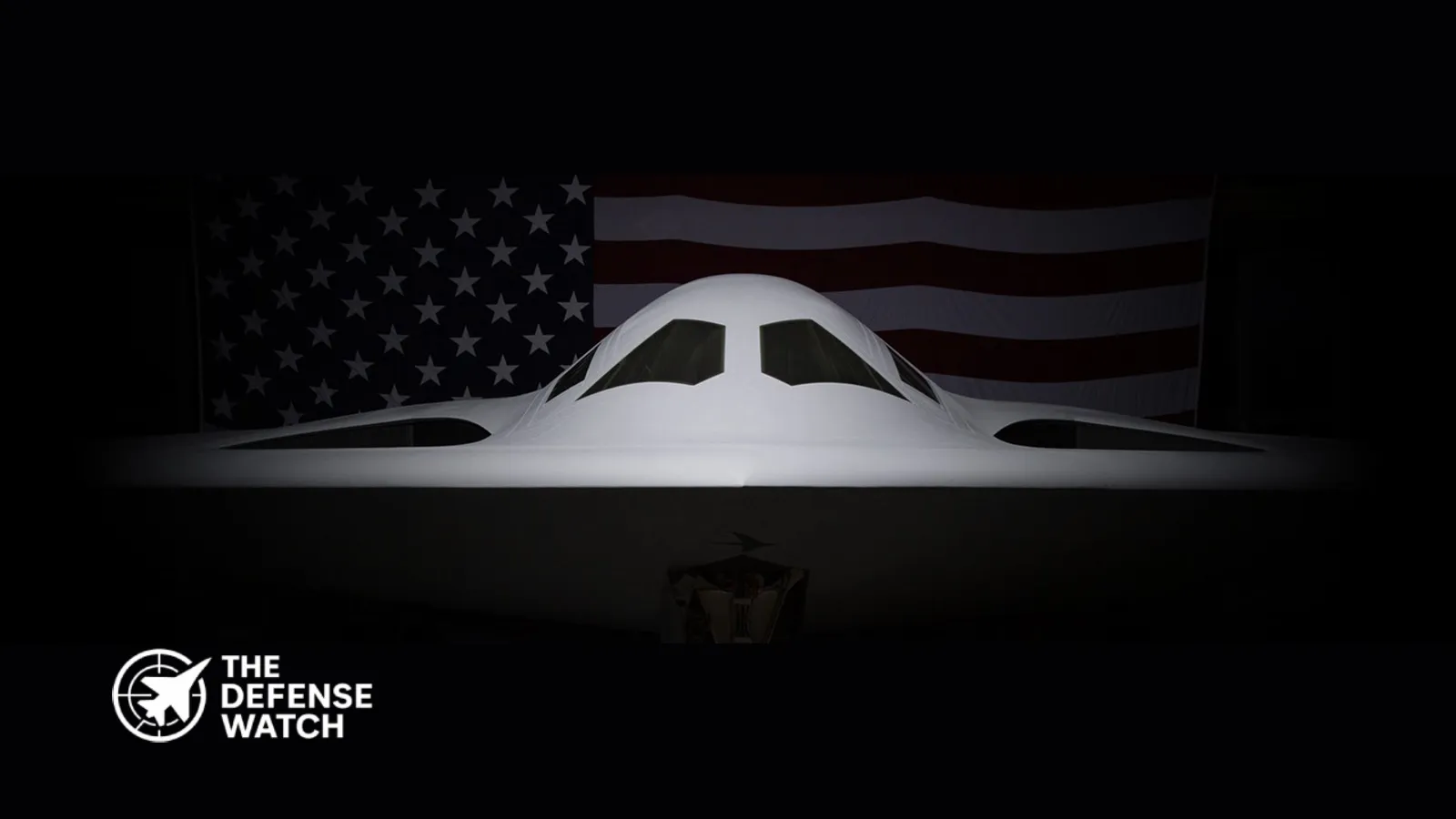
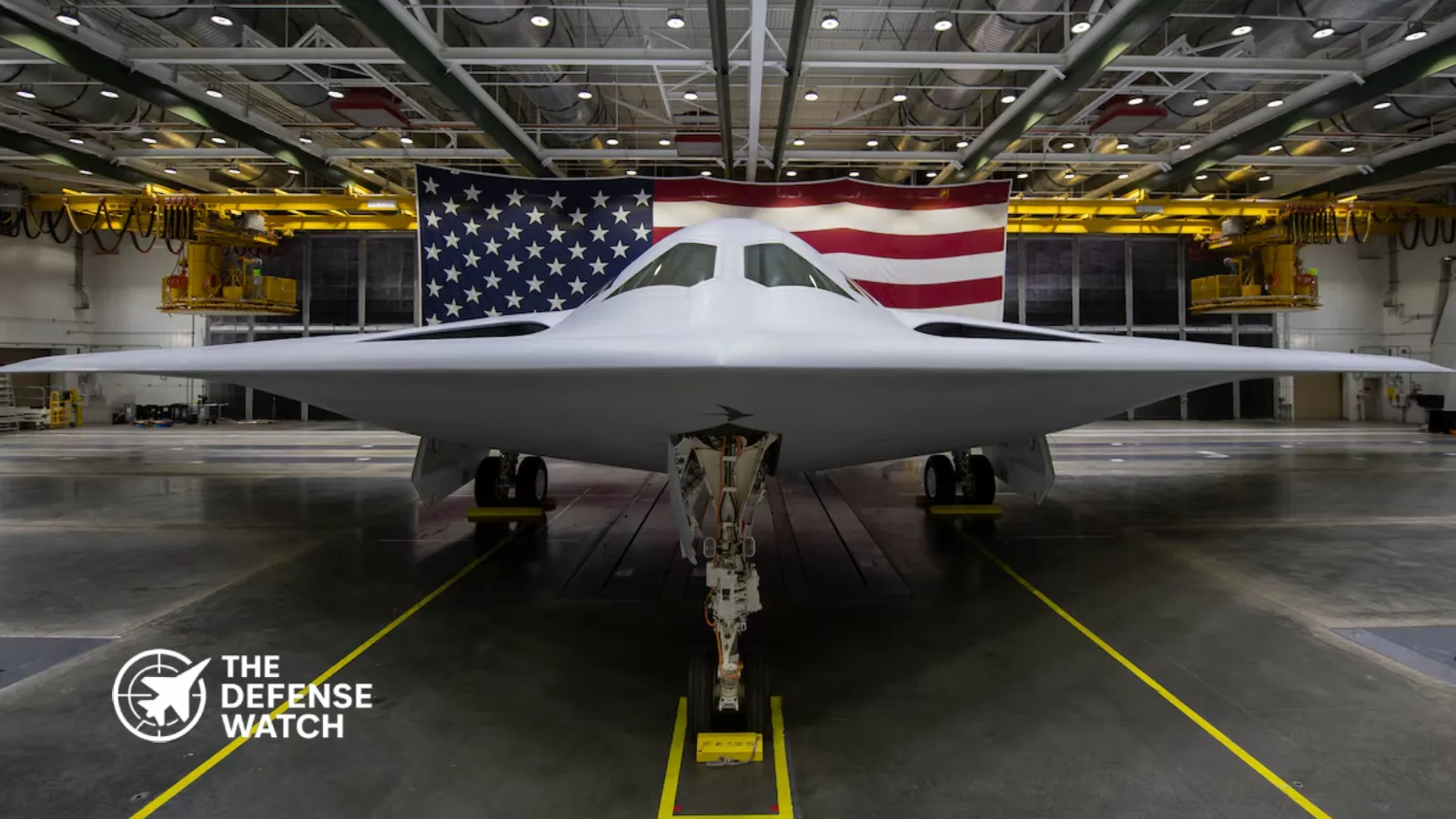
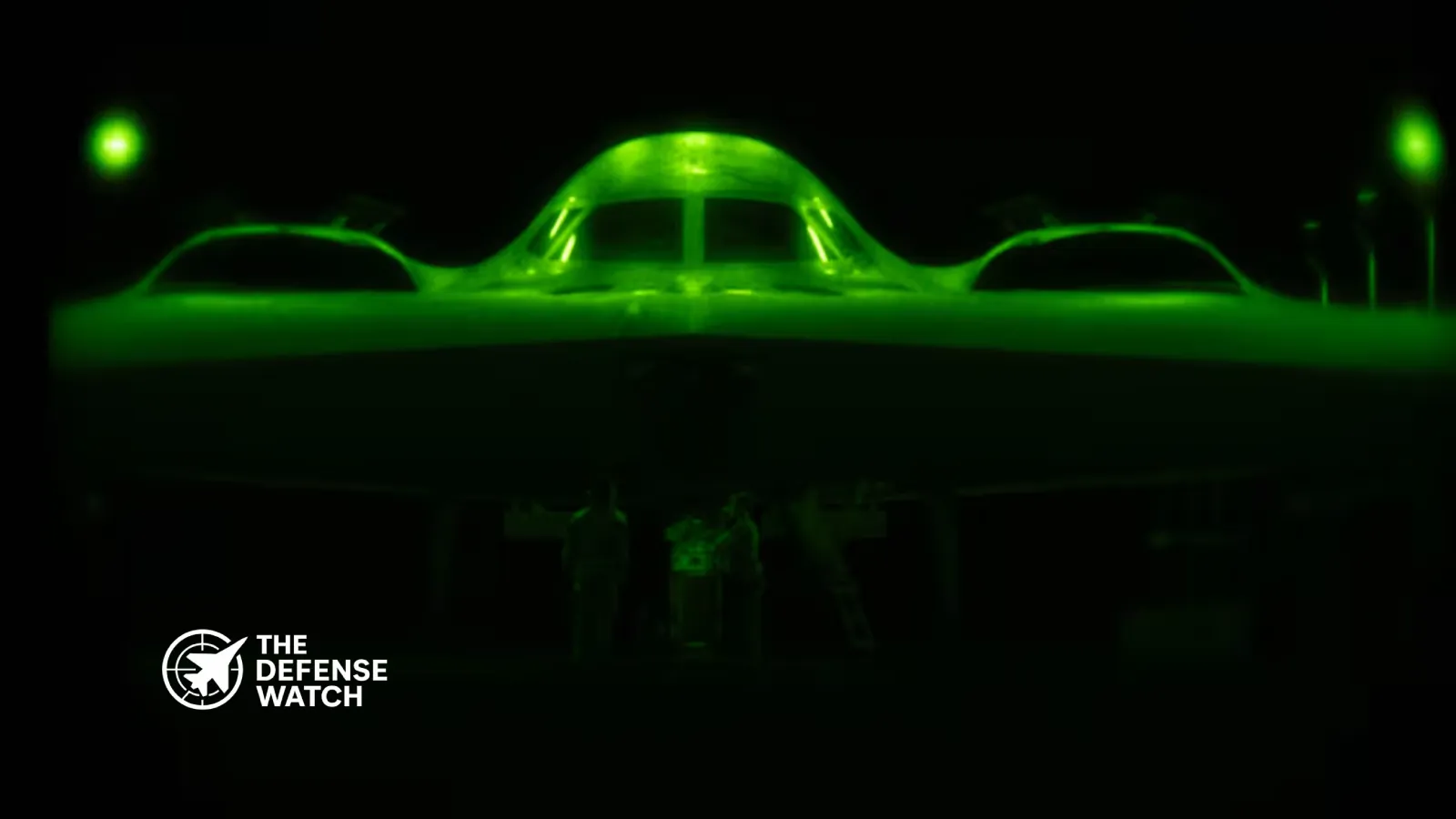
In the air domain, the budget allocates $6.1 billion for the B-21 Raider, the nation’s sixth-generation dual-capable penetrating strike stealth bomber, with the Air Force planning a minimum procurement of 100 aircraft.
The ground-based leg receives $4.6 billion for the LGM-35 Sentinel intercontinental ballistic missile program, which will replace the Minuteman III with 400 operationally deployed missiles and 450 hardened silos across five states, plus supporting infrastructure.
Around $1.5 billion covers the long-range standoff cruise missile, which will replace the AGM-86B air-launched cruise missile carried by bomber aircraft.
The sea-based leg draws $16.2 billion for the Columbia-class ballistic missile submarine program, covering procurement of the fourth boat in the class, continued development of the third vessel — the USS Groton — and investment in the submarine industrial base.
Why It Matters
The simultaneous recapitalization of all three triad legs is operationally significant for a specific reason: each leg contributes a different layer of survivability and deterrence resilience.
ICBMs provide rapid response and force the adversary to allocate an enormous number of warheads just to suppress them. Ballistic missile submarines are the most survivable leg, operating covertly and holding adversary populations and infrastructure at continuous risk. Bomber aircraft provide the most flexible leg — visible, recallable, and deployable in ways that send unmistakable political signals without crossing the threshold of use.
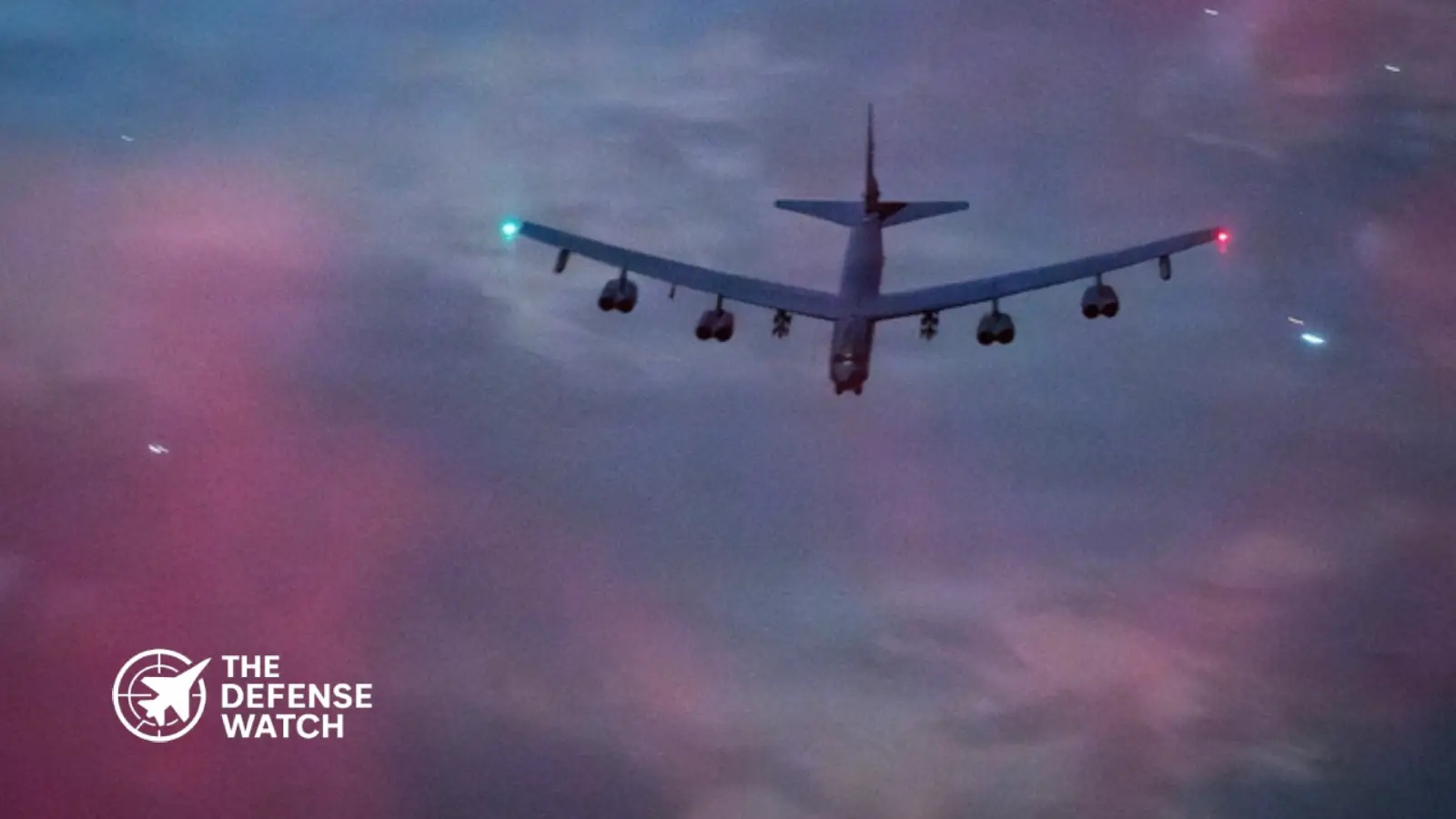
Allowing any single leg to atrophy creates exploitable gaps. The Minuteman III has been in service since 1970. The Ohio-class submarines that the Columbia-class will replace are approaching the limits of their extended service lives. The B-2 Spirit bomber fleet, at just 20 aircraft, is too small for a peer-conflict deterrence posture.
Hegseth told lawmakers that a nation’s ability to build, innovate, and support warfighters at speed and scale is the foundation upon which deterrence and survival rest — framing industrial base investment as inseparable from nuclear capability.
Strategic Implications
The $71.4 billion nuclear allocation carries implications that extend beyond hardware procurement.
The explicit inclusion of NC3 — nuclear command, control, and communications — within the investment envelope signals awareness that modernized delivery platforms are only as credible as the communications architecture that commands and authenticates their use. Adversary investments in electronic warfare, cyber capabilities, and anti-satellite weapons have placed legacy NC3 systems under growing stress.
The decision to pursue the long-range standoff cruise missile alongside the B-21 Raider reflects a layered penetration strategy. Standoff weapons allow bombers to deliver nuclear effects without entering the dense integrated air defense systems that both Russia and China have developed specifically to defeat penetrating aircraft. Pairing a new standoff missile with a stealth bomber produces compounding deterrence complexity for any adversary planner.
Hegseth pointed directly to Iran’s nuclear ambitions as illustrative of why the U.S. maintains strategic deterrence, noting the constraints a nuclear-armed Iran would impose on American freedom of action in the region. That framing is analytically important: it positions the triad not merely as a great-power tool but as the backstop that enables conventional operations globally.
Competitor View
Moscow will interpret the FY27 nuclear investment through the lens of its own modernization trajectory. Russia has used its nuclear arsenal rhetorically throughout the conflict in Ukraine, and U.S. triad recapitalization confirms for Russian strategic planners that Washington remains committed to first-tier nuclear parity.
Beijing’s calculus is more complex. China is currently in an expansion phase, building toward a force posture that requires the United States to plan against a near-peer nuclear adversary in the Pacific for the first time. The Columbia-class investment — particularly the industrial base component — signals that the U.S. is sustaining its most survivable strike capability for decades, complicating Chinese targeting assumptions in any future crisis scenario.
For both Moscow and Beijing, the sheer fiscal scale of the commitment — $71.4 billion in a single budget year — communicates political will as much as it does military capability.
What To Watch Next
class submarine program and shipyard capacity challenges here.
Congressional authorization and appropriations remain the next critical gates. The Senate Armed Services Committee hearing marked the opening of a legislative process that will involve significant negotiation over line-item allocations. The Sentinel program, in particular, has faced cost growth scrutiny, and lawmakers may probe whether the $4.6 billion FY27 allocation is sufficient given contractor performance history.
The B-21 Raider program at Northrop Grumman’s Palmdale facility will remain under close watch as the Air Force moves from developmental testing toward low-rate initial production decisions. The aircraft completed flight testing milestones at Edwards Air Force Base in September 2025, and procurement cadence will determine how quickly the bomber fleet reaches operationally meaningful numbers.
On the sea leg, Columbia-class production capacity at General Dynamics Electric Boat is a known constraint. Industrial base investment funded in this budget is intended to address workforce and supplier limitations that have affected Virginia-class submarine production timelines — a bottleneck that must be resolved before Columbia-class delivery schedules can be held.
Capability Gap
The FY27 nuclear investment explicitly targets a set of aging systems that have accumulated risk over decades of deferred recapitalization.
The Minuteman III was designed in the 1960s. Sustaining it beyond its intended service life has required expensive life-extension efforts that address symptoms rather than the underlying obsolescence of the weapon system itself. The Sentinel program aims to close that gap with a modern ICBM designed from the ground up for the current threat environment, with updated command and control interfaces and hardened infrastructure.

The Ohio-class submarines, while still operationally capable, are reaching the service life boundaries set by their reactor plants and pressure hull certification timelines. Columbia-class production must proceed on schedule to prevent a gap in sea-based deterrence coverage.
Realistic limitations exist. The Sentinel program’s cost trajectory and the Columbia-class shipyard constraint are not resolved by a budget request alone. Congressional oversight, industrial execution, and workforce development will determine whether the investment translates into delivered capability within the timelines the department requires.
The Bottom Line
America’s $71.4 billion nuclear triad modernization commitment in FY27 represents the most comprehensive — and fiscally consequential — recapitalization of U.S. strategic deterrence in a generation, and its success will hinge as much on industrial execution and congressional support as on the budget figures Secretary Hegseth placed before the Senate.
US Air Force Advances B-21 Raider Aerial Refueling Capability
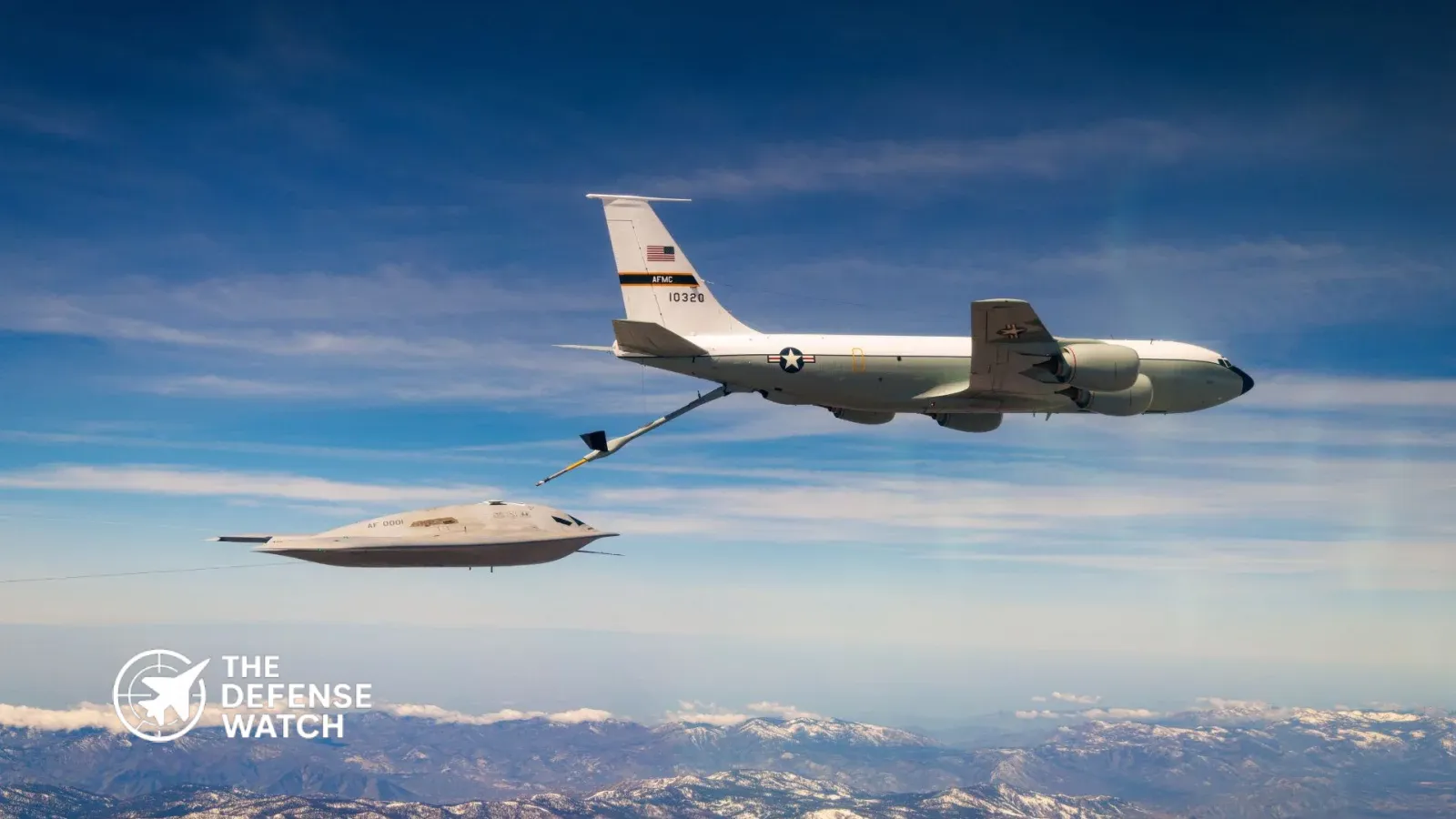
The B-21 Raider aerial refueling program has reached a critical milestone as the US Air Force completed its first in-flight refueling tests with the next-generation stealth bomber, significantly expanding its projected global strike reach.
The trials confirm that the B-21 can successfully integrate with existing aerial refueling infrastructure, a requirement for sustained long-range operations across contested theaters.
This development marks a key step toward operational readiness for the aircraft, which is expected to replace portions of the aging bomber fleet while enhancing survivability in high-threat environments.
- The US Air Force has conducted its first aerial refueling tests with the B-21 Raider stealth bomber.
- The tests validate the aircraft’s ability to extend range and endurance for global strike missions.
- The B-21 is designed to penetrate advanced air defenses and operate in contested environments.
- Aerial refueling integration is critical for the bomber’s operational deployment and nuclear mission readiness.
- The milestone supports the USAF’s broader modernization of its long-range strike and deterrence capabilities.
Extending Range for Global Strike Missions
Aerial refueling is central to the B-21’s mission profile. By enabling extended endurance, the bomber can conduct intercontinental missions without relying heavily on forward basing, a growing concern amid evolving geopolitical tensions.
The B-21 Raider aerial refueling capability allows the platform to remain airborne longer, increasing mission flexibility and reducing predictability, both critical in modern warfare scenarios.
The aircraft is designed to operate alongside tanker platforms such as the KC-46 Pegasus and KC-135 Stratotanker, ensuring compatibility with the Air Force’s existing logistics backbone.
From an operational standpoint, this integration enhances the United States’ ability to project power globally while maintaining a lower forward footprint, a strategic advantage in contested regions like the Indo-Pacific.
Supporting Stealth Penetration and Survivability
The B-21 Raider is engineered for deep penetration missions against advanced integrated air defense systems. Its stealth characteristics, combined with extended range through refueling, allow it to strike high-value targets without early detection.
The B-21 Raider aerial refueling milestone reinforces the aircraft’s role in penetrating heavily defended airspace, where access to forward bases may be limited or denied.
Unlike legacy bombers, the B-21 is expected to operate in highly contested environments from the outset, reflecting a shift in US doctrine toward survivability and resilience.
This also aligns with the Pentagon’s emphasis on distributed operations, where platforms must operate across vast distances while remaining adaptable to rapidly changing threat conditions.
Strategic Implications for Nuclear and Conventional Deterrence
The B-21 Raider will play a dual role in both conventional and nuclear missions, forming a core component of the US nuclear triad. Aerial refueling is essential for ensuring that the bomber can meet the endurance requirements of strategic deterrence patrols.
By validating the B-21 Raider aerial refueling capability, the Air Force moves closer to certifying the aircraft for nuclear operations, a process that requires rigorous testing and integration.
This capability also enhances deterrence credibility. A bomber that can reach targets globally without relying on vulnerable bases complicates adversary planning and increases strategic uncertainty.
In practical terms, it strengthens the United States’ ability to respond rapidly to crises while maintaining a persistent deterrent posture.
Program Progress and Modernization Context
The B-21 Raider program is one of the Air Force’s top modernization priorities, aimed at replacing older platforms such as the B-1B Lancer and B-2 Spirit over time.
The successful aerial refueling tests indicate steady progress in flight testing and system integration, suggesting that the program is moving closer to initial operational capability.
The B-21 Raider aerial refueling milestone also reflects broader efforts to modernize the US bomber fleet in response to evolving threats from near-peer competitors.
Defense analysts note that range, survivability, and flexibility are becoming increasingly important as adversaries invest in anti-access and area denial systems designed to limit US power projection.
Analysis: Why This Milestone Matters Now
This development is more than a routine test milestone. It highlights a broader shift in how the US Air Force plans to conduct long-range strike operations.
First, reliance on aerial refueling reduces dependence on overseas bases, many of which are within range of adversary missile systems. This lowers vulnerability and increases operational resilience.
Second, it reinforces the concept of dynamic force employment, where assets can be repositioned rapidly without fixed infrastructure constraints.
Third, it underscores the importance of integrating new platforms into existing support networks. The ability of the B-21 to seamlessly connect with current tanker fleets reduces the need for costly new infrastructure.
Finally, the timing is notable. As strategic competition intensifies, particularly in the Indo-Pacific and Europe, the ability to conduct long-range, survivable strike missions becomes a central pillar of deterrence.
- Pentagon is evaluating a second production line for the B-21 Raider stealth bomber.
- The move aims to increase production rates and accelerate delivery timelines.
- Expansion reflects growing demand for long-range strike capabilities amid global competition.
- The B-21 program is central to replacing aging B-1 and B-2 bomber fleets.
- Decision could reshape U.S. strategic deterrence posture over the next decade.
Pentagon Considers Expanding B-21 Raider Production Capacity
The B-21 Raider production line is under review as the Pentagon considers adding a second manufacturing line to accelerate delivery of its next-generation stealth bomber fleet.
The move reflects growing urgency within the U.S. Air Force to expand long-range strike capacity as global security dynamics shift and peer competition intensifies.
The Big Picture
The U.S. military is prioritizing long-range strike capabilities as a cornerstone of its modernization strategy. Stealth bombers remain one of the few platforms capable of penetrating advanced air defense systems operated by near-peer adversaries.
The B-21 Raider program sits at the center of this effort. Designed to replace portions of the aging B-1B Lancer and B-2 Spirit fleets, the aircraft is expected to provide both conventional and nuclear strike options under the U.S. nuclear triad.
Senior defense officials have increasingly emphasized the need for survivable, penetrating platforms that can operate in contested environments, particularly in the Indo-Pacific and European theaters.
What’s Happening
The Pentagon is actively assessing whether to establish a second B-21 Raider production line to increase output beyond current manufacturing capacity.
The aircraft is being developed and produced by Northrop Grumman, with initial production centered at its primary facilities in California. The evaluation comes as the U.S. Air Force signals interest in expanding the planned fleet size beyond earlier projections.
Officials are weighing industrial base capacity, cost implications, and supply chain resilience as part of the decision-making process.
The U.S. Air Force has previously indicated a minimum requirement of 100 B-21 aircraft, though recent discussions suggest that number could increase in response to evolving operational needs.
Why It Matters
The decision to expand B-21 Raider production capacity would directly affect the pace at which the U.S. can modernize its bomber fleet.
Faster production timelines would allow the Air Force to retire legacy aircraft sooner, reducing sustainment costs tied to aging platforms. At the same time, it would accelerate the deployment of stealth capabilities designed to survive in high-threat environments.
The B-21 is also designed with open architecture systems, allowing for rapid upgrades and integration of new technologies. Scaling production earlier in the program lifecycle could help standardize configurations and reduce long-term lifecycle costs.
Strategic Implications
Increasing B-21 production capacity would strengthen U.S. deterrence by improving the availability of long-range strike assets.
A larger stealth bomber fleet enhances operational flexibility. Commanders gain more options for global strike missions, persistent presence, and rapid response scenarios.
The move would also signal a long-term commitment to maintaining technological superiority in stealth and penetrating strike capabilities.
From an industrial perspective, a second production line could improve resilience against supply chain disruptions. It would also distribute workload across multiple facilities, potentially reducing bottlenecks.
Competitor View
China continues to invest heavily in integrated air defense systems and long-range strike capabilities, including its own stealth bomber development efforts. A larger U.S. B-21 fleet would complicate Chinese defense planning by increasing the number of survivable penetrating platforms.
Russia maintains a layered air defense network and is pursuing modernization of its bomber fleet. Increased U.S. stealth bomber production reinforces NATO’s long-range strike capabilities and strengthens deterrence in the European theater.
Both competitors are likely to interpret expanded B-21 production as a signal of sustained U.S. investment in strategic strike dominance.
What To Watch Next
Key milestones will include decisions on funding allocations within upcoming U.S. defense budgets and formal approval of any additional production infrastructure.
Observers will also track production rates as the B-21 transitions from low-rate initial production to full-rate manufacturing.
Testing and operational evaluation phases will remain critical. These will determine how quickly the aircraft can achieve initial operational capability and integrate into active units.
Capability Gap
The B-21 Raider production line expansion aims to address a clear capability gap in long-range, survivable strike capacity.
The current bomber fleet includes aging platforms that face increasing maintenance challenges and limited survivability against advanced air defenses.
However, scaling production introduces risks. Industrial capacity constraints, workforce availability, and supply chain dependencies could affect timelines and costs.
Balancing speed with program stability will remain a key challenge for the Pentagon.
The Bottom Line
Expanding B-21 Raider production would accelerate U.S. bomber modernization and strengthen long-range deterrence against advanced adversaries.
- ► The U.S. Air Force and Northrop Grumman signed a deal on February 23, 2026 at the AFA Warfare Symposium to increase B-21 Raider annual production by 25%.
- ► The acceleration is backed by $4.5 billion in reconciliation funding approved by Congress as part of the “One Big Beautiful Bill” signed in 2025.
- ► Northrop Grumman has invested more than $5 billion in digital engineering and manufacturing infrastructure to support faster production cycles.
- ► The first operational B-21 Raider is scheduled to arrive at Ellsworth Air Force Base, South Dakota, in 2027.
- ► At least two B-21 aircraft are currently conducting flight testing at Edwards Air Force Base, California, with performance reported to exceed digital model predictions.
- ► Northrop’s Palmdale facility currently produces an estimated seven to eight aircraft annually; the exact accelerated rate remains classified.
- ► The B-21 program employs more than 8,000 personnel and over 400 suppliers across 40 U.S. states, making it one of the most broadly distributed defense industrial programs in the country.
B-21 Raider Production Acceleration Marks a Strategic Inflection Point for U.S. Airpower
The B-21 Raider production acceleration, formalized at the Air & Space Forces Association Warfare Symposium on February 23, 2026, is not simply a procurement contract milestone. It reflects a deliberate choice by Pentagon leadership to close what it perceives as a widening window of strategic vulnerability — one defined by an aging bomber fleet, accelerating Chinese and Russian air defense modernization, and the operational lessons drawn from 2025’s Operation Midnight Hammer.
The deal pairs $4.5 billion in already-appropriated reconciliation funding with a new production agreement raising Northrop Grumman’s annual B-21 output by 25 percent. The practical result: the Air Force’s nuclear-capable, penetrating long-range strike capacity reaches operational units faster. The strategic result is more complex — and worth examining carefully.
The Industrial Foundation Behind the Deal
Northrop Grumman’s willingness to commit to faster production is not corporate optimism. It rests on a documented infrastructure investment that, by the company’s own accounting, exceeds $5 billion in digital engineering and advanced manufacturing tools at its Plant 42 facility in Palmdale, California.
The company reports that its digital environment supports flight test planning and real-time performance analysis, enabling increased test cadence — with maintainers able to service aircraft for another test flight the following day. That kind of rapid turnaround in testing is significant because it translates directly to what the Air Force can expect from operational sorties. If the combined test force can regenerate a B-21 overnight under test conditions, the operational maintenance model should track closely with that performance baseline.
Northrop has also reduced software certification time by 50 percent, using advanced manufacturing tools including digital and augmented reality technologies to improve efficiency and scale production across facilities nationwide.
This is not small-batch artisan production. The program involves more than 400 suppliers across 40 states, a supply chain architecture deliberately designed to build political durability into the program budget line — and to reduce single-point-of-failure risk in the production base.
Why the Timing Matters
The Pentagon currently fields only 20 Northrop Grumman B-2 Spirit bombers — the Western world’s only low-observable, nuclear-capable heavy bomber — a fleet that played a central role in 2025’s Operation Midnight Hammer, the U.S. operation to destroy Iran’s underground nuclear enrichment sites.
That mission exposed both the B-2’s irreplaceable value and the acute danger of depending on a 20-aircraft fleet for the nation’s most demanding strike missions. The B-2 is aging, difficult to sustain, and expensive to fly. Its stealth coatings require intensive maintenance. Its radar cross-section management systems, while still effective, were designed against threat environments that have since evolved considerably.
The B-21 Raider program was built with those realities in mind. Its design incorporates modernized low-observable materials and manufacturing processes intended to reduce maintenance burden compared to the B-2. The open-systems architecture allows avionics and mission system upgrades without major airframe modifications — a lesson learned the hard way across the B-2’s operational life. The aircraft can carry both conventional and nuclear payloads, and is designed for manned or optionally unmanned operation, providing flexibility that no current U.S. bomber offers.
Air Force Secretary Troy Meink, speaking at the symposium, stated that “the B-21 is foundational to our long-range strike capability and to credible deterrence,” and that accelerating production ensures delivery to combatant commanders faster, strengthening the ability to “outpace, deter, and, if necessary, defeat emerging threats.”
That language is deliberate. Deterrence credibility in the nuclear domain depends not only on capability but on demonstrated capacity — adversaries need to believe the United States can field sufficient penetrating strike assets to hold their highest-value, hardened targets at risk. Twenty B-2s do not provide that assurance at scale. One hundred or more B-21s, delivered on a compressed timeline, begins to rebuild it.
The Financial Architecture of Acceleration
The $4.5 billion reconciliation injection is not discretionary — it was specifically designated by Congress for B-21 production capacity expansion. Northrop CEO Kathy Warden indicated that Northrop plans to invest between $2 to $3 billion over multiple years in facility upgrades to support the acceleration. That private industrial investment, layered on top of the government funding, suggests both parties have committed to a production rate increase that cannot easily be unwound by future budget volatility.
That said, the financial trajectory has not been smooth. As of early 2026, Northrop had absorbed roughly a $2 billion hit trying to accelerate the program and cover material costs — a reminder that fixed-price contracts in development-phase programs carry real risk for the prime contractor. The new deal should provide more favorable terms for the accelerated lots, though the Pentagon has not disclosed pricing details.
The per-unit cost of the B-21 currently sits near $700 million per aircraft at current production rates. Increased volume should drive per-unit costs down through learning-curve economics, though stealth manufacturing is labor-intensive enough that cost reduction will be gradual rather than dramatic.
Comparing the Industrial Baseline to Competitors
It is worth placing this production decision in comparative context. China’s H-20 stealth bomber has been in development for years but has not entered series production or been confirmed as operationally deployed. Russia’s PAK DA program remains mired in development, with no credible timeline for fielding. Neither adversary currently operates a penetrating stealth bomber comparable to the B-2, and neither is likely to field one on a timeline that matches the B-21’s accelerated delivery schedule.
This matters because the accelerated B-21 production is not a symmetric arms race response — it is an effort to lock in an asymmetric advantage before competitors can close the gap. Long-range strike penetration capability is among the hardest military attributes to replicate quickly. The industrial knowledge, materials science, and systems integration experience required cannot be acquired on short notice.
The United Kingdom and Australia, both close intelligence partners operating within AUKUS, have no equivalent penetrating bomber program. The B-21 effectively makes the United States the sole Western power with this capability for at least the next two decades, reinforcing Washington’s role as the alliance’s indispensable long-range strike backstop.
Program of Record and the 100-Aircraft Question
The current B-21 program of record calls for a minimum of 100 aircraft. Some officials have called for expanding the program of record beyond that number, though Air Force Secretary Meink did not address whether the overall buy would change.
The case for expanding the buy is straightforward: with a fleet of 100, accounting for depot maintenance cycles, training aircraft, testing attrition, and forward deployment requirements, actual mission-capable aircraft available at any given time could be well under 70. For a force designed to hold at-risk a large and geographically dispersed set of hardened targets across China or Russia, that may prove insufficient.
Conversely, at $700 million per aircraft and with the Air Force simultaneously funding the B-52J re-engine program, the Sentinel ICBM (itself under significant cost pressure), and LRSO cruise missile development, budget competition is fierce. The reconciliation funding provides short-term relief, but sustained production acceleration beyond 100 aircraft would require additional appropriations that are not yet committed.
Strategic Analysis: Air Force Requires Expanded Sixth-Generation Fleet for Sustained Combat Operations
The U.S. Air Force needs at least 200 B-21 Raider stealth bombers and 300 F-47 next-generation fighters to effectively deny adversary sanctuaries during major conflict with China, according to a new Mitchell Institute for Aerospace Studies report released February 4, 2026. The recommendation represents nearly double current procurement targets and highlights critical gaps in America’s long-range strike capabilities.
Authors Heather Penney and retired Colonel Mark A. Gunzinger argue in their report “Strategic Attack: Maintaining the Air Force’s Capacity to Deny Enemy Sanctuaries” that existing plans for 100 B-21s and 185 F-47s constitute a raid force rather than a campaign force capable of sustained operations.
The analysis addresses a fundamental strategic challenge: how to strike high-value targets deep inside mainland China during a potential Taiwan invasion while maintaining nuclear deterrence and homeland defense capabilities.
Current Procurement Falls Short of Operational Requirements
The Air Force’s current procurement strategy primarily replaces aging B-1 Lancers and F-22 Raptors rather than expanding overall strike capacity. This approach leaves the service ill-equipped for protracted conflict against peer adversaries with extensive air defense networks and strategic depth.
Penney told defense reporters during a February briefing that budgetary constraints, not operational needs, drive current acquisition numbers. The result is insufficient aircraft to sustain pressure against adversary command centers, air bases, missile sites, and logistics nodes throughout an extended campaign.
The recommended fleet size accounts for multiple simultaneous demands on Air Force assets. Some B-21s must remain committed to nuclear deterrence missions under Strategic Command. Other aircraft need positioning for homeland defense. Additional platforms serve as operational reserves to replace combat losses. Only after accounting for these requirements can planners determine how many aircraft are available for deep strike operations against China.
Penney explained that 200 B-21 bombers provides enough capacity for nuclear deterrence hold-back requirements, credible strikes against Chinese centers of gravity, and adequate attrition reserves for prolonged conflict. The calculation assumes realistic loss rates in heavily contested airspace and the need to generate sustained sortie rates over weeks or months rather than single raid operations.
Inside-Out Operations Against Chinese Sanctuaries
The Mitchell Institute report emphasizes that B-21 and F-47 aircraft working together can penetrate adversary airspace and fight “from the inside out” rather than relying exclusively on stand-off weapons launched from safe distances. This operational concept allows strikes against time-sensitive targets, mobile systems, and hardened facilities that long-range missiles struggle to engage effectively.
Historical precedent supports this approach. In World War II and Operation Desert Storm, long-range penetrating strikes disrupted enemy war production, severed supply lines, and accelerated conflict termination. Conversely, self-imposed restrictions against striking North Korean and North Vietnamese sanctuaries during those conflicts allowed adversaries to regenerate forces, train replacements, and sustain operations indefinitely.
Ukraine’s current war against Russia demonstrates similar dynamics. Russian forces operate from sanctuaries beyond Ukrainian strike range, complicating Kyiv’s ability to disrupt logistics, destroy reserve formations, or threaten Moscow’s military-industrial base. Western restrictions on Ukrainian use of long-range weapons effectively create safe havens where Russia can marshal resources without fear of attack.
The Mitchell analysts argue that denying China comparable sanctuaries requires sufficient penetrating aircraft to strike targets throughout mainland China, not just along the Taiwan Strait. This capability would force Beijing to disperse forces, divert resources to air defense, and confront the possibility that escalation brings the war to Chinese territory.
Stand-Off Versus Stand-In Force Mix Debate
The report challenges assumptions that the Air Force should invest primarily in stand-off weapons and the sensors required to guide them against distant targets. While acknowledging the value of long-range precision strikes, Penney and Gunzinger contend that stand-off approaches alone cannot generate sufficient pressure against a peer adversary with China’s strategic depth and air defense capabilities.
Current Air Force combat aircraft are weighted toward earlier-generation non-stealthy bombers and fighters that cannot survive in contested airspace. Without substantial increases in next-generation stealth platforms, these legacy forces would need to close thousands of long-range kill chains over hundreds of hours in peer conflict—a requirement that exceeds Air Force capacity even with aggressive stand-off weapon procurement.
Stand-off weapons also carry significant cost and technical limitations. The Army’s Dark Eagle Long-Range Hypersonic Weapon costs upward of $40 million per shot, meaning just 25 strikes would consume $1 billion in munitions alone. Long-range kill chains present broad attack surfaces vulnerable to adversary electronic warfare, cyber operations, and kinetic strikes against supporting sensors and communications networks.
Penetrating stealth aircraft bring complementary advantages. They carry heavier payloads than missiles, operate across intercontinental distances, and adapt targeting in real-time based on battlefield observations. Pilots can identify and exploit emerging opportunities, shift focus between target sets, and make decisions inside the adversary’s decision cycle in ways that pre-planned missile salvos cannot replicate.
Transition Strategy and Interim Capabilities
Given that expanded B-21 and F-47 production could require a decade or longer to complete, the Mitchell Institute recommends several interim measures to preserve deep strike capacity during the transition.
First, the Air Force should not retire any B-2 Spirit bombers despite their high operating costs. The 20-aircraft B-2 fleet represents America’s only operational platform capable of striking hardened targets deep inside adversary territory while evading advanced air defenses. Maintaining these bombers preserves critical capabilities while B-21 production ramps up.
Second, the service should increase F-35 Lightning II procurement to bolster fifth-generation strike capacity. While the F-35 lacks the F-47’s range and air superiority focus, its stealth characteristics, advanced sensors, and data fusion capabilities enable operations in contested environments. Additional F-35s would supplement aging F-22 Raptors until sufficient F-47s become available.
These recommendations run counter to current Air Force budget proposals that reduce F-35 procurement in favor of F-47 development funding. The fiscal 2026 budget request cut F-35 orders from 74 to 47 aircraft while allocating $3.5 billion for the F-47 program. The Mitchell analysis suggests this trade-off creates unnecessary near-term risk by reducing proven fifth-generation capacity before sixth-generation replacements reach operational status.
Fiscal Realities and Strategic Choices
Rough estimates place the cost of an additional 100 B-21s and 115 F-47s north of $100 billion over the production run. This represents a substantial investment even within defense budgets approaching $900 billion annually. However, the Mitchell Institute authors argue these costs should be weighed against alternatives and strategic risks.
Stand-off weapons, while cheaper per unit than aircraft, require massive inventories to sustain campaign-level operations. Hypersonic missiles at $40 million each, advanced cruise missiles at $2-4 million, and supporting sensor networks add up quickly when engaging hundreds or thousands of targets. Aircraft, by contrast, are reusable assets that generate value across decades of service.
More fundamentally, Penney emphasized that insufficient strike capacity carries strategic costs beyond dollar figures. An adversary sanctuary allows China to operate freely from mainland bases, complicating American operational planning and potentially emboldening Beijing to believe it can weather limited U.S. strikes without facing existential threats to its war-making capacity.
President Trump’s proposed $1.5 trillion defense budget for fiscal 2027 could potentially accommodate expanded aircraft procurement, though competing priorities for naval shipbuilding, missile defense, space systems, and other modernization programs create difficult trade-offs. The administration must weigh sixth-generation aircraft investments against alternatives including Columbia-class ballistic missile submarines, next-generation destroyers, and ground-based strategic deterrent intercontinental ballistic missiles.
B-21 Raider Development and Production Status
The B-21 Raider represents the Air Force’s first new bomber in over three decades and the nation’s first true sixth-generation aircraft to reach flight test. Northrop Grumman designed the platform around open-architecture principles enabling rapid integration of emerging sensors, weapons, and countermeasures as technology evolves.
Three B-21s currently conduct flight tests at Edwards Air Force Base in California, with the program progressing toward planned operational capability by 2027. The bomber costs approximately $692 million per aircraft in fiscal 2022 dollars—substantially less than the $2 billion unit cost for the B-2 Spirit it replaces.
The B-21 carries both nuclear and conventional weapons and features optional-manning capability for certain missions. Its advanced stealth characteristics reportedly provide significant improvements over the already highly-survivable B-2, though specific performance details remain classified.
Production plans call for at least 100 aircraft, with Northrop Grumman establishing manufacturing facilities at Air Force Plant 42 in Palmdale, California. The company has stated it can increase production rates if the government provides adequate funding, suggesting the industrial base could support the Mitchell Institute’s recommended expansion to 200 aircraft.
F-47 Next Generation Air Dominance Program
The F-47, officially designated Next Generation Air Dominance, won contract award to Boeing in a competition against Lockheed Martin. Air Force Chief of Staff General David W. Allvin has indicated the program targets initial operational capability within the 2025-2029 timeframe, though specific dates remain classified.
The F-47 emphasizes air superiority missions against advanced adversary fighters and air defenses while incorporating deep strike capabilities. It reportedly features significantly greater range than the F-22 Raptor, enabling operations across Pacific distances without extensive tanker support. The aircraft also integrates advanced sensors and will control Collaborative Combat Aircraft—autonomous loyal wingman drones that extend the manned fighter’s reach and lethality.
Current procurement plans call for 185 F-47s to replace retiring F-22 Raptors and supplement F-35 Lightning IIs. The Mitchell Institute recommendation for 300 aircraft would expand this force by 62 percent, providing greater capacity for simultaneous operations across multiple theaters while maintaining homeland defense commitments.
Air Force officials have characterized the F-47 as a “family of systems” rather than a single platform, emphasizing its role as quarterback for collaborative combat aircraft, long-range sensors, and distributed networks. This systems-of-systems approach distributes capabilities across multiple assets, complicating adversary targeting and improving survivability through redundancy.
Broader Fighter Force Structure Challenges
The Mitchell Institute recommendations align with official Air Force assessments identifying substantial fighter shortfalls. A 10-year force structure plan submitted to Congress indicates the service needs 1,558 combat-coded fighter aircraft—nearly 300 more than the current estimated inventory of 1,271 in fiscal 2026.
This gap reflects decades of declining procurement budgets, extended service life programs that prolong aging aircraft rather than replacing them, and higher-than-anticipated attrition rates. The average Air Force fighter is now over 30 years old, with many airframes approaching or exceeding their designed service lives.
Maintenance challenges compound the numerical shortfall. Aging aircraft require more intensive sustainment, reducing availability rates and driving up operating costs. Parts shortages and maintainer shortfalls further degrade readiness, with Air Combat Command recently identifying spare parts as the top unfunded priority if additional resources become available.
Strategic Implications for China Deterrence
The recommended expansion of B-21 and F-47 fleets would substantially enhance American deterrence in the Indo-Pacific region. By demonstrating the capability to strike targets throughout mainland China, the United States would complicate Beijing’s planning for Taiwan contingencies and increase the costs and risks of aggression.
Chinese military planners currently assume they can operate freely from mainland bases beyond the range of most U.S. strike systems. American fighters lack the range to reach deep into China from forward bases. Bombers face increasingly sophisticated air defenses approaching Chinese airspace. Stand-off weapons carry limited inventories that could be exhausted early in sustained conflict.
A force of 200 B-21s and 300 F-47s would alter this calculus. China would need to defend a vastly expanded target set including air bases, command centers, logistics hubs, and missile sites across its territory. Air defenses optimized for protecting coastal regions would require extension hundreds of miles inland. Resources dedicated to offensive operations against Taiwan would need reallocation to defensive missions protecting the mainland.
This sanctuary denial capability could prove decisive in crisis escalation dynamics. If Beijing believed that attacking Taiwan would bring the war to Chinese territory with significant economic and political costs, deterrence strengthens. Conversely, if Chinese leaders assess they can conduct operations from safe havens beyond American reach, the incentives for restraint diminish.
Allied Implications and Burden Sharing
The report’s recommendations also carry implications for allied burden-sharing and combined operations. Japan, South Korea, and Australia have all invested in F-35 procurement to enhance interoperability with U.S. forces. Additional American investment in sixth-generation penetrating aircraft would maintain technological overmatch while potentially opening opportunities for allied participation in F-47 production or collaborative combat aircraft development.
However, the scale of investment required may also prompt questions about allied contributions to collective defense. If the United States procures 200 B-21s and 300 F-47s primarily for Pacific contingencies, allies in the region could face pressure to increase their own defense spending and capabilities rather than relying exclusively on American power projection.
European NATO allies face similar dynamics as the alliance confronts renewed Russian aggression and debates force structure requirements for high-intensity conflict. American decisions about bomber and fighter procurement for Pacific scenarios will influence NATO force planning and potentially affect how the U.S. balances commitments across theaters.
Air Force Leaders Call for Enhanced Communications After Successful Iran Strike
The U.S. Air Force must improve how it securely transmits critical information with bombers and other aircraft following last summer’s strikes on Iranian nuclear facilities, according to senior military officials who identified command-and-control gaps during the mission.
Lt. Gen. Jason Armagost, deputy commander of Air Force Global Strike Command, emphasized the need for enhanced communications architecture during a Mitchell Institute for Aerospace Studies conference in Arlington, Virginia, on Thursday. The remarks come seven months after Operation Midnight Hammer, the June 22, 2025, B-2 Spirit bomber-led strikes that successfully destroyed three deeply buried Iranian nuclear facilities.
The operation demonstrated both the Air Force’s strike capabilities and critical vulnerabilities in how mission-critical data moves between aircraft and commanders during combat operations.
Operation Midnight Hammer Reveals Communications Vulnerabilities
Operation Midnight Hammer utilized Massive Ordnance Penetrator weapons—nearly 26,000 pounds of steel designed to penetrate 200 feet of mountain rock—to destroy Iranian nuclear facilities buried deep underground. While the mission succeeded through careful engineering, intelligence gathering, and coordination, it exposed weaknesses in the Air Force’s command-and-control networks.
If that package is not able to communicate the status of their forces and the ‘go’ from the mission commander, then that is a foul on all of us,” Armagost stated during the conference panel discussing lessons learned from the operation.
The general’s comments underscore growing concerns that current communications systems may not provide the secure, real-time data transmission necessary for future penetrating strike missions against sophisticated adversaries.
Balancing Communications Capabilities with Command Authority
Maj. Claire Randolph, chief of weapons and tactics for U.S. Air Forces Central Command, agreed that communications capabilities and intelligence sharing require improvement during combat operations. However, she cautioned against unintended consequences of enhanced connectivity.
Randolph warned that providing combatant commanders with direct communications links to cockpits could undermine aircrew commander authority and lead to operational decision-making by personnel without complete situational awareness.
“Let’s imagine you have a wire direct from the CENTCOM commander to the cockpit of every B-2 or the cockpit of every F-16,” Randolph explained. “There’s a liability there to add decision-making authority without all the awareness. We have to improve our communications capabilities, but we also have to be very careful to bound the authority that ends up touching the cockpit.
The major emphasized the risk of involving personnel outside the aircraft who should not participate in tactical decision-making processes.
B-21 Raider to Feature Advanced Data-Sharing Capabilities
The Air Force is positioning the in-development B-21 Raider stealth bomber as a solution to current communications challenges. Northrop Grumman, the aircraft’s manufacturer, has promoted the B-21 as the world’s first sixth-generation aircraft, partly due to its advanced data-sharing capabilities.
Armagost confirmed the Air Force plans to leverage these capabilities to improve command-and-control and communications systems. It’s definitely how we’re configuring going forward,” he told Defense News when asked about the B-21 and improved combat communications.
The general indicated that operations similar to Midnight Hammer will look different—and potentially be easier to execute—once the Raider integrates into the Air Force’s fleet.
Current B-2 Fleet Carries Stealth Strike Burden
The B-2 Spirit currently serves as the Air Force’s only operational stealth bomber. The platform has demonstrated its value in high-risk penetrating strike missions against hardened targets, but aging communications systems limit its effectiveness in contested environments where secure, real-time data transmission proves critical.
The B-21 Raider program represents the Air Force’s effort to field a next-generation platform combining stealth characteristics with modern communications architecture capable of supporting complex, coordinated strike operations.
Implications for Future Strike Operations
The communications challenges identified during Operation Midnight Hammer carry significant implications for future Air Force operations. As adversaries develop more sophisticated air defense systems and anti-access/area-denial capabilities, the ability to securely transmit mission updates, target information, and status reports becomes increasingly vital.
Military analysts suggest the Air Force must balance three competing priorities: maintaining secure communications that prevent adversary interception, ensuring sufficient bandwidth for real-time data sharing, and preserving appropriate command authority at the tactical level.
The service’s investment in the B-21 Raider program indicates recognition that next-generation strike platforms require communications systems designed from the ground up to support distributed operations in contested environments.
Looking Ahead
Air Force Global Strike Command continues evaluating lessons learned from Operation Midnight Hammer as the service prepares for the B-21 Raider’s eventual operational deployment. The timeline for the Raider’s initial operating capability remains classified, though testing continues to progress.
Military officials have not disclosed specific technical solutions under consideration for communications upgrades, citing operational security concerns. However, industry sources indicate potential approaches include advanced satellite communications systems, artificial intelligence-enabled network management, and quantum-resistant encryption protocols.
The Air Force’s focus on communications improvements reflects broader Department of Defense efforts to ensure Joint All-Domain Command and Control capabilities can support distributed operations across contested battlespaces.
Northrop Grumman Finalizing Major Production Agreement
Northrop Grumman expects to finalize an agreement with the Air Force to accelerate B-21 Raider production expansion by the end of March, according to company CEO Kathy Warden during a Jan. 27 earnings call.
The announcement confirms that negotiations for one of the U.S. military’s most critical modernization programs are entering their final phase. Congress approved $4.5 billion for expanding production capacity for the B-21 as part of a reconciliation package passed in July 2025, and defense officials have been working to structure the contract terms since then.
“We continue to work closely with the Air Force on plans to increase the production rate of the program,” Warden stated. Our priority is to establish a mutually beneficial agreement that accelerates the delivery of this game-changing capability to our nation.”
The current fiscal quarter concludes March 31, 2026, establishing a firm timeline for contract finalization.
Massive Investment in Bomber Capacity
The production expansion contract represents substantial financial commitment from both parties. The Air Force outlined plans in its 2026 budget request to spend all $4.5 billion from the reconciliation bill this fiscal year: nearly $2.4 billion in research and development and $2.1 billion in procurement.
Northrop Grumman is also making significant internal investments to support increased manufacturing throughput. Warden revealed that Northrop plans to invest between $2 to $3 billion over multiple years for “facilitizing for that acceleration”, though specific details about these facility upgrades were not disclosed.
The defense contractor previously announced in April 2025 that it had invested $477 million in a “process change” designed to enable higher production rates for the advanced stealth bomber.
Low-Rate Initial Production Advances
Parallel to expansion negotiations, the B-21 program continues advancing through its planned production phases. Warden confirmed that Northrop received the contract for the third lot of low-rate initial production in the final quarter of 2025, as well as a contract for advanced procurement for the fifth lot.
The low-rate initial production phase is expected to encompass 21 aircraft distributed across five lots, establishing the manufacturing foundation before full-rate production begins.
Flight testing is also progressing on schedule. The CEO highlighted the first flight of a second B-21 test aircraft as evidence of program momentum, building on the successful maiden flight of the initial test platform.
Classification Limits Public Disclosure
Specific details about production metrics and long-term program objectives remain highly classified. The Air Force has consistently declined to reveal exact production rates or whether the expansion aims to exceed the current program of record of 100 aircraft or simply deliver that baseline quantity on an accelerated timeline.
Defense industry sources have previously suggested the B-21 production rate operates around seven aircraft annually, though official confirmation remains restricted.
An Air Force spokesperson provided limited comment, stating: “The B-21 program of record has not changed. We are in low-rate initial production. We don’t have additional details to share at this time.”
Congressional Funding Adjustments
Despite overall program progress, lawmakers recently modified the B-21’s fiscal 2026 baseline budget allocation. Congressional appropriators cut $620 million from procurement and added $409 million for research and development for a net reduction of $211 million, citing “classified adjustments” without elaborating on specific rationale.
These budget shifts are separate from the $4.5 billion reconciliation package dedicated to production expansion, which remains intact.
Sentinel ICBM Program Faces Delays
While the B-21 bomber program accelerates, Warden provided sobering updates on the Air Force’s other major nuclear modernization effort—the Sentinel intercontinental ballistic missile system.
The Sentinel program is undergoing comprehensive restructuring following a “Nunn-McCurdy breach” triggered by significant cost overruns and schedule delays. If the program had continued on its trajectory, it would have been 81 percent over budget and three years late.
We still believe that the program will be in development for several years and not transitioning into production until later in the decade,” Warden explained, adding that production transition falls “outside of that two-to-three-year window at this point.
The Pentagon cleared Sentinel to continue in July 2024 but rescinded its previous approval for engineering and manufacturing development, mandating the current restructure before the program can advance.
Strategic Significance of B-21 Expansion
The B-21 Raider represents the cornerstone of the Air Force’s future strategic bomber fleet and nuclear deterrence posture. The aircraft’s stealth characteristics, advanced sensors, and open-architecture design position it to operate in highly contested environments against peer adversaries.
Accelerating production delivery directly supports the Department of Defense’s priority to field next-generation capabilities faster amid intensifying great power competition. The bomber is designed to eventually replace aging B-1 and B-2 fleets while complementing upgraded B-52 Stratofortress bombers.
Industry analysts anticipate the March contract announcement will provide greater clarity on delivery timelines and potential force structure implications, though classification constraints will likely limit public disclosure of operational details.
The production expansion initiative reflects broader Pentagon efforts to strengthen America’s deterrence capabilities and ensure air dominance against advanced anti-access/area-denial threats in the 2030s and beyond.
China PADJ-X Software Targets B-21 Bomber Design
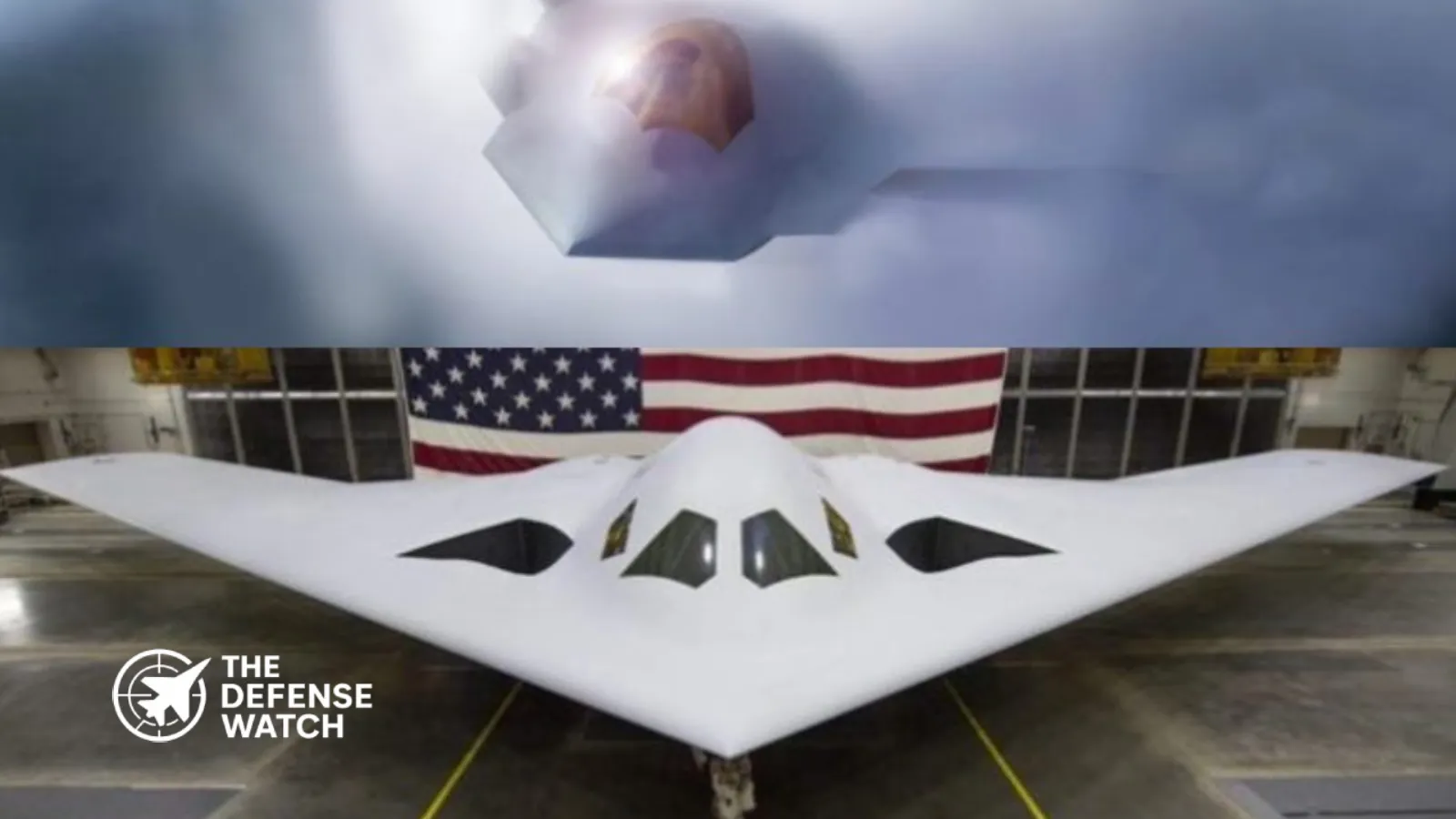
Chinese researchers claim a domestically developed stealth design tool has identified potential design vulnerabilities in the U.S. Air Force’s B-21 Raider bomber, according to a report by the South China Morning Post. The analysis is based on computer modeling rather than classified data and has not been independently verified.
The study centers on PADJ-X, a Chinese software platform designed to assess radar cross-section and electromagnetic characteristics of advanced aircraft shapes. Researchers involved say the tool can rapidly test stealth configurations and highlight areas that may increase radar exposure under certain conditions.
Claims Based on Open Modeling, Not Real B-21 Data
According to the report, the researchers modeled a bomber configuration believed to resemble the B-21 Raider using publicly available imagery and assumptions about stealth design principles. The team said their simulations suggested that some structural features could create localized increases in radar signature, depending on angle and frequency band.
The authors acknowledged the limitations of their work, noting that the actual B-21 bomber remains highly classified. Northrop Grumman and the U.S. Air Force have not released detailed design data, making any external assessment inherently speculative.
U.S. Officials Remain Silent on Chinese Analysis
There has been no response from the U.S. Department of Defense or Northrop Grumman regarding the claims. Defense analysts contacted by SCMP cautioned that modeling based on incomplete information cannot accurately reflect the performance of an operational stealth aircraft.
The B-21 Raider is designed to penetrate advanced air defense systems and is expected to incorporate low-observable features, advanced materials, and electronic warfare capabilities that go beyond external shaping alone.
Broader Context of China–U.S. Stealth Competition
The publication of the PADJ-X study highlights China’s push to advance its own stealth design and simulation tools as competition intensifies between major powers in long-range strike and bomber technology. China is believed to be developing its own next-generation stealth bomber, often referred to as the H-20, though details remain scarce.
Experts note that claims about adversary vulnerabilities are common in academic and military research but rarely reflect real-world performance without access to classified data and testing environments.
The U.S. bomber fleet is entering a new era with the development of the B‑21 Raider stealth bomber at its core. This next-generation stealth platform is designed to replace legacy systems like the B‑2 Spirit and reinforce America’s long-range strike and deterrence capabilities in contested zones. At the same time, the H‑20 program being developed by the People’s Liberation Army Air Force (PLAAF) in China signals a rising strategic-air challenge for U.S. planners. In this deep-dive we examine the B-21 Raider program, compare it with the B-2 Spirit and China’s H-20, and assess how the balance of air-power may shift in the coming decade.
The B-21 Raider: Next-Generation Stealth Bomber for the USAF
The B-21 Raider, produced by Northrop Grumman under the U.S. Air Force’s Long Range Strike Bomber (LRS-B) initiative, is intended as a dual-capable stealth bomber capable of delivering both conventional and nuclear munitions. According to the fact sheet, it will form “the backbone of the future Air Force bomber force” alongside legacy platforms.
Key features of the B-21 program include:
- Stealth and penetration: The B-21 is designed for operations in high-threat environments, i.e., highly contested air defenses.
- Open systems architecture: The aircraft is built with modular systems to allow rapid future updates and integration of new weapons, sensors and mission systems.
- Production ramp-up: The FY2026 U.S. budget request included over US$10 billion for the B-21 program, and an additional US$4.5 billion was added via reconciliation to accelerate production.
- Crew and automation: Recent reporting suggests the B-21 may be operated with a single pilot and a weapon-systems officer (WSO) — reflecting high levels of automation and AI integration in the cockpit.
Strategic role
The B-21 is not simply another bomber; as one analyst put it, it is “less a bomber than the lead element of a system-of-systems intended to analyse and crack open a well-defended anti-access network.” In other words, it is as much about enabling access and opening corridors as about delivering bombs.
Timeline & challenges
While the program has made visible progress — e.g., the second test airframe entering flight campaigns — many details remain classified. Production and cost remain issues: a recent article noted the need to double production rates to meet an inventory target of more than 100 aircraft.
The B-2 Spirit: Legacy of American Stealth Bombing
The B-2 Spirit has been the cornerstone of U.S. stealth bomber capability since its introduction in the 1990s. Its flying-wing shape, deep-strike role and nuclear plus conventional capability made it revolutionary at the time.
Capabilities and limitations
While the B-2 represented a leap forward, several constraints emerged:
- High cost: Each unit cost in the billions of dollars, limiting fleet size.
- Aging systems: As threat environments evolve (e.g., improved radar, sensors, integrated air defences), the B-2’s design is stretched.
- Operational constraints: Some mission systems and sustainment models now require modernization to remain relevant.
Transition to B-21
The B-21 is intended to replace or augment the B-2 fleet by offering improved stealth, lower sustainment burden, and better growth potential via its open architecture.
China’s H-20 Stealth Bomber: The Coming Challenger
The H-20 program represents China’s attempt to field a long-range stealth strategic bomber — the first of its kind for the PLAAF. Publicly revealed in 2016 and described by the U.S. Department of Defense as “which may debut sometime in the next decade.”
What we know
- The H-20 is believed to feature a flying-wing layout, internal weapons bays, both conventional and nuclear strike roles, and a range in excess of 10,000 km (some estimates between 8,500 km to 13,000 km).
- Chinese officials indicated that production would proceed ‘very fast’ and that no major technical bottlenecks remained.
- That said, many analysts retain caution: U.S. intelligence sees significant data gaps and questions regarding engine integration, stealth signature management and systems maturity.
Strategic implications
If fielded, the H-20 would extend China’s power projection: deep reach beyond its so-called first and second island chains (e.g., into Guam, Hawaii) and challenge U.S. forward-bases in the Indo-Pacific.
Timeline and uncertainty
While Chinese media hint at an imminent reveal, U.S. intelligence cautions that significant capability may not arrive until the 2030s.
Comparative Snapshot: B-2 vs B-21 vs H-20
Platform Nation Role Key Features Status B-2 Spirit USA Long-range stealth bomber Flying-wing, nuclear & conventional Operational (ageing) B-21 Raider USA Next-gen stealth bomber Open architecture, high automation, dual-capable In development / early test phase H-20 China Future long-range stealth bomber Flying-wing, nuclear & conventional, deep-reach Development / prototype stage Stealth & survivability: B-21 is expected to deliver improved stealth and signature management over the B-2. China’s H-20 aims to match but likely remains behind in systems maturity.
Systems/architecture: B-21’s open architecture and automation (single pilot plus WSO) may provide a tech edge. H-20 faces challenges on engines, sensors and networked warfare.
Strategic reach: While B-2 gave America global strike reach, B-21 will sustain that with more flexibility. H-20, if realised, would afford China a true strategic bomber capability — a major shift in the Indo-Pacific air-power balance.
Production & cost: The U.S. faces production ramp-up challenges and cost pressures (noted in contractor financial reports). China may achieve large production volumes if technical hurdles are cleared.B-2 Spirit Stealth Bomber vs B-21 Raider Stealth Bomber vs China H-20 Stealth Bomber

Why the B-21 Programme Matters
- Preserving deterrence and strike options: In an era of proliferating advanced air-defence networks and anti-access/area-denial (A2/AD) challenges (especially in the Indo-Pacific), the B-21 offers the U.S. a platform designed for penetrating modern defences.
- Modernisation of bomber fleet: With the B-2 ageing and legacy bombers like the B‑1 Lancer being phased out of the nuclear role, the B-21 becomes the linchpin of the bomber roster.
- Geopolitical signalling: The combination of B-21 production, forward deployment potential and integration with global strike networks sends a message to peer competitors, including China and Russia.
- Industrial base and scalability: The ability to produce at scale, maintain subsystems, update rapidly and integrate in contested operations will determine if the B-21 truly becomes the backbone of U.S. bomber power.
Strategic Outlook: Analysis & Context
While the B-21 is poised to advance U.S. capabilities significantly, no platform operates in isolation. The value of the bomber lies not just in stealth and range, but in the ecosystem — sensors, communications, tanking, targeting networks, and allied basing. The U.S. remains ahead in this layered approach, yet the challenge of fielding new capabilities at scale cannot be underestimated.
On the Chinese side, the H-20 is a strategic milestone if realised — but it faces the twin burdens of technical complexity and operational learning. Having a stealth bomber is one thing; operating it effectively in multi-domain campaigns is another. This means that even if the H-20 emerges, the U.S. and its allies may retain procedural, training and materials advantage for years.
In sum, the B-21 Raider program matters because it reflects more than a new aircraft: it is a statement of intent about the future of American air-power, strategic strike, and how the U.S. intends to compete in a world of new threats. At the same time, the parallel rise of China’s H-20 should prompt strategic planners to consider not only platforms, but the broader systems of war that underpin them.
FAQs
When will the B-21 Raider enter operational service?The exact date remains classified, but testing is progressing and production ramp-up is underway. Analysts expect initial operational capability sometime in the early 2030s.
How does the B-21 differ from the B-2 Spirit?The B-21 uses newer stealth materials and shaping, benefits from an open-systems architecture for upgrades, is designed for higher automation, and aims to reduce lifecycle costs compared to the B-2.
What is the status of China’s H-20 bomber?The H-20 is under development, with public hints of imminent unveiling but significant ambiguity remains about its systems maturity, production and real-world operational readiness.
Why is stealth bomber capability still relevant in the age of missiles and drones?Stealth bombers can penetrate advanced defenses, carry large payloads of precision standoff weapons (including nuclear), and deliver flexible options in contested environments — roles complementary to missiles and drones rather than replaced by them.
Will the H-20 disrupt the current bomber balance?Potentially yes, but not immediately. Even if China fields the H-20, the U.S. retains operational experience, global basing, tanker support and allied networks — meaning the balance will shift gradually rather than overnight.
The B‑21 Raider is set to radically redefine the U.S. bomber force. While public attention often focuses on its stealth pedigree, a deeper look shows that the U.S. Air Force (USAF) is planning something far more ambitious: a networked strike node capable of operating as pilot-manned, optionally unmanned, and deeply integrated with sensors, drone teams and battle-management systems. Recent reporting has underscored this shift.
In this article we unpack the emerging role of the B-21 Raider, examine how its operational concept is evolving, and explore what that means for future bomber operations and strategic deterrence.
The B-21 Raider in Brief
Developed under the USAF’s Long Range Strike Bomber (LRS-B) program, the B-21 Raider is designed by Northrop Grumman as a next-generation stealth bomber with both conventional and nuclear mission sets. Key public attributes include:
- A flying-wing stealth design, following from the legacy of the B-2 Spirit.
- An open systems architecture enabling upgrades of sensors, electronic warfare (EW) packages and data links over time.
- A planned procurement of at least 100 aircraft to become the backbone of the USAF bomber fleet in the 21st century.
Yet, as several recent analyses suggest, the B-21 Raider is intended to do more than simply deliver bombs.
B-21 Raider Stealth Bomber – Full Specifications
- Maximum Speed: High subsonic (Mach 0.8+)
- Range: (est. 6,000+ nm unrefueled)
- Payload Capacity: Est. 20,000–30,000 lb internal
- Crew: 2
From “Bomb Truck” to “Penetration Node”
Crew re-thinking: one pilot + WSO
One of the most striking developments: the USAF is considering a default crew model of a single pilot, paired with a Weapons System Officer (WSO) rather than a second pilot.
Historically, strategic bombers have flown with two pilots, especially for long-duration missions. But the B-21 concept shifts the second seat role from piloting to managing complex sensor suites, networks and unmanned teaming. As one commentary frames it, the bomber is “less a bomber than the lead element of a system-of-systems”.
Optional unmanned operations or “loyal wingmen”

Even more ambitious: the aircraft is built from the outset to support optionally-manned operations and to act as a control node for unmanned aircraft.
This emerging concept transforms the B-21 from a payload-delivery platform into a battle manager that can orchestrate drones, manage data flows and perform deeper penetration in contested airspace.
Implications for stealth, sensors and networks
The shift in mission profile has knock-on effects for stealth, sensors and networking. By embedding the WSO and unmanned teaming roles, the B-21 can layer its stealth penetration with persistent ISR (intelligence, surveillance, reconnaissance), EW and rapid sensor-to-shooter kill chains. That is a significant evolution from earlier bomber models which were primarily “bomb trucks” delivering ordnance.
Strategic & Operational Context
Strategic deterrence and modernization
The B-21 Raider is central to the USAF’s long-term bomber modernization effort. With adversary air-defense systems (A2/AD) growing more capable, legacy bombers alone may struggle to penetrate future contested battlefields. The B-21’s networked and optionally unmanned capabilities aim to address that.
Risks of requirement creep and cost growth
But this new ambition carries risk. As one analysis warns, allowing the role and crew concept of the B-21 to drift may cause requirement creep, higher costs or delay. We already see cost pressures: recent reporting notes that manufacturer Northrop Grumman incurred higher-than-expected material and manufacturing costs in the B-21 program.
Competition and future threat environment
For the United States, the B-21 isn’t just replacing older platforms—it’s designed to stay viable even as peer competitors such as Xian H‑20 (China) and PAK DA (Russia) advance. The networked, optionally unmanned nature of the B-21 gives the USAF a strategic edge in long-range strike, sensor fusion and multi-domain operations.
What Comes Next: Key Questions
- When will full capability materialize? Two pre-production B-21s are flying in test and evaluation, but many systems (weapons, unmanned teaming) remain to be integrated.
- What is the final crew model? Although the one-pilot + WSO model is under recommendation, no formal decision has been publicly confirmed.
- Will the optionally-manned mode be realised? Achieving unmanned or minimal-crew operations for such high-threat missions is a technical and doctrinal challenge.
- How many will be procured? While 100 is the base number, some USAF leaders are pushing for 145 or more in light of evolving threats and competitor capabilities.
Analysis: Why This Matters
The evolution of the B-21 Raider from “stealth bomber” to “networked strike system” reflects broader shifts in airpower doctrine. As adversaries field more capable air defences, the ability to deliver ordnance is no longer sufficient; platforms must penetrate, survive, sense, network and orchestrate. The B-21’s architecture—open systems, drone integration, advanced networking—is tailored for that future.
However, ambition must be matched with discipline. The danger in such advanced program is scope expansion and mismatch between what is promised and what can be delivered on time and budget. Given the B-21’s cost, strategic importance and long service life (the B-21 is meant to serve for decades), decision-makers must lock in roles, crew concepts and production baselines before the programs becomes unmanageable.
Conclusion
The B-21 Raider is far more than just a stealth bomber. It is a versatile, network-enabled strike node built for the contested battlefields of the future. While many details remain classified, the emerging operational concepts—single-pilot plus WSO, optionally unmanned operations, drone teaming and open systems integration—point to a platform designed for adaptability and relevance for decades. The mission is bold, the stakes high—and the U.S. Air Force is betting that the B-21 will set the tone for bomber operations well into the 21st century.
FAQs
What is the B-21 Raider?The U.S. Air Force’s next-generation stealth bomber, designed for long-range strike, stealth penetration and both conventional and nuclear missions.
How many crew members will it have?The preferred concept is one pilot and one Weapons System Officer (WSO), replacing the traditional two-pilot model.
Will it be unmanned?The B-21 is designed with optionally-manned operations in mind and the ability to integrate and command unmanned aircraft, though fully unmanned combat operations have not been officially confirmed.
Why is it more than just a bomber?Its open systems architecture, networking capability, drone‐teaming potential and battle-management role shift it from pure ordnance delivery toward a multi-mission strike node.
When will it enter service?Initial flight test aircraft are flying; full operational capability is expected sometime in the latter part of the decade.