

Executive Summary:
The U.S. Air Force has awarded a $240.9 million production contract to Kongsberg Defence & Aerospace for additional Joint Strike Missiles (JSMs). The weapon enhances the F-35’s ability to strike heavily defended land and maritime targets while maintaining its stealth profile, supporting the Pentagon’s growing focus on long range precision warfare in contested environments.
U.S. Air Force Expands Joint Strike Missile Procurement For F-35 Fleet
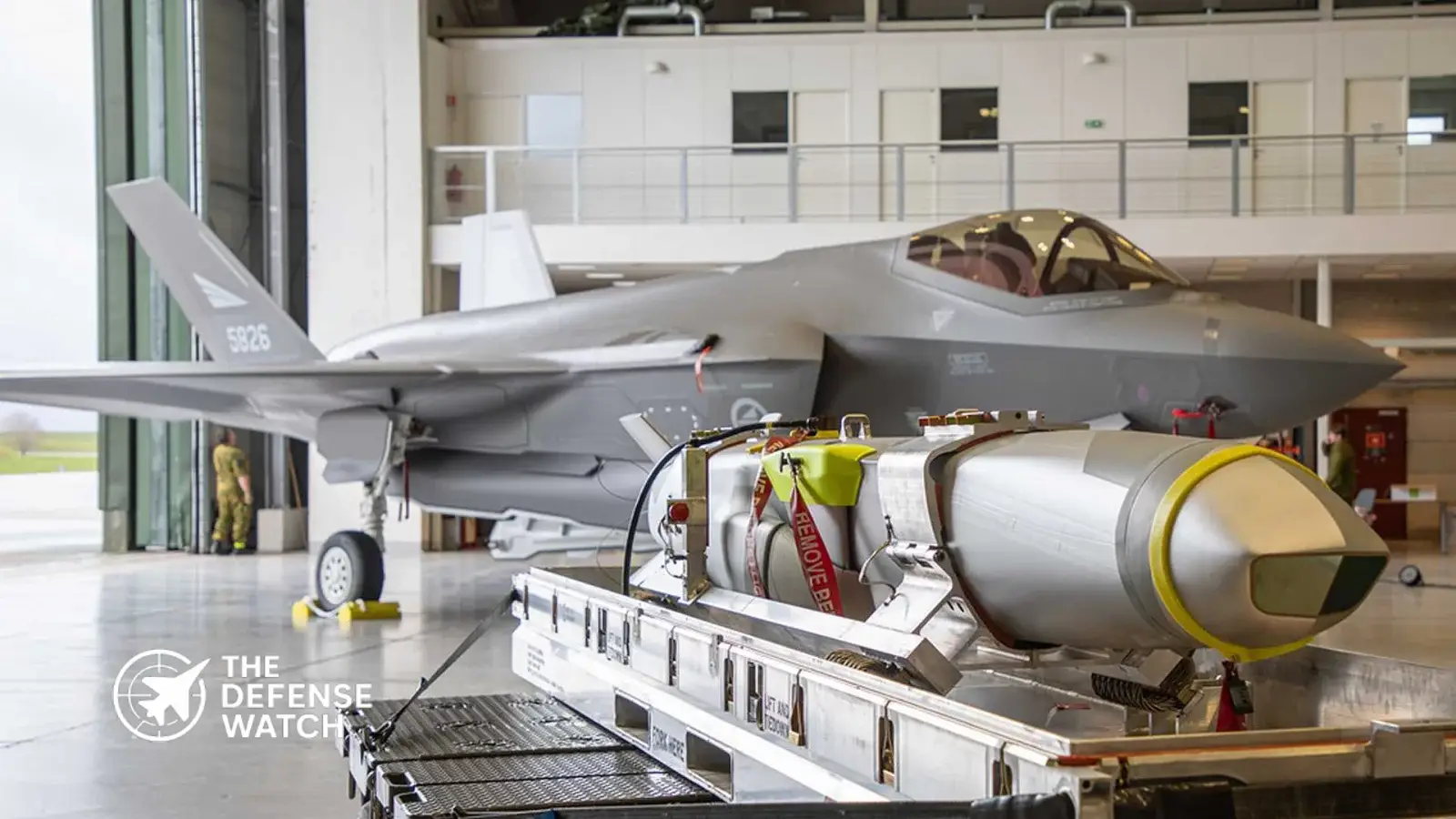
The Joint Strike Missile contract received a major boost after the U.S. Air Force awarded a $240.9 million Lot Two production contract to Kongsberg Defence & Aerospace for the AGM-184 Joint Strike Missile (JSM). The award covers operational missiles, launch containers, test hardware, and associated support equipment, with production scheduled to continue in Norway through November 2028.
The contract represents another significant step in the Pentagon’s effort to equip its growing fleet of F-35 fighters with advanced stand off weapons capable of operating in highly contested battlespaces. Unlike many conventional cruise missiles, the Joint Strike Missile was specifically designed to fit inside the internal weapons bay of the F-35, allowing the aircraft to retain its low observable characteristics while carrying a powerful precision strike weapon.
Why The Joint Strike Missile Matters
The Joint Strike Missile is one of the few long range precision weapons optimized specifically for the F-35 platform. Derived from Norway’s Naval Strike Missile family, the JSM provides multi mission capability against both land and maritime targets.
The missile combines advanced navigation systems, autonomous target recognition technology, terrain following flight profiles, and an imaging infrared seeker to improve survivability and effectiveness against modern air defense networks. It can engage targets from significant stand off distances while reducing the need for aircraft to penetrate the most heavily defended portions of enemy airspace.
For military planners, this capability has become increasingly important as potential adversaries continue deploying sophisticated radar systems, integrated air defense networks, and long range surface to air missile systems. The ability to strike from outside those defensive envelopes is now a central requirement for future air operations.
Strengthening U.S. And Allied F-35 Operations
The latest procurement also reflects the growing importance of the missile across the broader F-35 enterprise.
While the U.S. Air Force is leading integration efforts with the F-35A, the missile is also planned for use on the U.S. Navy’s F-35C and the U.S. Marine Corps‘ F-35B. A common missile across all three variants would improve interoperability and simplify logistics during joint operations.
The JSM is already attracting interest among F-35 operators worldwide. Several allied nations, including Norway, Germany, Japan, and other F-35 users, have selected or are evaluating the missile as part of broader efforts to enhance long range precision strike capabilities.
Strategic Significance For Future Conflict Scenarios
Beyond the contract value, the award highlights a broader shift in U.S. military strategy toward long range precision engagement.
The Pentagon increasingly expects future conflicts to occur in regions where adversaries possess extensive anti access and area denial capabilities. In such environments, survivability depends on combining stealth platforms with weapons that can engage targets from significant distances.
The F-35 and Joint Strike Missile combination directly addresses this challenge. By preserving the aircraft’s stealth profile while extending its strike reach, the weapon provides commanders with additional options for targeting critical infrastructure, air defense systems, command nodes, and hostile naval forces.
This capability is particularly relevant in the Indo-Pacific theater, where vast operating distances and sophisticated defense networks are expected to play a major role in any high intensity conflict. The missile’s anti ship capability also expands the number of U.S. Air Force assets that can contribute to maritime strike missions, a role traditionally associated with naval aviation and surface combatants.
Growing Production Through 2028
According to contract details, the award is a sole source acquisition managed by the Air Force Life Cycle Management Center at Eglin Air Force Base, Florida. Funding includes procurement appropriations from fiscal years 2024 and 2025, totaling approximately $240.9 million. Work will be completed by November 30, 2028.
The contract follows an earlier Lot One production award and demonstrates the Air Force’s commitment to expanding its inventory of advanced stand off weapons as F-35 fleet numbers continue to grow.
Conclusion
The new Joint Strike Missile contract marks another important milestone in the modernization of U.S. air power. By expanding production of a stealth compatible, long range precision weapon tailored for the F-35, the Air Force is strengthening its ability to operate against advanced threats while maintaining the survivability advantages of fifth generation aircraft.
As the Pentagon continues investing in capabilities designed for contested environments, the Joint Strike Missile is positioned to become a key component of America’s future precision strike arsenal.
Executive Summary:
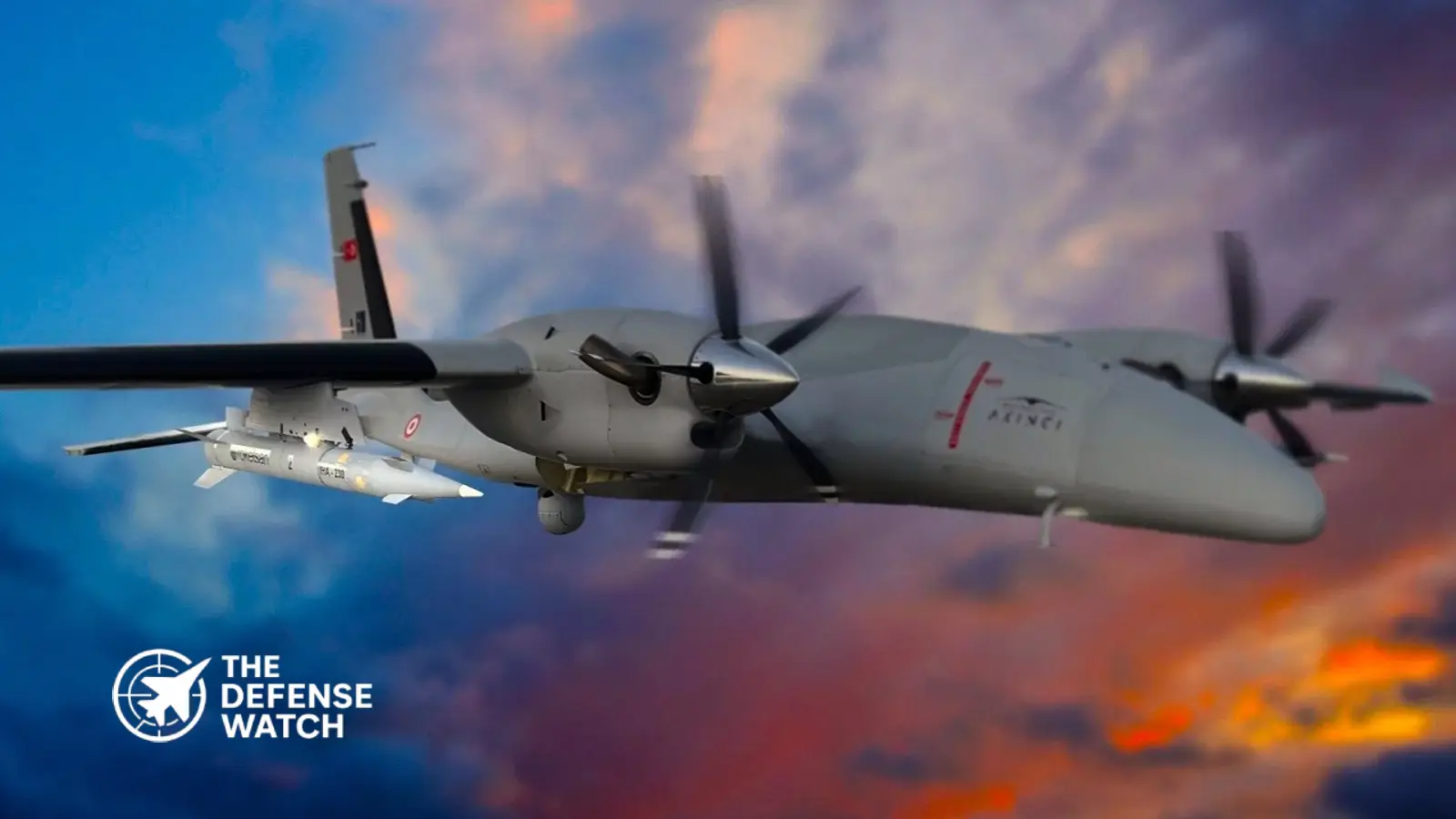
Türkiye has officially inducted the Roketsan IHA-230 air-launched supersonic ballistic missile into service, providing its unmanned combat aircraft with a long-range stand-off strike capability. The development marks a significant evolution in Turkish drone warfare, allowing platforms such as the Bayraktar AKINCI to engage high-value targets from beyond 150 kilometers while remaining outside many air defense engagement zones.
Türkiye Fields IHA-230 Missile On Combat Drones
The IHA-230 missile has entered operational service with the Turkish Land Forces, marking a major step in Türkiye’s effort to expand the combat effectiveness of its unmanned aerial systems. The announcement was made during a Turkish Ministry of National Defence briefing on June 4, confirming that inspection and acceptance procedures had been completed and the missile had been formally inducted into service.
Developed by Roketsan, the IHA-230 is an air-launched derivative of the TRG-230 guided missile family. Unlike the small precision-guided munitions commonly carried by drones, the weapon is designed to deliver long-range, high-speed strikes against critical targets from stand-off distances. According to manufacturer and defense reporting, the missile can engage targets at ranges exceeding 150 kilometers, depending on launch altitude and aircraft speed.
The system is primarily associated with the Bayraktar AKINCI unmanned combat aerial vehicle, though Roketsan has also identified compatibility with the AKSUNGUR and future integration potential for the KIZILELMA unmanned combat aircraft.
Expanding The Role Of Combat Drones
The introduction of the IHA-230 missile reflects a broader shift in how militaries are employing unmanned aircraft.
For more than a decade, armed drones have largely focused on intelligence gathering and precision strikes using relatively lightweight munitions. The addition of a supersonic ballistic missile changes that equation by enabling drones to conduct deeper attacks against command centers, air defense systems, infrastructure, and maritime targets without entering heavily defended airspace.
The missile reportedly combines inertial and satellite navigation systems with anti-jamming features and terminal guidance options, allowing precision engagement of fixed targets. Defense reports indicate the weapon can carry different warhead configurations tailored to mission requirements.
From an operational perspective, the concept offers commanders a faster sensor-to-shooter cycle. A drone can identify a target, launch the missile from stand-off range, and remain on station to assess strike results or support follow-on missions. This capability reduces dependence on manned aircraft for certain strike missions and provides greater operational flexibility.
Why The Capability Matters
The significance of the IHA-230 missile extends beyond the weapon itself.
Türkiye has become one of the world’s leading exporters of armed drones, with systems such as the Bayraktar TB2 and AKINCI seeing widespread international adoption. The integration of a long-range supersonic strike weapon demonstrates the continued maturation of the country’s indigenous defense industry and unmanned warfare doctrine.
For NATO, the development introduces an additional precision-strike capability on the alliance’s southeastern flank. Unmanned platforms equipped with stand-off missiles can contribute to suppression of enemy air defenses, strike operations against high-value targets, and maritime security missions while minimizing risk to aircrews.
The capability also aligns with broader military trends emphasizing distributed operations, networked warfare, and the use of unmanned systems to perform missions traditionally assigned to crewed aircraft.
A New Phase In Turkish Unmanned Warfare
The IHA-230 missile represents more than the addition of a new munition to Türkiye’s arsenal. It signals the emergence of a doctrine in which drones function as long-range strike platforms capable of delivering battlefield effects previously associated with fighter aircraft and ground-based missile forces.
As Türkiye continues integrating advanced weapons across platforms such as AKINCI, AKSUNGUR, and KIZILELMA, its unmanned force structure is evolving into a layered strike network that combines persistence, precision, and stand-off reach.
While operational deployment details remain limited, the induction of the IHA-230 missile demonstrates Ankara’s commitment to expanding indigenous strike capabilities and strengthening its position in the rapidly evolving global unmanned warfare landscape.

The milestone gives the Royal Navy a faster and more flexible precision strike option against small surface threats in contested maritime environments.
Executive Summary:
The Royal Navy has declared full operating capability for the Martlet missile system integrated on Wildcat helicopters. The milestone strengthens the fleet’s ability to counter fast attack craft, drones, and asymmetric maritime threats with precision-guided firepower.
Royal Navy Declares Full Operating Capability For Martlet Missile System
The Royal Navy has officially declared full operating capability (FOC) for the Martlet missile system aboard the Leonardo AW159 Wildcat helicopter fleet, marking a major step in the service’s modernization of naval aviation strike capabilities.
The announcement confirms that the lightweight precision-guided missile is now fully operational across frontline Wildcat units, providing the Royal Navy with an expanded ability to engage fast moving maritime threats at short range. The capability is particularly relevant in increasingly contested littoral and maritime regions where small attack craft, unmanned systems, and asymmetric threats continue to proliferate.
The declaration follows extensive operational testing, training, and fleet integration efforts involving the Royal Navy and industry partners.
Martlet Missile Enhances Wildcat Helicopter Firepower
The Martlet missile, also known as the Lightweight Multirole Missile (LMM), was developed by Thales for short range precision strike missions. The system is designed to defeat small surface targets, drones, and lightly armored threats while minimizing collateral damage.
The missile weighs approximately 13 kilograms and uses laser beam riding guidance, allowing operators to maintain precision engagement against maneuvering targets. Mounted on the Wildcat HMA Mk2 helicopter, the system provides naval crews with a rapid response capability against fast attack craft and other close range maritime threats.
The Wildcat helicopter itself has become a central component of Royal Navy aviation operations. Developed by Leonardo, the AW159 Wildcat is used for anti surface warfare, surveillance, reconnaissance, and force protection missions from Royal Navy frigates and destroyers.
The integration of the Martlet missile system significantly expands the helicopter’s operational flexibility. Rather than relying solely on larger anti ship missiles for high value targets, naval commanders now have a lower cost precision option for engaging smaller threats that frequently emerge in congested maritime environments.
Strategic Importance In Modern Naval Warfare
The Royal Navy’s decision to field the Martlet missile at full operational status reflects broader trends in modern naval warfare.
Recent conflicts and regional tensions have demonstrated the growing threat posed by swarming fast attack boats, low flying drones, and irregular maritime tactics. These threats often operate below the engagement threshold of traditional heavyweight anti ship weapons, creating demand for lightweight precision-guided systems capable of rapid response.
The Martlet missile system directly addresses that operational gap.
Its deployment aboard Wildcat helicopters allows Royal Navy vessels to extend defensive coverage beyond the horizon while maintaining precision targeting capability. Helicopter launched systems also provide commanders with greater tactical flexibility compared to ship mounted guns alone.

This development is especially important for operations in narrow waterways and littoral regions, where reaction times are compressed and target discrimination becomes critical.
The achievement of full operating capability also signals confidence in the Royal Navy’s broader carrier strike and escort fleet modernization efforts. As the service expands deployments centered around the Queen Elizabeth-class aircraft carrier fleet, aviation assets equipped with precision-guided weapons are expected to play an increasingly important role in layered maritime defense.
Growing Demand For Lightweight Precision Weapons
The Royal Navy’s operational adoption of the Martlet missile aligns with a wider global trend toward lightweight guided munitions for naval and rotary wing platforms.
Western militaries are increasingly investing in compact precision strike systems that can counter drones, asymmetric attacks, and low signature maritime targets without exhausting expensive long range missile inventories.
Compared to larger anti ship missiles, systems like Martlet offer several operational advantages:
- Lower engagement cost
- Faster response against close range threats
- Reduced collateral damage risk
- Higher ammunition capacity aboard helicopters
- Improved effectiveness against small maneuvering targets
This approach mirrors lessons observed across recent naval operations in the Red Sea, Black Sea, and Indo Pacific regions, where smaller and less expensive threats have forced navies to rethink traditional engagement models.
The Royal Navy’s move therefore represents more than a technical milestone. It reflects an operational adaptation to evolving maritime security challenges.
Integration Supports Future Royal Navy Operations
The Wildcat helicopter force is expected to remain a key element of Royal Navy expeditionary operations over the coming decade.
With Martlet now fully operational, the aircraft can provide escort protection for carrier strike groups, amphibious forces, and independent warships operating in high risk regions.
The system also complements the larger Sea Venom anti ship missile, giving Wildcat crews a layered weapons suite capable of engaging both major surface combatants and smaller tactical threats.
From a force structure perspective, the combination of Wildcat helicopters and Martlet missiles improves distributed lethality across the fleet. Smaller Royal Navy vessels can now deploy organic aviation assets with precision strike capability, increasing operational reach without requiring additional large combatants.
The capability may also strengthen interoperability with NATO naval forces conducting joint maritime security and deterrence operations.
Original Analysis: Why The Martlet Milestone Matters
The declaration of full operating capability for the Martlet missile system is significant because it highlights a shift in naval priorities from platform centric warfare toward adaptable, layered response options.
For decades, naval modernization focused heavily on large anti ship missiles designed for high intensity fleet combat. However, many of today’s maritime confrontations involve irregular threats, unmanned systems, and fast attack craft operating in gray zone scenarios below full scale conflict thresholds.
The Martlet missile gives the Royal Navy a practical answer to those operational realities.
Instead of deploying expensive long range missiles against low cost targets, naval forces can now engage smaller threats efficiently while preserving strategic missile inventories for higher priority engagements.
This layered approach improves sustainability during prolonged operations and reflects broader NATO concerns regarding ammunition expenditure rates in modern conflict environments.
The milestone also reinforces the importance of naval helicopters as force multipliers. In contested waters, helicopter based precision weapons provide mobility, rapid target acquisition, and operational flexibility that fixed shipboard systems alone cannot fully replicate.
As maritime threats continue evolving, lightweight precision-guided weapons like Martlet are likely to become increasingly central to future naval doctrine.


(adsbygoogle = window.adsbygoogle || []).push({});Executive Summary:
The UK Ministry of Defence has issued a fresh Request for Information (RFI) for a medium-range precision strike capability aimed at strengthening the British Army’s long-range fires inventory. The move reflects growing NATO emphasis on deep strike weapons, precision targeting, and battlefield deterrence amid evolving European security threats.
UK Medium-Range Precision Strike Requirement Gains Momentum
The UK medium-range precision strike initiative has entered a new phase after the British Ministry of Defence released a fresh Request for Information seeking industry proposals for a next-generation precision strike weapon.
The requirement is focused on identifying systems capable of delivering accurate long-range effects against high-value targets while supporting the British Army’s future deep fires strategy.
The RFI signals continued British investment in long-range strike capabilities as European militaries adapt to lessons emerging from the war in Ukraine and wider NATO deterrence requirements.
The UK has steadily expanded its focus on land-based precision fires over the past several years, particularly following modernization efforts tied to the British Army’s Future Soldier restructuring program.
Focus On Long-Range Fires And Battlefield Reach
The latest UK medium-range precision strike effort appears aimed at closing operational gaps between existing artillery systems and higher-end strategic missile capabilities.
Modern conflicts have demonstrated the importance of survivable, mobile, and precision-guided fires capable of striking command centers, logistics hubs, air defense nodes, and armored formations at extended ranges.
The British Army currently operates systems including the M270 Multiple Launch Rocket System, which is undergoing modernization with upgraded launchers and integration of extended-range munitions. However, defense planners are increasingly looking beyond legacy rocket artillery toward more flexible deep strike solutions.
Analysts say the renewed RFI reflects several strategic realities:
- NATO allies are expanding long-range fires inventories
- Precision strike capabilities are becoming central to deterrence
- European militaries are emphasizing distributed battlefield operations
- Deep strike systems are increasingly linked with ISR and targeting networks
The UK Ministry of Defence has not publicly confirmed a final acquisition timeline or specific missile range thresholds, but the requirement points toward a broader effort to modernize Britain’s land warfare capabilities.
(adsbygoogle = window.adsbygoogle || []).push({});Industry Competition Likely To Intensify
The UK medium-range precision strike requirement is expected to attract interest from major Western defense firms already active in missile and rocket artillery programs.
Potential contenders could include systems associated with companies such as Lockheed Martin, MBDA, Raytheon, and Kongsberg Defence & Aerospace, depending on the final operational requirements issued by London.
Several NATO states are simultaneously pursuing longer-range land strike capabilities, creating a highly competitive market environment for missile manufacturers.
The United States, Poland, Germany, and other allied nations have accelerated procurement of systems capable of engaging targets at distances previously reserved for airpower or naval strike assets.
That trend has increased demand for:
- Precision-guided rockets
- Tactical ballistic missiles
- Ground-launched cruise missiles
- Network-enabled targeting systems
The UK’s latest RFI could therefore become part of a broader multinational modernization cycle shaping future NATO land combat doctrine.
Lessons From Ukraine Continue To Shape Procurement
British defense planners have closely studied the operational impact of long-range fires during Russia’s war against Ukraine.
Precision strike systems have played a central role in disrupting logistics chains, degrading command infrastructure, and limiting maneuver operations on both sides of the conflict.
Western-supplied systems such as HIMARS demonstrated how mobile precision fires can alter battlefield dynamics without requiring air superiority.
For Britain, that operational environment has reinforced the need for survivable and rapidly deployable strike assets capable of operating in contested electromagnetic and air defense environments.
The British Army’s modernization plans increasingly emphasize integration between sensors, targeting networks, and precision munitions. Future strike systems are expected to operate alongside ISR platforms, drones, and digital command networks to accelerate kill chains and improve targeting accuracy.
Strategic Importance For NATO
The UK medium-range precision strike program also carries wider alliance implications.
NATO has prioritized long-range fires modernization as part of its evolving deterrence posture against near-peer threats. Several alliance members are expanding artillery production, missile stockpiles, and strike ranges following years of underinvestment in conventional land warfare.
(adsbygoogle = window.adsbygoogle || []).push({});Britain remains one of NATO’s leading military powers and continues to play a major role in alliance readiness initiatives across Europe.
A new British precision strike capability would likely support:
- NATO rapid response operations
- Forward deterrence missions
- Multi-domain warfare integration
- European collective defense planning
The RFI therefore represents more than a standalone procurement effort. It reflects a broader strategic shift toward high-intensity warfare preparedness across NATO militaries.
British Defense Spending Pressure Remains
The announcement also arrives amid continued debate over UK defense spending priorities.
London has faced growing pressure from allies and defense analysts to accelerate military modernization programs while addressing ammunition stockpile concerns and readiness gaps exposed by the Ukraine conflict.
Long-range fires modernization is increasingly viewed as a cost-effective method of increasing combat power without relying solely on expensive manned aircraft or large armored formations.
If the UK proceeds toward a formal acquisition program, the effort could become a significant component of Britain’s future land warfare investment strategy.

(adsbygoogle = window.adsbygoogle || []).push({});Executive Summary:
Lockheed Martin, Northrop Grumman, and Thales Australia successfully completed a Guided Multiple Launch Rocket System (GMLRS) warhead test campaign in Australia within 11 weeks. The effort demonstrates growing allied cooperation on precision strike weapons and highlights efforts to accelerate missile production and regional defense readiness in the Indo-Pacific.
Lockheed Martin And Partners Accelerate GMLRS Warhead Testing In Australia
The GMLRS warhead test conducted in Australia marks another step in expanding allied missile production and testing capabilities across the Indo-Pacific region. The project brought together Lockheed Martin, Northrop Grumman, and Thales to rapidly integrate and test a GMLRS warhead capability in Australia.
The companies completed the work in only 11 weeks, a timeline that reflects increasing pressure among Western defense manufacturers to accelerate precision-guided munitions production and field testing. The test effort reportedly involved integrating a Northrop Grumman warhead into Lockheed Martin’s GMLRS platform while leveraging local industrial support from Thales Australia.
The Guided Multiple Launch Rocket System has become one of the most widely used precision artillery systems among NATO and allied forces. Fired from platforms such as the M142 HIMARS and the M270 Multiple Launch Rocket System, GMLRS provides long-range precision strike capability against command posts, logistics hubs, air defense systems, and other high-value targets.
Why The Australian Test Matters
The rapid testing timeline highlights a broader shift in allied defense planning. Western nations are increasingly moving toward distributed manufacturing and regional sustainment networks instead of relying solely on U.S.-based production lines.
Australia has emerged as a key defense industrial partner for the United States and allied nations in the Indo-Pacific. Canberra has invested heavily in missile manufacturing, guided weapons infrastructure, and sovereign munitions capability amid growing regional security concerns.
(adsbygoogle = window.adsbygoogle || []).push({});The latest GMLRS warhead test also supports wider efforts under the Australia, United Kingdom, and United States security framework, commonly known as AUKUS. Although the program itself is not formally an AUKUS project, it aligns closely with allied goals of improving interoperability, logistics resilience, and rapid defense industrial response.
A key takeaway from the project is the ability to shorten development and testing timelines. Traditional missile integration and qualification efforts can take months or years. Completing a test campaign within 11 weeks demonstrates how allied firms are attempting to streamline acquisition and engineering processes under rising operational demand.
Growing Demand For Precision Strike Weapons
Demand for GMLRS rockets has surged significantly in recent years due to ongoing conflicts and increased defense spending by NATO and Indo-Pacific nations. The system’s battlefield effectiveness has been widely observed in Ukraine, where precision-guided artillery has played a major role in counterbattery operations and deep-strike missions.
The United States has responded by expanding production capacity for GMLRS and related precision strike systems. Lockheed Martin has previously announced plans to increase annual GMLRS manufacturing output to meet growing international demand.
Northrop Grumman’s involvement in the Australian test reflects increasing cooperation between major missile subsystem suppliers and prime contractors. The integration of alternative warhead solutions may also help expand production flexibility and reduce supply chain bottlenecks.
For Australia, participation in advanced missile testing strengthens local industrial expertise while supporting national efforts to develop a domestic guided weapons enterprise. Thales Australia has already played a central role in munitions production and sustainment activities for the Australian Defence Force.
Strategic Implications For The Indo-Pacific
The GMLRS warhead test carries strategic significance beyond the technical achievement itself. Regional security competition in the Indo-Pacific has intensified as nations modernize long-range strike capabilities and invest in integrated deterrence strategies.
(adsbygoogle = window.adsbygoogle || []).push({});Australia’s expanding role in missile development and sustainment supports allied efforts to maintain credible precision fires capability across a geographically vast theater. Distributed testing and production networks could also improve survivability and operational resilience during future crises.
The speed of the test program further reflects lessons learned from recent conflicts, where defense industries faced pressure to replenish stockpiles quickly while maintaining operational readiness.
For the United States and its allies, the ability to conduct rapid integration testing with trusted international partners may become increasingly important as demand for precision-guided munitions continues to rise.



Executive Summary:
BAE Systems subsidiary BAE Systems Bofors has completed its acquisition of Swedish precision engineering supplier Aston Harald Mekaniska Verkstad AB. The move is designed to strengthen manufacturing capacity, improve supply chain resilience, and support growing European demand for artillery systems, combat vehicles, and naval guns.
BAE Systems Bofors Expands Swedish Defense Manufacturing Base
BAE Systems Bofors has finalized its acquisition of Aston Harald Mekaniska Verkstad AB, a Swedish supplier specializing in precision mechanics and advanced component machining for the defense and aerospace sectors. The transaction follows a purchase agreement first announced in February 2026 and marks another step in Europe’s broader push to expand defense industrial capacity.
The acquisition directly supports BAE Systems Bofors’ production programs tied to the ARCHER self-propelled artillery system, TRIDON Mk2 air defense platform, Combat Vehicle 9040, and the company’s 40 Mk4 and 57 Mk3 naval gun systems.
Aston Harald, headquartered in Kristinehamn, Sweden, employs around 100 personnel and has served as a long-term supplier to BAE Systems Bofors and other defense manufacturers across Europe.
Why The Acquisition Matters
The acquisition reflects a wider trend across Europe’s defense sector, where manufacturers are moving to secure critical industrial capabilities closer to home as regional military spending continues to rise.
European governments have accelerated procurement programs following Russia’s invasion of Ukraine and growing NATO readiness requirements. This has placed pressure on defense companies to increase output of artillery systems, armored vehicles, air defense platforms, and naval weapons.
By bringing Aston Harald into its industrial structure, BAE Systems Bofors gains tighter control over a key part of its production chain. The company stated the acquisition will improve supply security and delivery reliability for several flagship systems.
This is particularly important for systems such as the ARCHER artillery platform, which has seen increased international demand in recent years. Sweden has continued investing in the system while also supporting Ukrainian military modernization efforts. Additional production pressure is also emerging from broader NATO artillery replenishment programs.
The move also aligns with growing European efforts to reduce supply chain vulnerabilities exposed during recent geopolitical crises, including shortages in defense manufacturing components and long lead times for precision-engineered parts.
Strategic Importance For European Defense Production
The Karlskoga region in Sweden has become one of Northern Europe’s most important defense industrial clusters. Both BAE Systems Bofors and Aston Harald operate within this ecosystem, allowing the companies to integrate manufacturing, engineering, and logistics more efficiently.
From an operational perspective, the acquisition could shorten production timelines for artillery systems and naval weapons while reducing dependence on external subcontractors.
The timing is notable. BAE Systems recently reported strong operational performance and pointed to increasing defense spending across its major markets. Company leadership stated the group remains positioned for sustained medium-term growth driven by rising military modernization requirements.
The acquisition also mirrors broader consolidation trends within the European defense sector. Manufacturers are increasingly pursuing vertical integration strategies to secure production capacity for critical military programs.
For BAE Systems Bofors, this includes maintaining output for:
- ARCHER wheeled self-propelled artillery systems
- TRIDON Mk2 mobile air defense systems
- CV9040 combat vehicle production
- 40 Mk4 naval guns
- 57 Mk3 naval gun systems
Defense Supply Chains Under Pressure
The acquisition highlights how supply chain resilience has become a central issue in modern defense planning.
Across NATO countries, governments are demanding faster delivery timelines and higher ammunition production rates. Defense manufacturers are responding by investing in facilities, expanding supplier networks, and acquiring strategic subcontractors.
European defense firms including Rheinmetall, MBDA, Leonardo, and BAE Systems have all announced production expansion initiatives over the past two years as demand for artillery, missile systems, and armored platforms continues to grow.
Precision machining firms such as Aston Harald play a critical role in this ecosystem because modern defense systems rely on highly specialized components that require strict manufacturing tolerances and secure supply chains.
Industry analysts increasingly view supplier ownership as a way to protect production schedules during periods of elevated military demand.
Outlook For BAE Systems Bofors
BAE Systems Bofors has continued expanding its position in European land systems, naval weapons, and artillery programs.
The company’s ARCHER artillery system remains one of Europe’s most mobile 155mm self-propelled artillery platforms, while the TRIDON Mk2 reflects increasing interest in mobile short-range air defense solutions.
The addition of Aston Harald is unlikely to transform the company overnight, but it strengthens manufacturing depth at a time when defense contractors face mounting pressure to scale production rapidly.
For Sweden and NATO partners, industrial reliability is becoming almost as important as battlefield capability itself.

Executive Summary:
BAE Systems has received a $535.6 million contract from the U.S. Army for additional M109A7 self-propelled howitzers and related support vehicles. The award supports ongoing artillery modernization efforts aimed at improving battlefield survivability, mobility, and operational readiness for U.S. armored brigade combat teams.
The M109A7 Paladin remains central to the U.S. Army’s long-term artillery modernization strategy, and the latest contract awarded to BAE Systems reinforces that priority. The new $535.6 million award covers the production of additional M109A7 self-propelled howitzers and accompanying field artillery ammunition support vehicles.
According to the contract announcement, the agreement was issued by the U.S. Army as part of its continuing effort to modernize armored combat formations with improved fire support capabilities. The work will be performed at multiple facilities in the United States, with completion expected over the coming years.
The M109A7 program represents the latest evolution of the long-serving Paladin artillery system, integrating upgraded chassis components, improved survivability features, enhanced electrical power generation, and digital networking systems designed to support modern battlefield operations.
U.S. Army Continues Artillery Modernization Push
The latest procurement highlights the Army’s continuing emphasis on maintaining mobile and survivable indirect fire systems capable of supporting high-intensity combat operations.
The M109A7 platform is designed to replace older M109A6 Paladin systems while improving commonality with the M2 Bradley family of armored vehicles. By leveraging Bradley-derived chassis and powertrain components, the Army aims to simplify logistics, reduce sustainment burdens, and improve operational readiness across armored formations.
The M109A7 also introduces upgraded onboard power systems capable of supporting future electronic warfare, communications, and targeting technologies. Defense planners increasingly view power generation and digital integration as critical requirements for modern combat platforms operating in contested environments.
The accompanying ammunition support vehicle, known as the M992A3 Carrier Ammunition Tracked vehicle, is intended to improve resupply efficiency and maintain operational tempo during sustained artillery operations.
Strategic Importance Of Mobile Artillery Systems
The contract comes amid growing global focus on conventional artillery capabilities following lessons observed in recent conflicts, particularly in Europe and the Middle East. Military planners worldwide have increasingly emphasized the importance of long-range fires, survivable artillery platforms, and rapid ammunition resupply capabilities.
Self-propelled artillery systems such as the M109A7 provide armored maneuver units with protected indirect fire support while retaining the mobility needed to reposition quickly after firing missions. That capability has become increasingly important as counter-battery radar systems, drones, and precision-guided munitions continue to evolve.
Compared with towed artillery, tracked self-propelled systems offer greater survivability in high-threat environments and can operate alongside armored formations during fast-moving combat operations. The Army’s investment in upgraded Paladin systems reflects broader NATO interest in strengthening conventional deterrence capabilities.
The M109A7 is not a completely new platform, but rather a substantial modernization effort intended to extend operational relevance while the Army evaluates future long-range artillery concepts.
Production And Industrial Base Impact
For BAE Systems, the award strengthens its position as a major supplier of armored combat systems for the U.S. military. The company has remained deeply involved in tracked combat vehicle production, sustainment, and modernization programs for decades.
The contract also supports the broader U.S. defense industrial base, particularly in armored vehicle manufacturing and artillery system production. Maintaining active production lines is increasingly viewed as strategically important as Western governments seek to replenish inventories and sustain long-term defense readiness.
Industry analysts have noted that steady procurement contracts allow manufacturers to preserve skilled labor, maintain supplier networks, and reduce production disruptions that can occur when major programs experience gaps in funding or procurement schedules.
The Army’s continued investment in the M109A7 may also help sustain future modernization pathways involving advanced fire control systems, automation technologies, and precision-guided artillery integration.
Operational Role In Future Conflicts
The M109A7 self-propelled howitzer is expected to remain a key component of U.S. armored brigade combat teams for years to come. Its modernization package aims to ensure compatibility with evolving battlefield command networks and future sensor-to-shooter systems.
Although newer long-range artillery programs continue to receive attention, conventional tracked howitzers remain essential for sustained combat operations requiring responsive and mobile fire support.
The Army’s broader modernization strategy increasingly focuses on balancing next-generation technologies with upgrades to proven legacy systems that can continue delivering operational value at scale. The M109A7 program reflects that approach by combining existing combat experience with targeted technological improvements.
As global military competition intensifies, artillery modernization programs are expected to remain a major priority across NATO and allied armed forces.

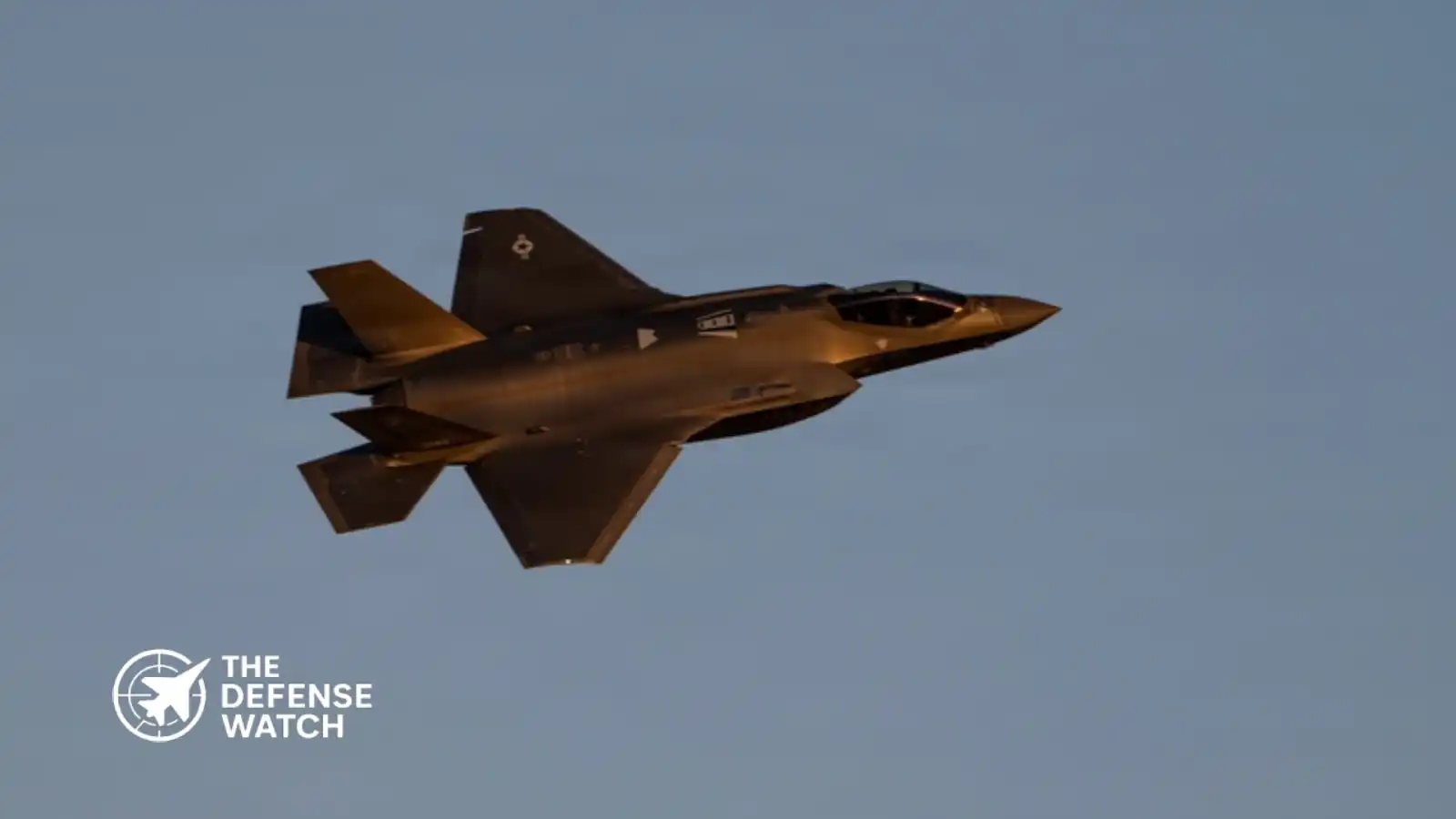
Belgium is moving to expand the combat reach of its future F-35A fleet as NATO allies accelerate airpower modernization across Europe.
Executive Summary:
The U.S. Department of State has approved a possible $236 million sale of Joint Strike Missiles to Belgium for integration with the country’s F-35A fighter fleet. The proposed deal supports Belgium’s military modernization plans and strengthens NATO’s precision strike capabilities in Europe.
Belgium Expands F-35A Strike Capability With Joint Strike Missile Purchase
The proposed Joint Strike Missile sale to Belgium marks another step in Europe’s ongoing effort to modernize air combat capabilities amid rising regional security concerns. The U.S. Defense Security Cooperation Agency announced that the U.S. Department of State approved a possible Foreign Military Sale valued at approximately $236 million for the NATO ally.
The package includes Joint Strike Missiles (JSMs), support equipment, spare parts, integration support, logistics assistance, and related training elements for Belgium’s future fleet of Lockheed Martin F-35A Lightning II fighter aircraft.
According to the DSCA notification, the sale is intended to improve Belgium’s ability to respond to current and future threats while enhancing interoperability with U.S. and NATO forces.
The Joint Strike Missile is produced by Kongsberg Defence & Aerospace in partnership with Raytheon for international integration and support activities. The missile is specifically designed for internal carriage aboard the Lockheed Martin F-35 Lightning II, preserving the aircraft’s low observable characteristics during strike missions.
Long Range Precision Strike Capability
The Joint Strike Missile provides a significant capability increase for Belgium’s future F-35A operations. Derived from the Naval Strike Missile family, the air launched weapon is designed for precision attacks against heavily defended land and maritime targets.
The missile combines low observable shaping, advanced guidance systems, and terrain following flight profiles intended to improve survivability against modern integrated air defense systems. Open source estimates indicate the missile has a range exceeding 275 kilometers, allowing aircraft to engage targets from standoff distances outside many enemy air defense envelopes.
Belgium selected the F-35A as its next generation combat aircraft to replace aging F-16 fighters. The country currently plans to operate dozens of F-35As as part of broader NATO modernization efforts.
Integrating the Joint Strike Missile into Belgium’s F-35A fleet would provide the Belgian Air Component with an expanded precision strike option capable of supporting both national defense missions and alliance operations.
NATO Modernization And European Defense Priorities
The approval comes as several European NATO members continue increasing defense spending and accelerating procurement programs following heightened tensions across the continent.
Belgium has faced growing pressure to modernize its armed forces and improve readiness levels in line with NATO capability targets. Precision guided munitions and long range strike systems have become a central focus for many allied air forces seeking to deter potential adversaries while maintaining operational flexibility.
The F-35 program itself has become a cornerstone of NATO airpower modernization. Multiple European nations, including the Netherlands, Norway, Denmark, Poland, Finland, Germany, and Belgium, are either operating or procuring the aircraft.
Adding the Joint Strike Missile to allied F-35 fleets also improves commonality across NATO operations. Norway was the original development partner for the missile, and several allied nations have shown increasing interest in the weapon because of its compatibility with stealth aircraft and maritime strike capabilities.
From a strategic perspective, the proposed sale reflects Washington’s broader effort to strengthen allied defense networks in Europe while supporting interoperable weapons systems across NATO member states.
Industrial And Strategic Implications
The proposed deal also highlights the growing importance of multinational defense industrial cooperation within NATO. The Joint Strike Missile program combines Norwegian missile technology with U.S. defense industry integration and export support mechanisms.
For Belgium, acquiring the missile could enhance operational independence by providing a modern stand off strike capability compatible with future coalition operations. It also aligns with broader European efforts to improve high end conventional deterrence.
The DSCA stated that the sale would not alter the basic military balance in the region but would improve Belgium’s ability to contribute to collective defense missions.
Congress must still review the proposed transaction before a final agreement can be concluded. However, congressional approval for allied defense modernization programs of this type is typically expected.
Growing Demand For Advanced Air Launched Weapons
The Belgium request reflects increasing global demand for advanced air launched precision weapons optimized for fifth generation aircraft. As air defense systems become more sophisticated, NATO air forces are placing greater emphasis on survivable stand off strike munitions capable of penetrating contested environments.
Weapons such as the Joint Strike Missile are increasingly viewed as critical enablers for modern air operations, particularly in scenarios involving anti access and area denial systems.
For Belgium, the acquisition would significantly expand the combat utility of its future F-35A fleet while reinforcing its role within NATO’s evolving deterrence posture.
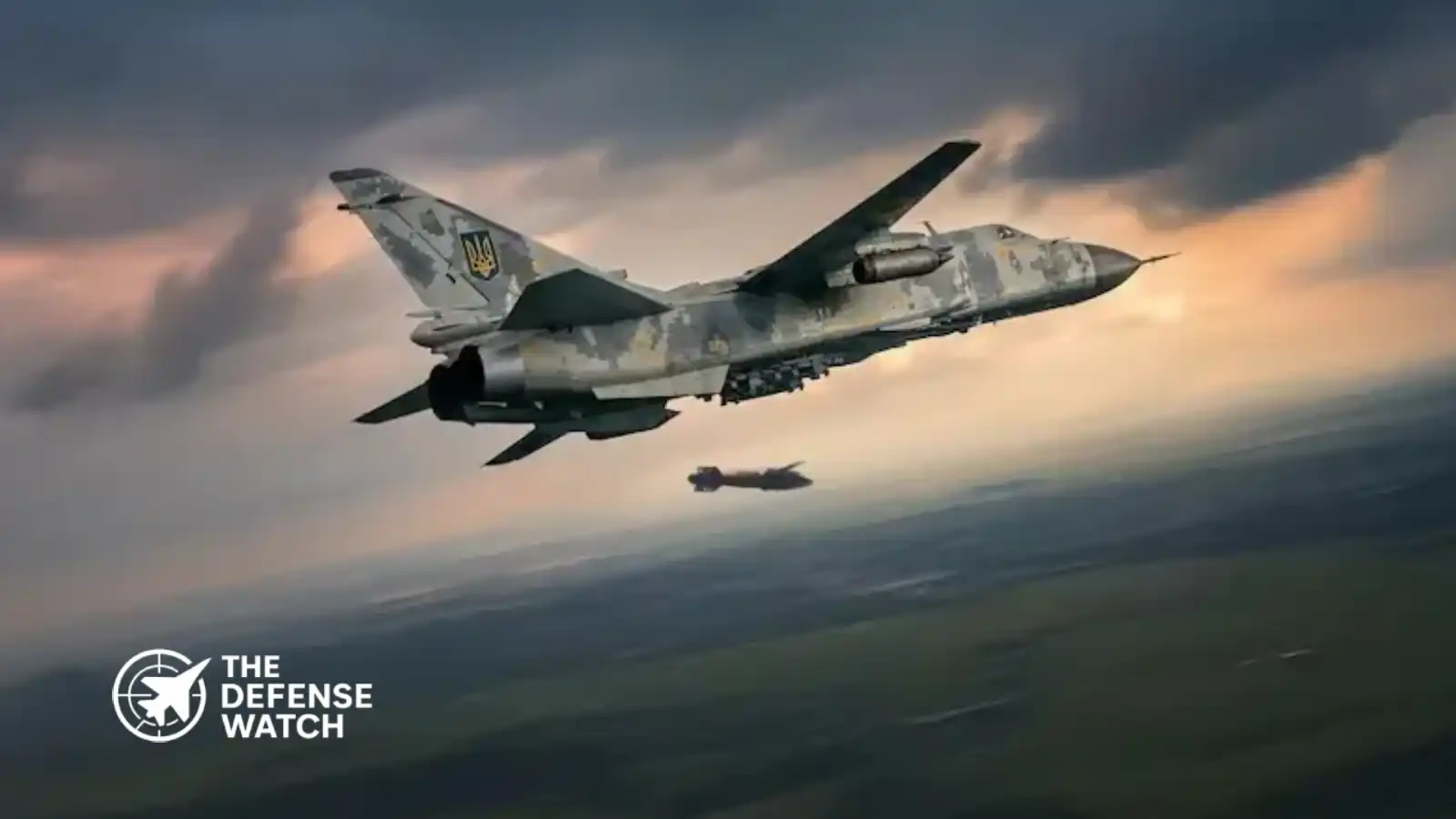
Ukraine is accelerating domestic weapons production as battlefield demand for precision-guided munitions continues to grow.
Executive Summary:
Ukraine’s Ministry of Defence says the country’s first domestically developed guided aerial bomb has successfully completed testing and is now ready for operational use. The move highlights Kyiv’s growing effort to reduce reliance on foreign precision munitions while expanding long range strike capabilities against Russian forces.
Ukraine’s Indigenous Guided Aerial Bomb Moves Toward Combat Deployment
Ukraine’s indigenous guided aerial bomb program has reached a major milestone after the country’s Ministry of Defence announced that the weapon successfully completed testing and is ready for combat use.
According to information released by the Ukrainian defense establishment, the precision guided munition is part of Kyiv’s broader effort to strengthen its domestic defense industrial base amid continued high intensity combat operations against Russia.
The announcement comes as Ukraine continues to expand local production of drones, missiles, electronic warfare systems, and air delivered strike weapons to sustain military operations and reduce dependence on external supply chains.
Expanding Ukraine’s Precision Strike Arsenal
The new indigenous guided aerial bomb is designed to provide Ukrainian combat aircraft with a domestically produced precision strike capability. While Ukrainian officials did not publicly disclose full technical specifications, the weapon reportedly completed a series of operational and integration tests prior to receiving combat clearance.
Ukraine has increasingly prioritized affordable precision weapons capable of engaging Russian command posts, logistics hubs, ammunition depots, and troop concentrations. Guided bombs have become especially important during the war because they offer lower cost alternatives to cruise missiles while still delivering accurate strikes at extended ranges.
Russia has extensively employed glide bombs and stand off precision munitions throughout the conflict, creating sustained pressure on Ukrainian defensive positions. Kyiv’s push to field its own guided aerial bomb capability reflects an effort to narrow that operational gap.
The development also demonstrates how Ukraine’s wartime defense sector has shifted from emergency sustainment toward rapid indigenous innovation. Ukrainian manufacturers have accelerated programs across multiple categories, including unmanned systems, long range strike platforms, and precision guided ordnance.
Strategic Importance For Ukraine’s Defense Industry
The indigenous guided aerial bomb initiative carries strategic significance beyond the battlefield.
Since 2022, Ukraine has sought to decentralize and localize weapons production to ensure more stable access to critical munitions during prolonged combat operations. Dependence on foreign supplied precision weapons has created logistical and political vulnerabilities, particularly as Western stockpiles face increasing demand.
By developing locally produced guided bombs, Ukraine could potentially sustain higher operational tempo while preserving scarce imported missile inventories for strategic targets.
The announcement also aligns with broader Ukrainian efforts to integrate NATO compatible technologies and modern targeting systems into its air force operations. Western supplied aircraft upgrades, targeting pods, and digital mission planning tools have improved the effectiveness of precision strike missions, creating a framework for indigenous weapons integration.
Military analysts note that domestically produced glide and guided bomb systems can offer several operational advantages, including faster manufacturing cycles, reduced procurement costs, and adaptability to local combat conditions.
Combat Aviation Modernization Continues
Ukraine’s aviation modernization efforts have accelerated significantly over the past two years.
The Ukrainian Air Force has worked to integrate a growing range of Western supplied weapons onto Soviet era aircraft while preparing for the future introduction of advanced fighter platforms, including the F-16 Fighting Falcon.
The development of an indigenous guided aerial bomb may also help Ukraine maintain strike operations even when imported munition deliveries fluctuate. Precision guided bombs have become increasingly valuable in contested airspace environments because they allow aircraft to release weapons from greater stand off distances.
At the same time, Russian layered air defense systems continue to pose serious risks to Ukrainian aviation assets operating near front line areas. As a result, long range precision strike weapons remain central to Ukraine’s operational planning.
Kyiv has repeatedly emphasized that expanding domestic defense production is now a national security priority. Ukrainian officials have highlighted partnerships between state owned enterprises, private defense firms, and foreign industry partners to accelerate weapons development and production capacity.
Operational And Geopolitical Implications
The introduction of a Ukrainian made guided aerial bomb could have broader implications for the regional balance of military production capacity during the war.
Both Ukraine and Russia are increasingly engaged in a competition centered on industrial endurance, ammunition output, and technological adaptation. Precision strike systems, especially relatively low cost guided bombs and drones, have emerged as some of the conflict’s most influential battlefield tools.
Ukraine’s ability to field indigenous precision weapons may improve operational flexibility while demonstrating continued resilience within its defense sector despite repeated Russian missile and drone attacks on industrial infrastructure.
The combat deployment timeline for the new bomb has not been disclosed, and Ukrainian officials have not confirmed production quantities or deployment units. However, the announcement signals continued momentum in Ukraine’s domestic weapons modernization efforts at a time when long term sustainment remains a central strategic concern for Kyiv and its Western partners.

Executive Summary:
BAE Systems has received a $535.6 million U.S. Army contract for the production of self-propelled howitzer systems, support vehicles, and total package fielding kits. The award reinforces the Army’s ongoing artillery modernization efforts and ensures continued production activity through the end of 2029.
BAE Systems Howitzer Contract Supports Long-Term Army Modernization
The BAE Systems howitzer contract marks another major investment in U.S. Army artillery modernization as the service continues expanding its long-range precision fire capabilities.
According to the Department of Defense contract announcement, BAE Systems Land and Armaments L.P., based in York, Pennsylvania, was awarded a $535,623,041 fixed-price-incentive contract for the production of self-propelled howitzer systems, related vehicles, and total package fielding kits.
The contract was awarded by Army Contracting Command at Detroit Arsenal, Michigan. Officials stated that bids were solicited online and one proposal was received.
Work locations and funding allocations will be determined on an order-by-order basis under the contract structure. The estimated completion date is Dec. 31, 2029.
Expanding U.S. Army Artillery Readiness
The award reflects the Army’s sustained focus on artillery readiness and armored combat capability modernization amid increasing global security competition.
Self-propelled howitzer systems remain central to modern ground warfare because they combine mobility, survivability, and long-range indirect fire support. These systems allow mechanized formations to conduct rapid maneuver operations while maintaining artillery coverage across contested environments.
Although the Pentagon announcement did not specify the exact howitzer variant covered under the contract, BAE Systems is widely associated with production and sustainment work tied to the M109 Paladin family of tracked artillery systems.
The M109 platform continues to serve as the backbone of U.S. Army armored artillery brigades. Modernized variants such as the M109A7 integrate upgraded power systems, improved survivability features, and enhanced networking capabilities designed to support multi-domain operations.
Production Stability Through 2029
The multi-year nature of the award provides production continuity for both the Army and the U.S. defense industrial base.
Long-duration contracts are increasingly important as the Pentagon seeks to maintain manufacturing capacity for critical combat systems while reducing procurement disruptions. Defense officials and industry leaders have repeatedly highlighted the importance of stable production lines following lessons learned from recent conflicts involving high rates of ammunition and artillery consumption.
The contract also supports industrial activity in Pennsylvania and across the broader supplier network connected to armored vehicle and artillery manufacturing programs.
Artillery Remains A Core Battlefield Capability
The war in Ukraine and rising tensions across multiple regions have reinforced the strategic importance of conventional artillery systems. Militaries worldwide are investing in longer-range fires, improved targeting networks, and more survivable mobile artillery platforms.
For the U.S. Army, self-propelled artillery remains essential for supporting armored brigade combat teams and delivering sustained firepower during large-scale operations.
Programs tied to artillery modernization are also linked to broader Pentagon priorities that include precision strike capability, logistics resilience, and interoperability with allied forces.
The BAE Systems howitzer contract aligns with these efforts by sustaining production capacity for one of the Army’s key indirect fire platforms while supporting future operational readiness requirements.
Industrial Base And Strategic Implications
The award underscores the Pentagon’s continued reliance on established defense manufacturers to maintain operational capability during a period of rising global demand for artillery systems and munitions.
BAE Systems remains one of the largest suppliers of combat vehicles and artillery systems for the U.S. military. Its land systems portfolio includes armored combat vehicles, amphibious platforms, artillery systems, and survivability technologies.
The contract also reflects a wider trend within the defense sector toward sustained procurement cycles rather than short-term acquisition spikes. Analysts increasingly view long-term production agreements as critical to preserving skilled labor, supplier networks, and surge manufacturing capacity.