Executive Summary:
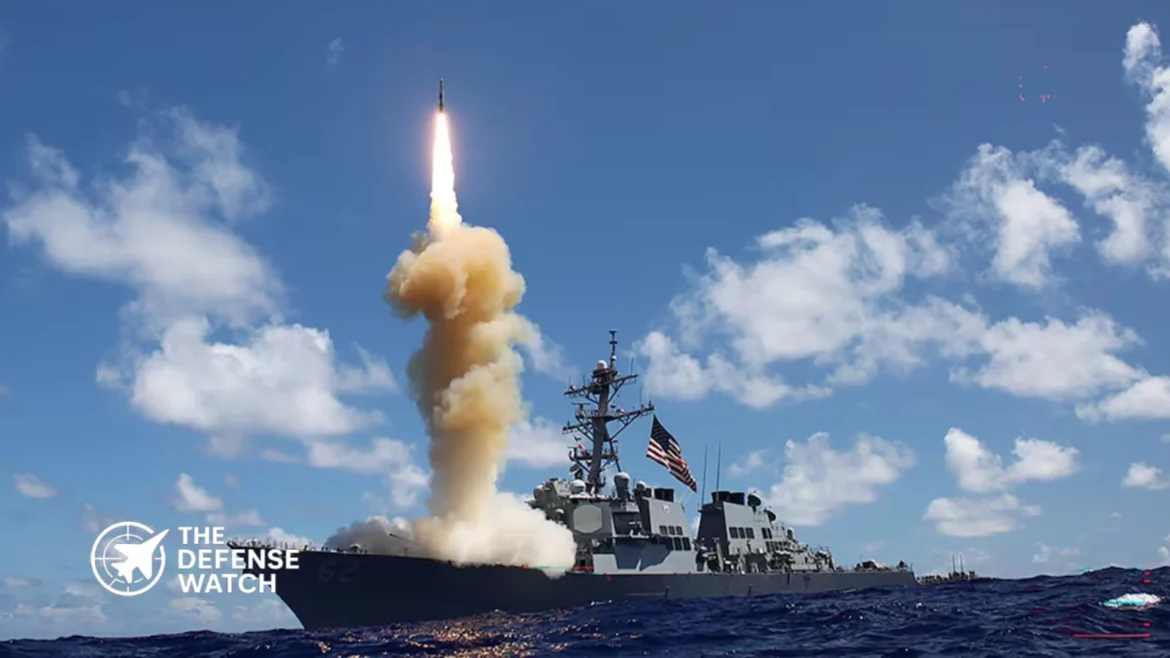
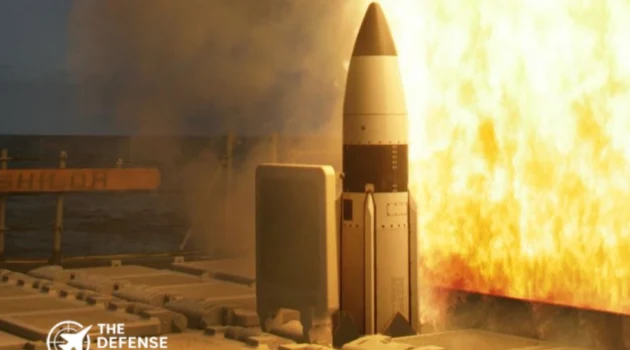
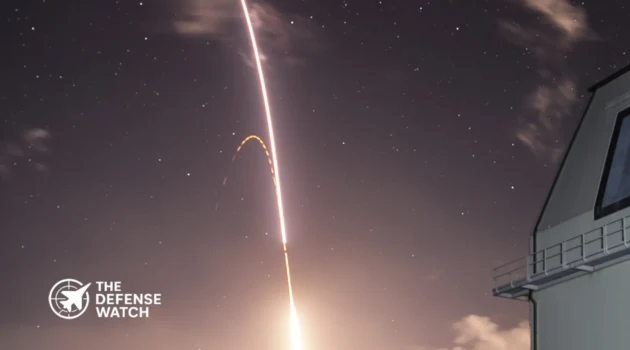
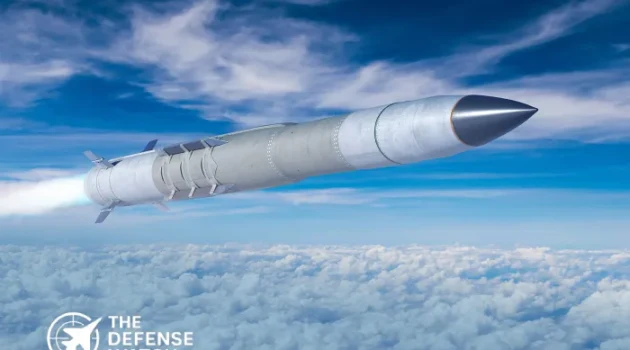
Poland has signed a nearly $988 million agreement through the NATO Support and Procurement Agency (NSPA) to acquire several hundred Patriot PAC-2 GEM-T interceptor missiles supplied by Raytheon. The procurement expands Poland’s Patriot missile inventory, strengthens NATO’s eastern flank, and supports the alliance’s broader effort to increase interceptor stockpiles amid growing regional security challenges.
Poland Expands Patriot GEM-T Missile Inventory Through NATO Procurement
Poland has awarded a nearly $988 million contract through the NATO Support and Procurement Agency (NSPA) for the procurement of several hundred Patriot PAC-2 Guidance Enhanced Missile, Tactical (GEM-T) interceptors supplied by Raytheon, further expanding the country’s integrated air and missile defense capabilities. According to official announcements from Poland’s Armament Agency and NSPA, deliveries are scheduled to begin in the coming months and continue through 2031.
The agreement represents another major milestone in Poland’s long-term Wisła air defense program, which is building one of NATO’s most capable layered missile defense networks on the alliance’s eastern frontier.
Unlike a traditional bilateral purchase, the acquisition was executed through NATO’s multinational procurement framework, allowing member states to benefit from shared contracting, faster acquisition timelines, and greater industrial efficiency.
What The Contract Includes
While officials have not disclosed the exact missile quantity, the agreement covers several hundred PAC-2 GEM-T interceptors valued at approximately $988 million.
Program Details Customer Poland Armament Agency Contractor Raytheon (RTX) Procurement Agency NATO Support and Procurement Agency (NSPA) Missile Patriot PAC-2 GEM-T Contract Value Approximately $988 million Deliveries Beginning in 2026 through 2031 Mission Air and missile defense The acquisition follows earlier U.S. approval authorizing Poland to procure up to 788 PAC-2 GEM-T interceptors, providing flexibility for future purchases as Warsaw continues expanding its Patriot inventory.
Why Poland Is Buying GEM-T Missiles
The Patriot system employs multiple interceptor types designed for different threats.
The PAC-3 MSE interceptor specializes in hit-to-kill engagements against advanced ballistic missiles, while the PAC-2 GEM-T uses a blast-fragmentation warhead optimized for engaging aircraft, cruise missiles, drones, and selected ballistic missile threats at longer ranges.
By fielding both interceptor families, Poland gains greater operational flexibility.
Military planners can reserve the more expensive PAC-3 MSE missiles for the most demanding ballistic missile engagements while using GEM-T interceptors against larger volumes of conventional aerial threats.
This layered approach improves both combat effectiveness and inventory management during sustained operations.
Part Of NATO’s Larger Missile Production Strategy
The Polish order fits into a much broader NATO effort to rebuild interceptor inventories following years of increased operational demand.
In 2024, NSPA awarded COMLOG, the joint venture between Raytheon and MBDA Germany, a multinational framework contract covering up to 1,000 Patriot GEM-T missiles for several European allies. The program includes expanding production capacity in Europe to shorten delivery timelines and improve supply resilience.
Additional contract amendments have since replenished German missile inventories, while Sweden joined the multinational procurement initiative, demonstrating growing allied demand for Patriot interceptors.
Strategic Importance For NATO’s Eastern Flank
Poland has become one of NATO’s fastest-growing military powers since Russia’s full-scale invasion of Ukraine.
Warsaw has invested heavily in modern air defense, including Patriot batteries, IBCS command systems, F-35 fighters, Abrams tanks, HIMARS rocket artillery, and other advanced capabilities.
Adding hundreds of GEM-T interceptors substantially increases Poland’s capacity to defend critical military infrastructure, population centers, logistics hubs, and allied forces operating along NATO’s eastern border.
From NATO’s perspective, expanding interceptor inventories is becoming just as important as acquiring additional launchers. Modern conflicts have demonstrated that sustained air and missile campaigns can rapidly consume missile stockpiles, making industrial production capacity a critical element of deterrence.
The multinational procurement model also distributes manufacturing across allied industries while reducing acquisition costs through larger combined orders. That approach improves resilience against supply chain disruptions and helps NATO maintain adequate inventories during prolonged crises.
Growing European Industrial Capacity
Beyond the immediate missile deliveries, the contract highlights NATO’s broader strategy of expanding defense manufacturing within Europe.
COMLOG has been increasing GEM-T production capability in Germany, while allied governments continue investing in regional maintenance, sustainment, and missile production infrastructure.
Separately, U.S. officials have announced plans to establish a European maintenance facility for the Patriot PAC-3 missile, reflecting Washington’s broader effort to improve missile readiness and industrial cooperation across the alliance.
Taken together, these initiatives are intended to improve supply security, shorten maintenance cycles, and ensure that Patriot operators can sustain high readiness as demand for advanced air defense systems continues to grow across Europe.
Executive Summary:
Germany’s Bundestag Budget Committee has approved funding for the procurement of four MEKO A 200 DEU frigates for the German Navy, marking one of the country’s most significant naval modernization decisions in recent years. The program is intended to replace aging surface combatants, strengthen NATO maritime capabilities, and expand Germany’s ability to conduct high intensity naval operations across European waters.
Germany Approves MEKO A 200 DEU Frigates For Naval Modernization
Germany has approved the procurement of four MEKO A 200 DEU frigates, advancing one of the country’s largest naval modernization initiatives as Berlin continues expanding defense spending following Russia’s invasion of Ukraine. The decision was approved by the Bundestag Budget Committee, clearing funding for the acquisition and enabling contract implementation with German industry.
The approval represents another major investment under Germany’s long term effort to strengthen the Bundeswehr while improving NATO’s collective maritime deterrence in the Baltic Sea, North Sea, and wider European theater.
According to official announcements, the new frigates will become an important component of Germany’s future surface fleet, providing enhanced multi mission capabilities across anti air warfare, anti submarine warfare, anti surface warfare, and maritime security operations.
Bundestag Clears Major Naval Procurement
The Bundestag Budget Committee approved financing for four new frigates after reviewing the procurement package presented by the German Ministry of Defence.
The vessels will be based on the proven MEKO A 200 design developed by thyssenkrupp Marine Systems (TKMS) and adapted into the German specific MEKO A 200 DEU configuration.
The approval follows Germany’s broader defense modernization strategy, which has accelerated procurement of naval vessels, aircraft, missile defense systems, and armored vehicles since the establishment of the country’s special defense modernization fund.
Government officials have emphasized that expanding naval readiness is essential as NATO faces increased security challenges across Northern Europe and the Baltic region.
What The MEKO A 200 DEU Brings To The German Navy
The MEKO A 200 family has already been exported to several international operators and is recognized for its modular architecture, survivability, and flexible mission capability.
The German variant is expected to incorporate mission specific modifications tailored to Bundeswehr operational requirements while maintaining the modular design philosophy that allows future upgrades throughout the vessel’s service life.
Expected Core Capabilities
| Capability | Purpose |
|---|---|
| Multi mission combat system | Air, surface, and submarine warfare |
| Modular MEKO architecture | Easier modernization and lifecycle upgrades |
| Advanced radar suite | Long range surveillance and target tracking |
| Modern combat management system | Integrated command and weapons control |
| Helicopter facilities | Maritime patrol and anti submarine operations |
| NATO interoperability | Joint allied maritime operations |
Although detailed technical specifications for the German configuration have not yet been publicly released, the platform is expected to feature significant improvements in sensors, electronic warfare systems, and network enabled operations.
Why The Procurement Matters
The approval extends beyond replacing aging ships.
Germany has increasingly assumed greater responsibility within NATO’s maritime posture. The Baltic Sea has become one of Europe’s most strategically important operating environments following Finland’s and Sweden’s NATO accession, requiring improved naval presence and maritime surveillance.
New surface combatants provide greater flexibility for:
- Maritime deterrence
- Sea lane protection
- Escort missions
- Air defense operations
- Anti submarine warfare
- NATO task group deployments
- Crisis response missions
The new frigates are expected to remain operational for several decades, making them one of Germany’s most important long term naval investments.
Industrial Significance For Germany
The procurement also supports Germany’s domestic naval industrial base.
thyssenkrupp Marine Systems remains one of Europe’s leading naval shipbuilders, producing submarines and surface combatants for multiple international customers.
The MEKO program has become one of Germany’s most successful naval export families, with variants serving in several allied and partner navies. Building the German Navy’s latest frigates domestically also preserves critical shipbuilding expertise and supports thousands of highly skilled industrial jobs.
For Berlin, maintaining sovereign shipbuilding capability has become increasingly important as European governments seek greater defense industrial resilience.
Strategic Analysis: A Broader Shift In European Naval Planning
The approval of the MEKO A 200 DEU frigates reflects a wider transformation occurring across European navies.
Russia’s continued military activity has prompted NATO members to invest heavily in maritime capabilities that can operate in contested environments while supporting alliance operations. Germany has responded by expanding procurement programs across multiple military domains, with naval modernization becoming a central pillar of its defense strategy.
Unlike Cold War era frigates that often specialized in a single mission area, modern warships increasingly combine anti air, anti submarine, surface warfare, and command functions into a single platform. This multi role approach improves operational flexibility while reducing long term fleet management costs.
The MEKO concept also offers another strategic advantage through its modular architecture. Instead of designing an entirely new warship whenever technology changes, operators can integrate updated sensors, combat systems, communications equipment, or electronic warfare suites during scheduled modernization periods. That significantly extends operational relevance throughout the vessel’s service life.
For NATO, Germany’s investment strengthens allied naval capacity at a time when maritime security has become increasingly important. Critical undersea infrastructure, commercial shipping routes, and regional deterrence all depend on capable surface combatants that can operate seamlessly with allied fleets.
From a broader defense industrial perspective, the procurement demonstrates Europe’s growing emphasis on sustaining domestic manufacturing capacity while reducing dependence on external suppliers for major military platforms.
Outlook
With parliamentary approval secured, attention will now shift toward contract execution, detailed design work, construction schedules, and eventual delivery to the German Navy.
Once commissioned, the four MEKO A 200 DEU frigates are expected to enhance Germany’s ability to conduct high intensity naval operations while supporting NATO missions across the Baltic Sea, North Atlantic, and other strategic maritime regions.
The program also reinforces Germany’s commitment to long term defense modernization as European security conditions continue to drive sustained investment in advanced naval capabilities.
- Federal Contracting received a $54.8 million firm fixed price contract to construct B-21 Raider environmental protection shelters.
- Construction will take place at Ellsworth Air Force Base, South Dakota, the first operational home of the B-21 Raider.
- The project was awarded by the U.S. Army Corps of Engineers, Omaha District, using Fiscal Year 2026 defense wide military construction funding.
- New shelters will improve aircraft protection, mission readiness, and maintenance support for the U.S. Air Force’s future stealth bomber fleet.
- The construction is scheduled for completion by October 16, 2028.
The U.S. Army Corps of Engineers (USACE), Omaha District, has awarded Federal Contracting Inc. of Colorado Springs, Colorado, a $54,775,225 firm fixed price military construction contract to build environmental protection shelters for the B-21 Raider West Alert Apron at Ellsworth Air Force Base, South Dakota.
According to the Department of Defense contract announcement, the project was competed through an online solicitation process, attracting three bids. The contract is funded with Fiscal Year 2026 Defense Wide Military Construction appropriations, with all funds obligated at the time of award. Construction is expected to conclude by **October 16, 2028.
The contract represents another milestone in preparing Ellsworth AFB to become the first operational base for the U.S. Air Force’s next generation stealth bomber, supporting both aircraft operations and long term sustainment infrastructure.
Deep Technical & Strategic Context Analysis
Although attention surrounding the B-21 Raider often focuses on the aircraft itself, the supporting infrastructure is equally critical to achieving operational capability. Modern stealth aircraft require highly specialized facilities that protect sensitive radar absorbing materials, mission systems, and low observable coatings from weather exposure while enabling rapid maintenance and sortie generation.
Environmental protection shelters positioned along an alert apron provide covered staging areas where aircraft can undergo inspections, pre flight preparation, and routine servicing while remaining protected from snow, hail, ultraviolet radiation, wind, and other environmental factors that can degrade stealth coatings and increase maintenance demands.
The B-21 Raider, developed by Northrop Grumman, is the centerpiece of the U.S. Air Force’s future long range strike force. Designed as a sixth generation strategic bomber, it combines advanced low observable technology, open mission systems architecture, long range endurance, and the ability to carry both conventional and nuclear weapons. Once operational, the bomber will gradually replace portions of the aging B-1B Lancer and B-2 Spirit fleets while complementing the modernized B-52J Stratofortress.
The investment at Ellsworth reflects the Pentagon’s broader modernization strategy. Military construction projects supporting the B-21 enterprise extend well beyond runways and hangars, encompassing secure communications, nuclear command and control infrastructure, weapons storage, maintenance complexes, and hardened operational facilities necessary for sustained global operations.
From a procurement perspective, this award uses a firm fixed price contract, meaning the contractor assumes the majority of cost risk. Unlike cost reimbursement contracts, the government agrees to pay a predetermined amount regardless of actual construction costs, encouraging efficient project management and predictable budgeting while limiting financial exposure for the Department of Defense.
Contract Breakdown & Details
Contract Overview
- Contractor: Federal Contracting Inc.
- Contract Value: $54,775,225
- Contract Type: Firm Fixed Price
- Purpose: Design bid build construction of B-21 West Alert Apron environmental protection shelters
- Contract Number: W9128F-26-C-A043
Work Location
- Ellsworth Air Force Base
- South Dakota
Contracting Agency
- U.S. Army Corps of Engineers
- Omaha District
- Responsible for military construction supporting Department of Defense infrastructure programs.
Procurement Information
- Solicitation Method: Internet based competitive bidding
- Bids Received: Three
- Awarded Contractor: Federal Contracting Inc.
Funding
- Funding Source: Fiscal Year 2026 Defense Wide Military Construction (MILCON)
- Funds Obligated at Award: 100 percent ($54,775,225)
Estimated Completion
- October 16, 2028
Geographic Work Breakdown
Location Share of Work Ellsworth Air Force Base, South Dakota 100% Multi Agency Funding Breakdown
Funding Agency Share Department of Defense Defense Wide MILCON 100% Why This Contract Matters
Ellsworth Air Force Base is undergoing one of the largest military infrastructure transformations in decades as it prepares to host the first operational B-21 Raider aircraft. While bomber procurement receives significant attention, infrastructure projects such as alert aprons, maintenance facilities, weapons storage areas, and secure support buildings are essential for bringing the fleet into operational service.
Environmental protection shelters will help preserve the aircraft’s low observable characteristics, reduce maintenance downtime, and improve sortie generation rates during severe weather conditions common across the northern Great Plains. These investments also strengthen the long term resilience of the Air Force’s strategic bomber enterprise as the B-21 transitions from development into operational deployment later this decade.
- Lockheed Martin received a $502.38 million U.S. Army contract to provide post production support for M TADS PNVS systems used on AH 64 Apache helicopters.
- The contract supports Apache fleets operated worldwide under international military agreements through July 2031.
- Sustainment covers one of the Apache’s most critical electro optical targeting and pilot night vision sensor suites.
- The hybrid contract structure balances government oversight with fixed price procurement for defined support activities.
- Army Contracting Command at Redstone Arsenal will issue individual task orders as operational requirements emerge.
The U.S. Department of Defense has awarded Lockheed Martin a potential $502.38 million hybrid contract to provide long term post production support for the Modernized Target Acquisition Designation Sight/Pilot Night Vision Sight (M TADS/PNVS) installed on AH 64 Apache attack helicopters.
According to the award announcement, Army Contracting Command at Redstone Arsenal, Alabama, is managing the contract on behalf of the U.S. Army. The agreement supports Apache helicopters fielded worldwide through international agreements, including Foreign Military Sales (FMS) and other allied defense cooperation programs. Contract performance is scheduled to continue until July 5, 2031.
The contract combines cost no fee, cost plus fixed fee, and firm fixed price elements, allowing the Army to tailor individual task orders according to technical complexity and operational requirements. Work locations and funding allocations will be determined separately for each order issued during the five year ordering period.
Deep Technical & Strategic Context Analysis
The M TADS/PNVS is among the most important mission systems aboard the AH 64 Apache. Developed by Lockheed Martin, the sensor suite integrates high resolution forward looking infrared (FLIR), daylight television cameras, laser rangefinding, laser target designation, and target tracking into a stabilized turret mounted beneath the helicopter’s nose. The system enables Apache crews to detect, identify, designate, and engage armored vehicles, air defense systems, and other battlefield targets during both day and night operations.
Modern Apache variants, particularly the AH 64E Guardian, increasingly rely on the M TADS/PNVS to support long range precision engagement while operating in highly contested environments. As militaries place greater emphasis on multidomain operations, the sensor package also supports network enabled targeting, data sharing with unmanned aerial systems, and rapid engagement of mobile threats. Sustaining these complex electro optical systems is therefore as strategically important as maintaining the aircraft itself, particularly as Apache fleets continue operating across Europe, the Indo Pacific, and the Middle East.
The contract’s hybrid acquisition structure reflects the differing levels of technical uncertainty across sustainment activities. Cost plus fixed fee portions are typically used when engineering effort or repair complexity cannot be fully predicted in advance, ensuring contractors are reimbursed for allowable costs while receiving a predetermined management fee. Firm fixed price orders, by contrast, apply to well defined repair, logistics, or supply activities where costs are more predictable, reducing financial risk for the government.
Contract Breakdown & Details
Contract Value
- Total contract ceiling: $502,381,686
- Contractor: Lockheed Martin Corporation
- Location: Orlando, Florida
- Contract number: W58RGZ-26-D-0052
Supported System
- Platform: AH 64 Apache attack helicopter
- System: Modernized Target Acquisition Designation Sight/Pilot Night Vision Sight (M TADS/PNVS)
- Mission: Precision targeting, laser designation, pilot night vision, surveillance, and target tracking
Contract Type
- Cost No Fee
- Cost Plus Fixed Fee
- Firm Fixed Price
This blended approach allows the Army to efficiently manage both predictable sustainment tasks and technically uncertain engineering support activities throughout the contract period.
Performance Period
- Estimated completion: July 5, 2031
- Work locations: Determined by individual task orders
- Funding: Assigned with each order rather than obligated upfront
Competition
- Solicitation: One bid requested
- Offers received: One
Geographic Work Breakdown
The Department of Defense announcement did not disclose a geographic percentage breakdown for contract performance. Work locations will be identified individually as future support orders are issued to meet operational requirements across global Apache operators.
Funding Breakdown
The announcement states that funding will be determined with each individual order. No initial obligation or funding distribution by appropriation account was disclosed at the time of award.
Why This Contract Matters
Although the award focuses on sustainment rather than new production, it directly supports the long term operational readiness of one of the world’s most widely deployed attack helicopters. More than a dozen nations operate Apache aircraft, and the M TADS/PNVS remains central to the platform’s combat effectiveness.
As global security conditions continue to drive high operational demand for attack helicopters, maintaining advanced electro optical targeting systems has become increasingly important. The contract ensures that U.S. and allied Apache fleets can continue receiving engineering support, repairs, component upgrades, logistics assistance, and lifecycle sustainment for a mission critical sensor suite through the beginning of the next decade.
Executive Summary:
NATO and leading defense manufacturers announced a series of major industrial agreements during the 2026 NATO Defense Industry Forum in Ankara. The initiatives span airborne early warning aircraft, long-range missile production, maritime surveillance drones, strategic airlift, and space launch infrastructure, reflecting the alliance’s growing emphasis on expanding industrial capacity alongside higher defense spending commitments.
NATO Defense Industry Forum Brings New Procurement And Industrial Agreements
The NATO Defense Industry Forum became the centerpiece of the alliance’s industrial modernization effort as NATO officials and major defense companies unveiled multiple procurement and cooperation agreements during the 2026 NATO Summit in Ankara. The announcements, confirmed by NATO and participating companies, are intended to strengthen alliance readiness while expanding production capacity across several critical defense sectors.
Rather than focusing on a single weapons program, the forum highlighted NATO’s broader strategy of accelerating multinational procurement, improving industrial resilience, and reducing production bottlenecks that have become increasingly apparent since the war in Ukraine.
Saab Advances Toward NATO GlobalEye Acquisition
Among the most significant announcements was NATO’s decision to begin formal negotiations with Saab for the acquisition of up to 10 GlobalEye Airborne Early Warning and Control (AEW&C) aircraft.
According to Saab Chief Executive Micael Johansson, deliveries could begin around 2030 if negotiations lead to a finalized contract. Each aircraft is expected to cost approximately $400 million to $450 million, making the potential program worth roughly $4 billion to $4.5 billion.
The GlobalEye combines an Erieye Extended Range radar with multiple surveillance sensors mounted on the Bombardier Global 6500 business jet platform. The aircraft is designed to detect airborne, maritime, and ground threats over long distances while offering improved detection of smaller targets such as cruise missiles and unmanned aerial systems.
Lockheed Martin And Rheinmetall Expand Missile Production
Another major development was the signing of a memorandum of understanding between Lockheed Martin and Rheinmetall to jointly manufacture ATACMS tactical ballistic missiles in Germany.
If implemented, the agreement would represent the first production of ATACMS outside the United States, expanding manufacturing capacity for one of NATO’s most widely used long-range precision strike weapons.
The agreement complements broader efforts to increase European defense manufacturing as NATO members seek to replenish inventories depleted by support for Ukraine while improving long-term production resilience.
NATO Allies Move Forward On MQ-4C Triton Maritime Surveillance
NATO Secretary General Mark Rutte also announced that Norway, Finland, Germany, and Denmark signed a letter of intent supporting the future acquisition of up to five Northrop Grumman MQ-4C Triton high-altitude surveillance drones.
The unmanned aircraft would significantly expand NATO’s maritime intelligence, surveillance, and reconnaissance capability by providing persistent coverage across large maritime areas.
The Triton is designed for long-endurance operations and can monitor shipping lanes, naval movements, and coastal regions while supporting maritime domain awareness across the alliance.
Airbus Strategic Airlift Fleet Continues To Grow
NATO also confirmed additional investment in strategic air mobility.
The alliance announced plans to establish a pooled fleet of Airbus A400M transport aircraft while adding a tenth A330 Multi Role Tanker Transport (MRTT) aircraft to NATO’s multinational fleet.
These aircraft strengthen NATO’s ability to deploy forces rapidly, conduct humanitarian missions, perform aerial refueling, and support long-range logistics operations across Europe and beyond.
Program Announcement Strategic Benefit Saab GlobalEye Up to 10 AEW&C aircraft Airborne command and surveillance Lockheed Martin & Rheinmetall ATACMS production in Germany Expanded missile manufacturing capacity Northrop Grumman MQ-4C Triton Up to 5 maritime surveillance drones Persistent maritime ISR Airbus A400M New pooled transport fleet Strategic airlift Airbus A330 MRTT Fleet expansion Air refueling and transport Isar Aerospace Nova Scotia launch infrastructure Space launch capability Space Cooperation Also Expands
The forum extended beyond traditional defense systems.
German launch company Isar Aerospace signed an agreement with Canada’s Maritime Launch Services to secure launch infrastructure at Spaceport Nova Scotia. The agreement is intended to improve operational readiness for the company’s Spectrum launch vehicle while strengthening transatlantic cooperation in commercial space launch services.
Space capabilities are becoming increasingly important within NATO as satellite communications, intelligence collection, navigation, and missile warning systems play a growing role in alliance operations.
Why These Agreements Matter
Although each announcement addresses a different capability area, collectively they reveal several long-term priorities shaping NATO’s defense modernization strategy.
First, the alliance is placing greater emphasis on industrial production capacity, recognizing that military readiness depends not only on advanced weapons but also on the ability to manufacture them at scale.
Second, several agreements expand multinational procurement, allowing allies to share development costs while improving interoperability. Common platforms such as GlobalEye, Triton, A400M, and A330 MRTT simplify logistics, maintenance, and operational planning across NATO members.
Third, the agreements demonstrate NATO’s effort to balance North American and European industrial participation. Programs announced in Ankara involve companies from the United States, Germany, Sweden, Canada, and other allied nations, reflecting a more integrated transatlantic defense industrial base.
Finally, the focus on surveillance aircraft, strategic mobility, precision strike weapons, and space infrastructure mirrors lessons drawn from recent conflicts, where intelligence, logistics, long-range fires, and resilient supply chains have become decisive factors.
Looking Ahead
Most of the agreements announced during the NATO Defense Industry Forum remain in early procurement or negotiation stages, with deliveries expected over several years.
Nevertheless, together they represent one of NATO’s broadest collections of industrial announcements in recent years. The initiatives support the alliance’s objective of translating increased defense spending into deployable military capability while strengthening the industrial base needed to sustain future operations.
Executive Summary:
The United Kingdom has committed £190 million ($254 million) to join the U.S. and Australia led Precision Strike Missile (PrSM) program, marking a significant expansion of the British Army’s long range precision strike capability. The investment supports NATO’s conventional deterrence strategy while positioning the UK to receive its first PrSM missiles as early as 2027 and potentially participate in future missile development.
UK Invests In Precision Strike Missile Program To Strengthen NATO Deterrence
The UK Precision Strike Missile program received a major boost on July 7 after the British government announced a £190 million ($254 million) investment to acquire the Precision Strike Missile (PrSM) for the British Army. The announcement was made by the UK Ministry of Defence alongside the NATO Summit in Ankara, where Britain highlighted its continued commitment to strengthening NATO’s conventional deterrence capabilities.
The investment makes the United Kingdom the newest international participant in the PrSM program, a collaborative effort led by the United States and Australia and developed by Lockheed Martin.
Britain Adds A 500 Kilometer Precision Strike Capability
The Precision Strike Missile is designed to replace the aging Army Tactical Missile System (ATACMS) with a faster, more accurate, and longer range weapon.
According to the UK Ministry of Defence, PrSM will allow British land forces to engage enemy headquarters, logistics hubs, air defense systems, and other high value targets at ranges of up to 500 kilometers, significantly extending the Army’s deep strike capability.
The missile will be integrated with Britain’s existing M270 Multiple Launch Rocket System (MLRS) fleet, minimizing additional infrastructure requirements while rapidly expanding operational reach.
Program Overview
| Category | Details |
|---|---|
| Program | Precision Strike Missile (PrSM) |
| Investment | £190 million ($254 million) |
| Developer | Lockheed Martin |
| Partners | United States, Australia, United Kingdom |
| Maximum Range | Up to 500 km |
| Launch Platform | M270 MLRS |
| Expected UK Deliveries | 2027 (subject to agreement) |
| Primary Mission | Long range precision surface strike |
Why The Investment Matters For NATO
The announcement comes as NATO members continue increasing investments in long range conventional strike systems following evolving security challenges across Europe.
The British Ministry of Defence said PrSM will strengthen Britain’s contribution to NATO deterrence by enabling forces to strike hostile command centers, logistics routes, and missile launch sites before they threaten allied forces.
Unlike legacy battlefield rockets, PrSM is designed for modern sensor driven operations, allowing commanders to rapidly identify, track, and engage targets across extended distances.
This capability aligns closely with NATO’s emphasis on multi domain operations, where long range precision fires complement intelligence, surveillance, cyber capabilities, and air power.
Part Of Britain’s Broader Defense Modernization
The PrSM acquisition is funded through the UK’s wider Defence Investment Plan, which includes substantial spending on ammunition production, air and missile defense, autonomous systems, digital targeting networks, and advanced combat aircraft.
Although Britain’s defense spending roadmap has faced criticism over the pace toward NATO’s 3.5 percent GDP target, officials describe the PrSM purchase as an immediate capability enhancement rather than a long term development project.
The Ministry of Defence also emphasized that joining PrSM does not replace Britain’s ongoing participation in European missile initiatives, including:
- Deep Precision Strike (DPS)
- European Long Range Strike Approach (ELSA)
Instead, PrSM fills a near term operational requirement while European collaborative missile programs continue development.
Strategic Analysis: Why PrSM Is Important Beyond Britain
The UK’s decision carries broader implications than simply purchasing a new missile.
First, it demonstrates that NATO members increasingly value immediately available capabilities over waiting for future indigenous systems. PrSM has already undergone extensive testing and offers compatibility with launchers already operated by several allied armies.
Second, the move strengthens interoperability between U.S., Australian, and British land forces. Using a common missile family simplifies logistics, training, mission planning, and combined operations during coalition deployments.
Third, Britain’s participation could open opportunities for domestic industry involvement in future development phases. The UK government stated it intends to work with U.S. and Australian partners on future missile improvements, potentially creating industrial workshare opportunities while supporting AUKUS Pillar 2 technology cooperation.
For the United States, expanding the PrSM user community also reinforces the missile’s position as NATO’s emerging standard for long range ground based precision fires.
Looking Ahead
Subject to agreements with Washington and Canberra, Britain expects to begin receiving Precision Strike Missiles in 2027.
The investment represents an important step toward modernizing British Army fires while complementing broader NATO efforts to improve long range conventional strike capabilities across Europe.
As NATO continues adapting to evolving security requirements, systems like PrSM are expected to play an increasingly central role in providing rapid, accurate, and survivable deep strike options capable of supporting joint operations across multiple theaters.
Executive Summary:
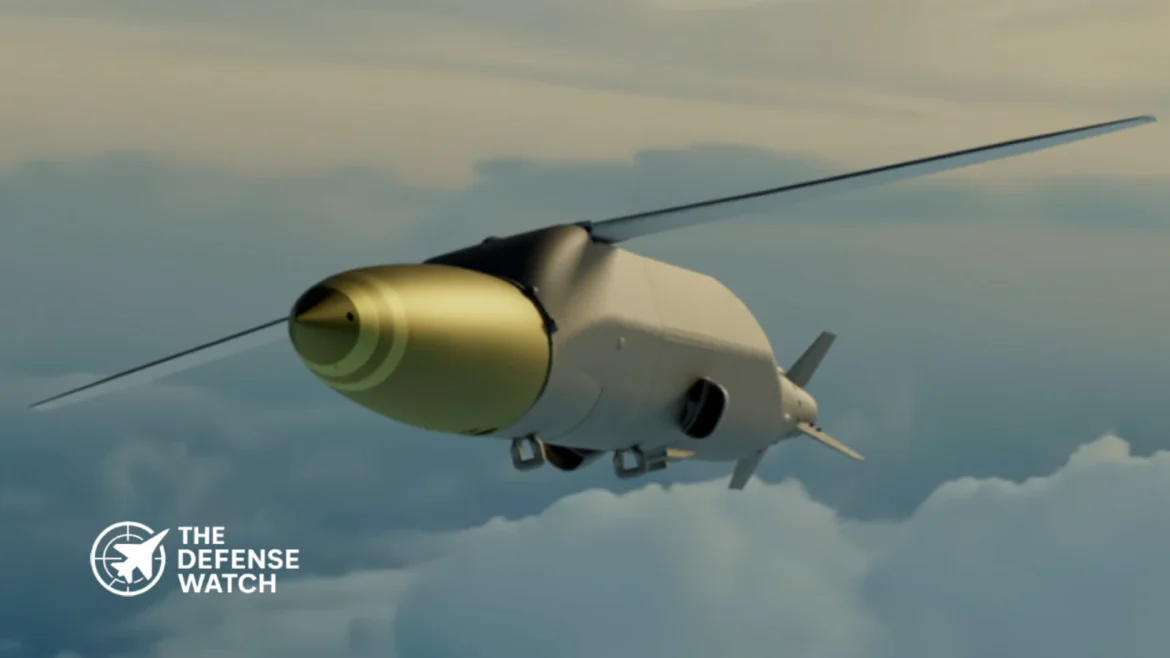
Anduril Industries and Poland’s state owned defense group PGZ have signed an agreement to establish local production of the surface launched Barracuda 500M cruise missile in Bydgoszcz. The partnership aims to produce thousands of affordable long range precision weapons for the Polish Armed Forces while strengthening NATO’s industrial capacity on its eastern flank.
Anduril Barracuda 500M Production Expands Into Poland
Anduril Industries and Polska Grupa Zbrojeniowa (PGZ) have formalized a cooperation agreement to establish localized production of the Barracuda 500M surface launched cruise missile in Poland, marking one of Europe’s most significant recent investments in scalable precision strike manufacturing. The agreement was announced during an official signing ceremony in Bydgoszcz attended by Polish Prime Minister Donald Tusk and Defense Minister Władysław Kosiniak Kamysz.
Production will be centered at Wojskowe Zakłady Lotnicze No. 2 (WZL-2), a PGZ subsidiary, where assembly will begin before gradually transitioning toward broader domestic manufacturing and supply chain localization. According to both companies, the program builds upon a memorandum of understanding first announced in October 2025.
The companies stated that the initiative will ultimately deliver thousands of Barracuda 500M systems for the Polish Armed Forces while supporting NATO’s growing requirement for affordable, mass producible long range strike weapons.
Local Manufacturing Becomes A Strategic Priority
Unlike many traditional missile procurement programs that rely on imported finished systems, the agreement emphasizes industrial participation inside Poland.
Officials said production will initially focus on missile assembly before expanding to incorporate increasing numbers of Polish and European suppliers. The long term objective is to create a Barracuda variant that is majority European made and compliant with the European Union’s SAFE defense industrial framework.
Bydgoszcz was selected because of its established aerospace workforce, military logistics infrastructure, and concentration of defense industries. The city already hosts major NATO organizations and has become one of Poland’s most important defense manufacturing hubs.
What Is The Barracuda 500M?
The Barracuda 500M belongs to Anduril’s family of autonomous precision strike systems designed around rapid, low cost manufacturing rather than traditional high expense cruise missile production.
According to Anduril, the weapon was developed to provide:
Capability Description Launch method Surface launched Mission Long range precision strike Production philosophy Mass production at significantly lower cost Employment High volume precision fires Primary users Polish Armed Forces and potential NATO partners Unlike legacy cruise missiles that often require lengthy manufacturing timelines, the Barracuda concept focuses on scalable production capable of replenishing inventories during prolonged conflict.
Why The Program Matters
The agreement reflects a broader shift occurring across NATO following lessons learned from the war in Ukraine.
Modern conflicts have demonstrated that advanced militaries can rapidly deplete stocks of expensive precision guided weapons. As a result, defense planners increasingly emphasize weapons that can be manufactured in much larger numbers without sacrificing operational effectiveness.
The Barracuda 500M addresses this challenge by combining autonomous guidance with production methods intended to reduce cost and shorten manufacturing cycles. Rather than replacing premium cruise missiles, systems such as Barracuda could complement them by providing commanders with greater magazine depth during sustained operations.
For Poland, domestic production also reduces dependence on overseas supply chains while expanding national industrial expertise in precision strike technologies.
Strengthening NATO’s Eastern Flank
Poland has emerged as one of NATO’s fastest growing defense investors, committing substantial resources to missile defense, armored forces, artillery, combat aircraft, and long range fires.
Adding domestic production of the Barracuda 500M complements these modernization efforts by giving Poland a sovereign manufacturing capability for precision strike weapons.
From NATO’s perspective, expanding missile production inside Europe improves resilience should alliance members require rapid replenishment during a major crisis. Rather than relying solely on North American production lines, localized manufacturing creates additional industrial capacity closer to potential operational theaters.
The program also aligns with broader European efforts to increase defense industrial output following heightened security concerns across the continent.
Industrial And Operational Implications
Beyond missile production itself, the agreement demonstrates an evolving model of transatlantic defense cooperation.
Instead of exporting finished systems, U.S. defense companies are increasingly partnering with European manufacturers to establish regional production networks. This approach supports allied industrial bases while maintaining interoperability across NATO.
For Anduril, the partnership provides its first major European production line for the Barracuda family. For PGZ, it expands domestic expertise in precision guided weapons while potentially opening opportunities for future collaborative programs involving autonomous systems and advanced munitions.
If production proceeds as planned, the Bydgoszcz facility could become one of Europe’s largest manufacturing centers dedicated to affordable long range precision strike weapons.
Lockheed Martin has secured a new U.S. Navy contract worth up to $1.38 billion to provide engineering, integration, testing, and sustainment services for the AEGIS Combat System, one of the world’s most capable naval air and missile defense architectures.
According to the Naval Sea Systems Command (NAVSEA), Lockheed Martin Rotary and Mission Systems, based in Moorestown, New Jersey, received an initial $60.6 million cost-plus-award-fee, cost-plus-fixed-fee, and cost (no-fee) contract to support AEGIS ship integration and testing for surface combatants and associated tactical sites.
The contract contains multiple options that could increase its total value to approximately $1.383 billion if exercised, extending work through June 2036. The award was competitively procured through the System for Award Management (SAM) website, with two offers received.
- Lockheed Martin received an initial $60.6 million Navy contract that could grow to $1.38 billion through exercised options.
- The work supports integration, testing, sustainment, and modernization of the AEGIS Combat System aboard U.S. Navy surface combatants.
- Engineering efforts also cover AEGIS Ashore ballistic missile defense facilities in Romania and Poland.
- The contract ensures long term combat system readiness as the Navy expands missile defense and integrated air defense capabilities.
- Performance is scheduled through 2027, with options extending work until June 2036.
Deep Technical & Strategic Context Analysis
The AEGIS Combat System serves as the backbone of U.S. Navy air and missile defense operations. Installed aboard Arleigh Burke-class guided missile destroyers, Ticonderoga-class cruisers, and adapted for Aegis Ashore missile defense installations in Europe, the system combines powerful phased array radar, command and control software, advanced fire control, and interceptor missiles into an integrated combat architecture.
Modern AEGIS configurations employ the AN/SPY-1 radar on legacy ships and increasingly the AN/SPY-6(V) Air and Missile Defense Radar on newer destroyers. Together with the Baseline 9 and Baseline 10 software architectures, the combat system enables simultaneous engagement of ballistic missiles, cruise missiles, hypersonic glide vehicle threats under development, aircraft, unmanned aerial systems, and surface targets. The Navy continues upgrading AEGIS to support Integrated Air and Missile Defense (IAMD), Cooperative Engagement Capability (CEC), and Joint All Domain Command and Control (JADC2), making software integration and continuous testing as strategically important as hardware modernization.
This contract primarily funds the engineering required to ensure new combat system software, sensors, launch systems, and weapons function reliably across multiple ship classes. Unlike a production contract for new ships or missiles, this effort focuses on systems integration, verification, and operational testing, reducing technical risk before fleet-wide deployment.
The contract structure also reflects the complexity of combat system engineering. A cost-plus-award-fee arrangement reimburses allowable costs while providing additional incentives for exceptional technical performance and schedule execution. A cost-plus-fixed-fee component pays a predetermined fee regardless of actual costs, reducing contractor incentives to cut corners while supporting highly uncertain engineering work where precise costs cannot be estimated in advance. Such contract types are commonly used for sophisticated defense software development, systems integration, and test activities where technical challenges evolve throughout execution.
Contract Breakdown & Details
Scope of Work
Lockheed Martin will provide:
- AEGIS combat system integration
- Engineering support
- Developmental and operational testing
- Mission planning support
- Combat system verification
- Surface combatant modernization support
- Support for related tactical test facilities
- Lifecycle sustainment of deployed combat systems
The work supports operational readiness across active fleet units while enabling future combat system upgrades.
Geographic Distribution of Work
The contract work will be performed across several key naval engineering and fleet support locations:
| Location | Share of Work |
|---|---|
| Moorestown, New Jersey | 36% |
| Norfolk/Virginia Beach, Virginia | 25% |
| Bath, Maine | 11% |
| Pascagoula, Mississippi | 10% |
| San Diego, California | 9% |
| Deveselu, Romania | 4% |
| Redzikowo, Poland | 3% |
| Other locations | 2% |
The inclusion of Romania and Poland highlights continued U.S. support for NATO’s Aegis Ashore ballistic missile defense network, which forms a key component of the European Phased Adaptive Approach designed to defend allied territory against ballistic missile threats.
Funding Breakdown
Initial obligations total more than $19 million, sourced from multiple Navy appropriations:
- 43%, Fiscal Year 2026 Operations and Maintenance (Navy)
- 27%, Fiscal Year 2026 Other Procurement (Navy)
- 16%, Fiscal Year 2024 Shipbuilding and Conversion (Navy)
- 4%, Fiscal Year 2020 Shipbuilding and Conversion
- 4%, Fiscal Year 2017 Shipbuilding and Conversion
- 4%, Fiscal Year 2023 Shipbuilding and Conversion
- 2%, Fiscal Year 2021 Shipbuilding and Conversion
The Navy noted that $8.24 million of Fiscal Year 2026 Operations and Maintenance funding will expire at the end of the current fiscal year.
Contract Timeline
Initial Award Value: $60.6 million
Maximum Potential Value: $1.383 billion
Completion of Base Period: June 2027
Potential Completion with Options: June 2036
Contract Type: Cost-plus-award-fee, cost-plus-fixed-fee, and cost (no-fee)
Contracting Activity: Naval Sea Systems Command (NAVSEA), Washington, D.C.
Contract Number: N00024-26-C-5341
Award Date: June 30, 2026
Strategic Importance
As missile threats continue to evolve, particularly from increasingly capable ballistic, cruise, and hypersonic weapons, maintaining the AEGIS Combat System’s software and systems integration is becoming as critical as procuring new ships. The Navy’s modernization strategy depends on continuously updating combat systems across existing destroyers while ensuring interoperability with new sensors, Standard Missile variants, allied missile defense networks, and emerging command and control architectures.
The inclusion of Aegis Ashore facilities in Romania and Poland also underscores the contract’s significance beyond the U.S. fleet. It reinforces NATO’s integrated missile defense posture while ensuring the same engineering standards support both deployed warships and fixed ballistic missile defense sites.
- L3Harris Technologies Integrated Systems received a contract valued at up to $499.6 million to support the Missile Defense Agency’s Airborne Sensors program through 2036.
- The effort sustains specialized aircraft, airborne sensor payloads, mission planning, flight test execution, and modernization activities.
- An initial task order worth $22.2 million was awarded with $5 million in FY2026 research, development, test and evaluation funding obligated immediately.
- Airborne sensor aircraft provide critical tracking data that validates U.S. ballistic missile defense systems during live intercept testing.
- The contract ensures continuity for one of the Missile Defense Agency’s most important flight test capabilities over the next decade.
L3Harris Secures Decade Long Airborne Sensors Contract for U.S. Missile Defense Testing
The U.S. Missile Defense Agency (MDA) has awarded L3Harris Technologies Integrated Systems L.P., doing business as Aeromet, a follow-on indefinite delivery, indefinite quantity (IDIQ) contract with a ceiling value of $499.57 million to continue supporting the agency’s Flight Test Airborne Sensors (ABS) program.
According to the Missile Defense Agency, headquartered in Huntsville, Alabama, the contract covers continued operation, sustainment, modernization, and mission support for specialized airborne sensor aircraft used during U.S. missile defense flight tests. The ordering period extends from September 15, 2026, through September 14, 2036, providing long-term continuity for one of the agency’s most critical test infrastructure capabilities.
An initial task order valued at $22.18 million was issued at award, including $5 million in FY2026 Research, Development, Test and Evaluation (RDT&E) funding obligated immediately. The contract was competitively awarded after one proposal was received.
Deep Technical & Strategic Context Analysis
The Missile Defense Agency’s Airborne Sensors (ABS) fleet plays a unique role within the United States’ layered ballistic missile defense architecture. Unlike operational surveillance aircraft tasked with day-to-day intelligence collection, ABS aircraft are purpose-built flying laboratories that collect high-fidelity tracking, infrared, telemetry, and engagement data during live missile defense flight tests.
These aircraft observe every phase of a ballistic missile engagement, from launch and boost through midcourse and terminal intercept, providing engineers with precise measurements that cannot be replicated solely through ground radars or satellite observations. Data collected during these missions is essential for validating interceptor performance, refining guidance algorithms, calibrating sensor networks, and improving future missile defense architectures.
As missile threats continue to evolve, particularly with the emergence of maneuverable reentry vehicles, hypersonic glide vehicles, and increasingly sophisticated ballistic missile designs, maintaining accurate flight test instrumentation has become strategically significant. The ABS fleet enables the Missile Defense Agency to evaluate the performance of systems such as the Ground Based Midcourse Defense system, Aegis Ballistic Missile Defense, Terminal High Altitude Area Defense (THAAD), and other integrated missile defense capabilities under realistic operational conditions.
The contract’s indefinite delivery, indefinite quantity (IDIQ) structure gives the government flexibility to issue task orders as testing schedules evolve over the next decade. Rather than funding all work upfront, the agency orders specific services when required, allowing flight test campaigns, aircraft modernization efforts, and sensor upgrades to be aligned with evolving defense priorities while controlling long-term acquisition risk.
Contract Breakdown & Details
Scope of Work
L3Harris will provide:
- Operation and sustainment of Missile Defense Agency airborne sensor aircraft
- Maintenance of airborne sensor payloads
- Mission planning and pre-flight preparation
- Flight test execution support
- Engineering modernization and capability upgrades
- Logistics, technical support, and lifecycle sustainment
Contract Overview
- Contract Type: Indefinite Delivery, Indefinite Quantity (IDIQ)
- Maximum Contract Value: $499,573,000
- Initial Task Order: $22,175,032
- Ordering Period: September 15, 2026, through September 14, 2036
- Awardee: L3Harris Technologies Integrated Systems L.P. (Aeromet)
- Primary Work Location: Tulsa, Oklahoma
- Contracting Activity: Missile Defense Agency, Huntsville, Alabama
- Contract Number: HQ0855-26-D-E001
Funding
- Initial FY2026 RDT&E Funding Obligated: $5 million
- Funding supports continued missile defense research, flight testing, and evaluation activities.
Competition
- Procurement Method: Full and open competitive solicitation
- Proposals Received: One
Geographic Work Breakdown
Based on the contract announcement:
- Tulsa, Oklahoma: Approximately 100% of contract performance, including aircraft operations, maintenance, sensor integration, engineering support, and modernization activities.
Why This Matters
Although less visible than interceptor missile procurements, airborne sensor support contracts underpin nearly every major U.S. missile defense flight test. Without reliable airborne instrumentation, engineers would lose critical telemetry needed to verify whether interceptors, radars, command systems, and kill vehicles performed as designed.
The award also reflects the Missile Defense Agency’s continued emphasis on modernizing its testing infrastructure as it prepares for increasingly complex threat scenarios involving hypersonic weapons, advanced ballistic missiles, and integrated air and missile defense operations. By extending support through 2036, the agency is ensuring that its airborne test assets remain available for the next generation of missile defense development and validation programs.
Executive Summary:
Thales has agreed to acquire a controlling stake in French maritime robotics and navigation specialist Exail after Safran ended separate acquisition discussions. The transaction strengthens Thales’ position in autonomous naval technologies, underwater systems, and defense electronics while reflecting broader consolidation across Europe’s defense industrial base.
Thales Moves To Expand Its Defense Technology Portfolio Through Exail Acquisition
Thales’ acquisition of a controlling stake in Exail marks one of the most significant defense industry transactions announced in Europe this year, reinforcing the company’s ambitions in autonomous maritime systems and advanced navigation technologies.
According to Reuters, the agreement follows Safran’s decision to end its own negotiations with Exail, clearing the way for Thales to become the controlling shareholder. The deal comes as European governments continue increasing defense investment amid growing security concerns and heightened demand for advanced military technologies.
Although financial details were not publicly disclosed, the transaction represents another step in the consolidation of Europe’s defense industrial base.
Why Exail Matters To Modern Defense Programs
Exail has become an increasingly important supplier of technologies supporting both military and civilian customers.
Its portfolio includes:
| Capability | Defense Applications |
|---|---|
| Autonomous underwater vehicles | Mine countermeasures and underwater reconnaissance |
| Inertial navigation systems | Naval vessels, submarines, aircraft, missiles |
| Maritime robotics | Autonomous naval operations |
| Underwater positioning systems | Anti-submarine warfare and offshore security |
| Simulation and training technologies | Military readiness and operator training |
These capabilities complement Thales’ existing strengths in naval combat systems, underwater warfare sensors, radar, electronic warfare, and command-and-control solutions.
The combination could allow Thales to offer more integrated maritime solutions to customers seeking complete autonomous mission packages.
Safran Withdraws From Negotiations
Reuters reported that Safran had previously explored acquiring Exail but ultimately chose not to proceed with negotiations.
Safran remains focused on its core aerospace propulsion, avionics, and defense electronics businesses, while Thales has increasingly emphasized digital warfare, artificial intelligence, cybersecurity, and autonomous defense systems.
The withdrawal removed a major competing bidder and enabled Thales to finalize an agreement for a controlling interest.
Neither company indicated that regulatory issues influenced Safran’s decision.
Growing Demand For Autonomous Naval Systems
The acquisition comes as NATO members and Indo-Pacific allies accelerate investments in unmanned maritime capabilities.
Modern naval forces increasingly require systems capable of:
- Conducting mine countermeasure missions without risking sailors.
- Monitoring strategic waterways continuously.
- Supporting anti-submarine operations.
- Performing persistent intelligence, surveillance, and reconnaissance missions.
- Protecting critical undersea infrastructure.
European navies have placed particular emphasis on autonomous mine warfare following lessons learned from recent maritime security operations.
Thales has already established itself as a leading supplier of sonar systems, naval combat management systems, and underwater warfare technologies. Adding Exail’s robotics expertise could further strengthen that position.
Strategic Importance For The European Defense Industry
The transaction reflects a broader trend across Europe’s defense sector.
Since 2022, rising defense budgets and increased demand for sovereign industrial capabilities have encouraged major defense companies to expand through acquisitions and strategic partnerships.
Rather than relying solely on traditional shipbuilding or weapons manufacturing, defense firms are investing heavily in:
- Artificial intelligence
- Autonomous systems
- Digital command networks
- Electronic warfare
- Precision navigation
- Robotics
- Underwater sensing technologies
These capabilities are becoming increasingly important as militaries prepare for contested maritime environments where unmanned systems can reduce operational risk while extending surveillance and strike capabilities.
Analysis: Why The Deal Matters Beyond France
From a broader strategic perspective, Thales’ move is about more than expanding its product catalog.
Autonomous underwater vehicles, precision navigation, and maritime robotics are rapidly becoming foundational technologies for future naval operations. Western navies increasingly view unmanned systems as force multipliers that allow commanders to conduct dangerous missions without exposing crews to unnecessary risk.
For the United States and NATO allies, stronger European industrial capabilities also support alliance readiness. European suppliers are playing a growing role in developing interoperable systems that can integrate with multinational naval task groups.
The acquisition also highlights how competition within the defense industry is shifting. Companies are no longer competing solely through platforms such as ships or aircraft. Increasingly, competitive advantage comes from software, autonomy, artificial intelligence, sensor fusion, and underwater robotics, areas where Exail has developed specialized expertise.
If successfully integrated, Exail’s technologies could strengthen Thales’ ability to compete for future naval modernization programs across Europe, the Indo-Pacific, and other regions investing in autonomous maritime security.
Outlook
The acquisition remains subject to customary regulatory approvals before completion.
Once finalized, Thales is expected to integrate Exail’s expertise into its broader defense electronics portfolio while continuing to support existing customers.
The transaction underscores the growing importance of autonomous maritime technologies as governments seek to modernize naval forces and protect increasingly contested maritime domains.