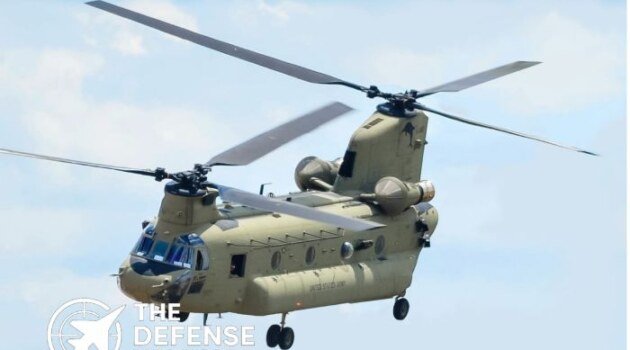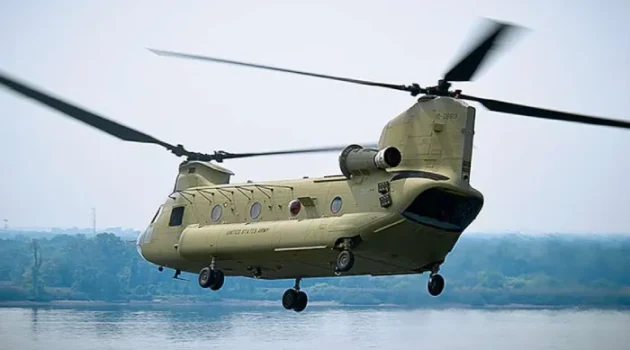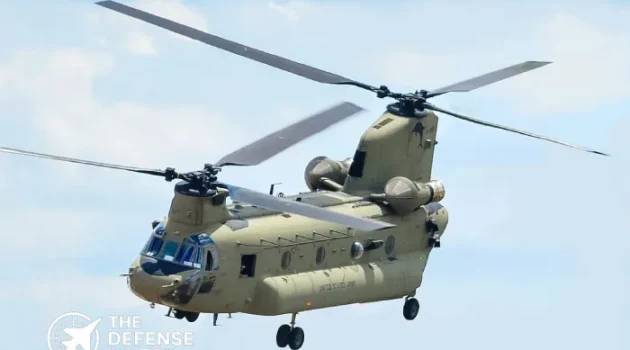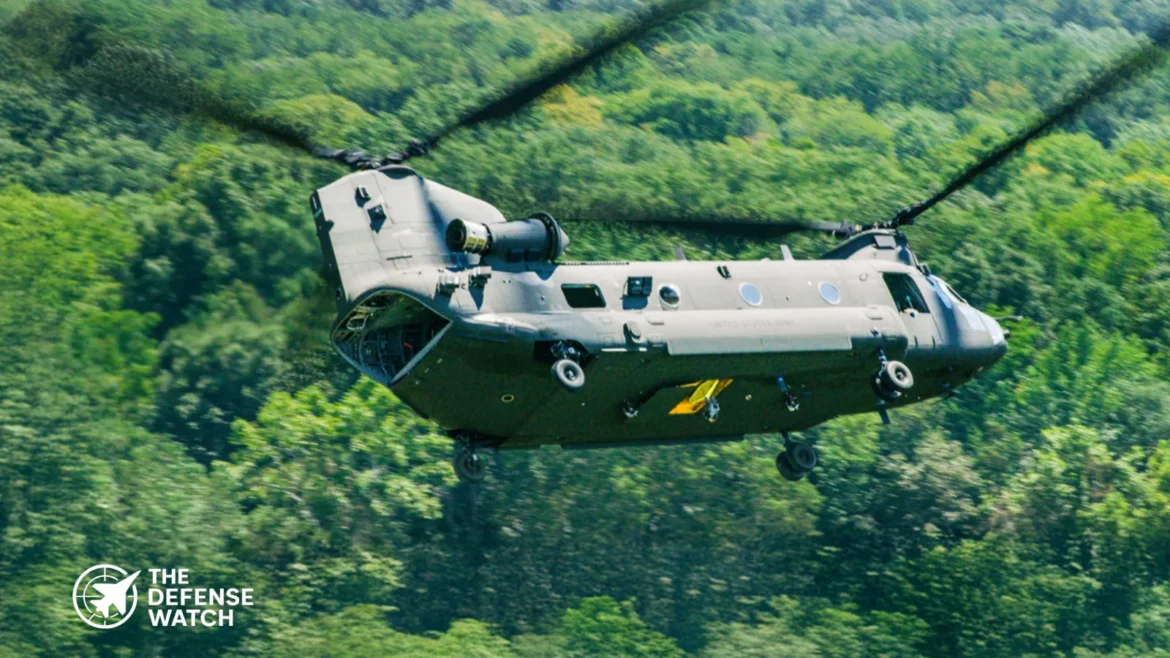
The chinook helicopter has been a central element of US Army aviation for more than six decades. Known formally as the CH 47 helicopter, the tandem rotor aircraft fills a role no other US platform fully replaces. It moves troops, vehicles, artillery, fuel, and relief supplies across long distances and difficult terrain. From combat deployments to disaster response, the chinook cargo helicopter continues to shape how the US military moves and sustains forces.
(adsbygoogle = window.adsbygoogle || []).push({});Designed for reliability and capacity rather than speed or stealth, the CH 47 Chinook helicopter remains one of the most heavily used army helicopters in service today. Continuous upgrades have kept the platform relevant despite its Cold War origins.
Origins and Development of the CH 47 Helicopter
The chinook helicopter traces its roots to the early 1960s, when the US Army sought a heavy lift aircraft capable of operating in austere conditions. Boeing Vertol developed the original CH 47A, building on experience with tandem rotor designs.
The twin rotor layout eliminated the need for a tail rotor and allowed more engine power to be dedicated to lift. This design choice also improved stability while carrying large external loads.

The Chinook entered service in 1962 and was rapidly deployed to Vietnam. Combat experience shaped early upgrades, including stronger airframes, improved engines, and better survivability systems. These lessons established a pattern that continues today.
Design Features and Airframe Layout
Tandem Rotor Configuration
The most visible feature of the chinook helicopter is its tandem rotor system. Two large rotors mounted fore and aft provide lift and balance. This configuration allows the aircraft to carry heavy loads without excessive fuselage length.
The absence of a tail rotor also reduces mechanical complexity and improves safety during ground operations, especially in confined landing zones.
(adsbygoogle = window.adsbygoogle || []).push({});Cargo Focused Fuselage
The CH 47 helicopter was built around cargo movement. The wide cabin supports palletized loads, vehicles, and up to 33 troops in standard configuration. A rear loading ramp enables rapid loading and unloading, even while engines remain running.
Externally, the chinook cargo helicopter can carry sling loads exceeding 10 tons, depending on conditions. Artillery pieces, engineering equipment, and light armored vehicles are routinely moved this way.
Powerplant and Performance
Modern variants use twin Honeywell engines delivering over 4,800 shaft horsepower each. These engines allow high altitude operations, including missions in mountainous regions like Afghanistan.
Cruise speed averages around 160 knots, faster than many other transport helicopters. Range exceeds 400 nautical miles with internal fuel, extendable with auxiliary tanks.
Variants in US Army Service
CH 47D
The CH 47D became the backbone of the fleet in the 1980s and 1990s. It introduced more powerful engines, composite rotor blades, and a modernized cockpit.
Many D models have since been retired or transferred to partner nations, but the variant defined modern Chinook operations.
CH 47F
The CH 47F is the current standard US Army model. It features a reinforced airframe, digital cockpit, and advanced flight control systems. The aircraft is designed for higher gross weight and longer service life.
Block II upgrades now entering service further increase payload capacity, improve fuel systems, and extend operational relevance into the 2040s.
MH 47G Special Operations Variant
US Army Special Operations Aviation Command operates the MH 47G. This variant supports long range infiltration and resupply missions. It includes terrain following radar, aerial refueling probes, and enhanced defensive systems.
The MH 47G is often the first aircraft into contested environments, highlighting the platform’s adaptability.
Chinook Helicopter in Combat Operations
The chinook helicopter has supported nearly every major US conflict since Vietnam. In Iraq and Afghanistan, it served as the primary heavy lift platform for forward bases.
Its ability to operate from unimproved landing zones proved critical in regions with limited infrastructure. The aircraft routinely evacuated damaged vehicles, delivered ammunition under fire, and conducted mass troop insertions.
Despite its size, survivability upgrades such as missile warning systems, countermeasures, and ballistic protection have allowed the CH 47 Chinook helicopter to operate in high threat areas.
Role in Humanitarian and Domestic Missions
Beyond combat, the chinook cargo helicopter plays a major role in disaster relief. US Army and National Guard units regularly deploy Chinooks after hurricanes, floods, and wildfires.
The aircraft can move generators, water supplies, and medical equipment faster than ground transport in damaged regions. During overseas humanitarian missions, Chinooks often support United Nations and allied efforts.
This dual use role strengthens political support for continued investment in the platform.
(adsbygoogle = window.adsbygoogle || []).push({});Global Operators and Allied Use
More than 20 countries operate variants of the CH 47 helicopter. Key allies include the United Kingdom, Australia, Japan, Italy, and the Netherlands.
Interoperability is a major advantage. Shared logistics, training pipelines, and common upgrade paths allow allied forces to operate together with minimal friction.
Boeing continues to support international customers through production, remanufacturing, and sustainment programs. Additional sales remain likely as nations seek proven heavy lift solutions.
Sustainment and Industrial Base
The chinook helicopter supports a wide US defense industrial footprint. Final assembly occurs in Pennsylvania, with suppliers across multiple states.
Long term sustainment contracts cover engine support, avionics upgrades, and structural refurbishment. These efforts aim to keep the fleet operational beyond 2060.
According to Boeing and US Army budget documents, planned upgrades focus on payload growth, digital backbone improvements, and reduced maintenance hours.
Analysis Why the Chinook Still Matters
While newer aircraft programs often focus on speed or autonomy, the chinook helicopter remains essential because it solves a basic problem. Moving heavy equipment and people reliably still matters more than advanced features in many scenarios.
Future Vertical Lift programs may eventually introduce replacements, but cost, risk, and mission overlap suggest the CH 47 Chinook helicopter will remain in service alongside newer platforms.
(adsbygoogle = window.adsbygoogle || []).push({});In contested logistics environments, the ability to move large loads quickly can determine operational tempo. Few aircraft match the Chinook’s balance of payload, range, and availability.
FAQs
What is the primary role of the chinook helicopter?The primary role is heavy lift transport of troops, vehicles, artillery, and supplies in support of ground forces.
How much cargo can a CH 47 helicopter carry?Depending on conditions, internal payload exceeds 20,000 pounds, with similar capacity for external sling loads.
Is the Chinook still being produced?Yes. New build and remanufactured aircraft are in production for the US Army and international customers.
How long will the CH 47 remain in service?Current plans project service life into the 2050s and potentially beyond with upgrades.
How does the Chinook compare to other army helicopters?It carries far more cargo than medium lift helicopters and complements them rather than replacing them.

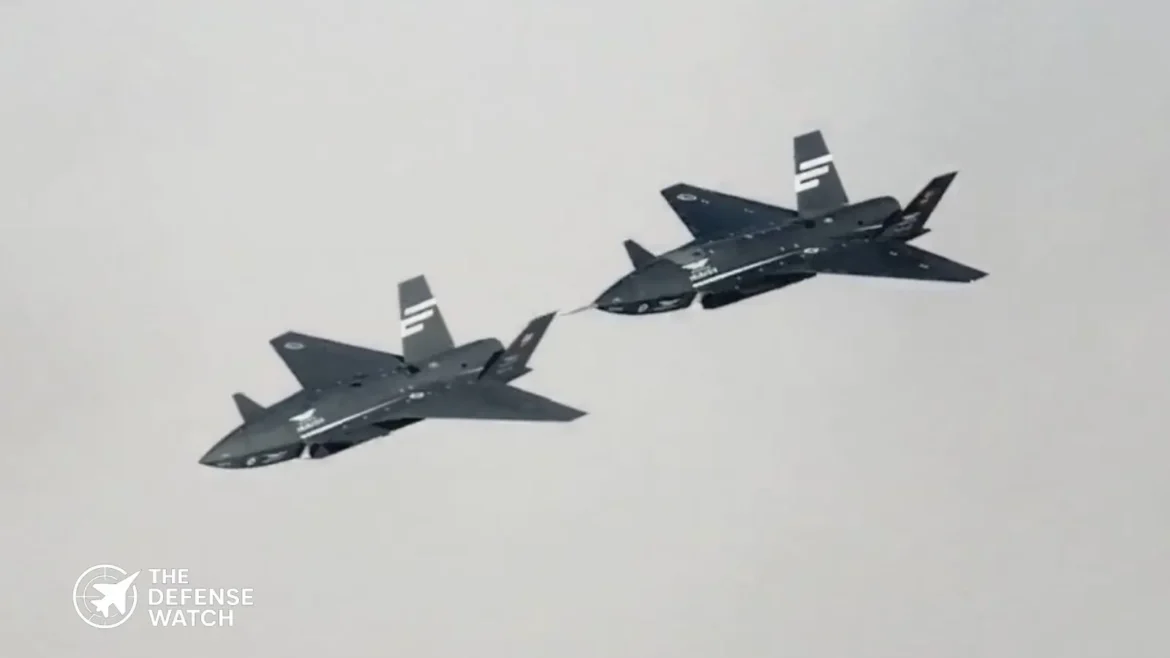
Turkiye’s Bayraktar Kizilelma unmanned fighter jets have completed the world’s first fully autonomous close-formation flight by jet-powered combat aircraft, Baykar announced on December 28, 2025. This milestone underscores a new level of autonomous capability for unmanned combat aircraft and advances Turkeys role in next-generation aerial warfare.
(adsbygoogle = window.adsbygoogle || []).push({});The test was conducted at the Akinci Flight Training and Test Center in Corlu, northwestern Turkiye. Two Kizilelma prototypes, designated PT3 and PT5, took off in sequence and, once airborne, executed synchronized maneuvers while maintaining close formation without any human input. The flight used smart fleet autonomy algorithms developed by Baykar’s engineering team.
According to Baykar, this is the first time unmanned fighter-class aircraft have flown in close formation autonomously, a role that has traditionally required highly trained human pilots and complex coordination.
Autonomous Combat Patrol Tested
In addition to formation flying, the Kizilelma jets carried out a Combat Air Patrol mission along a pre-defined route using fleet autonomy software. This demonstrated the system’s potential for autonomous air defence tasks that are core elements of modern air combat operations.
(adsbygoogle = window.adsbygoogle || []).push({});Baykar executives described the achievement as a world first, noting the development of indigenous autonomy capabilities. The company has previously highlighted export agreements for its unmanned systems, including TB2 and Akinci models.
Strategic and Industry Context
The Kizilelma program represents a shift in unmanned combat aviation. Unlike traditional ISR or light strike drones, Kizilelma is designed for contested airspace roles, including air-to-air engagements and joint operations with manned aircraft.
In a recent related milestone, Kizilelma was reported to have achieved a verified beyond-visual-range air-to-air kill using a domestically developed Gokdogan missile and an Aselsan AESA radar during tests over the Black Sea.
The ability to fly formation autonomously could support future scaling of unmanned fleets in combat roles and reduce reliance on direct human pilot control, aligning with global trends toward autonomous and AI-driven systems in defense aviation.
Boeing Wins $2 Billion Contract to Modernize B-52 Bombers
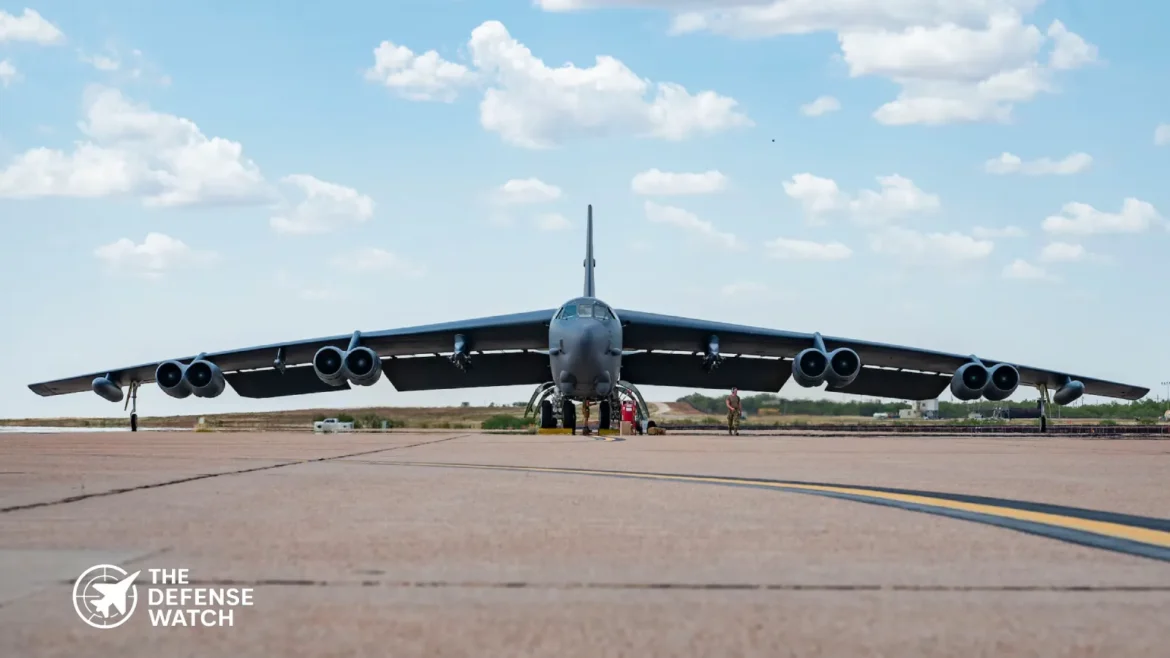
Boeing has secured a $2 billion contract from the US Air Force to continue work on re-engining the B-52H bomber, part of the long-running B-52 Commercial Engine Replacement Program (CERP).
The contract, approved on 23 December 2025, funds integration of new turbofan engines on two B-52H aircraft, replacing the current eight Pratt & Whitney TF33 engines mounted in the bomber’s dual-pod underwing configuration.
CERP, launched in 2018, aims to extend the B-52 fleet’s service life while improving fuel efficiency and reliability. Rolls-Royce serves as the propulsion supplier and recently cleared the USAF critical design review for the new engines.
According to Boeing, the program will modernize the bomber with engines that provide higher thrust, improved durability, and reduced maintenance requirements. The upgrades support the Air Force’s long-term bomber strategy, ensuring the B-52 remains operational well into the 2050s.
The contract milestone represents both a significant investment in US strategic bomber capability and a major step in ongoing fleet modernization.
The B-52H, a cornerstone of America’s heavy bomber fleet, will benefit from these new engines by achieving greater operational flexibility, lower lifecycle costs, and enhanced performance. Boeing will continue engineering, testing, and integration work over the next several years under this award.
The F110-GE-129E engine is shaping the next wave of fighter propulsion for U.S. and allied air forces. This variant of the F110 series delivers more thrust and improved durability for combat aircraft such as the F-16. In this article we explain what the F110-GE-129E engine is, how it differs from earlier models, where it is used or planned to be used, and what it means for military aviation.
The term F110-GE-129E engine refers to an upgraded version of the General Electric F110 family of afterburning turbofan engines. These engines are key powerplants for multi role fighters and have a long service history with the U.S. Air Force and partner nations.
(adsbygoogle = window.adsbygoogle || []).push({});What Is the F110-GE-129E Engine
The F110-GE-129E engine is a development of the F110-GE-129 model. The base F110-GE-129 powers many F-16 Block 40 and later aircraft in U.S. and allied fleets. This upgraded version adds refinements to internal components and control systems. The goal is to provide higher thrust, better reliability, and easier maintenance.
The standard F110-GE-129 produces about 29,500 pounds of thrust with afterburner. The “E” improvements focus on temperature handling, fan design, and electronic controls. These changes yield a small but important jump in performance and life cycle value.
Upgrades typically aim at three areas:
- Higher thrust output, which improves acceleration and payload.
- Extended time between overhauls, which lowers cost and increases availability.
- Better digital engine control for smoother operation and diagnostics.
General Electric Aviation, the maker of the F110 family, has not publicly detailed all the F110-GE-129E changes. However defense industry sources say improvements are based on lessons learned from years of field use.
Where the Engine Is Deployed or Planned
U.S. Air Force
The U.S. Air Force fields F110 engines on many of its F-16C/D fighters. Recent service life extension programs and engine buys have leaned into the -129 and now the -129E variant. The latter is part of ensuring U.S. fighter units maintain high sortie rates while aging airframes remain in service.
The F110-GE-129E engine is seen as a stopgap pending next generation fighter engines for future aircraft like the NGAD fighter. It keeps legacy fighters viable in contested air spaces.
Partner Air Forces
Several U.S. allies also use F110 engines on their fighters. Countries that operate F-16s or similar aircraft may qualify for the E variant through Foreign Military Sales (FMS) channels. Engine commonality helps streamline logistics for joint operations.
(adsbygoogle = window.adsbygoogle || []).push({});Nations such as Bahrain, Egypt, Poland, Romania, and Singapore have F-16 fleets powered by F110 engines. Some export orders now include updated engine options that align with the F110-GE-129E.
Technical Details and Performance
The F110-GE-129E engine is an afterburning turbofan. It has a high pressure ratio core and a variable bypass fan. Afterburners inject fuel into the exhaust stream to raise thrust for combat or rapid climb needs.
Compared with the earlier F110-GE-100 model, the -129 family delivers more thrust at similar weight and fuel burn. The -129E version pushes that further with improved materials and cooling.
The Electronic Engine Control (EEC) unit on the F110-GE-129E offers better monitoring and fault reporting. This helps maintenance crews spot issues before they lead to failures. The digital system also refines engine response, which can improve fuel efficiency in some flight regimes.
Engine life is measured in cycles and hours. The improvements in the -129E aim to extend both. Longer life means fewer overhauls, lower cost per flight hour, and higher aircraft readiness.
Industrial and Supply Chain Context
General Electric Aviation makes the F110 family in the United States. The U.S. defense industrial base relies on these engines for current fighter operations. The production line supports both new engines and spare parts for in service units.
Global supply chain issues in aerospace have pressured manufacturers to focus on resilience. GE has been working with suppliers to lock in parts and tooling for key engine sections. This matters because interruptions can slow deliveries to operators.
(adsbygoogle = window.adsbygoogle || []).push({});Parts commonality across variants also helps. The F110-GE-129E shares many parts with earlier F110 models. This reduces the number of unique items operators must keep on hand. At the same time, the E variant brings newer parts that must be stocked or sourced.
The U.S. government may fund sustainment and upgrades through defense budgets and specific line items for engines. This money supports modernization and readiness. Contract awards and extensions for F110 engines are tracked by industry watchers as indicators of fleet health.
Strategic Value for Air Forces
The F110-GE-129E engine gives fighters improved performance in high demand operations. More thrust can mean quicker climb, better acceleration, and higher payload capacity. For air forces that operate in wide theaters or contested air spaces, every bit of thrust helps.
Higher sortie rates depend on engine reliability. The enhanced durability of the -129E variant can reduce ground time and maintenance cycles. That translates to more aircraft available for missions.
Engine performance also affects tactics. For example, higher thrust can improve low altitude acceleration or recovery from maneuvering. Pilots can exploit that edge in air combat or ground attack profiles.
(adsbygoogle = window.adsbygoogle || []).push({});From a logistic standpoint, newer engines can reduce life cycle costs. Fewer unplanned repairs and longer time between scheduled overhauls save money. That is critical for air forces facing tight budgets.
Analysis
The F110-GE-129E engine represents an incremental but meaningful step for fighter propulsion. It is not a radical redesign but a focused upgrade that improves core performance and supportability.
For the U.S. Air Force and its partners, this engine helps bridge the gap while next generation propulsion systems are still years away. It keeps current fighters competitive and reliable.
It also highlights how defense manufacturers are extending the life of mature platforms. Rather than phasing out large fleets of F-16s or similar aircraft quickly, air forces can keep them flying with better engines. This approach balances capability needs with budget realities.
The engine upgrades also fit into broader trends in military aviation. Older airframes are being modernized with new avionics, weapons, and sensors. Upgraded engines are part of that full system refresh. They allow older jets to handle modern equipment and tougher mission sets.
Finally, the F110-GE-129E engine underlines the importance of supply and sustainment. Powerplants are complex and costly. Ensuring a healthy production line and parts pipeline is as critical as the aircraft they go into.
FAQs
What aircraft use the F110-GE-129E engine?Primarily F-16 fighters in U.S. and allied service are candidates for this engine. Some export customers may choose it through FMS programs.
How does it differ from the F110-GE-129?The E variant has improved materials, control systems and cooling. These changes raise thrust and extend service life compared with the base 129 model.
Is it used on new aircraft builds?Yes, new production F-16s can be delivered with the F110-GE-129E engine depending on customer choice.
Can older engines be upgraded?In many cases operators can retrofit earlier F110 engines with updated components to approach E variant performance.
What is its thrust rating?The base F110-GE-129 produces about 29,500 pounds of thrust with afterburner. The E variant increases that figure moderately while improving durability.

Turkey Receives First F110 Engines for Kaan Fighter
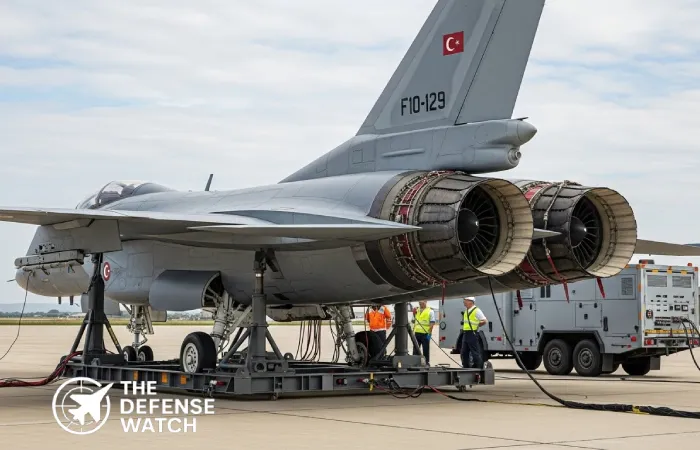
Turkey has received an initial batch of ten F110-GE-129E engines for its Kaan fighter program, the Turkish Defense Agency confirmed. These engines, supplied by GE Aerospace, will power the twin-engine Kaan prototypes as Ankara continues negotiations for a follow-on order of 80 additional engines.
The first ten engines are expected to support prototype testing set to begin in 2026. A demonstrator aircraft previously flew in February 2024, but the lead Kaan prototype is scheduled for its maiden flight next year, marking a key milestone for Turkey’s indigenous fighter program.
The F110 engine, widely used in U.S. and allied aircraft, will provide the Kaan with a proven powerplant capable of supporting advanced flight testing and operational evaluation. Negotiations for the larger follow-on order remain sensitive, reflecting broader U.S. export control considerations for advanced military engines.
Turkish Aerospace Industries (TAI), the program’s lead developer, has emphasized the strategic importance of securing these engines to maintain program timelines and support Turkey’s ambitions for an indigenous stealth-capable fighter.
Experts note that engine deliveries are a critical step in moving the Kaan from concept and demonstrator stages to operational prototypes, which will undergo extensive trials in the coming year.
The Apache Helicopter as a Modern Battlefield Icon
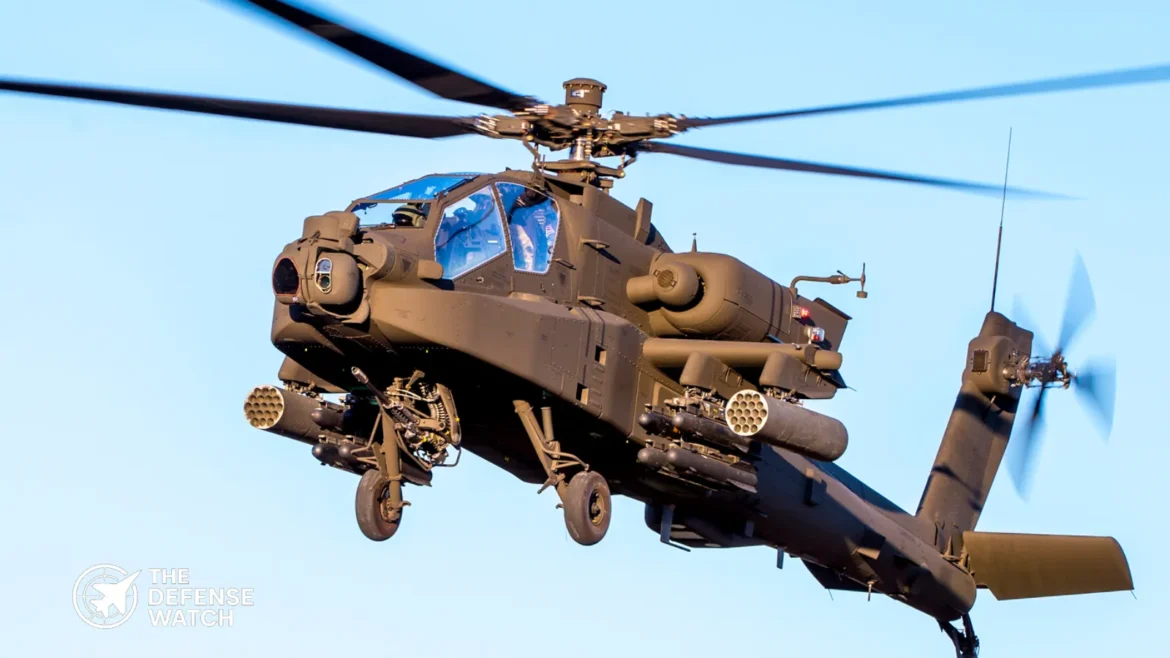
The Apache helicopter has become one of the most recognizable and feared combat aircraft in modern warfare. Designed during the Cold War and continuously upgraded for 21st-century conflicts, the Apache attack helicopter remains a core element of U.S. Army airpower and a benchmark for attack rotorcraft worldwide. From high-intensity armored warfare to counter-insurgency and precision strike missions, the Apache’s combat record spans more than four decades of global operations.
(adsbygoogle = window.adsbygoogle || []).push({});Today, platforms such as the AH-64D Apache helicopter and the latest AH-64E Guardian represent not just flying gunships, but fully networked battlefield systems capable of finding, fixing, and destroying targets day or night, in all weather conditions. With its distinctive mast-mounted radar, heavy weapons load, and survivability features, the Apache fighter helicopter continues to define the attack helicopter category.
The Origins of the Apache Attack Helicopter
The Apache’s roots trace back to the U.S. Army’s search in the 1970s for an advanced anti-armor helicopter capable of countering large Soviet tank formations in Europe. This requirement led to the Advanced Attack Helicopter (AAH) program, eventually won by Hughes Helicopters—later acquired by McDonnell Douglas and now part of Boeing Defense.

The resulting AH-64 entered U.S. Army service in the mid-1980s, introducing a new generation of survivability, firepower, and sensor integration. Unlike earlier gunships, the Apache was designed from the ground up to fight in heavily defended environments, incorporating armor protection, redundant systems, and the ability to operate at extremely low altitudes.
(adsbygoogle = window.adsbygoogle || []).push({});AH-64D Apache Helicopter: A Major Leap in Capability
The AH-64D Apache helicopter, introduced in the late 1990s, marked a transformational upgrade over earlier models. Its most visible feature is the AN/APG-78 Longbow radar, mounted above the rotor mast. This radar allows the Apache to detect, classify, and prioritize multiple targets while remaining concealed behind terrain.
Key Enhancements of the AH-64D
- Longbow fire-control radar enabling “fire-and-forget” missile engagements
- Fully digital glass cockpit
- Improved datalinks for sharing targeting data with other aircraft and ground forces
- Enhanced electronic warfare and self-protection systems
In combat, these improvements allowed Apache crews to engage armored vehicles and high-value targets with unprecedented speed and coordination, especially when operating in hunter-killer teams.
Apache Fighter Helicopter: Weapons and Firepower
At the heart of the Apache’s reputation is its lethal weapons suite. The Apache attack helicopter is designed to deliver precision firepower across a wide range of mission profiles.
Primary Armament
- 30mm M230 Chain Gun: Mounted under the fuselage, capable of engaging infantry, vehicles, and fortified positions.
- AGM-114 Hellfire Missiles: The Apache’s primary anti-armor weapon, used extensively in Iraq, Afghanistan, and other theaters.
- Hydra 70 Rocket Pods: Unguided and guided variants for area suppression and precision strike.
- Air-to-Air Missiles: Such as Stinger, for self-defense against aerial threats.
This combination allows the Apache fighter helicopter to conduct close air support, deep attack missions, armed reconnaissance, and escort operations.
Combat Experience: From Desert Storm to Today
The Apache helicopter’s combat debut during Operation Desert Storm in 1991 cemented its reputation. Apache helicopters were among the first aircraft to strike Iraqi targets, neutralizing radar sites and opening corridors for coalition airpower.
Since then, Apaches have seen extensive combat use in:
- Iraq and Afghanistan
- Syria and counter-ISIS operations
- Peacekeeping and deterrence missions worldwide
U.S. Army operational assessments consistently highlight the Apache’s ability to operate in high-threat environments while maintaining a high mission-capable rate. According to publicly available U.S. Army aviation briefings (external source: U.S. Army Aviation Center), Apache units remain central to ground maneuver operations.
Apache Helicopter Price and Global Market
The apache helicopter price varies significantly depending on configuration, support packages, and modernization level. While exact figures depend on contracts, defense analysts estimate that a new-build Apache can exceed $35–40 million per unit, with lifetime costs rising considerably once training, spares, and sustainment are included.
International Operators
Beyond the United States, the Apache attack helicopter has been exported to numerous allied nations, including:
- United Kingdom
- India
- Japan
- South Korea
- Saudi Arabia
- Netherlands
For many countries, the Apache represents a high-end capability aimed at deterring armored threats and enhancing joint operations with U.S. and NATO forces.
(adsbygoogle = window.adsbygoogle || []).push({});AH-64E Guardian: The Latest Evolution
While the AH-64D remains influential, the U.S. Army has largely transitioned to the AH-64E Guardian, an upgraded variant featuring:
- More powerful engines
- Improved composite rotor blades
- Enhanced networking with drones and ground forces
- Better maritime strike capability
The AH-64E reflects the shift toward multi-domain operations, where attack helicopters act as sensor and shooter nodes within a broader combat network.
Survivability and Battlefield Integration
One reason the Apache helicopter remains relevant is its emphasis on survivability. The aircraft incorporates:
- Armored crew compartments
- Redundant flight and weapons systems
- Infrared suppression and countermeasures
- Advanced electronic warfare suites
In modern conflicts, Apache crews increasingly operate alongside unmanned aerial systems (UAS), using drones to scout ahead and relay targeting data. This manned-unmanned teaming concept is a key pillar of U.S. Army aviation modernization.
Strategic Analysis: Why the Apache Still Matters
Despite the rise of drones and precision missiles, the Apache attack helicopter continues to offer unique advantages. Its ability to loiter, adapt to changing battlefield conditions, and directly support ground forces gives it a flexibility that fixed-wing aircraft and unmanned systems often lack.
From a strategic perspective, the Apache’s continued upgrades signal that the U.S. Army views attack helicopters as essential in both conventional warfare and hybrid conflicts. For allies, acquiring Apache helicopters also strengthens interoperability with U.S. forces, reinforcing coalition operations.
(adsbygoogle = window.adsbygoogle || []).push({});Future Outlook: Modernization Beyond 2030
The U.S. Army plans to keep the Apache in service well into the 2040s, even as it explores next-generation platforms under the Future Vertical Lift (FVL) program. Rather than replacing the Apache outright, current plans emphasize incremental upgrades, ensuring the aircraft remains lethal and survivable against evolving threats.
FAQs
What is the main role of the Apache helicopter?The Apache helicopter is designed for attack missions, including anti-armor warfare, close air support, and armed reconnaissance.
How much does an Apache helicopter cost?The apache helicopter price typically ranges above $35 million per unit, depending on configuration and support packages.
What is the difference between AH-64D and AH-64E?The AH-64E features stronger engines, better networking, and improved performance compared to the AH-64D.
Which countries operate the Apache attack helicopter?The U.S., UK, India, Japan, South Korea, and several NATO allies operate Apache helicopters.
Is the Apache still relevant in modern warfare?Yes. Continuous upgrades keep the Apache effective against modern threats and integrated into network-centric warfare.
Belarus Receives Su 30SM2 Fighter Jets
Belarus has received upgraded Su 30SM2 fighter jets as part of ongoing military cooperation with Russia, marking another step in the modernization of the Belarusian Air Force. The Su 30SM2 fighter jets were delivered under a bilateral defense agreement that expands operational integration between the two countries, according to Russian and Belarusian defense officials.
(adsbygoogle = window.adsbygoogle || []).push({});The aircraft were transferred to Belarusian air bases following factory upgrades in Russia. State media in Minsk confirmed the delivery, while Russian defense industry sources highlighted the role of the program in strengthening allied air combat capabilities.
What the Su 30SM2 Brings
The Su 30SM2 fighter jets represent an improved version of the Su 30SM platform, featuring upgraded avionics, improved radar performance, and compatibility with newer Russian air to air and air to ground weapons. The aircraft is powered by AL 41F 1S derived engines, similar to those used on the Su 35, offering increased thrust and reliability.
Russian officials have stated that the Su 30SM2 fighter jets share greater systems commonality with frontline Russian aircraft, simplifying logistics and training. This is intended to allow closer joint operations between Russian and Belarusian air units.
Impact on Belarus Air Power
For Belarus, the arrival of Su 30SM2 fighter jets strengthens air defense and strike capabilities at a time of heightened military activity in Eastern Europe. The aircraft replace older Soviet era platforms and enhance the country’s ability to conduct air patrols, interception missions, and joint exercises with Russian forces.
(adsbygoogle = window.adsbygoogle || []).push({});Belarus has already deployed Su 30 aircraft for air policing and combined drills under the Union State framework. Defense analysts note that the upgraded Su 30SM2 fighter jets improve situational awareness and combat readiness without requiring a complete overhaul of existing infrastructure.
Broader Strategic Context
The delivery underscores Russia’s continued use of defense exports to reinforce strategic partnerships. Western defense analysts cited by Janes and Aviation Week have noted that such transfers deepen interoperability and signal long term security alignment.
China Sixth-Generation Fighter Progress in Pentagon Report
The China sixth-generation fighter progress is a key element in the latest Pentagon annual assessment of Beijing’s military capabilities to Congress, the US Department of Defense stated. The report underscores early test activity for two future combat aircraft and broader advances in Chinese airpower systems.
The defense review, which covers developments across land, sea, air and space, is a baseline for US lawmakers and defense planners tracking Beijing’s military modernization.
Pentagon Report Points to Test Flights
According to the Department of Defense’s report to Congress, China began testing a pair of sixth-generation aircraft in December 2024, referencing jets tentatively linked with the Chengdu J-36 and a Shenyang design often labeled J-50 or J-XDS. These flights mark the first observed progression from concept toward flight-worthy prototypes.
The report notes these aircraft are in the early stages of development and states they could become operational around 2035. It highlights the broad mission potential for such aircraft in future conflict scenarios, including air-to-air, air-to-surface, and command of unmanned wingmen.
Broader Airpower Enhancements
The document also cites progress in other aviation domains. China’s Xian KJ-3000 airborne early warning and control platform completed a first flight in 2024. The report describes the KJ-3000’s radar as capable of anti-jamming, passive detection and target ID features that could improve regional situational awareness.
Additionally, Pekin’s carrier aviation elements and UAV systems show continued expansion, according to the review, reflecting a focus on integrated airpower.
Context on Chinese Fighter Programs
Independent reporting and imagery analysis indicate that the aircraft referred to by the Pentagon are part of ongoing prototype programs seen on Chinese social media and aviation forums. Observers note multiple test flights of tailless, stealthy designs from Chengdu and Shenyang, with some reports pointing to rapid iterative changes in prototype configurations over recent months.
Implications for US Airpower and F-47 NGAD
While the Pentagon frames the progress as early and developmental, the milestones have drawn attention in defense circles given ongoing US efforts under its Next Generation Air Dominance initiative. The United States has also been advancing future air dominance concepts, although official documents place operational timelines later in the decade.
What Defines 5th Generation Fighter Jets
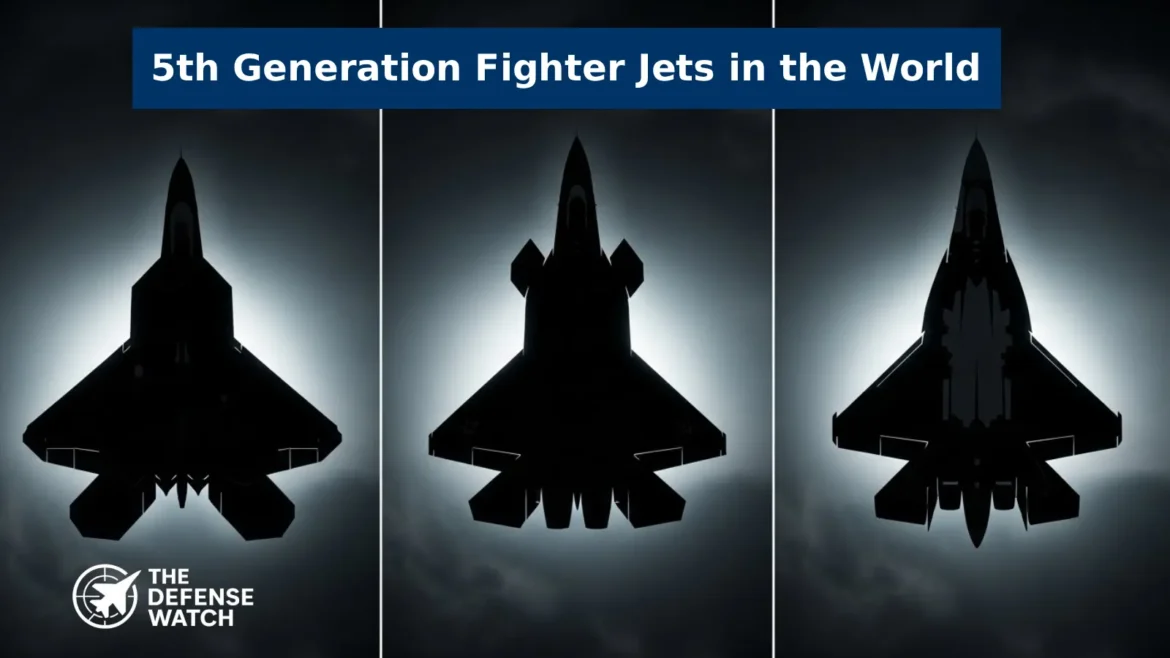
5th generation fighter jets sit at the center of modern airpower competition. These aircraft combine stealth, advanced sensors, data fusion, and networked combat in ways earlier fighters cannot match. For air forces, 5th generation fighters are not just new planes. They are flying combat systems designed to see first, strike first, and survive in heavily defended airspace.
(adsbygoogle = window.adsbygoogle || []).push({});The term 5th generation fighter jets is widely used by defense planners and aerospace analysts, even though there is no single international standard. Still, several core features clearly separate these aircraft from 4th and 4.5 generation fighters. Understanding these traits helps explain why only a handful of countries operate true 5th generation jets today.
Core Characteristics of 5th Generation Fighter Jets
Stealth as a Design Foundation
Low observability is the defining feature of 5th generation fighter jets. Stealth is built into the aircraft shape, materials, and internal weapons bays. Unlike older fighters that rely on external pods or limited radar absorbing coatings, 5th generation jets are designed from the start to reduce radar, infrared, and electronic signatures.
This allows them to operate inside advanced air defense systems where non stealth aircraft would face high risk.
Sensor Fusion and Situational Awareness
Another critical element is sensor fusion. Multiple onboard sensors, including radar, infrared search and track, and electronic support measures, feed data into a single tactical picture. Pilots see a clean, integrated display rather than raw sensor outputs.
This capability shortens decision time and improves survivability, especially in complex combat environments.
Networked Warfare and Data Sharing
5th generation fighter jets act as nodes in a wider combat network. They share targeting data with other aircraft, ships, ground forces, and command centers. In some cases, they guide weapons launched by other platforms while remaining undetected themselves.
This networked approach changes how air battles are fought and how joint forces operate.
Advanced Propulsion and Supercruise
Most 5th generation fighters feature powerful engines designed for supercruise, sustained supersonic flight without afterburners. This improves range, reduces fuel consumption, and lowers infrared signature during high speed operations.
United States, The Most Mature 5th Generation Fleet
F 22 Raptor
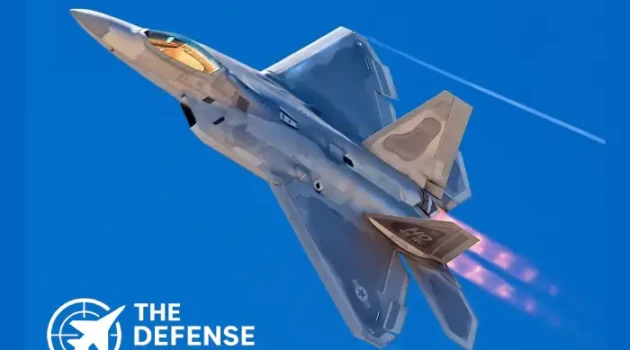
The Lockheed Martin F 22 Raptor was the worlds first operational 5th generation fighter jet. Developed for air dominance, it combines extreme stealth, supercruise, and unmatched maneuverability.
The F 22 entered service in the mid 2000s and remains limited to the US Air Force. Export was banned by US law, keeping the fleet exclusive. Production ended in 2012, but the aircraft continues to receive upgrades focused on sensors, weapons, and electronic warfare.
(adsbygoogle = window.adsbygoogle || []).push({});F 35 Lightning II
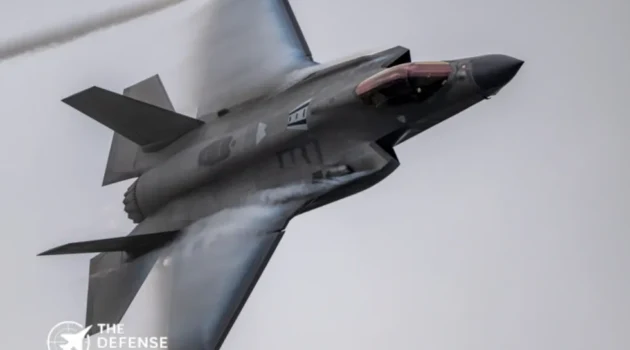
The F 35 Lightning II is the most widely deployed 5th generation fighter jet in the world. Built in three main variants for conventional takeoff, short takeoff and vertical landing, and carrier operations, the F 35 serves multiple branches of the US military and allied air forces.
Its strength lies in sensor fusion and networked warfare rather than raw speed or agility. The F 35 acts as a battlefield sensor hub, sharing real time data across joint forces.
More than a dozen countries operate or have ordered the F 35, making it the backbone of Western airpower for decades.
China, Rapid Progress in Stealth Fighter Development
J 20 Mighty Dragon
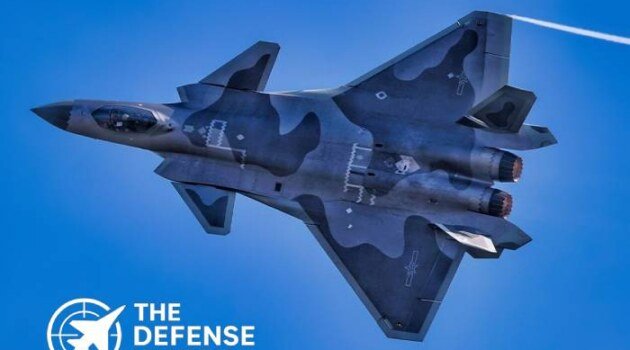
Chinas Chengdu J 20 is the first non Western 5th generation fighter jet to enter operational service. The aircraft emphasizes long range interception and strike missions, reflecting Chinas focus on countering high value targets such as tankers and airborne early warning aircraft.
The J 20 features internal weapons bays, advanced avionics, and evolving engine technology. Early versions relied on Russian engines, but newer variants are believed to use indigenous powerplants.
The J 20 has become a key element of the Peoples Liberation Army Air Force modernization drive.
(adsbygoogle = window.adsbygoogle || []).push({});FC 31 and J 35 Program
China is also developing a second stealth fighter design, often referred to as FC 31 or J 35. This aircraft is expected to support naval aviation and export markets. If fully operational, it would expand Chinas 5th generation footprint across both air force and carrier based roles.
Russia, Advanced Design with Limited Numbers
Su 57 Felon
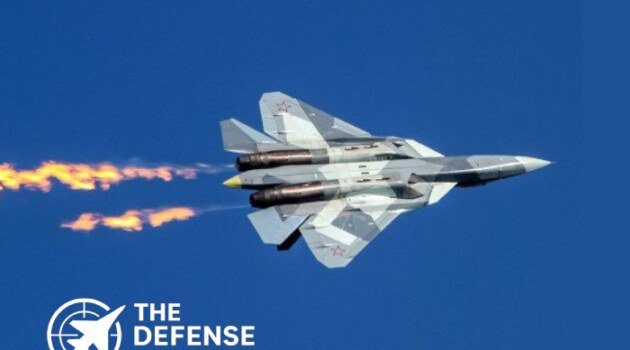
Russias Su 57 is designed as a multirole 5th generation fighter jet with emphasis on agility, long range weapons, and advanced sensors. The aircraft features stealth shaping, internal weapon bays, and thrust vectoring engines.
However, production has progressed slowly due to budget constraints and technical challenges. Operational numbers remain limited compared to US and Chinese fleets.
Russia continues to upgrade the Su 57 with new engines, radar systems, and weapons, aiming to close capability gaps over time.
Emerging and Planned 5th Generation Programs
South Korea KF 21, Near 5th Generation Capabilities
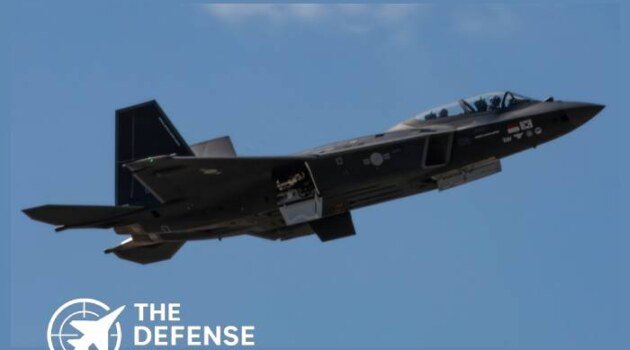
South Koreas KF 21 Boramae is often described as a 4.5 plus generation fighter with partial stealth features. While it lacks some defining 5th generation traits such as full internal weapons carriage, it represents a major step toward advanced air combat capability.
Future variants may incorporate deeper stealth and sensor integration, narrowing the gap with true 5th generation fighters.
(adsbygoogle = window.adsbygoogle || []).push({});Turkiye KAAN Program
Turkiye is developing the KAAN stealth fighter to reduce reliance on foreign aircraft. The program aims to deliver a domestically produced fighter with low observability, advanced avionics, and networked combat features.
KAAN remains in development, with flight testing underway and operational service planned in the next decade.
Japans F X Program
Japan is pursuing its own next generation fighter, often referred to as the F X or GCAP, in partnership with the United Kingdom and Italy. While often classified as a 6th generation effort, early operational versions may enter service with advanced 5th generation characteristics before evolving further.
(adsbygoogle = window.adsbygoogle || []).push({});Global Operators of 5th Generation Fighter Jets
As of today, only a few countries operate true 5th generation fighter jets.
United States operates F 22 and F 35
China operates J 20
Russia operates Su 57
Several allied nations operate F 35, including the United Kingdom, Japan, Australia, Italy, South Korea, and othersThis limited group highlights how complex and costly 5th generation development remains.
Strategic Impact on Global Airpower Balance
The spread of 5th generation fighter jets is reshaping airpower balance, especially in the Indo Pacific and Europe. Stealth aircraft challenge traditional air defense concepts and force rivals to invest heavily in counter stealth radar, electronic warfare, and integrated defense networks.
For allies, shared platforms like the F 35 improve interoperability and collective defense. For competitors, indigenous stealth programs are seen as essential to maintaining deterrence and regional influence.
Analysis, Why 5th Generation Fighters Matter Beyond Combat
Beyond direct combat performance, 5th generation fighter jets influence diplomacy, defense partnerships, and industrial policy. Access to these aircraft often signals deeper political alignment with the United States or, in Chinas case, strategic autonomy.
They also drive domestic aerospace industries, pushing advances in materials, software, and manufacturing that spill over into civilian sectors.
At the same time, their high cost and maintenance demands raise questions about fleet size versus capability, especially for mid sized air forces balancing budgets and operational needs.
(adsbygoogle = window.adsbygoogle || []).push({});FAQs
What makes a fighter jet 5th generation?It combines stealth design, sensor fusion, advanced avionics, networked data sharing, and internal weapons carriage.
Which countries have 5th generation fighter jets?The United States, China, and Russia operate indigenous 5th generation fighters, while several allied nations operate the F 35.
Is the F 35 better than older fighters?In terms of situational awareness, survivability, and networked warfare, the F 35 offers advantages over 4th generation fighters.
Are more countries developing 5th generation fighters?Yes, programs in Turkiye, South Korea, and Japan aim to field advanced stealth fighters in the coming years.
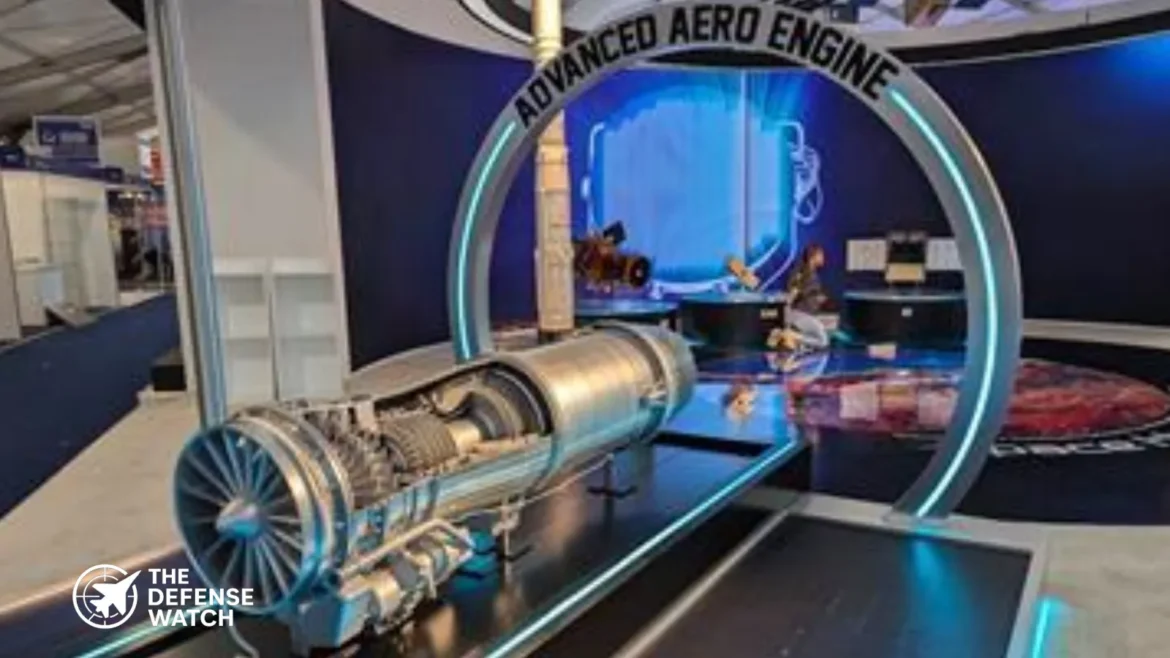
South Korea has officially committed $3.4 billion to develop an indigenous fighter engine for its KF-21 fighter program. The Advanced Aviation Engine Development Project will run from 2027 to 2040, according to the Defense Acquisition Program Administration.
The program aims to produce an engine with 16,000lb of military thrust and 24,000lb with afterburners. Initial projections had suggested a 15,000lb military thrust. Hanwha Advanced Aero Engine will lead prototype development, certification testing, and system-mounted flight tests.
The funding highlights Seoul’s push to reduce dependence on foreign engine suppliers and strengthen domestic aerospace capabilities. Officials said the project will cover full-cycle development, including prototype production, testing, and preparation for integration with the KF-21 fighter.
The KF-21 Boramae, South Korea’s homegrown stealth fighter, has been in development since 2015. The indigenous engine program aligns with broader regional trends emphasizing self-reliance in advanced military aviation technology.
Analysts note that this investment will position South Korea alongside other nations pursuing domestic fighter engine capabilities, enhancing both national security and technological expertise.