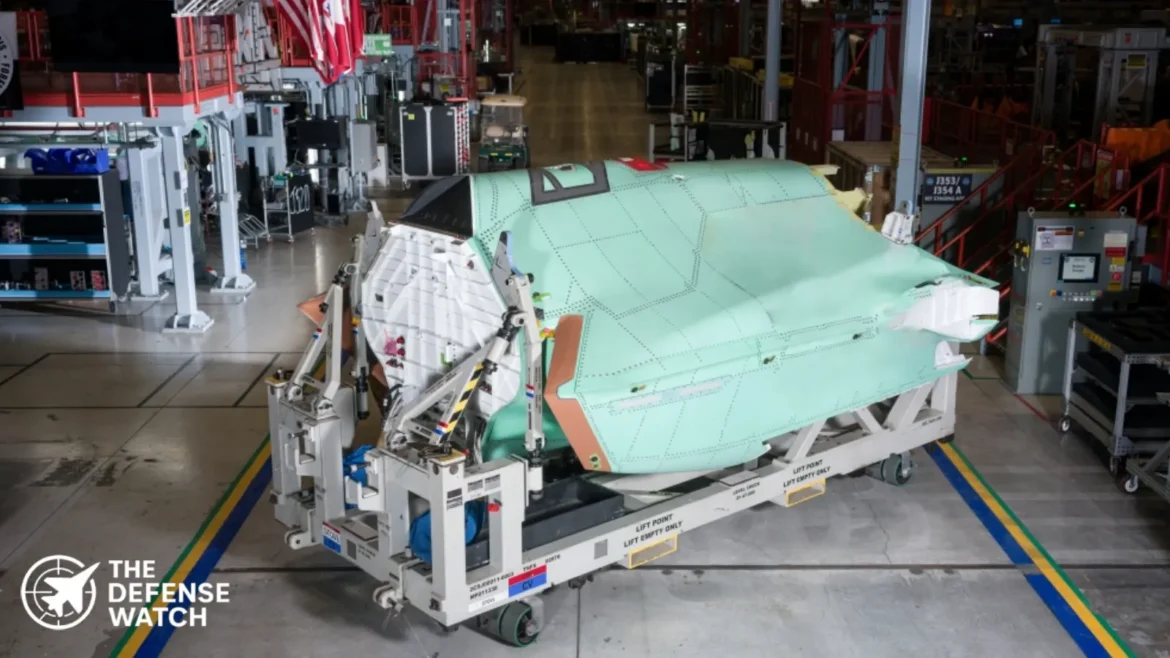
Northrop Grumman Delivers 1,500th F 35 Center Fuselage
Northrop Grumman has delivered its 1,500th F 35 center fuselage, marking a major production milestone for the F 35 Lightning II program and the broader U.S. and allied fighter fleet.
The center fuselage is a critical structural section of the aircraft, integrating the cockpit, weapons bays, and key avionics. Northrop Grumman produces the component at its Integrated Assembly Line in Palmdale, California, before shipping it to Lockheed Martin for final aircraft assembly.
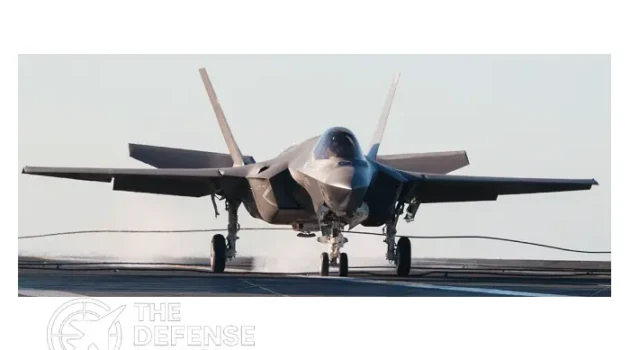
According to the company, the delivery reflects more than a decade of continuous manufacturing in support of the Joint Strike Fighter program. The F 35 center fuselage is common across all three variants of the aircraft, including the conventional takeoff F 35A, the short takeoff and vertical landing F 35B, and the carrier based F 35C.
Northrop Grumman stated that its role in the F 35 program extends beyond fuselage production. The company also provides the AN APG 81 active electronically scanned array radar, communications subsystems, and mission systems integration support. These components are central to the aircraft’s stealth, sensor fusion, and multi domain capabilities.
The F 35 program remains the largest fighter aircraft program in the world, with more than 1,000 aircraft delivered globally and operators across the U.S. military and allied air forces. Sustained delivery of the F 35 center fuselage supports ongoing production lots and long term fleet growth.
Industry officials have consistently highlighted the importance of production stability and supply chain resilience as the program transitions toward sustainment and modernization. The 1,500th fuselage delivery underscores the maturity of the industrial base supporting the F 35.
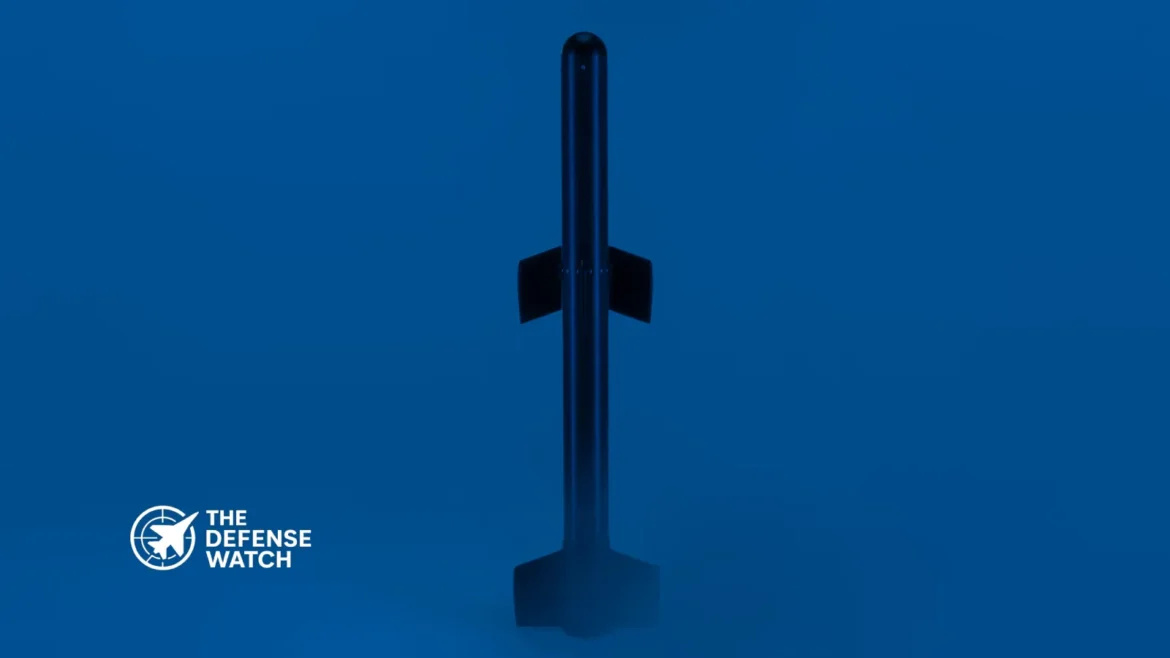
Mach Industries’ Dart counter-drone system is designed to defeat mass drone swarms and evolving small unmanned aerial system threats for U.S. and allied forces. The system combines detection, tracking, and kinetic engagement in a scalable package.
New Scalable Counter-UAS for High-Volume Threats
Mach Industries rolled out Dart™, a next-generation counter-UAS platform intended to handle Group 1-3 drones, including coordinated swarms that can overwhelm legacy defenses.
The system integrates Mach’s Frequency Modulated Continuous Wave ground radar with low-cost interceptors to offer a sensor-to-engage chain from detection to neutralization.
Designed for End-to-End Operations
Dart is self-contained and built for high throughput in contested or denied environments. It is meant to work where existing missile defenses may struggle economically or operationally.
Deployments can be scaled from single units to multiple systems protecting forward operating bases, distributed outposts, and critical infrastructure sites. The design supports parallel engagements and high track-and-engage capacity against both swarm attacks and higher-performance Group 3 targets.
Production and Integration
Mach Industries plans to produce Dart using its vertically integrated Forge manufacturing ecosystem. This approach is intended to speed production, support rapid iteration, and reduce supply chain vulnerabilities.
Context in Modern Air Defense
Swarm drone threats have emerged as a growing challenge for militaries, as low-cost UAVs can saturate traditional air defense systems. Integrating a scalable, kinetic counter-UAS layer like Dart fits broader efforts to build layered defenses that can sustain high intercept demands without prohibitive costs.
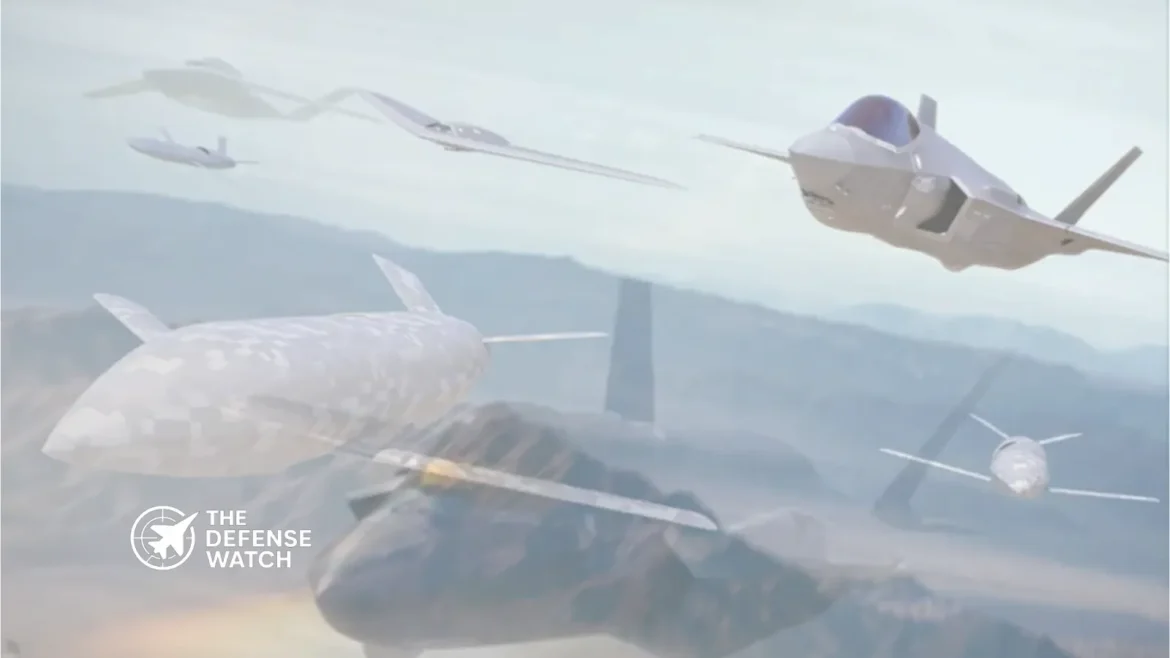
Navy F-35 Pilots Train to Control Drones from Cockpit Tablets
Navy F-35 pilots have successfully completed training to operate multiple drones directly from their fighter jet cockpits using touchscreen tablets. This milestone marks a significant step in integrating unmanned systems into tactical aviation.
(adsbygoogle = window.adsbygoogle || []).push({});The training took place at the Pentagon’s Joint Simulation Environment (JSE) at the Naval Air Warfare Center Aircraft Division in Maryland. The JSE uses advanced modeling and simulation to give pilots realistic mission experience in a secure setting. Rear Adm. Todd Evans, NAWCAD commander, noted the training equips aviators with modern tactics essential for future conflicts.
Pilots used tablets to command several Collaborative Combat Aircraft simultaneously. These autonomous drones, equipped with artificial intelligence, act as “loyal wingmen,” coordinating strikes and sharing targeting data in real time. During exercises, both pilots and drones engaged in simulated combat, executing precision-guided attacks.
(adsbygoogle = window.adsbygoogle || []).push({});Last year, U.S. Air Force pilots integrated Kratos XQ-58A Valkyrie drones into joint training at Eglin Air Force Base, while Marine F-35 and Air Force F-22 pilots practiced combined operations at the JSE for the first time. The Navy plans to expand the JSE to include aircraft like the EA-18G Growler, E-2D Advanced Hawkeye, and F/A-18E/F Super Hornet.
This training emphasizes tactical human-machine teaming, highlighting the growing role of AI-driven unmanned systems in naval aviation. By mastering drone control from the cockpit, pilots enhance mission flexibility and maintain an edge in complex air combat scenarios.

Royal Navy Proteus Drone First Flight in January
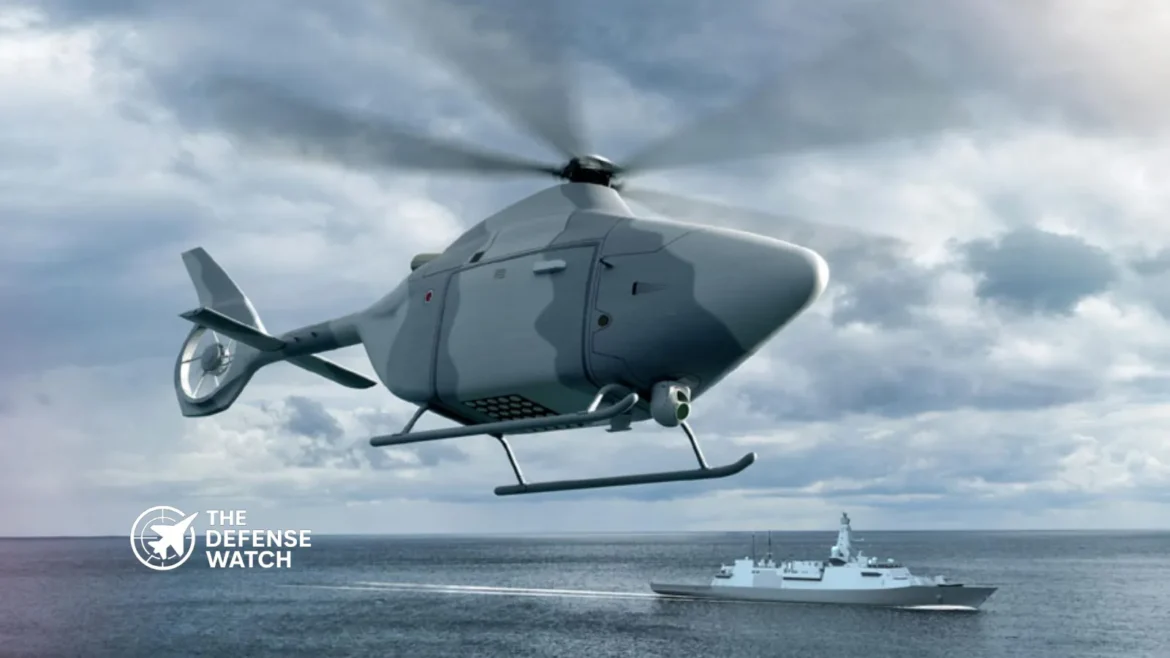
The Royal Navy Proteus drone is now expected to complete its first flight in January 2026, UK Ministry of Defence officials confirmed. The Proteus uncrewed helicopter demonstrator has been developed to explore large autonomous vertical take-off and landing operations in maritime environments.
Demonstrator for Future Naval Aviation
The Proteus uncrewed helicopter is part of a UK Defence Innovation programme backed with about 140 million pounds in funding, aimed at advancing rotary-wing unmanned systems. Defence minister Luke Pollard noted that no weapon system has been selected for Proteus yet, as the project focuses on data collection and technology evaluation rather than immediate operational deployment.
Proteus will test a high degree of autonomy and modular payload integration planned to support a range of warfighting and support roles, including maritime surveillance and other missions. The aircraft is sized similar to a standard helicopter and designed to collect experience and technical insights for future operational platforms.
Role in Maritime Aviation Transformation
Proteus is being developed under the UK Ministry of Defence’s broader Maritime Aviation Transformation strategy, geared toward modernizing naval aviation with uncrewed systems through 2040. The demonstrator’s trials will inform how large autonomous rotorcraft might be integrated into future fleets for surveillance, anti-submarine roles, and other tasks at sea.
What Comes After First Flight
While the Proteus drone is not slated for immediate service, the insights from its flight tests will guide development of next-generation uncrewed maritime helicopters. Officials say data from Proteus will help shape future platforms intended for both surveillance and strike roles over the next decade.
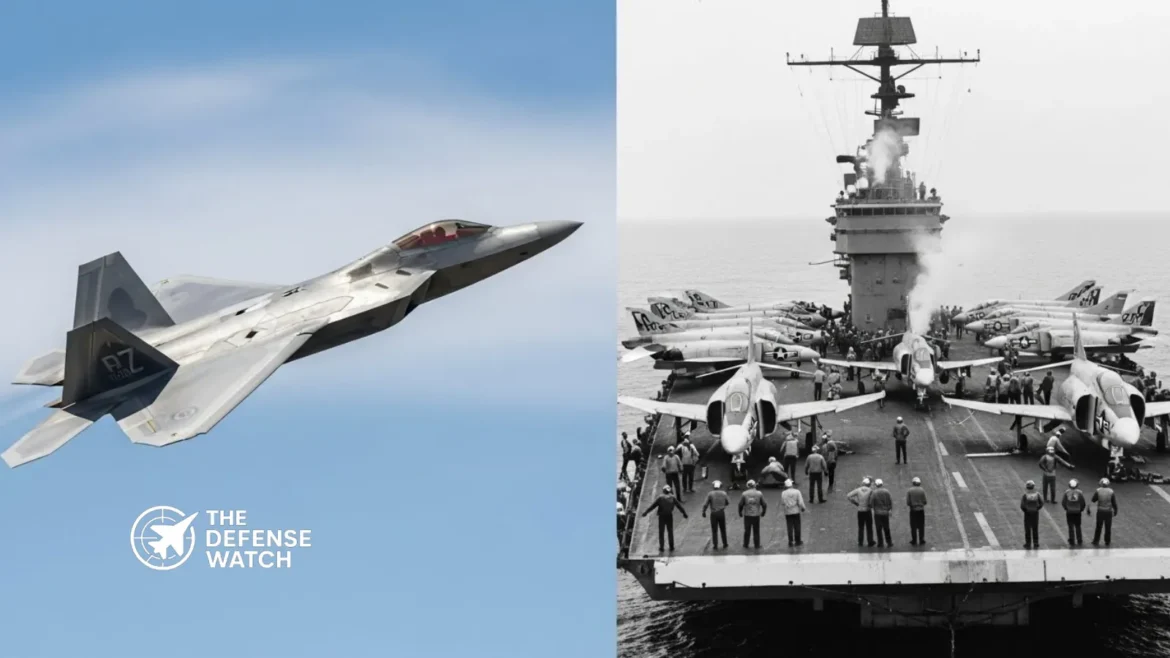
USS Midway Legacy and Modern US Airpower
The F-22 Fighter Jet stands at the center of current US airpower, but its story connects to a longer lineage that began with aircraft carriers like USS Midway. Commissioned in 1945, USS Midway shaped how the US Navy projected airpower across oceans for decades. That legacy still matters today as the Pentagon balances fighter jet contracts, base readiness, and pilot training across the Air Force and Navy.
(adsbygoogle = window.adsbygoogle || []).push({});While USS Midway itself is now a museum, the operational concepts it supported, sustained sortie generation, forward deployment, and joint force integration, remain core to US fighter operations. Modern stealth fighters now deploy from land bases rather than decks, but the strategic logic is familiar.
USS Midway and the Evolution of Carrier-Based Airpower
USS Midway was designed to operate heavier and faster aircraft than earlier carriers. During the Cold War, it supported jets such as the F-4 Phantom II and later the F A 18 Hornet. These aircraft represented major steps in speed, radar capability, and weapons integration.
The carrier’s long service life reflected continuous adaptation. Flight deck modifications, improved arresting gear, and updated command systems allowed Midway to remain relevant as aircraft grew larger and more complex. This adaptability set a pattern the US military still follows when integrating new fighter platforms.
Although the f-22 fighter jet is not carrier capable, its development benefited from lessons learned in earlier eras about sustainment, sortie rates, and pilot workload, many of which were refined aboard carriers like Midway.
F-22 Fighter Jet Role in Today’s Force Structure
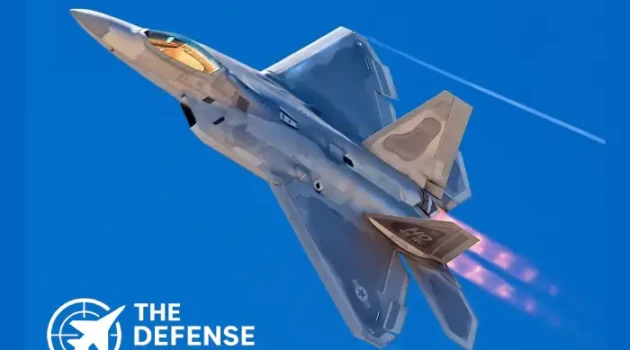
The F-22 fighter jet remains the primary US air dominance platform. Entering service in the mid 2000s, it was designed to counter advanced adversary aircraft through stealth, supercruise, integrated sensors, and high agility.
(adsbygoogle = window.adsbygoogle || []).push({});Unlike multirole fighters, the F 22 focuses on air superiority first. It can strike ground targets, but its main mission is to control contested airspace, escort other assets, and deny adversaries the ability to operate aircraft or cruise missiles.
Key characteristics include:
- Low observable airframe optimized for radar evasion
- Supercruise capability above Mach 1 without afterburner
- Advanced avionics that fuse radar, electronic support, and data links
- High maneuverability for close range engagements
These features place the F 22 among the fastest US fighter jet platforms in operational service, especially when sustained speed and combat effectiveness are considered together.
Fastest US Fighter Jet Claims and Reality
The phrase fastest US fighter jet is often used loosely. Historically, aircraft like the F 15 and retired F 14 reached very high top speeds under specific conditions. The F 22 does not chase raw speed records, but its ability to supercruise gives it a real operational advantage.
Sustained supersonic flight without afterburner reduces fuel consumption and infrared signature. This allows the f-22 fighter jet to arrive earlier, remain longer, and engage with less warning. In modern air combat, this matters more than peak speed numbers.
Pentagon officials have consistently emphasized that speed, stealth, sensors, and networking must be evaluated as a system rather than isolated statistics.
Fighter Jet Pilot Training and Readiness
Operating the f-22 fighter jet requires extensive pilot training. F 22 pilots transition from other advanced fighters and undergo specialized instruction focused on sensor management, beyond visual range tactics, and joint operations.
Unlike earlier eras, pilots now manage large volumes of data while flying. Sensor fusion reduces workload, but decision making remains complex. Training exercises increasingly integrate cyber, electronic warfare, and space based inputs.
Readiness is also shaped by flight hours, maintenance availability, and simulator access. High fidelity simulators now play a central role, allowing pilots to rehearse scenarios that cannot be safely replicated in live flights.
Selfridge Base Fighter Jets and National Guard Readiness
Selfridge Air National Guard Base in Michigan is a key node in US air defense and readiness. While it does not host F 22 aircraft, its fighter jets support homeland defense missions and joint exercises.
Selfridge base fighter jets readiness has drawn attention in recent years due to aircraft transitions and infrastructure investments. The base supports air sovereignty alert missions, training deployments, and integration with active duty forces.
(adsbygoogle = window.adsbygoogle || []).push({});From a strategic perspective, bases like Selfridge free high end assets such as the f-22 fighter jet to focus on overseas contingencies while maintaining credible domestic coverage.
Pentagon Fighter Jet Contract Landscape
The Pentagon fighter jet contract environment remains active as the US balances legacy sustainment with future platforms. Production of the F 22 ended in 2012, but contracts continue for upgrades, maintenance, and capability enhancements.
Current efforts include:
- Sensor and avionics modernization
- Improved data links for joint and allied operations
- Sustainment initiatives to raise mission capable rates
At the same time, investment is shifting toward next generation air dominance programs. Lessons from the F 22 program strongly influence these efforts, especially in cost control, modular upgrades, and industrial base resilience.
USS Midway Lessons Applied to Modern Deployments
The connection between USS Midway and modern fighters is not symbolic alone. Midway demonstrated how forward presence, logistics, and trained personnel create deterrence. Today, the same logic applies to rotational deployments of the f-22 fighter jet to Europe, the Indo Pacific, and the Middle East.
These deployments reassure allies and complicate adversary planning. They also stress test sustainment chains and command structures, much like extended carrier deployments once did.
(adsbygoogle = window.adsbygoogle || []).push({});Analysis: Strategic Value of the f-22 Fighter Jet Today
Despite its limited numbers, the f-22 fighter jet continues to deliver outsized strategic value. Potential adversaries must account for its presence even when it is not forward deployed. This uncertainty shapes air defense planning and investment decisions.
However, challenges remain. Aging airframes, supply chain constraints, and workforce issues affect readiness. The Air Force must balance near term upgrades with long term transition planning.
In this context, the F 22 mirrors the late career phase of USS Midway. Both platforms remained highly capable, but required careful management to extend relevance without overcommitment. The key lesson is that dominance platforms demand sustained investment long after initial procurement ends.
FAQs
What makes the f-22 fighter jet different from other US fighters?Its combination of stealth, supercruise, sensor fusion, and agility is unmatched in the US inventory.
Is the f-22 fighter jet the fastest US fighter jet?It may not have the highest top speed, but its sustained supersonic capability gives it a practical speed advantage.
Why was F 22 production stopped?Budget constraints and shifting priorities led the Pentagon to cap production at 187 aircraft.
Do fighter jet pilots need different training for the F 22?Yes, F 22 pilots require specialized training focused on data management and advanced air combat tactics.
How does USS Midway relate to modern fighter deployments?Midway established operational concepts of forward presence and sustained airpower that still guide deployments today.

F-35 Deliveries Set Annual Record in 2025
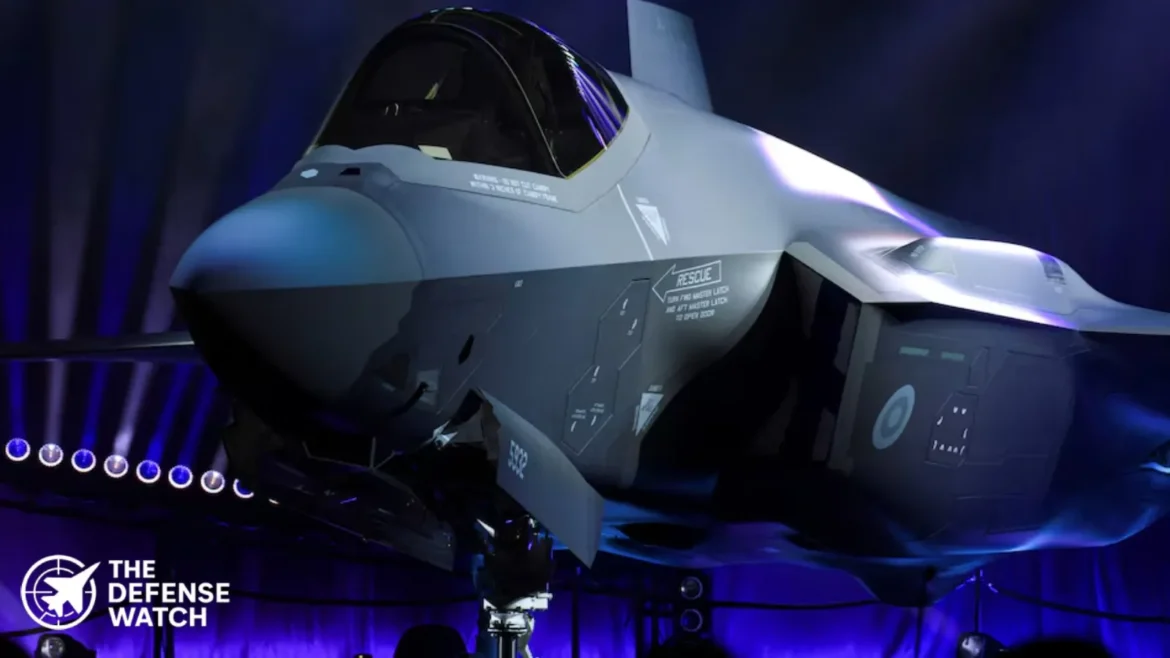
Lockheed Martin’s F-35 deliveries hit a record 191 aircraft in 2025, the company said in a statement, marking a sharp increase from the 110 jets delivered in 2024. The 2025 F-35 deliveries figure underscores strong demand from the United States and allied partners and rising defense budgets worldwide.
Lockheed said annual F-35 production is now running at a pace five times faster than any other allied fighter jet in production.
The F-35 program accounts for roughly one-third of Lockheed’s overall revenue, reflecting its central role in the company’s business mix.
What the Numbers Tell Us
In 2024, Lockheed delivered 110 F-35s. The jump to 191 in 2025 signals both stronger production lines and sustained demand among U.S. services and international partners.
Annual delivery totals like this one matter because they show how fast the U.S. and allied fleets can grow. The F-35 remains the most widely built allied fighter in production today.
Production Momentum and Defense Budgets
Lockheed said F-35 production is outpacing that of other fighters in allied service. This higher pace comes as several countries expand defense spending in response to shifting global security conditions.
The growth in F-35 deliveries also reflects efforts to streamline manufacturing and supply chains, improving throughput at Lockheed’s facilities.
Global Demand for the F-35
The 2025 F-35 deliveries cover aircraft for the U.S. military and allied air forces. Demand remains high as partners modernize their air fleets and retire older combat jets.
The program’s global footprint continues to expand, with many nations receiving new aircraft under Foreign Military Sales and direct orders.
China J-35A Stealth Fighter Sees Dual Aircraft Test Flight
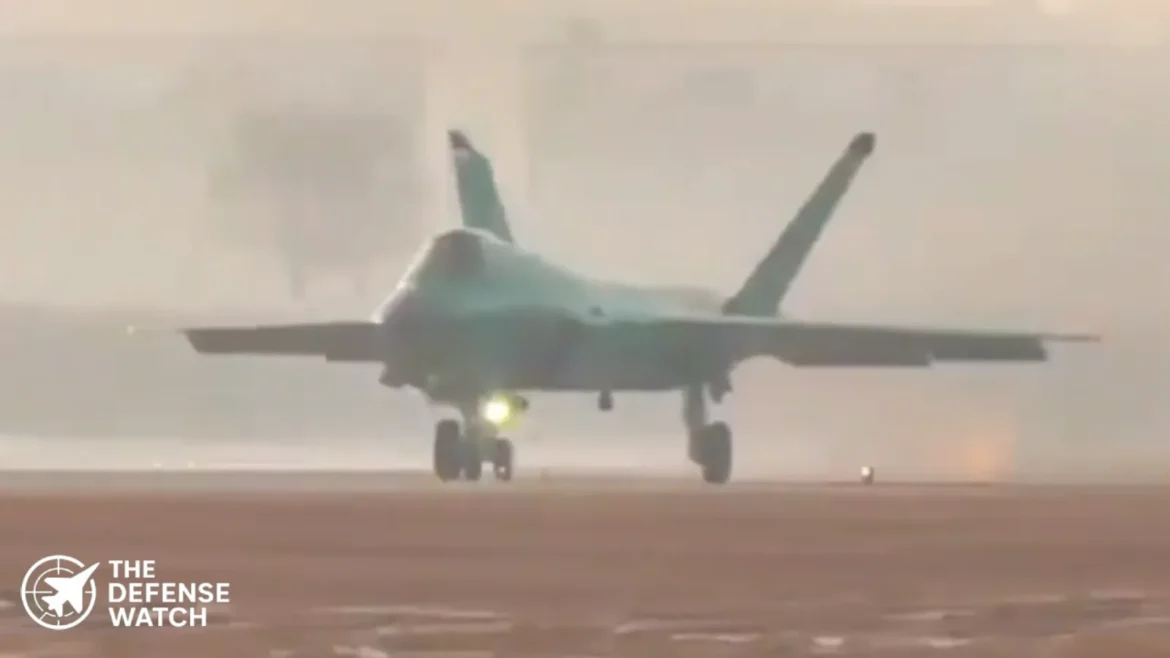
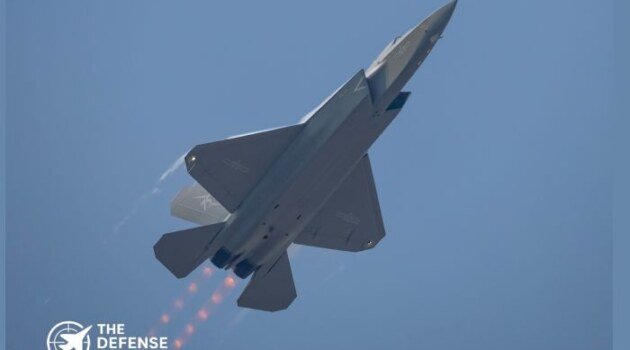
China’s J-35A stealth fighter made a significant step toward serial production with the first publicly observed test flight of two production-standard aircraft flying together, according to footage posted on January 7, 2026.
(adsbygoogle = window.adsbygoogle || []).push({});The two Shenyang J-35A jets were seen in coordinated flight near the Shenyang Aircraft Corporation production facility in Liaoning Province. Defense observers say the paired flight of ostensibly new airframes is among the clearest public signs that China has moved beyond lone prototype testing toward structured production and multi-aircraft flight validation.
The J-35A is the land-based variant of China’s fifth-generation stealth fighter family developed under the state-owned Aviation Industry Corporation of China. The type is intended to expand the People’s Liberation Army Air Force’s capabilities with a modern stealth design, advanced avionics, and internal weapons carriage.
Production and Testing Development
The dual flight came with video published by The Daily CPEC on social platform X, showing the two jets flying in formation near the manufacturing complex. Analysts familiar with Chinese military aviation said the sight of two factory new jets operating together strengthens earlier indications that structured flight testing and production buildup are underway.
China state media have in recent years highlighted the J-35A’s development progress, including assembly line activity and test aircraft movements. The program stems from earlier prototypes based on Shenyang’s FC-31 design, with incremental refinements aimed at meeting PLA Air Force requirements for multi-role operations.
Broader Context
The J-35 family appears to be part of a broader modernization effort in Chinese military aviation. Both land and carrier variants have featured in trials and limited operational demonstrations, including naval testing aboard the Fujian aircraft carrier.
Reporting in early January 2026 noted Pakistan is poised to acquire large numbers of J-35 series fighters under a major procurement plan, though official confirmations remain limited.
Philippines Requests KF-21 Fighter Jet Delivery Timeline
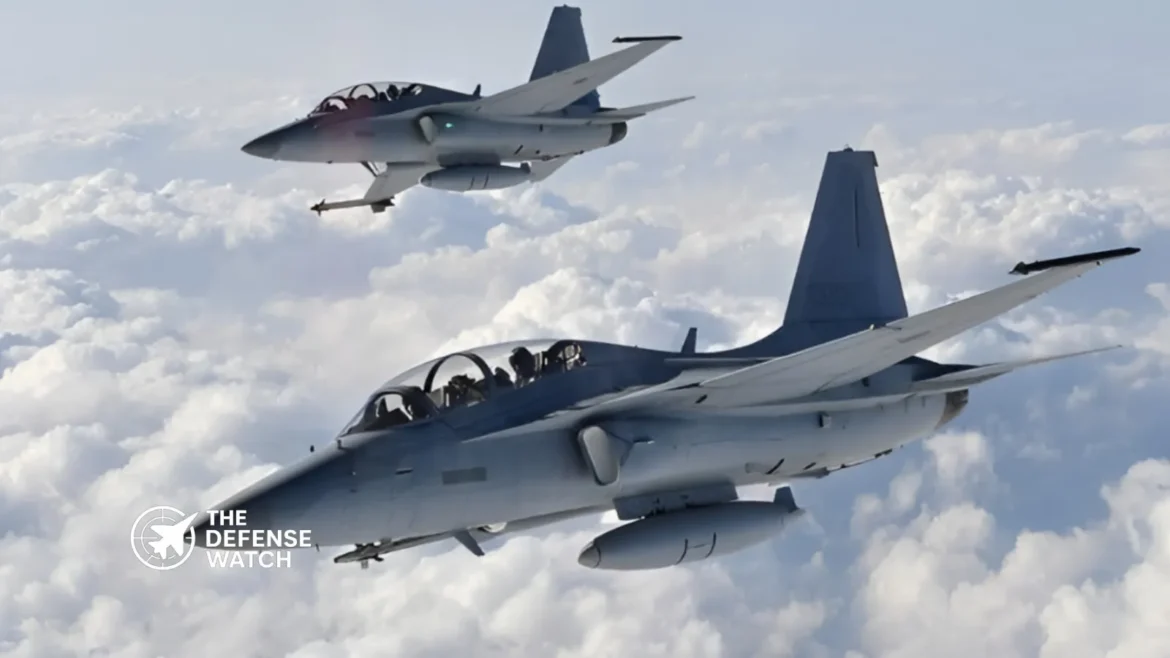
The Philippines has formally requested the delivery of the KF-21 fighter jet from South Korea between 2027 and 2029, marking a potential step forward in Philippine Air Force modernization. The request was reported by Reportera, citing defense industry and government sources familiar with the discussions.
(adsbygoogle = window.adsbygoogle || []).push({});Manila’s interest in the KF-21 fighter jet reflects growing focus on restoring credible air combat capability after decades without a modern multirole fighter fleet. The Philippine Air Force currently operates FA-50 light combat aircraft acquired from Korea Aerospace Industries, which have strengthened bilateral defense ties with Seoul.
KF-21 Boramae and Regional Context
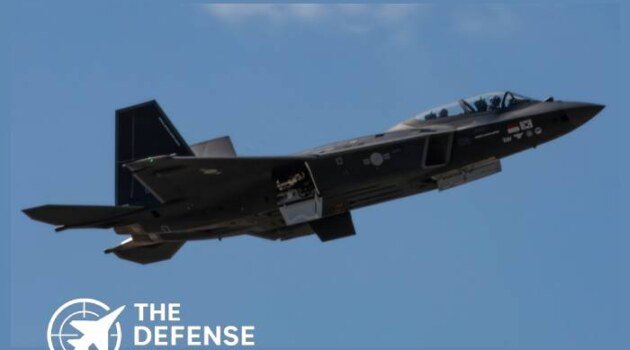
The KF-21 Boramae is a 4.5 generation fighter developed by South Korea to replace older F-4 and F-5 aircraft. It is designed to bridge the gap between legacy fighters and fifth generation platforms, offering advanced sensors, modern avionics, and multirole capability.
Philippine defense officials have indicated a preference for a delivery window that aligns with the aircraft’s production schedule and the country’s long term capability development plan. Any acquisition would be subject to budget approvals and contract negotiations.
Air Force Modernization Goals
The Philippine Department of National Defense has prioritized air defense, maritime surveillance, and territorial awareness under its ongoing modernization program. A potential KF-21 acquisition would complement existing FA-50 aircraft and improve interoperability with regional partners.
(adsbygoogle = window.adsbygoogle || []).push({});South Korea has positioned the KF-21 as an export friendly platform for allied air forces seeking advanced capability without the political and cost barriers associated with fifth generation fighters.
Broader Defense Implications
If pursued, the KF-21 fighter jet would represent one of the most advanced combat aircraft ever considered by the Philippines. It would also deepen defense industrial cooperation between Manila and Seoul, which already includes training, logistics, and aircraft support.
F-22 and F-35 Airpower at the Center of Venezuela Operation
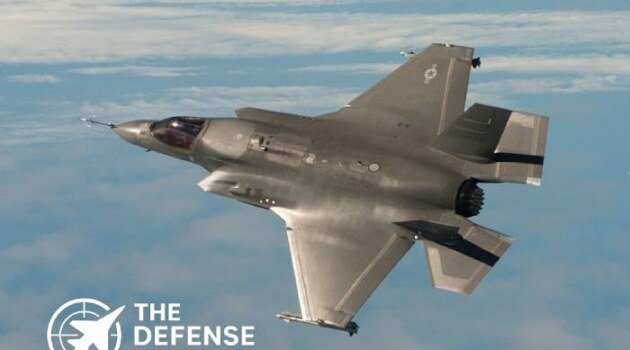
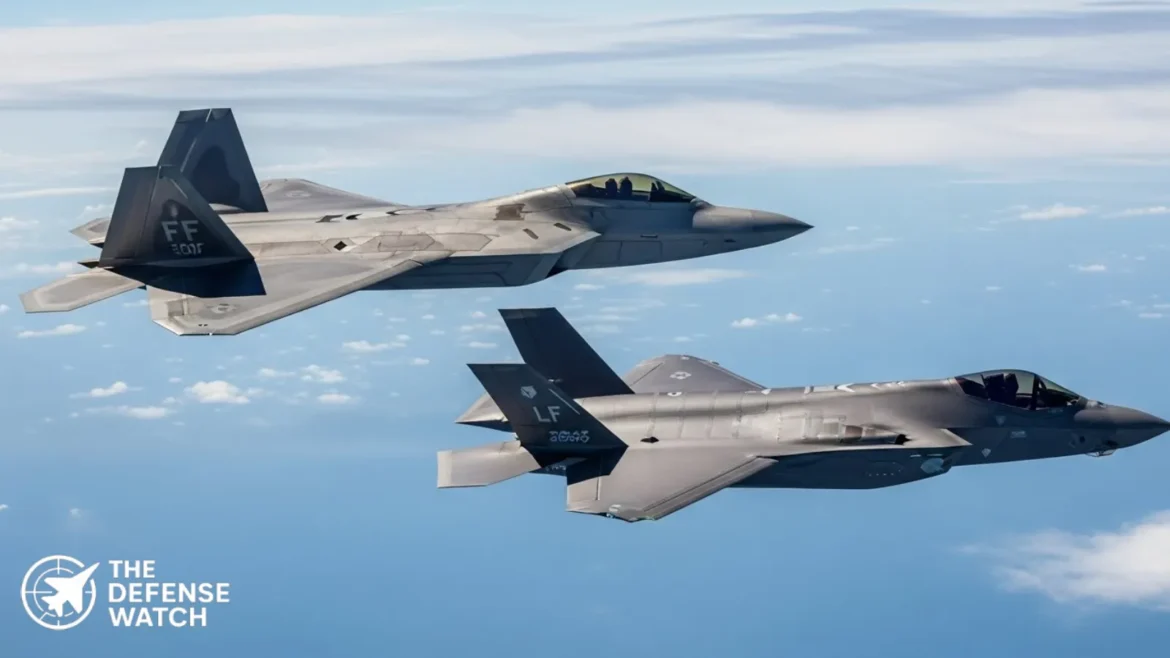
F-22 Raptor and F-35 Lightning II fighter jets reportedly played a central role in a US led airpower operation that enabled the capture of Venezuelan leader Nicolas Maduro, according to a report published by Defence Industry Europe. The account highlights how advanced US stealth aircraft were used to establish air dominance and suppress Venezuelan military responses during the operation.
While US officials have not publicly confirmed the details, the report underscores how fifth generation airpower remains a key tool for Washington in high risk contingency operations. The focus keyword F-22 and F-35 airpower operation has emerged prominently in coverage of the incident, reflecting the aircraft’s strategic value.
Establishing Air Superiority with Stealth Fighters
According to the report, F-22 Raptors were deployed to secure air superiority early in the operation. Designed primarily for air dominance, the F-22’s stealth profile, high speed, and advanced sensors reportedly allowed US forces to neutralize potential aerial threats before they could react.
The F-35 Lightning II complemented this role by conducting precision strikes, electronic warfare tasks, and intelligence gathering. With its sensor fusion and networked warfare capabilities, the F-35 is described as providing real time targeting data to US and allied forces involved in the operation.
Together, the F-22 and F-35 formed a layered airpower approach that limited Venezuela’s ability to respond militarily.
Role of US Airpower in Ground Operations
The report suggests that US airpower over Venezuela was not limited to combat aircraft alone. Airborne early warning platforms, aerial refueling tankers, and intelligence assets reportedly supported sustained operations across Venezuelan airspace.
By controlling the air domain, US forces were able to support ground elements tasked with securing key locations. The capture of Maduro, as described in the report, was made possible by the absence of effective Venezuelan air or air defense resistance during the critical phases of the mission.
This approach aligns with longstanding US doctrine, where air dominance is achieved first to reduce risk to personnel on the ground.
Venezuela’s Air Defenses and Regional Implications
Venezuela operates a mix of Russian supplied air defense systems and combat aircraft, including older generation fighters. However, analysts have long questioned their effectiveness against US stealth platforms such as the F-22 and F-35.
If the report is accurate, the operation highlights the widening airpower gap between the United States and regional militaries in Latin America. The ability to deploy stealth aircraft with minimal warning reinforces Washington’s freedom of action in contested environments.
Analysis, What This Means for US Airpower Strategy
The reported use of F-22 and F-35 jets in Venezuela underscores how fifth generation fighters are increasingly central to US crisis response options. Rather than relying on large scale troop deployments, Washington appears to favor precision airpower combined with limited ground action.
This model reduces political risk while maintaining decisive military advantage. It also sends a clear signal to adversaries that advanced air defenses alone may not be sufficient to deter US intervention.
At the same time, the lack of official confirmation means the full scope of the operation remains unclear. Future disclosures may refine or challenge the current narrative.
Broader Geopolitical Context
The reported operation comes amid ongoing instability in Venezuela and heightened US focus on maintaining influence in the Western Hemisphere. Control of airspace through platforms like the F-22 Raptor and F-35 Lightning II remains a cornerstone of that strategy.
As global competition intensifies, US airpower capabilities continue to shape outcomes far beyond traditional conflict zones.
FAQs
Did the US officially confirm the use of F-22 and F-35 jets in Venezuela?No official confirmation has been issued. Details are based on external reporting.
Why are F-22 and F-35 aircraft important in modern operations?They offer stealth, advanced sensors, and the ability to operate in contested airspace.
Does Venezuela have defenses against stealth aircraft?Venezuela operates legacy air defenses that are generally considered ineffective against fifth generation fighters.
What does this mean for regional airpower balance?It highlights the significant technological gap between US forces and most Latin American militaries.

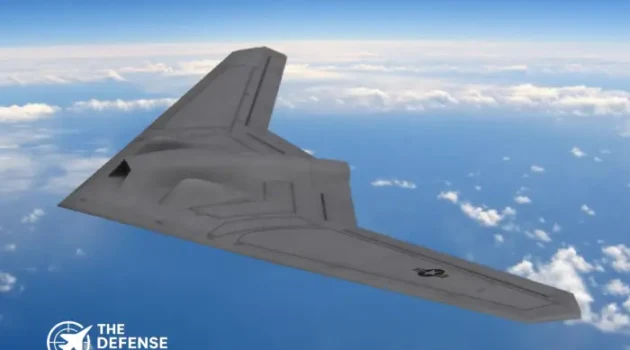
Reports link the US RQ-170 stealth drone to a recent Venezuela operation involving strikes and the capture of President Nicolás Maduro, according to open-source imagery and defense analysts.
rarely seen US Air Force RQ-170 Sentinel stealth unmanned aircraft has been tied by analysts to recent military activity connected with events in Venezuela.
Open-source images and video circulating on social platforms show a flying-wing drone consistent with the classified RQ-170 returning to Roosevelt Roads in Puerto Rico after reported US actions in Venezuelan airspace.
The UK Defence Journal reported that the low-observable UAV was spotted in the wider Caribbean region and analysts suggest it may have supported intelligence, surveillance and reconnaissance tasks linked to the operation.
Independently, AviationWeek-linked reporting noted the RQ-170’s activity aligns with the timeline of a US mission that led to the capture of Venezuela’s president, dubbed Operation Absolute Resolve, though the Pentagon has not confirmed its use.
The RQ-170 Sentinel is a classified platform designed for ISR in contested environments, operated by the US Air Force with a history of deployments over denied airspace.
US officials have not publicly acknowledged the drone’s operational role in Venezuela. Observers say RQ-170 activity in the region is rare and could reflect an increased reliance on stealth UAVs for intelligence ahead of complex missions.
This reporting comes amid broader US military and intelligence operations in and around Venezuela that have included precision strikes, deployment of aircraft and special operations forces. Independent news outlets have noted the operation involved a wide range of air assets.