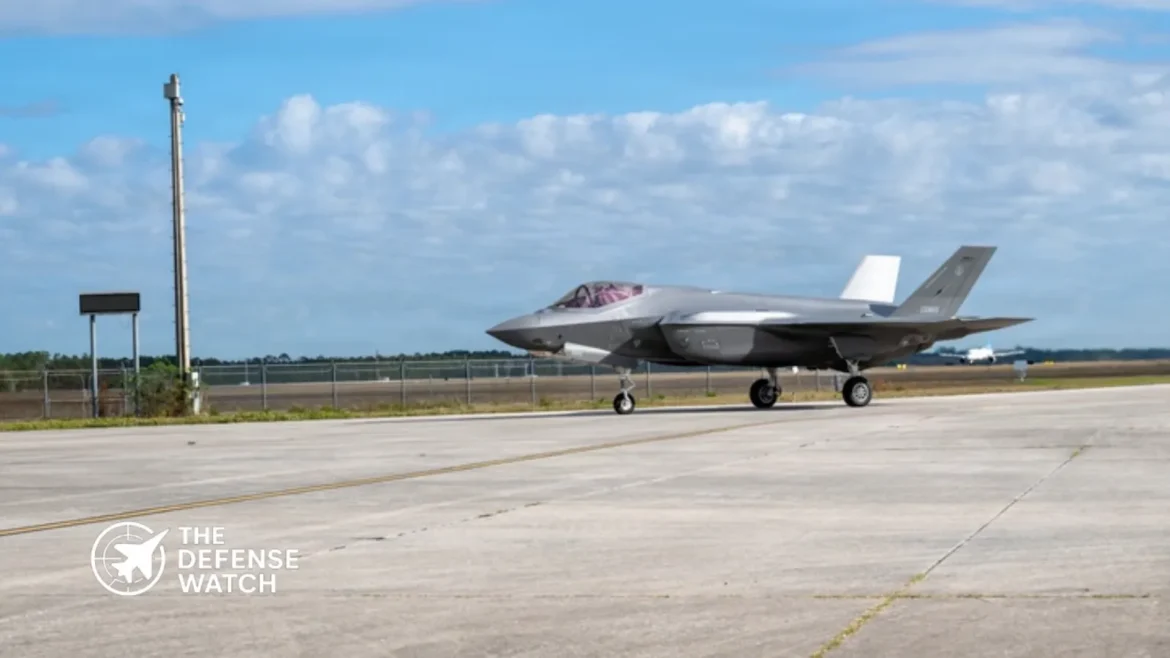
Canada Reviews Major F-35 Purchase as U.S. Relations Deteriorate
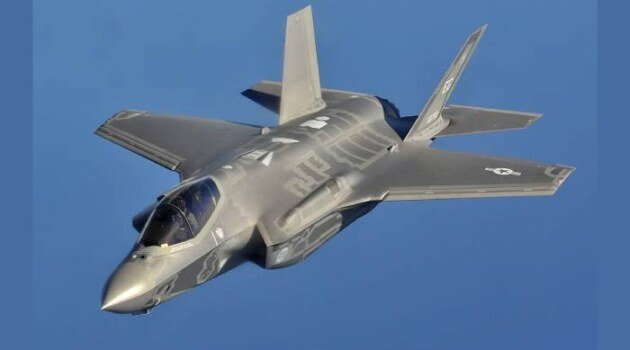
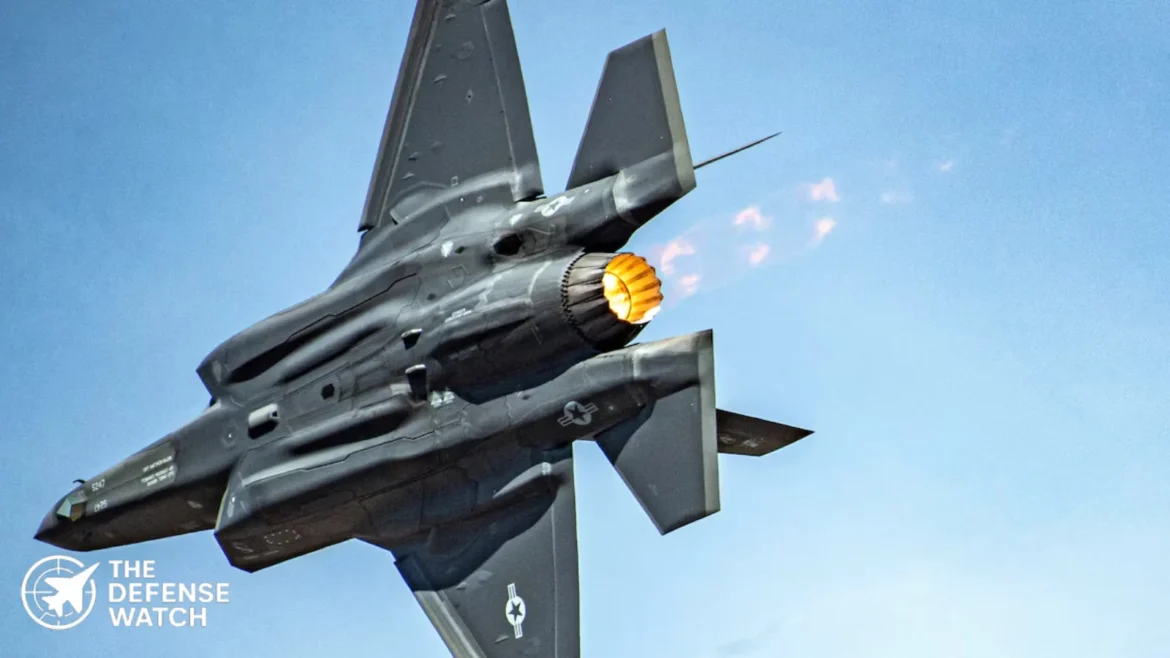
Canada is actively reevaluating its planned purchase of F-35A Lightning II fighters, with officials confirming the government remains legally committed to the first 16 aircraft while reviewing options for the remaining 72 jets. The reassessment comes as trade tensions with Washington escalate under President Trump’s return to office.
(adsbygoogle = window.adsbygoogle || []).push({});Defence Minister Bill Blair confirmed that while the contract for the first 16 F-35s remains in place, Prime Minister Mark Carney has directed the Canadian Armed Forces to determine whether the existing agreement represents the best investment for Canada’s defense needs in the current geopolitical environment.
The review marks the latest chapter in Canada’s decades-long effort to replace its aging CF-18 Hornet fleet, a procurement process that has become one of the most politically contentious defense decisions in Canadian history.
Contract Status and Financial Implications
Canada initially signed a contract valued at CAD 19 billion (USD 14.2 billion at signing) in 2023 for 88 F-35A aircraft. The first stealth fighters under this order are scheduled for delivery in 2026, with initial aircraft arriving at Luke Air Force Base in Arizona for pilot training.
However, total program costs have exceeded CAD 27 billion when including delivery delays and full operational capability requirements. The U.S. Government Accountability Office revealed in September 2025 that the Block 4 upgrade—the version Canada intends to acquire—is now USD 6 billion over budget and five years behind schedule.
Only funding for the initial 16 aircraft has been legally committed, leaving the remaining 72 jets subject to ongoing government review.
Swedish Alternative Gains Momentum
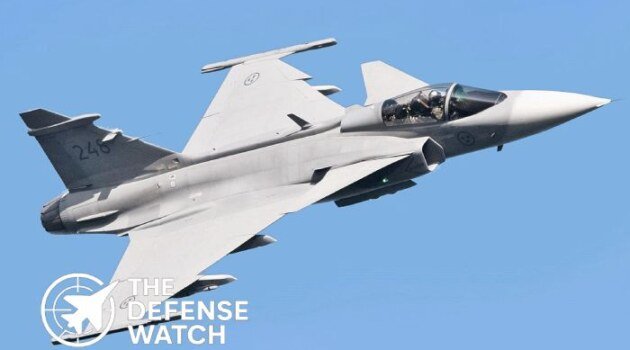
Sweden’s Saab has intensified its campaign to offer Canada an alternative procurement path. Saab submitted a bid for 72 JAS 39 Gripen multirole fighters paired with six GlobalEye airborne surveillance aircraft, positioning the package as an industrial benefits opportunity.
Saab claims the Gripen package would create 10,000 jobs in Canada through domestic assembly and sustainment partnerships, leveraging Canadian aerospace manufacturing capabilities. The Swedish proposal emphasizes local production, intellectual property transfer, and reduced dependence on U.S. supply chains for maintenance and upgrades.
Under Saab’s proposal, final assembly would occur in Canada, with maintenance performed domestically rather than requiring aircraft to return to U.S. facilities for major overhauls—a requirement of the F-35 program.
Capability Assessment and Operational Considerations
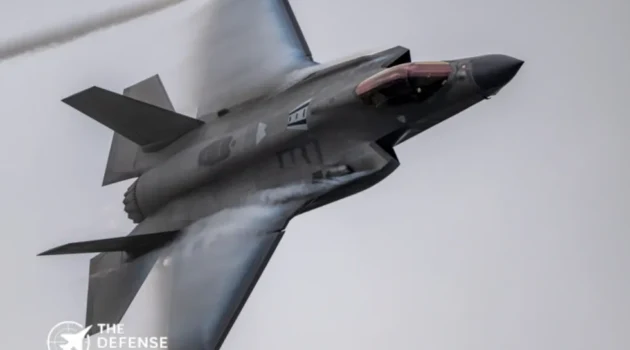
Despite the political momentum behind alternative options, leaked Canadian military evaluation documents show the F-35 significantly outperformed the Gripen E across all assessment categories. The F-35 achieved an average score of 95 percent compared to the Gripen E’s 33 percent, with particularly low marks for the Swedish fighter in mission performance and upgradability.
(adsbygoogle = window.adsbygoogle || []).push({});The Royal Canadian Air Force’s technical assessment underscored the F-35’s advantages in stealth, sensor fusion, network-centric warfare capabilities, and Arctic operations—critical factors for Canada’s vast northern territories and NORAD responsibilities.
Canadian NORAD commanders have stated they need pilots to have overmatch against high-end threats, emphasizing capability requirements over political considerations. However, they have also clarified that fighter procurement decisions remain with the civilian government.
NORAD and U.S. Pressure
U.S. Ambassador to Canada Pete Hoekstra warned that if Ottawa does not proceed with the full F-35 complement, NORAD would need to be altered. Hoekstra indicated the United States might need to fly its own F-35s more frequently into Canadian airspace to fill capability gaps.
The ambassador’s comments have drawn criticism from Canadian defense analysts who argue such pressure tactics may backfire. Andrea Charron, director of the Centre for Defence and Security Studies at the University of Manitoba, suggested the approach achieves the opposite of its intended effect.
NORAD has historically operated with different aircraft types on both sides of the border, though current integration levels favor interoperable platforms. The binational aerospace defense agreement relies on shared sensors, communication systems, and coordinated response capabilities to defend North American airspace.
Mixed Fleet Considerations
Canadian defense planners are reportedly considering a mixed fighter fleet consisting of no more than 40 F-35A stealth jets paired with up to 80 Gripen E fighters, according to recent reporting citing unnamed defense sources.
Such an approach would address political pressure to diversify defense partnerships while maintaining some fifth-generation capability. However, operating multiple platforms creates logistical strains, requiring separate mechanical expertise, distinct supply chains, and parallel training programs.
The Royal Canadian Air Force has historically resisted mixed fleet operations due to cost and complexity concerns, though it did operate multiple fighter types until the 1980s CF-18 consolidation.
Industrial Benefits and Economic Factors
Canadian companies have received contracts valued at USD 490 million from 2002 to 2012 through F-35 program participation, with total potential estimated value ranging from USD 4.8 billion to USD 6.8 billion through supply chain participation.
(adsbygoogle = window.adsbygoogle || []).push({});This existing industrial relationship complicates any decision to shift toward alternative aircraft. Canada’s participation in the F-35 program provides domestic companies opportunities to bid for international F-35 contracts, though these benefits are not guaranteed.
Saab’s offer includes guaranteed economic benefits for Canadian industry, potentially addressing concerns about industrial sovereignty and domestic aerospace sector development.
Geopolitical Context
The F-35 reassessment stems directly from rapidly deteriorating relations between Washington and Ottawa following President Trump’s renewed tariff threats and contentious trade negotiations.
Vincent Rigby, former national security adviser to the Trudeau government, stated that U.S. rhetoric has forced Canadian policymakers to rethink defense ties. The review reflects broader Canadian concerns about Washington’s reliability as a security partner under the Trump administration.
Prime Minister Carney has indicated he held discussions with French and British officials about potential F-35 alternatives signaling willingness to explore European defense partnerships as part of Canada’s strategic hedging approach.
Timeline and Decision Process
The formal review was initially expected to conclude by late September 2025, but no decision has been announced. Department of National Defence officials declined to provide a specific timeline for completion, stating only that the review is progressing in a timely manner.
Canadian Armed Forces personnel attended a ceremony at Lockheed Martin’s Texas facility in early February 2026 to mark the imminent delivery of the first F-35, indicating continued program momentum despite the ongoing political review.
Canada’s first F-35s are scheduled for delivery to Luke Air Force Base in 2026, with the first 10 pilots beginning training this year. Initial aircraft would arrive in Canada by late 2028, operating from temporary facilities while permanent infrastructure is completed by 2030-2031.
Strategic Implications
The Canadian review represents a potential inflection point for international F-35 partnerships. Canada is officially the first customer to openly reevaluate its F-35 order in the Trump era, raising questions about whether other nations may follow suit.
Any decision to reduce F-35 orders would send a significant foreign policy signal regarding Canada’s defense alignment and willingness to diversify security partnerships beyond traditional U.S. dependence.
However, the technical capabilities gap between fourth and fifth-generation fighters, combined with existing Canadian industrial participation in the F-35 program, creates substantial pressure to maintain the original procurement plan despite political considerations.
The outcome of Canada’s F-35 review will likely shape North American defense cooperation and bilateral relations for decades, setting precedents for how middle-power allies navigate defense procurement amid great power competition and alliance uncertainty.

Taiwan and Kratos Complete Jet-Powered Attack Drone Test
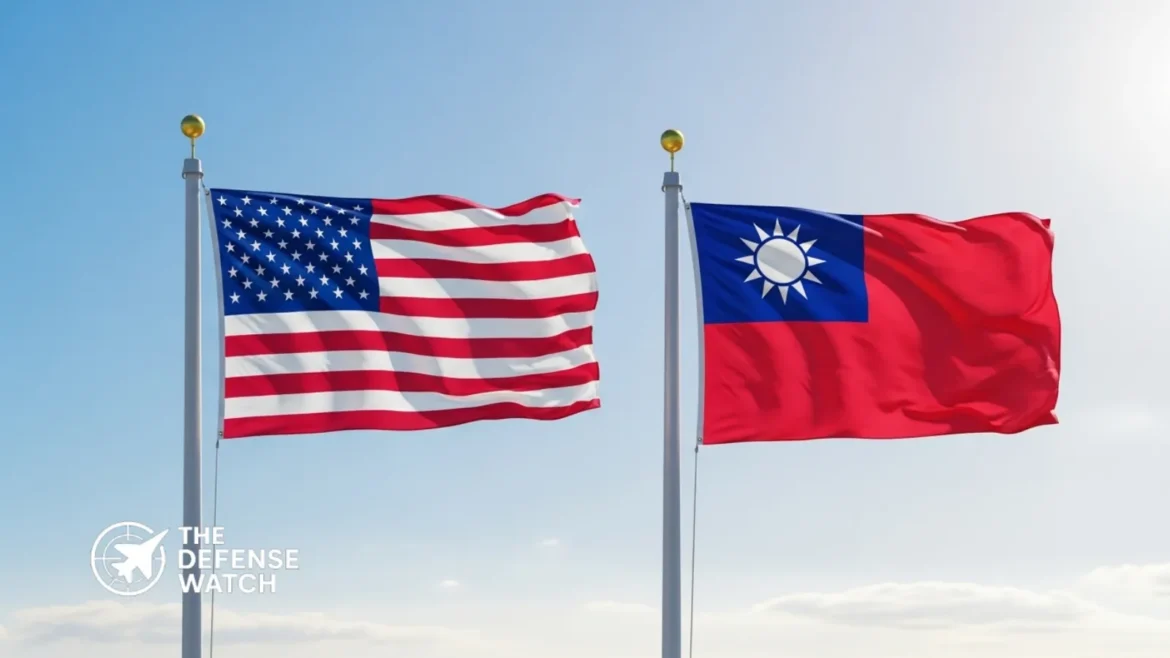
Taiwan has successfully tested the jet-powered Mighty Hornet IV attack drone as part of a defense partnership with U.S. firm Kratos Defense & Security Solutions, aimed at boosting the island’s unmanned strike capabilities against growing Chinese military pressure. The test at Kratos’ Oklahoma City facility validated integration of a Taiwanese mission payload and marked a key step in accelerating collaborative defense work.
Joint Effort on a Low-Cost Attack UAV
The U.S. contractor and Taiwan’s National Chung-Shan Institute of Science and Technology (NCSIST) said engineers worked together in the recent test, which Kratos described as a milestone for bilateral cooperation. Taiwan is seeking systems that can be produced in numbers, are affordable, and can serve as deterrent and operational assets in the event of conflict.
The drone under development, known as the Mighty Hornet IV or Chien Feng IV in Taiwan, is based on a modified target drone design and is being shaped into a cruise missile-like weapon with high speed and range. This reflects Taipei’s emphasis on unmanned systems suited for stand-off strike roles.
Strategic Context: Rising Pressure from China
China has increased military activity near Taiwan, sending warplanes, ships and drones into the airspace and waters around the island. Taiwan’s defense officials say this activity is part of so-called grey zone tactics aimed at wearing down the island’s defenses and public resilience.
Reuters reported that the number of detected Chinese military aircraft operating near Taiwan rose by about 23 percent in 2025 compared with the previous year. Taiwan’s defense ministry sees enhanced drone capability as part of a broader response to these trends.
US-Taiwan Defense Technology Collaboration
The Kratos effort is one element of expanding defense ties between Washington and Taipei. Taiwan has sought U.S. collaboration on multiple fronts, including arms sales and joint development of systems that can be rapidly fielded and produced. These efforts reflect Taipei’s focus on bolstering its asymmetric defense posture.
In their statement, NCSIST officials framed the partnership as helping shorten development timelines for capabilities that meet Taiwan’s needs for rapid countermeasures and long-range preemptive strike options.
Mighty Hornet IV: Capabilities and Role
Industry reporting indicates the Mighty Hornet IV is being developed as a high-speed, low-cost UAV capable of sustained stand-off missions. It leverages a baseline design from a target drone adapted to serve as an attack platform. Early data suggests it could operate at speeds up to about Mach 0.8 and at altitudes above 35,000 feet.
Officials from both Kratos and Taiwan stress the importance of large numbers of such systems in shaping future operational concepts, including saturating potential adversary defenses and complicating targeting.
Broader UAV Development Trends for Taiwan
Taiwan’s wider unmanned systems push includes both foreign procurement of U.S.-made drones and expansion of its domestic production base. This reflects lessons from recent conflicts and a desire to build resilient, distributed strike and surveillance capabilities.
Defense analysts note that achieving scale remains a strategic goal, given Taiwan’s aim to match the pace of technological change and ensure its forces can operate effectively in a contested environment.
Algeria’s Su-35 Acquisition Now Visually Confirmed
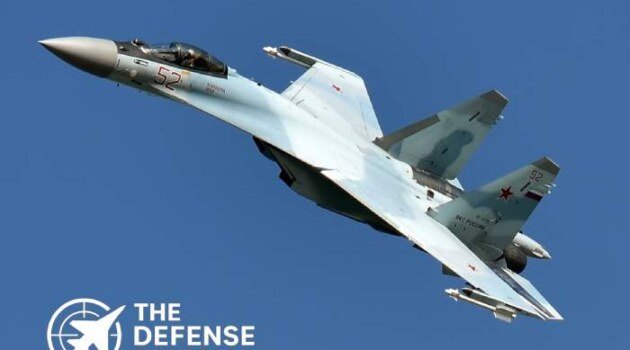
A photograph published in early February 2026 provides the first visual confirmation that Algeria has begun receiving Russian-built Sukhoi Su-35 multirole fighter aircraft. The image, circulated on the Force DZ Forum, shows an Su-35 on the ground bearing Algerian Air Force roundels on its vertical tail, ending years of speculation about the pending transfer.
(adsbygoogle = window.adsbygoogle || []).push({});Neither Algerian defense officials nor Moscow have publicly acknowledged the delivery. However, the visual evidence has already prompted renewed scrutiny from U.S. policymakers regarding Algeria’s expanding military relationship with Russia and potential sanctions under the Countering America’s Adversaries Through Sanctions Act (CAATSA).
The confirmation follows earlier reporting in March 2025 indicating that the Algerian Air Force had begun operating the Su-35 from Oum Bouaghi Air Base. Algeria now appears positioned to become one of the few foreign operators of the advanced fighter, joining Russia and China.
Strategic Context: From Egypt to Algeria
Reports indicate that at least some aircraft delivered to Algeria were originally manufactured for Egypt, which ordered the Su-35 in 2018 but withdrew under Western economic and political pressure. These airframes were subsequently redirected, with discussions about potential transfer to Iran not materializing before Tehran confirmed its own separate Su-35 purchase in January 2025.
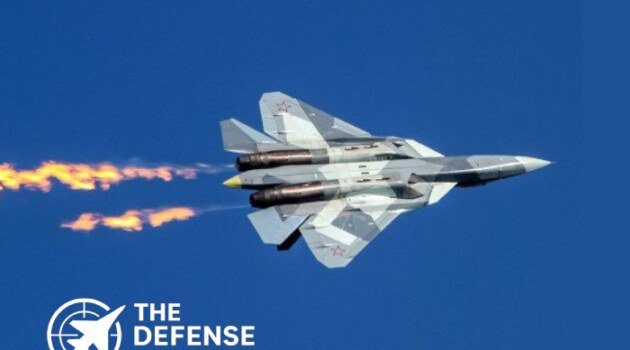
For Algeria, the Su-35 acquisition represents less of a standalone procurement and more of a bridging capability. Defense analysts suggest the decision is linked to delays in Su-57 production schedules, positioning the Su-35 as an interim solution that maintains operational readiness while awaiting next-generation fighter capabilities.
This procurement logic aligns with Algeria’s broader strategic requirements: maintaining credible air superiority is essential for deterrence across the Maghreb region and signals strategic autonomy toward both regional rivals and external powers.
Technical Capabilities: Advanced 4++ Generation Platform
The Su-35 represents a significant evolution from earlier Flanker variants. Rooted in the Su-27M development line and incorporating lessons from the thrust-vectoring Su-37 demonstrator, the aircraft features several advanced characteristics:
Propulsion and Performance
- Twin AL-41F-1S turbofan engines with thrust vectoring
- Maximum speed approximately Mach 2.25
- Combat radius exceeding 1,600 km
- Ferry range up to 3,600 km with external tanks
- 9-g maneuvering capability for high-intensity air combat
Avionics and Sensors
- Irbis-E passive electronically scanned array (PESA) radar with detection ranges exceeding 350 km
- Secondary radar arrays in wing roots for improved detection geometry
- Fully digital glass cockpit
- Advanced electronic warfare suite
Weapons Integration
- 30mm GSh-30-1 cannon
- R-77 and R-73 air-to-air missiles
- Kh-31 and Kh-59 air-to-surface missiles
- KAB-500 and KAB-1500 precision-guided munitions
- Payload capacity exceeding 8,000 kg across 14 hardpoints
The airframe incorporates increased use of lightweight composite materials, reinforced internal structures, and removes the canards seen on Su-30MKI configurations, relying instead on thrust-vectoring for extreme agility without aerodynamic penalties.
Integration with Existing Fleet
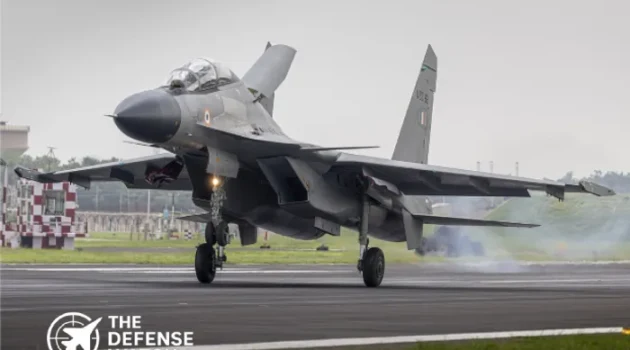
The Algerian Air Force currently operates more than 70 Su-30MKA fighters acquired from 2006, which form the backbone of the nation’s combat aviation. The Su-30MKA itself is a mature platform featuring phased array radar and thrust-vectoring engines, supporting air defense, strike, and reconnaissance missions.
The Su-35 represents a logical extension of this Russian-origin ecosystem, integrating seamlessly with existing training programs, tactical doctrines, weapons systems, and sustainment infrastructure. Some reports suggest Algeria may consider upgrading portions of its Su-30MKA fleet using Su-35-derived components such as engines or radar systems, reducing logistical fragmentation while incrementally improving overall fleet performance.
Operational Impact on Regional Air Power Balance
The Su-35 integration fundamentally changes Algeria’s ability to structure air operations. The fighter’s long-range detection and engagement capabilities support layered air defense extending beyond national borders, including forward combat air patrols designed to intercept threats earlier and under more favorable conditions.
Key operational advantages include:
Extended Reach: Long-range radar performance and passive detection channels enable engagement shaping before visual range encounters
Escort Capability: Advanced fighters can sanitize corridors and pressure opposing aircraft operating from standoff distances
(adsbygoogle = window.adsbygoogle || []).push({});Deterrence Value: The aircraft complicates adversary assumptions about survivability, response time, and freedom of action in contested airspace
Multi-Role Flexibility: Weapons carriage options and sensor suite enable tailored loadouts for defensive counter-air, maritime strike support, or deep interdiction missions
In the Maghreb context, these capabilities matter significantly for deterrence calculations, as they alter the strategic calculus for potential adversaries throughout North Africa and the Mediterranean.
U.S. Concerns and CAATSA Implications
The visual confirmation has drawn immediate attention in Washington. During testimony before the Senate Foreign Relations Committee, Robert Palladino, head of the State Department’s Bureau of Near Eastern Affairs, stated that U.S. authorities view the reports with concern and are assessing them seriously.
Palladino explicitly referenced CAATSA, the U.S. legal framework designed to impose costs on certain defense transactions involving Russia. He noted that deals of this nature can trigger sanctions decisions, while emphasizing that the United States continues to work with the Algerian government where interests align, often through private diplomatic channels.
The warning is calibrated but direct: fighter acquisitions from Russia are not treated as neutral procurement decisions by Washington.
Strategic Dilemma: Capability vs. Consequences
For Algeria, the Su-35 acquisition creates a familiar strategic dilemma. Russian combat aircraft offer performance and delivery pathways that many customers find attractive, but they come with secondary effects across multiple domains:
Financial Implications: Potential banking restrictions, insurance complications, and currency exchange limitations under sanctions regimes
Sustainment Challenges: Aircraft require ongoing support including training pipelines, spare parts ecosystems, munitions stockpiles, depot-level maintenance arrangements, and contractor support
Future Modernization: Sanctions environments can complicate avionics upgrades or integration of non-Russian weapons systems
Diplomatic Costs: CAATSA implementation could affect broader cooperation areas including counterterrorism coordination, Mediterranean security, and regional crisis management
At the same time, the visible presence of an Su-35 bearing Algerian markings demonstrates that Moscow’s defense exports retain significant traction despite Western isolation efforts. The platform sustains Russian influence through systems that can measurably reconfigure regional military balances while tightening the connection between procurement decisions and strategic alignment.
Regional Security Implications
Algeria’s Su-35 acquisition occurs within a complex regional security environment. The nation faces ongoing counterterrorism challenges in the Sahel, maintains territorial disputes with Morocco over Western Sahara, and seeks to project influence across North Africa and the Mediterranean.
The advanced fighter capability provides Algeria with several strategic advantages:
Air Superiority: Establishes credible deterrence against regional competitors Border Security: Enhanced surveillance and rapid response capabilities across extensive territory Energy Infrastructure Protection: Secures critical oil and gas installations Counter-Terrorism: Supports intelligence, surveillance, and reconnaissance operations
(adsbygoogle = window.adsbygoogle || []).push({});However, the Russian procurement also signals Algeria’s resistance to Western pressure on defense acquisition decisions, reinforcing its non-aligned foreign policy stance despite potential economic consequences.
Looking Ahead: Transition to Fifth Generation?
The Su-35 may represent a transitional capability for Algeria. Persistent speculation surrounds potential future acquisition of the Su-57 fifth-generation fighter, with the Su-35 serving as an interim solution maintaining operational readiness during Su-57 production delays.
This phased approach would allow Algeria to:
- Maintain continuous air superiority capability
- Develop expertise with advanced Russian systems
- Prepare infrastructure and training for next-generation platforms
- Sustain strategic relationships with Moscow
The question remains whether CAATSA sanctions will meaningfully alter Algeria’s defense procurement trajectory or simply solidify its orientation toward non-Western suppliers.
Conclusion
The visual confirmation of Algeria’s Su-35 acquisition marks a significant milestone in North African military aviation and regional power dynamics. The advanced fighter substantially enhances Algeria’s air combat capabilities while potentially exposing the nation to U.S. sanctions under CAATSA.
As Algeria integrates these aircraft into its operational fleet, the strategic implications will extend beyond military capability to encompass diplomatic relations, regional security calculations, and the broader competition between Western and Russian influence in North Africa.
The coming months will reveal whether Washington follows through on sanctions warnings and how Algeria navigates the complex intersection of military modernization requirements and international political pressures.
China Hybrid Heavy-Lift UAV First Flight
China’s hybrid heavy-lift UAV, the YH-1000S, completed its maiden flight in southwest China, the developer said Tuesday. The aircraft is described as the world’s first hybrid-powered unmanned cargo aircraft and represents a new class in large UAV logistics and transport.
The YH-1000S, developed by the 11th Research Institute of China Aerospace Science and Technology Corporation, combines an unmanned airframe with a high-power hybrid propulsion system co-developed with a new-energy vehicle partner. Officials say the hybrid setup cuts takeoff and landing distances and boosts payload and range compared with earlier designs.
Platform Overview
The YH-1000S builds on China’s unmanned transport drone efforts. It follows the earlier Caihong YH-1000 aircraft, which had a conventional propulsion system and a payload capacity around 1.2 tons with a range near 1500 kilometers.
According to official statements, the hybrid heavy-lift UAV flew successfully on February 1, 2026, at a test site in Chongqing Municipality. While state media releases do not list detailed performance data, designers highlight the aircraft’s stronger lift, extended range, and shorter takeoff requirements as key improvements enabled by hybrid power.
Technical and Operational Context
Industry sources explain that the blend of conventional and electric components in a hybrid power plant can increase endurance and efficiency, particularly for heavy cargo missions where fuel use and system redundancy matter. The hybrid approach aims to support missions like international logistics, emergency rescue, disaster relief, maritime monitoring, and other long-range transport tasks.
The YH-1000 series, including the non-hybrid predecessor, uses a medium-altitude airframe with twin-engine configuration and cargo-oriented layout. The baseline model demonstrated a 10-hour endurance and ability to fly up to roughly 1500 km while carrying about 1.2 tons of payload in test flights.
This payload and range place it in a higher class than typical medium UAVs, reflecting China’s focus on expanding unmanned logistics capabilities. Developers have described these large drones as airborne cargo platforms that could link cities with remote regions or provide rapid delivery in scenarios where infrastructure is limited.
Strategic and Industry Implications
The first flight of a hybrid heavy-lift UAV adds to a broader trend in large-scale unmanned systems development worldwide. Military and civilian planners are watching expanded cargo UAV use for logistics, disaster aid, and contested environments where traditional routes are risky or unavailable.
For China, the YH-1000S test supports its pursuit of integrated unmanned aircraft capabilities that bridge commercial logistics and defense applications. Hybrid propulsion could help sustain long-distance missions with heavy loads while managing fuel efficiency and operational flexibility.
What’s Next
Further flight testing, system tuning, and regulatory evaluation are expected as part of the development program. Manufacturers and developers typically use early flight results to refine performance, certify airframe systems, and prepare for broader use or export-oriented models.
UK Denies F 35 Kill Switch Claims
The UK has rejected claims that the United States can remotely disable allied F 35 fighter jets, pushing back against what it describes as persistent misinformation surrounding the aircraft’s software and logistics systems.
The denial follows renewed debate over whether Washington retains the ability to ground or neutralize foreign operated F 35 Lightning II aircraft through software control, data access, or sustainment mechanisms. The issue has resurfaced amid rising global concerns over defense sovereignty, export controls, and the increasing role of software in modern combat aircraft.
According to a UK Defence Journal report, British officials have stated that there is no kill switch embedded in the F 35 that allows the United States to remotely deactivate aircraft operated by partner nations.
What Sparked the Kill Switch Debate
Claims about a so called F 35 kill switch have circulated for years, often reappearing during periods of geopolitical tension involving US allies or export customers. Critics argue that because the F 35 relies heavily on US managed software, mission data, and sustainment networks, Washington could theoretically restrict aircraft availability during a political dispute.
The debate has intensified as countries reassess reliance on US defense systems, particularly those involving cloud based logistics, encrypted mission data files, and continuous software updates.
The F 35 program involves more than a dozen partner nations, including the United Kingdom, Italy, Japan, Australia, and several NATO allies. All variants of the aircraft depend on a common digital backbone that supports maintenance planning, mission preparation, and system upgrades.
UK Government Response
In response to the claims, UK defense officials emphasized that the F 35 does not contain a remote disable mechanism. They stated that while the aircraft relies on US developed systems, operational control of UK F 35s remains with the Royal Air Force and Royal Navy.
British officials acknowledged that the aircraft depends on US supplied software updates and mission data, but stressed that this does not equate to an ability for the United States to switch off allied jets at will.
The UK position mirrors previous statements from the US Department of Defense and Lockheed Martin, both of which have consistently denied the existence of any kill switch functionality.
Understanding F 35 Software Dependence
The F 35 is often described as a flying computer. Its combat effectiveness depends on millions of lines of software code that manage sensors, weapons integration, electronic warfare, and data fusion.
Key systems include mission data files that define threat libraries and sensor behavior, as well as sustainment platforms that manage spare parts, maintenance schedules, and system health monitoring.
Historically, these systems were managed through the Autonomic Logistics Information System, later replaced by the Operational Data Integrated Network. Both systems are US controlled, although partner nations increasingly operate sovereign data environments connected to the wider network.
This architecture has fueled concerns that access to updates or data could be restricted during a diplomatic crisis, even without a direct kill switch.
Sovereignty Versus Interoperability
Defense analysts note that the real issue is not a hidden kill switch, but the balance between sovereignty and interoperability.
Modern multinational weapons programs are designed to ensure seamless cooperation among allies. This requires shared standards, common software baselines, and centralized update processes.
In practice, this means that no F 35 operator can fully modify or independently sustain the aircraft without US involvement. However, analysts argue this is a known and accepted trade off that enables coalition operations, shared logistics, and lower long term costs.
The UK has invested heavily in sovereign mission data reprogramming capabilities, allowing it to tailor threat libraries for its own operational needs while remaining within the broader F 35 ecosystem.
Why the Claims Persist
Despite repeated official denials, kill switch claims continue to circulate due to several factors.
First, the increasing role of software in weapons systems makes external control seem more plausible to the public. Second, export restrictions and past arms embargoes reinforce the perception that suppliers retain ultimate leverage. Third, online misinformation and oversimplified reporting often blur the distinction between logistical dependence and operational control.
Defense experts emphasize that grounding aircraft through spare parts denial or software update suspension is fundamentally different from remotely disabling jets already in service.
Implications for Allies and Buyers
For current and prospective F 35 operators, the debate underscores broader questions about digital dependence in next generation weapons systems.
Countries such as Canada, Germany, and Finland have all faced domestic scrutiny over reliance on US controlled platforms. Similar concerns have emerged in discussions around unmanned systems, missile defense networks, and space based assets.
The UK stance suggests that while dependence exists, it does not equate to loss of control. London continues to frame the F 35 as a cornerstone of its combat air strategy and a critical enabler of NATO operations.
Program Reality Check
With more than one thousand F 35s delivered globally and the aircraft actively deployed in combat and deterrence missions, no evidence has emerged to support claims of a remote disable function.
Instead, experts point to governance agreements, contractual frameworks, and alliance politics as the real mechanisms that shape how advanced military systems are used.
As defense platforms become more networked and software driven, transparency and public understanding will remain essential to maintaining trust in multinational programs.
War Department Launches Competitive Trials for Mass-Production Drone Program
The War Department announced February 3 that 25 defense contractors have been invited to compete in Phase I of the Drone Dominance Program, a $1.1 billion acquisition initiative designed to rapidly field low-cost, weaponized unmanned aerial systems at unprecedented scale.
(adsbygoogle = window.adsbygoogle || []).push({});The announcement marks the operational launch of Secretary of War Pete Hegseth’s cornerstone acquisition reform effort, which aims to equip U.S. combat units with hundreds of thousands of one-way attack drones by 2027. The program represents a fundamental shift in Pentagon procurement philosophy, prioritizing speed, competitive evaluation by warfighters, and iterative development cycles measured in months rather than years.
Gauntlet Evaluation Begins February 18
Phase I evaluations will commence February 18 at Fort Benning, Georgia, where military operators will directly fly and assess vendor systems during what the War Department has designated “the Gauntlet.” The hands-on evaluation process places warfighters at the center of procurement decisions, allowing soldiers to test drone capabilities in realistic operational scenarios.
The Gauntlet will conclude in early March, when approximately $150 million in prototype delivery orders will be awarded to successful vendors. Deliveries are scheduled to begin shortly thereafter and continue over the following five months, enabling rapid fielding of proven systems.
Acquisition Reform in Action
The Drone Dominance Program operationalizes Hegseth’s July 2025 memorandum “Unleashing U.S. Military Drone Dominance,” which established clear acquisition priorities centered on lethality, speed, and scale. The program structure includes four phases totaling $1.1 billion in planned expenditures, with unit prices decreasing and production volumes increasing across successive phases.
“Drone dominance is a process race as much as a technological race,” Hegseth wrote in the memorandum. “We are buying what works—fast, at scale, and without bureaucratic delay. Lethality will not be hindered by self-imposed restrictions.”
The program structure sends what officials describe as a clear demand signal to the defense industrial base, combining substantial funding commitments with compressed development timelines. By placing operational military personnel in direct evaluation roles, the War Department aims to bypass traditional acquisition bureaucracy while ensuring fielded systems meet actual warfighter requirements.
Twenty-Five Vendors Advance to Competition
The War Department selected 25 companies to participate in Phase I trials, representing a mix of established defense contractors, technology startups, and specialized drone manufacturers. The vendor list includes both domestic firms and international partners, notably including Ukrainian Defense Drones Tech Corp, reflecting lessons learned from ongoing conflicts where small unmanned systems have proven tactically decisive.
(adsbygoogle = window.adsbygoogle || []).push({});Phase I Gauntlet participants (alphabetically):
- ANNO.AI, Inc.
- Ascent Aerosystems Inc.
- Auterion Government Solutions Inc.
- Dzyne Technologies, LLC
- Ewing Aerospace LLC
- Farage Precision, LLC
- Firestorm Labs, Inc.
- General Cherry Corp.
- Greensight Inc.
- Griffon Aerospace, Inc.
- Halo Aeronautics, LLC
- Kratos SRE, Inc.
- ModalAI, Inc.
- Napatree Technology LLC
- Neros, Inc.
- Oksi Ventures, Inc.
- Paladin Defense Services LLC
- Performance Drone Works LLC
- Responsibly Ltd.
- Swarm Defense Technologies, LLC
- Teal Drones Inc.
- Ukrainian Defense Drones Tech Corp.
- Vector Defense, Inc.
- W.S. Darley & Co.
- Xtend Reality Inc.
The diverse vendor list reflects the War Department’s strategy of maintaining competitive pressure while sourcing innovative technologies from both traditional and non-traditional defense suppliers.
Program Structure and Timeline
The Drone Dominance Program’s four-phase structure is designed to progressively increase production capabilities while driving down unit costs through competition and economies of scale. Phase I focuses on rapid prototyping and initial deliveries, with subsequent phases scaling production to industrial quantities.
According to the War Department, the program will field hundreds of thousands of weaponized one-way attack drones by 2027, representing a significant expansion of U.S. military unmanned capabilities. The systems are intended to provide tactical commanders with expendable precision strike options that can be deployed at scale without risking manned aircraft or personnel.
(adsbygoogle = window.adsbygoogle || []).push({});The program is jointly sponsored by the Office of the Secretary of War and executed through a tri-organizational structure including the Defense Innovation Unit, the Test Resource Management Center, and Naval Surface Warfare Center Crane Division. This organizational approach combines acquisition expertise, test evaluation capabilities, and technical program management.
Strategic Context
The Drone Dominance Program emerges from broader strategic assessments highlighting the increasing importance of unmanned systems in modern warfare. Recent conflicts have demonstrated the tactical effectiveness of low-cost attack drones, particularly in contested environments where traditional air assets face sophisticated air defense networks.
Hegseth has positioned rapid technology adoption and procurement reform as core departmental priorities since taking office. The Drone Dominance Program exemplifies this approach by compressing traditional acquisition timelines, emphasizing competitive evaluation, and prioritizing operational capability over bureaucratic process.
The program’s emphasis on one-way attack systems reflects doctrinal shifts toward accepting higher attrition rates for unmanned platforms in exchange for increased operational tempo and reduced risk to personnel. By fielding these systems at scale, the War Department aims to provide tactical commanders with new operational options while complicating adversary defensive planning.
Industry and Budget Implications
The $1.1 billion total program value represents a significant investment in unmanned systems manufacturing capacity. The competitive structure, with multiple vendors potentially receiving contracts across four phases, is designed to maintain innovation pressure while building redundant production capabilities across the industrial base.
The program’s compressed timeline and iterative structure may establish new precedents for Pentagon acquisition practices, particularly for rapidly evolving technologies where traditional multi-year development cycles risk obsolescence before fielding.
(adsbygoogle = window.adsbygoogle || []).push({});Funding for the program has been allocated and appropriated, according to the War Department announcement, removing a typical source of acquisition delays and providing vendors with confidence in contract execution timelines.
The February 18 start date for Gauntlet evaluations places the program on a rapid operational schedule, with initial contract awards expected within approximately two weeks of evaluation completion. This accelerated timeline reflects the program’s emphasis on speed as a competitive advantage in technology adoption.
U.S. Navy MQ‑25A Stingray Taxi Test Marks Key Ground Milestone
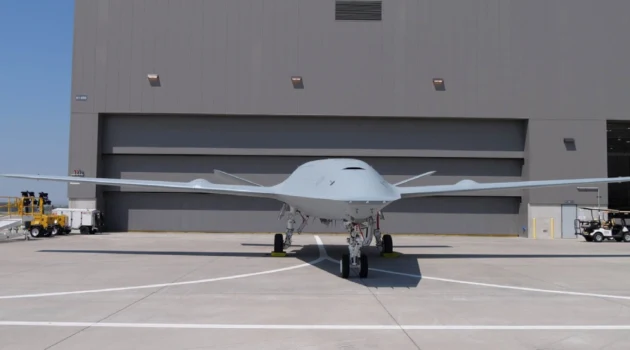
The U.S. Navy’s MQ‑25A Stingray unmanned tanker completed its first autonomous taxi test on January 30, 2026, Boeing and naval officials confirmed, advancing a major step toward flight trials and carrier integration. This test saw the aircraft move under its own power and execute controlled ground handling in a key validation of navigation, steering, and mission software.
The MQ‑25A Stingray is designed to serve as the Navy’s first operational carrier‑based unmanned aerial refueling system. Its primary role is to take over organic aerial refueling duties from manned aircraft, freeing fighters like the F/A‑18E/F Super Hornet and F‑35C Lightning II for core missions.
Ground Handling Test at Boeing’s MidAmerica Facility
The autonomous taxi event took place at Boeing’s facility near MidAmerica Airport in Illinois, where the production‑representative MQ‑25A taxied under its own power for the first time. Navy test squadrons Air Test and Evaluation Squadron 23 (VX‑23) and UX‑24, which specializes in unmanned system development, oversaw the event.
According to Boeing’s statement, the aircraft executed a series of maneuvers, including steering and braking, in response to commands from Air Vehicle Pilots using the Unmanned Carrier Aviation Mission Control System. The objective was to confirm that the autonomy stack can manage ground control tasks ahead of flight‑clearance activities.
Taxi trials are a required phase before an unmanned aircraft proceeds to take‑off. They verify propulsion, braking, steering, and other ground systems under conditions that simulate carrier deck handling without immediate hazards of flight.
Context for the MQ‑25A Program
The MQ‑25 program originated in the 2010s to fill a critical capability gap in carrier air wings. Navy analysts concluded that manned fighters spending flight hours on aerial refueling duties reduced overall combat capacity. The unmanned tanker aims to return that flight time to operational missions.
The first MQ‑25 test aircraft flew in 2019 under a Boeing‑Navy partnership, completing early autonomous operations including basic taxi and take‑off during developmental testing.
Production representative aircraft such as the one in the January 30 test are now progressing through ground trials ahead of flight testing planned for 2026, after software certification and final airworthiness reviews.
What This Means for Future Carrier Use
The autonomous taxi milestone is a key enabler for future carrier deck operations. Carrier flight decks are high‑risk environments with limited tolerance for errors in aircraft movement. Demonstrating predictable ground handling under autonomous control reduces risk before attempting launch and recovery operations at sea.
Once operational, the MQ‑25A will deliver tens of thousands of pounds of fuel to receiver aircraft, extending the operational range of carriers without drawing manned aircraft away from core missions.
Beyond tanking, Navy planners see potential for the MQ‑25A to support other roles such as persistent ISR or communications relay once routine carrier operations are established.
Next Steps Toward Flight Testing
Following the taxi runs, the MQ‑25A will continue ground tests and prepare for its first flight attempt once certification criteria are met. Navy and Boeing leaders have said the program remains on track for initial flight testing in 2026.
UK Navy Tests Wildcat Helicopter Drone Teaming for Martlet Missile Strikes
The Royal Navy has carried out integration trials showing how a Wildcat helicopter can use live drone sensor data to support simulated Martlet missile engagements, including beyond visual line of sight (BVLOS) and over the horizon (OTH) scenarios. The tests form part of the UK military’s Eagles Eye programme to link crewed aircraft with uncrewed systems in a tactical network.
(adsbygoogle = window.adsbygoogle || []).push({});Wildcat Helicopter as a Data Node
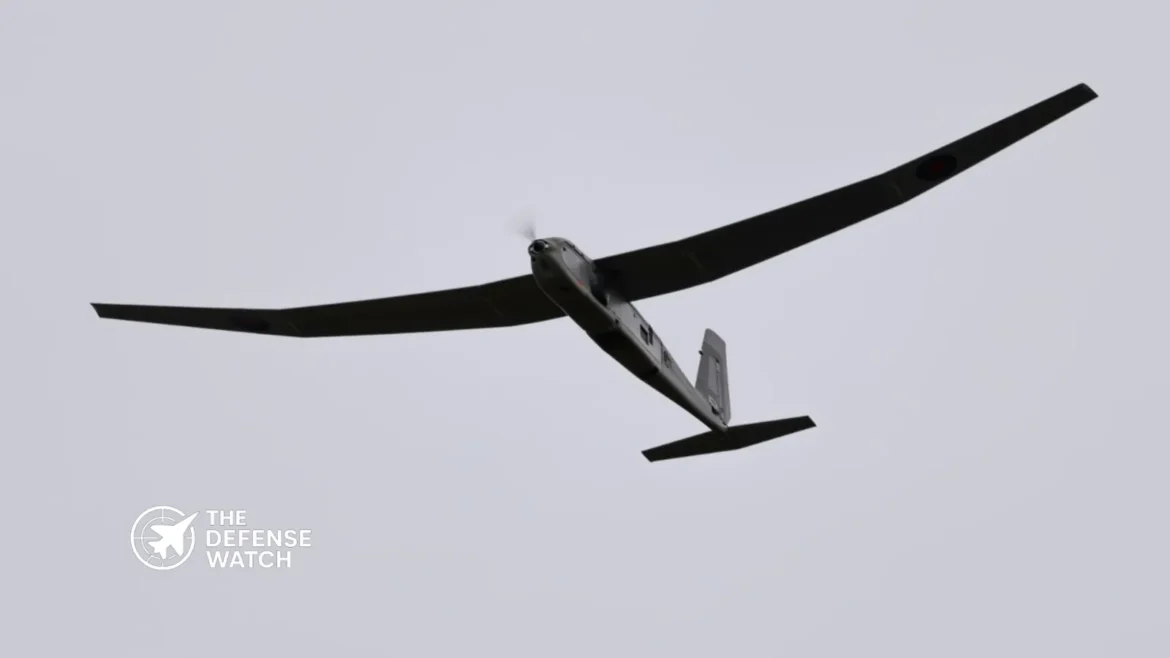
Trials at the National Drone Hub at Predannack Airfield on Cornwall’s Lizard Peninsula saw an 815 Naval Air Squadron Wildcat HMA2 receive and fuse live data from two small uncrewed aerial vehicles, an RQ-20 Puma and a Providence UAV, plus additional sensor inputs. This information was delivered via a multi-node mesh network to the Wildcat crew in near real time.
The Royal Navy described the effort as converting the helicopter into a flying command node, capable of sending and receiving data from multiple drones during a mission. The mesh network enables automatic rerouting of information if individual nodes are degraded or lost.
Simulated Martlet Engagements
While the Wildcat did not fire live weapons in this phase, the integrated sensor picture was used to conduct simulated engagements using the Thales Martlet lightweight multirole missile. Martlet is fully operational on Wildcat helicopters and is designed to engage small fast targets, including small boats, unmanned surface vehicles, and aerial threats.
The Puma, already in Royal Navy service since 2020 and deployed with Carrier Strike Group 25, provided imagery and track data. Personnel aboard the Wildcat also had the option to operate the Puma directly from within the helicopter cabin.
Networked ISR and Future Air Wing Concepts
The trials support a broader shift toward distributed sensing and networked operations within naval aviation. By linking crewed aircraft with unmanned systems and ground sensors, the UK aims to field more resilient reconnaissance and targeting capabilities against fast and mobile threats in littoral and contested environments.
The concept reflects growing interest among Western militaries in hybrid air wings where piloted platforms and unmanned assets operate together under a shared data fabric rather than as isolated elements. The mesh network tested in the Eagles Eye programme is a core part of that approach.
What Comes Next
Royal Navy officials say lessons from the Predannack trials will feed into future exercises, including planned operations in Norway’s fjords where terrain can challenge line of sight and signal continuity. Additional work will refine tactics, network reliability, and integration with larger sensor fleets.
(adsbygoogle = window.adsbygoogle || []).push({});The National Drone Hub itself is expanding its facilities, with larger hangars and new airspace arrangements off Cornwall’s north coast aimed at supporting tests of larger unmanned systems beyond Predannack’s runway limits.
Context on Wildcat and Martlet
The Wildcat HMA2 is a maritime attack and reconnaissance helicopter operated from Royal Navy frigates and destroyers. It can carry Martlet missiles for precision engagements against small, fast targets. The Martlet LMM achieved full operating capability in 2025 after live-fire trials showed its effectiveness against both surface and aerial threats.
First Flight of Brazil’s Albatroz Vortex Jet UAV With Domestic Turbine
Brazil’s Albatroz Vortex unmanned aerial vehicle completed its first flight with the domestically developed ATJR 15-5 jet turbine, marking a milestone for the country’s aerospace and defense industry. The test of the jet-powered drone took place at Santa Cruz Air Base in Rio de Janeiro and confirms integration of the Brazilian turbine with the aircraft.
The Albatroz Vortex flight, conducted on December 17, 2025, was publicly confirmed by Stella Tecnologia on January 22, 2026. The UAV is powered by the ATJR 15-5 turbine built by Aero Concepts, and the event was backed by the Brazilian Ministry of Defense and the Brazilian Air Force under a cooperative development agreement from November 2025.
What Happened in the Test Flight
The key goal of the flight was to confirm that the propulsion system operates as expected in real flight and that it works reliably with the Albatroz Vortex airframe. This real-world validation is essential for jet-powered UAV programs because it tests aerodynamic and structural integration that cannot be fully replicated in ground trials.
The flight successfully showed the turbine performing under flight conditions and verified that engine mounts, air intake, and aircraft systems integrate properly with the propulsion system.
Platform Background
The Albatroz Vortex is a jet-powered variant of the Albatroz family of UAVs developed by Brazil’s Stella Tecnologia. The Albatroz line is a tactical fixed-wing unmanned system with a maximum takeoff weight around 150 kg, previously flown with a piston engine. The jet variant adds a propulsion technology layer with higher potential speeds and operational altitudes.
The ATJR 15-5 turbine delivers about 500 newtons of thrust and represents one of the first Brazilian-built jet turbines to fly integrated with an operational UAV platform. Its development, including design, bench testing, and flight validation, was done in Brazil at Aero Concepts facilities in São José dos Campos.
Strategic and Industrial Implications
The first flight underscores ongoing efforts to strengthen Brazil’s aerospace industrial base and reduce reliance on foreign propulsion systems, which are often a bottleneck in advanced UAV development. The project is part of a broader national push to build strategic capabilities in unmanned systems and related technologies.
The cooperation between Stella Tecnologia, Aero Concepts, the Brazilian Air Force, and the Ministry of Defense reflects institutional support for domestic aerospace innovation. Testing will continue with further flights aimed at expanding the operational envelope and refining performance data.
Next Steps
Stella plans continued flight tests on the Albatroz Vortex in early 2026 to assess performance across a wider range of speeds and altitudes. Parallel work includes maturing production processes for the ATJR turbine family, intended to span thrust levels up to 5 000 newtons for a range of UAV classes.
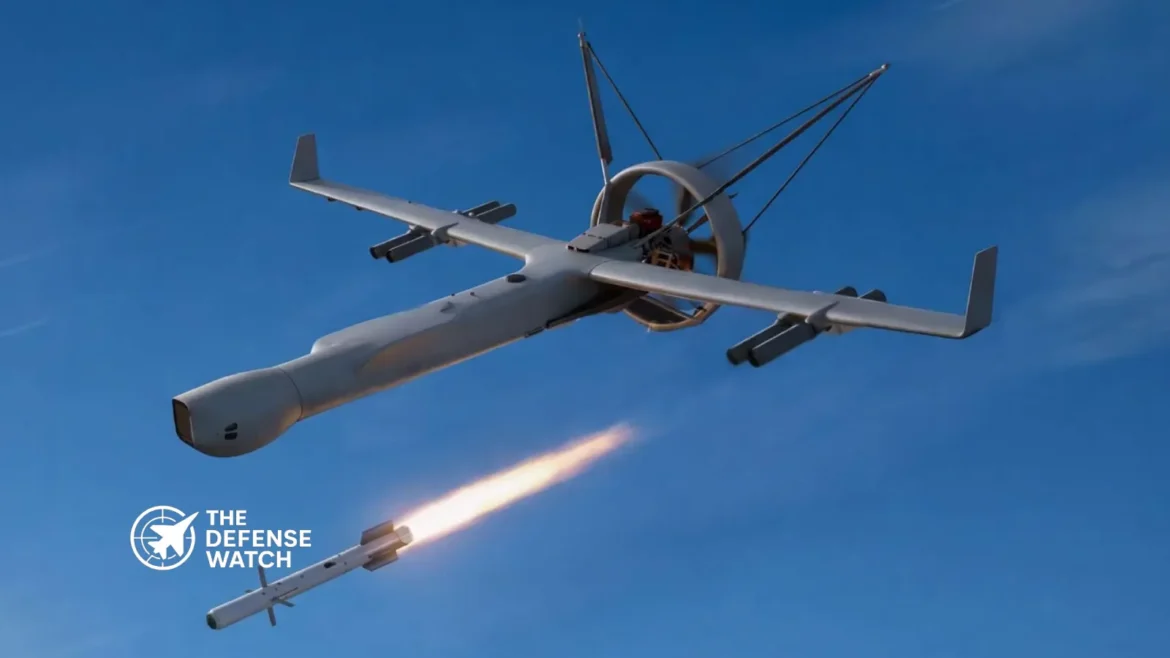
The U.S. V-BAT drone armed with guided missiles has emerged as a notable development in unmanned aerial warfare, reflecting the growing push to combine intelligence, surveillance, reconnaissance, and precision strike in a single vertical takeoff platform.
(adsbygoogle = window.adsbygoogle || []).push({});Recent demonstrations confirmed that the V-BAT vertical takeoff unmanned aerial vehicle has been successfully integrated with South Korean developed guided missiles, expanding its operational role beyond ISR missions. The development underscores evolving U.S. interest in deployable, runway independent armed drones for expeditionary and maritime operations.
The system has drawn attention across defense and aerospace circles for its modular design and its ability to operate from confined environments, including ship decks and austere forward bases.
V-BAT Drone Overview
The V-BAT is a vertical takeoff and landing unmanned aircraft system originally designed for long endurance ISR missions. Its ducted fan configuration allows it to launch and recover without runways, a feature increasingly valued by U.S. forces operating in dispersed environments.
The aircraft is optimized for persistent surveillance, electronic payloads, and communications relay missions. With the addition of guided missile capability, the platform now enters the armed UAV category, significantly broadening its mission set.
This integration aligns with broader U.S. military trends favoring flexible unmanned systems capable of both sensing and striking in contested areas.
Guided Missile Integration
The armed configuration features South Korean guided missiles, adapted for lightweight UAV deployment. These precision weapons are designed for engaging ground targets with minimal collateral damage.
(adsbygoogle = window.adsbygoogle || []).push({});According to publicly released information, the missile integration required limited airframe modification, highlighting the V-BAT’s modular payload architecture. This allows rapid mission reconfiguration depending on operational needs.
The move reflects closer interoperability between allied defense industries, particularly in unmanned systems and precision munitions.
Operational Implications for U.S. Forces
The U.S. V-BAT drone armed configuration offers several operational advantages:
- Vertical takeoff capability eliminates runway dependence
- Persistent ISR combined with strike reduces sensor to shooter timelines
- Compact footprint supports shipboard and forward deployment
- Lower cost compared to larger armed UAVs
These attributes make the system suitable for maritime security, expeditionary warfare, and distributed operations where traditional air assets may be constrained.
The platform also supports emerging U.S. doctrine emphasizing unmanned systems as force multipliers rather than replacements for crewed aircraft.
Broader Context in Unmanned Warfare
The weaponization of smaller vertical takeoff UAVs reflects a broader global shift in drone warfare. Armed drones are no longer limited to large medium altitude long endurance platforms.
By integrating precision guided munitions onto compact UAVs, military planners gain scalable options for surveillance, deterrence, and limited strike missions without escalating force posture.
Similar trends are visible across allied militaries, particularly in naval and expeditionary forces seeking organic air support without large aviation infrastructure.
Defense Industry and Allied Cooperation
The V-BAT missile integration highlights growing collaboration between U.S. and Asian defense manufacturers. South Korea has increasingly positioned itself as a supplier of advanced guided weapons compatible with allied platforms.
(adsbygoogle = window.adsbygoogle || []).push({});This cooperation supports faster fielding of capabilities while reducing development risk and cost. It also reflects shifting defense supply chains toward greater allied interoperability.
Outlook
While the armed V-BAT remains a relatively lightweight strike platform, its successful missile integration demonstrates how unmanned systems continue to evolve toward multi role combat capabilities.
As the U.S. military refines its unmanned force structure, platforms like the V-BAT may play a growing role in maritime security, border surveillance, and expeditionary operations where speed, flexibility, and persistence are critical.