Türkiye is considering the return of its Russian-made S-400 air defense systems as part of renewed efforts to rejoin the U.S.-led F-35 fighter jet program. The development, reported in late 2025, marks one of the clearest signals yet that Ankara may be willing to revisit a defense decision that reshaped its relationship with Washington and NATO allies.
The discussions are still at an exploratory stage and no formal decision has been announced. Turkish officials have framed the issue as part of broader talks with the United States on defense cooperation, sanctions relief, and future military procurement.
Background to the S-400 and F-35 Dispute
Türkiye was removed from the F-35 program in 2019 after it took delivery of the S-400 air defense systems from Russia. The United States argued that operating the S-400 alongside NATO aircraft posed intelligence and security risks, particularly for the stealth features of the F-35.
Following the S-400 acquisition, Washington imposed sanctions under the Countering America’s Adversaries Through Sanctions Act, targeting Türkiye’s defense procurement agency. Ankara has consistently stated that the S-400 purchase was driven by urgent air defense needs after failing to secure favorable terms for U.S. Patriot systems at the time.
The Turkey S-400 F-35 dispute has since become a central issue in U.S.-Turkish defense relations.
Signals of a Policy Shift
Recent remarks from Turkish officials suggest Ankara is reassessing options that could unblock cooperation with the United States. One option under discussion is the physical return or long-term storage of the S-400 systems outside Türkiye, potentially under third-party oversight.
While Ankara has not confirmed any final plan, officials have emphasized that Türkiye remains committed to NATO and wants to restore trust with allies. The possibility of returning the systems is being evaluated alongside other confidence-building measures.
For Washington, the status of the S-400 remains a key condition for any discussion about Türkiye’s return to the F-35 program or lifting existing sanctions.
Strategic Importance of the F-35 for Türkiye
Before its removal, Türkiye was a Level 3 partner in the F-35 program and planned to acquire at least 100 aircraft. Turkish companies were also involved in manufacturing hundreds of F-35 components, contributing to the global supply chain.
The loss of access to the fifth-generation fighter created a capability gap for the Turkish Air Force, which has since relied on upgraded F-16s and domestic projects such as the KAAN next-generation fighter. Despite progress on local programs, the F-35 remains a benchmark for air superiority within NATO.
Reentry into the program would significantly enhance Türkiye’s air power and interoperability with U.S. and allied forces.
U.S. Position and Policy Considerations
U.S. officials have reiterated that the presence of S-400 air defense systems in Türkiye is incompatible with the operation of the F-35. Any move to rejoin the program would require verifiable steps to remove the systems from Turkish control.
At the same time, Washington has shown interest in stabilizing relations with Ankara, particularly given regional security challenges in the Black Sea, Middle East, and Eastern Mediterranean. Congressional approval would still be required for any major shift in U.S. policy toward Türkiye.
The Turkey S-400 F-35 issue is therefore as much a political decision as a technical one.
Expert and Security Perspectives
Defense analysts note that returning the S-400 systems would carry political costs for Ankara, both domestically and in its relations with Moscow. However, they also point out that restoring access to Western defense technology could outweigh those costs over the long term.
Experts describe the current talks as a test of whether both sides are willing to compromise after years of strained relations. Any agreement would likely involve phased steps, inspections, and legal assurances to satisfy U.S. security concerns.
What Comes Next
No timeline has been announced for a decision, and negotiations could extend well into 2026. Even if Türkiye proceeds with returning the S-400 systems, rejoining the F-35 program would require lengthy reviews and political approval in Washington.
Still, the renewed dialogue suggests a shift toward pragmatic engagement. For NATO, resolving the Turkey S-400 F-35 dispute could strengthen alliance cohesion at a time of heightened global security pressures.

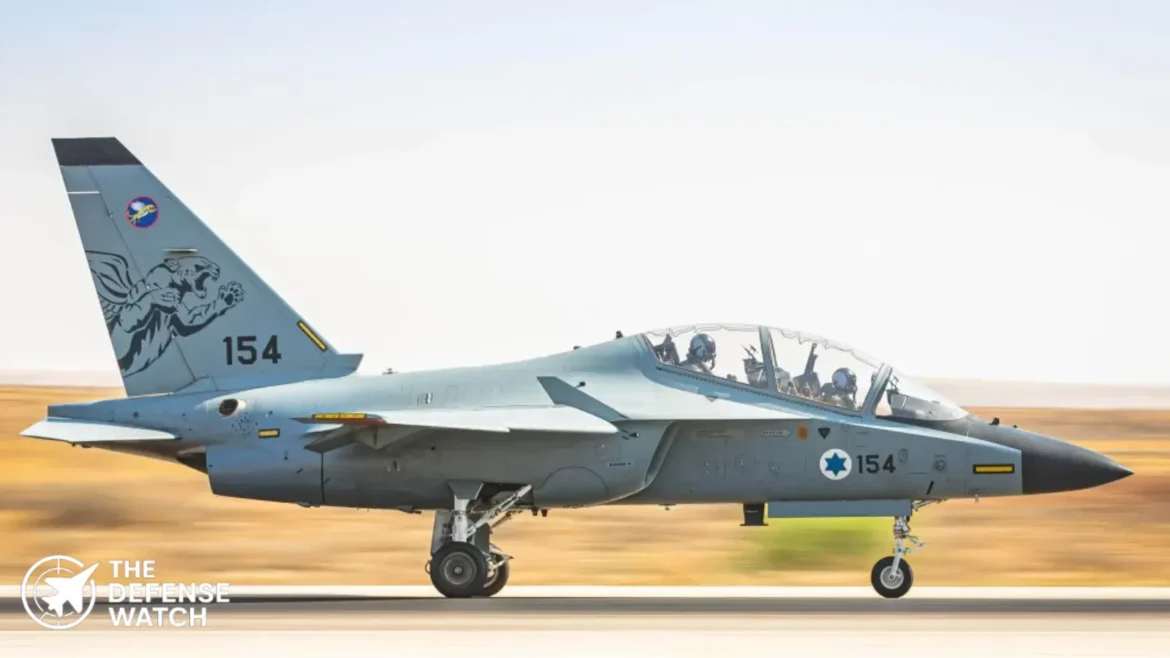
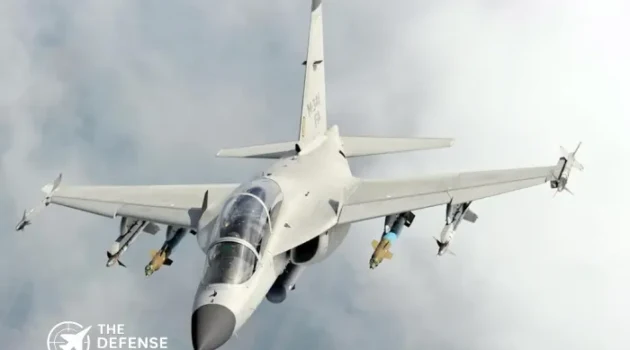
Austria’s federal government has signed a contract to buy 12 Leonardo M-346F Block 20 light combat aircraft for the Austrian Air Force, the Ministry of Defense and Leonardo confirmed in Rome on December 17, 2025. The aircraft will play a key role in Austria’s future air defense and pilot training programs, with the first deliveries expected in 2028.
New Acquisition for Air Defense and Training
Under the government-to-government agreement with Italy, Austria has contracted Leonardo to supply a fleet of 12 M-346F Block 20 light fighter and advanced trainer aircraft to the Luftstreitkräfte. The deal also includes training systems, simulator equipment for pilots and maintenance crews, spare parts, ground support gear and six years of logistical backing following first delivery.
The contract marks a significant step in modernizing Austria’s air capabilities. It follows earlier procurement cooperation between Vienna and Rome, such as recent orders for AW169M light utility helicopters.
What Are M-346F Block 20 Aircraft
The M-346F Block 20 represents a light combat version of Leonardo’s M-346 advanced jet trainer. It combines pilot training capabilities with multirole light strike functions. The aircraft features modern avionics including a large area display in the cockpit, active electronically scanned array (AESA) radar, a Link 16 datalink and electronic countermeasures. It can operate air-to-air and air-to-surface systems, extending its role beyond pure training.
This mixed-role design allows the Austrian Air Force to use the M-346F for advanced pilot training and lower-intensity combat tasks, freeing up heavier fighters for more demanding missions.
Contract Details and Delivery Schedule
The signed agreement covers aircraft delivered in a light fighter configuration under the M-346F Block 20 standard. In addition to the jets, the package includes complete simulation systems, spare parts, ground equipment, and six years of maintenance support counted from the first delivery, scheduled for 2028.
Austria’s choice of the M-346F follows international interest in light fighter aircraft, a market driven by nations seeking more versatile and cost-effective air platforms. The new aircraft will replace older training jets and handle missions that do not require full-size fighter jets.
Training and Support Elements
The contract anticipates a broad training setup that goes beyond aircraft delivery. It will include advanced simulation tools for pilots and maintenance personnel. This integrated training capability is designed to improve readiness and ensure that Austrian crews can fully exploit the aircraft’s multirole functions.
Such systems are part of Leonardo’s broader offering for the M-346 family, which integrates live, virtual and constructive training environments. These tools help pilots transition more effectively from training to operational missions.
Strategic Context and Force Structure
Austria retired its Saab 105 jets in 2020, leaving a gap in advanced jet training that was partly handled abroad. The acquisition of the M-346F aims to bring that training function back within national reach and enhance Austria’s air sovereignty.
In recent years, Austria has also operated Eurofighter Typhoons for air policing. While capable, those aircraft are costly to fly and maintain. The M-346F’s addition brings a complementary asset that is more economical for routine missions, while preserving Typhoons for higher-end tasks.
What Comes Next
With the contract signed and the delivery timeline set, final preparations will now focus on aircraft production schedules and domestic integration plans. Austria will work with Leonardo and Italian partners to ensure infrastructure, training pipelines, and support services are in place ahead of first deliveries.
As the Austrian Air Force transitions to the new platform, the M-346F fleet is expected to enhance national airspace defense and improve pilot training efficiency. These improvements could also strengthen bilateral defense ties between Austria and Italy.
Destroyer vs Frigate Explained
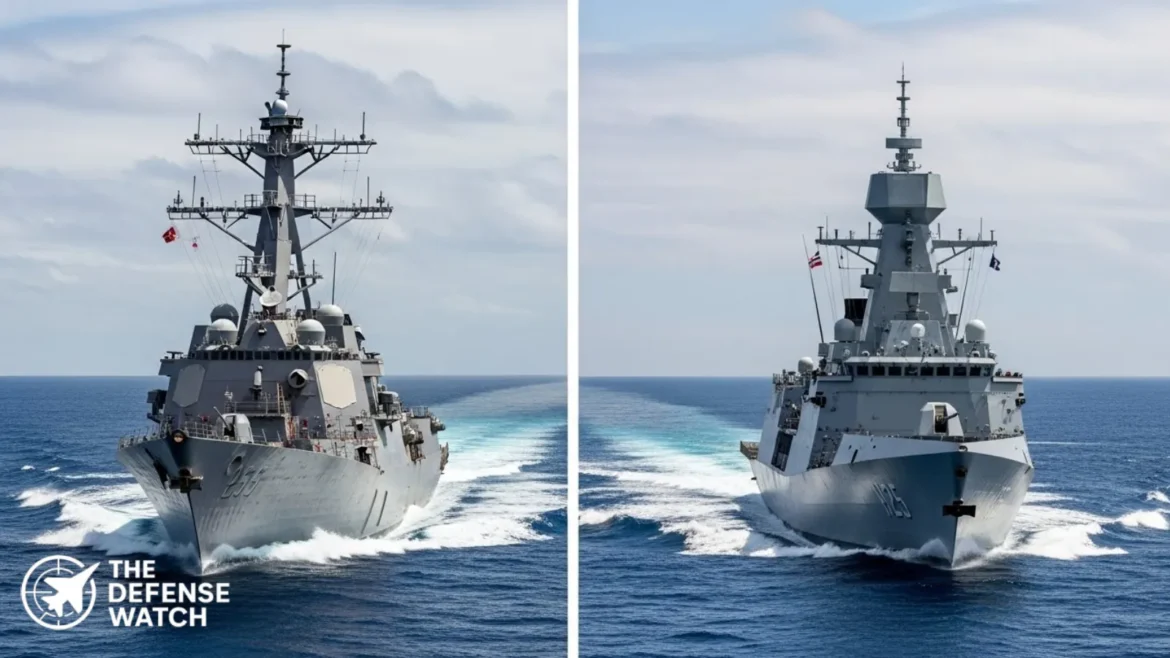
The destroyer vs frigate debate comes up often when modern navies announce new ship programs or deployments. Both vessels look similar at first glance. Both carry missiles, radars, helicopters, and advanced sensors. Yet their roles, size, and combat focus differ in important ways. Understanding the difference between a destroyer and a frigate helps explain how navies balance firepower, cost, and global reach.
Today, the United States Navy, NATO allies, and Indo Pacific powers operate both ship types side by side. From the Arleigh Burke class destroyer to newer guided missile frigates, each fills a specific place in fleet operations.
What Is a Destroyer
A destroyer is a large, heavily armed surface combatant designed for high intensity warfare. Historically, destroyers were built to protect battleships from torpedo boats. Over time, they evolved into multi role warships focused on air defense, missile defense, and strike operations.
Modern destroyers act as command ships within task groups. They often escort aircraft carriers and amphibious assault ships. They also operate independently in contested waters.
Key Features of Modern Destroyers
- Displacement usually between 8,000 and 10,000 tons
- Large vertical launch systems for missiles
- Advanced phased array radars
- Long range air and missile defense capability
- Command and control for fleet operations

The U.S. Navy’s Arleigh Burke class is a leading example. These ships carry the Aegis combat system and can launch Tomahawk cruise missiles, Standard air defense missiles, and anti submarine weapons. Official U.S. Navy background on destroyer roles can be found on the Navy’s surface forces overview page (external link to U.S. Navy official site).
What Is a Frigate
A frigate is a smaller surface combatant optimized for escort, patrol, and maritime security missions. In the destroyer vs frigate comparison, frigates focus more on cost effective presence and protection rather than maximum firepower.
Frigates are often tasked with convoy escort, anti submarine warfare, and regional patrols. Many operate close to shore or across long sea lines of communication.
Key Features of Modern Frigates
- Displacement typically between 3,000 and 7,000 tons
- Fewer missile cells than destroyers
- Strong anti submarine focus
- Lower crew size and operating cost
- Ideal for sustained forward presence
New frigate programs reflect their growing importance. The U.S. Navy’s Constellation class frigate aims to complement destroyers by taking on escort and patrol duties, freeing larger ships for high end missions. Program details are publicly outlined by the U.S. Naval Sea Systems Command (external link to NAVSEA official site).
Size and Cost Differences
One of the clearest differences in the destroyer vs frigate comparison is size. Destroyers are larger, heavier, and more expensive to build and maintain. A single modern destroyer can cost well over two billion dollars. Frigates often cost half that or less, depending on configuration.
Because of this, navies can field more frigates than destroyers. This matters in peacetime operations, where constant presence is needed across multiple regions.
Weapons and Combat Systems
Destroyer Firepower
Destroyers carry extensive missile arsenals. Their vertical launch systems support air defense, ballistic missile defense, land attack, and anti ship missions. They also carry advanced electronic warfare systems and long range sensors.
In fleet combat, destroyers often provide the air defense umbrella for other ships. They can intercept aircraft, cruise missiles, and in some cases ballistic missiles.
Frigate Armament
Frigates carry fewer missiles and lighter sensors. Their weapons are tailored toward submarines, surface threats, and self defense. Many frigates rely on helicopters and towed sonar arrays for submarine hunting.
While they lack the broad missile defense role of destroyers, modern frigates remain lethal in their intended missions.

Roles in Modern Naval Strategy
The destroyer vs frigate distinction becomes clear when looking at strategy.
Destroyers are high value assets used in contested environments. They deploy with carrier strike groups, ballistic missile defense patrols, and power projection missions.
Frigates are workhorses. They escort logistics ships, patrol chokepoints, and maintain maritime security. In lower intensity conflicts, frigates often operate as the first line of response.
NATO navies use this mix to balance capability and affordability. European fleets, in particular, rely heavily on frigates for daily operations, while keeping fewer destroyers for air defense leadership.
Why Navies Still Need Both
Some analysts once argued that advanced destroyers could replace frigates. That view has shifted. Rising costs and global commitments have reinforced the need for both ship types.
Frigates offer numbers and presence. Destroyers offer depth and power. Together, they create flexible fleets that can scale from routine patrols to major combat.
Recent naval strategies from the United States, United Kingdom, and Japan all emphasize mixed surface fleets. This approach reflects lessons from recent conflicts and growing maritime competition.
Analysis, The Future of Destroyers and Frigates
Looking ahead, the destroyer vs frigate balance is becoming more important, not less. Hypersonic missiles, drones, and submarine threats are forcing navies to spread risk across more hulls. Frigates provide affordable platforms for sensors and unmanned systems. Destroyers concentrate high end defenses and command roles.
The return of great power competition at sea means navies cannot rely on a single ship type. Instead, layered fleets are becoming the norm, with destroyers and frigates operating as complementary tools rather than rivals.
FAQs
Yes. Destroyers carry more weapons, sensors, and missile defense systems than frigates.
Frigates cost less to operate and are better suited for patrol, escort, and anti submarine roles.
Yes. The U.S. Navy is introducing the Constellation class guided missile frigate.
In theory yes, but destroyers hold a major advantage in sensors and firepower.
Frigates are more common worldwide due to lower cost and broader mission use.
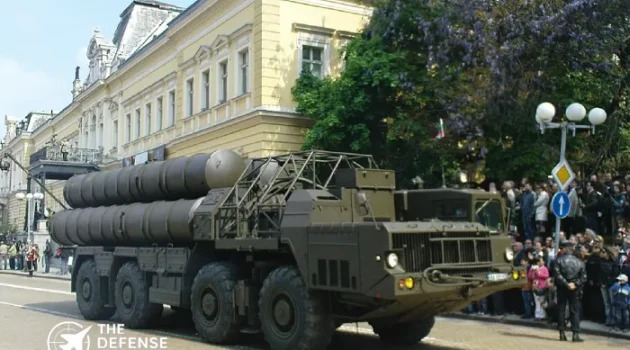
Ukraine to Receive More S-300 Interceptors With Norway’s Support
Ukraine is set to receive additional interceptors for its S-300 surface-to-air missile systems through a new support effort backed by Norway, as Kyiv continues to face sustained missile and drone attacks across multiple regions.
The development, first reported by defense-focused outlets citing Western officials, reflects ongoing efforts by Ukraine’s partners to keep legacy Soviet-era air defense systems operational despite dwindling missile stocks and limited global supply. The announcement comes amid renewed Russian long-range strike activity targeting Ukrainian energy infrastructure, air bases, and urban centers.
Norway’s involvement highlights a growing European role in sustaining Ukraine’s layered air defense network as the conflict enters another year with no signs of de-escalation.
Why S-300 Systems Remain Critical for Ukraine
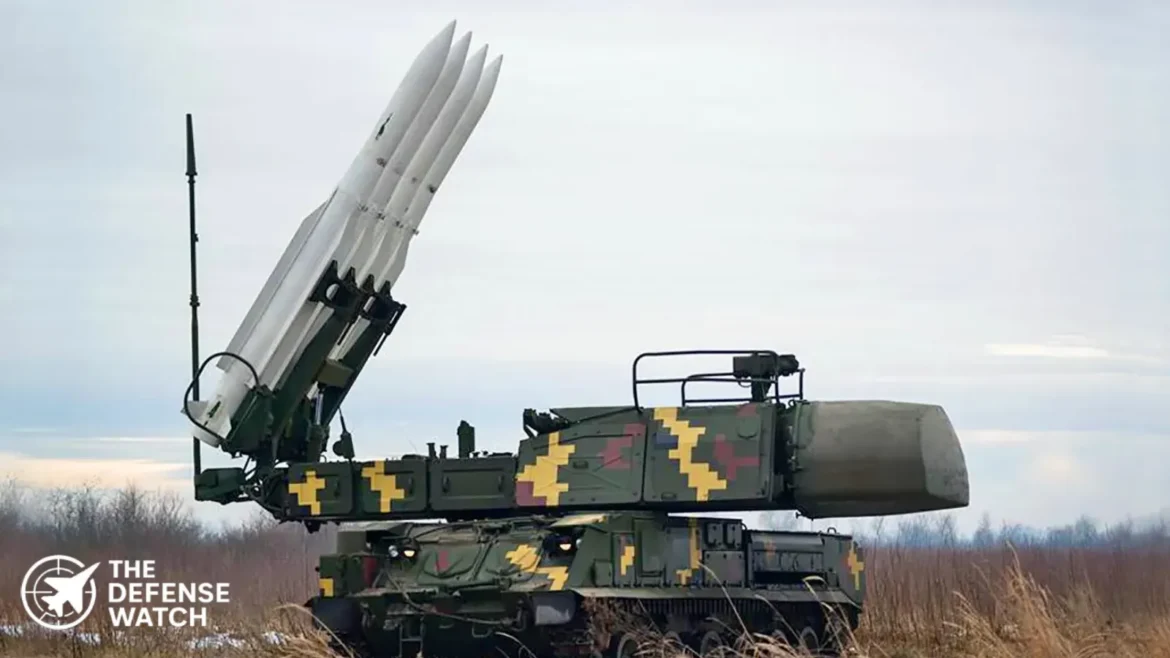
The S-300 family of surface-to-air missile systems has formed the backbone of Ukraine’s long-range air defense since the start of Russia’s full-scale invasion in 2022. Designed during the Cold War, the system is capable of engaging aircraft, cruise missiles, and in some variants, limited ballistic missile threats.
Despite the introduction of Western-supplied systems such as NASAMS, IRIS-T SLM, and Patriot, Ukraine continues to rely heavily on S-300 batteries due to their wide coverage and integration into existing command-and-control networks.
However, the primary challenge has been interceptor availability. Most S-300 missiles are no longer produced at scale, and remaining stocks are scattered across former Warsaw Pact states or stored in aging depots.
Norway’s Role in Securing Interceptors
Norway has emerged as a key facilitator in efforts to locate, finance, and refurbish compatible S-300 interceptors for transfer to Ukraine. While Oslo does not operate the S-300 system itself, it has played a coordinating role by working with partner nations that still possess missiles or components suitable for refurbishment.
According to defense sources, Norway’s contribution includes funding, logistics coordination, and technical support aimed at restoring stored interceptors to operational condition before delivery. This approach mirrors earlier European initiatives that focused on sourcing legacy equipment from third-party countries rather than direct transfers from NATO inventories.
Norwegian officials have emphasized that strengthening Ukraine’s air defenses remains a top priority, particularly as Russia increases its use of mixed attack packages combining cruise missiles, ballistic missiles, and one-way attack drones.
Pressure on Ukraine’s Air Defense Stockpiles
Ukraine’s air defense forces have maintained high interception rates throughout the conflict, but at significant cost. Each large-scale Russian strike can involve dozens of targets, forcing defenders to expend valuable interceptors that are difficult to replace.
S-300 interceptors, in particular, have been used extensively to counter cruise missiles and aircraft operating near Ukrainian airspace. As stocks decline, Ukrainian commanders have had to make difficult decisions about which targets to prioritize, especially when facing simultaneous attacks across different regions.
The additional S-300 interceptors supported by Norway are expected to provide short- to medium-term relief, helping maintain coverage until more Western systems and missiles can be delivered in sufficient numbers.
Limits of Western Substitutes
While systems like Patriot offer superior performance against ballistic missiles, they are expensive and available only in limited quantities. NASAMS and IRIS-T provide strong medium-range coverage but cannot fully replace the wide-area defense offered by S-300 batteries.
Moreover, retraining personnel and integrating new systems into Ukraine’s air defense architecture takes time. Maintaining S-300 readiness allows Ukraine to preserve a layered defense structure, with Western systems filling specific high-value roles.
Defense analysts note that sustaining older systems is often faster and more cost-effective than relying solely on new deliveries, particularly in a high-intensity conflict.
Strategic Implications for European Security
Norway’s support underscores a broader shift among European states toward long-term sustainment strategies rather than one-time equipment transfers. As the war continues, attention is increasingly focused on ammunition, spare parts, and maintenance rather than headline-grabbing platform donations.
This approach also reflects concerns about NATO members’ own air defense readiness. By sourcing interceptors from outside alliance stockpiles, European governments aim to balance support for Ukraine with domestic defense requirements.
The effort may also set a precedent for future cooperation on legacy systems still in service across parts of Eastern Europe and beyond.
What Comes Next
Delivery timelines and quantities of the additional S-300 interceptors have not been publicly disclosed, citing operational security. Ukrainian officials have consistently avoided detailing air defense deployments to prevent adversary targeting.
What is clear is that demand for air defense missiles will remain high as Russia adapts its strike tactics and continues to test Ukrainian defenses. Further European-led initiatives to source and refurbish compatible interceptors are likely in the coming months.
For Ukraine, keeping its S-300 systems operational remains a matter of national survival, protecting cities, infrastructure, and military forces from sustained aerial attack.
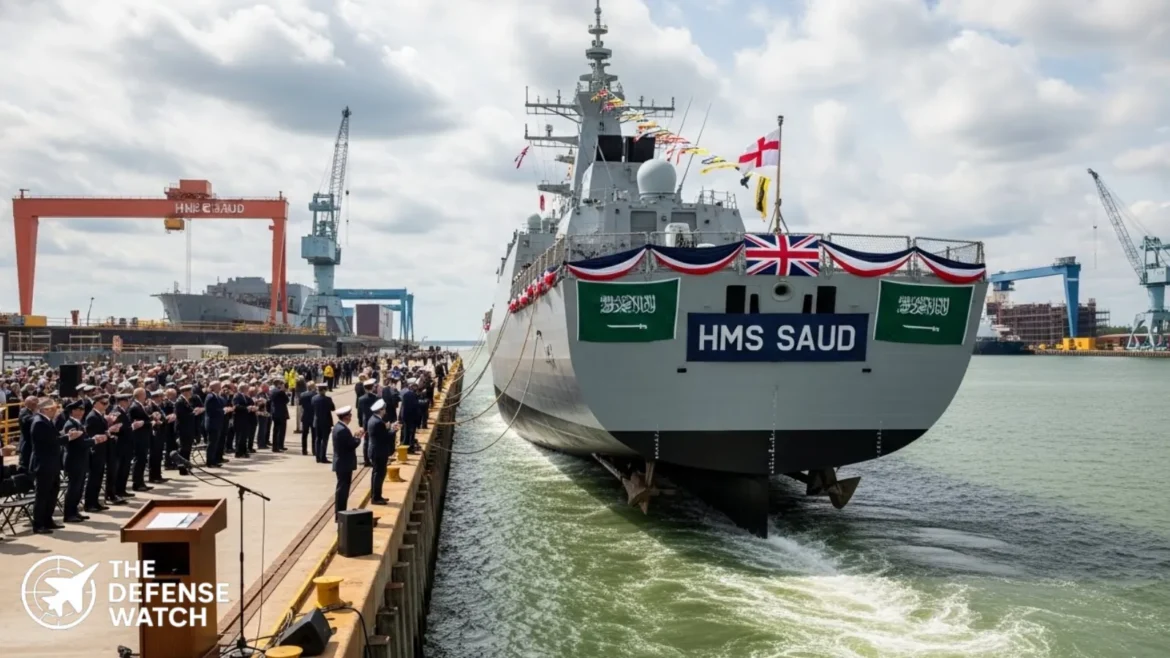
U.S. Shipyard Launches First MMSC Frigate HMS Saud in Wisconsin
The first Multi-Mission Surface Combatant, or MMSC frigate, designated HMS Saud, was officially launched at a U.S. shipyard in Wisconsin, marking a major milestone for the Royal Saudi Naval Forces and a key step in a long running U.S. Saudi defense cooperation program. The launch ceremony took place in early December 2025 and represents the first vessel completed under the MMSC frigate program for Saudi Arabia.
HMS Saud is the lead ship of a planned fleet of advanced surface combatants intended to modernize Saudi Arabia’s naval capabilities and enhance maritime security across the Red Sea and the Arabian Gulf. The ship’s launch moves the program from construction to the final stages of integration, testing, and future sea trials.
Background of the MMSC Frigate Program
The MMSC frigate program is based on the Freedom variant of the U.S. Navy’s Littoral Combat Ship design, adapted to meet Saudi operational requirements. The program was approved under a U.S. Foreign Military Sales agreement and includes four frigates, training, logistics support, and long term sustainment.
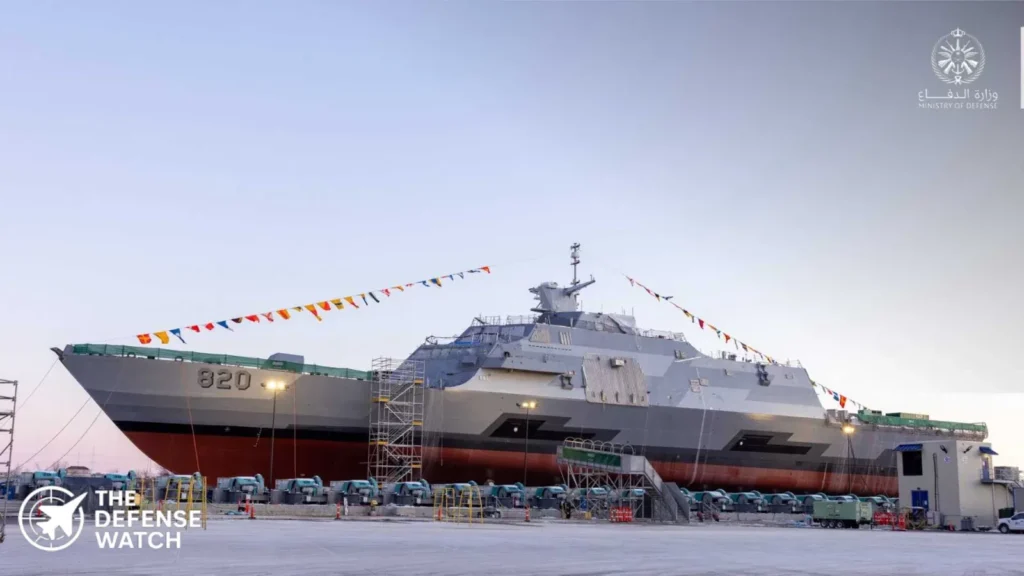
Saudi Arabia selected the MMSC frigate to replace aging surface combatants and to address evolving maritime threats, including anti-ship missiles, fast attack craft, and unmanned systems. The program is also intended to improve interoperability with U.S. and allied naval forces operating in the region.
The launch of the first MMSC frigate HMS Saud signals steady progress after several years of detailed design work, systems integration, and construction.
Details of HMS Saud and Its Capabilities
HMS Saud is designed as a multi-role surface combatant capable of air defense, anti-surface warfare, and anti-submarine operations. The MMSC frigate HMS Saud is equipped with a modern combat management system, advanced sensors, and a layered weapons suite.
Key features include a vertical launch system for surface to air missiles, a modern naval gun, anti-ship missile capability, and close-in weapon systems for point defense. The ship is also fitted with advanced radar and electronic warfare systems designed to detect and counter aerial and surface threats.
Aviation facilities on board allow the operation of naval helicopters and unmanned aerial systems, expanding the ship’s surveillance and strike reach. These capabilities position the MMSC frigate HMS Saud as a central element in Saudi Arabia’s future naval task groups.
Strategic Importance for Saudi Arabia
For Saudi Arabia, the MMSC frigate HMS Saud represents a major leap in naval modernization. The Royal Saudi Naval Forces are seeking to protect critical sea lanes, offshore infrastructure, and coastal areas at a time of increased regional maritime competition.
The introduction of the MMSC frigate fleet is expected to strengthen Saudi Arabia’s ability to conduct sustained operations and contribute to coalition maritime security efforts. The ships are designed to operate in high threat environments and support both national defense and regional stability missions.
Saudi defense officials have previously emphasized that the MMSC program supports broader defense reform goals, including improved readiness, training, and local industry participation over the life of the ships.
U.S. Shipbuilding and Defense Cooperation
The launch in Wisconsin underscores the role of U.S. shipyards in supporting allied naval programs. The MMSC frigate HMS Saud was built using U.S. naval standards, with American industry responsible for hull construction, systems integration, and testing.
The program reflects a long standing defense relationship between the United States and Saudi Arabia, particularly in the maritime domain. U.S. officials have highlighted that such programs strengthen interoperability and ensure that allied navies can operate effectively alongside U.S. forces.
From a U.S. perspective, the MMSC frigate program also supports domestic shipbuilding jobs and maintains industrial capacity for complex surface combatant construction.
What Comes Next for HMS Saud
Following its launch, HMS Saud will undergo outfitting, systems activation, and dockside testing before commencing sea trials. These trials will validate the ship’s propulsion, sensors, and combat systems under operational conditions.
Once testing is complete, the frigate will be formally delivered to Saudi Arabia. Saudi crews are expected to receive training in the United States as part of the overall program, ensuring a smooth transition into operational service.
The remaining MMSC frigates are scheduled to follow in the coming years, with each launch bringing the Royal Saudi Naval Forces closer to full fleet modernization.
Broader Impact of the MMSC Frigate Program
The launch of the first MMSC frigate HMS Saud is likely to influence naval balance considerations in the Middle East. As regional navies invest in more capable surface combatants, emphasis is increasingly placed on integrated air and missile defense at sea.
The MMSC design reflects this shift, combining flexibility with advanced defensive systems. Analysts note that the program could serve as a reference for other navies seeking cost effective, multi-mission frigates built on proven U.S. designs.
As HMS Saud moves toward operational service, attention will remain on its performance during trials and its eventual role within Saudi Arabia’s evolving maritime strategy.
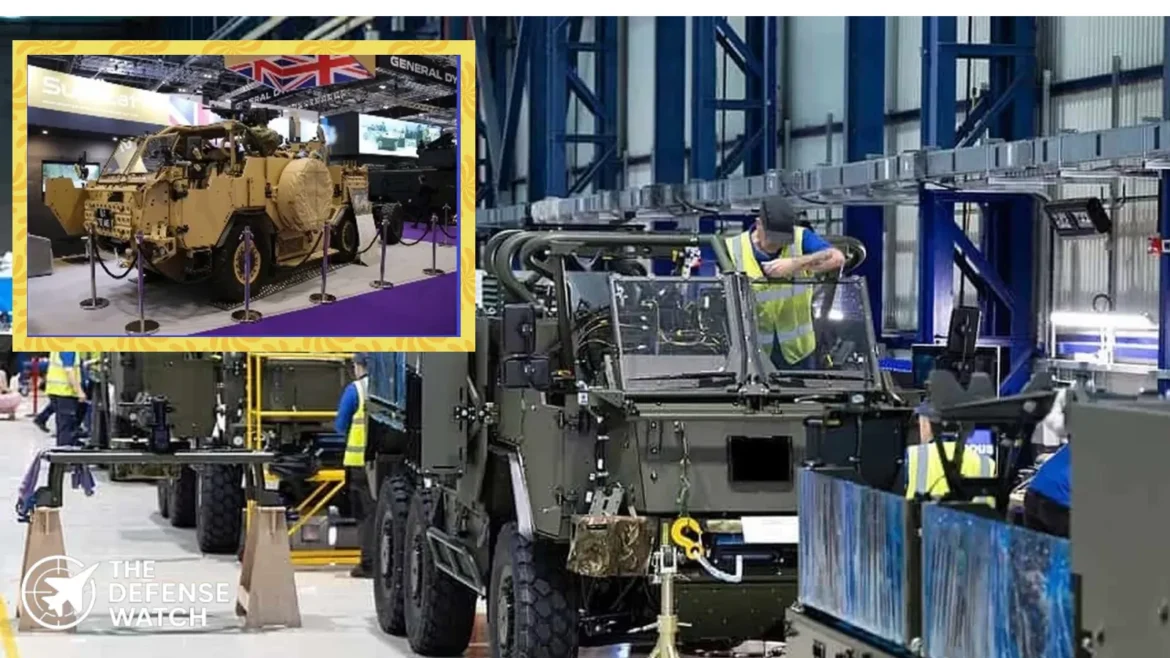
Babcock Launches Jackal 3 Extenda All-Terrain Vehicle Production
Babcock International has formally launched production of the Jackal 3 Extenda all-terrain vehicle for the British Army, marking a key step in the modernization of the United Kingdom’s light mobility and reconnaissance fleet. The production start was announced in early 2025 at Babcock’s UK facilities, where the company is delivering the latest variant of the combat proven Jackal family under an ongoing support and manufacturing agreement with the Ministry of Defence.
The Jackal 3 Extenda all-terrain vehicle is designed to enhance the British Army’s ability to operate across dispersed and demanding environments, while maintaining speed, protection, and operational flexibility. The new production phase signals a transition from development and testing into sustained manufacturing for frontline units.
Background: Evolution of the Jackal Vehicle Family
The Jackal vehicle series has been a cornerstone of British Army light forces since its introduction in the late 2000s. Originally developed to meet urgent operational requirements, the Jackal gained a strong reputation for mobility, firepower, and adaptability during operations in Afghanistan and other theaters.
The Jackal 3 Extenda all-terrain vehicle represents the latest evolution of the platform. Building on the earlier Jackal 2 and standard Jackal 3 variants, the Extenda configuration introduces a modular design that allows the vehicle to operate in both short and extended wheelbase modes. This flexibility enables commanders to tailor the vehicle for specific mission profiles, including reconnaissance, patrol, command and control, and rapid response tasks.
Production Details and Industrial Role
Babcock is responsible for manufacturing, integration, and long term support of the Jackal 3 Extenda all-terrain vehicle fleet. The company has emphasized that the production effort supports skilled jobs across the UK and reinforces domestic defense manufacturing capacity.
According to company statements, production activities include final vehicle assembly, systems integration, quality assurance, and testing. Babcock is also leveraging lessons learned from previous Jackal variants to improve reliability, maintainability, and through life support.
The Jackal 3 Extenda all-terrain vehicle incorporates upgrades to suspension, powertrain performance, and onboard systems. These improvements are intended to support sustained operations over rough terrain while reducing crew fatigue and maintenance demands.
Vehicle Capabilities and Design Features
The Jackal 3 Extenda all-terrain vehicle is optimized for high mobility in off road conditions. Its open architecture design supports a range of mission equipment, including communications systems, sensors, and weapon mounts.
A defining feature of the Extenda variant is its adjustable configuration. The vehicle can be reconfigured to carry additional personnel or equipment without compromising mobility. This modular approach allows a single vehicle type to fulfill multiple operational roles within a unit.
Protection enhancements focus on blast mitigation and survivability, while maintaining the low weight needed for air transport and rapid deployment. The Jackal platform is typically armed with heavy machine guns or automatic grenade launchers, providing organic fire support to light forces.
British Army Modernization Context
The start of production for the Jackal 3 Extenda all-terrain vehicle aligns with the British Army’s broader modernization efforts under its Future Soldier program. This initiative aims to restructure land forces to be more agile, digitally connected, and deployable across a range of conflict scenarios.
Light mobility platforms like the Jackal 3 Extenda play a critical role in this concept, particularly for reconnaissance units and rapid reaction forces. The vehicle supports operations in environments where heavier armored vehicles may be restricted by terrain or infrastructure.
Defense officials have highlighted the importance of retaining proven platforms while incrementally upgrading their capabilities. The Jackal 3 Extenda all-terrain vehicle reflects this approach by combining an established design with targeted enhancements.
Industry and Policy Perspective
From an industrial perspective, the program underscores the UK Ministry of Defence’s emphasis on sustaining domestic defense suppliers. Babcock’s role in producing and supporting the Jackal 3 Extenda all-terrain vehicle demonstrates the value placed on long term partnerships with industry.
Analysts note that continued investment in light tactical vehicles remains relevant despite growing attention on high end warfare. Mobility, situational awareness, and adaptability remain essential for expeditionary operations, counterinsurgency missions, and deterrence activities in contested regions.
The Jackal 3 Extenda all-terrain vehicle also offers potential export appeal, given the widespread interest in flexible and air deployable ground platforms among allied and partner nations.
What Comes Next
With production now underway, the focus will shift to deliveries, crew training, and integration into operational units. Babcock is expected to continue providing in service support throughout the vehicle’s operational life, ensuring availability and readiness.
As the British Army refines its force structure, the Jackal 3 Extenda all-terrain vehicle is set to remain a key asset for light forces. The program highlights how incremental upgrades and sustained industrial support can extend the relevance of proven military platforms in a changing security environment.
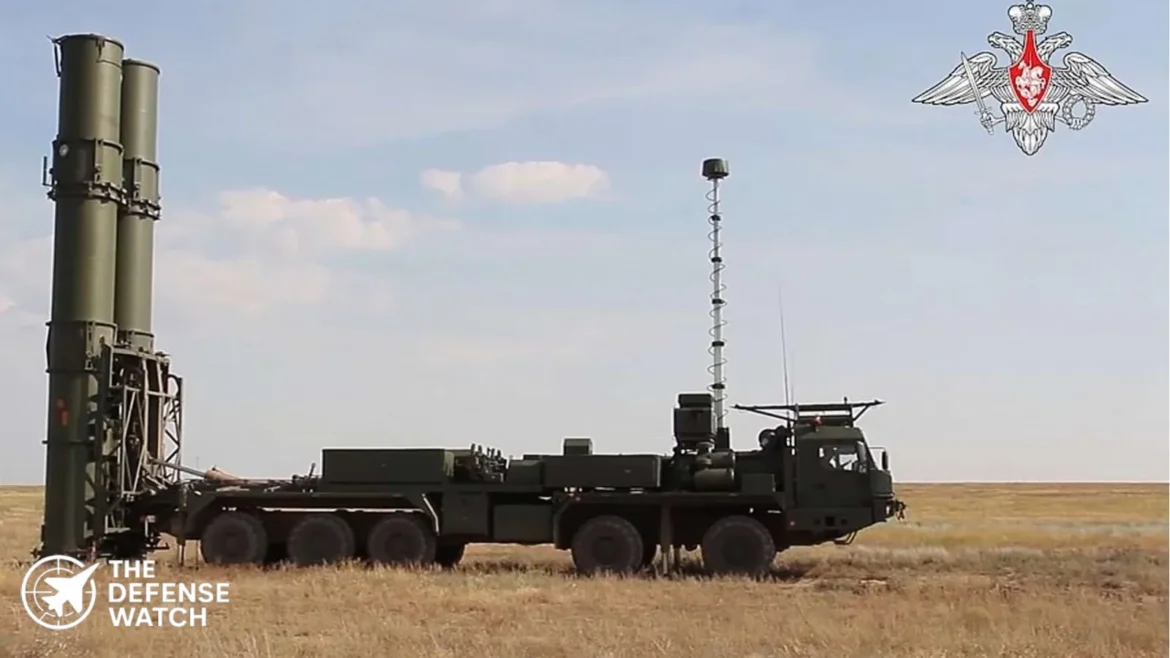
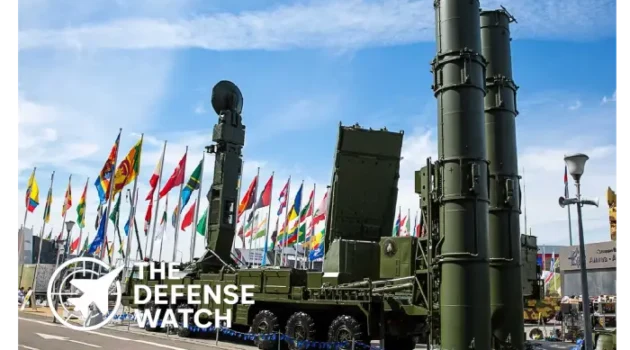
Russia Confirms First Combat Deployment of S-500 System
Russia has officially placed its S-500 missile defense system on combat duty for the first time, marking a significant milestone in the country’s long running effort to modernize its strategic air and missile defense network. The announcement confirms that the next generation system, known as S-500 Prometey, is no longer limited to testing and training roles and has entered operational service.
The deployment was confirmed by Russian defense industry and military sources in early 2025, signaling that at least one S-500 unit has reached full readiness status. While Moscow did not disclose the exact deployment location, previous statements suggest that the system is intended to protect critical strategic regions, including areas surrounding Moscow and key military infrastructure.
The move represents a major step in Russia’s layered air and missile defense strategy and places the Russia S-500 missile defense system among the most advanced operational platforms of its kind.
What Is the S-500 Missile Defense System
The S-500 Prometey is designed to counter a wide range of aerial threats, including ballistic missiles, hypersonic glide vehicles, cruise missiles, advanced aircraft, and low orbit satellites. Unlike earlier systems, it is intended to operate beyond traditional air defense roles, bridging the gap between air defense and strategic missile defense.
Russian officials have stated that the S-500 can intercept targets at ranges exceeding 500 kilometers and at altitudes reaching near space. This capability allows it to engage intermediate range ballistic missiles and emerging hypersonic threats, which have become a central concern for major military powers.
The Russia S-500 missile defense system is expected to complement existing platforms such as the S-400 and the legacy A-135 and A-235 missile defense systems, forming a multi layered shield over key regions.
From Testing to Combat Duty
Development of the S-500 began more than a decade ago, with initial testing phases accelerating in the late 2010s. Russian defense officials previously confirmed successful test launches against ballistic and aerodynamic targets, including high speed objects simulating hypersonic weapons.
Until now, however, the system had not been formally declared operational. The announcement of combat duty status indicates that the system has met military requirements for reliability, command integration, and sustained readiness.
According to Russian sources, the first deployed unit includes advanced radar arrays, command vehicles, and interceptor launchers capable of operating independently or as part of a wider integrated defense network.
Strategic Role in Russia’s Defense Doctrine
The deployment aligns with Russia’s emphasis on strategic deterrence and homeland defense. Moscow has consistently highlighted missile defense as a critical element of national security, particularly amid rising tensions with NATO and continued development of long range precision strike systems by the United States and its allies.
The Russia S-500 missile defense system is expected to play a central role in defending against both conventional and nuclear threats, especially during the early phases of a potential conflict. Its ability to engage targets in near space also reinforces Russia’s interest in countering space based surveillance and strike assets.
Military analysts note that while the system does not replace existing air defense platforms, it significantly expands engagement envelopes and reaction times.
Integration With Existing Air Defense Systems
Russian air defense doctrine relies heavily on layered coverage. The S-500 is designed to work alongside the S-400 and S-300 families, with each system covering different ranges and target types.
Lower altitude threats such as cruise missiles and unmanned aerial vehicles remain the responsibility of shorter range systems, while the S-500 focuses on high altitude, high speed targets. This layered approach increases survivability and complicates enemy strike planning.
The integration of the Russia S-500 missile defense system into this structure suggests that Russia is preparing for increasingly complex aerial threat environments.
International Attention and Strategic Implications
The operational deployment of the S-500 has drawn close attention from Western defense analysts and policymakers. The system’s claimed capabilities, particularly against hypersonic weapons and ballistic missiles, directly intersect with ongoing debates over missile defense effectiveness and strategic stability.
While independent verification of performance claims remains limited, the system’s entry into combat duty indicates confidence within Russia’s defense establishment. Analysts caution, however, that initial deployment does not necessarily imply large scale fielding in the near term.
Production capacity, cost, and training requirements are likely to limit the number of S-500 units available in the short term, making early deployments highly selective.
What Comes Next
Russian officials have previously indicated plans to expand S-500 production and deploy additional units in coming years. Future upgrades may also enhance interceptor capabilities and sensor performance as hypersonic and space based threats continue to evolve.
The first combat deployment represents a symbolic and operational milestone, reinforcing Russia’s message that it intends to maintain parity with, or superiority over, advanced missile defense developments elsewhere.
As the Russia S-500 missile defense system moves from initial deployment to broader service, its real world impact on regional and global security dynamics will be closely watched.
Indian Rafales Shot Down by Pakistan During Air Clash Identified
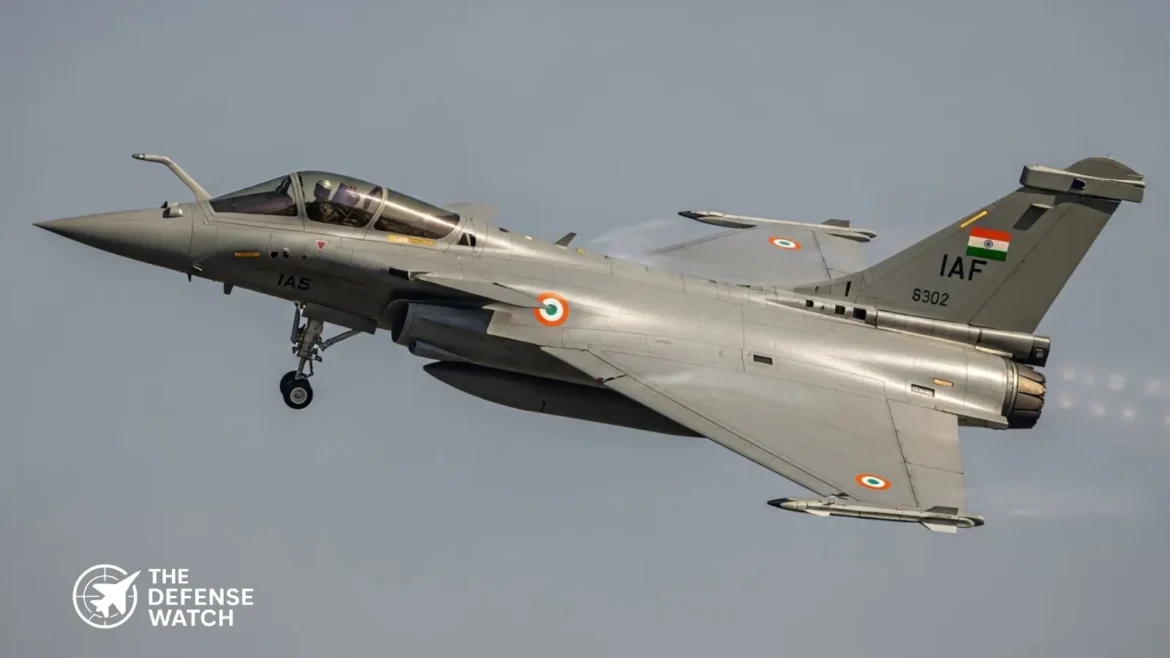
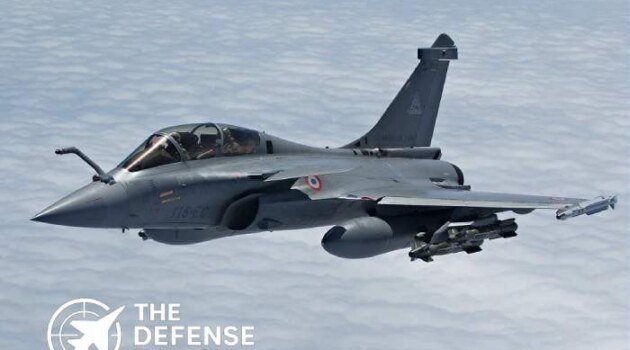
A British defense publication has identified the serial numbers of four Indian Air Force Rafale fighter jets allegedly shot down by Pakistan during a brief but intense aerial engagement in May 2025, according to an investigative report by Key Aero magazine. The claimed losses include aircraft with serial numbers BS-001, BS-021, BS-022, and BS-027. The Indian side has not publicly confirmed these specific losses.
Background: May 2025 India-Pakistan Hostilities
In early May 2025, India and Pakistan engaged in one of their most serious military confrontations in years. The conflict began after a deadly militant attack in Indian-administered Kashmir triggered Indian cross-border airstrikes into Pakistan. The ensuing aerial battles lasted several days and involved fighter jets, surface-to-air systems, and various support assets. Both sides traded claims about aircraft losses and mission outcomes.
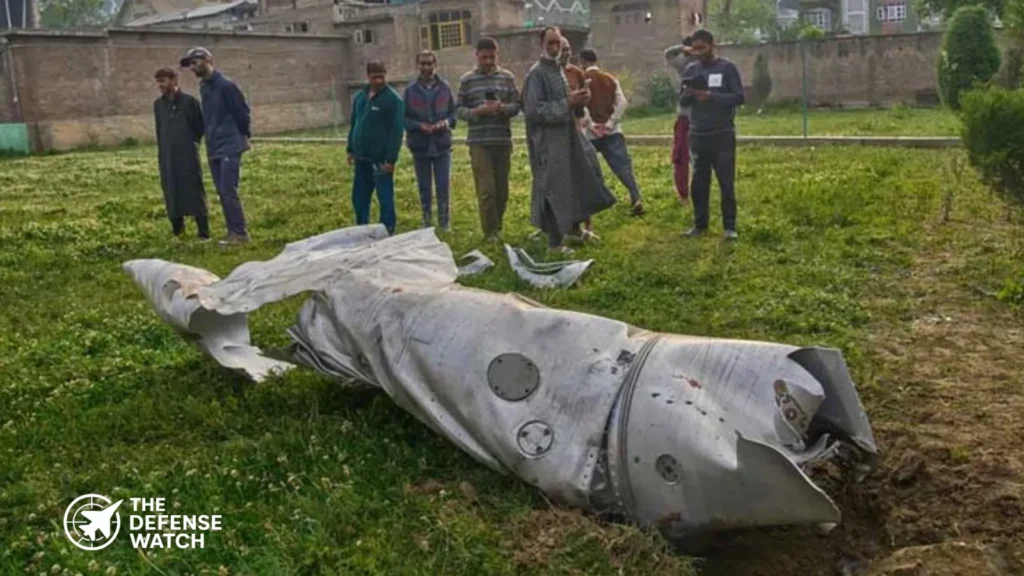
Pakistan’s military and political officials repeatedly stated that they had shot down multiple Indian aircraft during the clashes. New Delhi accepted that it lost some jets but disputed the exact numbers and narratives offered by Islamabad, describing some claims as inaccurate or exaggerated. Indian military leadership has suggested tactical and operational lessons learned from the engagements without providing detailed loss figures.
Key Aero Report Details
According to Key Aero’s investigation, the four Rafale fighters listed by serial number were destroyed during a roughly 52-minute air battle between Indian and Pakistani forces. The report asserts that Pakistan’s integrated method of operations, combining cyber and conventional capabilities, degraded Indian air operations.
The report further claims additional Indian assets were lost, including MiG-29 and Su-30 aircraft and Heron unmanned aerial vehicles. It also alleges that on May 10, a Pakistan Air Force JF-17C Block-III fighter destroyed an Indian S-400 long-range air defense system at Udhampur, and Pakistani units struck Indian command-and-control facilities in Barnala.
Key Aero’s assessment suggests that Pakistan’s use of cyber operations disrupted nearly 96 percent of Indian social and digital communications networks, a claim that, if verified, would represent an unusual integration of cyber effects into kinetic military operations.
The report also references an earlier interview with Indian Chief of Defense Staff General Anil Chauhan acknowledging aircraft losses in the conflict, though not specifying types or numbers.
Verification and Conflicting Accounts
Independent verification of the specific serial numbers and downed aircraft remains limited. Official Indian sources have not confirmed the Rafale serial numbers reported by Key Aero. In fact, Indian authorities have characterized some Pakistani claims as misinformation, especially regarding high-profile systems such as Rafale fighters and S-400 batteries. A fact-check by the Indian Press Information Bureau labeled certain social media claims of Rafale losses as false, noting misuse of older imagery.
Analysts outside both governments describe the information environment around the May conflict as highly contested, with competing narratives amplified by social media and selective releases by defense ministries. Some reports suggest that at least two Indian jets were visually confirmed lost during strikes, but they do not definitively tie those losses to the serial numbers reported by Key Aero.
Strategic transparency on aircraft losses has been limited on both sides, in part due to the sensitive nature of operational security and national prestige. Independent verification would typically require wreckage confirmation, third-party imagery, or statements from neutral observers — none of which have been made publicly available at this time.
Analysis: Operational and Geopolitical Implications
If validated, the identification of specific Rafale serial numbers destroyed in combat would mark a significant milestone in modern aerial warfare history. Rafale jets represent one of India’s most advanced combat aircraft platforms, equipped with state-of-the-art avionics, sensors, and weaponry. Losses of multiple Rafale airframes in a single engagement would signal a serious blow to Indian Air Force capabilities and prompt intense scrutiny of tactical employment and rules of engagement during the conflict.
For Pakistan, publicizing detailed serial numbers aligns with a broader strategic narrative aimed at demonstrating effective defence performance against a numerically and technologically larger adversary. It also serves domestic political objectives by underscoring military competence and deterring future escalation.
From a wider geopolitical standpoint, the disputed claims and counterclaims reflect persistent rivalries between South Asia’s two nuclear-armed powers. The conflict underscores the risks inherent in limited conventional exchanges escalating unintentionally, particularly when both sides operate advanced air and missile systems in close proximity.
What to Watch Next
Independent verification of the reported serial numbers would require satellite imagery, wreckage analysis, or third-party reporting. Defence and aerospace analysts will be monitoring open-source imagery and commentary from international military experts for signs that could substantiate or refute the Key Aero report.
Diplomatic backchannels between India and Pakistan remain active, although public communication is minimal. Such crises often lead to renewed emphasis on crisis communication mechanisms and confidence-building measures to prevent future escalations.
For defense policymakers and military planners in Washington and allied capitals, the event offers lessons in information warfare, asset survivability, and the integration of cyber and kinetic operations in contested airspaces.

Russia Applies Armata Technologies to Active Tank Fleet
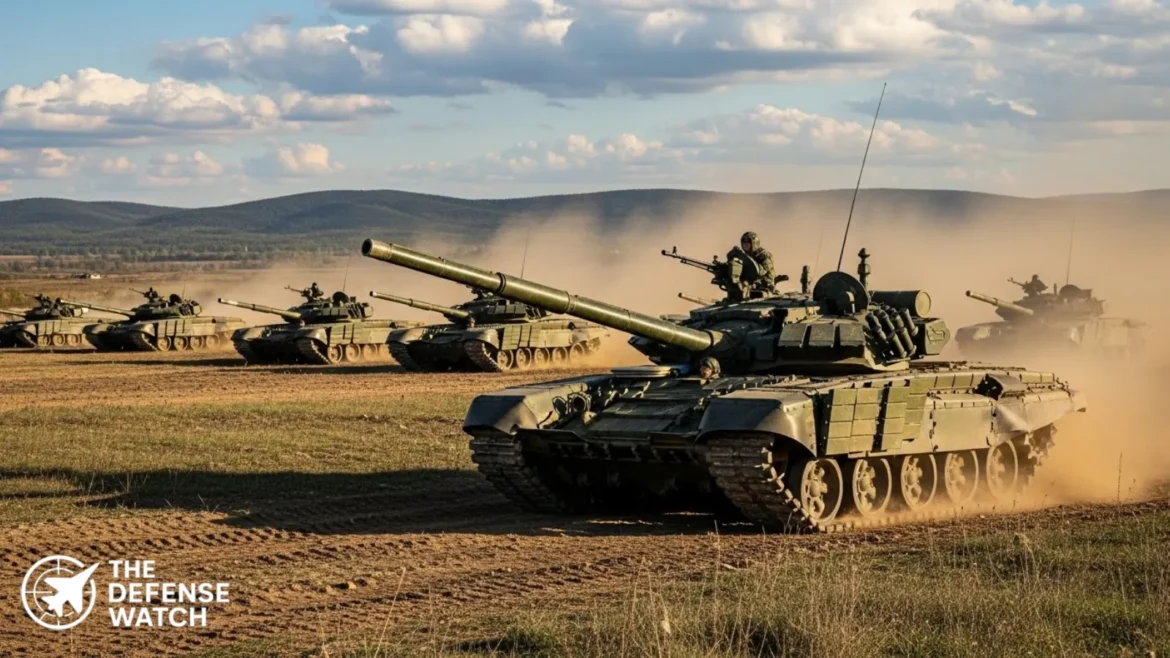
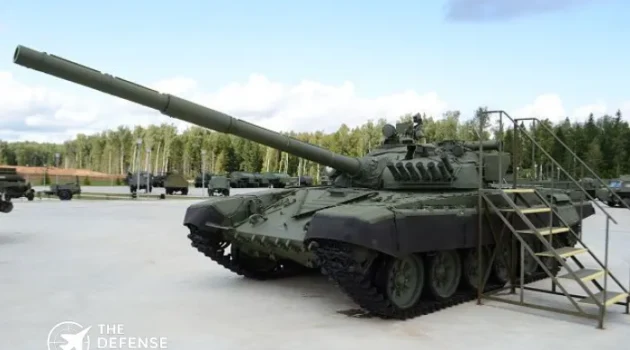
Russia has begun transferring key technologies developed under the T-14 Armata tank program into its existing T-90M and T-72 tank fleets. The effort, reported in late 2025, reflects a shift in Moscow’s armored modernization strategy, focusing on upgrading proven platforms rather than expanding production of entirely new main battle tanks.
The move is aimed at improving survivability, situational awareness, and combat effectiveness of Russian armored units already deployed or in reserve. It comes amid continued operational demands and industrial constraints affecting large scale production of next generation armored vehicles.
Background: From Flagship Program to Technology Donor
The T-14 Armata was introduced as a new generation main battle tank built around a modular platform, advanced sensors, and enhanced crew protection. While it showcased major design changes, including an unmanned turret concept and advanced defensive systems, production numbers have remained limited.
Instead of fielding the T-14 in large quantities, Russian defense planners have increasingly focused on extracting mature subsystems and applying them across existing tanks. This approach allows the Russian Army to modernize faster while relying on platforms that are already integrated into logistics and training systems.
Key Technologies Moving Into T-90M and T-72
Improved Protection Systems
One of the most important areas of transfer involves protection technologies. Elements derived from Armata research are being adapted to enhance reactive and passive armor layouts on the T-90M and late model T-72 variants. These upgrades are intended to improve resistance against modern anti tank guided missiles and top attack munitions.
Active protection concepts studied for Armata have also influenced countermeasure upgrades, including improved warning sensors and electronic defenses. While full scale active protection systems remain limited, incremental improvements are being applied across the fleet.
Sensors and Fire Control Enhancements
Armata related developments in optics and battlefield awareness are also shaping upgrades. Modernized T-90M and T-72 tanks are receiving improved thermal sights, day night optics, and digital fire control components influenced by Armata design standards.
These enhancements allow tank crews to detect and engage targets at longer ranges and in degraded visibility, closing some of the gap with Western armored vehicles in sensor capability.
Digital Systems and Network Integration
Another area of technology transfer involves onboard electronics. Armata development pushed Russian industry toward more integrated digital architectures. Lessons from this effort are now being applied to improve communications, navigation, and command integration on upgraded tanks.
Improved data sharing between vehicles and command posts supports coordinated operations and faster response times, particularly in combined arms environments.
Why Russia Is Prioritizing Upgrades Over New Builds
Industrial and Logistical Factors
Producing a completely new tank design at scale requires major industrial investment and stable supply chains. Upgrading existing platforms uses established production lines and available spare parts, reducing costs and shortening delivery timelines.
The T-72 remains one of the most numerous tanks in Russian service, while the T-90M represents the most modern serially produced Russian main battle tank. Modernizing these platforms offers a faster return on investment.
Operational Experience
Combat experience has highlighted the need for improved protection and situational awareness rather than entirely new hull designs. By integrating Armata derived technologies into tanks already familiar to crews, the Russian Army can respond more quickly to evolving battlefield threats.
This approach also allows upgrades to be tailored based on observed vulnerabilities, rather than committing to a single new design philosophy.
Expert Perspective on the Modernization Strategy
Defense analysts note that this strategy mirrors practices seen in other major armies. Incremental upgrades to proven platforms are often more sustainable during prolonged periods of high operational demand.
By using Armata technologies as a development pool rather than a standalone solution, Russia is seeking to preserve technological gains while managing production realities. The result is a hybrid modernization path that blends next generation concepts with Cold War era platforms.
Impact on Russian Armored Forces
The integration of Armata technologies into the T-90M and T-72 fleets is expected to improve battlefield survivability and combat effectiveness in the near term. While these tanks will not match the full design ambitions of the T-14, they gain meaningful upgrades in protection, sensors, and digital systems.
This modernization path also suggests that the T-14 Armata will remain limited in numbers, serving more as a technology testbed and reference platform than as the backbone of Russian armored forces.
What Comes Next
Further refinements are expected as Armata related research continues to mature. Additional sensor upgrades, improved countermeasures, and incremental automation may be introduced into existing tanks over time.
For now, Russia tank modernization efforts are focused on maximizing the combat value of current fleets. The T-90M upgrade program and continued T-72 modernization indicate that legacy platforms will remain central to Russian armored operations for years to come.

Finland Selects AIM-120D-3 Missile for F-35A Program
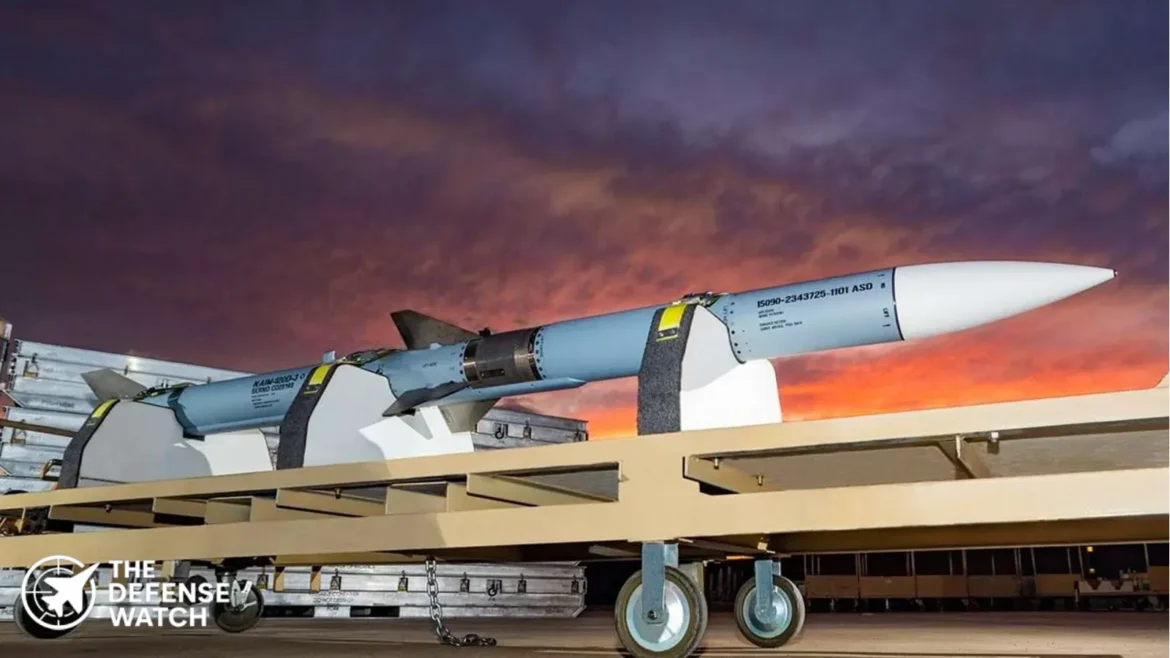
Finland has selected the AIM-120D-3 missile to arm its incoming F-35A fighter jets, marking a key step in the country’s largest defense modernization effort. The decision was confirmed in 2025 and aligns with Finland’s plan to fully equip its future fifth generation fighters with advanced beyond visual range air to air weapons.
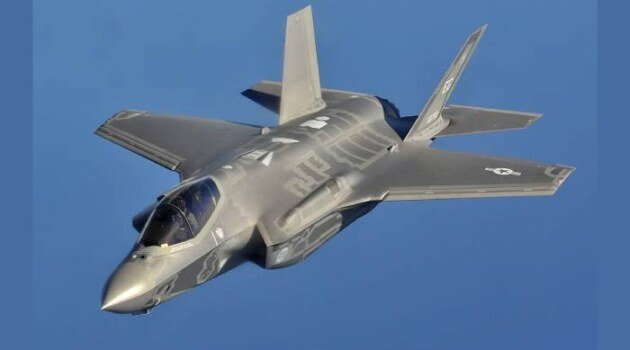
The missile selection supports Finland’s HX Fighter Program, under which the Finnish Air Force will replace its aging F A 18 Hornet fleet with 64 Lockheed Martin F-35A Lightning II aircraft. Deliveries of the jets are scheduled to begin later this decade, with full operational capability expected in the early 2030s.
Strengthening Long Range Air Combat Capability
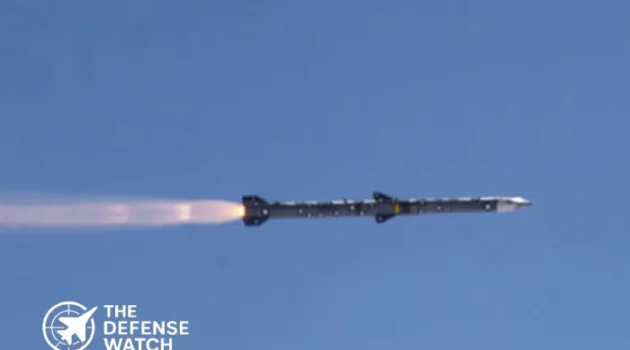
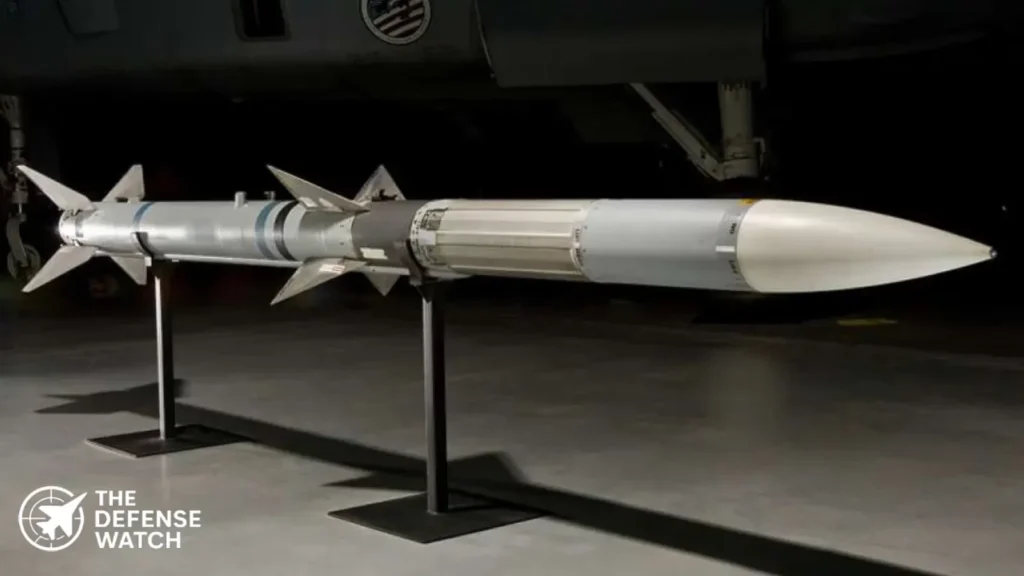
The AIM-120D-3 missile is the latest variant of the Advanced Medium Range Air to Air Missile family, widely known as AMRAAM. It offers extended range, improved guidance, and enhanced resistance to electronic countermeasures compared to earlier versions.
By choosing the AIM-120D-3 missile, Finland ensures that its F-35A fleet will be capable of engaging hostile aircraft at long distances while operating in contested airspace. The missile uses active radar homing and advanced data link features, allowing it to receive mid course updates from the launching aircraft or other networked platforms.
The AIM-120D-3 missile is already in service with the United States Air Force and several allied nations, making it a standard weapon within NATO air forces.
Background on Finland’s F-35A Acquisition
Finland selected the F-35A in 2021 after a multi year competition involving several advanced fighter aircraft. The decision was driven by the F-35’s stealth design, sensor fusion, and ability to operate as part of a wider network of air and ground assets.
As a NATO member sharing a long border with Russia, Finland places strong emphasis on air defense, rapid response, and deterrence. The combination of the F-35A and the AIM-120D-3 missile supports these goals by providing high survivability and strong first shot capability.
Weapons integration is a critical part of the F-35 program, and the AIM-120 family has long been considered the backbone of Western beyond visual range air combat.
Technical Overview of the AIM-120D-3 Missile
The AIM-120D-3 missile builds on earlier AMRAAM variants with several upgrades. These include improved kinematics for longer engagement ranges, more accurate navigation, and software updates that enhance performance against maneuvering targets.
The missile is designed to operate in high threat environments, including those with heavy jamming. When paired with the F-35’s advanced sensors and low observable profile, the AIM-120D-3 missile can be launched without alerting enemy radar systems until late in the engagement.
This capability allows pilots to detect, track, and engage threats while remaining difficult to detect themselves.
Interoperability With NATO and Allied Forces
One of the key advantages of selecting the AIM-120D-3 missile is interoperability. Many NATO members operate both the F-35 and earlier fighter aircraft armed with AMRAAM missiles. This allows allied air forces to share targeting data and coordinate engagements during joint operations.

Finland’s choice supports seamless integration with allied air policing missions, joint exercises, and collective defense operations. It also simplifies logistics, training, and sustainment over the long term.
The AIM-120D-3 missile can be carried internally by the F-35A, preserving the aircraft’s stealth profile, or externally when stealth is less critical.
Industrial and Program Considerations
The AIM-120D-3 missile is produced by RTX, formerly known as Raytheon Technologies. Production and sustainment are supported through U.S. government managed foreign military sales frameworks, which Finland already uses for other defense acquisitions.
While specific contract values for the missile purchase were not disclosed, the selection is consistent with previously approved U.S. export clearances for advanced AMRAAM variants to Finland.
The missile procurement is expected to progress alongside aircraft deliveries to ensure the Finnish Air Force can reach initial operational capability without delays.
What Comes Next for the Finnish Air Force
As F-35A deliveries approach, Finland will continue to finalize its weapons mix, training pipelines, and basing infrastructure. Alongside the AIM-120D-3 missile, the F-35A is expected to carry a range of air to ground munitions and short range air to air missiles.
The integration of the AIM-120D-3 missile marks another milestone in Finland’s transition to a fifth generation air combat force. Once operational, the new fleet will significantly enhance national air defense and contribute to regional security in Northern Europe.