US Army Deploys M7 6.8mm Rifle To Replace M4A1 In Combat Units
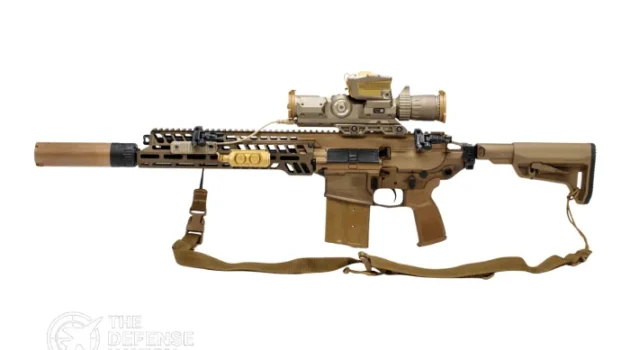
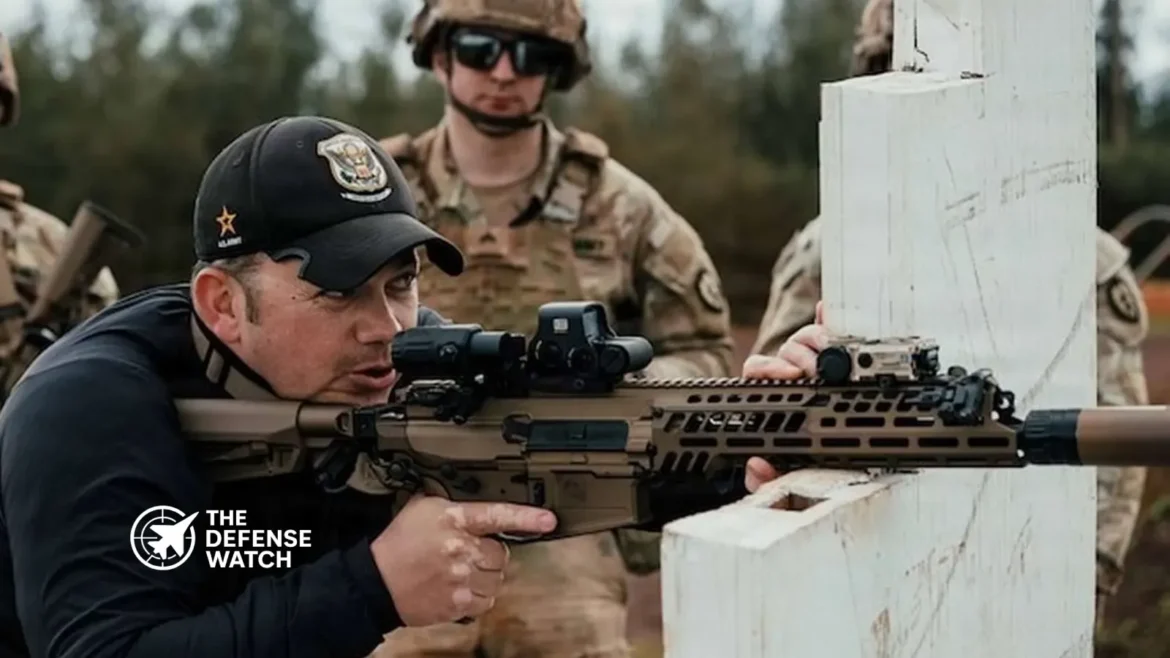
The US Army has officially begun deploying the M7 6.8mm rifle to replace the long serving M4A1 carbine in frontline combat formations, marking a significant shift in small arms capability under the Next Generation Squad Weapon program.
(adsbygoogle = window.adsbygoogle || []).push({});According to official Army statements and program updates, the M7 rifle is being fielded alongside the M250 automatic rifle as part of a broader modernization effort aimed at increasing lethality, range, and survivability for close combat forces.
The move signals the most substantial change in standard US infantry small arms in decades.
From M4A1 To M7: A Caliber Shift
The M7 rifle, previously designated as the XM7, was developed by SIG Sauer and selected in 2022 as the Army’s Next Generation Squad Weapon rifle. It replaces the 5.56x45mm NATO M4A1 with a new 6.8x51mm cartridge designed to deliver greater range and improved penetration against modern body armor.
The outgoing M4A1, produced by Colt’s Manufacturing Company and other contractors, has been the standard service rifle for US forces for more than two decades. It saw extensive use in Iraq, Afghanistan, and other operational theaters.
Army officials have stated that emerging battlefield threats and advances in protective equipment required a reassessment of small arms performance. The 6.8mm round is intended to provide improved terminal effects at extended distances while maintaining controllability in close combat.
Fielding To Close Combat Formations
Initial fielding of the M7 6.8mm rifle has focused on close combat units, including infantry, scouts, and combat engineers. These formations are typically the first to engage in direct ground combat operations and therefore receive priority for new equipment.
(adsbygoogle = window.adsbygoogle || []).push({});The M7 rifle is paired with the M157 Fire Control system, developed by Vortex Optics. The optic integrates variable magnification, laser rangefinding, ballistic computing, and environmental sensors to assist soldiers in engaging targets more accurately at extended ranges.
The combination of a higher energy cartridge and an advanced fire control optic represents a significant increase in squad level capability compared to legacy M4A1 configurations.
Army leadership has indicated that fielding will continue in phases, with additional units scheduled to receive the system over the coming years as production increases and training pipelines expand.
Technical Overview Of The M7 6.8mm Rifle
The M7 6.8mm rifle features a short stroke gas piston operating system and a 20 round magazine, chambered in the 6.8x51mm cartridge. The weapon is designed to offer improved performance against intermediate barriers and modern personal protective equipment.
Key features include:
- Select fire capability
- Suppressor compatible design
- Adjustable stock for improved ergonomics
- Integrated rail system for optics and accessories
The rifle is slightly heavier than the M4A1, largely due to the more powerful cartridge and robust construction. However, Army officials have emphasized that the tradeoff is justified by increased lethality and effective range.
- (adsbygoogle = window.adsbygoogle || []).push({});
The 6.8mm ammunition uses a hybrid case design to manage chamber pressures while maintaining weight efficiency. The new cartridge enables higher muzzle velocity compared to legacy 5.56mm rounds.
Modernization Under The Next Generation Squad Weapon Program
The M7 6.8mm rifle is part of the Army’s broader Next Generation Squad Weapon initiative, which aims to equip infantry squads with systems capable of addressing near peer threats.
The program was initiated in response to assessments that future battlefields may require greater stand off engagement distances and improved penetration capability. According to Army briefings, the objective is to enhance overmatch at the squad level.
The M250 automatic rifle complements the M7 by replacing the M249 Squad Automatic Weapon in selected units. Together, the two systems introduce the 6.8mm cartridge across the squad, standardizing ammunition within designated formations.
Implications For Infantry Tactics
The deployment of the M7 6.8mm rifle could influence squad level tactics and engagement ranges. With increased effective range and enhanced ballistic performance, units may be able to engage targets beyond traditional 5.56mm distances.
(adsbygoogle = window.adsbygoogle || []).push({});Training programs are being updated to reflect the characteristics of the new weapon system, including recoil management and employment of the advanced optic.
The Army has stressed that the transition will be gradual. Legacy systems such as the M4A1 will remain in service with many units during the transition period.
Strategic Context
The introduction of the M7 6.8mm rifle aligns with broader US military modernization efforts focused on preparing for high intensity conflict scenarios.
In recent years, the Army has pursued upgrades across multiple domains, including armored platforms, long range precision fires, air defense systems, and soldier systems. The small arms transition forms one component of that larger transformation.
See also: US Army Advances Long Range Precision Fires Modernization
Production And Industrial Base Considerations
Production of the M7 rifle and associated ammunition is being scaled through domestic manufacturing facilities. Army officials have underscored the importance of maintaining a resilient industrial base capable of meeting long term demand.
The contract award to SIG Sauer covers weapon production as well as ammunition supply under the Next Generation Squad Weapon program. Continued oversight will focus on cost, performance, and delivery timelines.
(adsbygoogle = window.adsbygoogle || []).push({});What Comes Next
As fielding progresses, operational feedback from deployed units will shape future refinements. The Army has indicated it will monitor reliability, durability, and soldier acceptance as part of the rollout process.
The M7 6.8mm rifle represents a clear shift in US Army small arms doctrine. While the full impact will become clearer over time, the deployment marks a notable milestone in infantry modernization.

The U S Army has selected an Israeli Tamir interceptor concept for Phase 1 of its Indirect Fire Protection Capability Increment 2 (IFPC INC 2) second interceptor effort, broadening options for defending fixed and forward sites against cruise missiles, drones, and other aerial threats.
(adsbygoogle = window.adsbygoogle || []).push({});IFPC INC 2 Cruise Missile Defense Gets New Competitor
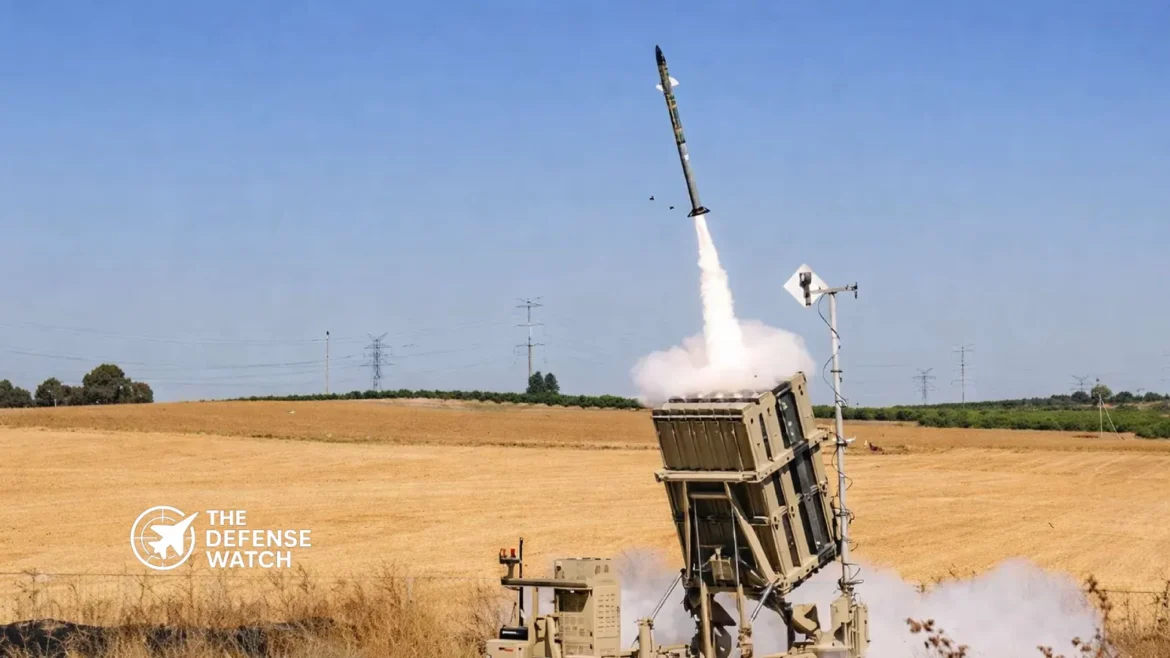
Rafael Systems Global Sustainment confirmed it has been chosen by the Army’s SHIELD Project Office to propose an Iron Dome derived Tamir interceptor for the IFPC INC 2 second interceptor competition. The program seeks a missile that can operate in an integrated Army air and missile defense architecture to defeat subsonic and low-altitude cruise missiles and unmanned aircraft systems.
The Tamir based design stems from the Iron Dome’s battle-proven interceptor family, known for all-weather performance, electro-optical guidance, and a proximity fused blast warhead. In U S Army use the concept will be adapted to connect with the Integrated Air and Missile Defense Battle Command System and the Sentinel radar under IFPC INC 2’s open architecture.
IFPC INC 2 Context And Mission
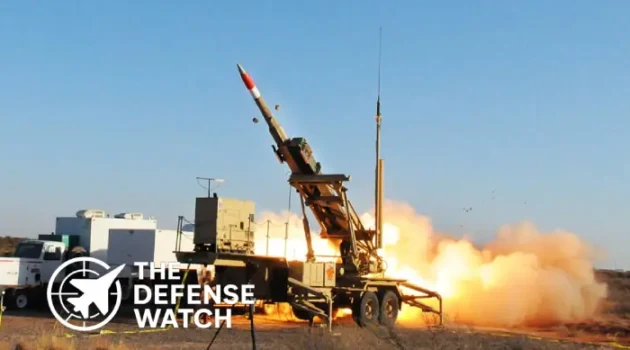
IFPC INC 2 is the Army’s mobile ground-based system intended to fill a mid-tier defense gap between short range systems and higher tier long range assets like Patriot and THAAD. The IFPC INC 2 launcher design integrates with IBCS and Sentinel sensors to allow multiple interceptors and provide 360 degree coverage against cruise missiles, UAVs, rockets, artillery, and mortars.
The first interceptor fielded under IFPC INC 2 has been the ground-launched AIM-9X Sidewinder paired with the Enduring Shield launcher. That combination offers a rapid deployable option but is not optimized for higher-performance cruise missile threats. The addition of a second interceptor aimed at tougher mission sets is a key program driver.
- (adsbygoogle = window.adsbygoogle || []).push({});
Why Tamir Matters To The Army
The decision to select a Tamir based design for Phase 1 reflects the Army’s interest in leveraging a mature missile family with in service combat data. The Iron Dome system’s Tamir interceptor has been produced at scale and fired in operational environments, giving it a known performance profile against small fast targets.
While Rafael’s Phase 1 pick does not preclude U S industry competitors from future awards, it brings a potentially faster path to prototype interceptor development and testing. Lockheed Martin and others have disclosed separate efforts to develop IFPC INC 2 compliant interceptors under other agreements.
Industrial And Supply Chain Considerations
A key factor in the Army’s assessment is expanding U S production and supply chain options. A Raytheon-Rafael joint venture in the United States is already producing Tamir based missiles and the U S variant known as SkyHunter, which shares lineage with Tamir and is targeted at medium range threats including cruise missiles and rockets.
(adsbygoogle = window.adsbygoogle || []).push({});This presence of domestic missile production can help support scale up if the Army moves ahead with a Tamir derived interceptor for IFPC INC 2, adding resilience to supply and sustainment planning.
Next Steps And Program Timeline
Phase 1 selection is focused on early concept development, systems integration checks, and laying groundwork for prototype deliveries. The Army plans further competitive steps to refine requirements and push toward demonstration and potential production decisions later in the decade.
Further details on schedules and awards have not been publicly released, but IFPC INC 2 remains a priority within Army integrated air and missile defense modernization to address evolving cruise missile threats.
- (adsbygoogle = window.adsbygoogle || []).push({});
Raytheon expands Tube Launched Optically Tracked Wireless Guided Missiles production for US Army
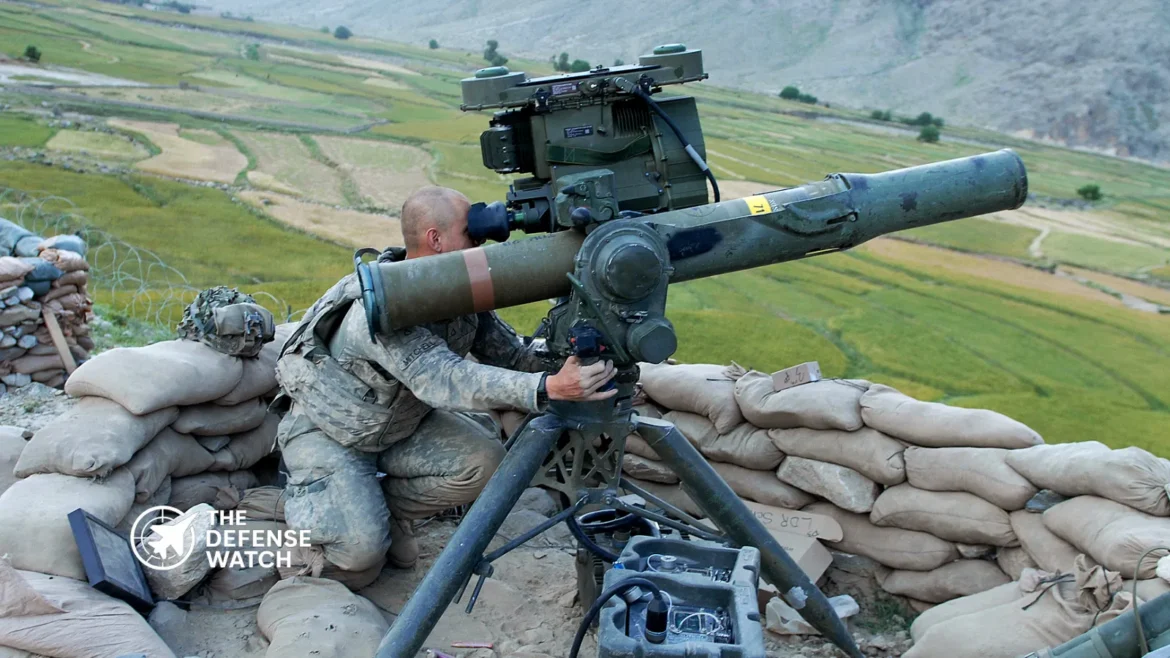
Tube Launched Optically Tracked Wireless Guided Missiles remain a core part of the US Army anti armor inventory as Raytheon secures a major contract modification to expand procurement through the end of the decade.
(adsbygoogle = window.adsbygoogle || []).push({});Raytheon, based in Tucson, Arizona, has been awarded a 193,705,262 dollar modification to an existing US Army contract for the procurement of Tube Launched Optically Tracked Wireless Guided Missiles, according to official US Department of Defense contracting data. The modification, listed as P00019 under contract W31P4Q 23 C 0026, brings the total cumulative face value of the contract to the same amount.
The award reflects continued Army investment in proven infantry and vehicle mounted missile systems as part of broader conventional force modernization efforts.
Contract details and funding breakdown
The modification covers additional procurement quantities of Tube Launched Optically Tracked Wireless Guided Missiles, commonly referred to as TOW missiles, which have been in US service for decades and remain widely deployed across allied forces.
Work under the contract will be performed in Tucson, Arizona, with an estimated completion date of Sept 30, 2028. The long performance period suggests sustained production rather than a one time surge buy.
At the time of award, the Army obligated 46,762,368 dollars in fiscal 2024 other procurement Army funds, along with 2,679,094 dollars from fiscal 2025 other procurement Army accounts. Army Contracting Command at Redstone Arsenal, Alabama, is managing the contracting activity.
According to Pentagon contracting announcements, the obligation structure allows the Army to incrementally fund missile production while maintaining flexibility for future procurement decisions.
Why Tube Launched Optically Tracked Wireless Guided Missiles still matter
Despite growing attention on next generation precision weapons and long range fires, Tube Launched Optically Tracked Wireless Guided Missiles remain a reliable and adaptable system for US and allied ground forces.
The missile system provides heavy anti armor capability against main battle tanks, fortified positions, and low speed aerial threats. Its wire free guidance variants reduce vulnerability to countermeasures and allow for longer engagement ranges compared to earlier wire guided versions.
(adsbygoogle = window.adsbygoogle || []).push({});The US Army continues to deploy TOW systems across multiple platforms, including Bradley infantry fighting vehicles, Stryker variants, Humvee mounted launchers, and tripod configurations for dismounted units.
Defense analysts note that the system’s continued relevance stems from incremental upgrades rather than radical redesigns. These upgrades have improved guidance accuracy, range, and warhead effectiveness while keeping training and sustainment costs relatively low.
Raytheon’s role in US missile industrial base
Raytheon has been the prime contractor for the TOW missile family for decades, making the Tucson facility a critical node in the US missile industrial base.
The company’s Arizona operations support missile assembly, testing, quality assurance, and supply chain coordination. Sustained contracts such as this one help preserve skilled manufacturing labor and ensure production continuity for the Army and foreign military sales customers.
Industry observers view long term production contracts as increasingly important amid broader Pentagon efforts to stabilize munitions manufacturing after years of surge demand driven by global conflicts and security assistance programs.
The Department of Defense has repeatedly emphasized the need for predictable funding to maintain missile stockpiles and avoid production gaps that could weaken readiness.
Alignment with Army modernization priorities
The contract modification aligns with the Army’s focus on near term readiness while it develops future anti armor solutions. While programs exploring advanced top attack and extended range missiles continue, Army leadership has signaled that existing systems will remain essential through the late 2020s.
Tube Launched Optically Tracked Wireless Guided Missiles offer a mature capability that integrates easily into current force structures. This reduces risk compared to fielding entirely new systems under compressed timelines.
Army budget documents have consistently included funding lines for TOW procurement and sustainment, particularly for armored brigade combat teams and allied force interoperability.
The continued investment also supports coalition operations, as many NATO and partner nations operate the same missile system, simplifying logistics and training during joint deployments.
Broader context in global security environment
The renewed emphasis on conventional ground combat capabilities reflects lessons drawn from recent conflicts, where armored vehicles and fortified positions remain decisive factors.
Defense planners have observed that high end anti armor weapons are consumed at faster rates than previously expected during sustained operations. This has prompted a reassessment of stockpile requirements and production capacity.
By extending procurement of Tube Launched Optically Tracked Wireless Guided Missiles through 2028, the Army signals confidence in the system’s ability to meet current and foreseeable operational needs.
Analysts at institutions such as the Center for Strategic and International Studies have highlighted the importance of balancing advanced research with immediate force requirements, particularly as global demand for munitions increases.
What comes next
With work scheduled to continue for more than three years, Raytheon’s Tucson facility is expected to remain a key supplier of anti armor missiles for the Army and potentially for allied customers through foreign military sales channels.
(adsbygoogle = window.adsbygoogle || []).push({});While the Pentagon has not disclosed specific quantities associated with the modification, the contract value suggests a substantial production run aimed at replenishing inventories and supporting operational units.
Future budget cycles may include additional options or follow on modifications, depending on Army requirements and congressional appropriations.
For now, the award reinforces the enduring role of Tube Launched Optically Tracked Wireless Guided Missiles within the US Army arsenal and highlights the continued reliance on established defense manufacturers to meet pressing readiness demands.
US Army Accelerates MV-75 Tiltrotor Fielding
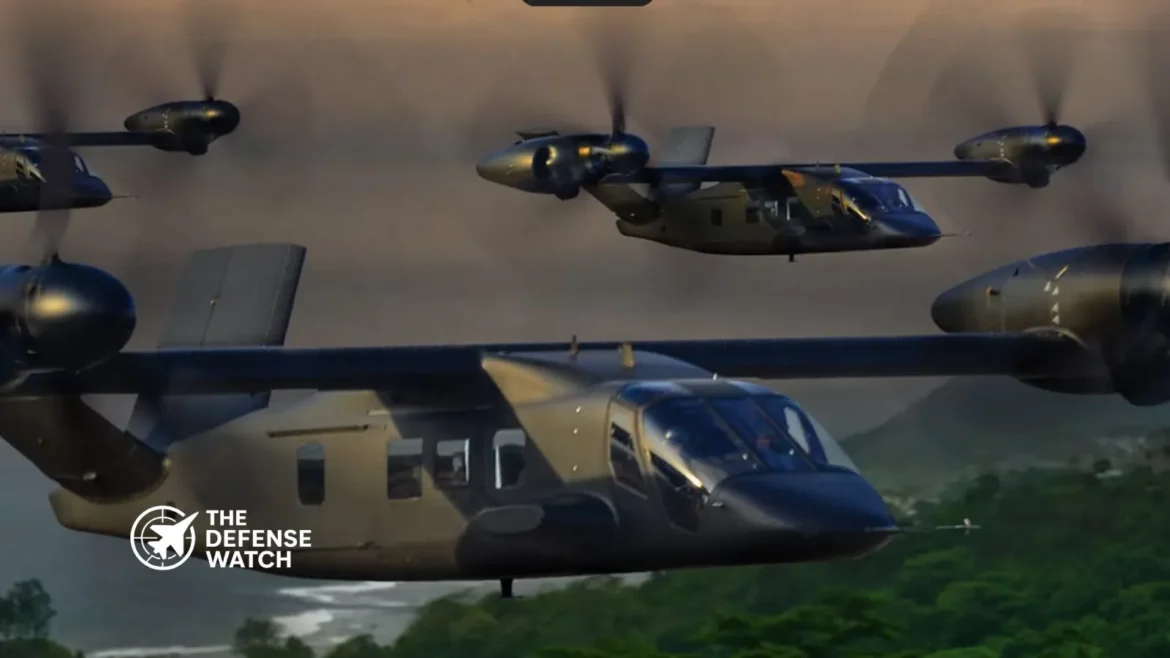
The US Army is advancing fielding of the Bell MV-75 tiltrotor and aims to receive the first aircraft by late 2026, several years earlier than previously planned, service leaders said. The move marks a major shift in the Army’s Future Long Range Assault Aircraft (FLRAA) program and underlines urgency in modernizing its assault aviation fleet.
(adsbygoogle = window.adsbygoogle || []).push({});Army Chief of Staff General Randy George told soldiers in a January 13 forum that troops could begin flying the MV-75 by this time next year, a timeline that accelerates the delivery schedule from its original early-2030s expectations.
Tiltrotor Program Timeline and Acceleration
The MV-75, derived from Bell’s V-280 Valor tiltrotor demonstrator, was selected by the Army in 2022 to replace aging UH-60 Black Hawk helicopters under the FLRAA initiative. Its tiltrotor design aims to combine vertical takeoff and landing with fixed-wing speed and range.
Originally, first prototype deliveries and early flight testing were expected around 2027-2028, with operational fielding in the early 2030s. The Army and Bell have now agreed to move up that timeline. The service says active duty, National Guard, and Special Operations units may have MV-75s flying late in 2026 in a test and evaluation role.
Bell has begun assembling the first six MV-75 test aircraft in Wichita, Kansas, under contract for eight total, and plans to shift final assembly to its Amarillo, Texas facility, where Bell currently produces the V-22 Osprey tiltrotor.
Program Priorities and Capability Goals
The MV-75 tiltrotor is planned to give the Army significantly greater speed and range than legacy helicopters like the Black Hawk. Tiltrotor aircraft take off and land like rotary-wing platforms but transition to forward flight with proprotors that deliver faster cruise speeds.
(adsbygoogle = window.adsbygoogle || []).push({});Army leaders describe MV-75 as central to future assault and air mobility missions, especially in contested environments where rapid movement over long distances could be decisive. The aircraft is expected to support troop insertion, logistics lift, and other missions once fully operational.
Funding and Industrial Effort
Acceleration of the MV-75 schedule comes with a broader focus on US Army aviation modernization under the Future Vertical Lift framework. The FLRAA program represents one of the largest investments in Army aviation in decades. Funding adjustments and reprioritization of other programs have played a role in advancing tiltrotor development.
(adsbygoogle = window.adsbygoogle || []).push({});Bell says digital engineering methods have reduced manufacturing timelines for fuselage production, helping to support the accelerated delivery goal.
What Comes Next
Acceptance of the first MV-75 airframe in late 2026 will likely be followed by flight testing and evaluation well before initial operational capability. There is no confirmed date yet for full deployment with operational units.
Even with early deliveries, the Army plans to operate the MV-75 alongside a large fleet of Black Hawks for years, gradually replacing a significant portion of the current fleet.
US Army Modular Wheel System Testing Signals Faster Robotic UGV Adoption
The US Army has tested a modular wheel system designed to convert existing vehicles into robotic unmanned ground vehicles, marking a practical step in ground autonomy modernization.
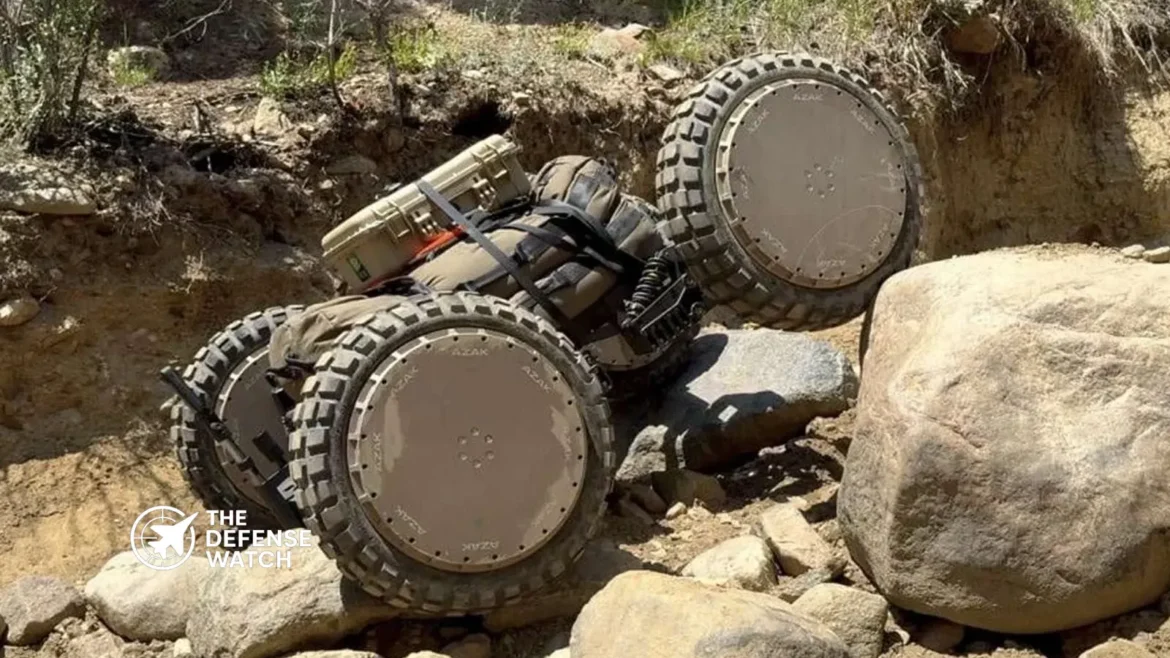
According to Army Recognition, the testing focused on a self contained wheel module that integrates drive motors, steering, braking, power management, and autonomy interfaces into a single unit. The concept allows conventional wheeled vehicles to be adapted for remote or autonomous operation without major structural changes.
Army officials involved in the trial said the goal is to reduce the cost and time needed to field robotic platforms by reusing existing vehicle fleets rather than building purpose made UGVs from scratch. The system was evaluated for mobility, control, and integration with Army robotic command architectures.
Modular Design Aims to Cut Deployment Time
The modular wheel system is designed as a bolt on solution. Each wheel operates independently and can be fitted to a wide range of military and commercial vehicles. This approach supports rapid conversion for logistics, reconnaissance, and risk reduction missions.
During testing, the US Army assessed how the system handled terrain, steering response, and remote control functions. The Army is also examining how the wheel modules could support future autonomous software upgrades as part of its broader robotic combat vehicle and leader follower programs.
Part of a Wider Army Robotics Push
The testing aligns with the Army’s ongoing effort to expand unmanned and optionally crewed ground systems. Service leaders have repeatedly highlighted the need for scalable autonomy that can be deployed quickly and at lower cost.
If matured, the modular wheel system could support contested logistics, resupply missions, and hazardous tasks while keeping soldiers out of harm’s way. The Army has not announced a timeline for operational use, but further evaluations are expected.
US Army Cuts FY2026 F 35 Purchases
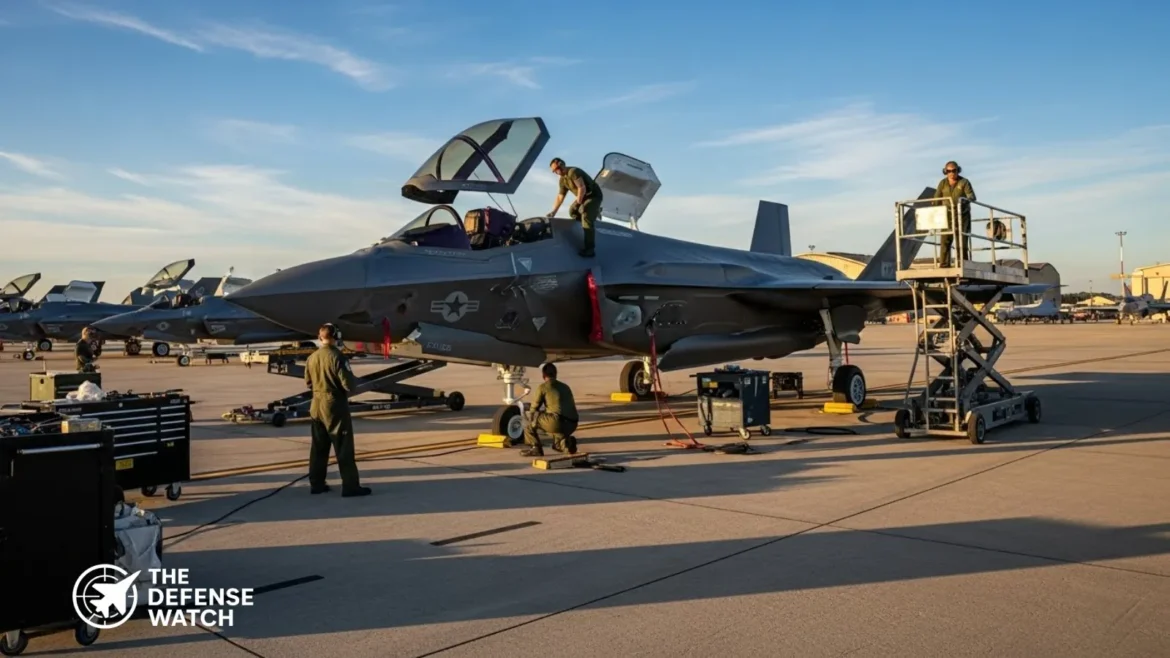
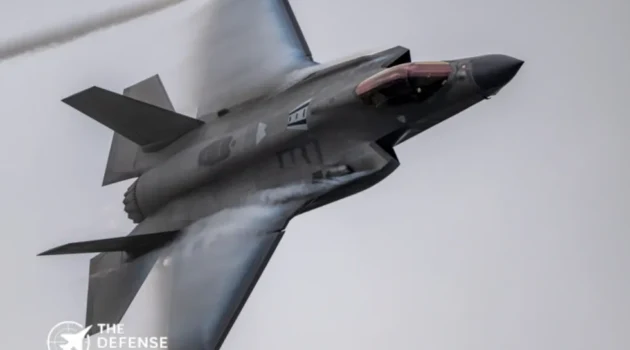
The US Army cuts FY2026 F 35 purchases as part of a broader Pentagon budget adjustment that prioritizes sustainment over new aircraft buys. The move reflects growing pressure to manage operating costs while keeping existing fleets combat ready.

Source: US DoD According to reporting by Army Recognition, the decision reduces planned procurement in fiscal year 2026 and redirects funding toward maintenance, upgrades, and support activities tied to joint force readiness. The F 35 remains central to US air power, but budget planners are placing near term emphasis on availability rather than expansion.
Budget Context and Rationale
The FY2026 decision aligns with wider Department of Defense efforts to control lifecycle costs for advanced platforms. Sustainment expenses for the F 35 fleet continue to draw scrutiny from lawmakers and defense officials, particularly as the aircraft enters long term service across multiple branches.
By limiting new purchases, the Army can fund software updates, parts availability, training, and depot level maintenance. These areas directly affect sortie rates and operational reliability. Defense officials have stressed that readiness gains can outweigh marginal increases in fleet size.
Impact on the F 35 Program
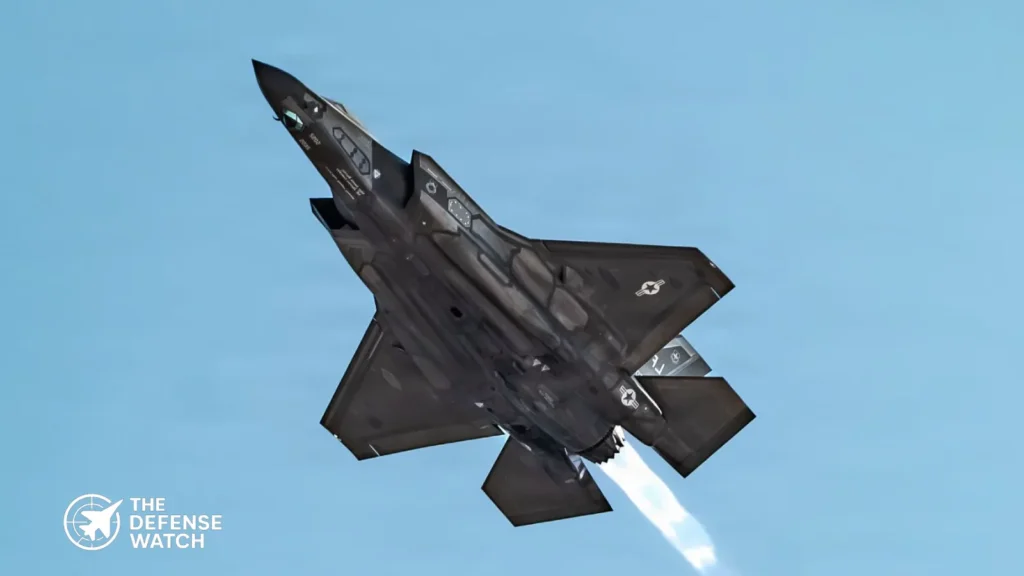
The US Army cuts FY2026 F 35 purchases do not signal a retreat from the program. The Pentagon continues to back the aircraft as its primary fifth generation fighter across the joint force. However, procurement profiles are becoming more flexible year to year.
Similar adjustments have appeared in recent Air Force and Navy budget planning, suggesting a shared approach across services. See also: US Navy FY2026 aviation modernization plans.
Strategic Takeaway
This budget shift highlights a maturing program moving from rapid acquisition to long term management. For the US military, keeping advanced aircraft mission ready is now as critical as buying new ones.
The US Army has launched a major effort to extend the service life of its UH-60M Black Hawk helicopters well beyond 2050, issuing a Request for Information to industry for overhaul and sustainment strategies. The move, announced in mid-December 2025 by the Army’s Capability Program Executive Aviation through the Utility Helicopters Project Office, sets the stage for long-term support of the service’s core utility rotorcraft.
Army Seeks Long-Term Overhaul and Sustainment Solutions
The RFI asks companies to propose options to establish a commercial production line capable of overhauling and upgrading the Army’s UH-60M fleet, which includes more than 2,300 aircraft. The intention is to sustain readiness and allow the helicopters to remain operational past the mid-century mark.
Image Source: Lockheedmartin The request focuses on partnerships that can deliver predictable overhaul throughput, manage costs and schedule risks, and integrate modernization work at scale. While it does not commit the Army to specific contracts, it lays groundwork for future acquisition actions.
Modernization Priorities and Industrial Base Assessment
Officials writing in the RFI document emphasize that keeping the Black Hawk fleet viable into the 2050s will require stable industrial support and new capabilities. The Army is exploring how autonomy, artificial intelligence integration, and launched effects could be introduced alongside traditional overhaul tasks without undermining aircraft availability.
The overhaul plan also seeks industry feedback on how best to structure sustainment operations, including repairs of major assemblies and components, while building sufficient capacity to maintain high fleet readiness. Potential expansion to support other services and foreign users of UH-60 variants is part of the Army’s long-range view.
Background on the UH-60M Black Hawk
The UH-60M entered service in 2006 and remains the cornerstone of Army Aviation. It has logged millions of flight hours in combat, logistics, medevac, and domestic support missions. Designed as a multi-role utility helicopter, the Black Hawk can carry troops, cargo, and external loads across a range of environments.
Outlook and Next Steps
With the RFI now public, the Army will review industry responses to inform future sustainment and modernization contracting. The expanded overhaul strategy reflects the continued importance of the UH-60M alongside the Army’s longer-term vertical lift plans, which include newer platforms under development.
The US Army Secretary has unexpectedly become a central figure in ongoing Ukraine peace talks, according to developments reported on Nov. 26 in Brussels, where diplomatic channels continue shaping pathways toward de-escalation. The involvement marks a notable shift in the role traditionally held by civilian diplomatic envoys and State Department personnel in conflict negotiation frameworks.
Background: Evolving US Role in Ukraine Negotiations
Since the start of Russia’s full-scale invasion in 2022, Washington has acted as Kyiv’s leading defense supporter and security guarantor within NATO structures. While military assistance, training programs, and equipment transfers have dominated policy discussions, diplomatic engagement has typically been managed through the White House National Security Council and the State Department.
The increased participation of the US Army Secretary signals an alignment of defense policy, military logistics, alliance structures, and negotiation mechanisms. It also reflects Ukraine’s continued reliance on US military support as part of its broader strategic positioning in talks.
Strategic Influence and Coordination
According to Defense News reporting, officials cited the US Army Secretary’s role in coordinating security assurances, reconstruction planning, and future force integration as core reasons for the expanded portfolio. Defense planners emphasized that negotiations now require detailed knowledge of Ukrainian military capability development and interoperability goals.
A NATO official quoted in the reporting noted that military-technical considerations are now inseparable from diplomatic dialogue, stating that “force structure, sustainment capability, and long-term defense integration have become part of negotiation conditions.”
US defense representatives also highlighted ongoing modernization assistance, combined training pipelines, and future transition planning as contributing factors that positioned the Army Secretary as a relevant stakeholder.
Expert Perspectives
Security analysts say the development demonstrates a shift in how modern conflicts drive diplomatic processes. Rather than separating political and military tracks, current negotiations incorporate logistics, procurement cycles, and alliance coordination.
Defense policy scholars note that Ukraine’s prospective long-term security guarantees require institutional synchronization with US and NATO defense frameworks—areas where Army leadership maintains significant influence.
Others suggest the move reflects Washington’s intent to streamline channels between defense support and political end-states, particularly as US policymakers evaluate long-term commitments.
Implications and What Comes Next
The US Army Secretary’s presence in peace discussions may shape future US-Ukraine defense cooperation models, NATO posture decisions, and European security planning. The development also reinforces Washington’s role as a principal architect in any negotiated settlement framework.
As talks continue, observers will monitor whether the expanded role becomes a precedent for future Pentagon participation in diplomatic environments or remains unique to the Ukraine conflict context.
Older Posts