Russia Shoots Down 15 Moscow-Bound Drones, Mayor Says
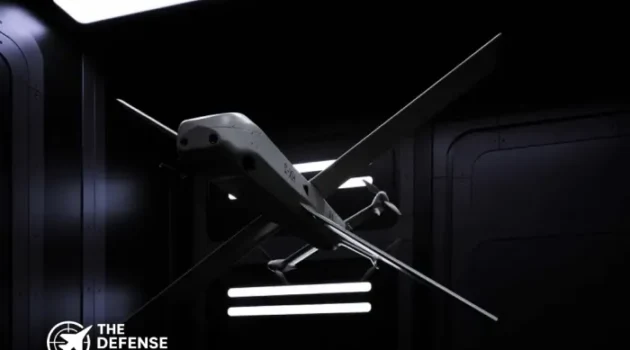
Russian air defenses shot down 15 drones headed toward Moscow on the evening of December 10, the city’s mayor reported Wednesday, underscoring the growing use of unmanned aerial systems in the Ukraine conflict and Moscow’s ongoing efforts to protect its airspace.
Moscow Mayor Sergei Sobyanin posted on his Telegram channel that the intercepts occurred over a period of just over three hours, with one drone also downed earlier in the afternoon. Emergency crews were sent to deal with debris, but the mayor gave no immediate indication of injuries or damage to property.
Background on Drone Strikes Against Moscow
Attacks employing unmanned aerial vehicles (UAVs) on Russian territory have become more frequent as the war between Russia and Ukraine continues. Both sides have developed and deployed a range of drones, with Ukraine increasingly using them to strike deep inside Russian territory, including near key infrastructure and the capital.
Moscow’s air defenses have previously reported shooting down multiple drones on separate occasions. Incidents in 2025 have included larger waves of UAVs being intercepted, temporary closures of Moscow airports, and claims of Ukrainian drones targeting industrial sites in regions beyond the capital.
The use of drones in this conflict is part of a broader trend of battlefield transformation. Ukraine has expanded its unmanned arsenal to include both aerial and sea drones, aiming to disrupt Russian logistics, oil infrastructure, and military positions. Russia, meanwhile, fields layered air defense networks that include traditional surface-to-air missile systems and electronic warfare units designed to detect and neutralize incoming threats.
Details of the December 10 Intercepts
Sobyanin’s Telegram updates form the primary public account of the December 10 incidents. He stated that:
- Fifteen UAVs were intercepted en route to Moscow over a three-hour period on Wednesday evening and into the night.
- One additional drone was downed earlier in the afternoon.
- Emergency personnel were deployed to examine fallen debris.
- No official report of casualties or specific damage was released at the time.
Russia’s official Defense Ministry did not immediately issue a statement on the intercepts, leaving the mayor’s Telegram posts as the key source of information on the number of drones and how they were handled.
Air Defence Systems and Capabilities
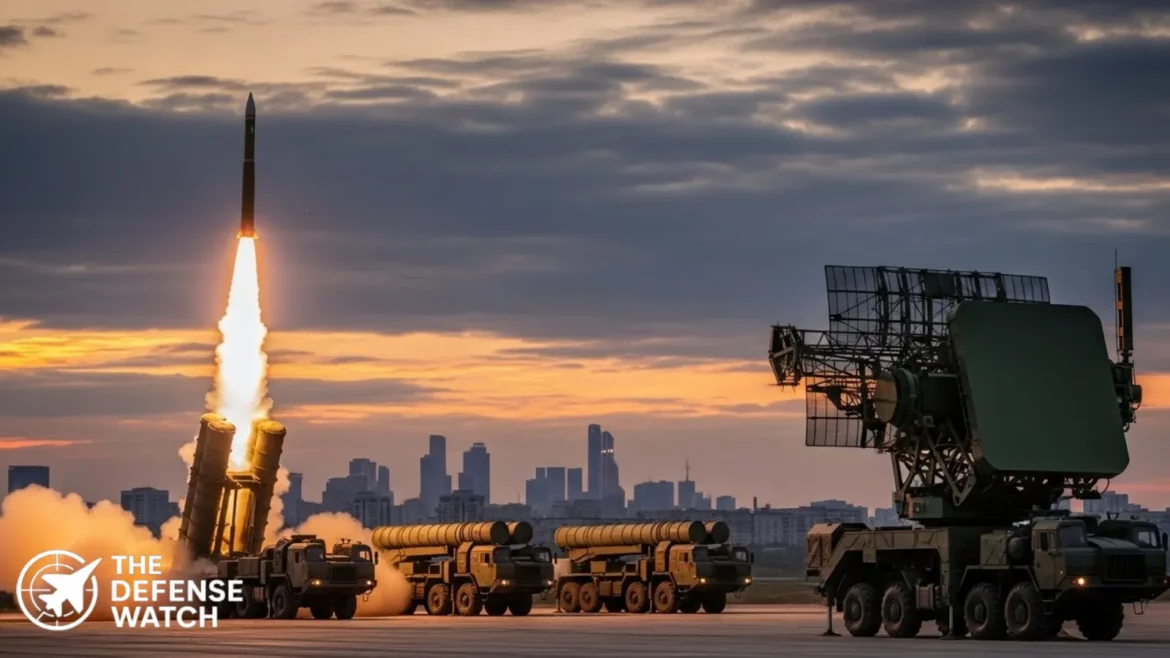
Russia’s air defence network is among the most complex in the world, featuring integrated systems ranging from long-range radar and surface-to-air missiles to short-range point defence weapons and electronic countermeasures. These systems are designed to detect, track, and engage aircraft, cruise missiles, and UAVs at varying ranges and altitudes.
Despite these capabilities, drones pose a unique challenge because of their small radar cross-section, low flight paths, and low heat signatures. Intercepting swarms or multiple UAVs in quick succession strains even robust air defense architectures. Recent claims of hundreds of drones intercepted in single events reflect both the intensity of the threat and the demands on air defense operators.
Expert Perspective
Analysts say the repeated drone engagements near Moscow illustrate several key trends in modern conflict.
First, the growing use of commercially derived drones equipped for military missions points to a sustained asymmetric threat. Ukraine has adapted a variety of commercial and militarised UAV platforms for strikes, reconnaissance, and disruption of Russian logistics and command nodes.
Second, defending dense urban airspace remains complex. Moscow’s air defence units must balance the need to neutralise threats with the risks of debris falling over populated areas, a problem that complicates civilian risk calculations even when intercepts succeed.
Finally, the ongoing use of drones reflects broader strategic pressure. Ukraine’s employment of long-range UAVs serves both tactical and psychological aims, forcing the Kremlin to allocate more resources to homeland defence rather than front-line operations.
Policy and Strategic Implications
For NATO and U.S. defence planners, the Moscow drone incidents reinforce the enduring shift toward unmanned systems in high intensity conflict. The United States and allies are investing in counter-UAV technologies, layered air and missile defence systems, and improved sensor networks to counter similar threats.
In addition, the incidents highlight the importance of resilient civil aviation systems. Temporary airspace closures and airport disruptions in past drone attacks have had economic and social impacts, drawing attention to the need for coordinated civil-military responses to UAV threats.
What to Watch Next
As winter advances, weather could influence the operational patterns of UAV attacks and defence responses. Observers will be looking for:
- Official statements from the Russian Ministry of Defense on the December 10 incidents.
- Any indication of damage, disruption to transport, or shifts in drone attack frequency.
- Advances in counter-UAV systems or changes in Russian air defence doctrine.
A growing body of strategic assessments indicates that Russia has reached a point in the Ukraine war where a decisive victory is no longer realistically attainable. The conclusion, drawn from recent academic and policy analysis, suggests that President Vladimir Putin faces mounting constraints that have effectively eliminated any pathway to end the conflict on terms favorable to Moscow.
Russia’s Initial Strategy Has Unraveled
When Russia launched its full-scale invasion of Ukraine in February 2022, its military planning appeared to assume a rapid political collapse in Kyiv and swift territorial gains. Nearly three years later, the conflict has instead evolved into a prolonged war of attrition, with frontlines fluctuating but lacking decisive breakthroughs.
Analysts note that the original objectives—shaping Ukraine’s political trajectory, consolidating major territorial advances, and weakening NATO’s regional influence—have all encountered persistent resistance. Ukraine’s continued resilience, combined with sustained Western support, has prevented the Kremlin from turning the conflict into a strategic success.
Heavy Losses Without Clear Gains
Manpower and Material Strain
Russia has absorbed substantial personnel losses, fueled by repeated mobilizations and emergency recruitment measures. While these efforts have maintained troop numbers, they have also lowered overall force quality and placed social pressure on segments of the Russian population.
On the equipment front, Russian forces have lost significant quantities of armored vehicles, artillery, and aircraft. Although domestic arms production has increased, analysts note that it cannot fully compensate for sustained losses without degrading other sectors of the economy.
A War the Kremlin Cannot Easily End
Domestic Political Constraints
The conflict has become deeply intertwined with the Kremlin’s political narrative. Ending the war without clear gains risks undermining Putin’s claims of strategic competence and national strength. Russian domestic messaging has consistently framed the conflict as an existential confrontation with the West, leaving little room for negotiated concessions.
Economic Pressures and Sanctions
Russia’s economy has adapted to wartime footing, but at the cost of reduced access to foreign technology, restricted investment, and long-term structural weakening. State spending heavily prioritizes defense, while sanctions continue to limit the country’s financial flexibility. A sudden end to the war, especially without tangible results, would expose these vulnerabilities and raise domestic expectations that the government may not be prepared to meet.
Strategic Miscalculations Limit Moscow’s Options
Experts point to several miscalculations that have narrowed Russia’s strategic choices:
- Underestimating Ukraine’s military capacity and societal cohesion.
- Expecting Western support to diminish quickly, which has not occurred.
- Overreliance on attrition warfare, which produced heavy losses without decisive results.
- Assuming political pressure would fracture Ukraine’s leadership, which instead consolidated around national defense.
These factors collectively reinforce the assessment that a meaningful victory is beyond reach, even if the conflict continues.
International Isolation Further Reduces Leverage
Russia has faced broad diplomatic isolation since the invasion. While it maintains limited partnerships with select states, it lacks the broad coalition necessary to offset the economic and political effects of sustained conflict. This weakens Moscow’s position in any potential negotiations, making it more difficult to secure outcomes it can present domestically as a win.
Experts: Putin’s Remaining Options Are Costly
Several security analysts argue that Russia now faces only unfavorable options:
- Continue the war, absorbing losses to maintain control of occupied territory.
- Seek a negotiated settlement, which would almost certainly fall short of Moscow’s initial goals.
- Freeze the conflict, preserving current lines but accepting a long-term military and economic burden.
Each scenario leaves Russia with limited strategic advantage and significant cost—supporting the conclusion that a clear “victory” is unattainable.
Outlook: A Long War Without Resolution
The conflict appears poised to remain a protracted struggle. Ukraine continues to rely on Western backing for training, equipment, and intelligence, while Russia sustains operations through mobilization and industrial expansion. With neither side positioned for a decisive breakthrough, analysts expect the war to continue shaping European security dynamics for years to come.
On November 27, 2025, a commentary titled “Europe Wants Endless War in Ukraine. Trump Should Walk Away.” published by National Security Journal argued that European powers have sabotaged earlier U.S.–Russia peace efforts, preferring to wage a protracted proxy war rather than accept a negotiated settlement.
The essay by columnist Doug Bandow critiques the recently leaked 28-point peace plan sponsored by the administration of Donald Trump, concluding that Europe — unwilling to rearm or deploy troops — is deliberately prolonging the war to weaken Russia, even at the cost of grievous human toll on Ukraine.
The author urges Washington to withdraw support for Kyiv and force Europe and Ukraine to own “the consequences of their war effort.”
Background: The 2025 Peace Push and the European Reaction
Since the Kremlin’s full-scale invasion of Ukraine in 2022, Western unity — anchored in U.S. leadership — has sustained Kyiv via military, economic, and humanitarian support. But in late 2025, Washington introduced a draft settlement to end hostilities. The leaked 28-point plan, reportedly drawn up with limited input from Kyiv, would require Ukraine to cede substantial territory (including contested areas of Donbas), cap its military at 600,000 troops, and abandon NATO ambitions.
European governments — alongside Kyiv — balked. EU foreign-policy chief Kaja Kallas warned the proposal rewards aggression, warns it undermines future deterrence, and leaves Ukraine dangerously exposed.
In response, U.S. and Ukrainian officials convened in Geneva on November 24 to refine the framework. While they described the outcome as an “updated peace framework,” serious divisions remain.
The Argument: Europe Prefers War by Proxy
In his editorial, Bandow claims the revised U.S. peace proposal — though “ugly” — reflected a pragmatic path to end the war. He argues European leaders killed it, “hollowing out” the deal and demanding conditions Moscow would never accept. According to him, the result is not a push for a durable peace, but a continuing war waged with Ukrainian corpses — effectively a proxy struggle against Russia.
Bandow asserts Europe willingly avoids rearming or deploying its forces, relying instead on American support to supply Kyiv — allowing European capitals to preserve domestic budgets while inflicting damage on Russia.
He suggests the only realistic way out is for Washington to walk away, leaving Europe and Ukraine to decide their own fate. Otherwise, he argues, the U.S. risks indefinitely funding a devastating war with no end in sight.
The Counterview: Why Critics Say Bandow’s Prescription Is Dangerous
1. Rewarding Aggression Threatens European Security
European allies contend that forcing Ukraine to cede territory to Russia would set a dangerous precedent: it would signal that territorial conquest can be legitimized through diplomacy, undermining principles that have underpinned European stability since World War II.
Such a deal could destabilize the entire regional security architecture — not just for Ukraine, but for other states near Russia’s sphere of influence.
2. Ukraine’s Sovereignty and Defense Capacity Would Be Undermined
Critics argue that capping Ukraine’s military and excluding it from NATO would leave Kyiv permanently vulnerable to Russian re-engagement — with limited deterrence and insufficient guarantees.
Many Europeans see a robust Ukrainian defense as essential not only for Ukraine’s future, but for blocking Russian ambitions that could threaten their own borders.
3. A Withdrawal by the U.S. Would Fracture Transatlantic Unity
If Washington pulls back, burden-sharing would shift heavily onto Europe — economically and militarily. Many observers doubt European governments are ready to increase defense spending and deploy troops at the scale required to substitute U.S. support.
Furthermore, abandoning Ukraine now could damage long-term U.S. credibility, weakening deterrence across other contested regions where American leadership still matters.
Strategic Implications — for Ukraine, NATO, and Transatlantic Balance
If the U.S. adopts Bandow’s advice, several implications follow:
- Ukraine risks being forced into a settlement under severe duress, likely entailing territorial loss, reduced defense capacity, and diminished sovereignty.
- European allies would emerge as the main — possibly sole — supporters of Ukraine, increasing pressure to boost defence budgets yet again. Failure to do so could fracture NATO cohesion and create strategic rifts.
- Russia may view de facto American withdrawal as victory, emboldening further territorial ambitions or aggressive posture beyond Ukraine.
- A precedent may be set that aggression can be remunerated through diplomacy, potentially destabilizing other regions in Europe and beyond.
On the other hand, some realistic observers accept that with declining domestic support in the U.S. for open-ended war, and rising war exhaustion in Europe, a negotiated settlement — if properly structured — may indeed become the only viable path forward.
What to Watch Next
- Whether the reworked U.S.–Ukraine framework emerging from Geneva produces concrete proposals acceptable to Kyiv and its European allies.
- Whether European states commit significantly more resources — financially and militarily — to fill any gap left by U.S. disengagement.
- Russian reaction: will the Kremlin respond by escalating operations, or by entering serious negotiations?
- The long-term fate of European security architecture: will NATO survive a potential U.S. pullback, or re-define itself under heavier European burden-sharing?
Ukraine Reports Destruction of Russian Aircraft Tied to Laser Weapon Program
Ukrainian military sources reported that forces destroyed a Russian Il-22 aircraft believed to have been linked to Moscow’s experimental laser weapon development efforts. The reported incident occurred during ongoing operations targeting Russian aviation assets supporting battlefield coordination and technology testing along contested airspace.
According to Ukrainian claims, the aircraft was struck during an aerial engagement involving long-range systems capable of identifying and targeting command-and-control platforms. While independent verification remains limited, the claim has drawn attention due to the aircraft’s reported association with directed-energy research initiatives.
Background: Russia’s Directed-Energy Weapon Ambitions
Russia has pursued several directed-energy programs in recent years, including the Peresvet ground-based laser system and experimental airborne capabilities intended to counter surveillance, drones, and satellite observation. Modified Il-22 aircraft have historically been used as testbeds for advanced avionics, airborne command roles, and electronic warfare suites.
Reports suggesting that such an aircraft was involved in research connected to laser-based systems have increased scrutiny of Russia’s technological modernization trajectory and the role of airborne platforms in trials of emerging weapon types.
Details and Early Reporting
Ukrainian sources cited battlefield monitoring data and operational assessments indicating the aircraft’s destruction. Interesting Engineering reported that the Il-22 platform was believed to support Russia’s efforts to evaluate laser-based optical interference technologies.
Russian officials have not confirmed the loss. Open-source aviation trackers and defense analysts noted prior observations of the Il-22 variant operating near active mission areas, though data confirming its involvement in directed-energy testing remains inconclusive.
Defense monitoring organizations have tracked Russia’s broader losses in command-and-control aircraft since the conflict escalated, including earlier claimed strikes on airborne relay platforms. The Il-22, first introduced in the Soviet era, has been adapted into multiple specialized configurations, some incorporating sensor disruption and electronic countermeasure functions.
Expert and Policy Assessment
Security analysts note that if confirmed, the destruction of an aircraft associated with experimental technology would represent a notable operational setback and potential delay to Russian directed-energy research timelines. Experts also point out that airborne laser systems remain at an early stage of maturity globally, with challenges related to power generation, cooling, optical stability, and atmospheric distortion.
Defense technology researchers emphasize that Russia has publicly stated ambitions to field systems capable of disabling electro-optical sensors, reconnaissance drones, and satellite tracking mechanisms. However, verified deployment in combat conditions has not been documented.
From a strategic standpoint, efforts to integrate directed-energy capabilities into airborne roles reflect an escalation in counter-surveillance competition, particularly as drone warfare expands across the conflict. Policy observers suggest that claims such as this reinforce wider narratives about the evolution of electronic warfare and sensor denial technologies.
What Comes Next
Further confirmation will likely depend on satellite imagery, serial number verification, or official acknowledgement. Military aviation losses are increasingly scrutinized due to their implications for command resilience, technology testing, and operational reach.
The reported strike underscores ongoing challenges for Russia in protecting high-value specialty aircraft and highlights Ukraine’s continued targeting of airborne assets shaping battlefield awareness.
The incident may fuel renewed interest in the status of directed-energy weapons globally, including programs in the United States, China, and Europe, where research continues into counter-drone and sensor disruption applications.
EU Votes to Deepen Defense Industry Ties with Ukraine
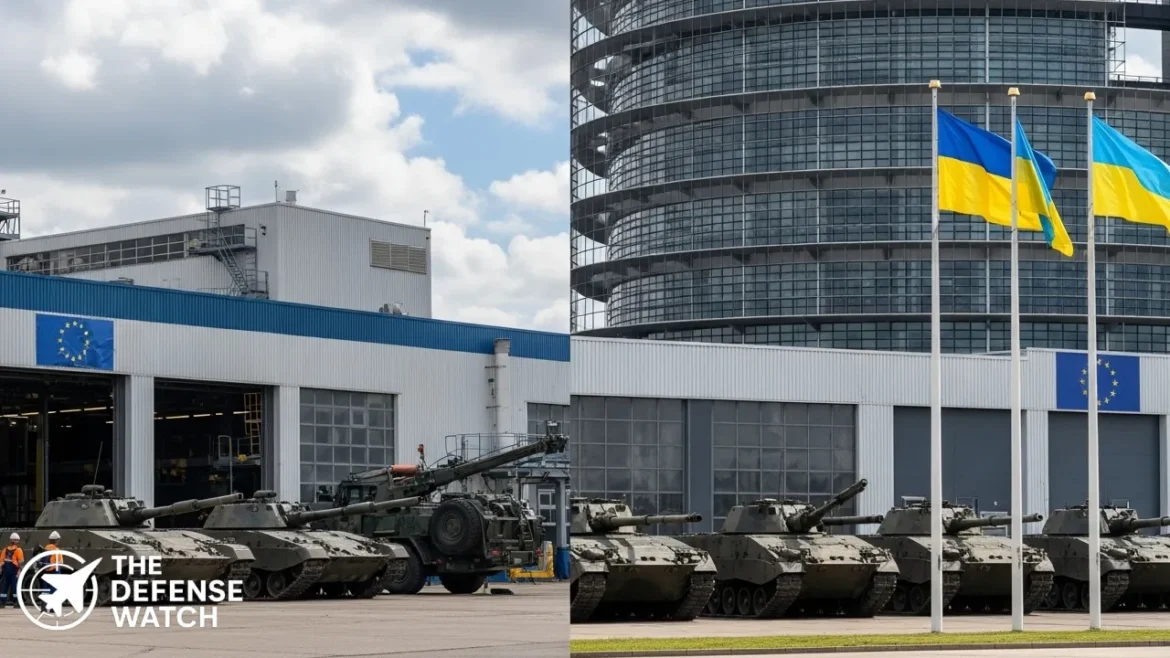
The European Union has approved a new initiative to expand defense industrial cooperation with Ukraine, marking a significant policy step aimed at strengthening joint production, procurement channels, and long-term security collaboration. The decision was finalized on November 25 during a legislative session in Brussels, reflecting a growing push among member states to reinforce Ukraine’s domestic defense capabilities amid ongoing security pressures.
Background: Strengthening Defense Integration
The vote follows months of discussions within EU institutions over how to shift support for Kyiv from short-term military assistance toward a sustainable, long-term industrial partnership model. Since the start of Russia’s full-scale invasion, Ukraine has relied heavily on European weapons, ammunition, and spare parts. European leaders have increasingly emphasized the need to expand Ukraine’s own manufacturing capacity to reduce dependency and ensure continuity of supply.
The initiative aligns with previous EU defense frameworks, including joint procurement programs and coordinated industrial investment measures launched since 2022. It also supports broader European ambitions to streamline defense production, improve interoperability, and reduce fragmentation among national defense sectors.
Policy Details and Objectives
EU officials stated that the measure is designed to enhance cooperation across several core areas:
- Co-production agreements between Ukrainian and European defense firms
- Supply chain integration for critical components and materials
- Standardization to improve equipment compatibility
- Investment pathways for rebuilding Ukrainian industrial infrastructure
- Regulatory coordination to ease technology transfer
European Commission defense representatives noted that Ukraine’s participation in select EU defense programs would expand under the new policy framework. While full membership access remains restricted, officials emphasized that deeper coordination would improve planning and accelerate development timelines.
The decision also comes amid intensified European debate over defense readiness, ammunition shortages, and production gaps that became more visible after sustained support to Ukraine. Several member states have advocated that cooperation with Ukrainian manufacturers could expand overall capacity and innovation.
Strategic and Security Context
The move highlights shifting European defense postures as governments reassess long-term risk exposure and industrial resilience. Analysts note that integrating Ukrainian production could benefit both sides—Ukraine gains industrial reinforcement, while Europe gains access to experienced, rapidly scaling manufacturers familiar with high-intensity warfare requirements.
EU policymakers have also framed the initiative as part of a broader strategic effort to counter external pressure and reinforce the continent’s defense autonomy. Discussions within the European Parliament have referenced concerns about supply limitations and overreliance on non-European defense imports.
Expert and Policy Reactions
Security policy experts cited the decision as a notable milestone in restructuring European defense cooperation frameworks. Defense analysts emphasized that the initiative signals a long-term commitment rather than a temporary crisis response, suggesting that Ukraine’s defense sector could become formally tied to European industrial planning for years ahead.
Industry representatives have also acknowledged potential economic impacts, including joint investment, technology development, and employment growth tied to reconstruction and modernization. However, officials cautioned that implementation phases will require regulatory coordination and member state alignment.
What Comes Next
EU agencies are expected to outline specific funding mechanisms, co-production guidelines, and implementation structures in the coming months. Member states will also coordinate with Kyiv to identify priority sectors, including ammunition production, armored systems, air defense components, and repair logistics.
The initiative is expected to influence future EU defense planning cycles, with officials suggesting that Ukraine could participate in additional industrial cooperation programs as policy frameworks evolve. Monitoring and evaluation measures will accompany the rollout to track progress and capability impacts.
The development marks a continued shift toward institutionalized defense cooperation between the EU and Ukraine, reflecting long-term strategic alignment and industrial interdependence that is expected to expand further in the coming years.
Trump’s 28-Point Peace Plan Demands Ukraine Surrender Land and NATO Goals
A controversial 28-point “peace plan” reportedly orchestrated by former U.S. President Donald Trump has surfaced, calling on Ukraine to make sweeping concessions that critics say amount to a de facto surrender. The proposal, presented to Kyiv by a U.S. delegation, would require Ukraine to cede territory, reduce its military, renounce NATO membership permanently, and accept limited security guarantees — raising alarm in Ukraine and across Europe.
Background
The draft framework was reportedly handed to Ukrainian President Volodymyr Zelenskyy by U.S. Army Secretary Daniel Driscoll, acting as an envoy for Trump. According to media reports, the plan was developed with input from Trump’s special envoy Steve Witkoff and Russian sovereign wealth official Kirill Dmitriev.
This proposal comes amid mounting criticism in Kyiv and among Western allies, who say it disproportionately favors Moscow and undermines Ukrainian sovereignty.
Key Provisions of the Plan
According to the leaked 28-point draft (as reported by Sky News, National Security Journal, and others), the proposal includes the following major terms:
- Territorial concessions: Ukraine would cede land in the east — including areas not fully controlled by Russia — and freeze the front lines in regions such as Kherson and Zaporizhzhia.
- Military reductions: The size of Ukraine’s armed forces would be capped at 600,000 personnel, down from roughly 800,000–900,000.
- Renunciation of NATO: Kyiv would amend its constitution to permanently rule out NATO membership. NATO in turn would amend its own statutes, barring Ukraine from future accession.
- No foreign troops or long-range weapons: The draft would prohibit NATO or U.S. troops from being stationed in Ukraine and restrict certain classes of weapons.
- Security guarantees: Ukraine would receive “reliable security guarantees” from the United States, though the language remains vague.
- Economic terms: Frozen Russian assets (reportedly around $100 billion) would be used for Ukrainian reconstruction, with Washington playing a central role and potentially sharing in the profits.
- Sanctions relief: Sanctions on Russia would be gradually eased, and Moscow would gain a pathway to rejoin global economic institutions, including a potential return to the G8.
- Domestic governance: The plan proposes that Ukraine hold national elections within 100 days.
Reactions from Kyiv and Europe
Ukrainian officials have strongly rejected the plan. A senior security official told DAWN that the terms resemble surrender, particularly the territorial demands and restrictions on NATO membership. President Zelenskyy has acknowledged receipt of the proposal, saying his government will assess it “honestly and swiftly,” but has also warned of grave consequences.
During a televised address, Zelenskyy framed the situation in stark terms: “Now the pressure on Ukraine is one of the heaviest. We can face a difficult choice — either losing our dignity, or risking the loss of a major partner.”
European leaders have also expressed deep concern. German and Polish ministers have cautioned that any deal allowing Russia to consolidate territorial gains could undermine long-term European security. Meanwhile, EU Foreign Policy Chief Kaja Kallas has emphasized that Europe must be involved in any credible peace process.
Expert Analysis
Chatham House, a leading think tank in London, has issued an early assessment of the plan. Analysts including Orysia Lutsevych and Keir Giles argue that the proposal appears heavily tilted toward Russian objectives, effectively transforming Moscow’s war aims into a Western-endorsed settlement.
They warn that limiting Ukraine’s military strength and precluding future NATO admission would leave the country vulnerable to renewed aggression. According to Marc Weller, a professor of international law at Chatham House, the constitutional amendment to forbid NATO membership raises serious questions about Ukrainian sovereignty and legal continuity.
U.S. Perspective
On the U.S. side, proponents of the peace plan—including Secretary of State Marco Rubio—argue that difficult but mutual concessions are necessary for a durable settlement. Rubio has defended the effort as a pragmatic path to ending the bloodshed. Meanwhile, the White House has portrayed Trump’s initiative as a push for a “lasting and durable peace,” blaming both Russia and Ukraine for rejecting previous compromise offers.
What Happens Next
Diplomatic talks are reportedly underway in Geneva, where U.S. and Ukrainian delegations have met to discuss revisions to the proposal. However, key European partners have also tabled a competing framework. According to The Guardian, the European alternative calls for negotiations over territory only after a ceasefire, and notably does not demand that Ukraine forgo NATO membership.
Chatham House analysts warn that if Ukraine accepts a deal resembling the Trump plan, it could set a dangerous precedent: “This is not just a peace deal,” they argue, “but a mechanism for permanently weakening Ukraine’s sovereignty.”
Impact and What’s Next
If adopted, the plan could reshape the geopolitical order in Europe: granting Moscow de facto control over contested Ukrainian regions, weakening Kyiv’s military posture, and disincentivizing NATO integration. It could also fracture transatlantic unity, as European powers reject a U.S.-led process that sidelines both Kyiv’s interests and European security architecture.
For Ukraine, the stakes could not be higher. Accepting the draft risks deep domestic backlash and long-term vulnerability. Rejecting it could strain relations with Washington at a time when military and financial support remain vital.
The coming days — including further Geneva talks, European counterproposals, and Kyiv’s public response — will be critical in determining whether this peace plan marks a turning point or deepens existing divides.
Boeing Moves to Triple PAC-3 Seeker Output Amid Record Demand
Boeing announced during the Dubai Air Show 2025 that it will triple production of Patriot PAC-3 missile seekers, responding to accelerating demand from European NATO members and global partners replenishing stockpiles following the war in Ukraine. The expansion is anchored by a new 40,000-square-foot manufacturing facility built specifically to break long-standing supply bottlenecks in seeker production.
The move positions Boeing at the center of one of the most stressed supply chains in Western missile defense, as the Patriot PAC-3 interceptor remains the most widely deployed ballistic missile defense asset across NATO, the Middle East, and Asia-Pacific.
Background: Patriot Demand Soars After Ukraine War
The Patriot system has experienced unprecedented global demand since Russia’s full-scale invasion of Ukraine in 2022. Ukraine’s successful use of Patriot batteries to intercept Kinzhal hypersonic missiles and other ballistic threats reshaped European defense planning and triggered one of the largest missile procurement surges since the Cold War.
European nations—among them Germany, Poland, Romania, the Netherlands, Spain, Sweden, and Greece—are simultaneously:
- Supplying interceptors and batteries to Ukraine
- Rebuilding their own depleted stocks
- Preparing for potential high-intensity conflict scenarios on NATO’s eastern flank
This surge exposed a critical industrial bottleneck: insufficient production of PAC-3 seekers, the highly specialized guidance component manufactured solely by Boeing.
Inside the Expansion: Boeing’s New Seeker Production Facility
A Strategic Early Investment
Steve Parker, head of Boeing Defense, Space & Security, told reporters that Boeing anticipated the demand spike years earlier and began investing in new production capacity before customers formally placed orders.
“We saw this coming and had to build ahead of the need,” Parker said at Dubai Air Show, emphasizing that waiting for contracts would have put the entire Patriot industrial ecosystem at risk.
The result was a dedicated, state-of-the-art center in Huntsville, Alabama, focused on eliminating bottlenecks in:
- precision electronics
- micro-machining
- sensor assembly
- final integration and testing
The new capacity has already helped Boeing push production beyond 500 PAC-3 seekers in 2024, with further increases expected in 2025.
Critical Link in a Three-Company Ecosystem
The Patriot supply chain relies on a tri-partner model:
- Raytheon → ground radar and fire control
- Lockheed Martin → PAC-3 and PAC-3 MSE interceptors
- Boeing → Ka-band active radar seeker
Of these, the seeker has become the pacing item for global production. NATO officials have acknowledged that increasing missile output was impossible without expanding seeker manufacturing first.
What the PAC-3 Seeker Does—and Why It Matters
The Missile’s “Eye and Brain”
The Boeing-built seeker enables the PAC-3 interceptor’s hit-to-kill capability, distinguishing it from earlier Patriot generations that relied on semi-active homing.
Key advantages:
- Ka-band radar offers ultra-fine resolution
- Actively acquires and tracks targets in terminal flight
- Enables the missile to identify a warhead among debris or decoys
- Permits the ground radar to engage multiple threats simultaneously
This is vital against:
- maneuvering ballistic missiles
- hypersonic glide vehicles
- cruise missiles
- saturation attacks
Combat-Proven Performance
PAC-3 interceptors equipped with Boeing seekers have demonstrated real-world effectiveness in Ukraine, intercepting:
- Kinzhal hypersonic missiles
- Iskander ballistic missiles
- Shahed drones
- Russian cruise missiles
The Pentagon describes these intercepts as “operational proof” that Western missile defense systems can counter advanced Russian designs.
Industrial Strain and Labor Issues
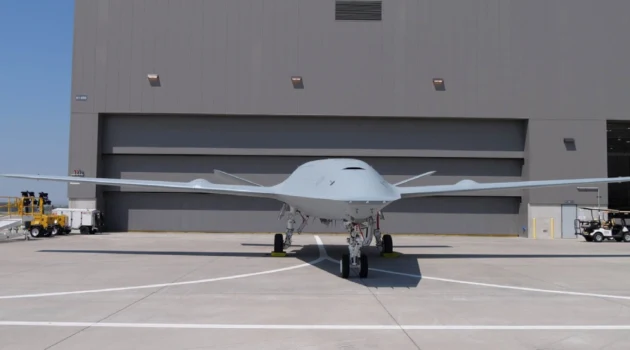
Boeing’s expansion comes as the company grapples with a prolonged labor dispute at its St. Louis plant, where workers producing military aircraft and MQ-25 drones launched a strike after contract negotiations stalled.
Although the PAC-3 seeker line is based in Alabama, Parker said the St. Louis stoppage highlights “how thin the industrial margin for error has become” across the defense sector.
Defense analysts warn that any sustained disruption could ripple across multiple weapons programs at a time when demand for U.S. systems is at a generational peak.
Strategic and Policy Implications for NATO
1. Europe’s Missile Defense Plans Depend on U.S. Industry
NATO’s future integrated air and missile defense (IAMD) plans—especially Germany’s European Sky Shield Initiative (ESSI)—assume accelerated PAC-3 interceptor deliveries through the late 2020s.
Without Boeing’s seeker expansion, European plans would face multi-year delays.
2. U.S. Arsenal Needs Rebuilding
The United States has transferred interceptors and full Patriot batteries to Ukraine, drawing down its own stockpiles. Pentagon officials privately acknowledge that replenishing U.S. inventories will take years.
3. Rising Threat From Russia and China
Both Russia and China continue developing:
- maneuvering reentry vehicles (MaRVs)
- hypersonic glide vehicles
- stealthier cruise missiles
- electronic warfare countermeasures
Tripling PAC-3 seeker output ensures the U.S. and allies can field interceptors capable of engaging next-generation threats.
What’s Next: A Race to Restore Stockpiles
Boeing’s new seeker facility is part of a broader incentive package worth roughly $2.7 billion aimed at easing pressure on PAC-3 production lines over the next five years.
Defense officials say the first major capacity increase will become visible between 2026 and 2027, when NATO expects a noticeable rise in available interceptors.
For European allies, the metric that matters is simple: full missile canisters and ready Patriot batteries on the eastern flank.
Conclusion: A Pivotal Test for U.S. Missile Defense Industry
Boeing’s decision to triple PAC-3 seeker production marks one of the most significant industrial moves in the Western missile defense sector since the Cold War. As NATO accelerates rearmament and the U.S. refills critical inventories, the PAC-3 seeker will remain a decisive pacing factor for the Alliance’s ability to deter and defeat ballistic and hypersonic threats.
The next five years will test whether U.S. industry can expand fast enough to meet the demands of modern high-intensity warfare—while sustaining the global network of partners that rely on Patriot as their primary shield.
Ukraine’s National Guard Urges Expansion of Drone Use as Winter Looms
KIEV, Ukraine — Ukraine’s National Guard is calling for a major ramp-up in drone deployment and more coordinated tactics, warning that denser coverage and better coordination are critical to halting Russian foot infiltration, particularly as winter approaches, National Guard head Oleksandr Pivnenko told Reuters.
Background: Drone Warfare Shapes Modern Battlefield
Since Russia’s full-scale invasion in February 2022, unmanned aerial vehicles (UAVs) have become central to combat operations on both sides. Drones are not only used for reconnaissance but also for strikes, surveillance, and close support across Ukraine’s 1,200 km front lines.
As the war has evolved, so too have tactics. According to Pivnenko, Russian forces increasingly move in small, dispersed groups and rely on drones for cover and target acquisition — a strategy that complicates defensive efforts. In addition, winter conditions could worsen movement challenges in the field, making drone coverage even more critical.
Key Details: Calls for More Drones, Better Coordination
- Drone Parity, But Manpower Imbalance: Pivnenko said Ukraine and Russia now have “parity in drones in key battlefield areas,” but Russia retains a significant manpower advantage.
- Weather Concerns: The onset of late autumn and early winter — characterized by wet soils and muddy terrain — will make movement harder. Pivnenko warned that without effective drone coverage, Russian troops could exploit infiltration routes on foot.
- Infiltration Risk: “We need to stop the enemy more as they approach on foot,” he said. If Ukrainian units carry out their tasks “with greater density on the front line … and the enemy infiltrates less deeply, it will be better for us.”
- Tiered Drone Operations: Pivnenko proposed a layered structure for drone operations — assigning different units to distinct operational “layers” so that teams operating close to the contact line don’t overlap or interfere with those further back.
- Structural Reforms: Since his appointment in 2023, Pivnenko has overseen a shift in the National Guard’s organization — moving from brigade- to corps-based commands, aiming to improve coordination, control, and responsiveness.
- Promoting Young Commanders: He highlighted the importance of empowering younger, more dynamic officers. “Young commanders … are more decisive … to change something in the situation in general,” Pivnenko said. Reuters
Strategic Analysis: Why This Matters
Pivnenko’s comments highlight a critical challenge for Ukraine: while it has built up a substantial drone capacity, the effectiveness of its unmanned systems is not just a function of quantity. Coordination, command structure, and tactical flexibility all matter — especially under harsh environmental conditions.
Winter can dramatically shift battlefield dynamics. As terrain becomes trickier and movement slows, the importance of persistent reconnaissance, rapid response, and layered drone coverage grows. Without tighter drone tactics, the risk of enemy infiltration increases, Pivnenko warns.
These remarks also come amid a broader technological race in the drone domain. Ukrainian military leaders have emphasized that interceptor drones — used to counter Russian Shahed and Geran UAVs — are a key component of layered air defense. Meanwhile, Ukraine’s unmanned systems forces have expressed concern that NATO armies remain ill-prepared for the demands of modern drone warfare.
Furthermore, Ukraine’s military command sees drone warfare as a long-term asymmetric advantage. Pivnenko’s push for denser coverage and structured drone “layers” aligns with larger efforts to institutionalize drone operations within command hierarchies — a sign that unmanned systems are no longer a supplementary asset but a backbone of Ukrainian defense.
Expert / Policy Perspective
Defense analysts note that Ukraine’s emphasis on drone density and coordination reflects hard-earned lessons from years of high-tempo, drone-heavy combat. The proliferation of small strike UAVs, FPV drones, and interceptors has reshaped how both sides fight.
Vadym Sukharevskyi, head of Ukraine’s Unmanned Systems Forces, has warned that NATO militaries are not yet prepared for the scope of drone warfare, urging allies to invest in AI-enabled targeting, ground drones, and other technologies.
At the same time, analysts emphasize the importance of doctrine and training. High drone numbers alone may not suffice; efficient command and control, tiered deployment strategies, and adaptive tactics are increasingly proving essential for battlefield success.
What’s Next: Implications & Outlook
Pivnenko’s call comes at a critical moment as Ukrainian forces brace for winter. If implemented, denser and more coordinated drone deployment could blunt Russian infiltration, protect defensive lines, and reduce the risk posed by foot-borne enemy advances.
However, realizing this vision will require continued investment in drones, training, and command reform. Ukraine will likely press its allies for further support — especially for interceptor systems, sensors, and command platforms.
On a broader level, Pivnenko’s remarks underscore how unmanned warfare is now a central pillar of Ukraine’s defense strategy. As both sides refine their drone tactics, the conflict continues to serve as a testing ground for next-generation UAV warfare — with lessons that may shape military doctrine globally.
Ukrainian Innovation Against Hypersonic Threats
Ukraine has reportedly developed a novel countermeasure against one of Russia’s most advanced weapons: the Kh-47M2 Kinzhal hypersonic missile. Ukrainian military sources reveal that the Lima electronic warfare (EW) system is capable of jamming the missile’s satellite navigation guidance by transmitting a patriotic Ukrainian anthem, “Our Father Is Bandera.” This approach disrupts the missile’s trajectory, forcing it off course and reducing the risk to civilian and military targets.
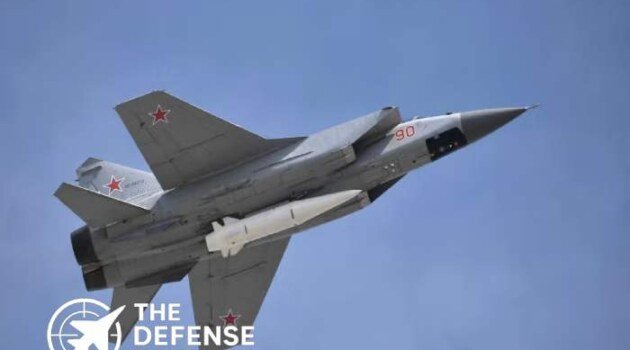
The Kinzhal, a Mach 10 air-launched derivative of the Iskander-M ballistic missile, is known for its extreme speed and maneuverability. Launched from modified MiG-31K or Tu-22M3 aircraft, the missile carries a 1,000-pound warhead and can strike targets up to 300 miles away. Its high velocity and terminal-phase evasive maneuvers—dives and lateral shifts—have significantly challenged Ukraine’s air defense, particularly Patriot missile batteries.
Russian Tactics to Evade Interception
Recent modifications to the Kinzhal’s flight profile have lowered its interception rate around Kyiv from approximately 37% in August to just 6% in September. Russian forces have employed complex maneuvers, including abrupt pull-downs and lateral jinks, often embedded in mixed missile salvos. Slower missiles in these salvos mask the hypersonic Kinzhal, making radar tracking and target prioritization more difficult for Ukrainian defenders.
Lima EW: A Creative Electronic Defense
Ukraine’s Lima EW system, initially designed to counter Russian guided bombs, has proven adaptable against the hypersonic threat. By injecting nonstandard navigational data in the form of music, the system corrupts satellite guidance signals, effectively “spoofing” the missile. Operators report that Lima’s performance surpasses that of comparable foreign systems, reflecting Ukraine’s ability to leverage asymmetric tactics against technologically superior adversaries.

MiG-31 Russian Air Force. Image Credit: Creative Commons. Strategic and Technological Implications
The use of musical payloads in electronic warfare highlights a broader trend in modern conflict: combining digital deception with traditional defense measures. For U.S. and NATO planners, Ukraine’s success illustrates the growing importance of EW capabilities in countering high-speed hypersonic threats, which conventional missile defense systems struggle to intercept. Lima’s effectiveness may inform future research into low-cost, agile electronic countermeasures capable of disrupting advanced missile guidance.
Moreover, the incident underscores the vulnerability of even sophisticated missile systems to adaptive countermeasures. As hypersonic technology proliferates globally, the development of complementary electronic and cyber defenses will be crucial to maintaining strategic stability.
Conclusion: Forward-Looking Defense Considerations
Ukraine’s innovative approach to neutralizing Kinzhal missiles demonstrates that creative electronic warfare can alter the balance against cutting-edge threats. For U.S. defense planners, investing in agile EW solutions alongside kinetic interceptors will be essential in preparing for the next generation of hypersonic weapons. Lima’s performance may signal a shift toward integrating asymmetric countermeasures as standard practice in modern air defense.
Massive Drone and Missile Strike Hits Kyiv
Russian forces carried out one of their most significant aerial assaults on Ukraine overnight, according to Ukrainian officials. The strike involved “hundreds” of drones and missiles, targeting Kyiv and other regions, leaving at least six civilians dead and dozens more injured.
The city’s mayor, Vitali Klitschko, said multiple districts caught fire and buildings were damaged, including around 30 residential structures. The Azerbaijani embassy in Kyiv was also struck by missile debris, according to reports.
Ukrainian Prime Minister Yulia Svyrydenko condemned the attack as a terrifying breach of civilian safety — “families went to sleep expecting a normal night and instead faced terror from the sky,” she said. President Volodymyr Zelensky called the assault “wicked,” framing it as a deliberate attack on civilian life and Ukraine’s energy infrastructure.
German Defense Minister Boris Pistorius echoed the sentiment, condemning the attack as showing “Russia’s contempt for humanity.”
Technical Scale and Strategic Implications
Based on official Ukrainian sources, the barrage included a mix of attack drones, decoy unmanned aerial vehicles, and ballistic and cruise missiles.
This assault appears to build on a pattern of mass drone-and-missile strikes by Russia. Previous attacks this year have also broken records: in May 2025, Russia reportedly launched 355 Shahed loitering munitions and dozens of Iskander ballistic missiles in a single weekend. In a later strike in September, Ukraine reported more than 800 projectiles — mostly drones — in what many called the largest single-day air attack of the war.
Experts note that Russia is combining large drone salvos with more capable missile systems — such as Iskander-M/KN-23 and air-launched cruise missiles — to overwhelm Ukraine’s layered air-defense architecture.
Civilian Toll and Political Fallout
Beyond the destruction of residential buildings, critical infrastructure also suffered. Ukrainian authorities say that energy networks were specifically targeted, heightening fears of winter blackouts.
The attack also carries political weight. Zelensky referenced it while calling on Western allies to step up support, notably with more interceptor systems. Kyiv is highlighting its urgent need for advanced air-defense platforms such as medium- and long-range interceptors, radar systems, and electronic warfare tools capable of coping with mass drone swarms.
European leaders, including those in the European Parliament, have pushed back strongly, arguing the strikes demonstrate Russia’s willingness to inflict civilian suffering and destabilize Ukraine further.
Analysis: What It Means for U.S. Defense and Global Security
- Air Defense Strain on Ukraine
The scale of this assault underscores how stretched Ukraine’s air defenses are. While Kyiv has received significant Western aid, this strike may expose gaps in current capabilities—particularly in intercepting large-volume drone swarms and mixed missile-drones threats. - Urgent Case for More U.S. and NATO Support
For U.S. defense planners, the assault reinforces the strategic priority of supplying Ukraine with cutting-edge air-defense systems. This could accelerate discussions on future deliveries of systems like Patriot PAC-3, medium-range SAMs, or even next-generation interceptors. - Validation of Asymmetric Warfare Tactics
Russia’s reliance on large drone salvos combined with ballistic and cruise missiles highlights a costly but effective asymmetric threat. This may influence how NATO and the U.S. think about investing in counter-drone technologies, electronic warfare, and multi-domain resilience. - Global Signaling
By launching such a high-intensity strike, Russia is signaling it can sustain high-tempo aerial operations — even under international sanctions. That capability has implications for not just Ukraine, but regional and allied security planning, particularly in Europe.
Conclusion: What Comes Next
This assault marks a worrying escalation in Russia’s aerial campaign and highlights the urgency of reinforcing Ukraine’s air-defense architecture. For the U.S. and NATO, it’s likely to intensify calls for faster and more advanced weapons deliveries.
Looking ahead, we can expect Kyiv to redouble its appeals for long-range interceptors and resilient C2 (command-and-control) networks. Meanwhile, Russia may continue to test Ukraine’s defense limits, leveraging mass drone attacks to force political pressure and wear down civilian morale.