

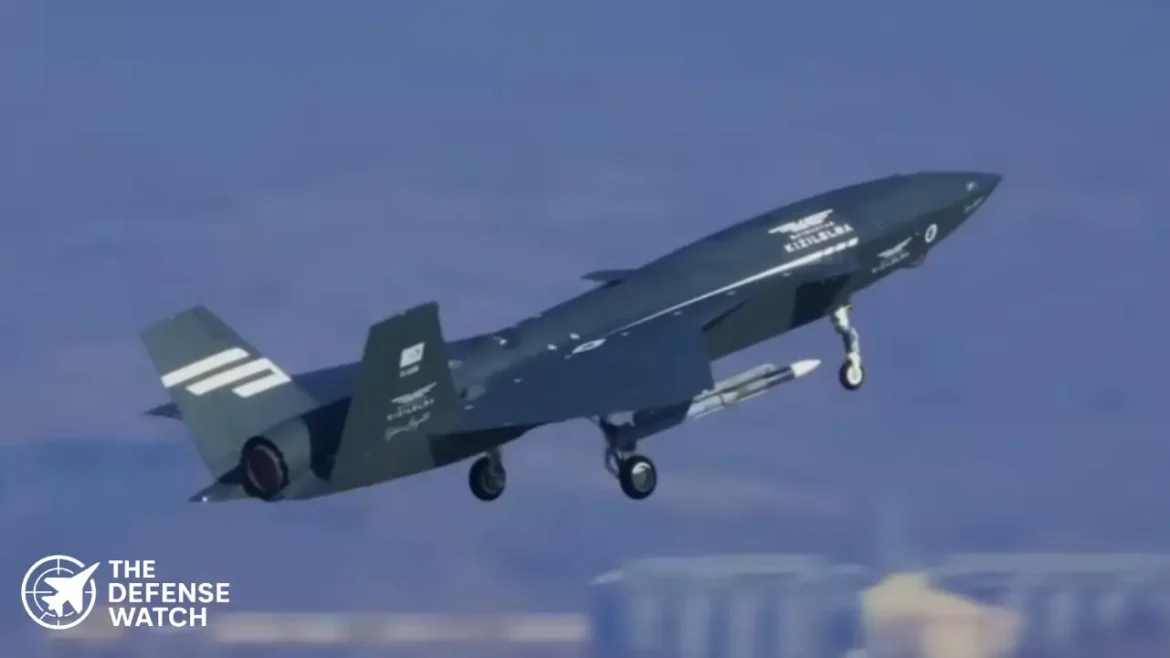
Executive Summary:
Indonesia is preparing to receive up to 60 Baykar Kizilelma unmanned combat aircraft from Türkiye in what could become the platform’s first export sale. The proposed deal reflects Jakarta’s growing focus on advanced unmanned warfare capabilities and highlights Türkiye’s expanding role in the global defense export market.
Indonesia Kizilelma Drone Deal Signals Major Shift In Regional Airpower
Indonesia’s planned acquisition of up to 60 Kizilelma unmanned combat aerial vehicles (UCAVs) from Türkiye represents one of Southeast Asia’s most ambitious drone modernization efforts to date. The agreement, reported by multiple defense outlets, would mark the first export success for the Turkish-developed unmanned fighter platform.
Developed by Turkish defense company Baykar, the Kizilelma is designed as a high-performance stealth-capable UCAV intended for air-to-air and strike missions. The aircraft has drawn international attention because of its jet-powered configuration, autonomous flight features, and compatibility with modern network-centric warfare concepts.
The potential Indonesia Kizilelma drone deal comes as regional militaries increasingly prioritize unmanned systems capable of operating in contested environments while reducing pilot risk.
Indonesia could receive as many as 60 aircraft under the arrangement, although detailed delivery timelines and financial terms have not yet been publicly disclosed.
What Is The Kizilelma UCAV?
Baykar Kizilelma is part of Türkiye’s broader effort to establish an indigenous high-end defense manufacturing base capable of competing in global aerospace markets.
Unlike many traditional medium-altitude drones optimized mainly for surveillance or precision strike missions, Kizilelma has been designed to operate in more contested airspace. The aircraft incorporates reduced radar signature features, high-speed maneuverability, and artificial intelligence-assisted flight control systems.
Baykar has stated previously that the UCAV is intended to support missions including:
- Air superiority support
- Deep strike operations
- Suppression of enemy air defenses
- Maritime strike missions
- Intelligence and reconnaissance operations
The aircraft is also expected to operate from short-deck carriers and expeditionary platforms, including Türkiye’s TCG Anadolu amphibious assault ship.
Analysts have noted that Kizilelma reflects a broader shift toward loyal wingman and unmanned combat concepts being pursued by several major powers, including the United States, China, and Russia.
Why Indonesia Is Expanding Its Drone Capabilities
Indonesia has steadily increased defense modernization spending in recent years amid evolving security concerns across the Indo-Pacific region. The country faces complex maritime security requirements due to its vast archipelagic geography and strategic position near key sea lanes.
The addition of Kizilelma UCAVs could significantly expand Indonesia’s ability to conduct long-range surveillance and strike operations across maritime zones and remote island chains.
Jakarta has also sought to diversify defense procurement sources beyond traditional Western suppliers. Türkiye has emerged as an increasingly important defense partner for several Asian and Middle Eastern states because of its competitive pricing, rapid production capability, and fewer export restrictions compared to some Western systems.
Indonesia and Türkiye have already cooperated in multiple defense sectors, including armored vehicles, aerospace programs, and drone technology.
The potential acquisition also aligns with broader trends in Southeast Asia, where regional powers are accelerating investments in unmanned systems, electronic warfare capabilities, and long-range precision strike assets.
Türkiye’s Defense Export Ambitions Continue To Grow
Türkiye’s defense industry has expanded rapidly over the past decade, particularly in the unmanned systems sector. Baykar gained international prominence after the operational success of the Bayraktar TB2 in several conflict zones, including Libya, Nagorno-Karabakh, and Ukraine.
The Kizilelma program represents the next phase of Türkiye’s ambition to move beyond tactical drones into advanced combat aviation technologies traditionally dominated by a small number of aerospace powers.
A successful Indonesia Kizilelma drone deal would provide Türkiye with a major export breakthrough for a next-generation combat UAV platform. It could also strengthen Ankara’s defense ties across Southeast Asia and reinforce its position as a growing global arms supplier.
Defense observers also view the deal as evidence of increasing international demand for lower-cost alternatives to Western stealth aircraft and advanced manned combat systems.
Strategic Implications For Southeast Asia
The introduction of stealth-capable unmanned fighters into Southeast Asia could influence regional military planning, particularly in maritime security and airpower competition.
Several countries in the Indo-Pacific are now integrating drones into operational doctrine for surveillance, strike, and electronic warfare missions. Indonesia’s planned acquisition may encourage neighboring states to accelerate similar procurement programs.
While Kizilelma is not a direct replacement for conventional fighter aircraft, it offers an additional layer of operational flexibility. UCAVs can perform high-risk missions with reduced personnel exposure and potentially lower operational costs compared to manned fighter fleets.
The platform’s autonomous capabilities may also support future integration with manned aircraft in coordinated combat operations.


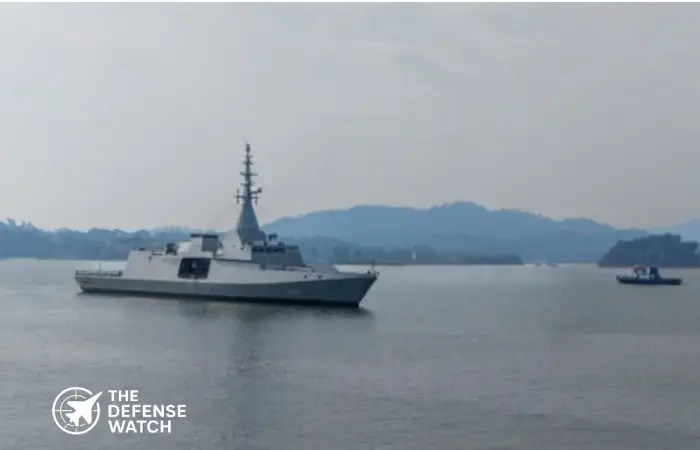
Executive Summary:
Malaysia is seeking diplomatic solutions after uncertainty emerged around a major naval missile contract linked to the Royal Malaysian Navy’s modernization efforts. The issue highlights broader regional security concerns and the growing importance of maritime deterrence in Southeast Asia.
Malaysia Missile Contract Faces Strategic Uncertainty
Malaysia Pursues Diplomacy To Protect Naval Modernization Plans
Malaysia is pursuing diplomatic engagement as uncertainty grows around a planned missile procurement tied to the modernization of the Royal Malaysian Navy, according to reporting from.
The development comes at a sensitive time for regional maritime security, particularly as Southeast Asian nations continue expanding naval capabilities amid rising tensions in contested waters across the Indo-Pacific.
While Malaysian officials have not publicly detailed the full scope of the diplomatic effort, the reported uncertainty surrounding the missile contract underscores the challenges many middle-power militaries face when balancing procurement requirements, international partnerships, export controls, and budget pressures.
The issue also reflects the increasing strategic importance of anti-ship missile systems in regional naval planning. Across Asia, governments are investing heavily in long-range precision strike capabilities designed to strengthen deterrence and improve sea denial operations.
Maritime Security Remains Central To Malaysia’s Defense Strategy
Malaysia has steadily expanded its naval modernization agenda over the past decade, focusing on maritime surveillance, coastal defense, and fleet recapitalization. The country’s strategic geography along critical sea lanes, including the Strait of Malacca and parts of the South China Sea, has elevated the importance of naval readiness.
The uncertainty surrounding the missile contract arrives as regional security dynamics continue evolving. Neighboring countries, including China, Vietnam, Indonesia, and Philippines, are all investing in maritime strike and coastal defense capabilities.
For Malaysia, anti-ship missile systems are viewed as a critical force multiplier. Such systems allow smaller naval fleets to project deterrence against larger maritime forces while protecting territorial waters and economic zones.
Defense analysts have increasingly pointed to missile-based maritime denial strategies as cost-effective alternatives to larger fleet expansion programs. In Southeast Asia, this trend has accelerated amid concerns over gray-zone operations, naval incursions, and freedom of navigation disputes.
Procurement Delays Could Affect Naval Capability Timelines
The Malaysia missile contract issue could potentially affect broader naval modernization timelines if procurement uncertainty continues. Modern naval programs are often interconnected, with weapons integration linked to ships, sensors, combat management systems, and training pipelines.
Any prolonged disruption could create capability gaps or delay planned operational readiness milestones for the Royal Malaysian Navy.
Malaysia has previously emphasized the need to modernize aging maritime assets while improving interoperability with regional and international defense partners. Procurement consistency is therefore viewed as essential for sustaining long-term force planning.
The diplomatic approach being pursued by Kuala Lumpur suggests officials are attempting to avoid escalation while preserving strategic relationships tied to the procurement process.
That approach aligns with Malaysia’s broader defense policy, which traditionally favors balanced diplomacy alongside measured military modernization.
Regional Navies Continue Expanding Missile Capabilities
The uncertainty surrounding the Malaysia missile contract also highlights a wider regional trend. Indo-Pacific navies are increasingly prioritizing stand-off strike weapons capable of operating in contested maritime environments.
Modern anti-ship missile systems now offer improved range, low-observable flight profiles, networked targeting, and multi-platform launch capability. These features have transformed maritime deterrence calculations across Asia.
Countries throughout the region are integrating missile systems onto surface combatants, coastal batteries, fast attack craft, aircraft, and unmanned platforms.
The growing emphasis on distributed lethality and sea denial operations has also increased demand for flexible missile architectures that can support layered maritime defense strategies.
For Malaysia, maintaining momentum in naval modernization remains important not only for national defense but also for regional maritime stability and protection of economic interests tied to shipping and offshore resources.
Strategic Implications Beyond The Contract
Although the immediate issue centers on procurement uncertainty, the broader implications extend into regional strategic competition and defense industrial cooperation.
Defense acquisitions in Southeast Asia are increasingly shaped by geopolitical considerations, technology transfer arrangements, industrial participation, and diplomatic alignment.
As competition intensifies across the Indo-Pacific, governments are under growing pressure to secure reliable defense supply chains while maintaining strategic autonomy.
Malaysia’s diplomatic effort may therefore represent more than a procurement dispute. It reflects the increasingly complex intersection between defense modernization, international relations, and regional deterrence planning.
The outcome of the missile contract discussions could influence future procurement decisions and partnership strategies within Malaysia’s broader naval modernization roadmap.
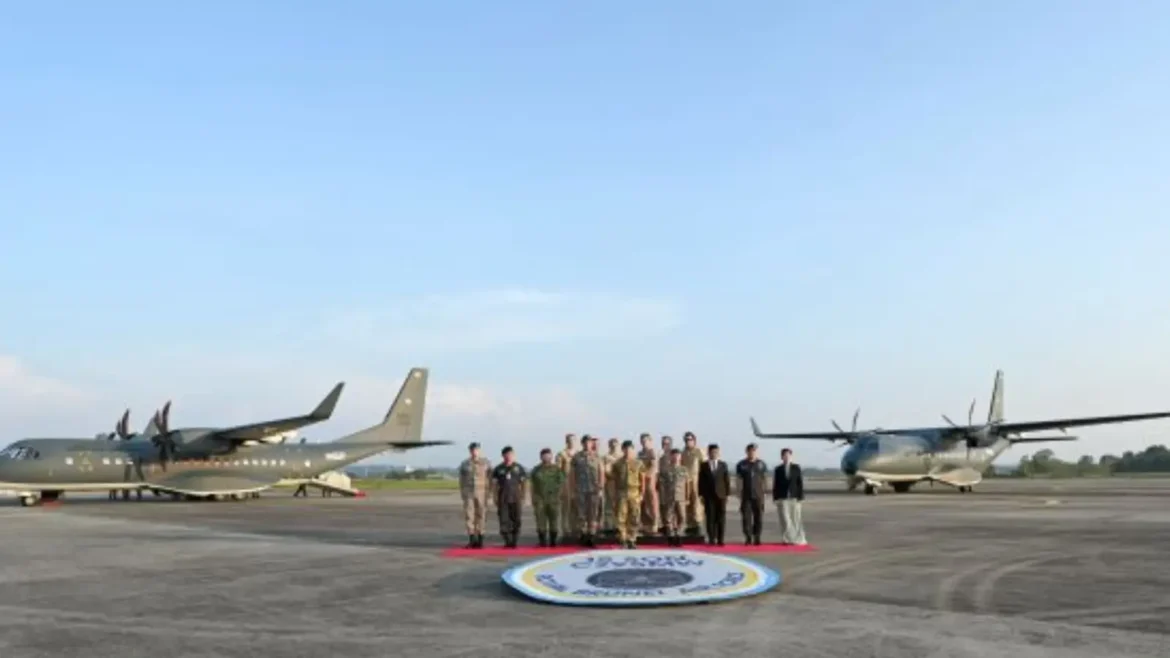
Brunei C295MW Delivery Strengthens National Airlift Fleet
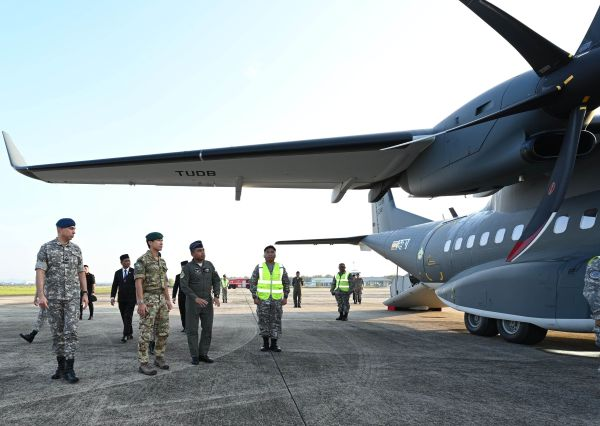
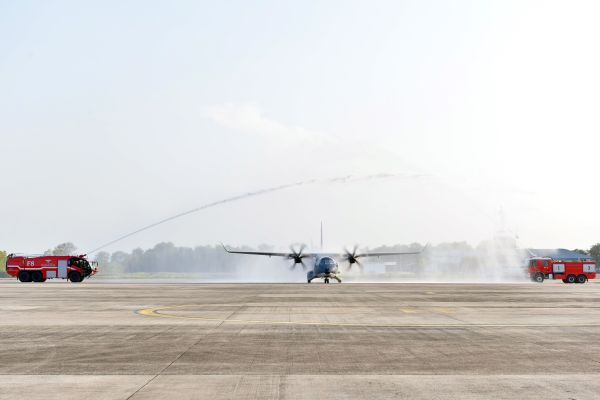
The Brunei C295MW delivery program has reached its final stage, with the Royal Brunei Air Force receiving the last two Airbus C295MW transport aircraft and completing its planned four aircraft fleet. The arrival ceremony was held at Rimba Air Force Base on April 20, according to Brunei’s Ministry of Defence.
The two aircraft, designated TUDB 504 and TUDB 505, completed a seven day ferry flight from Airbus facilities in Spain. Their arrival marks the completion of a modernization effort launched in December 2022, when Brunei signed its procurement agreement with Airbus for four aircraft.
- Brunei has received the final two Airbus C295MW tactical transport aircraft for its air force.
- The deliveries complete a four aircraft fleet ordered from Airbus in December 2022.
- The last two aircraft arrived at Rimba Air Force Base on April 20 after a seven day ferry flight from Spain.
- The fleet will support transport, disaster relief, medical evacuation, and search and rescue missions.
- The acquisition strengthens Brunei’s mobility and regional response capability in Southeast Asia.
Why The C295MW Matters For Brunei
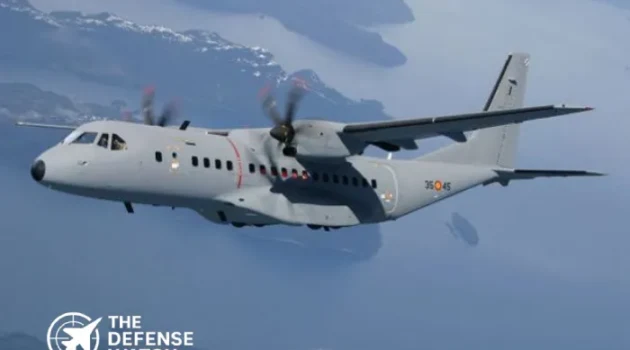
For a small nation with dispersed maritime territory and growing regional responsibilities, air mobility is often more valuable than raw combat power. The Airbus C295MW gives Brunei a reliable medium transport platform able to move troops, equipment, humanitarian supplies, and medical teams quickly across difficult terrain.
According to official statements, the aircraft will be used for:
- Humanitarian assistance and disaster relief
- Medical evacuation missions
- Search and rescue operations
- Non combatant evacuation operations
- Troop and cargo transport
- VIP transport when required
That flexibility is especially relevant in Southeast Asia, where floods, storms, and remote island geography regularly test military logistics networks.

The two new C295MWs complete Brunei’s tactical transport fleet. Source: Brunei defence ministry Replacing Older Capability
The C295MW fleet also replaces Brunei’s aging CN235 transport capability. Earlier reporting noted the country had relied on a single CN235-110M that entered service in 1997.
Moving from one older aircraft to a four platform modern fleet significantly improves readiness. It allows maintenance rotation, sustained operations, crew training continuity, and faster responses during emergencies.
That is a major shift for a small air arm, where every available aircraft matters.
Regional Security Impact
Brunei is not building an offensive air fleet. Instead, it is investing in strategic mobility, which is often one of the smartest defense purchases smaller states can make.
Transport aircraft can support domestic security, maritime surveillance deployments, multinational exercises, and humanitarian missions without escalating regional tensions. In practical terms, that gives Brunei more independence and more relevance inside ASEAN security cooperation frameworks.

The two new C295MWs complete Brunei’s tactical transport fleet. Source: Brunei defence ministry As larger powers compete for influence in the Indo Pacific, countries like Brunei increasingly focus on resilient, multi use capabilities rather than expensive high end combat fleets.
Airbus C295MW Global Momentum
The Airbus C295 family continues to gain traction worldwide because it offers lower operating costs than larger transports while retaining short takeoff and landing performance. The aircraft can operate from semi prepared and shorter runways, a valuable feature for island states and austere environments.
That makes Brunei’s choice consistent with a broader trend among medium sized and smaller air forces seeking practical capability over prestige platforms.
Bottom Line
The Brunei C295MW delivery is more than a routine handover. It gives the Royal Brunei Air Force a complete modern airlift fleet that can support defense missions, disaster response, and regional cooperation for years ahead.
For Brunei, mobility is strategy, and this purchase strengthens both.
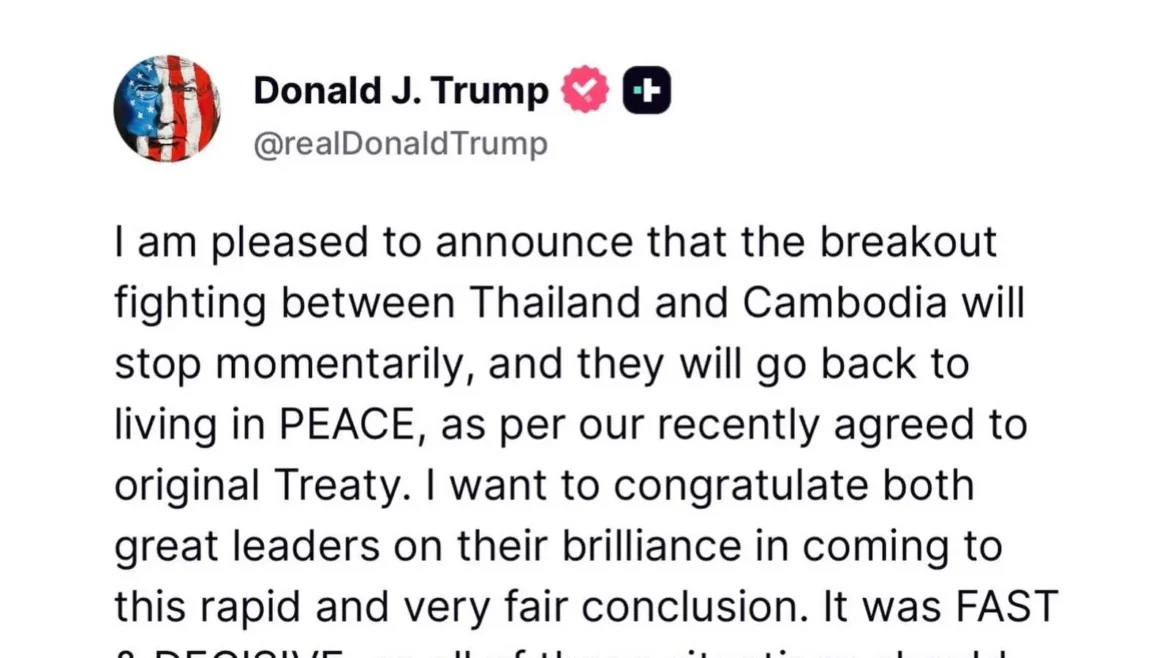
Trump comments on Thailand Cambodia fighting pause
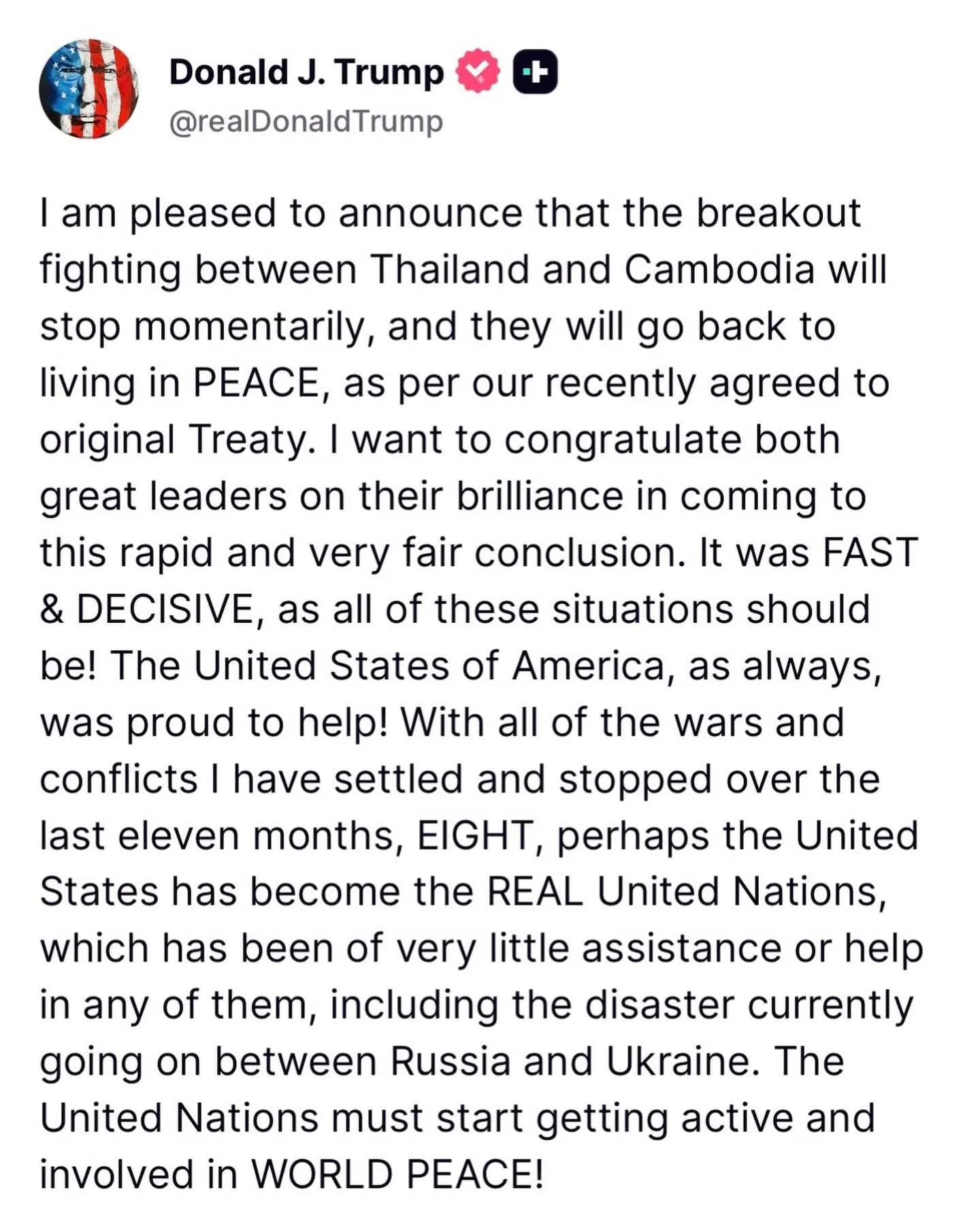
Former US president Donald Trump said the Thailand Cambodia fighting has stopped temporarily following what he described as rapid diplomatic engagement involving the United States. The statement was published on his verified social media account and refers to an alleged return to peace under an existing bilateral treaty.
Trump wrote that the fighting would stop momentarily and that both countries would return to peaceful relations. He credited leaders in Bangkok and Phnom Penh for reaching what he called a fast and fair conclusion. The statement did not cite any official communique from either government.
No official confirmation from regional governments
As of publication, neither the Thai government nor the Cambodian government has publicly confirmed a ceasefire or formal pause in hostilities. No statements from ASEAN, the United Nations, or regional security bodies have verified the claims.
According to reporting by Reuters and the Associated Press, recent tensions between Thailand and Cambodia have periodically flared along disputed border areas, but any formal military engagement is typically addressed through bilateral channels and ASEAN mechanisms.
US role remains unclear
Trump asserted that the United States played a central role in facilitating the pause in fighting. He also criticized the United Nations, arguing that Washington has taken a more active role in resolving conflicts globally.
Current US foreign policy on Southeast Asia is led by the State Department and the National Security Council. No official US government release has corroborated Trump’s claim of direct mediation in the Thailand Cambodia fighting.
Context on Thailand Cambodia security relations
Thailand and Cambodia share a long standing border dispute history, particularly near temple complexes and demarcation lines established during the colonial era. Past incidents have included limited military deployments, but both sides generally rely on diplomatic and military to military talks to manage escalation.
Defense analysts note that any sustained pause in fighting would likely involve formal statements from defense ministries, border commands, or ASEAN intermediaries.
What to watch next
Observers will be watching for confirmation from Bangkok and Phnom Penh, as well as any reference to the issue in official US or ASEAN briefings. Without verification, Trump’s remarks remain a unilateral political statement rather than an acknowledged diplomatic outcome.

Thai Air Force Strikes Cambodian Military Targets
BANGKOK — On 8 December 2025, the Royal Thai Air Force (RTAF) carried out air strikes against multiple military targets inside Cambodia after a fresh bout of cross-border hostilities. The air operations followed what Bangkok described as hostile actions and troop mobilization by Cambodian forces along the disputed border. According to RTAF, the strikes were aimed at neutralizing Cambodian military infrastructure, weapons depots, command centres and logistical routes.
Context: A Fragile Border and Recent Clashes
Tensions between Thailand and Cambodia have surged throughout 2025. In July, border clashes near disputed territory — including the area around the Ta Moan Thom Temple — saw the first combat deployment of RTAF fighter jets of the year. At that time, a Thai F-16 struck Cambodian military targets, prompting condemnation from Phnom Penh.
Bangkok’s decision to again rely on air power underscores the widening gulf between the two neighbours and suggests the breakdown of recent diplomatic efforts to stabilize the frontier. Cambodia’s defense forces remain limited: the Royal Cambodian Air Force reportedly only fields a small fleet of light-attack helicopters (notably the Harbin Z-9), leaving it largely unable to respond in kind.
From Statement to Strikes: What Happened
In an official statement, the RTAF said the operation was conducted jointly with the so-called Suranaree Task Force and invoked due to Cambodian “mobilization of heavy weaponry, repositioning of combat units, and preparation of fire-support elements,” actions deemed as posing direct threats to Thai personnel and civilians near the border.
The strike reportedly targeted “military infrastructure, weapons depots, command centres, and logistical routes.” According to RTAF, all missions were planned and executed under security protocols and relevant international law, with emphasis on “preventing harm to civilians.”
While Thai authorities have not publicly confirmed the precise number or type of aircraft involved, media reports indicate that RTAF’s fleet — including legacy F-16A/B jets — was likely used in the operation.
Bangkok’s decision follows what it described as a deadly cross-border exchange in which a Thai soldier was killed and several others wounded after alleged Cambodian fire. Cambodian officials, however, deny the accusations and contend that Thailand launched an unprovoked attack.
Military Balance: Why the RTAF Holds the Advantage
The RTAF possesses a robust fixed-wing combat fleet — approximately 109 combat jets and training variants, including nearly 50 F-16A/Bs, plus Gripen C/D fighters and a mix of older fighters and light-attack aircraft.
In contrast, Cambodian aerial capability is limited to a small number of light attack helicopters, offering little capacity for conventional air defense or retaliation.
This imbalance enables Thailand to project air power unilaterally along the border, raising the stakes in any further escalation and limiting Cambodia’s ability to respond symmetrically.
International Law & Official Justification
According to RTAF, the operations were grounded in self-defense under international law, citing Cambodia’s force mobilization and weapons deployments as justification. The Thai Air Force claims that the strikes were calculated to minimize risk to civilians and adhere to the principles of necessity and proportionality.
Broader Implications: Diplomatic Fallout and Regional Stability
The air strikes mark a major escalation with serious implications for regional stability in Southeast Asia. Diplomatic channels, already strained after the July clashes and a fragile truce mediated by external actors, risk total breakdown. The recent use of aerial strikes undermines confidence-building efforts and raises the specter of wider conflict or further violence.
For Cambodia, the strikes spotlight its military disadvantage, potentially prompting calls for external support or regional diplomatic intervention. For Thailand, the operation further underscores its reliance on air superiority to manage border disputes — a strategy that may face international scrutiny if civilian casualties or broader destabilization follow.
What Comes Next
The situation remains fluid. Unless both capitals pursue urgent diplomatic engagement — perhaps via regional organizations — further cross-border attacks may occur. Monitoring of civilian evacuations, border movements, and any response from Cambodian forces or international actors will be critical in the coming days.