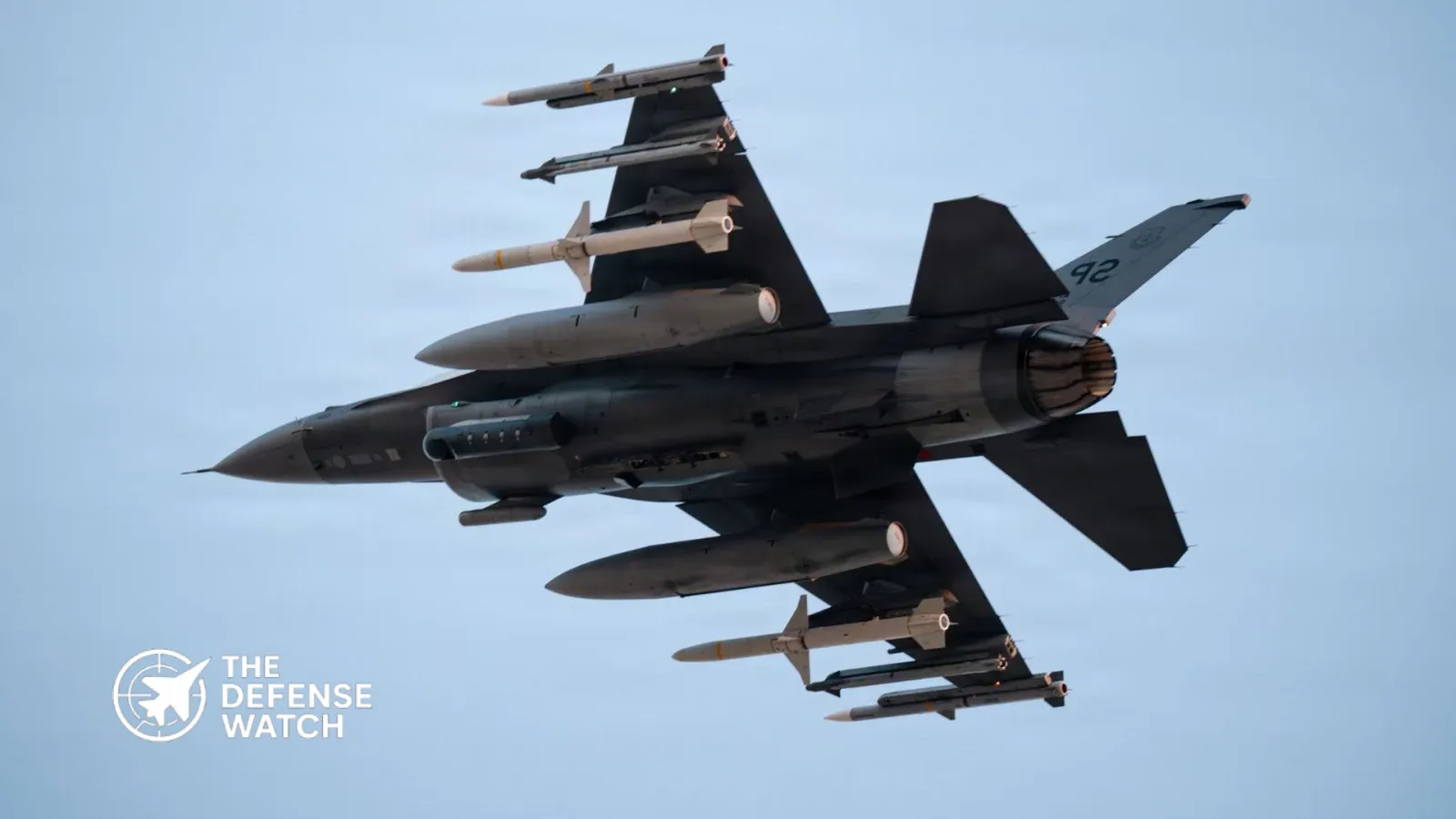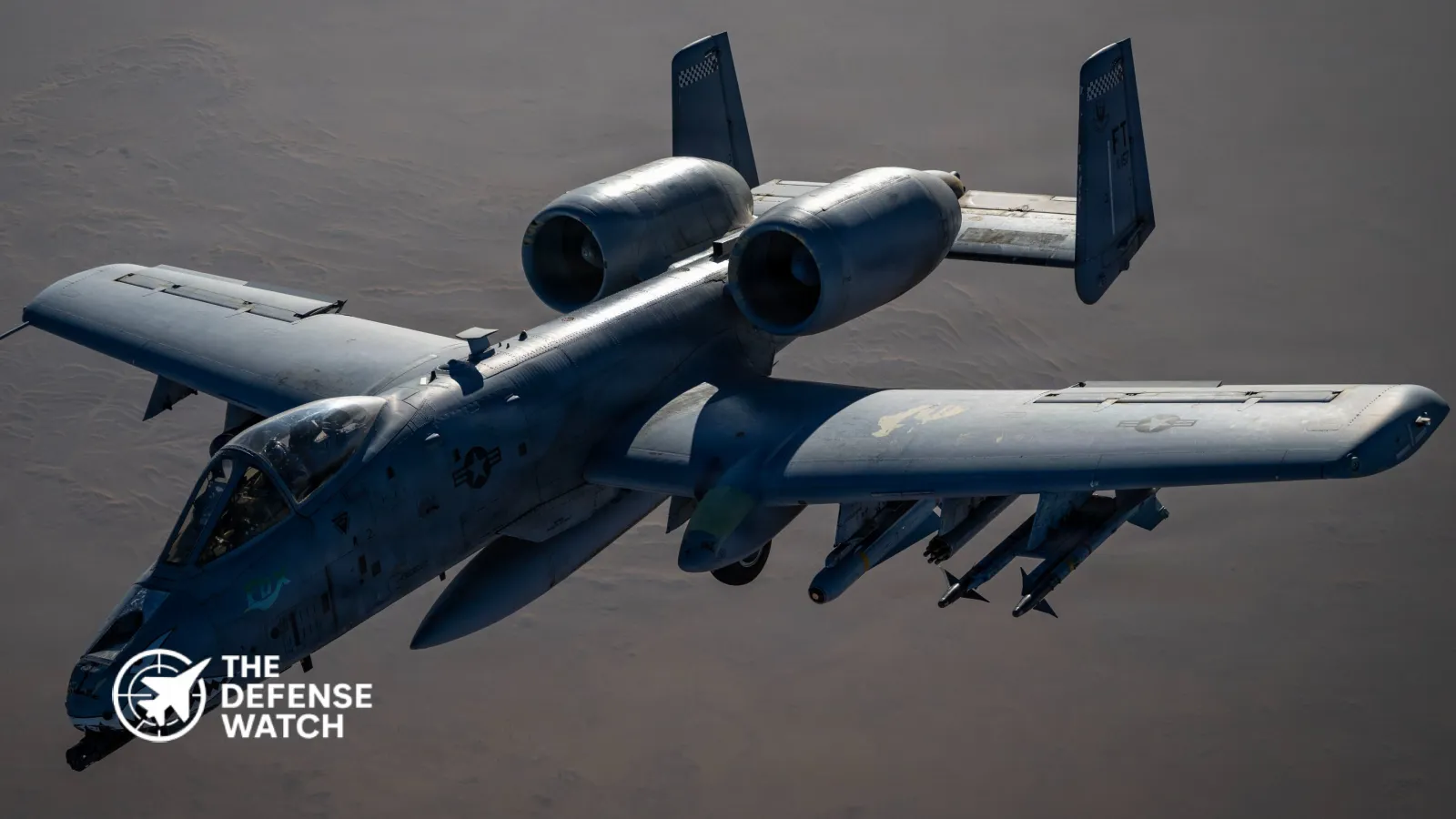
- U.S. Central Command released imagery showing armed A-10 Warthog aircraft supporting Operation Epic Fury.
- The aircraft were observed carrying air-to-ground weapons including AGM-65 Maverick missiles and guided rockets.
- The deployment highlights the role of persistent close air support platforms in the campaign against Iranian military targets.
- Operation Epic Fury began February 28, 2026 and involves extensive U.S. and allied air and naval assets.
- The operation targets Iran’s missile infrastructure, command centers, and naval forces.
A-10 Warthog Supports Operation Epic Fury Against Iran
The A-10 Warthog Operation Epic Fury mission has entered public view after U.S. Central Command released imagery showing armed A-10 Thunderbolt II attack aircraft operating in support of the ongoing campaign against Iran. The aircraft were photographed refueling in flight while carrying combat loadouts, underscoring their role in sustained air operations over the region.
CENTCOM published the imagery on its official social media channels, highlighting the aircraft’s ability to remain on station for extended periods while providing rapid-response strike capability. The disclosure confirms that the U.S. Air Force’s iconic close air support platform continues to play a role in the expanding military operation launched in late February.
Operation Epic Fury began on February 28, 2026, as a large-scale U.S. led campaign targeting Iranian military infrastructure considered to pose an imminent threat to regional security. The operation combines air strikes, maritime operations, electronic warfare, and missile defense activities across the broader Middle East theater.
The Big Picture
Operation Epic Fury represents one of the most complex U.S. military campaigns in the Middle East in recent years. The operation integrates stealth bombers, advanced fighter aircraft, electronic warfare platforms, drones, and naval strike assets in a coordinated effort to degrade Iran’s military capabilities.

U.S. Central Command has confirmed the use of a broad range of systems including B-2 and B-1 bombers, F-22 and F-35 stealth fighters, F-15 and F-16 tactical aircraft, A-10 attack jets, and MQ-9 Reaper drones. Naval forces and missile defense systems such as Patriot and THAAD are also involved in the broader operational architecture.
This combination reflects a layered approach to modern air warfare. Stealth aircraft and electronic attack platforms suppress air defenses, while conventional fighters and attack aircraft sustain pressure on targets once the most dangerous defenses are neutralized.
Within that structure, the A-10 Warthog fills a specialized but still important operational niche.
What’s Happening
CENTCOM imagery released in March 2026 shows an armed A-10 Thunderbolt II operating in support of Operation Epic Fury. The aircraft was photographed during an aerial refueling sequence, a routine procedure that extends its endurance during combat operations.
The visible loadout suggests a multi role configuration. Weapons reportedly include AGM-65 Maverick air to ground missiles and precision guided rockets, along with short range air to air missiles for self defense. This configuration allows the aircraft to engage a range of targets including vehicles, mobile missile launchers, and lightly defended infrastructure.
The A-10’s presence in the campaign highlights its ability to remain over a battlefield for extended periods. Unlike high performance fighters designed primarily for short strike missions, the Warthog can loiter for hours while providing armed overwatch for ground forces or strike opportunities.
The broader campaign has already targeted Iranian command centers, ballistic missile facilities, air defense systems, and naval assets. Early phases of the operation reportedly struck multiple vessels and key elements of Iran’s military command structure.
Why It Matters
The use of the A-10 Warthog in Operation Epic Fury illustrates the continued relevance of specialized close air support aircraft in modern conflicts.
Despite decades of technological evolution in stealth aviation and precision strike capabilities, many combat scenarios still require persistent air presence rather than high speed strike missions. The A-10 was designed precisely for that mission profile.
Its ability to fly slowly at low altitude, identify targets visually, and deliver precise firepower makes it particularly effective against dispersed or mobile targets. These include vehicle convoys, missile launchers, or irregular ground units that may not be easily engaged by long range precision weapons.
In the context of the Iran campaign, such capabilities are especially valuable for targeting mobile missile systems or logistics movements after the initial wave of strategic strikes has degraded major infrastructure.
The aircraft also carries the GAU-8 Avenger 30 mm cannon, one of the most powerful aircraft mounted guns ever fielded, designed to destroy armored vehicles and hardened targets.
Strategic Implications
The A-10 Warthog Operation Epic Fury deployment demonstrates how the United States continues to combine legacy platforms with advanced systems in modern combat operations.
Stealth bombers and fifth generation fighters open access to heavily defended airspace. Once those defenses are suppressed, aircraft such as the A-10 provide sustained pressure against remaining targets.
This layered strategy maximizes operational efficiency. High end stealth aircraft focus on the most heavily defended or strategically important targets, while lower cost platforms conduct follow on missions and battlefield persistence.
For the United States, this approach also reduces operational costs. Using an A-10 for certain strike missions can be significantly cheaper than deploying a stealth fighter for the same target set.
Competitor View
Iran and other potential adversaries closely watch the composition of U.S. air operations in campaigns such as Operation Epic Fury.
From a strategic perspective, the presence of A-10 aircraft signals that the United States believes it has achieved at least partial air superiority in portions of the battlespace. The A-10 is most effective when advanced surface to air threats are limited or suppressed.
For Iran’s military planners, this development likely indicates that key elements of their integrated air defense network have been degraded by earlier strikes from stealth aircraft, cruise missiles, and electronic warfare systems.
Other strategic competitors, including Russia and China, analyze such operations for lessons in how the United States integrates different aircraft types in large scale air campaigns.
What To Watch Next
The next phase of Operation Epic Fury will likely focus on sustained strike operations against remaining Iranian military capabilities.
Key indicators to monitor include:
• Expanded use of unmanned systems for persistent surveillance and strike
• Follow on strikes targeting mobile missile launchers
• Additional carrier air wing operations in the region
• Continued aerial refueling operations supporting long duration missionsAs the campaign evolves, the U.S. military may adjust the mix of aircraft involved depending on threat levels and mission requirements.
Capability Gap
The deployment of A-10 aircraft also highlights a persistent capability gap in many modern air forces: affordable, long endurance close air support platforms.
While fifth generation fighters offer unmatched stealth and sensor capabilities, they are expensive to operate and not optimized for extended loiter missions over ground battlefields.
The A-10 was specifically designed to fill that role. Its survivability features, including armor around the cockpit and redundant systems, allow it to operate in contested environments where other aircraft might face greater risk.
However, the platform also has limitations. It lacks stealth characteristics and remains vulnerable to advanced air defense systems if those systems are fully operational.
For this reason, the aircraft typically operates only after the most dangerous threats have been suppressed.
The Bottom Line
The A-10 Warthog Operation Epic Fury deployment highlights how the United States continues to rely on a layered mix of advanced and legacy aircraft to sustain air dominance and precision strike capability in modern conflicts.
¦ KEY FACTS AT A GLANCE- Six U.S. Air Force Airmen were killed when a KC-135 tanker aircraft crashed in western Iraq on March 12, 2026.
- The crew was supporting Operation Epic Fury, an ongoing U.S. military operation in the region.
- Three Airmen were assigned to the 6th Air Refueling Wing at MacDill Air Force Base in Florida.
- Three others served with the 121st Air Refueling Wing at Rickenbacker Air National Guard Base in Ohio.
- U.S. defense officials say the cause of the KC-135 crash remains under investigation.
Six Airmen Killed In KC-135 Crash During Operation Epic Fury
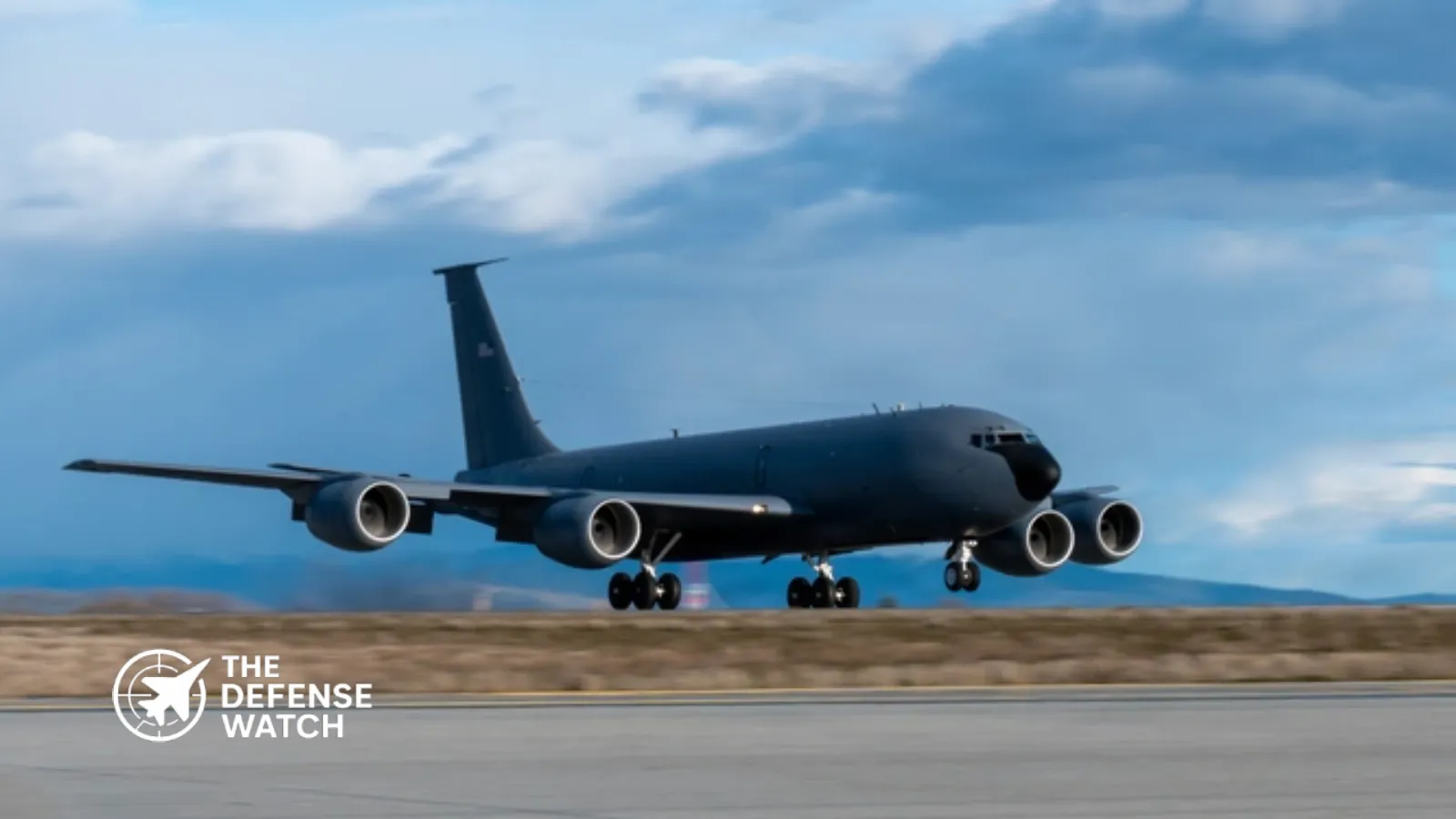
The United States Department of Defense has confirmed that six Air Force Airmen were killed after a KC-135 Stratotanker crashed in western Iraq while supporting Operation Epic Fury.
According to the Pentagon, the fatal incident occurred on March 12, 2026. The tanker aircraft went down during a mission connected to ongoing U.S. military operations in the region. Officials said the cause of the crash remains under investigation.
The KC-135 crash Iraq incident represents one of the deadliest U.S. Air Force aviation losses in the Middle East in recent years.
Airmen Identified By Defense Department
The Department of Defense identified the six Airmen who died in the crash.
Those assigned to the 6th Air Refueling Wing at MacDill Air Force Base in Florida were:
- John A. Klinner, Major, age 33, Auburn, Alabama
- Ariana G. Savino, Captain, age 31, Covington, Washington
- Ashley B. Pruitt, Technical Sergeant, age 34, Bardstown, Kentucky
Three other Airmen were assigned to the 121st Air Refueling Wing at Rickenbacker Air National Guard Base in Columbus, Ohio:
- Seth R. Koval, Captain, age 38, Mooresville, Indiana
- Curtis J. Angst, Captain, age 30, Wilmington, Ohio
- Tyler H. Simmons, Technical Sergeant, age 28, Columbus, Ohio
Defense officials said all six were deployed in support roles tied to Operation Epic Fury when the KC-135 crash Iraq incident occurred.
Role Of The KC-135 In U.S. Military Operations
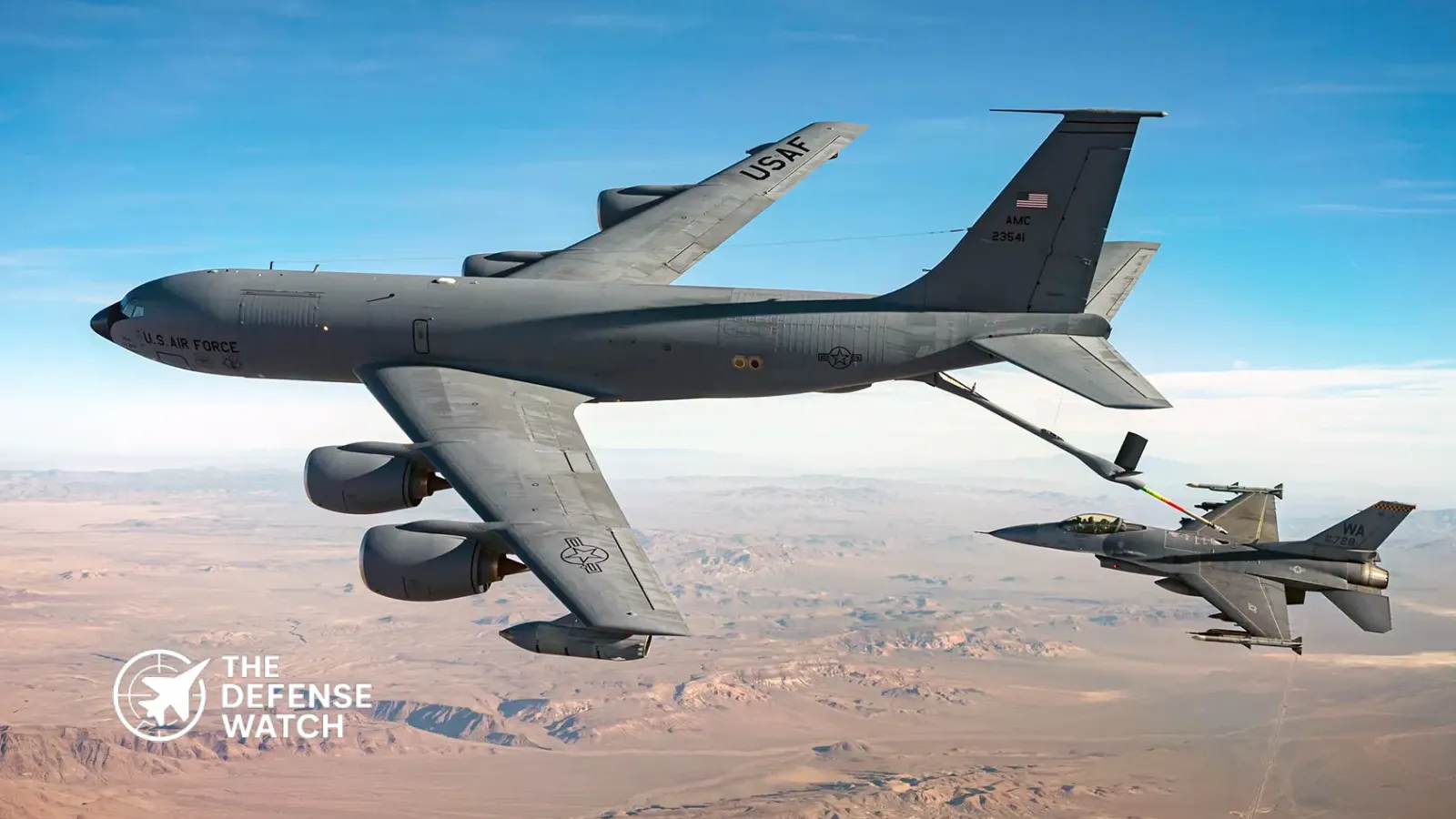
The KC-135 Stratotanker remains one of the backbone aircraft in the U.S. Air Force aerial refueling fleet. Introduced in the late 1950s, the tanker enables U.S. and allied aircraft to remain airborne for extended missions by providing midair refueling.
KC-135 aircraft routinely support a wide range of missions including:
- Combat air patrols
- Long range bomber missions
- Intelligence and surveillance flights
- Coalition operations across the Middle East
Aircraft from both the 6th Air Refueling Wing and the 121st Air Refueling Wing frequently deploy to forward operating locations to sustain U.S. and allied aircraft operating over Iraq and Syria.
Air refueling tankers are considered critical enablers of modern air operations. Without them, many strike aircraft would be limited by range, especially in large operational theaters such as the Middle East.
Operation Epic Fury And Regional Operations
Operation Epic Fury has involved U.S. air and support forces operating in the region as part of broader security missions tied to counterterrorism, force protection, and regional stability.
While details of the mission linked to the KC-135 crash Iraq incident have not been publicly released, tanker aircraft often fly high tempo support missions in the region. These include refueling fighter jets, intelligence aircraft, and coalition partners.
Military analysts note that aerial refueling operations often involve complex coordination between multiple aircraft, airspace management authorities, and ground command centers. Tankers frequently operate for long durations and across large distances, which can increase operational strain on both aircraft and crews.
Investigation Underway
The U.S. Air Force has launched a formal investigation into the crash to determine what led to the loss of the aircraft and crew.
Standard procedure following major aviation accidents includes recovery of flight data systems, review of maintenance records, mission planning data, and crew communications. Investigators will also analyze environmental factors such as weather conditions and operational flight parameters.
Officials have not released information about the crash location or whether debris recovery operations are ongoing in western Iraq.
The Air Force typically assigns an accident investigation board to incidents involving military aircraft. Findings can take months to complete depending on the complexity of the crash and recovery conditions.
Strategic Impact Of The Loss
Although aerial refueling tankers are designed with extensive safety systems, accidents involving large military aircraft remain rare but high impact events.
The KC-135 crash Iraq incident highlights the risks faced by aircrews supporting deployed operations, particularly in regions where aircraft must operate continuously to sustain combat and surveillance missions.
For the U.S. Air Force, tanker fleets remain essential to global force projection. The service is gradually modernizing its refueling capability with newer aircraft such as the Boeing KC-46 Pegasus, though hundreds of KC-135 aircraft remain in active service.
The loss of six Airmen underscores the human cost behind sustaining global air operations.
¦ KEY FACTS AT A GLANCE- A US Air Force KC-135 Stratotanker crashed in western Iraq on March 12, 2026 while supporting Operation Epic Fury.
- US Central Command confirmed two aircraft were involved in the incident, with one tanker lost and another landing safely.
- Officials stated the crash occurred in friendly airspace and was not caused by hostile or friendly fire.
- Search and rescue operations were launched for the crew as the Pentagon investigates the cause of the incident.
- The loss highlights the operational risks facing aerial refueling forces supporting high tempo combat operations.
KC-135 Tanker Crash In Iraq
The KC-135 tanker crash in Iraq occurred on March 12, 2026 when a US Air Force aerial refueling aircraft supporting Operation Epic Fury went down in western Iraq during a mission linked to ongoing military operations against Iran.
US Central Command confirmed that two aircraft were involved in the incident and that one KC-135 Stratotanker was lost while the second aircraft landed safely. Officials emphasized the crash took place in friendly airspace and was not caused by hostile or friendly fire. Rescue efforts were launched to locate the crew while investigators began assessing what led to the accident.
The Big Picture
The KC-135 tanker crash in Iraq comes during an intense phase of US air operations in the Middle East tied to the broader campaign against Iran. Operation Epic Fury has involved large scale deployments of US aircraft, naval assets, and personnel across the region.
Aerial refueling aircraft are a central component of these operations. Tankers allow strike fighters, bombers, surveillance aircraft, and electronic warfare platforms to remain airborne for extended periods, enabling long range missions and sustained combat sorties.
The US Air Force relies heavily on the KC-135 fleet for this mission. First introduced in the late 1950s, the aircraft remains one of the backbone platforms of US aerial refueling operations, supporting combat missions across multiple theaters worldwide.
High sortie rates during large scale operations place significant demands on tanker units. Aircraft must often fly multiple missions per day while coordinating with numerous receivers such as fighters and bombers operating across wide geographic areas.
What’s Happening
US Central Command confirmed that the tanker crash occurred during a sortie connected to Operation Epic Fury.
Officials stated that:
Two aircraft were involved in the incident.
One KC-135 tanker went down in western Iraq.
The second aircraft landed safely after the event.Initial statements from CENTCOM stressed that the accident did not result from hostile action or friendly fire.
Authorities have not publicly disclosed the precise cause of the incident. Search and rescue operations were initiated shortly after the crash as military officials worked to locate and recover the crew.
The KC-135 typically carries multiple crew members depending on mission configuration, including pilots and a boom operator responsible for controlling the refueling system.
Why It Matters
The KC-135 tanker crash in Iraq highlights the operational importance and inherent risk associated with aerial refueling missions.
Mid air refueling remains one of the most complex and demanding tasks in military aviation. Tankers must maintain extremely precise flight paths while receiver aircraft maneuver within close proximity to connect to the refueling boom.
These operations frequently occur at night, over long distances, and in congested operational environments involving multiple aircraft.
During high intensity campaigns such as Operation Epic Fury, the number of refueling sorties increases dramatically. Tankers become essential enablers for combat aircraft conducting strike missions, intelligence flights, and air defense patrols.
A loss of a tanker aircraft therefore represents more than an aviation accident. It directly affects operational capacity and sortie generation across the entire air campaign.
Strategic Implications
Aerial refueling assets represent one of the most critical enablers of US global airpower. Tankers extend the reach of combat aircraft and allow the United States to project force far beyond the range of forward bases.
Operations connected to the conflict with Iran rely heavily on this capability. Fighters and bombers often operate from distant bases or aircraft carriers, requiring multiple refueling cycles to complete long range strike missions.
The KC-135 tanker crash in Iraq therefore underscores the central role these aircraft play in sustaining US air operations in the Middle East.
Even a single aircraft loss can temporarily reduce available refueling capacity, particularly during periods of sustained combat operations.
The incident also highlights the logistical complexity of modern air campaigns. Tanker scheduling, airspace management, and mission coordination must function seamlessly to support dozens of aircraft operating simultaneously across large regions.
Competitor View
Strategic competitors will closely monitor operational incidents such as the KC-135 tanker crash in Iraq.
Iran and allied regional militias are likely to examine the event for indications of operational strain within the US air campaign. Even accidents unrelated to hostile action can influence perceptions of operational sustainability.
Russia and China also track US tanker operations closely. Both countries have invested heavily in long range strike capabilities and aerial refueling fleets to replicate similar expeditionary airpower capabilities.
Operational mishaps therefore provide insight into the complexity and demands associated with sustaining global air operations.
What To Watch Next
Investigators from the US Air Force and US Central Command will conduct a detailed accident investigation to determine the cause of the crash.
Key factors that investigators typically examine include:
Aircraft mechanical performance
Crew actions and procedures
Flight data and communications
Environmental conditions
Interaction between aircraft involved in the incidentAdditional details about the aircraft, crew status, and operational context are expected to emerge as recovery operations continue.
The Pentagon may also review tanker mission procedures or operational tempo if the investigation identifies contributing factors related to operational stress or coordination.
Capability Gap
The loss of a KC-135 tanker also highlights the long term transition underway within the US aerial refueling fleet.
The Air Force is gradually replacing aging KC-135 aircraft with the newer KC-46 Pegasus tanker. However, the legacy fleet continues to carry a large portion of the operational workload.
Many KC-135 aircraft remain in service despite decades of use. Although they have undergone extensive upgrades, the aircraft’s age increases maintenance demands and operational complexity.
Until the KC-46 fleet reaches full operational capacity, the KC-135 will remain a critical component of US global airpower.
The Bottom Line
The KC-135 tanker crash in Iraq underscores both the central importance and operational risk of aerial refueling aircraft that sustain US combat operations across the Middle East.
¦ KEY FACTS AT A GLANCE- Around 150 US troops wounded in Iran war during the first ten days of combat operations.
- Pentagon confirms roughly 140 injuries, with the majority classified as minor blast or impact injuries.
- Iranian missile and drone strikes have targeted US bases across the Gulf region.
- Eight service members remain seriously injured while more than 100 have already returned to duty.
- The casualty figures highlight the operational risks of sustained regional strikes during Operation Epic Fury.
US Troops Wounded In Iran War
US troops wounded in Iran war have reached roughly 150 service members, according to US officials and Pentagon statements released during the first ten days of the expanding conflict.
The Pentagon confirmed that approximately 140 US personnel have been injured since the start of the campaign against Iran, with the majority suffering minor injuries and many already returning to duty.
The injuries come amid sustained Iranian missile and drone attacks targeting American military installations across the Middle East following US and Israeli strikes inside Iran.
The Big Picture
The rising number of US troops wounded in Iran war highlights the operational reality of a regional conflict where long range missile forces, armed drones, and proxy networks can rapidly threaten dispersed US bases.
The United States maintains tens of thousands of troops across the Middle East, including in Kuwait, Saudi Arabia, Qatar, Bahrain, Iraq, and the United Arab Emirates. These forces operate from air bases, logistics hubs, and naval facilities that support US Central Command operations.
When Washington launched large scale strikes against Iranian military infrastructure under Operation Epic Fury in late February, planners expected retaliatory attacks against those regional facilities.
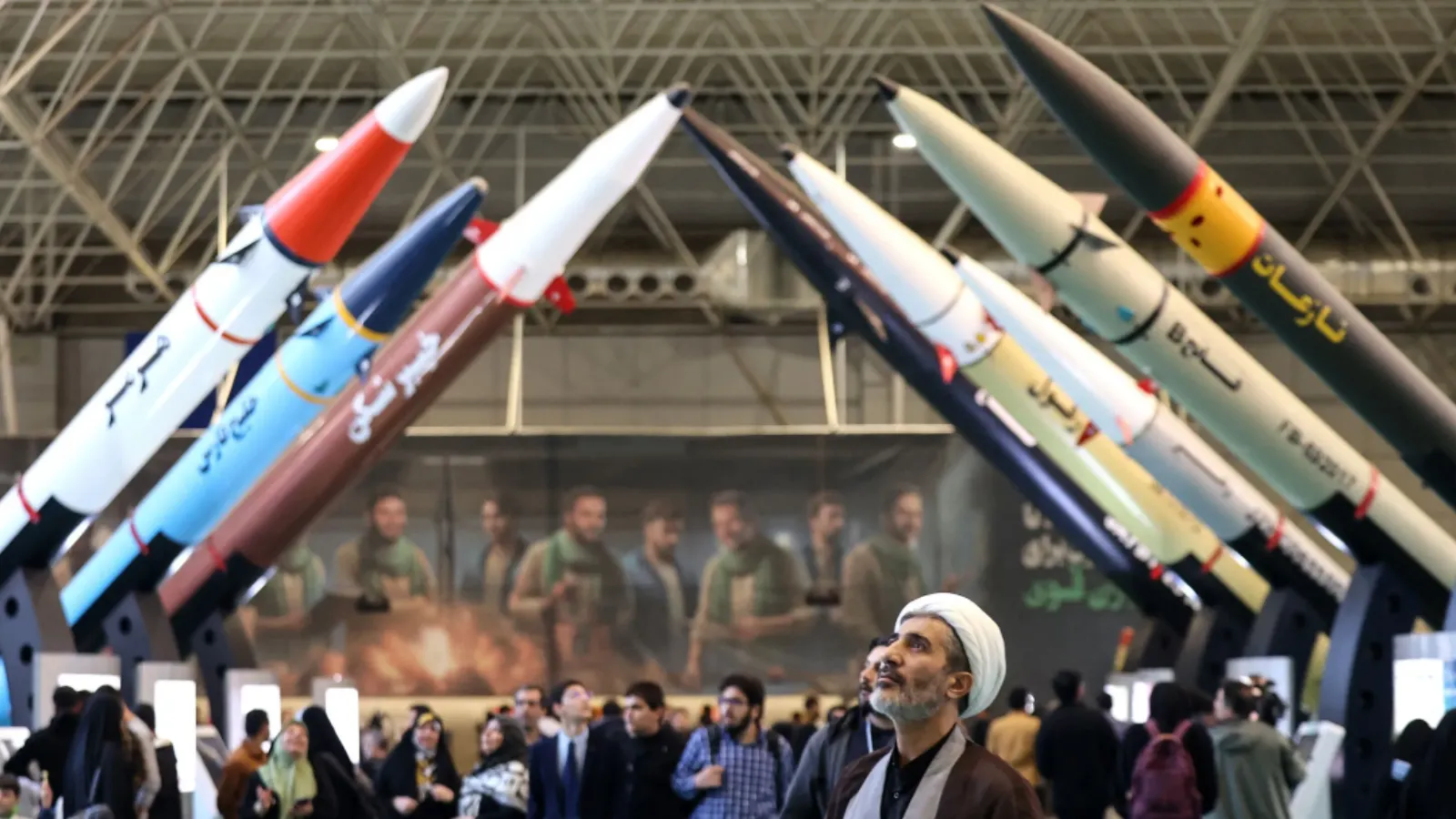
Iran has invested heavily for two decades in asymmetric retaliation capabilities designed specifically for this scenario. These include ballistic missiles, cruise missiles, armed drones, and proxy militias capable of targeting US personnel across the region.
The current casualty figures reflect how those systems are now being used in practice.
What’s Happening
Two US officials familiar with internal reporting told Reuters that up to 150 American service members have been wounded since the conflict began roughly ten days ago.
After the report emerged, the Pentagon confirmed that about 140 troops had been injured during sustained attacks against US forces.
Pentagon spokesperson Sean Parnell said the majority of the injuries were minor and that 108 personnel had already returned to duty. Eight service members remain listed as severely injured and are receiving advanced medical treatment.
The casualties come in addition to several confirmed US fatalities linked to Iranian strikes on bases in the region.
Iran has carried out missile and drone attacks against US military installations and diplomatic facilities across the Gulf since the conflict began. These strikes form part of Tehran’s response to the US led campaign targeting Iranian military assets.
US officials say the frequency of Iranian attacks has decreased following sustained American air operations against Iranian missile launchers and weapons depots.
Why It Matters
The number of US troops wounded in Iran war illustrates a key reality of modern high intensity operations in the Middle East.
Even limited air campaigns can generate significant casualties when US forces operate within range of large missile arsenals.
Iran fields one of the largest ballistic missile forces in the region. These weapons are designed to strike air bases, ports, command centers, and logistics hubs used by US forces.
Many US facilities in the region remain within range of Iranian short and medium range missiles, as well as increasingly capable drone systems.
As a result, even when the United States holds air superiority, the threat to forward deployed personnel remains persistent.
Blast injuries from near misses, shrapnel wounds, and concussive trauma are common in these environments. Defense officials have not yet disclosed the exact types of injuries sustained by the wounded personnel.
Strategic Implications
The casualty figures provide insight into how both sides are approaching the conflict.
The United States is relying heavily on airpower and long range precision strikes to degrade Iran’s military infrastructure while limiting the need for large ground deployments.
Iran, by contrast, is attempting to impose costs through distributed strikes against US forces across the region.
This strategy aligns with Tehran’s long standing doctrine of retaliatory deterrence. By threatening US bases and energy infrastructure, Iran aims to increase the political and operational costs of sustained American military action.
For US commanders, protecting personnel and maintaining operational tempo now depends heavily on missile defense systems, hardened infrastructure, and rapid damage control at regional bases.
Competitor View
Strategic competitors are closely watching the casualty trends emerging from the conflict.
China and Russia both study US operational performance in contested environments, particularly how American forces manage missile threats to forward bases.
China faces similar dynamics in the Indo Pacific, where US bases in Japan, Guam, and other locations could face missile strikes during a conflict with the People’s Liberation Army.
Military planners in Beijing and Moscow will analyze how effective US missile defenses and base protection measures prove under sustained attack.
Iran’s approach also reinforces a broader trend in modern warfare. Mid level powers increasingly rely on precision strike systems and drones to challenge technologically superior adversaries.
What To Watch Next
Several developments will shape the next phase of the conflict.
The first is the effectiveness of US strikes against Iranian missile launch infrastructure. Reducing Iran’s launch capacity could significantly decrease the threat to US bases.
The second factor is the durability of regional air and missile defense networks protecting American installations.
US Patriot batteries, naval missile defense systems, and allied defenses across the Gulf play a critical role in intercepting incoming threats.
A third factor will be the operational tempo of US air strikes inside Iran, which officials say has intensified in recent days.
Capability Gap
The current conflict highlights a long recognized vulnerability in US force posture.
Large regional bases remain attractive targets for missile forces.
Over the past decade, the US military has begun shifting toward more distributed basing and improved missile defense coverage to mitigate this risk.
However, fully protecting every facility across a vast region remains difficult.
Even with modern defenses, some incoming missiles or drones can still penetrate defenses or cause injuries through blast effects near protected areas.
The Bottom Line
The rising number of US troops wounded in Iran war underscores how modern missile and drone warfare can impose real costs on forward deployed forces even without large ground battles.
¦ KEY FACTS AT A GLANCE- Operation Epic Fury has entered its second week with expanded US air and maritime strikes inside Iran.
- US Central Command has struck more than 5,000 targets including missile launchers, drone factories, and naval assets.
- Iranian ballistic missile attacks have dropped by about 90 percent since the start of the campaign.
- US forces have destroyed more than 50 Iranian naval vessels and targeted mine laying capabilities in the Persian Gulf.
- Pentagon officials say the campaign aims to permanently prevent Iran from developing nuclear weapons.
Operation Epic Fury Intensifies As Iranian Responses Slow
Operation Epic Fury continues to expand as the United States intensifies its military strikes against Iran while Iranian missile and drone attacks decline sharply, according to senior Pentagon officials.
Speaking during a Pentagon briefing, US Secretary of War Pete Hegseth said American forces are conducting the largest wave of strikes yet in the campaign, nearly two weeks after the operation began. US military planners report that sustained strikes against Iranian missile systems, naval assets, and drone infrastructure have significantly reduced Tehran’s ability to launch retaliatory attacks.
The campaign, led by US Central Command, targets Iran’s missile stockpiles, naval forces, and defense industrial infrastructure while maintaining pressure on key military facilities across the country.
The Big Picture
The US military campaign against Iran represents one of the most significant Middle East military operations in recent years. Operation Epic Fury began in late February as Washington sought to degrade Iranian missile forces, neutralize maritime threats in the Persian Gulf, and prevent Tehran from advancing toward a nuclear weapons capability.
Unlike previous US interventions in the region, the Pentagon describes the operation as a limited but highly focused military campaign designed to eliminate specific strategic threats rather than pursue long term occupation or nation building.
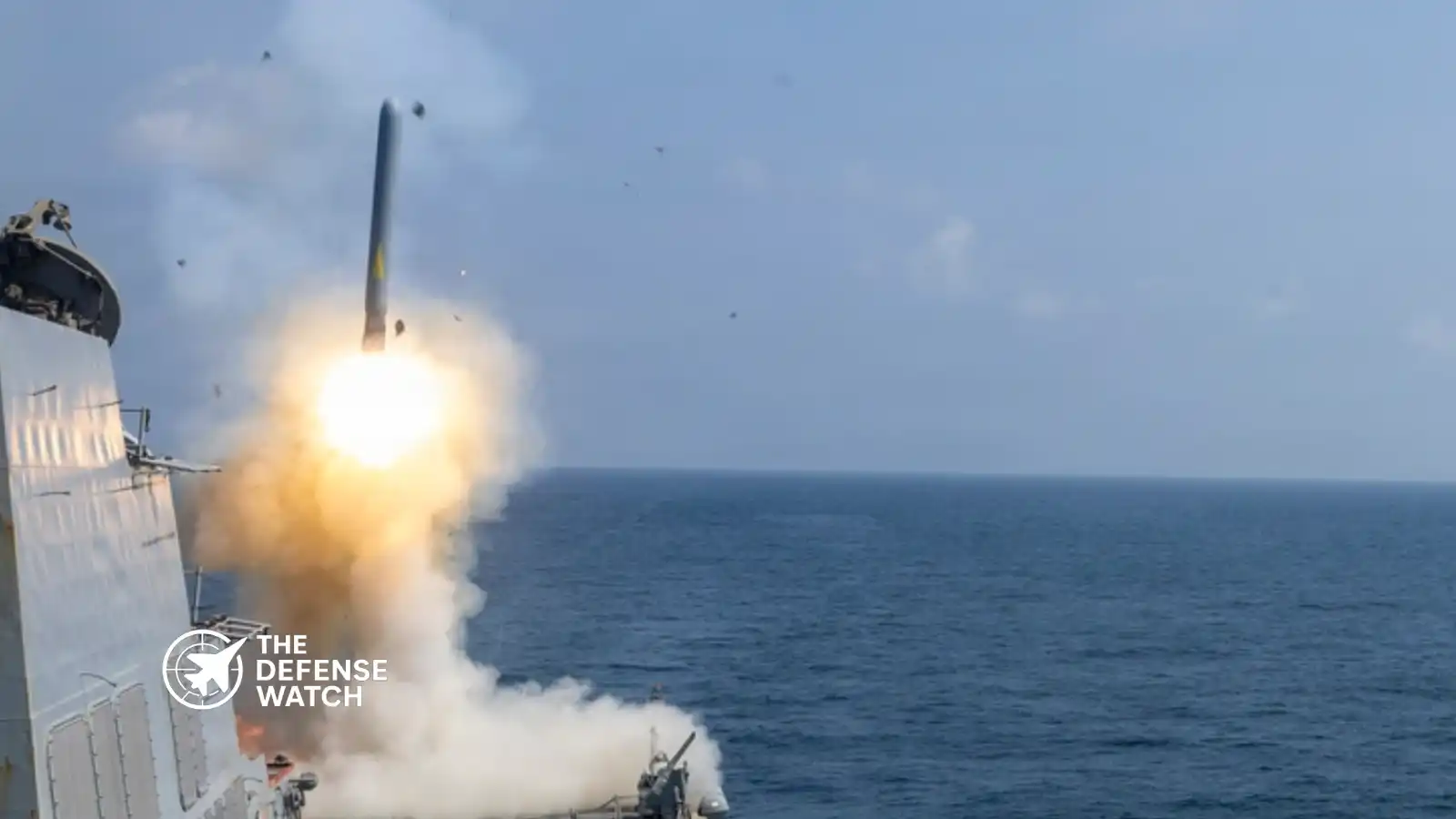
The campaign reflects broader shifts in US defense strategy. American military planning increasingly emphasizes precision strikes, rapid intelligence integration, and coordinated air and maritime operations designed to neutralize enemy capabilities quickly. These methods rely heavily on networked sensors, long range strike aircraft, and sea launched precision weapons.
The operation also underscores the growing role of coalition access and regional partnerships. According to Pentagon officials, several Middle Eastern partners have provided basing access and overflight permissions to support US strike operations.
What’s Happening
Pentagon officials say US Central Command has now struck more than 5,000 targets across Iran since the start of Operation Epic Fury. These targets include missile launch sites, underground storage facilities, drone manufacturing plants, and naval vessels operating in the Persian Gulf.
US Strategic Command bombers have also deployed large precision penetrating weapons against hardened missile facilities buried deep underground. These strikes aim to destroy launch infrastructure that could threaten US forces and regional allies.
Air Force Gen. Dan Caine, chairman of the Joint Chiefs of Staff, said US forces have made substantial progress against Iran’s naval capabilities as well. American forces have destroyed more than 50 Iranian naval vessels, including a drone carrier ship and several mine laying platforms.
US naval and air assets continue to hunt Iranian vessels capable of mining key shipping lanes in the Persian Gulf.
At the same time, US air defense systems and allied forces have intercepted a growing number of Iranian drones and missiles across the region.
Why It Matters
The declining rate of Iranian missile attacks suggests the campaign is successfully targeting Iran’s operational strike network.
According to US military officials, ballistic missile attacks launched from Iran have dropped roughly 90 percent since the beginning of Operation Epic Fury. One way attack drone strikes have also decreased by about 83 percent.
These reductions indicate that US strikes are likely destroying not only missile launchers but also the logistics systems that sustain Iran’s strike capabilities.
Iran’s military strategy has long relied on a layered approach built around ballistic missiles, drones, and naval disruption operations. By targeting these systems simultaneously, US forces are attempting to break the operational link between missile launch sites, production facilities, and command networks.
This approach mirrors recent US operational doctrine that prioritizes early destruction of enemy strike networks in order to protect forward bases and maritime supply routes.
Strategic Implications
The outcome of Operation Epic Fury could reshape regional deterrence dynamics in the Middle East.
Iran has invested heavily in missile forces and naval asymmetric warfare capabilities as a counterweight to the conventional superiority of US and allied militaries. Destroying large portions of that infrastructure could significantly weaken Tehran’s ability to threaten Gulf shipping lanes or regional military bases.
The campaign also highlights the strategic importance of air dominance. Pentagon officials say US forces currently operate with near total air superiority, enabling sustained strikes against Iranian targets while limiting exposure to Iranian defenses.
If these conditions persist, the US military could continue degrading Iran’s defense industrial base and naval forces without committing large ground formations.
Competitor View
Iran and other US strategic competitors will likely interpret the campaign through the lens of modern high intensity warfare.
Tehran has historically relied on proxy groups and irregular tactics to offset conventional weaknesses. However, Pentagon officials say many Iranian proxy organizations have remained largely inactive during the conflict so far.
China and Russia will closely study the campaign’s operational methods. Both countries have invested heavily in missile forces and anti access systems designed to challenge US air power.
The ability of US forces to quickly neutralize missile infrastructure and naval assets may influence how these countries evaluate the survivability of their own military systems in future conflicts.
What To Watch Next
Several developments will determine the next phase of the campaign.
First, US Central Command continues to target Iranian naval assets involved in mine warfare operations in the Persian Gulf. Securing maritime routes through the Strait of Hormuz remains a major operational priority.
Second, continued strikes against Iranian missile infrastructure may further reduce Tehran’s ability to conduct retaliatory attacks.
Finally, political decisions in Washington will determine the overall duration and scope of Operation Epic Fury.
Pentagon officials emphasize that the campaign has clearly defined objectives and is not intended to evolve into a long term occupation.
Capability Gap
Operation Epic Fury targets a specific capability gap that has challenged US forces in the Middle East for decades.
Iran’s large arsenal of ballistic missiles, cruise missiles, and drones has long posed a major threat to US bases and allied infrastructure across the region. These weapons allow Tehran to threaten shipping routes and regional energy infrastructure without engaging in direct conventional conflict.
By targeting missile production facilities, launch systems, and drone factories simultaneously, US forces aim to dismantle the operational ecosystem that sustains Iran’s strike capability.
However, limitations remain. Iran retains dispersed missile forces and underground facilities that may survive early strikes. Rebuilding industrial capacity could also occur over time if the conflict ends without long term restrictions.
The Bottom Line
Operation Epic Fury demonstrates how sustained precision strikes can rapidly degrade missile, drone, and naval threats while reshaping regional military deterrence.
KEY FACTS AT A GLANCE- U.S. Air Force B-52 strategic bombers launched long-range strikes on Iranian missile infrastructure during Operation Epic Fury.
- Aircraft employed AGM-158 JASSM precision cruise missiles to strike targets from outside heavily defended airspace.
- Strikes targeted Iranian ballistic missile facilities and command and control nodes.
- The operation forms part of a broader U.S. and Israeli campaign against Iranian military infrastructure.
- Long-range bomber operations demonstrate the U.S. ability to conduct stand-off precision strikes across the Middle East.
US Deploys B-52 Bombers With JASSM Cruise Missiles Against Iranian Missile Sites
The United States deployed B-52 bombers with JASSM cruise missiles to strike Iranian missile sites as part of the expanding air campaign known as Operation Epic Fury. U.S. Central Command confirmed that the long-range bombers targeted ballistic missile infrastructure and command and control facilities linked to Iran’s military operations.
The strikes form part of a broader U.S. and allied effort aimed at degrading Tehran’s ability to coordinate and launch missile attacks across the region. American forces have carried out hundreds of precision strikes during the campaign, targeting missile storage sites, radar installations, air defenses, and drone facilities.
The Big Picture
Operation Epic Fury represents one of the most significant U.S. military operations in the Middle East in years. The campaign combines airpower, long-range missiles, electronic warfare, and allied coordination to dismantle Iranian military capabilities tied to ballistic missile operations.
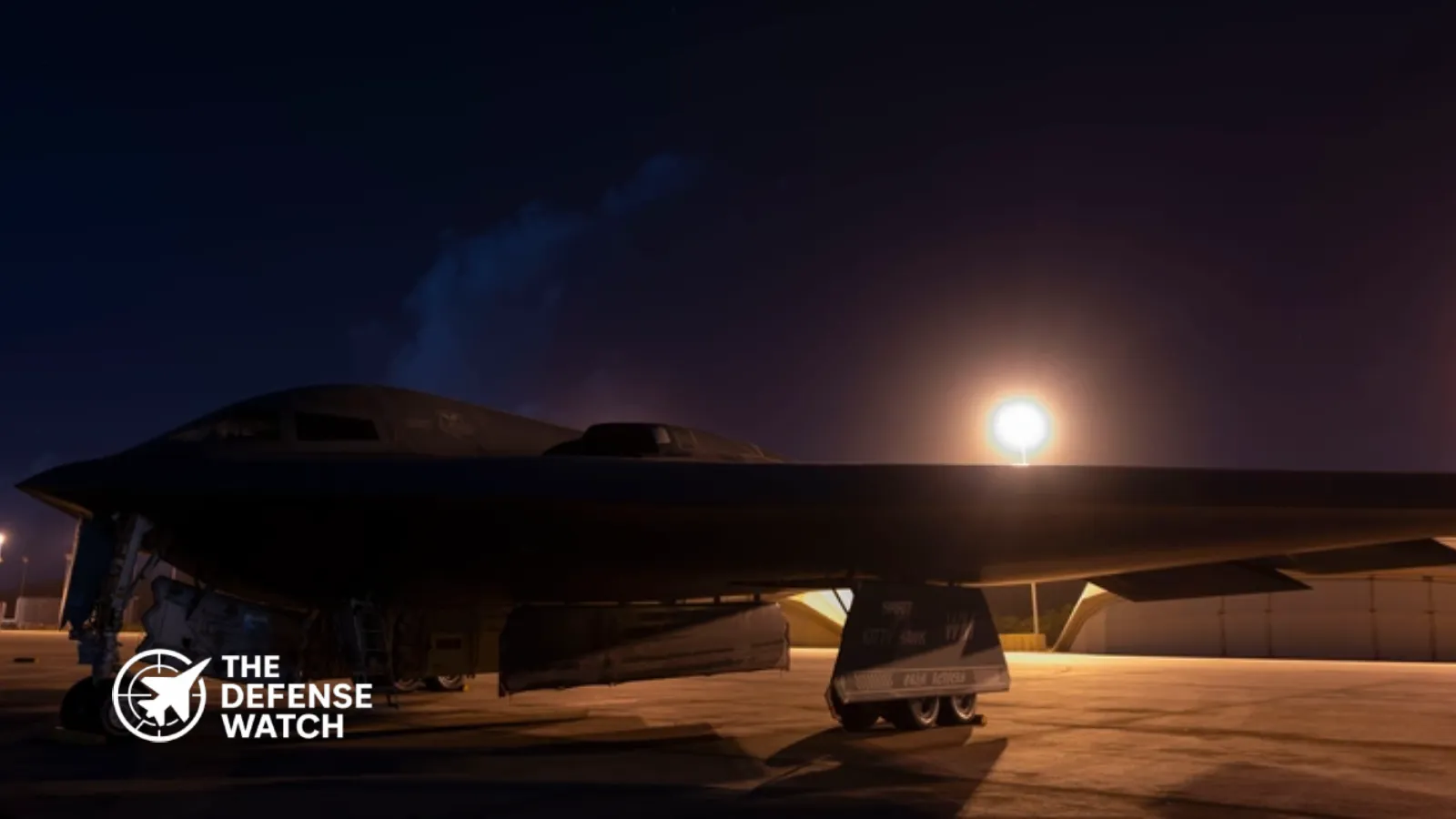
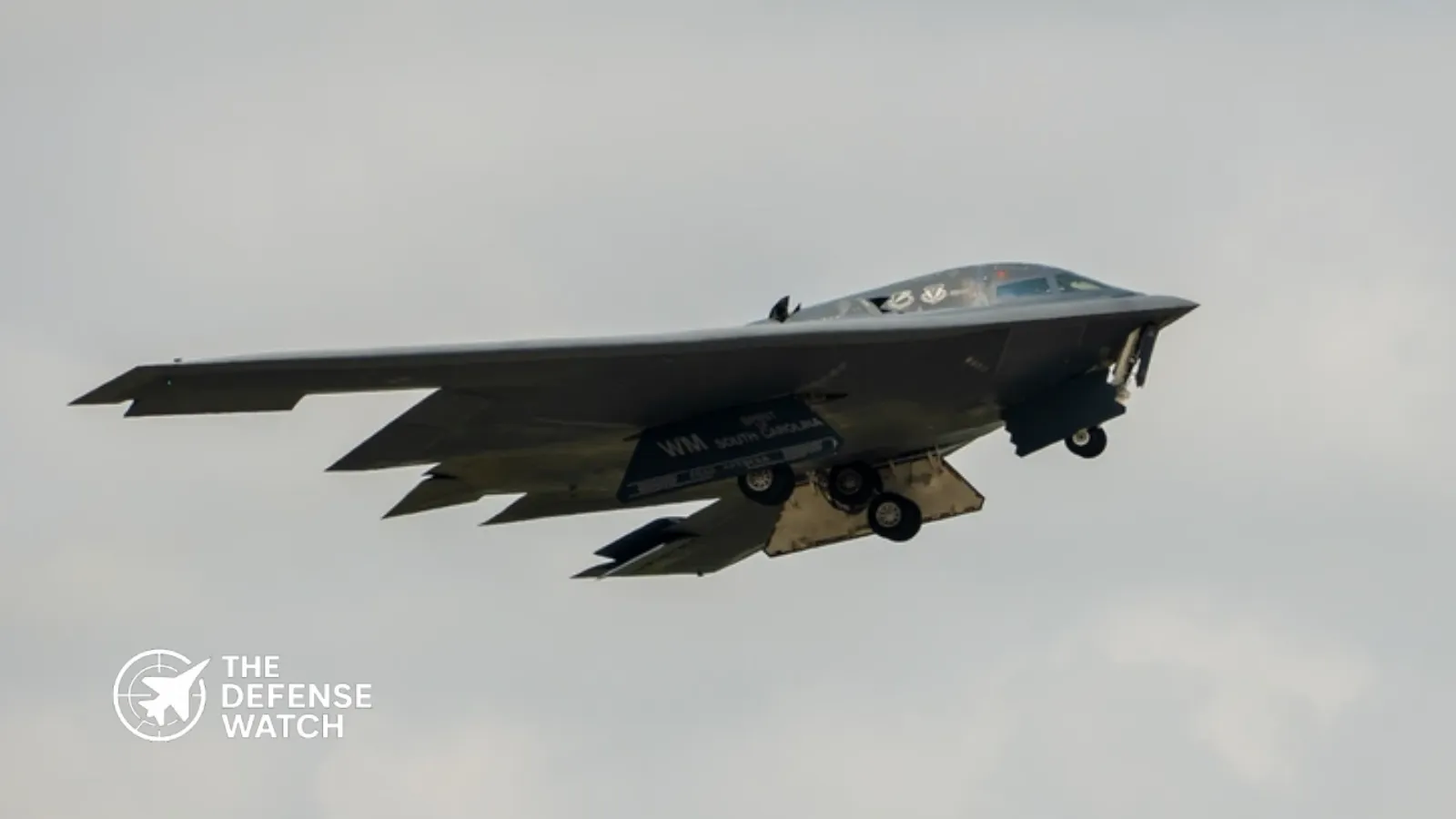
U.S. planners appear to be pursuing a layered strike strategy. Stealth platforms such as B-2 bombers conduct deep penetration attacks on hardened facilities, while older but highly capable bombers like the B-52 deliver stand-off weapons from outside contested airspace.
This approach reflects the U.S. military’s modern doctrine for high-intensity operations against advanced air defense networks. Rather than relying on a single platform, commanders combine stealth aircraft, cruise missiles, and electronic warfare to gradually dismantle enemy defenses before striking key infrastructure.
What Is Happening
U.S. Air Force B-52 Stratofortress bombers carried out long-range strike missions against Iranian missile facilities during the opening phases of the campaign.
The aircraft launched AGM-158 Joint Air-to-Surface Standoff Missiles, commonly known as JASSM. These stealthy cruise missiles allow bombers to attack targets hundreds of kilometers away while remaining outside the reach of many air defense systems.
Military officials said the targets included ballistic missile launch infrastructure, weapons storage locations, and command networks used by Iranian forces to coordinate missile operations.
The B-52 remains one of the most enduring platforms in the U.S. bomber fleet. First flown in the early 1950s, the aircraft continues to perform conventional strike missions worldwide and may remain in service for decades due to continuous modernization.
Why It Matters
Iran’s ballistic missile arsenal is one of the largest and most capable in the Middle East. Tehran relies heavily on missile forces as a key element of its deterrence strategy against regional rivals and U.S. forces deployed in the region.
Targeting missile infrastructure therefore serves a clear operational purpose. By degrading launch facilities and command networks, U.S. planners aim to reduce Iran’s ability to conduct large scale missile strikes against regional bases, shipping lanes, and allied countries.
The use of stand-off cruise missiles also reflects a practical military consideration. B-52 bombers are large aircraft with a significant radar signature. Rather than entering heavily defended airspace, they employ long-range precision weapons that allow them to strike from safer distances.
Strategic Implications
The deployment of B-52 bombers with JASSM cruise missiles highlights how the United States integrates legacy aircraft into modern networked warfare.
Despite its age, the B-52 remains highly effective when paired with modern weapons. The aircraft can carry large numbers of precision cruise missiles, effectively functioning as a long-range missile truck capable of striking multiple targets in a single mission.
For U.S. Central Command, this capability provides a powerful option for suppressing enemy infrastructure early in a conflict. Large bomber formations can launch dozens of cruise missiles simultaneously, overwhelming air defense systems and destroying dispersed targets.
The strikes also reinforce Washington’s broader message of military reach. Strategic bombers can deploy from bases thousands of kilometers away and still conduct precision attacks across the Middle East.
Competitor View
Iranian military planners view long-range bomber strikes as a major threat to their strategic missile infrastructure.
Iran has invested heavily in layered air defenses, underground facilities, and mobile launch systems to complicate enemy targeting. However, stand-off weapons such as JASSM reduce the effectiveness of these defenses because the launch platform does not need to penetrate the air defense network.
Russia and China will likely analyze these operations closely. Both countries maintain extensive air defense systems and rely on hardened infrastructure to protect critical military assets. Observing how the United States combines stealth bombers, cruise missiles, and electronic warfare offers insight into American strike doctrine against heavily defended targets.
Capability Gap
Iran’s missile forces rely on fixed infrastructure for storage, coordination, and logistics. Even though mobile launchers exist, command centers and supply networks remain vulnerable to precision strikes.
The use of long-range cruise missiles directly targets this vulnerability. Destroying command and control nodes can disrupt launch coordination, slow operational tempo, and reduce the effectiveness of missile forces.
However, such strikes rarely eliminate an entire missile program. Mobile launchers, underground facilities, and dispersed infrastructure can allow Iran to continue operations even after significant damage to its network.
What To Watch Next
Military analysts will closely watch several developments as the campaign continues.
First, additional bomber deployments could expand the scale of stand-off missile strikes against Iranian infrastructure.
Second, the U.S. may shift toward more direct strikes once air defenses are sufficiently degraded. Stealth aircraft, tactical fighters, and drones could then operate more freely over Iranian territory.
Third, Iranian responses will shape the next phase of the conflict. Tehran may attempt retaliatory missile launches or asymmetric attacks through regional proxy forces.
The Bottom Line
The use of B-52 bombers armed with JASSM cruise missiles highlights the U.S. strategy of combining long-range stand-off weapons with strategic bombers to dismantle Iran’s missile infrastructure while minimizing risk to aircraft and crews.
KEY FACTS AT A GLANCE- Operation Epic Fury began on Feb. 28 under U.S. Central Command to target Iranian military infrastructure.
- U.S. strikes focus on missile launch sites, drone bases, naval forces, and command networks.
- Pentagon officials say the United States has sufficient munitions and resources to sustain operations.
- Early strikes targeted more than 1,000 sites in Iran during the opening phase of the campaign.
- The operation aims to eliminate Iran’s missile capabilities and prevent future nuclear weapon development.
Operation Epic Fury Signals Sustained U.S. Military Commitment
Operation Epic Fury remains a central element of the current U.S. military campaign against Iran, with Pentagon leaders emphasizing that American forces have both the resources and resolve to sustain the mission.
Speaking during a briefing at U.S. Central Command headquarters in Tampa, Florida, U.S. Secretary of War Pete Hegseth said Iran would be mistaken to assume that the United States lacks the ability or willingness to continue the operation. He stressed that American forces possess sufficient munitions, logistical support, and operational capacity to execute the mission.
The operation, launched under the direction of the U.S. president, targets Iran’s missile infrastructure, naval capabilities, and other elements of its military apparatus considered a threat to U.S. forces and regional allies.
The Big Picture
Operation Epic Fury reflects a major escalation in U.S. military action in the Middle East and represents one of the largest American combat operations in the region in recent years.
The campaign fits into a broader U.S. strategy focused on countering Iranian missile and drone capabilities while maintaining deterrence across the Gulf region. Iranian ballistic missile programs and drone warfare capabilities have become central tools in Tehran’s regional military strategy, allowing the country to threaten U.S. bases and allied infrastructure across the Middle East.
From Washington’s perspective, the campaign aims to dismantle the military systems that support Iran’s long range strike capabilities and reduce the threat they pose to regional stability.

US Air Force B-52H Stratofortress bomber The operation also demonstrates the continued role of U.S. Central Command as the primary operational headquarters for American forces across the Middle East.
What’s Happening
Operation Epic Fury began in the early hours of Feb. 28, when U.S. and partner forces launched coordinated strikes across multiple Iranian military sites.
Targets included:
• Islamic Revolutionary Guard Corps command and control facilities
• Iranian air defense systems
• Missile and drone launch sites
• Military airfields and naval assetsAccording to U.S. military officials, the opening phase of the campaign involved strikes on more than 1,000 targets across Iran.
The strikes were designed to disrupt Iranian command networks and degrade the country’s ability to launch ballistic missiles or conduct drone attacks.
U.S. commanders reported that American forces quickly established localized air superiority, allowing follow on operations to continue with reduced risk to coalition aircraft.
Pentagon leaders say the mission is focused on clearly defined military objectives rather than open ended political goals.
Why It Matters
Operation Epic Fury highlights the continued importance of missile defense and counter strike capabilities in modern warfare.
Iran has invested heavily in ballistic missiles, cruise missiles, and armed drones over the past decade. These systems provide Tehran with a relatively low cost method to threaten U.S. bases, naval forces, and regional allies.
By targeting missile production facilities and launch infrastructure, the United States aims to weaken the backbone of Iran’s asymmetric military strategy.
The campaign also demonstrates the ability of the U.S. military to conduct large scale joint operations involving air, naval, and cyber forces within a short timeframe.
Strategic Implications
The scale and scope of Operation Epic Fury carry significant implications for regional deterrence.
A sustained U.S. campaign targeting Iranian military infrastructure sends a signal to both allies and adversaries that Washington remains willing to use military force to counter perceived strategic threats.
For U.S. partners in the Gulf, including countries hosting American bases, the operation reinforces the credibility of U.S. security commitments.
At the same time, the strikes risk expanding regional tensions, particularly if Iran increases retaliatory attacks through proxy forces or missile strikes against regional targets.
The campaign therefore sits at the intersection of deterrence and escalation management, two central challenges in Middle East security policy.
Competitor View
Strategic competitors are closely watching how Operation Epic Fury unfolds.
Russia and China have both criticized past U.S. military interventions in the Middle East and may frame the campaign as an example of American unilateral force projection.
For Iran itself, the operation represents a direct challenge to the core pillars of its defense doctrine. Tehran has relied on missile forces, drones, and naval assets in the Persian Gulf as tools to offset conventional military disadvantages.
By targeting these systems directly, the United States seeks to weaken Iran’s ability to threaten regional shipping lanes and U.S. bases.
Capability Gap
The operation addresses a long standing challenge facing U.S. forces in the Middle East: the growing threat posed by Iranian missile and drone networks.
Iran’s strategy relies heavily on distributed launch sites, mobile missile units, and proxy forces capable of launching attacks across the region.
These capabilities complicate missile defense planning and increase the risk to U.S. personnel and installations.
Operation Epic Fury aims to reduce this threat by targeting production facilities and launch infrastructure rather than simply intercepting incoming missiles.
However, analysts note that Iran’s dispersed military infrastructure and underground facilities may limit the long term effectiveness of air strikes alone.
What To Watch Next
Several developments will determine how Operation Epic Fury evolves in the coming weeks.
First, analysts will monitor whether U.S. forces expand strikes beyond missile and naval infrastructure to additional military targets.
Second, the pace of Iranian retaliation will influence the scope of the conflict and the risk of regional escalation.
Third, the ability of U.S. forces to sustain high intensity strike operations will remain a key factor in determining the campaign’s duration.
Pentagon officials have declined to provide a specific timeline for the operation, indicating that the mission will continue until its objectives are achieved.
The Bottom Line
Operation Epic Fury demonstrates the United States’ willingness and capability to conduct sustained military operations aimed at dismantling Iran’s missile and naval strike infrastructure.
â– KEY FACTS AT A GLANCE- â–º The Pentagon confirmed the death of U.S. Army Reserve Maj. Jeffrey R. OBrien on March 1, 2026.
- â–º OBrien, 45, from Indianola, Iowa, died during an unmanned aircraft system attack in Port Shuaiba, Kuwait.
- â–º He was assigned to the 103rd Sustainment Command (Expeditionary), headquartered in Des Moines, Iowa.
- â–º The officer was deployed in support of Operation Epic Fury, a U.S. military mission in the Middle East.
- â–º U.S. military officials say the incident remains under investigation.
US Army Casualty Confirmed After Drone Attack In Kuwait
The U.S. Army casualty in Kuwait has been identified as Army Reserve Maj. Jeffrey R. OBrien, who died following an unmanned aircraft system attack while deployed in support of Operation Epic Fury, according to an official Pentagon release.
The Department of Defense confirmed that OBrien, 45, of Indianola, Iowa, died on March 1, 2026, in Port Shuaiba, Kuwait. The officer was serving with the 103rd Sustainment Command (Expeditionary), an Army Reserve logistics formation headquartered in Des Moines, Iowa.
Officials said the incident occurred during an attack involving an unmanned aerial system, commonly referred to as a drone. The circumstances surrounding the strike remain under investigation.
The death marks a rare but significant U.S. military casualty linked to drone threats targeting American personnel and infrastructure in the Middle East.
Growing Threat Of Drone Attacks On U.S. Forces
The death of the Army Reserve officer highlights the persistent threat posed by unmanned aerial systems across the region. In recent years, drones have become a favored tool for irregular warfare, particularly against military installations and logistics hubs.
Low cost drones can be adapted for reconnaissance or attack roles, often carrying small explosive payloads. These systems are difficult to detect and intercept, especially when launched from short distances or in coordinated attacks.
Military analysts note that attacks against logistics facilities, ports, and supply bases are intended to disrupt operational support networks rather than directly confront combat units.
Port Shuaiba, located along Kuwait’s southern coastline, serves as an important logistics hub for U.S. and coalition forces operating in the region. Military cargo, equipment shipments, and sustainment operations frequently transit through the port area.
Because of its strategic function, such infrastructure can become a target for asymmetric attacks.
Operation Epic Fury And U.S. Regional Presence
Maj. OBrien was deployed in support of Operation Epic Fury, a U.S. military mission linked to ongoing operations in the Middle East. Details about the mission remain limited in public releases, but Army Reserve logistics units typically support sustainment, transportation, and supply operations for deployed forces.
The 103rd Sustainment Command (Expeditionary) plays a key role in providing logistical support across operational theaters. Sustainment units ensure that combat forces receive fuel, equipment, ammunition, and transportation support needed for long duration deployments.
Army Reserve formations frequently rotate through the region to augment active duty logistics units.
This structure allows the U.S. military to maintain a persistent presence while spreading deployment responsibilities across active, reserve, and National Guard components.
Investigations Underway
U.S. military officials said the incident remains under investigation, and no further operational details about the attack have been publicly released.
Investigations following such incidents typically examine several factors, including:
- The origin and launch method of the drone
- Potential warning or detection failures
- Base defense and counter drone response measures
- Intelligence indicators prior to the attack
Findings from these investigations often lead to adjustments in force protection procedures or improvements in counter drone defenses.
Rising Importance Of Counter Drone Defense
The U.S. Army casualty in Kuwait also underscores the increasing importance of counter unmanned aerial systems technology.
U.S. forces have expanded layered defense systems designed to detect and intercept drones. These include radar sensors, electronic warfare tools, and kinetic interceptors capable of destroying incoming aerial threats.
In recent years, the Pentagon has invested heavily in mobile counter drone platforms and integrated base defense networks. These systems aim to protect military bases, ports, and forward operating locations against emerging aerial threats.
However, the rapid evolution and low cost of drone technology continue to challenge traditional air defense architectures.
Legacy Of Service
Maj. Jeffrey R. OBrien served as part of the U.S. Army Reserve logistics force that supports global military operations. Sustainment officers often operate behind the front lines but play a critical role in enabling operational readiness and deployment endurance.
The Pentagon stated that additional information regarding memorial arrangements and official honors would be provided through the Army Reserve Command Public Affairs Office.
His death serves as a reminder that even support units deployed far from active combat zones remain exposed to modern battlefield threats.
â– KEY FACTS AT A GLANCE- â–º Operation Epic Fury has struck nearly 2,000 targets in Iran within 100 hours.
- â–º Over 200 fighter jets and B-2, B-1B, and B-52 bombers conducted deep strike missions.
- â–º U.S. forces used more than 2,000 munitions, degrading Iranian air defenses and missile forces.
- â–º Naval strikes destroyed 17 Iranian ships, including a submarine.
- â–º PrSM missiles and LUCAS loitering munitions were used in combat for the first time.
Operation Epic Fury Expands As US Strikes 2,000 Targets Across Iran
Operation Epic Fury has struck nearly 2,000 targets across Iran in just over 100 hours, according to the commander of U.S. Central Command.
Gen. Brad Cooper said U.S. forces have employed more than 2,000 munitions, targeting air defense systems, ballistic missile stockpiles, launchers, drones, naval vessels, and command centers.
The scale of the opening phase was described as nearly double the intensity of the 2003 shock and awe air campaign during the Iraq War.
More than 200 fighter aircraft participated in the initial wave. Strategic bombers including the B-2 Spirit, B-1B Lancer, and B-52 Stratofortress struck hardened missile sites and command nodes deep inside Iranian territory.
At sea, U.S. naval forces reportedly destroyed 17 Iranian vessels, including at least one submarine. Two carrier strike groups are now operating in surrounding waters, reinforcing maritime dominance.
Air Defense Suppression And Missile Hunt Intensify
A central objective of Operation Epic Fury is the systematic degradation of Iran’s integrated air defense network.
According to CENTCOM, hundreds of ballistic missiles, mobile launchers, and drones have been destroyed. U.S. forces are now focused on hunting remaining transporter erector launchers that can relocate rapidly after firing.
Mobile missile launchers remain one of the most difficult targets in modern warfare. They can disperse across civilian infrastructure, complicating detection and increasing the intelligence burden.
The use of stealth bombers in the opening hours suggests a deliberate strategy to dismantle radar coverage and command nodes before expanding to broader target sets. This approach mirrors U.S. doctrine seen in previous large scale air campaigns, where air superiority is established before sustained strike operations.
First Combat Use Of PrSM And LUCAS Drones
Operation Epic Fury also marks the first reported combat use of the Precision Strike Missile, known as PrSM. Developed to replace the Army Tactical Missile System, PrSM provides extended range and improved accuracy for ground launched deep strikes.
In addition, LUCAS loitering munitions were used in operational missions. These systems are designed to search, identify, and strike targets autonomously within a defined area, offering flexibility against time sensitive targets such as mobile missile units.
The introduction of both systems in a high intensity conflict signals an evolution in U.S. long range precision strike doctrine. It reflects the Pentagon’s ongoing push toward distributed, networked fires that combine air, land, and maritime assets.
Iranian Response And Escalation Risks
Iran has responded with more than 500 ballistic missiles and over 2,000 drones, according to U.S. military figures. The exchange underscores the scale of the confrontation and the resilience of Iran’s missile inventory despite sustained strikes.
The presence of two U.S. carrier strike groups around Iran signals readiness for prolonged operations. Carrier based aircraft extend sortie generation capacity and provide air defense for naval and regional assets.
More than 50,000 U.S. personnel are now involved in Operation Epic Fury. Officials have stated there is no fixed end date for the campaign.
From a strategic standpoint, the tempo suggests a phased operation rather than a short duration punitive strike. The initial air campaign appears aimed at dismantling Iran’s strategic deterrent systems before transitioning to sustained pressure on remaining launch capabilities.
The comparison to the 2003 Iraq campaign highlights scale, but there are key differences. Iran’s missile forces are more dispersed, hardened, and mobile than Iraq’s infrastructure two decades ago. That reality may prolong efforts to fully neutralize remaining capabilities.
Strategic Implications
Operation Epic Fury demonstrates the U.S. military’s capacity to integrate stealth aviation, long range missiles, naval power, and autonomous systems in a compressed timeframe.
The early use of PrSM and loitering munitions suggests confidence in next generation precision weapons. It also provides real world operational data that will likely inform future modernization programs.
However, the sustained missile exchanges indicate that Iran retains retaliatory capacity. The coming phase may depend less on air superiority, which appears established, and more on intelligence driven targeting against mobile assets.
For now, the campaign continues without a declared timeline, leaving regional stability closely tied to the pace and scope of further strikes.
â– KEY FACTS AT A GLANCE- â–º U.S. Central Command said 11 Iranian naval vessels in the Gulf of Oman were eliminated within two days.
- â–º Strike footage released by CENTCOM shows precision impacts on ships underway at sea.
- â–º The command stated Iranian forces had harassed international shipping in the region for decades.
- â–º Earlier U.S. statements said the Iranian drone carrier Shahid Bagheri was struck during Operation Epic Fury.
- â–º Independent verification of the current Iranian naval status in the Gulf of Oman is not yet available.
US Central Command Says Iranian Navy Eliminated In Gulf Of Oman
US Central Command says the Iranian Navy presence in the Gulf of Oman has been eliminated following two days of strikes, marking a major escalation in maritime security operations in the region.
In a public statement, United States Central Command said that 11 Iranian vessels operating in the Gulf of Oman were destroyed. The command posted video footage showing precision strikes hitting ships at sea.
Two days ago, the Iranian regime had 11 ships in the Gulf of Oman, today they have zero, CENTCOM wrote on social media.
The U.S. military did not disclose which platforms or munitions were used. It also did not specify whether the vessels belonged to Iran’s regular navy or to the naval arm of the Islamic Revolutionary Guard Corps, which often operates fast attack craft and patrol boats in regional waters.
Strategic Importance Of The Gulf Of Oman
The Gulf of Oman connects the Arabian Sea to the Strait of Hormuz, one of the world’s most critical energy transit routes. A significant share of global oil shipments passes through this corridor.
For decades, U.S. naval forces have maintained a presence in the area to deter attacks on commercial shipping. Washington has repeatedly accused Iranian naval units of harassing tankers and other civilian vessels.
In its latest statement, CENTCOM said freedom of maritime navigation has underpinned global economic stability for more than 80 years. U.S. forces, it added, will continue to defend it.
Drone Carrier Reportedly Hit In Opening Phase
Earlier this week, U.S. officials stated that an Iranian drone carrier, identified as the Shahid Bagheri, was struck within hours of the launch of Operation Epic Fury.
The vessel was described as a converted commercial ship modified to deploy and recover unmanned aerial systems at sea. Such platforms are intended to extend Iran’s surveillance and strike reach without relying on conventional aircraft carriers.
If confirmed, the loss of the Shahid Bagheri would represent a setback for Tehran’s efforts to expand asymmetric maritime capabilities. Drone carriers allow distributed operations and can complicate regional naval planning.
Verification And Regional Implications
As of publication, there has been no official response from Iranian authorities regarding the claim that all Iranian naval vessels in the Gulf of Oman were eliminated. Independent verification remains limited.
The scale of the reported destruction raises significant questions about escalation control in a region already marked by periodic tensions between U.S. forces and Iranian units.
From an operational standpoint, the reported elimination of 11 vessels within two days suggests a coordinated strike campaign rather than isolated engagements. The absence of detail on force composition or engagement rules leaves open questions about the broader scope of Operation Epic Fury.
Strategically, the move signals a clear intent by the United States to deter further maritime interference. However, sustained naval dominance in confined waterways such as the Gulf of Oman requires continuous presence and surveillance, not just short term strike actions.
Maritime security in the region remains closely watched by global energy markets and allied naval forces. Any disruption to shipping through the Strait of Hormuz can have immediate economic consequences.