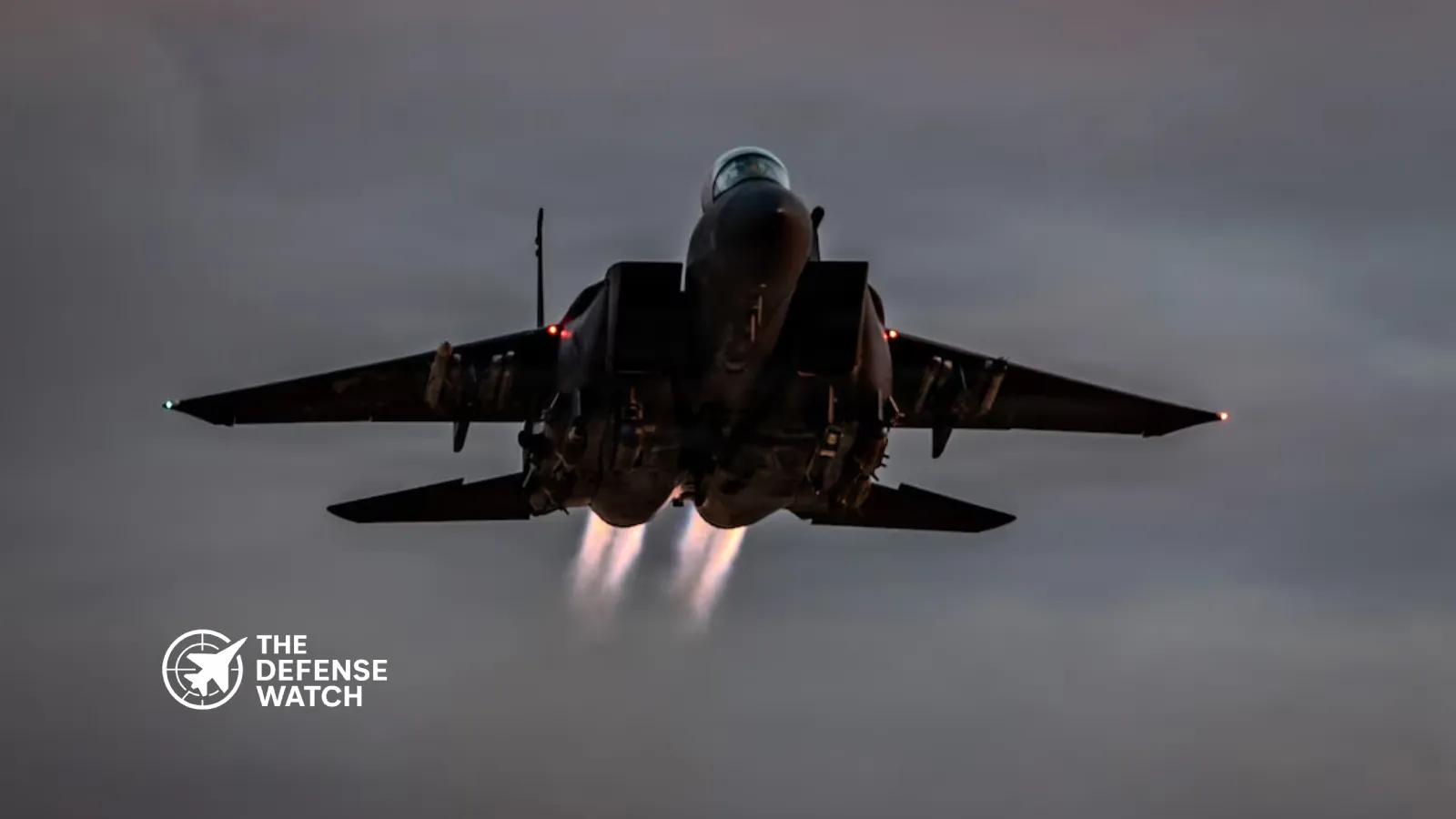
U.S. Deploys F-15E Strike Eagles To Undisclosed Middle East Base
U.S. Central Command says F-15E Strike Eagles have deployed to an undisclosed base in the Middle East to strengthen strike options against ISIS and support deterrence posture toward Iran, according to official statements and imagery released by U.S. military channels.
Short-range threats from militia drones, a persistent Islamic State insurgent footprint and rising pressure from Iranian proxy groups have shaped CENTCOM’s recent posture adjustments, officials said.
Deployment Details And Unit Involved
The aircraft involved are tied to the 494th Expeditionary Fighter Squadron, a Strike Eagle unit forward-deployed from RAF Lakenheath in the United Kingdom. Open-source flight tracking suggests a standard 12-aircraft detachment, supported by KC-135 aerial refueling assets to reach the CENTCOM area of responsibility without advanced notice.
CENTCOM framed the deployment as part of a readiness and stability measure, emphasizing that exact base locations and mission specifics remain restricted for operational security.
Why F-15E Strike Eagles
The F-15E Strike Eagle remains a mainstay for long-range multirole missions. Powered by twin Pratt & Whitney afterburning engines, the aircraft couples high speed and altitude capability with long range, especially when paired with aerial refueling. Its payload capacity and advanced sensors support both precision strike and air defense missions.
Strike Eagles carry a mix of air-to-air and air-to-ground munitions, including AIM-120 AMRAAM and AIM-9 Sidewinder missiles for air defense, guided bombs such as JDAM variants for precision strike, and targeting pods that support accurate delivery in complex environments.
-
The aircraft’s advanced electronic warfare suite (EPAWSS) helps detect and counter layered threats, a key factor in contested airspace where adversaries use surface-to-air systems and unmanned aerial systems.
Operational Context
This deployment aligns with a broader U.S. effort to reinforce airpower in the Middle East. The region has seen a mix of ISIS activity, militia threats and tensions tied to Iranian regional posture. U.S. air operations, including long-range precision strikes in Syria and Iraq against ISIS targets, remain ongoing.
In recent months, U.S. military activity has included aerial readiness exercises and deployments of other air assets, aiming to demonstrate rapid response capability and forward presence amid evolving security challenges.
Regional Deterrence And Strike Capability
Forward-deployed F-15Es enhance the U.S. ability to generate sorties quickly across sectors of the Middle East. Their presence signals that the Air Force can sustain both counterterrorism and high-end deterrence missions, bridging the gap between rotational forces and a larger permanent footprint.
-
These fighters offer commanders options from air defense to precision deep strike, complementing ISR and tanker support already operating in the region. Their range and payload help compress adversary decision cycles and support partner forces when stability threats rise.
Broader U.S. Airpower Posture
The deployment reflects the Pentagon’s continued emphasis on maintaining forward airpower in volatile environments. While exact operational details remain restricted by CENTCOM, the integration of F-15Es into Middle East operations underscores the role of tactical air assets in layered deterrence and counterterrorism efforts.
-
-
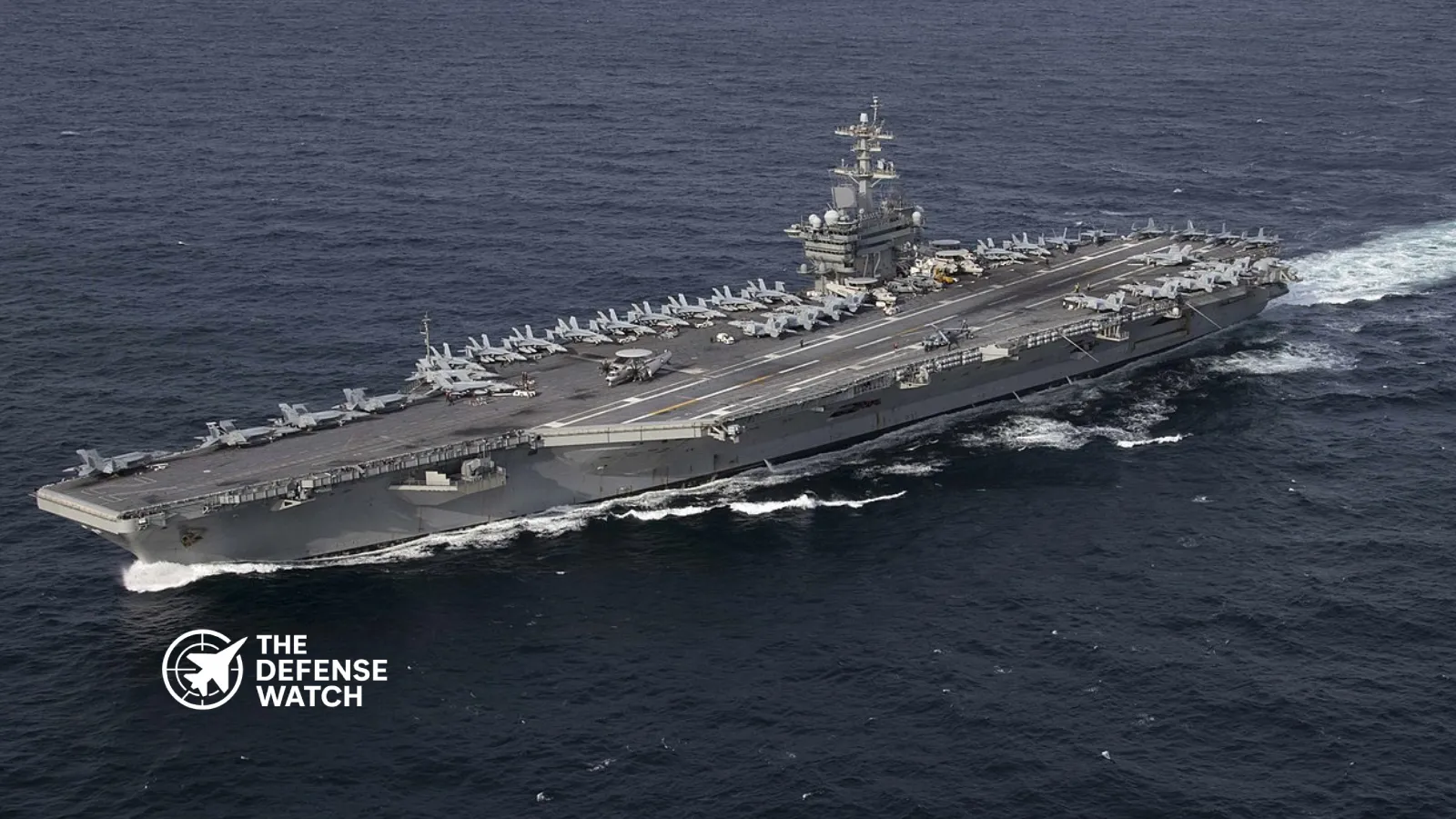
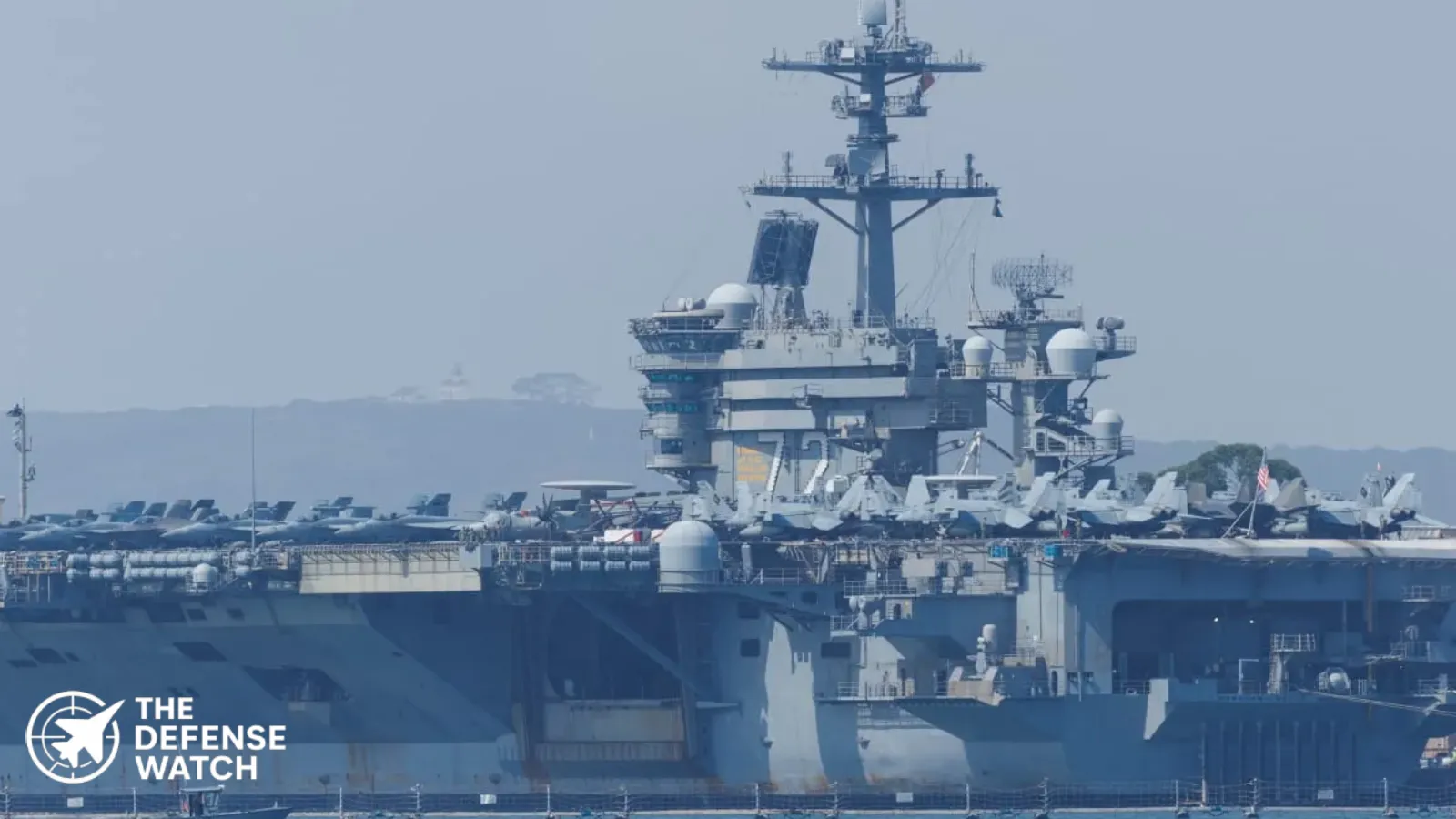
President Donald Trump has ordered a United States Navy carrier strike group toward Iran as tensions over Tehran’s nuclear program and regional unrest continue to rise. The deployment centers on the nuclear-powered USS Abraham Lincoln carrier strike group, which is moving from the Asia-Pacific toward the Middle East, sources say.
Background
The move comes amid growing pressure on Iran over its nuclear activities and a harsh crackdown on nationwide protests that has drawn international attention. Trump has warned Tehran against restarting nuclear enrichment and highlighted what he called a halt to planned executions of protesters after US pressure.
Naval Deployment Details
US officials and Trump have described the deployment as a substantial naval “armada” headed toward the Gulf region to ensure US forces are positioned to respond quickly if needed. The USS Abraham Lincoln and its escort vessels, including several guided-missile destroyers, are expected to reach the region in the coming days.
The carrier strike group provides a broad range of capabilities, including air power via embarked strike aircraft and integrated air and missile defenses from escort ships. Pentagon planners are also considering additional air defense assets for the region to protect US bases.
Trump’s Statements
Speaking to reporters aboard Air Force One returning from the World Economic Forum in Davos, Trump said the US was closely watching Iran’s actions and that the fleet was moving “just in case.” He reiterated that he would prefer to avoid conflict while maintaining the option to act if Tehran resumed activities the US views as destabilizing.
Regional Context
Iran’s leadership has signaled firmness in the face of US warnings. Senior Iranian military figures have warned of strong responses to any attack, including potential targeting of American interests in the region.
The broader Middle East remains tense. Iran’s relations with Israel and the United States have been strained, and protests within Iran have raised concerns internationally. The situation has drawn attention from global powers and rights groups noting significant casualties in ongoing unrest.
Strategic Implications
The deployment reinforces the US military’s ability to conduct air and maritime operations without reliance on regional land bases. A carrier strike group offers rapid strike capabilities, sustained air operations, and layered defenses, key assets in any high-end contingency.
What Comes Next
It remains unclear precisely how Iran will respond to the US naval build-up. Diplomatic channels appear open to some degree, but both sides are signaling readiness to defend their interests. Monitoring from defense officials and independent observers suggests this deployment aims to broaden US options without making immediate conflict inevitable.
The US military buildup in the Middle East continues with a sharpened focus on Iran strike options as tensions rise between Washington and Tehran, according to recent defense reports.
US Military Buildup in the Region
The United States is reinforcing its military footprint in the Middle East in response to escalating tensions with Iran, deploying carrier strike assets and additional airpower to enhance deterrence and readiness.
Aircraft carrier USS Abraham Lincoln and its strike group, including destroyers USS Spruance and USS Michael Murphy, are moving toward the US Central Command’s area of responsibility after transiting the Strait of Malacca.
In the past 24 hours, 12 F-15 fighter jets arrived in Jordan, with more air assets heading to the region, while strategic airlift has landed at the US base on Diego Garcia.
US defense officials told The Jerusalem Post that all options are under consideration, a phrasing that underscores Washington’s intent to maintain flexible military choices should Iranian actions escalate.
Regional Diplomatic and Strategic Context
Reports indicate that previous plans for a strike were postponed due in part to limited US operational capacity in the region after deployments elsewhere. Some Arab states have also signaled they would not grant access for strike missions from their territory.
Expert Views on Strategic Options
Former US ambassador and defense official Dan Shapiro said the renewed force posture gives the US presidency a broad range of military options. Shapiro noted that deliberate pressure on Iran could include targeting senior leadership, though such moves carry significant risk and strategic cost.
Iranian leadership denounced such targeting, warning that strikes on top Iranian figures would trigger full-scale conflict.
Domestic Pressures in Iran
Separately, analysts highlight that internal unrest in Iran is being suppressed by the regime, deepening societal hostilities. Iran’s response to domestic protests adds complexity to Tehran’s calculus amid external pressure.
Implications for US Defense Strategy
The expanded presence of US naval and air assets signals a shift toward robust deterrence. This posture aligns with broader CENTCOM objectives to reassure partners and deter Iranian action against US and allied interests in the region.
Iran Air Defense Drills Test Readiness
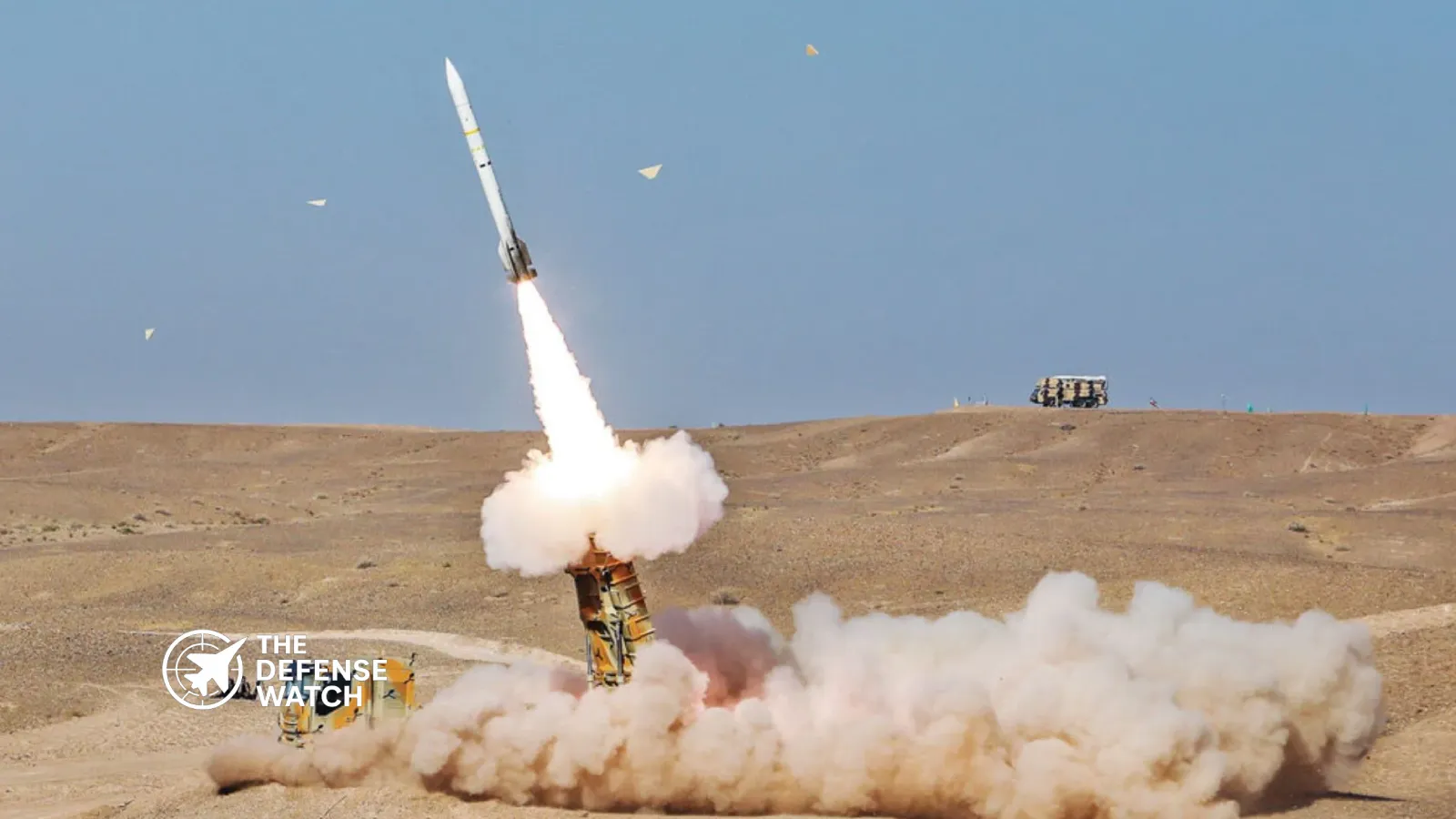
Iran air defense drills have entered a new phase as Israeli and U.S. strike warnings continue to shape the regional security environment. The exercises involve multiple branches of Iran’s armed forces and focus on countering air, missile, and drone threats.
The drills are being conducted across several strategic regions and are designed to test command coordination, radar coverage, and interceptor response times. Iranian officials describe the activity as defensive in nature, aimed at protecting key infrastructure and population centers.
Focus on Missile and Drone Threats
Iran air defense drills reportedly feature systems such as the Bavar 373, Khordad 15, and other domestically developed surface to air missile platforms. These systems are intended to counter fighter aircraft, cruise missiles, and unmanned aerial vehicles, which have become central to recent regional conflicts.
The exercises also emphasize electronic warfare resilience and rapid target identification, reflecting lessons drawn from recent strikes on Iranian and allied positions in the region.
Regional Pressure and U.S. Posture
The timing of the Iran air defense drills coincides with increased U.S. and Israeli military signaling. U.S. forces have reinforced air and missile defense assets across the Middle East, while Israeli officials continue to warn that military options remain available to counter perceived threats from Iran.
Defense analysts note that Iran’s drills serve both operational and messaging purposes. They are meant to improve readiness while signaling deterrence to adversaries monitoring Iran’s defensive posture.
Strategic Implications
Iran air defense drills are likely to continue as long as regional tensions remain high. While no direct military action has been confirmed, the sustained pace of exercises underscores the fragile security balance and the growing role of missile defense in Middle East military planning.
S Navy Launches Attack Drone from Ship in Middle East
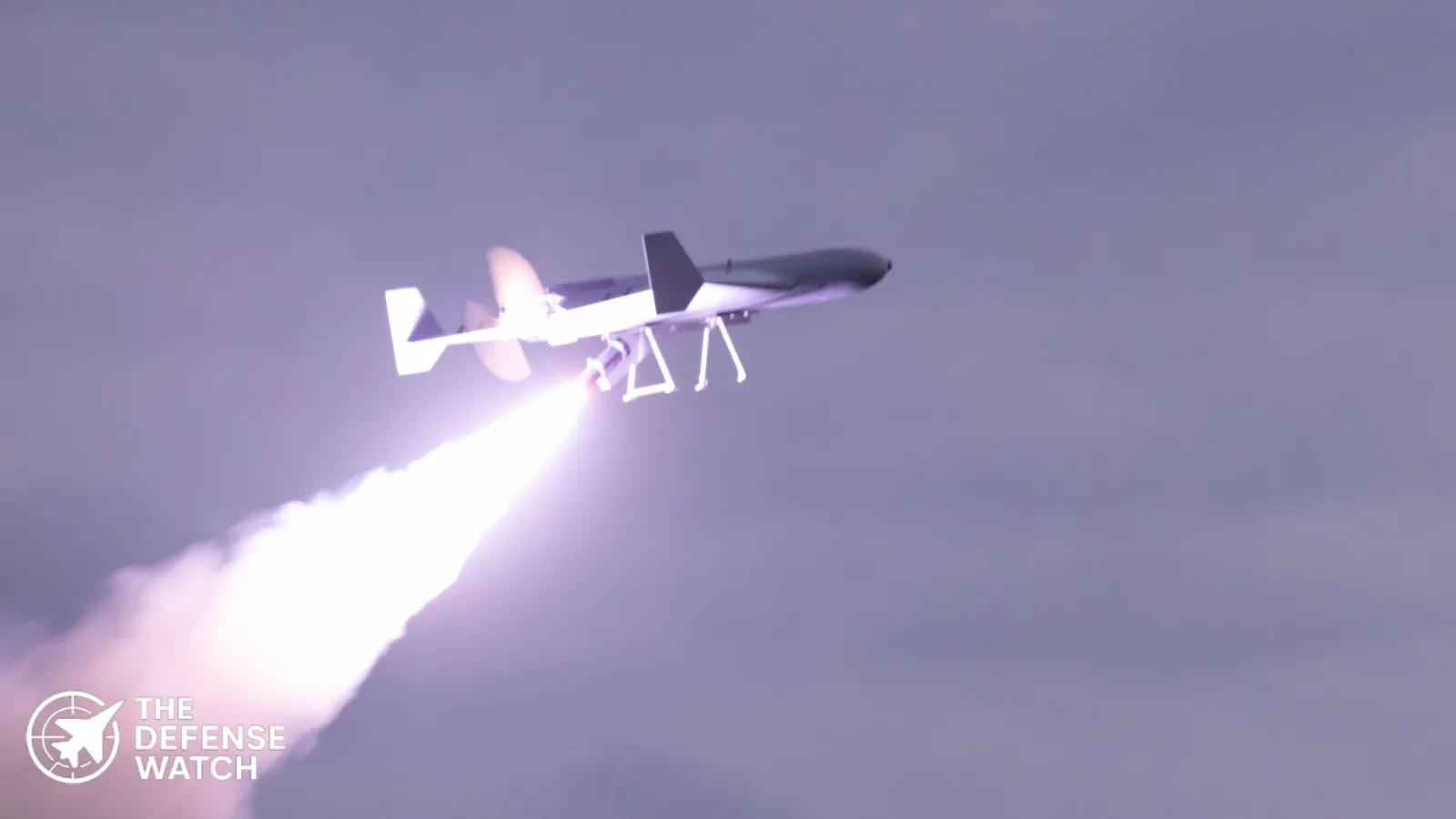
The US Navy successfully launched a Low-cost Unmanned Combat Attack System (LUCAS) drone from the flight deck of the Independence-class littoral combat ship USS Santa Barbara (LCS 32) in the Arabian Gulf on December 16, 2025. This marks the first ship-based deployment of a one-way attack drone in the region.
Task Force 59, operating under Task Force Scorpion Strike, oversaw the historic launch. The squadron was recently deployed to enhance regional security and strengthen deterrence capabilities. According to Vice Adm. Curt Renshaw, commander of U.S. Naval Forces Central Command, the launch highlights the Navy’s commitment to rapidly delivering affordable, effective unmanned capabilities to warfighters.
The LUCAS drone is versatile, capable of catapult launches, rocket-assisted takeoffs, and deployment from mobile ground or vehicle systems. This flexibility allows the Navy to operate in complex maritime environments while maintaining rapid response options.
“This platform will undoubtedly enhance regional maritime security and deterrence,” Vice Adm. Renshaw said. The deployment aligns with broader U.S. military efforts to integrate unmanned technologies into operational strategies across the Middle East.
F-35 Stealth Fighters and Saudi Arabia
The prospect of selling F-35 stealth fighters to Saudi Arabia is re-emerging as a major discussion in U.S. defense and geopolitical circles. The potential transaction, long constrained by laws protecting Israel’s Qualitative Military Edge (QME), now faces a shifting Middle Eastern landscape where former adversaries confront new common threats. The F-35 stealth fighters sale to Saudi Arabia, if executed, would mark a significant evolution in U.S. arms export policy.

Historical Context: Qualitative Military Edge
The U.S. established the Qualitative Military Edge to ensure Israel maintained technological superiority over neighboring Arab states. Historically, military sales to regional countries were carefully managed to prevent any erosion of Israel’s edge. F-35 sales to Israel and discussions with the United Arab Emirates illustrate the sensitive balance the U.S. has maintained for decades. While the UAE considered 50 F-35s in 2021, the deal was suspended due to concerns over usage restrictions and embedded U.S. technology.

Changing Geopolitical Dynamics
The regional security environment has evolved. Former Arab adversaries and Gulf states now share common concerns regarding Iran and Turkey. This realignment opens new possibilities for arms sales that were previously politically unfeasible. Saudi Arabia’s potential acquisition of F-35 stealth fighters highlights this shift, suggesting that historical restrictions could be revisited under modern security imperatives.
Framework for a Sale
A proposed F-35 sale to Saudi Arabia would require a robust framework to maintain Israel’s QME. Analysts suggest conditional requirements, including formal diplomatic relations with Israel, embassy presence in Jerusalem, and active measures against designated terrorist organizations like Hamas. Additionally, stability assessments should ensure the purchaser remains a reliable partner for the foreseeable decade. Restrictions on technology collaborations with Chinese companies, such as Huawei, would mitigate risks associated with transferring advanced military capabilities.

Lessons from Past Sales
Historical U.S. arms transfers, such as the controversial 1981 AWACS sale under President Reagan, demonstrate that Israel’s QME has been protected through careful legislative and diplomatic oversight. Congress could leverage any Saudi F-35 sale to establish a new precedent, ensuring high-end weapons transfers are coupled with stringent political, strategic, and security conditions.
Analysis: Strategic Implications
Selling F-35 stealth fighters to Saudi Arabia could redefine U.S. influence in the Gulf. It would signal Washington’s willingness to adapt arms sale policy to current geopolitical realities, prioritizing shared threats over legacy rivalries. Moreover, a well-structured sale could enhance regional stability by reinforcing alliances, deterring common adversaries, and encouraging diplomatic normalization between Israel and Gulf partners. However, the long-term success of such a sale depends on sustained regime stability and compliance with U.S. strategic safeguards.
F-35 Lightning II Fighter Jet – Full Specifications
FAQs
Why has the F-35 sale to Saudi Arabia been controversial?Due to U.S. laws protecting Israel’s Qualitative Military Edge, advanced weapons sales to regional powers are heavily regulated.
How could Saudi Arabia’s F-35 purchase affect regional security?It could strengthen deterrence against shared threats like Iran while promoting strategic cooperation with Israel.
Have other countries received F-35s in the Middle East?Yes, Israel operates the F-35I Adir, and the UAE previously considered a purchase.
What safeguards could the U.S. implement for such a sale?Conditions could include formal relations with Israel, embassy in Jerusalem, anti-terrorism measures, and restrictions on Chinese tech partnerships.
Could this sale set a precedent for future arms deals?Yes, it could redefine U.S. export policy and establish a stricter, more politically conditioned framework for high-end weapons transfers.