

Executive Summary:
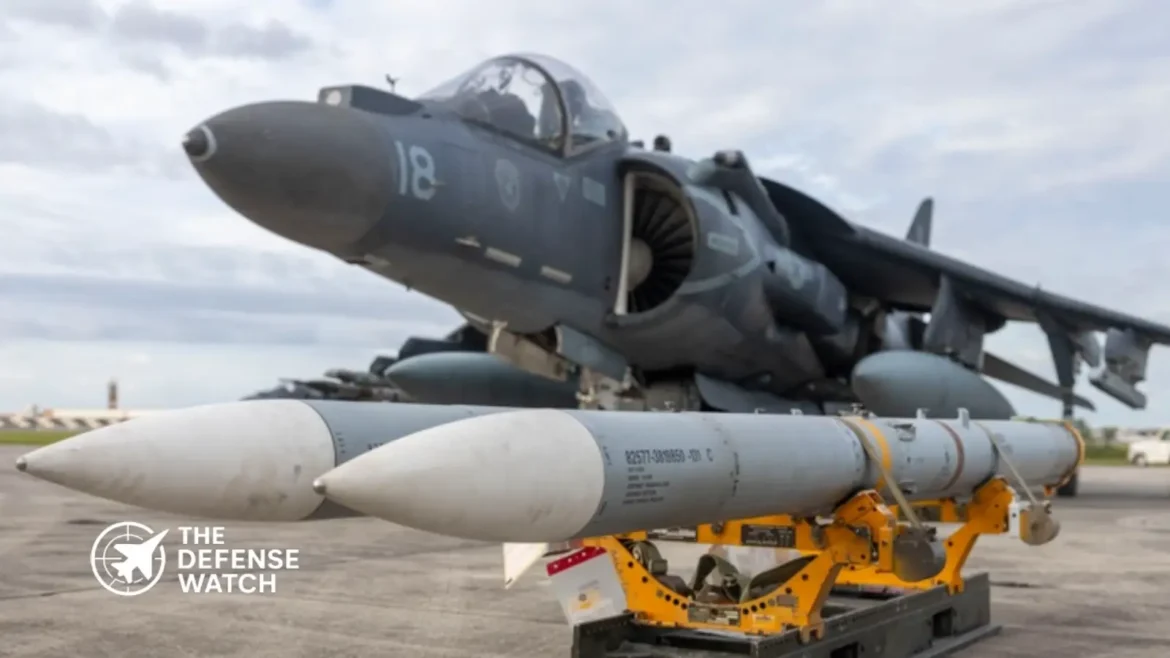
Belgium has emerged as a leading candidate for the co-production of the AIM-120 AMRAAM missile in Europe, reflecting NATO’s push to strengthen regional defense manufacturing. The move aims to reduce reliance on U.S.-based production and improve supply chain resilience amid rising demand. This development underscores growing transatlantic cooperation in advanced air-to-air missile systems.
Belgium Emerges in AMRAAM Co-Production Talks
Belgium is increasingly viewed as a strong contender to host European co-production of the AIM-120 Advanced Medium-Range Air-to-Air Missile (AMRAAM), a cornerstone of NATO’s air combat capability. The initiative comes as alliance members seek to expand production capacity in response to sustained demand driven by geopolitical tensions and ongoing military modernization programs.
The proposed arrangement would involve collaboration with U.S. defense firms, most notably RTX (Raytheon Technologies), the primary manufacturer of the AMRAAM system. Belgium’s advanced industrial base and central geographic position within Europe are seen as key advantages.
Strategic Drivers Behind European Production Expansion
The push for localized missile production reflects several operational and strategic priorities:
- Supply chain resilience amid high operational consumption rates
- Reduced dependency on transatlantic logistics during crisis scenarios
- Faster replenishment cycles for NATO air forces
- Strengthened European defense industrial autonomy
The war in Ukraine and increased NATO readiness levels have accelerated the urgency to expand missile stockpiles, particularly beyond U.S. production lines.
Technical Overview of AIM-120 AMRAAM
The AIM-120 AMRAAM remains one of the most widely deployed beyond-visual-range (BVR) air-to-air missiles globally. Its latest variants incorporate advanced guidance and electronic counter-countermeasure capabilities.
Key Capabilities
- Active radar homing guidance for autonomous terminal engagement
- Fire-and-forget capability, reducing pilot workload
- Compatibility with a wide range of NATO aircraft, including F-16, F-35, and Eurofighter
- Continuous upgrades under the AMRAAM Extended Range (ER) and AIM-120D programs
Comparison: AMRAAM vs Legacy AIM-7 Sparrow
Feature AIM-120 AMRAAM AIM-7 Sparrow Range ~160 km (AIM-120D) ~70 km Payload High-explosive fragmentation High-explosive Status Active service Largely retired Key Technology Active radar homing Semi-active radar Industrial and Economic Implications
Belgium’s potential selection would bring significant economic and technological benefits:
- Integration into high-value NATO defense supply chains
- Job creation in advanced manufacturing and electronics sectors
- Increased defense exports and industrial partnerships
Belgian firms already participate in multinational defense programs, strengthening their candidacy for such a role.
Strategic Context: NATO Readiness and Deterrence
The expansion of AMRAAM production capacity in Europe aligns with NATO’s broader deterrence strategy. With increased air policing missions along the alliance’s eastern flank, maintaining sufficient stocks of advanced air-to-air munitions has become a priority.
The initiative also reflects a shift toward distributed production models, ensuring that critical defense capabilities remain operational even in contested logistics environments.
Outlook
If finalized, Belgium’s role in AMRAAM co-production would mark a significant step in NATO’s effort to balance industrial capacity between North America and Europe. It would also reinforce long-term interoperability and readiness across allied air forces, particularly as demand for precision-guided munitions continues to rise.


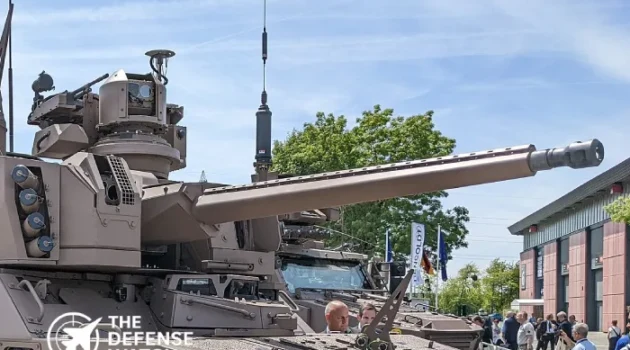
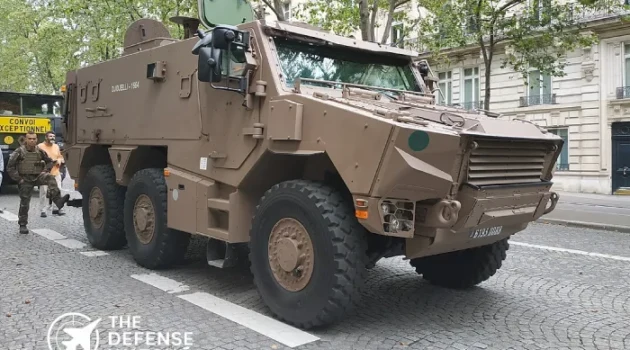
Luxembourg has finalized a defense procurement agreement with Belgium to acquire 38 Jaguar and 16 Griffon combat vehicles. The deal, announced in December 2025, will equip a new binational reconnaissance battalion that is expected to be operational by 2030 under NATO frameworks.
The pact represents one of Luxembourg’s largest defense investments and reinforces military cooperation between the two neighboring NATO allies. The vehicles, built under France’s Scorpion program, will form the backbone of the Binational Battalion of Luxembourg Reconnaissance Guides-Chasseurs.
Background
The acquisition stems from a broader drive to modernize Luxembourg’s armored forces and improve interoperability with allied armies. In 2024, Luxembourg approved a multi-billion euro investment to modernize its military, focusing on wheeled armored platforms that align with NATO and European Union standards.
Under the deal, Luxembourg will contribute to the joint battalion while Belgium supplies additional personnel, training capacity, and infrastructure. The unit is formed under NATO’s Defense Planning Process, a mechanism that guides member states in matching national capabilities with alliance needs.
Jaguar EBRC: Armored Reconnaissance and Combat
The Jaguar EBRC (Engin Blindé de Reconnaissance et de Combat) is a 6×6 wheeled armored reconnaissance and combat vehicle. It is designed for reconnaissance missions in high-threat environments, offering both mobility and firepower.
Key features include a 40mm CTA40 cannon, twin MMP (Missile Moyenne Portée) anti-tank guided missile launchers, and a remote 7.62mm machine gun. The vehicle integrates advanced sensors and battlefield networking systems that allow shared situational awareness and operational coordination across the battalion.
The Jaguar’s design emphasizes protection and mobility, allowing it to conduct deep reconnaissance and direct fire support while maintaining crew survivability. It operates with a three-person crew and offers modular capabilities to adapt to different mission profiles.
Griffon VBMR: Multi-Role Support
The 16 Griffon VBMR (Véhicule Blindé Multi-Rôles) vehicles will serve in command, logistics, and combat support roles. Built on a 6×6 chassis similar to the Jaguar, each Griffon carries a three-person crew.
These vehicles are equipped with modular remote weapon stations that can mount either 7.62mm or 12.7mm machine guns, depending on mission needs. Designed for flexibility, they can transport troops, provide command and control nodes, or support logistical tasks in the field.
The Griffon’s design focuses on survivability in asymmetric and hybrid warfare environments and full interoperability with NATO digital systems. Its modular architecture allows rapid reconfiguration for multiple battlefield roles.
The Binational Reconnaissance Battalion
The new unit, dubbed the Binational Battalion of Luxembourg Reconnaissance Guides-Chasseurs, will integrate personnel and assets from both Luxembourg and Belgium. The battalion is structured to support NATO and EU missions, from territorial defense to expeditionary tasks.
Belgium’s larger land force will provide additional manpower and support assets, while Luxembourg’s investment in vehicles and systems highlights its commitment to collective defense. The unit will be capable of high-tempo reconnaissance operations across Europe, with integrated command and control systems to support rapid decision-making on the battlefield.
Colonel Pascal Ballinger, Deputy Chief of Staff of the Luxembourg Army, emphasized that this procurement goes beyond buying new vehicles. It embeds Luxembourg more deeply into multinational defense structures and enhances operational readiness across joint missions.
NATO Context and Defense Planning
NATO’s Defense Planning Process defines capability targets for member states to ensure they can contribute meaningfully to collective defense. The binational battalion aligns with these targets, offering a medium-weight force with reconnaissance, command, and support capabilities.
European defense officials have noted the importance of such joint units in strengthening deterrence and cooperation. The integration of Luxembourg and Belgium in this battalion mirrors broader trends toward shared capabilities among smaller NATO members, particularly in armored and networked ground forces.
What’s Next
Deliveries of the Jaguar and Griffon vehicles will occur in stages, with full operational capability planned by 2030. Training exercises between Luxembourg and Belgium are expected to increase in frequency as the battalion prepares for NATO exercises and potential deployments.
The success of this joint battalion may serve as a model for future European defense cooperation. Other allies with smaller armies could look to similar arrangements to pool resources and meet alliance commitments more effectively.

Belgium is increasing its investment in counter-drone defenses after a recent rise in unidentified drone flights near civilian airports, military installations, and sensitive sites. The move follows multiple incidents that have led to airspace closures, flight cancellations, and heightened concern over national airspace security.
Growing Drone Activity in Belgian Airspace
In late 2025, authorities recorded a notable increase in reports of unmanned aerial vehicles flying above or near key infrastructure. Several civilian airports, including Brussels, Liège, and Charleroi, faced temporary airspace shutdowns after drones were sighted within controlled zones. Flight operations were halted as a precaution, leading to cancellations and diversions.
Beyond civilian airspace, drones were detected over military sites, such as the Kleine-Brogel and Florennes air bases, prompting security reviews and investigations. In early October, as many as fifteen drones were observed over the Elsenborn military training area, though the origin and operators of these UAVs remain unclear.
Reports from the Belgian aviation authority, Skeyes, indicate that nearly 90 percent of drone flights over sensitive areas last year did not have official authorization. Operators of larger or heavier drones are subject to registration rules, but many flights detected lacked any approved flight plan.
Government Response and Procurement Decisions
Belgian Defense Minister Theo Francken announced a stepped-up national response, part of a broader €50 million anti-drone plan. This includes procurement of new counter-drone equipment and reinforcement of detection networks.
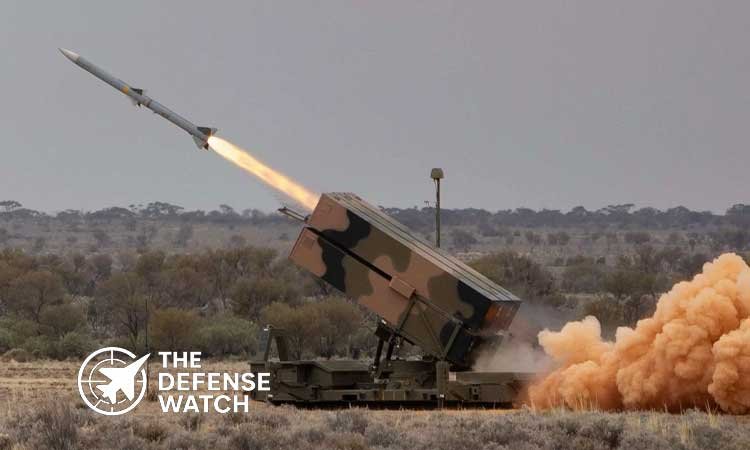
The government has recently signed contracts to acquire Saab’s Giraffe 1X surveillance radar systems. These radars are designed to track aerial targets and supply target data to air defense systems, enhancing early detection and tracking of unidentified drones. The systems will be deployed around the Brussels area, with a reported contract value of €9.2 million.
In addition, Belgium has purchased portable drone jammer guns from Australian firm DroneShield, valued at about €2.8 million. These handheld systems can detect and disrupt hostile unmanned aerial systems using artificial intelligence technologies. Similar systems are already in use in other conflict zones.
Broader Security Measures and Policy Moves
The government has also moved to tighten regulations and consider forceful responses to unauthorized drones. In emergency security meetings, Belgian officials discussed stricter enforcement measures, including clear directives that hostile drones, when detected, may be shot down if necessary.
A National Airspace Security Centre, based at the Beauvechain air force base, is scheduled to become fully operational soon. The centre will centralize drone detection and coordination across civil and military agencies.
Belgian security services have reportedly expressed suspicion that a state actor, possibly Russia, could be behind some of the drone activity, though investigations are ongoing. This concern was discussed at a National Security Council meeting with senior government officials.
International and Regional Context
Belgium is not alone in facing drone incursions. European countries have reported similar incidents leading to airport disruptions and calls for improved defensive measures. Collaborative efforts, including NATO exercises and evaluation of scalable drone defenses, are underway to help member states respond more effectively.
Neighboring states, including Germany, have offered support to Belgium by sending specialized Luftwaffe units to assist with detection and defense against small unmanned aerial vehicles. This support is part of wider cooperative security efforts within NATO to address hybrid threats.
Operational Impact and Next Steps
The increased drone activity has already had practical effects on air travel and military readiness. Temporary airport closures disrupted flight schedules, requiring diversions and affecting passenger traffic. Continued incursions near military bases have also underscored the need for rapid detection and response capabilities.
Belgium’s accelerated procurement program and expanded regulatory approach aim to reduce the risk posed by unauthorized drones. Authorities plan to integrate new detection systems with existing air defense networks and improve communication between civil and military agencies. Upcoming deployments of advanced surface-to-air systems, scheduled for the later 2020s, are expected to further strengthen national airspace security.
As the situation evolves, Belgium is likely to focus on both immediate defensive upgrades and longer-term strategies to protect critical infrastructure and air corridors. Ongoing investigations will seek to clarify the nature and source of the drone flights, shaping future policy and security investments.
What happened, when and where
On 3 November 2025, the Belgian Armed Forces’ Chief of Defense, Frederik Vansina, publicly announced that the military has been granted the authority to shoot down unidentified drones flying over Belgian military bases — provided engagements can be carried out safely and without collateral damage. The decision follows successive nights of small- and larger-scale drone intrusions, most notably over the Kleine-Brogel Air Base near Peer in the Belgian province of Limburg.
Background: contextualizing the drone threat
In recent weeks, Belgium has reported a spate of drone incursions over both military and civilian sites. For example, earlier in October, drones were observed above a military facility in Marche-en-Famenne. At Kleine-Brogel — a base widely understood to host U.S. nuclear weapons under NATO sharing arrangements — a number of unmanned aerial vehicles were detected over consecutive nights. Meanwhile, Belgium’s current counter-UAV capabilities (detection, jamming, drone-guns) are described as “limited”.
Details: orders, data and official sources
During a formal arrival ceremony for a new mine-hunter vessel in Zeebrugge on 3 November, Chief of Defense Vansina said:
“The order has been given to shoot them down.”
He added that such engagements “must be done without causing collateral damage” and acknowledged the challenge posed by small, maneuverable drones flying at night.
The directive follows reported sightings of four drones over Kleine-Brogel on the evening of Sunday, 2 November — marking the third consecutive night of drone activity above Belgian military and civilian sites.
Defense Minister Theo Francken characterized the activity as likely espionage-oriented, stating that small drones first “tested radio frequencies” followed by larger drones “to destabilize the area”.
Belgium is preparing an accelerated program to bolster its drone defense capability. According to reporting the counter-UAS dossier worth approximately €50 million will be submitted to the Council of Ministers imminently, with a longer-term plan of over €500 million under consideration.
Analysis: capability gap and strategic implication
Belgium’s decision highlights two key dynamics: one, the increasing frequency and sophistication of drone incursions on military-sensitive sites; two, the lag in European defense systems adapted to counter-UAS threats. Analysts note that detecting and intercepting small unmanned aircraft remains technically difficult, especially in dark and complex environments.
By granting shoot-down authority, Belgium joins a growing number of NATO members seeking to empower defense forces to act more decisively against UAS threats. For example, Lithuania recently passed legislation authorizing its armed forces to destroy unauthorized drones entering its airspace.
Operationally, the engagement rule remains subject to safety constraints — any strike must minimize risk to civilians and infrastructure. Vansina’s statement acknowledges the complexity of choosing when and how to act. Until new systems are fielded, Belgian forces rely on jammers and early detection equipment, which have shown mixed effectiveness.
Expert or policy perspective
Security commentators emphasize that arming military bases with layered counter-UAS defenses — including radar, RF sensors, jammers, and hard-kill interceptors — is now a strategic imperative. For Belgium, NATO member and host to US assets, the stakes are elevated. The incident at Kleine-Brogel, given its nuclear-sharing role, raises particular concern about state-sponsored reconnaissance or provocation through drones.
Moreover, the Belgian case underscores the tension between civilian airspace regulation and military authorities’ need to defend critical infrastructure. Robust legal frameworks and rules of engagement will be vital as drone technology and threat vectors evolve rapidly.
What’s next / Impact
Going forward, Belgium will present a formal counter-UAS plan to its government, fast-tracking procurement of systems designed to detect, track and neutralize drones around key bases. If effective, this will enhance Belgium’s posture and serve as a model for other NATO countries facing similar threats.
Meanwhile, the practical rollout of shoot-down authority may serve as a deterrent to further incursions. However, until detection and interception capabilities are improved, unidentified drones will continue to challenge base protection regimes. The Belgian move may catalyze further coordination among European states on counter-drone policy, shared procurement and force protection standards.