J-10 Fighter Seen With Possible YJ-21E Missile
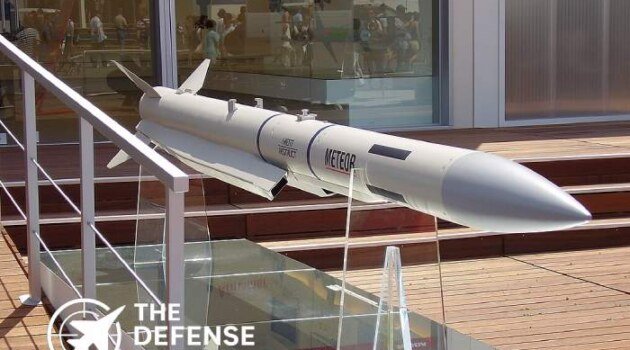
China’s J-10 fighter has been photographed carrying what appears to be a YJ-21E hypersonic anti-ship missile, a development that could mark a new step in the PLA Air Force’s strike modernization. The images, first reported by Army Recognition, show a J-10 aircraft fitted with a large centerline weapon consistent in shape and size with the YJ-21 missile family.
While Chinese authorities have not confirmed the weapon’s identity, the imagery has drawn attention across defense circles due to the YJ-21’s known role as a high-speed, long-range anti-ship system. If confirmed, the pairing would suggest China is exploring ways to extend hypersonic strike capability beyond bombers and naval platforms.
What the YJ-21E Is Believed to Be
The YJ-21 is widely assessed as a hypersonic anti-ship missile designed to defeat modern naval defenses through speed, altitude, and maneuverability. Previous sightings have linked the missile to the PLA Navy’s Type 055 destroyers and to air-launched variants carried by the H-6K bomber.
-
The YJ-21E is believed to be an export or air-launched derivative optimized for fighter or bomber integration. Analysts note its distinctive long body and enlarged nose section, features consistent with hypersonic glide or boost-glide designs. Army Recognition reports that the missile seen on the J-10 closely matches these characteristics, though no official specifications have been released.
Why the J-10 Integration Matters
The J-10 fighter has long been a core platform of the PLA Air Force, serving as a multirole aircraft for air defense, strike, and limited maritime missions. Integrating a weapon like the YJ-21E onto the J-10 would represent a major expansion of its mission set.
Unlike large bombers, fighters offer greater flexibility, faster reaction times, and broader basing options. A J-10 fighter armed with a hypersonic anti-ship missile could complicate adversary naval planning, especially in contested areas such as the Western Pacific and South China Sea.
From a U.S. and allied perspective, this would signal continued Chinese efforts to distribute long-range strike capabilities across multiple platforms, rather than relying on a small number of high-value assets.
Technical and Operational Questions Remain
Despite the visual evidence, several uncertainties remain. The J-10’s payload capacity, combat radius, and sensor integration raise questions about how operational such a configuration would be. Carrying a large hypersonic missile could affect the fighter’s range, maneuverability, and survivability.
It is also unclear whether the aircraft shown was conducting a test fit, captive carry trial, or an early phase of weapons integration. Defense analysts caution that imagery alone does not confirm full operational capability.
As Aviation Week and Janes have noted in past assessments of Chinese weapons programs, public sightings often precede years of testing before a system reaches frontline service.
Broader Strategic Context
China’s focus on hypersonic weapons reflects a broader push to counter advanced missile defense systems and naval power projection. Air-launched hypersonic missiles add another layer to China’s anti-access and area denial strategy.
For the United States and its allies, developments like the possible J-10 and YJ-21E pairing reinforce the need to track not just new missiles, but also the platforms that carry them. Distributed launch options increase complexity for detection, tracking, and interception.
See also: China’s H-6K bomber and its evolving long-range strike role.
What Comes Next
Further confirmation will likely depend on additional imagery, official PLA statements, or disclosures through Chinese state media. Until then, the J-10 fighter’s apparent association with a possible YJ-21E missile remains an important indicator of China’s ongoing experimentation with hypersonic air-launched weapons.
As China continues to modernize its air and missile forces, such developments will remain closely watched by defense planners across the Indo-Pacific.
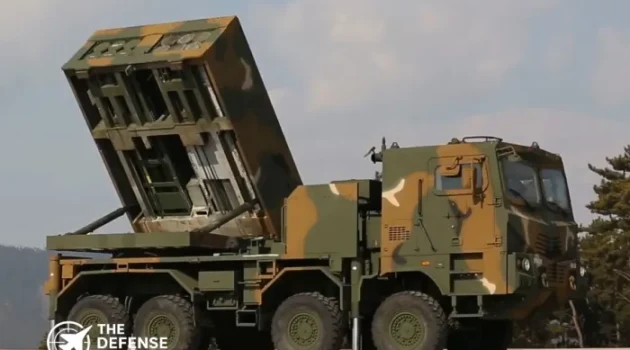
The M270A2 rocket launcher has been used operationally for the first time by U.S. forces in South Korea, marking a key step in U.S. Army artillery modernization near the North Korea border.
The U.S. Army has carried out the first known operational employment of its upgraded M270A2 Multiple Launch Rocket System during activities in South Korea, according to reporting by Army Recognition and U.S. military sources. The system was deployed close to the Demilitarized Zone, underscoring the role of long range rocket artillery in combined U.S. South Korea defense planning.
The M270A2 is a modernized version of the tracked M270 launcher, designed to extend service life while improving accuracy, range, and survivability. Key upgrades include a new fire control system, improved cab protection, and compatibility with current and future precision guided munitions. The launcher can fire Guided Multiple Launch Rocket System rockets and Army Tactical Missile System rounds.
U.S. Army units assigned to the Korean Peninsula operate under a high readiness posture due to North Korea’s large conventional artillery force and expanding missile capabilities. The deployment of the M270A2 adds depth to allied counter fire and long range strike options, supporting deterrence and rapid response missions.
Officials have emphasized that the activity was conducted in coordination with South Korean forces and aligns with long standing alliance commitments. The use of the M270A2 also reflects broader U.S. Army efforts to replace aging systems and improve interoperability across forward deployed units.
A major U.S. defense contractor will produce 60 solid rocket motors designed to support hypersonic flight testing under a commercial agreement with Kratos Defense & Security Solutions. The deal, announced late December 2025, covers the Zeus family of hypersonic motors and is intended to expand U.S. industrial capacity for advanced missile and hypersonic testing programs.
The letter of intent was issued to L3Harris Technologies, which will increase annual output of Zeus motors by more than 50 percent at its Camden Arkansas production campus. The contract follows successful development and flight test of the Zeus 1 and Zeus 2 motors carried out by Kratos.
Background: Hypersonic Testing and Industrial Capacity
Hypersonic technologies are a central area of focus for the U.S. Department of Defense as rival states pursue advanced weapons capable of sustained flight at speeds above Mach 5. The Pentagon has emphasized throughput of test flights to mature designs and reduce development timelines. However, limited access to propulsion systems and test infrastructure has constrained rapid progress.
Kratos’ Zeus solid rocket motors are developed to replace older suborbital rocket motors and support programs such as the Multi-Service Advanced Capability Hypersonic Test Bed, a Pentagon initiative aimed at accelerating test frequency and flexibility for hypersonic platforms.
L3Harris, through its Aerojet Rocketdyne division, designed the Zeus motors in Huntsville Alabama to meet Kratos’ performance requirements. Production will take place at the company’s nearly 2,000-acre Camden site, which manufactures over 115,000 solid rocket motors each year, ranging from small tactical units to large motors comparable in size to sport utility vehicles.
Details of the Planned Production
The letter of intent does not specify contract value or a delivery schedule, but L3Harris said the agreement would support significant increases in production. “We are pleased to continue working with Kratos and to support significant production increases for the Zeus advanced large solid rocket motors,” Ken Bedingfield, President of Aerojet Rocketdyne at L3Harris, said in a company statement.
Zeus motors are designed in a form compatible with older rocket systems. This approach allows integration with existing launch infrastructure and test stands with minimal changes while delivering greater thrust and efficiency. The increased output is expected to support more frequent hypersonic test flights and larger flight envelopes for test vehicles.
Production at Camden reflects broader U.S. investment in solid rocket motor output. In late 2025 L3Harris announced plans for a new 110-acre rocket motor production campus in the same area to boost capacity sixfold to meet rising demand for motors used in missiles, interceptors, and hypersonic systems.
Strategic Context
The U.S. hypersonic ecosystem includes a mix of defense primes, specialized propulsion companies, and government labs. Small and medium firms, such as Ursa Major, are advancing liquid and hybrid propulsion systems under Air Force Research Laboratory contracts. For example, Ursa Major was awarded nearly $28.6 million to develop tactical, storable liquid propulsion systems that could support both hypersonic and on-orbit missions.
Partnerships between industry and defense agencies aim to diversify the supply base and smooth technology maturation. The Department of Defense’s Manufacturing Capability Expansion and Investment Prioritization program has also funded efforts to expand solid rocket motor production capacity and lower unit costs, a key factor in fielding high-cadence hypersonic testing and operational systems.
What’s Next
If formalized, the L3Harris-Kratos production agreement would bolster U.S. industrial capacity for hypersonic propulsion. That capacity is expected to support a growing portfolio of test flights, range activities, and prototype development. The expanded output could play a role in broader U.S. efforts to compete with near-peer adversaries in advanced missile systems and weapons test programs.
With planned investments in production facilities and ongoing contracts awarded to propulsion developers by Air Force laboratories, the U.S. defense industrial base is moving toward higher throughput of rocket motors and engines critical for hypersonic test and operational systems. Continued progress on these fronts will be watched closely by defense planners as they assess readiness, supply chain resilience, and technological edge in hypersonic weapons and associated systems.
U.S. Army Redefines Abrams Future with M1E3
The U.S. Army has formally confirmed that the Abrams M1E3, not the M1A2 SEPv4, will be designated as its fifth generation main battle tank. The confirmation was made in 2025 through official U.S. Army modernization briefings and supporting statements, marking a major shift in the service’s armored vehicle strategy.
The decision follows the cancellation of the M1A2 System Enhancement Package Version 4 program, which had been planned as the next incremental upgrade to the long serving Abrams fleet. Instead of further modifying the existing M1A2 design, the Army is moving toward a deeper redesign under the Abrams M1E3 program.
This move reflects broader changes in U.S. Army doctrine, driven by lessons from recent conflicts and the growing demand for more survivable, mobile, and digitally integrated armored platforms.
Background: From SEPv4 to a Clean Sheet Approach
The Abrams tank has been the backbone of U.S. armored forces since the early 1980s. Over four decades, it has undergone multiple upgrades, including the M1A1, M1A2, and several SEPv variants. Each update added improved armor, sensors, computing power, and fire control systems.
The M1A2 SEPv4 was intended to continue this evolution with enhanced sensors, improved thermal sights, advanced networking, and new protection systems. However, as development progressed, the Army concluded that the Abrams platform had reached the limits of what incremental upgrades could deliver.
According to U.S. Army officials, the weight, power demands, and internal space constraints of the SEPv4 design created long term challenges. These issues made it difficult to integrate future technologies such as advanced active protection systems, next generation sensors, and expanded digital warfare capabilities.
As a result, the Army chose to cancel the M1A2 SEPv4 and redirect resources toward the Abrams M1E3, a tank designed from the outset to meet future battlefield requirements.
What Defines the Abrams M1E3 as a Fifth Generation Tank
The U.S. Army’s classification of the Abrams M1E3 as a fifth generation tank reflects a shift away from purely incremental modernization. While the M1E3 will retain the Abrams name and core lineage, it is expected to feature major architectural changes.
Key design goals for the Abrams M1E3 include reduced overall weight, improved fuel efficiency, and simplified maintenance. Army planners have emphasized the need to lower the logistical burden associated with deploying and sustaining heavy armored units, especially in contested environments.
Digital integration is another defining feature. The Abrams M1E3 is being designed with an open systems architecture, allowing faster integration of new software, sensors, and electronic warfare tools. This approach aims to keep the tank adaptable over its service life, rather than locking in fixed technologies at the time of production.
Survivability is also central to the fifth generation concept. The Abrams M1E3 is expected to incorporate advanced active protection systems, improved passive armor layouts, and better signature management. These features are intended to counter modern anti tank guided missiles, loitering munitions, and drone based threats that have become increasingly common in recent conflicts.
Mobility and Power System Changes
One of the major limitations of previous Abrams variants has been weight. Later versions of the tank exceeded 70 tons, placing strain on transport assets, bridges, and recovery vehicles. The Abrams M1E3 program aims to reverse this trend.
The U.S. Army has indicated that the new tank will feature a reworked powertrain and improved energy management. While specific engine details have not been publicly disclosed, officials have suggested that efficiency and reliability are key priorities.
Improved mobility will allow armored units to operate more effectively in urban terrain, soft ground, and regions with limited infrastructure. This is especially important as the Army prepares for potential operations in diverse theaters beyond traditional European battlefields.
Industrial and Program Management Implications
The Abrams M1E3 program also represents a shift in how the Army works with industry. Instead of tightly defined upgrade packages, the Army is pushing for more modular development, allowing industry partners to propose solutions that can evolve over time.
General Dynamics Land Systems, the prime contractor for the Abrams family, is expected to play a central role in M1E3 development. The program aligns with broader Pentagon efforts to shorten development cycles and reduce the risk of technology obsolescence.
By moving away from the M1A2 SEPv4, the Army is also acknowledging that long development timelines for incremental upgrades may no longer be viable in a rapidly changing threat environment.
Strategic Context and Global Implications
The confirmation of the Abrams M1E3 as a fifth generation tank comes at a time when several countries are reassessing their armored forces. Russia, China, and European nations are all investing in new tank designs or major upgrades in response to evolving threats.
For the U.S. Army, the Abrams M1E3 is expected to ensure continued overmatch against peer and near peer adversaries. Its emphasis on digital warfare, survivability, and adaptability reflects lessons learned from Ukraine and other recent conflicts, where tanks have faced significant threats but remain critical when properly integrated with combined arms forces.
Allied nations that operate Abrams tanks may also benefit from technologies developed under the M1E3 program, even if they do not adopt the full platform. Modular systems and shared components could influence future export upgrades.
What Comes Next for the Abrams Fleet
The Abrams M1E3 is still in the development phase, and the Army has not announced a firm timeline for production or fielding. In the interim, existing M1A2 SEPv3 tanks will remain the primary armored platform for U.S. forces.
The Army is expected to use a phased approach, incorporating lessons from testing and experimentation before committing to full scale production. This approach is intended to reduce risk and ensure that the Abrams M1E3 meets operational needs when it enters service.
As the program progresses, further details on armament, protection systems, and digital capabilities are likely to emerge. For now, the confirmation of the Abrams M1E3 as a fifth generation tank marks a clear turning point in U.S. Army armored modernization.
Belgian Special Forces Field Polish Piorun MANPADS
Belgian Special Forces have officially received their first Polish made Piorun MANPADS, marking a new step in Belgium’s effort to modernize short range air defense capabilities. The delivery was confirmed in early 2025 and follows a procurement decision aimed at strengthening protection against helicopters, low flying aircraft, and unmanned aerial systems.
The introduction of the Piorun MANPADS places Belgium among a growing number of NATO and European countries adopting the Polish designed system for frontline and special operations use.
Background on the Piorun Portable Air Defense Missile System
The Piorun MANPADS is developed by Poland’s Mesko defense industry and represents an advanced evolution of the earlier Grom missile family. Designed as a shoulder fired portable air defense missile system, Piorun is optimized to counter modern aerial threats, including small drones, cruise missiles at low altitude, and fast maneuvering aircraft.
Combat use and extensive testing have demonstrated the system’s effectiveness in contested airspace, leading to increased interest across Europe and beyond.
Key Capabilities and Technical Features
The Piorun MANPADS uses an improved infrared homing seeker with enhanced resistance to countermeasures. It features greater target detection range, improved accuracy, and better performance in adverse weather conditions.
For special forces units, the system’s portability, quick reaction time, and minimal logistical footprint are key advantages. The missile can be operated by a single soldier and deployed rapidly in dispersed or covert environments.
Strategic Importance for Belgian Special Forces
Belgium’s decision to equip special forces with the Piorun MANPADS reflects a broader shift toward layered and mobile air defense solutions. With the growing use of drones and low cost aerial threats, portable air defense systems have become critical for force protection during overseas deployments and domestic security missions.
The Polish Piorun MANPADS also enhances interoperability with allied forces, particularly within NATO operations where similar systems are already in service.
What Comes Next
Further integration and training activities are expected in 2025 as Belgian Special Forces incorporate the Piorun MANPADS into operational doctrine. Additional orders or wider adoption across other Belgian military units may follow, depending on operational assessments and budget planning.
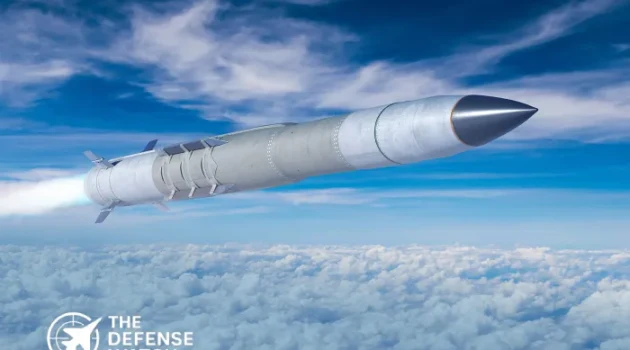
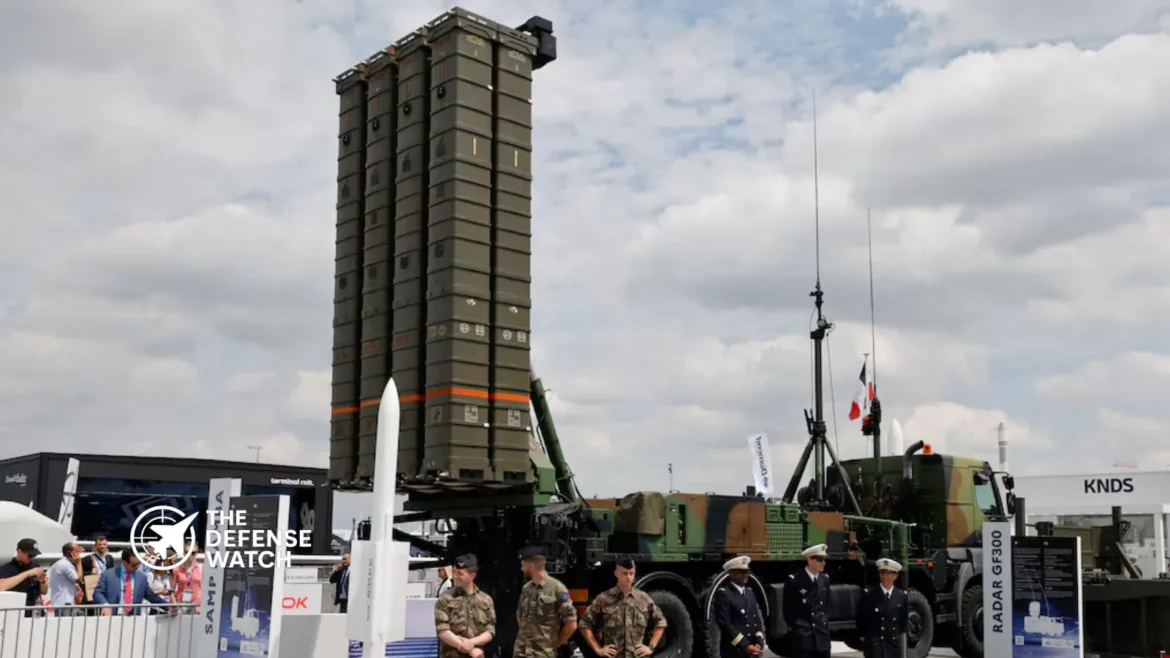
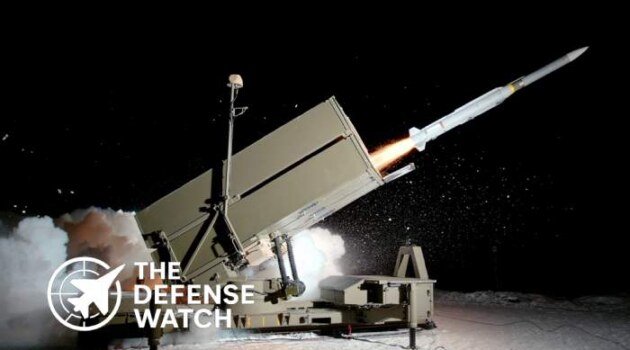
Spain has agreed to a Spain Patriot air defense deal with Raytheon for 1.7 billion to buy four Patriot air and missile defense systems under a foreign military sales contract announced December 23 2025. The announcement was made by Raytheon an RTX business based in Andover Massachusetts and is the largest Patriot order Spain has placed to date.
Scope of the Spain Patriot Air Defense Deal
The Spain Patriot air defense deal covers complete fire units that include radars launchers command and control stations and training equipment for the Spanish Armed Forces. The systems are designed to detect track and intercept long range cruise missiles tactical ballistic missiles and other aerial threats.
Under the terms Raytheon will work with local Spanish defense companies including Sener which will provide electro mechanical control systems for Patriot interceptors.
Context of the Purchase
Patriot is a combat proven ground based air and missile defense system used by the U.S and allied armed forces around the world. It has been deployed in multiple regions to counter a range of airborne risks.
Spain has operated Patriot systems purchased from other NATO partners and maintains a long term interest in modernizing its air defense. The new systems will expand its existing capability and help address evolving aerial threats.
Other European nations including Germany the Netherlands and Romania have also placed orders for Patriot systems in 2025 reflecting a wider push to strengthen air defense.
What Comes Next
Spain will take delivery of the Patriot systems and begin integration and training with support from Raytheon and Spanish partners. The deal signals a deepening of defense ties and Spain Patriot air defense deal implementation is expected to enhance national and alliance level protection against high end threats.
The German Army has officially adopted the CZ P13 9mm pistol as its new standard service sidearm, marking a key step in the modernization of individual weapons across the Bundeswehr. The decision was confirmed in 2025 following a competitive evaluation process led by Germany’s defense procurement authorities.
German Army CZ P13 Pistol Selection
The CZ P13 9mm pistol will replace legacy service pistols currently used by German ground forces. According to defense reporting, the new sidearm was selected for its reliability, modern design, and compatibility with NATO standard ammunition. The German Army CZ P13 pistol is expected to be issued across multiple branches, including regular army units, support forces, and specialized formations.
Background on the CZ P13 9mm Pistol
Developed by Czech manufacturer Ceska Zbrojovka, the CZ P13 is a compact striker fired handgun designed for military and law enforcement use. It features a polymer frame, enhanced ergonomics, and an accessory rail for lights and aiming devices. The pistol is chambered in 9mm, aligning with standard ammunition already in Bundeswehr service.
The German Army has officially adopted the CZ P13 9mm pistol as its new standard service sidearm, marking a key step in the modernization of individual weapons across the Bundeswehr. The decision was confirmed in 2025 following a competitive evaluation process led by Germany’s defense procurement authorities.
Procurement and Operational Use
German defense officials stated that the new pistol meets updated operational requirements, including durability in harsh environments and ease of maintenance. The CZ P13 9mm pistol will support both domestic training and overseas deployments, ensuring commonality across units and improved logistical efficiency.
Initial deliveries are expected to begin following contract finalization, with phased fielding planned across the Bundeswehr. Training programs will be updated to reflect the new weapon system.
Strategic Context
The adoption of the CZ P13 9mm pistol supports Germany’s wider effort to modernize infantry equipment and standardize small arms. The move also strengthens defense industrial cooperation within Europe while ensuring German forces remain aligned with allied standards.
As the German Army CZ P13 pistol enters service, it will become a core element of the Bundeswehr’s individual weapons inventory for the coming years.
Sweden Advances Patria XA-203 Armored Vehicle Modernization
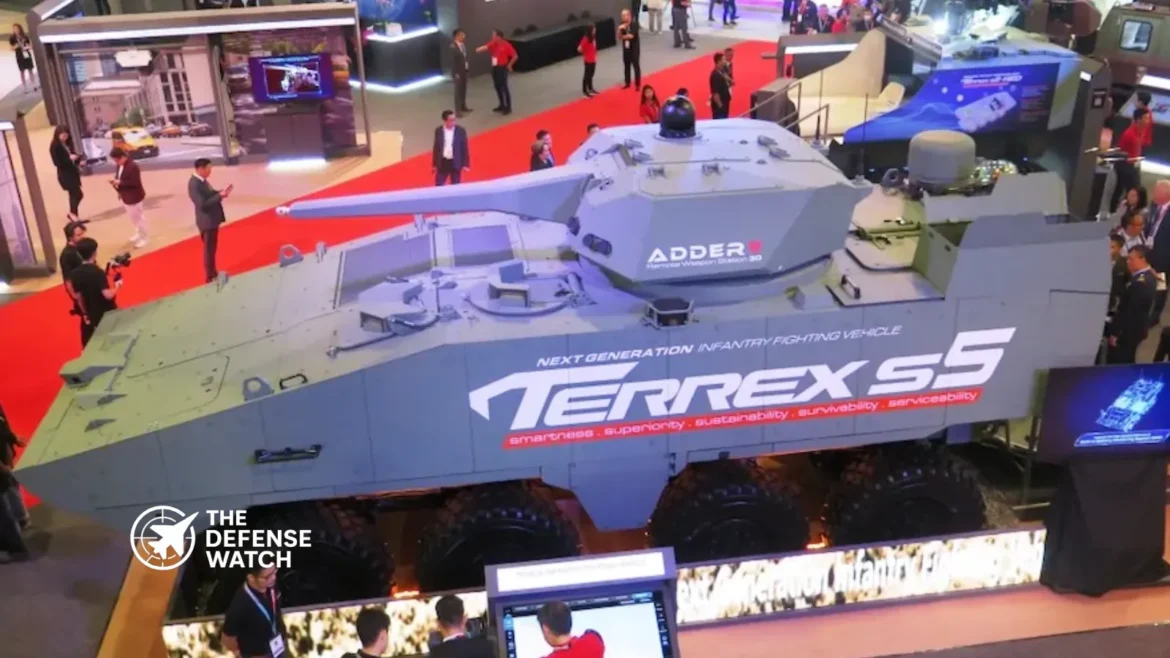
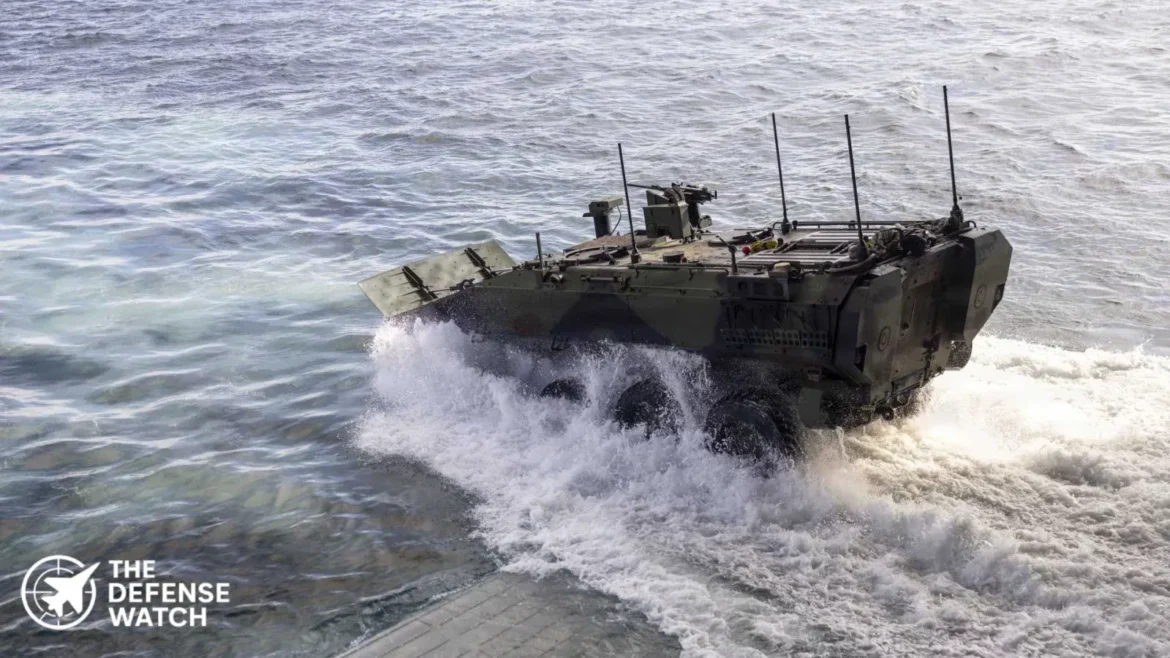
Sweden has announced a new modernization effort for its Patria XA-203 armored vehicle fleet, focusing on upgrades that prepare the platforms for remote weapon system integration. The move is part of a broader effort to improve survivability, firepower, and operational flexibility across the Swedish Army’s ground forces.
According to information released in December 2025, the upgrade program introduces structural and electronic modifications that allow the Patria XA-203 armored vehicle to support modern remotely operated weapon stations without requiring major redesign work later.
Background on the Patria XA-203 Fleet
The Patria XA-203 armored vehicle is a 6×6 wheeled armored personnel carrier originally developed by Finland’s Patria and operated by several European armed forces. Sweden has used the XA-203 primarily for troop transport, logistics support, and mobility in difficult terrain, including snow and forest environments.
While the platform has proven reliable, its original configuration relied on manually operated weapon mounts, reflecting an earlier generation of armored vehicle design.
Remote Weapon Readiness Enhances Combat Capability
The modernization effort centers on preparing the Patria XA-203 armored vehicle for remote weapon systems, a key feature of modern land warfare. These systems allow crews to operate weapons from inside the vehicle, reducing exposure to enemy fire and improving situational awareness through integrated sensors and cameras.
Upgraded power supply, cabling, and mounting points will enable faster installation of remote weapon stations as operational needs evolve. Swedish defense officials note that this approach improves adaptability while controlling costs.
Part of Broader Swedish Army Modernization
The Patria XA-203 armored vehicle upgrade aligns with Sweden’s wider military modernization strategy, which emphasizes mobility, digital integration, and crew protection. Similar upgrades are being pursued across other vehicle types in service with the Swedish Army.

By extending the service life of existing platforms, Sweden aims to maintain readiness while balancing procurement timelines for future armored vehicle programs.
What Comes Next
Implementation of the Patria XA-203 armored vehicle upgrades is expected to proceed gradually, with vehicles updated during scheduled maintenance cycles. The improvements ensure the fleet remains relevant for domestic defense and potential multinational operations.
Belarusian President Alexander Lukashenko confirmed on December 18, 2025, that Russia has deployed its latest nuclear-capable Oreshnik missile system in Belarus. The intermediate-range ballistic missile, first tested in 2024, is designed to carry multiple warheads and can reach targets up to several thousand kilometers away, including NATO facilities in Europe.
How It Works
The Oreshnik missile system, named after the hazelnut tree, can carry conventional or nuclear warheads and reportedly reaches speeds up to Mach 10, making interception extremely difficult. Russia claims the missile could strike Poland in 11 minutes and NATO headquarters in Brussels in 17 minutes. While conventional strikes have already been tested in Ukraine, the nuclear-capable version raises concerns about escalation and ambiguity over its payload.
Why It Matters
This deployment strengthens Russia’s strategic footprint in Eastern Europe and extends its nuclear umbrella to Belarus. Analysts note it increases military and political dependence of Minsk on Moscow, while turning Belarus into a potential target in any conflict involving NATO. The timing coincides with stalled peace talks in Ukraine and reflects Russia’s broader efforts to pressure Kyiv and Western allies.
Strategic Implications
The Oreshnik in Belarus complicates NATO’s defense planning and underscores Moscow’s willingness to project power through nuclear-capable intermediate-range missiles. It mirrors Cold War-era deployments but with hypersonic speed and modern targeting capabilities. For Washington, Brussels, and Kyiv, the system highlights the risk of rapid escalation and the limits of deterrence in Eastern Europe.
Luxembourg has finalized a defense procurement agreement with Belgium to acquire 38 Jaguar and 16 Griffon combat vehicles. The deal, announced in December 2025, will equip a new binational reconnaissance battalion that is expected to be operational by 2030 under NATO frameworks.
The pact represents one of Luxembourg’s largest defense investments and reinforces military cooperation between the two neighboring NATO allies. The vehicles, built under France’s Scorpion program, will form the backbone of the Binational Battalion of Luxembourg Reconnaissance Guides-Chasseurs.
Background
The acquisition stems from a broader drive to modernize Luxembourg’s armored forces and improve interoperability with allied armies. In 2024, Luxembourg approved a multi-billion euro investment to modernize its military, focusing on wheeled armored platforms that align with NATO and European Union standards.
Under the deal, Luxembourg will contribute to the joint battalion while Belgium supplies additional personnel, training capacity, and infrastructure. The unit is formed under NATO’s Defense Planning Process, a mechanism that guides member states in matching national capabilities with alliance needs.
Jaguar EBRC: Armored Reconnaissance and Combat
The Jaguar EBRC (Engin Blindé de Reconnaissance et de Combat) is a 6×6 wheeled armored reconnaissance and combat vehicle. It is designed for reconnaissance missions in high-threat environments, offering both mobility and firepower.
Key features include a 40mm CTA40 cannon, twin MMP (Missile Moyenne Portée) anti-tank guided missile launchers, and a remote 7.62mm machine gun. The vehicle integrates advanced sensors and battlefield networking systems that allow shared situational awareness and operational coordination across the battalion.
The Jaguar’s design emphasizes protection and mobility, allowing it to conduct deep reconnaissance and direct fire support while maintaining crew survivability. It operates with a three-person crew and offers modular capabilities to adapt to different mission profiles.
Griffon VBMR: Multi-Role Support
The 16 Griffon VBMR (Véhicule Blindé Multi-Rôles) vehicles will serve in command, logistics, and combat support roles. Built on a 6×6 chassis similar to the Jaguar, each Griffon carries a three-person crew.
These vehicles are equipped with modular remote weapon stations that can mount either 7.62mm or 12.7mm machine guns, depending on mission needs. Designed for flexibility, they can transport troops, provide command and control nodes, or support logistical tasks in the field.
The Griffon’s design focuses on survivability in asymmetric and hybrid warfare environments and full interoperability with NATO digital systems. Its modular architecture allows rapid reconfiguration for multiple battlefield roles.
The Binational Reconnaissance Battalion
The new unit, dubbed the Binational Battalion of Luxembourg Reconnaissance Guides-Chasseurs, will integrate personnel and assets from both Luxembourg and Belgium. The battalion is structured to support NATO and EU missions, from territorial defense to expeditionary tasks.
Belgium’s larger land force will provide additional manpower and support assets, while Luxembourg’s investment in vehicles and systems highlights its commitment to collective defense. The unit will be capable of high-tempo reconnaissance operations across Europe, with integrated command and control systems to support rapid decision-making on the battlefield.
Colonel Pascal Ballinger, Deputy Chief of Staff of the Luxembourg Army, emphasized that this procurement goes beyond buying new vehicles. It embeds Luxembourg more deeply into multinational defense structures and enhances operational readiness across joint missions.
NATO Context and Defense Planning
NATO’s Defense Planning Process defines capability targets for member states to ensure they can contribute meaningfully to collective defense. The binational battalion aligns with these targets, offering a medium-weight force with reconnaissance, command, and support capabilities.
European defense officials have noted the importance of such joint units in strengthening deterrence and cooperation. The integration of Luxembourg and Belgium in this battalion mirrors broader trends toward shared capabilities among smaller NATO members, particularly in armored and networked ground forces.
What’s Next
Deliveries of the Jaguar and Griffon vehicles will occur in stages, with full operational capability planned by 2030. Training exercises between Luxembourg and Belgium are expected to increase in frequency as the battalion prepares for NATO exercises and potential deployments.
The success of this joint battalion may serve as a model for future European defense cooperation. Other allies with smaller armies could look to similar arrangements to pool resources and meet alliance commitments more effectively.