Abstract
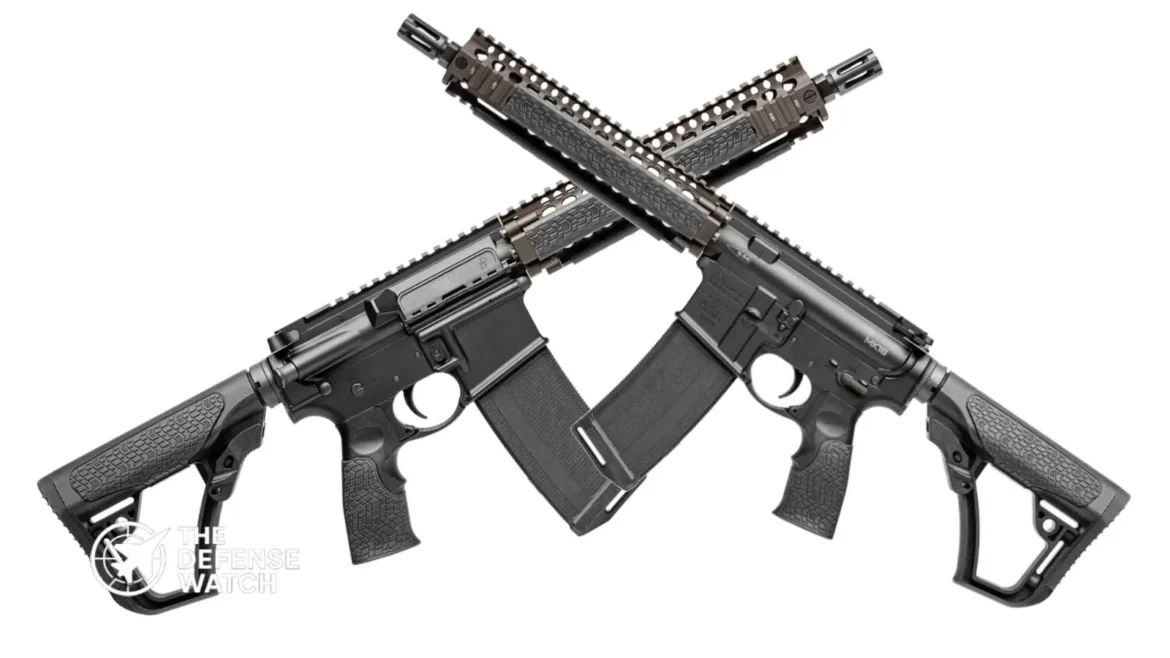
The Daniel Defense MK18 occupies a unique position in the tactical firearms market. Originally fielded as part of USSOCOM’s Close Quarters Battle Receiver (CQBR) program, the platform was engineered for confined environments where maneuverability and rapid target acquisition were mission-critical.
Today, the MK18 has transitioned into the civilian tactical sector as a premium short-barreled rifle optimized for residential defense architecture, low-profile operations, and close-quarters ballistic efficiency. Its military lineage continues to influence how the platform is evaluated among professional users and informed civilian owners alike.
Operational Highlights
- Military-grade 10.3-inch Cold Hammer Forged barrel
- USSOCOM-derived CQBR architecture
- RIS II free-float quad rail interface
- MPI and HP-tested bolt carrier group
- Optimized for confined-space maneuverability
- Suppressor-compatible close-quarters platform
- Designed for low-profile operational environments
Terms Worth Bolding Throughout the Article
These carry both technical weight and search relevance:
- Cold Hammer Forged
- 4150 Chrome Moly Vanadium
- Magnetic Particle Inspection (MPI)
- High-Pressure (HP) testing
- CQBR
- RIS II
- Carbine-length gas system
- Free-float rail
- 5.56 NATO
- Short-Barreled Rifle (SBR)
The SOCOM Legacy
The MK18’s operational roots trace back to USSOCOM requirements for a compact 5.56 NATO platform capable of maintaining reliability in confined maritime, urban, and vehicle-based environments. Standard M4 carbines, while effective, presented limitations in tight operational spaces due to barrel length and overall footprint.
The solution emerged through the CQBR program, centered around a 10.3-inch barrel assembly paired with the now-industry-standard RIS II rail system developed by Daniel Defense. The platform was heavily utilized by Naval Special Warfare units and other Tier One elements conducting direct action missions where compact weapon handling outweighed long-range engagement requirements.
A defining component of the MK18’s success was the RIS II free-float quad rail. Unlike earlier rail interfaces, the RIS II provided enhanced rigidity, laser zero retention, and modular accessory integration without compromising barrel harmonics. The system also enabled reliable mounting of infrared aiming devices, white lights, suppressors, and vertical foregrips, all considered mission-critical for night operations and CQB environments.
The 10.3-inch configuration ultimately became a benchmark for compact AR-pattern carbines, influencing both military procurement programs and commercial tactical rifle development.
Technical Specifications
Component Specification Manufacturer Daniel Defense Caliber 5.56x45mm NATO Barrel Length 10.3 inches Barrel Material 4150 Chrome Moly Vanadium Steel Barrel Process Cold Hammer Forged Gas System Carbine-Length Direct Impingement Rail System Daniel Defense RIS II Upper Receiver Mil-Spec 7075-T6 Aluminum Lower Receiver Mil-Spec 7075-T6 Aluminum Bolt Carrier Group MPI and HP Tested Twist Rate 1:7 Muzzle Thread 1/2×28 Weight Approx. 5.88 lbs Operating System Semi-Automatic Typical Use Case CQB, Residential Defense, Vehicle Operations Technical Breakdown
Barrel Construction and Metallurgy
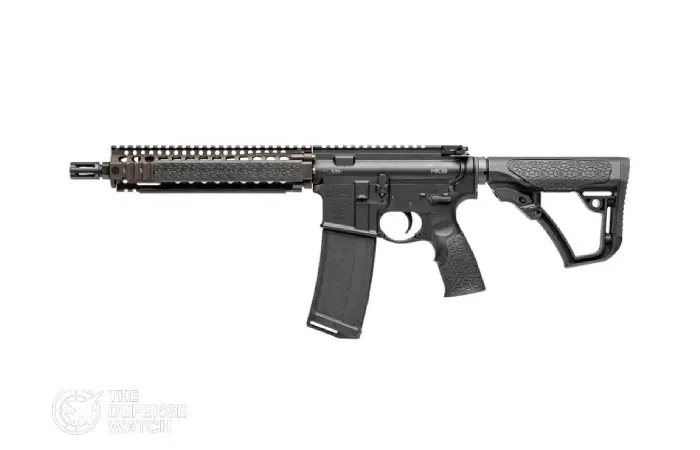
At the core of the MK18 platform is a cold hammer forged 10.3-inch barrel manufactured from 4150 Chrome Moly Vanadium steel. This material selection prioritizes heat resistance, barrel longevity, and sustained firing durability under high-pressure operating conditions.

Image Source : Daniel Defense Cold hammer forging enhances structural consistency within the barrel while increasing wear resistance. For short-barreled systems that experience elevated heat and pressure cycles, this manufacturing method provides a measurable operational advantage over standard button-rifled barrels.
The 1:7 twist rate enables stabilization across a broad range of projectile weights, particularly heavier 62-grain to 77-grain loads commonly associated with duty-grade defensive ammunition.
Gas System Dynamics
The MK18 utilizes a carbine-length direct impingement gas system, a necessity given the reduced barrel length. While short gas systems inherently operate under higher pressures and cyclic rates, Daniel Defense has refined the platform through optimized gas port sizing and proven bolt carrier geometry.
Short-barreled rifles frequently encounter reliability challenges related to dwell time and extraction pressure. The MK18 mitigates these concerns through a properly staked gas key, heavy-duty extractor spring assembly, and rigorous bolt carrier group testing standards.
Each bolt undergoes both Magnetic Particle Inspection (MPI) and High-Pressure (HP) testing, procedures typically associated with military contract standards rather than entry-level commercial rifles.
RIS II Rail Interface
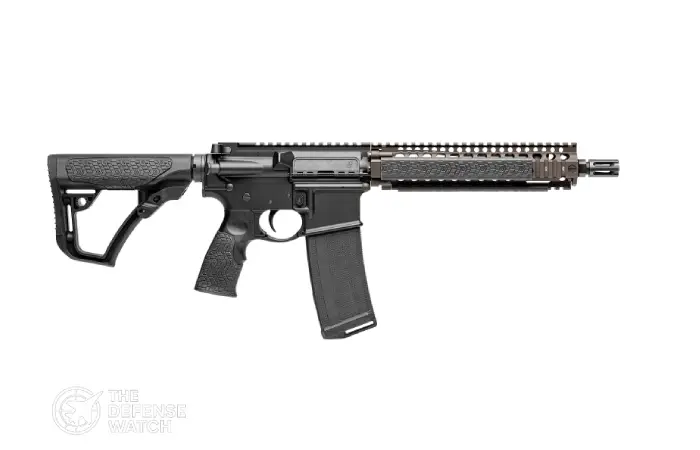
The RIS II rail remains one of the defining characteristics of the MK18 architecture. Unlike modern ultra-light M-LOK rails focused primarily on weight reduction, the RIS II prioritizes structural integrity and operational durability.

Image Source : Daniel Defense Its free-float design minimizes pressure shift on the barrel while preserving laser alignment under hard-use conditions. This remains particularly relevant for users employing night vision systems or infrared aiming modules within close-quarters operational environments.
The rail’s quad-interface configuration also continues to provide extensive compatibility with legacy military accessories and mission-specific loadouts.
Ballistic Performance in Close Quarters
The MK18’s 10.3-inch barrel significantly alters the ballistic profile of the 5.56 NATO cartridge when compared to standard 14.5-inch or 16-inch carbines.
Velocity reduction is the primary tradeoff. Depending on ammunition type, muzzle velocity losses can range between 400 and 700 feet per second compared to full-length rifle systems. This affects terminal fragmentation thresholds, particularly with legacy M193 and M855 ammunition.
However, modern bonded soft-point and barrier-blind defensive loads have substantially improved the effectiveness of short-barreled 5.56 platforms. Ammunition optimized for lower velocity expansion enables the MK18 to maintain credible terminal performance within realistic residential defense engagement distances.
From a tactical perspective, the shorter overall length delivers substantial maneuverability advantages inside confined spaces such as stairwells, hallways, and vehicle interiors. The compact form factor reduces snag hazards and improves target transitions during dynamic movement.
Suppressed configurations further enhance the MK18’s utility in close-quarters environments by mitigating flash signature and reducing auditory overpressure. This has contributed to the platform’s continued relevance among professional users conducting low-visibility operations.
Residential Defense Architecture
Within the civilian market, the MK18 has evolved beyond its military identity into a specialized defensive platform for users prioritizing compact dimensions and professional-grade reliability.
Its appeal is largely centered on controllability in confined structures. Compared to full-length carbines, the MK18 allows more efficient corner navigation and reduced weapon exposure around doorways and barricades.
The platform also supports extensive modularity through optics integration, white light placement, sling configuration, and suppressor compatibility. These characteristics align closely with modern residential defense doctrine emphasizing positive target identification and rapid response capability under low-light conditions.
While the MK18 requires greater attention to muzzle blast management and ammunition selection than longer rifles, its operational footprint remains one of the most refined within the short-barreled AR category.
Operational Verdict
The Daniel Defense MK18 remains one of the most recognizable compact carbines derived directly from USSOCOM operational requirements. Its continued relevance stems from a balance of compact dimensions, military-grade manufacturing standards, and close-quarters efficiency that few platforms have consistently replicated.
The 10.3-inch configuration, RIS II rail system, and rigorously tested internal components collectively position the MK18 as a mission-capable asset rather than a purely commercial sporting rifle.
For users focused on residential defense architecture, vehicle deployment, or confined operational environments, the MK18 continues to offer a credible combination of maneuverability, reliability, and modular adaptability rooted in decades of real-world combat application.
Iron Legion JV awarded USSOCOM intelligence support contract
Iron Legion JV has been awarded a $265 million USSOCOM intelligence support contract, marking a significant addition to U.S. Special Operations Command long term support infrastructure. The Tampa Florida based joint venture received a cost plus fixed fee and cost reimbursable indefinite delivery indefinite quantity contract to provide intelligence support services across multiple operational environments.
According to the U.S. Department of Defense contract announcement, the contract carries a ceiling value of $265,164,486 and is structured to support USSOCOM requirements over an extended timeframe. The award underscores continued U.S. investment in intelligence capabilities critical to special operations forces operating in complex and contested environments.
Contract scope and structure
The Iron Legion JV USSOCOM contract includes a five year base ordering period followed by a five year optional ordering period. If all options are exercised, the period of performance runs through March 24, 2036. This long horizon reflects USSOCOM’s reliance on sustained intelligence support to enable planning, targeting, and operational decision making.
The contract uses a cost plus fixed fee and cost reimbursable IDIQ structure. This approach allows USSOCOM to issue task orders as requirements evolve while maintaining flexibility to adjust scope, scale, and geographic focus. IDIQ contracts are commonly used by the Department of Defense for intelligence and professional services where mission needs can shift rapidly.
Work under the contract will be performed at both CONUS and OCONUS locations. This indicates support for intelligence activities not only within the continental United States but also in overseas theaters where U.S. special operations forces are deployed.
Role of intelligence support in USSOCOM operations
Intelligence support services are a core enabler for U.S. Special Operations Command. USSOCOM oversees elite units from the Army Navy Air Force and Marine Corps, including Army Special Forces Navy SEALs Air Force Special Tactics and Marine Raiders. These forces depend on timely accurate intelligence to conduct counterterrorism missions foreign internal defense special reconnaissance and other sensitive operations.
The Iron Legion JV USSOCOM contract is expected to support a range of intelligence functions. While specific tasking details were not disclosed, contracts of this type typically cover analysis intelligence production operational support and integration with command level intelligence staffs. Such services help commanders understand adversary networks terrain political dynamics and emerging threats.
USSOCOM operates in a global security environment shaped by near peer competition irregular warfare and persistent counterterrorism demands. Intelligence support contracts provide the analytical depth and surge capacity needed to meet these challenges without expanding uniformed force structure.
Strategic importance of long term IDIQ awards
Long duration IDIQ contracts like this one are strategically important for both the government and industry. For USSOCOM, they ensure continuity of support and access to experienced personnel who are already familiar with special operations missions and processes. This reduces onboarding time and operational risk.
For industry, the Iron Legion JV USSOCOM contract offers a stable framework for investment in workforce development systems and security compliance. Intelligence support work requires cleared personnel and specialized expertise, making long term contracts essential for sustaining capability.
The ceiling value of $265 million does not guarantee full obligation but sets an upper limit on potential task orders. Actual spending will depend on USSOCOM requirements over the life of the contract.
Contracting activity and oversight
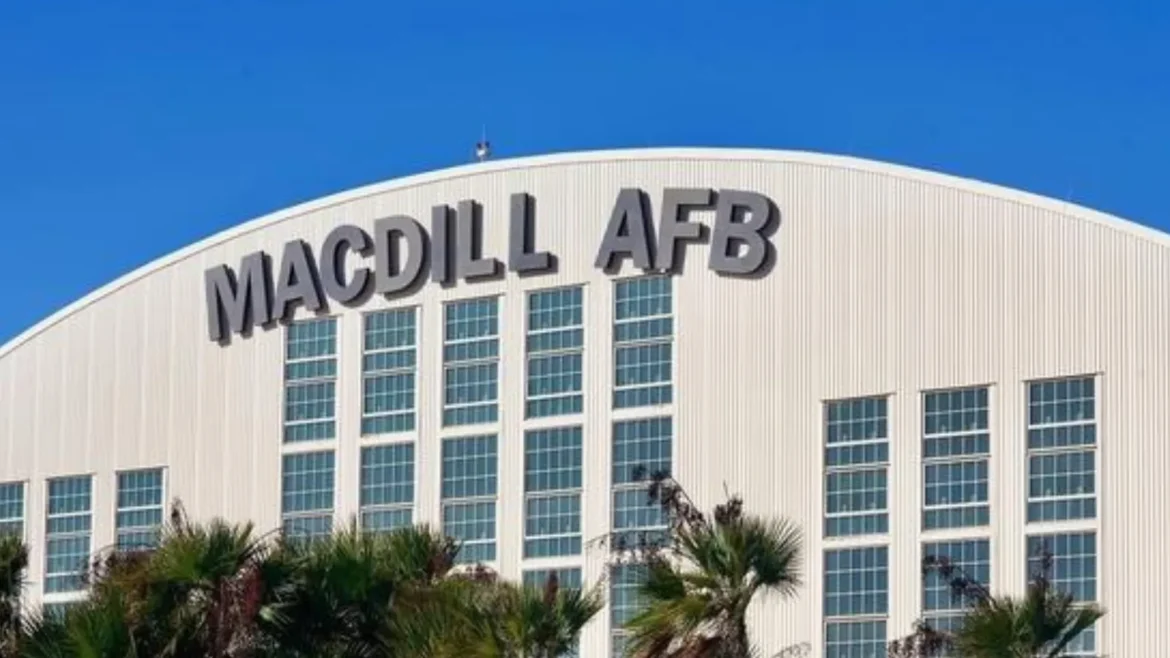
USSOCOM at MacDill Air Force Base Florida is the contracting activity for the award. As a unified combatant command, USSOCOM has unique acquisition authorities that allow it to tailor contracts to the specific needs of special operations forces.
The command manages a significant portfolio of service and capability contracts spanning intelligence logistics aviation support and advanced technology. Oversight of these contracts is conducted in coordination with the Department of Defense to ensure compliance with federal acquisition regulations and mission effectiveness.
Public contract announcements are part of the Defense Department’s transparency process, providing insight into how defense funds are allocated and which companies are supporting national security missions.
Broader defense contracting context
The Iron Legion JV USSOCOM contract comes amid sustained demand for intelligence and analytical services across the U.S. military. As operational data volumes grow and threat environments become more complex, commands increasingly rely on contractor support to augment organic capabilities.
USSOCOM in particular has expanded its use of intelligence contractors over the past two decades, reflecting the global scope of special operations and the need for continuous situational awareness. Contracts supporting intelligence fusion targeting and mission planning remain a key component of this approach.
The award also highlights Tampa’s role as a defense hub. With USSOCOM headquartered at MacDill Air Force Base, the region hosts a concentration of special operations focused companies and joint ventures positioned to support the command’s mission.
What this means for USSOCOM missions
By securing long term intelligence support through the Iron Legion JV USSOCOM contract, the command reinforces its ability to operate with speed and precision. Reliable intelligence support underpins everything from crisis response to sustained overseas operations.
The extended performance period suggests USSOCOM anticipates ongoing demand for contractor provided intelligence services well into the next decade. This aligns with Defense Department assessments that competition and irregular threats will continue to require high end intelligence capabilities.
As task orders are issued under the contract, Iron Legion JV will play a role in supporting decision makers across USSOCOM’s global enterprise. While individual missions remain classified, the contract itself reflects a steady commitment to intelligence as a foundation of special operations effectiveness.
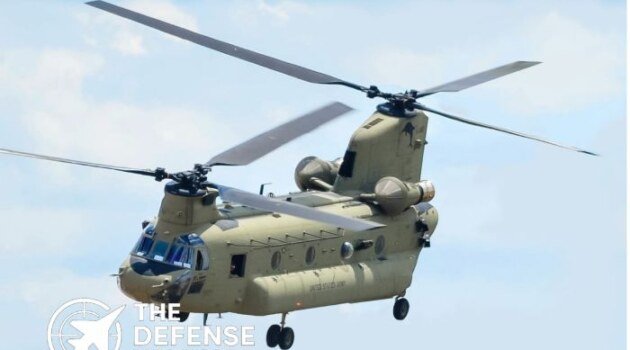
U.S. Special Operations Command Orders More MH-47G Block II Chinooks
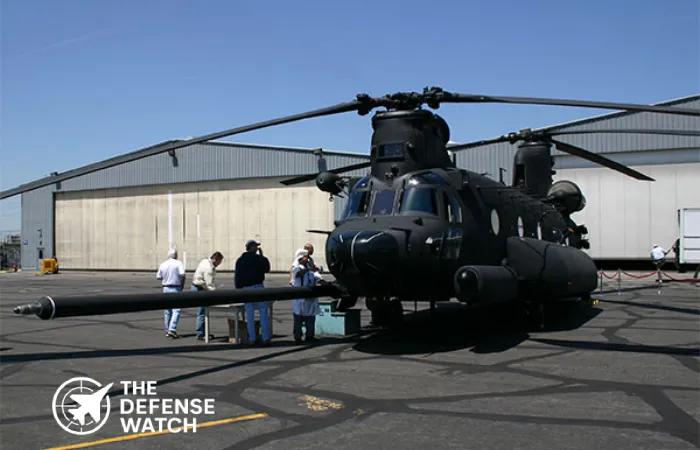
The U.S. Special Operations Command (USSOCOM) awarded Boeing a $877,742,891 delivery order to procure additional MH-47G Block II heavy-lift helicopters. The contract stipulates that most of the manufacturing activity will occur through late 2030, under the contracting activity based at MacDill Air Force Base.
Background: Why MH-47G Matters
The MH-47G is the special operations version of Boeing’s venerable CH-47 Chinook, tailored for the demanding missions of U.S. Army Special Operations Aviation Command (USASOAC), notably the 160th Special Operations Aviation Regiment (SOAR), also known as the Night Stalkers.
Derived from earlier MH-47 variants (D and E), the Block II brings critical upgrades: a reinforced airframe, redesigned “fat” fuel tanks, advanced avionics, and systems optimized for extended-range, high-threat, and night operations.
These helicopters support insertion, extraction, resupply, in-flight refueling, and even airborne command‐and‐control. Their low-level capability — paired with infrared suppression and countermeasure suites — makes them uniquely suited for clandestine and high-risk special operations.
Contract Details and Context
- The $877.7 million award represents a “delivery order,” meaning this is not a standalone contract but a continuation or extension of an existing procurement pathway.
- Production is expected to carry on until November 2030, giving Boeing and USASOAC a clear roadmap for the near term.
- This new order builds on a series of prior contracts:
- In March 2025, Boeing secured a $240 million deal to remanufacture five MH-47G Block II helicopters, with deliveries expected to begin in 2027.
- In June 2024, a $115 million contract for two additional MH-47G Block II Chinooks was awarded.
- Looking further back, in December 2023, Boeing received a $271 million award to remanufacture six MH-47G Block II airframes.
- According to these cumulative contracts, 51 MH-47G Block II helicopters are now under contract.
MH-47G Capabilities and Specifications
Key specifications and capabilities of the MH-47G Block II include:
- Powerplant: Two Honeywell T55-GA-714A turboshaft engines (approx. 4,734 hp each)
- Dimensions: Fuselage length ~ 15.9 m; total length with rotors ~ 30.2 m; rotor diameter ~ 18.8 m
- Fuel & Range: Internal fuel capacity around 7,828 liters; mission radius approx. 630 km; aerial refueling capability extends mission duration.
- Avionics: Digital cockpit compatible with night-vision goggles, Common Avionics Architecture System (CAAS), inertial/doppler navigation, GPS, and advanced radar.
- Defensive Systems: Infrared exhaust suppressors, missile warning system, electronic countermeasures, laser warning receiver, and flare dispensers.
- Armament and Personnel Systems: M134 minigun (7.62 mm) at forward doors, M240D machine guns in rear windows, fast-rope insertion/extraction, rope ladders, rescue hoist, and a personnel location system.
Expert & Policy Perspectives
From a defense policy standpoint, this contract underscores the U.S. military’s long-term commitment to sustaining and modernizing its special operations aviation capabilities. Analysts note that the continuous procurement of Block II MH-47Gs aligns with SOCOM’s broader strategy to extend platform service life while ensuring mission-ready readiness for high-risk operations across the globe.
Heather McBryan, Boeing’s Cargo Programs VP and Program Manager, has previously emphasized the “unique and complex mission requirements” of USASOAC, framing the MH-47G Block II as a force multiplier for special operators.
Budget documents released by the U.S. Department of Defense also reflect planned procurement through 2030, reinforcing that this isn’t a one-off investment but part of a sustained modernization roadmap.
Strategic Implications and What’s Next
- Extended production timeline: With production stretching to 2030, Boeing and its supply chain are likely to maintain a stable industrial base for heavy-lift special operations helicopters.
- Sustained operational capacity: The Night Stalkers (160th SOAR) will continue to operate an upgraded and modernized fleet — enhancing readiness for global missions.
- Future growth potential: Given the modular design of the Block II, there is room for further technology insertions or upgrades as threat environments evolve.
- Budget consistency: The award aligns with SOCOM’s budget justification documents, suggesting future delivery orders may follow under similar procurement frameworks.