Ukraine’s Fire Point Targets $1M Ballistic Missile Kill Cost With New Air Defense System
Ukraine’s Fire Point, maker of the Flamingo cruise missile, is in active talks with European defense companies to launch a new air defense system by 2027 — one that its co-founder says could fundamentally disrupt the economics of ballistic missile defense.
Fire Point co-founder and chief designer Denys Shtilierman told Reuters the company aims to cut the cost of intercepting a ballistic missile to below $1 million — a benchmark that, if achieved, would represent a significant departure from current Western air defense cost structures.
- Ukraine’s Fire Point — maker of the Flamingo cruise missile — is developing a new low-cost air defense system targeting a sub-$1 million cost per ballistic missile intercept.
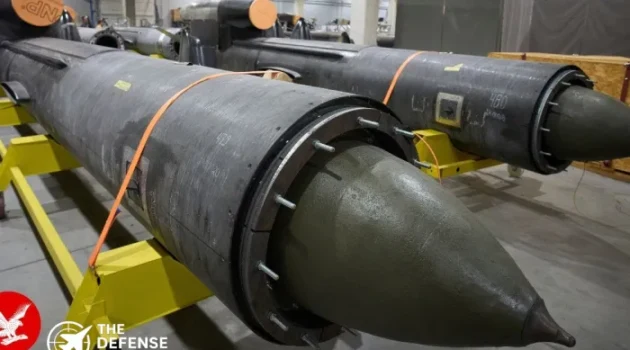
- The system will use Fire Point’s FP-7 short-range ballistic missile as its interceptor; a first live intercept attempt is planned for late 2027.
- A Middle Eastern conglomerate — widely identified in Ukrainian media as Emirati defense firm Edge Group — has proposed a $760 million acquisition of a 30% stake in Fire Point, valuing the company at $2.5 billion.
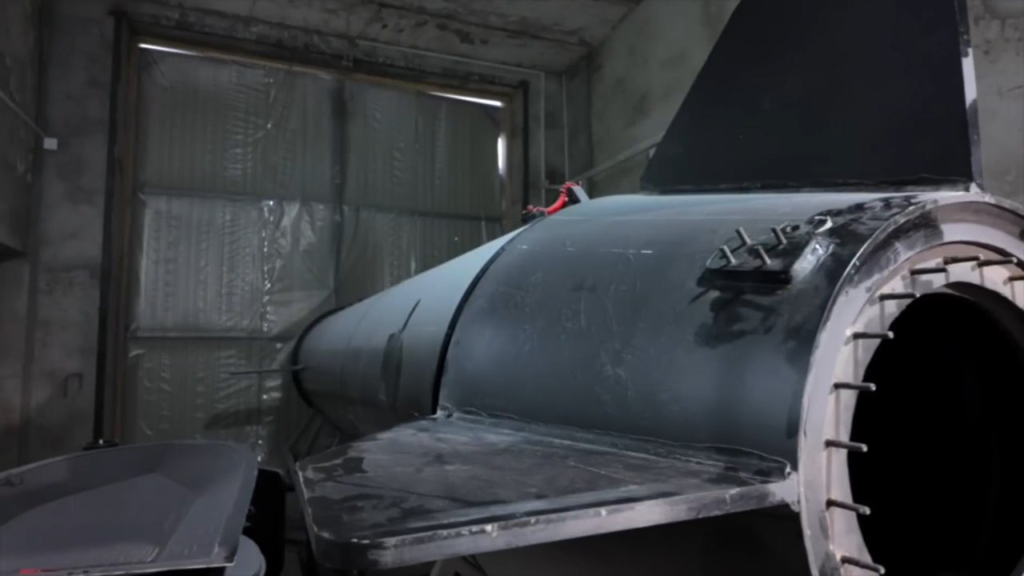
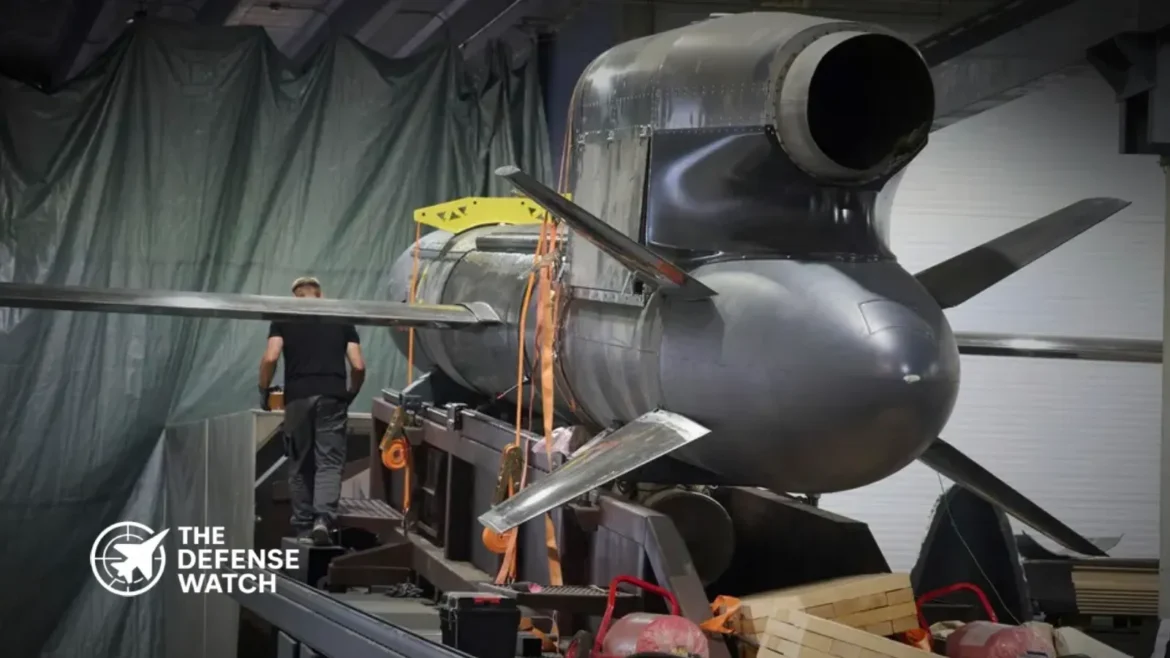
- Fire Point is also developing two supersonic ballistic missiles: the FP-7 (300 km range) and the FP-9 (850 km range, 800 kg warhead) — the latter placing Moscow within reach.
- The company currently produces hundreds of long-range strike drones daily and three Flamingo cruise missiles per day, with export capacity of up to 2,500 drones monthly pending Ukrainian government approval.
The Big Picture
Western air defense architecture faces a compounding supply crisis. Patriot missiles are in increasingly short supply amid extensive deployment in the Gulf against Iranian attacks, and Europe’s only anti-ballistic system, the Italo-French SAMP/T, is produced in relatively small numbers.
That scarcity has created a strategic opening. Nations seeking to protect their airspace — particularly smaller NATO partners, Indo-Pacific allies, and Gulf states — are actively searching for credible, affordable alternatives to a U.S. system whose production cannot currently meet global demand.
Fire Point’s emergence as a serious contender in this space is not accidental. Years of know-how gained on the battlefield fighting Russian forces have made Ukraine a leading innovator in low-cost defense tech. With the outbreak of war in the Gulf, Kyiv has leveraged that expertise to sign security agreements with governments across the region.
What’s Happening
Fire Point — founded after Moscow’s 2022 invasion — is Ukraine’s biggest maker of the long-range drones used in the majority of strikes deep inside Russia. The company has since expanded well beyond drone production.
Its FP-5 long-range cruise missile, commonly known as the Flamingo, has been used to hit Russian military facilities and arms factories, including a ballistic missile plant nearly 1,400 kilometers inside Russian territory.
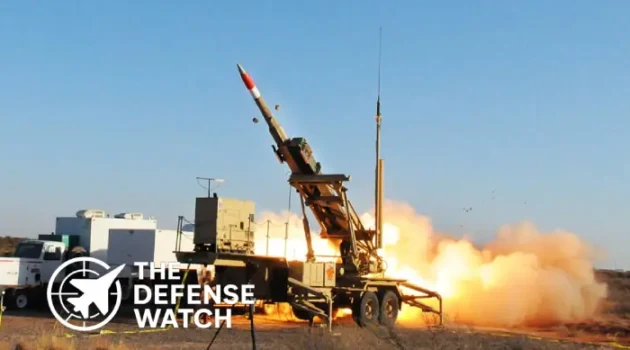
Now, Shtilierman says Fire Point is targeting the intercept mission. The Patriot system — manufactured by Raytheon and Lockheed Martin — often requires two or three air defense missiles, each costing several million dollars, to bring down a ballistic projectile.
“If we can decrease it to less than $1 million, it will be a game changer in air defense solutions,” Shtilierman said. We plan to intercept the first ballistic missile at the end of 2027.
Shtilierman declined to name the European companies involved in the discussions but said Fire Point is “deeply interested” in collaboration on radar, missile target-seeking, and communications systems — areas where it lacks expertise. He noted that European companies including Weibel, Hensoldt, SAAB, and Thales have capable radar solutions.
Why It Matters
The cost asymmetry in modern air defense has emerged as one of the defining vulnerabilities of Western military posture. Adversaries have learned to exploit it directly: Russia, Iran, and their proxies fire salvos of inexpensive ballistic and cruise missiles, forcing defenders to expend interceptors worth multiples more than the incoming rounds.
If Fire Point can demonstrate a reliable intercept at under $1 million per kill, it addresses one of the most critical tactical and economic imbalances in contemporary warfare. Even a system with somewhat lower kill probability than the Patriot could justify deployment purely on cost-exchange-ratio grounds.
Fabian Hoffmann, a missile expert and senior researcher at the Norwegian Defence University College, acknowledged Fire Point’s 2027 target was “ambitious.” However, he said that beyond Ukraine’s own military needs, there would be strong demand from governments even if its kill rates per missile were less effective than the Patriot’s.
That analysis carries considerable weight. In markets where Patriot is unavailable or unaffordable, a lower-cost system with a lower — but not negligible — intercept probability still provides meaningful deterrence value.
The Offensive Arsenal Expanding in Parallel
Fire Point is not limiting its ambitions to defense. Shtilierman said the company is now in the final stages of developing two supersonic ballistic missiles.
The smaller FP-7, with a range of around 300 kilometers, will have its first military deployment “in the close future,” Shtilierman described it as similar to Lockheed Martin’s ATACMS short-range ballistic system.
The larger FP-9, capable of carrying an 800 kg warhead up to 850 kilometers, is about to enter testing and would place Moscow within range of Ukraine’s ballistic arsenal.
Shtilierman said strikes on Moscow — which is ringed by some of the world’s most formidable air defenses — would cause a “mass shift in the Russian mind and the mind of top guys in Russia.
Separately, Hoffmann noted that while Russia has experience successfully downing ATACMS, more widespread use of ballistic missiles could stretch Russian air defenses, already degraded by Ukrainian strikes.
Strategic Implications
Fire Point’s trajectory reveals a broader strategic shift: Ukraine is transitioning from a nation consuming Western defense capabilities to one producing and exporting them.
Many Ukrainian defense firms are now seeking to export their excess capacity and cash in on a global boom in military spending. While the government recently loosened wartime export restrictions, each proposed deal is still subject to stringent checks and state approval.
This matters for NATO allies. A credible, low-cost Ukrainian air defense system could fill capability gaps in Eastern European nations that cannot afford Patriot batteries, while simultaneously reducing their dependence on U.S. systems that Washington may need to retain for other theaters.
The potential UAE investment adds another dimension. Ukraine’s anti-monopoly authority has until around October to decide on the proposed $760 million acquisition of a 30% stake in Fire Point by the Middle Eastern investor. Ukrainian media have identified the suitor as Emirati defense firm Edge Group.
The investment would be the first step in a project to build a space launch terminal in the UAE, with the aim of eventually establishing a constellation of low-orbit European satellites. That represents a significant expansion of Fire Point’s strategic footprint — from a battlefield supplier to a multi-domain technology enterprise.
Competitor View
Russia’s military planners will be watching Fire Point’s ballistic missile development with close attention. The FP-9’s 850-kilometer range directly threatens Russian territory and command infrastructure in ways that current Ukrainian drone strikes — while disruptive — do not replicate with the same speed and penetration probability of a ballistic trajectory.
From Moscow’s perspective, the weaponization of Ukrainian industrial capacity represents a compounding problem. Every month the war continues, Ukraine’s defense-industrial base gains experience, scales production, and attracts foreign capital. The proposed Emirati investment, if approved, would substantially accelerate that trajectory.
For Iran, a Ukrainian air defense system exported to Gulf states could directly complicate the ballistic missile attack doctrine Tehran has relied upon in the current Gulf conflict. A low-cost intercept solution positioned in the UAE or Saudi Arabia would reduce the cost-exchange advantage Iran has partially exploited against Patriot-equipped defenders.
What To Watch Next
Several near-term milestones will determine whether Fire Point’s air defense ambitions materialize on schedule.
Ukraine’s anti-monopoly authority is expected to rule on the Edge Group investment by October 2026. Approval would unlock substantial capital and open Gulf export channels. Rejection — or prolonged delay — could constrain the company’s ability to fund radar integration with European partners.
Fire Point will increase production of the Flamingo when a new in-house engine goes into mass production in October and a rocket fuel plant in Denmark comes online later this year — pending two final approvals from Danish authorities.
The FP-7’s first military deployment — expected “in the close future” — will serve as a technical proof point for the broader air defense system concept, since the same missile is intended to function as the interceptor in the new system.
Capability Gap
The core gap Fire Point is targeting is straightforward: the world does not have enough affordable ballistic missile interceptors.
Ukraine and many other Western-allied nations rely heavily on the U.S.-made Patriot system to stop ballistic missiles. But Patriot battery production is constrained by U.S. industrial capacity, and the interceptor missiles themselves remain expensive and prioritized for NATO’s most exposed frontlines and critical Gulf deployments.
The realistic limitations of Fire Point’s approach remain significant. Developing a guidance and seeker package capable of engaging a ballistic missile in terminal phase — particularly against maneuvering warheads — is a technically demanding challenge that Ukraine has not previously solved at scale. Radar integration with European partners will be essential, and those partnerships have not yet been formalized.
The 2027 intercept demonstration target, while ambitious, is also a minimum viable proof of concept — not a fielded operational system. Full production, export certification, and integration with customer fire control systems would extend timelines considerably beyond that initial demonstration.
The Bottom Line
Fire Point’s drive toward a sub-$1 million ballistic missile intercept solution directly addresses one of the most consequential economic imbalances in modern air warfare — and if successful, it will reshape the global market for affordable missile defense at a moment when demand far outpaces Western supply.

Saab And Ukrainian Defense Industry Sign MoU On Aviation And Airborne Surveillance Cooperation
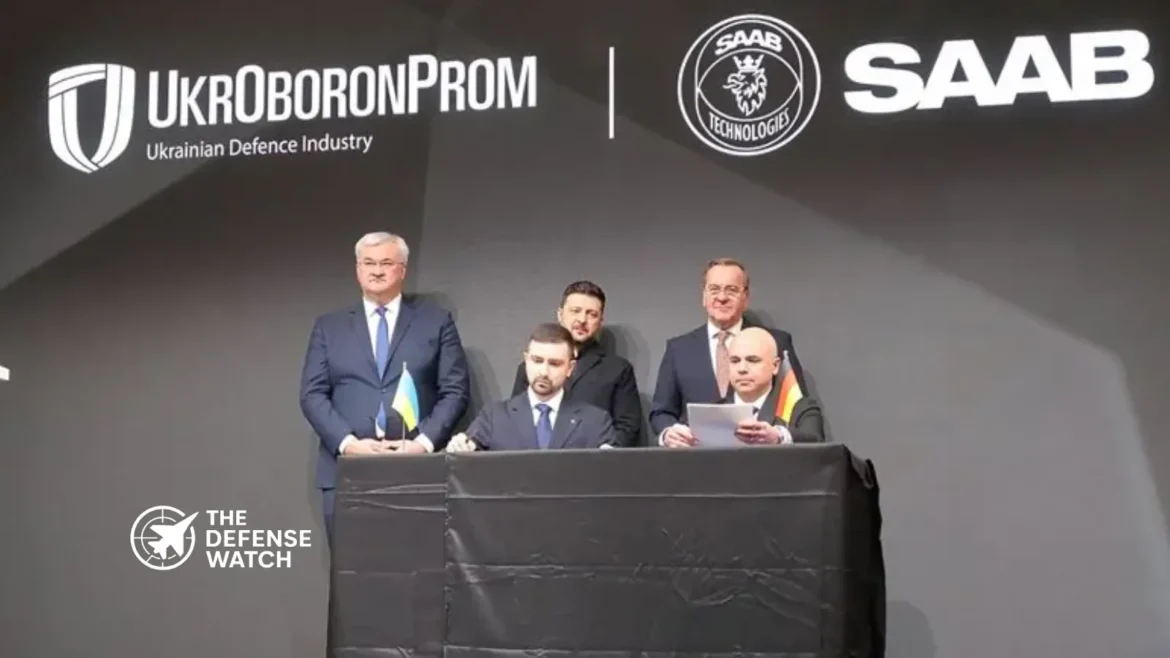
Saab and the Ukrainian Defense Industry have signed a memorandum of understanding aimed at expanding aviation and airborne surveillance cooperation, marking a new step in defense collaboration between Sweden and Ukraine.
The agreement, announced by Saab and Ukraine’s state-owned defense conglomerate Ukrainian Defense Industry, outlines plans to explore joint projects in military aviation, airborne early warning, and surveillance technologies.
The memorandum does not constitute a binding contract but establishes a framework for future cooperation, technology exchange, and potential industrial partnerships.
Expanding Aviation And Surveillance Ties
Under the MoU, Saab and Ukrainian Defense Industry will assess opportunities to collaborate in aviation systems and airborne surveillance platforms. This includes potential work related to airborne early warning and control capabilities, sensor integration, and support for existing and future aircraft.
Saab is internationally recognized for its advanced defense systems, including the Saab JAS 39 Gripen and the Saab GlobalEye airborne surveillance platform. The company has experience delivering integrated air defense and surveillance solutions to multiple European and international customers.
Ukraine, meanwhile, has prioritized strengthening its air defense and surveillance architecture amid ongoing conflict and sustained air and missile threats. Ukrainian defense officials have repeatedly emphasized the need for improved situational awareness, airborne radar coverage, and enhanced interoperability with Western systems.
The new Saab Ukrainian Defense Industry MoU reflects these evolving operational requirements.
Focus On Industrial Cooperation
According to official statements, the cooperation framework also aims to support Ukraine’s domestic defense industrial base. This could involve local production, maintenance, or integration activities, though specific projects were not disclosed.
Ukraine has actively pursued international partnerships to rebuild and modernize its defense sector. Agreements with Western firms are seen as a way to accelerate technology transfer and boost domestic manufacturing capacity.
Saab has previously expressed interest in establishing deeper industrial ties in Eastern Europe. The company’s approach often includes local industrial participation and long-term support arrangements.
The aviation and airborne surveillance cooperation outlined in the MoU may therefore extend beyond platform supply to include broader ecosystem development.
Strategic Context
The announcement comes as Ukraine continues to modernize its armed forces with Western equipment and technologies. Air domain awareness has become a central priority, especially in countering cruise missiles, drones, and manned aircraft.
Airborne early warning systems play a critical role in extending radar coverage, coordinating intercept missions, and enhancing command and control functions. Platforms like the Saab GlobalEye integrate advanced radar, electronic surveillance, and command systems into a single airborne node.
While the MoU does not specify a platform, analysts note that Saab’s portfolio includes scalable airborne surveillance solutions that could be adapted to Ukraine’s needs.
Sweden has been a consistent supporter of Ukraine’s defense efforts, providing military aid and advocating for stronger European security coordination. The cooperation between Saab and Ukrainian Defense Industry aligns with broader European defense integration trends.
No Immediate Procurement Announced
Importantly, the memorandum of understanding does not confirm any immediate procurement of aircraft or surveillance systems. Instead, it formalizes dialogue and technical discussions.
Such agreements are common first steps before detailed feasibility studies, industrial planning, or formal contracts.
Defense companies often use MoUs to outline shared objectives and explore regulatory, financial, and technical frameworks before committing to large-scale programs.
Still, the Saab Ukrainian Defense Industry MoU signals intent to deepen aviation and airborne surveillance cooperation at a time when Ukraine’s airspace remains heavily contested.
Strengthening Air Domain Awareness
Airborne surveillance systems can provide layered situational awareness alongside ground-based radars and satellite assets. They offer mobility, extended detection range, and flexibility in deployment.
For Ukraine, enhancing airborne radar coverage could improve coordination between fighter aircraft, ground-based air defense systems, and command centers.
Saab’s experience in sensor fusion, data links, and network-centric operations may become central to any future collaborative program.
The aviation and airborne surveillance cooperation framework may also address training, logistics support, and long-term sustainment planning.
Broader Defense Industry Trends
The MoU reflects a wider shift in European defense policy toward closer industrial integration and support for Ukraine’s domestic capabilities.
European defense firms have increasingly entered partnerships that emphasize co-production and local value creation rather than direct export alone.
Ukraine’s defense sector, restructured under Ukrainian Defense Industry, has sought to modernize governance and improve transparency to facilitate such partnerships.
By formalizing aviation and airborne surveillance cooperation, Saab positions itself as a potential long-term partner in Ukraine’s air domain modernization.
Outlook
While concrete programs have yet to be announced, the Saab Ukrainian Defense Industry MoU establishes a framework for structured cooperation in aviation and airborne surveillance technologies.
Future developments will depend on technical evaluations, funding mechanisms, and alignment with Ukraine’s operational priorities.
As air defense and airborne surveillance remain critical to Ukraine’s security environment, partnerships like this are likely to remain central to its modernization strategy.
For continued coverage of defense cooperation agreements and aviation modernization efforts, see also: Saab Expands European Defense Partnerships.
Marichka underwater drone marks a new phase in Ukraine’s naval warfare strategy
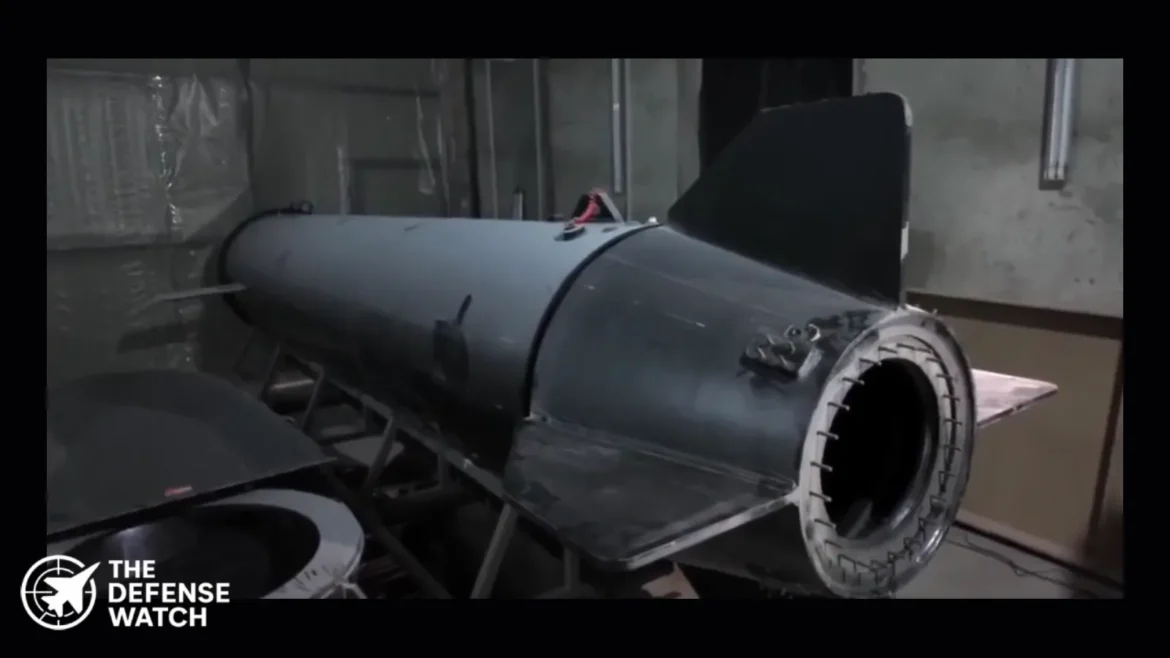
Ukraine has unveiled the Marichka underwater drone, a domestically produced autonomous maritime strike system designed to operate at long range and deliver heavy explosive payloads against naval and coastal targets. The system has been announced as ready for operational use by Ukrainian developer Aquatechnics, marking a notable expansion of Kyiv’s underwater warfare capabilities amid the ongoing conflict with Russia.
(adsbygoogle = window.adsbygoogle || []).push({});According to information released by the company and Ukrainian media, the Marichka underwater drone is designed to target ports, bridges, large surface combatants, and amphibious landing vessels at distances of up to 1000 kilometers. The announcement reinforces Ukraine’s continued emphasis on asymmetric naval capabilities following the success of earlier surface and semi submersible naval drones in the Black Sea.
Development and Operational Concept
The Marichka underwater drone has been developed as a fully autonomous system capable of long duration missions beneath the surface. Aquatechnics states that the platform relies on an inertial navigation system, allowing it to operate without external signals and reducing vulnerability to electronic warfare or satellite denial environments.
Unlike surface drones, which can be detected visually or by radar, an underwater platform operating at low acoustic signatures presents a more complex detection challenge. The company claims the drone is powered by noiseless electric engines designed to minimize acoustic emissions, allowing it to remain undetected during transit and while loitering near target areas.

Aquatechnics further states that Marichka can pause movement and remain stationary on the seabed or at depth for extended periods, potentially days or weeks, before resuming its mission. This capability suggests a design optimized for delayed strike operations and maritime area denial rather than rapid attack alone.
Technical Specifications Provided by Developer
Based on information released by Aquatechnics and Ukrainian defense focused outlets, the Marichka underwater drone is described with the following characteristics.
The drone reportedly carries a combat charge exceeding 1000 kilograms, indicating a payload mass comparable to large naval mines or heavyweight torpedoes. Its cruising speed is listed at approximately 10 kilometers per hour, consistent with endurance focused underwater platforms rather than high speed intercept systems.
The stated operational range of 1000 kilometers positions Marichka among the longest range autonomous underwater strike systems publicly acknowledged by a non major naval power. The drone is described as capable of using different explosive configurations depending on mission requirements, though no further technical detail has been disclosed.
Ukrainian officials have not released information on production numbers, unit cost, or deployment timelines. The performance claims have not been independently verified by external observers.
Role in Ukraine’s Naval Strategy
Ukraine has increasingly relied on unmanned maritime systems to compensate for the absence of a large conventional navy. Since 2022, Ukrainian surface drones have been used to attack Russian warships, logistics vessels, and port infrastructure, contributing to the withdrawal of several Russian naval assets from occupied Crimean ports.
The introduction of the Marichka underwater drone indicates a deliberate move toward deeper undersea strike capabilities. An autonomous underwater platform expands Ukraine’s ability to threaten high value maritime targets in defended ports and narrow waterways where surface drones face increased risk from physical barriers and defensive fire.
(adsbygoogle = window.adsbygoogle || []).push({});From a strategic perspective, underwater drones also complicate defensive planning for adversaries, requiring investments in sonar coverage, anti diver systems, and undersea surveillance that are difficult to deploy comprehensively across large coastal areas.
Comparison With Existing Naval Drones
Ukraine has previously fielded surface based maritime drones such as the Sea Baby and Magura V5, which have been widely documented attacking Russian vessels in the Black Sea. These systems prioritize speed and direct impact against exposed targets.
Marichka appears to occupy a different operational niche. Its emphasis on endurance, stealth, and heavy payload suggests a role closer to that of a mobile underwater mine or loitering torpedo rather than a fast attack craft. This diversification mirrors broader global trends in naval warfare, where unmanned underwater vehicles are increasingly used for strike, reconnaissance, and seabed warfare missions.
Western navies, including those of the United States and NATO allies, have invested heavily in large displacement unmanned underwater vehicles for intelligence and strike support roles. Ukraine’s development indicates that similar concepts are being adapted under wartime conditions using domestic industrial capacity.
Industrial and Technological Context
Aquatechnics is part of a growing ecosystem of Ukrainian defense technology firms that have emerged or expanded rapidly since the start of the full scale invasion. Ukraine’s defense industry has increasingly focused on rapid prototyping, domestic production, and battlefield driven innovation rather than traditional acquisition cycles.
Ukrainian officials have repeatedly emphasized the importance of sovereign production for critical systems, particularly those vulnerable to export controls or supply chain disruptions. Underwater drones represent a segment where domestic development can provide strategic leverage without reliance on foreign suppliers.
No information has been released regarding foreign assistance or technology transfer related to Marichka’s development.
Operational Risks and Limitations
While the announced specifications are significant, underwater drones face inherent operational challenges. Navigation accuracy over long distances without external updates, endurance limits imposed by battery capacity, and vulnerability to seabed obstacles or countermeasures all shape real world effectiveness.
(adsbygoogle = window.adsbygoogle || []).push({});Inertial navigation systems can accumulate positional drift over extended missions, potentially reducing strike accuracy unless combined with terminal guidance. Aquatechnics has not disclosed whether Marichka incorporates additional navigation aids or target acquisition sensors.
Despite these constraints, even limited deployment could force adversaries to allocate resources to undersea defense, producing strategic effects beyond the number of systems fielded.
Strategic Implications
The unveiling of the Marichka underwater drone underscores Ukraine’s continued emphasis on innovation in unmanned warfare across air, land, and sea domains. By expanding into autonomous underwater strike systems, Kyiv signals intent to contest maritime spaces that have traditionally favored larger navies.
For regional security in the Black Sea, the development adds another layer of complexity to naval operations and port security planning. For defense observers, Marichka highlights how mid sized states under pressure are accelerating adoption of undersea autonomous weapons once limited to major naval powers.