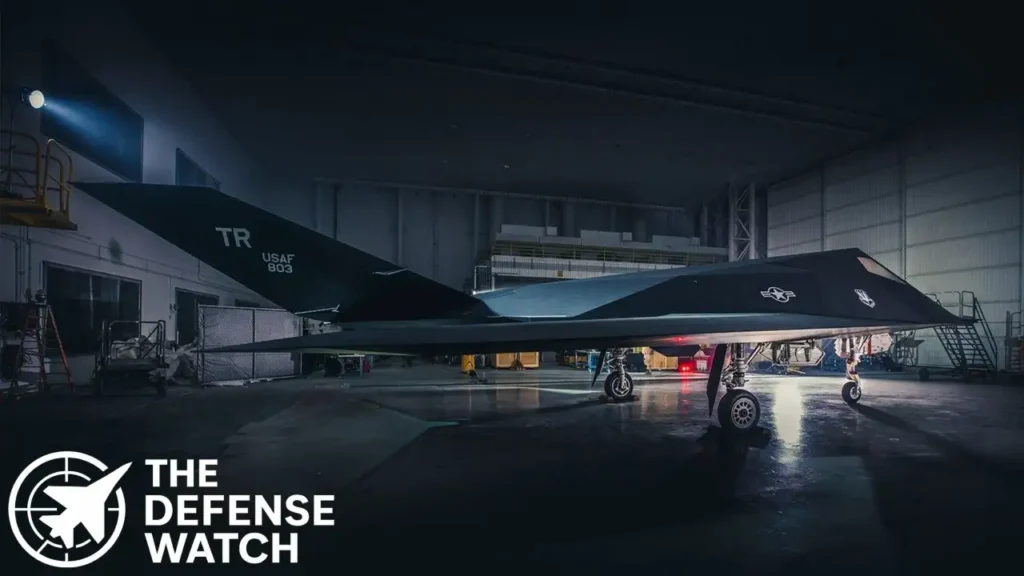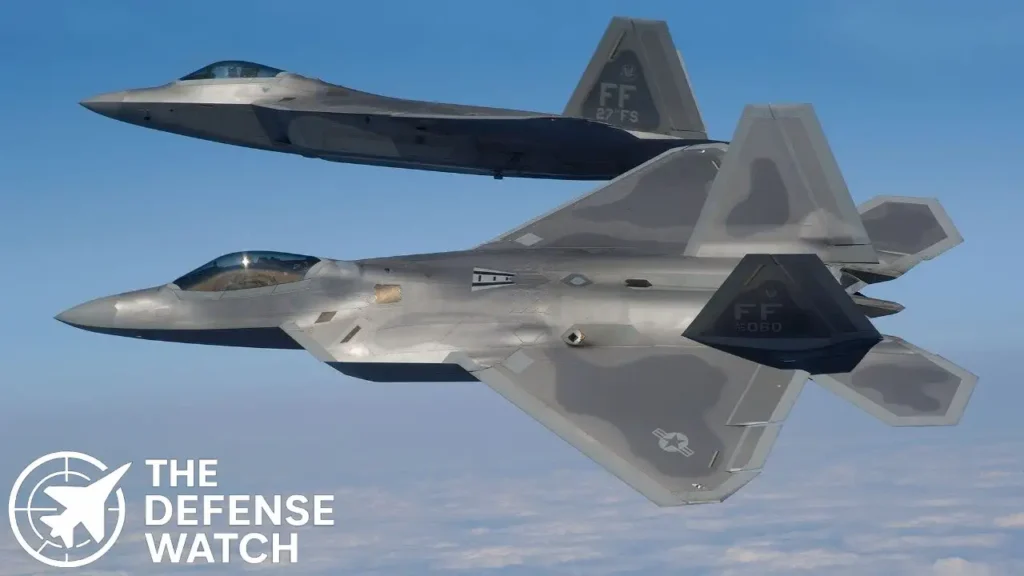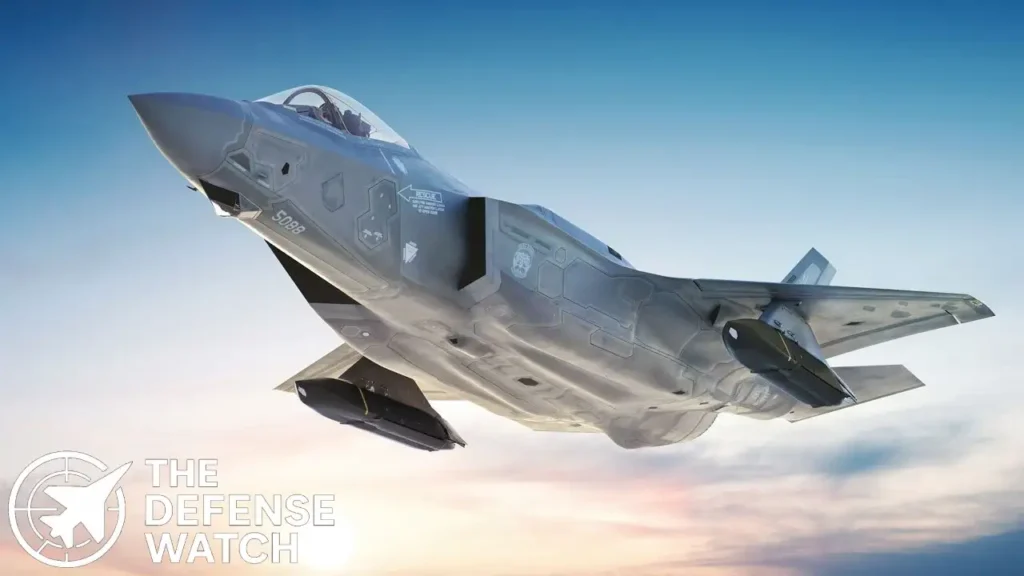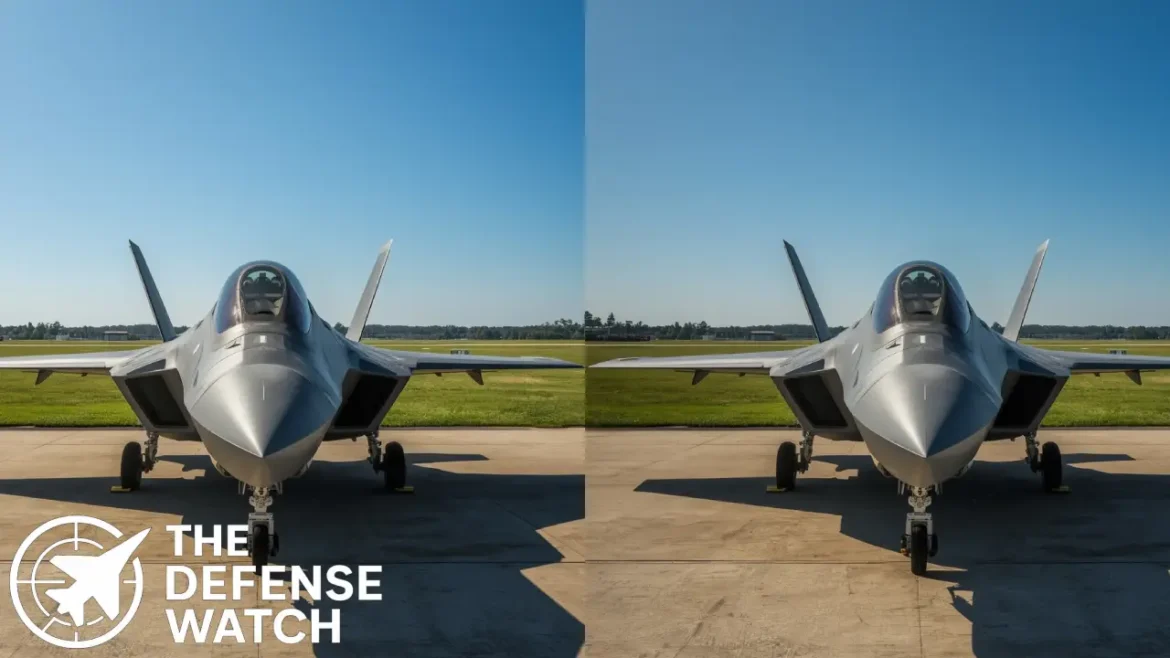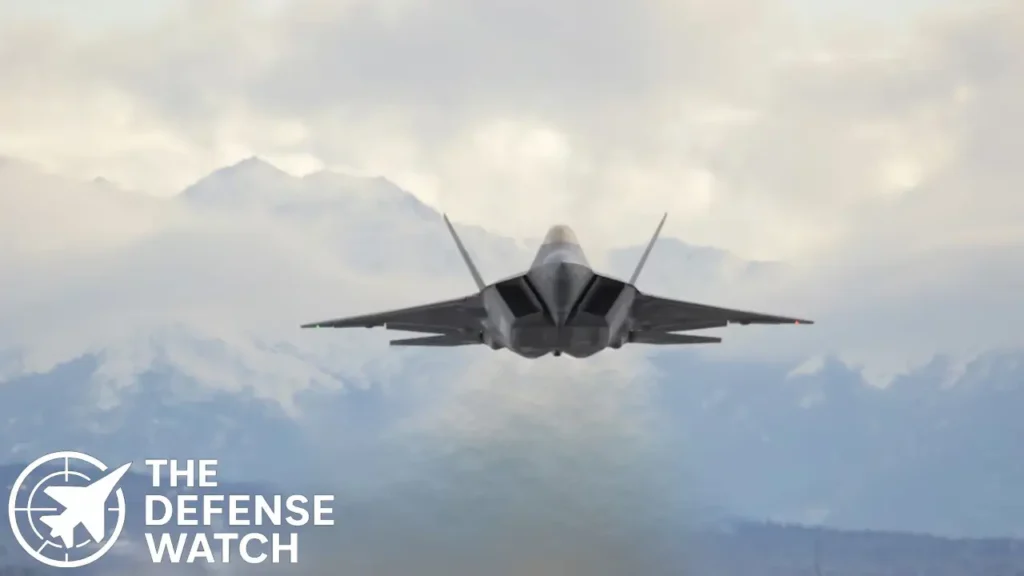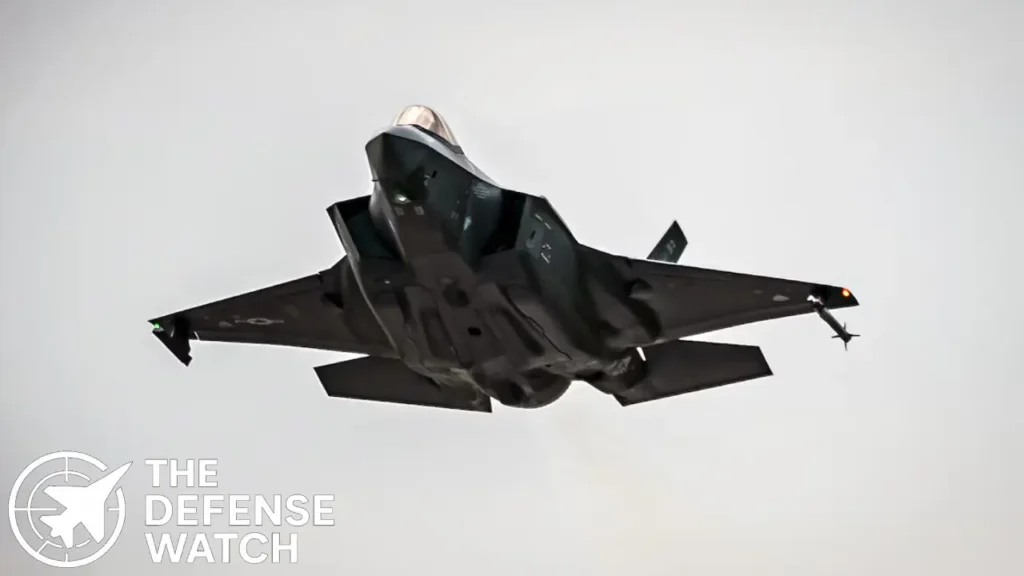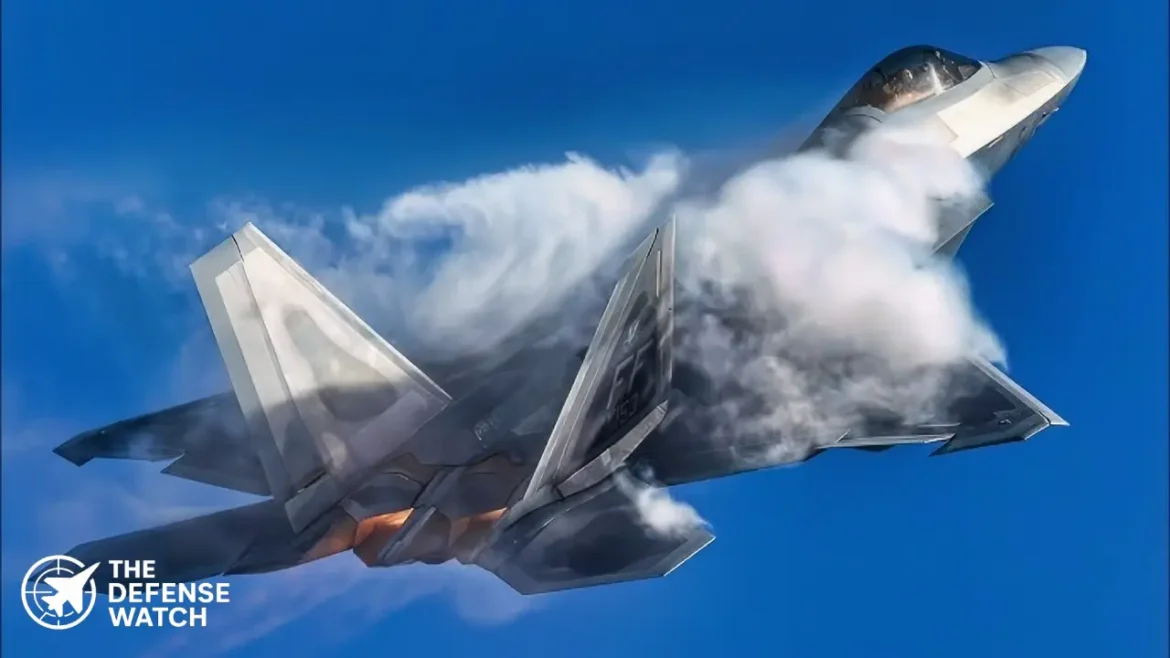
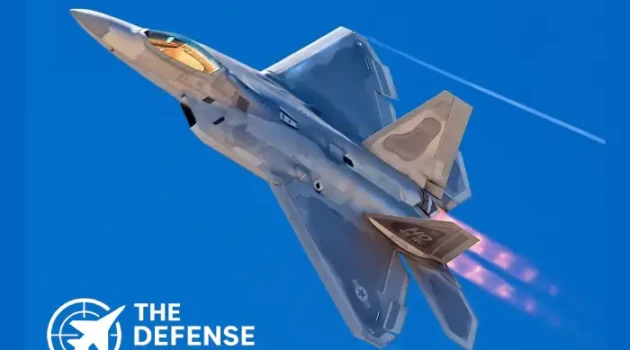
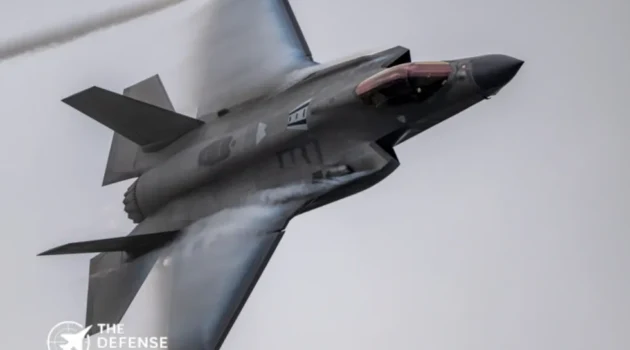
The U.S. Air Force, in collaboration with defense-contractor Lockheed Martin, is reportedly moving forward with ambitious upgrade proposals for its stealth fighter fleet — the “Super” F-22 Raptor and the “Ferrari” F-35 Lightning II. These plans aim to modernize existing airframes with next-generation technologies originally developed for the Next Generation Air Dominance (NGAD) program.
With new sixth-generation jets delayed, the upgrades are intended to provide a ready and capable stealth force in the near term — effectively extending the operational life and combat relevance of existing aircraft.
Background: Why Upgrades Are Gaining Traction
The NGAD program was meant to deliver a leap ahead in air-dominance through a brand-new sixth-generation fighter. However, development timelines remain uncertain and competitive pressures — particularly from rapidly evolving adversary programs — have accelerated calls for interim solutions.
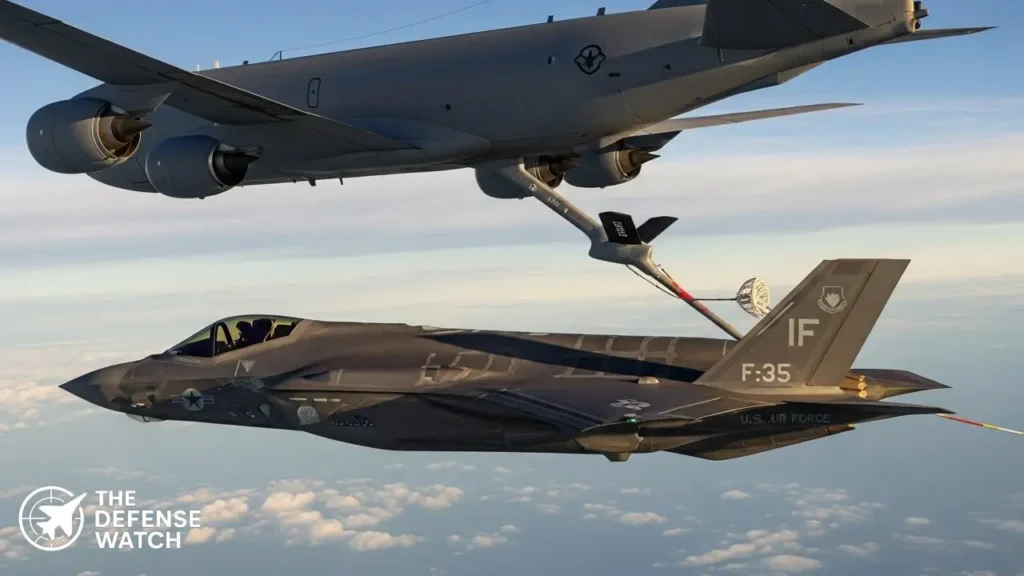
Rather than waiting for a fully new aircraft to reach maturity, U.S. defense planners and industry leaders are now advocating for an alternative: retrofit and modernize existing stealth fighters to absorb as many next-gen features as possible, sooner. This approach promises a potentially faster, more cost-efficient way to maintain air superiority while bridging the gap.
What the “Super F-22” and “Ferrari F-35” Would Deliver
Super F-22
The “Super” F-22 plan goes beyond incremental enhancements. It envisions a substantial structural refresh of existing Raptor airframes — including new stealth materials, redesigned engine inlets, powerful onboard processors, and advanced electronic-warfare (EW) systems derived from NGAD development.
Under the proposal, the upgraded F-22 could support heavier weapons loads, more power-hungry sensors, and expanded mission profiles. Elements under consideration reportedly include stealth coatings refinements, range-extending fuel tanks, improved infrared defense systems, and drone (loyal wingman) control capabilities.
Ferrari F-35
On the F-35 side, Lockheed Martin is pitching a “fifth-generation-plus” variant — colloquially dubbed “Ferrari” — that would blend much of NGAD-era tech with the widely fielded F-35 chassis.
According to company executives, this upgraded F-35 could deliver roughly 80% of a sixth-generation fighter’s capability at close to half the projected cost per unit. Specific upgrades under discussion include enhanced infrared search-and-track sensors, updated stealth materials, new air-frame geometry, advanced data links, and expanded weapons compatibility. There is also talk of improved integration with autonomous or drone “wingmen.”
Given the existing global fleet — numbering in the thousands — such upgrades could rapidly scale to meet strategic requirements.
What It Means for the U.S. Air Force and Strategic Posture
A modernized fleet of Super F-22s and Ferrari F-35s would give the U.S. Air Force a substantial near-term boost. It would raise the number of combat-ready stealth fighters, enhance mission versatility (air superiority, long-range strike, EW, drone integration), and extend the life of proven platforms — all without the long delays and risk of developing an entirely new jet from scratch.
This bridging strategy becomes especially critical as the U.S. navigates a period of shifting global power balances — where peer competitors are also advancing stealth and drone-enabled capabilities rapidly.
Upgrading existing aircraft could also reassure U.S. allies — especially those relying on American airpower — that Washington remains capable of delivering high-end air superiority even as its procurement and development cycles evolve.
Challenges, Trade-offs, and Questions
- Scale and Timing: It remains unclear how many F-22s will actually receive the Super upgrade — and how quickly. The retrofit process could take years, and legacy maintenance/backlog issues for the F-22 fleet remain a hurdle.
- Cost vs. Benefit: While Lockheed claims costs will be lower than a new sixth-gen jet, the extent of structural modifications — especially to older airframes — may drive up expenses and complicate logistics.
- Capability Ceiling: Even with “fifth-gen-plus” upgrades, there may still be a performance gap compared to a true sixth-generation platform, especially in areas like next-gen propulsion, stealth, and unmanned teaming.
- Strategic Risk: Relying on upgraded legacy airframes may leave the U.S. vulnerable if adversaries leapfrog ahead with more advanced designs — or counter-stealth and drone integration.
What’s Next — And What to Watch
- How many F-22 and F-35 jets will be selected for upgrade, and on what schedule.
- Whether the upgrades will include drone/control-network integration and new weapons systems (e.g., hypersonic missiles).
- How the upgrades influence the broader rollout and procurement plans for six-generation jets under NGAD (or successor initiatives).
- Responses from rival powers — and potential shifts in global airpower dynamics.
Conclusion
As the doorstep of sixth-generation air dominance continues to recede, the U.S. is charting a pragmatic path: bolstering the capabilities of current stealth aircraft rather than relying solely on future, uncertain platforms. The proposed “Super” F-22 and “Ferrari” F-35 — powered by cutting-edge NGAD-derived technologies — represent a strategic bet on bridging periods of uncertainty without sacrificing combat effectiveness. If realized, this modernization could preserve U.S. air superiority in a rapidly evolving global security landscape — at least through the late 2020s and early 2030s.
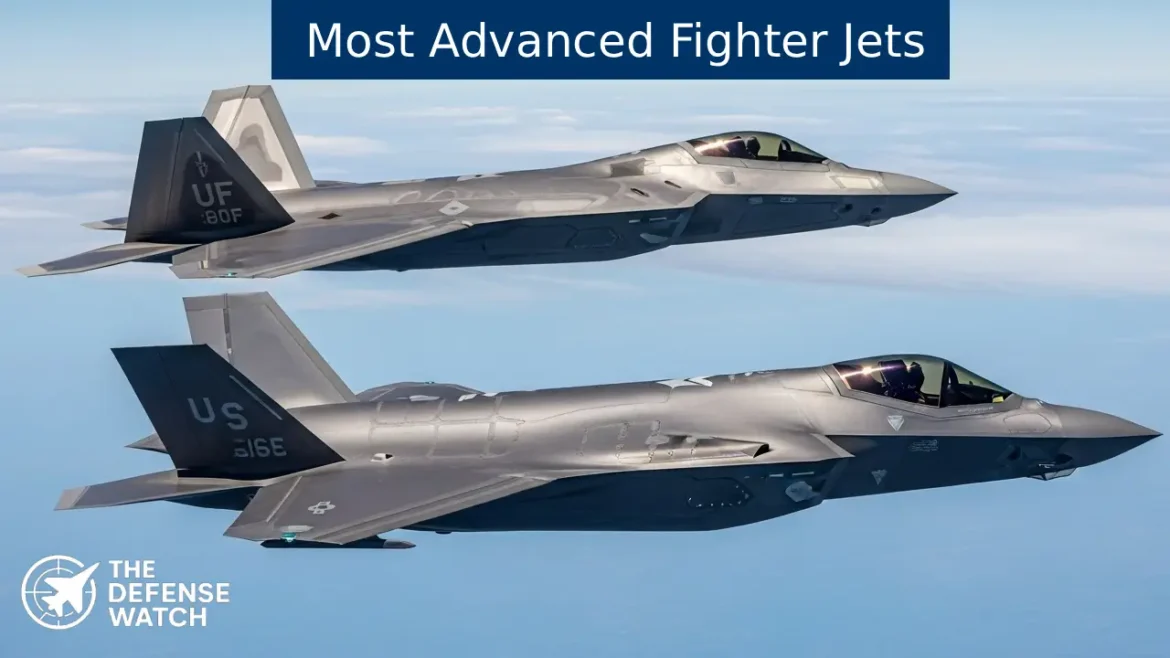
How the Ranking of the Most Advanced Fighter Jets Is Changing
The ranking of the most advanced fighter jets continues to evolve as air forces modernize fleets, integrate new sensors, and field upgraded weapons. As of 2025, only a handful of nations operate true fifth-generation platforms, while several others deploy high-end fourth-plus generation aircraft with advanced avionics and limited stealth. This report provides an updated, fact-driven assessment of today’s most capable fighters currently in operational service.
The ranking below is based on publicly available data regarding stealth characteristics, sensor fusion, range, weapons integration, electronic warfare (EW), and operational maturity.
The Top 10 Most Advanced Fighter Jets in Active Service (2025)
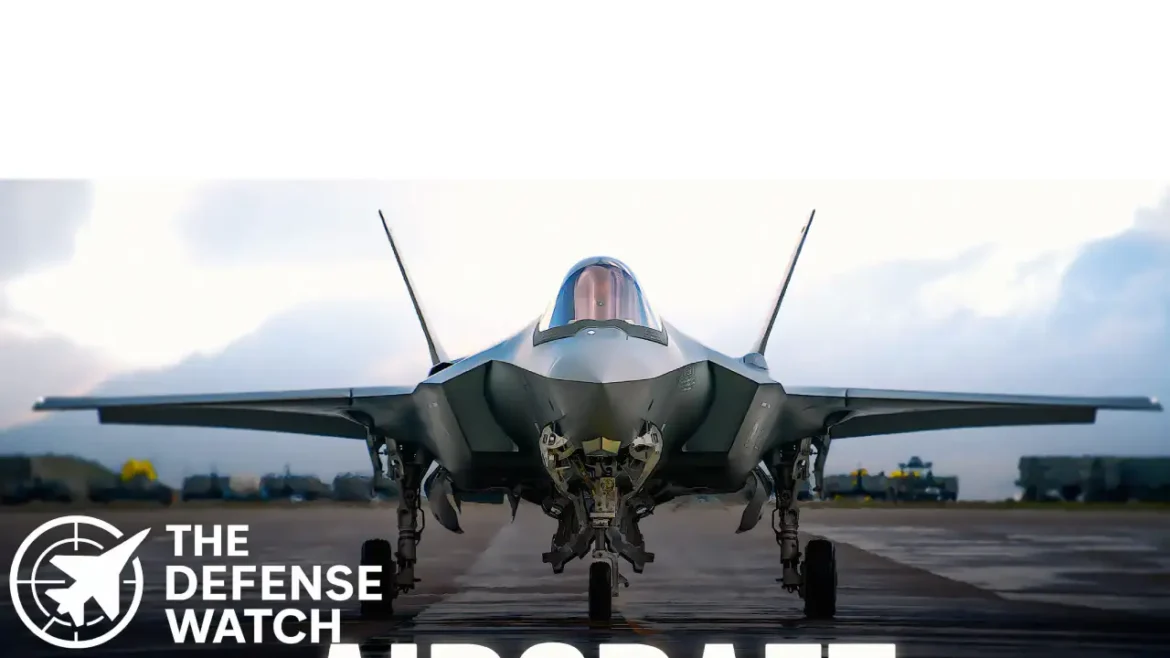
1. Lockheed Martin F-35 Lightning II (USA) — The Global Benchmark
The F-35 remains the most widely deployed fifth-generation fighter, operated by more than a dozen allied air forces. Its strength lies in its fused sensor suite, advanced AESA radar, low-observable design, secure datalinks, and extensive weapons certification. Ongoing upgrades under the Block 4 modernization program expand its electronic attack capabilities and enable new long-range strike options.
2. Lockheed Martin F-22 Raptor (USA) — Air Superiority Standard
Although produced in limited numbers, the F-22 remains unmatched in high-end air dominance missions. Its superior stealth, agility, supercruise performance, and integrated EW suite keep it at the top tier. The Raptor’s sensors and avionics continue to receive upgrades to maintain relevance against modern threats.
3. Chengdu J-20 Mighty Dragon (China)
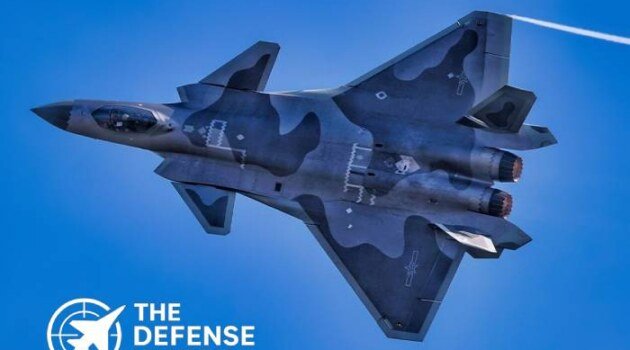
China’s first operational fifth-generation fighter has entered mass production, with the latest “J-20B” variants reportedly fielding improved engines and avionics. Its large internal volume supports long-range missions in the Indo-Pacific, and its evolving sensor suite enhances situational awareness. Operational details remain classified, but the aircraft is now firmly established in front-line service.
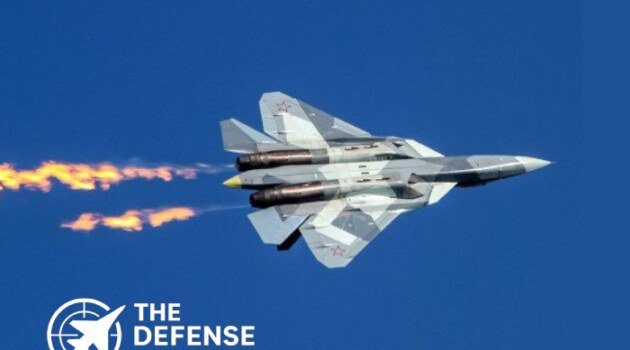
4. Sukhoi Su-57 Felon (Russia)
Russia’s Su-57 combines stealth shaping, supermaneuverability, and multi-role capability. While fleet numbers remain limited, the aircraft is actively deployed within the Russian Aerospace Forces. Its low-observable signature is less mature than U.S. or Chinese designs, but its advanced IRST and EW systems contribute to its ranking.
5. Eurofighter Typhoon (Europe) — Fully Mature 4.5-Gen Platform
Operated by the UK, Germany, Italy, Spain, and several export customers, the Typhoon’s latest Tranche 3 and ECR variants offer upgraded radars, expanded weapons integration, and strong electronic attack capability. Its high-altitude performance and reliability make it one of the leading non-stealth fighters.
6. Dassault Rafale F3R/F4 (France)
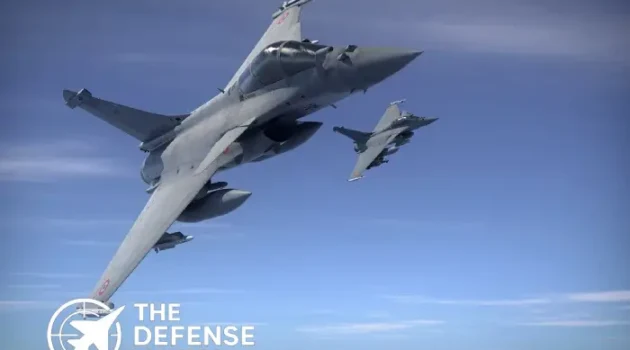
The Rafale combines multi-role flexibility with advanced avionics, AESA radar, and cutting-edge EW systems (SPECTRA). The F4 standard enhances connectivity, weapons accuracy, and sensor performance, solidifying its position as a top-tier European fighter.
7. Boeing F-15EX Eagle II (USA)
Built on the proven F-15 lineage, the F-15EX introduces digital fly-by-wire controls, an advanced EPAWSS EW suite, and the world’s highest air-to-air weapons capacity. It lacks stealth but excels in payload, speed, and long-range combat.
8. Saab JAS 39E/F Gripen (Sweden)
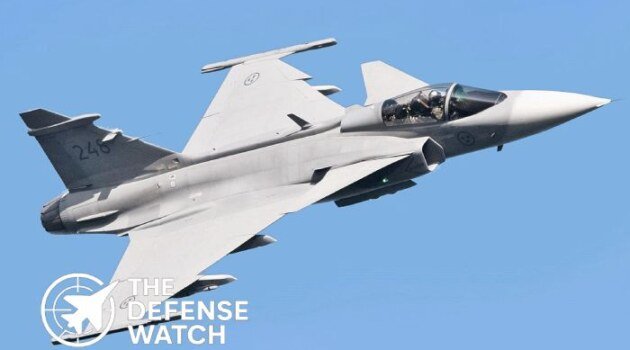
Designed for network-centric warfare, the Gripen E/F features the PS-05/A Mk5 radar suite, low operating costs, and a strong electronic warfare package. It is among the most cost-efficient high-performance fighters in service.
9. F-16V “Viper” Upgrade (USA / Allied Operators)
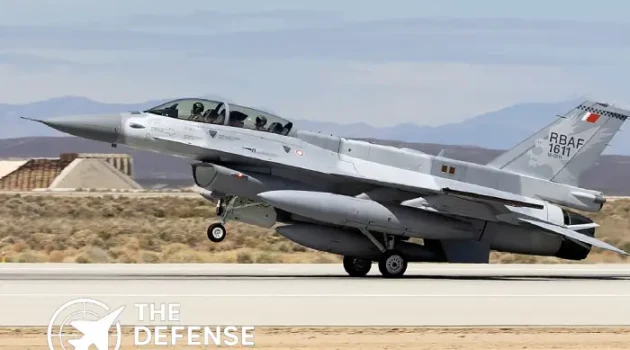
The F-16V represents the latest and most advanced configuration of the F-16 family. It incorporates an AESA radar, upgraded mission computer, modern cockpit displays, and advanced weapons — extending the operational relevance of this long-serving platform.
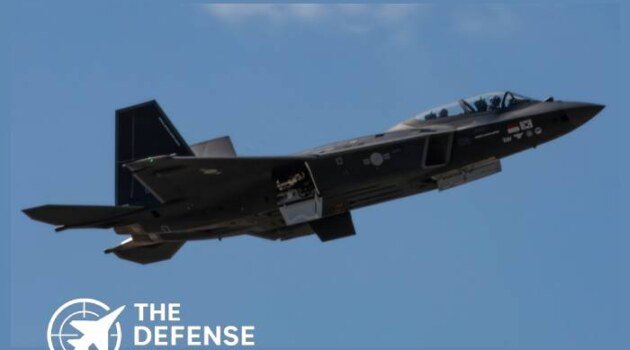
10. KAI KF-21 Boramae (South Korea) — Early Operational Entry
Although still in its formative operational stages, the KF-21 entered limited service with the Republic of Korea Air Force. Its capabilities — AESA radar, advanced sensors, and a modular open architecture — position it as one of the most promising future 4.5-generation designs.
Factors That Determine Fighter Jet Ranking
To evaluate the ranking of the most advanced fighter jets, several core criteria were applied:
Stealth & Survivability
Low-observable design and advanced EW systems significantly influence survivability in denied-airspace environments.
Sensors, Fusion, and Targeting
Platforms that integrate radar, IRST, EW, and communications into a unified display offer superior situational awareness.
Weapons Capability
Air-to-air missiles, stand-off weapons, precision strike systems, and integration flexibility are key differentiators.
Operational Maturity
Platforms with proven readiness, reliable maintenance cycles, and global deployment scores higher.
Analysis: Strategic Implications of the Current Rankings
The concentration of fifth-generation aircraft among a small group of nations shapes global airpower balance. The U.S. maintains a decisive advantage through the combined strength of the F-22 and F-35 fleets, supported by a robust industry and upgrade pipeline.
China’s J-20 is rapidly maturing, contributing to shifting dynamics in the Indo-Pacific and compelling regional states to accelerate modernization programs. Europe continues to rely on 4.5-generation fighters while preparing for sixth-generation partnerships such as FCAS and GCAP.
The presence of advanced but non-stealth platforms like the F-15EX illustrates that speed, payload, and EW capabilities still play critical roles in multi-domain operations, especially where stealth is not the primary factor.
Basis for Ranking: Why the F-35 Is No. 1 and the KF-21 Is No. 10
Why the F-35 Ranks #1
The F-35 is evaluated as the most advanced fighter jet in active service due to:
- Full fifth-generation stealth performance
- Mature sensor fusion and situational awareness
- Widest deployment among allied air forces
- Advanced electronic warfare and data-link systems
- Block 4 upgrade pathway expanding weapons and capabilities
- Proven operational record across multiple regions
These factors collectively position the F-35 as the top combat aircraft currently fielded anywhere in the world.
Why the KF-21 Ranks #10
The KF-21 Boramae is placed at Number 10 because:
- It is operational only in limited early deployment
- It is classified as a 4.5-generation fighter, not fifth-generation
- Its stealth characteristics are partial, not full-spectrum
- Weapons and avionics integration are still expanding
- Export and combat readiness remain unproven
However, it ranks within the top 10 because:
- It features modern AESA radar and sensor architecture
- It is designed with open systems for rapid upgrades
- It represents one of the most advanced emerging platforms
The KF-21 is considered a future growth aircraft, but as of 2025, it ranks below mature systems like the Rafale, Typhoon, and F-15EX.
FAQs
What is the most advanced fighter jet in service today?The F-35 is considered the most advanced due to its sensor fusion, stealth, and global operational maturity.
Which countries operate fifth-generation fighters?The United States, China, and Russia are the only nations with operational, indigenous fifth-generation aircraft.
Is the Su-57 fully deployed?Yes, but in limited numbers. Russia continues incremental deliveries and capability upgrades.
How does the J-20 compare to the F-22?The F-22 remains superior in air dominance, but the J-20 offers longer range and is improving rapidly.
Is the KF-21 considered a fifth-generation jet?Not yet — it is classified as a 4.5-generation platform, though it may gain low-observable features in future blocks.

Strategic milestone in Indian fighter production
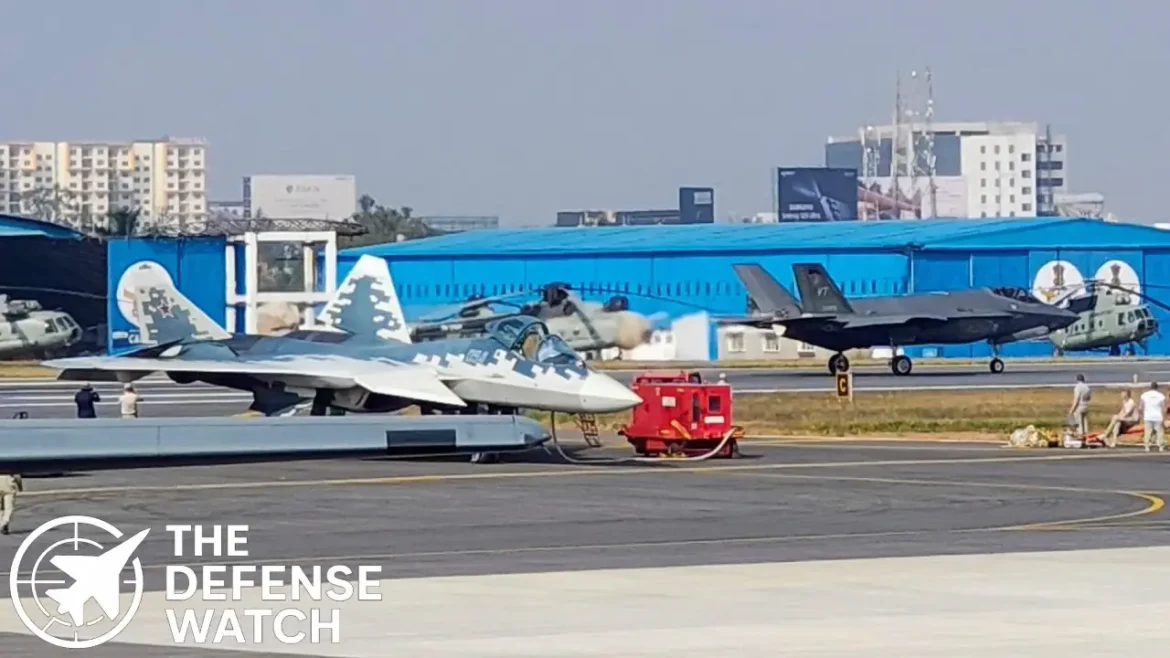
India appears to have crossed a significant threshold in its push to domestically build advanced combat aircraft. According to a technical assessment by a Russian delegation, China’s long-term partner Hindustan Aeronautics Limited (HAL) has achieved approximately 50 % of the industrial capacity required to locally produce the export variant of Russia’s fifth-generation fighter, the Su-57E.
The evaluation, conducted in September 2025 of key HAL facilities at Nashik (air-frame production), Koraput (engine division) and Kasaragod (avionics unit), found that HAL is “technologically ready” in major areas such as air-frame manufacturing, engine integration and advanced avionics assembly. The Russian team still identified significant work ahead in low-observable materials, sensor fusion and production tooling to reach full scale.
From a capability perspective, the Su-57E is the export version of Russia’s flagship fifth-generation multirole fighter and features internal weapon bays, thrust-vectoring engines and modern sensor suites. Local production would mark India’s entry into a very select club of nations able to manufacture stealth fighters.
HAL’s current capability and production roadmap
HAL’s existing manufacturing experience stems in large part from the licensed production of the Su-30MKI for the Indian Air Force (IAF). The Nashik facility, which has produced Su-30MKI aircraft, was judged “ideal” for the Su-57E air-frame line with minimal retrofitting. The Koraput engine division and the Kasaragod avionics facility likewise feature infrastructure that the Russian delegation considered adaptable for the Su-57E program.
Sukhoi Su-57E Fighter Jet – Full Specifications
- Generation: 5th
- Maximum Speed: Mach 2.0
- No. of Engines: 2
- Radar Range: 400 km
HAL is reportedly preparing an internal report for the Indian Ministry of Defense (MoD) detailing investment needs, tooling upgrades, workforce training and supply-chain reforms required for full production. The aim is to initiate local assembly in the late 2020s and ramp to full production in the early 2030s.
Key gaps remain: stealth materials and coatings, sensor fusion software and high-precision engine manufacturing. Addressing those will likely involve foreign collaboration (with Russia) and large-scale investment in India’s aerospace base.
What this means for U.S. defense, global security and technology trends
U.S. defense industrial implications
From a U.S. perspective, this development underscores two trends. First, it signals India’s accelerating defense-industrial autonomy, reducing its dependence on Western suppliers and shifting job- and production-flows towards the Indo-Pacific region. For U.S. defense firms engaged in India, this means increased competition but also partnership opportunities — especially in avionics, stealth coatings and sensor systems where India may still need Western-origin inputs.
Second, the U.S. will likely monitor how India balances its strategic partnerships. India’s closer defense ties with Russia — especially for advanced systems — may complicate interoperability with U.S. platforms and multilateral exercises (e.g., in Quad or NATO-partnered operations). The possibility of U.S. export controls (such as CAATSA) or technology-access restrictions may weigh in future procurement decisions.
Global security and regional air-power balance
In the Indo-Pacific theatre, India’s move toward local stealth fighter production is significant. The regional air-power equation has already been shifting: China’s J‑20 stealth fleet is growing, and Pakistan is exploring next-gen combat aircraft options. A locally produced fifth-generation fighter would enhance India’s ability to conduct deep-strike, stealth penetration and air-dominance missions — particularly across contested areas such as the Himalayas, the Indian Ocean Region and the sub-continent.
Technology and manufacturing trends
HAL’s progress mirrors a broader global trend: major defense platforms being built in modular, export-friendly form in multiple nations, rather than monolithic production in a single country. This co-production model allows emerging aerospace producers to jump quickly into advanced manufacturing. From a technology-trend view, the emphasis on sensor fusion, low-observable materials and thrust-vectoring engines puts India in the path of next-generation fighter development (including sixth-generation concepts).
Conclusion: Looking ahead
India’s achievement of roughly 50 % readiness for local production of the Su-57E represents a watershed moment in its aerospace and defense journey. If the remaining infrastructure, supply-chain and technological gaps are resolved, HAL may soon begin assembly of a fifth-generation fighter — with profound implications for regional security, flows and India’s status as a major aerospace power.
In the coming years we will likely see further milestones: formal co-production agreements with Russia, first fly-able India-assembled, and possible integration of indigenous systems (radars, missiles) into the platform. For U.S. defense stakeholders, this provides both a reminder of the changing global manufacturing landscape and an opportunity to engage in India’s evolving aerospace ecosystem — if aligned with strategic policy and export-control frameworks.
The full realization of this program will help define India’s air-power trajectory for the next decade — and shape its role in the 21st-century defense architecture of the Indo-Pacific.
In an age where control of the skies remains a cornerstone of national defense, advanced fighter jets continue to define the balance of power. As of 2025, the roster of front-line combat aircraft includes stealth platforms, sensor-rich multirole fighters, and upgraded 4th/4.5-generation workhorses. Here, we survey the top 10 fighter jets in the world today, highlighting their strengths, trade-offs, and strategic significance. We also examine how U.S. airpower stacks up against global competitors.
(adsbygoogle = window.adsbygoogle || []).push({});Top 10 Fighter Jets in the World (2025)
Below is a synthesized, consensus-based list (drawing on recent rankings) of the premier fighter aircraft in service today. Rankings depend on a blend of stealth, avionics/sensor fusion, weapons capacity, survivability, upgrade potential, and operational deployment.
(adsbygoogle = window.adsbygoogle || []).push({});Rank Fighter Jet Top Speed (Mach) Ferry Range (km) Payload Capacity (kg) RCS (m², frontal est.) Key Strengths & Notes 1 Lockheed Martin F-35 Lightning II 1.6 2,200 8,160 0.001 As the world’s most proliferated 5th-generation fighter, the F-35 combines stealth, sensor fusion, networked operations, and multirole flexibility. 2 Lockheed Martin F-22 Raptor 2.25 2,960 8,390 0.0001 While fewer in number, the F-22 remains a gold standard in air superiority, especially in air-to-air combat, thanks to its stealth, supercruise, and agility. 3 Chengdu J-20 Mighty Dragon 2.0 3,400 10,000 0.05 China’s flagship 5th-gen stealth platform, designed for long-range, contested-airspace penetration, represents Beijing’s push to contest U.S. dominance. 4 Sukhoi Su-57 “Felon” 2.0 3,500 10,000 0.1–1.0 Russia’s stealth / multirole design with emphasis on agility, sensor suite, and electronic warfare. Still incremental in deployment scale. 5 KAI KF-21 Boramae 1.8 2,900 7,700 0.5 A next-gen South Korean/Indonesian project with stealth features and modular growth potential, representing a shift in Asian aerospace ability. 6 F-15EX Eagle II 2.5 2,400 13,380 25 The modern evolution of the F-15 line, packed with advanced radar, heavy payload capacity, and multirole adaptability. 7 Eurofighter Typhoon 2.0 3,790 7,500 0.5 A high-performing 4.5-generation jet with good agility, multirole flexibility, and strong European alliance backing. 8 Dassault Rafale 1.8 3,700 9,500 1 France’s versatile combat aircraft with excellent track record in combat, strong avionics, and export success. 9 Boeing F/A-18E/F Super Hornet / EA-18G Growler 1.6 3,300 8,050 1 A proven and upgradeable platform, especially when augmented with electronic warfare capabilities (EA-18G). 10 Sukhoi Su-35S 2.25 3,600 8,000 3 Among the best non-stealth “4++” fighters, prized for agility, thrust-vectoring, and weapon load. Notes on ordering:
- The exact ordering among the top few (F-35, F-22, J-20, Su-57) is subject to debate, depending on weighting of stealth versus raw maneuverability or sensor systems.
- Some emergent designs, such as Chinese FC-31 derivatives or upgrades to existing jets, may shift rankings in coming years.
How the U.S. Ranks — Strengths, Gaps & Trends
U.S. Airpower: Deep but Imperfect
The U.S. continues to lead in sheer depth and integration of fighter capability. The F-35 remains the backbone of next-generation U.S. airpower, while the F-22 remains unmatched in certain pure air dominance roles. Upgraded legacy platforms like the F-15EX and advanced F-16 blocks extend U.S. competitiveness in cost-effective roles.
However, U.S. jets must increasingly face contested anti-access/area-denial (A2/AD) environments — meaning survivability, data fusion, electronic warfare, and unmanned teaming are now at least as critical as raw performance.
Challenges & Strategic Pressure
- Scale vs saturation: U.S. aircraft must contend with massed adversary systems (e.g. integrated air defenses, drones, missile salvos).
- Next-generation development: The Pentagon’s Next Generation Air Dominance (NGAD) program aims to field a sixth-generation fighter (or a family of systems) by the 2030s to replace or complement F-22/F-35 roles. (Note: as of 2025, the F-47 designation has been used in some reporting for an NGAD successor).
- Export & interoperability burden: U.S. jets must serve both domestic defense and export customers; balancing security, performance, and affordability is nontrivial.
In sum, the U.S. remains at or near the top, but cannot be complacent — rising challengers like China’s J-20 and Russia’s Su-57 are narrowing the margin.
(adsbygoogle = window.adsbygoogle || []).push({});Context & Outlook: What to Watch in Coming Years
- Stealth vs counter-stealth: As passive and active sensors evolve, fighters must adapt with low-observability, electronic attack, and signature management.
- Networked teaming & drones: Future air combat may see crewed fighters directing swarms of unmanned platforms, shifting the paradigm of “fighter.”
- Emerging entrants: Programs like China’s J-35, upgraded FC-31 derivatives, Turkey’s KAAN, or Indian indigenous fighters could expand the competitive field.
- Upgradability & lifecycle cost: A less capable but upgradeable aircraft might outperform a “flashier” model if it can evolve cost-effectively over 30 years.
FAQs
(adsbygoogle = window.adsbygoogle || []).push({});Why is the F-35 frequently ranked #1 despite not being the fastest?Because its strength is in stealth, sensor fusion, network integration, and multirole flexibility — not raw speed. These qualities give it an edge in first-look, first-shot engagements in contested airspace.
Does the U.S. truly “lead” in fighter jets?Yes, in terms of depth, operational experience, global basing, and integrated systems. But rivals are rapidly advancing in stealth, EW, and integration.
Can 4th or 4.5-generation jets still matter?Absolutely. Platforms like the F-15EX, Su-35S, Rafale, or upgraded Typhoons remain viable in less-denied environments, or as “attritable” assets complementing stealth assets.
When might the U.S. field a 6th-gen fighter?Current projections suggest in the 2030s via the NGAD program, possibly as a manned-unmanned system rather than a single monolithic jet.
Source : Simple Flying | af.mil
The Birth of Stealth: F-117 Nighthawk
The United States fundamentally changed the character of aerial warfare with the introduction of the Lockheed F-117 Nighthawk in the 1980s. Developed under the highly secretive “Have Blue” program, the F-117 became the world’s first operational stealth aircraft, optimized to evade radar detection through faceted design and radar-absorbent coatings.

Image courtesy of lockheedmartin.com Although not a traditional fighter in terms of agility or speed, the F-117 was a precision strike aircraft. Its combat debut in Operation Just Cause (1989) and later prominence in Operation Desert Storm (1991) cemented its reputation. The aircraft’s ability to penetrate dense air defenses and deliver guided munitions on high-value targets demonstrated the transformative power of stealth.
Next Generation Superiority: F-22 Raptor
While the F-117 proved stealth’s utility, the Pentagon envisioned an aircraft combining radar evasion with air dominance. This vision led to the Lockheed Martin F-22 Raptor, which entered service in 2005.
The F-22 introduced a blend of stealth, supercruise, sensor fusion, and unmatched maneuverability. Designed to counter advanced Soviet fighters and integrated air defense systems, the Raptor became the U.S. Air Force’s premier fifth-generation air superiority platform.
Image courtesy of lockheedmartin.com Despite its technological edge, the F-22 program was curtailed after only 187 aircraft were produced, largely due to high costs and the shifting defense priorities following the Cold War. Nonetheless, the F-22 remains a cornerstone of U.S. airpower, often deployed as a deterrent in contested regions.
Global Backbone of Stealth: F-35 Lightning II
The third stage in U.S. stealth fighter evolution came with the F-35 Lightning II, introduced in 2015. Unlike the niche-focused F-117 and the air-superiority-centric F-22, the F-35 was designed as a multirole stealth fighter adaptable across the Air Force, Navy, and Marine Corps.
The F-35’s variants—F-35A (conventional takeoff), F-35B (short takeoff/vertical landing), and F-35C (carrier-based)—allow joint and allied forces to operate with a common platform. With advanced sensors, networked warfare capability, and stealth design, the F-35 has been exported widely to NATO and partner nations, shaping coalition airpower.
Image courtesy of lockheedmartin.com The program, though criticized for cost overruns and development delays, has matured into a global enterprise. Today, over 1,200 F-35s are in service worldwide, giving the United States and its allies a formidable technological edge.
Emerging Threats and the Next Chapter
As rivals such as China and Russia field their own stealth aircraft—the Chengdu J-20 and Sukhoi Su-57—the U.S. is already advancing its next-generation air dominance (NGAD) program. The NGAD initiative envisions a sixth-generation fighter with enhanced stealth, adaptive engines, directed-energy weapons, and unmanned teaming.
Analysts believe the NGAD will eventually complement or replace the F-22, while the F-35 remains in production through the 2030s. This layered approach ensures the U.S. maintains an air dominance edge amid growing global competition.
Analysis: From Prototype to Global Standard
The evolution from the faceted F-117 to the sensor-driven F-35 reflects the changing demands of warfare. Where stealth once meant survival against radar, it now enables data-driven, multi-domain operations. Each generation of U.S. stealth fighter has built upon the lessons of its predecessor—moving from niche strike missions, to air dominance, to coalition-wide multirole flexibility.
This progression underscores why U.S. stealth technology remains central to deterrence strategies. While adversaries invest in counter-stealth radar and integrated air defenses, the adaptability and networking capabilities of U.S. platforms have so far kept them ahead in the airpower race.
FAQs
Why was the F-117 retired early?The F-117 was retired in 2008 due to high operating costs and the arrival of more versatile stealth aircraft like the F-22 and F-35.
What makes the F-22 unique compared to the F-35?The F-22 excels in air superiority with unmatched maneuverability, while the F-35 is a multirole platform with advanced sensors and broader mission flexibility.
How many F-35s are in service today?As of 2025, more than 1,200 F-35s are in service worldwide across U.S. and allied air forces.
What is the Next Generation Air Dominance (NGAD) program?NGAD is the U.S. Air Force’s effort to develop a sixth-generation stealth fighter designed for future contested airspaces.
F-22 vs F-35 Differences 2025: Understanding America’s Stealth Fighters
The F-22 Raptor and the F-35 Lightning II remain the backbone of U.S. fifth-generation airpower in 2025. Both developed by Lockheed Martin, these stealth jets often draw comparisons, but their missions, design philosophies, and production paths are notably different. As global tensions rise, understanding the distinctions between the F-22 and F-35 has become central to debates over U.S. air dominance.
Mission Role and Operational Focus
The F-22 Raptor was designed as an air superiority fighter, optimized for dogfighting, speed, and stealth against peer adversaries. Its twin engines deliver unmatched thrust, giving it supercruise capability—sustained supersonic flight without afterburners—making it unrivaled in high-end aerial combat.
By contrast, the F-35 Lightning II was built as a multi-role stealth fighter, capable of conducting air-to-air, air-to-ground, and electronic warfare missions. The F-35 integrates deeply with Joint All-Domain Command and Control (JADC2) networks, making it as much an information node as a fighter jet. While less maneuverable than the F-22, it excels in situational awareness and strike versatility.
Production and Export Status
Production also highlights a sharp divide. The F-22 program ended in 2012 after just 187 aircraft were built, and the Raptor remains exclusive to the U.S. Air Force due to an export ban. While upgrades such as new sensors, avionics, and potential electronic warfare improvements continue, the Raptor fleet is aging and limited in scale.
In contrast, the F-35 continues active production in 2025, with over 1,000 aircraft delivered worldwide. Operated by more than a dozen allied nations, the F-35 has become the most widely exported fifth-generation fighter, strengthening interoperability within NATO and Indo-Pacific security frameworks.
Technology and Upgrade Path
The F-22’s airframe, while still stealthy, reflects late-1990s design choices. Its avionics are being modernized, but the fighter lacks the open systems architecture of the F-35, which was built with software-driven adaptability in mind.
The F-35 is undergoing continuous Block 4 upgrades, adding advanced weapons, sensor fusion, and enhanced electronic warfare capabilities. Its Distributed Aperture System (DAS) and Helmet-Mounted Display (HMD) give pilots a panoramic situational view, features absent in the F-22.
Strategic Context in 2025
While the F-22 remains unmatched in pure air dominance, its small fleet size limits its impact in large-scale conflicts. The F-35’s versatility and global proliferation make it the cornerstone of allied airpower, ensuring both deterrence and operational flexibility.
Analysts argue the two jets should not be viewed as rivals but as complementary assets. The F-22 can clear the skies of enemy aircraft, while the F-35 provides strike capability and acts as an information-sharing hub. Together, they form a layered approach to maintaining U.S. and allied air superiority.
FAQs
Which is better in air combat, the F-22 or F-35?The F-22 is superior in air-to-air combat due to speed, stealth, and maneuverability, while the F-35 excels in multi-role missions and situational awareness.
Why is the F-22 not exported?Congress banned F-22 exports to protect U.S. stealth technology, making it exclusive to the U.S. Air Force.
Which aircraft is more widely used today?The F-35, with over 1,000 units delivered to allied nations, is far more numerous and globally integrated than the F-22.
Will the F-22 be replaced?The U.S. Air Force plans to eventually replace the F-22 with the Next Generation Air Dominance (NGAD) program, expected to enter service in the 2030s.
Older Posts