

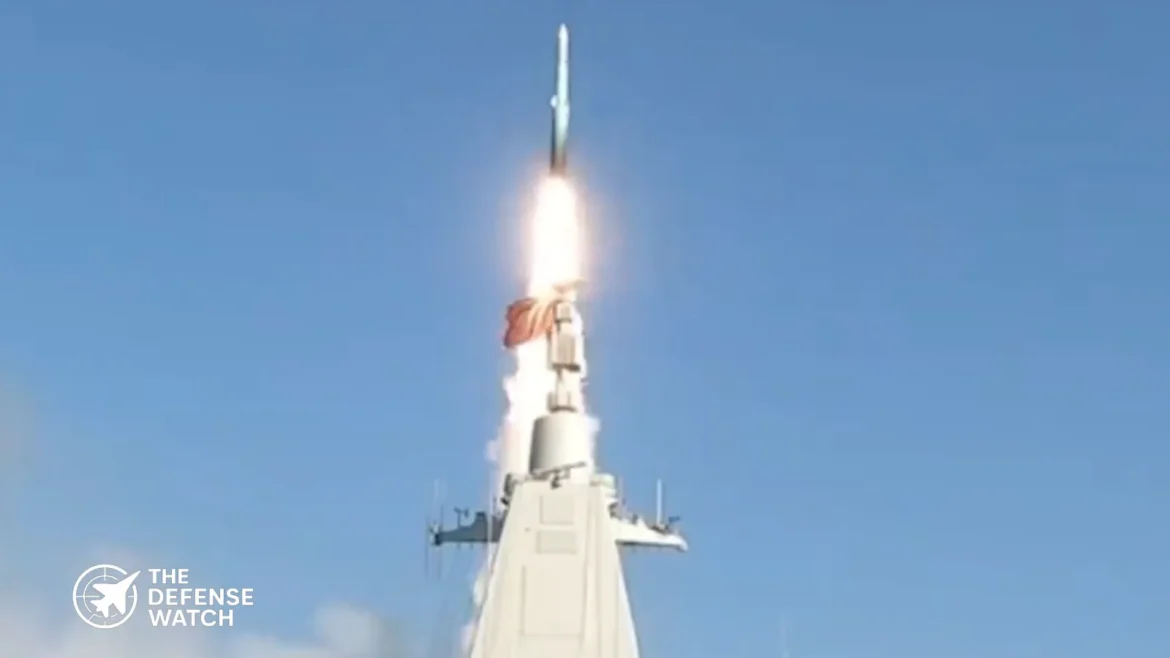
China’s recent test of the YJ-20 hypersonic anti-ship missile aboard a Type 055 destroyer matters because it shows how Beijing is pushing ahead with high-speed strike capability that could challenge Western naval power at range. This test, and the broader push into hypersonic weapons, adds a new layer to strategic competition between China, the United States, and allied navies in the Indo-Pacific and beyond. The main keyword here is China YJ-20 hypersonic missile.
What It Is
China YJ-20 Hypersonic Missile
The YJ-20 hypersonic missile is a Chinese anti-ship weapon designed to fly faster than five times the speed of sound and maneuver in flight. This gives it a harder-to-intercept path compared to traditional cruise missiles.
Type 055 Destroyer
The Type 055 is a large modern surface combatant in the PLA Navy. With advanced sensors and vertical launch systems, it serves as a key element of China’s effort to project naval power. The recent test shows the YJ-20 firing from one of these vertical launch cells aboard the destroyer.
How It Works
A hypersonic missile like the YJ-20 uses a rocket booster and a glide vehicle that travels at hypersonic speeds. Its maneuverability and speed reduce the time for an enemy to react and make interception difficult. In the footage released by Chinese sources, the missile was launched from a vertical cell and destroyed its test target.
Compared with older anti-ship missiles such as the Russian P-800 Oniks or the US Harpoon, the YJ-20’s hypersonic speed and terminal maneuvering aim to overcome layered naval defenses. This type of capability is similar in concept to Russia’s Kinzhal, though the platforms, guidance systems, and shipboard integration differ.
Information on precise range and guidance is limited publicly and should be treated as speculative, based on expert commentary in open sources and comparisons to similar systems.
Why It Matters in Strategic Competition
Regional Power Balance
A sea-launched China YJ-20 hypersonic missile expands China’s ability to strike moving naval targets at long range. That matters for Taiwan Strait, South China Sea, and broader Indo-Pacific security dynamics. U.S. and allied navies rely on layered air and sea defenses to protect carrier strike groups and amphibious forces. A credible hypersonic threat complicates these defenses.
Naval Strategy Evolution
Western navies have invested in integrated air-and-missile defense, electronic warfare, and layered surface-to-air missiles to counter advanced threats. Hypersonic weapons change this calculus because their speed compresses decision cycles. Analysts have noted that navies must rethink how they detect, track, and intercept these fast threats, much like the shift after anti-ship cruise missiles first appeared in the 1970s.
Broader Military Technology Race
China is pushing hypersonics across domains, including land and air launched variants. This fits into broader competition with the United States over future strike systems, missile defense, and control of key sea lanes. The U.S. has its own hypersonic programs, but operational deployment at sea remains limited. The PLA’s testing feeds Beijing’s goal to build deterrence and, if needed, anti-access capabilities.
Strategic Impact for Major Actors
China
This test underscores China’s focus on modernizing the PLA Navy with advanced strike tools. It strengthens deterrence and supports Beijing’s maritime strategy, which aims to secure territorial claims and expand influence in adjoining seas.United States
The test highlights a gap U.S. forces must address in layered defense. It could accelerate U.S. investment in hypersonic defenses and countermeasures, affecting force posture in the Pacific.Allied Navies
Japan, Australia, India, and European partners will watch closely. They may deepen cooperation on missile defense, ISR (intelligence, surveillance, reconnaissance), and joint operations to counter advanced strike weapons.
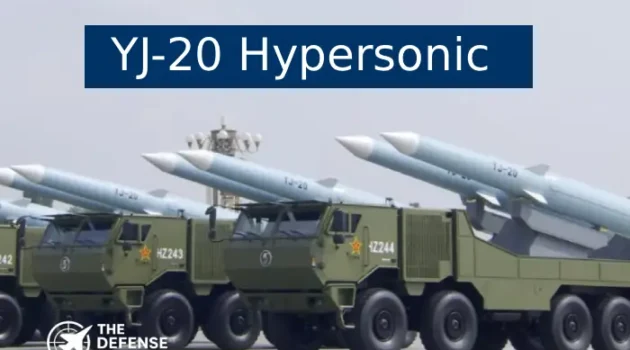
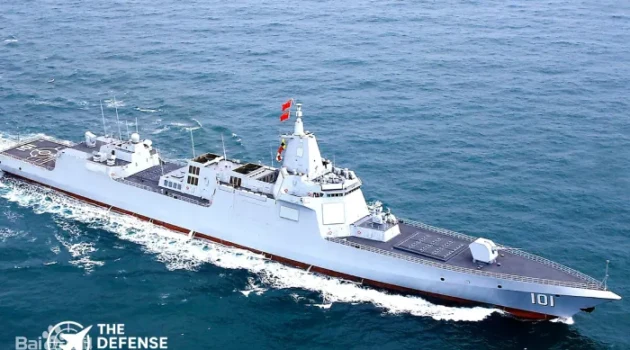
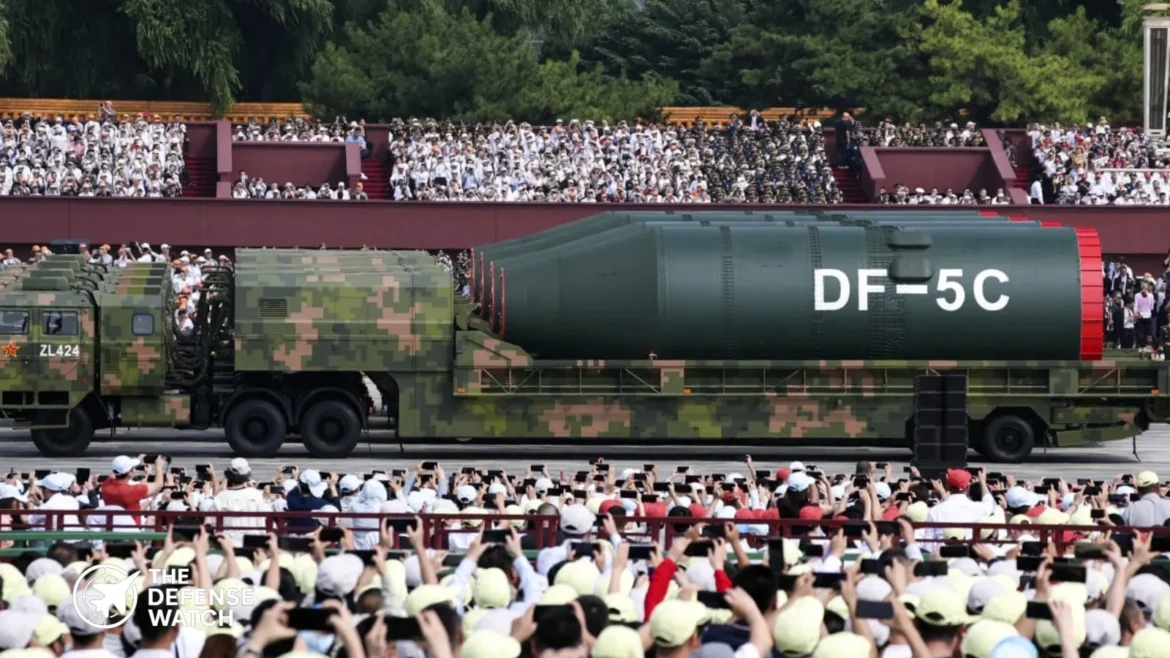
The U.S. Department of Defense released the Annual Report to Congress on Military and Security Developments Involving the People’s Republic of China 2025 on December 23, providing an in-depth assessment of China’s growing military strength across nuclear, maritime, space and cyber domains, and outlining implications for U.S. defense strategy.
Overview and Strategic Context
This annual assessment, mandated by Congress for more than two decades, tracks developments in the People’s Liberation Army (PLA) and China’s broader security strategy. The 2025 report notes China’s rapid force modernization and Beijing’s aim to build a “world-class” military capable of challenging the United States and regional adversaries.
In its preface, the report says that while U.S.–China relations have improved politically, the U.S. will maintain military advantage and deterrence across the Indo-Pacific. U.S. defense strategy aims to prevent any one power from dominating the region, with a focus on strategic strength rather than confrontation.
Key Findings
China’s Strategic Focus and Military Goals
The report reiterates that Beijing considers the First Island Chain — from Japan through Taiwan to the Malay Peninsula — its strategic center of gravity in regional competition. It states China’s national strategy centers on achieving global power status by 2049, a milestone aligned with the centennial of the People’s Republic of China.
China’s leadership publicly frames military development as defensive, but the report underscores capabilities that could directly challenge U.S. interests and allies, particularly in the Western Pacific.
Nuclear Forces Expansion
The report highlights sustained expansion of China’s nuclear arsenal. While exact numbers remain classified, U.S. intelligence assessments publicly suggest that China could possess several hundred nuclear warheads with projections that stockpiles may exceed 1,000 by 2030. China’s strategic nuclear modernization emphasizes survivable launch platforms, counterstrike capability, and flexible targeting.
China’s growing long-range strike forces, particularly solid-fuel intercontinental ballistic missiles (ICBMs), contribute to a more credible nuclear deterrent and complicate U.S. homeland defense planning.
Maritime and Conventional Forces
China’s People’s Liberation Army Navy (PLAN) remains among the world’s largest naval forces. The report documents expansion in aircraft carriers, advanced destroyers, submarines and long-range precision strike systems capable of shaping regional maritime contests.
Beyond numbers, the PLA has integrated its forces to operate jointly across domains with advanced sensors, long-range fires and improving logistics. These capabilities enhance Beijing’s ability to project power beyond its borders, according to the report.
Space, Cyberspace and Emerging Technologies
The 2025 assessment gives substantial weight to space and cyber domains. China’s space architecture supports intelligence, surveillance and reconnaissance missions that can enhance targeting and situational awareness, with potential to degrade U.S. advantages in orbit. Cyber operations by state-linked actors have targeted U.S. infrastructure, highlighting Beijing’s emphasis on information-age competition.
Emerging technologies including artificial intelligence, autonomous systems and hypersonic weapons are identified as key enablers of the PLA’s future combat concepts, though specific capabilities are often classified.
Taiwan and Regional Contingencies
A significant theme in the report is China’s preparations regarding Taiwan. The PLA continues to refine integrated joint operational plans aimed at deterring or defeating Taiwan’s defenses, with capabilities that can range from amphibious assault options to sustained blockades. U.S. analysts see this as illustrating Beijing’s intent to shape the military balance across the Taiwan Strait.
The report suggests that by 2027 the PLA will possess necessary components to conduct decisive operations in the region, reinforcing earlier assessments about China’s evolving timelines for coercive military options.
U.S. Security Implications
The Department of Defense emphasizes that China’s comprehensive buildup makes the U.S. homeland and allied interests increasingly vulnerable. Growth in China’s long-range strike, cyber and space capabilities — alongside the nuclear and maritime expansions — shape the strategic competition into the next decade.
The report states that the United States does not seek conflict but will retain a posture that deters aggression, strengthens alliances and preserves stable conditions in the Indo-Pacific. It highlights that U.S. defense planning, investment priorities and force posture reviews factor heavily on current assessments of Chinese capabilities.
Chinese Government Response
Chinese officials have criticized the report, dismissing it as exaggerated and politically motivated. Beijing insists its military development remains defensive and compliant with international norms, even as it accelerates modernization across multiple domains. Chinese commentary also accuses the U.S. of using such assessments to justify its own force expansions.
What Is Next
Looking forward, the findings will shape debate in Congress over defense budgets and Indo-Pacific strategy. The report’s emphasis on multi-domain competition and strategic vulnerabilities is expected to influence U.S. investments in missile defense, space resiliency, cyber operations and allied interoperability.
Analysts say continued monitoring of China’s modernization, force posture and strategic intent will remain critical throughout 2026. U.S. defense planners are likely to balance deterrence priorities with efforts at de-escalation and crisis communication channels with Beijing.
Growing Concerns Over a Potential Conflict
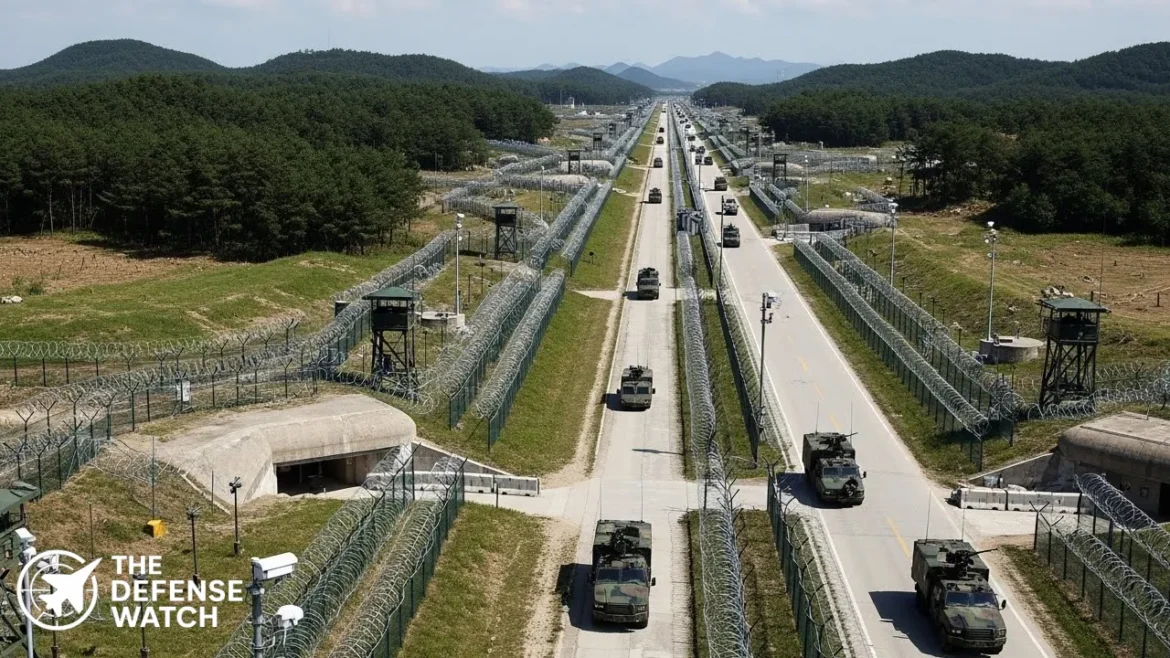
Strategic analysts, defense officials, and military observers are increasingly evaluating whether a war with North Korea could materialize soon, amid rising rhetoric, missile demonstrations, and deteriorating diplomatic channels across the Korean Peninsula. The question has gained renewed attention in 2025 as Pyongyang intensifies threats toward Seoul and Washington while accelerating weapons development and redefining its stance toward South Korea.
Shifts in North Korea’s Strategic Posture
North Korea’s leadership has recently signaled a more aggressive national doctrine, framing South Korea not as a counterpart for reunification but as a hostile foreign state. This shift has accompanied a heightened pace of missile tests, artillery drills near the maritime border, and claims of advancing tactical nuclear deployment. For policymakers, these actions have reset assumptions about deterrence stability and increased debate about the likelihood of a war with North Korea should an incident escalate unintentionally.
U.S. and South Korean Responses
The United States and South Korea have reacted with broader military cooperation, expanded exercises, and reinforced joint defense commitments. Washington has reiterated that extended deterrence remains intact, including nuclear-capable strategic support if required. Seoul has emphasized upgraded response doctrines and strengthened rules of engagement, particularly in border zones and sea boundaries where recent provocations have occurred.
Officials have underscored that while neither Washington nor Seoul seeks confrontation, readiness levels are being adjusted to deter sudden escalation. Analysts note that these moves are intended to prevent conflict rather than trigger it, though they also contribute to a more militarized atmosphere.
Missile Capabilities and Force Modernization
Pyongyang continues to prioritize missile development, including long-range ballistic systems, tactical nuclear assets, and potential solid-fuel capabilities that reduce launch detection time. These advancements complicate defense planning and increase uncertainty around reaction windows should hostilities erupt.
Regional defense experts caution that these developments make a war with North Korea more dangerous than in past decades due to the regime’s diversified strike options, including potential attacks on U.S. bases in Japan or Guam. Meanwhile, South Korea has accelerated indigenous defense modernization, including missile defense upgrades and counter-strike platforms.
Diplomatic Channels Remain Frozen
Negotiation frameworks remain stalled with no active diplomatic dialogue. The absence of communication mechanisms increases risks associated with miscalculations along the Demilitarized Zone or maritime boundary, where past incidents have triggered skirmishes. Without crisis hotlines or confidence-building measures, policymakers warn that even limited clashes could escalate rapidly.
Expert Assessments and Strategic Perspectives
Security researchers interviewed in recent assessments argue that a deliberate offensive by Pyongyang remains unlikely due to regime survival priorities. However, they warn that domestic pressures, leadership signaling, or perceived threats could prompt unpredictable behavior.
Think tank analysts highlight three primary drivers shaping the probability of a war with North Korea:
- Internal Regime Security Needs – leadership legitimacy and control
- Alliance Demonstrations – U.S.-South Korea military visibility
- External Actors – China’s stabilizing or permissive influence
Experts further note that ambiguity in command-and-control structures, combined with nuclear signaling, elevates risk even in absence of intent.
Regional Implications and Indo-Pacific Security
Neighboring states, including Japan and China, are closely monitoring developments. Tokyo has strengthened missile defense coordination and emergency preparedness, while Beijing has urged restraint, seeking to prevent conflict near its borders. A conflict on the peninsula would have far-reaching implications for trade routes, supply chains, regional alliances, and global economic stability.
What Comes Next
Defense officials and policy researchers agree that while immediate conflict is not inevitable, the strategic environment has become more volatile. The coming months will be shaped by:
- Continued military drills and counter-drills
- Monitoring of North Korean missile and nuclear activity
- Alliance posture statements and deterrence signaling
- Possible diplomatic outreach attempts through intermediaries
The overarching assessment remains that preventing a war with North Korea will depend on crisis management, credible deterrence, and renewed communication channels. Without these elements, risks associated with miscalculation and escalation will persist throughout 2025.
Japan Deploys PAC-3 Missiles to the U.S. for Patriot Stockpile Support
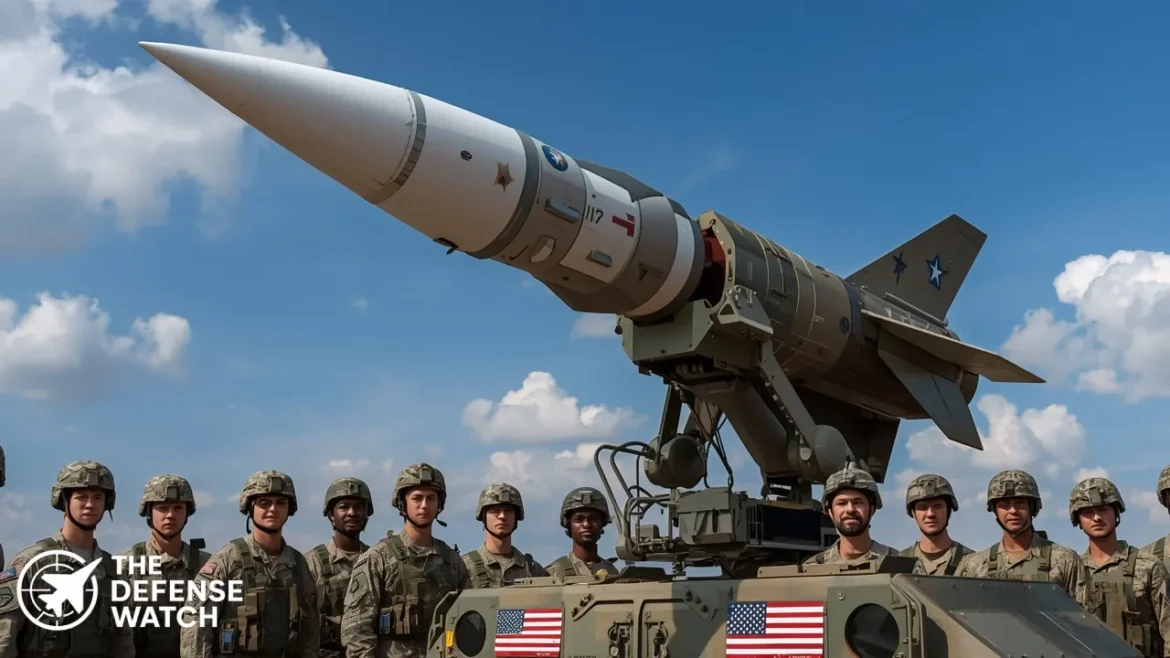
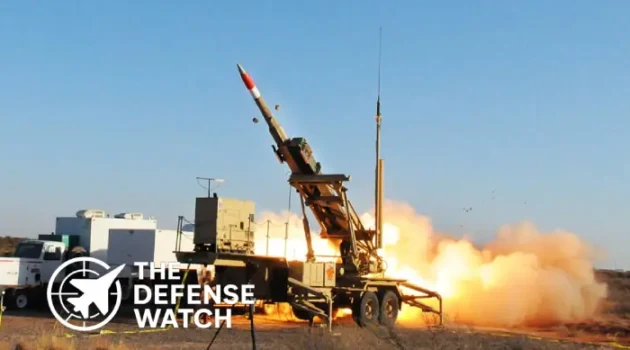
Japan has dispatched its first batch of PAC-3 (Patriot Advanced Capability-3) interceptor missiles to the United States to aid in replenishing U.S. Patriot missile stockpiles. The delivery, announced in November 2025, underscores the close defense collaboration between Tokyo and Washington amid ongoing global missile threats.
The move represents a rare instance of Japan contributing directly to U.S. homeland defense capabilities. The PAC-3 interceptors are advanced surface-to-air missiles capable of targeting incoming ballistic threats with high precision. Japan’s transfer aims to help the U.S. sustain its Patriot air defense inventory as operational demands grow.
Background: Japan-U.S. Missile Defense Cooperation
Japan operates a sophisticated air and missile defense network, primarily designed to counter North Korean and regional missile threats. The PAC-3, developed by Lockheed Martin, forms a cornerstone of both Japanese and American missile defense systems.
The U.S. Patriot missile system has seen increasing deployment worldwide, especially in Europe and the Indo-Pacific, amid heightened threats from ballistic missile programs. Maintaining robust stockpiles is essential for sustained operational readiness. Japan’s contribution highlights the strategic alignment between the two allies and Tokyo’s willingness to support broader regional and global security objectives.
PAC-3 Interceptors: Technical and Operational Details
The PAC-3 missile is a hit-to-kill interceptor designed for rapid response against tactical ballistic missiles, cruise missiles, and advanced aircraft. Key features include:
- Range: Approximately 20–35 km against tactical ballistic missiles.
- Speed: Over Mach 5, allowing for fast interception.
- Guidance: Active radar homing combined with inertial navigation.
- Warhead: Kinetic energy interceptor, minimizing collateral damage.
The Japanese PAC-3 variants sent to the U.S. are fully compatible with American Patriot launch systems, allowing for immediate integration into U.S. batteries. Official statements indicate that the missiles will bolster U.S. inventory while new production lines work to restore stockpiles depleted by previous operational demands.
Strategic Implications
Defense analysts view Japan’s transfer as a significant step in alliance-based burden sharing. “Japan has long maintained advanced air and missile defense capabilities. Sharing PAC-3 missiles with the U.S. is a concrete demonstration of allied cooperation and mutual security responsibility,” said a former U.S. Missile Defense Agency official.
The move also reflects growing concerns about missile threats from countries such as North Korea and Iran, as well as emerging regional challenges. By contributing interceptors, Japan not only supports U.S. defense readiness but also reinforces deterrence in the Indo-Pacific.
Some experts note that such transfers could set a precedent for other allied contributions, especially as global missile proliferation accelerates. For the U.S., receiving allied support helps mitigate supply constraints and ensures continuous operational coverage across multiple theaters.
Future Outlook
The PAC-3 deliveries are expected to continue in phases, with Tokyo providing additional interceptors as part of a broader missile defense support agreement. This partnership aligns with ongoing U.S.-Japan defense dialogues and annual exercises, emphasizing interoperability and collective defense.
Looking forward, further coordination may include joint missile defense tests, integration of next-generation interceptors, and expansion of regional missile warning networks. Analysts predict that allied contributions like this will be increasingly critical in maintaining strategic stability amid evolving missile threats.
Strategic milestone in Indian fighter production
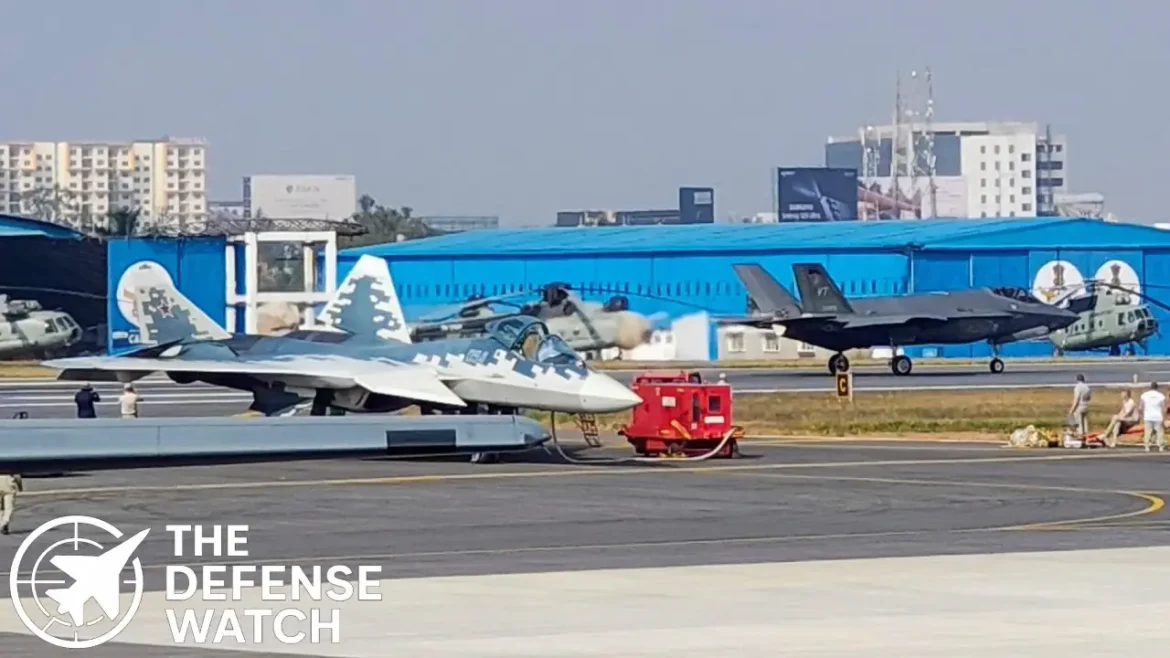
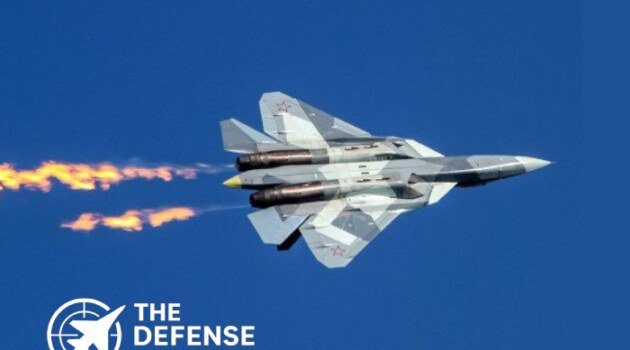
India appears to have crossed a significant threshold in its push to domestically build advanced combat aircraft. According to a technical assessment by a Russian delegation, China’s long-term partner Hindustan Aeronautics Limited (HAL) has achieved approximately 50 % of the industrial capacity required to locally produce the export variant of Russia’s fifth-generation fighter, the Su-57E.
The evaluation, conducted in September 2025 of key HAL facilities at Nashik (air-frame production), Koraput (engine division) and Kasaragod (avionics unit), found that HAL is “technologically ready” in major areas such as air-frame manufacturing, engine integration and advanced avionics assembly. The Russian team still identified significant work ahead in low-observable materials, sensor fusion and production tooling to reach full scale.
From a capability perspective, the Su-57E is the export version of Russia’s flagship fifth-generation multirole fighter and features internal weapon bays, thrust-vectoring engines and modern sensor suites. Local production would mark India’s entry into a very select club of nations able to manufacture stealth fighters.
HAL’s current capability and production roadmap
HAL’s existing manufacturing experience stems in large part from the licensed production of the Su-30MKI for the Indian Air Force (IAF). The Nashik facility, which has produced Su-30MKI aircraft, was judged “ideal” for the Su-57E air-frame line with minimal retrofitting. The Koraput engine division and the Kasaragod avionics facility likewise feature infrastructure that the Russian delegation considered adaptable for the Su-57E program.
Sukhoi Su-57E Fighter Jet – Full Specifications
- Generation: 5th
- Maximum Speed: Mach 2.0
- No. of Engines: 2
- Radar Range: 400 km
HAL is reportedly preparing an internal report for the Indian Ministry of Defense (MoD) detailing investment needs, tooling upgrades, workforce training and supply-chain reforms required for full production. The aim is to initiate local assembly in the late 2020s and ramp to full production in the early 2030s.
Key gaps remain: stealth materials and coatings, sensor fusion software and high-precision engine manufacturing. Addressing those will likely involve foreign collaboration (with Russia) and large-scale investment in India’s aerospace base.
What this means for U.S. defense, global security and technology trends
U.S. defense industrial implications
From a U.S. perspective, this development underscores two trends. First, it signals India’s accelerating defense-industrial autonomy, reducing its dependence on Western suppliers and shifting job- and production-flows towards the Indo-Pacific region. For U.S. defense firms engaged in India, this means increased competition but also partnership opportunities — especially in avionics, stealth coatings and sensor systems where India may still need Western-origin inputs.
Second, the U.S. will likely monitor how India balances its strategic partnerships. India’s closer defense ties with Russia — especially for advanced systems — may complicate interoperability with U.S. platforms and multilateral exercises (e.g., in Quad or NATO-partnered operations). The possibility of U.S. export controls (such as CAATSA) or technology-access restrictions may weigh in future procurement decisions.
Global security and regional air-power balance
In the Indo-Pacific theatre, India’s move toward local stealth fighter production is significant. The regional air-power equation has already been shifting: China’s J‑20 stealth fleet is growing, and Pakistan is exploring next-gen combat aircraft options. A locally produced fifth-generation fighter would enhance India’s ability to conduct deep-strike, stealth penetration and air-dominance missions — particularly across contested areas such as the Himalayas, the Indian Ocean Region and the sub-continent.
Technology and manufacturing trends
HAL’s progress mirrors a broader global trend: major defense platforms being built in modular, export-friendly form in multiple nations, rather than monolithic production in a single country. This co-production model allows emerging aerospace producers to jump quickly into advanced manufacturing. From a technology-trend view, the emphasis on sensor fusion, low-observable materials and thrust-vectoring engines puts India in the path of next-generation fighter development (including sixth-generation concepts).
Conclusion: Looking ahead
India’s achievement of roughly 50 % readiness for local production of the Su-57E represents a watershed moment in its aerospace and defense journey. If the remaining infrastructure, supply-chain and technological gaps are resolved, HAL may soon begin assembly of a fifth-generation fighter — with profound implications for regional security, flows and India’s status as a major aerospace power.
In the coming years we will likely see further milestones: formal co-production agreements with Russia, first fly-able India-assembled, and possible integration of indigenous systems (radars, missiles) into the platform. For U.S. defense stakeholders, this provides both a reminder of the changing global manufacturing landscape and an opportunity to engage in India’s evolving aerospace ecosystem — if aligned with strategic policy and export-control frameworks.
The full realization of this program will help define India’s air-power trajectory for the next decade — and shape its role in the 21st-century defense architecture of the Indo-Pacific.
Lockheed Martin Speeds Up F-16 Deliveries to Taiwan
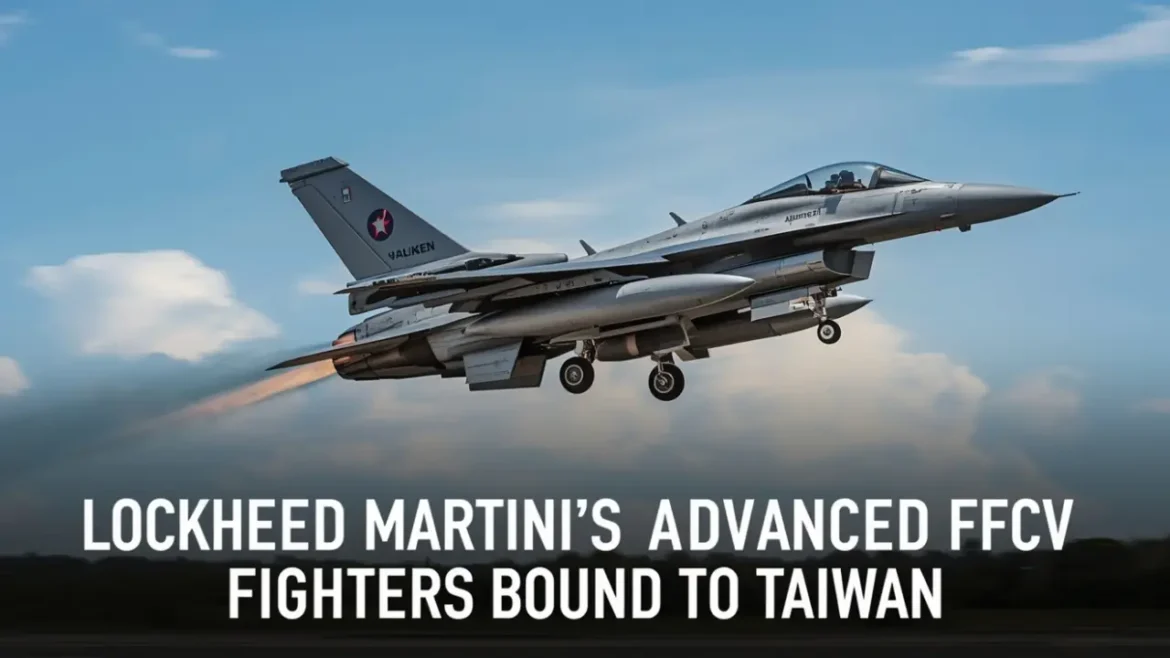
Lockheed Martin is accelerating the production and delivery of F-16V fighter jets to Taiwan, following delays caused by supply chain disruptions and parts shortages, according to a Reuters report on November 4, 2025. The move comes as Washington and Taipei intensify cooperation to enhance Taiwan’s air defense capabilities amid escalating tensions in the Taiwan Strait.
The U.S. defense contractor confirmed it is “working closely with the U.S. government” to meet revised delivery timelines for the advanced F-16 Block 70 aircraft. The jets, equipped with modern radar, avionics, and weapons systems, are intended to replace Taiwan’s aging fleet and improve its deterrence against potential Chinese military aggression.
Background: Taiwan’s Largest Fighter Jet Purchase in Decades
Taiwan signed a deal in 2019 to purchase 66 F-16V Block 70/72 aircraft from the United States for approximately $8 billion, marking the island’s largest fighter acquisition in three decades. The new variant features the APG-83 AESA radar, advanced mission computers, improved electronic warfare suites, and compatibility with U.S. precision-guided munitions.
Lockheed Martin manufactures the F-16V at its Greenville, South Carolina facility — the only active F-16 production line worldwide. However, pandemic-era disruptions and global supply shortages, particularly in microelectronics and avionics components, delayed output across several international orders, including those for Bahrain, Slovakia, Bulgaria, and Taiwan.
F-16V Viper Fighter Jet – Full Specifications
- Generation: 4.5
- Maximum Speed: Mach 2.0
- No. of Engines: 1
- Radar Range: 160+ km
U.S. Support and Strategic Implications
The U.S. Department of Defense has reportedly coordinated with Lockheed Martin to streamline production bottlenecks and allocate key resources to prioritize Taiwan’s deliveries. This decision aligns with Washington’s broader Indo-Pacific defense strategy, which emphasizes strengthening the military readiness of regional partners in the face of expanding Chinese power projection.
A Pentagon spokesperson noted that “timely delivery of defense systems to Taiwan remains a top priority for maintaining stability and deterrence in the region.”
The F-16V’s integration into Taiwan’s Air Force will significantly enhance its operational flexibility. The aircraft’s data link systems allow interoperability with U.S. and allied forces, while its beyond-visual-range (BVR) missile capability extends Taiwan’s air combat reach over the Strait.
The F-16V: A Strategic Bridge Between Legacy and Stealth
The F-16V, often regarded as a 4.5-generation fighter, bridges the gap between older legacy jets and fifth-generation stealth fighters like the F-35. Though less stealthy, the F-16V’s advanced radar and targeting systems enable it to detect and engage threats earlier, making it a cost-effective and versatile asset for small and medium-sized air forces.
Compared to China’s J-10C and J-16 fighters, the F-16V offers improved radar performance and sensor fusion, though it remains outmatched by China’s J-20 stealth fighter in stealth and range. Nevertheless, analysts argue that in Taiwan’s defensive context—focused on denial rather than air superiority—the F-16V remains highly effective.
Analysis: Strengthening Taiwan’s Deterrence and U.S. Industrial Posture
Lockheed Martin’s decision to accelerate F-16V deliveries carries implications beyond Taiwan’s defense posture. It reflects Washington’s determination to maintain supply chain resilience in critical defense production and to demonstrate reliability to allies amid global competition.
This development also underscores the revitalization of the F-16 production line, which continues to generate export orders despite the global shift toward stealth platforms. For the U.S. defense industry, it highlights the balancing act between meeting international commitments and managing domestic priorities such as F-35 production and next-generation fighter programs.
For Taiwan, early receipt of the jets will bolster its readiness as Chinese air incursions near its air defense identification zone (ADIZ) become more frequent. The enhanced air fleet will improve both survivability and response speed in crisis scenarios.
Conclusion: A Critical Step in Indo-Pacific Defense Readiness
Lockheed Martin’s accelerated F-16V delivery schedule marks a pivotal moment in U.S.-Taiwan defense cooperation. Beyond addressing logistical setbacks, it sends a clear signal of Washington’s resolve to support Taipei’s defense modernization amid growing regional challenges.
As production ramps up through 2026, the delivery of these aircraft will likely strengthen Taiwan’s air deterrence and deepen U.S. industrial engagement in Indo-Pacific security. The move also reaffirms the enduring relevance of the F-16 platform in a rapidly evolving global air combat landscape.

Rise of the Challenge: China Gains Momentum
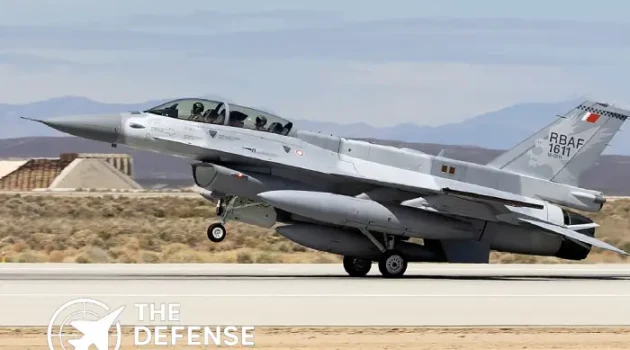
A recent warning from retired Air Force Colonel John Venable — formerly a U.S. fighter pilot — has put a spotlight on the growing concern that the United States Air Force (USAF) may be losing its longstanding air dominance edge. In remarks delivered at the Air & Space Forces Association conference in September, he argued that in terms of capacity, capability and readiness, the U.S. now “falls short, woefully short.”
While the USAF still fields more than 2,000 fighters, only a fraction are considered mission-capable, and readiness metrics are lagging. Meanwhile, the People’s Liberation Army Air Force (PLAAF) is rapidly reequipping with fourth- and fifth-generation platforms, expanding pilot training hours and increasing production rates of airframes.
Key Metrics: Where the Gap Is Widest
Shrinking U.S. Fleet and Aging Airframes
The USAF’s fighter and bomber fleet has decreased sharply since the Cold War. A recent report by the Mitchell Institute for Aerospace Studies found that the force is now the smallest, arguably the oldest, and least ready in its history. For example, USAF pilot flying hours have dropped from 18-20 hours/month to 6-8 hours/month in some units.
China’s Production and Training Advantage
China is reportedly producing fighters at a rate of roughly 1.2 for every 1 made by the U.S. Venable noted the PLAAF now has some 1,100 fighters able to sortie over Taiwan without aerial refueling. Meanwhile, Chinese pilots average around 200 flight hours per year, compared with approximately 110 for U.S. counterparts.
Strategic Geography: Indo-Pacific Pressure
One of the greatest vulnerabilities is geography. In a conflict scenario over the Taiwan Strait, U.S. forces would operate over extended distances, while China can exploit near-home advantage. U.S. fleets based farther from the battle zone face longer sortie times, more logistic strain and potentially diminished readiness.
Analysis: What This Means for U.S. Defense
The shift in balance carries significant strategic implications:
1. Reduced margin for error. The U.S. has long relied on its air superiority as a foundational enabler for joint operations, expeditionary warfare, and deterrence. As that margin narrows, operational risk rises — miscalculations or initial setbacks could prove more costly.
2. Peer-competition era demands new readiness. The era of counter-insurgency and low-intensity conflict allowed force structures tuned to irregular operations. But the emerging competition with China demands near-peer readiness — high sortie rates, survivable dispersed basing, resilient logistics and integrated multi-domain operations. Venable highlighted the mismatch: “we have not 4,000 fighters but 2,000… They average not 8 years old but 28 years old.”
3. Indo-Pacific and allied posture under stress. The PLAAF’s growing capacity and readiness puts additional pressure on U.S. forward posture, allied basing and regional deterrence. If China can deny or delay U.S. access in the first island chain, the whole campaign dynamic changes.
4. Modernization and industry tempo become critical. The USAF’s “divest to invest” strategy, which retires older systems to fund advanced platforms, may succeed only if new systems arrive at the promised scale and on schedule. Delays and reductions—such as planning to buy only 24 F-35s in FY2026—erode future capacity.
5. Allies and partners matter more than ever. As capacity tightens, the U.S. will rely increasingly on the integration of allied air forces, distributed basing and cooperative logistics. Delays in readiness across the force multiply risk.
Conclusion & Forward Outlook
The warning from Colonel Venable is clear: America’s historic airpower edge is no longer assured. If China continues its aircraft production, pilot training and readiness surge — while the U.S. fleet shrinks and ages — the balance of air power in the Indo-Pacific may shift.
Looking ahead, we should expect the U.S. Air Force to accelerate initiatives around distributed operations, increased sortie generation, advanced unmanned systems, enhanced training tempo and closer coordination with allies. Whether these reforms can close the gap in time remains the central question. The coming decade will reveal whether the U.S. can re-establish its overmatch or whether the air superiority margin becomes contested.
Japan’s First Fighter Jet Deployment to NATO
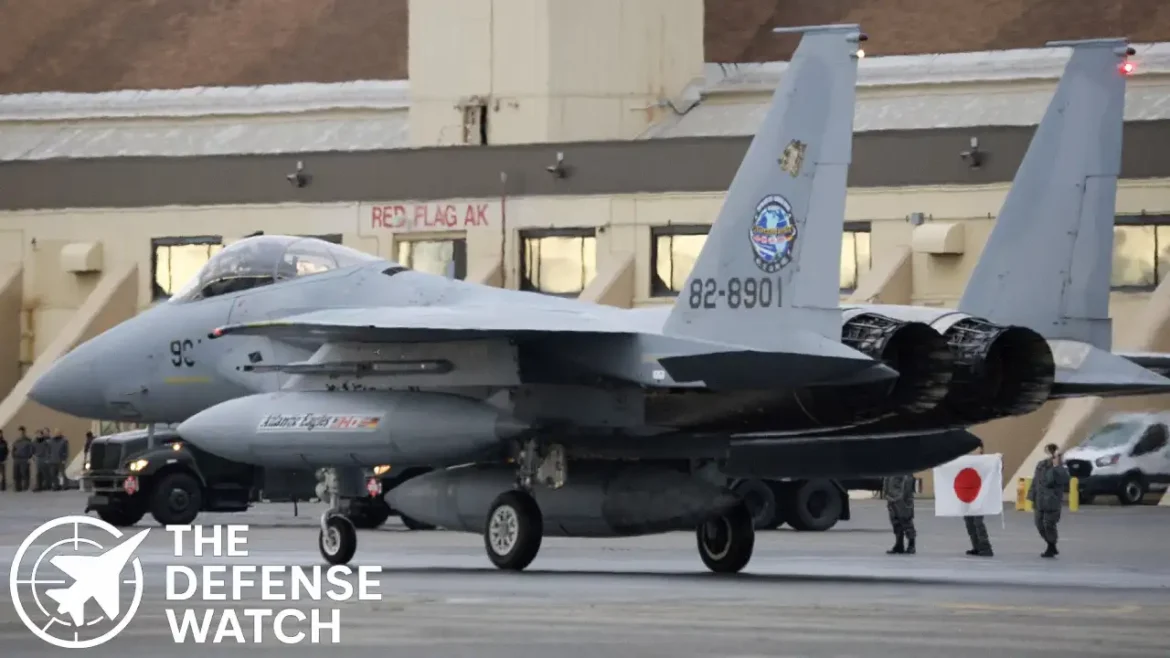
In an unprecedented move, Japan has deployed four F-15 fighter jets and support aircraft to NATO bases in North America and Europe, marking the country’s first warplane mission to Canada and Europe.
The operation, named Atlantic Eagles, involves a total of eight aircraft — four Mitsubishi F-15J Eagles, two tanker aircraft, and two transport planes — alongside 180 Japan Air Self-Defense Force (JASDF) personnel. The mission underscores Tokyo’s recognition that the Indo-Pacific and Euro-Atlantic security environments are increasingly interconnected.
The JASDF announced that its aircraft landed at Eielson Air Force Base in Alaska on Monday before continuing to CFB Goose Bay in Canada, RAF Coningsby in the United Kingdom, and Laage Air Base in Germany.
Bases, Units, and Mission Scope
Personnel for the deployment are drawn from multiple JASDF units:
- 2nd Air Wing (Chitose)
- 1st Tactical Airlift Wing (Komaki)
- 2nd Tactical Airlift Group (Iruma)
- 3rd Tactical Airlift Wing (Miho)
The mission represents not only the first fighter deployment to Europe, but also a significant operational test for Japan’s aerial refueling and long-range mobility capabilities. The presence of two KC-767 tankers is critical, enabling the F-15s to sustain transcontinental operations.
Strategic Context: NATO-Japan Security Ties Deepen
The deployment follows Japan’s establishment of a diplomatic mission to NATO in 2025, a clear signal of its intent to strengthen defense coordination beyond the Indo-Pacific.
The timing is notable. NATO allies are closely monitoring Russian and Belarusian joint exercises, while China has stepped up activities in the Arctic region — a theater increasingly viewed as strategically contested.
For Japan, the mission signals solidarity with NATO and emphasizes its role as a like-minded partner in countering authoritarian military expansion.
Analysis: Implications for U.S. Defense and Global Security
For the United States, Japan’s Atlantic Eagles mission represents a valuable step toward burden-sharing and interoperability. Tokyo’s willingness to send combat aircraft halfway across the globe demonstrates an expanded role beyond regional self-defense.
- Strengthening NATO ties: Japan’s direct military presence on NATO soil sets a precedent for future joint training exercises and cross-theater operations.
- Global mobility of Asian air forces: Until now, only U.S., European, and some Middle Eastern air forces regularly deployed across oceans. Japan’s ability to project fighter power to Europe is a milestone in operational maturity.
- U.S. deterrence posture: As Washington increasingly focuses on deterring both China and Russia simultaneously, having allies like Japan capable of contributing to European defense allows the U.S. to allocate resources more flexibly.
- China and Russia signaling: The deployment sends a strategic message to both Moscow and Beijing — that NATO and Indo-Pacific allies are forging a networked deterrence architecture spanning multiple regions.
This development parallels earlier moves, such as Australia’s participation in NATO exercises and the establishment of NATO’s new Asia-Pacific partnerships framework.
Conclusion: Japan Steps onto the Global Security Stage
The Atlantic Eagles mission illustrates Japan’s determination to be more than a regional power. By sending its F-15s to Europe and Canada, Tokyo not only deepens its defense ties with NATO but also elevates its profile as a global security contributor.
For U.S. defense planners, this deployment confirms Japan’s role as a frontline partner in both Indo-Pacific and trans-Atlantic deterrence. The next steps may include expanded participation in joint NATO exercises or even long-term rotational presence.
As NATO and Indo-Pacific allies confront simultaneous security challenges from Russia and China, Japan’s historic deployment suggests that the lines between regional defense theaters are rapidly disappearing.
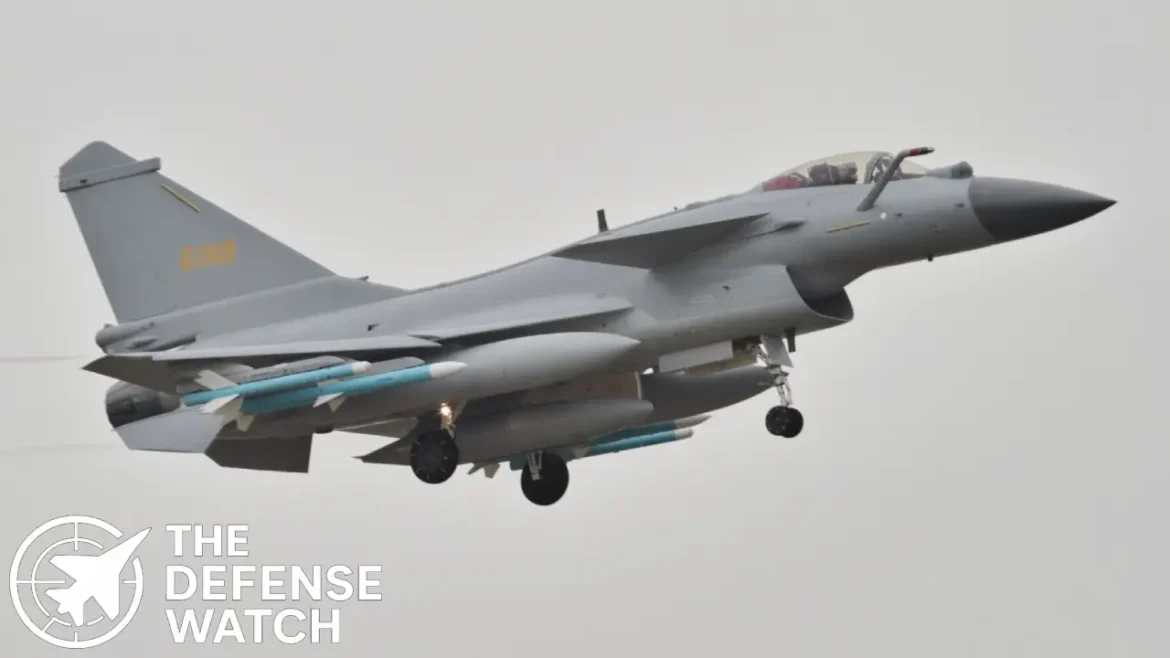
The Rise of the “Vigorous Dragon”
China’s Chengdu J-10C, known by its poetic moniker “Vigorous Dragon,” has emerged as a symbol of the nation’s maturation in advanced fighter design. First introduced between 2015 and 2018, the J-10C fighter jet represents a confident leap into 4.5-generation multirole capability with substantive deployments in recent air skirmishes.
Cutting-Edge Avionics and Engine Independence
At the heart of the J-10C’s potency lies its advanced AESA radar, capable of long-range multi-target tracking and integration with an enhanced helmet-mounted sight and Multifunction Displays (MFDs). Combined with its sleek delta-wing and canard design, fly-by-wire controls, and Mach 1.8 top speed, the aircraft provides formidable maneuverability and situational awareness.
Crucially, J-10C fighter jet variants have largely transitioned from Russian AL-31FN engines to domestically produced Shenyang WS-10B, marking China’s growing aerospace autonomy.
Lethal Weaponry: PL-15 and Versatility
On its 11 external hardpoints, the J-10C fighter jet can carry up to 7,000 kg of ordnance—including PL-10 short-range and PL-15 beyond-visual-range (BVR) air-to-air missiles. The PL-15 boasts a striking range of 200–300 km, outstripping the U.S. AIM-120D AMRAAM.
Beyond aerial combat, the platform is also configured for precision strike missions—with options ranging from laser-guided bombs to KD-88 air-to-surface and YJ series anti-ship/anti-radiation missiles.
Combat Debut: Claiming Victories and Stirring Headlines
The J-10C first drew global attention during a recent India-Pakistan skirmish. Reports suggest that Pakistan deployed J-10Cs equipped with PL-15 missiles and succeeded in downing Indian Rafale fighters—marking the jet’s combat initiation and a symbolic win for Chinese aerospace.
These events propelled Chengdu Aircraft’s stock by over 30–40 %, illustrating the impact of battlefield performance on defense markets. While independent verification remains limited, the incident offered China a credible validation of its export-worthy combat capabilities.
Strategic Impact: A Global Challenger Emerges
The J-10C’s blend of AESA radar, long-range BVR armament, and lower price tag (~$40–60 m) has opened new markets. Countries in South Asia, the Middle East, Africa, and Latin America—from Egypt and Bangladesh to Venezuela and potentially Iran—are seriously considering or finalizing deals.
In particular, Venezuela’s pending interest signals a rare Chinese foray into the Americas—a move seen as a direct challenge to established U.S. air dominance in its Western Hemisphere backyard.
Context & Analysis
Strategic Context
The J-10C’s international emergence aligns with China’s broader defense-industrial shift—from license-building to innovation, export posture, and strategic autonomy. Powerful radar, long-range missiles, and export policies without restrictive U.S. end-use terms make it a formidable rival to Western jets.
Operational Caveats
Despite its strengths, the J-10C remains a single-engine platform—lacking redundancy offered by twin-engine designs. Its global support infrastructure remains nascent, and sustained logistics across diverse climates is yet unproven. Wester analysts also caution that victory claims in South Asia are politically charged and not fully corroborated.
FAQs
It combines AESA radar, PL-15 BVR missiles, modern avionics, and indigenous WS-10B engines—marking a significant evolution over earlier J-10 models.
With an estimated 200–300 km range, the PL-15 outperforms U.S. AIM-120D and European Meteor missiles, giving the J-10C a key edge in long-range engagements.
Pakistan and Egypt have confirmed orders, while Bangladesh, Venezuela, Iran, and others have shown interest, enticed by capability-to-cost advantages and fewer political constraints.
Yes—its combat debut reports and advanced systems suggest it can match or even surpass these Western aircraft under certain conditions.
As a new export, long-term reliability, sustainment infrastructure, and single-engine survivability remain concerns, along with limited independent combat validation.
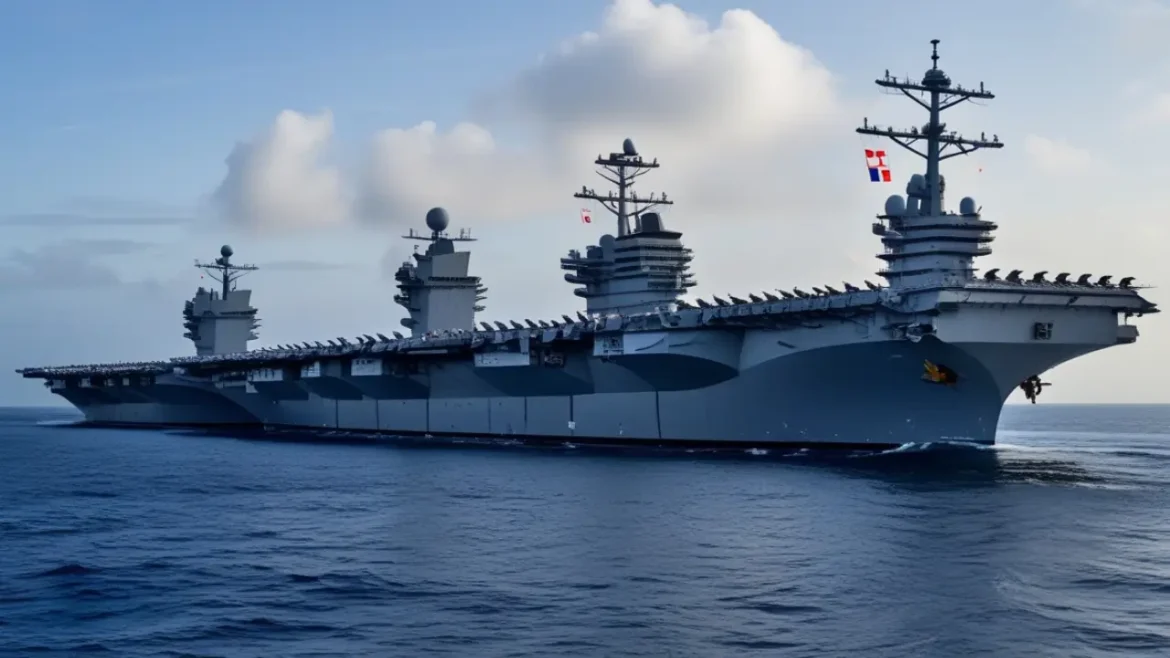
The Enduring Role of Carrier Strike Groups in the Indo-Pacific
Carrier Strike Groups remain a linchpin of strategic influence in the Indo-Pacific, enabling power projection, sea control, and regional deterrence through presence operations. These versatile naval formations—centred on an aircraft carrier, supported by escort ships and air wings—are designed not only for wartime operations but also for shaping the strategic environment during peacetime.
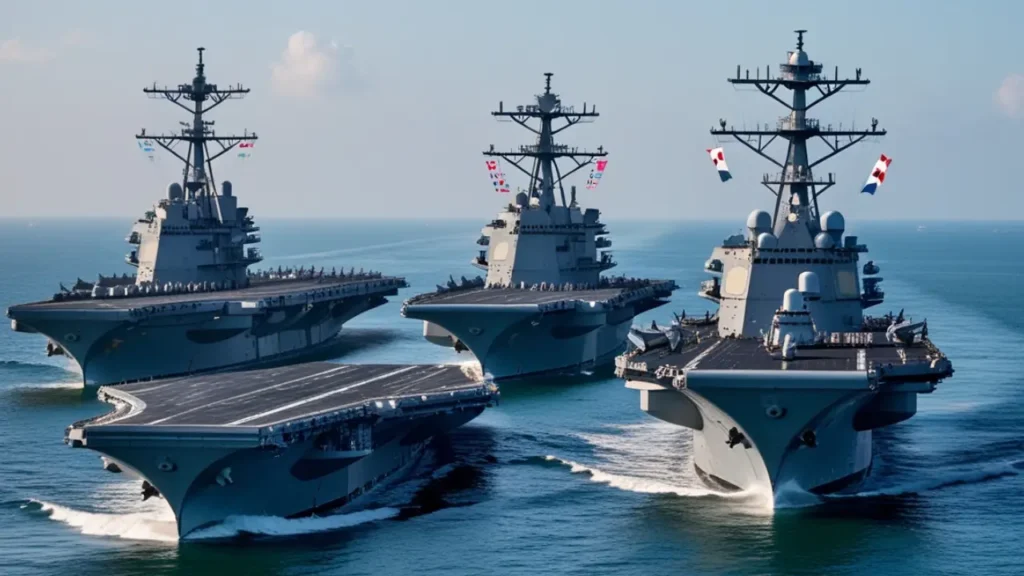
Rising Operations and Multinational Deployments
Recent months reflect growing use of CSGs across the region. The U.S. Carl Vinson CSG-1 completed a nine-month deployment engaging in freedom of navigation operations, multilateral exercises, and combat missions in both the Western Pacific and Middle East. Meanwhile, the UK’s HMS Prince of Wales, as part of Operation Highmast, leads a multinational strike group in East Asia, reinforcing interoperability with Australia, Japan, South Korea, and others.
European contributions are also increasing. France deployed its Carrier Strike Group under Operation Clemenceau between late 2024 and April 2025, and Italy dispatched ITS Cavour with advanced air wings to Japan as a signal of strategic commitment. These efforts bolster the shared message of supporting a free and open Indo-Pacific.
Adapting to Contestation: The Distributed Maritime Operations Shift
The U.S. Navy is shifting from large, centralized CSGs to more resilient distributed maritime operations (DMO). This posture disperses forces to increase battlefield survivability and complicate adversary targeting. The tiltrotor CMV-22B Osprey plays a pivotal role in this transition, providing flexible and rapid logistics support across wide operating areas—surpassing the legacy C-2A Greyhound in range, avionics, and communication capabilities. Its ability to operate without runways, self-deploy, and refuel in flight makes it a force multiplier for dispersed naval formations.
Strategic Implications amid Shifting Sea Power
China’s naval modernization is underway. In mid-2025, the PLA Navy operated two carrier strike groups—Liaoning and Shandong—simultaneously beyond the First and Second Island Chains, marking a shift to more assertive blue-water operations. Meanwhile, satellite imagery indicates progress on China’s development of a nuclear-powered carrier, signaling a potential strategic leap in endurance and power projection.
The Emergence of a “Latticework” Security Architecture
Increasing strains on U.S. naval capacity—highlighted by a stark disparity in shipbuilding, with China far outpacing the U.S.—have catalyzed a shift away from a centralized “hub-and-spoke” alliance. Instead, a resilient “latticework” of multilateral and minilateral partnerships is emerging. This new architecture decentralizes maritime security, with allies like Japan, Australia, and the Philippines strengthening their maritime cooperation through exercises and information sharing.
Analysis / Contextual Insight
- Resilience through Dispersion: The move toward distributed maritime operations, supported by platforms like the CMV-22B, offers greater tactical resilience in contested environments but demands robust logistics networks and interoperable command structures.
- Allied Burden-Sharing and Strategic Signal: Increased European and regional carrier deployments reflect a shifting burden-sharing dynamic. They serve both operational purposes and strategic signaling that deterrence is multilateral, not U.S.-centric.
- China’s Naval Expansion: The PLA’s expanded carrier operations and experimental reactor projects suggest Beijing is closing the strategic gap. U.S. and allied CSGs must balance demonstrating presence without escalation, while enhancing survivability and adaptability.
FAQs
CSGs project power, maintain sea control, support allies, and deter aggression through visible forward deployment and flexible operations.
The Navy is shifting toward distributed maritime operations, deploying forces over wider areas to reduce vulnerability. Platform innovations like the CMV-22B support these dispersed operations.
Yes. The UK, France, Italy, and Japan are deploying carrier groups to signal strategic commitment and improve interoperability.
China is launching more familiar carrier operations beyond the First and Second Island Chains and developing a nuclear-powered carrier, enhancing long-range strategic capabilities.
It’s a regional approach replacing the traditional hub-and-spoke alliance system. It emphasizes interconnected, ally-to-ally security partnerships alongside U.S. ties to build sustainable deterrence.