- ► The United States has deployed 12 F-22 Raptor fighter jets to southern Israel.
- ► The F-22 is the U.S. Air Force’s primary air superiority and stealth fighter platform.
- ► Export of the aircraft is prohibited under U.S. federal law, making overseas deployments highly sensitive.
- ► The move signals elevated deterrence and operational readiness amid regional tensions.
- ► The deployment represents one of the most visible U.S. airpower signals in the region in recent years.
U.S. Deploys 12 F-22 Raptors To Southern Israel In Strategic Signal Of Air Dominance
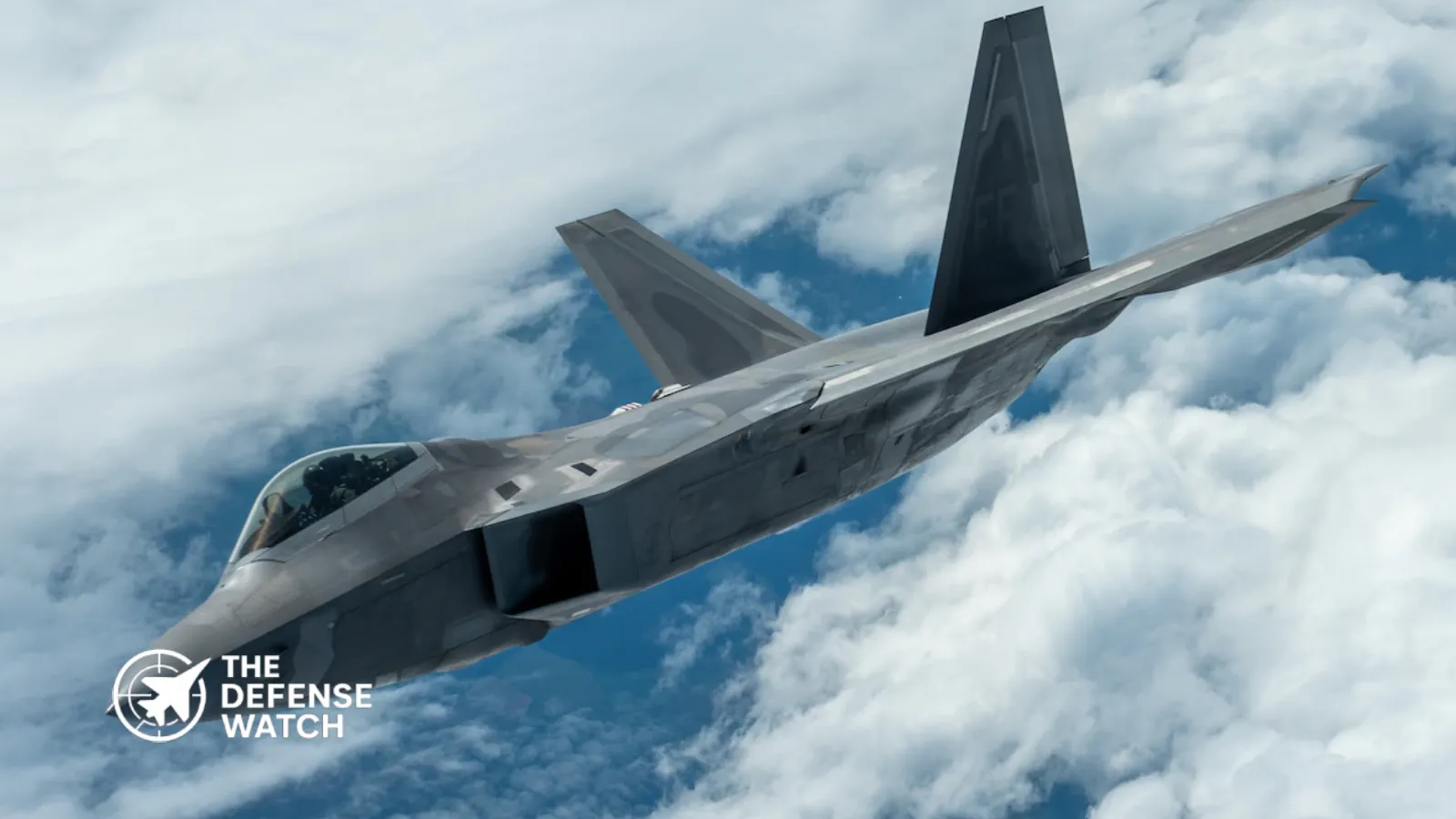
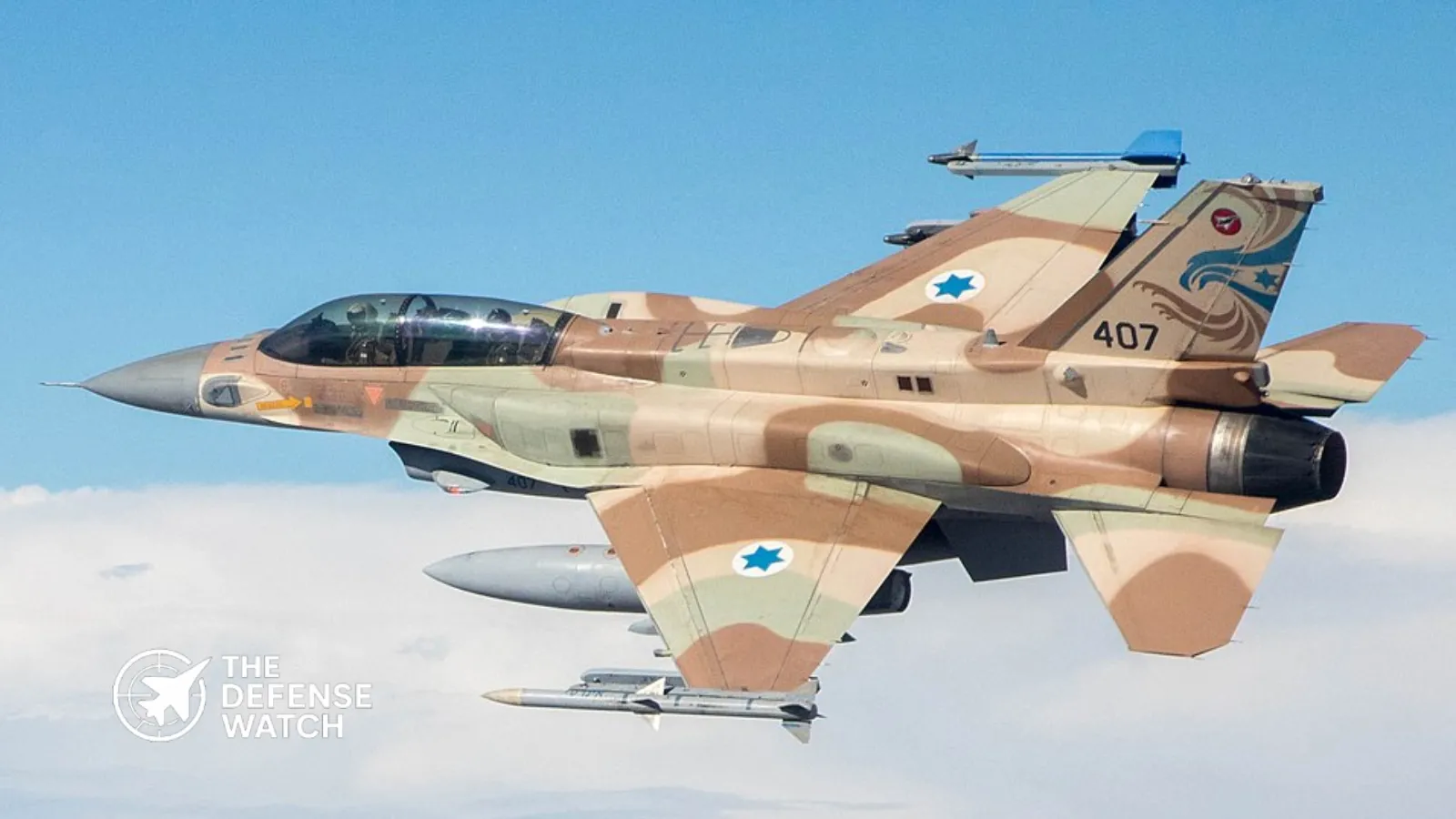
The United States has deployed 12 F-22 Raptors to southern Israel, marking a rare and strategically significant forward positioning of its most advanced air superiority fighter.
According to U.S. defense officials, the aircraft were repositioned as part of broader force posture adjustments aimed at reinforcing deterrence and maintaining rapid response capability in the region. The move comes amid elevated tensions across the Middle East.
The F-22 Raptor, developed by Lockheed Martin for the United States Air Force, remains the cornerstone of American air dominance strategy. Designed for stealth, high-end air combat, and precision strike missions, it combines low observable characteristics with advanced avionics and sensor fusion.
Why The F-22 Deployment Matters
Forward basing F-22 aircraft outside the continental United States is always deliberate. The platform was built primarily to counter near-peer air threats and establish uncontested control of contested airspace.
Its deployment to southern Israel signals three clear objectives:
First, it enhances regional air superiority coverage. The F-22’s advanced radar, electronic warfare suite, and beyond visual range missile capability allow it to detect and engage adversaries before being detected.
Second, it strengthens deterrence. The visible presence of fifth-generation fighters complicates adversary planning and raises the operational threshold for escalation.
Third, it reassures regional partners. Forward positioning high-end assets demonstrates sustained U.S. commitment to allied defense arrangements.
The F-22 is also unique in one key respect. Unlike the F-35 Lightning II, it has never been exported. Congress banned foreign sales of the aircraft in 1998 to protect sensitive technologies. As a result, every overseas deployment carries strategic weight.
Operational Capabilities
The F-22 was designed during the Cold War to defeat advanced Soviet aircraft. It combines stealth shaping, supercruise capability, thrust vectoring, and an advanced AN/APG-77 radar system.
It can carry AIM-120 AMRAAM air to air missiles internally, preserving its low observable profile. Its ability to operate without afterburners at supersonic speed gives it extended reach and faster response time compared to legacy fighters.
While originally optimized for air dominance, the platform has also evolved to support limited precision ground attack missions.
Regional Context
The Middle East has seen recurring periods of escalation involving state and non state actors, missile threats, and drone operations. U.S. air assets routinely rotate through regional bases, but the deployment of 12 F-22s represents a notable concentration of top tier capability.
The United States maintains a longstanding security partnership with Israel, including integrated air and missile defense cooperation. U.S. Central Command regularly coordinates with Israeli defense forces on regional contingency planning.
Though officials have not detailed specific mission sets, analysts assess that the deployment primarily serves a deterrent and contingency response function rather than signaling imminent offensive operations.
Strategic Signaling And Deterrence
In modern force posture strategy, presence is policy. Deploying the F-22 communicates readiness without issuing formal ultimatums.
Unlike carrier strike groups, which are highly visible symbols of naval power, stealth fighters operate with strategic ambiguity. Their survivability and first strike capacity make them particularly effective for crisis stabilization and escalation management.
At the same time, forward deployments carry logistical and sustainment demands. The F-22 fleet is relatively small, with approximately 180 operational aircraft in the inventory. Committing 12 aircraft overseas represents a meaningful allocation of high end air combat power.
What Comes Next
Defense officials have not specified the duration of the deployment. Historically, F-22 rotations to Europe and the Pacific have lasted several weeks to months, depending on regional conditions.
The presence of the F-22 in southern Israel underscores a broader U.S. objective: maintaining air dominance as the foundation of deterrence strategy in contested regions.
As tensions evolve, the forward deployment of America’s premier stealth fighter will remain a closely watched indicator of Washington’s strategic posture in the Middle East.
- ► Russia has reportedly delivered six Mi-28NE attack helicopters to Iran.
- ► The Mi-28NE is the export variant of the Mi-28 Night Hunter all weather attack helicopter.
- ► The platform is armed with a 30mm cannon, anti tank guided missiles, rockets, and air to air missiles.
- ► The acquisition enhances Iran close air support and anti armor capabilities.
- ► The move reflects deepening military cooperation between Tehran and Moscow.
Russian Delivery Of Six Mi-28NE Helicopters Expands Iran Attack Aviation Fleet
The Russian delivery of six Mi-28NE helicopters marks a notable step in strengthening Iran rotary strike capability and modernizing its aging attack aviation fleet.
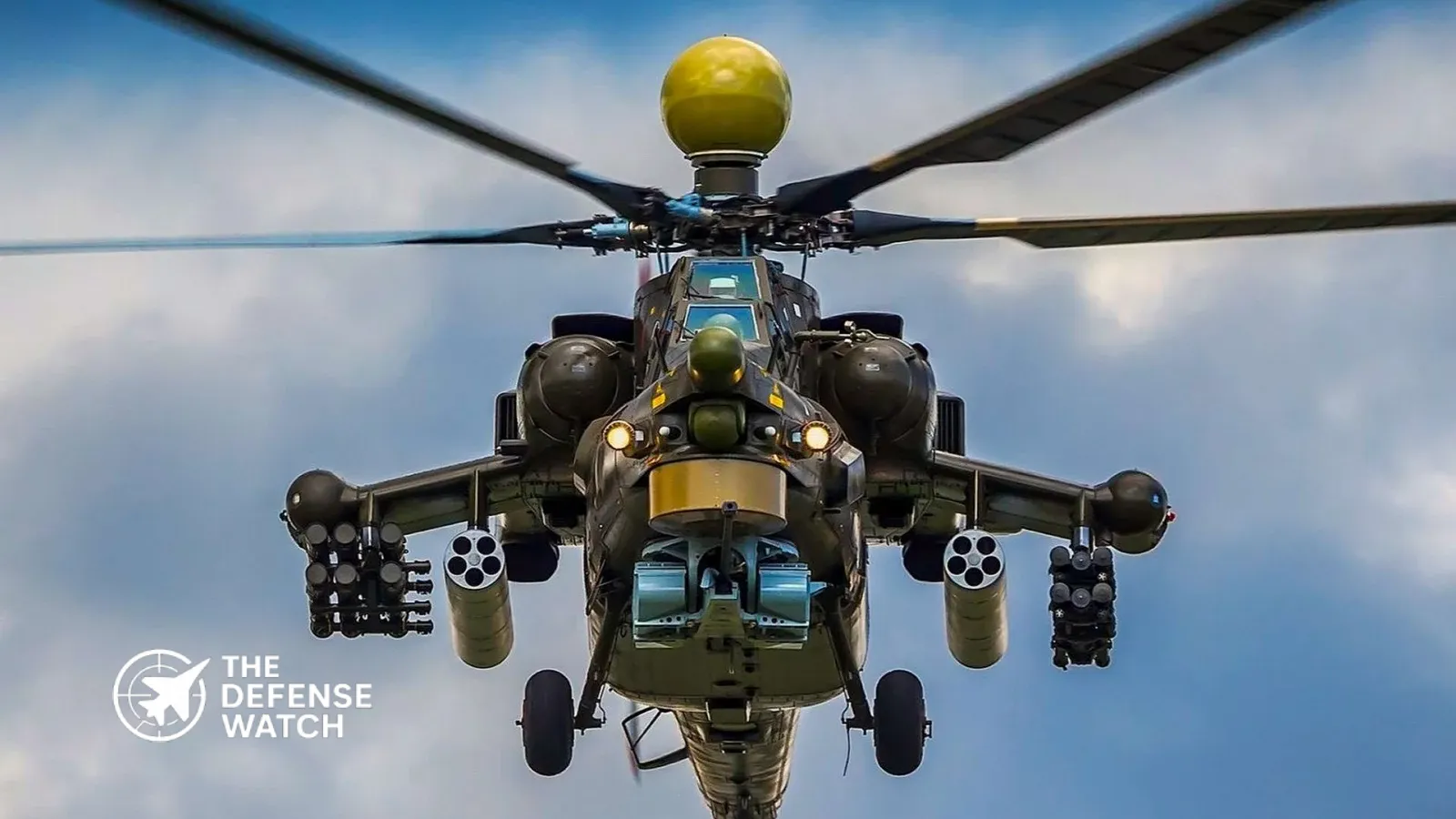
Moscow has transferred six Mi-28NE attack helicopters to Tehran, expanding Iran inventory of modern rotary wing strike platforms. The Mi-28NE is the export version of the Mil Mi-28, known in Russian service as the Night Hunter.
Platform Capabilities And Combat Role
The Mi-28NE is designed as a dedicated anti armor and close air support helicopter. It features a chin mounted 30mm Shipunov 2A42 cannon, compatible with high explosive and armor piercing ammunition. The aircraft can carry anti tank guided missiles, typically the Ataka series, as well as unguided rockets and short range air to air missiles.
Powered by twin turboshaft engines, the helicopter is built for all weather, day and night operations. It incorporates radar, electro optical targeting systems, and defensive countermeasures intended to increase survivability in contested airspace.
Compared with older platforms in Iranian service such as the Bell AH-1J SeaCobra, the Mi-28NE provides improved sensor fusion, heavier payload capacity, and better crew protection. The cockpit is armored, and critical systems are designed with redundancy to withstand battle damage.
Operational Impact For Iran
The Russian delivery of six Mi-28NE helicopters enhances Iran ability to conduct close air support and anti armor missions across varied terrain, including mountainous and desert regions.
Iran rotary wing fleet has historically relied on legacy systems dating back to the pre 1979 era, supplemented by limited domestic upgrades. Introducing a modern attack helicopter like the Mi-28NE improves strike precision, stand off engagement range, and night fighting capability.
From a tactical standpoint, the aircraft can support ground forces, defend key infrastructure, and provide rapid response against mechanized threats. Its missile armament allows engagement of armored vehicles at several kilometers, reducing exposure to short range air defenses.
However, the small number, six aircraft, suggests a limited operational footprint unless followed by additional orders. Sustainment, pilot training, spare parts supply, and integration into existing command networks will shape the long term effectiveness of the fleet.
Broader Russia Iran Defense Ties
The transfer underscores expanding defense cooperation between Moscow and Tehran. In recent years, both countries have deepened military coordination amid shifting regional dynamics and Western sanctions pressure.
Russia has marketed advanced combat aircraft and air defense systems to Iran, while Tehran has pursued modernization to offset regional rivals equipped with Western platforms. The Mi-28NE delivery fits within this broader pattern of selective, high value acquisitions.
Authoritative defense analysis from institutions such as the International Institute for Strategic Studies has noted that Iran armed forces continue incremental modernization efforts, often focused on asymmetric capabilities. The addition of dedicated modern attack helicopters signals attention to conventional battlefield roles as well.
Regional Security Context
The arrival of the Mi-28NE comes amid persistent tensions in the Middle East, including periodic cross border strikes and ongoing competition among regional powers. Attack helicopters remain critical assets for rapid reaction, border security, and support to ground formations.
While six helicopters alone do not alter the regional balance of power, they do enhance Iran tactical flexibility and strike options. The operational readiness of the fleet will depend on training cycles and logistical support over time.
As more details emerge regarding basing locations, unit assignments, and future procurement plans, the Russian delivery of six Mi-28NE helicopters will remain a key data point in assessing Iran evolving air combat posture.
- ► The Israel Defense Forces conducted overnight strikes in southern Lebanon.
- ► Targets included weapon storage facilities and missile launchers linked to Hezbollah.
- ► The IDF said the infrastructure violated existing understandings between Israel and Lebanon.
- ► No immediate casualty figures were released by Israeli authorities.
- ► Border tensions between Israel and Hezbollah remain elevated.
IDF Strikes Hezbollah Infrastructure In Southern Lebanon
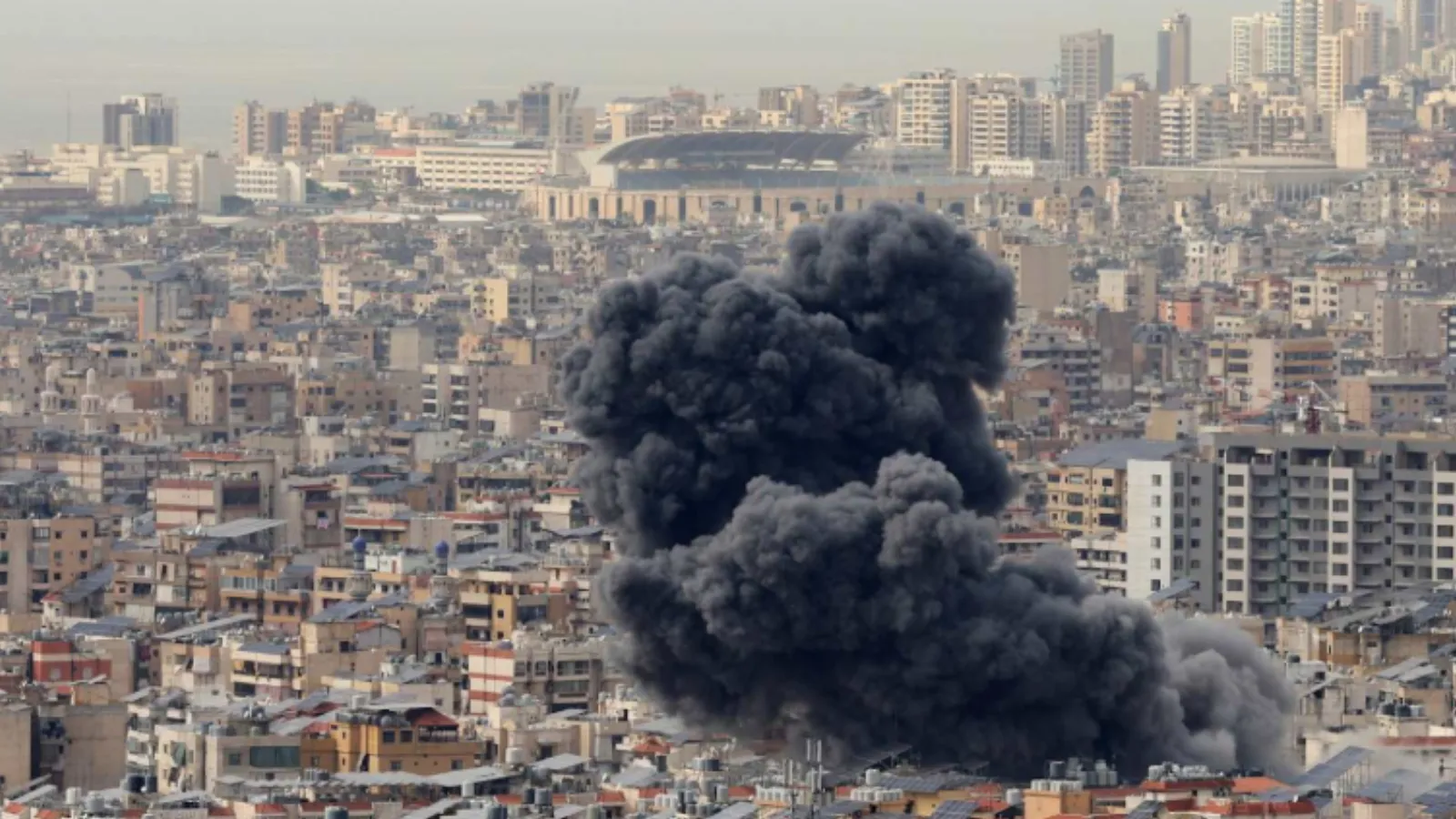
IDF strikes Hezbollah infrastructure in southern Lebanon overnight, targeting weapon storage facilities, missile launchers, and military sites, according to an official statement from the Israel Defense Forces.
The Israeli military said the sites were used by the Hezbollah to advance attacks against Israeli forces and the State of Israel. The strikes took place across several areas in southern Lebanon, though specific locations were not disclosed.
In its statement, the IDF said the presence of such infrastructure constituted a violation of the understandings between Israel and Lebanon. The military added that it would continue operating to remove threats along the northern border.
What The IDF Says Was Targeted
According to the IDF, the overnight operation focused on:
- Weapon storage facilities
- Missile launchers
- Military sites linked to Hezbollah operational planning
Israeli officials did not release details on the types of aircraft or munitions used. The IDF did not report Israeli casualties, and there was no immediate independent confirmation of damage assessments.
Hezbollah has not yet issued a formal statement on the reported strikes.
Strategic Context: Northern Border Tensions
The IDF strikes Hezbollah infrastructure come amid continued instability along the Israel Lebanon frontier. Since the escalation that followed the October 2023 war in Gaza, exchanges of fire between Israel and Hezbollah have occurred periodically.
Under UN Security Council Resolution 1701, adopted after the 2006 Lebanon War, armed groups other than the Lebanese Armed Forces and UNIFIL are not permitted to operate south of the Litani River. Israel has repeatedly accused Hezbollah of maintaining military infrastructure in violation of those terms.
The Lebanese government has often denied systematic violations, while Hezbollah maintains that its posture is defensive. UNIFIL has regularly reported tensions and incidents in its periodic briefings.
Operational Patterns And Military Implications
IDF strikes Hezbollah infrastructure in southern Lebanon follow a pattern of targeted air operations designed to degrade weapons stockpiles and launch capabilities before they can be used.
From a military standpoint, storage sites and launchers are high value targets. Destroying launchers reduces immediate firing capability. Striking storage facilities disrupts supply chains and limits sustained operations.
Such operations also signal deterrence. By publicly confirming these strikes, the IDF reinforces its stated red line against advanced weapons transfers and forward deployment near the border.
At the same time, each strike carries escalation risk. Hezbollah maintains a significant arsenal of rockets and missiles, according to assessments by the U.S. Defense Intelligence Agency and Israeli security officials. Any sustained exchange could expand beyond localized incidents.
Legal And Diplomatic Dimensions
The IDF framed the strikes as a response to violations of existing understandings between Israel and Lebanon. While no new formal agreement was cited, Israeli officials have consistently referenced Resolution 1701 and subsequent informal arrangements aimed at limiting Hezbollah activity near the border.
The Lebanese Armed Forces have limited capacity in southern Lebanon, and Hezbollah operates as both a political party and an armed organization. This dual role complicates enforcement mechanisms and diplomatic engagement.
Washington has continued to call for de escalation along the Israel Lebanon border. U.S. officials have supported diplomatic efforts aimed at preventing a broader regional conflict.
Regional Security Outlook
IDF strikes Hezbollah infrastructure in southern Lebanon reflect the fragile security environment across the region. With multiple fronts active and Iranian backed groups operating in Lebanon, Syria, Iraq, and Yemen, the northern Israeli front remains a key flashpoint.
Military analysts note that targeted strikes are intended to manage threats without triggering full scale war. However, miscalculation remains a persistent concern.
For now, Israeli officials say operations will continue as necessary to remove threats. Whether this round of strikes leads to further retaliation will depend on Hezbollah’s response and ongoing diplomatic efforts behind the scenes.
The US-Iran nuclear talks in Geneva entered their second round on Tuesday, February 17, 2026, as Washington and Tehran seek to curb Iran’s nuclear program through indirect, Oman-mediated negotiations.
The latest round is taking place at the Embassy of Oman in Geneva, Switzerland, with the U.S. delegation led by Middle East envoy Steve Witkoff and senior advisor Jared Kushner. Iran’s side is headed by Foreign Minister Abbas Araghchi.
Background and Recent Developments
The second round comes just eleven days after the first direct engagement between the two sides on February 6, 2026. The current diplomatic push follows a turbulent 2025 that saw direct military confrontation between Iran and Israel, followed by U.S. B-2 Spirit stealth bomber strikes on Iranian nuclear facilities in June 2025.
Since then, Iran has reportedly paused high-level uranium enrichment activities, while the United States has significantly ramped up its military footprint across the Middle East.
Current U.S. Military Posture
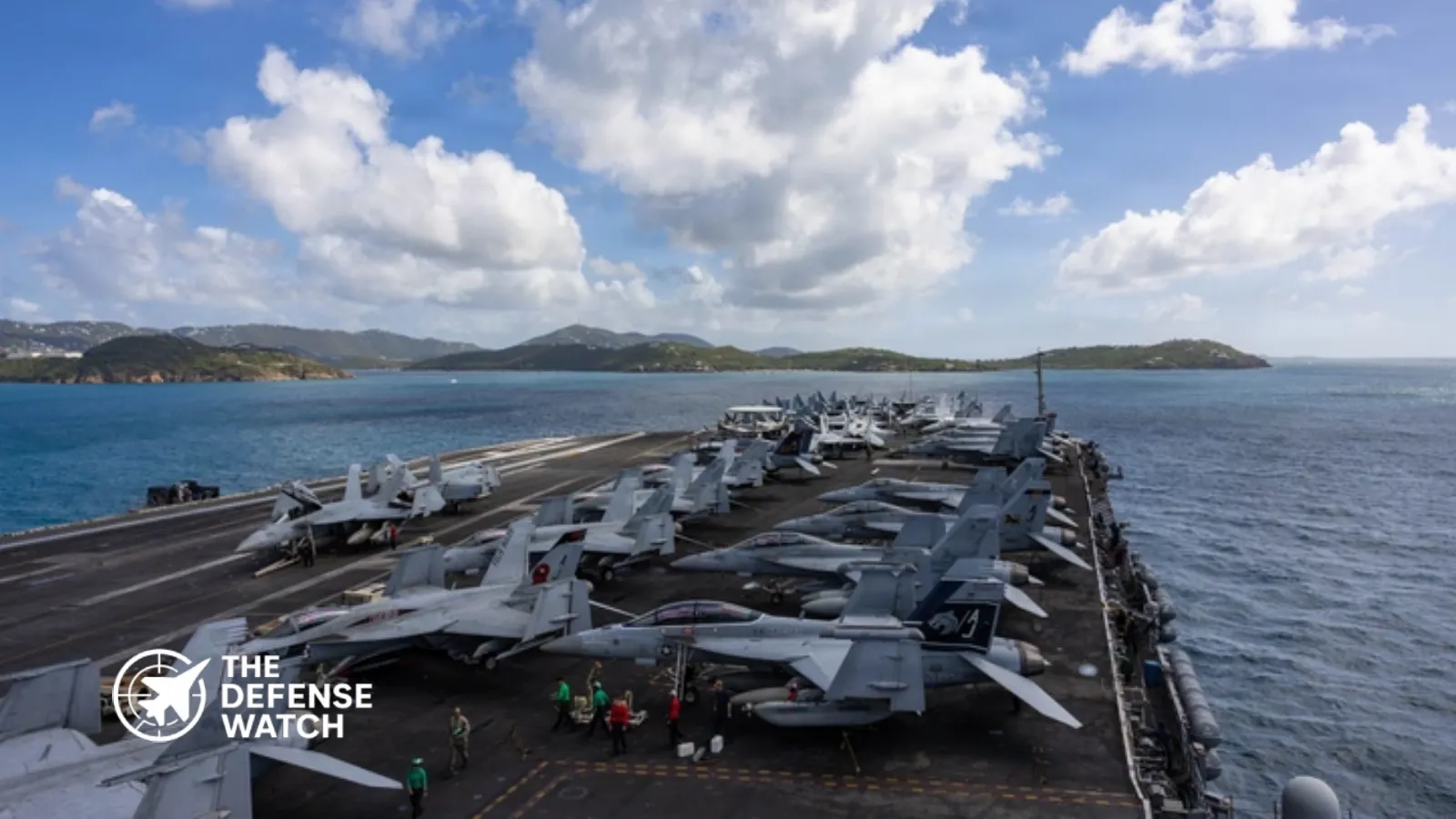
The U.S. Navy currently maintains two carrier strike groups in or near the region:
- USS Abraham Lincoln (CVN-72) and its strike group, already operating in the Arabian Sea.
- USS Gerald R. Ford (CVN-78), the Navy’s newest and most advanced supercarrier, recently redirected toward the Middle East.
Additional U.S. assets include guided-missile destroyers, air defense systems, F-35C and F-15E squadrons, and extended troop deployments in Jordan, Qatar, Bahrain, and Saudi Arabia. Pentagon officials have indicated preparations for sustained operations if diplomacy fails.
Iran has responded by launching large-scale maritime drills near the Strait of Hormuz, with the IRGC Navy emphasizing its control over the critical chokepoint.
Key Positions
According to multiple reports, the two sides remain far apart:
- The United States is seeking deep, verifiable limits on Iran’s enrichment capacity, possible dismantlement of certain facilities, ballistic missile restrictions, and curbs on regional proxy activity.
- Iran insists talks remain limited to the nuclear file, demands meaningful sanctions relief, and rejects any “submission before threats.” Foreign Minister Araghchi has repeatedly stressed that Iran will not abandon peaceful nuclear enrichment entirely.
On Monday, Araghchi met with IAEA Director General Rafael Grossi in Geneva to discuss technical cooperation and verification issues.
Trump Administration Stance
President Donald Trump, speaking aboard Air Force One, said he would be involved in the talks “indirectly” and expressed belief that Iran wants a deal.
“I don’t think they want the consequences of not making a deal… We could have had a deal instead of sending the B-2s.”
Secretary of State Marco Rubio described the negotiations as difficult but said the U.S. remains willing to pursue a diplomatic outcome.
Outlook
Analysts note that the presence of heavy U.S. naval power in the Gulf serves as both leverage for the talks and a contingency should they collapse. A breakthrough remains uncertain, given the deep mistrust and wide gaps on core issues.
Saudi Unveils Baby Raptor Counter-Drone Interceptor At WDS 2026
At the World Defense Show 2026 in Riyadh, Saudi Arabia showcased a new counter-drone interceptor named Baby Raptor, marking a notable step in its efforts to field indigenous unmanned aerial defense technology. The system aims to provide rapid, airborne response against small hostile UAVs, blending speed, autonomy, and sensor capability in a compact package.
Compact Interceptor Designed For Fast Response
The Baby Raptor is a vertical take-off and landing (VTOL) unmanned interceptor developed by Saudi tech firm Wakeb. The platform weighs roughly 5 kilograms with dimensions suited for deployment from confined spaces, including forward bases or ship decks. Its design targets rapid launch and pursuit of hostile drones during their ingress to defended airspace or infrastructure.
Flight performance highlights include a maximum speed nearing 250 kilometers per hour and more than 20 minutes of endurance on battery power. This positions the system for short-duration interception missions rather than extended surveillance operations. Integrated thermal and electro-optical sensors support day and night target detection and tracking.
AI-Driven Guidance And Target Tracking
Central to the Baby Raptor’s capability is its onboard Raptor Pilot AI flight control system, which fuses inertial and imaging data to automate tracking and engagement of fast-moving aerial targets. The built-in Artificial Intelligence supports autonomous pursuit, reducing operator workload during high-tempo engagements.
The interceptor’s sensor suite and guidance logic aim to lock onto hostile UAVs with minimal external support, reflecting a shift toward autonomous counter-UAS tools able to operate in contested environments without heavy reliance on centralized command systems.
Saudi Defense Industry Moves Toward Indigenous Solutions
The public debut of the Baby Raptor at WDS 2026 underscores Riyadh’s broader push to develop locally designed defense platforms in line with national modernization goals. The World Defense Show, running February 8 to 12 in Riyadh, brings together military officials, OEMs, and international delegations to highlight innovations across air, land, sea, and security domains.
Saudi Arabia has placed increased emphasis on counter-UAS development in recent years, driven by regional drone threats and the need to protect energy infrastructure and forward operating sites. The Baby Raptor’s integration of autonomy and rapid deployment features is part of a wider trend toward layered counter-drone systems combining electronic warfare, ground-based sensors, and airborne intercept capabilities.
Operational Role And Future Prospects
While details on procurement or fielding schedules are not yet public, defense officials at the show positioned Baby Raptor as a component of multi-layered air defense networks. Its VTOL profile and rapid response orientation make it well suited for perimeter defense and protection of high-value sites where fixed installations may be impractical.
Experts note that integrating such airborne interceptors into broader systems can enhance defense against low, slow, and small drone swarms that challenge conventional air defense tools. The Baby Raptor represents a lightweight, autonomous option that can augment existing counter-UAS layers without the cost and infrastructure demands of larger weapons.
Saudi Arabia Unveils Truck-Mounted VL-MICA Air Defense System at WDS 2026
At the World Defense Show 2026 in Riyadh Saudi Arabia unveiled a new truck-mounted VL-MICA air defense system aimed at countering drones and other low-altitude threats. The display highlighted a mobile 360-degree short-range air defense solution designed to protect high-value infrastructure and critical sites.
What Saudi Arabia Showed At The Exhibition
The VL-MICA configuration is based on the ground-adapted VL MICA missile family and was presented on a six-by-six tactical truck with stabilizing outriggers and a vertical launch frame. It features a four-missile loadout per vehicle designed for rapid salvo firing and shoot-and-scoot operations rather than static emplacement.
Display materials at the show emphasized 360-degree coverage and quick reaction times, capabilities important when addressing fast-moving drones and cruise missiles that challenge fixed or horizon-limited air defenses.
VL-MICA: Missile Family And Capabilities
The VL-MICA ground launcher uses the MBDA VL MICA missile family, a variant of the air-to-air MICA adapted for ground defense. The missile comes with either an active radar seeker or an imaging infrared seeker, offering flexibility against a range of aerial threats in contested environments.
Published figures for the VL MICA interceptor list a missile length of about 3.1 meters, a focused fragmentation warhead, and an interception range up to roughly 20 kilometers with an altitude reach near 30 000 feet, offering layered defenses against aircraft drones and precision guided threats.
Context: Growing Focus On Counter-Drone Defense
The Saudi armed forces and regional partners have shown growing interest in mobile short-range air defense solutions to counter unmanned aerial systems. Exercises such as Red Sands 2025 underscored the importance of integrated counter-UAS efforts, testing multiple platforms and sensors in live fire environments.
In parallel Saudi Arabia has evaluated a range of air defense systems to enhance its layered architecture, from mobile low-altitude launchers to medium-range and laser based counter-drone tools, reflecting an ongoing response to evolving drone and missile threats in the Middle East.
Operational Role And Potential Use
Truck-mounted short-range systems like VL-MICA are intended to serve as a point defense layer in a broader integrated network. In practice such assets can shield air bases, energy infrastructure or command posts while networking with layered radar and sensor systems for earlier detection and cueing.
Mobility also helps commanders reposition assets as threats shift and reduces the vulnerability of static sites, a capability that matters in high threat environments where low-signature drones and cruise missiles can exploit terrain masking and multi-vector approaches.
What This Means For Regional Air Defense
The VL-MICA launchers add a mobile short-range node to Saudi Arabia’s air defense posture. In a region marked by emerging drone threats these systems complement longer-range interceptors and advanced radars, helping fill gaps in the low-altitude envelope where small drones and precision strike assets operate.
Saudi Arabia’s defense modernization efforts increasingly blend domestic systems with foreign technology to create layered, flexible defenses. At shows like WDS 2026 foreign firms and local partners alike emphasize solutions that can integrate with national air pictures and address asymmetric aerial threats.
Iran States Khorramshahr-4 Ballistic Missile Shown in Missile City Video, Operational Status Claimed
Iran Broadcasts Khorramshahr-4 Missile Footage, Claims Operational Readiness
Iran’s state-aligned media broadcast footage this week of its Khorramshahr-4 ballistic missile, with Tehran describing the system as now part of its operational missile forces, including placement in underground “missile city” facilities. The Khorramshahr-4 missile is reported by Iranian outlets to have a range of about 2,000 kilometers and a warhead capacity of roughly 1,500 kilograms.
The imagery aired by Press TV and cited by Fars News Agency showed the missile inside hardened underground facilities the Islamic Revolutionary Guard Corps (IRGC) refers to as missile cities. Iranian reporting frames the broadcast as evidence the system has reached what Tehran calls “operational maturity.”
Iranian Claims on Capabilities
According to state-aligned sources, the Khorramshahr-4 — also associated with the name Kheibar — retains characteristics Iran has highlighted in previous public statements:
• A declared maximum range near 2,000 kilometers, covering broad portions of the Middle East.
• A heavy payload capacity of roughly 1.5 tons, among the largest reported for Iranian ballistic systems.
• Iranian outlets also repeated claims of ballistic speeds up to Mach 16 outside the atmosphere and around Mach 8 within the atmosphere, intended to shorten reaction time for defenses, though these figures have not been independently verified.
State sources also asserted the system combines guidance features and design measures to challenge modern air defenses. Again, these are Iranian claims, not independent assessments.
No Independent Confirmation of New Test or Full Operational Status
At this time, there is no independent confirmation from neutral defense news services or official Western defense sources that the Khorramshahr-4 has recently conducted a new flight test or entered service in the IRGC inventory. Many published details on the missile’s performance and capabilities come from Iranian state media or outlets closely aligned with Iranian military reporting.
Open-source defense reference material notes the Khorramshahr-4 was first publicly unveiled in 2023. Its specs have been widely reported based on Iranian disclosures, but key details such as demonstrated accuracy, range in operational conditions, and actual performance remain based on Iranian statements rather than independent verification.
Strategic Context
The Khorramshahr series forms part of Iran’s broader ballistic missile modernization efforts. The weapon family has been emphasized by Tehran as central to its deterrence posture. Analysts note that while Iran publicly maintains a range cap just under 2,000 kilometers for its ballistic systems, its missile technology and production continue to evolve.
Iran’s focus on basing missiles within hardened underground facilities aligns with longstanding doctrine aimed at improving survivability and complicating preemptive strike options by potential adversaries.
How to Understand the Claims
Because the primary sources for this report are Iranian state media and affiliated agencies, defense analysts and open-source trackers advise caution in interpreting technical claims without corroboration from independent monitoring groups, satellite imagery verification, or Western defense reporting.
Israel has formally requested operational freedom from the United States to conduct potential independent military action against Iran’s ballistic missile and nuclear infrastructure as negotiations between Washington and Tehran continue.
Israel’s Request for Operational Freedom
Israeli officials have asked the US for greater latitude to act independently in responding to what Tel Aviv views as urgent threats from Iran, notably its ballistic missile buildup and nuclear program. According to coverage by Israel’s public broadcaster, the request seeks assurances that Israel can conduct unilateral strikes on Iranian strategic targets if necessary, without restrictions from Washington.
This push comes as US‑Iran talks on nuclear and missile issues advance, with unresolved gaps between Israeli and American priorities. Israeli military analysts say that ongoing negotiations may not sufficiently address Tehran’s missile arsenal, which Israel views as a core threat.
At the same time, Israeli forces remain on alert, anticipating that diplomatic engagement might not deter a regional conflict or halt Iranian programs seen as destabilizing.
US‑Iran Diplomatic Context
President Donald Trump’s administration is engaged in revived diplomatic outreach with Tehran aiming to rein in uranium enrichment and limit Iran’s missile capabilities. Iranian leadership has signaled willingness to pursue talks, framing them as fair and balanced, even as military tensions persist.
In Washington, analysts see limited US and Israeli coordinated actions on Iran that aim to pressure Tehran without sparking a larger war. Financial markets have reflected the risk with recent shifts in oil pricing.
Separately, the US State Department authorized significant arms sales to key regional partners, including Israel and Saudi Arabia, to boost defensive capabilities amid rising tensions.
Divergence Between Tel Aviv and Washington
The request for operational freedom underscores a strategic divergence. Israel wants assurances that it can strike core Iranian systems if diplomacy fails, particularly targeting missile production and launch infrastructure. Tel Aviv sees these as immediate dangers that could overwhelm defenses in any future confrontation.
Washington, for its part, publicly stresses that direct US involvement in strikes against Tehran is not its stated position, and has repeatedly placed emphasis on diplomacy backed by credible defensive forces. In past similar events, senior US officials denied involvement in unilateral Israeli actions and framed their priority as protecting American forces in the region rather than joining offensive operations.
Iranian Reactions and Regional Risks
Iran’s leadership has warned that any direct military attack could lead to wider conflict, framing such actions as provocations that would ignite multiple fronts across the Middle East. Supreme Leader Ayatollah Ali Khamenei and other officials have emphasized a resolute defense posture while signaling readiness to negotiate.
Tehran’s diplomatic strategy appears to be focused on keeping talks alive while resisting what it views as excessive demands, particularly on its missile program, which it claims are for defensive purposes.
What This Means for US‑Israel Policy
Israel’s push for operational freedom reflects continuing frustration in Jerusalem over perceived limits on military options and the pace or scope of US‑led diplomacy. If Washington declines to provide broad assurances, Israeli planners may prepare for independent action at some point. This could place additional strain on the US‑Israel partnership, even as both governments share core strategic goals in countering Tehran.
At the same time, the US seeks to balance deterrence, defense cooperation, and diplomatic engagement to avoid wider conflict. How Washington responds to Israel’s request will likely shape regional security dynamics and the broader approach to Iran’s long‑standing nuclear and missile programs.
Escalating Military Posture in Strategic Theater
The US Middle East air defenses are undergoing significant reinforcement as the Pentagon positions advanced missile defense systems across the region, according to multiple defense intelligence sources. This strategic deployment comes as American military planners prepare contingency options for potential strikes against Iranian targets in response to recent attacks on US forces and interests.
The Biden administration has authorized the repositioning of Patriot missile batteries, THAAD (Terminal High Altitude Area Defense) systems, and additional air defense assets to protect American personnel and regional allies. Defense officials, speaking on condition of anonymity, confirmed the enhanced defensive posture represents one of the most substantial US military buildups in the Middle East since 2020.
Strategic Deployment of Advanced Defense Systems
The Pentagon Iran strike preparations include a comprehensive layered defense architecture designed to counter potential retaliatory capabilities. According to sources familiar with the deployment, the United States has moved at least three Patriot missile battery systems to undisclosed locations in Iraq and the broader Persian Gulf region.
Additionally, a THAAD battery—capable of intercepting ballistic missiles at high altitudes—has been repositioned to enhance coverage of critical infrastructure and coalition bases. The US Central Command (CENTCOM) has not publicly disclosed specific locations for operational security reasons, but defense analysts indicate the systems are strategically placed to provide overlapping coverage zones.
This is a prudent defensive measure to protect our forces and facilities,” a senior defense official stated, emphasizing that the deployments are designed to deter aggression and defend against potential Iranian missile and drone attacks.
Context: Rising Tensions with Iran
The enhanced military posture follows a series of attacks attributed to Iranian-backed militia groups targeting American forces in Iraq and Syria. Over the past six months, US installations have faced more than 150 rocket and drone attacks, resulting in injuries to American service members.
Intelligence assessments suggest Iran has significantly expanded its ballistic missile arsenal and unmanned aerial vehicle capabilities. The Islamic Revolutionary Guard Corps (IRGC) has demonstrated advanced precision-strike capabilities in recent regional operations, raising concerns among US military planners about potential retaliatory strikes should Washington authorize offensive action.
According to the International Institute for Strategic Studies (IISS), Iran’s missile inventory includes medium-range ballistic missiles capable of reaching targets throughout the Middle East, including all US bases in the region.
Air Defense Network Architecture
The Middle East missile defense systems now form a comprehensive defensive umbrella integrating multiple complementary platforms:
Patriot PAC-3 Systems: Designed to intercept tactical ballistic missiles, cruise missiles, and aircraft at medium to high altitudes. The PAC-3 variant uses hit-to-kill technology for enhanced precision.
THAAD Batteries: Provide upper-tier defense against medium and intermediate-range ballistic missiles during their terminal phase, operating at altitudes up to 150 kilometers.
Aegis-equipped Naval Assets: US Navy destroyers with Aegis Combat Systems provide mobile sea-based missile defense, capable of tracking and intercepting threats across broad areas.
Counter-UAS Platforms: Specialized counter-unmanned aircraft systems have been deployed to address the growing threat from Iranian-made drones and loitering munitions.
This integrated approach creates overlapping defensive layers, increasing the probability of successfully intercepting incoming threats while providing redundancy against saturation attacks.
Regional Allied Coordination
Defense coordination with regional partners has intensified as part of the broader deterrence strategy. The United States has conducted joint air defense exercises with Saudi Arabia, the United Arab Emirates, and Jordan in recent weeks, according to CENTCOM statements.
Israel, which maintains its own sophisticated multi-layered air defense network including Iron Dome, David’s Sling, and Arrow systems, has reportedly increased intelligence sharing with US forces regarding Iranian capabilities and potential threat vectors.
Gulf Cooperation Council (GCC) member states have also enhanced their readiness levels, with several countries activating integrated air defense coordination centers that link national systems with US platforms.
Strategic Implications and Deterrence Calculus
Military analysts emphasize that the US military response to Iran preparations serve dual purposes: protecting American forces while signaling resolve to Tehran. Dr. Michael Knights, a senior fellow at The Washington Institute for Near East Policy, noted that such deployments historically precede either military operations or intensive diplomatic negotiations.
“The United States is demonstrating it can defend its forces while maintaining offensive options,” Knights stated in a recent analysis. “This creates a credible deterrent against Iranian escalation while preserving flexibility for decision-makers.”
The deployment timing coincides with ongoing diplomatic efforts to address Iran’s nuclear program and regional activities. However, defense officials stress that military preparations proceed independently of diplomatic tracks, maintaining readiness for multiple contingencies.
Operational Readiness and Force Protection
The American forces Middle East deployment includes not only defensive systems but also enhanced force protection measures at military installations. CENTCOM has implemented increased security protocols, including expanded perimeter defenses, additional counter-drone capabilities, and hardened shelters for personnel.
Intelligence, surveillance, and reconnaissance (ISR) assets have been augmented to provide early warning of potential attacks. US Air Force RQ-4 Global Hawk high-altitude reconnaissance drones now maintain continuous coverage of critical areas, while space-based surveillance systems track potential launch preparations.
Force protection measures also include dispersing aircraft and critical assets to reduce vulnerability to precision strikes, a tactic employed successfully during previous periods of heightened tension.
Iranian Capabilities and Threat Assessment
Iran’s military posture includes an estimated 3,000 ballistic missiles of various ranges, according to the Defense Intelligence Agency. The Shahab-3 medium-range ballistic missile, with an approximate range of 1,300 kilometers, can reach most US installations in the region.
More concerning to defense planners are Iran’s Fateh-110 and Zolfaghar short-range ballistic missiles, which have demonstrated improved accuracy in recent years. These weapons can be launched from mobile platforms, complicating pre-emptive targeting.
Iran has also proliferated advanced unmanned systems, including the Shahed-136 loitering munition, which has been used extensively in regional conflicts. These relatively low-cost platforms can saturate defenses through swarm tactics, presenting unique challenges for traditional air defense systems.
Historical Precedent and Strategic Patterns
The current buildup mirrors previous US military postures before operations in the region. In January 2020, following the US strike that killed IRGC Quds Force commander Qasem Soleimani, the Pentagon deployed additional Patriot batteries and augmented naval assets to defend against anticipated Iranian retaliation.
Iran responded with ballistic missile strikes against Al-Asad Air Base in Iraq, causing traumatic brain injuries to more than 100 American service members despite no fatalities. The attack demonstrated Iranian precision capabilities and willingness to directly target US forces.
Defense analysts note that current preparations suggest decision-makers are anticipating similar or potentially more severe retaliatory scenarios.
Diplomatic Dimensions and Congressional Oversight
The military buildup has drawn attention from congressional oversight committees. Several members of the Senate Armed Services Committee have requested classified briefings on the scope and objectives of the deployments.
Some lawmakers have expressed concern about potential military escalation absent clear congressional authorization, while others support robust force protection measures for deployed personnel.
The administration has maintained that current deployments fall within existing authorities for force protection and do not necessarily indicate imminent offensive operations. However, defense officials acknowledge that contingency planning includes multiple options across the escalation spectrum.
Impact on Regional Stability
The enhanced US military presence contributes to a complex regional security environment. While intended to deter Iranian aggression, the deployments may also influence calculations by other regional actors, including Israel and Gulf states, regarding their own security postures.
Regional security experts warn that the current trajectory could lead to miscalculation or unintended escalation if not carefully managed through diplomatic channels alongside military preparations.
France Develops Fury 120 Interceptor to Counter Shahed-Type Drones
France has revealed the Fury 120 interceptor drone, a jet-powered unmanned system designed to engage and defeat Shahed-type attack drones used by Russia and others.
Developed by French precision-machining firm ALM Meca, Fury 120 aims to provide a high-speed solution to the growing challenge of low-cost, one-way attack UAVs that have strained air defense systems.
Jet-Powered Interceptor Concept
Fury 120 measures about 1.1 meters in length with a wingspan just over one meter. It is powered by a kerosene microjet engine that reportedly enables maximum speeds of approximately 700 kilometers per hour (435 miles per hour). That puts its top speed at roughly three times that of many potential targets such as Iranian-designed Shahed drones and their Russian Geran derivatives used in Ukraine.
The platform also reportedly withstands sustained maneuvers up to 20 G, which, according to French sources, enhances trajectory correction and intercept flexibility in constrained and dynamic airspace.
Industrial and Development Pathway
Unlike most large European defense systems, the Fury 120 was developed outside France’s official procurement framework with private funding by ALM Meca, a small-to-medium enterprise specializing in precision machining. The program reportedly moved from concept to prototype in under a year.
A research associate at the Saint-Cyr Coëtquidan Military Academy’s research center, advising ALM Meca, has said no direct European equivalent to Fury exists at this stage, highlighting a niche in rapid, high-speed drone interception.
Operational Context
The drive toward interceptor drones like Fury 120 reflects the broader challenge of defending against mass-launched, low-cost attack UAVs. Since 2022, Iranian-designed Shahed drones and Russian derivatives have been widely used in Ukraine, prompting militaries to explore both traditional and nontraditional counter-UAV responses.
These threats can saturate conventional air defense systems and deplete expensive surface-to-air missiles. As a result, militaries are experimenting with cheaper, scalable intercept solutions including dedicated interceptor UAVs and autonomous counter-drone systems.
Strategic Implications
If taken beyond prototype into a fielded capability, Fury 120 could offer a complementary tool in layered air defense architectures, particularly where low-altitude, slow, or predictable UAV threats are poured in large volumes. High-speed interceptors may reduce dependence on missiles for low-value threats, preserving more capable systems for complex targets.
Future work may involve integration with ground-based sensors, radar cues, and electro-optical tracking, as well as evaluation of endurance and logistical support for microjet-powered UAVs.