Northrop Grumman Delivers 1,500th F 35 Center Fuselage
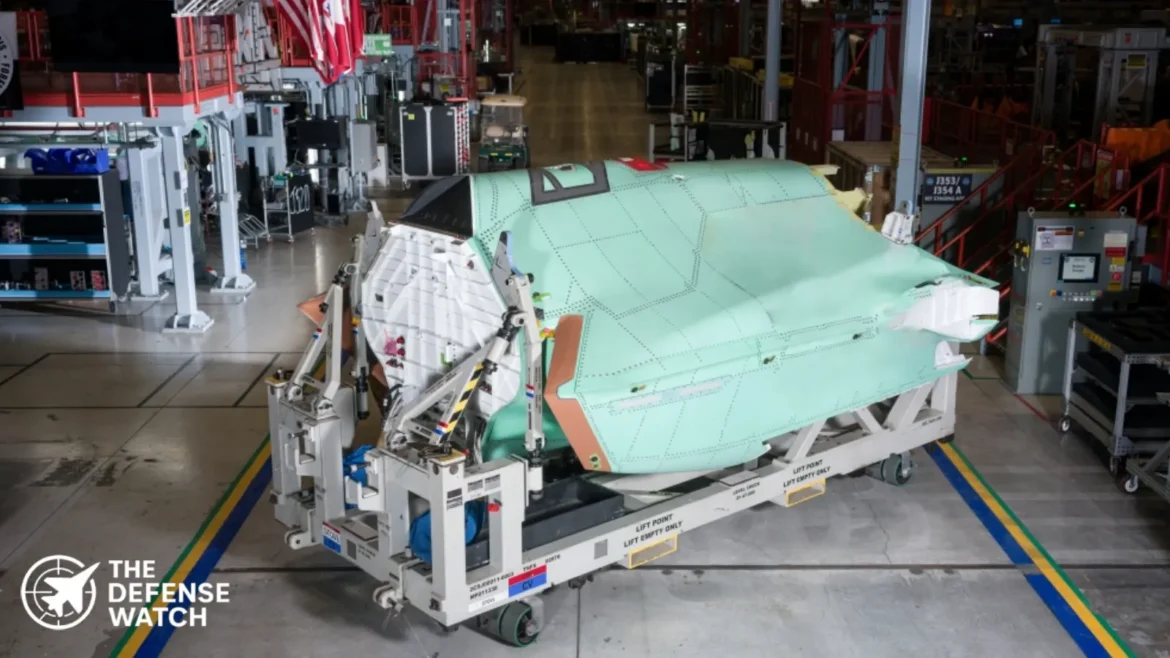
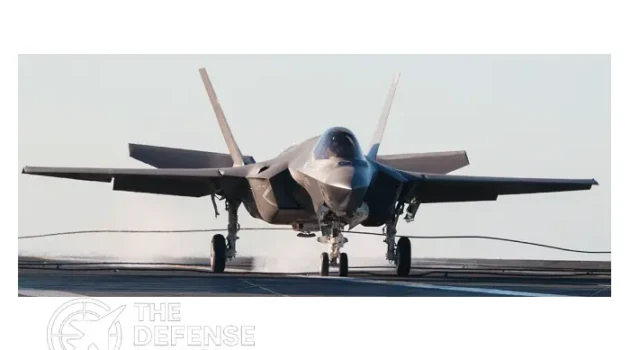
Northrop Grumman has delivered its 1,500th F 35 center fuselage, marking a major production milestone for the F 35 Lightning II program and the broader U.S. and allied fighter fleet.
The center fuselage is a critical structural section of the aircraft, integrating the cockpit, weapons bays, and key avionics. Northrop Grumman produces the component at its Integrated Assembly Line in Palmdale, California, before shipping it to Lockheed Martin for final aircraft assembly.
According to the company, the delivery reflects more than a decade of continuous manufacturing in support of the Joint Strike Fighter program. The F 35 center fuselage is common across all three variants of the aircraft, including the conventional takeoff F 35A, the short takeoff and vertical landing F 35B, and the carrier based F 35C.
Northrop Grumman stated that its role in the F 35 program extends beyond fuselage production. The company also provides the AN APG 81 active electronically scanned array radar, communications subsystems, and mission systems integration support. These components are central to the aircraft’s stealth, sensor fusion, and multi domain capabilities.
The F 35 program remains the largest fighter aircraft program in the world, with more than 1,000 aircraft delivered globally and operators across the U.S. military and allied air forces. Sustained delivery of the F 35 center fuselage supports ongoing production lots and long term fleet growth.
Industry officials have consistently highlighted the importance of production stability and supply chain resilience as the program transitions toward sustainment and modernization. The 1,500th fuselage delivery underscores the maturity of the industrial base supporting the F 35.
USS Midway Legacy and Modern US Airpower
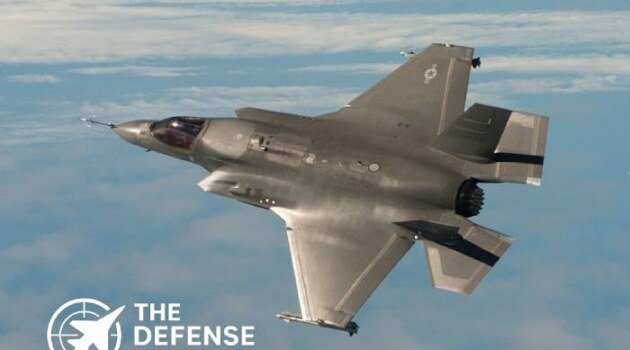
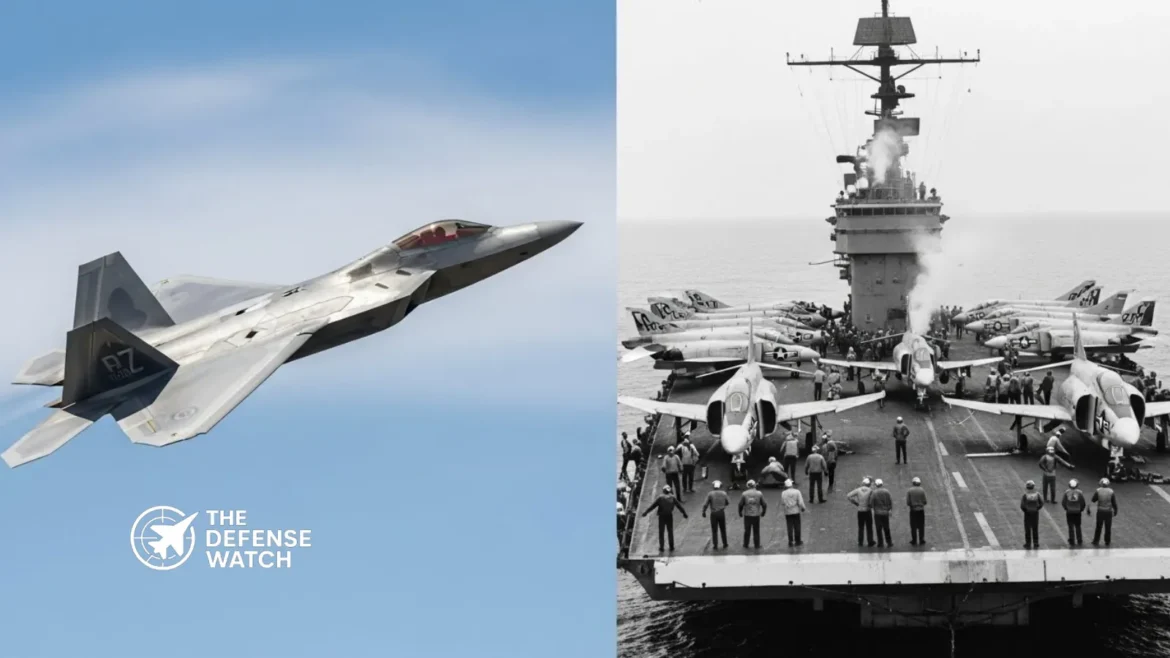
The F-22 Fighter Jet stands at the center of current US airpower, but its story connects to a longer lineage that began with aircraft carriers like USS Midway. Commissioned in 1945, USS Midway shaped how the US Navy projected airpower across oceans for decades. That legacy still matters today as the Pentagon balances fighter jet contracts, base readiness, and pilot training across the Air Force and Navy.
(adsbygoogle = window.adsbygoogle || []).push({});While USS Midway itself is now a museum, the operational concepts it supported, sustained sortie generation, forward deployment, and joint force integration, remain core to US fighter operations. Modern stealth fighters now deploy from land bases rather than decks, but the strategic logic is familiar.
USS Midway and the Evolution of Carrier-Based Airpower
USS Midway was designed to operate heavier and faster aircraft than earlier carriers. During the Cold War, it supported jets such as the F-4 Phantom II and later the F A 18 Hornet. These aircraft represented major steps in speed, radar capability, and weapons integration.
The carrier’s long service life reflected continuous adaptation. Flight deck modifications, improved arresting gear, and updated command systems allowed Midway to remain relevant as aircraft grew larger and more complex. This adaptability set a pattern the US military still follows when integrating new fighter platforms.
Although the f-22 fighter jet is not carrier capable, its development benefited from lessons learned in earlier eras about sustainment, sortie rates, and pilot workload, many of which were refined aboard carriers like Midway.
F-22 Fighter Jet Role in Today’s Force Structure
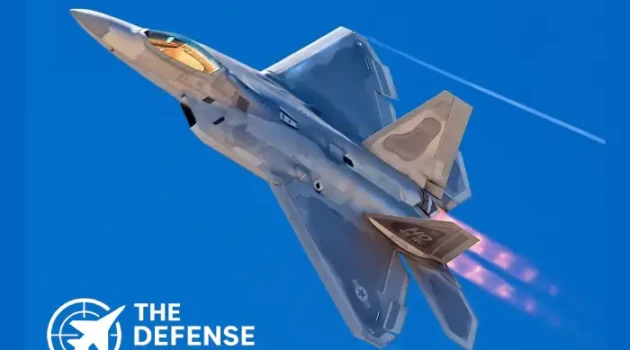
The F-22 fighter jet remains the primary US air dominance platform. Entering service in the mid 2000s, it was designed to counter advanced adversary aircraft through stealth, supercruise, integrated sensors, and high agility.
(adsbygoogle = window.adsbygoogle || []).push({});Unlike multirole fighters, the F 22 focuses on air superiority first. It can strike ground targets, but its main mission is to control contested airspace, escort other assets, and deny adversaries the ability to operate aircraft or cruise missiles.
Key characteristics include:
- Low observable airframe optimized for radar evasion
- Supercruise capability above Mach 1 without afterburner
- Advanced avionics that fuse radar, electronic support, and data links
- High maneuverability for close range engagements
These features place the F 22 among the fastest US fighter jet platforms in operational service, especially when sustained speed and combat effectiveness are considered together.
Fastest US Fighter Jet Claims and Reality
The phrase fastest US fighter jet is often used loosely. Historically, aircraft like the F 15 and retired F 14 reached very high top speeds under specific conditions. The F 22 does not chase raw speed records, but its ability to supercruise gives it a real operational advantage.
Sustained supersonic flight without afterburner reduces fuel consumption and infrared signature. This allows the f-22 fighter jet to arrive earlier, remain longer, and engage with less warning. In modern air combat, this matters more than peak speed numbers.
Pentagon officials have consistently emphasized that speed, stealth, sensors, and networking must be evaluated as a system rather than isolated statistics.
Fighter Jet Pilot Training and Readiness
Operating the f-22 fighter jet requires extensive pilot training. F 22 pilots transition from other advanced fighters and undergo specialized instruction focused on sensor management, beyond visual range tactics, and joint operations.
Unlike earlier eras, pilots now manage large volumes of data while flying. Sensor fusion reduces workload, but decision making remains complex. Training exercises increasingly integrate cyber, electronic warfare, and space based inputs.
Readiness is also shaped by flight hours, maintenance availability, and simulator access. High fidelity simulators now play a central role, allowing pilots to rehearse scenarios that cannot be safely replicated in live flights.
Selfridge Base Fighter Jets and National Guard Readiness
Selfridge Air National Guard Base in Michigan is a key node in US air defense and readiness. While it does not host F 22 aircraft, its fighter jets support homeland defense missions and joint exercises.
Selfridge base fighter jets readiness has drawn attention in recent years due to aircraft transitions and infrastructure investments. The base supports air sovereignty alert missions, training deployments, and integration with active duty forces.
(adsbygoogle = window.adsbygoogle || []).push({});From a strategic perspective, bases like Selfridge free high end assets such as the f-22 fighter jet to focus on overseas contingencies while maintaining credible domestic coverage.
Pentagon Fighter Jet Contract Landscape
The Pentagon fighter jet contract environment remains active as the US balances legacy sustainment with future platforms. Production of the F 22 ended in 2012, but contracts continue for upgrades, maintenance, and capability enhancements.
Current efforts include:
- Sensor and avionics modernization
- Improved data links for joint and allied operations
- Sustainment initiatives to raise mission capable rates
At the same time, investment is shifting toward next generation air dominance programs. Lessons from the F 22 program strongly influence these efforts, especially in cost control, modular upgrades, and industrial base resilience.
USS Midway Lessons Applied to Modern Deployments
The connection between USS Midway and modern fighters is not symbolic alone. Midway demonstrated how forward presence, logistics, and trained personnel create deterrence. Today, the same logic applies to rotational deployments of the f-22 fighter jet to Europe, the Indo Pacific, and the Middle East.
These deployments reassure allies and complicate adversary planning. They also stress test sustainment chains and command structures, much like extended carrier deployments once did.
(adsbygoogle = window.adsbygoogle || []).push({});Analysis: Strategic Value of the f-22 Fighter Jet Today
Despite its limited numbers, the f-22 fighter jet continues to deliver outsized strategic value. Potential adversaries must account for its presence even when it is not forward deployed. This uncertainty shapes air defense planning and investment decisions.
However, challenges remain. Aging airframes, supply chain constraints, and workforce issues affect readiness. The Air Force must balance near term upgrades with long term transition planning.
In this context, the F 22 mirrors the late career phase of USS Midway. Both platforms remained highly capable, but required careful management to extend relevance without overcommitment. The key lesson is that dominance platforms demand sustained investment long after initial procurement ends.
FAQs
What makes the f-22 fighter jet different from other US fighters?Its combination of stealth, supercruise, sensor fusion, and agility is unmatched in the US inventory.
Is the f-22 fighter jet the fastest US fighter jet?It may not have the highest top speed, but its sustained supersonic capability gives it a practical speed advantage.
Why was F 22 production stopped?Budget constraints and shifting priorities led the Pentagon to cap production at 187 aircraft.
Do fighter jet pilots need different training for the F 22?Yes, F 22 pilots require specialized training focused on data management and advanced air combat tactics.
How does USS Midway relate to modern fighter deployments?Midway established operational concepts of forward presence and sustained airpower that still guide deployments today.

F-35 Deliveries Set Annual Record in 2025
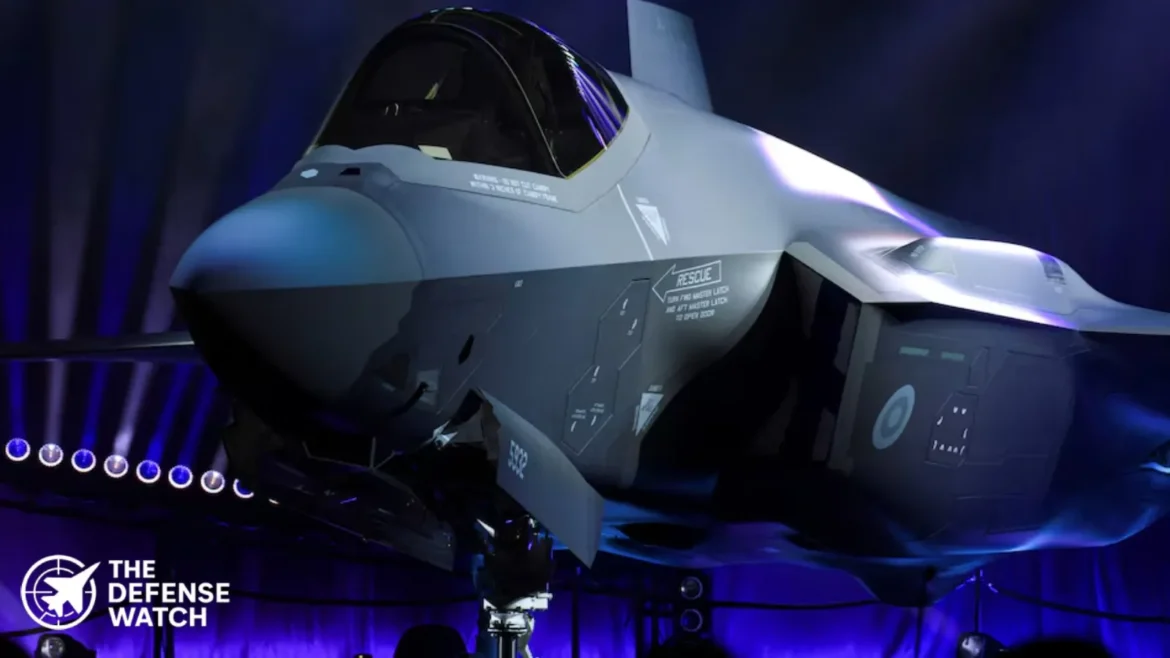
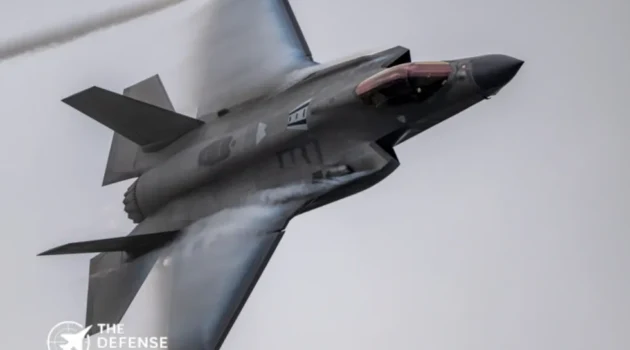
Lockheed Martin’s F-35 deliveries hit a record 191 aircraft in 2025, the company said in a statement, marking a sharp increase from the 110 jets delivered in 2024. The 2025 F-35 deliveries figure underscores strong demand from the United States and allied partners and rising defense budgets worldwide.
Lockheed said annual F-35 production is now running at a pace five times faster than any other allied fighter jet in production.
The F-35 program accounts for roughly one-third of Lockheed’s overall revenue, reflecting its central role in the company’s business mix.
What the Numbers Tell Us
In 2024, Lockheed delivered 110 F-35s. The jump to 191 in 2025 signals both stronger production lines and sustained demand among U.S. services and international partners.
Annual delivery totals like this one matter because they show how fast the U.S. and allied fleets can grow. The F-35 remains the most widely built allied fighter in production today.
Production Momentum and Defense Budgets
Lockheed said F-35 production is outpacing that of other fighters in allied service. This higher pace comes as several countries expand defense spending in response to shifting global security conditions.
The growth in F-35 deliveries also reflects efforts to streamline manufacturing and supply chains, improving throughput at Lockheed’s facilities.
Global Demand for the F-35
The 2025 F-35 deliveries cover aircraft for the U.S. military and allied air forces. Demand remains high as partners modernize their air fleets and retire older combat jets.
The program’s global footprint continues to expand, with many nations receiving new aircraft under Foreign Military Sales and direct orders.
China J-35A Stealth Fighter Sees Dual Aircraft Test Flight
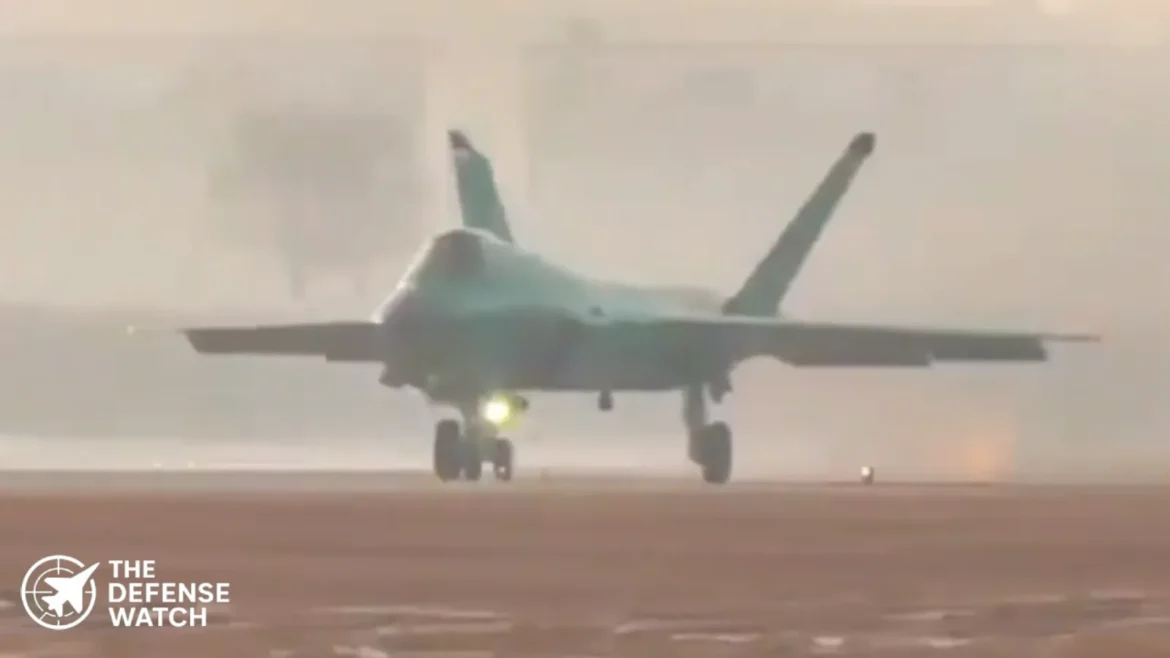
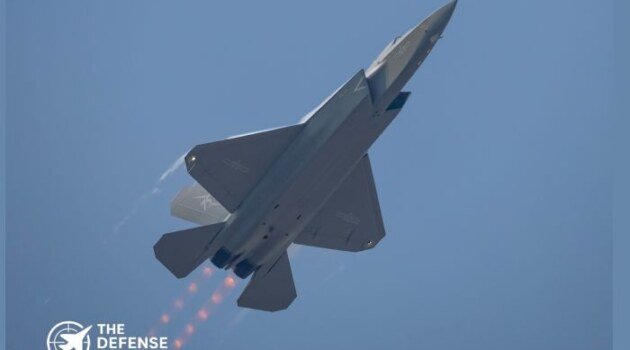
China’s J-35A stealth fighter made a significant step toward serial production with the first publicly observed test flight of two production-standard aircraft flying together, according to footage posted on January 7, 2026.
(adsbygoogle = window.adsbygoogle || []).push({});The two Shenyang J-35A jets were seen in coordinated flight near the Shenyang Aircraft Corporation production facility in Liaoning Province. Defense observers say the paired flight of ostensibly new airframes is among the clearest public signs that China has moved beyond lone prototype testing toward structured production and multi-aircraft flight validation.
The J-35A is the land-based variant of China’s fifth-generation stealth fighter family developed under the state-owned Aviation Industry Corporation of China. The type is intended to expand the People’s Liberation Army Air Force’s capabilities with a modern stealth design, advanced avionics, and internal weapons carriage.
Production and Testing Development
The dual flight came with video published by The Daily CPEC on social platform X, showing the two jets flying in formation near the manufacturing complex. Analysts familiar with Chinese military aviation said the sight of two factory new jets operating together strengthens earlier indications that structured flight testing and production buildup are underway.
China state media have in recent years highlighted the J-35A’s development progress, including assembly line activity and test aircraft movements. The program stems from earlier prototypes based on Shenyang’s FC-31 design, with incremental refinements aimed at meeting PLA Air Force requirements for multi-role operations.
Broader Context
The J-35 family appears to be part of a broader modernization effort in Chinese military aviation. Both land and carrier variants have featured in trials and limited operational demonstrations, including naval testing aboard the Fujian aircraft carrier.
Reporting in early January 2026 noted Pakistan is poised to acquire large numbers of J-35 series fighters under a major procurement plan, though official confirmations remain limited.
Philippines Requests KF-21 Fighter Jet Delivery Timeline
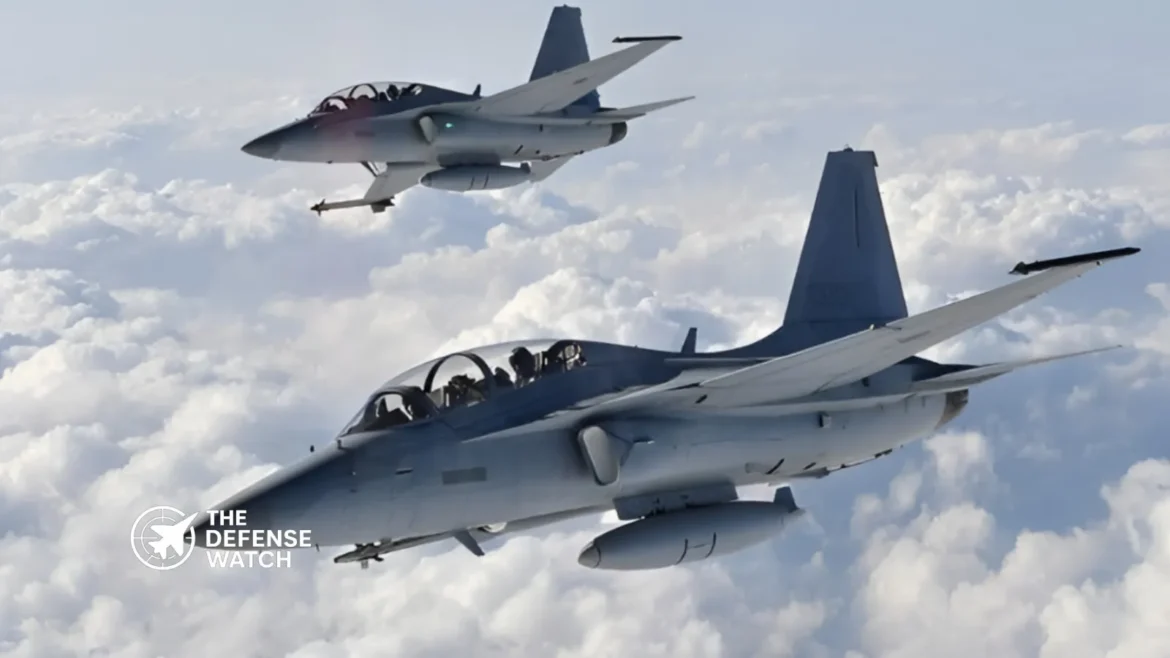
The Philippines has formally requested the delivery of the KF-21 fighter jet from South Korea between 2027 and 2029, marking a potential step forward in Philippine Air Force modernization. The request was reported by Reportera, citing defense industry and government sources familiar with the discussions.
(adsbygoogle = window.adsbygoogle || []).push({});Manila’s interest in the KF-21 fighter jet reflects growing focus on restoring credible air combat capability after decades without a modern multirole fighter fleet. The Philippine Air Force currently operates FA-50 light combat aircraft acquired from Korea Aerospace Industries, which have strengthened bilateral defense ties with Seoul.
KF-21 Boramae and Regional Context
The KF-21 Boramae is a 4.5 generation fighter developed by South Korea to replace older F-4 and F-5 aircraft. It is designed to bridge the gap between legacy fighters and fifth generation platforms, offering advanced sensors, modern avionics, and multirole capability.
Philippine defense officials have indicated a preference for a delivery window that aligns with the aircraft’s production schedule and the country’s long term capability development plan. Any acquisition would be subject to budget approvals and contract negotiations.
Air Force Modernization Goals
The Philippine Department of National Defense has prioritized air defense, maritime surveillance, and territorial awareness under its ongoing modernization program. A potential KF-21 acquisition would complement existing FA-50 aircraft and improve interoperability with regional partners.
(adsbygoogle = window.adsbygoogle || []).push({});South Korea has positioned the KF-21 as an export friendly platform for allied air forces seeking advanced capability without the political and cost barriers associated with fifth generation fighters.
Broader Defense Implications
If pursued, the KF-21 fighter jet would represent one of the most advanced combat aircraft ever considered by the Philippines. It would also deepen defense industrial cooperation between Manila and Seoul, which already includes training, logistics, and aircraft support.
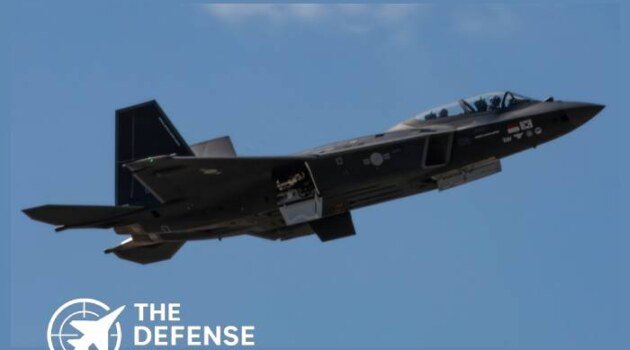

South Korea will begin deliveries of the first locally developed KF-21 Boramae fighter jets to the Republic of Korea Air Force in 2026, marking a major milestone in the country’s defense modernization and indigenous aerospace capability. The twin-engine multirole aircraft is designed to replace older platforms and expand Seoul’s defense industrial base.
(adsbygoogle = window.adsbygoogle || []).push({});Program Background
The KF-21 Boramae, developed by Korea Aerospace Industries under the KF-X program, is South Korea’s most ambitious aircraft project to date. Initiated to replace aging F-4 and F-5 fighters, the program moved from design and prototyping to production after its first flight in 2022 and extensive flight tests.
Production and Delivery Timeline
Serial production of the KF-21 began in July 2024 with Block-I aircraft, and the initial batch of 20 jets is now scheduled for delivery in 2026. These first aircraft are expected to reach limited operational capability with the ROK Air Force, with full operational status targeted by 2028.
Design and Capabilities
The KF-21 Boramae is classed as a 4.5-generation multirole fighter, featuring advanced fly-by-wire controls, stealth-shaped airframe, and an active electronically scanned array radar. Although it lacks internal weapons bays typical of fifth-generation designs, it offers a balance of modern sensors, avionics, and survivability for regional missions.
(adsbygoogle = window.adsbygoogle || []).push({});Fleet Plans and Export Prospects
South Korea plans to buy at least 120 KF-21 fighters by the early 2030s to modernize its air fleet. The Boramae’s competitive cost and performance have also drawn interest from potential export customers, including Southeast Asian and Middle Eastern air forces. Indonesia remains a development partner, while other countries are keeping watch on export opportunities.
Strategic Impact
The KF-21 program advances South Korea’s defense self-reliance and adds a significant new platform to its aerospace exports. Deliveries in 2026 signal the transition from development to operational fielding, underscoring Seoul’s role in global military aviation amid rising regional threats.
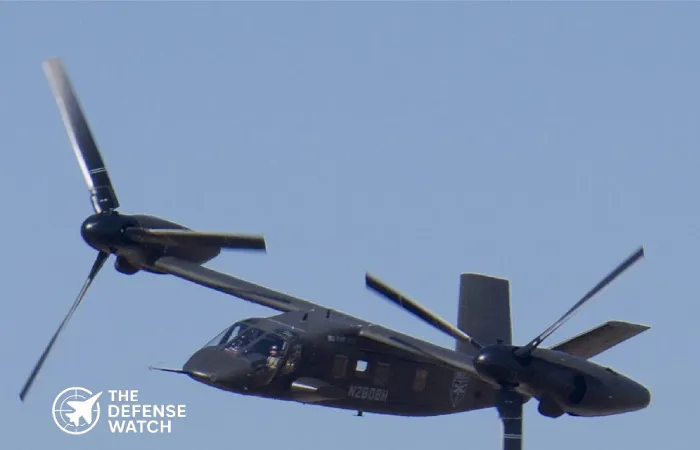
Rolls Royce Begins Engine Testing for US FLRAA Program
Rolls Royce has started engine testing for the US FLRAA program, a major milestone in the US Army Future Long Range Assault Aircraft effort. The company confirmed that testing is underway on its Advanced Turbine Engine designed to power next generation Army rotorcraft.
The engine is intended for the Future Long Range Assault Aircraft, part of the US Army Future Vertical Lift initiative. FLRAA aims to replace the UH 60 Black Hawk with a platform offering greater speed, range, and operational reach.
According to Rolls Royce, the current testing phase focuses on validating performance, durability, and efficiency. The work supports the Army requirement for higher power output while reducing fuel consumption and maintenance demands. The engine is being developed to meet demanding operational profiles, including hot and high conditions and long range missions.
The FLRAA program is led by Bell, which was selected by the US Army in 2022 to develop the V 280 Valor tiltrotor. Rolls Royce is a key industry partner, providing propulsion expertise based on decades of military engine development. The company has stated that lessons from earlier programs are being applied to improve reliability and lifecycle costs.
US Army officials have consistently emphasized that propulsion is a critical element of Future Vertical Lift. Improved engines are seen as essential to achieving the speed and range goals that distinguish FLRAA from legacy helicopters.
The start of engine testing signals steady progress as the FLRAA program moves toward detailed design and risk reduction. While flight testing of full aircraft prototypes remains ahead, propulsion development is a major step in keeping the program on schedule.
Defense analysts note that FLRAA is expected to play a central role in future US Army air assault and air mobility operations, particularly in the Indo Pacific and other large theaters.
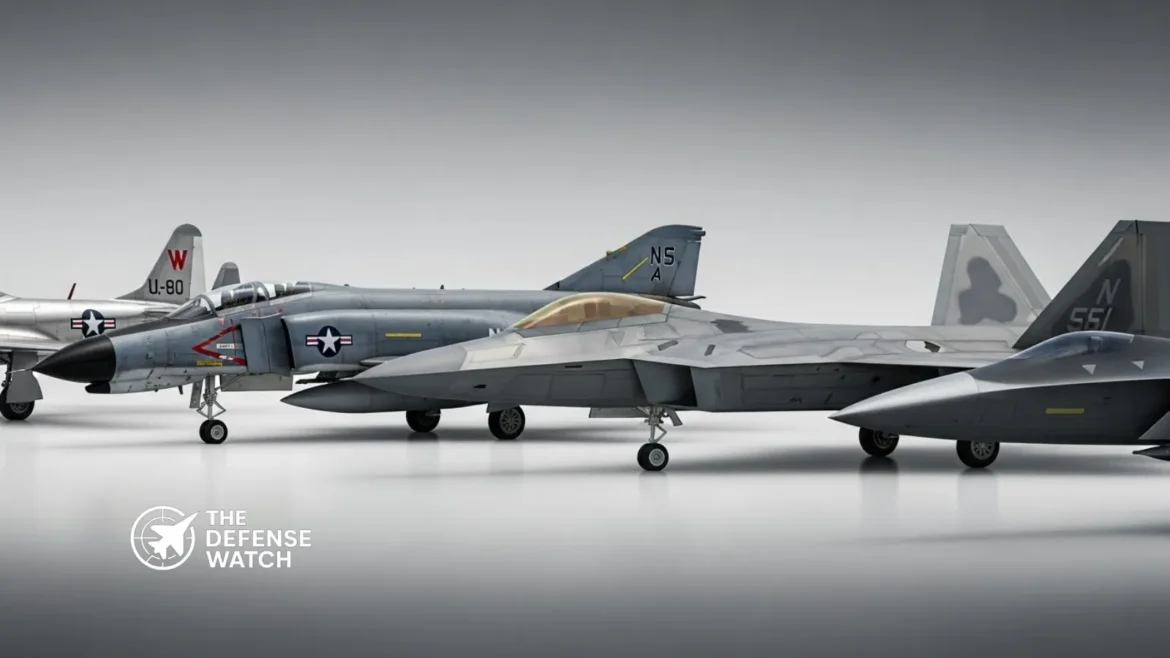
Fighter jet generations explained is a common way military analysts describe how combat aircraft have evolved over time. The system groups fighter aircraft by shared design features, mission roles, and technology levels. While not an official U.S. military standard, the generational model is widely used by defense planners, aerospace engineers, and analysts to compare airpower capabilities across countries.
From early gun armed jets of the Cold War to stealthy networked platforms now entering service, fighter aircraft have changed how air forces fight, deter, and project power. This explainer outlines the defining characteristics of fighter jets from the first generation through the emerging sixth generation, with examples and operational context.
What Defines a Fighter Jet Generation
Fighter generations are shaped by major leaps in technology rather than strict timelines. Key factors include propulsion, avionics, sensors, weapons, stealth, and how aircraft operate within a broader combat network.
Not all countries agree on exact boundaries. Some aircraft blur generational lines due to upgrades or hybrid designs. Still, the framework remains useful for understanding capability gaps and modernization trends.
First Generation Fighter Jets
Early Jet Age and Subsonic Combat
First generation fighters emerged in the mid nineteen forties and early nineteen fifties. These aircraft were often direct adaptations of late World War Two designs, replacing propellers with jet engines.
Key traits included straight wings, limited radar or none at all, and reliance on guns rather than guided weapons. Flight performance improved over prop aircraft, but endurance and reliability were limited.
Examples
Notable first generation fighters include the Messerschmitt Me 262, Gloster Meteor, Lockheed P 80 Shooting Star, and Mikoyan Gurevich MiG 9.
These jets established the foundation for jet air combat but were quickly outpaced by faster and more capable designs.
Second Generation Fighter Jets
Supersonic Flight and Early Missiles
Second generation fighters entered service in the mid nineteen fifties. Swept wings and more powerful engines allowed sustained supersonic flight. Radar began to appear, though early systems were basic and unreliable.
This generation marked the introduction of air to air missiles, driven by the belief that dogfighting would become obsolete. Combat experience later challenged that assumption.
Examples
Representative aircraft include the MiG 21, F 104 Starfighter, English Electric Lightning, and Dassault Mirage III.
Many second generation fighters were produced in large numbers and exported globally, shaping Cold War air forces for decades.
Third Generation Fighter Jets
Multirole Capability and Improved Avionics
Third generation fighters arrived in the nineteen sixties and seventies. Lessons from Vietnam and Middle East conflicts led to renewed emphasis on maneuverability, guns, and pilot situational awareness.
Radar systems improved, beyond visual range missiles became more credible, and aircraft began to adopt true multirole designs capable of both air combat and ground attack.
Examples
Key third generation fighters include the F 4 Phantom II, MiG 23, MiG 25, Saab Viggen, and early variants of the Mirage F1.
These aircraft formed the backbone of many air forces well into the late Cold War.
Fourth Generation Fighter Jets
Agility, Sensors, and Digital Flight Control
Fourth generation fighters represent a major leap in capability. Entering service from the late nineteen seventies onward, they emphasized energy maneuverability, relaxed static stability, and fly by wire flight controls.
Advanced pulse Doppler radars, modern electronic warfare systems, and high off bore sight missiles transformed air combat.
Examples
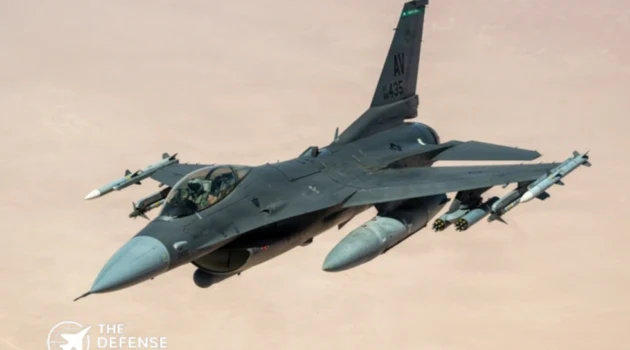
Prominent fourth generation fighters include the F 15 Eagle, F 16 Fighting Falcon, F A 18 Hornet, Su 27 Flanker, and Mirage 2000.
Many remain in frontline service today after extensive upgrades.
Fourth Generation Plus Fighters
Incremental Advances Without Full Stealth
Fourth generation plus fighters build on earlier designs with improved avionics, active electronically scanned array radar, reduced radar signature, and better data links.
While not stealth aircraft, they are more survivable and capable in contested airspace.
Examples
Examples include the F A 18E F Super Hornet, Rafale, Eurofighter Typhoon, Su 30SM, Su 35, and JAS 39E Gripen.
These aircraft continue to dominate global fighter procurement due to lower cost and export availability.
Fifth Generation Fighter Jets
Stealth and Networked Warfare
Fifth generation fighters are defined by low observable design, internal weapons carriage, sensor fusion, and secure data sharing. Stealth allows them to operate in heavily defended airspace while gathering and distributing targeting data.
These aircraft are designed as part of a system rather than standalone platforms.
Examples
Operational fifth generation fighters include the F 22 Raptor, F 35 Lightning II, J 20 Mighty Dragon, and Su 57 Felon.
Each reflects different national approaches to stealth, propulsion, and mission priorities.
Sixth Generation Fighter Jets
Next Step in Air Dominance
Sixth generation fighters remain under development, with programs in the United States, Europe, and Asia. These aircraft are expected to enter service in the mid twenty thirties or later.
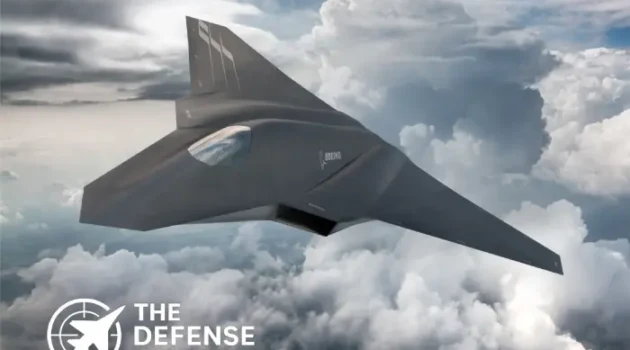
Planned features include optionally crewed operation, integration with unmanned wingmen, advanced electronic warfare, adaptive engines, and expanded use of artificial intelligence.
Current Programs
Major efforts include the U.S. Next Generation Air Dominance program, the British Italian Japanese Global Combat Air Programme, and the Franco German Spanish Future Combat Air System.
Specific performance details remain classified or unconfirmed.
Analysis: Why Fighter Jet Generations Still Matter
Understanding fighter jet generations explained in clear terms helps frame debates about airpower balance and defense spending. While generational labels can oversimplify reality, they highlight where technology gaps may exist.
Modern air combat depends as much on sensors, networks, and support assets as on raw aircraft performance. A fourth generation plus fighter paired with strong intelligence and electronic warfare may outperform a fifth generation jet used in isolation.
As sixth generation programs advance, the focus is shifting from individual platforms to integrated air combat systems. This trend will shape procurement choices and alliance cooperation for decades.
FAQs
Are fighter generations officially defined by the U.S. military?No. Generational labels are analytical tools used by industry and analysts rather than formal doctrine.
Can older fighters compete with newer generations?Yes, when upgraded and used with strong support systems, though survivability may be limited in high threat environments.
Is stealth the main factor separating generations?Stealth is central to fifth generation fighters, but sensors, data fusion, and networking are equally important.
Will sixth generation fighters replace fifth generation aircraft?They are expected to complement rather than fully replace existing fleets for many years.
Do all countries follow the same generational model?No. Some nations define generations differently based on doctrine and industrial priorities.

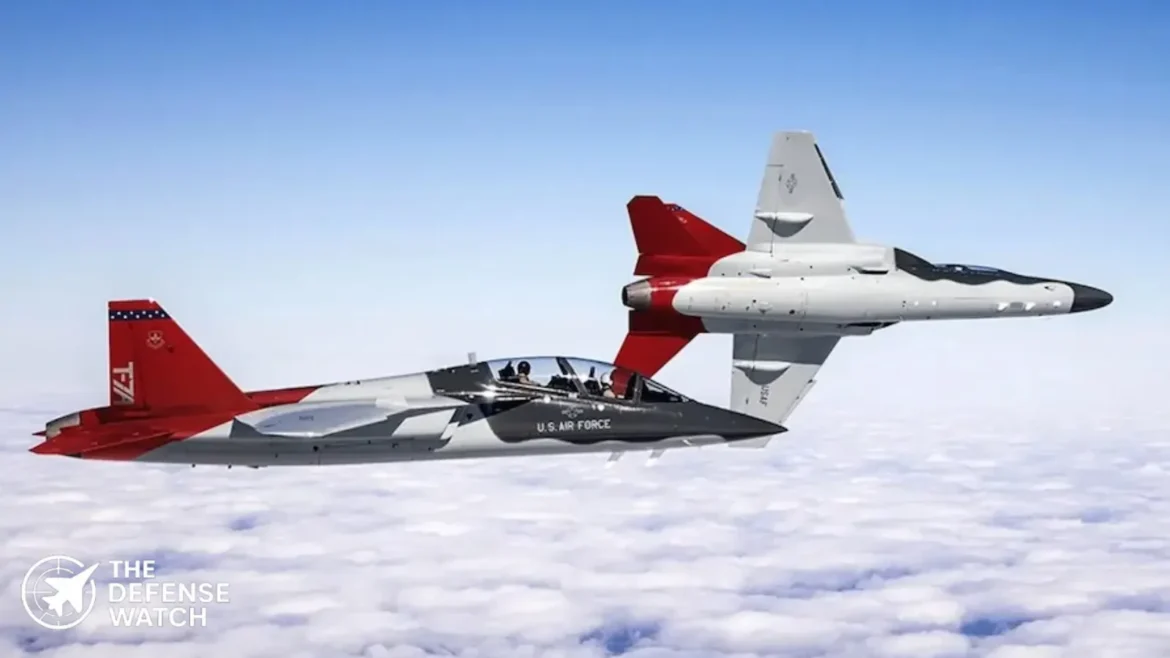
Textron Systems has won a U.S. Air Force order to deliver maintenance training system elements for the T-7A advanced pilot training program, the company announced Dec. 30. The award covers design, development, and production of critical trainer components that will help maintainers build skills for the new training aircraft.
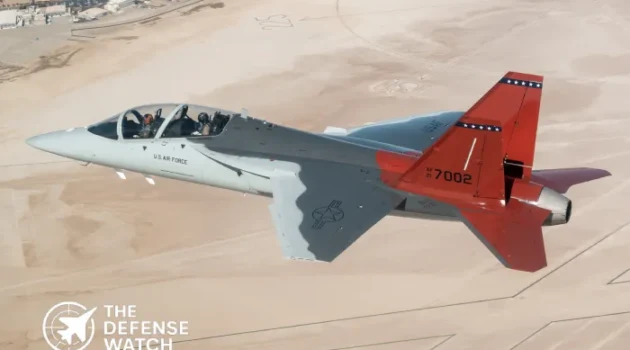
The T-7A Red Hawk is the Air Force’s next-generation advanced pilot trainer, set to replace the legacy T-38C Talon and boost pilot readiness.
Contract Details
Under the work order from Pinnacle Solutions, an Akima company prime on the larger training system effort, Textron Systems will produce the common fuselage structure for three maintenance trainers and complete the Mid-Integrated System Maintenance Trainer and Aft-Integrated System Maintenance Trainer. The base period covers three years and is valued at about $41 million, with options for additional units raising the total to up to $62 million.
The trainers are part of the T-7A Maintenance Training System (MTS), aimed at giving maintainers hands-on practice with removal and installation tasks, visual inspections, subsystem checks, and other skills needed to support the aircraft in service.
Context in Air Force Training Modernization
The broader T-7A training system contract awarded to Pinnacle Solutions last year was reported at about $369 million to design and deliver the full maintenance and training ecosystem for the Red Hawk program. That effort includes advanced simulation, smart classrooms, immersive training technology, and sustainment support.
Textron Systems’ role strengthens the maintenance training element of that overall effort, linking advanced trainer hardware with the Air Force’s push to field a complete pilot and maintainer training infrastructure.
Industry and Program Importance
The T-7A Red Hawk is central to Air Force pilot training modernization. It introduces digital design and manufacturing methods and aims to improve training throughput and readiness for fourth- and fifth-generation aircraft pilots.
Textron Systems brings experience in simulation and sustainment training solutions across military domains. Work on this contract will take place at the company’s maintenance and simulation facility in Goose Creek, South Carolina.
France Orders Saab GlobalEye Surveillance Aircraft in $1.3B AEW&C Deal
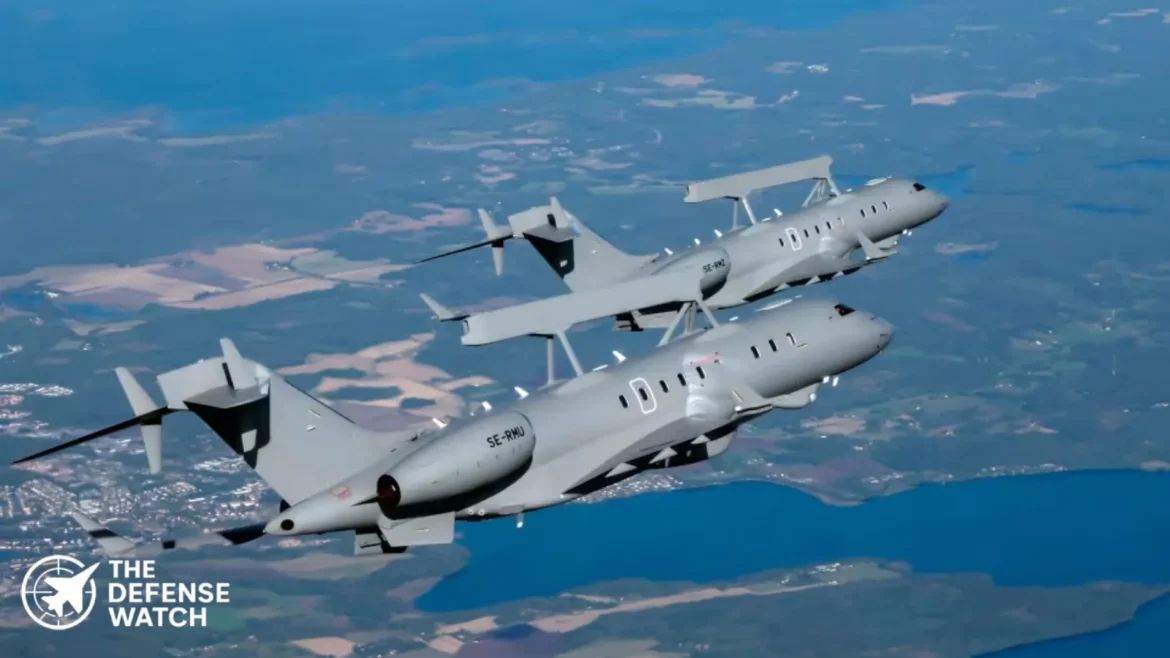
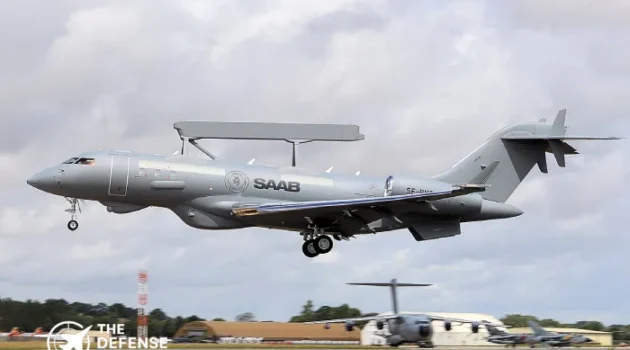
France has signed a contract with Swedish defense firm Saab to acquire two Saab GlobalEye surveillance aircraft, a move that will modernize its airborne early warning and control (AEW&C) capabilities.
The agreement, valued at approximately SEK 12.3 billion (around $1.3 billion), includes aircraft, related ground equipment, crew training and support, with deliveries scheduled between 2029 and 2032. The French Direction Générale de l’Armement (DGA) also retains an option to procure two additional GlobalEye platforms under the terms of the contract.
Strategic Surveillance Upgrade
The acquisition of Saab GlobalEye surveillance aircraft marks a key step in replacing France’s aging Boeing E-3F Sentry AEW&C fleet. The GlobalEye platform integrates long-range multi-domain sensors capable of air, maritime and ground surveillance, providing enhanced situational awareness for joint operations across domains.
Multi-Domain Capability and Interoperability
GlobalEye combines Saab’s Erieye Extended Range radar with additional sensor systems on a modified Bombardier airframe, delivering extended detection range and persistent airborne surveillance. The aircraft’s mission suite supports real-time information sharing, critical for modern integrated air defense and joint force operations.
Delivery Timeline and Industrial Impacts
Under the current schedule, deliveries of the two contracted aircraft will occur from 2029 to 2032. The option to acquire an additional pair provides flexibility for future force structure planning and alignment with evolving defense requirements in France and NATO.
The contract builds on a joint declaration of intent signed earlier in 2025 at the Paris Air Show, where the DGA signaled France’s intent to procure the GlobalEye AEW&C solution.
Significance for European Air Surveillance
France’s decision to select the Saab GlobalEye reinforces growing European demand for advanced airborne surveillance platforms. With existing GlobalEye operators such as the United Arab Emirates and Sweden, Saab’s AEW&C solution continues to gain traction amid modernization drives across allied air forces.