Seven Most Dominant Combat Aircraft Shaping Modern Warfare in 2026
The equation for air dominance has fundamentally transformed over the past two decades. Where maximum velocity once determined supremacy, today’s combat aircraft must excel across multiple dimensions—sensor fusion, electronic warfare capabilities, payload flexibility, network-centric operations, and sustained operational tempo. These seven platforms currently represent the cutting edge of manned military aviation, each dominating distinct aspects of contemporary aerial warfare.
(adsbygoogle = window.adsbygoogle || []).push({});Modern air power assessment requires evaluating how platforms perform across the full spectrum of conflict scenarios, from high-intensity peer confrontations to extended expeditionary operations. The aircraft examined here don’t merely fly faster or carry more weapons—they fundamentally reshape how air forces project power, gather intelligence, and control contested battlespace.
The New Mathematics of Air Power
Traditional metrics like top speed and service ceiling no longer capture what makes a combat aircraft truly formidable. Instead, military aviation experts now evaluate effectiveness through operational availability rates, sensor detection ranges, data-link integration, weapons standoff distance, and the ability to operate within integrated air defense systems.
This analytical framework reveals why platforms with seemingly modest specifications can prove more operationally decisive than aircraft with impressive performance statistics. The F-35 Lightning II, for instance, prioritizes information superiority over raw kinematic performance, yet consistently demonstrates combat effectiveness that exceeds more physically capable designs.
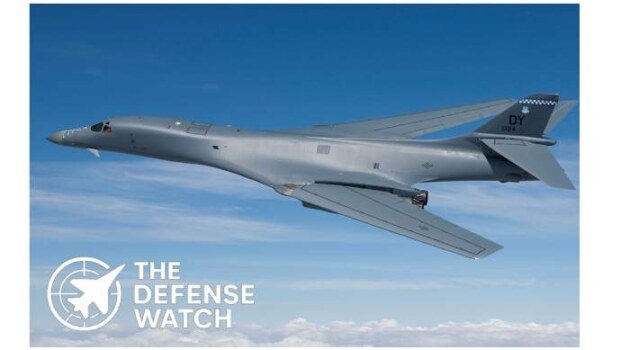
Boeing B-1B Lancer: Conventional Strike Supremacy
The B-1B Lancer continues serving as America’s premier heavy bomber for conventional strike operations, despite entering service during the Cold War era. Four turbofan engines deliver over 120,000 pounds of thrust, enabling the platform to transport up to 75,000 pounds of munitions across intercontinental ranges yahoo—a weapons payload capacity unmatched by any other operational combat aircraft.
Recent upgrades have extended the B-1B’s service life and enhanced its precision strike capabilities. The Integrated Battle Station modification improved avionado displays and mission planning systems, while the Sustainment Block 16 upgrade integrated advanced Link 16 communications and upgraded defensive systems. These enhancements ensure the Lancer remains relevant despite emerging next-generation bomber programs.
The platform’s variable-sweep wing configuration allows optimal performance across diverse flight regimes, from low-altitude terrain-following penetration to high-altitude cruise. While lacking the radar-evading characteristics of newer stealth platforms, the B-1B employs electronic countermeasures and terrain-masking flight profiles to operate within contested environments.
(adsbygoogle = window.adsbygoogle || []).push({});Current operational doctrine emphasizes the B-1B’s rapid response capabilities. The bomber can deliver precision-guided munitions with minimal advance notice, providing theater commanders with responsive long-range strike options. This flexibility proved invaluable during counter-terrorism operations throughout the Middle East and continues supporting U.S. strategic deterrence postures across multiple theaters.
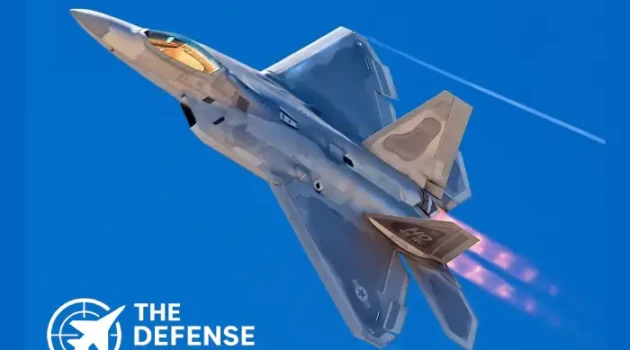
Lockheed Martin F-22 Raptor: The Air Superiority Benchmark
Two decades after initial operational capability, the F-22 Raptor remains the world’s premier air superiority fighter. The aircraft achieves a thrust-to-weight ratio exceeding 1.25, enabling exceptional acceleration, vertical climb performance, and sustained supercruise without afterburner engagement. Combined with thrust-vectoring nozzle control, the F-22 maintains unmatched maneuverability across all flight regimes.
The Raptor’s stealth characteristics provide asymmetric advantages in contested airspace. Its carefully designed radar cross-section allows engagement of adversary aircraft before detection, fundamentally altering beyond-visual-range combat dynamics. Adversaries face the psychological challenge of operating against an opponent they cannot reliably track or target.
Advanced sensor fusion represents another critical Raptor capability. The AN/APG-77(V)1 active electronically scanned array radar provides exceptional target detection and tracking while maintaining low-probability-of-intercept characteristics. Integration with the AN/AAR-56 missile launch detection system and AN/ALR-94 electronic warfare suite creates comprehensive situational awareness unmatched by fourth-generation platforms.
(adsbygoogle = window.adsbygoogle || []).push({});Recent modernization efforts focus on extending F-22 relevance through the 2030s and beyond. The Raptor’s service life has been projected through careful structural management, while software upgrades continuously expand weapons integration and networking capabilities. However, production termination at just 187 operational aircraft creates capacity constraints that limit how aggressively the platform can be employed during peacetime training operations.
Boeing F-15EX Eagle II: Arsenal Aircraft Concept Realized
The F-15EX represents a different philosophy—maximizing combat effectiveness through weapons capacity rather than stealth. With 23 hardpoints capable of carrying nearly 30,000 pounds of ordnance, the platform functions as a flying weapons magazine. This unprecedented payload capacity enables entirely new operational concepts.
The Eagle II can deploy massed long-range air-to-air missiles, creating defensive barriers across vast airspace volumes. Alternatively, it can deliver extensive air-to-ground munitions in single-pass strikes, reducing exposure time over defended territory. This flexibility makes the F-15EX particularly valuable for operations where stealth penetration isn’t required but overwhelming firepower proves decisive.
Advanced avionics distinguish the F-15EX from earlier Eagle variants. The AN/APG-82(V)1 AESA radar provides detection ranges approaching 200 nautical miles against fighter-sized targets, while the ADCP-II mission computer processes sensor data at unprecedented rates. Digital fly-by-wire flight controls replace the mechanical systems of earlier F-15 variants, improving handling characteristics and reducing pilot workload.
The platform’s open mission systems architecture facilitates rapid capability upgrades without extensive redesign efforts. This adaptability ensures the F-15EX can integrate emerging weapons and sensors as they become available, extending operational relevance well into the 2050s. For the U.S. Air Force, the Eagle II provides combat mass to complement smaller fifth-generation fighter inventories.
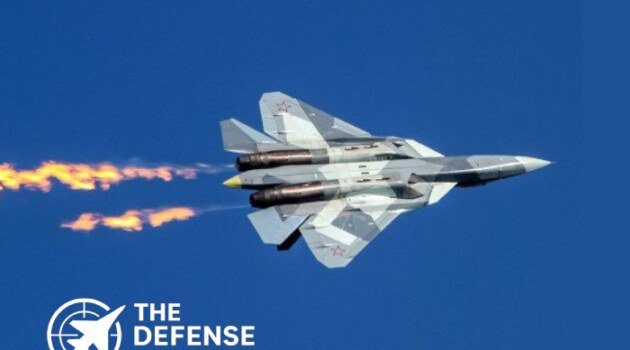
(adsbygoogle = window.adsbygoogle || []).push({});Sukhoi Su-57: Russian Stealth Doctrine
Russia’s Su-57 embodies a fundamentally different approach to fifth-generation fighter design. Advanced three-dimensional thrust-vectoring engines enable extreme high-angle attack maneuvers that Western fighters struggle to match yahoo, prioritizing close-range combat effectiveness over stealth optimization.
The platform’s radar cross-section reduction represents a compromise between low observability and other performance parameters. Rather than accepting the aerodynamic penalties associated with comprehensive stealth shaping, Russian designers pursued enhanced maneuverability and sensor capabilities. This philosophy reflects operational doctrines emphasizing shorter-range engagements within integrated air defense coverage.
The Su-57’s advanced sensors include the N036 Byelka radar system, featuring multiple X-band AESA arrays providing 360-degree coverage. Side-mounted arrays enable superior situational awareness compared to nose-only radar configurations. Integration with the 101KS Atoll infrared search and track system provides passive target detection capabilities that complement active radar operations.
Production has proceeded more slowly than initially projected, with operational inventory remaining limited. However, recent combat employment over Syria demonstrated basic operational capability, while continued development suggests eventual larger-scale deployment. The platform’s ultimate impact depends substantially on production rates and export success.
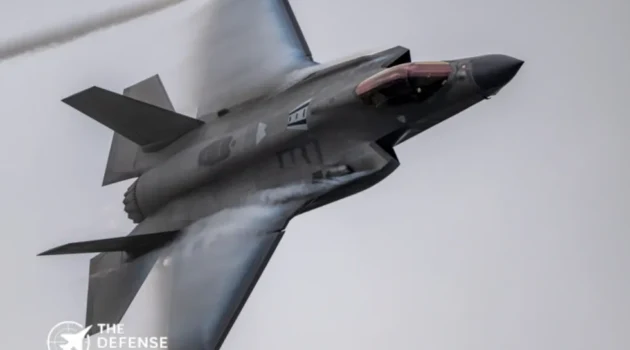
Lockheed Martin F-35 Lightning II: Network-Centric Warfare Enabled
The F-35 represents perhaps the most transformative platform currently operational. Rather than emphasizing raw performance, the aircraft prioritizes information dominance through sensor fusion that combines radar, infrared, and electronic warfare data yahoo, creating unprecedented situational awareness.
This sensor integration allows single aircraft to detect, classify, and track dozens of targets simultaneously while sharing that information across networked forces. The F-35 essentially functions as an airborne intelligence node, multiplying the effectiveness of entire formations. Even non-stealthy legacy aircraft gain survivability when operating alongside F-35s that provide early warning and targeting data.
Three distinct variants address different service requirements. The F-35A conventional takeoff and landing version serves air force missions, while the F-35B short takeoff/vertical landing variant enables operations from amphibious assault ships and austere forward locations. The F-35C carrier variant features larger wings and reinforced structure for arrested carrier landings.
(adsbygoogle = window.adsbygoogle || []).push({});Despite early developmental challenges and cost overruns, the F-35 program has matured substantially. Recent software upgrades expanded weapons integration, improved reliability, and enhanced electronic warfare capabilities. International participation from numerous allied nations creates a large user base driving continued capability improvements and reducing lifecycle costs through economies of scale.
Eurofighter Typhoon: European Multi-Role Excellence
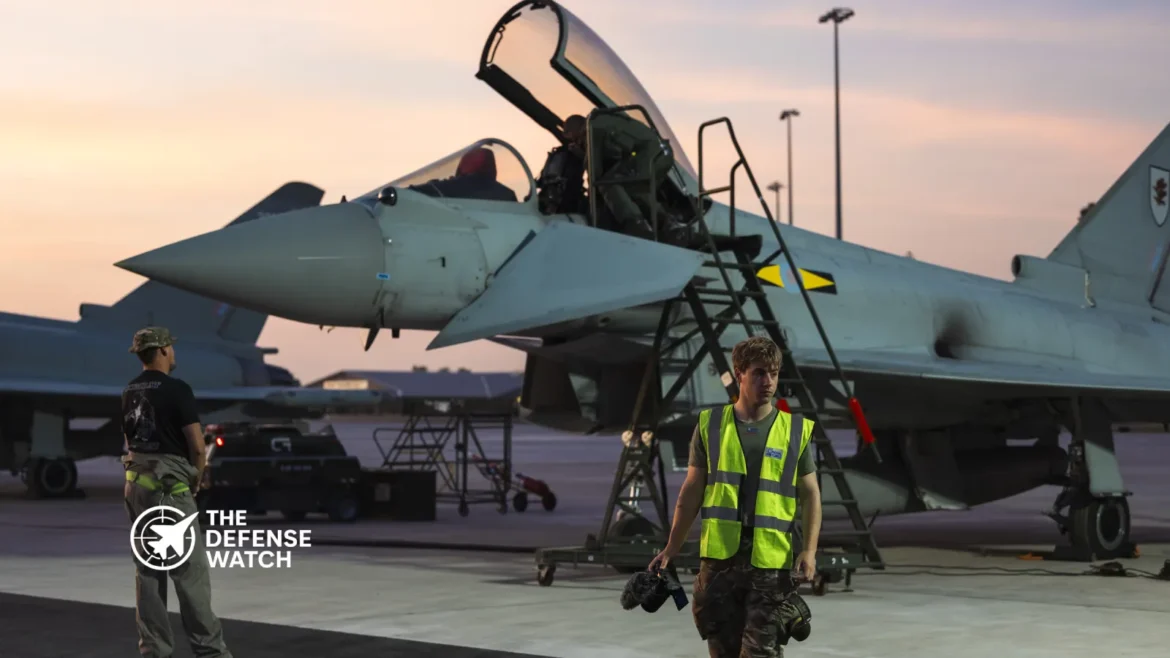
The Eurofighter Typhoon represents European aerospace collaboration, developed jointly by the United Kingdom, Germany, Italy, and Spain. Twin engines provide excellent acceleration and sustained supersonic performance, with aerodynamic design optimized for transonic combat regimes where most aerial engagements occur.
The platform’s delta-wing canard configuration provides exceptional maneuverability while maintaining structural efficiency. Advanced fly-by-wire flight control allows operation throughout the aerodynamic envelope, automatically preventing departure from controlled flight. This computer-assisted handling enables pilots to focus on tactical decision-making rather than basic aircraft control.
Continuous capability upgrades have expanded Typhoon effectiveness since initial deployment. The Captor-E AESA radar provides superior detection ranges and electronic warfare resistance compared to earlier mechanically-scanned antennas. Integration with the Meteor beyond-visual-range air-to-air missile gives Eurofighter operators engagement capabilities rivaling any potential adversary.
Recent export successes demonstrate international confidence in Typhoon capabilities. Nations including Saudi Arabia, Oman, Kuwait, and Qatar have selected the platform, creating an expanding user base that shares development costs for future enhancements. This international participation ensures continued relevance as European air forces transition toward next-generation fighter programs.
(adsbygoogle = window.adsbygoogle || []).push({});Mikoyan MiG-31 Foxhound: Extreme-Speed Interception
The MiG-31 occupies a unique niche as the world’s fastest operational combat aircraft. Capable of reaching nearly Mach 3, the platform features extensive radar coverage and long-range missile armament allowing target engagement at distances exceeding hundreds of kilometers yahoo.
This extreme performance serves specific operational requirements—primarily defending Russia’s vast airspace against cruise missiles, reconnaissance aircraft, and strategic bombers. The platform’s powerful radar can detect targets at extreme ranges, while high-speed interception capabilities enable rapid response across enormous territories.
Unlike maneuver-focused fighters, the MiG-31 prioritizes detection range and weapons reach over dogfighting performance. Its massive Zaslon radar system provides look-down/shoot-down capabilities against low-altitude targets, while integration with ground-based air defense networks enables coordinated defensive operations across theater-wide areas.
Recent modernization efforts focus on extending MiG-31 service life and enhancing weapons integration. The MiG-31BM variant features upgraded avionics, improved radar capabilities, and integration with modern long-range air-to-air missiles. Reports suggest the platform may also serve as a hypersonic missile carrier, adding strategic strike capabilities to its traditional interception role.
Strategic Implications and Future Trajectories
These seven platforms collectively represent distinct national approaches to air power. American designs emphasize stealth, sensor integration, and network-centric operations. Russian platforms prioritize maneuverability and long-range engagement. European aircraft balance multi-role flexibility with cost-effective operational sustainability.
The diversity of approaches reflects differing strategic requirements and operational doctrines. Nations with extensive overseas commitments require long-range strike capabilities and expeditionary flexibility. Continental powers defending vast territories emphasize rapid response and sustained patrol endurance. Regional powers seek cost-effective platforms providing credible deterrence against potential adversaries.
(adsbygoogle = window.adsbygoogle || []).push({});Looking forward, all these platforms face eventual replacement by next-generation systems. The United States is developing the Next Generation Air Dominance (NGAD) family of systems, combining manned fighters with autonomous collaborative aircraft. European nations are pursuing the Future Combat Air System (FCAS) and Tempest programs. China continues advancing its J-20 stealth fighter and developing complementary platforms.
However, these current-generation aircraft will remain operationally relevant for decades. Continuous upgrades extending capabilities, improving reliability, and integrating new weapons ensure these platforms adapt to evolving threats. The combination of proven designs, mature logistics infrastructure, and established training pipelines provides enduring value even as newer systems enter service.
Operational Realities Beyond Specifications
Raw performance specifications provide incomplete pictures of actual combat effectiveness. Operational availability rates, maintenance requirements, logistics sustainability, and pilot proficiency ultimately determine how platforms perform during sustained operations.
The F-22’s superior capabilities mean little if maintenance requirements limit availability to 50% of the fleet. The Su-57’s impressive specifications remain largely theoretical until production provides sufficient numbers for meaningful operational deployment. The F-35’s sensor advantages depend on software maturity and networked connectivity that require extensive supporting infrastructure.
(adsbygoogle = window.adsbygoogle || []).push({});These practical considerations explain why older platforms like the B-1B and MiG-31 remain valuable despite their age. Mature logistics chains, experienced maintenance personnel, and well-developed operational procedures provide reliability that partially offsets technological disadvantages. Nations often prefer proven systems with known capabilities over cutting-edge platforms still working through developmental challenges.
The Human Element in Advanced Aviation
Despite increasing automation, pilot skill remains central to combat aircraft effectiveness. The most advanced sensors and weapons provide limited value without operators capable of exploiting those capabilities under combat stress. Training quality, operational experience, and tactical doctrine development often prove as important as hardware specifications.
(adsbygoogle = window.adsbygoogle || []).push({});This human dimension explains performance variations even among operators flying identical aircraft. Nations investing heavily in realistic training, regular exercises against diverse opponents, and continuous tactical development extract greater effectiveness from their platforms. Conversely, limited training budgets and restricted flying hours degrade capability regardless of hardware quality.
The most successful air forces combine advanced platforms with comprehensive training systems. High-fidelity simulators enable extensive tactical development without aircraft flight hour expenditure. Realistic exercise programs against capable adversaries refine tactics and build pilot experience. Rigorous selection and training pipelines ensure only highly qualified individuals operate these sophisticated systems.
FAQs
What makes an aircraft “powerful” in modern military aviation?Modern air power combines multiple factors: stealth characteristics, sensor capabilities, weapons payload, operational range, maneuverability, and network integration. No single metric defines overall effectiveness—platforms excel in different operational scenarios based on their specific design priorities.
Why does the U.S. Air Force continue operating the B-1B despite its age?The B-1B provides unmatched conventional weapons payload capacity and rapid response strike capabilities. Recent modernization programs have extended its service life and upgraded mission systems, ensuring continued relevance until next-generation bombers achieve full operational capability.
How does the F-35 compensate for lower speed compared to aircraft like the F-22?The F-35 prioritizes sensor fusion and information dominance over raw kinematic performance. Its advanced targeting systems, stealth characteristics, and networking capabilities allow engagement of adversaries before they achieve firing positions, making extreme speed less critical for mission success.
What advantages does thrust vectoring provide to aircraft like the Su-57?Thrust vectoring enables extreme angle-of-attack maneuvers and enhanced control at low airspeeds, providing advantages during close-range visual combat. This capability allows aircraft to point weapons at opponents even when not flying directly toward them, expanding tactical options during dogfights.
Will manned fighters become obsolete with advancing drone technology?While autonomous systems continue advancing, manned fighters retain advantages in complex decision-making, adaptability to unexpected situations, and human judgment during rules-of-engagement determinations. Future air forces will likely employ mixed formations combining manned aircraft with autonomous collaborative platforms.
Why do different nations pursue such varied fighter designs?Strategic requirements, operational doctrines, defense budgets, and technological capabilities vary significantly between nations. Countries with extensive overseas commitments prioritize different characteristics than continental powers defending large territories, leading to diverse platform designs optimized for specific missions.

NASA Bolsters Flight Test Capabilities With Retired Air National Guard F-15s
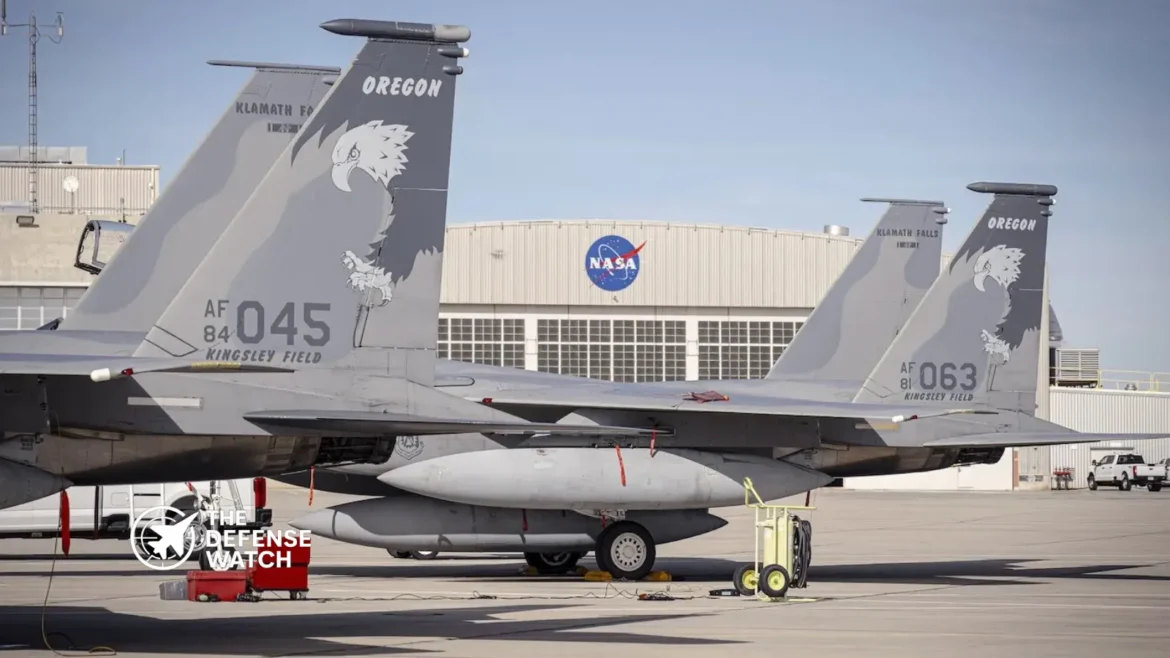
NASA’s Armstrong Flight Research Center has added two retired U.S. Air Force F-15D Eagles to its specialized test aircraft fleet, ensuring continued support for critical aerospace research programs including the groundbreaking X-59 quiet supersonic demonstrator. The twin-seat fighters, previously operated by the Oregon Air National Guard’s 173rd Fighter Wing, arrived at Edwards Air Force Base, California, in late December 2024.
(adsbygoogle = window.adsbygoogle || []).push({});The acquisition demonstrates how legacy military aircraft continue providing value beyond their operational service life. While the Air Force accelerates retirement of its F-15C/D fleet, NASA leverages the platform’s proven high-altitude, high-speed capabilities for missions commercial aircraft cannot perform.
Legacy Eagles Support Next-Generation Supersonic Research
NASA received F-15Ds with serial numbers 81-0063 and 84-0045 from Kingsley Field, the Air Force’s F-15C/D training center currently transitioning to F-35A Lightning II operations. Only one aircraft will enter active research service, with the second designated as a parts donor to maintain the maintenance-intensive Eagles.
Troy Asher, director for flight operations at NASA Armstrong, confirmed the F-15Ds will primarily support the X-59 Low Boom Flight Demonstrator project. “These two aircraft will enable successful data collection and chase plane capabilities for the X-59 through the life of the Low Boom Flight Demonstrator project,” Asher stated in NASA’s official announcement.
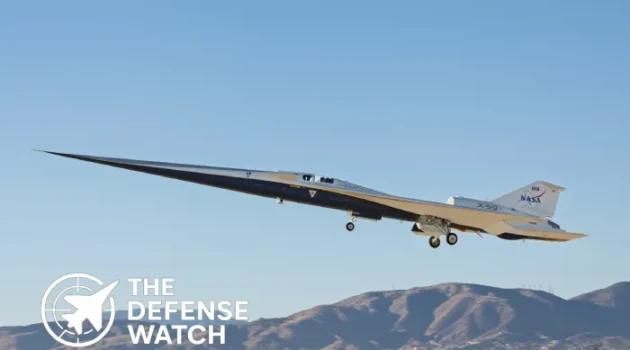
The X-59 Quiet Supersonic Technology aircraft completed its maiden flight in October 2025 at Lockheed Martin’s Palmdale facility. The experimental jet aims to demonstrate technologies that reduce traditional sonic booms to quieter “sonic thumps,” potentially enabling future supersonic commercial flight over land—currently prohibited by federal regulations.
NASA’s F-15s will chase the X-59 during high-speed test flights, collecting critical acoustic and performance data as the demonstrator pushes toward its design speed of Mach 1.4 (approximately 925 mph) at altitudes up to 55,000 feet.
Five Decades of F-15 Contributions to Aerospace Science
NASA has operated F-15 variants since the early 1970s, accumulating an unmatched legacy of high-performance research missions. “NASA has been flying F-15s since some of the earliest models came out in the early 1970s,” Asher noted. “Dozens of scientific experiments have been flown over the decades on NASA’s F-15s and have made a significant contribution to aeronautics and high-speed flight research.”
The Eagle’s unique combination of thrust, altitude capability, and external load capacity makes it ideal for carrying experimental payloads. The aircraft’s generous fuselage ground clearance allows mounting test articles beneath the centerline or wings, while its 1970s-era avionics architecture permits straightforward integration of experimental systems and modified flight controls.
Recent NASA F-15 research programs include:
Advanced propulsion testing: NASA’s F-15B tested channeled center-body inlet designs in 2011, evaluating improved airflow and fuel efficiency across varied flight regimes. The subscale inlet mounted beneath the fighter demonstrated technologies intended for next-generation commercial engines.
(adsbygoogle = window.adsbygoogle || []).push({});Supersonic shockwave measurement: F-15 research aircraft supported Shock-Sensing Probe flight test series, with state-of-the-art nose-mounted instruments measuring shockwaves from supersonic aircraft. These tests advanced understanding of sonic boom formation and propagation.
Thrust vectoring systems: The F-15 Advanced Control Technology for Integrated Vehicles (ACTIVE) program, a joint NASA-Air Force-industry effort in the 1990s, demonstrated multi-axis thrust vectoring using Pratt & Whitney pitch-yaw balance beam nozzles. The heavily modified F-15 featured canard foreplanes and achieved supersonic yaw vectoring, pioneering technologies now standard on advanced fighters.
High-Altitude Upgrades Enable X-59 Chase Missions
To support X-59 testing requirements, NASA modified two earlier F-15s with upgraded life support systems borrowed from F-22 Raptor technology. The positive-pressure breathing system, installed in 2022, prevents hypoxia during high-altitude operations by providing additional oxygen pressure compared to the F-15’s original equipment.
New emergency oxygen bottles and regulators for both pilot and backseater enable safe operations up to 60,000 feet—matching the X-59’s maximum designed altitude of 60,000 feet and cruise altitude of 55,000 feet. The upgraded system shares components with the X-59 itself, including panel-mounted regulators and pressure-reducing devices from liquid oxygen tanks. Flight crews wear identical gear across both platforms, streamlining training and maintenance.
NASA is installing the same life support modifications in the newly acquired F-15D, ensuring standardized high-altitude capability across the research fleet.
Ongoing Laminar Flow Research With Veteran Eagles
NASA’s oldest F-15B research aircraft—NASA tail number 836, a 1974-vintage jet obtained from the Hawaii Air National Guard in 1993—recently commenced testing with a revolutionary wing design concept. In mid-January 2026, the F-15B completed high-speed taxi tests at 144 mph with a three-foot Crossflow Attenuated Natural Laminar Flow (CATNLF) wing model mounted vertically beneath its fuselage.
The CATNLF concept addresses a fundamental challenge in laminar flow aerodynamics: crossflow instabilities that disrupt smooth airflow over swept wings. Even large commercial aircraft like the Boeing 777 experience crossflow effects on their angled wing surfaces, increasing drag and fuel consumption.
According to NASA research, incorporating CATNLF design principles into long-range commercial aircraft could achieve fuel savings up to 10 percent annually—a transformative improvement for airline economics and environmental impact. First flight testing with the CATNLF wing model is scheduled for February 2026.
Air Force Extends Legacy F-15 Service Through 2030
While NASA expands its F-15 research capabilities, the Air Force has revised retirement timelines for operational Eagles. The service’s October 2025 Long-Term Fighter Force Structure report outlined plans to retain 42 combat-coded F-15C/Ds through 2028, contradicting earlier fiscal year 2024 budget documents targeting complete divestment by 2026.
The Air Force determined legacy Eagles remain necessary for homeland defense missions until sufficient F-15EX Eagle II and F-35A fighters become available. After 2028, the youngest 21 F-15C/Ds will continue serving with the California Air National Guard’s 144th Fighter Wing at Fresno until final retirement in 2030.
(adsbygoogle = window.adsbygoogle || []).push({});All active-duty F-15C/D squadrons have already inactivated. The last active-duty units at Kadena Air Base, Japan, transferred their Eagles to Air National Guard units in 2024. Remaining F-15C/Ds now serve exclusively with Guard units or in test roles.
The Air Force characterized its fighter force structure plan as “highly aspirational,” acknowledging budget realities and procurement challenges may alter timelines. However, current planning assumes F-15EX production and F-35A deliveries will fill capability gaps as legacy Eagles retire.
Enduring Value Beyond Military Service
NASA’s F-15 research fleet demonstrates how specialized aircraft can provide decades of service beyond typical operational lifespans. The platform’s robust airframe, powerful engines, and straightforward systems integration continue meeting requirements no other aircraft can fulfill.
Asher emphasized the broader research mission: “They will enable us to resume operations with various external partners, including the Department of Defense and commercial aviation companies.” This multi-mission capability ensures NASA’s F-15s will remain active well into the 2030s, potentially outlasting their military counterparts.
As the Air Force transitions to fifth-generation fighters and advanced F-15EX variants, NASA’s legacy Eagles carry forward a proud heritage—proving that even 50-year-old airframes can pioneer tomorrow’s aerospace breakthroughs when paired with cutting-edge research programs and dedicated engineering teams.
US Army Accelerates MV-75 Tiltrotor Fielding
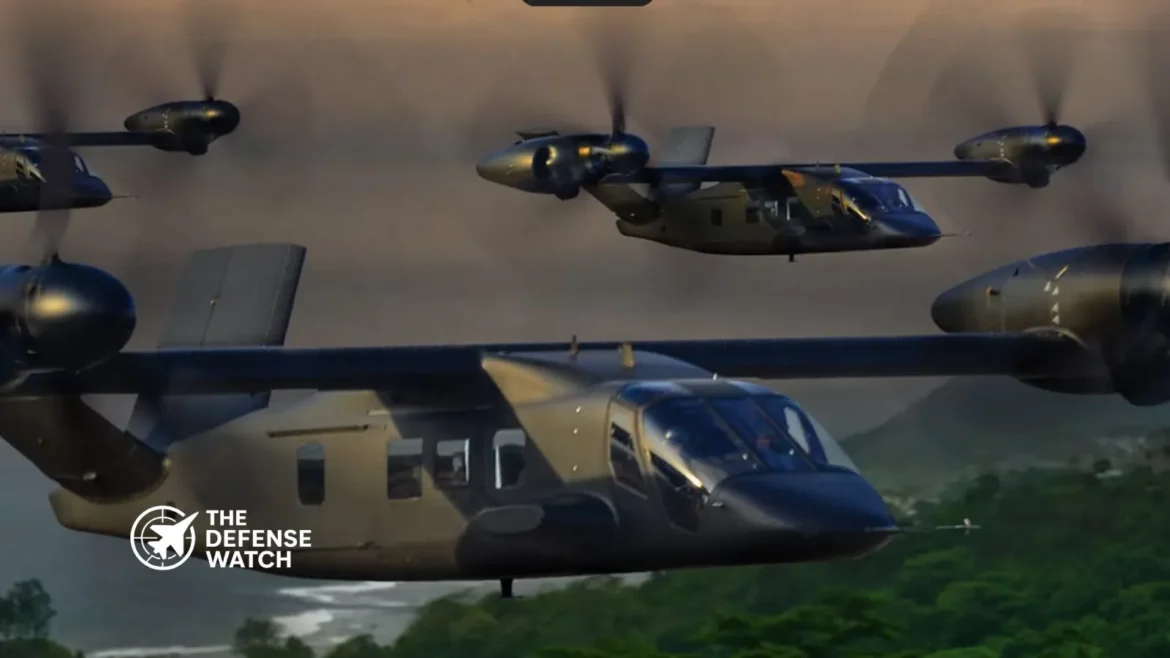
The US Army is advancing fielding of the Bell MV-75 tiltrotor and aims to receive the first aircraft by late 2026, several years earlier than previously planned, service leaders said. The move marks a major shift in the Army’s Future Long Range Assault Aircraft (FLRAA) program and underlines urgency in modernizing its assault aviation fleet.
(adsbygoogle = window.adsbygoogle || []).push({});Army Chief of Staff General Randy George told soldiers in a January 13 forum that troops could begin flying the MV-75 by this time next year, a timeline that accelerates the delivery schedule from its original early-2030s expectations.
Tiltrotor Program Timeline and Acceleration
The MV-75, derived from Bell’s V-280 Valor tiltrotor demonstrator, was selected by the Army in 2022 to replace aging UH-60 Black Hawk helicopters under the FLRAA initiative. Its tiltrotor design aims to combine vertical takeoff and landing with fixed-wing speed and range.
Originally, first prototype deliveries and early flight testing were expected around 2027-2028, with operational fielding in the early 2030s. The Army and Bell have now agreed to move up that timeline. The service says active duty, National Guard, and Special Operations units may have MV-75s flying late in 2026 in a test and evaluation role.
Bell has begun assembling the first six MV-75 test aircraft in Wichita, Kansas, under contract for eight total, and plans to shift final assembly to its Amarillo, Texas facility, where Bell currently produces the V-22 Osprey tiltrotor.
Program Priorities and Capability Goals
The MV-75 tiltrotor is planned to give the Army significantly greater speed and range than legacy helicopters like the Black Hawk. Tiltrotor aircraft take off and land like rotary-wing platforms but transition to forward flight with proprotors that deliver faster cruise speeds.
(adsbygoogle = window.adsbygoogle || []).push({});Army leaders describe MV-75 as central to future assault and air mobility missions, especially in contested environments where rapid movement over long distances could be decisive. The aircraft is expected to support troop insertion, logistics lift, and other missions once fully operational.
Funding and Industrial Effort
Acceleration of the MV-75 schedule comes with a broader focus on US Army aviation modernization under the Future Vertical Lift framework. The FLRAA program represents one of the largest investments in Army aviation in decades. Funding adjustments and reprioritization of other programs have played a role in advancing tiltrotor development.
(adsbygoogle = window.adsbygoogle || []).push({});Bell says digital engineering methods have reduced manufacturing timelines for fuselage production, helping to support the accelerated delivery goal.
What Comes Next
Acceptance of the first MV-75 airframe in late 2026 will likely be followed by flight testing and evaluation well before initial operational capability. There is no confirmed date yet for full deployment with operational units.
Even with early deliveries, the Army plans to operate the MV-75 alongside a large fleet of Black Hawks for years, gradually replacing a significant portion of the current fleet.
Türkiye Edges Closer to Eurofighter Typhoon Delivery
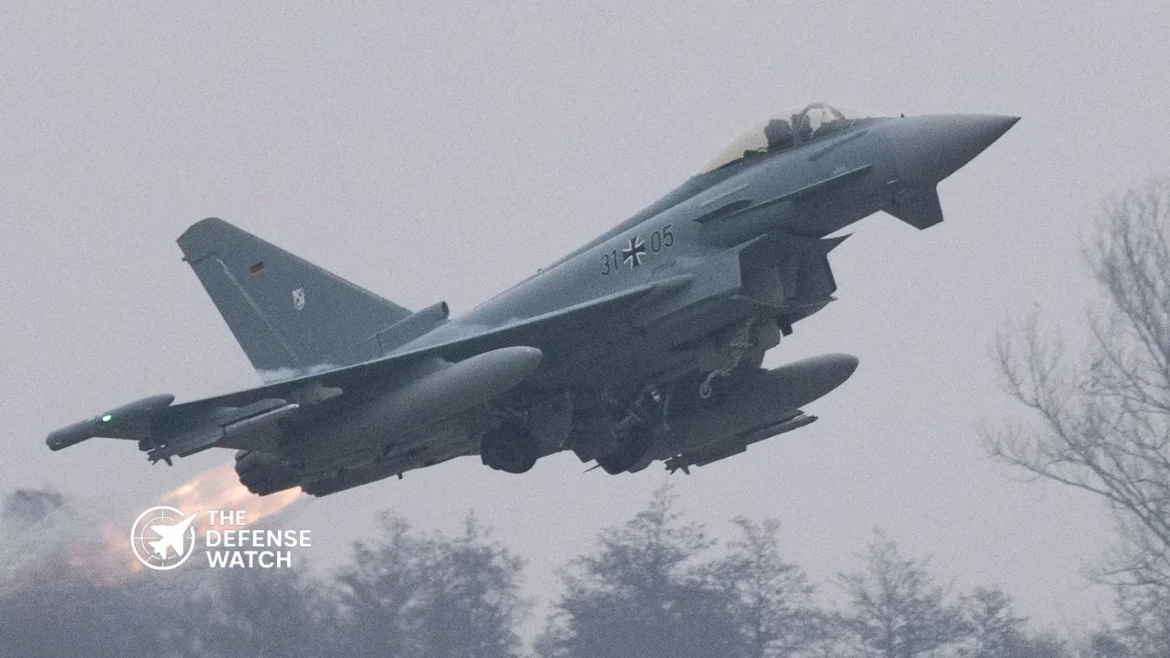
Türkiye is advancing toward receiving its first Eurofighter Typhoon jets following trilateral defense talks in Doha with Qatar and the United Kingdom, according to the Turkish Defense Ministry.
Air Force Commander Gen. Ziya Cemal Kadıoğlu led discussions with Qatari and UK counterparts focused on the Eurofighter procurement process. The meetings follow an agreement signed in October valued at roughly 8 billion pounds (10.7 billion USD) for 20 Eurofighter Typhoons from the UK.
In addition to the UK order, Ankara plans to acquire 12 secondhand Typhoons from Qatar and 12 more from Oman. Private broadcaster NTV reports the first delivery is expected by the end of February, with pilot training already underway.
Defense Minister Yaşar Güler indicated that the initial aircraft from Qatar could arrive in early 2026, while UK-supplied jets are projected for 2030. The agreement also provides options for further purchases.
The Eurofighter Typhoon is built by a consortium spanning the UK, Germany, Italy, and Spain, represented by BAE Systems, Airbus, and Leonardo. Türkiye’s interest in the platform dates back to 2022, amid stalled negotiations with the United States over F-16 acquisitions.
Türkiye finalized a $7 billion deal with Washington in late 2024 for 40 F-16s. Negotiations have been complicated by cost concerns and Ankara’s renewed interest in rejoining the F-35 program, from which it was excluded in 2019 following the S-400 purchase from Russia.
President Recep Tayyip Erdoğan raised the F-35 issue during a September White House meeting with former U.S. President Donald Trump, who recently stated the sale was being considered.
Despite NATO’s second-largest military, Türkiye has faced repeated arms embargoes, prompting investments in domestic production. The country now manufactures drones, missiles, and naval platforms and is developing its own fifth-generation stealth fighter, Kaan, intended to replace F-16s in the 2030s.
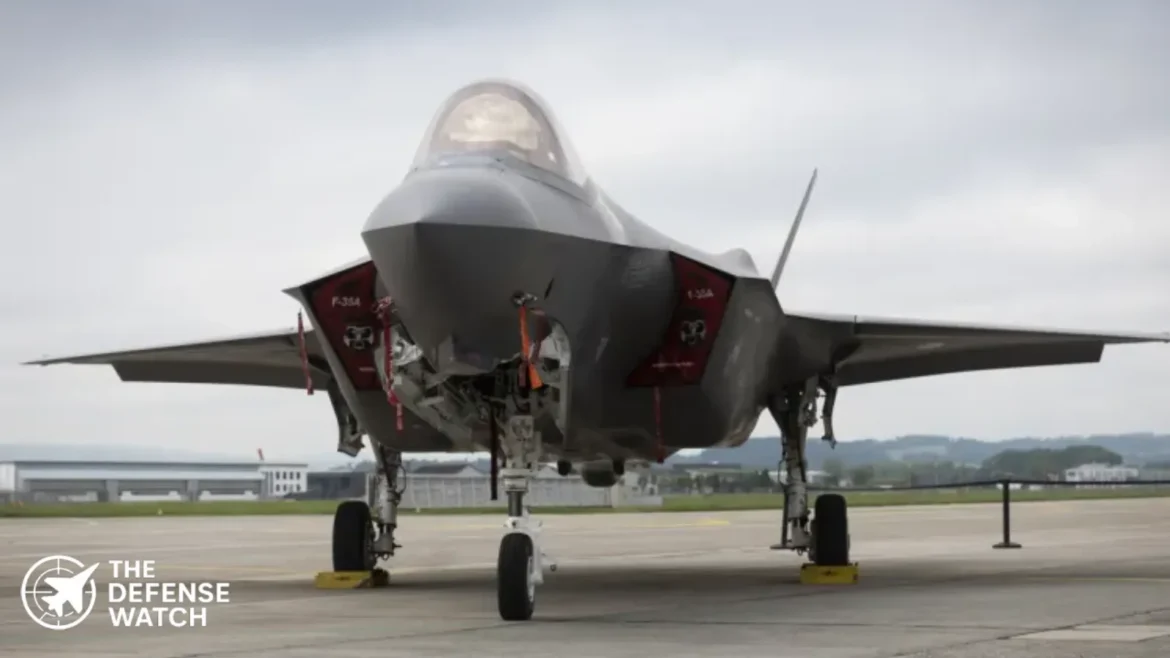
Swiss F-35 Lightning II Airfield Infrastructure Behind Schedule and Over Budget
Swiss airfield infrastructure upgrades required to support incoming Lockheed Martin F-35 Lightning II fighter jets are significantly behind schedule and over budget, according to a federal audit report reviewed by swissinfo.ch and released this week.
(adsbygoogle = window.adsbygoogle || []).push({});The Swiss Federal Audit Office (SFAO) found persistent delays at the three military airfields selected for F-35 operations — Payerne, Meiringen and Emmen — and warned that costs have escalated sharply beyond original projections.
Key Findings: Delays and Budget Overruns
- Infrastructure work at Payerne — the principal air base for the future F-35 fleet — started in spring 2025, about six months later than planned, and the original funds have already been exhausted.
- Projects at Meiringen and Emmen are delayed by at least a year, with audit findings indicating that project leads underestimated time and complexity requirements.
- The audit sharply criticized early planning and oversight, noting that timelines and fiscal needs were not adequately defined before construction commenced.
Rising Costs: From CHF120 Million to CHF200 Million+
Swiss parliament originally approved a CHF120 million credit in 2022 for airfield preparation work, before Switzerland’s formal decision to purchase the F-35 and detailed requirements were known.
According to the SFAO audit, renovation estimates have now risen to about CHF200 million, representing a near-70% increase over the original budget. Armasuisse — the federal defence procurement agency — confirmed it will seek a supplementary credit this year to complete essential work.
Auditors also highlighted additional planned construction activities — such as maintenance and non-essential infrastructure — that could add roughly CHF50 million, and criticized a lack of transparency around the total projected costs.
Government Response and Project Outlook
Marcel Adam, head of Armasuisse’s real estate competence unit, told Swiss public broadcaster SRF that construction scheduling is being coordinated with aircraft commissioning timelines, and expressed confidence that essential facilities will be ready on time.
(adsbygoogle = window.adsbygoogle || []).push({});Adam asserted that there are currently “enough hangar spaces available” for the incoming F-35s and that the revised CHF200 million budget covers essential conversion work, with non-critical projects deferred for later implementation.
Context: F-35 Procurement and Broader Cost Issues
Switzerland’s decision to acquire F-35A aircraft has been politically and financially contentious. Surveys earlier last year showed strong public opposition to the purchase, with critics citing cost and neutrality concerns.
In late 2025 the Swiss government acknowledged that rising procurement costs may require a reduction in the planned number of F-35s to remain within the CHF6 billion budget voters approved in a 2020 referendum.
Audit officials stressed that meeting operational deadlines — including readiness for the first aircraft’s expected arrival in mid-2027 — hinges on improved planning, coordination, and clearer financial controls moving forward.
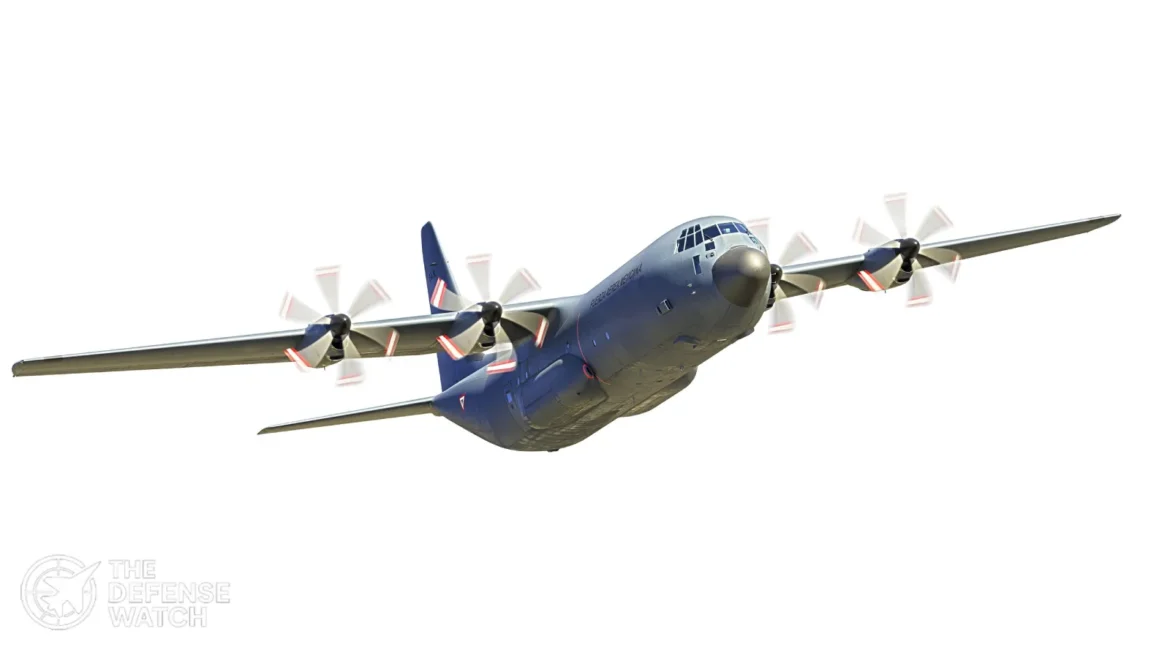
Mexico has become the first country in Latin America to operate the Lockheed Martin C‑130J Super Hercules tactical airlifter after the Fuerza Aérea Mexicana (FAM) formally accepted its first C‑130J‑30 variant aircraft. The move marks a major modernization step for the Mexican transport fleet and aligns the nation with 24 other operators worldwide.
Modernizing Mexico’s Transport Fleet
The C‑130J‑30 Super Hercules is the most advanced version of Lockheed Martin’s long‑serving tactical transport. With a fuselage stretched by about 15 feet, the C‑130J‑30 offers greater cargo volume and payload flexibility compared with earlier models, while retaining the core propulsion and avionics suite of the baseline C‑130J.
FAM crews will use the aircraft for a range of missions that include logistics, disaster response, humanitarian assistance and other tactical airlift requirements. The decision to field the C‑130J‑30 builds on Mexico’s long history operating legacy Hercules aircraft and leverages established training, maintenance and support systems.
Regional Significance
By acquiring the C‑130J Super Hercules, Mexico becomes the first Latin American nation to adopt this advanced tactical transport. The aircraft joins a global fleet of more than 560 C‑130J and C‑130J‑30 airlifters operated by more than 20 countries, underscoring broad international confidence in the platform.
The FAM’s decision also reflects continuity in capability. Rather than shift to newer designs from competitors, Mexican officials opted to modernize within the established Hercules family. This preserves interoperability with allied air forces and takes advantage of existing infrastructure.
Operational Impact
The C‑130J‑30’s increased cargo bay capacity enables the transport of more standard pallets, troops or medical litters on a single sortie. This flexibility supports diverse mission sets across Mexico’s wide geography, from remote northern regions to disaster‑prone coastal areas.
The design’s fuel efficiency, range and reliability build on decades of proven Hercules service in military and humanitarian contexts. Operators appreciate the aircraft’s ability to operate from short or unprepared fields, a persistent requirement for tactical airlift missions.
Industry and Global Context
Lockheed Martin’s C‑130J remains in demand worldwide, with continued orders and deliveries across allied air forces. With Mexico’s entry, the aircraft’s footprint expands further into the Western Hemisphere, reinforcing the model’s relevance amid ongoing military transport modernization programs.
The contract for Mexico’s C‑130J‑30 was one of two international C‑130J awards finalized in 2025, though the second customer has not been publicly identified.
What’s Next for FAM
Mexico’s C‑130J‑30 will serve alongside legacy Hercules variants and lighter transports such as Airbus C‑295M and CN‑235 aircraft. Over time, the new Super Hercules is expected to become the backbone of Mexico’s heavy airlift capability.
The introduction of the modern airlifter also strengthens Mexico’s capacity to engage in regional disaster relief and support international humanitarian efforts.
US Approves P 8A Poseidon Sale to Singapore
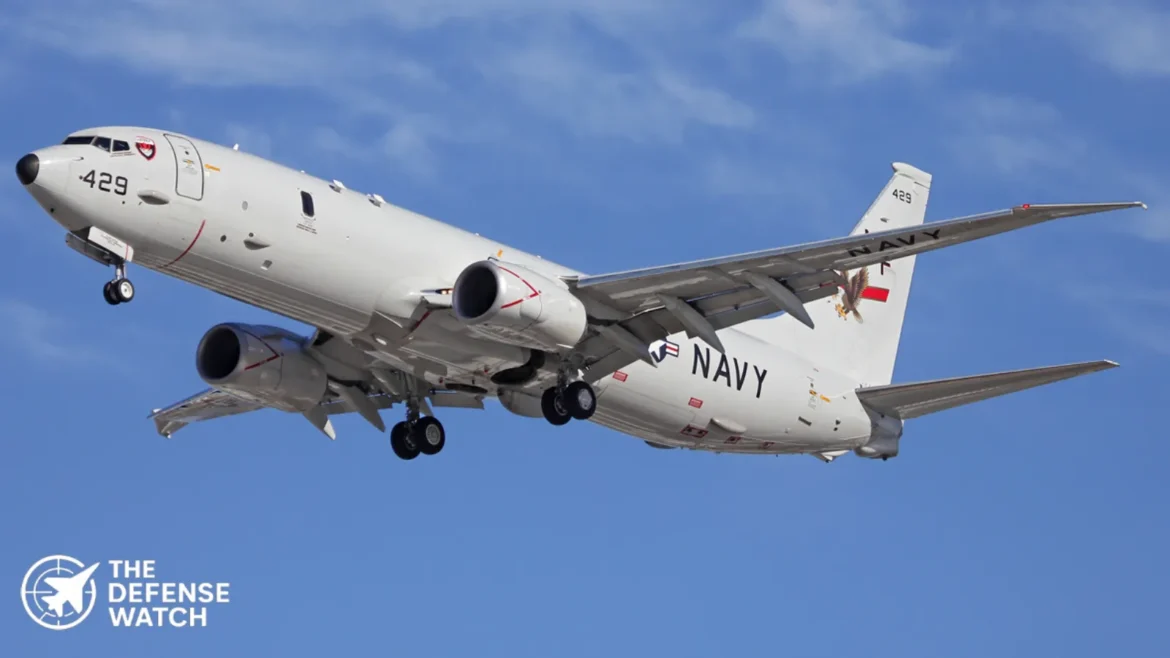
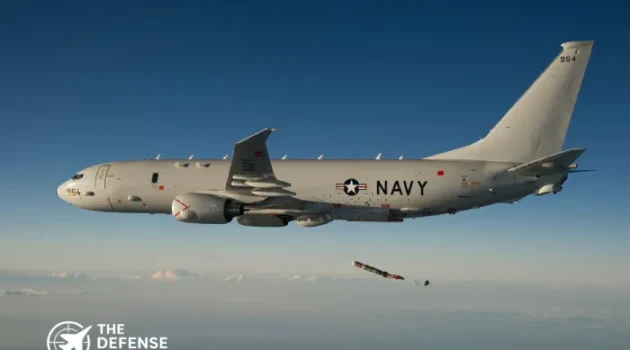
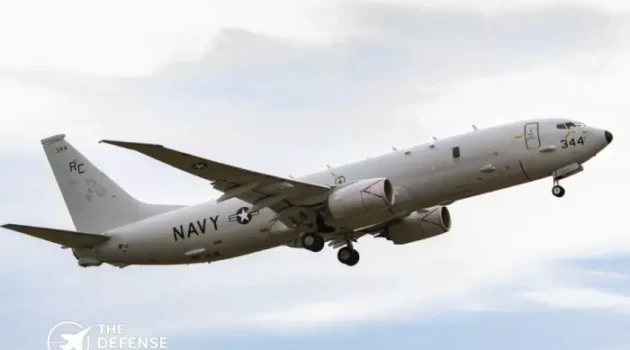
The US government has approved a potential 2.3 billion dollar P 8A Poseidon sale to Singapore to replace the country’s aging maritime patrol fleet, marking a major step in strengthening long standing US Singapore defense cooperation. The approval was announced through the US Defense Security Cooperation Agency as part of the Foreign Military Sales process, with Congress formally notified of the proposed deal.
According to official disclosures, the sale will provide Singapore with advanced maritime patrol and anti submarine warfare capabilities based on the Boeing P 8A Poseidon, an aircraft already in service with the US Navy and several allied air forces. The acquisition supports Singapore’s effort to modernize its air and maritime surveillance forces amid growing security demands in the Indo Pacific region.
(adsbygoogle = window.adsbygoogle || []).push({});What the P 8A Poseidon Package Includes
The proposed P 8A Poseidon sale includes aircraft, mission systems, training, spares, and long term sustainment support. While the exact number of aircraft has not been publicly specified, the total value of up to 2.3 billion dollars reflects a comprehensive capability package rather than airframes alone.
The P 8A Poseidon is built on the Boeing 737 800 airframe and integrates a wide range of sensors for maritime domain awareness. These include surface search radar, electro optical and infrared systems, acoustic sensors for submarine detection, and secure communications for networked operations. The aircraft is designed for long range patrol, anti submarine warfare, anti surface warfare, and intelligence, surveillance, and reconnaissance missions.
US officials stated that the proposed sale will enhance Singapore’s ability to monitor sea lines of communication, deter maritime threats, and operate effectively with US and allied forces.
Replacing Singapore’s Legacy Maritime Patrol Aircraft
Singapore currently operates a small fleet of Fokker 50 maritime patrol aircraft that have been in service for decades. While these aircraft have been upgraded over time, they no longer meet the full range of modern surveillance and anti submarine requirements facing the Singapore Armed Forces.
The P 8A Poseidon sale is intended to replace this aging fleet with a platform that offers significantly greater range, speed, sensor coverage, and data fusion. For a country that sits astride critical global shipping routes, including the Strait of Malacca and surrounding sea lanes, maritime patrol aircraft are a core element of national defense.
(adsbygoogle = window.adsbygoogle || []).push({});Singapore’s Ministry of Defence has repeatedly emphasized the importance of maintaining a technologically advanced and credible deterrent force, particularly in air and maritime domains.
Strategic Importance for the Indo Pacific
The approval of the P 8A Poseidon sale carries broader strategic implications beyond Singapore alone. The aircraft is widely regarded as one of the most capable maritime patrol platforms in service today and is a key asset in US and allied efforts to maintain maritime security in the Indo Pacific.
The region has seen increased naval activity, undersea competition, and pressure on freedom of navigation in recent years. Advanced maritime patrol aircraft play a critical role in tracking submarines, monitoring surface vessels, and providing early warning of potential threats.
By equipping Singapore with the P 8A Poseidon, the US strengthens interoperability with a close security partner and reinforces a network of like minded states operating common platforms and shared tactics.
Interoperability With US and Allied Forces
One of the major advantages of the P 8A Poseidon sale is interoperability. The aircraft is already operated by the United States, Australia, the United Kingdom, India, and several NATO allies. This allows for shared training, common logistics, and coordinated operations during exercises or real world contingencies.
Singapore regularly hosts and participates in multinational exercises with the US Navy and allied air forces. Operating the same maritime patrol aircraft simplifies information sharing and enhances combined operational effectiveness.
US officials noted that the sale will not alter the regional military balance but will contribute to stability by improving a partner nation’s ability to defend its maritime approaches.
Industry and Program Background
The P 8A Poseidon is produced by Boeing Defense, Space and Security and has become the standard maritime patrol aircraft for the US Navy, replacing the older P 3C Orion fleet. The aircraft has been combat tested and routinely deployed for operations ranging from anti submarine patrols to search and rescue and overland intelligence missions.
(adsbygoogle = window.adsbygoogle || []).push({});Boeing continues to deliver P 8A aircraft to international customers under Foreign Military Sales agreements, with sustained production supporting both US and allied requirements.
The proposed Singapore sale includes US government and contractor support for training, maintenance, and integration, ensuring long term operational readiness.
Congressional Review and Next Steps
As with all Foreign Military Sales, the P 8A Poseidon sale to Singapore is subject to congressional review. Lawmakers typically assess such deals based on their impact on US foreign policy, regional security, and defense industrial interests.
Once approved, contract negotiations and production timelines will follow. Delivery schedules are expected to align with Boeing’s existing P 8A production line and Singapore’s planned retirement of its current maritime patrol aircraft.
Neither the US Department of Defense nor Singapore’s Ministry of Defence indicated any immediate obstacles to moving forward with the program.
UK Awards 205M Pound Contract to Support RAF Typhoon Fleet
The UK Ministry of Defence has signed a 205M pound, five-year contract extension with British defence firm QinetiQ for ongoing technical and engineering support to the Royal Air Force’s Typhoon fleet, the service announced. This contract extension aims to keep the fighter jets mission ready and secure hundreds of skilled jobs across the UK.
The deal will supply specialist technical, airworthiness, and safety support for the Typhoon fleet, the RAF’s primary combat air asset. Work includes engineering tasks tied to the integration of the European Common Radar System Mk2, a next-generation sensor set for improved detection and tracking.
Support Work and Jobs Across the UK
The five-year agreement secures around 250 high–skilled jobs at QinetiQ, MOD facilities, and RAF stations in locations such as Farnborough, Boscombe Down, Malvern, Lincoln, Bristol, Coningsby, and Warton. The contract reflects the UK government’s wider push to invest in defence industry capability and sustain critical skills.
Defence Minister for Readiness and Industry Luke Pollard said the Typhoon fleet is central to UK air defence and essential for supporting NATO allies. He framed the investment as part of a broader strategy to make defence a contributor to economic growth and national security.
Typhoon Role and Operational Context
The Eurofighter Typhoon remains a key multirole combat aircraft for the RAF. It provides round-the-clock air policing over the UK, supports NATO missions such as Operation Eastern Sentry on the alliance’s eastern flank, and has been used in combat operations against Daesh targets in the Middle East.
The support contract builds on existing long-term industrial partnerships. QinetiQ has worked with the MoD on Typhoon engineering since the program’s early years. Continued support is aimed at maintaining aircraft readiness while embedding newer tools and methods, including digital engineering, to improve efficiency.
US Air Force Extends F-117 Nighthawk Operations to 2034
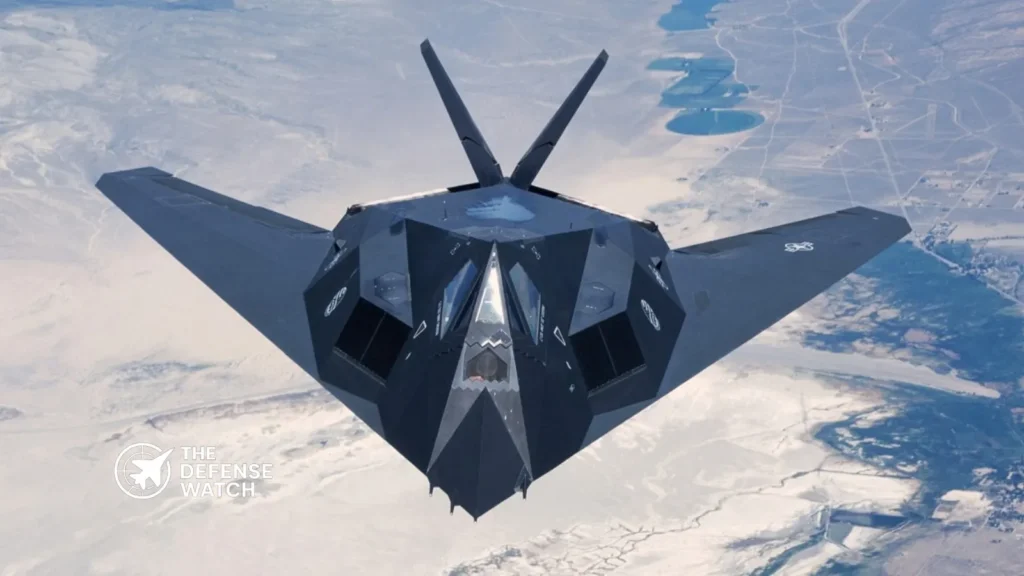
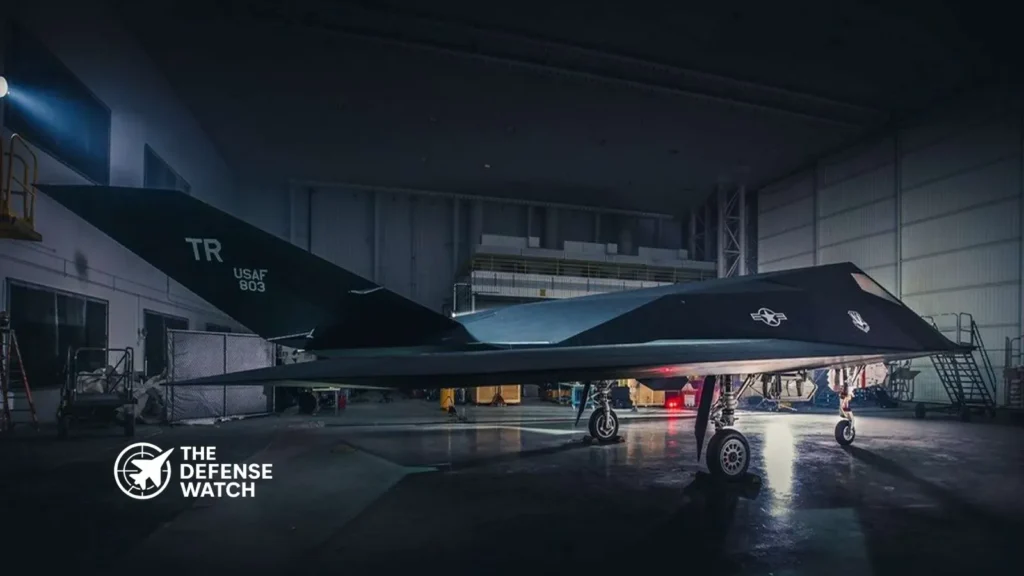
The United States Air Force plans to keep its retired F-117 Nighthawk stealth aircraft flying through at least 2034, extending the operational life of the iconic jet more than 25 years after it was officially withdrawn from frontline service. The decision reflects the aircraft’s continued value in testing, training, and threat replication roles, particularly as the US military prepares for future high end conflicts involving advanced air defenses.
According to budget and planning documents referenced in recent defense reporting, the Air Force intends to fund sustainment and limited operations of a small fleet of F-117 aircraft stored at Tonopah Test Range in Nevada. These aircraft, though no longer considered combat assets, continue to fly regularly under a classified program that supports both US and allied training needs.
The move underscores how legacy stealth platforms remain relevant as the Pentagon works to prepare pilots and systems for encounters with increasingly capable adversary air defense networks.
Background of the F-117 Nighthawk Program
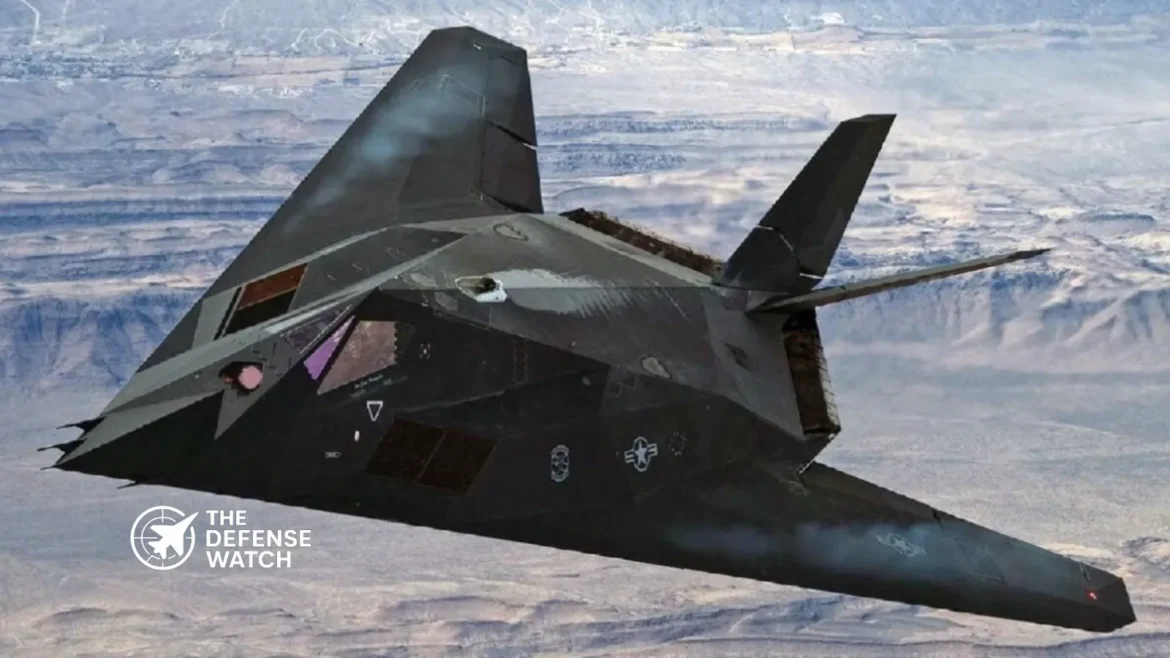
The F-117 Nighthawk holds a unique place in aviation history. Developed in secrecy during the Cold War, it was the world’s first operational stealth combat aircraft. Designed by Lockheed’s Skunk Works, the jet relied on faceted surfaces and radar absorbing materials to minimize its radar signature, allowing it to penetrate heavily defended airspace.
The aircraft entered operational service in the early 1980s and achieved global attention during the 1991 Gulf War, where it flew precision strike missions against heavily defended targets in Iraq. The F-117 later saw combat use in the Balkans and during early operations in Afghanistan.
Despite its success, the aircraft was officially retired in 2008 as newer stealth platforms such as the B-2 Spirit and later the F-22 Raptor became available. Advances in stealth shaping and materials also made the angular F-117 design less efficient compared to newer aircraft.
However, retirement did not mean the end of flight operations.
Why Retired F-117 Jets Are Still Flying
Since its official retirement, the US Air Force has maintained a small number of F-117 Nighthawk aircraft in a condition that allows limited flight operations. These aircraft are not part of combat squadrons and are not deployable in wartime strike roles.
Instead, they are used primarily for training and testing. One of the key missions involves acting as realistic adversary or surrogate stealth targets. Modern US and allied air defense systems, fighter radars, and infrared sensors need real world exposure to low observable aircraft to validate detection and tracking performance.

F-117. Image Credit: Creative Commons The F-117 Nighthawk offers a cost effective way to provide that experience without risking newer and more expensive stealth assets such as the F-35 or B-21 Raider. Its unique radar and infrared signature differs from modern stealth designs, giving sensor operators valuable data across a wider range of scenarios.
In addition, the aircraft supports development and evaluation of next generation sensors, radars, and command and control systems. By flying against these systems in controlled environments, engineers can refine detection algorithms and improve integration across air and missile defense networks.
Budget Signals Confirm Long Term Sustainment
The plan to keep the F-117 fleet active until 2034 is supported by funding allocations within Air Force budget documents. These include line items for sustainment, spare parts, and contractor support associated with the aircraft.
While the Air Force has not publicly detailed the size of the active fleet, estimates suggest that around a dozen airframes remain in flyable condition. The aircraft operate from secure locations, primarily Tonopah Test Range Airport, a facility long associated with classified aviation programs.
The continued funding indicates that the Air Force sees enduring value in the platform, particularly during a period of rapid modernization and shifting threat environments. As near peer competitors invest heavily in advanced surface to air missile systems and counter stealth technologies, realistic training becomes increasingly critical.
Role in Preparing for Future Conflicts
The decision to extend F-117 operations aligns with broader US Air Force efforts to prepare for contested airspace in future conflicts. Potential adversaries are deploying layered air defense systems that combine long range radars, infrared sensors, electronic warfare, and networked command systems.
Training against stealth aircraft helps air defense units, fighter pilots, and joint forces understand both the strengths and limitations of low observable technology. It also supports development of tactics designed to counter stealth threats, knowledge that is essential for US forces operating alongside allies.
F-117. Image Credit: Creative Commons From a policy perspective, maintaining the F-117 fleet provides flexibility. It allows the Air Force to preserve newer stealth aircraft for frontline missions while still meeting demanding training and test requirements.
Defense analysts have also noted that the F-117 offers insights into how older stealth designs interact with modern sensors, information that could prove valuable in assessing the survivability of both legacy and emerging platforms.
What Comes Next for the F-117 Fleet
Under current plans, the F-117 Nighthawk will continue flying in limited roles through at least 2034. Beyond that date, the Air Force has not indicated whether operations will end or transition to alternative platforms.
Future systems, including uncrewed stealth aircraft and advanced digital simulators, may eventually reduce the need for manned legacy jets. However, real world flight data remains difficult to replicate fully in virtual environments.
For now, the continued presence of the F-117 in the skies serves as a reminder that even retired aircraft can play a meaningful role in shaping modern military readiness.
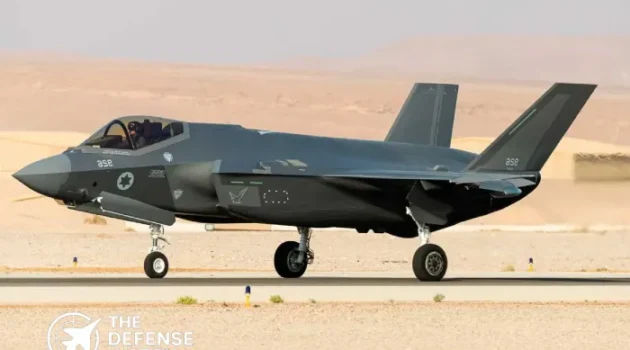
F-35i Adir FighterJets have expanded the Israel Air Force fleet after three new aircraft landed at Nevatim Air Force Base, reinforcing Israel’s frontline combat aviation during a period of sustained operations.
The Israel Air Force confirmed that three newly manufactured F-35i Adir fighter jets arrived at Nevatim Air Force Base today. The aircraft were built by Lockheed Martin and delivered as part of Israel’s ongoing F-35 procurement program with the United States.
(adsbygoogle = window.adsbygoogle || []).push({});The jets will be assigned to two frontline units, the Southern Lions Squadron (116 Squadron) and the Golden Eagle Squadron (140 Squadron). Upon arrival, the aircraft received the Israel Air Force emblem, marking their formal induction into operational service.
The F-35i Adir is Israel’s customized version of the F-35A Lightning II. It integrates Israeli-developed systems for command and control, electronic warfare, and weapons integration, while retaining the core stealth, sensor fusion, and networked combat capabilities of the baseline aircraft. These modifications allow the Israel Air Force to adapt the platform to regional operational requirements.
According to the Israel Defense Forces, the Adir fleet has been operating continuously since the outbreak of the current conflict, conducting both defensive and strike missions across multiple theaters. Missions have included air defense, intelligence support, and precision strike operations, highlighting the aircraft’s multirole flexibility.
The delivery of additional F-35i Adir fighter jets is intended to maintain sortie capacity and operational readiness during an extended period of high operational tempo. Israeli defense officials have repeatedly emphasized the importance of sustaining fleet size and availability as missions continue across different fronts.
Israel’s F-35 program is closely tied to its long-standing security partnership with the United States. Lockheed Martin produces the aircraft in the U.S., while the program is supported through Foreign Military Financing and long-term defense cooperation agreements. Israeli officials have stated that the partnership plays a key role in preserving Israel’s qualitative military edge and contributing to regional stability.
(adsbygoogle = window.adsbygoogle || []).push({});Nevatim Air Force Base serves as the main hub for Israel’s F-35i operations and training. The base supports multiple Adir squadrons and associated maintenance and mission planning infrastructure, making it central to Israel’s fifth-generation air combat capability.
With these latest arrivals, Israel continues the gradual expansion of its F-35i Adir force, which remains one of the most operationally active F-35 fleets worldwide.