


Formation Honors Nation’s 250-Year Legacy
The Air Force and Navy will conduct a joint military flyover during Super Bowl LX at Levi’s Stadium in Santa Clara, California, on February 8, 2026, to commemorate America’s 250th birthday. The eight-aircraft formation represents a powerful display of U.S. airpower and interservice cooperation as the nation celebrates its semicentennial anniversary.
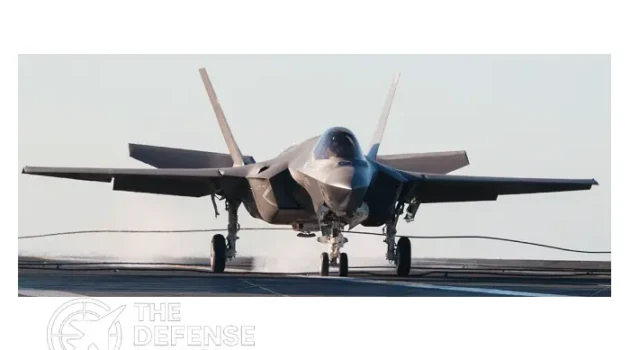
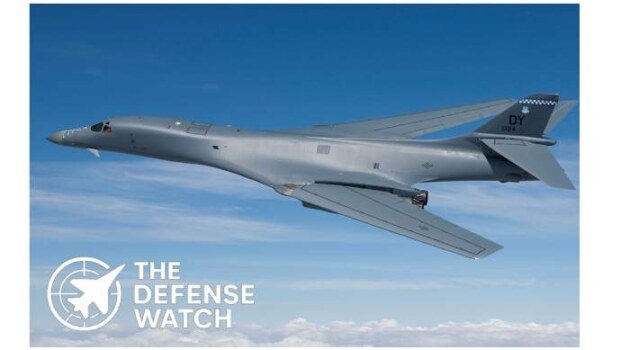
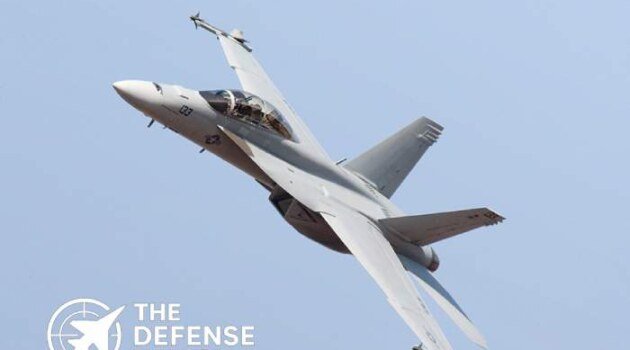
(adsbygoogle = window.adsbygoogle || []).push({});According to the Department of War, the formation will feature two Air Force B-1B Lancer strategic bombers from Ellsworth Air Force Base, South Dakota, and two F-15C Eagle air superiority fighters from Fresno Air National Guard Base, California. The Navy contribution includes two F/A-18E Super Hornets and two F-35C Lightning II stealth fighters, both from Naval Air Station Lemoore, California.
The flyover timing coincides with one of America’s most-watched sporting events, providing visibility to millions of viewers worldwide while honoring the country’s founding principles and military heritage.
Strategic Bomber and Fifth-Generation Fighter Integration
The Super Bowl LX military flyover demonstrates operational coordination between different aircraft types and service branches. The B-1B Lancer, capable of carrying the largest conventional payload in the U.S. inventory, will fly alongside the Navy’s newest carrier-based stealth fighter, the F-35C Lightning II.
This formation represents decades of American aerospace innovation. The F-15C Eagle has maintained air superiority since the 1970s, while the F-35C entered operational service in 2019 as the Navy’s first fifth-generation fighter and most advanced carrier-based strike aircraft.

Image source: Department of War Image source: Department of War The F/A-18E Super Hornet serves as the Navy’s primary multirole fighter, conducting missions ranging from air superiority to precision strike operations from aircraft carriers worldwide. The integration of these platforms in a single formation demonstrates the joint force’s ability to operate seamlessly across different mission sets.
According to Secretary of the Air Force Public Affairs, the flyover “symbolizes the entire joint force — Army, Marine Corps, Navy, Air Force, Space Force and Coast Guard — working together across every domain to defend the nation, safeguarding 250 years of American independence.
Community Engagement and Public Displays
Beyond the game-day flyover, service members from both branches will participate in extensive community outreach events throughout Super Bowl week. The Department of War confirmed that activities will include public aircraft displays, search and rescue demonstrations, and backseat flights aboard F/A-18F Super Hornet two-seat trainers for community leaders.
These engagement activities provide civilians with direct access to military personnel and equipment, fostering understanding of service branch missions and capabilities. Public displays of the B-1B Lancer and F-35C Lightning II offer rare opportunities for close examination of advanced military aircraft systems.
The backseat flight program allows selected community leaders to experience naval aviation firsthand, demonstrating the training and operational requirements of carrier-based fighter operations.
Joint Armed Forces Color Guard Participation
A Military District of Washington joint armed forces color guard will render military honors during the national anthem performance at Super Bowl LX. This interservice ceremonial team represents all six military branches and maintains headquarters in the national capital region.

Image source: Department of War The color guard’s participation adds traditional military ceremonial elements to the Super Bowl’s opening festivities. These precision drill teams undergo extensive training to represent the armed forces at high-profile national events.
Military District of Washington units regularly support presidential inaugurations, state funerals, and other significant national ceremonies. Their Super Bowl LX appearance aligns with the broader America 250 celebration taking place throughout 2026.
Operational Planning and Coordination
Military flyovers require extensive coordination between multiple agencies, including the Federal Aviation Administration, event organizers, and military flight operations centers. Pilots must calculate precise timing to ensure aircraft arrive over the stadium at the exact moment the national anthem concludes.
Formation flying at large public events demands rigorous planning and rehearsal. Pilots conduct practice runs to verify timing, altitude, and flight path parameters. Safety considerations include weather contingencies, airspace restrictions, and emergency procedures.
The eight-aircraft formation for Super Bowl LX represents significant planning complexity. Coordinating bombers, air superiority fighters, and carrier-based aircraft from different bases requires careful synchronization of departure times, airspeeds, and rendezvous points.
America 250 Nationwide Commemoration
The Super Bowl LX flyover forms part of broader nationwide America 250 celebrations throughout 2026. The semicentennial anniversary marks 250 years since the Declaration of Independence in 1776.
(adsbygoogle = window.adsbygoogle || []).push({});Multiple federal agencies, state governments, and private organizations are coordinating commemorative events across the country. The Department of War’s participation emphasizes the military’s historical role in securing and defending American independence.
Previous milestone anniversaries have featured significant military participation. The 1976 bicentennial celebration included naval reviews, military parades, and ceremonial events across all service branches.
Aircraft Specifications and Capabilities
The B-1B Lancer represents American long-range strike capability, capable of carrying up to 75,000 pounds of conventional munitions. Ellsworth Air Force Base operates the 28th Bomb Wing, which maintains combat-ready B-1B squadrons for global strike missions.
The F-15C Eagle provides high-altitude air superiority with a combat record exceeding 100 aerial victories without losses in air-to-air combat. The California Air National Guard’s 144th Fighter Wing at Fresno operates F-15C aircraft in both state and federal missions.
Image source: Department of War Naval Air Station Lemoore, located in California’s Central Valley, serves as the Navy’s largest master jet base and hosts all West Coast F/A-18 and F-35C squadrons. The installation supports strike fighter training, maintenance, and operational deployments to carrier strike groups.
The F-35C Lightning II features advanced stealth characteristics, sensor fusion, and network-enabled warfare capabilities. Its carrier-based design includes reinforced landing gear, larger wing surfaces, and tailhook systems for arrested landings on aircraft carriers.
Historical Context of Super Bowl Flyovers
Military flyovers have become traditional elements of Super Bowl pre-game ceremonies since the early 1990s. These demonstrations showcase American airpower while honoring military service members.
Previous Super Bowls have featured diverse aircraft types including stealth bombers, heritage aircraft, and demonstration teams like the Navy Blue Angels and Air Force Thunderbirds. Each flyover is customized to reflect regional military installations and available aircraft.
The Super Bowl LX joint Air Force-Navy formation represents an evolution from single-service demonstrations, emphasizing interservice cooperation and joint operational capabilities that define modern American military doctrine.
Significance for California Military Installations
The flyover highlights California’s significant military aviation presence. Naval Air Station Lemoore supports approximately 6,000 military and civilian personnel and serves as the primary West Coast base for naval strike fighter operations.
Fresno Air National Guard Base, home to the 144th Fighter Wing, maintains continuous air sovereignty alert missions protecting Western U.S. airspace. The unit’s F-15C aircraft provide rapid response capabilities for aerospace defense.
Ellsworth Air Force Base in South Dakota, while outside California, maintains strategic bomber operations supporting global deterrence missions. The base’s B-1B Lancers deploy worldwide and participate in joint exercises with allied nations.
Public Safety and Airspace Management
Super Bowl LX will operate under enhanced airspace security measures common to major sporting events. The Federal Aviation Administration establishes temporary flight restrictions around the stadium, limiting aircraft operations except for authorized military and law enforcement flights.
(adsbygoogle = window.adsbygoogle || []).push({});The military flyover receives specific clearance through coordinated planning between event organizers, the FAA, and military flight operations. Altitude, speed, and flight path parameters are carefully calculated to ensure public safety while providing optimal viewing for stadium attendees and television audiences.
Looking Ahead: America 250 Military Participation
The Department of War has indicated that Super Bowl LX represents one element of year-long America 250 commemorative activities. Additional military participation is expected throughout 2026 at national celebrations, memorial services, and public events.
These commemorative efforts aim to educate Americans about military history, honor service members past and present, and demonstrate current defense capabilities. The joint service approach emphasizes unified efforts to protect American independence across all domains.




Scottish Aerospace Skills at Prestwick Highlighted in UK Parliamentary Hearing
Industry representatives told UK lawmakers that backing Scotland’s aerospace skills and industrial base at Prestwick is essential for preserving jobs and capabilities across the sector. The comments came during evidence to the Scottish Affairs Committee in Westminster on January 20, where aerospace experts stressed the need for ongoing public sector support.
Andrew Kinniburgh, Director-General of Make UK Defence, and Warrick Malcolm, Director at ADS Scotland, outlined how the region’s workforce and industrial ecosystem contribute to UK aerospace and defence. They said sustained investment, policy clarity, and support from both UK and Scottish governments will be key to ensuring long-term growth.
Prestwick as a Strategic Aerospace Hub
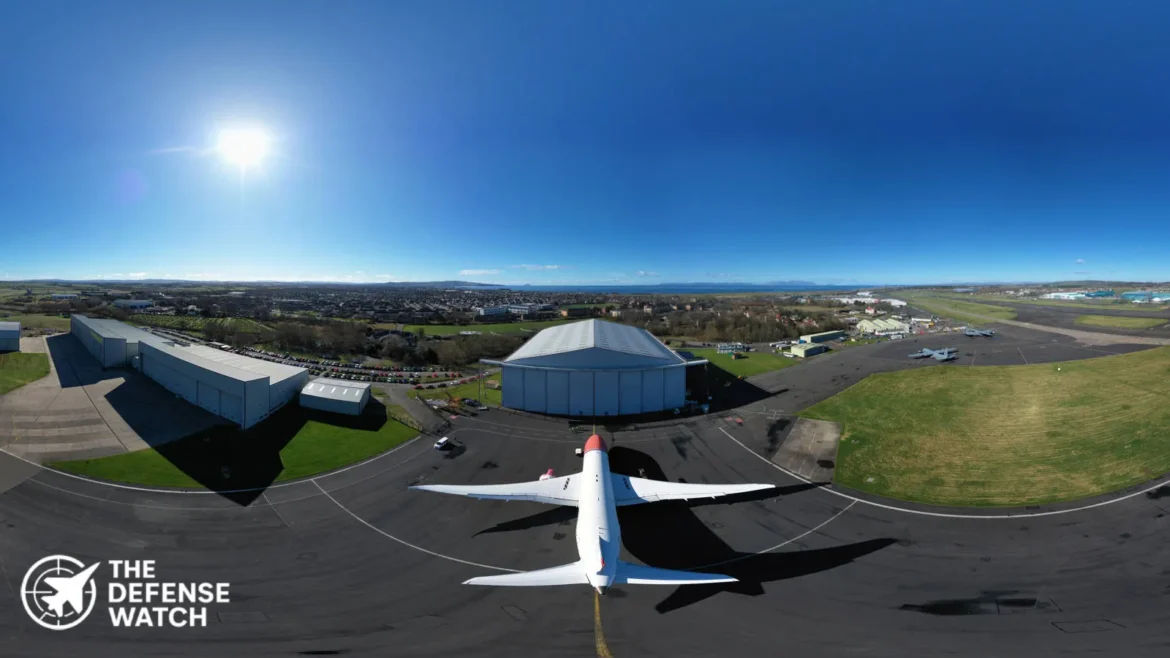
Prestwick in South Ayrshire is well established as a core hub for maintenance, repair, overhaul, and aerospace engineering. The site hosts major operations for global companies and plays a significant role in Scotland’s aerospace cluster.
Prestwick’s aerospace ecosystem includes capabilities in advanced manufacturing, aero structures, engine overhaul, and specialised design work. Companies such as GE Caledonian operate engine support facilities there, anchoring a skilled industrial base that supports both civil and defence sectors.
Industry witnesses told MPs that the region’s existing workforce could be busier if supported by consistent policy and investment. They noted that training institutions like Ayrshire College are tightly linked with industry, offering pathways into high-value aerospace roles.
AERALIS Project Cited as Catalyst
Evidence to the committee highlighted the AERALIS advanced trainer aircraft programme as a prominent example of Scotland’s aerospace potential. AERALIS has selected Prestwick Airport as the proposed location for a UK final assembly line for its next-generation aircraft, with implications for local jobs and skills retention.
Industry leaders said the proposed project could mark the first time a whole aircraft is designed and built in Scotland in decades. They argued this model aligns industry needs with regional skills development, potentially creating hundreds of jobs.
Skills, Jobs, and Industrial Capacity
Kinniburgh told MPs that the aerospace cluster around Prestwick offers an example of how education and industry collaboration can work. This integration, he said, reflects how future growth in aerospace jobs and capability could be sustained if supported by clear public policy.
Malcolm described Ayrshire as one of the sector’s key locations in Scotland, with a workforce and infrastructure that contribute to the wider UK aerospace industry. He reiterated the importance of protecting these skills to compete globally.
Broader Context
Scotland’s aerospace sector accounts for a significant share of the UK’s industry, with strong workforce skills and a mature industrial base. Prestwick and the surrounding area support a large portion of Scotland’s aerospace employment and capabilities, including research, design, and maintenance activities.
Leaders from both industry and government have noted that ongoing investment in skills, infrastructure, and facilities is central to maintaining competitiveness and securing inward investment.
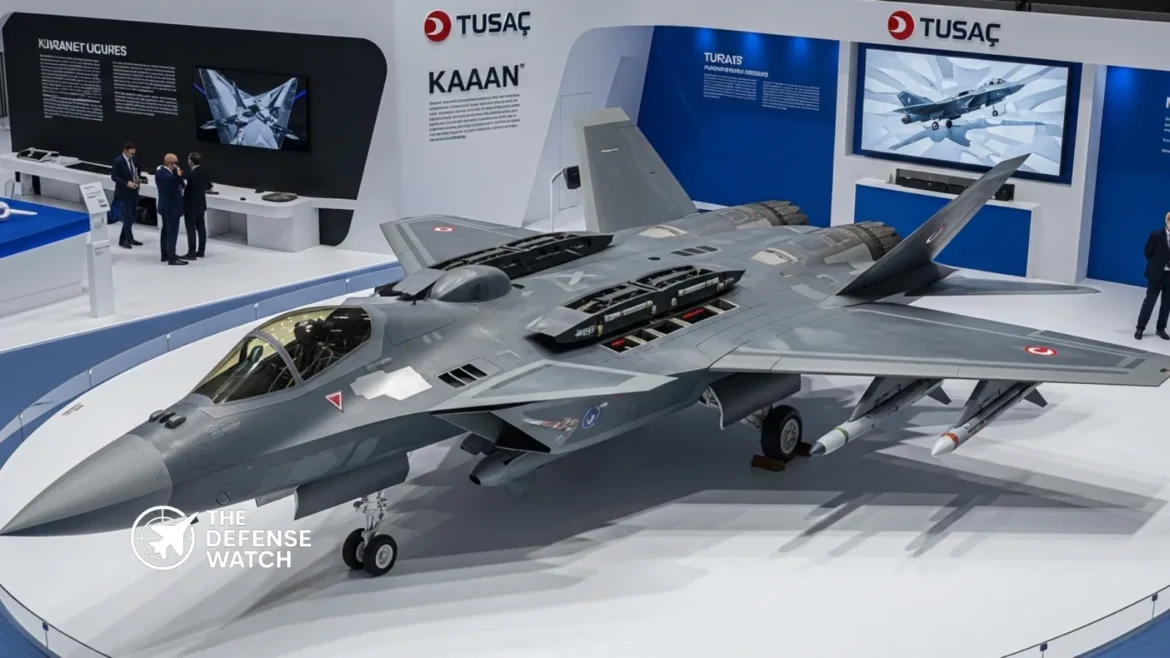
Turkey’s TUSAŞ Details Next-Gen Fighter Progress in Leadership Interview
Turkey’s state aviation and defense prime Turkish Aerospace Industries (TUSAŞ) has provided new public commentary on its sixth-generation combat aircraft program, widely referred to as KAAN, in a recently posted interview video featuring TUSAŞ General Manager Dr Mehmet Demiroğlu. The comments offer fresh insight into the development roadmap and test preparation for the advanced platform.
In the interview, Demiroğlu discusses current activities in the Turkish defense aerospace sector, with emphasis on KAAN’s flight test sequence and associated systems integration. The video was shared on official social media channels and linked by industry observers, indicating TUSAŞ’s intent to communicate progress to the broader defense community.
Program Context and Strategic Goals
Turkey’s next-generation fighter initiative is intended to succeed existing fourth- and fifth-generation aircraft in Turkish service, expanding indigenous capability in air superiority, sensor fusion, and survivability against emerging threats. The platform is being developed domestically by TUSAŞ with support from a broad national supply base.
While official defense ministries have not published detailed technical specifications, the sixth-gen designation generally implies capabilities such as advanced avionics, low observables, internal weapons bays, next-level sensor networks, and sustained high survivability in contested airspace.
Development Roadmap and Test Activities
In remarks captured by the interview video, TUSAŞ leadership confirmed ongoing ground testing and preparation for flight activity. Local industry media circulation around the video suggests a flight test campaign may occur later this year, with ground integration work and systems verification progressing on schedule.
The interview also underscores TUSAŞ’s communication strategy toward both domestic stakeholders and international partners. By publicly outlining aspects of the development timeline, the company aims to bolster confidence in the program’s trajectory and highlight Turkey’s growing aerospace engineering base.
Industry and Regional Implications
Turkey’s pursuit of an indigenous sixth-generation fighter reflects broader trends in the global defense aerospace domain, where major powers invest in next-generation platforms to maintain edge in air dominance. For Ankara, the KAAN effort supports national goals of technological autonomy, reduced reliance on foreign systems, and potential export opportunities.
The strategic timing of such communications can also influence regional defense dynamics, especially within NATO and adjacent security environments, where air superiority capabilities shape deterrence postures.
Outlook
As TUSAŞ moves toward first flights and continued prototype validation, defense analysts will be watching for formal ministry statements and flight test confirmations. Transitions from design and ground testing into airborne operations remain key milestones for any advanced combat aircraft program.

Northrop Grumman Finalizing Major Production Agreement
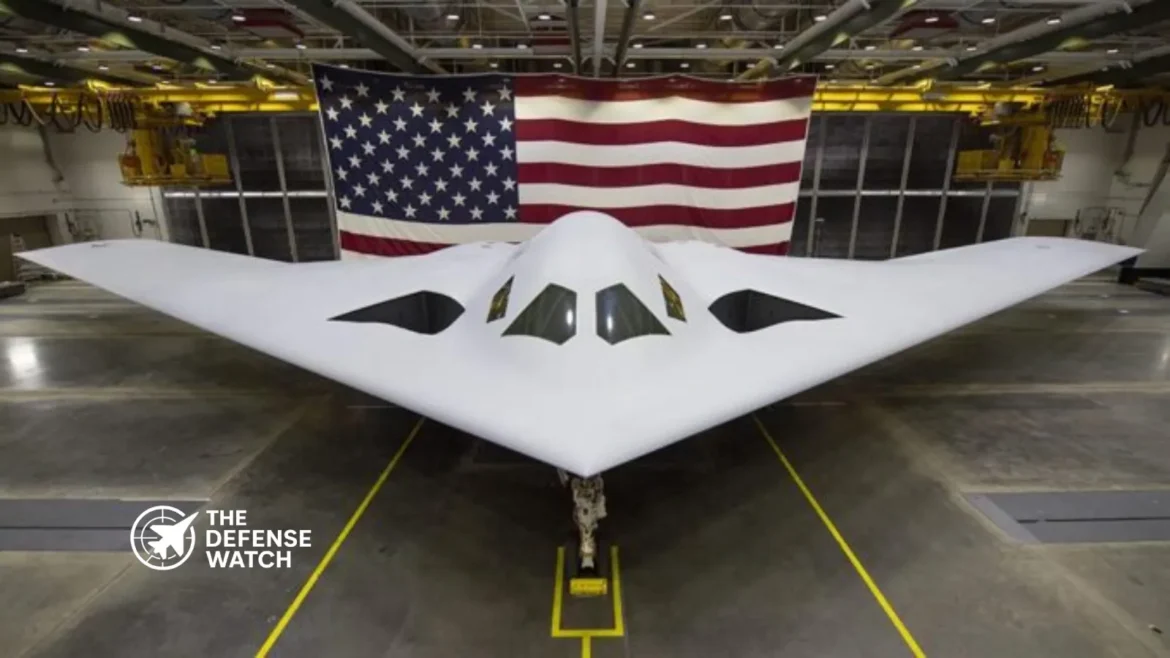
Northrop Grumman expects to finalize an agreement with the Air Force to accelerate B-21 Raider production expansion by the end of March, according to company CEO Kathy Warden during a Jan. 27 earnings call.
The announcement confirms that negotiations for one of the U.S. military’s most critical modernization programs are entering their final phase. Congress approved $4.5 billion for expanding production capacity for the B-21 as part of a reconciliation package passed in July 2025, and defense officials have been working to structure the contract terms since then.
“We continue to work closely with the Air Force on plans to increase the production rate of the program,” Warden stated. Our priority is to establish a mutually beneficial agreement that accelerates the delivery of this game-changing capability to our nation.”
The current fiscal quarter concludes March 31, 2026, establishing a firm timeline for contract finalization.
Massive Investment in Bomber Capacity
The production expansion contract represents substantial financial commitment from both parties. The Air Force outlined plans in its 2026 budget request to spend all $4.5 billion from the reconciliation bill this fiscal year: nearly $2.4 billion in research and development and $2.1 billion in procurement.
Northrop Grumman is also making significant internal investments to support increased manufacturing throughput. Warden revealed that Northrop plans to invest between $2 to $3 billion over multiple years for “facilitizing for that acceleration”, though specific details about these facility upgrades were not disclosed.
The defense contractor previously announced in April 2025 that it had invested $477 million in a “process change” designed to enable higher production rates for the advanced stealth bomber.
Low-Rate Initial Production Advances
Parallel to expansion negotiations, the B-21 program continues advancing through its planned production phases. Warden confirmed that Northrop received the contract for the third lot of low-rate initial production in the final quarter of 2025, as well as a contract for advanced procurement for the fifth lot.
The low-rate initial production phase is expected to encompass 21 aircraft distributed across five lots, establishing the manufacturing foundation before full-rate production begins.
Flight testing is also progressing on schedule. The CEO highlighted the first flight of a second B-21 test aircraft as evidence of program momentum, building on the successful maiden flight of the initial test platform.
Classification Limits Public Disclosure
Specific details about production metrics and long-term program objectives remain highly classified. The Air Force has consistently declined to reveal exact production rates or whether the expansion aims to exceed the current program of record of 100 aircraft or simply deliver that baseline quantity on an accelerated timeline.
Defense industry sources have previously suggested the B-21 production rate operates around seven aircraft annually, though official confirmation remains restricted.
An Air Force spokesperson provided limited comment, stating: “The B-21 program of record has not changed. We are in low-rate initial production. We don’t have additional details to share at this time.”
Congressional Funding Adjustments
Despite overall program progress, lawmakers recently modified the B-21’s fiscal 2026 baseline budget allocation. Congressional appropriators cut $620 million from procurement and added $409 million for research and development for a net reduction of $211 million, citing “classified adjustments” without elaborating on specific rationale.
These budget shifts are separate from the $4.5 billion reconciliation package dedicated to production expansion, which remains intact.
Sentinel ICBM Program Faces Delays
While the B-21 bomber program accelerates, Warden provided sobering updates on the Air Force’s other major nuclear modernization effort—the Sentinel intercontinental ballistic missile system.
The Sentinel program is undergoing comprehensive restructuring following a “Nunn-McCurdy breach” triggered by significant cost overruns and schedule delays. If the program had continued on its trajectory, it would have been 81 percent over budget and three years late.
We still believe that the program will be in development for several years and not transitioning into production until later in the decade,” Warden explained, adding that production transition falls “outside of that two-to-three-year window at this point.
The Pentagon cleared Sentinel to continue in July 2024 but rescinded its previous approval for engineering and manufacturing development, mandating the current restructure before the program can advance.
Strategic Significance of B-21 Expansion
The B-21 Raider represents the cornerstone of the Air Force’s future strategic bomber fleet and nuclear deterrence posture. The aircraft’s stealth characteristics, advanced sensors, and open-architecture design position it to operate in highly contested environments against peer adversaries.
Accelerating production delivery directly supports the Department of Defense’s priority to field next-generation capabilities faster amid intensifying great power competition. The bomber is designed to eventually replace aging B-1 and B-2 fleets while complementing upgraded B-52 Stratofortress bombers.
Industry analysts anticipate the March contract announcement will provide greater clarity on delivery timelines and potential force structure implications, though classification constraints will likely limit public disclosure of operational details.
The production expansion initiative reflects broader Pentagon efforts to strengthen America’s deterrence capabilities and ensure air dominance against advanced anti-access/area-denial threats in the 2030s and beyond.
Air Forces Central Validates Combat Readiness Through Regional Exercise
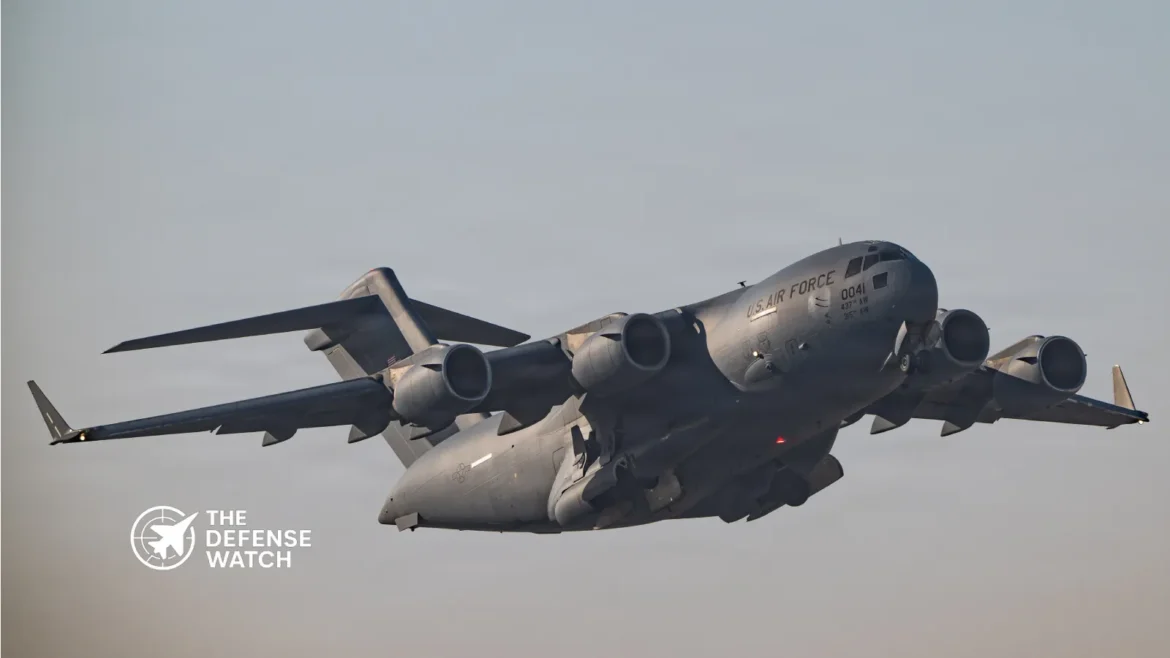
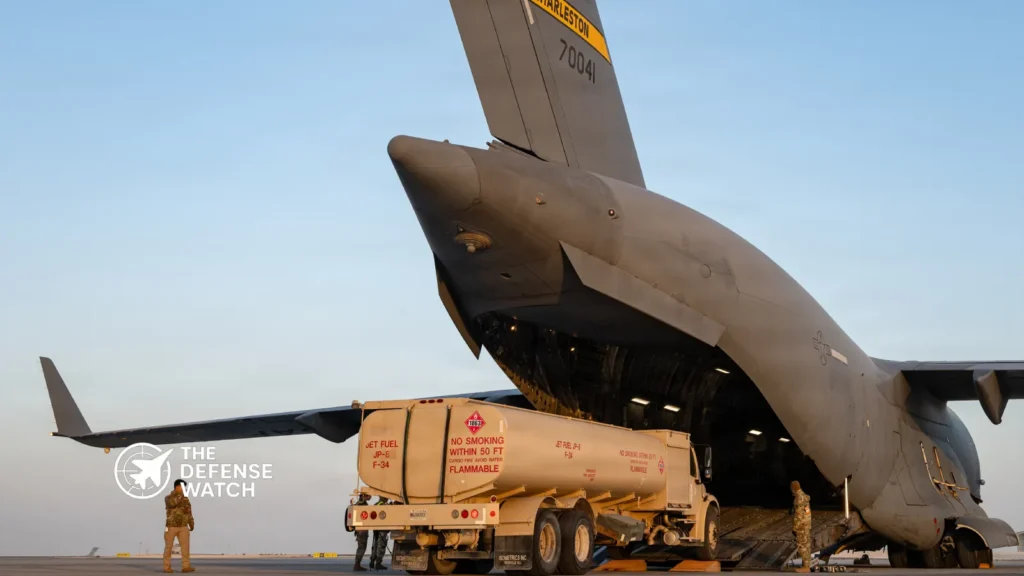
Ninth Air Force (Air Forces Central) has initiated a multi-day readiness exercise designed to demonstrate the U.S. military’s ability to deploy, disperse, and sustain combat airpower across the U.S. Central Command area of responsibility, according to an official announcement from AFCENT public affairs.
The exercise represents a comprehensive validation of operational procedures critical to maintaining air superiority in a contested environment. AFCENT forces will test rapid personnel and aircraft movement, conduct operations from contingency locations with minimal logistical footprints, and demonstrate integrated command and control capabilities across the expansive CENTCOM region.
“Our Airmen are proving they can disperse, operate, and generate combat sorties under demanding conditions—safely, precisely and alongside our partners,” said Lt. Gen. Derek France, AFCENT commander and Combined Forces Air Component commander for CENTCOM, in the official statement.
Exercise Objectives Focus on Dispersed Operations and Regional Integration
The AFCENT readiness exercise targets four primary operational areas that align with contemporary air warfare requirements and evolving threat environments in the Middle East and Central Asia.
Rapid Movement Validation
U.S. forces will validate procedures for quickly repositioning personnel and aircraft to multiple locations throughout the theater. This capability proves essential for maintaining operational flexibility against potential adversaries who might target concentrated military installations.
Contingency Location Operations
Teams will deploy to various forward operating locations to establish rapid set-up, launch, and recovery procedures. The exercise emphasizes efficient support packages that can operate effectively with reduced logistical footprints—a critical capability for austere environments.

Multinational Command and Control
The training event will test integrated command and control systems across large geographic areas, incorporating partner nation forces and coordination mechanisms. This element strengthens interoperability with regional allies and enhances coalition warfare capabilities.
Sovereignty and Safety Protocols
All activities will proceed with host-nation approval and close coordination with civil and military aviation authorities throughout the region. AFCENT emphasized that safety, precision, and respect for partner sovereignty remain paramount considerations during execution.
Strategic Context: Agile Combat Employment in CENTCOM
The exercise reflects broader U.S. Air Force modernization efforts focused on Agile Combat Employment (ACE) doctrine. This operational concept emphasizes dispersing forces across multiple locations to complicate adversary targeting while maintaining the ability to mass effects when required.
The CENTCOM area of responsibility presents unique challenges for dispersed operations. The region encompasses diverse terrain, political environments, and infrastructure capabilities across 21 nations spanning from Northeast Africa through the Middle East to Central and South Asia.
Recent geopolitical developments in the region have underscored the importance of maintaining credible airpower presence while reducing vulnerability to precision strike capabilities that potential adversaries continue developing.
Lt. Gen. France’s statement emphasized that the exercise reinforces deterrence objectives: “This exercise reinforces peace through strength by fielding a credible, combat-ready, and responsible presence designed to deter aggression, reduce the risk of miscalculation and assure partners.”
Operational Capabilities Under Assessment
The multi-day exercise will evaluate several operational capabilities essential for modern air warfare in contested environments.
Aircraft and Personnel Dispersal
The ability to quickly redistribute combat aircraft and support personnel across multiple locations reduces vulnerability to massed strikes against concentrated bases. This dispersal capability also complicates adversary intelligence collection and targeting processes.
Logistics Sustainment
Operating from contingency locations with minimal footprints tests logistics chains, maintenance capabilities, and supply distribution systems. Success in this area demonstrates the Air Force’s ability to sustain operations without reliance on major established bases.
Partner Integration
The exercise provides opportunities to validate coordination procedures with regional partner air forces. Multinational interoperability enhances combined defensive capabilities and demonstrates alliance cohesion to potential adversaries.
Tactical Adaptability
By practicing tactics, techniques, and procedures in a rapidly evolving operational environment, participating units sharpen their ability to adapt to changing conditions and mission requirements.
Regional Partnership Emphasis
AFCENT’s statement highlighted the exercise’s role in strengthening partnerships throughout the CENTCOM region. The United States maintains security cooperation relationships with numerous Middle Eastern and Central Asian nations, many of which host U.S. forces or provide access to military facilities.
These partnerships enable the dispersed operations model that the exercise validates. Access to multiple locations across the theater provides operational flexibility that concentrated basing structures cannot match.
The exercise also serves diplomatic objectives by demonstrating U.S. commitment to regional security and reassuring partners about American capabilities and resolve. Visible, professional military operations conducted with host-nation approval can strengthen bilateral relationships and enhance allied confidence.
Implications for Regional Security Architecture
The readiness exercise occurs amid evolving security dynamics throughout the CENTCOM area of responsibility. Regional tensions, ongoing conflicts, and great power competition continue shaping the strategic environment.
U.S. airpower remains central to security architecture across the Middle East. American combat aircraft provide deterrence against potential aggression, support counterterrorism operations, and enable freedom of navigation in critical maritime chokepoints.
The dispersed operations concept that this exercise tests responds to adversary development of advanced precision strike capabilities, including ballistic and cruise missiles that could threaten concentrated military installations. By demonstrating the ability to operate from multiple dispersed locations, U.S. forces complicate adversary targeting and reduce vulnerability.
France’s reference to deterring aggression and reducing miscalculation risk reflects concerns about regional escalation dynamics. Credible, visible combat readiness can prevent conflicts by convincing potential adversaries that military action would prove costly and unsuccessful.
Documentation and Transparency
AFCENT announced that imagery from the exercise will be available through the Defense Visual Information Distribution Service (DVIDS) at the command’s official page. This transparency measure allows public visibility into U.S. military training activities while demonstrating professionalism to international audiences.
Public documentation of military exercises serves multiple purposes. It provides accountability to American taxpayers, demonstrates operational capabilities to allies and adversaries, and counters potential disinformation about U.S. military activities in the region.
The commitment to document the exercise also reflects confidence in operational procedures and force professionalism. By inviting media coverage, AFCENT signals that its forces can execute complex operations under scrutiny while maintaining safety and effectiveness standards.
Broader Air Force Modernization Context
This AFCENT readiness exercise aligns with Air Force-wide efforts to adapt to evolving threat environments and operational concepts. The service has prioritized developing distributed operations capabilities that reduce vulnerability while maintaining combat effectiveness.
Similar exercises have occurred in other combatant command regions as the Air Force validates ACE concepts globally. These training events provide data on operational effectiveness, identify capability gaps, and refine procedures before they might be required in actual contingencies.
Investment in dispersed operations capabilities requires balanced resource allocation across multiple areas: infrastructure at dispersed locations, transportable logistics packages, secure communications networks, and trained personnel capable of operating in austere environments with reduced support.
The exercise tests not only hardware and infrastructure but also the doctrine, organization, training, and leadership necessary for distributed operations success. Human factors often prove more challenging than technical capabilities in complex operational environments.
Training Value for Participating Forces
For Airmen participating in the exercise, the training provides invaluable experience in demanding operational conditions. The ability to deploy rapidly, establish operations at contingency locations, and execute combat missions with minimal support develops individual and unit proficiency essential for real-world contingencies.
Multi-day exercises stress personnel and systems in ways that routine operations cannot replicate. Fatigue, equipment limitations, coordination challenges, and uncertainty all factor into realistic training scenarios that prepare forces for actual combat conditions.
Integration with partner nation forces exposes U.S. personnel to different operational procedures, equipment, and communication protocols. This experience enhances cultural awareness and builds relationships that prove valuable during coalition operations.
The exercise also provides leadership opportunities at multiple levels. Junior officers and enlisted personnel gain experience making decisions in dynamic environments, while senior leaders validate command and control procedures across distributed operations.
Conclusion
The AFCENT multi-day readiness exercise demonstrates the U.S. Air Force’s commitment to maintaining combat-ready forces capable of operating effectively across the challenging CENTCOM region. By validating dispersed operations procedures, strengthening partner relationships, and testing rapid response capabilities, the exercise enhances deterrence and readiness.
As regional security dynamics continue evolving, the ability to deploy, disperse, and sustain airpower across multiple locations provides operational flexibility essential for modern warfare. The exercise results will inform future training requirements, capability development, and operational planning throughout Air Forces Central.

China’s J-10C Fighter Jet to Debut at Singapore Airshow
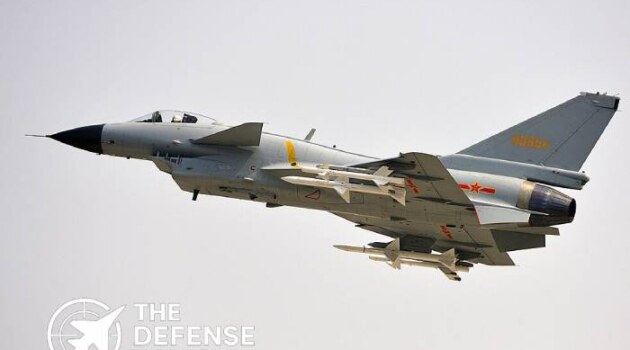
China’s J-10C fighter jet will make its first appearance at the Singapore Airshow as part of the People’s Liberation Army Air Force Bayi aerobatic team’s flight displays, organizers and Chinese state media say.
(adsbygoogle = window.adsbygoogle || []).push({});Seven J-10 series jets from the PLA Air Force aerobatic unit arrived at Singapore’s Changi Airport ahead of the Singapore Airshow 2026, scheduled for February 3 to February 8. Accompanied by a YY-20A tanker for in-flight refueling on the transit flight, the deployment marks the team’s return to Singapore since 2020.
New Aerobatic Routines and Long-Range Transit
Chinese reports state the Bayi Team will introduce several aerobatic routines that have not previously been shown at the Singapore Airshow. These include a six-aircraft formation barrel roll, a five-aircraft flypast and a dedicated axis rotation maneuver by one aircraft in the formation.
The Bayi pilots noted the squadron’s 2026 deployment differs from their last Singapore visit, with in-flight refueling enabling a direct long-range transit to the show. This reflects expanded operational planning and air mobility for PLA Air Force assets.
Aircraft Background and Capabilities
The J-10C, a 4.5-generation multirole fighter built by China’s Aviation Industry Corporation (AVIC), entered service with the PLA Air Force in 2018. It features an Active Electronically Scanned Array (AESA) radar, modern avionics and integrated systems designed for air superiority, precision engagement and networked operations.
Powered by the indigenous WS-10B turbofan and optimized for agility and situational awareness, the aircraft carries a wide range of air-to-air and air-to-surface weapons. Its design positions it for multirole combat tasks from air defense to strike missions.
International Context and Export Interest
Chinese state media link the Singapore Airshow debut to broader export promotion efforts. The J-10C’s export variant, the J-10CE, has drawn attention in recent years after reported aerial engagements involving operators outside China. While some accounts tie the type to combat outcomes, independent verification of specific combat results remains limited.
Countries in Southeast Asia and South Asia have expressed interest in modern fighter platforms, and the visibility at major airshows is part of the industry effort to highlight capabilities. Public statements from Chinese officials frame export policy as measured and aimed at friendly partners.
(adsbygoogle = window.adsbygoogle || []).push({});Singapore Airshow 2026 Overview
The Singapore Airshow 2026 will feature nine flying displays from a mix of military and civilian participants. In addition to the PLA Bayi team with the J-10C, other international aerobatic and demonstration teams are scheduled to appear.
The event remains one of Asia’s key aerospace and defense industry gatherings, with senior military delegations, manufacturers and government officials expected to attend.

L3Harris Delivers Advanced Multi-Intelligence Aircraft to Strengthen Australia’s ISR Capabilities
L3Harris Technologies has successfully delivered the first MC-55A Peregrine multi-intelligence aircraft to the United States Air Force as part of a foreign military sales program supporting the Royal Australian Air Force. The delivery, announced January 24, 2026, from L3Harris’s Greenville, Texas facility, marks a significant milestone in Australia’s airborne intelligence, surveillance, and reconnaissance modernization efforts.
(adsbygoogle = window.adsbygoogle || []).push({});The MC-55A Peregrine aircraft represents a specialized missionized business jet platform designed to provide the Royal Australian Air Force with advanced electronic warfare and ISR capabilities for multi-domain operations. According to L3Harris, the aircraft will support both Australian Defence Force operations and coalition force missions across the Indo-Pacific region.
Mission Systems and Operational Capabilities
The MC-55A Peregrine multi-intelligence aircraft integrates sophisticated mission systems following comprehensive integration and testing by L3Harris Technologies. Jason Lambert, President of Intelligence, Surveillance and Reconnaissance for L3Harris’s Space and Mission Systems division, stated the platform will function as a force multiplier delivering critical data for long-range targeting, regional deployments, and mission planning operations.
The aircraft’s electronic warfare and ISR systems are designed to provide the Royal Australian Air Force with information superiority in contested operational environments. The platform supports multiple intelligence collection capabilities, enabling Australian Defence Force commanders to conduct effective targeting and strategic decision-making across air, land, sea, space, and cyber domains.
L3Harris has established dedicated field service teams in Australia to provide in-country technical support alongside local industry partners. The company plans ongoing software and hardware upgrades to ensure the MC-55A Peregrine aircraft remains capable against evolving threats and emerging mission requirements.
Foreign Military Sales Program Structure
The Royal Australian Air Force is acquiring multiple missionized business jets through the United States foreign military sales framework. Under this arrangement, the US Air Force facilitates the procurement and initial delivery of MC-55A Peregrine aircraft to Australia while maintaining possession of subsequent aircraft during RAAF training and pre-delivery preparation phases.
The first MC-55A Peregrine multi-intelligence aircraft has been transferred from US Air Force custody to the Royal Australian Air Force. Follow-on aircraft will remain under Air Force control while supporting RAAF pilot and crew training programs, maintenance qualification courses, and operational certification requirements before final delivery to Australian forces.
This foreign military sales approach enables the Royal Australian Air Force to leverage established US Air Force training infrastructure and standardized procedures while developing organic operational capabilities for the MC-55A Peregrine fleet. The program structure ensures RAAF personnel achieve full mission qualification before aircraft transition to Australian operational control.
Strategic Significance for Indo-Pacific Operations
The MC-55A Peregrine multi-intelligence aircraft delivery enhances Australia’s ability to conduct independent ISR operations across the Indo-Pacific theater while supporting coalition intelligence sharing agreements with United States forces and regional security partners. The platform’s electronic warfare capabilities provide Australian Defence Force commanders with enhanced situational awareness in electronically contested operational environments.
(adsbygoogle = window.adsbygoogle || []).push({});L3Harris designed the MC-55A Peregrine aircraft to serve as a strategic asset for long-range intelligence collection missions extending beyond traditional tactical ISR ranges. The aircraft’s business jet platform offers extended endurance, high-altitude performance, and reduced operational costs compared to larger military transport aircraft modified for intelligence missions.
The Royal Australian Air Force will operate the MC-55A Peregrine fleet alongside existing ISR platforms, creating a layered intelligence collection architecture supporting Australian Defence Force operations from tactical to strategic levels. The aircraft’s multi-intelligence capabilities enable simultaneous collection across multiple intelligence disciplines during single mission sorties.
Business Jet Missionization Approach
L3Harris Technologies employs proven business jet missionization techniques to integrate military-grade mission systems into commercial aircraft platforms. This approach reduces development risk, shortens delivery timelines, and lowers lifecycle costs compared to purpose-built military aircraft development programs.
The MC-55A Peregrine aircraft benefits from commercial aviation reliability standards, established maintenance supply chains, and worldwide support infrastructure available for business jet platforms. L3Harris modifies the aircraft with specialized mission systems, electronic warfare equipment, and intelligence collection sensors while maintaining airworthiness certification and operational safety standards.
Commercial business jet platforms offer operational advantages including reduced acoustic signatures, civilian appearance for sensitive missions, and access to commercial airports unavailable to larger military aircraft. The MC-55A Peregrine multi-intelligence aircraft leverages these characteristics while providing military-grade ISR and electronic warfare performance.
L3Harris Technologies ISR Portfolio
L3Harris Technologies maintains extensive experience in airborne ISR platform development, having delivered missionized aircraft to multiple international customers and US military services. The company’s Space and Mission Systems division specializes in aircraft missionization, electronic warfare systems, and intelligence collection platforms across various airframe types.
The MC-55A Peregrine program represents L3Harris’s continued expansion in the Indo-Pacific defense market, following previous contracts supporting Australian Defence Force modernization initiatives. The company’s Australian field service teams and local industry partnerships demonstrate long-term commitment to supporting Royal Australian Air Force operations and capability development.
L3Harris’s business jet missionization portfolio includes various ISR configurations, airborne early warning platforms, and specialized mission aircraft serving allied nations and US forces worldwide. The company emphasizes rapid technology insertion, open systems architecture, and software-defined capabilities enabling mission system upgrades without major aircraft modifications.
Regional Security Implications
The Royal Australian Air Force’s acquisition of MC-55A Peregrine multi-intelligence aircraft occurs amid increasing focus on Indo-Pacific security challenges and growing emphasis on intelligence-driven military operations. Advanced ISR capabilities enable Australian forces to monitor maritime approaches, support territorial defense, and contribute to coalition intelligence sharing frameworks.
(adsbygoogle = window.adsbygoogle || []).push({});The aircraft’s electronic warfare systems provide critical capabilities for operations in electronically contested environments where potential adversaries employ sophisticated electronic attack, communications jamming, and radar systems. The MC-55A Peregrine’s ability to conduct electronic intelligence collection and electronic warfare support missions enhances Australian Defence Force operational effectiveness across multiple mission scenarios.
Australia’s investment in missionized business jets through foreign military sales channels strengthens interoperability with United States forces operating similar platforms and intelligence systems. Standardized equipment, common mission systems, and shared training programs facilitate coalition operations and intelligence integration during combined exercises and contingency operations.

China Nears First Export Sale of J‑35 Stealth Fighter Jets to Pakistan
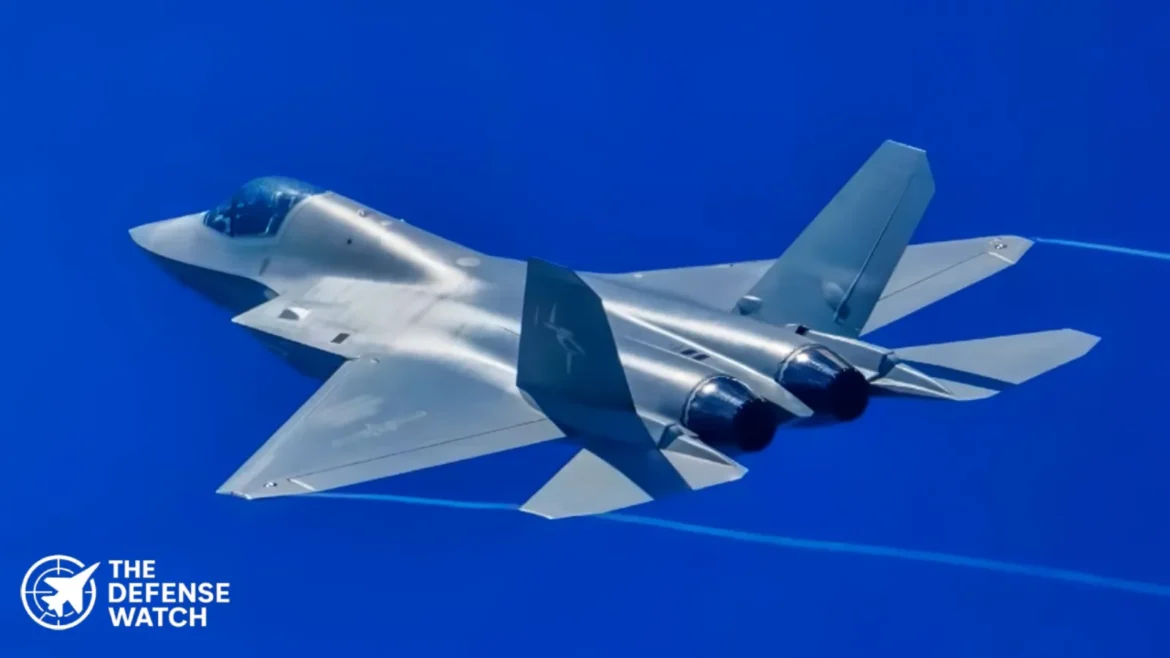
China appears close to finalizing its first overseas sale of the Shenyang J‑35 fifth‑generation stealth fighter jet, with Pakistan positioned as the likely initial customer and deliveries expected to begin as early as 2026, according to reporting on Beijing’s defense export efforts.
According to Source, Beijing has offered Islamabad a package that includes up to 40 J‑35 aircraft, forming a central part of a broader proposed arms cooperation that also encompasses airborne early warning aircraft and advanced air defenses.
Export Push for China’s J‑35
The Shenyang J‑35 is China’s newest fifth‑generation fighter, developed as a carrier‑capable stealth platform alongside the J‑20 and tied to export variants often linked with the FC‑31 designation.
China’s government and the Aviation Industry Corporation of China (AVIC) have been positioning the J‑35 for export after advancing production and testing, including recent first flights in 2026 as part of ongoing development.
Pakistan’s government publicly acknowledged an offer from China that included 40 J‑35 fighters alongside a Shaanxi KJ‑500 airborne early warning and control aircraft and HQ‑19 surface‑to‑air missile systems. The announcement appeared on official social channels in June 2025, though it was later removed.
If concluded, this would be the first confirmed export of the J‑35 family to a foreign air force.
Pakistan’s Position and Orders
Reports from late 2025 and early 2026 suggest Pakistan remains the front‑runner for the J‑35 export order, in line with earlier statements that the country planned to acquire up to 40 jets by 2030.
Past reporting indicated that Pakistan Air Force pilots were already training on the platform in China and that initial deliveries could begin within months of a contract signing.
The deal reflects Islamabad’s broader effort to modernize its air combat fleet alongside other acquisitions such as Chinese‑built J‑10 multirole fighters.
Regional and Strategic Context
The possible J‑35 sale to Pakistan marks a notable moment in China’s efforts to expand its defense export footprint. Until now, China’s foreign customers have focused on legacy and fourth‑generation platforms like the JF‑17 Thunder or the J‑10 series.
For Pakistan, acquiring a fifth‑generation fighter would represent a significant leap in capability, even as analysts caution timelines and costs could shift over the longer term.
The deal is unfolding amid broader shifts in South Asian defense relationships, including Pakistan’s engagement with Western suppliers and regional tensions that have influenced procurement priorities.
What Comes Next
Industry watchers will be looking for formal contract announcements and export clearance from Beijing’s government. Final signatures and financing arrangements could determine whether initial aircraft enter service with the Pakistan Air Force in 2026, or if timelines extend into the late 2020s.
China’s bid to export a fifth‑generation stealth fighter highlights both its growing aerospace industry and the strategic partnerships Beijing is building beyond its borders. Delivery and sustainment contracts in the years ahead will shape how the J‑35 competes in a crowded global fighter market.

Indonesia Receives First Rafale Advanced Fighter Jets
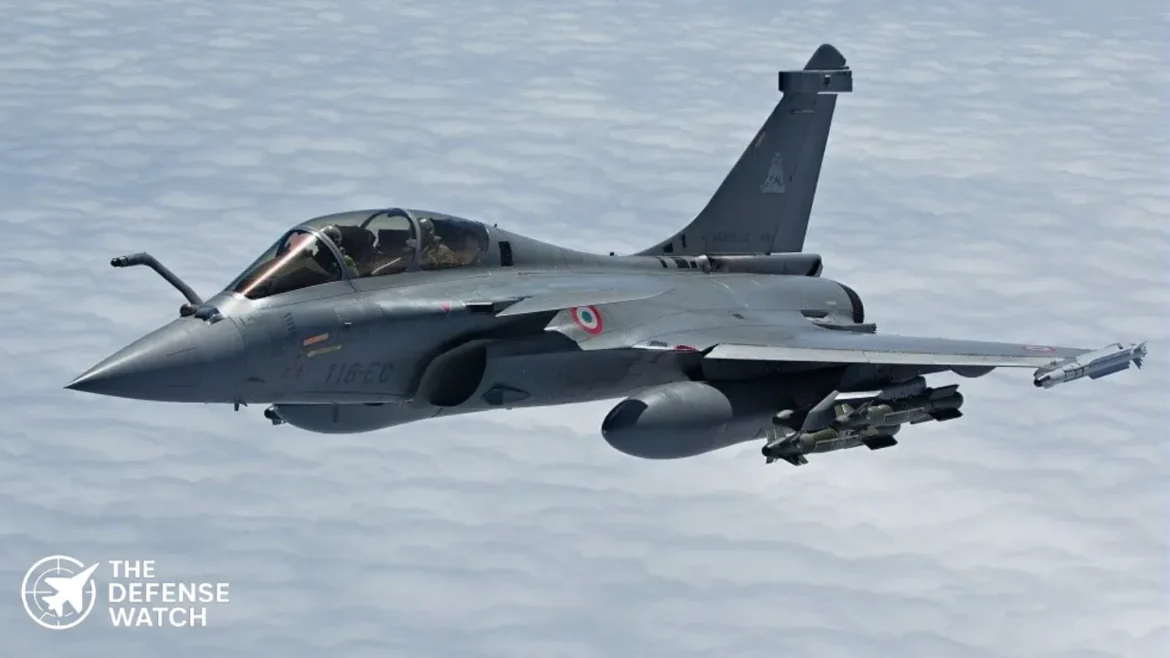
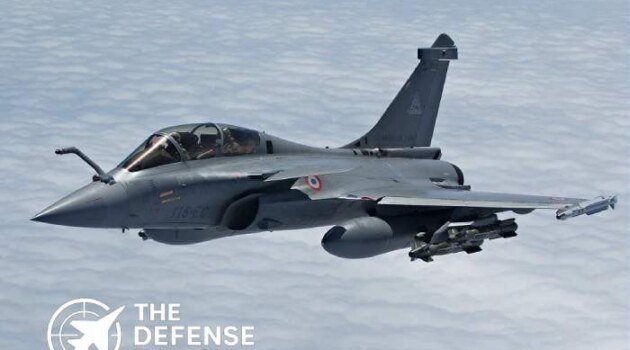
Indonesia has received the first three Rafale advanced fighter jets from France as part of a multibillion-dollar defense agreement, a defense ministry official told Reuters on January 26, 2026. The arrival marks the start of deliveries under Jakarta’s largest modern combat aircraft purchase and represents a significant upgrade to the Indonesian Air Force’s combat fleet.
First Deliveries Begin Under Broad Defense Pact
The three Rafale jets arrived in Indonesia on Friday and are now stationed at Roesmin Nurjadin Air Base in Pekanbaru on the island of Sumatra, Defense Ministry spokesperson Rico Ricardo Sirait said in a message to Reuters. Sirait confirmed the aircraft are now ready for operational use by the Indonesian Air Force.
Indonesia’s purchase of 42 Rafale aircraft from French defense firm Dassault Aviation was first announced under a contract signed in 2022, with additional expansions agreed since, part of a wider defense cooperation program with Paris.
Three more Rafales are expected to arrive later in 2026 as deliveries continue under the ongoing contract.
Strategic Context and Modernization Goals
The Rafale delivery is central to Jakarta’s effort to modernize its aging air force and enhance regional air combat capabilities. Indonesia has made defense modernization a key priority under President Prabowo Subianto, a former special forces commander.
Alongside the Rafale purchase, Indonesia has ordered French frigates and submarines, expanding its strategic reach across air and sea domains.
Image Source: Dassault Aviation Jakarta has also been evaluating additional aircraft options to supplement its fleet, including potential acquisitions of Chinese J-10 and U.S.-made F-15EX fighters, as well as a separate contract with Turkey for 48 KAAN fifth-generation jets powered by General Electric engines.
Operational and Regional Impact
The Rafale jets are expected to significantly boost the Indonesian Air Force’s capability to conduct air defense, interception, and multirole operations. The aircraft will join the existing mix of fighters, which includes Sukhoi Su-30s, F-16s, and training aircraft. The enhanced sensor suite and weapons load of the Rafale jets are seen as key upgrades to the nation’s air combat posture.

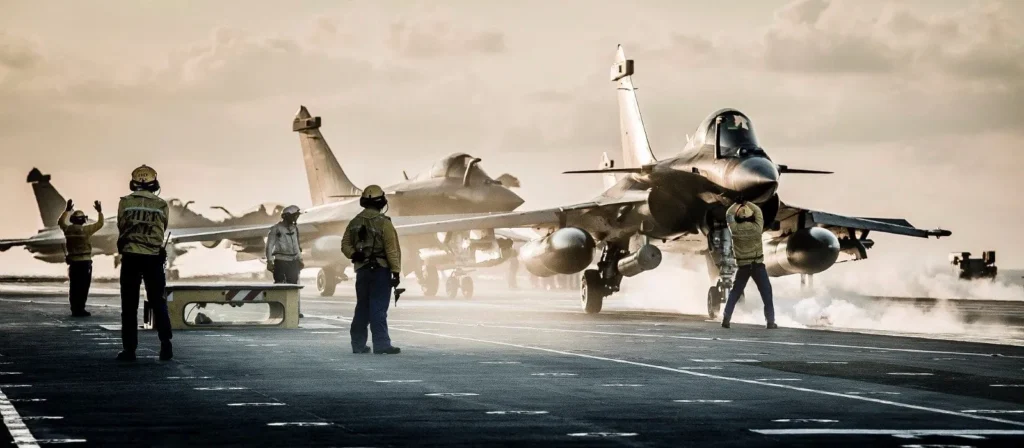
Image Source: Dassault Aviation Indonesia’s expanded defense buys reflect broader trends in the Asia-Pacific as nations seek to modernize air forces in response to shifting security dynamics across the region.
Delivery Timeline and Future Milestones
Initial deliveries of three aircraft mark the start of a phased rollout that will see additional Rafales delivered throughout 2026 and beyond until the full 42-aircraft order is complete. Training programs for Indonesian crews are already underway in France, with pilots and technical personnel prepared to support operations.

U.S. Marines AH-1Z Viper Live-Fire Flight Operations Boost Pacific Readiness
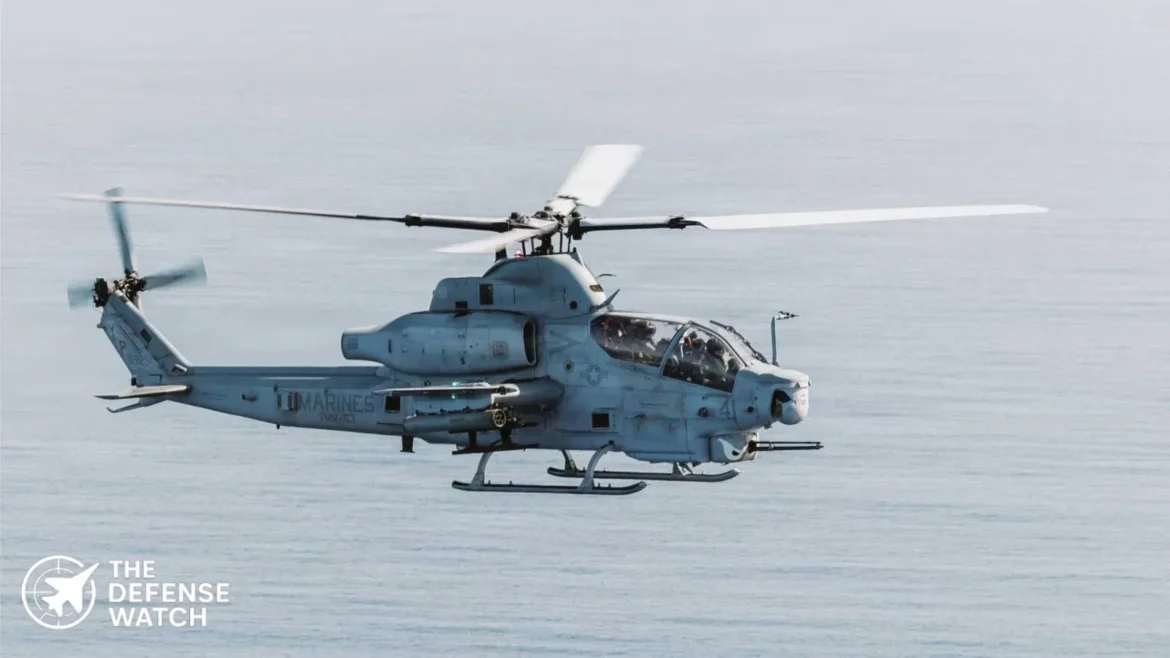
U.S. Marines AH-1Z Viper attack helicopters carried out live-fire flight operations as part of a Pacific deployment, reinforcing expeditionary and amphibious aviation capabilities with the 11th Marine Expeditionary Unit (MEU).
Marine Medium Tiltrotor Squadron 163 (Reinforced), the aviation element of the 11th MEU, flew AH-1Z Vipers from the USS Boxer Amphibious Ready Group in the U.S. 3rd Fleet area on January 23.
The training included weapons employment and integrated flight operations over the Pacific Ocean. It is designed to strengthen air-to-ground and close air support proficiency while operating from an amphibious assault ship at sea.
Advanced Attack Helicopter in Expeditionary Role
The AH-1Z Viper stands as the Marine Corps most advanced attack helicopter. It has a four-bladed composite rotor system, digital cockpit and helmet-mounted display, plus targeting systems that support all-weather operations.
The aircraft is armed with a 20 mm M197 cannon and a suite of precision weapons, including AGM-114 Hellfire missiles, Advanced Precision Kill Weapon System rockets, and AIM-9 Sidewinder air-to-air missiles.
These features make the Viper a flexible asset for close air support, armed reconnaissance and escort missions within Marine Air-Ground Task Forces and joint operations.
Integration at Sea
Conducting live-fire flight operations from amphibious ships tests the Marines ability to operate without fixed land bases. It also requires tight coordination between naval forces and Marine aviation, including deck handling, navigation and weapons employment at sea.
The exercise reflects ongoing efforts to preserve high levels of readiness in contested maritime environments, reinforcing Marine aviation’s expeditionary mission set.
Deployments like this help the 11th MEU project combat power across the Indo-Pacific. Marine leaders have said such training supports deterrence, alliance reassurance and rapid crisis response.
Strategic Context
The Marines have been increasing operational training in the Pacific as part of broader U.S. deterrence and readiness efforts. AH-1Z Vipers have recently fired new precision weapons in exercises such as Steel Knight 25, including the Joint Air-to-Ground Missile (JAGM), highlighting the platform’s evolving strike roles.
This Pacific live-fire operation joins recent Marine aviation activity in other regions, like air-to-air missile drills in the Caribbean, demonstrating a range of combat proficiency and interoperability with naval and joint forces.
