


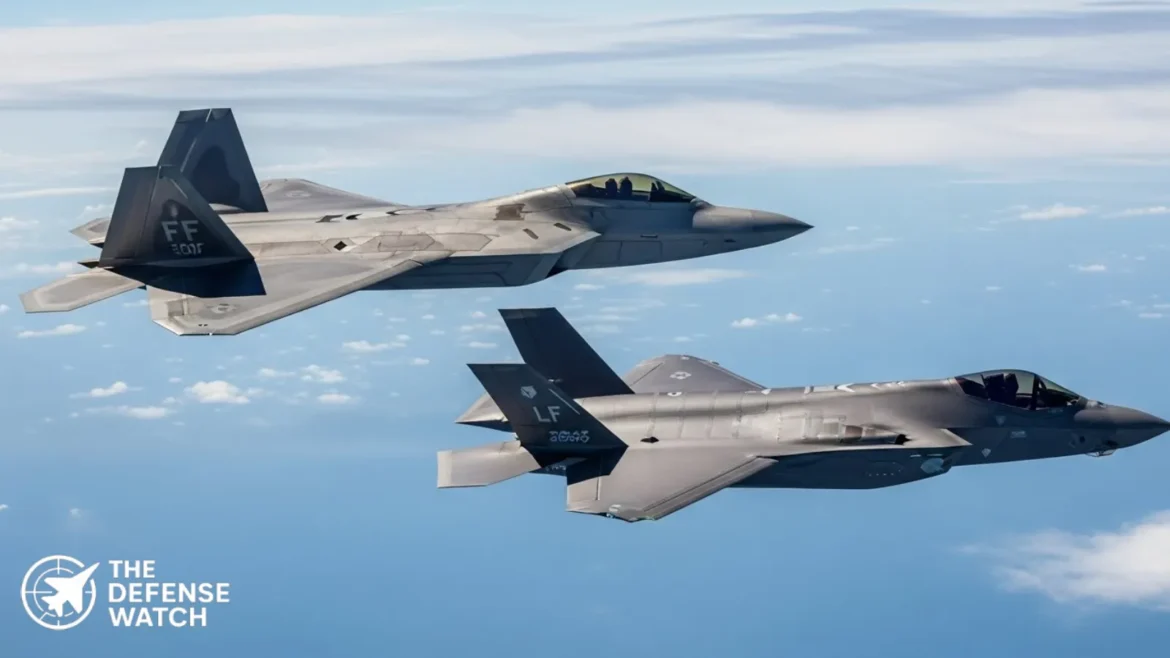
F-22 and F-35 Airpower at the Center of Venezuela Operation
F-22 Raptor and F-35 Lightning II fighter jets reportedly played a central role in a US led airpower operation that enabled the capture of Venezuelan leader Nicolas Maduro, according to a report published by Defence Industry Europe. The account highlights how advanced US stealth aircraft were used to establish air dominance and suppress Venezuelan military responses during the operation.
While US officials have not publicly confirmed the details, the report underscores how fifth generation airpower remains a key tool for Washington in high risk contingency operations. The focus keyword F-22 and F-35 airpower operation has emerged prominently in coverage of the incident, reflecting the aircraft’s strategic value.
Establishing Air Superiority with Stealth Fighters
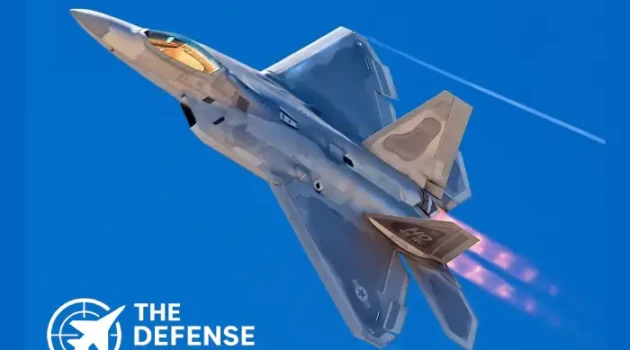
According to the report, F-22 Raptors were deployed to secure air superiority early in the operation. Designed primarily for air dominance, the F-22’s stealth profile, high speed, and advanced sensors reportedly allowed US forces to neutralize potential aerial threats before they could react.
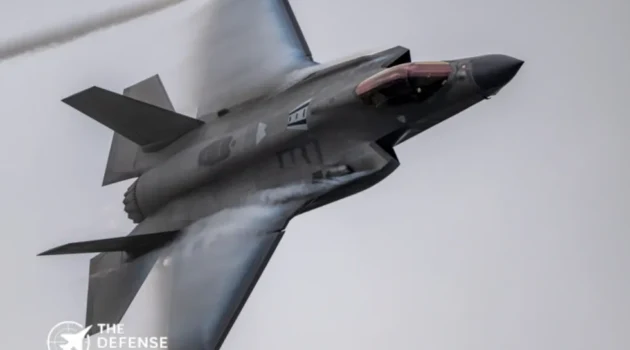
The F-35 Lightning II complemented this role by conducting precision strikes, electronic warfare tasks, and intelligence gathering. With its sensor fusion and networked warfare capabilities, the F-35 is described as providing real time targeting data to US and allied forces involved in the operation.
Together, the F-22 and F-35 formed a layered airpower approach that limited Venezuela’s ability to respond militarily.
Role of US Airpower in Ground Operations
The report suggests that US airpower over Venezuela was not limited to combat aircraft alone. Airborne early warning platforms, aerial refueling tankers, and intelligence assets reportedly supported sustained operations across Venezuelan airspace.
By controlling the air domain, US forces were able to support ground elements tasked with securing key locations. The capture of Maduro, as described in the report, was made possible by the absence of effective Venezuelan air or air defense resistance during the critical phases of the mission.
This approach aligns with longstanding US doctrine, where air dominance is achieved first to reduce risk to personnel on the ground.
Venezuela’s Air Defenses and Regional Implications
Venezuela operates a mix of Russian supplied air defense systems and combat aircraft, including older generation fighters. However, analysts have long questioned their effectiveness against US stealth platforms such as the F-22 and F-35.
If the report is accurate, the operation highlights the widening airpower gap between the United States and regional militaries in Latin America. The ability to deploy stealth aircraft with minimal warning reinforces Washington’s freedom of action in contested environments.
Analysis, What This Means for US Airpower Strategy
The reported use of F-22 and F-35 jets in Venezuela underscores how fifth generation fighters are increasingly central to US crisis response options. Rather than relying on large scale troop deployments, Washington appears to favor precision airpower combined with limited ground action.
This model reduces political risk while maintaining decisive military advantage. It also sends a clear signal to adversaries that advanced air defenses alone may not be sufficient to deter US intervention.
At the same time, the lack of official confirmation means the full scope of the operation remains unclear. Future disclosures may refine or challenge the current narrative.
Broader Geopolitical Context
The reported operation comes amid ongoing instability in Venezuela and heightened US focus on maintaining influence in the Western Hemisphere. Control of airspace through platforms like the F-22 Raptor and F-35 Lightning II remains a cornerstone of that strategy.
As global competition intensifies, US airpower capabilities continue to shape outcomes far beyond traditional conflict zones.
FAQs
Did the US officially confirm the use of F-22 and F-35 jets in Venezuela?No official confirmation has been issued. Details are based on external reporting.
Why are F-22 and F-35 aircraft important in modern operations?They offer stealth, advanced sensors, and the ability to operate in contested airspace.
Does Venezuela have defenses against stealth aircraft?Venezuela operates legacy air defenses that are generally considered ineffective against fifth generation fighters.
What does this mean for regional airpower balance?It highlights the significant technological gap between US forces and most Latin American militaries.
India Signs Elbit-Based Rocket Deal to Modernize Artillery
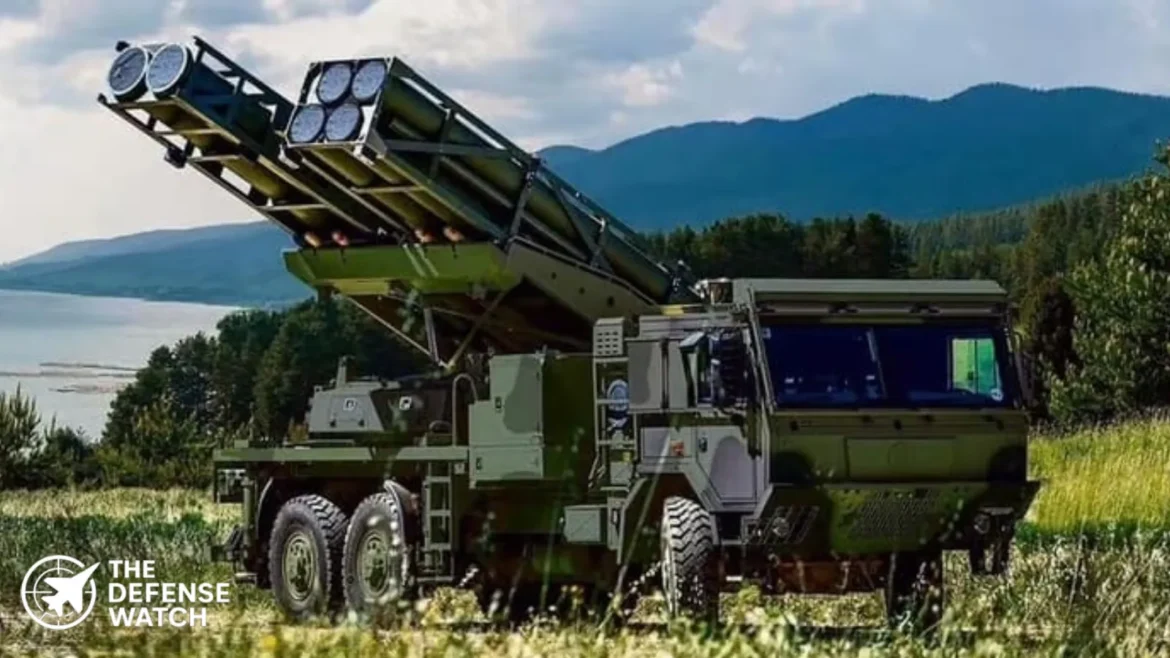
India has signed a multi-million-dollar defense deal with Israel-linked firm Elbit Systems to accelerate modernization of its artillery forces. The Indian Army has approved an emergency procurement contract valued at about ₹293 crore, roughly $32 to $33 million, for the Suryastra long-range rocket system based on Elbit Systems PULS technology.
According to OdishaTV, the contract was awarded to Pune-based NIBE, which will manufacture the system in India in cooperation with Elbit Systems. The deal reflects urgent operational requirements and allows the Army to bypass lengthy procurement timelines under emergency powers.
Universal Rocket Launcher Capability
India Defense News reports that Suryastra is defined as a universal rocket launcher. The system can fire multiple rocket calibers from a single platform, allowing both area saturation fire and precision deep strikes. It is designed to engage targets at ranges of up to 150 kilometers and 300 kilometers, depending on the munition used.
The launcher is based on Elbit Systems PULS architecture and supports 122 mm, 160 mm, and 306 mm rockets, as well as tactical missiles from the Predator Hawk family. The contract also covers ground equipment, accessories, electronic sequence programming units, and tailored ammunition.
Performance and Trial Results
Business Standard confirms the contract value at ₹292.69 to ₹293 crore, including taxes and levies. During evaluation trials, OdishaTV reports the Suryastra system demonstrated a circular error probable of less than five meters, a level of accuracy considered high for rocket artillery.
Compared to indigenous systems such as Pinaka, the Elbit-based platform offers greater range flexibility and multi-caliber integration, expanding the Indian Army’s precision strike options.
Industrial and Strategic Context
The groundwork for the deal was laid in July 2025, when NIBE signed a technology cooperation agreement with Elbit Systems Land. Angel One and BharatShakti report that the agreement covers licensing, knowledge transfer, and local production, aligning with India’s Make in India policy.
BharatShakti notes that Suryastra is India’s first universal rocket launcher platform and can be mounted on 4×4, 6×6, or 8×8 vehicle chassis. The program strengthens India’s domestic defense manufacturing base while integrating proven Israeli rocket technology.


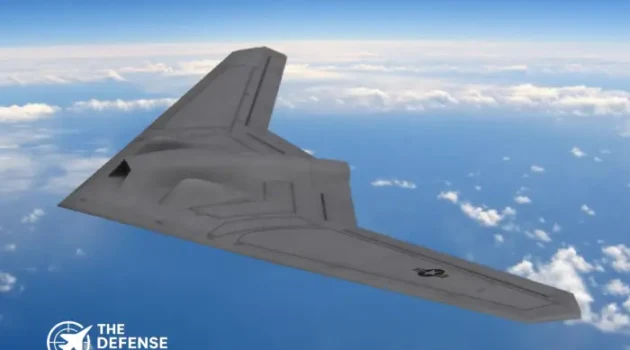
Reports link the US RQ-170 stealth drone to a recent Venezuela operation involving strikes and the capture of President Nicolás Maduro, according to open-source imagery and defense analysts.
rarely seen US Air Force RQ-170 Sentinel stealth unmanned aircraft has been tied by analysts to recent military activity connected with events in Venezuela.
Open-source images and video circulating on social platforms show a flying-wing drone consistent with the classified RQ-170 returning to Roosevelt Roads in Puerto Rico after reported US actions in Venezuelan airspace.
The UK Defence Journal reported that the low-observable UAV was spotted in the wider Caribbean region and analysts suggest it may have supported intelligence, surveillance and reconnaissance tasks linked to the operation.
Independently, AviationWeek-linked reporting noted the RQ-170’s activity aligns with the timeline of a US mission that led to the capture of Venezuela’s president, dubbed Operation Absolute Resolve, though the Pentagon has not confirmed its use.
The RQ-170 Sentinel is a classified platform designed for ISR in contested environments, operated by the US Air Force with a history of deployments over denied airspace.
US officials have not publicly acknowledged the drone’s operational role in Venezuela. Observers say RQ-170 activity in the region is rare and could reflect an increased reliance on stealth UAVs for intelligence ahead of complex missions.
This reporting comes amid broader US military and intelligence operations in and around Venezuela that have included precision strikes, deployment of aircraft and special operations forces. Independent news outlets have noted the operation involved a wide range of air assets.
Trump Warns Second Venezuela Strike Possible
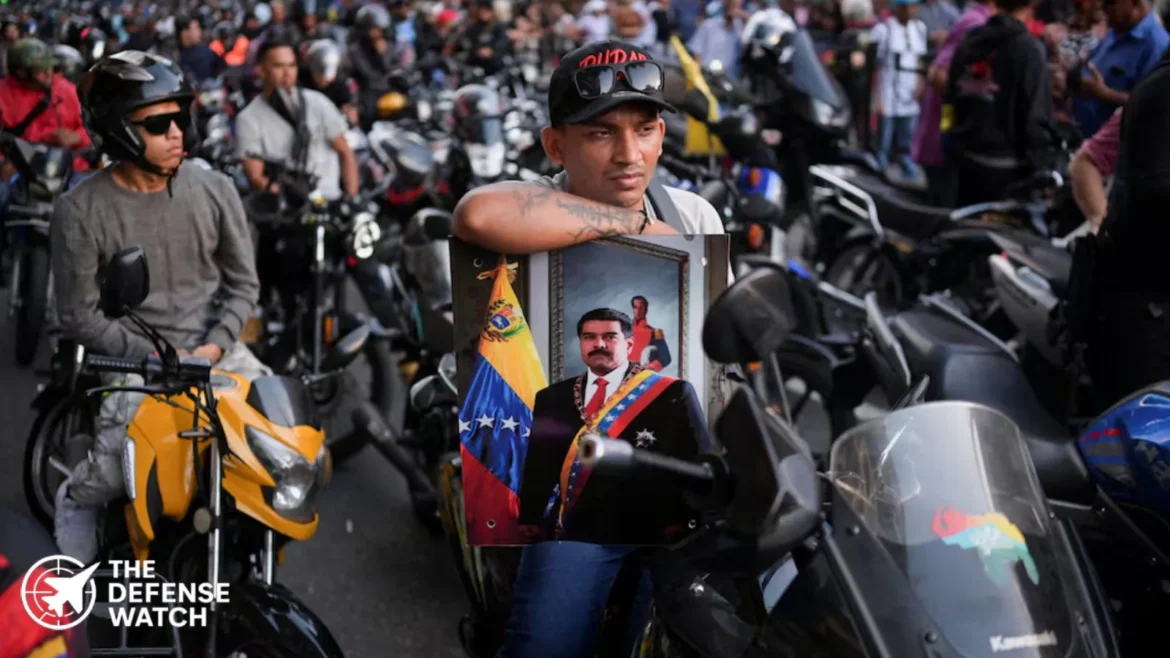
U.S. President Donald Trump said a second Venezuela strike is possible if remaining members of Nicolas Maduro’s government refuse to cooperate with Washington, following Maduro’s capture and transfer to U.S. custody.
Speaking to reporters aboard Air Force One on Sunday, Trump linked future U.S. military action to drug trafficking, migration, and access to Venezuela’s oil sector. His remarks signaled a hard line approach that could reshape U.S. policy toward Latin America.
Maduro is being held in a New York detention facility ahead of a court appearance on drug related charges first filed by U.S. prosecutors in 2020. U.S. officials have framed the operation as a law enforcement action, though its scale and consequences have drawn sharp regional and international reaction.
Warning of Broader Military Action
Trump suggested that Venezuela would not be the only country at risk of U.S. military pressure. He said Colombia and Mexico could also face action if they fail to curb the flow of illicit drugs into the United States.
He also commented on Cuba’s political stability, saying the long time Venezuelan ally appeared close to internal collapse without direct U.S. intervention.
Defense and regional security analysts note that such statements mark one of the most explicit U.S. threats of military action in Latin America in decades, recalling comparisons to the 1989 invasion of Panama.
Power Struggle in Caracas
Despite Maduro’s detention, senior figures from his government remain in control inside Venezuela. Interior Minister Diosdado Cabello denounced the operation as a kidnapping and insisted Maduro remains the country’s legitimate president.
Venezuela’s defense minister, General Vladimir Padrino, said on state television that U.S. forces killed soldiers, civilians, and much of Maduro’s security detail during the operation. He said the armed forces had been placed on alert to protect national sovereignty.
The Cuban government said 32 Cuban citizens were killed during the raid, further escalating diplomatic tensions between Washington and Havana.
Interim Leadership and U.S. Pressure
Vice President Delcy Rodriguez, who also serves as oil minister, has assumed interim leadership with the backing of Venezuela’s top court. She has stated publicly that Maduro remains president and denied any willingness to cooperate with Washington.
Trump, however, warned that Rodriguez could face consequences if she does not comply with U.S. demands. The Venezuelan communications ministry has not responded to requests for comment on those remarks.
Rodriguez has long been viewed by diplomats as one of the more pragmatic figures in the Maduro inner circle, particularly on economic and energy matters. Her role will be central to any negotiations over sanctions, oil exports, and political transition.
Oil, Sanctions, and Strategic Interests
Trump said U.S. oil companies need full access to Venezuela’s vast reserves, reinforcing long standing accusations from Caracas that Washington’s actions are driven by resource interests.
Senior U.S. officials have emphasized that Venezuela’s oil sector must be kept out of the hands of U.S. adversaries. Secretary of State Marco Rubio cited an ongoing U.S. blockade on oil tankers, saying economic recovery would remain impossible until U.S. conditions are met.
Venezuela’s economy, once among the strongest in Latin America, collapsed under years of mismanagement, sanctions, and declining oil production. The downturn triggered one of the largest migration crises in the world, with roughly one in five Venezuelans leaving the country.
Regional and Strategic Implications
The capture of Maduro and the threat of a second Venezuela strike have injected fresh uncertainty into regional security planning. Defense officials across Latin America are closely watching U.S. force posture, intelligence activity, and naval movements tied to sanctions enforcement.
For Washington, the episode underscores a strategy that blends law enforcement, economic pressure, and military force. For the region, it raises concerns about sovereignty, escalation, and the precedent set by direct U.S. intervention.
Army Awards Major Data Center Construction Contract in War.gov Notice
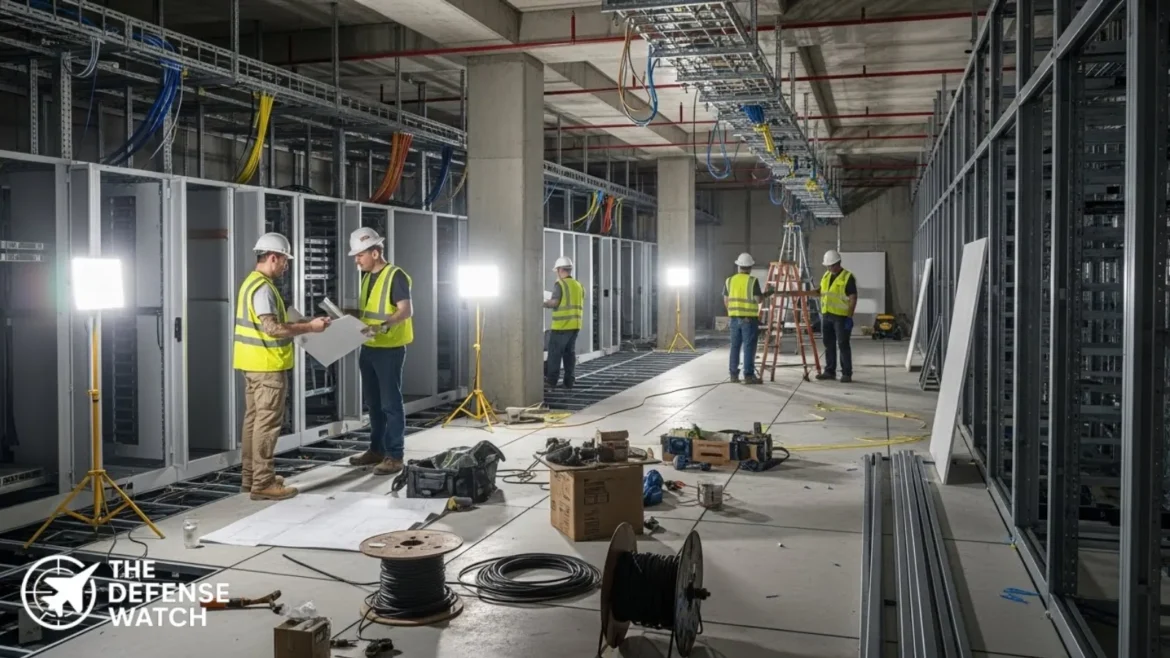
The Department of War contract list posted on War.gov for January 2, 2026 includes a significant award by the U.S. Army Corps of Engineers to BL Harbert International LLC for conversion of administrative space into a data center and labs in Huntsville, Alabama.
The Army contract is firm-fixed-price and valued at $171,506,091, with work expected to be completed by April 21, 2028. The project covers modernization of existing facilities for data operations and laboratory space.
Fiscal 2024, 2025 military construction funds, plus fiscal 2026 research, development, test and evaluation defense-wide funds were obligated at award. The Army Corps of Engineers, Mobile District, is the contracting activity.
Defense Logistics Agency Update
Also included in the War.gov contract posting was an update to a Defense Logistics Agency Electronic Catalog multiple award IDIQ contract for medical and surgical supplies. Affirmative Solutions LLC of Cheyenne, Wyoming was added as an awardee with a $49.5 million scope under the existing contract.
This DLA contract serves Defense Logistics Agency customers through the electronic catalog and supports supply to services and federal agencies.
Turkish Aerospace Industries Wins Major Engine Production Order
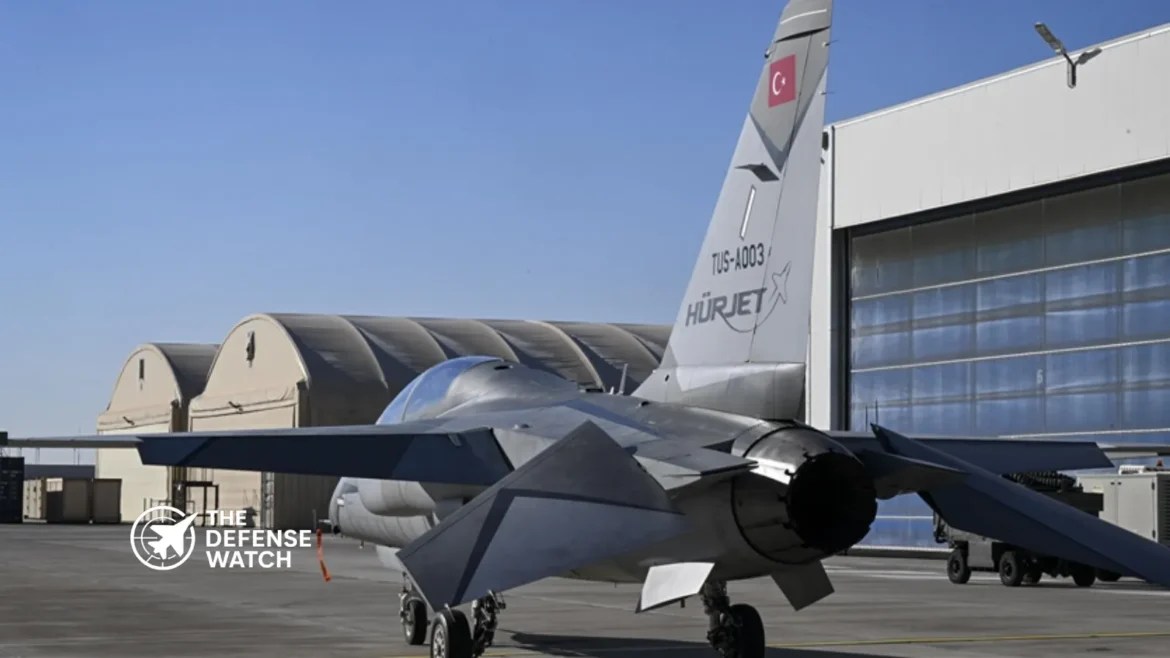
Turkish Aerospace Industries (TAI) has won a 2.95 billion engine production order for parts and maintenance services tied to 22 widely used civil and military aviation engine programs, the company said. The deal, confirmed by Türkiye’s Defense Industries Secretary Haluk Gorgun, marks an early export success for TAI’s engine subsidiary in 2026.
The contract, sourced from abroad, covers manufacturing of high value-added engine components and maintenance, repair, and overhaul services for globally deployed engine families. Deliveries are set to begin in 2026.
TAI’s engine arm, Tusaş Engine Industries (TEI), has grown its role in aviation powerplants, producing UAV engines, helicopter powerplants, and jet engine components.
Export Momentum and Industry Standing
According to Gorgun, the new order pushes TEI’s total backlog to roughly 8.2 billion, reflecting its engineering capabilities and production scale. He framed the win as evidence of Türkiye’s emergence as a producer of advanced aviation engine technologies.
TAI has been expanding its indigenous engine work. TEI developed and is producing turbodiesel engines for drones and has progressed domestic turbofan work, including the TEI-TF6000 series aimed at jet platforms.
See also: TAI’s broader defense exports rose sharply in 2025, contributing to nearly 8.5 billion in aerospace exports for Türkiye’s defense sector.
Strategic Context
This contract arrives as Turkey aims to reduce foreign dependency in aerospace propulsion. TEI’s pipeline includes efforts to develop engines for the upcoming KAAN fifth-generation fighter program and other advanced aircraft, part of a long-term drive for self-sufficiency in powerplants.
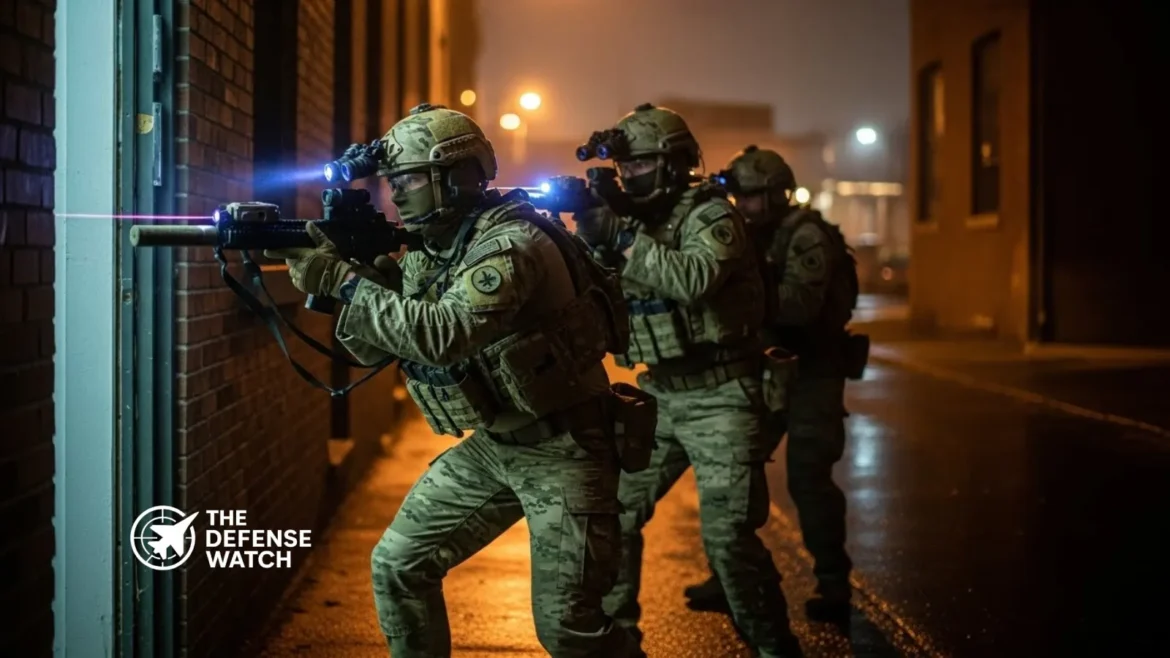
How U.S. Special Forces Captured Venezuela President
U.S. Special Forces captured Venezuela president in a rare and highly sensitive Delta Force raid that combined intelligence, precision planning, and rapid execution. While many operational details remain classified, enough is known from defense reporting and past special operations doctrine to explain how such a mission was likely planned and carried out.
This guide explains the process behind the operation, from intelligence preparation to extraction, and why Delta Force was chosen for a mission of this scale.
Step One, Strategic Decision and Authorization
Operations targeting a sitting foreign leader require approval at the highest levels of the U.S. government. In this case, the decision to move forward likely involved:
- The President of the United States
- The National Security Council
- The Secretary of Defense
- Senior intelligence officials
The trigger is usually a combination of legal authority, national security risk, and a time limited opportunity. U.S. officials have long accused Venezuela’s leadership of links to transnational drug trafficking and organized crime. Existing U.S. indictments likely formed part of the legal foundation.
Once political authorization is granted, the mission moves rapidly into military planning.
Step Two, Intelligence Preparation of the Target
Before U.S. Special Forces captured Venezuela president, intelligence agencies would have spent months building a detailed profile of the target. This phase is known as intelligence preparation of the environment.
Key intelligence inputs likely included:
Human Intelligence
Sources close to the target’s inner circle provide movement patterns, security routines, and last minute changes.
Signals Intelligence
Intercepted communications help confirm location, timing, and threat levels.
Geospatial Intelligence
Satellite imagery and overhead surveillance identify entry points, escape routes, and nearby security forces.
Pattern of Life Analysis
Analysts track where the target sleeps, works, and travels, looking for predictable windows.
This intelligence must reach near certainty before a green light is given.
Step Three, Why Delta Force Was Selected
Delta Force, officially 1st Special Forces Operational Detachment Delta, is designed for missions that demand absolute precision and political sensitivity.
Delta Force is typically used when:
- Capture is preferred over lethal force
- The target is high value and heavily protected
- The mission must remain deniable or discreet
- Time on the ground must be minimal
Its operators train for urban assaults, close quarters combat, and rapid target exploitation. These skills make the unit uniquely suited for a leader capture mission inside a hostile capital.
Step Four, Mission Planning and Rehearsals
Once tasked, Delta Force planners build a full mission profile. This includes:
- Primary and alternate insertion routes
- Multiple extraction options
- Medical evacuation planning
- Contingencies for resistance or target movement
Rehearsals are conducted using mock ups of the target location, sometimes built from satellite data and drone imagery. Every operator knows their role down to the second.
This phase also includes coordination with intelligence agencies and, in some cases, limited partner support.
Step Five, Insertion Into Venezuelan Territory
The insertion phase is one of the riskiest parts of the mission.
Possible insertion methods include:
- Low altitude aircraft insertion
- Helicopter assault under cover of darkness
- Maritime insertion followed by ground movement
The goal is to remain undetected until the assault begins. Timing is critical. Weather, air defenses, and civilian activity all factor into the final decision.
Electronic warfare assets may be used to reduce detection during the approach.
Step Six, The Assault and Capture
This is the moment where U.S. Special Forces captured Venezuela president.
Delta Force assaults are designed to be fast and overwhelming. Once the team reaches the target site:
- Entry points are breached simultaneously
- Security personnel are neutralized or restrained
- The target is identified, secured, and restrained
- Sensitive materials are collected
Speed matters more than firepower. Most raids last only minutes from breach to exit.
Operators are trained to confirm identity on site using biometric or visual verification to avoid mistakes.
Step Seven, Extraction and Exit
Extraction begins immediately after capture.
The team moves the detainee to a secure pickup zone, often different from the insertion point. Extraction options may include:
- Helicopter pickup
- Ground movement to an airstrip
- Transfer to a naval platform offshore
Medical personnel remain on standby in case of injury. Once outside Venezuelan airspace or territorial control, the mission shifts from military to legal custody.
Step Eight, Transfer to U.S. Custody
After U.S. Special Forces captured Venezuela president, the detainee would be transferred to U.S. law enforcement or federal custody.
This handoff is critical. It establishes the legal chain required for detention, prosecution, or interrogation under U.S. law.
At this stage, public communication is tightly controlled. Officials often delay confirmation until the detainee is secure and the legal framework is in place.
Role of Technology and Surveillance
Modern special operations rely heavily on technology.
In this operation, analysts believe the following played a role:
- Persistent satellite surveillance
- Secure real time communications
- Unmanned aerial systems for overwatch
- Advanced navigation and targeting systems
These tools reduce uncertainty and allow commanders to abort if conditions change.
Risks Involved in the Operation
A mission of this nature carries significant risks.
Operational risks include:
- Armed resistance from security forces
- Civilian casualties
- Aircraft loss or detection
Strategic risks include:
- Diplomatic fallout
- Retaliation by allied states or proxy groups
- Legal challenges in international courts
The decision to proceed suggests U.S. leaders assessed that the risks of inaction were higher.
What Happens Inside Venezuela Afterward
Once U.S. Special Forces captured Venezuela president, the internal balance of power shifted immediately.
Possible outcomes include:
- A military led interim authority
- Fragmentation within security forces
- Negotiations with opposition groups
- External mediation by regional states
History shows that removing a leader does not guarantee stability. Much depends on institutions and military cohesion.
Why This Operation Matters
This raid marks a major moment in U.S. special operations history. It signals a willingness to move beyond sanctions and diplomacy when national security and law enforcement objectives converge.
For allies, it demonstrates U.S. reach and capability. For adversaries, it raises concerns about precedent and sovereignty.
For the defense community, it highlights how intelligence, elite forces, and political authority intersect at the highest level.
Analysis, A Blueprint for Modern Direct Action
From an analytical standpoint, the operation reflects how modern direct action missions are executed. Small teams, deep intelligence, limited footprint, and rapid exit define today’s high end special operations.
It also shows that Delta Force remains a strategic tool, not just a tactical unit. When used, it signals that the issue has reached the top tier of U.S. national security priorities.
Whether the long term outcome stabilizes Venezuela or deepens uncertainty remains an open question.
FAQs
It was a capture focused mission, not a conventional combat operation.
Short duration reduces detection, resistance, and civilian harm.
Such missions are rare and depend on legal authority and strategic risk.
The legality will likely be debated in courts and diplomatic forums.
They provided targeting, timing, and real time situational awareness.
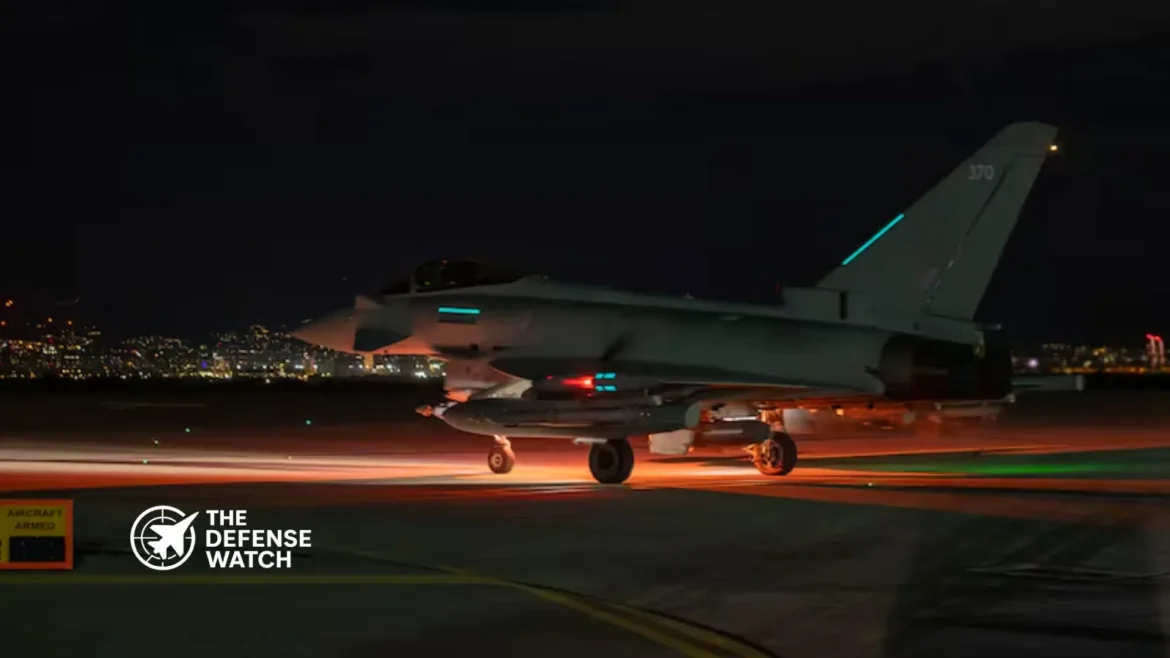
British and French Jets Strike ISIS Weapons Facility in Syria
British and French jets struck a suspected Islamic State weapons facility in Syria, using precision guided bombs to hit underground access tunnels near Palmyra, the UK Ministry of Defence said.
Royal Air Force Typhoon FGR4 fighters, supported by a Voyager refueling tanker, joined French combat aircraft in the Saturday evening mission. Intelligence had identified the site as an underground arms and explosives storage facility in mountainous terrain north of the historic city.
Target and Munitions
Aircraft deployed Paveway IV guided bombs to engage multiple access points leading into the underground complex. Initial assessments from London indicated successful engagement of the objective with no reported civilian presence in the strike area.
The British Defence Secretary said the operation underscored the United Kingdoms commitment to work with allies to prevent any resurgence of Islamic State.
Mission Context
The UK and French air operation forms part of ongoing Western efforts to degrade remaining Islamic State infrastructure across Syria following the group’s territorial defeat in 2019. Coalition forces have maintained periodic strikes against identified arms caches, training sites, and leadership networks.
All aircraft involved returned safely to base, and detailed poststrike assessments are underway.
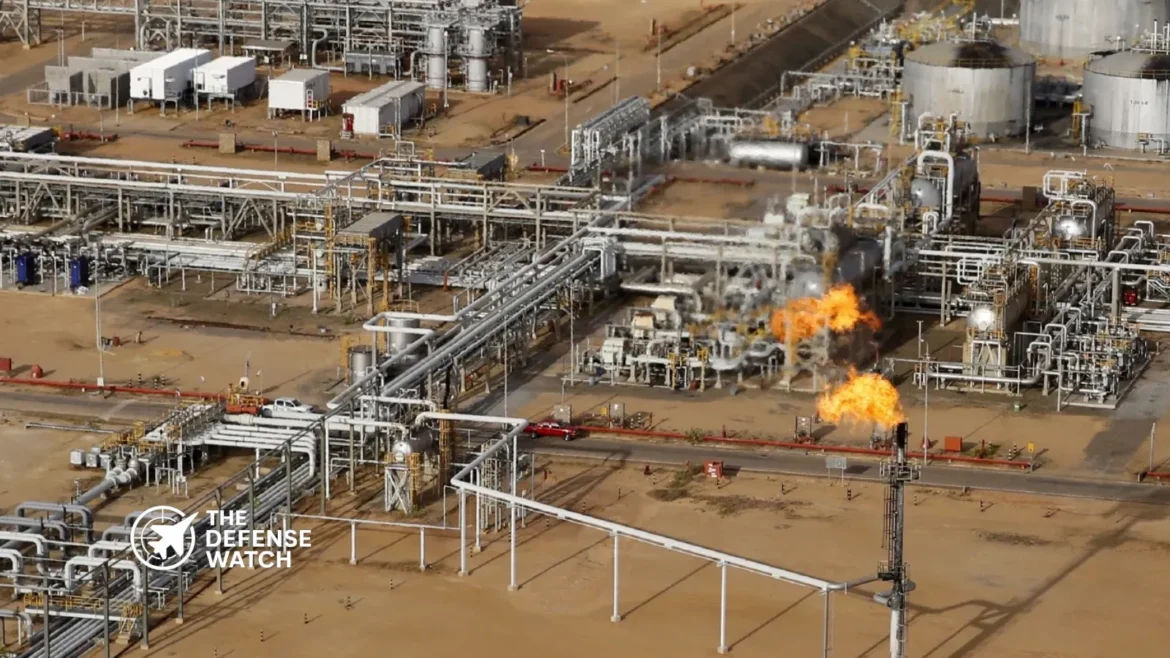
Venezuela oil output is unlikely to rise quickly even with U.S. oil companies pledging investment, analysts say, as the country’s vast reserves sit under weakened infrastructure and political uncertainty. Venezuela holds some of the world’s largest crude oil reserves, but decades of underinvestment and operational decline at state firm PDVSA have left production far below potential. Reuters reports there are no quick wins for boosting output in the near term.
Production Weak Despite Vast Reserves
Venezuela’s proven oil reserves remain among the world’s largest, but crude production has collapsed from historic highs as mismanagement and sanctions drove foreign firms out. Even with talk of U.S. majors returning, output growth faces structural barriers.
Infrastructure and Security Hurdles
Industry analysts warn that dilapidated pipelines, aging facilities and security concerns are major obstacles. Foreign investors would need legal clarity and stable conditions before committing billions to rebuild capacity.
Chevron’s Position and U.S. Talks
Chevron is currently the only major U.S. oil company with operations in Venezuela, but others such as ConocoPhillips and ExxonMobil would likely weigh political and contractual risks before re-engaging. A full return by U.S. firms remains uncertain.
Output Outlook and Timeline
Even under an orderly transition and investment framework, analysts suggest meaningful production increases could take years, not months. Heavy crude from Venezuela fits U.S. Gulf Coast refineries, but repairs and investment are prerequisites for any uplift.
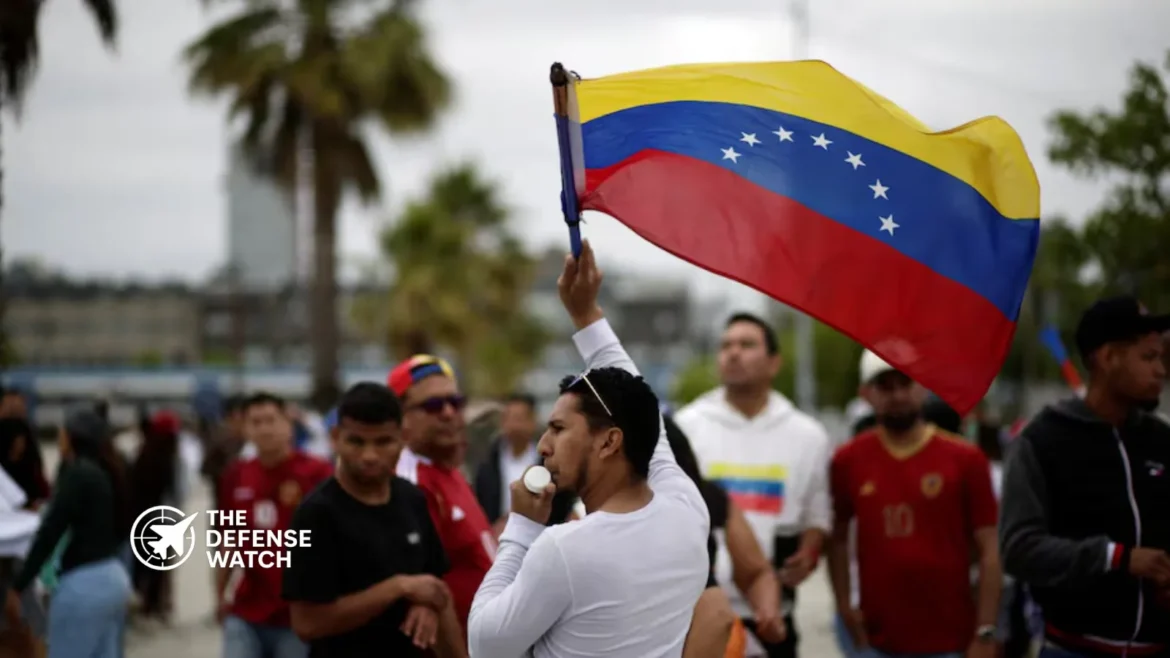
Venezuela Leadership Uncertain After U.S. Capture of Maduro
After the U.S. military captured Venezuelan President Nicolás Maduro, Venezuela’s leadership remains unclear, with civilian and military elites asserting influence over government functions. Reports cite continued resistance from Maduro’s loyalists even as constitutional succession plays out.
Acting Presidency Declared But Disputed
Under Venezuelan law, Vice President Delcy Rodríguez is next in line and was ordered by the Supreme Court to assume the presidency after Maduro’s detention. Reuters and other sources note that Rodríguez has been identified as acting president, yet the Venezuelan government broadcast statements rejecting Maduro’s removal and affirming his legitimacy.
The top court’s order positions Rodríguez to lead the executive branch. However, a televised appearance by Rodríguez alongside key regime figures signaled unity among Maduro loyalists and cast doubt on how effectively a transition will proceed.
Civilian and Military Power Centers Remain
Even with Maduro ousted, several figures linked to the former regime continue to command influence. Reuters identifies Rodríguez’s brother Jorge Rodríguez, Interior Minister Diosdado Cabello, and Defense Minister Vladimir Padrino López as members of the inner power circle shaping governance outcomes.
Analysts say this civilian-military balance complicates a clear shift in control, as senior military leaders retain leverage through key economic sectors and security forces. Cabello in particular is seen as a hardline figure with ties to intelligence agencies and militia groups.
U.S. Role and Broader Context
The U.S. operation that led to Maduro’s capture has not resolved the leadership question. President Trump asserted that Venezuela’s vice president would assume control and suggested a transitional arrangement, yet Venezuelan officials have repudiated that narrative.
International bodies and regional actors are watching closely as uncertainty persists. The political vacuum raises questions about Venezuela’s future governance and stability.