Best Aircraft Carriers in the World 2026, Why It Matters
The best aircraft carriers in the world in 2026 matter because they remain the clearest measure of global naval power. These ships project airpower far from home ports, support allies, deter rivals, and shape crisis response. As competition sharpens in the Indo Pacific, the Atlantic, and the Middle East, carrier capability is no longer about prestige. It is about who can sustain combat power at sea.
How the Ranking Assessment Was Made
The ranking assessment looks at how well each aircraft carrier can perform real world combat and sustained operations in 2026, not just how large or new the ship is. Key factors include the size and capability of the air wing, launch and recovery systems, power generation, survivability, and how often the carrier can generate sorties during high intensity operations. Operational experience also matters. Navies with decades of carrier deployments score higher because training, maintenance, and command integration are proven under stress. Finally, the assessment weighs how each carrier fits into its nation’s wider naval strategy, including escort ships, logistics support, and alliance interoperability. This approach gives a clearer picture of actual combat value rather than paper specifications alone.
What follows is a fresh analysis of the top aircraft carriers shaping naval balance in 2026, written for TheDefenseWatch.com audience.
1. Gerald R. Ford Class, United States
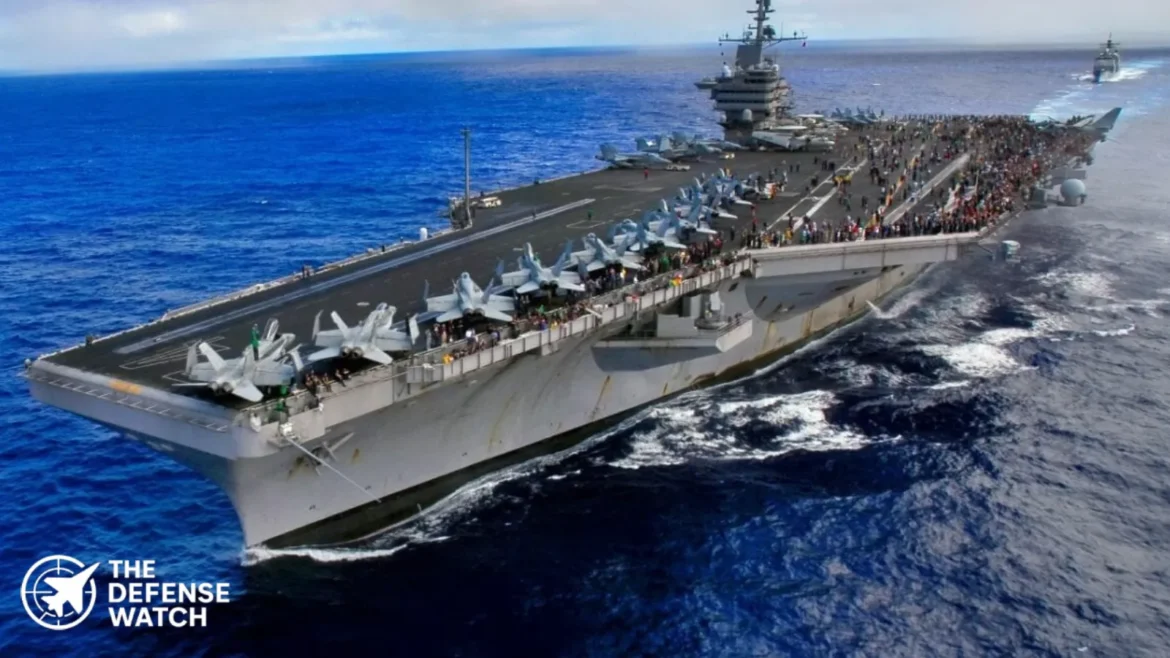
The Gerald R. Ford class remains the benchmark for modern aircraft carriers. These nuclear powered ships are the largest warships ever built and represent a generational leap over the older Nimitz class.
Why It Leads the Ranking
Ford class carriers introduce electromagnetic catapults, advanced arresting gear, and a redesigned flight deck. These changes increase sortie rates while reducing crew workload. The class is built to operate modern aircraft like the F 35C alongside legacy platforms.
Strategic Impact
In 2026, USS Gerald R. Ford and USS John F. Kennedy anchor U.S. carrier strike groups in the Atlantic and Pacific. Their ability to generate sustained air operations gives Washington unmatched reach. No other navy can deploy comparable power at similar scale or tempo.
2. Nimitz Class, United States
Even as newer ships enter service, the Nimitz class remains a core pillar of U.S. naval power. Several of these carriers will remain active into the 2030s.
Still Relevant in 2026
Despite their age, Nimitz class carriers have received major upgrades. Improved radars, combat systems, and air wings keep them combat credible. Their nuclear propulsion allows long deployments without refueling.
Operational Value
Nimitz class carriers continue to shoulder much of the U.S. Navy’s global presence mission. From freedom of navigation patrols to crisis response, these ships remain central to American maritime strategy.
3. Fujian, China
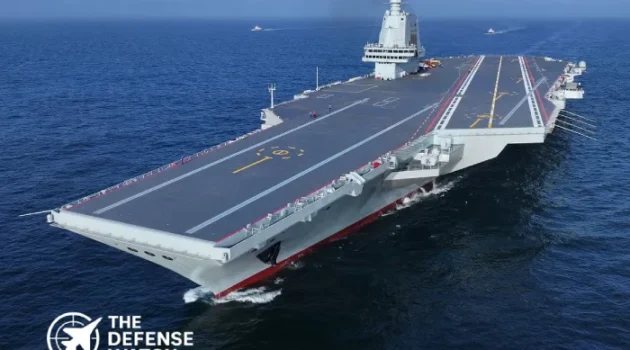
China’s Fujian aircraft carrier marks a turning point for the People’s Liberation Army Navy. It is Beijing’s first carrier designed from the start with electromagnetic catapults.
A Leap Forward for China
Unlike earlier Chinese carriers, Fujian is not based on Soviet era designs. It is larger, more capable, and better suited for high tempo flight operations. This allows China to operate heavier aircraft with greater range and payload.
Regional Consequences
While Fujian does not yet match U.S. carriers in experience or integration, its entry into service signals China’s intent to operate blue water carrier groups. In the Western Pacific, this adds pressure on U.S. and allied naval planners.
4. HMS Queen Elizabeth, United Kingdom
The United Kingdom’s Queen Elizabeth class focuses on flexibility rather than raw size. These carriers operate short takeoff and vertical landing aircraft, primarily the F 35B.
Strength Through Integration
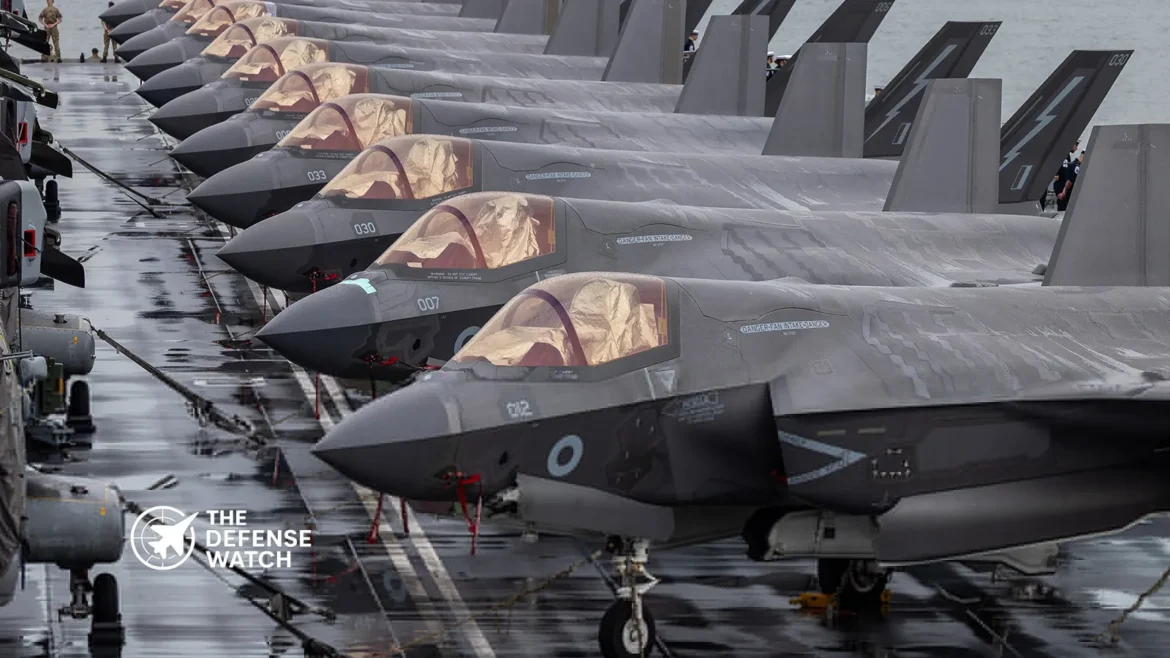
HMS Queen Elizabeth and HMS Prince of Wales are designed to operate closely with NATO allies, especially the United States. U.S. Marine Corps F 35Bs routinely deploy aboard British carriers, creating combined air wings.
Strategic Role
In 2026, British carriers support NATO operations, reinforce presence in the Indo Pacific, and provide London with independent strike options. Their strength lies in coalition warfare rather than solo power projection.
5. Charles de Gaulle, France
France’s Charles de Gaulle remains Europe’s only nuclear powered aircraft carrier. Though smaller than U.S. carriers, it packs significant capability.
Compact but Capable
The ship operates CATOBAR systems, allowing it to launch heavier aircraft than STOVL carriers. Its air wing includes Rafale M fighters with nuclear strike capability.
Global Reach
Charles de Gaulle gives France an independent global strike option. Regular deployments to the Indo Pacific and Middle East underline Paris’s role as a global naval actor.
Comparing Carrier Capabilities in 2026
Size vs Effectiveness
Bigger is not always better, but size still matters. Larger decks allow more aircraft, higher sortie rates, and better sustainment. This remains a U.S. advantage.
Technology and Training
Catapult systems, aircraft integration, and crew experience often matter more than displacement. The U.S. Navy still leads in operational knowledge built over decades.
Numbers Matter
The United States operates more aircraft carriers than the rest of the world combined. Even as rivals improve individual ships, overall capacity remains uneven.
Analysis, What This Ranking Tells Us
The best aircraft carriers in the world in 2026 reflect a shifting but still U.S. led naval order. China’s progress is real and should not be dismissed. However, experience, integration, and logistics remain decisive advantages for the United States and its allies.
European carriers show a different model. They focus on alliance operations and crisis response rather than sustained high intensity conflict alone. This complements U.S. strategy and spreads risk across partners.
For Washington, the message is clear. Maintaining carrier readiness matters as much as building new hulls. For rivals, closing the gap will take more than hardware. It will require decades of training and operational learning.
FAQs
Which country has the best aircraft carriers in 2026?The United States operates the most capable and numerous aircraft carriers in the world in 2026.
Is China close to matching U.S. aircraft carriers?China is improving rapidly, but it still lacks the operational experience and global reach of the U.S. Navy.
Why are aircraft carriers still important?They provide mobile airpower, deterrence, and rapid response without relying on foreign bases.
Do smaller carriers still matter?Yes. British and French carriers play key roles in coalition operations and regional security.

Rheinmetall MBDA laser weapon systems move toward joint venture
Rheinmetall MBDA laser weapon systems are set to advance as the two companies plan a joint venture focused on the development and production of high energy laser weapons. The move reflects growing European demand for short range air defense and counter drone solutions, according to statements from both firms and reporting by Defence Industry Europe.
The proposed joint venture brings together Rheinmetall’s experience in sensors, fire control, and system integration with MBDA’s background in guided weapons and air defense architectures. Both companies said the effort is aimed at accelerating the industrialization of laser weapon systems for military customers.
What the joint venture will focus on
The planned entity will concentrate on high energy laser weapon systems designed to counter drones, rockets, artillery, and mortar threats. Rheinmetall has already demonstrated laser systems in the 20 to 50 kilowatt class, while MBDA has worked on integrating directed energy weapons into layered air defense concepts.
By combining these capabilities, the companies aim to offer complete systems that can be mounted on ground vehicles or fixed installations. The Rheinmetall MBDA laser weapon systems effort is intended to move beyond demonstrations toward series production.
Why laser weapons matter now
European armed forces are facing a rapid increase in low cost aerial threats, especially small drones and loitering munitions. Laser weapons offer deep magazines, low cost per shot, and reduced logistical burden compared to missile based interceptors.
Rheinmetall MBDA laser weapon systems are positioned as a complement to existing missile and gun based air defense, not a replacement. Defense planners increasingly see directed energy as a key layer in future short range air defense networks.
Industrial and strategic context
The joint venture plan also aligns with broader European efforts to strengthen defense industrial cooperation and reduce reliance on non European suppliers. Germany and France, the home nations of Rheinmetall and MBDA, have both highlighted air defense modernization as a priority.
According to Defence Industry Europe, the companies are now working through regulatory and governance steps required to formally establish the joint venture. No production timeline or customer contracts have been disclosed so far.
What comes next
If approved, the joint venture would allow Rheinmetall MBDA laser weapon systems to be marketed jointly to European and export customers. Initial focus is expected to remain on ground based air defense, with potential expansion to naval applications over time.
RTX FAA Radar Contract Awarded to Deploy Next-Generation Surveillance Radars
RTX has won a $438 million contract from the Federal Aviation Administration to supply next generation surveillance radars as part of a broader effort to modernize the U.S. National Airspace System. The award comes through Collins Aerospace, a business unit of RTX, under the FAA’s Radar System Replacement program.
The new radar systems are designed to replace multiple legacy systems with modern, interoperable technology that delivers more reliable aircraft tracking and simplified air traffic operations.
Collins Aerospace will deliver cooperative and non-cooperative radar platforms to support the FAA’s mission of improving safety, reducing operational complexity, and increasing efficiency across the national airspace.
Short-range cooperative radars like the Condor Mk3 communicate with aircraft transponders, while non-cooperative radars such as the ASR-XM detect aircraft via reflected signals. Both systems are qualified to meet FAA surveillance requirements following prior test-site certifications.
More than 550 RTX radar systems already operate within the U.S. airspace, giving the company a track record of existing infrastructure support and long-term engagement with FAA surveillance needs.
This contract is part of the broader Brand New Air Traffic Control System initiative led by the Department of Transportation and FAA to overhaul aging air traffic control technology. Other reporting notes that the federal government plans to replace up to 612 outdated radar systems nationwide by mid-2028 through awards to RTX and other partners like Spain’s Indra Sistemas.
US Air Traffic Control Radar Contracts Mark Key FAA Upgrade
US air traffic control radar contracts awarded to RTX and Indra represent a major step in the Federal Aviation Administration’s effort to modernize surveillance systems across the national airspace. The awards, reported by Reuters, focus on replacing and sustaining critical radar infrastructure that underpins civilian and military flight safety.
The FAA has faced growing pressure to refresh decades-old systems as air traffic volumes rebound and mixed civilian military airspace becomes more complex.
What the Contracts Cover
According to Reuters, the FAA selected RTX and Spain-based Indra to provide air traffic control radar systems under separate contracts. The awards support long-term operation, upgrades, and sustainment of ground-based surveillance radars used to track aircraft across US airspace.
RTX, through its Collins Aerospace unit, has long been a core supplier of FAA radar and navigation systems. Indra, a major European provider of air surveillance technology, already supports radar networks in multiple countries, including prior FAA-related programs.
The FAA did not disclose all technical details publicly, but the contracts are tied to maintaining reliable primary and secondary radar coverage as part of broader air traffic control radar modernization.
Why Air Traffic Control Radar Modernization Matters
US air traffic control radar contracts are not just procurement actions, they are central to aviation safety and national resilience. Many FAA radar sites were installed decades ago and require sustained investment to remain reliable.
Modern radar systems improve aircraft tracking accuracy, reduce outages, and support integration with newer digital air traffic management tools. These upgrades also matter for homeland security, as civil radar feeds contribute to airspace awareness shared with US defense and security agencies.
Strategic Context for US Aviation Infrastructure
The FAA has warned in multiple budget submissions that deferred modernization increases operational risk. Recent high-profile disruptions in US air travel have renewed scrutiny of air traffic control infrastructure, staffing, and technology.
By awarding air traffic control radar contracts to RTX and Indra, the FAA is leaning on established suppliers with proven systems rather than pursuing untested solutions. This reflects a risk-aware approach as aviation demand continues to rise.
Outlook
The radar awards fit into a longer-term FAA strategy that includes digital towers, satellite-based surveillance, and software-driven traffic management. Ground-based radar, however, remains a backbone capability, especially for redundancy and national coverage.
As these contracts move forward, Congress and industry will closely watch execution timelines and system reliability, given the direct impact on daily flight operations across the United States.
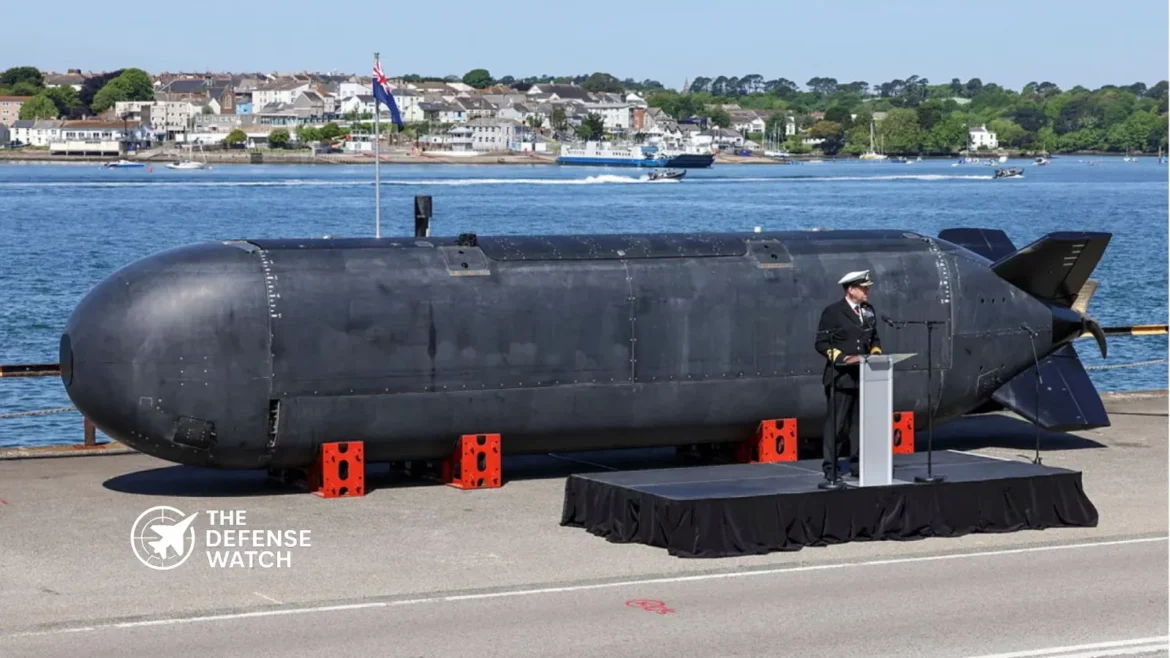
The XV Excalibur autonomous submarine has been delivered to the Royal Navy under the Atlantic Bastion program, marking a key step in UK undersea modernization. The platform is designed to support persistent surveillance, seabed awareness, and protection of critical undersea infrastructure.
What Was Delivered
XV Excalibur is a large autonomous underwater vehicle developed to operate without a crew for extended periods. It is intended to gather data, monitor activity, and support naval operations in the North Atlantic. The Royal Navy confirmed the delivery as part of a broader push to integrate uncrewed systems into frontline maritime missions.
The Atlantic Bastion program focuses on protecting sea lines of communication and subsea assets, including cables and pipelines that support NATO economies and military operations.
Why It Matters
Undersea infrastructure has become a growing security concern for the UK and its allies. Autonomous platforms like XV Excalibur allow navies to maintain presence and awareness at lower cost and risk than crewed submarines. UK defense planners have highlighted autonomy as central to future maritime operations.
See also: Royal Navy expands uncrewed surface and subsurface fleet
Broader Context
The delivery aligns with NATO efforts to improve undersea domain awareness amid rising competition in the Atlantic. Similar programs are underway in the United States and other allied navies, reflecting a shared focus on autonomous systems for surveillance and deterrence.
Turkey Renewed Push for F-35 Program Return
Turkey has urged reentry into the US-led F-35 fighter jet program, saying its return would bolster NATO security and help mend ties with the United States. Turkish President Recep Tayyip Erdogan framed the proposal as both strategic and necessary, underscoring that Ankara has already paid for jets that were never delivered.
Erdogan told Bloomberg in written comments that Turkey’s exclusion from the F-35 consortium over its 2019 purchase of Russian S-400 air defense systems was unjust. He cited recent meetings with US President Donald Trump as opening an opportunity to reset ties and revisit the issue.
Reintegration Seen as NATO Security Contributor
Erdogan emphasized that delivering the F-35s Turkey has paid for and reintegrating Ankara into the program would strengthen NATO’s southern flank and overall alliance defense. He said this outcome would be “important and necessary” for both NATO and bilateral US-Turkey relations.
Turkey was removed from the F-35 program after it accepted delivery of the Russian S-400 system, which Washington and NATO officials have said poses security risks to F-35 technology. The Turkish president has repeatedly called the decision unfair and voiced a desire to resolve outstanding issues.
Broader Strategic Context
In his remarks, Erdogan also touched on broader defense and diplomatic priorities, including talks with the US over energy partnerships and legal disputes involving Turkey’s state bank. He said Ankara is balancing its energy security needs and acting in line with national interests.
The push to rejoin the F-35 program comes amid ongoing discussions between Ankara and Washington about defense cooperation, and reports that resolving the S-400 dispute remains a key sticking point under US law.
UK F-35 delivery timeline clarified
The UK F-35 delivery timeline now points to the 75th aircraft arriving by the end of 2033, according to a Ministry of Defence parliamentary response. The update provides fresh clarity on how the Lightning II fleet will grow through the next decade.
Responding to a written question in the House of Lords on January 5, 2026, Defence Minister Lord Coaker said the department expects to have taken delivery of its 75th F-35 aircraft by the end of 2033. The question focused on when the UK would reach the 74 aircraft mark under its existing commitment.
Fleet growth through the 2030s
The United Kingdom has so far committed to at least 74 F-35 Lightning II aircraft, with the option to order more in future batches. The program supports both the Royal Air Force and Royal Navy, forming the core of the UK carrier strike capability.
As of mid November 2025, the UK had received 41 F-35 aircraft. That figure was confirmed in a separate parliamentary answer by Veterans and People Minister Louise Sandher-Jones. The total planned deliveries by the end of 2025 stood at 48 aircraft.
RAF and Royal Navy operations
UK F-35 aircraft operate from RAF Marham and regularly deploy aboard the Royal Navy’s Queen Elizabeth class aircraft carriers. The jets are flown by mixed RAF and Royal Navy squadrons and are central to expeditionary air operations at sea.
Deliveries beyond the initial tranche are expected to continue steadily into the 2030s as the fleet moves toward a fully mature force structure.
New evidence on Indian Rafales and Meteor missiles
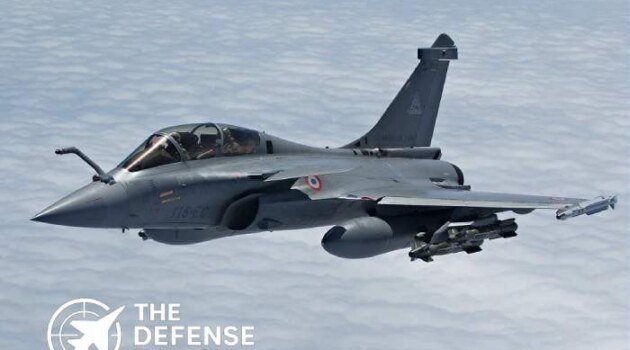
New footage circulating from Indian television coverage has provided fresh insight into the Indian Rafales shot down by the Pakistan Air Force, indicating that the aircraft were carrying Meteor missiles but were unable to fire them effectively.
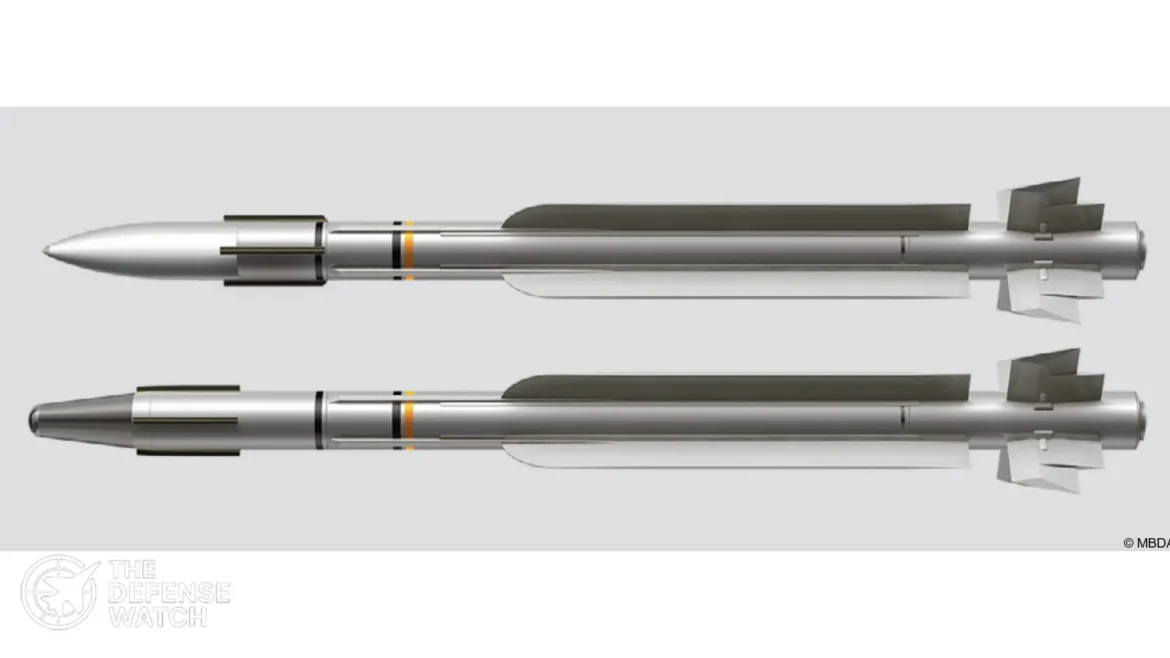
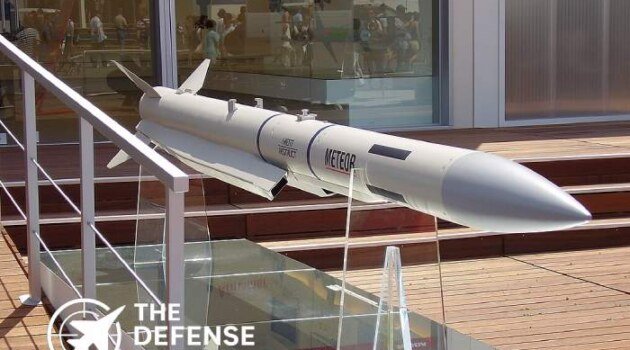
(adsbygoogle = window.adsbygoogle || []).push({});The clip, reportedly filmed on location on the night of the engagement, shows burning wreckage in agricultural fields alongside a clearly visible fin section from an air to air missile. Independent visual comparison shows the fin geometry matches the MBDA Meteor missile and does not align with control surfaces used on the MICA family.
The footage was broadcast by Indian news outlets during initial reporting from the crash site and has since resurfaced as analysts review frame by frame details of the debris.
Missile debris linked to MBDA Meteor
Defense analysts familiar with European missile designs note that the recovered fin section closely matches the distinctive fixed fin layout of the Meteor. The shape, size, and mounting angle are considered incompatible with the smaller and differently configured fins used on the MICA missile carried by Rafale fighters.
MBDA documentation and publicly available imagery of Meteor missiles show a near identical fin profile, strengthening the assessment that Indian Rafales were equipped with Meteor missiles during the mission.
No evidence in the footage suggests the missile was launched. Instead, the debris appears to originate from an unexpended weapon destroyed with the aircraft.
Implications for electronic warfare and air combat
The presence of Meteor missiles indicates that Indian Rafales entered the engagement with long range air to air capability. However, the lack of launch evidence supports earlier assessments that effective Pakistan Air Force electronic attack and jamming prevented Indian pilots from achieving viable firing solutions or radar locks.
Pakistan has previously stated that electronic warfare and networked air defense played a central role in neutralizing Indian aircraft during the encounter. Western air combat doctrine emphasizes that even advanced missiles rely heavily on sensor performance and data link integrity.
(adsbygoogle = window.adsbygoogle || []).push({});Official silence and ongoing debate
Neither the Indian Air Force nor MBDA has issued official statements addressing the missile debris shown in the footage. Defense ministries on both sides have largely avoided technical discussion of the engagement.
As additional imagery and open source analysis continue to surface, the incident remains a key case study in modern beyond visual range combat and electronic warfare effectiveness.
Pakistan Air Force Tests Taimoor Cruise Missile
The Pakistan Air Force missile test of the Taimoor weapon system marks a confirmed step forward in the country’s indigenous strike capability, according to an official statement released on January 3, 2026.
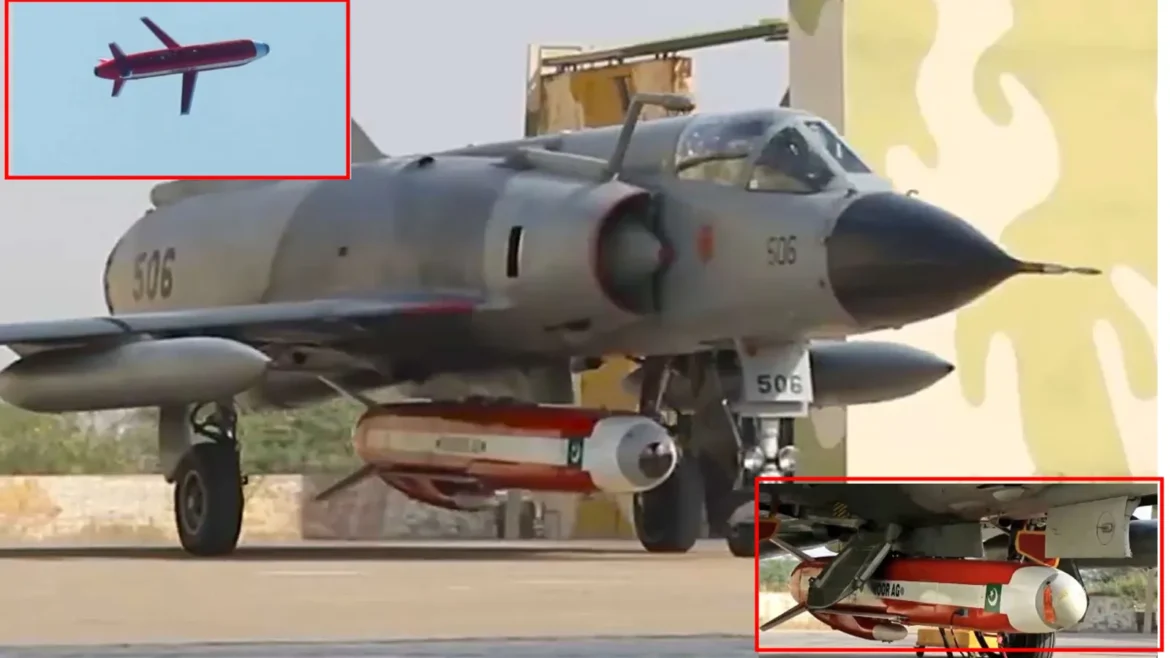
The service announced it successfully conducted a flight test of the Taimoor air launched cruise missile, an indigenously developed system designed to engage both land and maritime targets. The missile has a stated range of up to 600 kilometers and carries a conventional warhead.
Low altitude precision strike capability
According to the Pakistan Air Force, the Taimoor cruise missile is equipped with an advanced navigation and guidance suite intended to support high accuracy strikes. The weapon is designed to fly at very low altitudes, a profile meant to reduce detection and improve survivability against modern air and missile defense systems.
PAF officials stated that the system is intended to expand operational flexibility while strengthening conventional deterrence. The flight test was observed by senior military leadership along with scientists and engineers involved in the program.
Indigenous development milestone
The Pakistan Air Force missile test underscores what the service describes as growing technical maturity within the national defense industry. The Taimoor program reflects a continued emphasis on domestic design and development rather than reliance on external suppliers.
Air Chief Marshal Zaheer Ahmed Baber Sidhu, Chief of the Air Staff, congratulated the teams involved and highlighted the role of local engineers and scientists in delivering the system. He reiterated that indigenous programs remain central to maintaining credible defense capabilities amid evolving regional security dynamics.
Regional context
Cruise missile development has become a key feature of military modernization across South Asia, with air launched systems offering extended reach and flexible deployment options. Analysts note that such tests are closely watched in the region due to their implications for conventional deterrence and force posture.
The Pakistan Air Force has not disclosed the operational timeline for the Taimoor system or the aircraft platforms intended to deploy it.
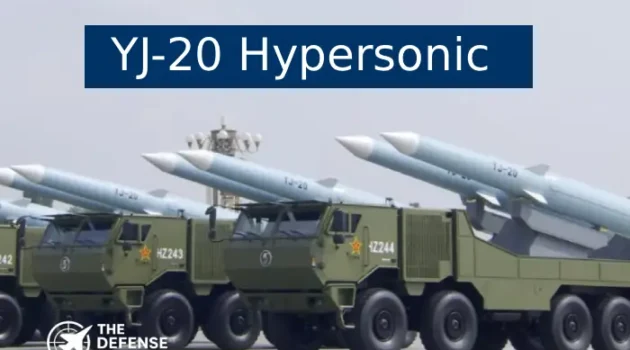
China Releases Footage of YJ-20 Hypersonic Missile Launch
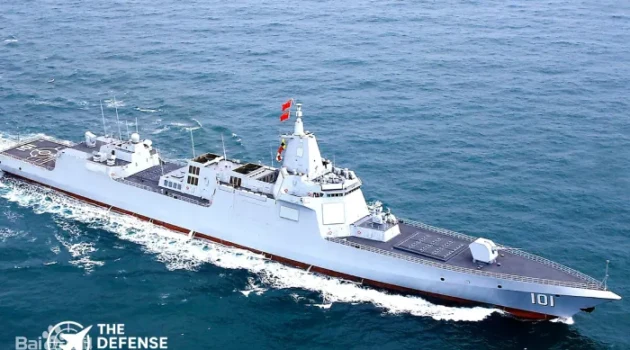
China has released its first known footage showing the launch of a YJ-20 hypersonic missile from a Type 055 guided-missile destroyer, marking a notable step in public disclosure of the PLA Navy’s advanced strike capabilities.
(adsbygoogle = window.adsbygoogle || []).push({});The video, published by Chinese state-linked media and reported by Defence Industry Europe, shows the missile being fired from a vertical launch system aboard a Type 055 warship during what appears to be a live-fire naval exercise. Chinese authorities did not provide technical details or the exact timing of the launch.
YJ-20 Missile and Type 055 Platform
The YJ-20 hypersonic missile is believed to be an anti-ship weapon designed for long-range maritime strike missions. Analysts widely assess the missile as capable of high-speed flight intended to complicate interception by modern air and missile defense systems.
The Type 055 destroyer, known in NATO reporting as the Renhai class, is the largest surface combatant currently in service with the PLA Navy. It displaces more than 12,000 tons and is equipped with a large vertical launch system that supports air defense, land attack, and anti-ship missiles.
- (adsbygoogle = window.adsbygoogle || []).push({});
Strategic Signaling and Naval Modernization
By releasing footage of a YJ-20 hypersonic missile launch, Beijing appears to be signaling confidence in its naval hypersonic weapons program. The move aligns with broader Chinese efforts to showcase advances in long-range precision strike systems as part of ongoing naval modernization.
U.S. and allied defense analysts have closely tracked the Type 055 class due to its potential role in carrier escort missions and long-range maritime operations. Public confirmation of a YJ-20 launch from the platform adds context to long-standing assessments of its offensive capabilities.
Regional and Global Implications
The appearance of the YJ-20 hypersonic missile on a frontline surface combatant underscores China’s focus on strengthening sea denial and power projection in contested maritime regions. It also highlights the growing role of hypersonic weapons in naval warfare planning.
While many technical aspects remain undisclosed, the footage itself marks a rare and deliberate public release related to China’s hypersonic anti-ship missile development.
- (adsbygoogle = window.adsbygoogle || []).push({});