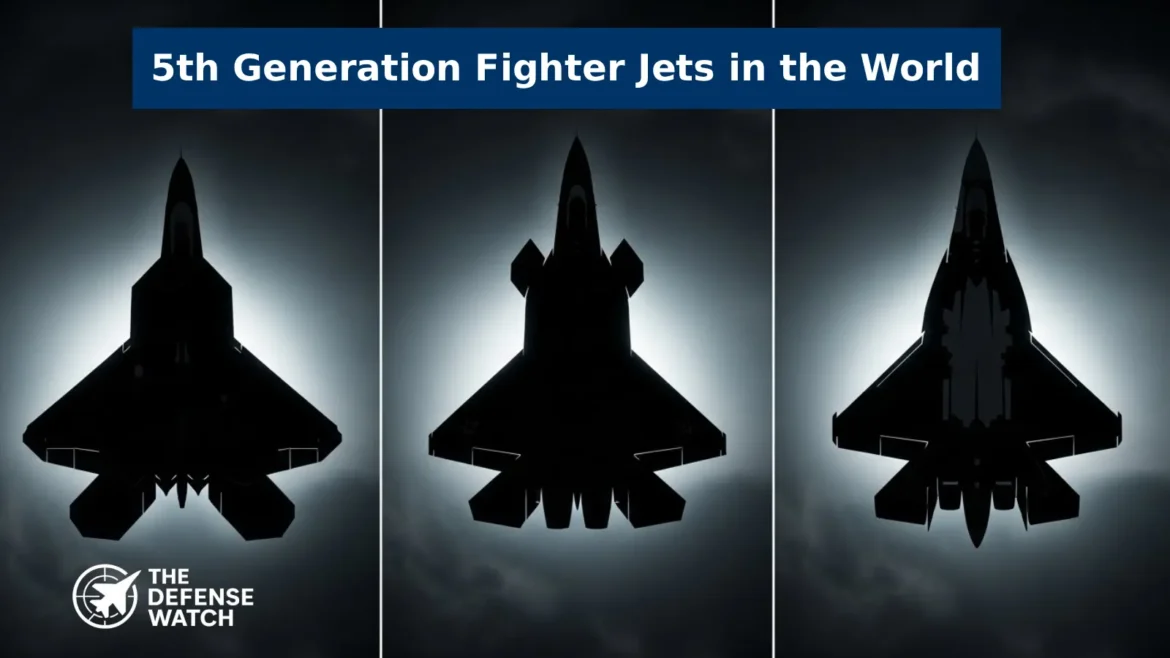
What Defines 5th Generation Fighter Jets
5th generation fighter jets sit at the center of modern airpower competition. These aircraft combine stealth, advanced sensors, data fusion, and networked combat in ways earlier fighters cannot match. For air forces, 5th generation fighters are not just new planes. They are flying combat systems designed to see first, strike first, and survive in heavily defended airspace.
(adsbygoogle = window.adsbygoogle || []).push({});The term 5th generation fighter jets is widely used by defense planners and aerospace analysts, even though there is no single international standard. Still, several core features clearly separate these aircraft from 4th and 4.5 generation fighters. Understanding these traits helps explain why only a handful of countries operate true 5th generation jets today.
Core Characteristics of 5th Generation Fighter Jets
Stealth as a Design Foundation
Low observability is the defining feature of 5th generation fighter jets. Stealth is built into the aircraft shape, materials, and internal weapons bays. Unlike older fighters that rely on external pods or limited radar absorbing coatings, 5th generation jets are designed from the start to reduce radar, infrared, and electronic signatures.
This allows them to operate inside advanced air defense systems where non stealth aircraft would face high risk.
Sensor Fusion and Situational Awareness
Another critical element is sensor fusion. Multiple onboard sensors, including radar, infrared search and track, and electronic support measures, feed data into a single tactical picture. Pilots see a clean, integrated display rather than raw sensor outputs.
This capability shortens decision time and improves survivability, especially in complex combat environments.
Networked Warfare and Data Sharing
5th generation fighter jets act as nodes in a wider combat network. They share targeting data with other aircraft, ships, ground forces, and command centers. In some cases, they guide weapons launched by other platforms while remaining undetected themselves.
This networked approach changes how air battles are fought and how joint forces operate.
Advanced Propulsion and Supercruise
Most 5th generation fighters feature powerful engines designed for supercruise, sustained supersonic flight without afterburners. This improves range, reduces fuel consumption, and lowers infrared signature during high speed operations.
United States, The Most Mature 5th Generation Fleet
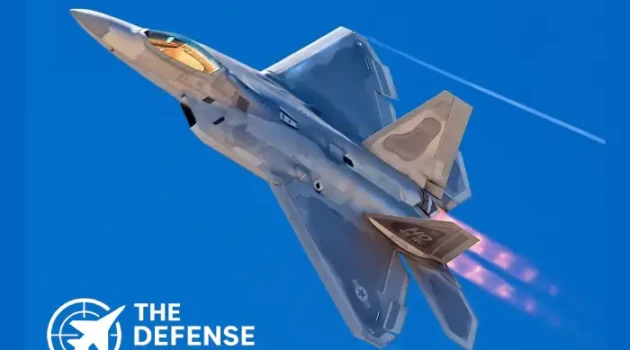
F 22 Raptor
The Lockheed Martin F 22 Raptor was the worlds first operational 5th generation fighter jet. Developed for air dominance, it combines extreme stealth, supercruise, and unmatched maneuverability.
The F 22 entered service in the mid 2000s and remains limited to the US Air Force. Export was banned by US law, keeping the fleet exclusive. Production ended in 2012, but the aircraft continues to receive upgrades focused on sensors, weapons, and electronic warfare.
(adsbygoogle = window.adsbygoogle || []).push({});F 35 Lightning II
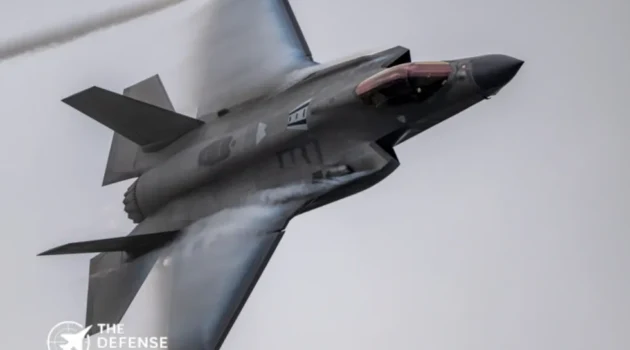
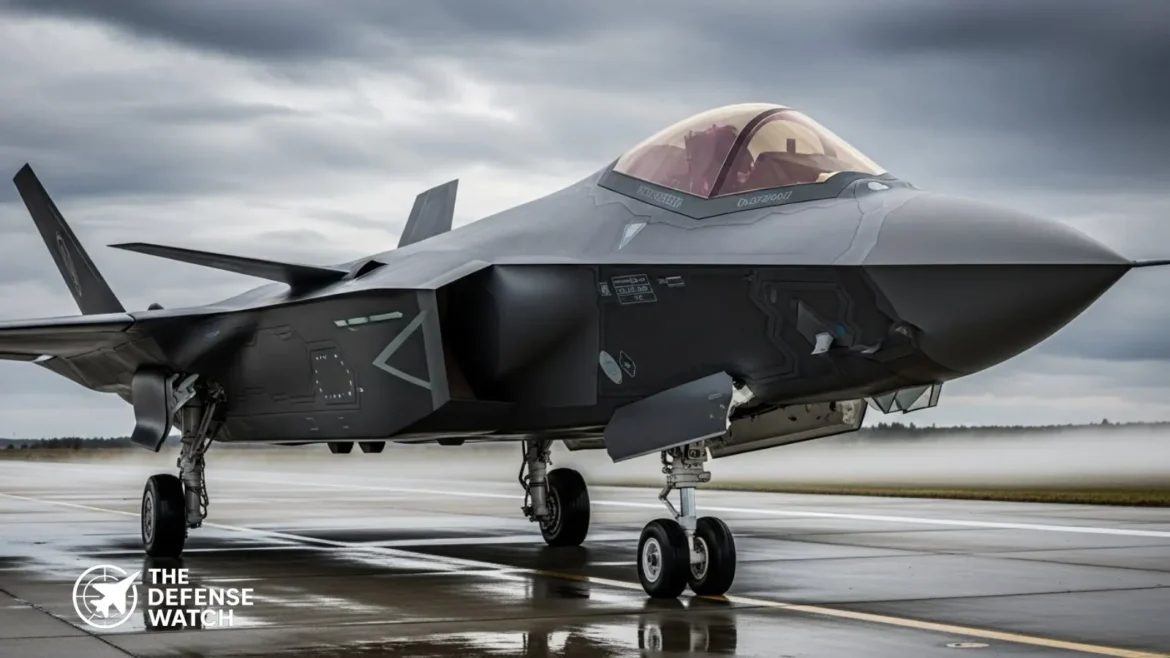
The F 35 Lightning II is the most widely deployed 5th generation fighter jet in the world. Built in three main variants for conventional takeoff, short takeoff and vertical landing, and carrier operations, the F 35 serves multiple branches of the US military and allied air forces.
Its strength lies in sensor fusion and networked warfare rather than raw speed or agility. The F 35 acts as a battlefield sensor hub, sharing real time data across joint forces.
More than a dozen countries operate or have ordered the F 35, making it the backbone of Western airpower for decades.
China, Rapid Progress in Stealth Fighter Development
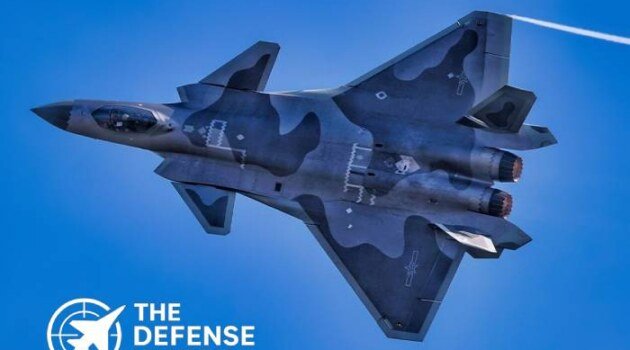
J 20 Mighty Dragon
Chinas Chengdu J 20 is the first non Western 5th generation fighter jet to enter operational service. The aircraft emphasizes long range interception and strike missions, reflecting Chinas focus on countering high value targets such as tankers and airborne early warning aircraft.
The J 20 features internal weapons bays, advanced avionics, and evolving engine technology. Early versions relied on Russian engines, but newer variants are believed to use indigenous powerplants.
The J 20 has become a key element of the Peoples Liberation Army Air Force modernization drive.
(adsbygoogle = window.adsbygoogle || []).push({});FC 31 and J 35 Program
China is also developing a second stealth fighter design, often referred to as FC 31 or J 35. This aircraft is expected to support naval aviation and export markets. If fully operational, it would expand Chinas 5th generation footprint across both air force and carrier based roles.
Russia, Advanced Design with Limited Numbers
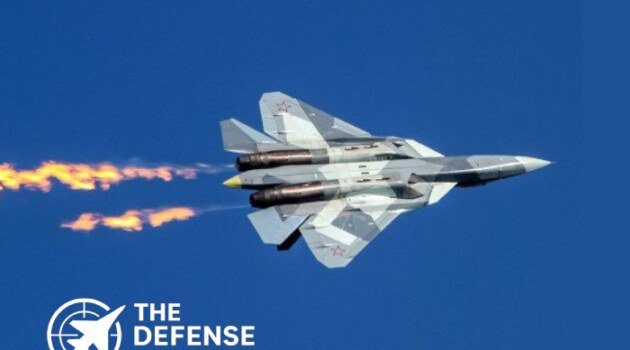
Su 57 Felon
Russias Su 57 is designed as a multirole 5th generation fighter jet with emphasis on agility, long range weapons, and advanced sensors. The aircraft features stealth shaping, internal weapon bays, and thrust vectoring engines.
However, production has progressed slowly due to budget constraints and technical challenges. Operational numbers remain limited compared to US and Chinese fleets.
Russia continues to upgrade the Su 57 with new engines, radar systems, and weapons, aiming to close capability gaps over time.
Emerging and Planned 5th Generation Programs
South Korea KF 21, Near 5th Generation Capabilities
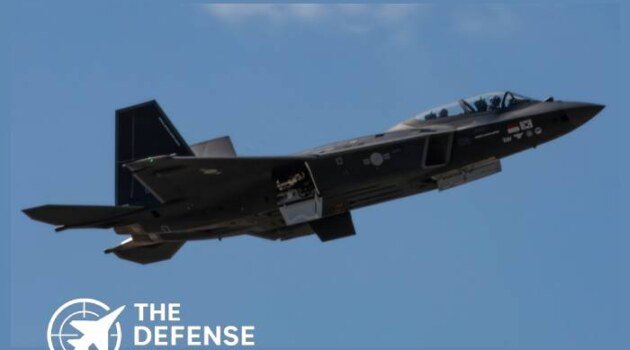
South Koreas KF 21 Boramae is often described as a 4.5 plus generation fighter with partial stealth features. While it lacks some defining 5th generation traits such as full internal weapons carriage, it represents a major step toward advanced air combat capability.
Future variants may incorporate deeper stealth and sensor integration, narrowing the gap with true 5th generation fighters.
(adsbygoogle = window.adsbygoogle || []).push({});Turkiye KAAN Program
Turkiye is developing the KAAN stealth fighter to reduce reliance on foreign aircraft. The program aims to deliver a domestically produced fighter with low observability, advanced avionics, and networked combat features.
KAAN remains in development, with flight testing underway and operational service planned in the next decade.
Japans F X Program
Japan is pursuing its own next generation fighter, often referred to as the F X or GCAP, in partnership with the United Kingdom and Italy. While often classified as a 6th generation effort, early operational versions may enter service with advanced 5th generation characteristics before evolving further.
(adsbygoogle = window.adsbygoogle || []).push({});Global Operators of 5th Generation Fighter Jets
As of today, only a few countries operate true 5th generation fighter jets.
United States operates F 22 and F 35
China operates J 20
Russia operates Su 57
Several allied nations operate F 35, including the United Kingdom, Japan, Australia, Italy, South Korea, and othersThis limited group highlights how complex and costly 5th generation development remains.
Strategic Impact on Global Airpower Balance
The spread of 5th generation fighter jets is reshaping airpower balance, especially in the Indo Pacific and Europe. Stealth aircraft challenge traditional air defense concepts and force rivals to invest heavily in counter stealth radar, electronic warfare, and integrated defense networks.
For allies, shared platforms like the F 35 improve interoperability and collective defense. For competitors, indigenous stealth programs are seen as essential to maintaining deterrence and regional influence.
Analysis, Why 5th Generation Fighters Matter Beyond Combat
Beyond direct combat performance, 5th generation fighter jets influence diplomacy, defense partnerships, and industrial policy. Access to these aircraft often signals deeper political alignment with the United States or, in Chinas case, strategic autonomy.
They also drive domestic aerospace industries, pushing advances in materials, software, and manufacturing that spill over into civilian sectors.
At the same time, their high cost and maintenance demands raise questions about fleet size versus capability, especially for mid sized air forces balancing budgets and operational needs.
(adsbygoogle = window.adsbygoogle || []).push({});FAQs
What makes a fighter jet 5th generation?It combines stealth design, sensor fusion, advanced avionics, networked data sharing, and internal weapons carriage.
Which countries have 5th generation fighter jets?The United States, China, and Russia operate indigenous 5th generation fighters, while several allied nations operate the F 35.
Is the F 35 better than older fighters?In terms of situational awareness, survivability, and networked warfare, the F 35 offers advantages over 4th generation fighters.
Are more countries developing 5th generation fighters?Yes, programs in Turkiye, South Korea, and Japan aim to field advanced stealth fighters in the coming years.

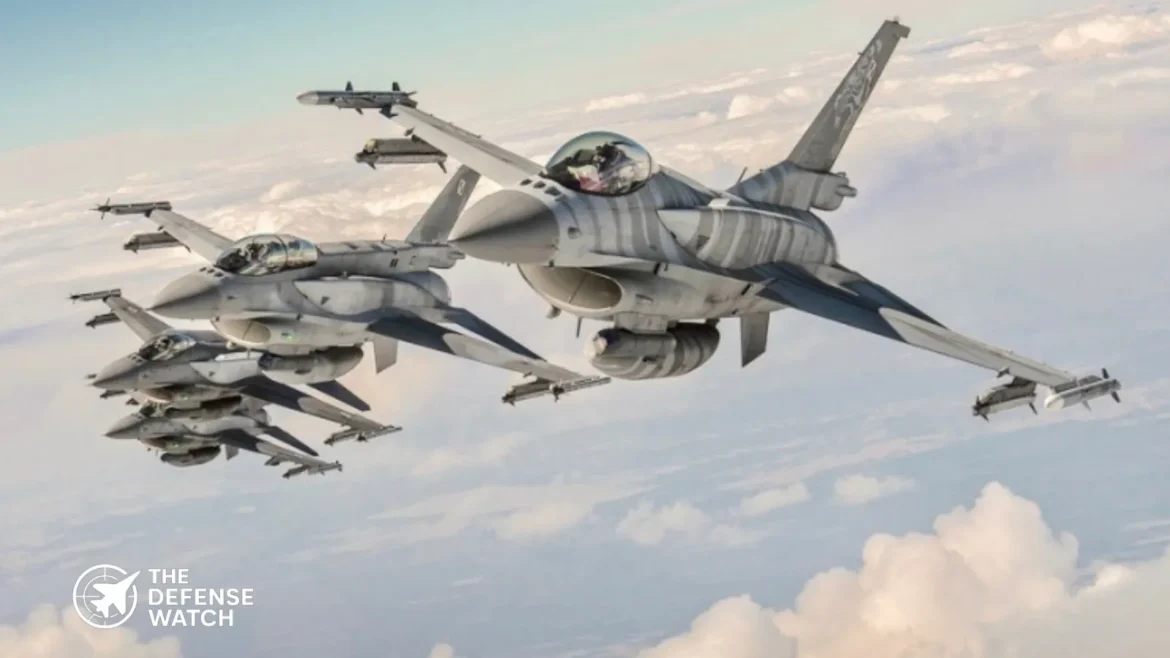
Polish jets intercepted a Russian reconnaissance plane over the Baltic Sea on Thursday, the Polish army confirmed, underscoring ongoing airspace vigilance along NATO’s eastern flank.
According to the Polish Armed Forces, fighter jets visually identified and escorted the Russian aircraft from the area of responsibility. The incident comes amid heightened alert since September, when Russian military jets violated Estonian airspace and multiple drones entered Polish airspace.
This morning, over international waters of the Baltic Sea, Polish fighter jets intercepted, visually identified, and escorted from their area of responsibility a Russian reconnaissance aircraft flying near the borders of Polish airspace,” the army said.
In a separate report, the Polish army noted that objects were detected entering Polish airspace from Belarus during the night. Detailed analysis suggested these were likely smuggling balloons, moving with wind currents. To ensure security, authorities temporarily closed part of the airspace over northeast Poland’s Podlaskie region, bordering Belarus.
NATO Eastern Flank Alert
Countries along NATO’s eastern border have maintained high readiness for airspace incursions. Recent months have seen repeated Russian reconnaissance flights near NATO territories, reinforcing the importance of rapid response measures by member states.
Poland’s interception demonstrates the ongoing emphasis on safeguarding sovereign airspace and regional security. Polish fighter jets remain on standby to respond to any potential breaches, working in coordination with NATO partners.
China’s military expansion is increasing U.S. security risks, the Pentagon said in its latest report on the People’s Liberation Army. The assessment highlights Beijing’s accelerated growth of nuclear weapons, aircraft carriers, and strategic capabilities.
The Department of Defense report describes China’s recent military buildup as historic, estimating six additional aircraft carriers by 2035, bringing its total fleet to nine, just behind the U.S. count of 11.
China’s nuclear stockpile, while in the low 600s at the end of 2024, is projected to surpass 1,000 warheads by 2030. The PLA has also advanced early-warning and counterstrike capabilities, allowing potential retaliatory strikes before incoming warheads detonate.
President Xi Jinping’s push for a “world-class” military reflects his goal to challenge U.S. global dominance by 2049. China’s official defense budget rose 5.2 percent in real terms from 2023 to 2024, though the Pentagon notes that actual spending likely exceeds the reported figures.
The report also highlights Beijing’s strategic ties with Russia, driven by shared interest in countering the U.S., but tempered by mutual distrust. Xi has directed forces to prepare for a potential Taiwan operation by 2027, learning lessons from Russia’s conflict in Ukraine regarding operational planning and modernization.
Amid rising tensions, U.S.-China diplomatic engagement continues. Former President Trump accepted an invitation from Xi to visit China in April 2026 and extended an invitation for a state visit to the U.S., emphasizing ongoing dialogue between the two powers.
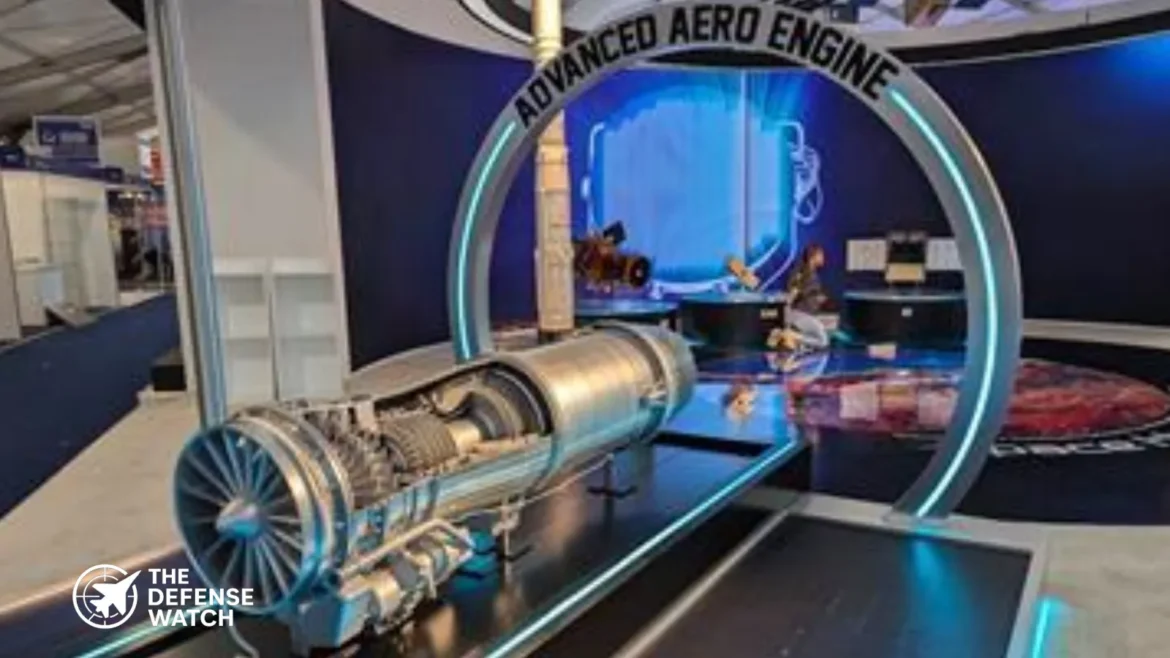
South Korea has officially committed $3.4 billion to develop an indigenous fighter engine for its KF-21 fighter program. The Advanced Aviation Engine Development Project will run from 2027 to 2040, according to the Defense Acquisition Program Administration.
The program aims to produce an engine with 16,000lb of military thrust and 24,000lb with afterburners. Initial projections had suggested a 15,000lb military thrust. Hanwha Advanced Aero Engine will lead prototype development, certification testing, and system-mounted flight tests.
The funding highlights Seoul’s push to reduce dependence on foreign engine suppliers and strengthen domestic aerospace capabilities. Officials said the project will cover full-cycle development, including prototype production, testing, and preparation for integration with the KF-21 fighter.
The KF-21 Boramae, South Korea’s homegrown stealth fighter, has been in development since 2015. The indigenous engine program aligns with broader regional trends emphasizing self-reliance in advanced military aviation technology.
Analysts note that this investment will position South Korea alongside other nations pursuing domestic fighter engine capabilities, enhancing both national security and technological expertise.
China Adapts Russia-Ukraine War Lessons to Taiwan Conflict Planning
China’s military has changed how it plans for a possible Taiwan conflict after studying Russian setbacks in Ukraine, according to a December 2025 assessment by the U.S. Department of War. The shift moves Beijing away from expecting a quick assault toward preparing for prolonged, high-intensity combat that tests logistics, joint force integration, and urban warfare.
China’s leadership views Taiwan as central to national goals and CCP legitimacy. Beijing sees the island’s continued autonomy as both a political challenge and a barrier to greater regional power projection. Gaining control of Taiwan would allow China to expand its anti-access and area denial footprint deeper into the Western Pacific.
Lessons from Russia’s Ukraine War
Chinese planners have taken key lessons from Russia’s difficulties in Ukraine, where poor logistics, weak joint operations, and costly urban fighting slowed Moscow’s campaign. As a result, the PLA now emphasizes:
- Sustained logistics and deep supply chains
- Integrated joint operations across land, sea, air, cyber, and space
- Urban combat capability derived from observed Russian losses in cities
- Information and cyber warfare to shape perceptions and delay external responses
These changes reflect an assumption that any Taiwan fight would be long and complex, not swift.
PLA Training and Modernization
The PLA has been honing joint force capabilities with larger amphibious units and combined arms training. New amphibious assault ships and mechanized units train for dense littoral and urban combat scenarios. Units are using UAVs, loitering munitions, and resilient communications to operate under contested conditions.
Amphibious and airborne forces are practicing coordinated assaults backed by naval and air assets. Large exercises around the Taiwan Strait have focused on blockades, precision strikes, and controlling strategic zones.
Taiwan’s Defenses and External Factors
Taipei fields advanced air defenses and mobile coastal missile units designed to disrupt invasions and complicate amphibious landings. Extended conflict increases the chance of outside involvement, particularly from the United States and allied partners, a factor Beijing is likely factoring into its planning.
Strategic Implications
China’s doctrinal shift shows that PLA leaders are not just watching Russia’s war; they are internalizing lessons and adapting their own war plans. Beijing now expects a battlefield that demands endurance, joint integration, and sustained operations across multiple domains.
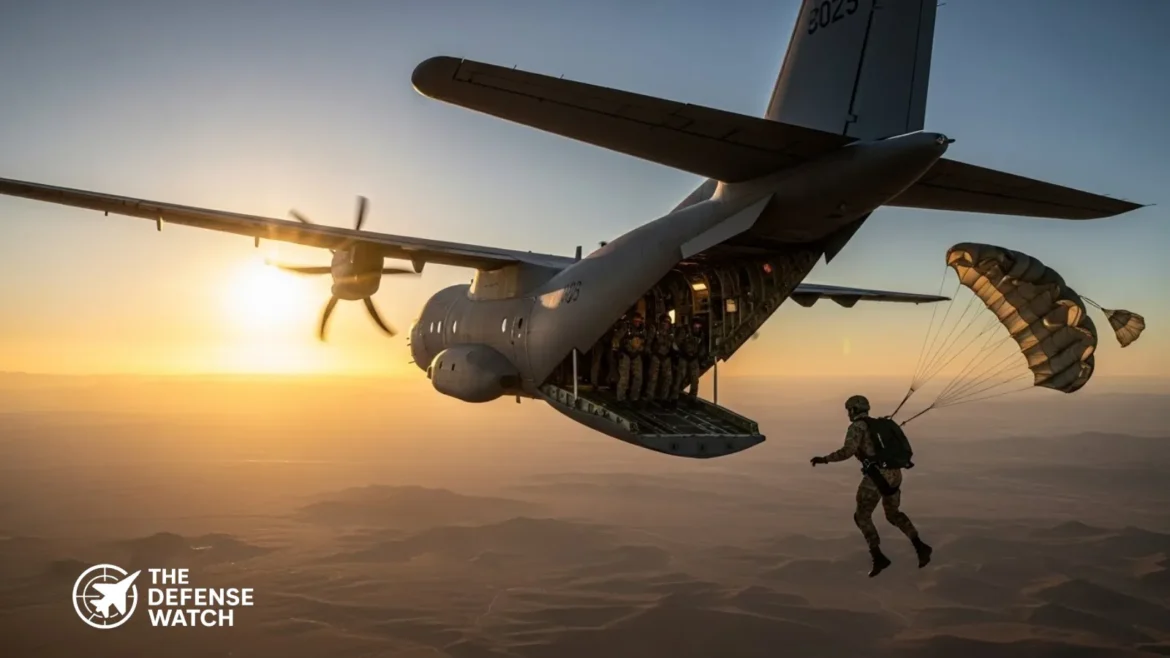
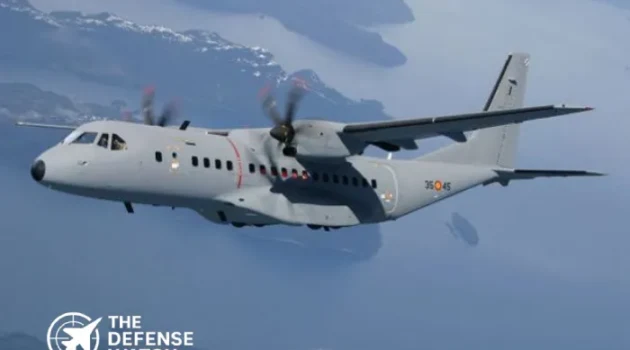
Spain has confirmed an order for 18 Airbus C295 tactical transport aircraft to strengthen its military airlift and paratrooper deployment capabilities. The contract also covers pilot training for the new fleet, according to Airbus and Spanish defense sources.
The Spanish Ministry of Defense selected the C295 to replace older transport aircraft and expand its tactical airlift capacity. These aircraft will serve dual roles, including paratrooper drops and pilot instruction.
The C295, manufactured by Airbus Defence and Space, is a versatile twin-engine turboprop widely used in Europe, Latin America, and Asia for tactical transport, medical evacuation, and surveillance missions. Its short takeoff and landing capability makes it suitable for diverse operational scenarios.
Delivery of the new fleet is expected to begin within the next few years, allowing Spain to modernize its airborne forces and maintain interoperability with NATO allies. The program also includes simulation-based training for pilots to ensure operational readiness.
This order aligns with Spain’s broader efforts to modernize its armed forces, including upgrades to aircraft, armored vehicles, and maritime assets. Analysts note that the C295 fleet will provide a flexible platform for rapid deployment in domestic and international operations.
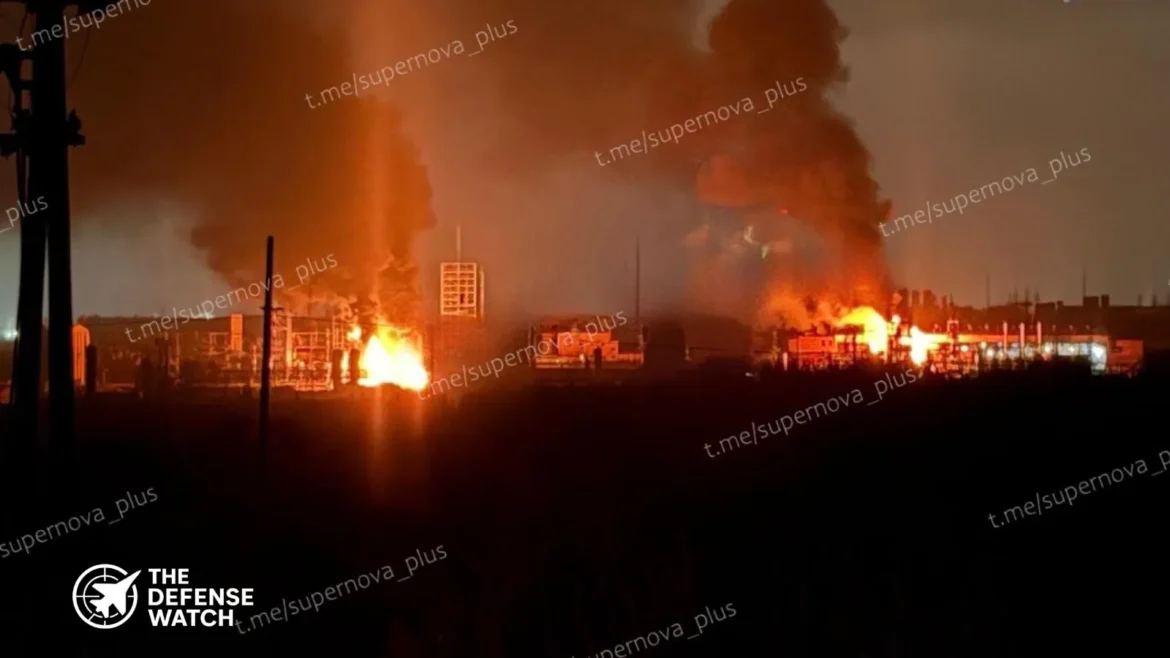
Ukraine strikes Russian rocket fuel plant as part of a deep strike campaign targeting Russia’s military industrial base, Ukrainian officials said on December 24.
The overnight drone attack hit the Yefremov Synthetic Rubber Plant in Russia’s Tula region, about 200 kilometers south of Moscow. Ukraine’s General Staff confirmed explosions and a large fire at the site following the strike.
The facility produces synthetic rubber and chemical compounds used in solid rocket fuel and plastic explosives. Ukrainian officials described it as a critical supplier for Russia’s missile and weapons production.
Russian regional authorities acknowledged a drone attack in the area but did not confirm damage at the plant. Emergency services were deployed to respond to fires, according to local statements.
The strike is part of a broader Ukrainian effort to hit Russian defense related infrastructure far from the battlefield. In recent months, Kyiv has expanded long range drone operations against refineries, ammunition depots, aircraft plants, and chemical facilities.
Ukrainian military sources say the goal is to disrupt Russia’s ability to sustain missile and ammunition production. Analysts note that even limited damage to chemical plants can halt output for extended periods due to safety and repair requirements.
The attack occurred during the Christmas period, when Ukraine has continued operations despite the holiday. Russia has also maintained long range missile and drone strikes against Ukrainian cities during the same timeframe.
Ukraine strikes Russian rocket fuel plant as Kyiv increases pressure on Russia’s rear industrial network, signaling that deep strike operations are likely to continue.
The U.S. Department of Defense has increased the Lockheed Martin C-130J contract ceiling by 10 billion, raising its total value to approximately 25 billion, the Pentagon confirmed on Monday.
The contract covers production, development, and engineering support for the C-130J Super Hercules military transport aircraft. No additional funds were obligated as part of the modification.
Key Details
- Program: C-130J Super Hercules
- Contract increase: 10 billion
- New ceiling: About 25 billion
- Managing office: Air Force Life Cycle Management Center
- Primary work location: Marietta, Georgia
- Contract period: Through July 2035
Why It Matters
The C-130J is a core tactical airlift aircraft for the U.S. Air Force and allied militaries. It supports cargo transport, troop movement, medical evacuation, and humanitarian missions, including operations from short and unprepared runways.
The higher contract ceiling allows the Pentagon to place future aircraft and support orders without renegotiating the base agreement, ensuring production continuity and long-term fleet sustainment.
Foreign Military Sales
The contract also supports Foreign Military Sales customers, including Australia, Egypt, France, Germany, Norway, New Zealand, and the Philippines. These sales strengthen interoperability with U.S. forces and maintain shared logistics standards.
What Comes Next
Future funding will be announced through separate procurement actions tied to U.S. defense budgets and allied orders. Additional C-130J deliveries and sustainment work are expected over the next decade.
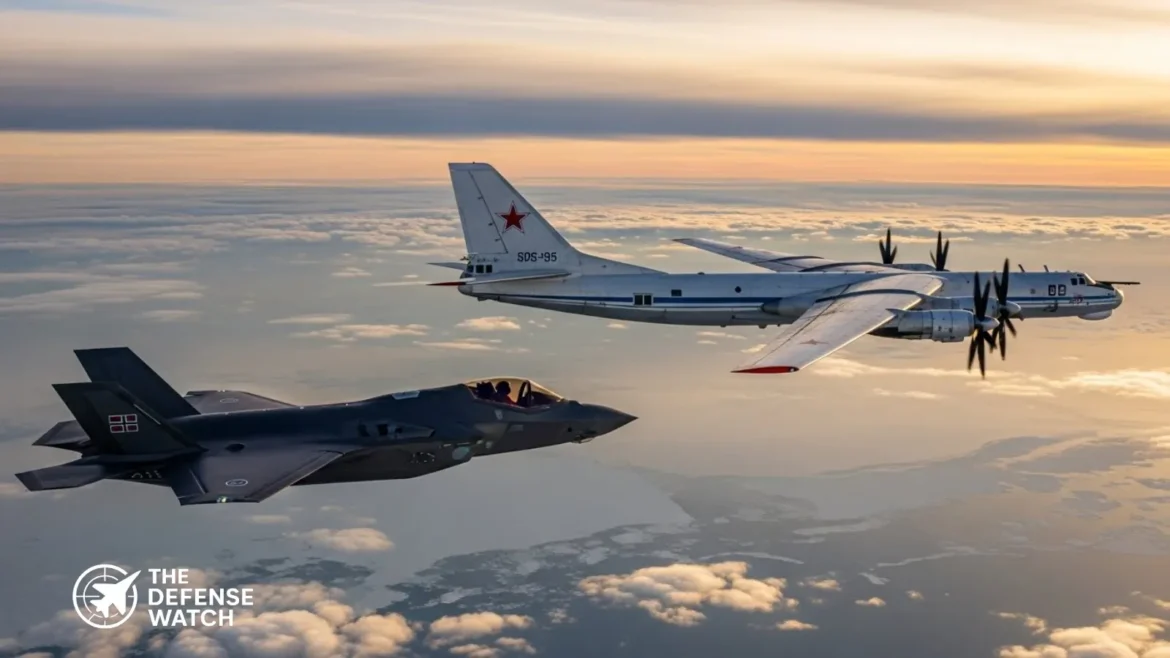
NATO scrambled fighter jets on Christmas Day after Russian Tu-95 strategic bombers conducted a long range patrol near Norway, underscoring continued Russian military activity close to alliance airspace during the war in Ukraine.
Russia’s Ministry of Defense said two Tu-95MS nuclear capable bombers carried out a seven hour flight over the Norwegian and Barents Seas. NATO officials confirmed that allied aircraft were launched to monitor and escort the Russian planes while they flew near NATO controlled airspace. No violations of sovereign airspace were reported.
The incident occurred during a period when Russian long range aviation activity has increasingly drawn NATO responses, particularly in the Arctic and North Atlantic regions.
Background: Rising Arctic Air Activity
The Arctic has become a more active military theater since Russia’s invasion of Ukraine in 2022. Long range bomber patrols by Russia, often involving Tu-95 or Tu-160 aircraft, have resumed with greater frequency along NATO’s northern flank.
Norway occupies a key strategic position in this region. It shares a land border with Russia and hosts NATO radar, surveillance, and air policing assets that monitor activity over the Norwegian Sea, Barents Sea, and Arctic approaches.
NATO routinely scrambles aircraft when unidentified or non communicating military planes approach alliance airspace. These intercepts are standard practice and are designed to identify aircraft, ensure flight safety, and signal presence rather than escalate tensions.
Details of the Russian Bomber Mission
According to Russia’s Defense Ministry, the Tu-95 bombers flew with support aircraft and followed a planned route over international waters. Russian officials stated that all flights complied with international aviation rules and that crews practiced long range mission tasks.
The Tu-95MS, known by NATO as Bear H, is a Cold War era bomber that remains a core part of Russia’s strategic aviation force. Despite its age, the aircraft has been modernized to carry cruise missiles, including the Kh-101 and Kh-102, which have been used in strikes against Ukraine.
NATO did not disclose which member states launched fighter jets, but Norway typically conducts such intercepts using F-35A stealth fighters based at Evenes Air Station. Allied aircraft from the United Kingdom or the United States also regularly support Arctic air policing missions.
NATO Response and Air Policing Role
NATO officials emphasized that the response was routine and defensive. Air policing missions are a permanent part of NATO’s collective defense posture, especially in regions bordering Russia.
These missions involve quick reaction alert aircraft that can be airborne within minutes of a potential airspace approach. Intercepts are closely coordinated through NATO’s integrated air and missile defense network.
While such encounters are usually professional, NATO has expressed concern in the past about Russian aircraft flying without transponders or failing to communicate with civilian air traffic control, increasing the risk of accidents.
Why the Tu-95 Still Matters
Although first introduced in the 1950s, the Tu-95 remains relevant due to its long range and missile carrying capability. The aircraft can fly thousands of miles and launch cruise missiles without entering defended airspace.
During the Ukraine war, Tu-95 bombers have been used to launch missile attacks from Russian airspace, reducing their exposure to air defenses. This role has renewed attention on the platform and its strategic value.
Flights near NATO airspace also serve a signaling function. They allow Russia to demonstrate readiness, test NATO response times, and maintain pilot proficiency in long duration missions.
Expert and Policy Perspective
Defense analysts say these patrols are part of a broader pattern of military messaging rather than preparation for direct conflict.
Arctic security experts note that Russia views the High North as vital for nuclear deterrence, submarine operations, and access to the North Atlantic. Maintaining an air presence supports these goals and reinforces Moscow’s claim to regional influence.
For NATO, consistent intercepts help reassure member states and demonstrate alliance unity. Norway has invested heavily in surveillance systems, new aircraft, and cooperation with allies to monitor Russian activity in the region.
The incident also highlights how the Ukraine war has extended its impact far beyond Eastern Europe, increasing military friction in air and maritime domains across the alliance perimeter.
What to Watch Next
NATO officials expect Russian long range aviation activity to continue into 2026, particularly around symbolic dates and major exercises. Future flights may coincide with naval deployments or missile drills in the Arctic.
At the same time, NATO members are expanding Arctic readiness through joint exercises, infrastructure upgrades, and improved command and control systems.
While these intercepts remain routine, they reflect a security environment where vigilance has become a constant requirement.
Closing Assessment
The Christmas Day Tu-95 flight near Norway and NATO’s rapid response underline the persistent strain in NATO Russia relations. As the war in Ukraine continues, the Arctic and North Atlantic are likely to remain active zones of military signaling and monitoring rather than calm peripheries.
Defining the 5th Generation Fighter Jet
The term 5th generation fighter jet is now central to modern airpower debates, defense budgets, and strategic planning. Aircraft such as the US F 22 Raptor, F 35 Lightning II, China’s J 20, and Russia’s Su 57 are often grouped under this label. Yet the meaning of a 5th generation fighter jet goes far beyond speed or weapons load.
At its core, a fifth generation fighter jet combines stealth, advanced sensors, data fusion, and networked warfare into a single combat system. These aircraft are designed not just to fight other jets, but to survive and dominate in highly defended airspace filled with radar, surface to air missiles, electronic warfare, and cyber threats.
Understanding what truly makes a 5th generation fighter jet helps explain why these aircraft are so costly, why nations compete to field them, and why air forces see them as central to future conflict.
(adsbygoogle = window.adsbygoogle || []).push({});The Evolution of Fighter Aircraft Generations
From Early Jets to Digital Battlefields
Fighter aircraft generations are not official standards set by any single authority. Instead, they are broad groupings used by analysts and air forces to describe major leaps in capability.
First and second generation jets focused on basic jet propulsion and early missiles. Third generation fighters introduced better radar and beyond visual range weapons. Fourth generation fighters such as the F 16, F 15, Su 27, and Mirage 2000 emphasized maneuverability, pulse Doppler radar, and multirole capability.
The fifth generation fighter jet marks a shift away from pure performance toward survivability and information dominance.
Why a New Generation Was Needed
By the late Cold War and early post Cold War period, air defenses had grown deadly. Advanced radars, integrated air defense systems, and long range missiles made traditional fighter tactics risky. Air forces needed aircraft that could enter hostile airspace without being seen, gather information, strike targets, and coordinate other forces.
(adsbygoogle = window.adsbygoogle || []).push({});This requirement led directly to the defining traits of the 5th generation fighter jet.
Stealth as a Foundational Requirement
Low Observability by Design
Stealth is the most visible feature of a 5th generation fighter jet. Unlike earlier aircraft that added radar absorbing materials later, fifth generation jets are shaped from the start to reduce radar detection. Smooth surfaces, internal weapons bays, and careful alignment of edges all reduce radar cross section.
Stealth does not mean invisibility. It means delaying detection, reducing tracking range, and forcing enemy radars to work harder. This gives pilots more time and more options.
The US Air Force provides public overviews of stealth principles through official fact sheets and program pages, such as those hosted on af.mil.
(adsbygoogle = window.adsbygoogle || []).push({});Infrared and Acoustic Reduction
Stealth also extends beyond radar. Fifth generation fighter jets reduce infrared signatures by managing engine heat and exhaust flow. While not silent, these aircraft are harder to detect across multiple sensor types compared to older fighters.
Sensor Fusion and Situational Awareness
From Raw Data to Clear Pictures
A defining feature of a 5th generation fighter jet is sensor fusion. Earlier fighters required pilots to interpret radar, electronic warning systems, and targeting pods separately. In contrast, fifth generation aircraft merge all sensor inputs into a single, clear picture.
Radar, infrared search and track, electronic support measures, and off board data from other aircraft or satellites are combined automatically. The pilot sees threats, targets, and friendly forces on one display without manual cross checking.
This concept is explained in detail in manufacturer material from Lockheed Martin and defense analysis from institutions like the RAND Corporation, available at rand.org.
Reducing Pilot Workload
By automating data fusion, fifth generation fighter jets reduce pilot workload. This allows pilots to focus on tactics and decision making rather than managing systems. In high threat environments, this advantage can be decisive.
Networked Warfare and Data Sharing
Fighters as Information Nodes
A 5th generation fighter jet is not just a shooter. It is a sensor and command node. These aircraft can collect data deep inside hostile territory and share it securely with other fighters, bombers, ships, and ground forces.
(adsbygoogle = window.adsbygoogle || []).push({});This networked role allows older aircraft and surface forces to engage targets they might never detect on their own. In many scenarios, the fifth generation fighter acts as the forward scout for the entire force.
Secure Communications and Datalinks
Advanced datalinks are essential to this role. Unlike legacy systems, fifth generation fighters use secure, low probability of intercept communications designed to preserve stealth. This enables cooperative engagement without revealing positions.
Advanced Avionics and Software Driven Design
Software as a Combat Capability
Modern 5th generation fighter jets are heavily software driven. Mission systems, sensor fusion, and electronic warfare capabilities depend on millions of lines of code. Updates can add new capabilities without major hardware changes.
This approach mirrors trends seen in civilian aerospace and is a major shift from earlier fighters, where upgrades required physical changes to avionics.
Open Architecture Trends
Some newer programs are moving toward more open mission systems. This allows faster integration of new sensors, weapons, and electronic warfare tools. The goal is to keep fifth generation fighters relevant as threats evolve.
Supercruise and Kinematic Performance
Speed Without Afterburners
Many fifth generation fighter jets are designed to supercruise, meaning they can fly at supersonic speeds without using afterburners. This reduces fuel use and infrared signature while improving response time.
(adsbygoogle = window.adsbygoogle || []).push({});The F 22 is the clearest example of this capability, though not all fifth generation fighters emphasize it equally.
Maneuverability Still Matters
While stealth and sensors dominate, maneuverability has not disappeared. Fifth generation fighters still require high agility for close combat and missile evasion. Thrust vectoring and advanced flight controls support this role.
Internal Weapons and Multirole Flexibility
Preserving Stealth in Combat
To maintain low observability, fifth generation fighter jets carry weapons internally during high threat missions. This limits payload compared to external pylons but preserves stealth during critical phases.
When stealth is less important, some aircraft can carry external stores, trading stealth for payload.
Air to Air and Air to Ground Roles
A key feature of the 5th generation fighter jet is true multirole capability. These aircraft can conduct air superiority, strike, intelligence gathering, and electronic attack within the same mission. This flexibility reduces the need for specialized platforms.
Global Examples of 5th Generation Fighter Jets
United States
The US operates the F 22 Raptor and F 35 Lightning II. The F 22 focuses on air dominance, while the F 35 emphasizes multirole operations and coalition interoperability. Official program details are available through defense.gov and manufacturer sources.
China and Russia
China’s J 20 emphasizes long range interception and regional airpower. Russia’s Su 57 combines stealth shaping with traditional high maneuverability. Both programs reflect national priorities and industrial approaches.
(adsbygoogle = window.adsbygoogle || []).push({});Analysis: Why the Definition Still Matters
Despite frequent use, the term 5th generation fighter jet remains debated. Some analysts argue that capability matters more than labels. Others note that emerging upgrades blur generational lines.
Still, the concept remains useful. It highlights a shift in air combat from platform centric performance to system level dominance. Stealth, sensors, and networks now matter as much as speed or turn rate.
As sixth generation programs begin to take shape, the lessons of fifth generation fighters will shape the next era of airpower.
(adsbygoogle = window.adsbygoogle || []).push({});FAQs
What is the main feature of a 5th generation fighter jet?Stealth combined with sensor fusion and networked warfare is the defining feature.
Is stealth alone enough to qualify as fifth generation?No. True fifth generation fighters integrate stealth, sensors, data fusion, and secure networking.
Are all stealth fighters fifth generation?Not necessarily. Some aircraft use stealth features but lack full sensor fusion or networking.
Will fourth generation fighters become obsolete?No. Many are being upgraded and will operate alongside fifth generation fighters for decades.