

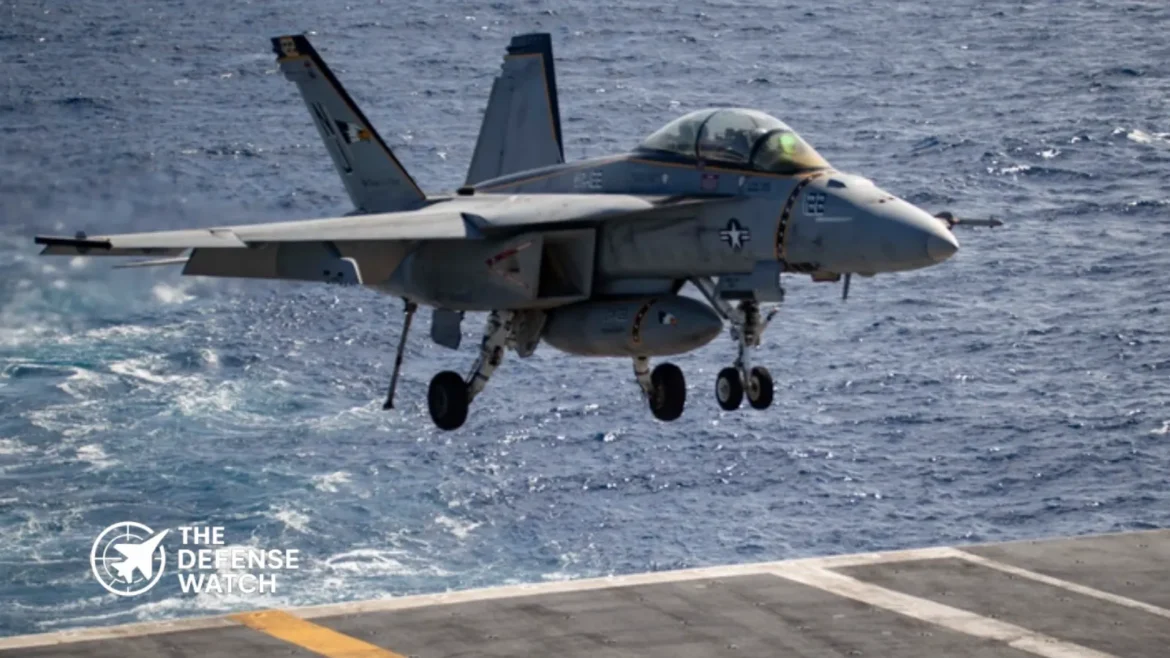
- Iran’s Islamic Revolutionary Guard Corps shared footage claiming to have shot down a US F-18 fighter jet near Chabahar, Iran.
- US Central Command responded on social media saying the Iranian claim is false, asserting no US fighter aircraft was shot down.
- The video shared by Iranian outlets shows an aircraft and explosion but has not been verified by independent or US military sources.
- The claim comes amid heavy conflict in the Middle East involving Iranian forces, US and coalition air operations.
- CENTCOM’s fact check follows similar Iranian claims about downing US aircraft that were denied days earlier.
Iran F-18 Claim Debunked, CENTCOM Says No US Fighter Downed
Iran’s claim that it shot down a US F-18 fighter jet near Chabahar in southeastern Iran was denied by US Central Command on March 26, 2026. According to media reports, Iranian state-affiliated channels shared video and statements asserting a successful hit on an American aircraft. CENTCOM officials responded on social media saying no US fighter aircraft has been shot down by Iranian forces.
The Islamic Revolutionary Guard Corps (IRGC) asserted the strike in social media posts accompanied by video footage. Iran’s Press TV and other state outlets described the visuals as proof of the hit on a Boeing F/A-18 fighter operating over Chabahar. The context of the claim is the wider set of hostilities between Iranian forces and US-led activities in the region.
CENTCOM’s denial was direct and unambiguous, stating that no F-18 or any US fighter had been lost to hostile fire. The fact check by the US military was posted on its official social media channels as videos of the alleged incident circulated widely online.
Analysis Of The Footage And Claims
The video shared by Iranian outlets has not been independently verified by international observers or Western defense analysts. Visuals circulating on social platforms show an aircraft and an explosion sequence, but they do not conclusively demonstrate a downed US fighter. Without clear geolocation, verifiable metadata, and corroboration from neutral sources, the footage remains unconfirmed.
This is not the first time such claims have been made. Similar Iranian assertions about damaging or downing US aircraft earlier in March 2026 were met with official denials. Independent trackers of Middle East conflict incidents list other aviation losses tied to the ongoing Iran-Israel war, including unmanned systems and allied aircraft accidents.
Strategic And Geopolitical Context
The dispute over the F-18 report emerged against the backdrop of intense military operations in the Middle East. Iran has been confronting coalition air activity while also launching its own missile and drone strikes. US forces and their allies have conducted extensive air and missile operations targeting Iranian and proxy assets.
In conflict zones, information can be weaponized for domestic morale and international positioning. Tehran’s broadcast of the claim may serve internal messaging purposes and aims to project capability. Conversely, CENTCOM’s rapid fact check seeks to prevent escalatory misinterpretations and reassure audiences that no pilot losses or aircraft attrition have occurred.
What Is Known And Not Known
At this stage, there is no independent confirmation that an F/A-18 or other US fighter was struck and destroyed by Iranian forces. US Central Command’s official statement remains the most authoritative source on the matter, saying no such shootdown took place.
Without access to verified radar tracks, operational logs, or eyewitness accounts from coalition forces, definitive assessment beyond the official denial is not possible. Analysts will continue to monitor both open-source intelligence and official communiques as the conflict develops.

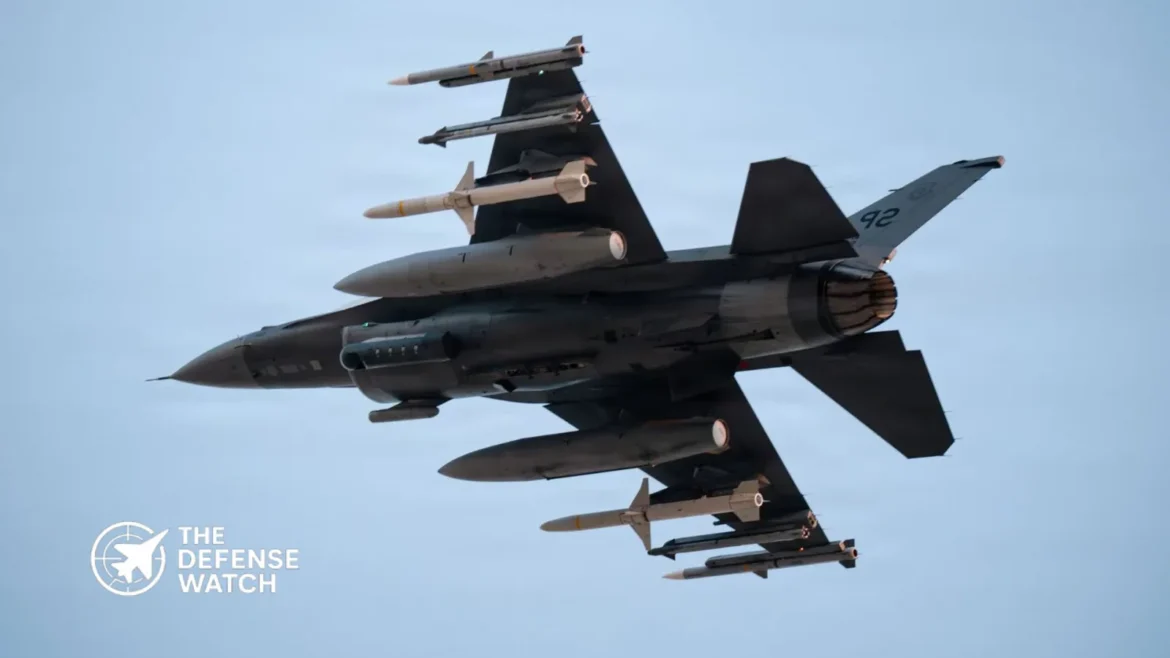
- The United States has conducted over 6,000 combat sorties against Iran since Operation Epic Fury began.
- Operations involve a mix of strike, ISR, and support missions across multiple domains.
- The scale signals a sustained high intensity air campaign in the Middle East.
- The campaign reflects ongoing escalation following initial strikes earlier in 2026.
- Airpower remains the primary tool for U.S. force projection against Iranian targets.
US Conducts 6,000 Combat Sorties Against Iran
US combat sorties against Iran have surpassed 6,000 under Operation Epic Fury, marking one of the most sustained American air campaigns in the region in recent years. The figure reflects a high operational tempo and signals a prolonged military effort targeting Iranian-linked assets and infrastructure.
The Big Picture
U.S. airpower remains central to Washington’s approach to managing escalation in the Middle East. Operation Epic Fury demonstrates how the Pentagon continues to rely on precision strike capabilities, ISR networks, and rapid deployment forces to maintain operational pressure without committing large ground formations.
This campaign aligns with broader U.S. military priorities, including maintaining regional deterrence, protecting allied forces, and countering state and proxy threats. It also reflects lessons learned from past conflicts in Iraq and Syria, where sustained air operations enabled strategic effects with reduced troop exposure.
What’s Happening
U.S. forces have conducted more than 6,000 combat sorties since the launch of Operation Epic Fury in 2026. These missions include:
- Precision airstrikes on Iranian military and proxy targets
- Intelligence, surveillance, and reconnaissance flights
- Electronic warfare and suppression of enemy air defenses
- Aerial refueling and support operations
The campaign spans multiple operational areas, with aircraft operating from regional bases and carrier strike groups. The scale of sorties indicates continuous operations rather than limited or symbolic strikes.
Why It Matters
The volume of US combat sorties against Iran highlights a shift from episodic strikes to sustained air warfare. This level of activity requires significant logistical coordination, including tanker support, munitions supply chains, and maintenance cycles.
It also underscores the maturity of U.S. joint operations. Modern campaigns integrate air, cyber, and space assets to achieve persistent battlefield awareness and strike precision. This reduces risk to pilots while increasing the effectiveness of each sortie.
From a policy perspective, the campaign shows that Washington is willing to sustain long duration military pressure without rapid escalation to full scale war.
Strategic Implications
The sustained sortie rate strengthens U.S. deterrence by demonstrating both capability and endurance. It signals that American forces can maintain pressure over extended periods, complicating adversary planning and limiting operational freedom.
At the same time, the campaign raises questions about escalation management. Continuous strikes increase the risk of retaliation, miscalculation, or broader regional conflict involving proxy groups or allied states.
The operation also reinforces U.S. commitments to regional partners, particularly those concerned about Iranian missile and drone capabilities.
Competitor View
Iran is likely to interpret the 6,000 sortie milestone as evidence of a long term U.S. campaign rather than a limited response. This may drive Tehran to rely more heavily on asymmetric tactics, including proxy operations and dispersed assets.
China and Russia will view the campaign through a different lens. Both countries monitor U.S. operational patterns to understand force readiness, logistics resilience, and airpower doctrine. The ability to sustain thousands of sorties provides insight into U.S. capacity for prolonged high intensity conflict.
Regional actors will assess whether the campaign enhances stability or increases the risk of wider confrontation.
What To Watch Next
Future developments will focus on whether sortie rates remain consistent or begin to decline. A sustained pace would indicate ongoing operational objectives, while a reduction could signal mission completion or strategic recalibration.
Analysts will also watch for:
- Deployment of additional air assets or carrier groups
- Shifts in targeting priorities
- Integration of new technologies such as autonomous systems
- Diplomatic efforts aimed at de escalation
Capability Gap
Operation Epic Fury addresses a key challenge in modern warfare, the need for persistent, precision strike capability without large ground deployments. Airpower fills this gap by providing rapid response and scalable force.
However, limitations remain. Air campaigns alone rarely achieve decisive political outcomes. They depend on intelligence accuracy, partner coordination, and clear strategic objectives. Sustained operations also strain logistics and maintenance systems over time.
The Bottom Line
The 6,000 US combat sorties against Iran reflect a sustained, high intensity air campaign that underscores Washington’s reliance on airpower to project force and manage regional conflict.
- Pentagon officials told Congress the first week of the U.S. war against Iran cost roughly $6 billion.
- Around $4 billion of the total was spent on munitions and missile defense interceptors.
- U.S. and allied strikes have hit approximately 4,000 Iranian targets including missile launchers and air defenses.
- U.S. Central Command says Iranian ballistic missile launches have dropped by about 90 percent since the first day of the campaign.
- The Pentagon is expected to request additional funding to replenish depleted stockpiles and sustain operations.
US War Against Iran Cost $6 Billion In First Week
The US war against Iran cost roughly $6 billion in its first week, according to Pentagon officials who briefed members of Congress on the financial impact of the opening phase of the military campaign.
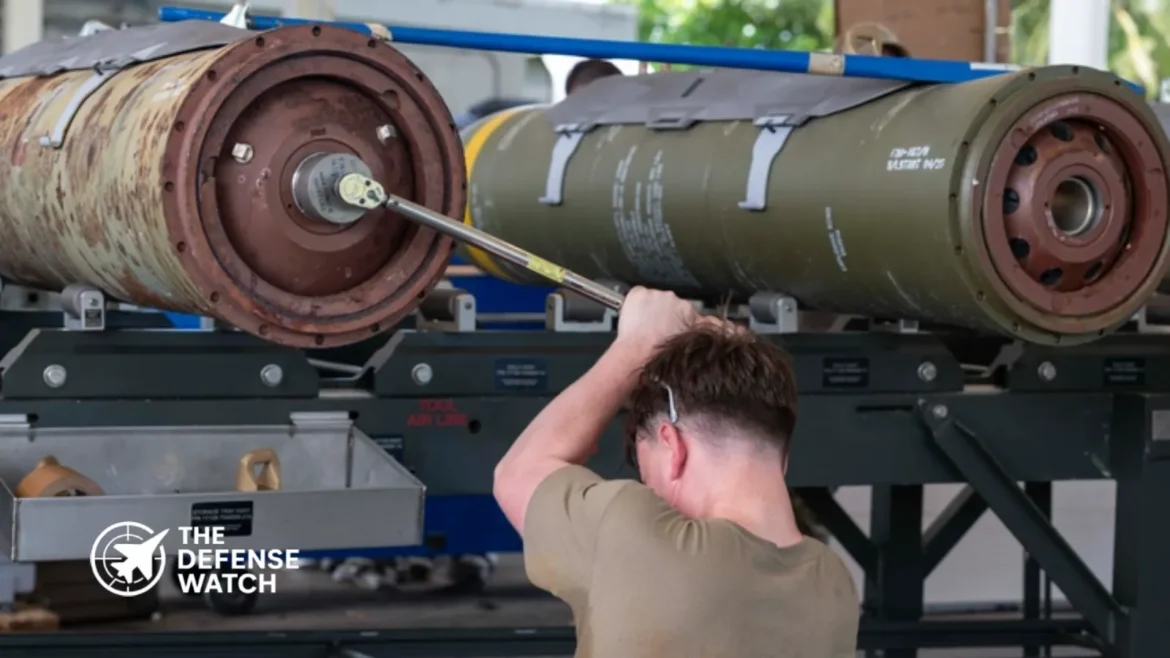
Most of that spending was tied to high-end weapons. Approximately $4 billion went toward munitions and missile defense interceptors, systems used to strike Iranian military targets and defend U.S. forces and regional allies from retaliatory missile attacks.
The figures underscore the intensity of the air and missile campaign launched as part of the broader U.S. military operation targeting Iran’s strategic military infrastructure.
The Big Picture
The cost of the opening week reflects the scale of the largest U.S. combat operation in the Middle East in years.
The campaign began after coordinated U.S. and Israeli strikes targeted Iranian military sites in late February 2026. The operation quickly evolved into a high-tempo air and missile campaign involving advanced aircraft, naval strike groups, and long-range precision weapons.
Early operations focused on degrading Iran’s core military capabilities. These included missile launch sites, naval assets in the Persian Gulf, and integrated air defense systems protecting key military infrastructure.
Large-scale operations of this kind typically carry a heavy upfront financial burden. The opening phase of modern air campaigns often consumes large inventories of precision-guided weapons, which are among the most expensive items in the U.S. arsenal.
What’s Happening
Pentagon officials disclosed the financial figures during discussions with lawmakers reviewing the operational costs of the ongoing conflict.
According to New York Times:
- The first week of combat operations cost about $6 billion.
- Approximately $4 billion went to munitions and interceptor missiles used in both offensive strikes and missile defense.
- U.S. and allied forces have struck around 4,000 Iranian military targets during the campaign.
Targets reportedly included:
- Ballistic missile launchers
- Naval vessels
- Air defense systems
- Military infrastructure across Iran
Adm. Brad Cooper, commander of U.S. Central Command, said Iranian ballistic missile launches have dropped roughly 90 percent since the first day of the campaign, while drone attacks have declined by about 83 percent.
Despite those reductions, U.S. officials caution that Iran still retains roughly half of its missile capabilities, meaning the threat remains significant.
Why It Matters
The US war against Iran cost figures reveal how expensive modern high-intensity warfare has become, especially when advanced precision weapons and missile defense systems dominate operations.
Several factors drive the high cost:
- Precision munitions
Weapons such as cruise missiles and guided bombs cost hundreds of thousands to several million dollars each. - Missile defense interceptors
Systems designed to shoot down incoming missiles often cost several million dollars per shot. - High operational tempo
Large numbers of daily sorties and naval launches rapidly consume stockpiles.
Defending against Iranian missile and drone attacks has proven particularly expensive. Interceptors designed to stop ballistic missiles and drones often cost far more than the weapons they destroy.
This dynamic has become a central challenge in modern warfare, especially against adversaries that rely on large volumes of relatively inexpensive missiles or drones.
Strategic Implications
The financial burn rate of the campaign highlights broader strategic pressures facing the U.S. defense establishment.
Sustained operations at this pace could require significant supplemental funding from Congress. Pentagon officials have already indicated that additional funding will likely be needed to replenish depleted weapons inventories.
This issue extends beyond the Middle East.
The United States must maintain sufficient stockpiles for other potential conflicts, including in the Indo-Pacific and Europe. Large wartime expenditures in one theater can strain global readiness if replacement production cannot keep pace.
Defense planners have increasingly warned that the U.S. industrial base may struggle to replenish advanced weapons quickly during prolonged conflicts.
Competitor View
Strategic competitors will closely monitor both the operational and economic aspects of the campaign.
Russia and China have long argued that U.S. military power relies heavily on expensive high-tech weapons systems that could become financially unsustainable during prolonged conflicts.
Iran may also draw lessons from the cost imbalance between its relatively inexpensive drones and missiles and the far more expensive systems required to intercept them.
This dynamic has shaped many recent conflicts, where large volumes of low-cost weapons force technologically advanced militaries to expend costly interceptors.
What To Watch Next
Several developments will shape the next phase of the conflict.
Supplemental funding request
The Pentagon is expected to seek additional funds from Congress to cover the ongoing campaign and replenish weapons inventories.
Operational tempo changes
Air campaigns often slow after the initial surge of strikes, which could reduce the daily burn rate of munitions.
Industrial production increases
Defense contractors may be asked to accelerate production of key systems, including interceptor missiles and precision weapons.
Regional escalation risks
Iran’s remaining missile arsenal and regional proxy forces could continue to generate operational costs for U.S. forces.
Capability Gap
The campaign highlights a persistent capability gap in modern warfare.
Advanced militaries rely on extremely expensive interceptor systems to defeat missiles and drones that can cost only a fraction as much to produce.
This imbalance has become a central challenge for air and missile defense systems worldwide.
U.S. defense planners are increasingly exploring lower-cost solutions such as directed-energy weapons, electronic warfare systems, and cheaper interceptor designs to reduce the economic burden of sustained missile defense operations.
The Bottom Line
The US war against Iran cost $6 billion in its first week, demonstrating both the military intensity and financial scale of modern high-technology warfare.
- U.S. Central Command issued a civilian safety warning regarding Iranian military activity in urban areas.
- Iran is reportedly launching one way attack drones and ballistic missiles from cities including Dezful, Esfahan, and Shiraz.
- CENTCOM states that sites used for military operations may lose protected civilian status under international law.
- Iran has launched hundreds of ballistic missiles and thousands of drones since Feb. 28.
- U.S. and partner forces say Iranian launch rates are declining as military infrastructure is targeted.
U.S. CENTCOM Safety Warning Highlights Iranian Drone And Missile Launches From Cities
The U.S. CENTCOM safety warning issued March 8 states that Iranian forces are launching drones and ballistic missiles from heavily populated urban areas, placing civilians at risk and complicating military operations across the Middle East.
U.S. Central Command said Iranian military units are conducting launch operations from cities including Dezful, Esfahan, and Shiraz. According to the command, the Iranian government is using civilian populated areas as operational sites for one way attack drones and ballistic missiles.
(adsbygoogle = window.adsbygoogle || []).push({});CENTCOM officials warned that facilities used for military operations may lose protected civilian status under international humanitarian law, increasing the potential risk to nearby populations if those locations become military targets.
Adm. Brad Cooper, commander of U.S. Central Command, said the Iranian government is disregarding civilian safety while carrying out attacks against regional partners.
The Big Picture
The U.S. CENTCOM safety warning reflects a broader escalation in regional military activity involving Iran and U.S. partner nations across the Middle East.
Since late February, Iran has conducted large scale launches of drones and ballistic missiles targeting regional sites, including civilian infrastructure such as airports and residential areas, according to U.S. military statements.
The warning highlights a key feature of modern missile warfare in the region. Military forces increasingly disperse launch systems inside urban environments to complicate detection and targeting. This tactic reduces vulnerability to preemptive strikes but increases risks to civilian populations.
Urban launch operations also create operational and legal challenges for opposing forces. Targeting sites located within populated areas requires careful verification and precision engagement to reduce civilian harm.
For U.S. forces operating under strict rules of engagement, these conditions can slow targeting timelines and complicate air defense responses.
What Is Happening
According to CENTCOM, Iranian military units have used several major cities as operational hubs for drone and missile launches.
Locations identified by the command include:
Dezful
Esfahan
Shiraz
These cities host a mix of civilian populations and military infrastructure. Iran maintains air bases, missile depots, and aerospace research facilities across several of these locations.
CENTCOM reported that Iran has launched hundreds of ballistic missiles and thousands of one way attack drones since Feb. 28, representing one of the largest coordinated launch campaigns attributed to the country in recent years.
However, U.S. officials say the pace of launches has recently declined.
The command attributes the reduction to ongoing operations by U.S. and partner forces targeting Iranian military capabilities.
(adsbygoogle = window.adsbygoogle || []).push({});CENTCOM emphasized that the U.S. military attempts to minimize civilian casualties but cannot guarantee safety near facilities used for military operations.
Why It Matters
The U.S. CENTCOM safety warning highlights the increasing central role of drone warfare and missile systems in regional conflicts.
Iran has spent decades developing an extensive missile and unmanned aerial vehicle program designed to provide strategic deterrence against technologically superior adversaries.
Ballistic missiles allow Iran to strike targets across the Middle East from within its borders. One way attack drones offer a lower cost but highly flexible strike option that can overwhelm air defenses through mass launches.
By launching these systems from populated areas, Iran complicates the targeting decisions of adversaries and increases the potential political cost of retaliatory strikes.
However, this tactic also increases the risk to Iranian civilians if military infrastructure becomes a target during conflict.
The issue has drawn increasing attention from military planners who must balance operational necessity with legal obligations under the laws of armed conflict.
Strategic Implications
The warning from CENTCOM reflects a growing regional confrontation between Iran and U.S. aligned partners in the Gulf.
Iran’s missile and drone forces form the backbone of its deterrence strategy. These systems provide Tehran with the ability to threaten energy infrastructure, military bases, and commercial shipping routes across the region.
For the United States, countering these capabilities has become a central mission for regional commands and coalition forces.
Air defense networks in the Gulf now rely on a layered architecture that includes Patriot missile batteries, naval Aegis systems, and fighter aircraft capable of intercepting drones and cruise missiles.
The current surge in Iranian launches tests these systems under real operational conditions. It also demonstrates the scale at which drone warfare can challenge modern air defenses.
If Iranian launch infrastructure continues to operate inside urban areas, coalition forces will face ongoing challenges identifying and neutralizing threats while minimizing civilian harm.
Competitor View
Iranian military doctrine places strong emphasis on asymmetric warfare against technologically superior adversaries.
From Tehran’s perspective, dispersing missile and drone operations across urban environments increases survivability and complicates enemy targeting.
Russian and Chinese military planners have studied similar operational concepts in recent conflicts. The widespread use of mobile missile launchers and concealed drone infrastructure reflects broader trends in modern warfare.
Urban concealment techniques reduce vulnerability to surveillance systems such as satellites, drones, and airborne radar platforms.
However, these tactics can also draw international criticism if military operations occur in densely populated areas.
(adsbygoogle = window.adsbygoogle || []).push({});Capability Gap
The situation highlighted by the U.S. CENTCOM safety warning exposes a persistent challenge for modern air defense systems.
Missiles and drones launched from urban areas often provide minimal warning time for defenders. Mobile launchers can appear briefly before firing and then relocate rapidly.
Traditional missile defense systems were designed primarily to counter high altitude ballistic threats. Large scale drone attacks require additional capabilities such as electronic warfare systems, directed energy weapons, and rapid firing interceptors.
The U.S. military has increasingly invested in layered counter drone systems to address this gap. These include high energy lasers, electronic jamming systems, and advanced radar networks designed to detect low flying unmanned aircraft.
What To Watch Next
Several developments could shape how this situation evolves.
Military analysts will closely watch whether Iranian launch activity continues or declines further following coalition strikes.
Another key factor is the potential expansion of missile defense operations by U.S. allies in the Gulf. Regional states have been upgrading radar networks and interceptor systems in response to the growing drone threat.
Operational data gathered during these attacks could also influence future U.S. procurement decisions for counter drone technology.
(adsbygoogle = window.adsbygoogle || []).push({});Finally, any escalation involving strikes on Iranian military infrastructure could significantly reshape the regional security environment.
The Bottom Line
The U.S. CENTCOM safety warning underscores the growing risks of missile and drone warfare conducted from urban areas, a tactic that increases operational complexity while placing civilian populations at greater risk.
- ► BAE Systems delivered its 100,000th APKWS laser guidance kit in 2026.
- ► APKWS converts standard 70mm rockets into precision guided munitions.
- ► System is widely used by U.S. military branches and multiple allied nations.
- ► Production growth reflects sustained demand for affordable precision strike options.
- ► Milestone highlights long term role of guided rockets in modern air and ground operations.
BAE Systems Marks 100,000 APKWS Laser Guidance Kit Delivery
The APKWS laser guidance kit reached a major production milestone as BAE Systems delivered its 100,000th unit, underscoring the system’s central role in precision strike operations for U.S. and allied forces.
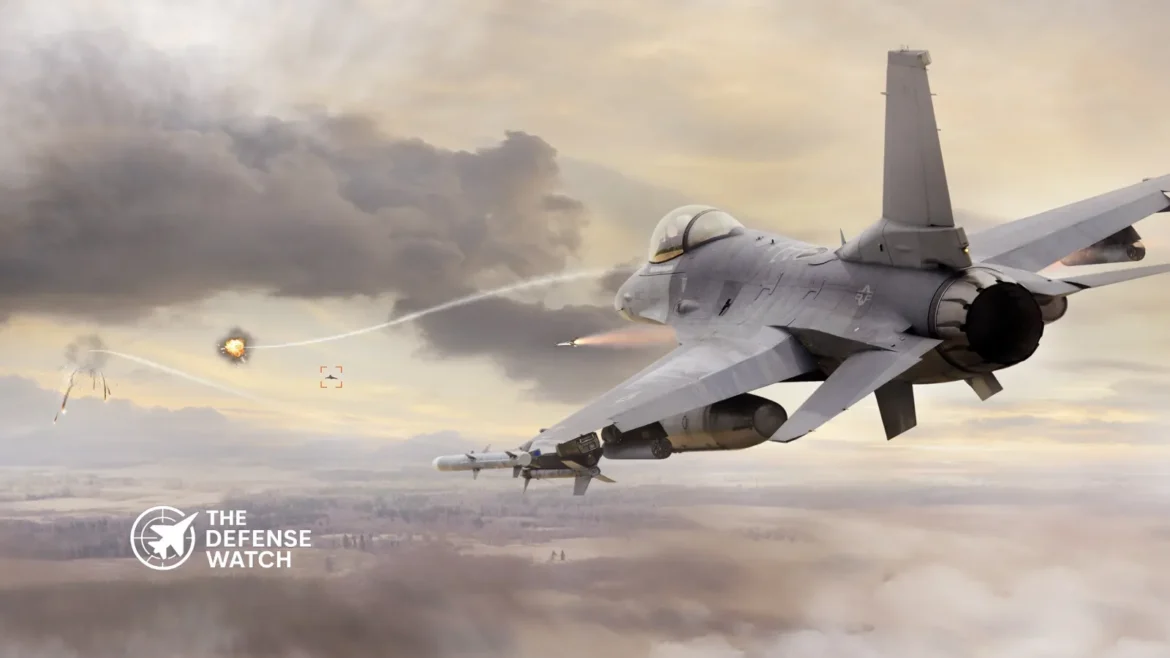
(adsbygoogle = window.adsbygoogle || []).push({});The Advanced Precision Kill Weapon System, known as APKWS, converts standard 70mm unguided rockets into laser guided munitions. By integrating a semi active laser seeker and guidance section between the rocket motor and warhead, the system provides precision effects at a fraction of the cost of larger guided missiles.
According to BAE Systems, the 100,000th APKWS laser guidance kit was delivered as demand continues to rise across multiple theaters.
Transforming 70mm Rockets Into Precision Weapons
The APKWS laser guidance kit was developed to address a long standing capability gap between unguided rockets and high cost air to ground missiles such as the AGM 114 Hellfire. By upgrading existing Hydra 70 rockets with a guidance section, operators gain precision engagement capability without replacing entire stockpiles.
The system has been integrated on a range of platforms, including U.S. Marine Corps AH 1Z attack helicopters, U.S. Army AH 64 Apaches, U.S. Air Force F 16 fighter aircraft, and various unmanned systems. It has also been fielded on fixed wing aircraft and ground based launchers.
(adsbygoogle = window.adsbygoogle || []).push({});The U.S. Department of Defense has repeatedly highlighted the need for scalable precision effects in counter insurgency and peer conflict environments. APKWS supports this requirement by enabling accurate engagement of lightly armored vehicles, small boats, and dismounted threats while limiting collateral damage.
Operational Demand And Production Growth
Reaching 100,000 units reflects more than just production scale. It signals sustained operational demand. U.S. military services have used APKWS in multiple theaters, and international customers continue to adopt the system.
The system’s appeal lies in cost efficiency and flexibility. Compared to larger precision missiles, guided 70mm rockets allow forces to carry higher quantities per sortie. This matters in high tempo operations where aircraft payload and cost per shot influence mission planning.
Recent conflicts have reinforced the value of affordable precision munitions. The ability to engage small unmanned systems, fast attack craft, or dispersed ground targets without expending high end missile inventories has become increasingly important. In that context, the APKWS laser guidance kit fills a niche that many militaries now consider essential.
Strategic Context: Affordable Precision In A High Demand Era
The milestone comes amid broader U.S. and allied efforts to expand munitions production capacity. Pentagon officials have repeatedly stressed the need to replenish stocks and increase output of precision weapons following sustained global demand.
(adsbygoogle = window.adsbygoogle || []).push({});The APKWS laser guidance kit stands out because it leverages existing rocket inventories. Rather than building entirely new missile bodies, the guidance section is added to legacy systems. That model aligns with current modernization strategies focused on speed, scalability, and cost control.
In peer conflict scenarios, precision guided rockets can serve as a complement to more advanced long range weapons. They are not a substitute for stand off cruise missiles or high end anti armor systems. Instead, they provide commanders with layered options, allowing high value missiles to be reserved for priority targets.
This layered approach reflects lessons observed in recent conflicts, where both advanced and relatively low cost precision systems have played decisive roles.
Industry And Allied Adoption
BAE Systems has steadily expanded APKWS production to meet U.S. and foreign military sales requirements. The system has been adopted by multiple allied nations seeking to enhance close air support and maritime strike capabilities without incurring the full cost of larger missile programs.
As defense budgets face competing priorities, the value proposition of the APKWS laser guidance kit becomes clearer. It delivers precision using a familiar rocket format, requires minimal platform modification, and integrates into existing logistics chains.
(adsbygoogle = window.adsbygoogle || []).push({});For industry, the 100,000th unit milestone reinforces the long term viability of incremental modernization programs. Rather than waiting for next generation systems, militaries are investing in upgrades that deliver immediate operational benefit.
What The 100,000 Unit Milestone Signals
The delivery of the 100,000th APKWS laser guidance kit is not simply a symbolic number. It highlights a broader shift in how armed forces balance capability, cost, and inventory depth.
As global security challenges evolve, demand for scalable, affordable precision strike options is likely to remain strong. Guided rocket systems like APKWS provide one answer to that demand.
(adsbygoogle = window.adsbygoogle || []).push({});For BAE Systems, the milestone confirms the system’s sustained relevance in U.S. and allied force structures. For operators, it underscores the continued importance of flexible precision tools that bridge the gap between unguided munitions and high end missile systems.
- ► US relocates personnel from Al‑Udeid Air Base in Qatar amid rising Iran tensions. :contentReference[oaicite:0]{index=0}
- ► US forces also pulled troops from facilities linked to the Navy’s Fifth Fleet in Bahrain. :contentReference[oaicite:1]{index=1}
- ► Around 30,000‑40,000 US troops remain deployed across Middle Eastern bases. :contentReference[oaicite:2]{index=2}
- ► Iran’s leadership has publicly signaled military readiness to respond to a possible attack. :contentReference[oaicite:3]{index=3}
- ► US officials frame moves as precautionary amid uncertainty over direct conflict. :contentReference[oaicite:4]{index=4}
US Moves Forces, Iran Signals Response
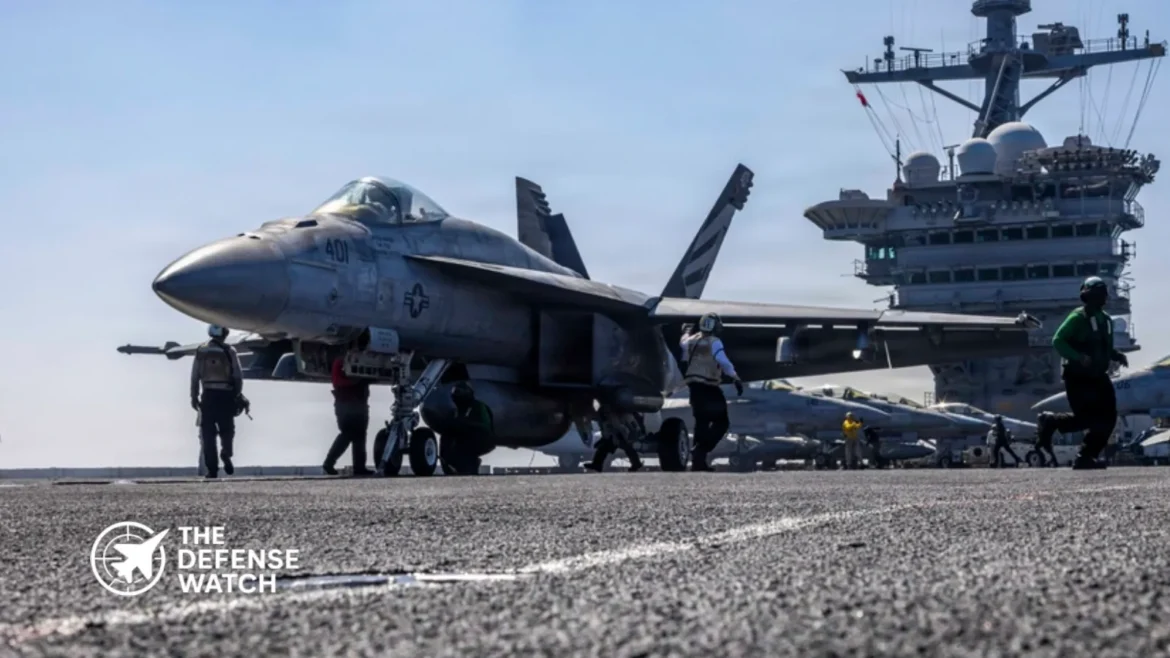
The United States military has begun relocating personnel at key installations in the Middle East as tensions with Iran remain high. According to reporting by The New York Times, hundreds of troops were moved from Al‑Udeid Air Base in Qatar and from facilities associated with the US Navy’s Fifth Fleet in Bahrain amid concerns over possible escalation with Tehran.
US Central Command has not publicly confirmed specifics, but the movement of forces is widely seen in defense circles as precautionary planning against potential retaliation rather than an outright drawdown. US officials have emphasized that most of the roughly 30,000 to 40,000 troops deployed across the region remain in place to maintain readiness and deterrence.
The relocations occur in the context of ongoing indirect talks between Washington and Tehran, where key nuclear and security issues have yet to be resolved. US military assets in the region, including carrier strike groups and air defense systems, remain positioned to support a range of operations if needed.
Pentagon Frames Moves as Precautionary
Pentagon sources cited by news outlets have described the personnel shifts as routine adjustments amid a heightened alert status. US defenses across bases in Iraq, Kuwait, Saudi Arabia, Jordan, and the UAE continue under standard operations with no official announcement of large‑scale evacuations.
Defense analysts note that moving forces out of potentially exposed positions can reduce risk to personnel ahead of any sharp escalation. But they also point to the continued robust US presence as evidence of strategic resolve in the face of regional security challenges.
Iran Signals Strong Defensive Posture
Iranian leadership has publicly reinforced its military readiness amid the standoff. Recent Iranian statements warned that any hostile action directed against Tehran would be met with a powerful response targeting US forces and assets across the region. These messages come alongside military drills in sensitive zones such as the Strait of Hormuz, underscoring Tehran’s dual approach of deterrence and diplomacy.
The Iranian stance reflects concerns over both the nuclear dispute and broader security dynamics involving US and allied military activities. Tehran’s rhetoric points to a posture focused on defense and regional signaling rather than unilateral escalation. Independent diplomatic channels continue to pursue avenues for de‑escalation, though progress has been uneven.
Regional Implications and Outlook
US force realignments and Iranian warnings have implications for Gulf security and global energy markets. Military planners in allied capitals are watching closely, with some governments adjusting contingency plans for transport and trade routes. The Strait of Hormuz, a critical chokepoint for oil shipments, saw heightened activity during recent Iranian drills.
Analysts caution that while precautionary troop relocations do not signal inevitable conflict, they reflect a tense strategic environment. Ongoing diplomacy, regional cooperation, and clear communication between capital governments will shape whether tensions ease or escalate further.
US Shifts Patriot Missile Deployment at Qatar Base as Iran Tensions Rise
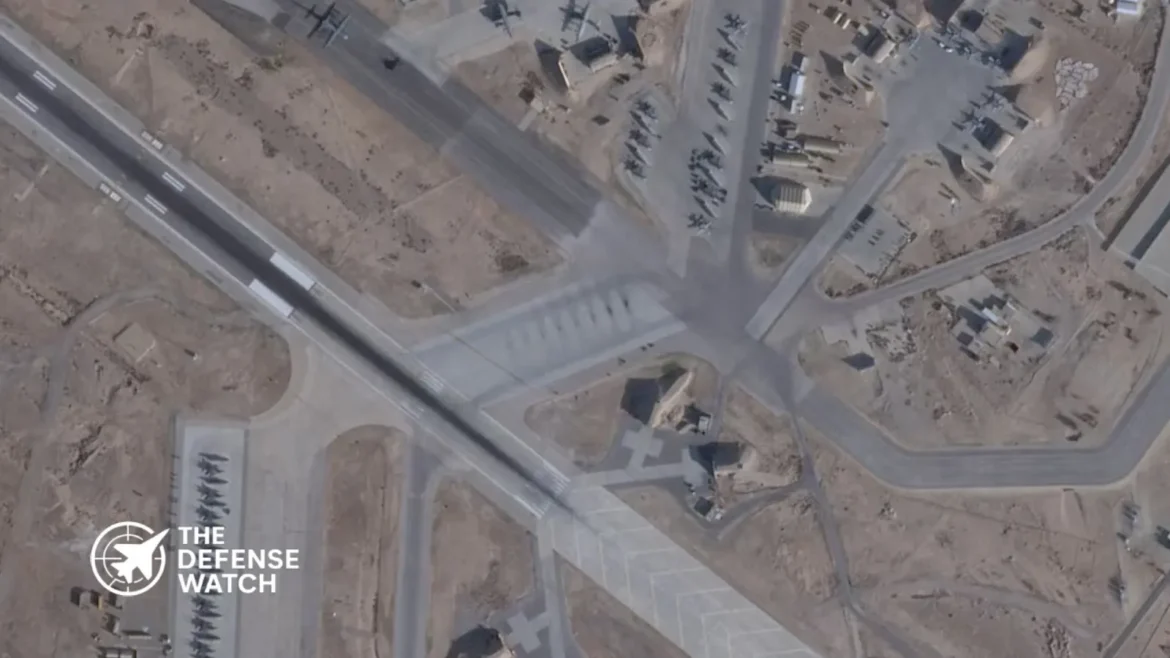
US forces at Qatar’s al-Udeid Air Base have moved Patriot air defense missiles onto mobile truck launchers as tensions with Iran have risen since January, satellite imagery shows, highlighting a shift in posture at America’s largest Middle East installation.
Satellite-based analysis indicates Patriot systems were placed on M983 Heavy Expanded Mobility Tactical Trucks (HEMTT) rather than semi-static launch sites, allowing quicker repositioning or rapid deployment in response to evolving regional threats.
The change in deployment coincides with increased aircraft presence and support assets at multiple US bases across the Middle East, according to imagery comparisons between early February and late January.
Pentagon officials have not confirmed whether the mobile configuration remains in place. Analysts say such platforms can reduce vulnerability and improve response options against ballistic or cruise missile threats in contested airspace.
Mobile Launchers and What They Mean
Patriot missiles are a core part of US air and missile defense. Mounting them on truck-based launchers lets forces move launchers quickly across a base or region rather than keeping them fixed at prepared sites. That flexibility can make them harder to target and allow rapid shifts in coverage.
William Goodhind, a forensic imagery analyst with Contested Ground, said satellite photos showed Patriots on HEMTT trucks at al-Udeid in early February. The mobility this provides gives units the ability to relocate quickly if needed.
Regional Buildup Seen in The Imagery
Analysis of early February satellite images shows added US military aircraft and equipment in Qatar and other parts of the Middle East compared with mid-January. At al-Udeid, aircraft including RC-135 reconnaissance planes, C-130 Hercules transports and KC-135 tankers were more numerous.
Similar increases were noted at Muwaffaq Salti Air Base in Jordan and Prince Sultan Air Base in Saudi Arabia, as well as at facilities in Oman and the Indian Ocean island of Diego Garcia.
These movements suggest readiness adjustments across multiple allied facilities as concerns about potential escalation with Iran persist.
Tensions With Iran and Broader Context
Tensions between the US and Iran have grown in recent months over Tehran’s nuclear program, ballistic missile developments, and support for allied militias across the Middle East. US leaders have publicly warned of possible military action if diplomatic efforts fail to curb Iran’s weapons programs.
Iran’s military has indicated it could target US bases if directly attacked, though it frames its actions as defensive. Tehran says it has replenished missile stocks and maintains underground missile facilities near Tehran and other strategic areas.
The satellite imagery makes clear that the Pentagon and US Central Command are watching developments closely while balancing deterrence and diplomatic channels.
What This Means for US Forces
Placing Patriot systems on mobile platforms at a principal base like al-Udeid reflects a cautious posture. The shift gives air defense units options to adapt coverage rapidly and move assets to meet threats or reduce exposure to attack.
It also underscores the central role of forward bases in US regional strategy, enabling airlift, intelligence, surveillance and reconnaissance, refueling operations, and missile defense in an increasingly tense security environment.
US Warns It Could Send Fighter Jets Into Canadian Airspace if F-35 Deal Collapses
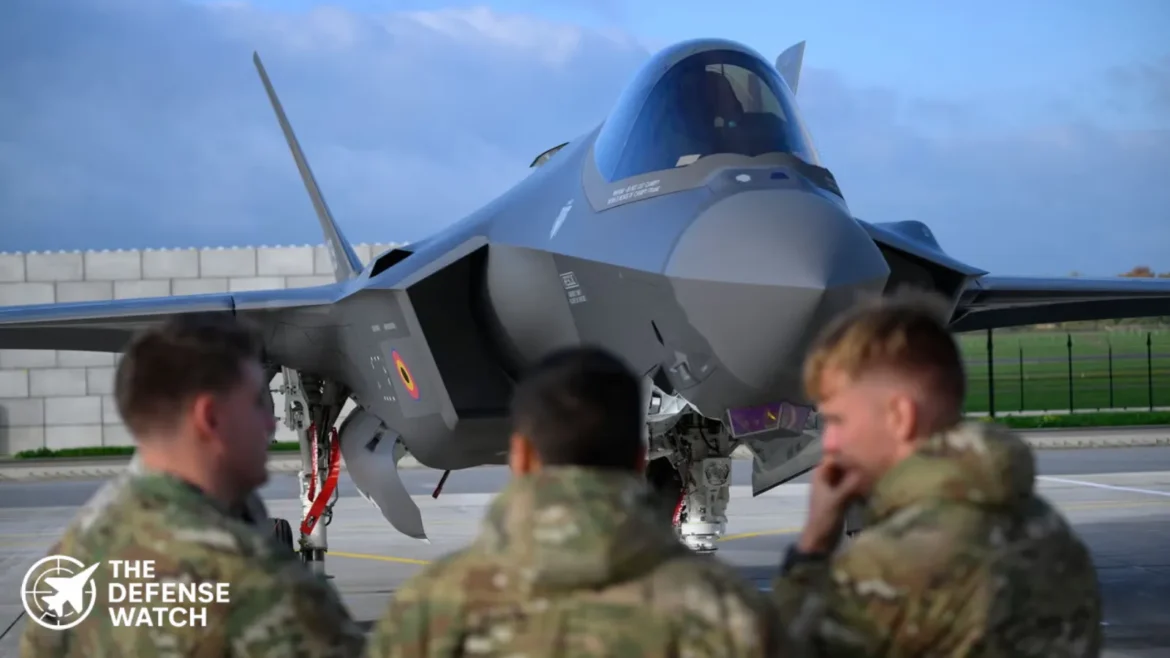
The United States has warned Canada that it could deploy US fighter jets into Canadian airspace if Ottawa reduces or abandons its planned purchase of F-35 fighter aircraft, a move that could reshape how North American air defense is carried out under NORAD.
(adsbygoogle = window.adsbygoogle || []).push({});The warning was delivered publicly by the US ambassador to Canada and reflects growing concern in Washington that a scaled-back Canadian fighter fleet would leave gaps in continental air defense coverage that the United States would need to fill.
The issue centers on Canada’s commitment to buy 88 F-35A stealth fighters to replace its aging CF-18 Hornet fleet. That purchase is a cornerstone of Canada’s role in the North American Aerospace Defense Command, the joint US-Canada command responsible for monitoring and defending the continent’s airspace.
US Message Tied to NORAD Obligations
US Ambassador to Canada Pete Hoekstra said that if Canada does not follow through on the full F-35 purchase, the United States would need to reconsider how NORAD missions are carried out.
Hoekstra stated that a reduced Canadian fighter capability would force the US to step in more often to meet shared air defense responsibilities, including flying US aircraft in Canadian airspace when required.
Under NORAD, both countries already operate across national boundaries during air defense missions, but the ambassador’s comments point to a more routine and expanded US role if Canada lacks sufficient modern fighters.
US officials stressed that the issue is not sovereignty, but capability. NORAD relies on both partners fielding compatible, high-readiness aircraft that can respond quickly to long-range threats approaching North America.
Canada’s F-35 Review Raises Concerns in Washington
Canada signed an agreement in 2023 to acquire 88 F-35A fighters, joining a large group of US allies operating the aircraft. However, rising program costs and long-term sustainment expenses have prompted Ottawa to reexamine the scale of the purchase.
Canadian officials have confirmed they are reviewing whether the full number of aircraft is affordable, though no final decision has been announced.
According to Canadian government estimates cited in public reporting, the lifetime cost of the F-35 program has increased significantly compared to earlier projections, driven by inflation, sustainment, and infrastructure requirements.
The US view is that cutting the fleet size would directly affect Canada’s ability to meet its NORAD commitments, particularly in the Arctic, where distances are vast and response times are critical.
Why the F-35 Matters to NORAD
The F-35 is not just a replacement fighter. It is a networked sensor platform designed to share data seamlessly with US forces, ground-based radars, and command centers.
US officials argue that alternative aircraft would not offer the same level of interoperability, especially for detecting and tracking modern threats such as cruise missiles and advanced bombers operating at long range.
NORAD’s mission has grown more demanding in recent years as Russian military aircraft have increased activity near North American airspace, particularly in the Arctic and near Alaska. Chinese aircraft have also conducted joint patrols with Russia in the region.
US defense officials have repeatedly emphasized that future air defense depends on integrated sensors, stealth aircraft, and rapid data sharing, areas where the F-35 is seen as central.
What Increased US Fighter Presence Would Mean
If Canada reduces its F-35 purchase, US officials say the likely outcome would be more frequent US fighter deployments to cover Canadian airspace as part of NORAD operations.
(adsbygoogle = window.adsbygoogle || []).push({});That could include US aircraft launching from American bases to intercept unidentified or hostile aircraft approaching Canada, as well as increased joint patrols where US fighters take the lead role.
Such operations would remain under the NORAD framework, but they would shift the operational balance toward the United States.
The ambassador made clear that the US preference is for Canada to maintain a strong, independent fighter capability rather than rely more heavily on American aircraft.
Political and Strategic Implications
The warning highlights the pressure the United States is placing on allies to maintain high-end military capabilities as threat environments evolve.
For Canada, the issue is politically sensitive. Fighter procurement has long been controversial, with debates over cost, industrial benefits, and defense priorities.
For Washington, the concern is strategic. A weakened Canadian air combat capability would affect the defense of the entire continent, not just one country.
US officials have framed the issue as a practical reality of shared defense rather than a political dispute, but the message is clear. If Canada cannot field enough modern fighters, the United States will act to ensure airspace security.
NORAD at a Turning Point
NORAD is undergoing its most significant modernization in decades, with major investments planned in Arctic sensors, over-the-horizon radar, and command systems.
Fighter aircraft remain a critical last line of defense. US officials argue that modernization efforts depend on both partners contributing advanced aircraft in sufficient numbers.
The ambassador’s warning underscores that Canada’s fighter decision will have direct operational consequences, not just budgetary ones.
As Canada continues its review, US officials are signaling that the outcome will shape how North American air defense is carried out for years to come.
Israel Defense Forces Ready on All Fronts if US Attack on Iran Sparks Retaliation
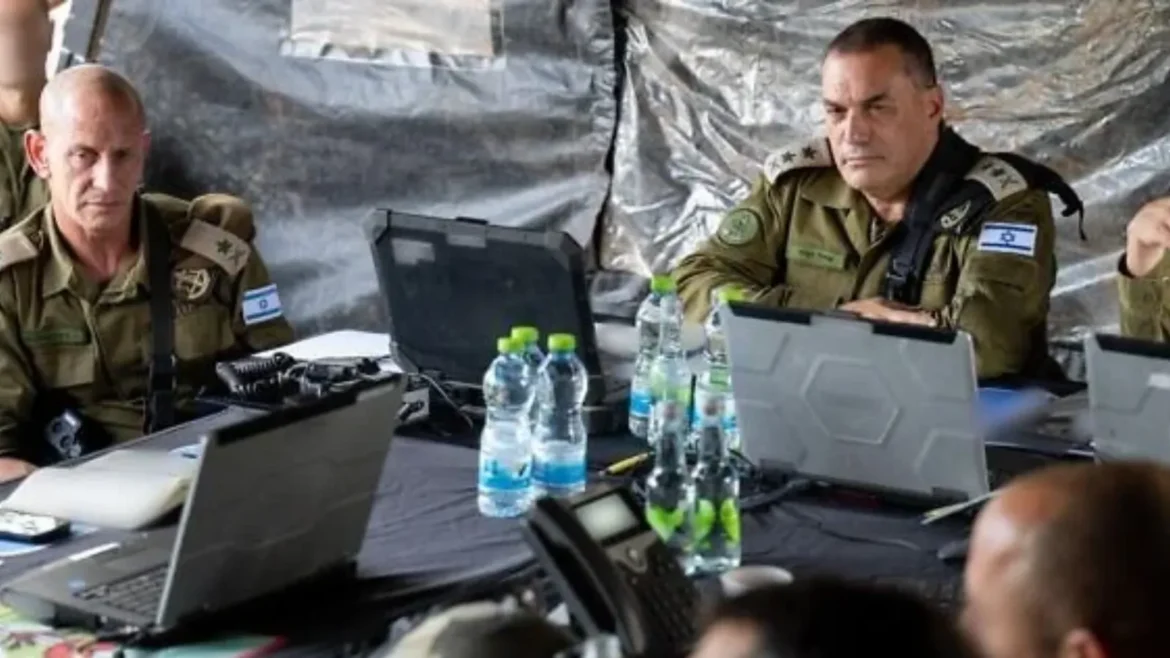
Israeli military readiness is high across potential battle lines if a United States attack on Iran leads to Iranian retaliation, according to the head of the Israel Defense Forces Northern Command.
(adsbygoogle = window.adsbygoogle || []).push({});TEL AVIV
The Israel Defense Forces (IDF) is preparing for possible escalation on multiple fronts should a US strike on Iran draw a retaliatory response, Northern Command Chief Maj Gen Rafi Milo said in remarks reported on January 26.
Speaking amid rising tension driven by the deployment of US naval forces to the Middle East and sharp rhetoric from Tehran, Milo said the IDF maintains heightened alert levels and is ready to defend Israeli territory and respond offensively if needed.
Heightened Alert and Multi-Front Preparedness
Milo acknowledged that the direction of current tensions remains uncertain, but stressed the army is positioning itself for all contingencies, including potential Iranian missile or proxy actions.
He specifically noted that if Tehran opts to strike Israel following a US military action against Iranian targets, the IDF is prepared both to defend and to mount offensive operations where required.
Israeli military leadership is also watching Hezbollah in Lebanon for signs it might enter a broader confrontation alongside Iran.
Context of Rising Regional Tension
The comments come at a time of accelerated geopolitical strain between Washington and Tehran. US forces, including the aircraft carrier USS Abraham Lincoln and accompanying warships, have been moved toward the region in a show of force as part of deterrence and planning.
(adsbygoogle = window.adsbygoogle || []).push({});Iran has warned any attack on its territory would be treated as an act of full war, a position highlighted by senior Iranian officials in recent statements.
The unsettled environment follows the June 2025 exchange of direct strikes and missile launches between Israel and Iran. In that conflict, US strikes on Iranian nuclear sites and subsequent Iranian missile barrages drew international attention and underscored the risk of broader escalation.
Defense Coordination With the United States
Reports from Israeli media and regional outlets indicate that Tel Aviv and Washington are discussing defense coordination should US military action against Iran materialize. These discussions reportedly include planning for scenarios where Iranian retaliation affects Israeli territory.
IDF Chief of Staff Lt Gen Eyal Zamir, in separate comments, has emphasized the military’s readiness for multi-front threats and the ability to shift rapidly among defensive and offensive postures as operational needs evolve.
Civil and Commercial Impact
Heightened alert has already prompted caution in civil aviation. Israel’s Civil Aviation Authority has warned foreign carriers that the region may enter a “more sensitive period,” a factor airlines consider when planning flight paths.
Conclusion
The IDF’s position, as articulated by the Northern Command chief, highlights a comprehensive posture of vigilance. The force is preparing for a range of contingencies, from localized border engagements to larger operational responses tied to US-Iran conflict dynamics. Continued developments in Washington, Tehran, and the broader Middle East will determine the next phase of military readiness and strategic alignment.
CENTCOM Chief Israel Visit Signals Heightened U.S. Military Posture in Middle East
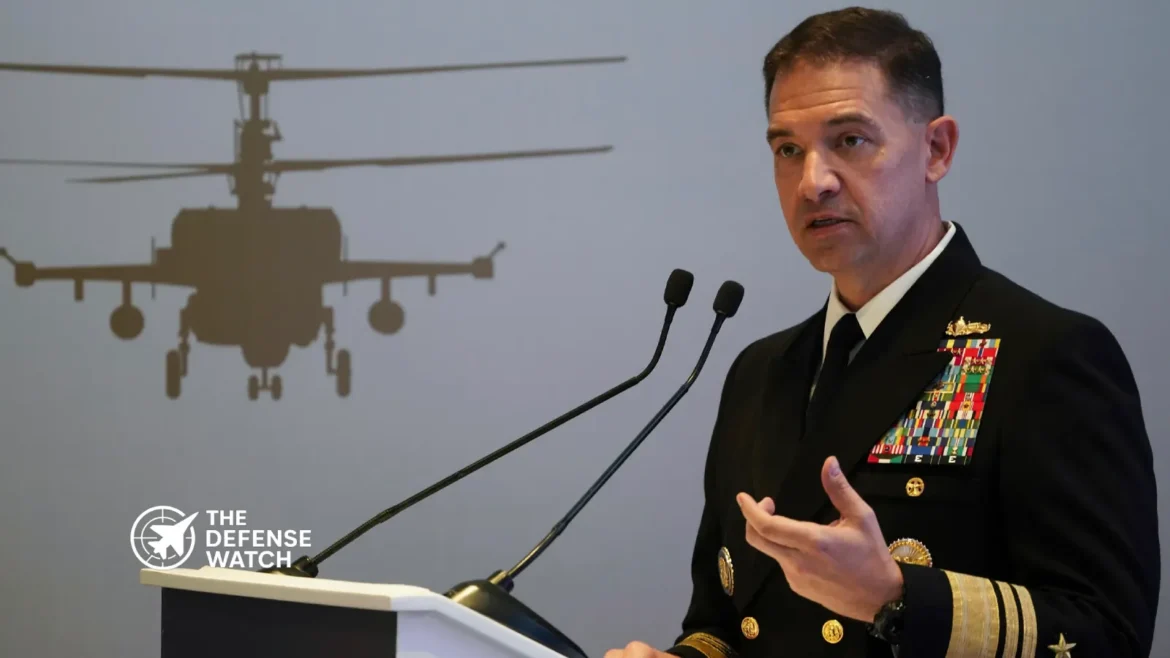
The CENTCOM chief Israel visit is set to take place this Saturday, underscoring Washington’s deepening military engagement in the Middle East as tensions rise across multiple fronts.
According to Israeli media reports, U.S. Central Command (CENTCOM) commander Adm. Brad Cooper is scheduled to arrive in Israel for high-level security talks with senior Israeli defense officials. The visit comes amid an expanding U.S. military buildup in the region, driven by concerns over Iran, proxy threats, and broader regional instability.
The trip reflects the growing urgency of U.S.-Israeli coordination as American forces continue to reposition major combat assets, reinforce air and missile defense coverage, and enhance deterrence across the CENTCOM area of responsibility.
High-Level Talks Amid Escalating Regional Threat Environment
During his visit, Adm. Cooper is expected to meet with Israel Defense Forces (IDF) Chief of Staff Lt. Gen. Eyal Zamir and Israeli Air Force Commander Maj. Gen. Tomer Bar, focusing on shared threat assessments, operational coordination, and regional contingency planning.
Israeli defense officials have reportedly raised growing concerns about the risk of a potential Iranian preemptive strike, as well as possible U.S.-led military action targeting Iranian military or nuclear infrastructure.
Israeli Channel 12 reported that Israel’s air force remains on elevated alert status, reflecting heightened readiness across multiple operational theaters.
This latest CENTCOM chief Israel visit follows a series of intensive U.S.-Israeli defense engagements aimed at strengthening combined preparedness and ensuring rapid operational coordination should tensions escalate.
U.S. Military Buildup Across CENTCOM Theater
The visit coincides with a broader U.S. military buildup across the Middle East, involving naval deployments, air power repositioning, and enhanced missile defense integration.
In recent months, the Pentagon has deployed additional naval strike groups, long-range bombers, and air defense assets across strategic locations in the Gulf, Red Sea, and Eastern Mediterranean. These deployments are designed to bolster deterrence, protect U.S. forces and allies, and maintain freedom of navigation in critical maritime corridors.
Senior U.S. defense officials have emphasized that these moves are defensive in nature, aimed at countering threats from Iran and its network of regional proxies, including Hezbollah, the Houthis in Yemen, and various militia groups in Iraq and Syria.
See also: U.S. Expands Naval Presence in Red Sea to Counter Houthi Missile Threats
Deepening U.S.-Israel Defense Integration
Since Israel’s inclusion under CENTCOM’s operational umbrella, U.S.-Israeli military coordination has expanded significantly. The integration has enabled closer real-time intelligence sharing, joint air defense planning, and coordinated operational responses across multiple domains.
Recent exercises have focused on integrated air and missile defense, counter-drone operations, and joint strike planning, reflecting the evolving complexity of regional threats.
The CENTCOM chief Israel visit highlights Washington’s strategic emphasis on maintaining Israel’s qualitative military edge while strengthening coalition defense architecture involving Gulf partners.
Defense analysts note that CENTCOM’s engagement with Israel now plays a central role in shaping U.S. regional posture, particularly as concerns grow over Iran’s missile capabilities, UAV programs, and proxy warfare strategy.
Iran Factor Driving Strategic Calculations
Iran remains at the center of U.S. and Israeli strategic planning. Western intelligence agencies continue to monitor Tehran’s missile development, drone production, and nuclear program, all of which factor heavily into CENTCOM’s operational priorities.
Israeli security officials fear that Iran could attempt a preemptive regional escalation in response to mounting international pressure, sanctions, and covert operations targeting its strategic infrastructure.
At the same time, Washington seeks to balance deterrence with crisis management, attempting to prevent localized conflicts from spiraling into full-scale regional war.
Strategic Implications for Middle East Stability
The timing of the CENTCOM commander’s visit underscores growing uncertainty across the Middle East, where overlapping crises — from Gaza and Lebanon to Yemen and the Gulf — continue to strain regional security.
By reinforcing military coordination and maintaining forward-deployed combat power, the United States aims to preserve deterrence while reassuring allies of its long-term commitment to regional stability.
For Israel, the visit reinforces the depth of U.S. security backing at a moment when multi-front operational planning has become increasingly complex.
Outlook
As regional tensions remain elevated, the CENTCOM chief Israel visit is expected to produce renewed operational alignment between U.S. and Israeli defense leadership, particularly in air defense, missile interception, and contingency planning.
Further U.S. force posture adjustments across the CENTCOM theater remain possible, depending on developments involving Iran and its regional allies.