Executive Summary: India has issued a major tender for 60 multirole transport aircraft for the Indian Air Force, in a program expected to be worth roughly ₹1 lakh crore, or about $10 billion. The procurement calls for 12 aircraft to be delivered in fly-away condition and 48 to be manufactured in India with more than 60 percent indigenous content, putting industrial participation alongside aircraft performance at the center of the competition.
India Opens 60-Aircraft Multirole Transport Competition
India has issued a tender for 60 multirole transport aircraft for the Indian Air Force as New Delhi moves to replace aging Soviet-origin transport aircraft and strengthen tactical and strategic airlift capacity. Indian defense officials cited in reports said the tender has been issued to Indian companies including Hindustan Aeronautics Limited, Tata and Mahindra, with Indian industry expected to play a leading role.
The program follows the Defence Acquisition Council’s March 2026 approval of the 60-aircraft Medium Transport Aircraft requirement. The acquisition is intended to address a long-standing requirement to modernize the IAF’s transport fleet and improve the ability to move troops, equipment and supplies across India’s geographically demanding operating environment.
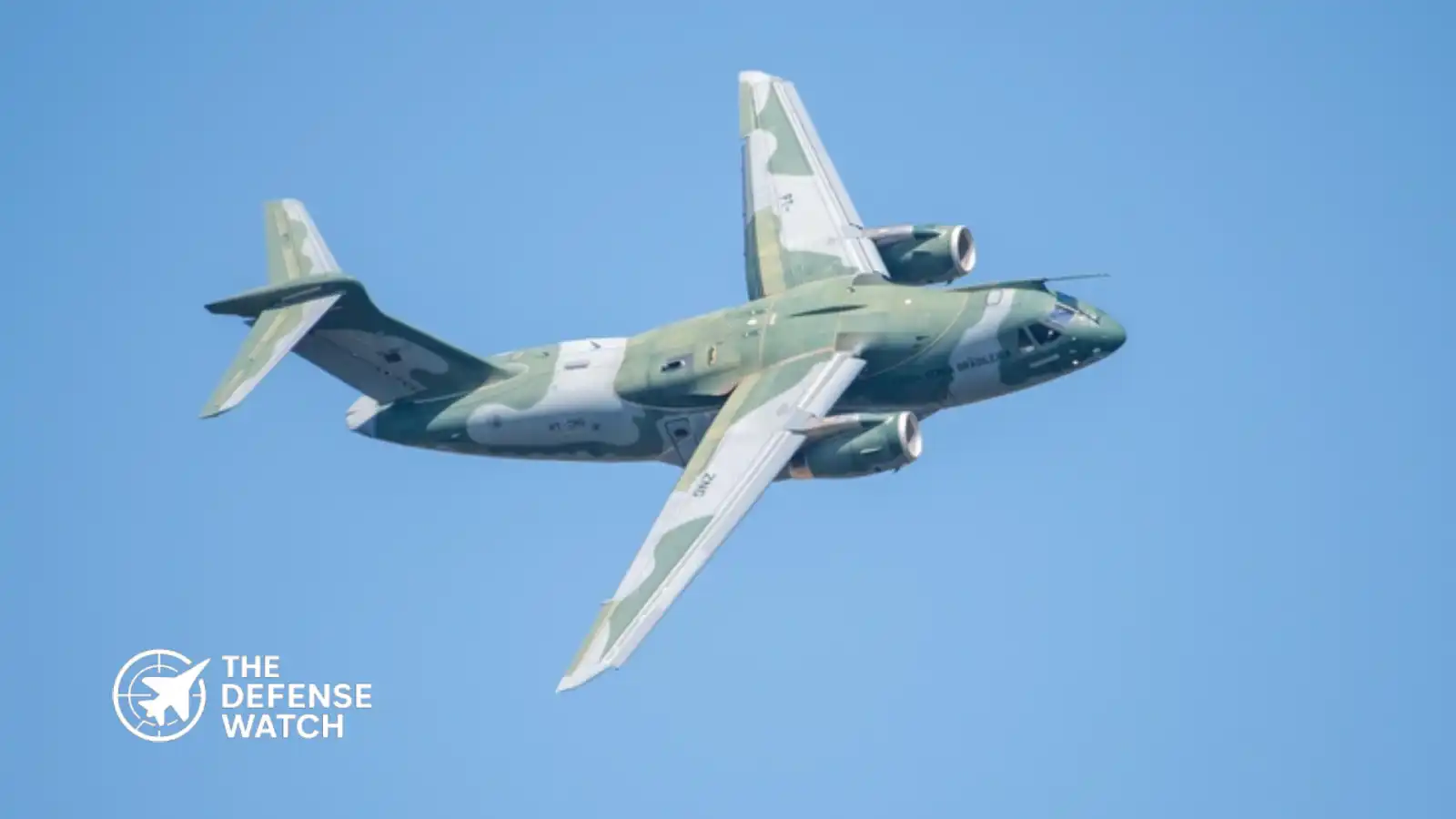
The three aircraft most prominently associated with the competition are Embraer’s C-390 Millennium, Lockheed Martin’s C-130J Super Hercules and Airbus’ A400M Atlas. Technical evaluations of the competing proposals were reported as completed in July, bringing the program closer to the selection and contracting phase.
A Major Shift Toward Domestic Production
The structure of the tender is significant because India is not simply seeking an off-the-shelf transport aircraft purchase.
The reported requirement calls for 12 aircraft to arrive in fly-away condition, representing about 20 percent of the fleet. The remaining 48 aircraft are to be manufactured in India, with more than 60 percent indigenous content.
That arrangement creates a substantial industrial requirement for the winning manufacturer and its Indian partner. It also means the competition will involve production engineering, supplier development, maintenance and long-term sustainment, rather than aircraft price and performance alone.
For India, the potential industrial benefit is considerable. A domestic production line for a large military transport aircraft could support local component manufacturing, maintenance, repair and overhaul capabilities and skilled aerospace employment over several decades.
The program also follows India’s broader effort to increase domestic aerospace production. The Airbus-Tata C295 program has already established a precedent for manufacturing a foreign-designed military transport aircraft in India.
C-390, C-130J And A400M Bring Different Capabilities
The three aircraft occupy overlapping but distinct positions within the military airlift market.
Aircraft Manufacturer Propulsion Maximum Payload Key Characteristic C-390 Millennium Embraer Twin turbofan 26 metric tons High-speed tactical transport C-130J-30 Super Hercules Lockheed Martin Four turboprops 19.96 metric tons Mature tactical airlift platform A400M Atlas Airbus Four turboprops 37 metric tons Heavy tactical and strategic airlift Source: manufacturer and U.S. Air Force specifications.
Embraer C-390 Millennium
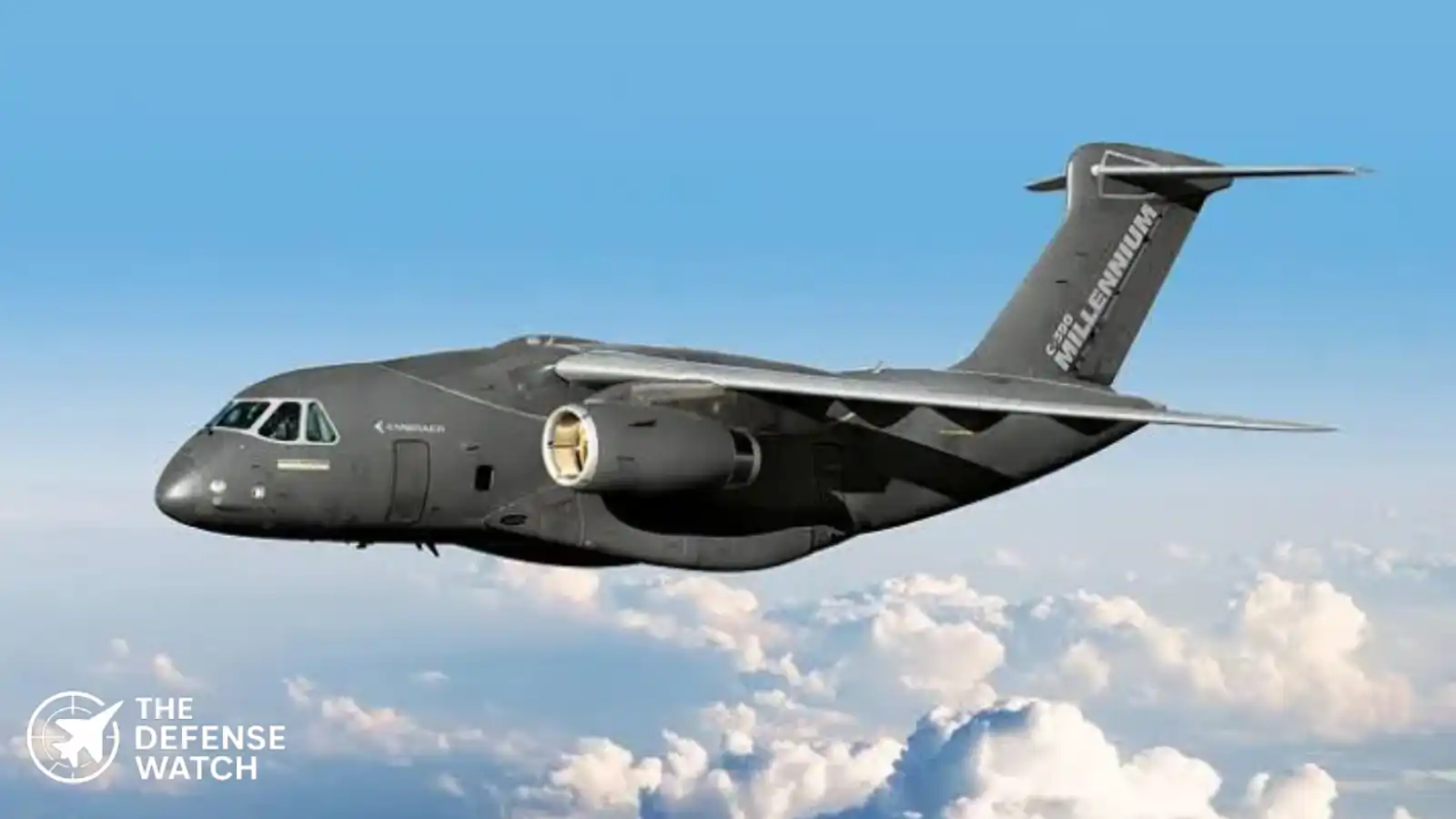
The C-390 is the newest aircraft in the competition and offers a combination of relatively high payload and jet speed.
Embraer’s published specifications give the aircraft a maximum concentrated payload of 26 metric tons, a maximum cruise speed of 470 knots, or Mach 0.80, and a cargo hold measuring approximately 18.5 meters long, 3.45 meters wide and 2.95 meters high.
The aircraft is designed for cargo and troop transport, airdrop operations, medical evacuation, search and rescue, firefighting and humanitarian missions. It can also operate from temporary and unpaved runways.
For the Indian competition, Embraer has already established an industrial partnership with Mahindra Group. The companies have announced plans to develop C-390 manufacturing and MRO capabilities in India if the aircraft is selected for the MTA program.
Lockheed Martin C-130J Super Hercules
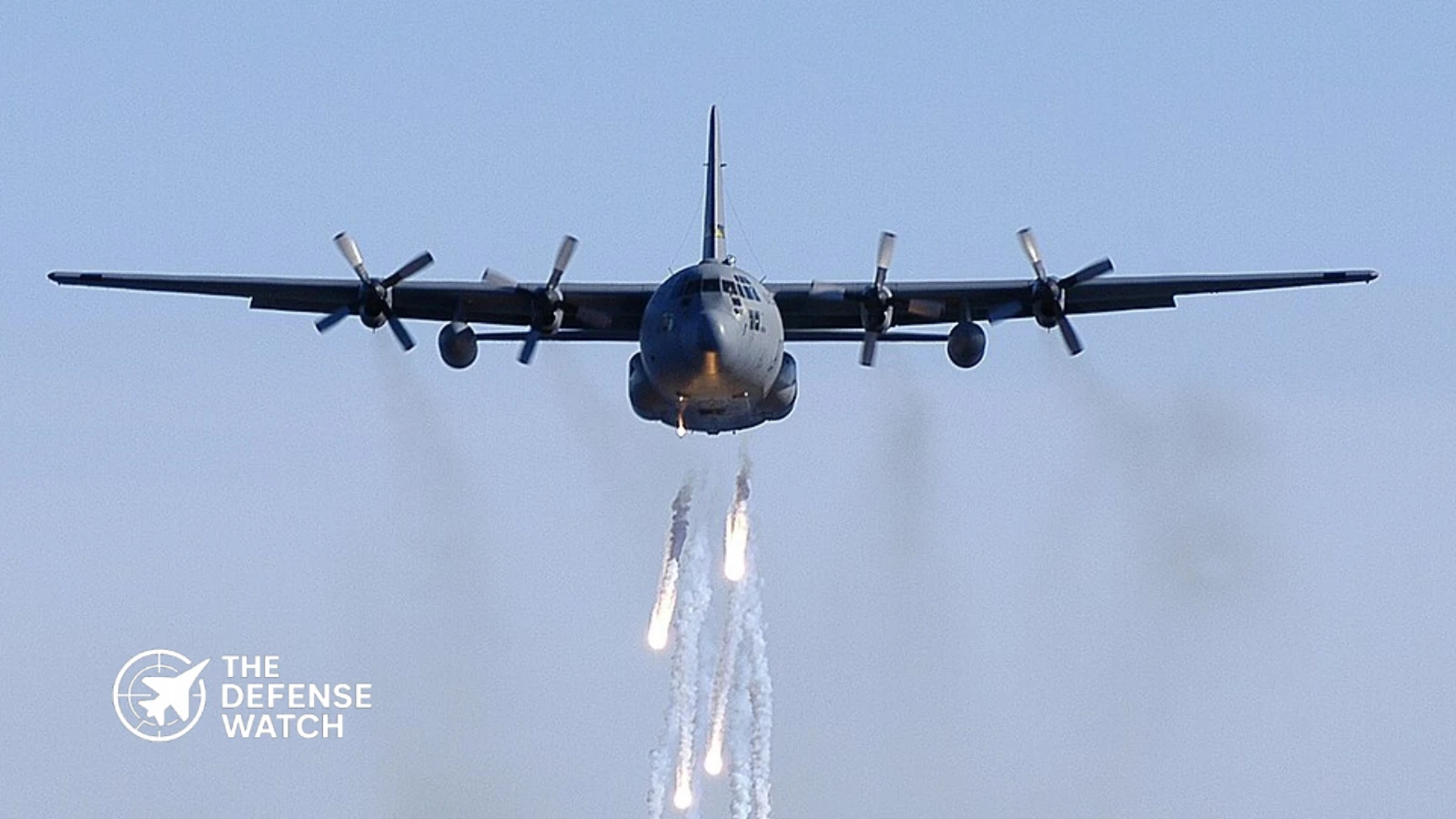
The C-130J brings a different advantage: operational maturity and an established Indian user base.
India already operates C-130J aircraft, primarily for special operations and tactical airlift missions. Lockheed Martin also offers the stretched C-130J-30, which provides additional cargo space compared with the standard aircraft.
According to the U.S. Air Force, the C-130J has a maximum allowable payload of 19,090 kilograms, while the C-130J-30 is rated at 19,958 kilograms. The C-130J-30 can carry up to 128 combat troops or 92 paratroopers under the listed maximum-load configuration.
The platform’s existing presence in India could reduce some transition requirements, particularly in areas such as crew training, maintenance practices, logistics and operational familiarity.
However, the C-130J’s payload capacity is lower than the C-390 and substantially below the A400M. That makes payload requirements and the exact missions envisioned for the new fleet especially important in the eventual evaluation.
Airbus A400M Atlas
The A400M sits at the upper end of the competition.
Airbus lists a 37-ton maximum payload, a 340-cubic-meter cargo hold and a maximum cruise speed of Mach 0.72. It can carry significantly heavier and larger loads than conventional medium tactical airlifters and is designed to operate from short and unpaved runways.
The aircraft can carry 20 tons to about 3,400 nautical miles and has a maximum payload range of about 1,780 nautical miles, according to Airbus specifications.
Its larger cargo compartment gives the A400M a major advantage when transporting bulky equipment. The tradeoff is that India would be acquiring an aircraft considerably larger than the C-130J and C-390.
Why Payload And High-Altitude Operations Matter
India’s transport requirements are unusually demanding because the IAF must support operations across the Himalayas, deserts, plains and island territories.
The aircraft will need to provide more than conventional strategic cargo movement. Its value will depend heavily on its ability to operate from forward airfields, carry useful payloads in demanding environmental conditions and sustain repeated tactical missions.
High-altitude operations are particularly important. Aircraft performance at high elevations is affected by air density, temperature, runway length and payload, making nominal maximum payload figures insufficient for judging suitability.
This is one reason the final evaluation is likely to depend heavily on operational testing rather than brochure specifications.
The aircraft also needs to occupy the capability space between India’s smaller tactical transports and its heavier strategic airlifters. The objective is not simply to obtain another cargo aircraft, but to create a flexible fleet capable of supporting routine logistics as well as rapid military movement.
Industrial Competition Could Be As Important As Aircraft Performance
The 60 percent indigenous-content requirement changes the commercial equation for the three manufacturers.
A successful bidder would have to establish or expand an Indian production ecosystem capable of supporting the aircraft throughout its service life. That includes manufacturing, quality control, component sourcing, maintenance and potentially engine and systems support.
For Embraer, the Mahindra partnership gives the C-390 campaign a defined Indian industrial framework.
Lockheed Martin has an established relationship with Tata Advanced Systems, while the C-130J already operates within the IAF. That provides the U.S. manufacturer with an existing Indian industrial and operational foundation.
Airbus also has a significant Indian industrial presence through the C295 program, which could provide an existing base for further aerospace manufacturing cooperation.
The winner will therefore be judged not only on the aircraft delivered but also on the credibility of its proposed Indian production system.
Strategic Importance For The Indian Air Force
A 60-aircraft fleet would provide a major increase in India’s medium airlift capacity and improve the IAF’s ability to move personnel, equipment and supplies without relying entirely on its heavier transport fleet.
The program also has wider strategic significance.
For India, domestic production could reduce dependence on imported aircraft and create greater control over long-term sustainment. It could also give Indian aerospace companies experience with complex military aircraft production at a scale beyond individual components.
For the United States and its defense industry, the competition is significant because the C-130J represents another opportunity to expand the U.S.-India defense industrial relationship. India already operates several U.S.-origin platforms, including C-17 and C-130J aircraft, while Washington and New Delhi have increasingly emphasized interoperability and defense technology cooperation.
The C-390 offers a different industrial proposition, potentially strengthening India’s aerospace relationship with Brazil and expanding Embraer’s manufacturing footprint in Asia.
The A400M, meanwhile, would connect India’s military airlift fleet to a European multinational program with substantial existing experience in tactical and strategic transport.
The Decision Will Extend Beyond The Initial 60 Aircraft
The immediate requirement is 60 aircraft, but the industrial implications are likely to last much longer.
A domestic assembly line, supplier network and MRO infrastructure created for the program could support additional aircraft, upgrades and sustainment over the fleet’s service life. That makes the initial selection potentially more consequential than the number of aircraft in the current tender suggests.
The competition will ultimately test three different approaches to Indian airlift modernization.
The C-130J offers an established aircraft and an existing Indian operating base. The C-390 offers a newer jet-powered design with higher payload and speed than the C-130J. The A400M provides substantially greater payload and cargo volume, placing it closer to the heavy tactical airlift category.
The key question for India’s acquisition authorities will be which combination of payload, runway performance, high-altitude capability, operating cost, fleet commonality, industrial participation and long-term support provides the best value.
The tender therefore represents more than a competition for 60 aircraft. It is also a decision about how India intends to build and sustain its next generation of military airlift capability.
Executive Summary:
Greece has confirmed interest in acquiring Embraer C-390 Millennium military transport aircraft as part of a broader modernization effort for the Hellenic Air Force. The move reflects Athens’ push to improve tactical airlift, NATO interoperability, and regional operational readiness amid evolving European security challenges.
Greece Evaluates C-390 Military Aircraft For Airlift Modernization
Greece is considering the acquisition of Embraer C-390 Millennium military transport aircraft, according to statements made by Greek Defense Minister Nikos Dendias during a visit to Brazil this week. The potential procurement marks another step in Athens’ long-term effort to modernize the Hellenic Armed Forces and strengthen logistical support capabilities across the Eastern Mediterranean.
Greece expressed formal interest in the Brazilian-made transport aircraft during talks with Brazilian officials and representatives from Embraer. The discussions come as several NATO members continue replacing aging tactical transport fleets with newer multi-role platforms.
The Embraer C-390 Millennium is designed to perform a wide range of missions, including troop transport, cargo delivery, aerial refueling, medical evacuation, firefighting, and humanitarian relief operations. The aircraft has increasingly gained traction in Europe, with countries such as Portugal, Hungary, Austria, the Netherlands, and the Czech Republic selecting the platform in recent years.
Why Greece Is Looking At The C-390 Millennium
The Greek Air Force currently operates older transport aircraft, including variants of the C-130 Hercules fleet, many of which have faced readiness and maintenance challenges over the past decade. Acquiring the C-390 would provide Greece with a newer generation airlift capability featuring higher speed, improved cargo capacity, and modern avionics.
The aircraft can carry up to 26 tons of payload and operate in austere environments, making it suitable for both military and disaster response missions. Its compatibility with NATO operational standards is another key factor driving interest among European operators.
For Greece, the move aligns with a wider defense modernization strategy that includes investments in fighter aircraft, naval assets, air defense systems, and unmanned technologies. Athens has accelerated procurement efforts in response to growing regional security concerns and the evolving strategic environment in southeastern Europe.
The potential C-390 acquisition also reflects Europe’s increasing diversification of defense procurement sources beyond traditional American suppliers. While the Lockheed Martin C-130J remains a major competitor in the tactical transport segment, the C-390 has positioned itself as a cost-effective alternative with strong performance metrics.
Growing European Demand For Tactical Airlift Platforms
The European defense market has seen renewed demand for tactical airlift aircraft since the start of the Russia-Ukraine war, with NATO members reassessing logistics readiness, rapid deployment capability, and supply chain resilience.
Military planners increasingly view transport aircraft as essential assets for reinforcing alliance mobility across Europe’s eastern flank. Faster deployment of personnel, ammunition, vehicles, and humanitarian assistance has become a central requirement for NATO operations.
The C-390 Millennium has benefited from this trend. Embraer has marketed the aircraft as a modern solution capable of combining strategic reach with tactical flexibility. The jet-powered platform offers faster cruise speeds than many turboprop competitors while maintaining short runway performance.
Greece’s interest could also strengthen defense ties between Athens and Brasília, expanding military-industrial cooperation beyond Europe’s traditional defense networks. Although no contract value or delivery timeline has been announced, the discussions indicate that the aircraft is under active consideration by Greek defense officials.
Strategic Implications For NATO Operations
A future Greek acquisition of the C-390 could improve interoperability with other NATO operators already integrating the platform into service. Shared logistics, training, and operational procedures are becoming increasingly important as alliance members seek greater efficiency in multinational missions.
The Eastern Mediterranean remains a strategically sensitive region, with NATO focusing on rapid response capabilities, maritime security, and regional crisis management. Enhanced airlift capacity would allow Greece to support alliance deployments more effectively while also improving domestic disaster response operations.
Athens has emerged as one of Europe’s more active defense spenders in recent years. The country has pursued major procurement programs involving advanced fighter aircraft, frigates, and modernization initiatives aimed at maintaining operational readiness across all branches of the armed forces.
While the Greek government has not formally announced a procurement decision, the public expression of interest suggests the C-390 Millennium is being seriously evaluated as part of the country’s future air mobility framework.
Executive Summary:
The United Arab Emirates has ordered 20 C-390 Millennium military transport aircraft from Brazil’s Embraer, becoming the first Middle Eastern operator. The deal reflects Abu Dhabi’s push to modernize its airlift fleet with faster, more versatile platforms. It also strengthens Brazil’s position in the global military transport market.
UAE Orders C-390 Millennium To Strengthen Strategic Airlift
The UAE C-390 Millennium deal marks a significant step in the country’s ongoing effort to modernize its military transport fleet and expand expeditionary logistics capabilities. Announced via Army Recognition, the agreement covers the acquisition of 20 aircraft from Embraer, making the United Arab Emirates the first operator of the platform in the Middle East.
The Embraer C-390 Millennium is a next-generation tactical airlifter designed to perform a wide range of missions, including troop and cargo transport, medical evacuation, aerial refueling, and disaster relief operations. Its adoption by the UAE highlights a broader shift toward multi-role, jet-powered transport platforms capable of faster response times and reduced operational costs compared to legacy turboprop aircraft.
The UAE Ministry of Defence has not publicly disclosed the total contract value, but the scale of the order suggests a major long-term investment in air mobility infrastructure.
Platform Capabilities And Operational Advantages
The C-390 Millennium is powered by twin jet engines, enabling higher cruising speeds and longer range compared to traditional transport aircraft such as the Lockheed Martin C-130J Super Hercules. It can carry payloads of up to approximately 26 tons and operate from semi-prepared runways, giving it flexibility in austere environments.
Key capabilities include:
- Rapid deployment of troops and heavy equipment
- Aerial refueling, both as tanker and receiver
- Humanitarian assistance and disaster response missions
- Medical evacuation with modular onboard systems
The aircraft’s advanced avionics suite and fly-by-wire controls reduce pilot workload while improving mission precision. Its cargo handling system is fully automated, allowing quicker turnaround times, which is critical in high-tempo operations.
From an operational standpoint, the UAE C-390 Millennium acquisition aligns with the need for faster strategic lift across long distances, especially given the country’s expanding defense footprint and international engagement.
Strategic Context: Why The UAE Is Investing Now
The UAE has steadily expanded its military modernization programs over the past decade, focusing on rapid deployment forces, joint operations, and global logistics reach. The UAE C-390 Millennium deal fits into this broader strategy.
Unlike turboprop platforms, jet-powered transports like the C-390 offer shorter transit times between theaters such as North Africa, the Eastern Mediterranean, and South Asia. This capability is increasingly relevant as regional security dynamics evolve.
Additionally, the UAE’s participation in multinational operations and humanitarian missions requires a flexible and interoperable airlift fleet. The C-390’s compatibility with NATO standards and its multi-mission design make it well suited for such roles.
From an analytical perspective, this procurement also reflects a diversification strategy. The UAE has traditionally relied on U.S. and European defense suppliers. By selecting a Brazilian platform, Abu Dhabi broadens its supplier base while gaining access to competitive pricing and technology transfer opportunities.
Implications For The Global Airlift Market
The UAE C-390 Millennium order represents a significant win for Embraer in the competitive military transport sector. The aircraft has already been adopted by countries such as Brazil, Portugal, and Hungary, but entry into the Middle East marks a new phase of market expansion.
The deal positions the C-390 as a viable alternative to established platforms like the C-130J, particularly for countries seeking modern capabilities without the higher acquisition and lifecycle costs associated with legacy systems.
For Embraer, this contract strengthens its credibility as a global defense supplier and could open doors to additional sales in the Gulf region, where demand for advanced air mobility solutions continues to grow.
Regional And Operational Impact
The introduction of the C-390 Millennium into the UAE Air Force is expected to enhance operational readiness and logistical efficiency. The aircraft’s ability to perform multiple mission profiles reduces the need for specialized fleets, streamlining maintenance and training requirements.
In a region characterized by rapid response requirements, whether for military contingencies or humanitarian crises, the UAE C-390 Millennium fleet will provide a flexible and scalable solution.
There is also a potential regional signaling effect. As the first Middle Eastern operator, the UAE could influence neighboring countries to evaluate similar platforms, particularly as airlift modernization becomes a priority across Gulf Cooperation Council states.
- Embraer KC-390 Millennium completed extreme cold weather operations in Sweden.
- Aircraft validated performance in sub-zero temperatures, including logistics and ground operations.
- Demonstration supports NATO Arctic readiness and northern European defense posture.
- Exercise conducted in partnership with Swedish Armed Forces and operational units.
- KC-390 strengthens its position against legacy tactical airlifters in extreme environments.
Embraer KC-390 Millennium Demonstrates Arctic Readiness
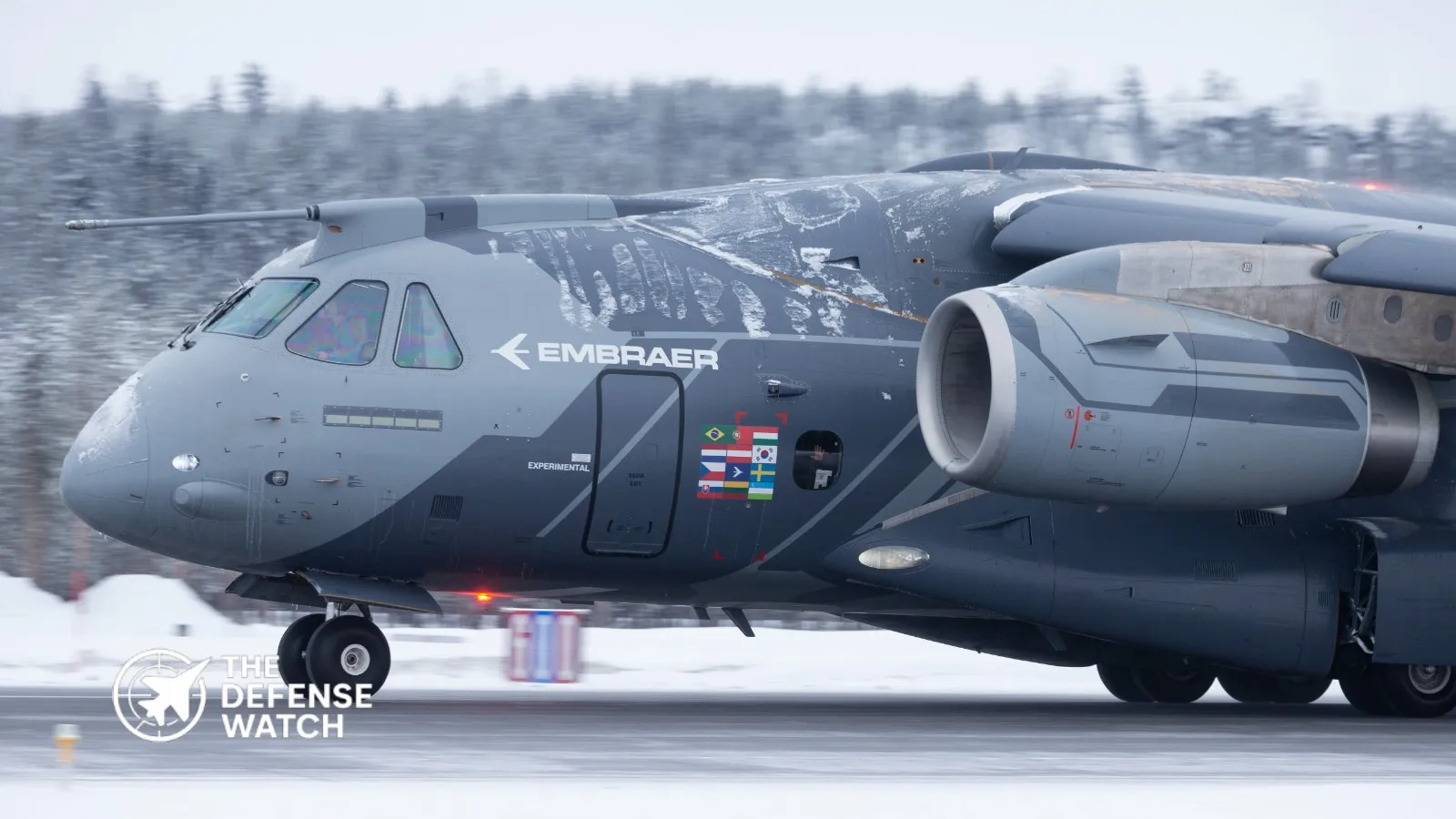
The Embraer KC-390 Millennium has successfully completed an extreme cold weather exercise in Sweden, validating its ability to operate in harsh Arctic conditions and reinforcing its role as a next-generation tactical airlifter for NATO-aligned forces.
The demonstration, confirmed by Embraer, focused on testing the aircraft’s operational performance, ground handling, and mission readiness in sub-zero environments.
The Big Picture
Arctic operations have become a central focus for NATO as northern Europe gains strategic importance amid rising tensions with Russia. Harsh climates, limited infrastructure, and extended distances demand highly capable airlift platforms.
Modern military logistics increasingly depend on aircraft that can operate without extensive ground support. This includes rapid deployment, austere airfield operations, and resilience in extreme weather.
The KC-390 Millennium enters this environment as a competitor to legacy platforms such as the C-130, offering jet-powered speed, modern avionics, and multi-mission flexibility.
What’s Happening
The exercise took place in Sweden in coordination with the Swedish Armed Forces, where the KC-390 Millennium conducted operations under extreme cold conditions.
Embraer confirmed that the aircraft performed a range of tasks, including:
- Ground operations in freezing temperatures
- Engine start and system checks in cold weather
- Logistics and transport missions under Arctic conditions
The trials validated the aircraft’s ability to maintain operational readiness without degradation in performance, a critical requirement for northern deployments..

Image : Embraer Sweden, which has moved closer to NATO integration, offers a relevant operational environment for testing due to its Arctic climate and strategic geography.
Why It Matters
Cold weather performance directly impacts operational reliability in northern theaters. Aircraft that fail to start, sustain systems, or maintain sortie rates in freezing conditions can disrupt entire logistics chains.
The KC-390 Millennium’s success demonstrates:
- Reliable engine performance in sub-zero temperatures
- Effective onboard systems under environmental stress
- Reduced dependency on specialized ground infrastructure
These factors translate into higher sortie generation rates and improved mission availability during winter operations.
For NATO-aligned air forces, this reduces logistical risk in high-latitude deployments and strengthens rapid response capability.
Strategic Implications
The Arctic is becoming a contested operational domain. NATO’s northern flank requires platforms capable of sustaining operations across Norway, Sweden, Finland, and the Baltic region.
The KC-390’s performance supports:
- Enhanced mobility across dispersed bases
- Rapid reinforcement of forward units
- Sustained logistics under extreme weather
The aircraft’s jet propulsion provides faster response times compared to turboprop alternatives, which can be decisive in time-sensitive missions such as troop deployment or humanitarian relief.
This capability aligns with broader NATO efforts to improve readiness and mobility across Europe’s northern corridor.
Competitor View
Russia has long maintained Arctic operational experience, with established infrastructure and specialized equipment designed for cold environments.
A proven Western airlifter capable of matching these conditions signals a narrowing capability gap.

Image : Embraer China, while less directly involved in Arctic operations, has declared itself a “near-Arctic state” and continues to monitor developments in polar logistics and access routes.
For both competitors, improved NATO airlift capability in extreme climates reinforces alliance resilience and complicates operational planning.
What To Watch Next
Future developments to monitor include:
- Additional cold weather certifications for the KC-390
- Expanded deployments with European operators
- Integration into NATO logistics frameworks
- Procurement decisions by additional countries seeking Arctic-capable airlift
Countries in northern and eastern Europe are likely to assess performance data from these trials as they modernize their air transport fleets.
Capability Gap
Legacy tactical airlifters often face limitations in speed, payload efficiency, and system resilience under extreme conditions.
The KC-390 Millennium aims to address:
- Slower deployment times associated with turboprop aircraft
- Maintenance challenges in freezing environments
- Limited interoperability with modern digital logistics systems
However, limitations remain. The KC-390’s operational footprint, support ecosystem, and long-term sustainment costs will influence adoption rates compared to established platforms.
Air forces must balance performance gains with logistics, training, and infrastructure considerations.
The Bottom Line
The KC-390 Millennium’s successful Arctic exercise in Sweden confirms its growing role as a high-performance airlifter capable of strengthening NATO readiness in extreme environments.
The U.S. Department of Defense has increased the Lockheed Martin C-130J contract ceiling by 10 billion, raising its total value to approximately 25 billion, the Pentagon confirmed on Monday.
The contract covers production, development, and engineering support for the C-130J Super Hercules military transport aircraft. No additional funds were obligated as part of the modification.
Key Details
- Program: C-130J Super Hercules
- Contract increase: 10 billion
- New ceiling: About 25 billion
- Managing office: Air Force Life Cycle Management Center
- Primary work location: Marietta, Georgia
- Contract period: Through July 2035
Why It Matters
The C-130J is a core tactical airlift aircraft for the U.S. Air Force and allied militaries. It supports cargo transport, troop movement, medical evacuation, and humanitarian missions, including operations from short and unprepared runways.
The higher contract ceiling allows the Pentagon to place future aircraft and support orders without renegotiating the base agreement, ensuring production continuity and long-term fleet sustainment.
Foreign Military Sales
The contract also supports Foreign Military Sales customers, including Australia, Egypt, France, Germany, Norway, New Zealand, and the Philippines. These sales strengthen interoperability with U.S. forces and maintain shared logistics standards.
What Comes Next
Future funding will be announced through separate procurement actions tied to U.S. defense budgets and allied orders. Additional C-130J deliveries and sustainment work are expected over the next decade.