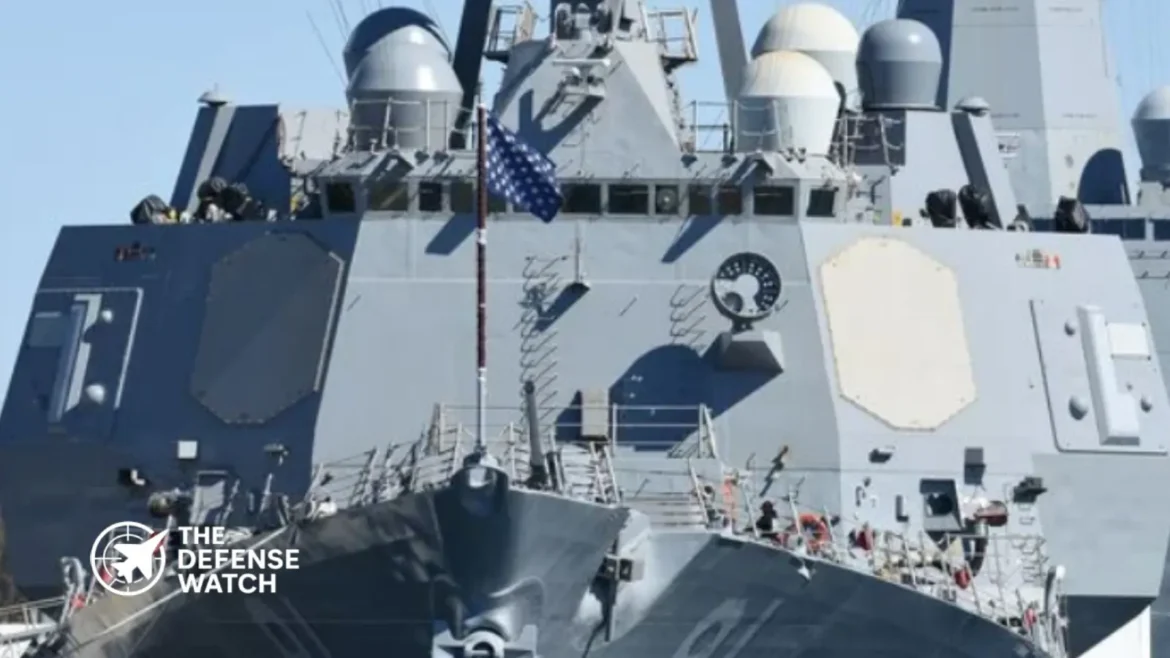
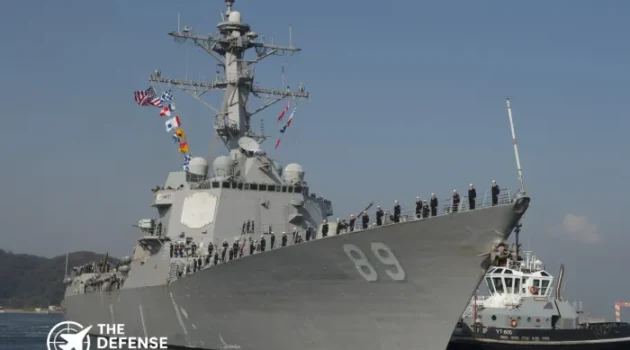
- USS Pinckney deployed with Destroyer Modernization 2.0 upgrades and engaged Iranian targets in March 2026.
- Upgrade includes AN/SPY-6(V)4 radar and advanced SEWIP electronic warfare suite.
- Pentagon officials called for expanded operational testing of the improved Aegis system.
- Program aims to move older destroyers closer to Flight III capability standards.
- Upgrade reflects Navy focus on countering modern missile and drone threats.
Upgraded Aegis Destroyer Conducts First Combat Against Iran Amid Testing Calls
The upgraded Aegis destroyer USS Pinckney deployed with the main keyword improved Aegis system and engaged in combat operations against Iranian forces in March, marking the first operational use of the latest Destroyer Modernization 2.0 suite and raising Pentagon calls for expanded testing of the system’s enhanced radar and electronic warfare capabilities.
The Big Picture
The U.S. Navy is in the midst of a broader effort to modernize its surface fleet, enhancing its ability to respond to aerial, missile, and electronic threats without building new hulls. Central to this effort is the Aegis Combat System, the Navy’s primary integrated air and missile defense platform that combines powerful radar, advanced computing and a suite of interceptors. As naval threats evolve, especially in high-stakes regions such as the Middle East, Washington is under pressure to ensure upgrades deliver real-world advantage.
Aegis modernization has historically aimed to extend service life and capability of Arleigh Burke-class destroyers in the face of new radars and weapons technologies, with recent upgrades focused on closing the capability gap between older Flight IIA ships and the more advanced Flight III configuration.
What’s Happening
In March 2026 the Arleigh Burke-class guided-missile destroyer USS Pinckney, retrofitted under Destroyer Modernization 2.0, participated in combat operations against Iran. The ship’s improved Aegis system integrated an AN/SPY-6(V)4 radar variant and advanced Surface Electronic Warfare Improvement Program (SEWIP) components to improve threat detection and situational awareness.
U.S. Central Command released video from 15 March showing USS Pinckney firing a Tomahawk Land Attack Missile while operating with its modernized systems installed.
Pentagon testing officials noted that although the upgrades enhance capability, the department wants additional operational testing before committing to widespread fielding, signaling caution about current test coverage and risk exposure.
Why It Matters
Modernizing older destroyers with advanced radar and electronic warfare systems helps the fleet maintain multi-domain awareness and defensive reach without waiting years for new ship construction. Upgrades like the SPY-6 family of radars dramatically increase target sensitivity and tracking capacity, crucial as adversaries deploy faster and more complex threats.
Integrating advanced SEWIP systems improves electronic surveillance and countermeasure response, a vital asset when operating in congested or contested littoral regions where adversaries combine missiles, drones and other sensors.
Strategic Implications
For U.S. naval readiness, successful deployment of upgraded Aegis systems signals a maturing approach to force modernization. It reinforces U.S. ability to deter and, if necessary, counter threats, from missile salvos to swarming unmanned systems. It also underscores the Navy’s need to balance risk and verification in testing upgraded combat systems before full fleet rollout, an ongoing tension in defense acquisitions.
Regionally, the presence of modernized destroyers operating against Iranian forces conveys a clear message about sustained U.S. commitment to maritime security and deterrence in the Middle East, particularly in areas like the Persian Gulf and Gulf of Oman. Competitors and adversaries will note both the capabilities deployed and the Pentagon’s insistence on further testing, shaping their assessments of U.S. naval strengths and operational confidence.
Competitor View
Iran and allied groups likely interpret the deployment of an upgraded Aegis destroyer as an escalation in U.S. naval posture, emphasizing precision strike and layered defense against both missile and air threats. For China and Russia, continued investment in modernizing legacy systems reinforces the United States’ ability to sustain forward presence and complex integration across platforms, even as challenges remain in testing new capabilities thoroughly.
What To Watch Next
Analysts will track further Pentagon testing schedules for the improved Aegis system and monitor how feedback from operational use against Iran shapes future modernization decisions. Key milestones include additional live-fire events, expanded tactical evaluations and potential revisions to deployment doctrine for upgraded destroyers.
DoD acquisition communities will also be watching how the testing results influence budget requests and allocation for broader fleet modernization under Destroyer Modernization 2.0.
Capability Gap
Destroyer Modernization 2.0 aims to help older Flight IIA class ships close the gap to Flight III baseline capabilities, especially in radar performance, networked engagement and electronic warfare. Older systems based around legacy sensors and combat computer baselines faced limitations in handling complex, simultaneous threats in contested environments.
While the upgrades mark progress, Pentagon caution about testing highlights remaining uncertainties in fully validating performance under combat conditions, reinforcing the need to invest in comprehensive evaluation.
The Bottom Line
The USS Pinckney’s combat use of an upgraded Aegis system shows real progress in Navy modernization but underscores the Pentagon’s push to ensure that capability gains are fully proven before fleetwide adoption.


- Israel claims elimination of senior Iranian figures including Ali Larijani.
- Operations reportedly involve air power, including fighter jets and UAVs.
- Strategy aims to weaken Iran’s internal security apparatus and leadership cohesion.
- Coordination with the United States highlighted by Israeli leadership.
- Signals potential expansion of covert and overt operations beyond traditional conflict zones.
Israel Targeted Killings Strategy Expands Into Iranian Leadership
Israel’s targeted killings strategy took a sharp turn this week after Prime Minister Benjamin Netanyahu claimed the elimination of senior Iranian figures, including Ali Larijani, in a public statement outlining ongoing military operations.
Netanyahu stated that Israeli forces are conducting air operations over Iran using fighter aircraft and unmanned aerial systems, targeting key elements of the country’s security structure, including the Islamic Revolutionary Guard Corps and the Basij militia.
The Big Picture
Israel’s targeted killings strategy has historically focused on disrupting adversary leadership in regional theaters such as Syria and Gaza. Extending this approach into Iran itself, if confirmed, would represent a major escalation in both geographic scope and operational risk.
The shift aligns with Israel’s long standing doctrine of preemptive action against strategic threats, particularly those linked to Iran’s military and nuclear infrastructure. It also reflects growing coordination with the United States, especially in the context of regional deterrence and Gulf security.
What’s Happening
Netanyahu stated that Israeli forces eliminated Larijani and a Basij commander in coordinated operations. He described the targeted individuals as central figures in Iran’s internal security and repression apparatus.
The Israeli leader also confirmed:
- Use of air force jets and UAVs in operations
- Active efforts to weaken the Iranian regime internally
- Military coordination with Donald Trump and U.S. forces
- Continued direct and indirect attacks designed to increase pressure on Tehran
No independent confirmation has been provided by Iranian authorities at the time of writing.
Why It Matters
Targeted killings serve both tactical and strategic purposes. Removing senior leadership can disrupt command structures, slow decision making, and degrade operational effectiveness.
In Iran’s case, the focus on the IRGC and Basij suggests a deliberate effort to undermine internal security control mechanisms rather than conventional military forces alone.
This approach also signals a shift from containment to active destabilization. Instead of limiting Iranian influence abroad, Israel appears to be targeting the regime’s internal cohesion.
Strategic Implications
Israel’s targeted killings strategy could reshape the regional security environment in several ways.
First, it raises the threshold of direct confrontation between Israel and Iran. Strikes inside Iranian territory, especially against high level figures, increase the likelihood of retaliation.
Second, it reinforces the role of air power and long range strike capabilities. The use of UAVs and stand off munitions allows Israel to operate without sustained ground presence, reducing exposure while maintaining pressure.
Third, it strengthens U.S. Israel military coordination. Netanyahu’s reference to joint efforts suggests alignment in operational planning, particularly in the Gulf region where U.S. forces maintain a significant presence.
Competitor View
Iran is likely to interpret these actions as an attempt to trigger internal instability and weaken regime legitimacy.
From Tehran’s perspective, targeting the IRGC and Basij directly challenges the pillars of state control. This could prompt asymmetric responses, including cyber operations, proxy attacks, or maritime disruptions.
Russia and China may view the escalation as a destabilizing factor in global energy markets and regional security, particularly given the Gulf’s role in global flows.
What To Watch Next
Several indicators will shape the next phase of this development:
- Iranian confirmation or denial of leadership losses
- Potential retaliatory actions by Iran or its proxies
- U.S. military posture adjustments in the Gulf
- Increased Israeli air or covert operations beyond current scope
Sustained operations would indicate a long term campaign rather than a limited strike.
Capability Gap
Israel’s targeted killings strategy addresses a key challenge, the difficulty of countering decentralized and ideologically driven security networks.
By focusing on leadership nodes, Israel seeks to create disruption without engaging in large scale conventional warfare.
However, limitations remain. Leadership decapitation does not guarantee systemic collapse. Iran’s security apparatus is layered and resilient, with redundancy built into command structures.
The Bottom Line
Israel’s targeted killings strategy signals a deliberate escalation aimed at weakening Iran’s leadership from within while reshaping the regional balance of power.
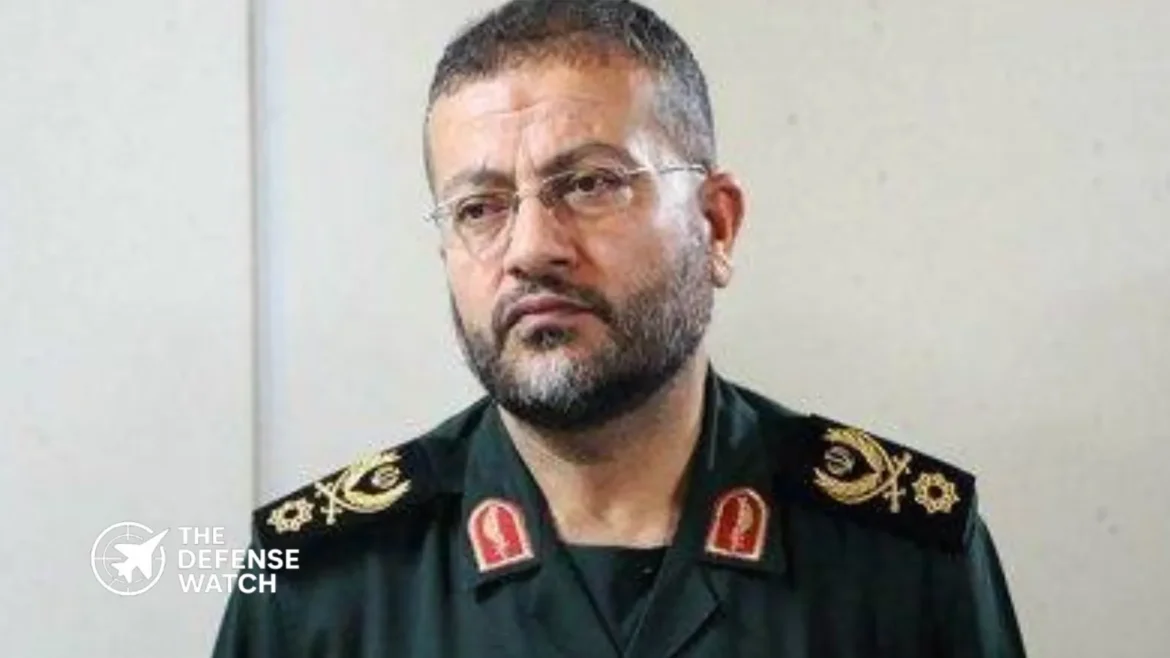
- Iran confirmed the death of a senior Basij paramilitary chief in a reported U.S.-Israeli strike.
- The Basij is a key auxiliary force under the Islamic Revolutionary Guard Corps, used for internal security and mobilization.
- The strike comes amid ongoing military tensions between Iran, Israel, and U.S. forces in the region.
- Iranian officials have vowed retaliation but provided limited operational details.
- The incident underscores growing risks of broader escalation across the Middle East.
Iran Basij Chief Killed In U.S.-Israeli Strike
Iran Basij chief killed in a U.S.-Israeli strike marks a significant development in the ongoing regional conflict, with Tehran confirming the death of a senior paramilitary commander linked to the Islamic Revolutionary Guard Corps.
The commander was killed during what officials described as a joint U.S. and Israeli military operation targeting positions associated with Iran’s security apparatus. The confirmation provides one of the clearest acknowledgments yet of senior leadership losses within Iran’s internal security structure during the current escalation.
The Basij, a volunteer paramilitary force operating under the IRGC, plays a central role in Iran’s domestic security, intelligence support, and wartime mobilization strategy. The death of a senior Basij leader therefore carries both operational and symbolic weight.
Operational Context And Strategic Significance
The reported strike reflects a broader pattern of targeted operations aimed at degrading Iran’s command and control networks. While Israel has historically conducted precision strikes against Iranian assets in Syria and beyond, the involvement or attribution to U.S. forces suggests a potential widening of operational coordination.
From a military standpoint, targeting a Basij commander differs from strikes on conventional military infrastructure. The Basij functions as a hybrid force, combining internal policing roles with expeditionary support functions. This makes its leadership structure critical not only for domestic stability but also for Iran’s asymmetric warfare posture.
Analysts note that removing key figures within such organizations can disrupt communication chains and slow mobilization efforts, even if only temporarily. However, Iran has historically demonstrated resilience in regenerating leadership within the IRGC and affiliated units.
Escalation Dynamics And Regional Impact
The confirmation that an Iran Basij chief was killed in a U.S.-Israeli strike is likely to intensify already high tensions across the Middle East. Tehran has repeatedly warned that attacks on its leadership will trigger retaliation, potentially through proxy networks across Iraq, Syria, Lebanon, and the Gulf.
The risk lies less in immediate large-scale retaliation and more in calibrated responses designed to impose costs while avoiding full-scale war. These could include drone attacks, missile strikes, or maritime disruptions in strategic waterways.
At the same time, the incident may influence internal Iranian calculations. Leadership losses within the Basij could prompt increased domestic security measures, particularly if authorities perceive a risk of internal unrest or external exploitation.
Information Gaps And Verification Challenges
Despite the confirmation, details surrounding the strike remain limited. Neither U.S. nor Israeli officials have publicly provided operational specifics regarding the timing, location, or method of the attack.
This lack of transparency is consistent with past operations, where attribution is often indirect or delayed. Independent verification remains difficult due to restricted access and the complex information environment surrounding military activities in the region.
Still, the acknowledgment by Iranian authorities lends credibility to reports that senior figures are being directly targeted, rather than collateral casualties.
Military And Political Implications
The killing of a Basij commander highlights the evolving nature of the conflict, where leadership targeting is becoming a more visible component of military strategy. This approach aligns with broader trends in modern warfare, emphasizing precision strikes against high-value individuals to achieve strategic effects without large-scale force deployment.
Politically, the incident may strengthen hardline positions within Iran, reinforcing narratives of external aggression and justifying further military readiness. It may also complicate diplomatic efforts aimed at de-escalation, particularly if retaliatory actions follow.
For the United States and Israel, the operation signals continued willingness to engage Iranian-linked targets despite escalation risks. This reflects a balancing act between deterrence and containment, with both sides seeking to avoid uncontrolled conflict while maintaining strategic pressure.
Outlook
As tensions persist, the confirmation that an Iran Basij chief was killed in a U.S.-Israeli strike underscores the fragile security environment in the Middle East. The incident adds another layer to an already complex conflict landscape, where military actions, proxy engagements, and geopolitical calculations intersect.
The coming days will be critical in assessing whether Iran opts for immediate retaliation or adopts a more measured response. Either path carries implications for regional stability and the trajectory of the broader conflict.

- UK confirms it will not directly join military operations against Iran.
- Strait of Hormuz disruption remains a major operational and economic concern.
- Rising energy and fertilizer prices highlight global economic fallout.
- Over 92,000 British nationals evacuated from the Middle East.
- UK emphasizes post-conflict diplomacy and coordinated allied maritime security.
UK Iran Conflict Policy Signals Strategic Restraint
UK Iran conflict policy has taken a clear direction as Keir Starmer confirmed that Britain will not directly participate in military operations against Iran, while calling for an immediate end to hostilities in the Middle East.
Speaking during a press conference, Starmer stressed that London seeks to avoid escalation in the Gulf, citing both regional security risks and mounting economic pressures linked to the conflict.
The Big Picture
Rising tensions across the Middle East are placing renewed strain on global energy markets and maritime security, particularly around the Strait of Hormuz, a critical artery for global oil and gas shipments.
Western governments, including the United Kingdom, face a dual challenge. They must support regional stability and allied security interests while avoiding a broader war that could disrupt global supply chains and trigger economic shocks.
This approach reflects a broader NATO-aligned posture focused on deterrence without direct escalation, particularly in conflicts involving major regional powers.
What’s Happening
The UK government has formally ruled out direct military involvement in any war against Iran.
Starmer stated that Britain does not want a conflict in the Gulf and emphasized the need for immediate de-escalation. He linked the ongoing war to rising global prices for gas, oil, and fertilizers, underlining the economic dimension of the crisis.
The UK has also conducted a large-scale evacuation effort, bringing approximately 92,000 British nationals back from the region.
At the same time, London is coordinating with allies to restore maritime traffic flows, particularly in contested sea lanes affected by the conflict.
Starmer also indicated that diplomatic engagement with Iran would follow once hostilities subside, suggesting a long-term political track alongside short-term crisis management.
Why It Matters
The UK decision not to engage directly in the conflict reflects a calculated balance between alliance commitments and risk containment.
Direct military involvement could expose British forces to asymmetric threats, including missile attacks, drone strikes, and maritime disruption operations. Avoiding such exposure preserves operational flexibility while limiting escalation risks.
Energy security remains a central concern. Disruptions in the Strait of Hormuz can rapidly impact global oil supply, with downstream effects on industrial production, agriculture, and inflation.
The UK position also aligns with broader Western efforts to prevent a regional conflict from expanding into a multi-theater confrontation.
Strategic Implications
The UK Iran conflict policy reinforces a deterrence-by-presence model rather than direct combat engagement.
By supporting maritime security operations and coordinating with allies, Britain contributes to stabilizing critical sea lanes without becoming a primary combatant.
This approach preserves military readiness while avoiding resource diversion from other strategic priorities, including NATO commitments in Europe.
The emphasis on post-conflict diplomacy also signals that London views the crisis as ultimately requiring a negotiated resolution rather than a purely military outcome.
Competitor View
Russia may interpret Western restraint as an opportunity to expand diplomatic influence in the Middle East, particularly as Vladimir Putin seeks to position Moscow as an alternative mediator.
Iran is likely to view the UK stance as a signal of limited Western appetite for escalation, though continued allied maritime operations will still be seen as pressure on its regional posture.
Ukraine remains part of the broader geopolitical context, with Starmer confirming plans to engage with Volodymyr Zelenskyy, highlighting the interconnected nature of global conflicts and Western strategic priorities.
What To Watch Next
Maritime security operations in the Gulf will be a key indicator of how effectively allied forces can maintain freedom of navigation.
Diplomatic efforts toward a ceasefire or negotiated settlement will likely intensify once immediate hostilities stabilize.
Energy market volatility will continue to serve as a real-time measure of the conflict’s global impact.
Future UK defense posture adjustments may emerge depending on how the situation evolves, particularly if threats to shipping or allied assets increase.
Capability Gap
The crisis highlights a persistent gap in securing global maritime chokepoints against hybrid threats.
While Western navies maintain strong conventional capabilities, non-state and state-backed actors can disrupt shipping through drones, mines, and fast-attack craft.
The UK’s reliance on coalition operations underscores both the strength and limitation of allied maritime frameworks, effective but dependent on coordination and shared rules of engagement.
The Bottom Line
The UK is prioritizing de-escalation and maritime stability over direct intervention, signaling a cautious but strategic approach to the Iran conflict.
- The United States carried out a large-scale precision strike on Iran’s Kharg Island, targeting military facilities.
- U.S. forces reportedly struck more than 90 military targets including missile bunkers and naval mine storage sites.
- Kharg Island is Iran’s primary oil export hub, handling the majority of the country’s crude shipments.
- The strike deliberately avoided damaging oil infrastructure despite escalating tensions in the Persian Gulf.
- The operation highlights U.S. efforts to deter threats to shipping through the Strait of Hormuz.
US Bombs Kharg Island In Escalating Iran Conflict
The U.S. bombing of Kharg Island marks one of the most significant strikes in the current conflict with Iran, targeting military infrastructure at the country’s most critical oil export hub in the Persian Gulf.
U.S. forces conducted a large precision strike against Iranian military targets on the island while deliberately avoiding energy facilities, according to U.S. officials and statements from President Donald Trump.
The attack targeted multiple military installations, including missile storage sites, naval mine depots, and other facilities used by Iranian forces. Reports indicate that more than 90 military targets were struck during the operation.
Despite the scale of the strike, the island’s oil export infrastructure remained untouched, a decision the administration framed as an effort to avoid triggering a global energy shock.
The Big Picture
Kharg Island sits in the northern Persian Gulf, roughly 25 kilometers off Iran’s coast, and functions as the backbone of the country’s oil export system. The island handles the overwhelming majority of Iranian crude shipments to global markets.
Its strategic importance extends far beyond Iran’s domestic economy. Energy flows through the Persian Gulf are central to global oil markets, and any disruption to infrastructure in the region can quickly affect global supply and pricing.
The strike occurred amid rising tensions around the Strait of Hormuz, a narrow maritime chokepoint through which roughly one fifth of the world’s oil supply passes.
For U.S. policymakers, maintaining open sea lanes in this region remains a long-standing strategic objective.
What’s Happening
The U.S. operation targeted Iranian military assets located on Kharg Island, a heavily fortified site that hosts air defense systems, missile storage areas, and logistics facilities.
According to U.S. military statements:
- Naval mine storage facilities were destroyed
- Missile storage bunkers were targeted
- Additional Iranian military sites were struck
The attack forms part of the broader escalation in the 2026 Iran War, which began earlier in the year with strikes and counterstrikes across the Gulf region.
Iranian officials have warned that retaliation remains possible, raising concerns about attacks on U.S. forces or regional energy infrastructure.
Why It Matters
The U.S. strike on Kharg Island sends a clear signal about Washington’s priorities in the conflict.
Rather than targeting Iran’s economic lifeline directly, the United States focused on military capabilities that could threaten maritime traffic.
Naval mines and anti ship missiles stored on the island represent a major risk to commercial shipping in the Persian Gulf. By targeting these systems, the strike aims to reduce Iran’s ability to disrupt shipping lanes.
The decision to avoid oil infrastructure also reflects a broader strategic calculation. Destroying export facilities could significantly tighten global oil supply and trigger economic instability far beyond the Middle East.
Strategic Implications
The operation highlights how military planners balance escalation with deterrence.
By striking military targets but sparing the oil terminal, Washington appears to be signaling both capability and restraint.
The message is twofold.
First, U.S. forces can reach high value military sites deep inside Iranian territory.
Second, the United States still seeks to limit damage to global energy markets.
Kharg Island itself represents a critical node in Iran’s national economy. Analysts estimate the facility handles most of Iran’s crude exports and serves as the country’s primary loading terminal for tankers bound for Asia and Europe.
That makes the island both a military target and a powerful strategic lever.
Competitor View
Iran is likely to interpret the strike as a warning tied directly to maritime security in the Persian Gulf.
Tehran has previously threatened to disrupt traffic through the Strait of Hormuz if its own energy exports are restricted.
From Iran’s perspective, the attack could reinforce the perception that U.S. forces intend to degrade Iranian maritime strike capabilities while preserving leverage over energy infrastructure.
Russia and China will likely monitor the situation closely. Both countries rely heavily on Middle Eastern energy flows and maintain growing strategic ties with Iran.
A broader conflict that threatens shipping in the Gulf would affect global energy markets and international trade.
What To Watch Next
Several developments will shape the next phase of the conflict.
First, analysts will watch for Iranian retaliation against U.S. bases or allied infrastructure across the Gulf region.
Second, maritime security operations around the Strait of Hormuz may increase as Western navies seek to protect commercial shipping.
Third, additional U.S. deployments to the region could expand if the conflict escalates further.
Recent reports indicate Washington is already reinforcing its presence with additional naval forces and Marines in the region.
Capability Gap
The strike also highlights a key operational concern for the United States and its partners.
Iran has invested heavily in asymmetric maritime warfare capabilities designed to threaten commercial shipping and naval vessels.
These include:
- Naval mines
- Anti ship cruise missiles
- Fast attack craft
- Coastal missile batteries
By targeting these assets on Kharg Island, U.S. planners likely sought to reduce Iran’s ability to disrupt maritime trade routes.
However, Iran maintains similar capabilities across multiple bases along its coastline, meaning the threat to regional shipping remains.
The Bottom Line
The U.S. bombing of Kharg Island demonstrates Washington’s willingness to strike critical Iranian military infrastructure while avoiding direct disruption of global oil supplies.
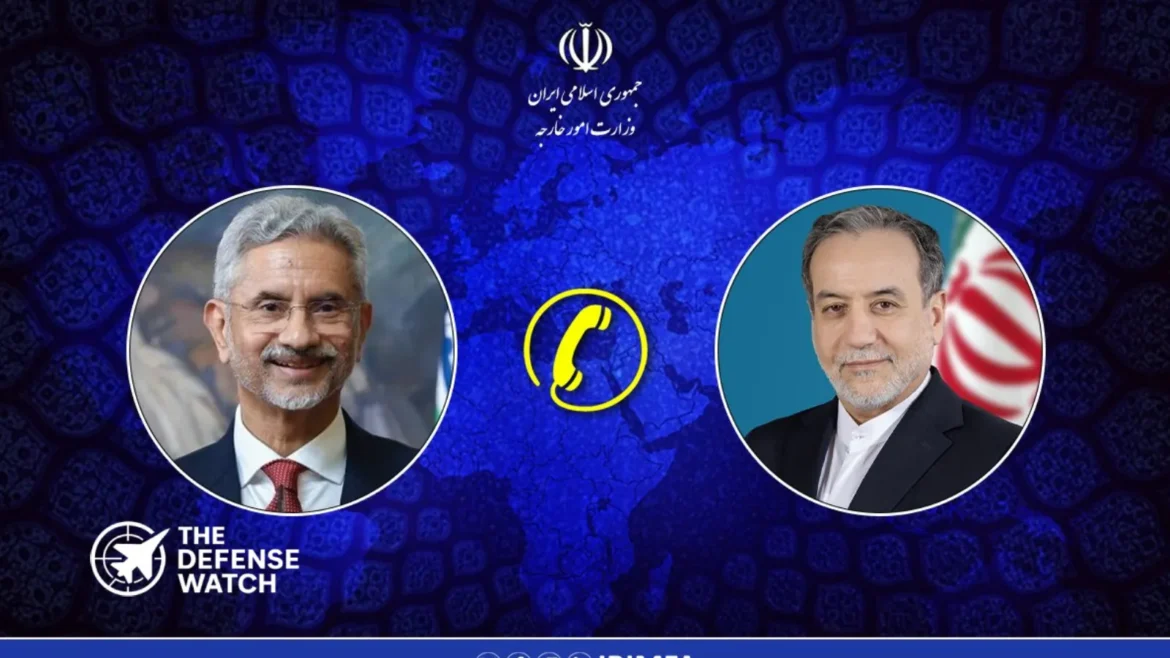
- Iran and India’s foreign ministers held a phone call to discuss escalating regional tensions.
- Talks included concerns about maritime security and shipping traffic through the Strait of Hormuz.
- Iran accused the United States and Israel of military aggression and destabilizing regional security.
- India emphasized continued diplomatic consultations and maintaining bilateral relations with Tehran.
- The discussion highlights growing international concern over energy supply routes and Gulf stability.
Iran India Foreign Ministers Discuss Regional Tensions And Strait Of Hormuz Security
The Iran India foreign ministers call highlighted growing concerns over regional stability and maritime security as tensions involving the United States, Israel, and Iran continue to affect the Middle East security environment. During the phone conversation, Indian Foreign Minister Subrahmanyam Jaishankar and Iranian Foreign Minister Seyed Abbas Araghchi reviewed recent developments and discussed the implications for shipping routes through the Strait of Hormuz.
Both sides emphasized the importance of diplomatic engagement and maintaining bilateral communication during a period of heightened geopolitical risk in the Gulf region.
The Big Picture
The diplomatic exchange between India and Iran reflects the broader strategic importance of the Persian Gulf and its maritime corridors to global energy markets and military operations.
The Strait of Hormuz remains one of the world’s most critical maritime chokepoints. Roughly one fifth of global oil trade moves through the narrow waterway connecting the Persian Gulf to the Arabian Sea. Any disruption in the corridor can rapidly affect energy prices, naval deployments, and global supply chains.
Recent military tensions involving the United States, Israel, and Iran have raised concerns among regional states and major energy consumers. Countries such as India depend heavily on Gulf energy supplies and maritime trade routes. Maintaining secure shipping lanes is therefore a central priority for New Delhi’s foreign and defense policy.
The Iran India foreign ministers call comes at a time when international attention is focused on the potential risk of escalation in the Middle East and its impact on global security.
What’s Happening
Iranian Foreign Minister Seyed Abbas Araghchi used the call to brief India on what Tehran described as attacks conducted by the United States and Israel during recent military operations involving Iranian territory.
According to Iran’s account of the conversation, Araghchi cited incidents including missile strikes and attacks on civilian infrastructure. He stated that Iran remains determined to defend its territorial integrity and sovereignty.
Tehran also argued that U.S. and Israeli military actions violate principles outlined in the United Nations Charter and international law. Iranian officials have repeatedly called on other governments to condemn what they describe as unlawful aggression.
The discussion also focused on maritime security in the Persian Gulf, particularly the safety of commercial shipping and tanker traffic moving through the Strait of Hormuz.
Iran told India that it maintains a principled approach to protecting shipping security in the region but argued that current instability results from U.S. military activity and broader geopolitical tensions.
India’s foreign minister emphasized the importance of continued diplomatic consultations between Tehran and New Delhi. Jaishankar also highlighted the need to preserve regional stability and maintain bilateral cooperation.
Why It Matters
The Iran India foreign ministers call underscores how military developments in the Middle East affect countries far beyond the region.
India is one of the world’s largest energy importers and depends heavily on oil shipments passing through the Strait of Hormuz. Any disruption to maritime traffic could affect India’s economy, energy prices, and industrial supply chains.
The Indian Navy also monitors the Gulf region closely because of the large number of Indian merchant vessels and seafarers operating in the area.
Diplomatic engagement with Iran allows India to manage risk while maintaining strategic autonomy in its foreign policy. New Delhi has historically balanced relations with both Western partners and regional powers such as Iran.
Maintaining open communication channels becomes particularly important when tensions threaten global maritime trade routes.
Strategic Implications
The Iran India foreign ministers call reflects a broader concern among major powers about the stability of the Persian Gulf maritime domain.
Military tensions in the region often trigger increased naval deployments by the United States and allied countries. The U.S. Navy’s Fifth Fleet operates extensively in the Gulf to secure shipping lanes and deter attacks on commercial vessels.
At the same time, Iran maintains significant naval and missile capabilities designed to influence traffic through the Strait of Hormuz. These include anti ship missiles, fast attack craft, and coastal defense systems operated by the Islamic Revolutionary Guard Corps Navy.
Because of the narrow geography of the strait, even limited military activity can create uncertainty for shipping companies and insurers.
India’s diplomatic engagement with Iran helps reduce the risk of miscommunication and supports broader international efforts to keep the sea lanes open.
Competitor View
Regional and global powers closely watch diplomatic exchanges such as the Iran India foreign ministers call.
China has expanded its strategic and economic presence in the Gulf region through energy investments and infrastructure projects. Beijing relies heavily on Gulf oil imports and supports stability in maritime routes.
Russia also maintains strategic ties with Iran and has expressed opposition to unilateral military actions in the region.
For the United States and its allies, maintaining freedom of navigation in the Strait of Hormuz remains a core strategic objective. Washington has repeatedly emphasized the need to prevent any disruption to international shipping.
India’s position reflects a balancing strategy. New Delhi maintains security cooperation with the United States while also preserving diplomatic ties with Iran.
What To Watch Next
Several developments will shape the regional security outlook in the coming months.
Diplomatic consultations between Iran and regional powers may expand as countries attempt to prevent escalation.
Naval deployments in the Gulf region could increase if tensions continue to affect shipping lanes.
Energy markets will also closely track developments involving the Strait of Hormuz, given its role in global oil exports.
Additional international mediation efforts could emerge if military tensions continue to rise.
Capability Gap
The conversation between Iran and India highlights a broader security challenge in the Middle East maritime domain.
The Persian Gulf lacks a unified regional maritime security framework that includes all major stakeholders. Instead, the region relies on overlapping military presences and bilateral arrangements.
This fragmented structure creates potential gaps in coordination, crisis management, and communication during periods of tension.
Countries such as India increasingly rely on diplomatic engagement and naval monitoring to mitigate these risks and protect their maritime interests.
The Bottom Line
The Iran India foreign ministers call reflects growing international concern that escalating military tensions in the Middle East could threaten one of the world’s most critical maritime energy corridors.

- Operation Epic Fury has entered its second week with expanded US air and maritime strikes inside Iran.
- US Central Command has struck more than 5,000 targets including missile launchers, drone factories, and naval assets.
- Iranian ballistic missile attacks have dropped by about 90 percent since the start of the campaign.
- US forces have destroyed more than 50 Iranian naval vessels and targeted mine laying capabilities in the Persian Gulf.
- Pentagon officials say the campaign aims to permanently prevent Iran from developing nuclear weapons.
Operation Epic Fury Intensifies As Iranian Responses Slow
Operation Epic Fury continues to expand as the United States intensifies its military strikes against Iran while Iranian missile and drone attacks decline sharply, according to senior Pentagon officials.
Speaking during a Pentagon briefing, US Secretary of War Pete Hegseth said American forces are conducting the largest wave of strikes yet in the campaign, nearly two weeks after the operation began. US military planners report that sustained strikes against Iranian missile systems, naval assets, and drone infrastructure have significantly reduced Tehran’s ability to launch retaliatory attacks.
The campaign, led by US Central Command, targets Iran’s missile stockpiles, naval forces, and defense industrial infrastructure while maintaining pressure on key military facilities across the country.
The Big Picture
The US military campaign against Iran represents one of the most significant Middle East military operations in recent years. Operation Epic Fury began in late February as Washington sought to degrade Iranian missile forces, neutralize maritime threats in the Persian Gulf, and prevent Tehran from advancing toward a nuclear weapons capability.
Unlike previous US interventions in the region, the Pentagon describes the operation as a limited but highly focused military campaign designed to eliminate specific strategic threats rather than pursue long term occupation or nation building.
The campaign reflects broader shifts in US defense strategy. American military planning increasingly emphasizes precision strikes, rapid intelligence integration, and coordinated air and maritime operations designed to neutralize enemy capabilities quickly. These methods rely heavily on networked sensors, long range strike aircraft, and sea launched precision weapons.
The operation also underscores the growing role of coalition access and regional partnerships. According to Pentagon officials, several Middle Eastern partners have provided basing access and overflight permissions to support US strike operations.
What’s Happening
Pentagon officials say US Central Command has now struck more than 5,000 targets across Iran since the start of Operation Epic Fury. These targets include missile launch sites, underground storage facilities, drone manufacturing plants, and naval vessels operating in the Persian Gulf.
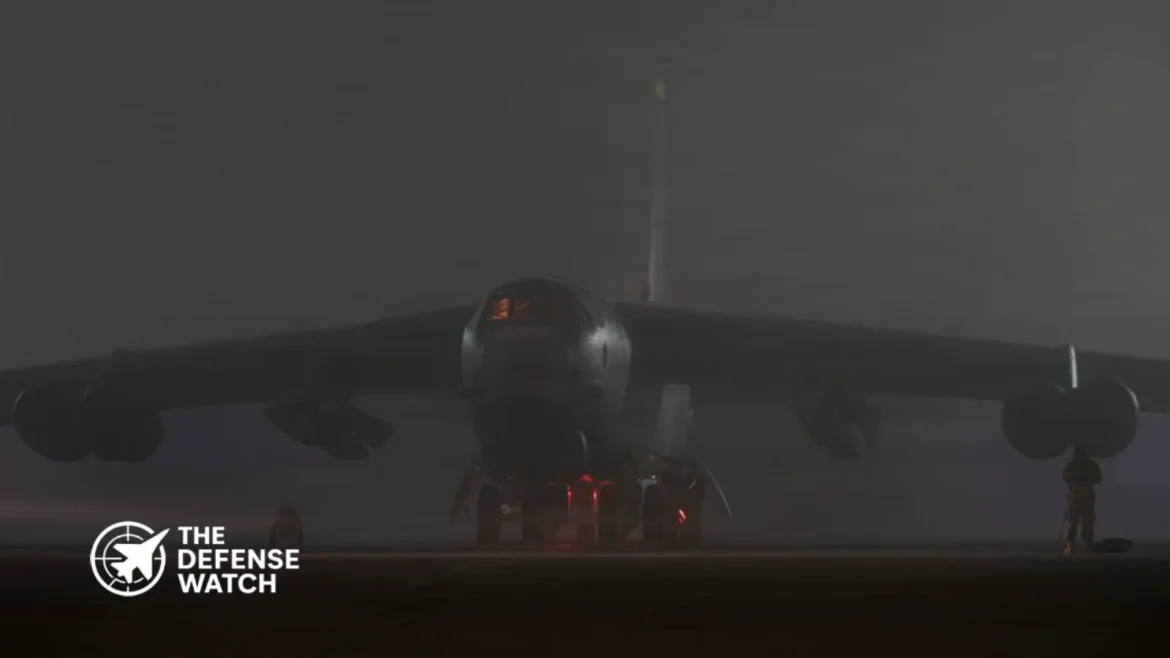
US Strategic Command bombers have also deployed large precision penetrating weapons against hardened missile facilities buried deep underground. These strikes aim to destroy launch infrastructure that could threaten US forces and regional allies.
Air Force Gen. Dan Caine, chairman of the Joint Chiefs of Staff, said US forces have made substantial progress against Iran’s naval capabilities as well. American forces have destroyed more than 50 Iranian naval vessels, including a drone carrier ship and several mine laying platforms.
US naval and air assets continue to hunt Iranian vessels capable of mining key shipping lanes in the Persian Gulf.
At the same time, US air defense systems and allied forces have intercepted a growing number of Iranian drones and missiles across the region.
Why It Matters
The declining rate of Iranian missile attacks suggests the campaign is successfully targeting Iran’s operational strike network.
According to US military officials, ballistic missile attacks launched from Iran have dropped roughly 90 percent since the beginning of Operation Epic Fury. One way attack drone strikes have also decreased by about 83 percent.
These reductions indicate that US strikes are likely destroying not only missile launchers but also the logistics systems that sustain Iran’s strike capabilities.
Iran’s military strategy has long relied on a layered approach built around ballistic missiles, drones, and naval disruption operations. By targeting these systems simultaneously, US forces are attempting to break the operational link between missile launch sites, production facilities, and command networks.
This approach mirrors recent US operational doctrine that prioritizes early destruction of enemy strike networks in order to protect forward bases and maritime supply routes.
Strategic Implications
The outcome of Operation Epic Fury could reshape regional deterrence dynamics in the Middle East.
Iran has invested heavily in missile forces and naval asymmetric warfare capabilities as a counterweight to the conventional superiority of US and allied militaries. Destroying large portions of that infrastructure could significantly weaken Tehran’s ability to threaten Gulf shipping lanes or regional military bases.
The campaign also highlights the strategic importance of air dominance. Pentagon officials say US forces currently operate with near total air superiority, enabling sustained strikes against Iranian targets while limiting exposure to Iranian defenses.
If these conditions persist, the US military could continue degrading Iran’s defense industrial base and naval forces without committing large ground formations.
Competitor View
Iran and other US strategic competitors will likely interpret the campaign through the lens of modern high intensity warfare.
Tehran has historically relied on proxy groups and irregular tactics to offset conventional weaknesses. However, Pentagon officials say many Iranian proxy organizations have remained largely inactive during the conflict so far.
China and Russia will closely study the campaign’s operational methods. Both countries have invested heavily in missile forces and anti access systems designed to challenge US air power.
The ability of US forces to quickly neutralize missile infrastructure and naval assets may influence how these countries evaluate the survivability of their own military systems in future conflicts.
What To Watch Next
Several developments will determine the next phase of the campaign.
First, US Central Command continues to target Iranian naval assets involved in mine warfare operations in the Persian Gulf. Securing maritime routes through the Strait of Hormuz remains a major operational priority.
Second, continued strikes against Iranian missile infrastructure may further reduce Tehran’s ability to conduct retaliatory attacks.
Finally, political decisions in Washington will determine the overall duration and scope of Operation Epic Fury.
Pentagon officials emphasize that the campaign has clearly defined objectives and is not intended to evolve into a long term occupation.
Capability Gap
Operation Epic Fury targets a specific capability gap that has challenged US forces in the Middle East for decades.
Iran’s large arsenal of ballistic missiles, cruise missiles, and drones has long posed a major threat to US bases and allied infrastructure across the region. These weapons allow Tehran to threaten shipping routes and regional energy infrastructure without engaging in direct conventional conflict.
By targeting missile production facilities, launch systems, and drone factories simultaneously, US forces aim to dismantle the operational ecosystem that sustains Iran’s strike capability.
However, limitations remain. Iran retains dispersed missile forces and underground facilities that may survive early strikes. Rebuilding industrial capacity could also occur over time if the conflict ends without long term restrictions.
The Bottom Line
Operation Epic Fury demonstrates how sustained precision strikes can rapidly degrade missile, drone, and naval threats while reshaping regional military deterrence.
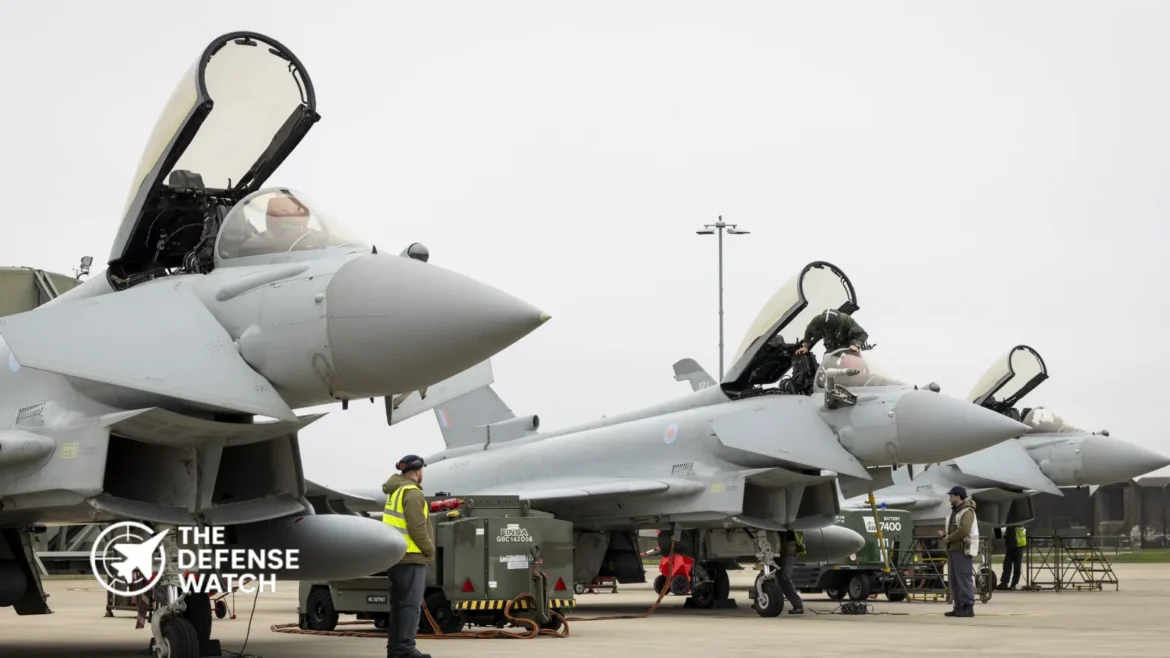
- Four RAF Typhoon fighter jets deployed from RAF Coningsby to Qatar in March 2026.
- Aircraft will integrate with the RAF Typhoon force already operating in the Gulf region.
- Deployment supports air defense operations for regional partners including Bahrain and the UAE.
- RAF personnel from the UK–Qatar joint 12 Squadron will support the mission.
- Move reinforces the UK’s commitment to regional security and collective defense cooperation.
RAF Typhoons Deploy To Qatar
RAF Typhoons deploy to Qatar as part of the United Kingdom’s effort to strengthen its air presence in the Middle East and support regional partners facing growing security challenges. The Royal Air Force confirmed that four Typhoon fighter jets departed RAF Coningsby and arrived in Qatar to reinforce the UK’s existing air assets operating in the region.
(adsbygoogle = window.adsbygoogle || []).push({});The aircraft will integrate with RAF Typhoon units already stationed in the Gulf and operate alongside personnel from the joint UK–Qatar 12 Squadron as well as Qatar’s own Typhoon squadron.
The deployment expands the RAF’s operational capacity in the region and enhances its ability to conduct air defense missions, support coalition operations, and contribute to broader regional stability.
The Big Picture
The RAF Typhoons deploy to Qatar at a time when Middle East security dynamics are becoming increasingly complex. Western militaries have increased their operational presence across the Gulf as tensions and drone threats continue to challenge regional air defenses.
The United Kingdom has maintained a persistent military footprint in the region for decades. Air power has remained a central element of that posture, particularly through fighter deployments, intelligence sharing, and joint training programs with Gulf partners.
Deploying additional Typhoon aircraft reflects the UK’s continuing role in multinational security arrangements designed to protect shipping routes, defend allied airspace, and deter hostile actions across the Gulf region.
Qatar plays an important role in this architecture. The country hosts major coalition military infrastructure and has steadily expanded its own air capabilities through partnerships with Western defense industries.
What’s Happening
Four RAF Typhoon fighters departed RAF Coningsby in eastern England and deployed to Qatar in early March 2026.
The aircraft will join existing RAF Typhoon forces operating in the Gulf and integrate with both RAF personnel and the Qatar Emiri Air Force. The mission includes supporting regional air defense efforts for Gulf partners including Bahrain and the United Arab Emirates.
The deployment also involves personnel from 12 Squadron, a joint RAF and Qatar Emiri Air Force unit established to deepen operational cooperation between the two countries.
RAF officials say the move demonstrates the service’s ability to rapidly reinforce deployed combat air assets and respond to emerging security requirements.
The Eurofighter Typhoon remains the RAF’s primary multirole combat aircraft. It can perform air superiority, defensive counter air, and precision strike missions, making it well suited for coalition air operations and regional air policing.
Why It Matters
Forward deployment of fighter aircraft provides a rapid response capability that is critical in the Gulf region. Air defense threats in the Middle East increasingly include cruise missiles, drones, and other unmanned systems that can appear with little warning.
(adsbygoogle = window.adsbygoogle || []).push({});Typhoon aircraft equipped with advanced radar, long range air to air missiles, and precision strike weapons can help detect and intercept aerial threats before they reach critical infrastructure or population centers.
The deployment also strengthens integrated air defense cooperation among Gulf partners and Western allies.
Military planners often rely on distributed fighter forces across several regional bases. This approach improves operational resilience and reduces vulnerability to surprise attacks against a single airfield.
The presence of additional RAF Typhoons therefore increases both operational flexibility and deterrence.
Strategic Implications
The RAF Typhoons deploy to Qatar as part of a broader Western effort to maintain military stability across the Middle East.
Forward based fighter aircraft allow the United Kingdom and its allies to respond quickly to emerging threats. They also enable coalition forces to conduct air patrols, intercept suspicious aircraft or drones, and support defensive operations across the region.
The deployment reinforces Britain’s long standing defense relationship with Qatar. The two countries operate a unique joint squadron, 12 Squadron, which integrates pilots, maintainers, and operational planning personnel from both air forces.
This partnership supports Qatar’s development of its own Typhoon capability while providing the RAF with valuable operational experience working alongside Gulf air forces.
In strategic terms, these deployments help sustain a layered security architecture that includes naval forces, missile defense systems, and coalition air power across the region.
Competitor View
Regional rivals and strategic competitors closely monitor Western air deployments in the Gulf.
Countries such as Iran often interpret increases in coalition air power as part of a broader deterrence posture aimed at countering missile and drone threats. Additional fighter aircraft also complicate any potential attempt to challenge coalition air superiority in the region.
For competitors, the presence of advanced fighters like the Typhoon signals that Western forces maintain a rapid reinforcement capability and can scale up air operations quickly if the security situation deteriorates.
At the same time, Gulf partners view these deployments as reassurance that Western security commitments remain active.
Capability Gap
The RAF Typhoons deploy to Qatar partly to address the growing challenge posed by unmanned aerial threats and long range missile systems.
(adsbygoogle = window.adsbygoogle || []).push({});Small drones and loitering munitions have become common tools in regional conflicts. These systems are inexpensive but can threaten military facilities, shipping lanes, and critical energy infrastructure.
Fighter aircraft equipped with modern sensors and air to air weapons provide one layer of defense against these threats.
However, air power alone cannot eliminate the risk. Effective defense requires integrated systems that combine fighters, ground based air defense, early warning radars, and electronic warfare capabilities.
The Typhoon deployment therefore contributes to a broader defensive network rather than acting as a standalone solution.
What To Watch Next
Several developments will determine the long term impact of this deployment.
First, the RAF may adjust the size or duration of its fighter presence depending on the regional security situation. Reinforcements could include additional aircraft, support personnel, or aerial refueling assets.
Second, joint operations between RAF and Qatar Emiri Air Force units will likely expand as Qatar continues to build its Typhoon fleet and operational expertise.
Third, the deployment may feed into broader multinational air defense coordination efforts involving NATO partners and Gulf Cooperation Council states.
(adsbygoogle = window.adsbygoogle || []).push({});These trends suggest that the Gulf will remain a key theater for Western air power deployments in the coming years.
The Bottom Line
The deployment of RAF Typhoons to Qatar strengthens coalition air power in the Gulf while reinforcing the United Kingdom’s long standing defense commitments to regional security.
 KEY FACTS AT A GLANCE
- U.S. Central Command issued a civilian safety warning regarding Iranian military activity in urban areas.
- Iran is reportedly launching one way attack drones and ballistic missiles from cities including Dezful, Esfahan, and Shiraz.
- CENTCOM states that sites used for military operations may lose protected civilian status under international law.
- Iran has launched hundreds of ballistic missiles and thousands of drones since Feb. 28.
- U.S. and partner forces say Iranian launch rates are declining as military infrastructure is targeted.
U.S. CENTCOM Safety Warning Highlights Iranian Drone And Missile Launches From Cities
The U.S. CENTCOM safety warning issued March 8 states that Iranian forces are launching drones and ballistic missiles from heavily populated urban areas, placing civilians at risk and complicating military operations across the Middle East.
U.S. Central Command said Iranian military units are conducting launch operations from cities including Dezful, Esfahan, and Shiraz. According to the command, the Iranian government is using civilian populated areas as operational sites for one way attack drones and ballistic missiles.
(adsbygoogle = window.adsbygoogle || []).push({});CENTCOM officials warned that facilities used for military operations may lose protected civilian status under international humanitarian law, increasing the potential risk to nearby populations if those locations become military targets.
Adm. Brad Cooper, commander of U.S. Central Command, said the Iranian government is disregarding civilian safety while carrying out attacks against regional partners.
The Big Picture
The U.S. CENTCOM safety warning reflects a broader escalation in regional military activity involving Iran and U.S. partner nations across the Middle East.
Since late February, Iran has conducted large scale launches of drones and ballistic missiles targeting regional sites, including civilian infrastructure such as airports and residential areas, according to U.S. military statements.
The warning highlights a key feature of modern missile warfare in the region. Military forces increasingly disperse launch systems inside urban environments to complicate detection and targeting. This tactic reduces vulnerability to preemptive strikes but increases risks to civilian populations.
Urban launch operations also create operational and legal challenges for opposing forces. Targeting sites located within populated areas requires careful verification and precision engagement to reduce civilian harm.
For U.S. forces operating under strict rules of engagement, these conditions can slow targeting timelines and complicate air defense responses.
What Is Happening
According to CENTCOM, Iranian military units have used several major cities as operational hubs for drone and missile launches.
Locations identified by the command include:
Dezful
Esfahan
ShirazThese cities host a mix of civilian populations and military infrastructure. Iran maintains air bases, missile depots, and aerospace research facilities across several of these locations.
CENTCOM reported that Iran has launched hundreds of ballistic missiles and thousands of one way attack drones since Feb. 28, representing one of the largest coordinated launch campaigns attributed to the country in recent years.
However, U.S. officials say the pace of launches has recently declined.
The command attributes the reduction to ongoing operations by U.S. and partner forces targeting Iranian military capabilities.
(adsbygoogle = window.adsbygoogle || []).push({});CENTCOM emphasized that the U.S. military attempts to minimize civilian casualties but cannot guarantee safety near facilities used for military operations.
Why It Matters
The U.S. CENTCOM safety warning highlights the increasing central role of drone warfare and missile systems in regional conflicts.
Iran has spent decades developing an extensive missile and unmanned aerial vehicle program designed to provide strategic deterrence against technologically superior adversaries.
Ballistic missiles allow Iran to strike targets across the Middle East from within its borders. One way attack drones offer a lower cost but highly flexible strike option that can overwhelm air defenses through mass launches.
By launching these systems from populated areas, Iran complicates the targeting decisions of adversaries and increases the potential political cost of retaliatory strikes.
However, this tactic also increases the risk to Iranian civilians if military infrastructure becomes a target during conflict.
The issue has drawn increasing attention from military planners who must balance operational necessity with legal obligations under the laws of armed conflict.
Strategic Implications
The warning from CENTCOM reflects a growing regional confrontation between Iran and U.S. aligned partners in the Gulf.
Iran’s missile and drone forces form the backbone of its deterrence strategy. These systems provide Tehran with the ability to threaten energy infrastructure, military bases, and commercial shipping routes across the region.
For the United States, countering these capabilities has become a central mission for regional commands and coalition forces.
Air defense networks in the Gulf now rely on a layered architecture that includes Patriot missile batteries, naval Aegis systems, and fighter aircraft capable of intercepting drones and cruise missiles.
The current surge in Iranian launches tests these systems under real operational conditions. It also demonstrates the scale at which drone warfare can challenge modern air defenses.
If Iranian launch infrastructure continues to operate inside urban areas, coalition forces will face ongoing challenges identifying and neutralizing threats while minimizing civilian harm.
Competitor View
Iranian military doctrine places strong emphasis on asymmetric warfare against technologically superior adversaries.
From Tehran’s perspective, dispersing missile and drone operations across urban environments increases survivability and complicates enemy targeting.
Russian and Chinese military planners have studied similar operational concepts in recent conflicts. The widespread use of mobile missile launchers and concealed drone infrastructure reflects broader trends in modern warfare.
Urban concealment techniques reduce vulnerability to surveillance systems such as satellites, drones, and airborne radar platforms.
However, these tactics can also draw international criticism if military operations occur in densely populated areas.
(adsbygoogle = window.adsbygoogle || []).push({});Capability Gap
The situation highlighted by the U.S. CENTCOM safety warning exposes a persistent challenge for modern air defense systems.
Missiles and drones launched from urban areas often provide minimal warning time for defenders. Mobile launchers can appear briefly before firing and then relocate rapidly.
Traditional missile defense systems were designed primarily to counter high altitude ballistic threats. Large scale drone attacks require additional capabilities such as electronic warfare systems, directed energy weapons, and rapid firing interceptors.
The U.S. military has increasingly invested in layered counter drone systems to address this gap. These include high energy lasers, electronic jamming systems, and advanced radar networks designed to detect low flying unmanned aircraft.
What To Watch Next
Several developments could shape how this situation evolves.
Military analysts will closely watch whether Iranian launch activity continues or declines further following coalition strikes.
Another key factor is the potential expansion of missile defense operations by U.S. allies in the Gulf. Regional states have been upgrading radar networks and interceptor systems in response to the growing drone threat.
Operational data gathered during these attacks could also influence future U.S. procurement decisions for counter drone technology.
(adsbygoogle = window.adsbygoogle || []).push({});Finally, any escalation involving strikes on Iranian military infrastructure could significantly reshape the regional security environment.
The Bottom Line
The U.S. CENTCOM safety warning underscores the growing risks of missile and drone warfare conducted from urban areas, a tactic that increases operational complexity while placing civilian populations at greater risk.
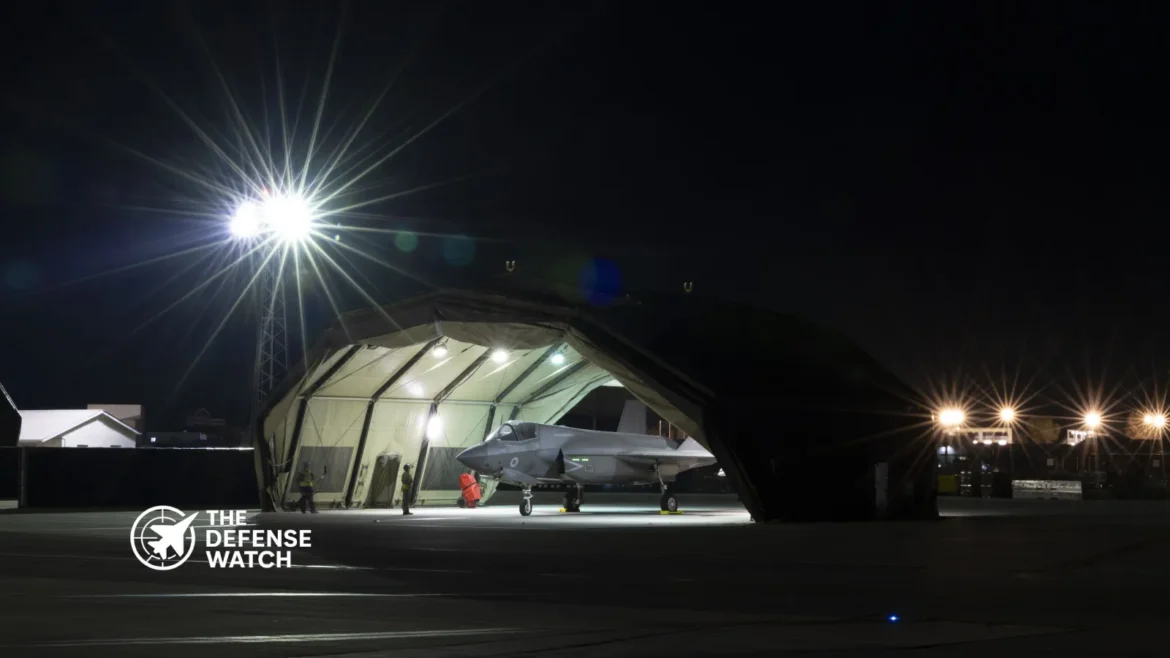
KEY FACTS AT A GLANCE- RAF F-35B stealth fighter jets shot down two hostile drones during a mission over Jordan.
- The aircraft used ASRAAM air-to-air missiles and operated alongside RAF Typhoon fighters and a Voyager tanker.
- The engagement marks the first confirmed operational combat kill for the United Kingdom’s F-35 fleet.
- The mission was launched from RAF Akrotiri in Cyprus amid rising Iranian drone activity across the region.
- The incident highlights the growing role of fifth-generation fighters in counter-drone air defense missions.
RAF F-35B Shoots Down Hostile Drones In First Combat Kill
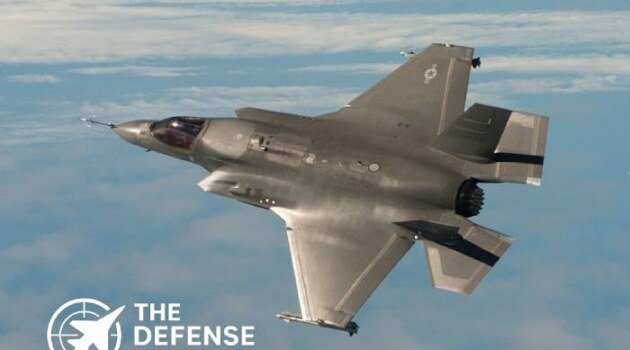
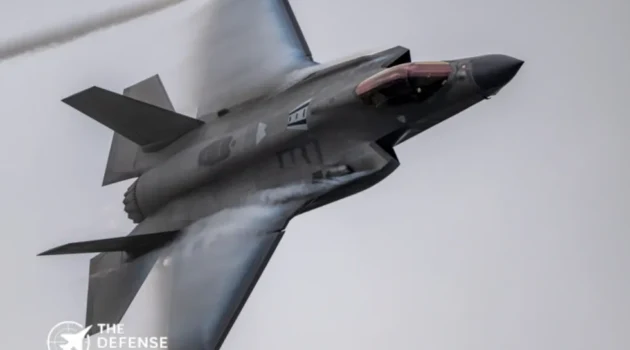
RAF F-35B stealth fighters have achieved their first operational combat kills after intercepting and destroying two hostile drones during a mission over Jordan. The milestone engagement marks the first time the United Kingdom’s F-35 fleet has successfully destroyed aerial targets during combat operations.
(adsbygoogle = window.adsbygoogle || []).push({});The aircraft were operating as part of a defensive patrol supported by RAF Typhoon fighters and a Voyager air-to-air refueling tanker. During the mission, the F-35 pilot detected the unmanned aerial systems on radar and engaged them using AIM-132 ASRAAM air-to-air missiles.
British officials confirmed the mission took place amid heightened regional tensions and an increase in drone activity targeting Western and allied interests in the Middle East.
The Big Picture
Drone warfare has rapidly reshaped modern air defense priorities. Low-cost unmanned aerial systems are now widely used by state and non-state actors to strike military bases, infrastructure, and logistics hubs.
In recent years, Iranian-designed one-way attack drones, including Shahed-type systems, have emerged as a persistent threat across the Middle East and Eastern Europe. Their relatively low cost and ability to fly long distances make them difficult targets for traditional air defense networks.
Western air forces increasingly rely on a layered approach to counter these threats. Ground-based missile systems, electronic warfare units, and fighter aircraft all play roles in detecting and intercepting hostile drones.
The RAF F-35B combat kill demonstrates how fifth-generation fighter aircraft are becoming part of that defensive architecture.
What’s Happening
The engagement occurred during a defensive patrol over Jordanian airspace as part of regional security operations. The F-35B aircraft had deployed to RAF Akrotiri in Cyprus earlier in the year to support British and coalition missions in the Middle East.
While on patrol, the stealth fighter detected two hostile drones approaching the area. The pilot coordinated with accompanying Typhoon aircraft to verify the targets before engaging.
Correct identification was critical because the airspace was crowded with aircraft from multiple allied nations conducting simultaneous operations.
After confirming the targets as hostile unmanned aerial systems, the pilot launched ASRAAM missiles that successfully destroyed both drones.
The interception followed a separate drone incident in which a small unmanned aircraft struck RAF Akrotiri, raising concerns about the vulnerability of regional bases to low-cost aerial threats.
Why It Matters
The RAF F-35B combat kill represents a significant operational milestone for the United Kingdom’s fifth-generation fighter program.
Although the F-35 platform has been used in combat by several operators, including the United States and Israel, this marks the first time the UK’s stealth fighter fleet has destroyed an aerial target during operations.
The engagement also highlights the versatility of the F-35B. Originally designed to penetrate contested airspace and conduct precision strikes, the aircraft is increasingly used for air defense and counter-drone missions.
Its advanced sensor suite allows pilots to detect small targets at long distances while maintaining situational awareness across complex battle environments.
In crowded operational theaters such as the Middle East, this capability becomes critical for preventing friendly-fire incidents while responding quickly to emerging threats.
Strategic Implications
The successful interception reflects the evolving role of stealth fighters in integrated air defense.
Traditional fighter aircraft often rely on ground-based radar networks for targeting information. The F-35, however, acts as a sensor node within a broader combat network.
Its onboard radar, electronic surveillance systems, and data fusion capabilities allow it to track multiple targets and share information with other aircraft, ships, and ground forces.
In practice, this turns the aircraft into a command-and-control asset as well as a strike platform.
(adsbygoogle = window.adsbygoogle || []).push({});For NATO and coalition operations, that capability strengthens the ability to defend forward bases and allied territory against increasingly sophisticated drone threats.
The mission also underscores the importance of RAF Akrotiri as a strategic hub for British military operations in the Middle East.
Competitor View
Adversaries closely monitor operational performance of Western stealth aircraft.
Iran and Russia have invested heavily in drone technology as a cost-effective way to challenge Western air superiority. Shahed-type systems, for example, are designed to overwhelm defenses through numbers rather than speed or survivability.
The RAF F-35B interception demonstrates that advanced fighters can effectively counter these platforms when supported by networked sensors and allied aircraft.
However, it also highlights the economic asymmetry of drone warfare. Air-to-air missiles used by fighter jets often cost significantly more than the drones they destroy.
This dynamic continues to drive research into lower-cost counter-drone technologies such as directed energy weapons, electronic warfare systems, and rapid-fire gun defenses.
What To Watch Next
The RAF continues to expand operational experience with the F-35B as the aircraft becomes a central element of Britain’s air power strategy.
Future deployments will likely focus on integrating the stealth fighter with naval carrier strike groups and allied air defense networks.
The United Kingdom also plans to grow its F-35 fleet over the coming decade, supporting both Royal Air Force and Royal Navy operations.
Operational data from real-world missions such as this interception will shape future tactics for counter-drone warfare and airspace management.
Capability Gap
The incident highlights a growing challenge for modern militaries: defending against large numbers of inexpensive drones.
While advanced fighters can intercept individual targets effectively, relying on high-value aircraft and expensive missiles for routine counter-drone operations may not be sustainable in large-scale conflicts.
To address this gap, Western militaries are investing in layered defenses that combine fighters, ground-based air defense systems, electronic warfare tools, and emerging directed energy weapons.
(adsbygoogle = window.adsbygoogle || []).push({});The goal is to create a cost-effective system capable of defeating both high-end missiles and swarms of inexpensive unmanned aircraft.
The Bottom Line
The RAF F-35B’s first combat kill demonstrates how fifth-generation fighters are becoming critical assets in modern counter-drone air defense operations.