

Iran Reportedly Restores Ballistic Missile Arsenal After Recent Depletion
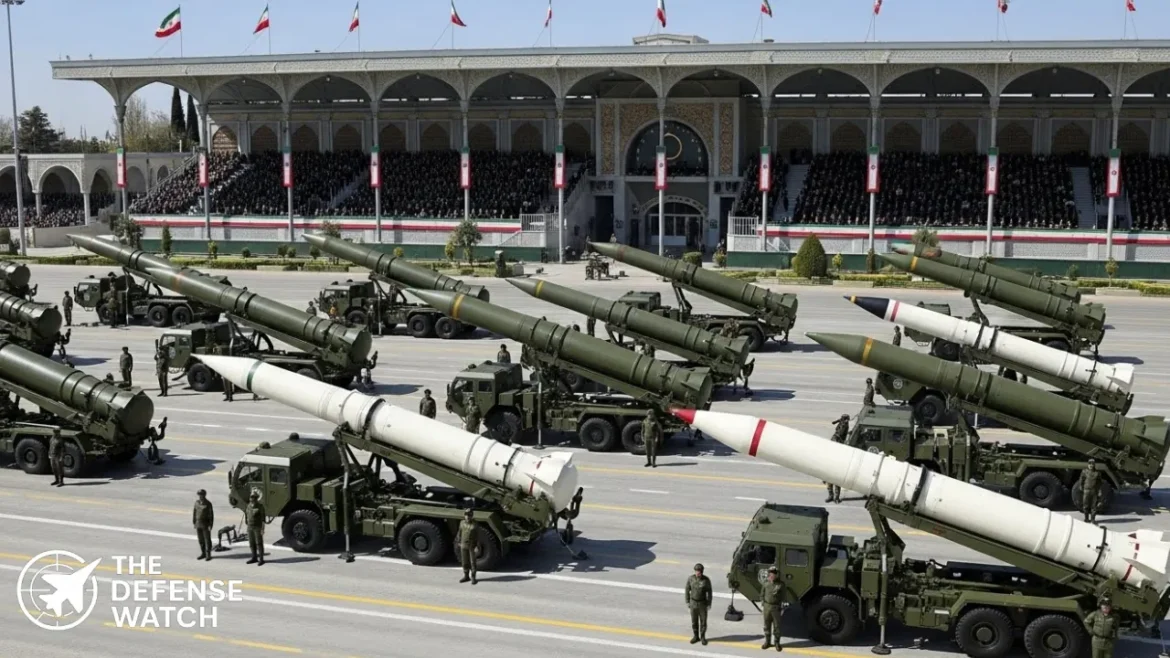
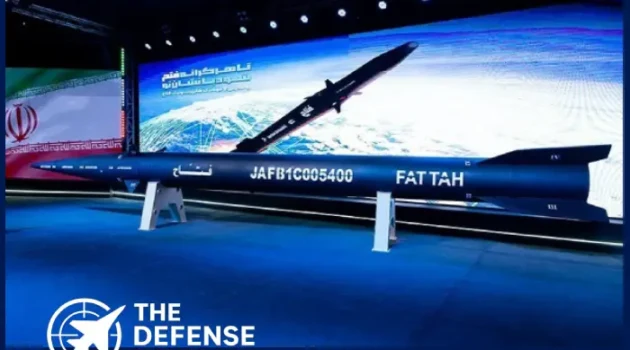
Iran has nearly replenished its ballistic missile arsenal, according to a report citing Western intelligence assessments published this week. The development follows months of heightened regional tensions and military activity, during which Tehran is believed to have expended a significant portion of its missile inventory in operations and deterrence posturing.
The report indicates that Iran’s missile production infrastructure has scaled up output to compensate for losses and restore stockpile levels. The findings come at a time when Israel, Gulf states, and U.S. defense planners continue to monitor Iranian missile capabilities as a central component of Tehran’s military influence across the region.
Background: Missile Use, Production, and Regional Posture
Iran’s ballistic missile program remains one of the most expansive in the Middle East. Over the past year, Tehran has conducted launches in response to regional security incidents, support operations for proxy factions, and domestic demonstrations of capability. Many of these activities drew international criticism and sanctions-related warnings.
Despite these pressures, Iran’s missile manufacturing sector — managed primarily through the Islamic Revolutionary Guard Corps (IRGC) — has reportedly maintained steady production capacity. The ballistic missile arsenal includes short-, medium-, and increasingly longer-range systems, some capable of reaching targets in the eastern Mediterranean and parts of Europe.
Intelligence Findings and Strategic Assessments
According to the material cited in the report, Iranian missile stockpiles that were previously diminished due to operational use have now been restored to near prior levels. Intelligence sources suggest that Iran prioritized replenishment to maintain deterrence credibility and ensure capability sustainability in the event of escalation.
Analysts note that ballistic missiles remain Iran’s primary strategic asset, particularly in the absence of an advanced air force. The report underscores that Iran’s supply chain for missile components — including guidance units, propulsion systems, and warheads — continues to operate despite sanctions.
Israel has consistently labeled Iran’s missile programs as a direct national security threat. Defense officials in Jerusalem are reported to be monitoring the replenishment data closely, particularly as Iranian-backed militias remain active across Syria, Iraq, Lebanon, and Yemen.
Regional and Policy Implications
Security observers argue that the restoration of Iran’s ballistic missile arsenal may alter the strategic calculations of neighboring states. The replenishment could affect missile defense readiness postures, procurement cycles, and joint operational planning among U.S. regional partners.
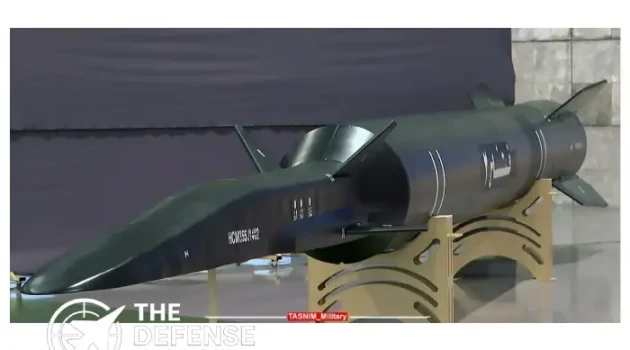
Western defense analysts also highlight the potential for accelerated missile development pathways, including improved accuracy, survivability, and range extension. Meanwhile, Iranian state messaging has emphasized self-reliance and defensive intent.
What Comes Next
The reported replenishment raises questions regarding future testing patterns, export to proxy actors, and whether Iran intends to expand its arsenal beyond pre-depletion thresholds. Defense officials across the region are expected to continue tracking missile deployment indicators and production signatures in the months ahead.

Netanyahu Affirms U.S. Vow to Safeguard Israel’s “Qualitative Military Edge” in Face of Saudi F-35 Sale
Tel Aviv — Prime Minister Benjamin Netanyahu said on Thursday that the United States has reaffirmed its commitment to preserving Israel’s qualitative military edge (QME), despite a high-profile U.S. plan to provide F-35 fighter jets to Saudi Arabia. The assurances, he said, came after direct discussions with U.S. Secretary of State Marco Rubio.
Background: What Is at Stake
For decades, the U.S. has enshrined in its defense policy a doctrine that guarantees Israel maintains a technological and operational edge over regional adversaries. Known as Israel’s qualitative military edge, this principle is codified in American law and has influenced arms sales across the Middle East.
In May 2025, the Trump administration announced a sweeping $142 billion arms package to Saudi Arabia — the centerpiece of which reportedly includes F-35 stealth fighters. That prospect alarms Israeli military officials, who warn that the transfer of advanced fifth-generation jets could erode Israel’s air superiority.
Key Details: Netanyahu’s Reassurances
In an interview on the Telegram channel Abu Ali Express, Netanyahu said that Riyadh “did not get everything it wanted.” He added that following the F-35 plan, he spoke by phone with U.S. Secretary of State Marco Rubio, who reiterated the U.S. pledge to maintain Israel’s defense edge.
According to Netanyahu:
“They didn’t ask us before the sale … but once it happened, I spoke with [Rubio] and made sure of it.”
A spokeswoman for Netanyahu’s office, Shosh Bedrosian, echoed the claim at a press briefing, stating that Washington and Jerusalem have a “long-standing understanding” to guarantee Israel’s qualitative edge. She said:
“That has been true yesterday, … today, … and … tomorrow … and in the future.”
Technical Safeguards: How Israel Maintains Its Advantage
U.S. defense officials and analysts have noted that the Saudi-bound F-35s will likely be less capable than those in Israeli service. According to Reuters, the jets destined for Riyadh will lack several sensitive features such as advanced electronic-warfare packages, radar-jamming systems, and certain integrated weapons.
Moreover, Israel enjoys a special arrangement that allows it to customize its F-35 fleet — locally integrating its own systems, making software modifications, and fielding weapons developed by Israeli defense firms without requiring U.S. re-approval.
Some observers also highlight that one of the most advanced air-to-air missiles in development, the AIM-260 Joint Advanced Tactical Missile, may remain restricted to Israel, thereby preserving its technological superiority.
Military and Strategic Concerns in Israel
Senior Air Force officials in Jerusalem have formally voiced reservations, warning that a Saudi F-35 fleet could undercut Israel’s long-held regional dominance. A classified IAF position paper reportedly argues that similar stealth-capable jets in Saudi hands may erode Israel’s operational freedom in future missions.
Analysts also note that the F-35 sale could complicate Israel’s own fleet expansion. According to the report, if the Saudi order moves forward, it could delay Israel’s delivery schedule for new aircraft.
U.S.-Israeli Diplomatic Dimension
Although the deal has stirred concern in Israel’s military community, Netanyahu has been cautious in his public remarks. He characterized Saudi Arabia as “not a state of confrontation” but stressed that Israel’s reluctance would be far more forceful should a similar sale be proposed to Turkey.
Netanyahu has also emphasized his view on regional normalization, saying he is “cautiously optimistic” about prospects for Saudi-Israeli ties — but reiterated his opposition to a sovereign Palestinian state emerging from any agreement.
Expert & Policy Angle
Legal Safeguards:
Under U.S. law, any arms transfer that might threaten Israel’s qualitative military edge triggers a QME review, requiring assessment by U.S. Congress. Defense analysts have long seen such limits as a controlling factor in Gulf states’ pursuit of the most advanced U.S. platforms.Regional Dynamics:
Some experts suggest that Washington’s move to sell F-35s to Riyadh reflects broader geopolitical ambitions — including further integrating Saudi Arabia into a U.S.-led security architecture in the Middle East. However, keeping the jets technologically inferior is key to avoiding a major shift in regional airpower balance.Israeli Calculus:
By pushing for reassurance from Washington, Netanyahu may also be trying to balance competing priorities: assuring his domestic political base of Israel’s security supremacy while signaling openness to a gradual rapprochement with Saudi Arabia. Analysts note that such a deal could be tied to deeper normalization talks — though Netanyahu has publicly denied granting too many concessions, particularly on Palestinian statehood.What Comes Next
- QME Review: The deal is expected to undergo a formal qualitative military edge assessment in the U.S., potentially slowing or reshaping the sale.
- Congressional Approval: Any major arms sale of this scale will require authorization by the U.S. Congress, where Israel’s strategic concerns could influence votes.
- Normalization Dynamics: Saudi-Israel diplomatic rapprochement remains uncertain. Analysts will watch whether strategic reassurance on military parity becomes part of a broader normalization deal.
- Israeli Modernization: Israel may accelerate its own F-35 orders or push for further upgrades, in part to ensure it retains a clear technological lead.
What Just Happened
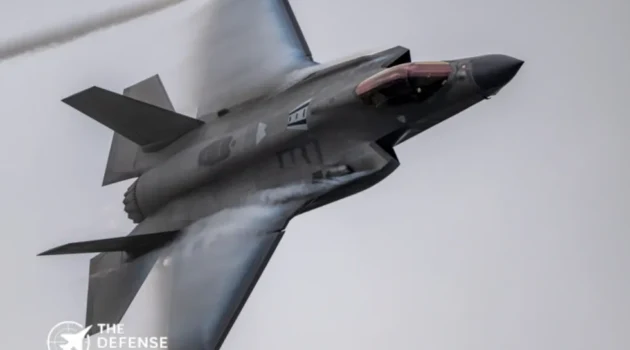
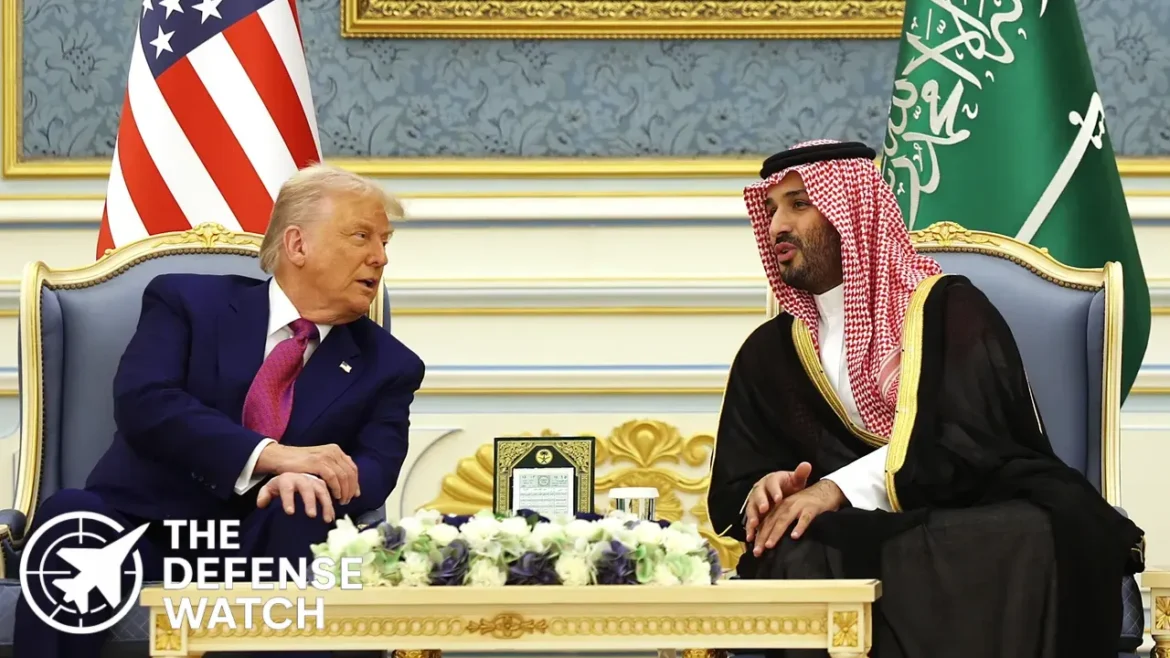
Former U.S. President Donald Trump announced that he plans to sell F-35 fighter jets to Saudi Arabia, marking a potentially historic shift in U.S. defense-export policy. Speaking in the Oval Office on the eve of Crown Prince Mohammed bin Salman’s visit to Washington, Trump said, “We’ll be selling F-35s… they want to buy them, they’ve been a great ally.”
Sources indicate that Saudi Arabia has requested up to 48 F-35A jets, and the deal could be part of a broader $142 billion U.S.–Saudi defense package. According to officials quoted in media reports, the request has already cleared a key review stage within the Pentagon.
Strategic and Political Context
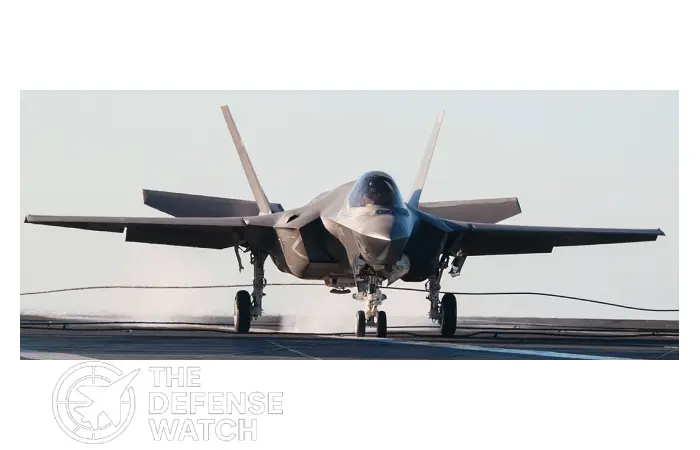
This move would represent a significant break from past U.S. policy. Historically, the F-35 stealth jet has only been exported to a limited number of close U.S. allies — NATO members, Japan, and select partners.
One of the core concerns: maintaining Israel’s “Qualitative Military Edge” (QME). U.S. law requires that Israel retain superior military capability relative to its regional neighbors, and the F-35 is widely considered one of its most advanced systems.
At the same time, some U.S. national security officials are reportedly warning that sharing such advanced technology with Riyadh could pose a risk of technology leakage, particularly to China, given Saudi Arabia’s increasingly close ties with Beijing.
Details of the Proposed Deal
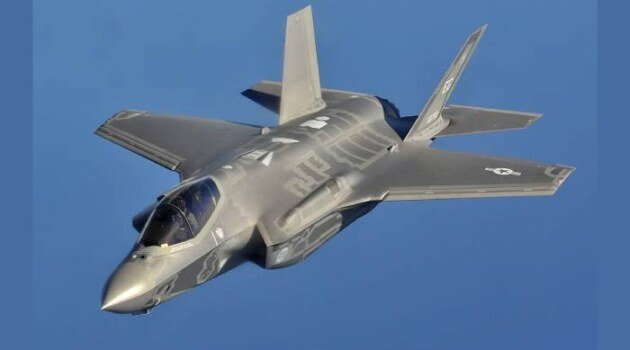
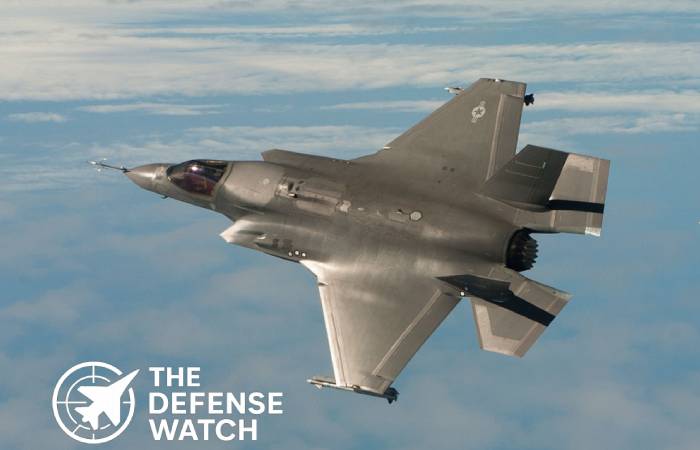
- Jet Model: The Saudi request centers on the F-35A, the conventional take-off and landing variant.
- Quantity: As many as 48 aircraft.
- Strategic Alignment: The jet sale appears tied to a broader defense cooperation pact, possibly akin to a mutual security assurance from the U.S. to Saudi Arabia.
- Congressional Risk: The deal would require congressional notification and could face pushback, particularly given human rights concerns and regional balance issues.
Policy Implications & Risks
Israel’s Military Edge
Israeli officials reportedly lobbied the Trump administration to condition any F-35 sale on further normalization of relations between Saudi Arabia and Israel. While some voices in Israel aren’t fully opposed, they emphasize Washington should extract diplomatic concessions in return to maintain regional stability.
Security & Technology Leakage
Some U.S. intelligence / defense officials have warned that Saudi Arabia’s security relationship with China could allow Beijing to glean sensitive insights into F-35 technology. This concern is heightened by the jet’s stealth, sensor, and software sophistication — key enablers of U.S. air dominance.
Governance & Oversight
- The deal cleared a significant hurdle at the Pentagon, advancing to senior levels.
- But final approval still hinges on White House sign-off, interagency coordination, and congressional review.
- There’s also a question of how the U.S. would structure security guarantees with Riyadh — whether via an executive order, treaty, or defense pact.
Expert & Policy Perspective
From a strategic perspective, this decision by Trump could reflect a broader realignment of U.S.-Gulf defense policy:
- For Riyadh, acquiring F-35s would significantly modernize its air force, closing capability gaps vis-à-vis regional adversaries (like Iran) and flagship U.S. systems.
- For Washington, it could leverage weapons sales to push Riyadh toward diplomatic outcomes — potentially using F-35 access as a diplomatic bargaining chip in Middle East normalization efforts.
- From an arms-control standpoint, the deal raises tough questions. If sold, would the U.S. accept concessions on basing, deployments, or restrictions on where the jets could be flown — especially given Israeli concerns?
- Long-term risk: The possibility of sensitive F-35 tech slipping into Chinese hands could undermine U.S. air dominance and expose stealth/AVIONICS secrets that are not easily safeguarded once systems are fielded in a foreign country.

What to Watch Next
- Congressional Review: Will lawmakers block or condition the sale? Key votes could come on the basis of QME, human rights, or technology security.
- Defense Pact Details: Whether the U.S. grants Riyadh “major non-NATO ally” or “major defense partner” status could reshape long-term cooperation.
- Operational Restrictions: Will the U.S. impose basing or flight-zone constraints to assuage Israeli concerns?
- Tech Safeguards: What measures will be built into the F-35 transfer to prevent leaks — such as encryption, maintenance controls, or off-limits software features?
- Regional Reactions: How will Iran, Israel, and Gulf neighbors respond? Will this sale accelerate normalization or trigger new security alignments?
Bottom Line
Trump’s commitment to sell F-35 stealth jets to Saudi Arabia marks a bold departure from previous U.S. export norms. If executed, it would make Saudi Arabia potentially only the second country in the Middle East — after Israel — to field the world’s most advanced fifth-generation fighter. But the proposal sets off alarm bells in Washington and Jerusalem: preserving Israel’s qualitative military edge, safeguarding advanced U.S. technology from China, and managing Congress’s wariness will all be critical. The deal may hinge not only on jets, but on diplomatic leverage, security guarantees, and geopolitical trade-offs.
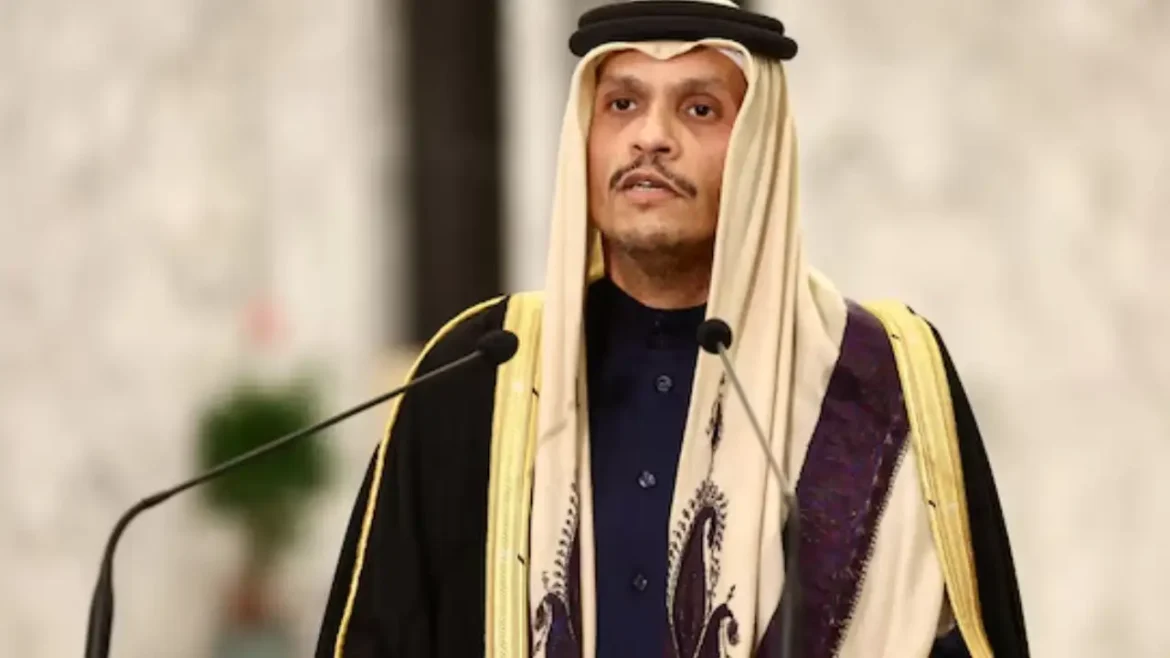
Diplomatic Meeting Amid Escalating Crisis
WASHINGTON — Qatari Prime Minister Sheikh Mohammed bin Abdulrahman al-Thani will meet top U.S. officials on Friday following an unprecedented Israeli strike in Doha earlier this week that targeted Hamas political leaders. The strike, widely condemned internationally, has raised concerns of a wider escalation in the Middle East and placed renewed attention on Qatar’s role as mediator in the Gaza conflict.
The State Department confirmed that Sheikh Mohammed will meet U.S. Secretary of State Marco Rubio at the White House. Reports from Politico and Axios suggest that meetings with President Donald Trump, Vice President JD Vance, and U.S. special envoy Steve Witkoff are also on the agenda.
The discussions are expected to focus on three fronts: the Israeli attack on Qatari soil, ongoing ceasefire negotiations for Gaza, and the broader implications for U.S.-Qatar relations at a time when Washington relies heavily on Doha as both a strategic Gulf partner and diplomatic channel with Hamas.
Israel’s Strike in Doha Draws Global Condemnation
On Tuesday, Israel launched an airstrike in Qatar aimed at Hamas political leaders residing in Doha. The attack marked a rare military action against a state that has hosted mediation talks between Israel and Hamas since the beginning of the war in Gaza.
The United Nations Security Council condemned the strike in a statement agreed upon by all 15 members, including the United States, though the resolution notably avoided naming Israel. The U.S. administration expressed dissatisfaction with Israel’s unilateral decision, with President Trump stating the strike was ordered by Prime Minister Benjamin Netanyahu without U.S. coordination.
“An attack on Qatar does not serve American or Israeli interests,” Trump said earlier this week, adding that he was “not happy” about the strike.
Qatar’s Critical Role in Ceasefire Mediation
For years, Qatar has served as a mediator in conflicts involving Hamas and Israel, leveraging its ties to the group to broker ceasefires and hostage exchanges. Since October 2023, Doha has facilitated negotiations aimed at ending Israel’s war in Gaza, securing the release of Israeli hostages, and shaping plans for a post-conflict Gaza administration.
Despite these efforts, ceasefires have repeatedly broken down. Trump’s administration secured a two-month ceasefire in early 2025, but Israeli strikes in March killed 400 Palestinians, ending the truce. With the humanitarian crisis in Gaza worsening, Qatar’s role as mediator has become more essential but also more precarious following the attack in Doha.
Humanitarian and Strategic Fallout
Israel’s campaign in Gaza, launched after Hamas’s October 2023 assault that killed 1,200 Israelis and took over 250 hostages, has since expanded regionally. Israeli strikes have also hit Lebanon, Syria, Iran, and Yemen, raising fears of a wider war.
In Gaza, Israel’s operations have killed tens of thousands, displaced the entire population, and created what rights experts describe as a starvation crisis. Several scholars and human rights monitors have gone further, warning that the campaign could amount to genocide under international law.
The images of malnourished children and desperate families have further strained Israel’s diplomatic standing and created political challenges for Washington, which remains Israel’s closest ally but is increasingly under pressure from domestic and international audiences.
Analysis: What This Means for U.S. Defense and Global Security
The Israeli strike in Doha represents a dangerous escalation, putting a U.S. ally directly in the line of fire. For Washington, this development complicates defense planning and diplomacy on several levels:
- Alliance Management: The U.S. counts both Israel and Qatar as critical partners — Israel as a strategic ally in the Middle East, and Qatar as host to Al Udeid Air Base, the largest U.S. military facility in the region. The strike risks undermining cooperation with Doha at a moment when American forces rely on Gulf bases for operations in the region.
- Regional Stability: With Israel expanding operations beyond Gaza to multiple neighboring states, the likelihood of a multi-front conflict grows. This could demand greater U.S. military presence and readiness, increasing pressure on defense budgets and force posture.
- Diplomatic Channels: Qatar has been one of the few states capable of maintaining dialogue with Hamas. Undermining Doha’s security could weaken U.S. options for indirect engagement with Hamas, complicating ceasefire negotiations and hostage recovery operations.
- Defense Posture: Any further escalation may accelerate U.S. arms transfers to regional allies, including Israel and Gulf states, while also forcing the Pentagon to reconsider its force distribution in CENTCOM’s area of operations.
Conclusion: A Test for U.S. Diplomacy and Strategy
As Qatar’s prime minister meets U.S. leaders in Washington, the outcome of these talks will be closely watched by regional players and defense analysts alike. The U.S. faces the challenge of reaffirming support for Israel while ensuring its Gulf partnerships remain intact — a delicate balance that could shape the trajectory of the Gaza war and wider Middle East stability.
Whether the meetings result in a renewed ceasefire push or highlight the limits of U.S. influence, the Israeli strike in Doha underscores how fragile the region’s security environment has become. For Washington, this moment may prove pivotal in determining how far it can leverage alliances to contain a spiraling conflict.

Israel Expands Conflict With Strike in Qatar
DUBAI, United Arab Emirates — Israel confirmed Tuesday that it launched an airstrike targeting Hamas leadership in Qatar, a U.S. defense ally and host to thousands of American troops. The attack occurred as Hamas officials were reportedly meeting to consider a U.S.-brokered ceasefire proposal aimed at halting the Gaza war and freeing hostages.
The strike, which shook Doha’s diplomatic quarter, represents a major escalation of the conflict beyond Gaza and comes at a moment of heightened U.S. involvement in negotiations. While the full extent of casualties was unclear, Qatar condemned the attack as a “cowardly Israeli strike” and vowed it would not tolerate “reckless behavior” on its soil.
Qatar’s Mediation Role and U.S. Ties
Qatar has been central to ceasefire mediation efforts since the October 7, 2023 Hamas attack that triggered the ongoing conflict. Alongside Egypt, it has coordinated indirectly with Israel, Hamas, and the United States. The Gulf state also maintains one of the largest U.S. military footprints in the Middle East, hosting Al Udeid Air Base, home to U.S. Central Command’s forward headquarters.
By striking in Doha, Israel has not only attacked Hamas leadership abroad but also put significant strain on relations with Washington, which relies on Qatar as both a regional mediator and military partner.
A U.S. Embassy spokesperson in Doha confirmed that American facilities had been placed under a “shelter-in-place order” immediately after the attack.
Netanyahu Claims Responsibility
Unlike past targeted killings abroad where Israel maintained ambiguity, Prime Minister Benjamin Netanyahu publicly took responsibility for the strike.
“Israel initiated it, Israel conducted it and Israel takes full responsibility,” Netanyahu said, citing recent militant attacks that killed six Israeli civilians in Jerusalem and four soldiers in Gaza.
An Israeli defense official confirmed that “precise munitions and additional intelligence” were used in the strike. U.S. officials, speaking anonymously, acknowledged that Washington was alerted in advance but declined to comment further.
Ceasefire Negotiations in Jeopardy
The timing of the strike could severely complicate ongoing ceasefire talks. U.S. President Donald Trump’s envoy, Steve Witkoff, has circulated a new proposal calling for the immediate release of hostages in exchange for phased Israeli withdrawal from Gaza.
While Hamas initially dismissed the offer as a “surrender document,” the group had been reviewing the plan at the time of the Doha strike, according to Egyptian officials familiar with the talks. Hamas continues to demand a lasting ceasefire, the release of Palestinian prisoners, and full Israeli withdrawal from Gaza — conditions Netanyahu rejects.
The U.N. Secretary General Antonio Guterres condemned the Israeli move, warning that “all parties must work towards achieving a permanent ceasefire, not destroying it.”
International Outrage and Regional Fallout
The attack drew swift condemnation across the Middle East.
- The United Arab Emirates expressed “full solidarity” with Qatar, warning Israel that continued escalation threatens the stability of the Abraham Accords.
- Saudi Crown Prince Mohammed bin Salman called the strike a “criminal act and flagrant violation of international law,” signaling further strain on Riyadh’s potential normalization with Israel.
- European and U.N. officials also voiced concern that the strike undermines already fragile humanitarian and diplomatic channels.
With famine gripping parts of Gaza and Israel preparing for a major ground offensive on Gaza City, the regional diplomatic environment appears increasingly volatile.
Analysis: Implications for U.S. Defense and Global Security
The Israeli strike in Qatar carries profound implications for U.S. defense policy in the Middle East.
- Risk to U.S. Bases: Qatar’s Al Udeid Air Base hosts approximately 10,000 U.S. personnel. An Israeli strike in its capital raises security concerns for American facilities and may embolden hostile actors like Iran or proxy militias to exploit the instability.
- Strained Alliances: The attack puts Washington in a difficult position — balancing its strategic partnership with Israel while preserving Qatar’s role as a mediator and host to U.S. forces. This echoes past tensions when U.S. allies carried out unilateral strikes without coordination.
- Diplomatic Fallout: With Saudi-Israeli normalization talks already stalling, further regional polarization may limit U.S. influence in shaping post-war arrangements. This could push Gulf states closer to China or Russia for diplomatic cover.
- Operational Precedent: Israel’s willingness to expand its campaign into the territory of a U.S.-allied state may set a precedent for more cross-border operations, complicating U.S. military planning and airspace coordination in the region.
Conclusion: A Dangerous New Phase
Israel’s strike in Qatar signals a dangerous broadening of the Gaza conflict, transforming it from a bilateral war into a crisis with direct implications for U.S. security interests and alliances.
Whether the attack derails ceasefire negotiations or forces new diplomatic urgency remains uncertain. What is clear is that U.S. defense planners now face a far more complex regional landscape — one in which the stability of even its closest Gulf allies is no longer guaranteed.