

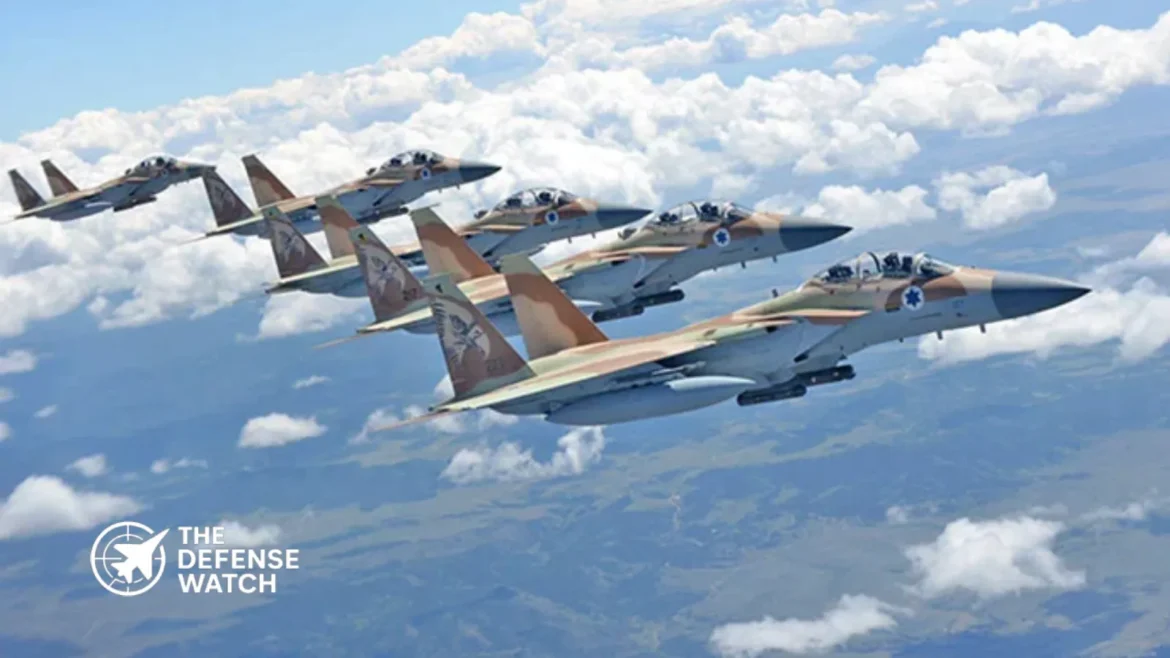
- Defense analysts have identified at least four distinct air corridors Israeli fighter jets could use to reach targets in Iran.
- Syria and Iraq present the most operationally permissive routes due to degraded or absent air defense networks following years of conflict.
- Jordan’s cooperation with Israel — reinforced during Iran’s April 2024 drone and missile barrage — makes its airspace a plausible transit zone.
- The southern Saudi Arabia route is assessed as high-risk due to modern air defenses near Tabuk air base and Riyadh’s strategic ambiguity toward Israel.
- A Red Sea–Yemen–Oman circumnavigation route covering approximately 4,700 kilometers is considered operationally unlikely by most analysts.
Israeli Fighter Jets Face a Complex Airspace Chess Match En Route to Iran
Israeli fighter jets targeting Iran must navigate one of the most geopolitically sensitive airspace environments on earth. Analysts and international defense media have identified more than three potential air corridors — each carrying distinct military risks, diplomatic costs, and operational tradeoffs. The route Israel chooses in any future strike scenario will reveal as much about its regional partnerships as it does about its operational planning.
The Big Picture
Israel and Iran have maintained a state of undeclared conflict for decades, fought largely through proxies, cyberspace, and covert operations. That posture shifted significantly in April 2024, when Iran launched a direct barrage of more than 300 drones and ballistic missiles at Israeli territory — the first such direct attack in the two countries’ modern rivalry.
Israel’s retaliatory strikes, which reportedly targeted air defense radar systems near Isfahan, confirmed that the Israeli Air Force possesses both the intent and the capability to reach deep into Iranian territory. What remains operationally sensitive — and strategically revealing — is precisely how Israeli aircraft get there.
The answer depends heavily on which neighboring states grant overflight access, whether explicitly or tacitly, and which air defense networks can be suppressed, avoided, or simply outpaced.
What’s Happening
Defense analysts and international media outlets have outlined at least four routes that Israeli fighter jets could use to strike targets in Iran.
Route One: Syria and Iraq. The primary corridor identified by analysts runs northeast through Syrian airspace and into Iraq before reaching Iranian territory. Both countries present minimal integrated air defense threats. Syria’s air defense network, already weakened by years of civil war and repeated Israeli strikes, has been further degraded following the political upheaval of late 2024. Iraq operates no credible intercept capability against fast-moving tactical aircraft operating at high altitude.
Israeli refueling aircraft and drones are already using southern Syrian airspace, according to analysts — a signal that this corridor is not theoretical but actively exercised.
Route Two: Jordan. Jordan’s airspace represents a shorter and more diplomatically complex option. The two countries normalized relations under the Abraham Accords framework in 2020, which included provisions facilitating overflight cooperation. Critically, Jordanian air defense assets actively engaged Iranian drones and ballistic missiles during the April 2024 attack on Israel, demonstrating both capability and alignment. Whether Amman would formally or informally permit Israeli strike aircraft to transit its airspace remains a politically sensitive question — one with significant consequences for Jordan’s standing in the Arab world.
Route Three: Northern Saudi Arabia and the Persian Gulf. A southern corridor running over northern Saudi Arabia and into the Persian Gulf toward Iran’s southwest is theoretically viable in terms of distance. However, analysts assess this route as operationally risky. Saudi Arabia maintains advanced air defenses, including Patriot batteries and modern interceptor aircraft based near Tabuk — a major air base in the northwest of the country positioned directly along this flight path. Riyadh has not normalized relations with Israel and has not publicly endorsed any Israeli military action against Iran, making tacit overflight permission unlikely without significant behind-the-scenes diplomacy.
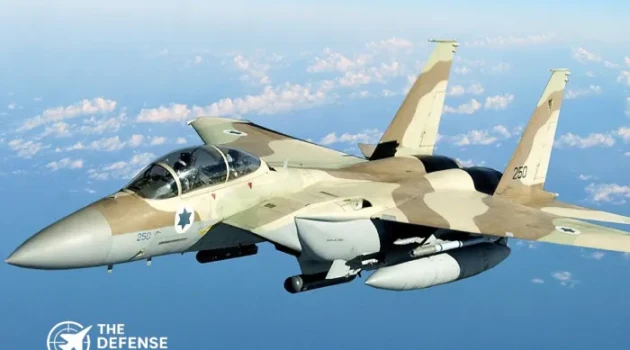
Route Four: Red Sea Circumnavigation. The longest option would route Israeli aircraft south through the Red Sea, around Yemen and Oman, and into the Persian Gulf or Gulf of Oman for strikes on Iran’s southern or eastern flanks. The round-trip distance is estimated at approximately 4,700 kilometers — well beyond the unrefueled combat radius of Israeli F-15I and F-35I aircraft without multiple aerial refueling events. Analysts broadly assess this route as low-probability given its logistical complexity, extended exposure time, and the operational risks posed by Houthi air defense activity over the Red Sea.
Why It Matters
The airspace corridor question is not merely academic. It directly determines how much warning time Iran receives, how many refueling assets Israel must commit, and what diplomatic exposure Israel and its regional partners accept.
A route through Syria and Iraq minimizes diplomatic risk to third parties but requires Israel to maintain persistent suppression of what remains of Syrian air defense capability. Israel has conducted hundreds of strikes in Syria over the past decade, systematically degrading radar and surface-to-air missile sites — a campaign that now reads, in retrospect, as deliberate corridor preparation.
The Jordanian route shortens flight time and reduces aerial refueling demands, but places Amman in an extraordinarily difficult position. Jordan’s government faces domestic pressure from a population largely sympathetic to Palestinian and broader Arab causes. Publicly acknowledged overflight cooperation with an Israeli strike on Iran could carry severe political costs for the Hashemite monarchy.
Strategic Implications
The use of Syrian airspace as a primary Israeli air corridor carries consequences beyond the immediate strike mission. It signals that post-Assad Syria — or whatever governing structure emerges — may lack the sovereign capacity or political will to deny Israeli access. That reality reshapes the regional balance in ways that extend well beyond the Israel-Iran bilateral.
For Iraq, the situation is equally complex. Baghdad officially opposes Israeli military action and hosts Iran-aligned militia groups that have repeatedly struck U.S. forces. Yet Iraq’s inability to enforce its own airspace creates a de facto permissive environment. Iraqi leaders face an impossible choice: protest Israeli overflights they cannot prevent, or remain silent and absorb the domestic political fallout.
Jordan’s position is perhaps the most strategically delicate. Amman walked a careful line during Iran’s April 2024 attack — shooting down Iranian projectiles while framing its actions as defensive rather than pro-Israel. Permitting transit of Israeli strike aircraft would represent a qualitatively different level of involvement, one that Jordan’s leadership has strong incentives to avoid making public.
Competitor View
Iran has observed Israeli strike behavior closely. Tehran is acutely aware of its own vulnerability to air attack from the west — a vulnerability that decades of investment in ballistic missiles, drone forces, and proxy networks has not fully offset. Iranian military planners have likely war-gamed Israeli approach vectors and positioned air defense assets, including Bavar-373 and S-300 batteries, to cover the most probable ingress corridors from the west and northwest.
Iran’s response to Israeli airspace use by third parties has historically been restrained — Tehran cannot easily retaliate against Jordan or Saudi Arabia without triggering broader regional escalation. However, Iranian-aligned militia groups in Iraq and Syria retain the ability to threaten Israeli aircraft through man-portable air defense systems and short-range missiles, complicating low-altitude ingress and egress profiles.
Russia, which maintains military assets in Syria, has so far tolerated Israeli air operations in Syrian airspace — a tacit arrangement that serves Moscow’s interest in keeping Israel out of the Ukraine conflict. That arrangement is not guaranteed to hold indefinitely, particularly if Israeli operations in Syria expand in scope or begin affecting Russian equities.
What To Watch Next
Several indicators will clarify how Israel’s air corridor strategy is evolving. Watch for continued Israeli strikes on Syrian air defense infrastructure, which would suggest active preparation of the northern corridor. Diplomatic signaling between Jerusalem and Amman — particularly at the security cooperation level — will indicate whether the Jordanian route remains viable. Any movement of Israeli tanker aircraft, such as Boeing 707 aerial refueling variants or newly acquired KC-46 equivalents, toward forward positions would also signal operational preparation.
Saudi-Israeli normalization talks, which were advancing before October 2023 and have continued at a lower profile since, remain a long-term variable. A formal agreement could, over time, open the northern Saudi corridor — transforming the regional strategic geometry significantly.
Capability Gap
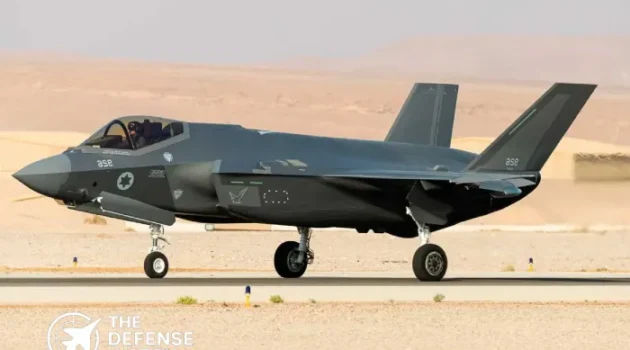
Israel’s core challenge is not strike capability — the F-35I Adir and F-15I Ra’am provide highly capable precision strike platforms — but reach and survivability across 1,500 to 2,000 kilometers of contested or diplomatically sensitive airspace. Aerial refueling assets are the operational constraint, not airframes or munitions.
Israel’s air force operates a limited tanker fleet. Any multi-wave strike package against hardened Iranian nuclear or military sites would require multiple refueling events per aircraft, significantly increasing the logistical footprint and the probability of detection. This constraint makes the Syrian-Iraqi corridor, which offers the shortest viable distance, the operationally preferred option — regardless of its diplomatic complications.
Stealth characteristics of the F-35I partially offset detection risk, but Iran’s air defense network, while not NATO-grade, has been upgraded with Russian and domestically produced systems capable of tracking fourth-generation aircraft.
The Bottom Line
Israel’s ability to strike Iran depends less on its aircraft and munitions than on which neighbors quietly look the other way — and the Syrian-Iraqi corridor, hollowed out by years of conflict and Israeli attrition strikes, currently offers the most operationally permissive path to Tehran.

- An Iranian cluster bomb warhead reportedly struck central Israel, killing one person and seriously injuring others.
- The warhead dispersed multiple submunitions over a wide area, increasing the likelihood of civilian casualties.
- Israeli officials say cluster-type missile payloads pose a broader area threat than standard ballistic missile warheads.
- Submunitions can remain unexploded after impact, creating persistent explosive hazards in urban environments.
- The incident highlights evolving missile tactics in the ongoing Iran Israel confrontation.
Iranian Cluster Bomb Warhead Strike In Central Israel
An Iranian cluster bomb warhead struck central Israel during a missile attack, killing one person and seriously wounding at least two others, according to Israeli emergency responders and local media reports. The incident marks another escalation in the ongoing missile exchange between Iran and Israel and underscores the growing use of wide area explosive payloads in the conflict.
Medics from Israel’s national emergency service responded to multiple impact reports across central Israel after air raid sirens sounded during the latest missile barrage. One fatality occurred at a construction site, while two other victims suffered severe injuries and were transported to hospital for treatment.
Israeli officials indicated that the attack involved a missile equipped with a cluster munition warhead, which disperses numerous smaller explosive submunitions over a large radius after the missile descends toward its target area.
The Big Picture
Missile warfare between Iran and Israel has entered a new phase characterized by increasingly complex payloads and tactical adaptations. The reported use of the Iranian cluster bomb warhead reflects a shift from purely high-explosive ballistic missile strikes toward area effect weapons designed to threaten wider zones.
Cluster warheads are particularly controversial in modern conflict because they release multiple smaller bombs across broad areas rather than concentrating explosive force at a single point. This characteristic increases the probability of damage across urban environments and infrastructure.
In the Middle East theater, where many strategic targets sit within dense civilian population centers, such weapons raise significant operational and humanitarian concerns. Defense planners increasingly view the introduction of cluster warheads as part of a broader missile modernization trend across the region.
Iran has spent decades expanding its ballistic missile arsenal, which includes systems capable of carrying varied payload types such as conventional high explosive warheads, maneuverable reentry vehicles, and potentially submunition payloads.
What’s Happening
Emergency services reported the latest attack after Iran launched a new wave of missiles toward Israeli territory.
One missile reportedly carried a cluster bomb warhead that scattered explosive fragments and smaller bomblets across a populated area in central Israel. One person died at the scene, and at least two others were seriously injured.
Security camera footage and local reports showed a sudden explosion on a street in the area as civilians rushed to assist the wounded.
Israeli authorities also warned residents to avoid unexploded fragments that may remain on the ground following such attacks. Cluster submunitions sometimes fail to detonate immediately and can remain dangerous long after the initial strike.
Why It Matters
The use of cluster payloads significantly alters the operational dynamics of missile warfare.
A standard ballistic missile typically delivers a single high explosive warhead that impacts one location. In contrast, a cluster warhead releases multiple smaller explosives across a wider zone. Israeli military officials have previously said such missiles can disperse roughly 20 submunitions over an area several kilometers wide.
Each bomblet carries a smaller explosive charge, but the combined effect increases the geographic footprint of the attack.
This tactic complicates missile defense planning. Intercepting the missile itself can neutralize the payload, but once the warhead releases submunitions the defensive challenge shifts from missile interception to emergency response and explosive ordnance disposal.
The presence of unexploded ordnance can also disrupt civilian movement, infrastructure repairs, and emergency operations for extended periods.
Strategic Implications
The deployment of the Iranian cluster bomb warhead highlights several broader strategic trends shaping the Iran Israel confrontation.
First, it signals an effort to maximize psychological and operational pressure without relying solely on heavier conventional warheads. By spreading multiple bomblets across urban areas, cluster payloads can create multiple simultaneous impact points even from a single missile.
Second, this tactic may attempt to complicate Israel’s layered missile defense architecture, which includes systems such as Arrow, David’s Sling, and Iron Dome. While these systems intercept incoming threats at different ranges and altitudes, the dispersal of submunitions increases the complexity of threat assessment and response.
-
Third, the presence of unexploded submunitions introduces a long term security risk. Military explosive ordnance disposal teams must locate and neutralize each device individually, which can slow recovery operations following attacks.
Competitor View
Regional actors and strategic competitors closely monitor the evolving missile exchange between Iran and Israel.
For Iran, cluster warheads represent one method of expanding the operational flexibility of its ballistic missile force. Such payloads can increase the effective strike area without requiring larger or more advanced missile systems.
For Israel, the appearance of these munitions reinforces the importance of integrated air and missile defense systems and rapid civil defense response. The Israeli Home Front Command already maintains procedures for identifying and disposing of unexploded ordnance from missile strikes.
Other regional militaries may view the use of cluster warheads as part of a broader trend toward adaptable missile payloads capable of targeting airfields, infrastructure, and urban areas.
What To Watch Next
Several developments will shape the next phase of the conflict.
Israeli defense authorities will likely increase monitoring of missile debris and unexploded submunitions to better understand the specific design of the cluster warheads used in the attack.
Military analysts will also watch whether additional Iranian missiles employ similar payloads in future strikes.
Another key factor will be the performance of Israel’s missile defense network as it continues to intercept incoming threats during repeated attack cycles.
Capability Gap
Cluster warheads aim to exploit a key vulnerability in missile defense operations: the difficulty of protecting wide geographic areas from dispersed explosives.
While interceptors can destroy incoming missiles before impact, they cannot eliminate the hazard once submunitions scatter across the ground. This creates a gap between strategic missile defense and tactical explosive ordnance disposal.
However, cluster warheads also have limitations. Each individual bomblet carries far less explosive power than a full ballistic missile warhead. As a result, their destructive effect against hardened military facilities or fortified structures remains limited compared with heavier payloads.
The Bottom Line
The Iranian cluster bomb warhead strike on central Israel illustrates how evolving missile payloads are expanding the tactical and humanitarian risks of modern missile warfare.
-
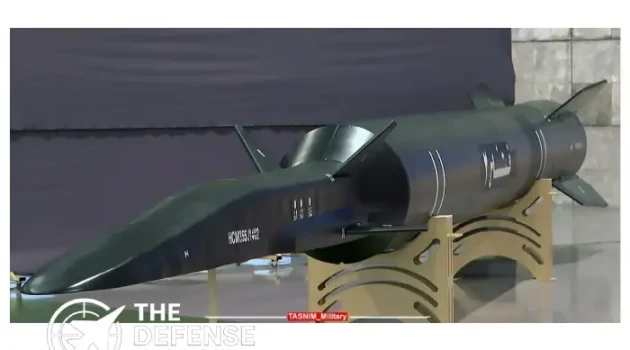

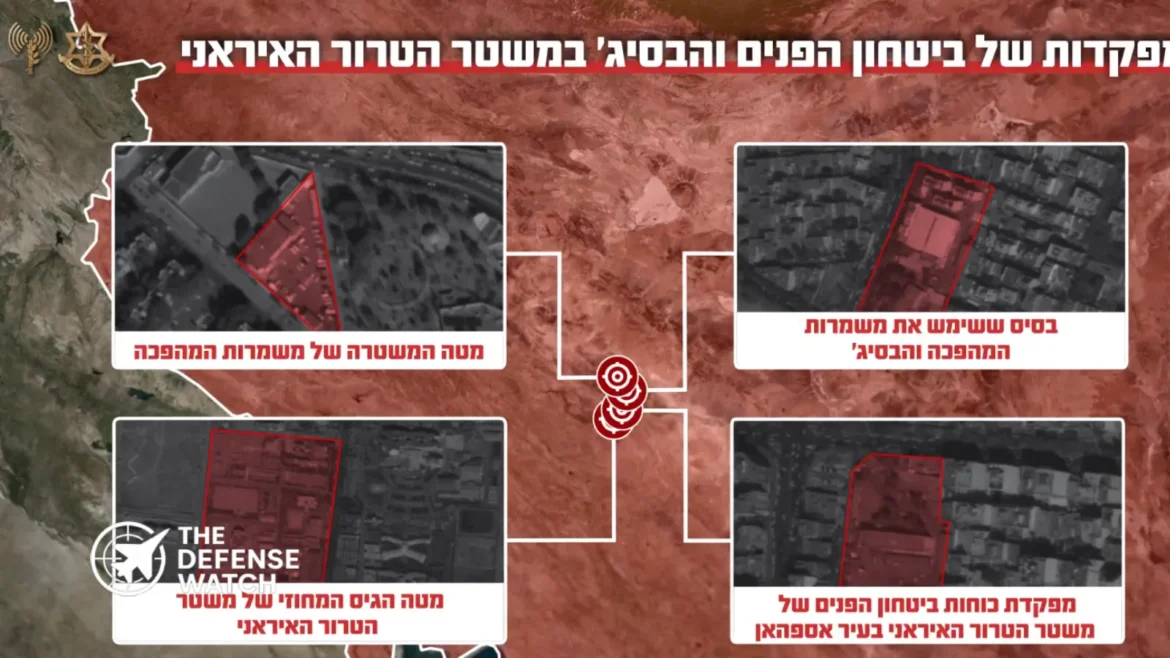
- Israeli forces struck Iranian missile launch sites and rocket engine production infrastructure.
- Targets included facilities linked to long-range ballistic missiles intended for strikes on Israel.
- Headquarters linked to Iran’s Internal Security Forces and Basij militia were also targeted.
- Sites in multiple regions including Isfahan were reportedly hit during the operation.
- The strikes form part of a broader campaign aimed at weakening Iran’s military and security infrastructure.
Israel Strikes Iranian Missile Sites As IDF Expands Campaign
Israel strikes Iranian missile sites as part of a new wave of operations targeting military infrastructure tied to Tehran’s missile program and internal security forces. The Israeli Air Force carried out coordinated strikes on launch facilities, rocket engine production sites, and command centers associated with Iran’s Internal Security Forces and the Basij militia.
Israeli military officials said the operation aimed to degrade capabilities linked to long range missile attacks against Israel while also targeting institutions that support Iran’s internal security apparatus.
The Big Picture
Israel has long identified Iran’s ballistic missile program as one of the most significant security threats in the Middle East. Tehran possesses one of the region’s largest and most diverse missile arsenals, including medium and long range ballistic missiles capable of reaching Israel and U.S. forces across the region.
Iran has steadily expanded this arsenal over the past two decades through domestic missile production programs. These efforts include the development of solid fuel rocket motors, mobile launch systems, and underground missile infrastructure designed to ensure survivability during conflict.
Israeli military planners view the destruction of missile launch facilities and production infrastructure as a critical component of their deterrence strategy. Targeting manufacturing capacity limits Iran’s ability to replenish its missile inventory during prolonged conflict.
The latest operation reflects a broader shift toward direct strikes on strategic military infrastructure rather than solely focusing on proxy forces aligned with Iran across the region.
What’s Happening
Israeli Defense Forces confirmed that the Israeli Air Force conducted another wave of strikes across several locations inside Iran. Military intelligence guided the operation, identifying infrastructure linked to missile production and launch activities.
The strikes targeted a facility responsible for producing rocket engines used in ballistic missile systems. Israeli officials said these engines support missiles designed for long range launches toward Israeli territory.
Additional targets included several launch sites believed to support long range ballistic missile operations.
Israeli aircraft also struck facilities connected to Iran’s Internal Security Forces and the Basij militia. These forces form part of the Iranian security structure and operate under the broader authority of the country’s armed forces.
Among the reported targets were:
• Headquarters of a regional corps associated with Iran’s security forces
• The Internal Security Forces headquarters in Isfahan
• A base used by the Islamic Revolutionary Guard Corps and Basij units
• Police headquarters linked to the Revolutionary Guard structure
Israeli officials described the strikes as part of an ongoing campaign designed to degrade the operational foundations of what Israel characterizes as Iran’s security and military system.
Why It Matters
Ballistic missiles remain central to Iran’s military doctrine. Unlike many regional powers, Iran relies heavily on missile forces as a substitute for modern airpower.
International sanctions and export restrictions have limited Iran’s access to advanced combat aircraft. As a result, Tehran has invested heavily in missile programs capable of projecting power across the Middle East.
These missiles serve multiple strategic functions. They provide conventional deterrence against regional adversaries, support Iran’s network of allied militias, and offer the ability to strike military bases and infrastructure at long range.
By targeting rocket engine production facilities and launch infrastructure, Israel aims to disrupt the supply chain that supports Iran’s missile forces.
Strikes on manufacturing sites can be particularly disruptive because rebuilding complex production infrastructure requires time, specialized materials, and skilled personnel.
Strategic Implications
The decision to strike facilities linked to internal security forces carries broader strategic implications beyond missile deterrence.
Iran’s Internal Security Forces and the Basij militia play a key role in maintaining internal stability and enforcing government authority. These organizations have historically been used to suppress domestic unrest and control large scale demonstrations.
Targeting such institutions signals that Israeli operations may increasingly focus on the broader security architecture that supports Iran’s leadership rather than strictly military systems.
For Israel, this approach aims to weaken both the operational and political foundations of Iranian power during a crisis.
Regional stability may also be affected. Direct strikes inside Iranian territory represent a significant escalation compared to the shadow conflict that has historically defined Israeli Iranian competition.
Operations of this scale raise the risk of further retaliation through missile strikes, proxy forces, or maritime attacks.
Competitor View
Iran will likely interpret the strikes as an attempt to degrade both its strategic deterrent and internal security framework.
Tehran has historically responded to similar actions through a combination of asymmetric measures. These include missile launches, cyber operations, and attacks by allied groups operating in Lebanon, Syria, Iraq, and Yemen.
Russia and China will also watch the situation closely. Both countries maintain strategic relationships with Iran and have criticized Israeli and Western military actions in the region in the past.
However, neither country has shown willingness to intervene directly in Israeli Iranian confrontations.
What To Watch Next
Future developments will likely focus on several key indicators.
Military analysts will watch whether additional strikes target underground missile storage facilities or command and control networks tied to Iran’s strategic forces.
Another critical factor will be Iran’s response. Tehran possesses a wide range of retaliatory options, including missile launches, drone attacks, and operations conducted through regional partners.
Regional air defense systems, including those operated by Israel and U.S. forces, may be placed on heightened alert depending on developments.
Diplomatic responses from international actors will also shape how the situation evolves in the coming weeks.
Capability Gap
Israel’s campaign reflects concerns about the survivability and scale of Iran’s missile arsenal.
Iran operates a network of hardened missile facilities, underground launch tunnels, and mobile transporter erector launchers designed to reduce vulnerability to airstrikes.
Destroying launch sites and production infrastructure addresses part of the threat, but mobile systems and concealed storage facilities remain difficult to neutralize entirely.
As a result, Israel continues to emphasize intelligence driven targeting combined with precision airpower to limit Iran’s missile capabilities before they can be deployed.
The Bottom Line
Israel’s latest operation targeting missile infrastructure and security force facilities signals a widening campaign aimed at weakening both Iran’s military capabilities and the institutional structures that sustain them.
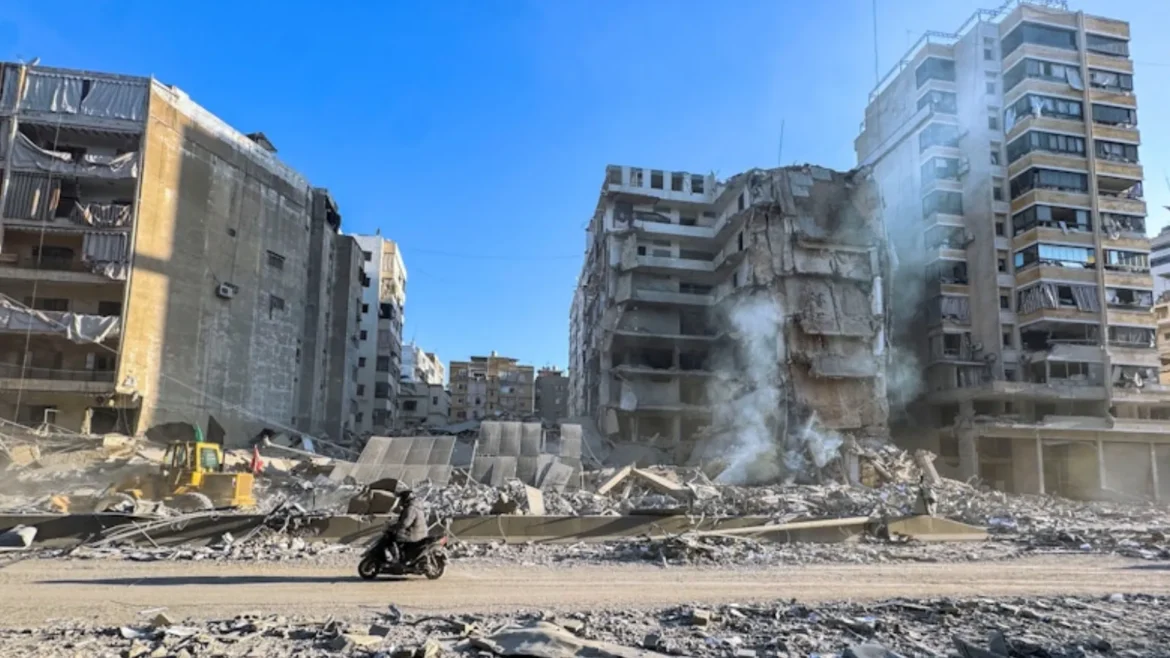
- Israeli strikes reportedly targeted infrastructure in Tehran during the latest phase of the Iran conflict.
- Saudi Arabia said its air defenses intercepted multiple drones and missiles entering its airspace.
- Iranian retaliatory strikes have expanded to Gulf states hosting U.S. military facilities.
- Energy infrastructure across the Gulf, including Saudi oil facilities, has already faced drone attacks.
- The widening strike pattern signals growing regional military escalation.
Israel Targets Tehran Infrastructure As War Expands Across The Middle East
Israel targeting Tehran infrastructure marks another escalation in the expanding military confrontation between Israel and Iran, while Saudi Arabia reports intercepting drones and missiles linked to the wider regional conflict.
The developments come as the war enters a broader regional phase, with attacks spreading across Israel, Iran, and several Gulf states hosting U.S. military facilities. Defense officials across the region have increased air defense readiness as missile and drone activity intensifies.
The Big Picture
The confrontation between Israel and Iran has evolved from isolated retaliatory strikes into a multi front regional military confrontation.
Israeli and U.S. forces launched a large scale air campaign against Iranian targets earlier in the conflict, striking military facilities, command centers, and security infrastructure. Iran responded with waves of ballistic missiles, cruise missiles, and drones targeting Israel as well as U.S. and allied facilities across the Middle East.
The strategic geography of the conflict means that key Gulf states including Saudi Arabia, Qatar, Bahrain, and the United Arab Emirates sit within range of Iranian missile and drone systems.
As a result, regional air defense networks have become a critical component of the conflict’s evolving operational picture.
What’s Happening
Israeli forces conducted strikes against infrastructure targets in Tehran as part of ongoing military operations against Iranian security and military facilities.
At the same time, Saudi Arabia announced that its air defense systems intercepted incoming drones and missiles, preventing them from reaching targets inside the kingdom.
Saudi defense officials said multiple interceptions have occurred in recent days, including drones and cruise missiles entering Saudi airspace near key population centers and energy facilities.
Iran has launched numerous retaliatory strikes across the region in response to Israeli and U.S. attacks, targeting U.S. bases, diplomatic facilities, and economic infrastructure.
In Qatar, for example, one Iranian ballistic missile struck the Al Udeid Air Base while another was intercepted by air defense systems.
The conflict has therefore expanded beyond Israel and Iran into a broader regional confrontation involving Gulf states hosting Western military forces.
Why It Matters
The Israeli strikes against Tehran infrastructure reflect a shift toward targeting command and security nodes within Iran’s capital.
Strikes against such facilities can disrupt internal security forces, command structures, and logistical networks that support Iranian military operations.
At the same time, Iran’s retaliatory strategy focuses on widening the battlefield by targeting U.S. and allied assets across the region.
This approach increases operational pressure on U.S. partners while raising the cost of continued Israeli air operations.
The expanding drone and missile campaign also demonstrates the central role of Iran’s asymmetric strike capabilities.
Iran maintains one of the largest missile arsenals in the Middle East and has invested heavily in long range drones capable of reaching targets across the Gulf region.
Strategic Implications
Regional air defense networks are now operating under sustained operational stress.
Saudi Arabia, the United Arab Emirates, Qatar, and Israel rely on layered air defense systems that include Patriot batteries, locally developed interceptors, and other missile defense technologies.
Intercepting drones and cruise missiles remains technically challenging because these systems fly at low altitude and can be launched in large numbers.
Iran’s use of mixed attack packages, combining ballistic missiles with drones and cruise missiles, is designed to saturate defenses and increase the probability that some weapons reach their targets.
The widening strike geography also increases the risk of escalation involving additional regional militaries.
Gulf states hosting U.S. bases may feel compelled to strengthen military coordination with Washington as Iranian attacks continue.
Competitor View
Russia and China will closely watch how the conflict reshapes regional security alignments.
Iran’s decision to target infrastructure and facilities in Gulf states risks pushing historically cautious regional actors closer to U.S. and Israeli security coordination.
At the same time, Tehran has sought to strengthen economic ties with Moscow, including renewed purchases of Russian oil despite international sanctions.
For Russia, the conflict complicates energy markets but also increases geopolitical leverage as regional instability disrupts global oil flows.
China, heavily dependent on Middle Eastern energy imports, will monitor the security of maritime routes such as the Strait of Hormuz.
What To Watch Next
Several indicators will shape the next phase of the conflict.
First, the scale and frequency of Israeli strikes inside Iran will determine whether the air campaign expands toward strategic military facilities such as missile bases or nuclear related infrastructure.
Second, regional air defense performance will remain critical as Gulf states attempt to intercept incoming missiles and drones.
Third, energy infrastructure security will remain a central concern.
Iranian drone strikes have already targeted Saudi oil facilities, including the Ras Tanura refinery, one of the kingdom’s most important export hubs.
Further attacks against oil or gas infrastructure could have immediate global economic consequences.
Capability Gap
The conflict highlights a persistent vulnerability in regional air defense networks.
Even highly advanced systems can struggle against large scale drone and cruise missile attacks launched simultaneously from multiple directions.
Iran has built its military strategy around exploiting this weakness by fielding large numbers of relatively low cost strike systems.
While advanced interceptors can stop many incoming threats, defending large territories and critical infrastructure against continuous attacks remains operationally demanding.
This challenge will likely accelerate regional investment in integrated air and missile defense networks.
The Bottom Line
Israeli strikes on Tehran infrastructure and Saudi Arabia’s interception of incoming drones show that the Iran war is expanding into a broader regional air and missile conflict.
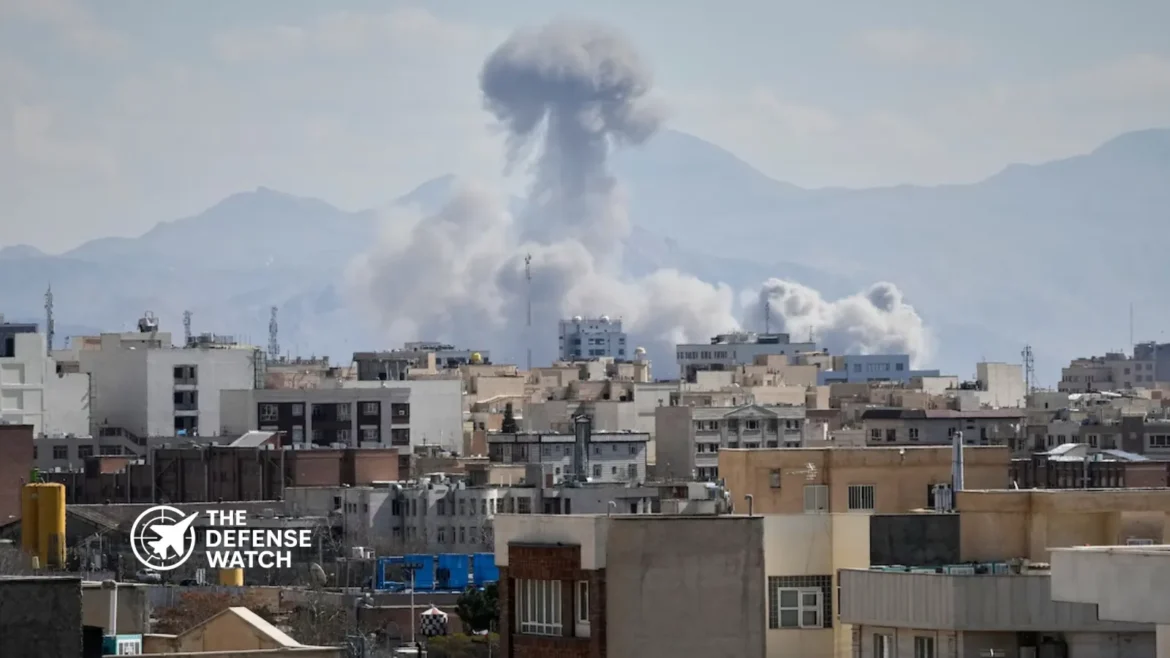
- ► The IDF says it struck more than 70 Hezbollah targets in southern Lebanon, including weapons storage and launch positions targeting forces and civilians.
- ► Israeli warnings and evacuation calls were issued ahead of strikes to reduce civilian harm.
- ► The latest action follows Hezbollah’s reported rocket and drone fire into northern Israel.
- ► Regional tensions are rising as Israel and allied forces respond to a wider escalation involving Iran and other fronts.
- ► The IDF states this operation seeks to disrupt Hezbollah’s capacity to threaten Israeli territory.
Israeli Forces Report Extensive Strikes In Southern Lebanon
Israeli Defense Forces (IDF) said early Monday they carried out a broad wave of strikes on infrastructure and positions belonging to the militant group Hezbollah in southern Lebanon and other areas after cross‑border attacks that included rocket and drone fire toward northern Israel. The IDF statement said more than 70 targets were hit, focusing on weapons storage, launch positions, and systems intended to support hostile operations against Israeli forces and civilians.
The military said it issued advance warnings and used precision munitions in combination with aerial observation assets to reduce the risk of harm to civilians before and during operations.
Context Of The Escalation
According to multiple reports, Hezbollah launched rockets and unmanned aerial systems toward Israeli territory early Monday, describing those actions as retaliation for broader regional developments. Regional media and military statements indicate that explosions were heard in Lebanese areas known to host Hezbollah infrastructure, including the southern suburbs of Beirut and the Bekaa Valley.
Israeli military leadership has characterized the latest round of strikes as part of a defensive campaign to degrade Hezbollah’s ability to attack Israeli territory. The IDF chief of staff described the operation as an offensive phase against Hezbollah that may be sustained depending on developments on the ground.
Efforts To Limit Civilian Harm
In public communications ahead of the operation, the IDF said it had taken measures to minimize civilian casualties, including issuing warnings through established channels and adjusting munitions choices to focus on precision. While such warnings have been a feature of past IDF operations in southern Lebanon, they do not eliminate risk to noncombatants in densely populated areas, particularly where militant infrastructure is embedded in civilian settings.
Broader Regional Dynamics
The strikes occur amid wider regional tensions. Recent coverage from international outlets notes that conflict dynamics have expanded beyond the Israel‑Hezbollah border into a broader confrontation involving Iran, regional partners, and third‑party states. These developments include separate air and missile exchanges and mobilization across several fronts.
Analysts state Hezbollah’s alliance with Tehran shapes its posture in Lebanon and influences both its operational reach and the risks of escalation along the northern border. The group’s array of rockets, missiles, and unmanned systems, some reportedly supplied or supported by Iran, has been a focal point of Israeli defense planning and targeting. Past reporting estimates Hezbollah’s arsenal includes both guided and unguided systems, a factor that complicates deterrence and operational planning.
What Comes Next
At the time of writing, there are no confirmed reports of a ceasefire or de‑escalation agreement. Both sides appear prepared to continue military actions unless diplomatic engagement or outside pressure alters the strategic incentives.

Israel’s Netanyahu Says Trump May Be Creating Conditions For New Iran Nuclear Deal
Israel’s Netanyahu said former U.S. President Donald Trump may be creating the conditions for a renewed Iran nuclear deal, signaling a potential diplomatic shift in one of the Middle East’s most sensitive security issues.
According to a Feb. 12 report by Reuters, Israeli Prime Minister Benjamin Netanyahu suggested that Trump’s political positioning and regional pressure campaign could pave the way for new negotiations with Tehran, even as Israel maintains a firm stance against Iran’s nuclear ambitions.
The remarks come amid heightened regional tensions and ongoing scrutiny of Iran’s uranium enrichment activities.
Netanyahu’s Assessment Of U.S. Strategy
Speaking publicly, Netanyahu indicated that Trump’s approach toward Iran could reshape the diplomatic environment. While not endorsing any specific agreement, he acknowledged that the former U.S. president may be influencing conditions that could lead to renewed talks.
Trump withdrew the United States from the 2015 Joint Comprehensive Plan of Action, commonly known as the Iran nuclear deal, during his presidency. The agreement had been brokered between Iran and world powers, including the United States, United Kingdom, France, Germany, Russia, and China, to limit Tehran’s nuclear program in exchange for sanctions relief.
Since the U.S. withdrawal, tensions have escalated across the region, with Iran expanding aspects of its nuclear program beyond JCPOA limits, according to assessments from the International Atomic Energy Agency.
Netanyahu has consistently opposed the original agreement, arguing that it failed to permanently block Iran’s path to nuclear weapons capability and did not sufficiently address ballistic missile development or regional proxy activity.
Broader Regional Context
The Israel Iran nuclear deal debate unfolds against a backdrop of ongoing conflict and instability across the Middle East. Israel has repeatedly warned that it will not allow Iran to obtain a nuclear weapon and has signaled readiness to act independently if necessary.
Iran maintains that its nuclear program is for peaceful purposes. However, Western governments and Israel remain concerned about enrichment levels and stockpiles that could reduce Iran’s breakout time to a potential weapon.
Recent reports from the International Atomic Energy Agency have highlighted continued Iranian enrichment at higher levels, though negotiations between Tehran and Western governments have stalled in recent years.
Netanyahu’s latest comments suggest that political developments in Washington could influence whether diplomatic channels reopen.
U.S. Political Dynamics And Iran Policy
Any future Iran nuclear deal would depend heavily on U.S. political dynamics. Trump’s prior withdrawal from the agreement reshaped American Iran policy and reimposed broad sanctions under a maximum pressure strategy.
Should Trump or another U.S. administration pursue negotiations, the framework would likely differ from the original JCPOA, given the current security environment and Iran’s expanded nuclear capabilities.
Washington has not formally announced any new negotiation framework as of this reporting. The White House has previously stated that Iran must return to compliance with nuclear restrictions before sanctions relief could be considered.
Implications For Defense And Security
For Israel and its regional partners, the trajectory of the Israel Iran nuclear deal discussion carries significant military and strategic implications.
Israel has invested heavily in missile defense systems, including layered air defense capabilities designed to counter ballistic and cruise missile threats. Iranian missile development remains a core concern for Israeli planners.
Any renewed agreement could affect regional force posture, intelligence coordination, and potential contingency planning among U.S. and Israeli defense officials.
Analysts note that a diplomatic breakthrough could reduce immediate escalation risks. However, failure to reach an agreement may further heighten the possibility of covert or overt military action.
International Reactions
European governments, which were original signatories to the 2015 agreement, have repeatedly called for de-escalation and a return to diplomacy. The United Nations has also urged restraint and compliance with nonproliferation obligations.
Russia and China continue to support negotiations within a multilateral framework, though geopolitical tensions between major powers have complicated coordination.
At present, no formal timeline for new talks has been announced.

U.S. Navy Destroyer USS Delbert D Black Departs Israel After Eilat Port Visit
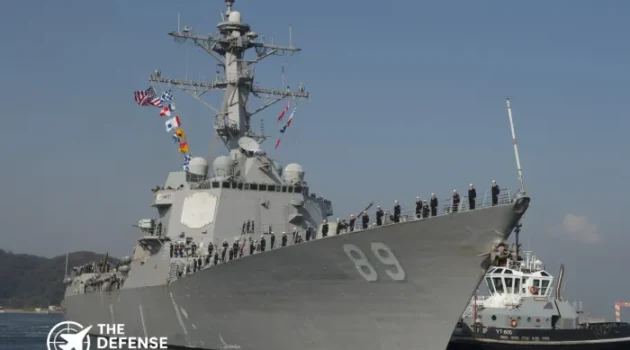
The U.S. Navy guided-missile destroyer USS Delbert D. Black (DDG 119) departed the Israeli port of Eilat on February 1, following a scheduled port visit that highlighted U.S. and Israeli maritime cooperation in the Red Sea region.
Routine Visit Supports Maritime Partnership
USS Delbert D. Black, a Flight IIA Arleigh Burke-class destroyer, concluded its planned stop in Eilat, Israel, after several days in port. The visit was part of standard cooperation activities between the U.S. Navy and the Israeli Navy, aimed at reinforcing longstanding security ties in the Mediterranean Sea, Gulf of Aqaba and Red Sea maritime corridors.
Cmdr. Ezra T. Hatch, commanding officer of Delbert D. Black, said the visit underscores the durable partnership between the U.S. and Israel. During the call, ship leadership hosted tours for senior U.S. Embassy Jerusalem officials and Israeli Navy officers and conducted an official office call with the commander of Eilat Naval Base.
Ship’s Capabilities and Mission
Commissioned in September 2020 and named for the first Master Chief Petty Officer of the Navy, the destroyer brings multi-mission capabilities to the U.S. 5th Fleet area of operations. It supports air and missile defense, anti-submarine warfare, surface warfare and naval fire support.
Delbert D. Black is currently deployed under U.S. Central Command (CENTCOM), contributing to maritime security, freedom of navigation and regional stability across roughly 2.5 million square miles of water, from the Arabian Gulf and Gulf of Oman to the Red Sea and parts of the Indian Ocean.
Post-Visit Operations With Allies
Following the port departure, the destroyer conducted a routine maritime exercise with an Israeli Navy vessel in the Red Sea, reinforcing interoperability between the two navies. Joint drills such as these are part of ongoing efforts to align U.S. and Israeli naval operations in shared waters.
Strategic Context
Although the port visit was described by both navies as routine and pre-planned, it comes amid broader U.S. naval activity in the region. Other U.S. naval assets, including aircraft carrier strike groups, have shifted into the Middle East amid regional tensions. These movements reflect sustained U.S. efforts to maintain maritime security and deter threats in key chokepoints like the Bab al-Mandeb Strait and Strait of Hormuz.
Why It Matters
USS Delbert D. Black’s Eilat visit underscores routine but important naval ties between the U.S. and Israel. Port calls support diplomatic engagement, give sailors rest and resupply time, and create opportunities for deeper military cooperation. Continued joint activities in the Red Sea illustrate ongoing U.S. commitment to stability and allied coordination in an area central to global commerce and security.
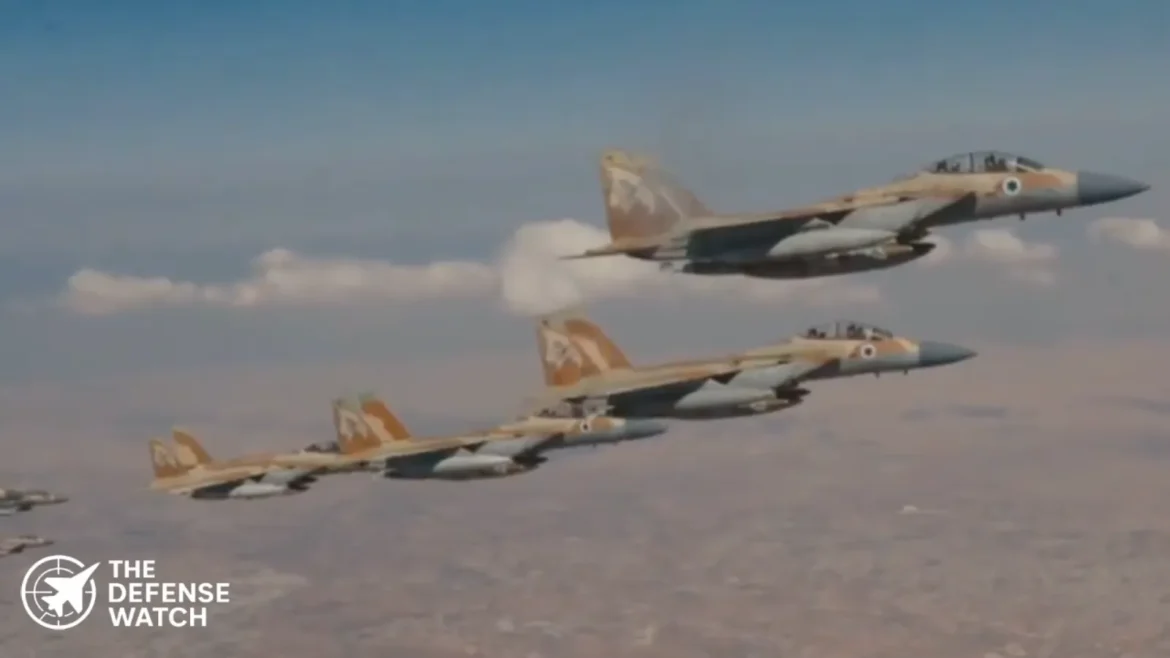
Israel has formally requested operational freedom from the United States to conduct potential independent military action against Iran’s ballistic missile and nuclear infrastructure as negotiations between Washington and Tehran continue.
Israel’s Request for Operational Freedom
Israeli officials have asked the US for greater latitude to act independently in responding to what Tel Aviv views as urgent threats from Iran, notably its ballistic missile buildup and nuclear program. According to coverage by Israel’s public broadcaster, the request seeks assurances that Israel can conduct unilateral strikes on Iranian strategic targets if necessary, without restrictions from Washington.
This push comes as US‑Iran talks on nuclear and missile issues advance, with unresolved gaps between Israeli and American priorities. Israeli military analysts say that ongoing negotiations may not sufficiently address Tehran’s missile arsenal, which Israel views as a core threat.
At the same time, Israeli forces remain on alert, anticipating that diplomatic engagement might not deter a regional conflict or halt Iranian programs seen as destabilizing.
US‑Iran Diplomatic Context
President Donald Trump’s administration is engaged in revived diplomatic outreach with Tehran aiming to rein in uranium enrichment and limit Iran’s missile capabilities. Iranian leadership has signaled willingness to pursue talks, framing them as fair and balanced, even as military tensions persist.
In Washington, analysts see limited US and Israeli coordinated actions on Iran that aim to pressure Tehran without sparking a larger war. Financial markets have reflected the risk with recent shifts in oil pricing.
Separately, the US State Department authorized significant arms sales to key regional partners, including Israel and Saudi Arabia, to boost defensive capabilities amid rising tensions.
Divergence Between Tel Aviv and Washington
The request for operational freedom underscores a strategic divergence. Israel wants assurances that it can strike core Iranian systems if diplomacy fails, particularly targeting missile production and launch infrastructure. Tel Aviv sees these as immediate dangers that could overwhelm defenses in any future confrontation.
Washington, for its part, publicly stresses that direct US involvement in strikes against Tehran is not its stated position, and has repeatedly placed emphasis on diplomacy backed by credible defensive forces. In past similar events, senior US officials denied involvement in unilateral Israeli actions and framed their priority as protecting American forces in the region rather than joining offensive operations.
Iranian Reactions and Regional Risks
Iran’s leadership has warned that any direct military attack could lead to wider conflict, framing such actions as provocations that would ignite multiple fronts across the Middle East. Supreme Leader Ayatollah Ali Khamenei and other officials have emphasized a resolute defense posture while signaling readiness to negotiate.
Tehran’s diplomatic strategy appears to be focused on keeping talks alive while resisting what it views as excessive demands, particularly on its missile program, which it claims are for defensive purposes.
What This Means for US‑Israel Policy
Israel’s push for operational freedom reflects continuing frustration in Jerusalem over perceived limits on military options and the pace or scope of US‑led diplomacy. If Washington declines to provide broad assurances, Israeli planners may prepare for independent action at some point. This could place additional strain on the US‑Israel partnership, even as both governments share core strategic goals in countering Tehran.
At the same time, the US seeks to balance deterrence, defense cooperation, and diplomatic engagement to avoid wider conflict. How Washington responds to Israel’s request will likely shape regional security dynamics and the broader approach to Iran’s long‑standing nuclear and missile programs.

NATO Special Representative Concludes Visit to Israel
The NATO special representative for the Southern Neighbourhood concluded his first official trip to Israel from January 19 to January 21, 2026, engaging senior Israeli officials on regional security and cooperation. The visit focused on stability in the Middle East and NATO’s ongoing ties with partners in the region.
NATO’s Secretary General’s Special Representative Javier Colomina met with senior officials from Israel’s Ministry of Foreign Affairs, Ministry of Defence and the National Security Council during the three-day visit. Discussions centered on regional security concerns, bilateral cooperation and activity by Iran that NATO sees as destabilizing.
Colomina stressed the importance of regional stability and reaffirmed NATO’s commitment to advancing dialogue and cooperation with partners in the Middle East, North Africa and Sahel. In remarks at the close of the visit, he underscored NATO’s intent to work with all partners to contribute to security and stability in the broader region.
Talks with Israeli Officials
In meetings with senior figures from Israel’s defence and foreign policy establishment, the NATO envoy addressed current threats and shared assessments on regional security dynamics, including Iranian influence and activity. The talks aimed to strengthen NATO’s strategic communication and cooperation frameworks with Israel, a key partner on security issues outside the alliance structure.
The discussions did not result in public announcements of new initiatives or joint projects, but focused on continued dialogue and reinforcing NATO’s presence in the Middle East through diplomatic channels.
NATO’s Southern Neighbourhood Role
Colomina’s role as special representative covers NATO engagement with partner states across the Middle East, North Africa and the Sahel, a remit the alliance expanded in recent years to increase cooperation and visibility in regions beyond the North Atlantic. His visit to Israel follows engagements with other regional partners including Egypt earlier in January and Tunisia in 2025.
NATO has been active in promoting dialogue through the Mediterranean Dialogue and Istanbul Cooperation Initiative frameworks, which aim to enhance political and security cooperation with non-member states in the region.
Regional Context
The visit comes amid ongoing tensions across the Middle East, with ongoing concerns over Iranian regional activity and its impact on stability. NATO officials have previously welcomed ceasefires and diplomatic efforts in conflicts such as the Israel-Hamas situation, framing them as important steps toward reducing broader regional instability.
Relations between NATO and Israel are centered on cooperation rather than formal alliance membership, as Israel is not a NATO member but a partner state engaged in dialogue on security issues.
What Comes Next
NATO continues scheduled engagements in the region, as part of its Southern Neighbourhood Action Plan. Future NATO meetings with regional partners are expected, linked to wider alliance policy discussions and ministerial meetings planned for early 2026.

Israel Builds a New Shield Around Air Force Bases
Israel is quietly bolstering the security of its airbases by establishing an elite, rapid-response unit under the Air Force’s Wing 7, aiming to prevent a repeat of the October 7 surprise attack. The unit’s mandate: defend IAF installations — including runways, fuel depots, command centers, and munition stores — from future infiltrations.
Context: Lessons from October 7
The October 7, 2023 attack exposed major security vulnerabilities across Israeli military installations. According to multiple probes, the IDF failed to repel large-scale incursions, and some IAF bases were identified as potential targets. In one investigation, the Israeli Air Force was found to have had only two aircraft and two helicopters ready for action during the attack.
Another inquiry revealed the Air Force had detected “unusual signals and movements” from Hamas-operated drones in the hours before the onslaught — but this intelligence reportedly remained within the Air Force and was not shared upward. The gaps in readiness and communication prompted a security reset.
What the New Force Is — and How It Works
Structure and Command
- The new unit will operate under Wing 7, the IAF’s special-operations hub, which already includes Shaldag (reconnaissance and commando) and Unit 669 (combat search and rescue).
- Unlike those strike-oriented forces, the new unit is focused inward: protecting Israeli airbases from internal and external threats.
Mobility and Response
- The unit is designed for rapid deployment by helicopter, enabling it to move quickly between bases.
- A modernized perimeter system will support its operations, featuring upgraded cameras, sensors, and physical barriers.
Training and Readiness
- Recruits will begin with the next draft cycle and follow a specialized training path. According to the IDF, they’ll receive Rifleman 07 qualification — a standard combat-level certification — along with advanced coursework in surveillance, weapons deployment, and defense-system operations.
- Until this force becomes fully operational, the IAF has stationed reserve security battalions at all bases. These battalions are also being trained to Rifleman 07 standards.
Why It Matters Strategically
IAF bases are critical to Israel’s ability to project power, maintain deterrence, and conduct high-tempo operations. If adversaries — such as Hamas, Hezbollah, or Iran-backed actors — were able to strike runways or munitions dumps, Israel’s capacity for rapid response could be severely degraded.
By creating a base-defense force under the same umbrella as Shaldag and Unit 669, the Air Force is merging elite skills with defensive vigilance. This model integrates offensive and protective capabilities within a special-operations framework.
Expert and Policy Implications
From a policy standpoint, the move suggests the IAF is no longer content to rely solely on static defenses and reserve forces. Rather, it is investing in a proactive, flexible force that can respond to base intrusions in real time.
For military analysts, this shift could mark a doctrinal evolution in how air forces protect their critical infrastructure. Rather than treating base defense as a secondary mission, Israel is elevating it to the level of its most elite units.
In geopolitical terms, the stepped-up defenses send a clear signal: Israel is determined to mitigate the risk of another disorganized breach like October 7, even as the war in Gaza and threats from Iran-aligned groups persist.
What Comes Next
- Operational readiness: The timeline for the new unit’s full deployment will depend on the current recruitment and training cycle.
- Technology integration: With advanced sensor and perimeter upgrades underway, the effectiveness of the unit will increasingly depend on how well these systems mesh with human operatives.
- Drills and exercises: The IAF will likely run simulated base-infiltration exercises (including helicopter insertions) to validate the rapid-response capability.
- Continuous evaluation: Given the severity of past failures, further internal and external reviews may monitor the performance and viability of this force.
Bottom Line
In response to the severe security lapses exposed by the October 7 attacks, the Israel Air Force is establishing a dedicated base-defense unit under its special-operations wing. With helicopter mobility, advanced perimeter systems, and specially trained personnel, the force is designed to close the gap in defending sensitive airbases — and ensure that no future intruder can strike with the same surprise.