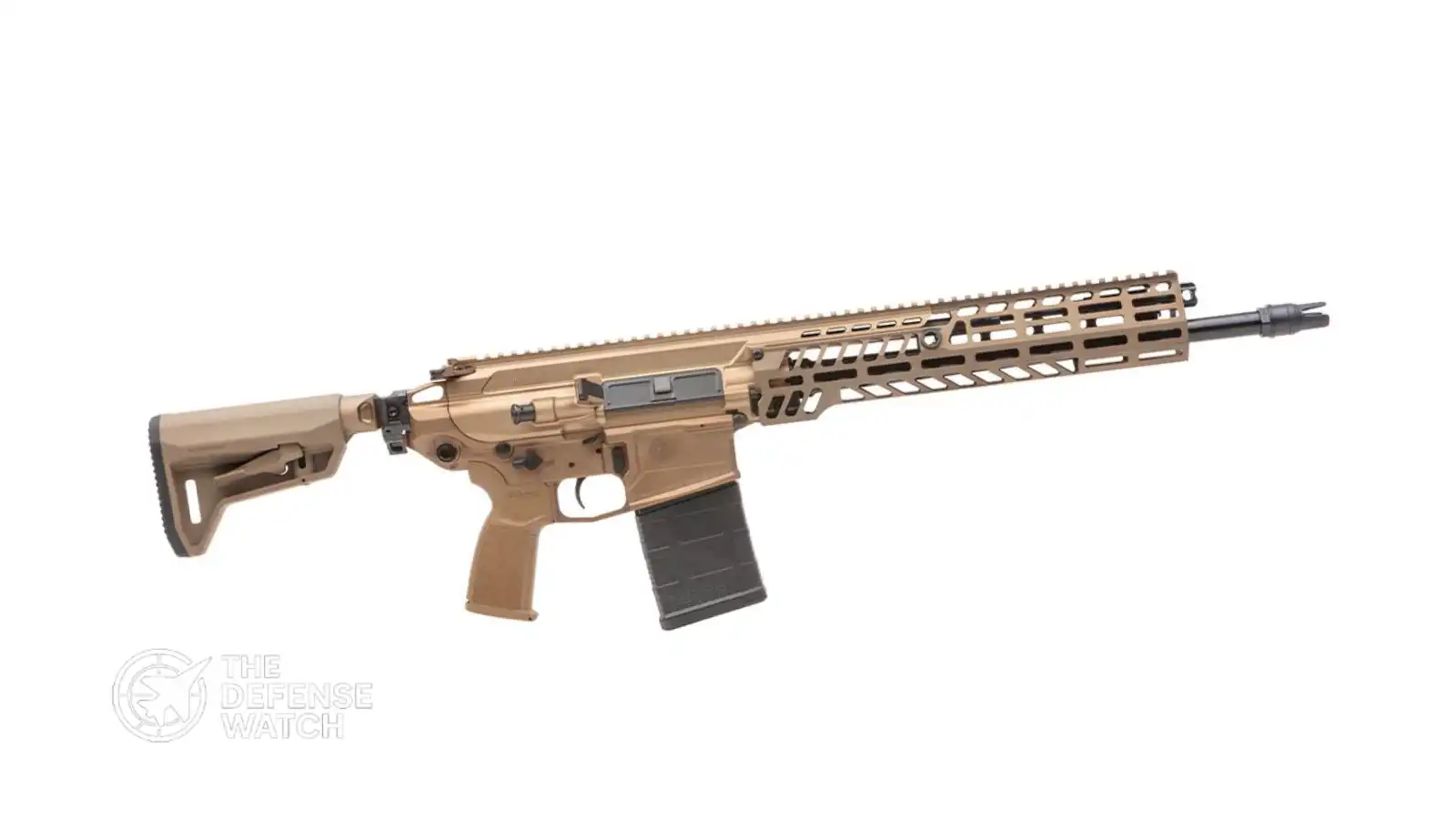
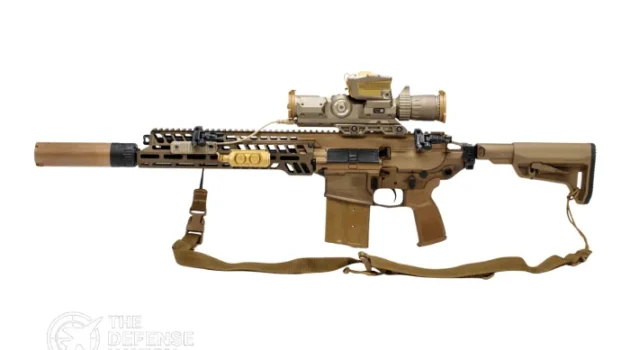
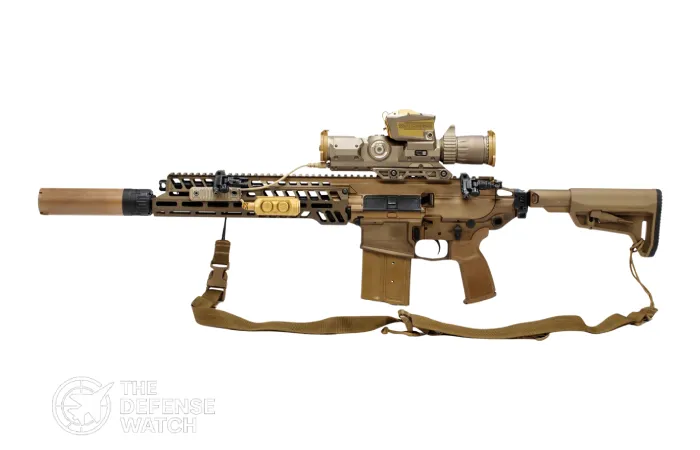
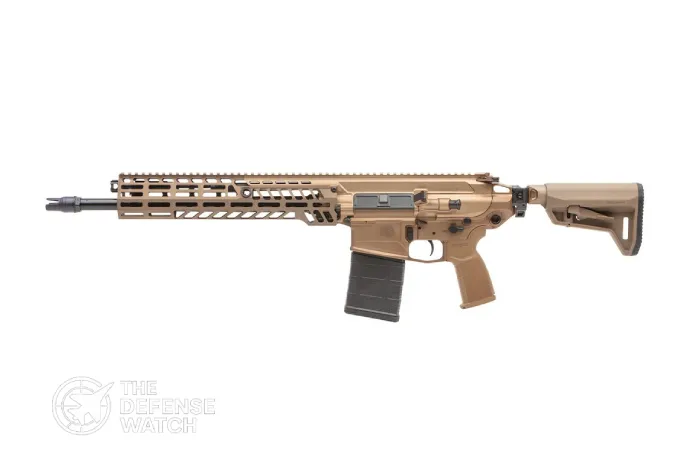
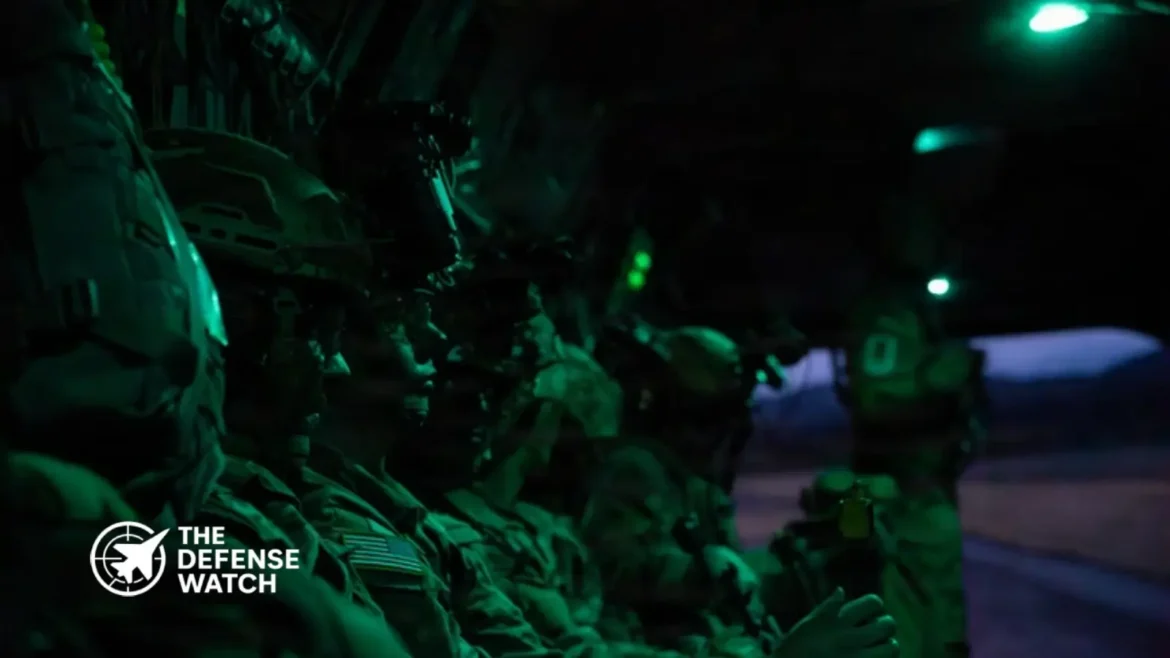
The U.S. Army’s adoption of the XM7 rifle marks the most significant infantry weapons transition since the M16 entered service in the Vietnam era. Combined with new ammunition, optics, suppressors, and fire-control systems, the program aims to increase lethality against modern armored threats while redefining how infantry squads fight on tomorrow’s battlefields.
The U.S. Army is replacing a rifle family that has dominated battlefields for more than half a century.
The XM7 rifle, formerly known as the XM5 during development, is at the center of the Army’s Next Generation Squad Weapon (NGSW) program. It is not simply a replacement for the M4 carbine. It represents a broader shift in how the Pentagon views infantry combat against near-peer adversaries equipped with advanced body armor, drones, electronic warfare systems, and longer-range weapons.
For the first time in decades, the Army is accepting higher weapon weight, increased ammunition costs, and greater logistical complexity in exchange for substantially improved range and terminal performance.
The decision signals a recognition that the battlefield environment of the 2030s will look very different from the counterinsurgency campaigns that shaped U.S. small arms doctrine after 2001.
Technical Analysis: Why The XM7 Rifle Exists
The XM7 rifle was selected alongside the XM250 automatic rifle as part of the NGSW effort led by SIG Sauer. The weapon fires the new 6.8×51mm cartridge, delivering significantly greater energy than the 5.56×45mm NATO round used by the M4 and the M27 Infantry Automatic Rifle.
The Army’s concern was straightforward. Potential adversaries are increasingly fielding advanced body armor capable of reducing the effectiveness of existing intermediate-caliber ammunition at longer ranges.
The XM7 addresses that challenge through a combination of higher chamber pressures, advanced ammunition design, and increased ballistic performance.
Unlike earlier modernization efforts, the program also integrates suppressors and advanced fire-control optics from the outset. The result is a weapon system rather than a standalone rifle.
The increased power of the XM7 comes with tradeoffs. Soldiers carry heavier ammunition and experience stronger recoil than with the M4 platform.
Army planners appear willing to accept those drawbacks because future combat scenarios are expected to involve engagements at longer distances, particularly in Eastern Europe, the Indo-Pacific, and other open terrain environments.
The XM7 is not the first attempt to replace the M4.
The XM8 rifle program emerged in the early 2000s as a lightweight modular weapon derived from the German G36. Despite promising testing results, the project ultimately collapsed amid procurement disputes, changing operational priorities, and concerns about cost versus capability gains.
The XM8 failed largely because it offered evolutionary improvements.
The XM7 survived because it offers a revolutionary increase in lethality.
That distinction matters. Military modernization programs rarely succeed unless they provide a dramatic battlefield advantage that justifies replacing entrenched systems and retraining entire forces.
Rather than pursuing an entirely new cartridge, the Marines expanded use of the M27 Infantry Automatic Rifle, based on the Heckler & Koch HK416 platform. The M27 improved accuracy, reliability, and controllability while retaining NATO-standard 5.56mm ammunition.
The Marine Corps prioritized precision and distributed firepower.
The Army prioritized penetration and range.
These contrasting decisions highlight two different interpretations of future infantry combat. One focuses on enhanced marksmanship within existing logistics networks. The other embraces a new caliber and weapon architecture to overcome emerging battlefield threats.
While the M110 SASS remains valuable for long-range precision engagements, the Army’s modernization effort effectively pushes more firepower down to the squad level. Infantry formations can now engage targets at ranges that previously required specialized marksman rifles.
This shift reflects a broader trend toward distributed lethality across small combat units.
The Insight: Why Gamers And Defense Analysts Should Pay Attention
Military modernization often mirrors concepts familiar to competitive gaming communities.
In tactical shooters, players frequently balance mobility, recoil control, damage output, and engagement range. The XM7 reflects the same tradeoff calculation.
The M4 was comparable to a highly versatile assault rifle build optimized for speed and adaptability.
The XM7 resembles a battle rifle configuration designed to dominate medium and long-range engagements, sacrificing some mobility for greater stopping power.
The comparison is useful because both environments reward optimization around expected threats.
The Army is effectively redesigning its infantry loadout for a different meta.
Future adversaries are expected to wear better armor, operate drones at scale, and engage from longer distances. The XM7 is a direct response to that changing combat environment.
The XM7 is not merely a new rifle. It is a signal that the U.S. Army believes future infantry battles will be fought farther away, against better-protected opponents, and under far more demanding conditions than the wars of the last two decades.
Conclusion & Takeaway
The XM7 rifle represents one of the most ambitious U.S. infantry modernization efforts in generations.
Unlike the cancelled XM8 rifle program, the XM7 delivers a measurable leap in range, penetration, and battlefield effectiveness. Its adoption also reshapes the relationship between traditional service rifles, automatic rifles, and designated marksman weapons such as the M110 SASS.
Whether the program ultimately achieves its long-term goals will depend on operational performance, logistics, and affordability. Yet one reality is already clear.
The era of incremental upgrades is ending. The U.S. Army’s new army rifle is part of a broader transformation that seeks to prepare infantry forces for a battlefield where range, protection, and lethality matter more than ever before.
Executive Summary: The U.S. Army is expanding deployment of the SMASH 2000L smart fire control system to improve soldiers’ ability to counter small unmanned aerial threats. The move reflects growing battlefield demand for portable and low cost counter drone solutions as loitering munitions and commercial UAVs become increasingly common in modern conflicts.
U.S. Army Expands SMASH 2000L Counter Drone Capability
The U.S. Army is increasing fielding efforts for the SMASH 2000L fire control system as military planners seek more effective defenses against the rapid growth of small drone threats on modern battlefields.
Developed by Israeli defense company Smart Shooter, the SMASH 2000L is a lightweight fire control and targeting system designed to improve hit probability against moving aerial targets. Mounted on standard infantry rifles, the system uses artificial intelligence, electro optics, and tracking software to help soldiers engage small unmanned aerial systems (UAS) with greater accuracy.
The latest expansion reflects the Army’s push to establish a layered counter UAS architecture that combines electronic warfare, directed energy systems, missile defenses, and kinetic solutions at the squad level.
Drone Warfare Is Reshaping Infantry Operations
The expansion of the SMASH 2000L system comes as militaries worldwide face an unprecedented rise in low cost drone threats. Conflicts in Ukraine and the Middle East have demonstrated how commercially available quadcopters and loitering munitions can threaten armored vehicles, artillery positions, and infantry units.
Small drones are increasingly used for reconnaissance, artillery spotting, precision strikes, and psychological operations. Their low radar signature and low operating cost make them difficult to counter with traditional air defense systems.
This operational shift has forced defense planners to search for portable and scalable counter drone technologies that can be deployed directly with frontline units. The SMASH 2000L addresses this requirement by giving individual soldiers a precision engagement capability against small aerial targets without relying on expensive interceptor missiles.
The U.S. Army’s growing interest in infantry level counter drone tools reflects a broader strategic adaptation to lessons observed in recent combat environments. Traditional short range air defense systems remain critical, but commanders increasingly recognize the need for distributed defensive capabilities across maneuver formations.
How The SMASH 2000L System Works
The SMASH 2000L fire control system integrates sensors, computer vision algorithms, and target tracking technology into a compact rifle mounted unit.
Once a target is identified, the system tracks the drone and calculates the optimal firing solution. The weapon will only fire when the probability of hit meets required parameters, helping reduce wasted ammunition and improving engagement effectiveness.
The lightweight design allows the system to be integrated onto standard infantry rifles without major modifications. This portability is considered essential for maneuver units operating in rapidly changing battlefield conditions.
Unlike larger counter UAS systems that depend on radar vehicles or dedicated launchers, the SMASH 2000L offers dismounted troops an independent engagement capability. This final layer defense concept is increasingly important as drone saturation tactics become more common.
The system has already attracted interest from multiple NATO and allied militaries seeking affordable counter drone technologies for infantry formations and special operations units.
Layered Defense Against Emerging Aerial Threats
The Army’s decision to expand SMASH 2000L deployment highlights the growing emphasis on layered counter drone operations.
Modern military doctrine increasingly treats drones as a persistent tactical threat rather than a niche capability. As a result, defense planners are combining multiple systems across different engagement ranges.
High end missile interceptors remain effective against larger UAVs and cruise missiles, while electronic warfare systems can disrupt drone communications and navigation. However, these solutions are not always practical against low flying or rapidly maneuvering small drones operating near friendly forces.
The SMASH 2000L fills an important operational gap by providing a close range kinetic option directly at the squad level. This distributed approach improves survivability and reduces reliance on centralized air defense assets.
The Army’s continued investment in smart fire control systems also aligns with wider modernization efforts focused on integrating AI assisted targeting technologies into infantry operations.
Growing Global Demand For Counter Drone Systems
Counter drone technologies have become one of the fastest growing sectors in the global defense market.
Military forces across Europe, Asia, and the Middle East are accelerating procurement of portable anti drone systems following lessons from recent conflicts. The demand includes radar systems, electronic warfare equipment, directed energy weapons, and AI enabled targeting solutions.
The SMASH 2000L represents part of a broader shift toward affordable precision engagement tools that can be deployed at scale. Analysts note that inexpensive drones can force adversaries to expend disproportionately costly defensive resources, creating operational and economic pressure.
Portable smart sight systems provide a lower cost response while enhancing infantry effectiveness against emerging aerial threats.
As drone technology continues to evolve, future battlefield environments are expected to feature larger numbers of autonomous and semi autonomous systems operating at low altitude. The Army’s expansion of SMASH 2000L deployments signals recognition that frontline troops will require organic tools to counter these threats in real time.
Strategic Implications For Future Warfare
The rapid expansion of drone warfare is reshaping military doctrine, procurement priorities, and force structure planning.
The U.S. Army’s focus on systems like the SMASH 2000L indicates that counter UAS capabilities are no longer confined to specialized air defense units. Instead, anti drone tools are increasingly becoming standard equipment for infantry formations.
This evolution mirrors broader trends across NATO militaries, where operational experience has shown that even small commercial drones can produce outsized tactical effects.
The continued integration of AI assisted targeting systems into soldier equipment may also influence future infantry combat concepts, particularly in urban and contested environments where reaction time and precision engagement are critical.
Executive Summary: Saab has introduced the new HE 448 programmable round for the Carl-Gustaf weapon system, designed to improve infantry effectiveness against modern battlefield threats. The munition integrates with advanced fire-control systems, enabling faster targeting, airburst engagement, and improved combat flexibility for allied forces.
Saab Launches New Carl-Gustaf Anti-Tank Round
Swedish defense company Saab has unveiled its latest programmable munition for the Carl-Gustaf recoilless rifle system, expanding the capabilities of one of the world’s most widely used infantry anti-armor weapons.
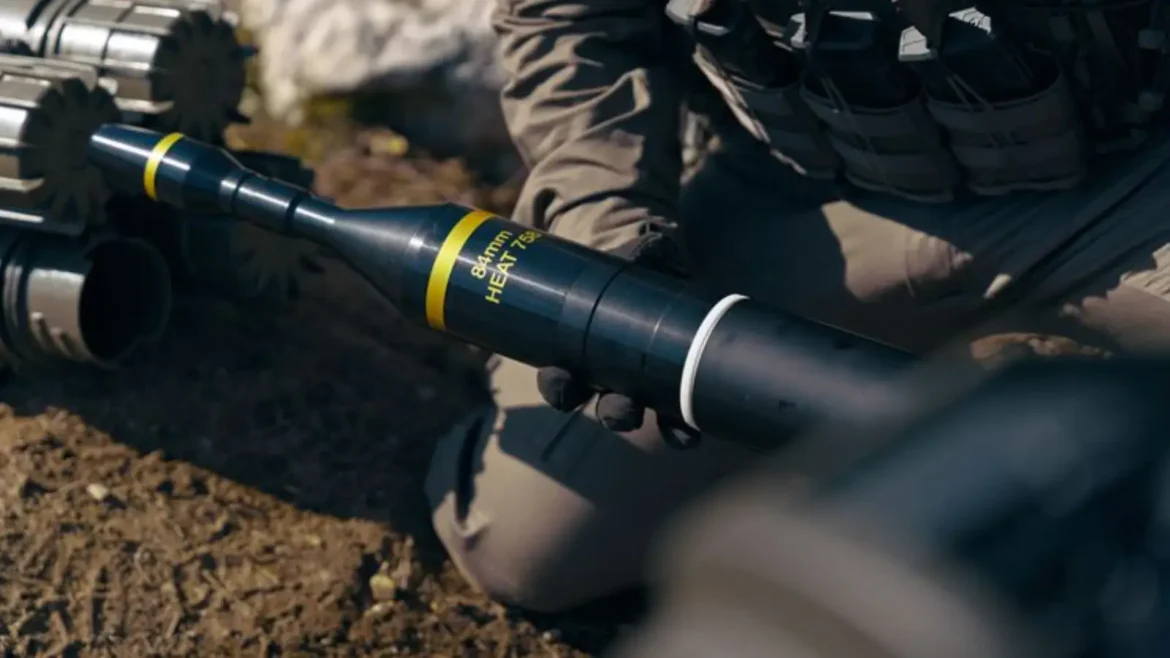
The new round, designated HE 448, is designed for the Carl-Gustaf M4 multi-role weapon system and introduces programmable airburst functionality integrated with Saab’s Fire Control Device 558 (FCD 558). According to Saab, the round enables operators to configure ammunition directly through the fire-control system before firing, reducing engagement time and improving accuracy against concealed or moving targets.
The HE 448 round is a high-explosive programmable munition designed to engage infantry behind cover, light vehicles, fortified positions, and exposed personnel. Unlike earlier Carl-Gustaf ammunition variants, the HE 448 communicates electronically with the FCD 558 sighting system through Saab’s Firebolt protocol.
This capability allows soldiers to rapidly select detonation modes and optimize trajectory calculations using real-time targeting data. Saab stated that the system improves hit probability while reducing operator workload during combat engagements.
The programmable fuze technology also enables airburst attacks above trenches, walls, or defensive positions, a capability increasingly valued in modern combat environments shaped by urban warfare and dispersed infantry tactics.
According to Saab, the HE 448 can engage targets at ranges up to 1,500 meters when paired with advanced fire-control systems.
Carl-Gustaf Remains Central To NATO Infantry Modernization
The Carl-Gustaf weapon system continues to see growing adoption among NATO and allied militaries as demand rises for lightweight, flexible anti-armor and anti-structure systems.
The reloadable 84mm recoilless rifle has been in service for decades and is currently fielded by more than 40 countries. The latest M4 variant reduces system weight while improving portability and compatibility with modern optics and programmable ammunition.
The United States military has steadily expanded its use of the Carl-Gustaf platform. The U.S. Army designated the Carl-Gustaf M4 as the M3A1 system and has already ordered HE 448 ammunition, known in U.S. service as the HE 441E programmable round.
The U.S. Army, Marine Corps, and U.S. Special Operations Command have all increased procurement of Carl-Gustaf systems and ammunition in recent years as part of broader infantry modernization programs. Saab secured a U.S. ammunition order worth approximately $104.9 million in 2023 covering AT4 systems and HE 448 rounds.
That trend aligns with lessons observed from conflicts in Ukraine and other modern theaters, where portable anti-armor weapons, precision-guided munitions, and rapid target engagement capabilities have become essential at the squad and platoon level.
Modern infantry forces increasingly require multi-role munitions capable of engaging drones, entrenched infantry, structures, and light armored vehicles in highly dynamic combat environments. Saab’s new programmable round directly addresses this operational requirement by combining precision airburst functionality with rapid target configuration.
The system also demonstrates the growing importance of digitized infantry weapons. Rather than relying solely on mechanical sighting and fixed fuze settings, modern soldiers can now program ammunition in real time using integrated fire-control devices.
That shift narrows the gap between traditional shoulder-fired weapons and more sophisticated guided systems, while preserving the lower cost and portability advantages of recoilless rifles.
Saab Expands Global Carl-Gustaf Production
Saab has continued expanding international production and export activity tied to the Carl-Gustaf family. The company has secured major contracts across Europe, North America, and Asia in recent years.
Poland, Lithuania, Canada, Denmark, and Hungary have all moved to strengthen infantry anti-tank capabilities using Carl-Gustaf M4 systems and compatible ammunition.
Saab has also begun construction of a dedicated Carl-Gustaf production facility in India, marking the company’s first fully owned manufacturing site outside Sweden.
Beretta Defense Technologies confirmed delivery of 7,000 NARP assault rifles to the Italian Army.
The 5.56×45 mm NATO rifle uses a short stroke gas piston system and AR style ergonomics.
The delivery marks one of the first operational deployments of the New Assault Rifle Platform.
The program reflects Italy’s effort to modernize infantry equipment and align with NATO standards.
The NARP platform is designed for modular upgrades including optics, suppressors, and advanced accessories.
Beretta NARP Assault Rifle Delivery Signals Italian Army Modernization
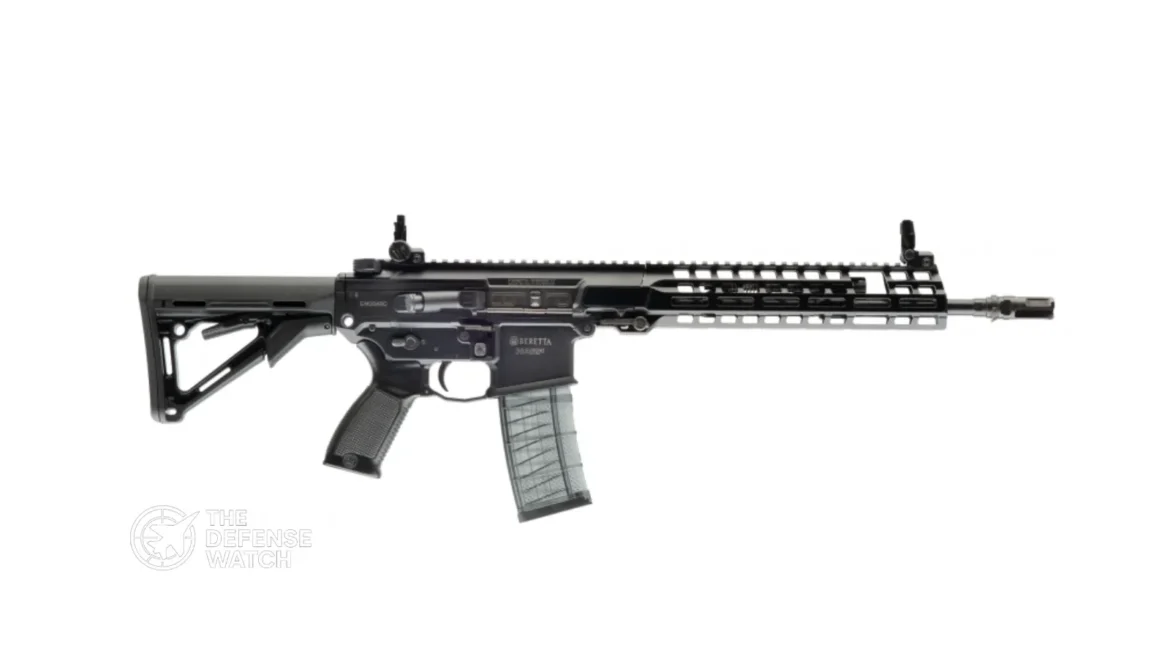
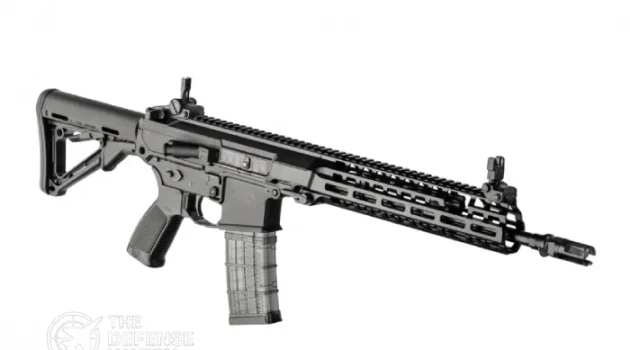
The Beretta NARP assault rifle has entered operational service with the Italian Army following the confirmed delivery of 7,000 rifles under the New Assault Rifle Platform program.
Beretta Defense Technologies disclosed the delivery during the Enforce Tac 2026 exhibition, marking the first significant fielding of the system within Italy’s land forces. The rifles represent an early phase of broader infantry modernization efforts aimed at improving soldier lethality, reliability, and modularity.
The New Assault Rifle Platform program reflects a growing focus across NATO armies on modernizing standard infantry weapons to support integrated optics, suppressors, and digital battlefield systems.
The Big Picture
Modern infantry operations increasingly rely on networked equipment, modular weapons, and adaptable systems that can support diverse mission profiles.
Across NATO, militaries are upgrading rifles to improve accuracy, ergonomics, and compatibility with emerging soldier systems. Programs such as the U.S. Army’s Next Generation Squad Weapon initiative and European modernization projects highlight a broader shift toward enhanced infantry lethality and survivability.
Italy’s NARP program fits squarely within this trend.
By fielding a new generation rifle designed around NATO standards and modular architecture, the Italian Army aims to ensure interoperability with allied forces while improving the performance of its infantry units in both conventional and expeditionary missions.
What’s Happening
Beretta Defense Technologies confirmed that 7,000 NARP assault rifles have been delivered to the Italian Army as part of the platform’s early operational rollout.
The rifles were developed through the New Assault Rifle Platform initiative, a program designed to create a next generation infantry weapon for modern battlefield requirements.
The NARP rifle is chambered in 5.56×45 mm NATO, the standard ammunition used across NATO forces. The system uses a short stroke gas piston operating mechanism, which generally improves reliability in harsh environments compared with direct impingement designs.
The weapon also incorporates:
AR style ergonomics for ease of training and compatibility with common rifle handling techniques
Ambidextrous controls for left and right handed operation
Modular rail interfaces for optics, lasers, and accessories
Adjustable gas regulation for suppressed and unsuppressed fire
The design allows barrel configurations ranging from compact close quarters variants to longer rifles optimized for standard infantry use.
Modernizing infantry rifles may appear incremental, but the operational impact can be significant.
Small arms remain the primary weapon system for ground troops, and improvements in reliability, ergonomics, and modularity directly affect battlefield effectiveness.
The NARP platform was designed to enhance several key operational factors:
Reliability Short stroke piston systems generally reduce carbon buildup and improve functioning in dusty or extreme environments.
Modularity Modern combat rifles must support advanced optics, suppressors, and digital targeting systems.
Training Efficiency AR style controls mirror the ergonomics of widely used NATO rifles, reducing training time for soldiers familiar with similar platforms.
These improvements collectively increase infantry unit effectiveness in both high intensity conflict and expeditionary operations.
Strategic Implications
The delivery of the Beretta NARP assault rifle highlights a broader European trend toward strengthening domestic defense industries while modernizing frontline equipment.
For Italy, the program reinforces several strategic priorities:
Industrial Sovereignty
Developing and producing a new assault rifle domestically allows Italy to maintain control over supply chains and reduce reliance on foreign small arms suppliers.
Standardizing around 5.56×45 mm NATO ammunition ensures compatibility with allied forces during coalition operations.
Export Potential
Modern modular rifles developed for national armed forces often evolve into export products. The NARP platform could eventually compete in international procurement programs.
European manufacturers increasingly compete with U.S., Israeli, and German small arms suppliers for global defense contracts.
Companies producing modular rifles such as Germany’s Heckler & Koch, Belgium’s FN Herstal, and the United States based SIG Sauer dominate many international military small arms contracts.
If the NARP platform demonstrates strong reliability and adaptability, it could strengthen Beretta Defense Technologies’ position in the global small arms market.
At the same time, NATO allies may view Italy’s adoption of a domestically developed rifle as part of a broader European effort to expand sovereign defense production capabilities.
What To Watch Next
Several developments will determine the long term trajectory of the NARP program.
First, additional production batches will likely follow as the Italian Army evaluates the rifles in operational units.
Italy’s delivery of 7,000 Beretta NARP assault rifles marks a key step in modernizing its infantry weapons while strengthening domestic defense industry capabilities.
U.S. Army Moves to Reshape Infantry with Mobile Brigade Transformation
Over the next two years, the U.S. Army plans to convert 25 Infantry Brigade Combat Teams (IBCTs) into Mobile Brigade Combat Teams (MBCTs), as part of its broader Army Transformation Initiative. The shift is driven by a push to integrate drones, lighter maneuver platforms, and capabilities closer to the tactical edge.
At a media roundtable, Army Chief of Staff Gen. Randy George described the reorganization as central to the “Transforming in Contact” concept, designed to accelerate when and how new technologies reach frontline units.
What Changes in the Mobile Brigades?
Brigades undergoing conversion will receive a new architecture including:
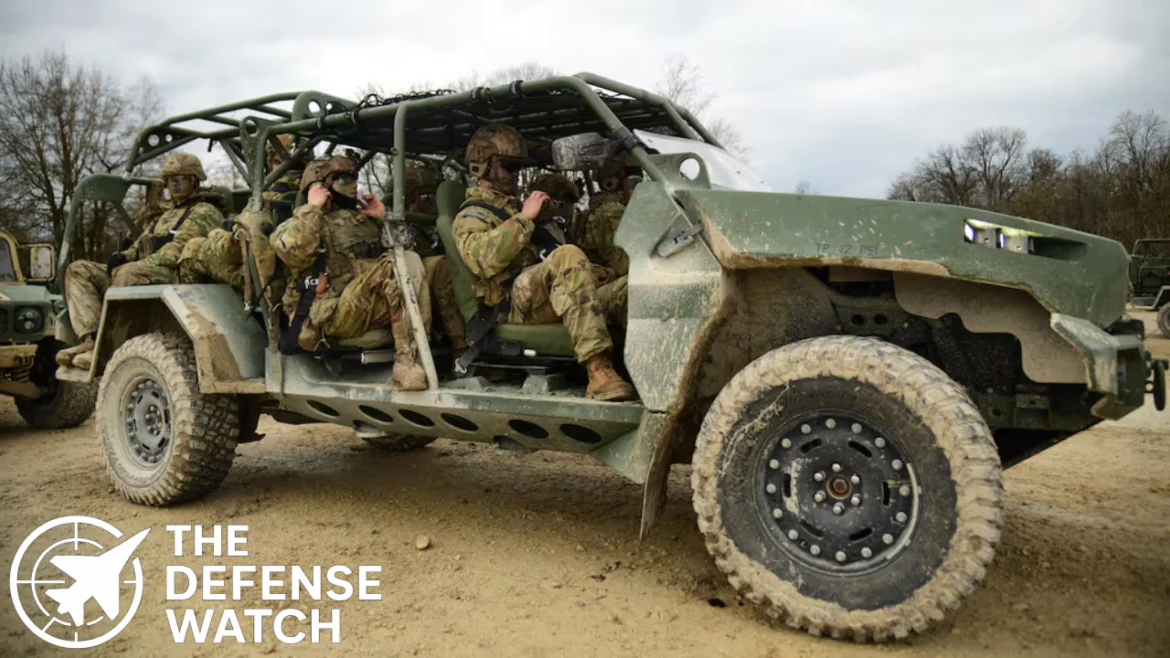
Integration of Infantry Squad Vehicles (ISVs) and expanded drone / unmanned systems capabilities at brigade and battalion levels
Leaders of transition brigades testified that these additions are reshaping how infantry operates. In one training rotation at the Joint Multinational Readiness Center, 90 percent of fire missions were observed via drone, allowing the unit to fire 50 percent fewer artillery rounds while increasing lethality by 300 percent due to improved targeting precision.
Col. Trevor Voelkel (101st Airborne) reported his brigade maintains nearly 400 drones, while other units emphasized that ISVs—transport platforms rather than fighting vehicles—allow infantry to execute 50-mile maneuvers when paired with helicopter delivery.
That said, leaders caution forces not to fetishize the ISV. As Col. David Lamborn (2nd Brigade, 25th Infantry) put it:
“Do not become fixated on the ISV … It’s a tool, just a tool in the toolkit.”
A new operational imperative in the MBCT design is managing electromagnetic signature and signals discipline. Commanders must “hide in plain sight” in the electromagnetic spectrum, varying communications and emissions based on terrain and threat context.
Guard & Stryker Brigades Also Transitioning
The transformation initiative is not limited to active-duty infantry. The Army National Guard is being folded into the “Transforming in Contact” effort.
For example, Washington’s 81st Stryker Brigade Combat Team is slated to become a mobile brigade; it will divest Stryker vehicles in favor of lightweight ISVs, adopting similar systems and command architectures as the new MBCTs.
In parallel, some armored and Stryker brigades are being marked for later transition, particularly in the National Guard, though these moves are anticipated to be more complex due to reclassifications and retraining.
Institutional Drivers & Oversight Concerns
This transformation flows from a May 2025 “Letter to the Force,” in which Army leaders framed the evolution as a trade of weight for speed and mass for decisive force — canceling legacy systems in favor of leaner, more lethal formations.
But congressional watchdogs and defense analysts warn that the plan’s pace and scope may strain readiness. A report by the Congressional Research Service flagged potential risks to force availability, combat support (e.g. casualty evacuation), and whether the Army has built robust metrics to evaluate progress.
One key question: Can the Army simultaneously sustain global commitments while transforming its force structure so aggressively?
Strategic Assessment & Outlook
This shift toward Mobile Brigade Combat Teams reflects lessons gleaned from modern conflicts where dispersed systems, drones, and sensor-driven targeting have transformed ground combat paradigms. By pushing fires and reconnaissance capabilities deeper into brigade and battalion levels, the Army aims to minimize decision delays and increase tempo.
However, the success of this leap depends not just on technology, but on doctrine, training, sustainment, and electromagnetic operations. Units must cultivate new mindsets about signature control, distributed command, and cross-domain integration.
If carefully managed, the MBCT concept could ultimately redefine U.S. ground maneuver doctrine. But the margin for error is slim: overinvestment in new platforms without commensurate support systems or evaluation metrics could erode readiness. For now, the transformation is a bold bet on the future of warfare — one that will be closely watched by peer militaries and allies alike.
FAQs
What distinguishes a Mobile Brigade Combat Team from a traditional IBCT?
MBCTs integrate reconnaissance, fires, and unmanned systems more deeply into battalion-level operations, use lightweight mobility platforms (like ISVs), and emphasize speed, agility, and electromagnetic discipline.
How many brigades will convert?
25 Infantry Brigade Combat Teams across the active and reserve components will transition over the next two years.
Will this affect readiness?
Potentially. Watchdog reports caution that infrastructure, logistics, and force availability may be stressed if conversion is too rapid without proper safeguards.
How will armored and Stryker units fit into the plan?
Some Stryker brigades in the Guard are already slated for conversion; future plans may include reorganization of select armored brigades, though that will require more extensive retraining.
When will the first MBCTs be operational?
Three brigades are already undergoing transformation and participating in experimental events such as the Maneuver Warfighter Conference.