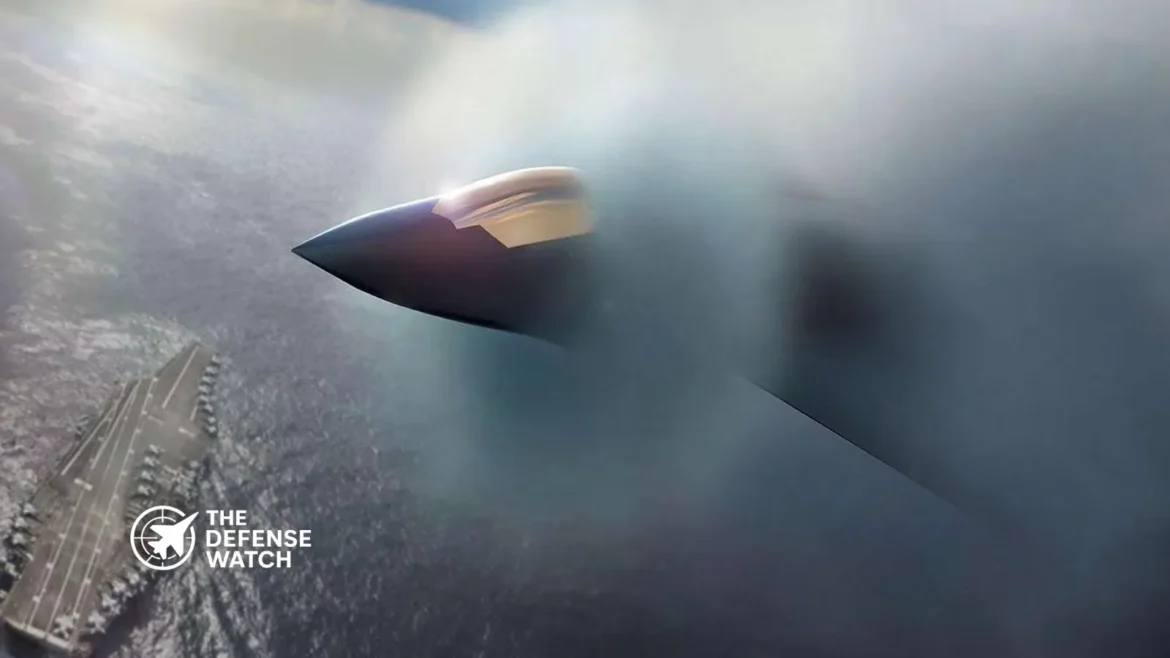
- ► U.S. Navy is accelerating development of the F A XX sixth generation fighter under its Next Generation Air Dominance effort.
- ► Program aims to counter China long range anti ship ballistic and cruise missile capabilities targeting carrier strike groups.
- ► F A XX will replace the F A 18E F Super Hornet beginning in the 2030s.
- ► Aircraft expected to integrate advanced stealth, long range sensors, and manned unmanned teaming.
- ► Move reflects growing Pentagon focus on high end conflict in the Indo Pacific.
U.S. Navy Accelerates F A XX Sixth Generation Fighter Program
The F A XX sixth generation fighter is moving ahead at a faster pace as the U.S. Navy responds to China long range missile threat against aircraft carriers and forward deployed forces.
(adsbygoogle = window.adsbygoogle || []).push({});According to Bloomberg, the Navy is prioritizing development of its carrier based next generation fighter under the broader Next Generation Air Dominance, or NGAD, initiative. The effort is designed to maintain air superiority in contested environments, particularly in the Indo Pacific.
The F A XX program will eventually replace the aging F A 18E F Super Hornet fleet, which has served as the backbone of carrier air wings for more than two decades.
Responding To China Long Range Missile Threat
The central driver behind the accelerated timeline is China long range missile threat. The People Liberation Army has fielded anti ship ballistic missiles such as the DF 21D and the DF 26, both designed to hold U.S. carrier strike groups at risk at extended ranges.
These systems are part of a broader anti access area denial strategy aimed at limiting U.S. military freedom of movement in the Western Pacific. According to U.S. Department of Defense assessments in its annual China Military Power Report, Beijing continues to expand its missile inventory, sensor networks, and long range targeting capabilities.
This evolving threat environment has forced the Navy to reconsider how close carriers can safely operate to contested coastlines. A longer range, more survivable fighter is seen as essential to restoring operational flexibility.
(adsbygoogle = window.adsbygoogle || []).push({});What F A XX Is Expected To Deliver
While detailed specifications remain classified, Navy officials have outlined several core attributes for the F A XX sixth generation fighter.
First, extended range. Analysts note that range is now as critical as stealth. A carrier air wing must be able to strike from outside the reach of advanced anti ship missiles.
Second, advanced survivability. The aircraft is expected to feature next generation low observable design, electronic warfare capabilities, and improved networking for operations in heavily contested airspace.
Third, integration with unmanned systems. The Navy has signaled that the future carrier air wing will combine manned aircraft with collaborative combat aircraft, or CCA type drones, enabling distributed operations and greater mission endurance.
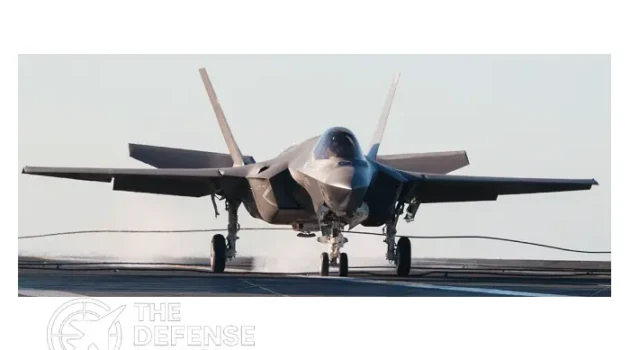
(adsbygoogle = window.adsbygoogle || []).push({});The F A XX sixth generation fighter is also expected to operate alongside the F 35C Lightning II, which provides fifth generation stealth and sensor fusion today.
Strategic Implications For The Indo Pacific
Accelerating the F A XX program reflects a broader Pentagon shift toward preparing for high intensity conflict with a peer adversary. The Indo Pacific theater presents unique challenges, including vast distances, dense air defenses, and advanced missile systems.
The U.S. Navy remains committed to maintaining credible deterrence in the region. However, China long range missile threat has complicated traditional carrier strike group concepts.
By pushing forward the F A XX sixth generation fighter, the Navy aims to extend the effective reach of carrier based aviation. That could allow U.S. forces to operate from safer standoff distances while still holding targets at risk.
(adsbygoogle = window.adsbygoogle || []).push({});This approach aligns with guidance from the U.S. National Defense Strategy, which emphasizes integrated deterrence and the ability to project power in contested domains.
Budget And Industrial Considerations
The timeline acceleration will depend on sustained funding from Congress. The F A XX effort competes with other major modernization priorities, including the Columbia class ballistic missile submarine and next generation surface combatants.
Industry teams are expected to compete for the program, though the Navy has not publicly detailed its acquisition strategy. The outcome will shape the future of U.S. naval aviation for decades.
From an industrial base perspective, the F A XX sixth generation fighter could anchor advanced aerospace manufacturing and propulsion development well into the 2040s.
Analysis: A Necessary Evolution
The decision to accelerate the F A XX sixth generation fighter is not simply about replacing an aging platform. It reflects a structural change in how the Navy must fight.
(adsbygoogle = window.adsbygoogle || []).push({});Carrier air power once assumed relative freedom of maneuver near hostile shores. That assumption no longer holds against a state actor with precision guided long range missile systems, integrated air defenses, and space based targeting support.
In that context, range becomes protection. Survivability becomes endurance. And networked operations become decisive.
The F A XX sixth generation fighter represents an attempt to adapt carrier aviation to this new reality. Whether it succeeds will depend on technology maturation, stable funding, and realistic testing against high end threat scenarios.
For now, the message from the Pentagon is clear. Maintaining air dominance in the Indo Pacific requires faster modernization, not incremental upgrades.
 ■ KEY FACTS AT A GLANCE
- ► India’s Su-30MKI and Thai Gripen jets carried out a joint patrol over the eastern Indian Ocean.
- ► Aircraft from the Indian Air Force and Royal Thai Air Force participated.
- ► The patrol focused on maritime domain awareness and interoperability.
- ► The mission signals deeper India Thailand defense cooperation in the Indo Pacific.
- ► Activity comes amid expanding regional security coordination across maritime Asia.
India’s Su-30MKI And Thai Gripen Jets Conduct Indian Ocean Patrol
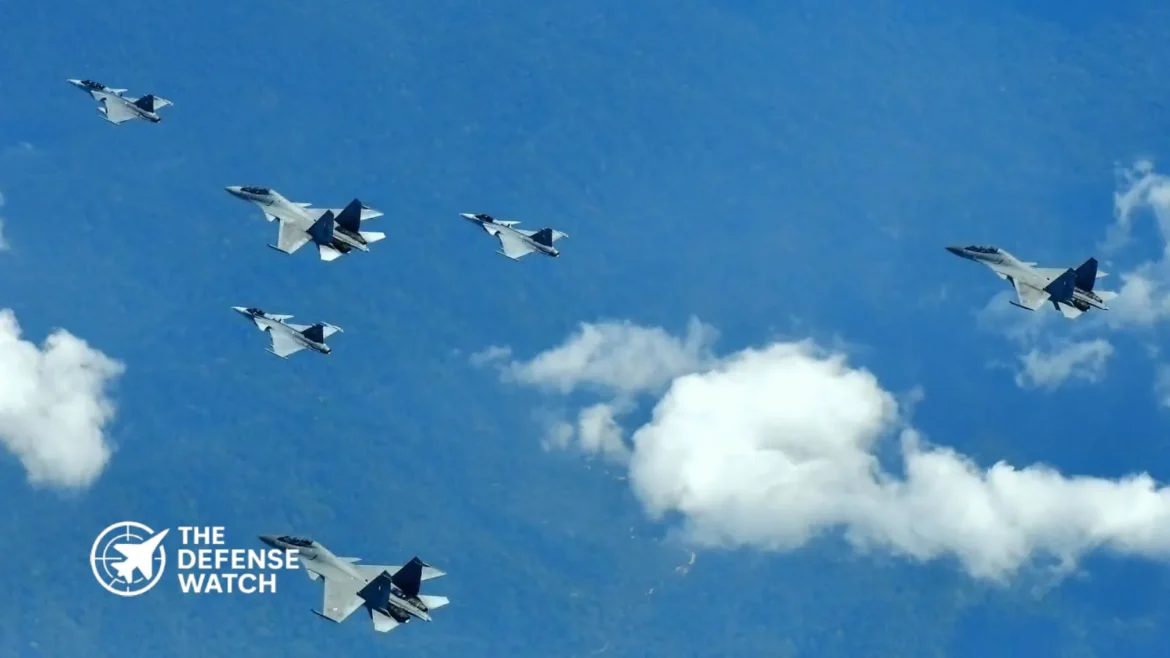
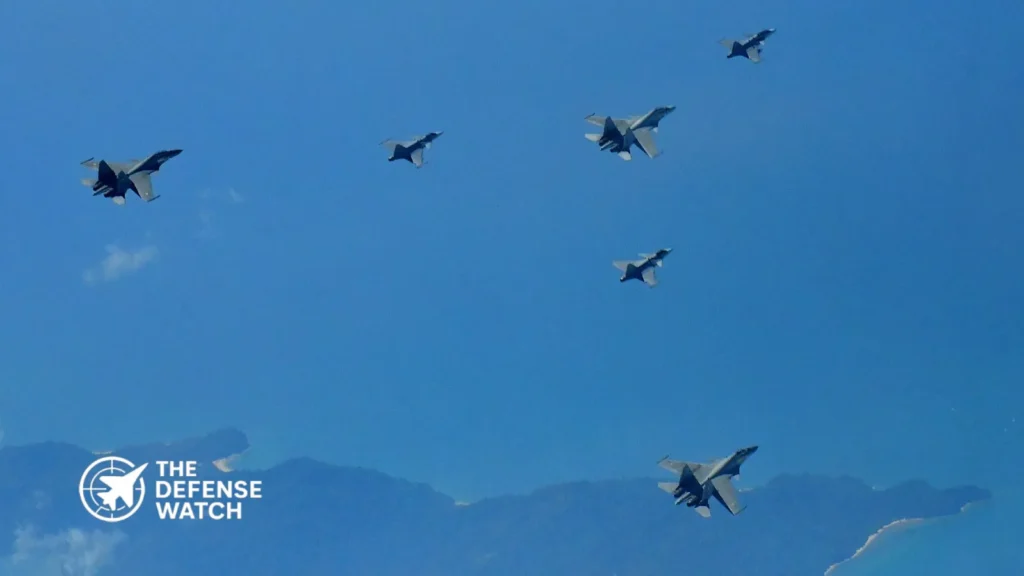
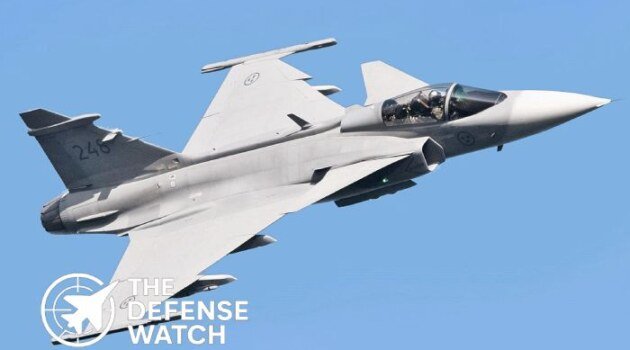
India’s Su-30MKI and Thai Gripen jets conducted a coordinated Indian Ocean patrol, underscoring growing Indo Pacific airpower cooperation between New Delhi and Bangkok.
(adsbygoogle = window.adsbygoogle || []).push({});The patrol involved aircraft from the Indian Air Force and the Royal Thai Air Force operating over key maritime corridors in the eastern Indian Ocean.
The mission reflects a broader trend of regional air forces deepening interoperability as maritime competition intensifies across the Indo Pacific.
Expanding Airpower Coordination In The Indo Pacific
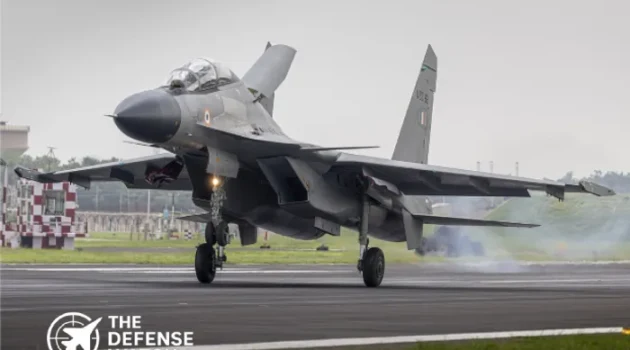
The India Su-30MKI Indian Ocean patrol marks a notable step in bilateral air cooperation. The Sukhoi Su-30MKI remains the backbone of India’s air dominance fleet, optimized for long range missions, maritime strike, and air superiority roles.
Thailand deployed its Saab JAS 39 Gripen fighters, operated by the Royal Thai Air Force. The Gripen’s network centric design and advanced data link architecture support coordinated maritime surveillance and joint mission planning.

Joint patrols over open ocean airspace require coordination in communications, refueling planning, and shared tactical procedures. These are not symbolic flyovers. They test practical interoperability.
The mission focused on enhancing maritime situational awareness and strengthening operational coordination between the two air forces.
Why The Indian Ocean Matters
The Indian Ocean sits at the center of global trade flows. Sea lanes connecting the Middle East, Africa, and Asia pass through this region. Energy shipments, commercial traffic, and naval deployments all converge here.
India has steadily expanded its maritime security footprint, aligning air and naval capabilities to protect sea lines of communication. The Su-30MKI plays a central role in maritime strike operations, often operating in coordination with the Indian Navy.
Thailand, while geographically anchored in Southeast Asia, has shown increasing interest in broader Indo Pacific security frameworks. Joint air patrols signal that Bangkok is willing to work with regional partners beyond traditional land based exercises.
(adsbygoogle = window.adsbygoogle || []).push({});This India Su-30MKI Indian Ocean patrol therefore carries strategic weight beyond the immediate tactical mission.
Platform Capabilities And Operational Implications
The Su-30MKI offers long endurance and heavy payload capacity. Its range, especially when supported by aerial refueling, allows deep maritime coverage. Equipped with advanced radar and anti ship weapon options, it serves as both a deterrent and a surveillance asset.
The Gripen, though lighter, integrates advanced avionics and real time data sharing. Its design philosophy emphasizes distributed operations and network connectivity. In a maritime context, that allows rapid sharing of targeting data and airspace coordination.
When Su-30MKI and Gripen jets operate together, the combination merges endurance and payload with agile network centric capabilities.
For regional observers, the operational takeaway is interoperability. Shared patrols improve communication protocols, standard operating procedures, and joint response readiness.
Broader Geopolitical Context
The Indo Pacific has seen a steady increase in multinational exercises, patrols, and defense dialogues. Countries are investing in partnerships aimed at ensuring freedom of navigation and maritime security.
India has deepened defense ties with Southeast Asian states as part of its Act East policy. Thailand remains an important regional actor with strategic access to key maritime corridors.
While the patrol does not represent a formal alliance shift, it reflects practical cooperation. Regularized engagements build habits of coordination that can scale during crises.
In the current security environment, airpower signaling matters. Joint patrols communicate readiness, shared interests, and mutual trust.
Strategic Assessment
From a defense modernization standpoint, the India Su-30MKI Indian Ocean patrol highlights three trends.
First, air forces are extending their role into maritime domain awareness, traditionally dominated by naval forces.
(adsbygoogle = window.adsbygoogle || []).push({});Second, mid sized powers are expanding bilateral cooperation independent of larger bloc structures.
Third, interoperability is increasingly defined by data sharing and operational integration, not just joint flight hours.
The mission also underscores how legacy heavy fighters like the Su-30MKI remain relevant when paired with modern network enabled platforms such as the Gripen.
For Washington based defense observers, the development fits within a wider Indo Pacific pattern. Regional partners are reinforcing layered security relationships, even when formal treaty alliances remain unchanged.
What Comes Next
Future patrols may expand in scope, potentially integrating maritime patrol aircraft or naval assets. If sustained, such cooperation could evolve into more complex exercises involving air defense drills or coordinated maritime strike scenarios.
For now, the India Su-30MKI Indian Ocean patrol stands as a clear indicator of growing India Thailand air cooperation in a strategically vital region.
■ KEY FACTS AT A GLANCE- ► The United States plans to send additional missile launchers to the Philippines under alliance cooperation frameworks.
- ► The deployment follows earlier use of the U.S. Army Typhon mid range capability during joint exercises.
- ► China has publicly criticized the move, calling it destabilizing for regional security.
- ► The Philippines has expanded U.S. access to military sites under the Enhanced Defense Cooperation Agreement.
- ► The move comes amid ongoing maritime confrontations in the South China Sea.
US To Send More Missile Launchers To The Philippines
The United States will send more missile launchers to the Philippines, expanding its military presence in the Indo Pacific despite strong objections from China, according to report.
The move builds on earlier deployments under joint exercises and signals deeper U.S. Philippines defense cooperation as tensions persist in the South China Sea.
Washington has framed the decision as part of routine alliance coordination. Beijing, however, has warned that the deployment risks destabilizing the region.
Expanding U.S. Missile Presence In Southeast Asia
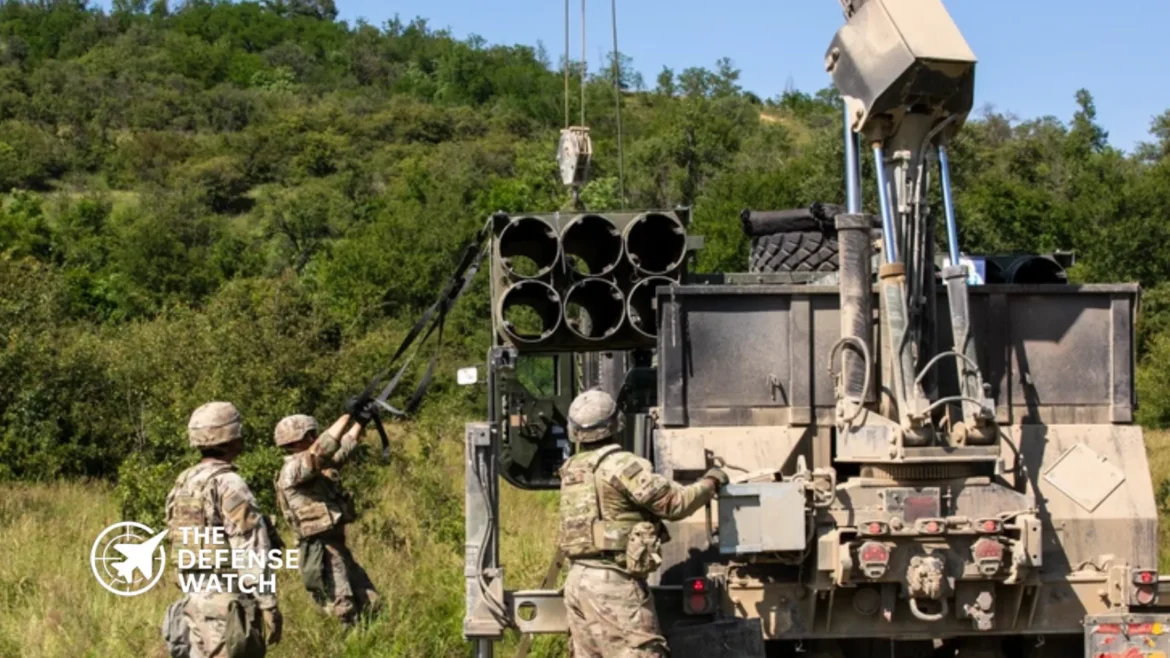
The decision to send more missile launchers to the Philippines follows the earlier deployment of the U.S. Army’s Typhon mid range capability system during 2024 exercises.
The Typhon system, also known as the Mid Range Capability, can launch Standard Missile 6 and Tomahawk land attack cruise missiles. Its presence marked the first time the United States positioned a ground based system of that range in the region since the end of the Intermediate Range Nuclear Forces Treaty.
According to Defense News, U.S. officials indicated that additional launchers will rotate into the Philippines as part of continuing cooperation with Manila.
The deployments are being conducted under the framework of the Enhanced Defense Cooperation Agreement, which allows expanded U.S. access to Philippine military bases.
Manila’s Strategic Shift
Under President Ferdinand Marcos Jr., the Philippines has moved to strengthen defense ties with Washington. Manila has granted U.S. forces access to additional sites, some located near Taiwan and contested waters in the South China Sea.
Philippine defense officials have described the missile deployments as defensive in nature, aimed at improving deterrence and joint readiness.
The United States and the Philippines are treaty allies under the 1951 Mutual Defense Treaty. In recent years, both governments have emphasized closer interoperability amid increased Chinese maritime activity.
Beijing’s Response
China has repeatedly criticized the presence of U.S. missile systems in the Philippines. Officials in Beijing argue that such deployments heighten regional tensions and risk turning the Southeast Asian nation into a frontline state in strategic competition.
The Chinese government has also warned Manila against deepening military alignment with Washington, especially in areas close to Taiwan.
Tensions between China and the Philippines have escalated over disputed features in the South China Sea, including repeated confrontations between coast guard vessels.
Strategic Context
The move to send more missile launchers to the Philippines aligns with broader U.S. Indo Pacific strategy. Washington has sought to distribute combat power across allied territory to complicate potential adversary planning.
Ground based long range missile systems are seen by U.S. planners as a key component of deterrence, particularly in scenarios involving maritime access denial.
Defense analysts note that rotational deployments allow the United States to maintain presence without establishing permanent bases, which can be politically sensitive in host nations.
Alliance Implications
The expansion of missile capabilities in the Philippines underscores the deepening U.S. Philippines defense partnership. It also reflects Manila’s recalibration of foreign policy in response to maritime friction.
While Washington maintains that the deployments are defensive and alliance focused, China continues to frame them as destabilizing.
The coming months are likely to see further joint exercises and operational coordination as both allies refine how missile systems integrate into regional contingency planning.
US Japan SPY 7 Radar Manufacturing Activated For Aegis System Equipped Vessels
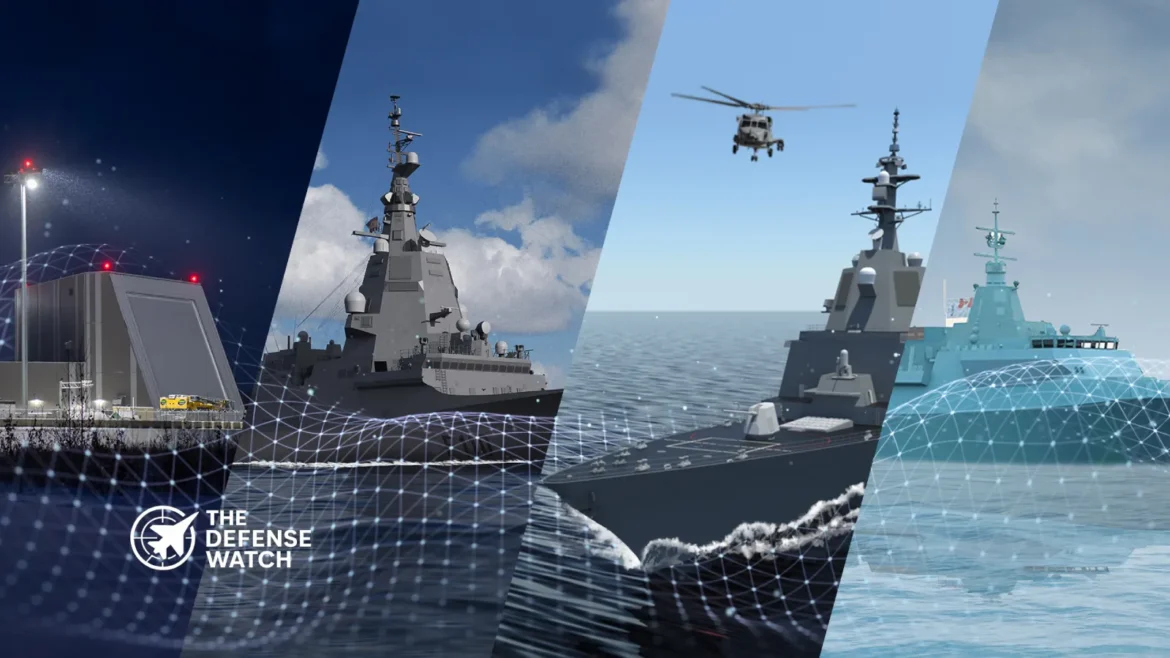
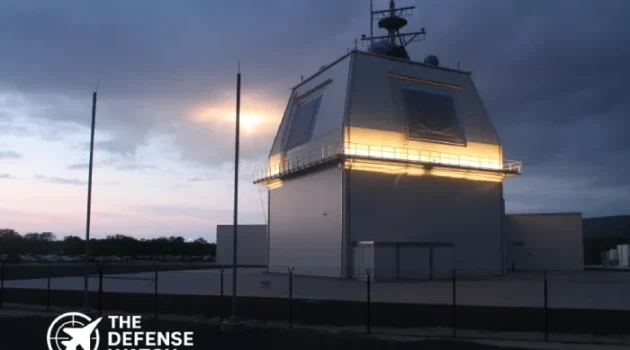
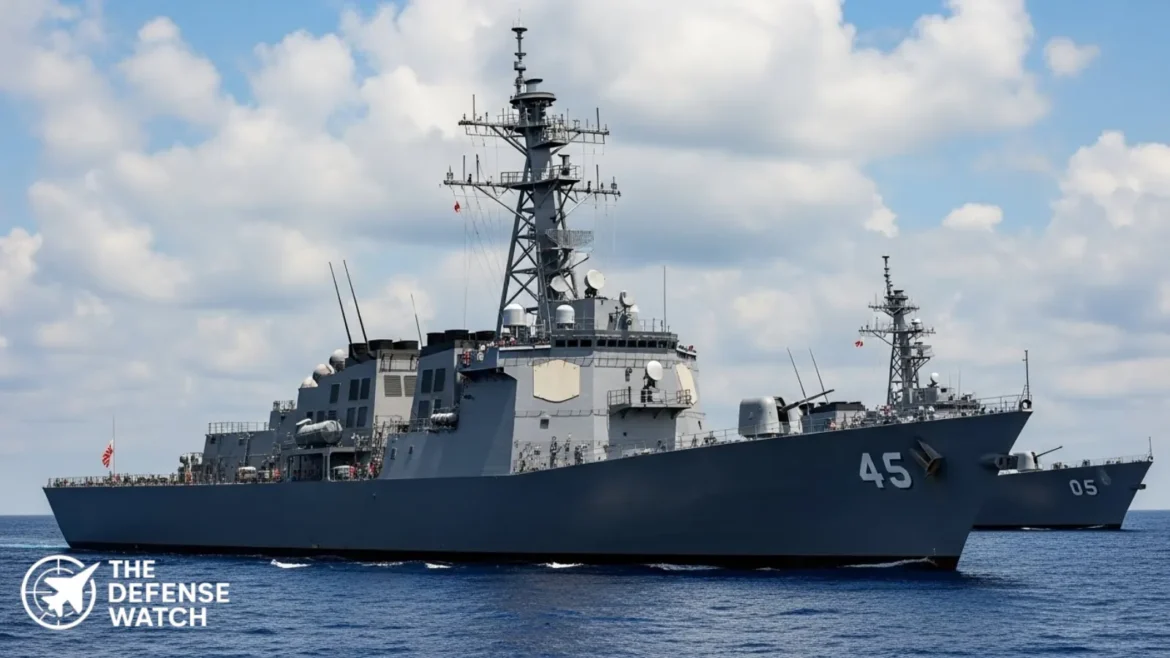
The US Japan SPY 7 radar partnership has formally entered the manufacturing phase, marking a key milestone in bilateral missile defense cooperation tied to Aegis system equipped vessels.
(adsbygoogle = window.adsbygoogle || []).push({});According to information released by industry and defense officials, the activation of manufacturing centers on localized production and integration of the AN/SPY-7(V)1 radar for Japan’s next generation Aegis platforms. The effort supports both operational readiness and long term supply chain resilience.
The radar will be produced in cooperation with Lockheed Martin and Japanese industry partners as part of Tokyo’s broader missile defense modernization plan.
What The SPY 7 Radar Brings To Aegis Platforms
The SPY 7 is an advanced solid state radar designed for ballistic missile defense, air surveillance, and integrated fire control. It is built on scalable Gallium Nitride technology, enabling higher sensitivity, improved discrimination, and better tracking of complex missile threats.
Japan selected SPY 7 for its new Aegis system equipped vessels following earlier plans for land based Aegis Ashore sites. The maritime configuration is intended to provide persistent coverage while offering greater flexibility.
The radar integrates with the Aegis Combat System, which forms the backbone of US and allied naval missile defense architecture. Aegis enables simultaneous tracking and engagement of multiple air and missile threats.
According to program details previously released by Lockheed Martin and Japan’s Ministry of Defense, SPY 7 is optimized for ballistic missile defense missions, including detection and tracking of medium and intermediate range ballistic missiles.
(adsbygoogle = window.adsbygoogle || []).push({});Strengthening US Japan Missile Defense Cooperation
The US Japan SPY 7 radar manufacturing initiative reflects deepening defense industrial integration between the two allies. Japan has long operated Aegis destroyers equipped with earlier SPY radar variants, but local production of SPY 7 marks a step forward in industrial collaboration.
The move aligns with commitments under the US Japan security alliance, which remains a central pillar of regional stability in the Indo Pacific. Missile defense cooperation has expanded steadily in response to evolving regional threat dynamics.
Officials have repeatedly emphasized the importance of interoperable systems. By aligning SPY 7 production and integration standards, both nations aim to ensure seamless operational compatibility across fleets.
(adsbygoogle = window.adsbygoogle || []).push({});The manufacturing activation also supports Japan’s broader defense posture reforms, including increased defense spending and new counterstrike capabilities.
Industrial Footprint And Technology Transfer
Under the arrangement, Japanese industry will play a growing role in component production and system integration. This includes radar module assembly and potential sustainment activities over the lifecycle of the system.
Lockheed Martin has described SPY 7 as a modular radar architecture adaptable for naval and land based configurations. Beyond Japan, variants of SPY 7 have been selected by other allied nations for advanced air and missile defense missions.
Local production helps mitigate supply chain risks and reduces long term maintenance dependence on overseas facilities. It also aligns with Japan’s stated objective of strengthening its domestic defense industrial base.
Operational Role On Japan’s Aegis System Equipped Vessels
Japan’s new Aegis system equipped vessels are expected to provide continuous ballistic missile defense coverage around the archipelago. These ships will supplement existing Aegis destroyers operated by the Japan Maritime Self Defense Force.
The SPY 7 radar will serve as the primary sensor for long range detection and tracking, feeding data into intercept systems capable of engaging incoming threats in midcourse or terminal phases.
(adsbygoogle = window.adsbygoogle || []).push({});Through integration with the broader Aegis architecture, SPY 7 supports layered missile defense. This includes coordination with interceptor missiles and command and control networks.
The US Navy has extensive experience operating Aegis equipped ships, and interoperability remains a core objective. The shared radar lineage enhances joint operational planning and combined exercises.
Broader Regional Implications
The activation of SPY 7 radar manufacturing comes amid heightened missile development activity across the Indo Pacific. Regional actors continue to field advanced ballistic and cruise missile systems, increasing the demand for sophisticated detection and tracking capabilities.
Missile defense cooperation between Washington and Tokyo has expanded over the past decade, including joint development of interceptor technologies and sensor networks.
(adsbygoogle = window.adsbygoogle || []).push({});The SPY 7 program reinforces a broader strategic alignment focused on deterrence and collective defense. By deepening technology sharing and industrial coordination, both governments aim to sustain long term readiness.
Program Outlook
While officials have not publicly detailed full production timelines, manufacturing activation signals the transition from planning and design to sustained industrial output.
Future milestones are expected to include radar module delivery, system integration testing, and sea trials aboard Japan’s Aegis system equipped vessels.
As the US Japan SPY 7 radar program advances, it is likely to remain a focal point of allied missile defense cooperation in the region.
Marine Corps F 35C Conducts Carrier Operations in the Western Pacific
A Marine Corps F 35C Lightning II assigned to Marine Fighter Attack Squadron VMFA 314 completed an arrested landing aboard the aircraft carrier USS Abraham Lincoln as the carrier strike group conducted routine operations in the US 7th Fleet area of operations. The event underscores ongoing Navy Marine Corps integration and the continued deployment of fifth generation carrier aviation in the Indo Pacific region.
(adsbygoogle = window.adsbygoogle || []).push({});USS Abraham Lincoln, a Nimitz class aircraft carrier, is currently underway with its assigned strike group as part of regular patrols conducted by US forces forward deployed to the Western Pacific. These operations are a standard component of US naval presence and are intended to support regional stability, freedom of navigation, and alliance commitments.
According to the US Navy and US Marine Corps, carrier qualifications and deck landing operations remain a core requirement for maintaining combat readiness and interoperability across naval aviation forces.
VMFA 314 and the F 35C Lightning II at Sea
VMFA 314, known as the Black Knights, is one of the Marine Corps frontline squadrons operating the F 35C variant of the Joint Strike Fighter. Unlike the F 35B used by Marine expeditionary units, the F 35C is designed specifically for catapult assisted takeoff and arrested recovery operations from aircraft carriers.
The F 35C features a larger wing area, reinforced landing gear, and a tailhook system optimized for carrier use. These design elements allow the aircraft to operate alongside Navy F A 18E F Super Hornets and E 2D Advanced Hawkeyes aboard US Navy carriers.
The Marine Corps has emphasized that deploying F 35C squadrons aboard Navy carriers increases sortie capacity, enhances sensor coverage, and expands the range of precision strike and intelligence missions available to carrier strike group commanders.
USS Abraham Lincoln Carrier Strike Group Operations
The Abraham Lincoln Carrier Strike Group operates under US 7th Fleet, which is responsible for naval forces across the Western Pacific and Indian Ocean. This area includes key maritime routes, allied territories, and regions of ongoing strategic competition.
Units assigned to 7th Fleet routinely conduct air and maritime operations designed to deter aggression, reassure allies, and maintain a credible forward presence. These missions often include flight operations, integrated air wing training, and coordination with partner nation forces.
US Navy officials state that such deployments are not tied to specific incidents but are part of long standing operational patterns aimed at sustaining readiness and regional security.
Fifth Generation Aviation and Carrier Integration
The presence of Marine Corps F 35C aircraft aboard USS Abraham Lincoln reflects broader efforts to integrate fifth generation capabilities across US naval forces. The F 35C provides advanced sensor fusion, low observable characteristics, and secure data sharing that support both air superiority and strike missions.
In carrier strike group operations, the F 35C can function as a forward sensor node, extending the situational awareness of the air wing and supporting other platforms through networked targeting data. This capability is increasingly central to US naval aviation concepts, particularly in contested maritime environments.
The US Department of Defense has highlighted carrier based fifth generation aircraft as a key element of future maritime operations, especially in the Indo Pacific theater.
(adsbygoogle = window.adsbygoogle || []).push({});Indo Pacific Presence and Strategic Context
The Indo Pacific remains a priority region for US defense planning, with an emphasis on maintaining open sea lanes and supporting allied and partner nations. Regular carrier deployments and aviation operations are a visible component of this strategy.
US 7th Fleet conducts continuous patrols and exercises with regional partners including Japan, South Korea, Australia, and others. These activities aim to strengthen interoperability, improve crisis response, and reinforce existing defense agreements.
While the operations aboard USS Abraham Lincoln are described as routine, they reflect the sustained tempo of naval activity required to maintain forward presence in a complex security environment.
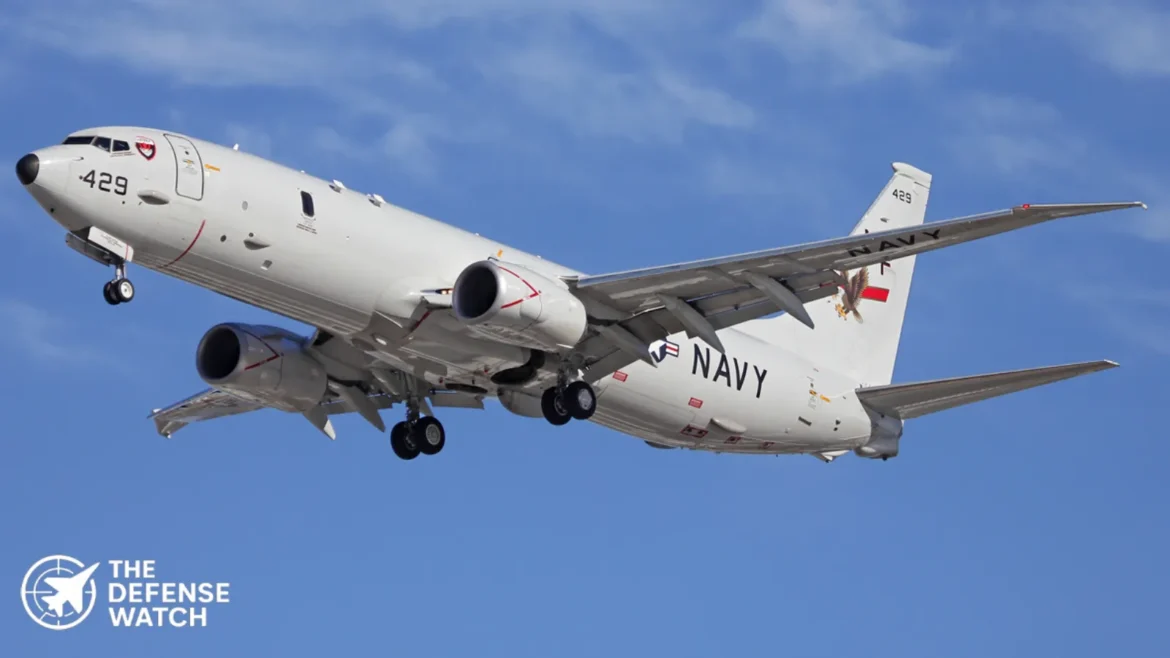
US Approves P 8A Poseidon Sale to Singapore
The US government has approved a potential 2.3 billion dollar P 8A Poseidon sale to Singapore to replace the country’s aging maritime patrol fleet, marking a major step in strengthening long standing US Singapore defense cooperation. The approval was announced through the US Defense Security Cooperation Agency as part of the Foreign Military Sales process, with Congress formally notified of the proposed deal.
According to official disclosures, the sale will provide Singapore with advanced maritime patrol and anti submarine warfare capabilities based on the Boeing P 8A Poseidon, an aircraft already in service with the US Navy and several allied air forces. The acquisition supports Singapore’s effort to modernize its air and maritime surveillance forces amid growing security demands in the Indo Pacific region.
(adsbygoogle = window.adsbygoogle || []).push({});What the P 8A Poseidon Package Includes
The proposed P 8A Poseidon sale includes aircraft, mission systems, training, spares, and long term sustainment support. While the exact number of aircraft has not been publicly specified, the total value of up to 2.3 billion dollars reflects a comprehensive capability package rather than airframes alone.
The P 8A Poseidon is built on the Boeing 737 800 airframe and integrates a wide range of sensors for maritime domain awareness. These include surface search radar, electro optical and infrared systems, acoustic sensors for submarine detection, and secure communications for networked operations. The aircraft is designed for long range patrol, anti submarine warfare, anti surface warfare, and intelligence, surveillance, and reconnaissance missions.
US officials stated that the proposed sale will enhance Singapore’s ability to monitor sea lines of communication, deter maritime threats, and operate effectively with US and allied forces.
Replacing Singapore’s Legacy Maritime Patrol Aircraft
Singapore currently operates a small fleet of Fokker 50 maritime patrol aircraft that have been in service for decades. While these aircraft have been upgraded over time, they no longer meet the full range of modern surveillance and anti submarine requirements facing the Singapore Armed Forces.
The P 8A Poseidon sale is intended to replace this aging fleet with a platform that offers significantly greater range, speed, sensor coverage, and data fusion. For a country that sits astride critical global shipping routes, including the Strait of Malacca and surrounding sea lanes, maritime patrol aircraft are a core element of national defense.
(adsbygoogle = window.adsbygoogle || []).push({});Singapore’s Ministry of Defence has repeatedly emphasized the importance of maintaining a technologically advanced and credible deterrent force, particularly in air and maritime domains.
Strategic Importance for the Indo Pacific
The approval of the P 8A Poseidon sale carries broader strategic implications beyond Singapore alone. The aircraft is widely regarded as one of the most capable maritime patrol platforms in service today and is a key asset in US and allied efforts to maintain maritime security in the Indo Pacific.
The region has seen increased naval activity, undersea competition, and pressure on freedom of navigation in recent years. Advanced maritime patrol aircraft play a critical role in tracking submarines, monitoring surface vessels, and providing early warning of potential threats.
By equipping Singapore with the P 8A Poseidon, the US strengthens interoperability with a close security partner and reinforces a network of like minded states operating common platforms and shared tactics.
Interoperability With US and Allied Forces
One of the major advantages of the P 8A Poseidon sale is interoperability. The aircraft is already operated by the United States, Australia, the United Kingdom, India, and several NATO allies. This allows for shared training, common logistics, and coordinated operations during exercises or real world contingencies.
Singapore regularly hosts and participates in multinational exercises with the US Navy and allied air forces. Operating the same maritime patrol aircraft simplifies information sharing and enhances combined operational effectiveness.
US officials noted that the sale will not alter the regional military balance but will contribute to stability by improving a partner nation’s ability to defend its maritime approaches.
Industry and Program Background
The P 8A Poseidon is produced by Boeing Defense, Space and Security and has become the standard maritime patrol aircraft for the US Navy, replacing the older P 3C Orion fleet. The aircraft has been combat tested and routinely deployed for operations ranging from anti submarine patrols to search and rescue and overland intelligence missions.
(adsbygoogle = window.adsbygoogle || []).push({});Boeing continues to deliver P 8A aircraft to international customers under Foreign Military Sales agreements, with sustained production supporting both US and allied requirements.
The proposed Singapore sale includes US government and contractor support for training, maintenance, and integration, ensuring long term operational readiness.
Congressional Review and Next Steps
As with all Foreign Military Sales, the P 8A Poseidon sale to Singapore is subject to congressional review. Lawmakers typically assess such deals based on their impact on US foreign policy, regional security, and defense industrial interests.
Once approved, contract negotiations and production timelines will follow. Delivery schedules are expected to align with Boeing’s existing P 8A production line and Singapore’s planned retirement of its current maritime patrol aircraft.
Neither the US Department of Defense nor Singapore’s Ministry of Defence indicated any immediate obstacles to moving forward with the program.
Japan Military Buildup Signals Historic Policy Shift
Japan military buildup is accelerating as the country moves away from its long held posture of exclusive self defense, according to reporting by Defense News and Japanese government statements. Tokyo is reshaping its armed forces, legal frameworks, and defense budgets in response to growing security pressure from China, North Korea, and Russia.
Once defined by strict limits under its pacifist constitution, Japan now frames defense as proactive deterrence. Officials argue the shift is necessary to protect the homeland and support allies in the Indo Pacific.
From Pacifism to Deterrence
Japan defense policy has evolved steadily since the early 2000s, but recent changes mark a clear break. The government has reinterpreted constitutional limits to allow counterstrike capabilities, meaning Japan can hit enemy bases if an attack is imminent or underway.
This policy shift underpins the Japan military buildup now underway. The Defense Ministry plans to field long range cruise missiles, expand missile defense, and strengthen joint command structures with the United States.
Defense News reports that Japanese leaders no longer see exclusive self defense as sufficient in an era of hypersonic weapons and gray zone coercion.
Budgets and Capabilities Expand
Japan has committed to raising defense spending to about 2 percent of GDP by the end of the decade, aligning more closely with NATO benchmarks. Funds are flowing into missile forces, air and missile defense, cyber units, and space operations.
Key programs include upgraded Aegis destroyers, next generation fighter development with the UK and Italy, and purchases of US made Tomahawk missiles. These efforts reinforce the broader Japan military buildup and signal long term intent.
Regional and Alliance Impact
The shift carries major implications for Indo Pacific security. US officials have welcomed Japan moves as strengthening deterrence and alliance burden sharing. At the same time, China has criticized Tokyo actions as destabilizing.
Analysts note Japan is careful to frame its buildup as defensive and rules based. Still, the scale and speed of change are reshaping regional military balances.
What Comes Next
Japan military buildup is expected to continue through the late 2020s, with further legal debates and force restructuring ahead. While pacifism remains embedded in public discourse, Tokyo defense posture is now firmly oriented toward deterrence and active defense.
China Adapts Russia-Ukraine War Lessons to Taiwan Conflict Planning
China’s military has changed how it plans for a possible Taiwan conflict after studying Russian setbacks in Ukraine, according to a December 2025 assessment by the U.S. Department of War. The shift moves Beijing away from expecting a quick assault toward preparing for prolonged, high-intensity combat that tests logistics, joint force integration, and urban warfare.
China’s leadership views Taiwan as central to national goals and CCP legitimacy. Beijing sees the island’s continued autonomy as both a political challenge and a barrier to greater regional power projection. Gaining control of Taiwan would allow China to expand its anti-access and area denial footprint deeper into the Western Pacific.
Lessons from Russia’s Ukraine War
Chinese planners have taken key lessons from Russia’s difficulties in Ukraine, where poor logistics, weak joint operations, and costly urban fighting slowed Moscow’s campaign. As a result, the PLA now emphasizes:
- Sustained logistics and deep supply chains
- Integrated joint operations across land, sea, air, cyber, and space
- Urban combat capability derived from observed Russian losses in cities
- Information and cyber warfare to shape perceptions and delay external responses
These changes reflect an assumption that any Taiwan fight would be long and complex, not swift.
PLA Training and Modernization
The PLA has been honing joint force capabilities with larger amphibious units and combined arms training. New amphibious assault ships and mechanized units train for dense littoral and urban combat scenarios. Units are using UAVs, loitering munitions, and resilient communications to operate under contested conditions.
Amphibious and airborne forces are practicing coordinated assaults backed by naval and air assets. Large exercises around the Taiwan Strait have focused on blockades, precision strikes, and controlling strategic zones.
Taiwan’s Defenses and External Factors
Taipei fields advanced air defenses and mobile coastal missile units designed to disrupt invasions and complicate amphibious landings. Extended conflict increases the chance of outside involvement, particularly from the United States and allied partners, a factor Beijing is likely factoring into its planning.
Strategic Implications
China’s doctrinal shift shows that PLA leaders are not just watching Russia’s war; they are internalizing lessons and adapting their own war plans. Beijing now expects a battlefield that demands endurance, joint integration, and sustained operations across multiple domains.
US Approves Record Taiwan Arms Sale
The United States has approved an 11.15 billion arms sale to Taiwan, marking the largest weapons package ever authorized for the self governed island. The approval was announced on Thursday in Washington and comes at a time of heightened military activity around Taiwan and growing strain in US China relations.
According to US officials, the Taiwan arms sale includes a mix of artillery systems, antitank missiles, and spare parts for helicopters currently operated by Taiwan’s armed forces. The package is intended to support Taiwan’s self defense capabilities and maintain operational readiness amid increasing regional security pressures.
Rising Military Activity Near Taiwan
The approval follows a period of intensified Chinese military operations near Taiwan. Just two days before the announcement, China’s newest aircraft carrier, Fujian, transited the Taiwan Strait for the first time since entering service. The passage through the sensitive waterway drew close attention from regional observers and defense analysts.
In the past 24 hours, Taiwan’s Ministry of National Defense reported that the People’s Liberation Army conducted 40 aircraft sorties near the island. More than half of those aircraft crossed the unofficial median line of the Taiwan Strait, a boundary that had long served as a tacit buffer between the two sides.
Beijing Responds to the Arms Package
China reacted strongly to the approval of the Taiwan arms sale. Foreign Ministry spokesperson Guo Jiakun said the deal seriously undermines the One China Principle and warned that the United States would ultimately harm itself by continuing military cooperation with Taiwan.
Beijing has consistently opposed US arms sales to Taiwan, arguing that such transactions interfere in China’s internal affairs. Chinese officials have repeatedly called on Washington to halt all military sales and contacts with the island.
Background on US Taiwan Defense Ties
The United States has been Taiwan’s primary source of military equipment for decades under the Taiwan Relations Act. The law obliges Washington to provide Taipei with defensive arms and services necessary to maintain a sufficient self defense capability.
Recent years have seen a steady increase in the scale and frequency of US approved arms packages. These sales have focused on asymmetric systems designed to counter potential amphibious or airborne operations, including missiles, artillery, and command and control upgrades.
The latest Taiwan arms sale reflects a broader US strategy to strengthen deterrence in the Indo Pacific region amid China’s expanding military capabilities.
Strategic Context and Policy Signals
Defense analysts note that the timing and size of the package send a clear policy signal. The approval comes as military communication channels between Washington and Beijing remain fragile, raising concerns about crisis management and miscalculation.
US officials have emphasized that the Taiwan arms sale is defensive in nature and consistent with long standing policy. They maintain that the goal is to preserve stability across the Taiwan Strait rather than alter the status quo.
At the same time, China’s growing confidence and increased operational tempo around Taiwan have reshaped the regional security environment. The convergence of large scale arms transfers and heightened military activity has added new complexity to US China relations.
What Comes Next
The arms sale will now move into the implementation phase, which typically involves contract negotiations, production timelines, and delivery schedules. Some systems may take several years to reach Taiwan due to manufacturing and training requirements.
Further diplomatic exchanges between Washington and Beijing are expected, as China has often responded to similar approvals with formal protests and potential countermeasures.
As cross strait tensions continue to rise, the record Taiwan arms sale underscores the central role of defense cooperation in shaping the future security landscape of East Asia.
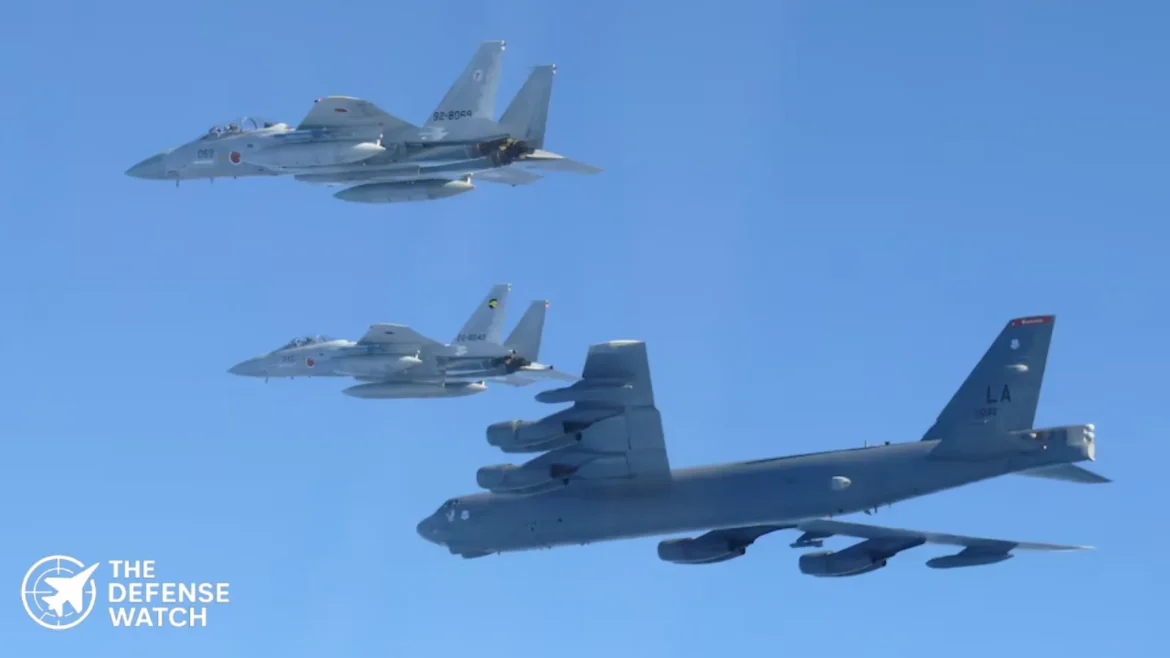
Japan and the United States held coordinated military drills over the Sea of Japan on Wednesday, with U.S. B-52 strategic bombers flying alongside Japanese fighter jets in a high-visibility demonstration of allied air power and readiness, Tokyo’s defense ministry said on Thursday.
The exercise came amid heightened regional military activity, including recent joint bomber flights by China and Russia near Japanese airspace, and serves as a clear signal of continued U.S. and Japanese cooperation in the face of shifting security challenges in the Indo-Pacific.
What Happened and Where
On December 10, two U.S. nuclear-capable B-52 strategic bombers flew over the waters of the Sea of Japan in formation with units of the Japan Air Self-Defense Force. Participating Japanese aircraft included three F-35 stealth fighters and three F-15 air-superiority jets, according to official statements.
The drills involved coordinated flight operations over international waters, with no reported violations of Japanese sovereign airspace. Japanese and U.S. officials described the flights as routine joint readiness exercises.
Context of Rising Regional Activity
The announcement followed separate military activity by China and Russia. On Tuesday, strategic bombers from both countries conducted a joint flight from the East China Sea into the western Pacific, prompting Japan to scramble fighter jets to monitor the patrol.
Tokyo has also reported other Chinese military maneuvers in recent days, including carrier drills and incidents of Chinese aircraft locking radar on Japanese fighters — incidents Japan regards as risky but which Beijing has denied were aimed at escalation.
These developments unfold against a backdrop of increasing Chinese air and naval activity near Taiwan and around Japan’s southwestern island chain, adding to strategic concerns in Tokyo and among U.S. defense planners.
Official Statements on the Drills
Japan’s defense ministry said the joint drills with U.S. forces reaffirmed both countries’ resolve to prevent any unilateral attempts to change the regional status quo by force, and confirmed the readiness posture of the Japan Self-Defense Forces and U.S. military.
In a statement, Tokyo highlighted that these exercises were designed to enhance interoperability between U.S. and Japanese units deployed in the region.
A U.S. official, speaking on condition of anonymity, noted that the missions were planned well before the recent China-Russia flights and that similar joint sorties with strategic bombers had taken place in previous months.
Strategic and Policy Implications
The use of B-52 strategic bombers in joint exercises underscores the depth of U.S. military engagement in the Indo-Pacific, particularly at a time of heightened tensions with China. The aircraft’s global reach and nuclear-capable designation add strategic weight to these drills, which Tokyo and Washington frame as routine but meaningful demonstrations of alliance cohesion.
U.S. officials in Washington reaffirmed the strength of the bilateral alliance with Japan, while also seeking to balance broader diplomatic ties with Beijing. At a press briefing, a White House spokeswoman said maintaining a strong alliance with Tokyo did not preclude constructive relations with China.
From Tokyo’s perspective, these joint exercises serve dual purposes. They signal deterrence against potential coercion in the region and reassure U.S. allies and partners of continued defense cooperation under shifting geopolitical conditions.
What Could Come Next
Allied observers are watching whether Japan and the United States will expand such joint air operations or integrate additional domains such as naval or missile defense drills in response to persistent military movements by China and Russia.
Japan, which hosts significant U.S. military assets including forward-deployed Marine units and carrier strike group support, may further calibrate its defense posture in future exercises to address emerging threats in the East China Sea and wider Indo-Pacific.
Down the line, Tokyo and Washington are likely to continue blending routine readiness drills with broader alliance signaling as tensions evolve, especially around Taiwan and contested maritime zones.
Older Posts