Navy F-35 Pilots Train to Control Drones from Cockpit Tablets
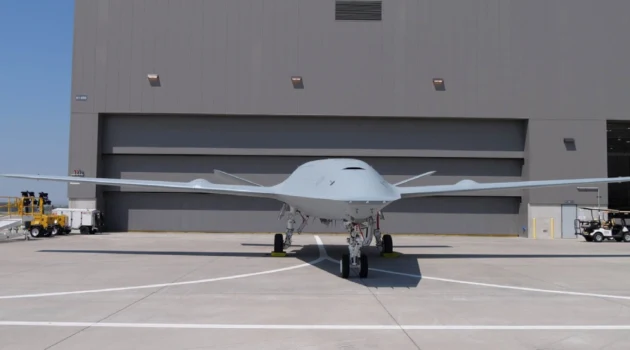
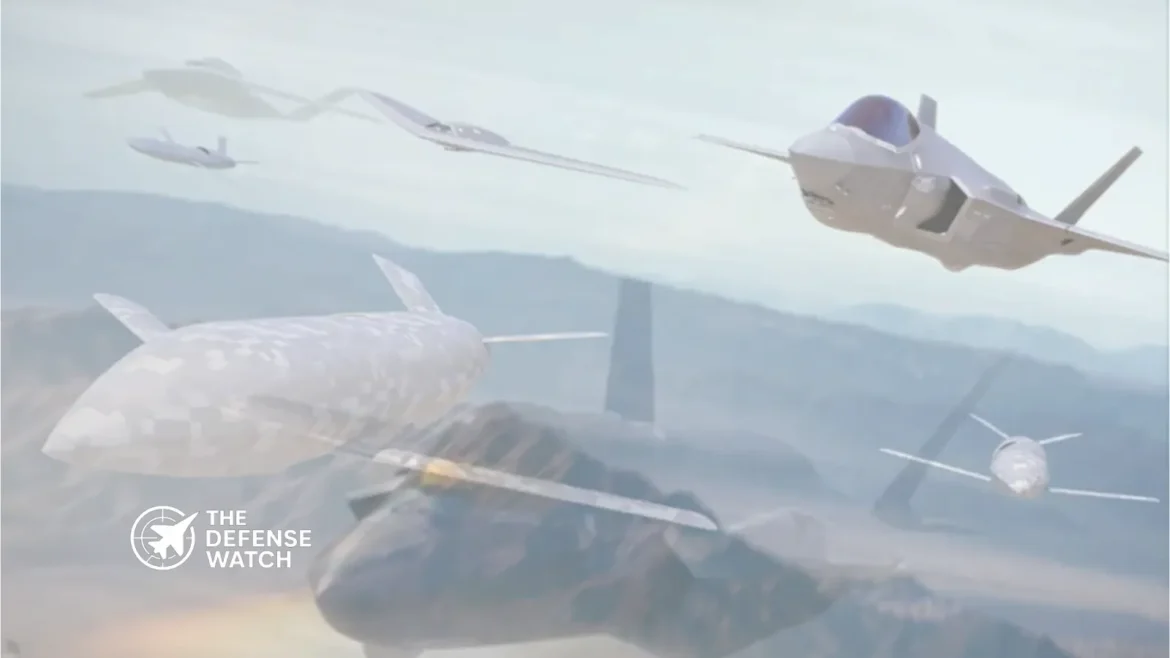
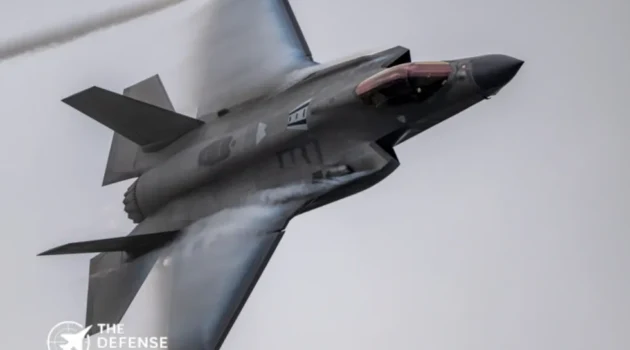
Navy F-35 pilots have successfully completed training to operate multiple drones directly from their fighter jet cockpits using touchscreen tablets. This milestone marks a significant step in integrating unmanned systems into tactical aviation.
(adsbygoogle = window.adsbygoogle || []).push({});The training took place at the Pentagon’s Joint Simulation Environment (JSE) at the Naval Air Warfare Center Aircraft Division in Maryland. The JSE uses advanced modeling and simulation to give pilots realistic mission experience in a secure setting. Rear Adm. Todd Evans, NAWCAD commander, noted the training equips aviators with modern tactics essential for future conflicts.
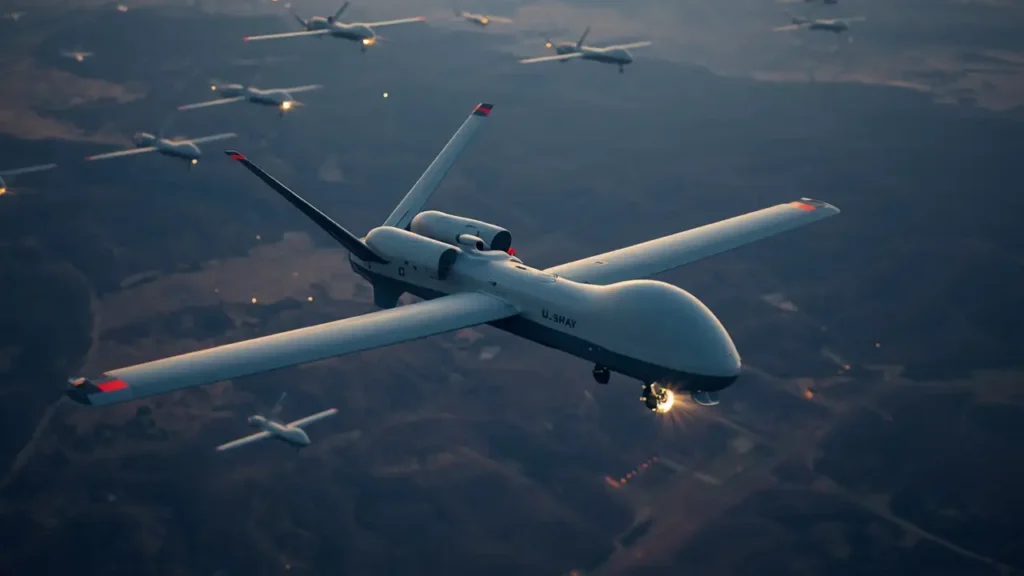
Pilots used tablets to command several Collaborative Combat Aircraft simultaneously. These autonomous drones, equipped with artificial intelligence, act as “loyal wingmen,” coordinating strikes and sharing targeting data in real time. During exercises, both pilots and drones engaged in simulated combat, executing precision-guided attacks.
(adsbygoogle = window.adsbygoogle || []).push({});Last year, U.S. Air Force pilots integrated Kratos XQ-58A Valkyrie drones into joint training at Eglin Air Force Base, while Marine F-35 and Air Force F-22 pilots practiced combined operations at the JSE for the first time. The Navy plans to expand the JSE to include aircraft like the EA-18G Growler, E-2D Advanced Hawkeye, and F/A-18E/F Super Hornet.
This training emphasizes tactical human-machine teaming, highlighting the growing role of AI-driven unmanned systems in naval aviation. By mastering drone control from the cockpit, pilots enhance mission flexibility and maintain an edge in complex air combat scenarios.

China Coast Guard Appears to Use Wing Loong II Drone Near Taiwan
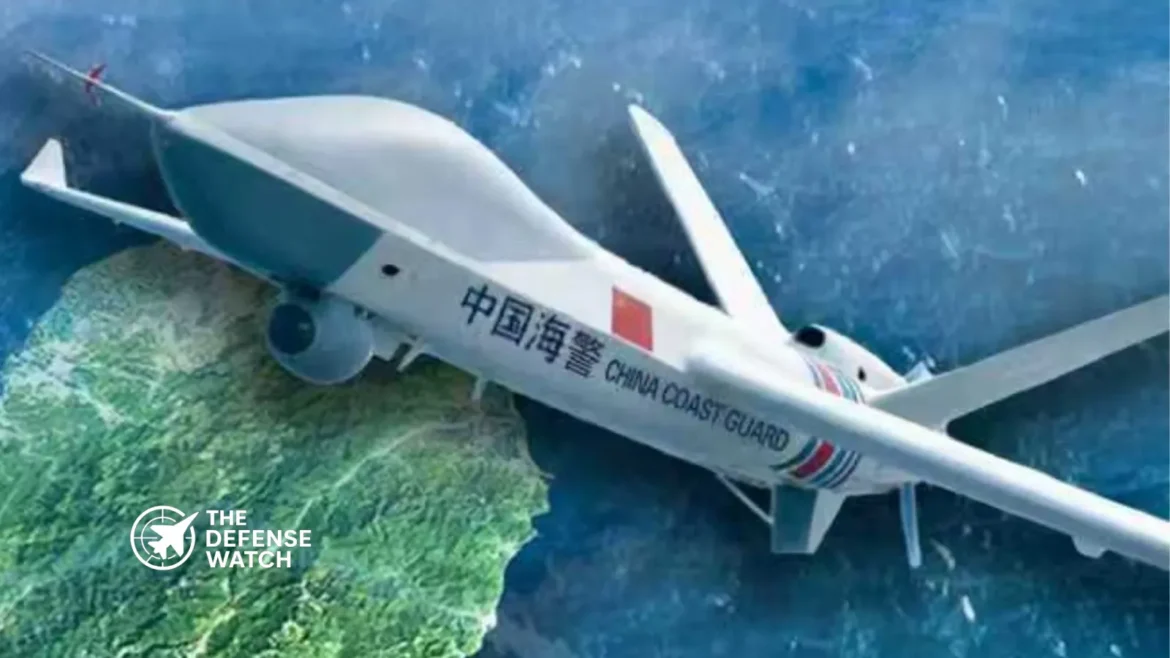
Images released by the China Coast Guard appear to show a Wing Loong II unmanned aerial vehicle operating in the vicinity of Taiwan during the Justice Mission-2025 drills, marking what may be the first public deployment of this system by a coast guard force.
Published visuals from December 30 show the medium altitude long endurance UAV, also called the GJ-2, in a coast guard context. The imagery identifies the platform but does not offer clear details on its exact flight profile or mission role.
First Coast Guard Use of a Military-Class UAV
According to reports, this instance represents the earliest public linkage of the Wing Loong II with the China Coast Guard following its entry into CCG service in March 2025. The UAV is a turboprop MALE (Medium Altitude Long Endurance) system developed by Chengdu Aircraft Industry Group. It has long-range communications and can carry sensors or stores for surveillance or strike roles.
Strategic and Operational Context
The images emerged amid Justice Mission-2025, a large Chinese military exercise involving joint naval, air, ground, and maritime forces around Taiwan. Official releases described the drills as focused on readiness, blockades, and joint operations.
If confirmed, the coast guard’s use of the Wing Loong II suggests a push to embed higher-end aerial reconnaissance and response capabilities into paramilitary maritime operations. The platform’s longer endurance and sensor suite could extend coverage beyond what manned aircraft or patrol vessels provide.
What This Means for Regional Security
The possible deployment aligns with broader trends in Chinese unmanned aviation growth, including expanded drone missions near Taiwan and other regional waters. Recent reporting on Chinese drone activity near the island demonstrates increased UAV presence as part of cross-straits pressure.
Analysts will watch for flight track data or independent verification to determine whether this instance reflects routine patrol, a limited trial, or a broader shift in China Coast Guard operations and capabilities.


The Pentagon’s main counter-drone unit, Joint Interagency Task Force 401 (JIATF 401), plans to share threat data with the Golden Dome missile defense project to help detect and counter larger unmanned aircraft. The announcement was made by Brigadier General Matt Ross at a media briefing on December 22, 2025. The effort centers on drones the size of an Army RQ-7B Shadow and larger, known as Group 3 drones.
The task force, created by Defense Secretary Pete Hegseth in August, will link its counter-unmanned systems (counter-UAS) data with the Golden Dome project. This data sharing aims to give both sides a clearer picture of airborne threats over U.S. territory.
General Ross said the U.S. must connect its counter-UAS defenses with the Golden Dome architecture. He told reporters that seamless data sharing is key and that both sides should be able to “see each other’s threat picture.”
Adam Scher, a JIATF 401 spokesperson, described how the task force supports interagency partners with threat information and helps streamline counter-drone efforts with other authorities.
Background Information
Counter-Drone Tasks
JIATF 401 is the Pentagon’s lead body for counter-drone work. It tracks, detects, and assesses small and larger unmanned systems threats for the U.S military. Drones are grouped by size and capability; Group 3 drones are larger and can carry heavier payloads.
Golden Dome Project
Golden Dome is a broad U.S. homeland defense plan to build layers of missile and aerial threat detection and interception across the country. It uses satellites, ground sensors, and other systems to spot and defeat missiles or hostile aircraft before they can strike. The project was directed by a presidential order earlier in 2025 and is led by U.S. Space Force leaders.
Strategic or Broader Context
Officials see drones as a rising threat to U.S. forces and civilians. Small and midsize drones are now used in conflicts worldwide and can enter U.S. airspace near military bases, major events, or critical infrastructure. Better sharing of threat data across agencies is meant to strengthen defense layers.
Linking counter-drone data with the broader Golden Dome defenses may help improve overall watch-and-respond ability against a range of aerial threats. That includes traditional missiles and drones that could penetrate airspace over populated areas.
At this time no public statement from critics or independent experts was available. Some analysts have previously noted that the Golden Dome project is ambitious and expensive, raising questions about cost and technical challenges
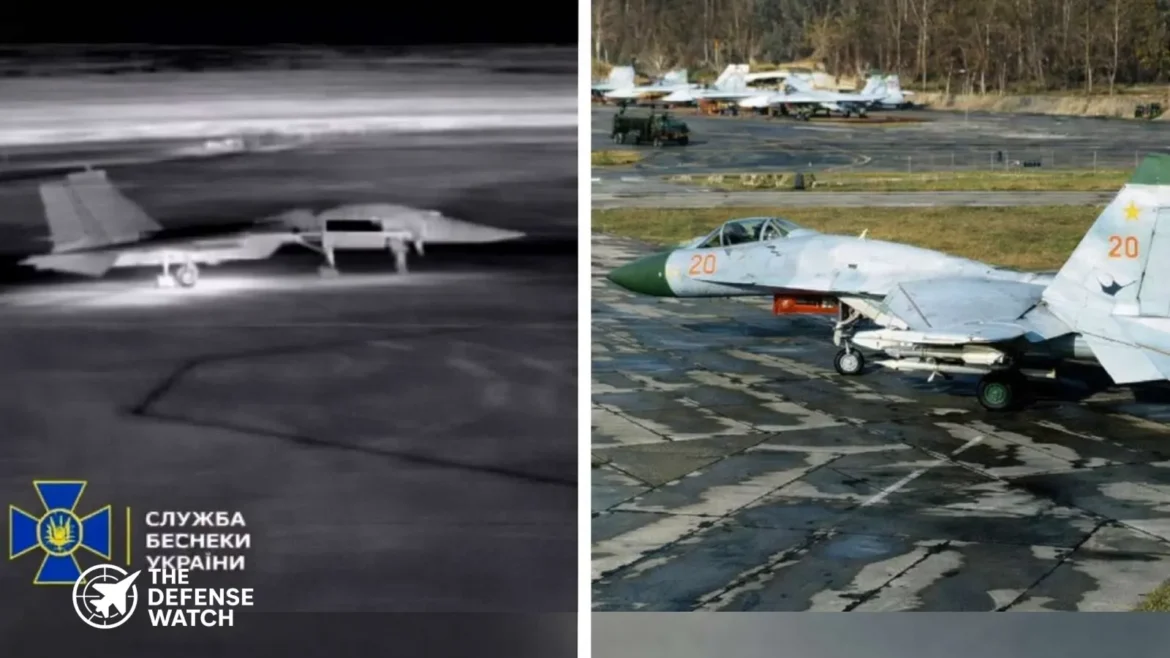
Ukraine Says Sabotage and Drone Strikes Disabled 4 Russian Fighter Jets
Ukraine says sabotage and drone strikes disabled four Russian fighter jets at two air bases on December 20 and 22, underscoring Kyiv’s expanding campaign to hit Russian airpower deep inside occupied territory and inside Russia itself. The Main Intelligence Directorate of Ukraine’s Ministry of Defense and the Security Service (SBU) made the claims in announcements this week, though independent verification remains limited.
The reported strikes targeted a guarded air base near Lipetsk in western Russia and the Belbek airfield in occupied Crimea. Ukrainian officials say the operations involved both clandestine sabotage by operatives on the ground and long-range drone attacks against parked aircraft.
Background: Ukraine’s Deep Strike Effort
Since Russia’s full-scale invasion of Ukraine in 2022, Kyiv has sought ways to counter Moscow’s advantages in long-range fires and airpower. Attacks on aircraft and infrastructure deep behind lines have included cruise missiles, long-range launchers, and especially unmanned systems. The idea is simple: aircraft on the ground are easier and cheaper to hit than in the air, and losses there can be harder for Russia to replace quickly.
This approach follows broader Ukrainian operations that have used drones to strike airfields within Russian territory. In mid-2025, Ukrainian forces conducted what they called Operation Spiderweb, a coordinated drone strike targeting up to five Russian air bases and reportedly damaging or destroying scores of strategic bombers and other aircraft, though independent assessments varied on the exact damage.
The Lipetsk region sits several hundred miles inside Russia. It is a location not traditionally a front-line target, making the sabotage operation notable. Belbek airfield, near Sevastopol in Crimea, has been a persistent target for Ukrainian strikes since Russia’s 2014 annexation. The location hosts tactical aircraft and supports Russian air operations over southern Ukraine and the Black Sea.
What Happened
Sabotage at Lipetsk Air Base
According to Ukrainian intelligence reports, the raid near Lipetsk took place overnight on December 20-21. Operatives reportedly studied patrol routes and guard shifts for around two weeks before infiltrating a secure hangar. There they ignited two high-value Russian fighters, identified in initial reporting as a Su-30 and Su-27. Subsequent Ukrainian updates indicated both aircraft were Su-30s, though open-source verification is limited.
The operation’s method underscores the blend of human intelligence and ground action, a tactic Ukraine has used sporadically throughout the conflict. Details on how the operatives entered and exited the base without detection have not been independently confirmed.
Drone Strike on Belbek
Two days later, on December 22, long-range drones struck Belbek airfield in Crimea. Ukrainian reports said these strikes disabled two more Russian fighters parked on the field. Long-range unmanned aerial vehicles have become a hallmark of Ukraine’s efforts to project force beyond the front lines.
The Belbek strike illustrates the continued use of drones not just in defensive roles but in offensive operations against fixed Russian assets, following earlier Ukrainian drone attacks on Russian bases earlier in the war.
Why It Matters
If confirmed, these operations would highlight Ukraine’s growing capability to strike high-value Russian air assets far from the immediate battlefield. Combat aircraft are force multipliers. Removing them from Russia’s inventory reduces Moscow’s ability to conduct air operations over Ukraine and complicates Russia’s broader campaign.
Russia’s air force, while large, has faced attrition and maintenance challenges during nearly four years of conflict. Losing fighters on the ground deprives Russia of both immediate operational capacity and long-term sortie generation capability.
For Ukraine, such strikes serve multiple purposes. They degrade Russian capabilities and signal to domestic and international audiences that Kyiv can strike deep. They also force Russia to divert resources to protect rear-area bases, spread air defense assets thinner, and complicate Moscow’s operational planning.
Expert Perspective
Defense analysts note that deep strikes on airfields have emerged as a pragmatic use of drones and special operations assets in the Ukraine war. The relative cost of drones and small teams compared to the value of fighter jets makes these attacks strategically attractive.
Long-range unmanned aerial vehicles, both tactical and low-observable, have a growing role in modern conflict. Ukraine’s use of drones to strike fixed Russian infrastructure reflects wider trends in unmanned warfare and asymmetrical targeting. These operations also demonstrate the blending of intelligence, ground action, and unmanned systems in pursuit of strategic effects.
However, some analysts caution that claims of damage or destruction can be difficult to verify independently, especially when they occur deep inside Russia and Russia’s official statements often downplay or deny losses. Open-source imagery, independent assessment groups, and third-party verification remain essential for a full picture.
What to Watch
Going forward, defense observers will watch for confirmation of the specific aircraft types and damage. Satellite imagery or photos from reliable open-source outlets could offer more clarity. Analysts will also track how Russia adjusts its airfield defenses, possibly increasing air defense coverage or hardening critical infrastructure.
For Ukraine and its Western partners, continued evidence of effective deep strike capabilities could influence defense priorities, especially in funding for air defense, counter-UAV systems, and support for intelligence and special operations forces tasked with similar missions.
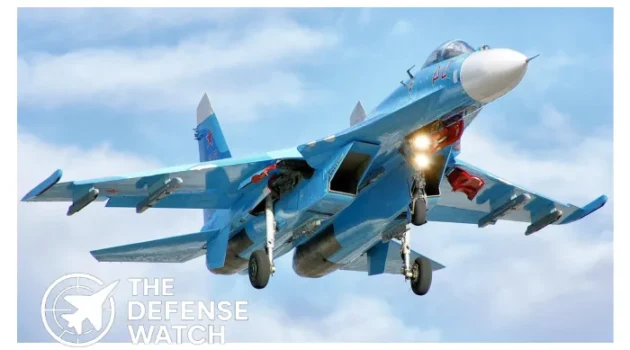

Congress passed the fiscal year 2026 National Defense Authorization Act this week. The defense bill includes up to one billion dollars for Taiwan security cooperation and directs the Pentagon to start a joint drone program with Taiwanese officials. The House approved the measure in a 312 to 112 vote. The Senate is expected to clear it soon.
The main keyword, defense bill, anchors the conversation in Washington as lawmakers move to strengthen ties with Taipei at a time of rising concern over Chinese military pressure.
The bill instructs Defense Secretary Pete Hegseth to begin formal engagement with Taiwan on co-developing and co-producing drone and counter drone systems by March 1, 2026. This marks one of the most significant congressional pushes so far to expand combined capability development with Taipei.
Background
For the past several years, U.S. lawmakers have increased funding and authorities aimed at improving Taiwan’s ability to withstand a potential military campaign by the People’s Liberation Army. Congress has used both security assistance packages and policy directives to move Taipei toward more dispersed weapons, mobile air defenses, and resilient command and control.
Funding in the defense bill adds to these efforts. The one billion dollars authorized for Fiscal Year 2026 follows a pattern of rising support seen in recent cycles. While the bill does not appropriate funds, it sets the policy framework and signals congressional intent.
U.S. officials have warned that China continues to expand naval and air activity around the island. Senior defense leaders state that joint planning, faster arms delivery, and shared technology development are needed to close gaps in Taiwan’s current defense posture.
Details of the Legislation
Drone and Counter Drone Program
The requirement for a joint drone effort stands out. It directs the Pentagon to coordinate directly with Taiwan’s defense ministry on design, engineering, and production. This includes intelligence and surveillance drones and short range systems that can counter swarms or small unmanned aircraft.
Congress wants the Pentagon to report progress on these engagements and outline timelines, goals, and integration plans. Lawmakers argue that drones provide rapid fielding potential and give Taiwan better coverage of coastal areas, straits, and chokepoints.
Security Cooperation Funding
The defense bill outlines how the one billion dollars can be used. Assistance includes training, equipment, and advisory support. Congress also encourages the Pentagon to expand combined exercises and improve interoperability in logistics and communications.
Strategic Signals
The legislation appears aimed at both capability building and deterrence signaling. Washington wants to show long term political commitment to Taiwan’s defense. By focusing on shared production and joint development, the bill also ties Taiwan more deeply into U.S. supply chains.
Expert and Policy Perspective
Analysts note that the focus on drones matches the direction of recent conflicts. Low cost and expendable platforms can slow amphibious forces, protect coastal units, and support rapid strike operations. Experts also say counter drone tools are vital as China expands its own unmanned programs at scale.
Policy specialists highlight that co-production carries political weight. Joint manufacturing reduces delivery delays and gives Taiwan domestic capacity at a time when foreign arms sales face backlog pressure. It may also help Taipei move toward an asymmetric posture centered on mobility and resilience.
Some analysts caution that the defense bill still depends on appropriations and follow through. They note that Washington must balance support to Taiwan with competing global commitments.
What Comes Next
The Senate is expected to approve the defense bill soon, followed by the president’s signature. Once enacted, the Pentagon will begin planning the joint drone program and coordinate with Taipei to outline next steps. Funding decisions will move through the appropriations process.
U.S. officials say they expect more cooperation in coastal defense, intelligence sharing, and joint training over the next year. Congressional committees plan to track progress through regular reporting requirements.
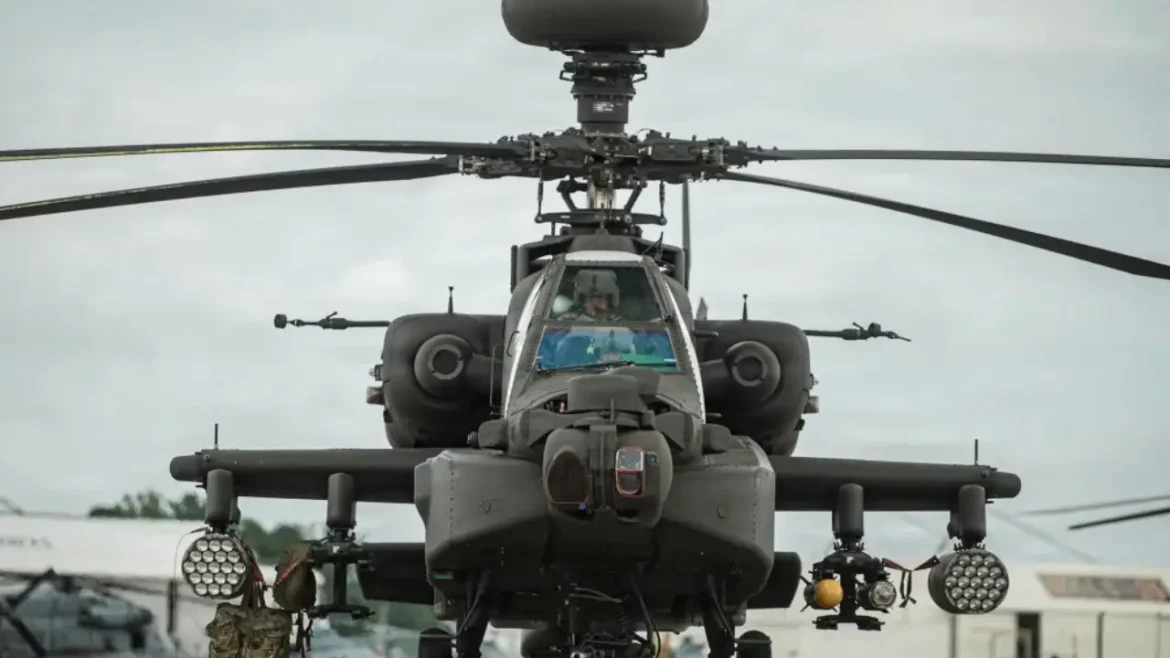
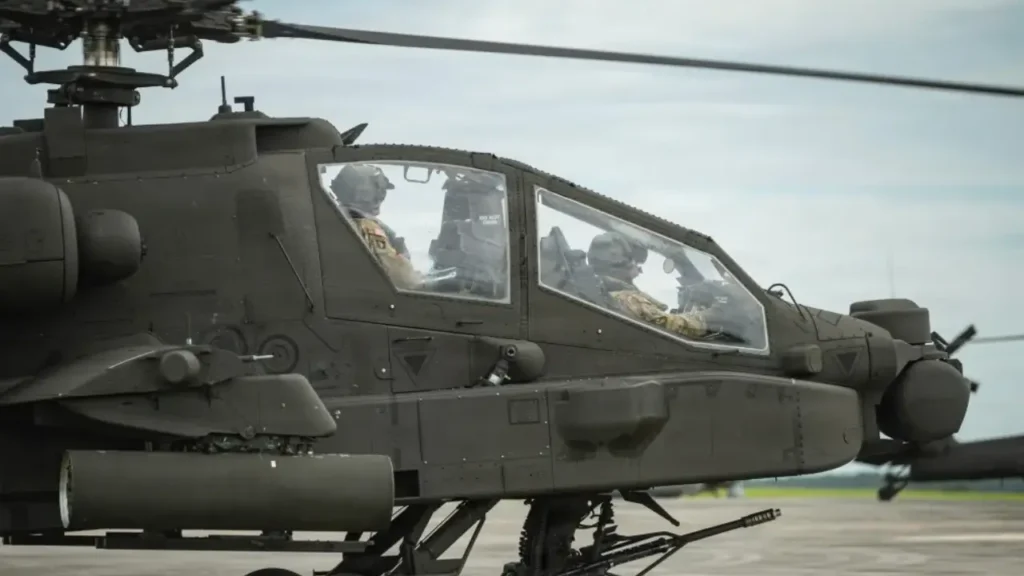
Apache Proves Counter-Drone Muscle in Recent Drills
In a series of recent live-fire drills conducted by the South Carolina Army National Guard as part of Operation Flyswatter at Marine Corps Air Station New River (date not specified), the AH-64E Apache attack helicopter demonstrated its growing capability to counter unmanned aircraft systems (UAS). During the exercise, Apache crews recorded 13 kills out of 14 drone engagements — a high success rate that underscores the platform’s readiness to tackle one of the fastest-growing threats on modern battlefields.
The demonstration saw Apaches detecting, tracking, and then destroying small drones using a variety of munitions, including laser-guided rockets, precision missiles, and its onboard cannon.
Background: Why Apache’s Counter-UAS Role Matters
As low-cost, often one-way or “kamikaze” drones proliferate globally, militaries worldwide are scrambling to field effective counter-UAS (c-UAS) systems. While ground-based air defenses provide one layer of protection, mobile platforms capable of reacting quickly — especially in dynamic battlefield environments — are increasingly valuable.
The Apache, long valued for its attack and reconnaissance capabilities, has historically focused on anti-armor and conventional close air support. But upgrades to its software, sensors, and weapon integration have opened a new mission set: drone detection and defeat.
How the Apache Executed Counter-Drone Engagements
Sensor & Networking Integration
During Operation Flyswatter, the Apache used its standard electro-optical/infrared sensors and its mast-mounted AN/APG-78 Longbow radar to detect and track drones.
Moreover, thanks to network integration via Link 16 and modern data links, Apaches proved they can operate as mobile, airborne air-defense nodes — sharing target data between helicopters and command nodes to shorten sensor-to-shooter timelines.
As one pilot noted, even if only one Apache in a flight detects a drone, its data can cue the whole formation — a valuable force-multiplier in swarm or saturation attack scenarios.
Multi-Weapon Engagements
Once targets were tracked, Apaches engaged using a mix of weapons:
- Guided missiles, including AGM-179 JAGM and variants of AGM-114 Hellfire — some radar-guided, some laser-guided — depending on the engagement scenario.
- Laser-guided rockets: 70 mm Hydra rockets fitted with APKWS laser-guided rocket guidance kits. This proved particularly effective against small UAS, and reportedly three of four drones struck during the demonstration were downed using APKWS rockets.
- The Apache’s nose-mounted 30 mm chain gun, firing high-explosive dual-purpose rounds (M789) — used successfully for close-range drone kills (under ~300 meters).
According to Chief Warrant Officer 5 Daniel York, Project Manager for the Apache New Equipment Training Team, the 13-of-14 kill ratio “proves the Apache — using its current software and systems — is a lethal and adaptable solution to the drone threat.”

Wider Capability and Platform Evolution
The effectiveness demonstrated during Operation Flyswatter reflects broader enhancements being made to the Apache fleet. With its current configuration thanks to Version 6 software, the Apache is increasingly more than just a gunship — it can function as a networked, multi-role platform capable of manned-unmanned teaming, real-time data sharing, and layered mission sets that include counter-UAS, deep strike, and reconnaissance.
Indeed, recent upgrades under the U.S. defense procurement program have emphasized cyclic modernization — enabling integration of additional capabilities such as “Launched Effects” (e.g., expendable drones or rockets deployed from the Apache), advanced EW (electronic warfare) pods, and enhanced sensor suites.
Furthermore, other recent live-fire trials have shown the Apache’s ability to launch long-range guided missiles — such as the SPIKE NLOS — extending its standoff strike range to 26–32 km, a substantial growth over legacy Hellfire/JAGM reach.
This evolving arsenal and networking puts the Apache in a strong position to face modern threats — from swarming drones to peer-level adversaries — while working as part of a broader, layered air defense and strike architecture.
Strategic & Policy Implications
The success of the Apache in counter-drone drills sends a clear signal to defense planners: legacy rotary-wing assets can be adapted to meet the evolving demands of modern warfare, where unmanned systems are proliferating rapidly.
With drones increasingly used for reconnaissance, loitering munitions, and swarm attacks — often from non-state actors or in asymmetric conflict settings — having a highly mobile, flexible, and lethal airborne counter-UAS system fills a capability gap that ground-based air defenses alone may struggle to cover.
Moreover, this demonstration helps justify continued investment in attack helicopter fleets — including ongoing production runs, modernization programs, and export sales. Continuing upgrades (software, sensors, weapons) help ensure the platform remains relevant against future threats.
Finally, Apache’s role as a networked platform — interoperable via datalinks and working alongside UAVs, EW systems, and ground-based defenses — reflects the shifting nature of air operations toward integrated, multi-domain warfare.
What’s Next: Toward Formal Counter-UAS Integration
The live-fire success in Operation Flyswatter could accelerate formal adoption of counter-UAS missions for Apache units. That might include:
- Incorporation of dedicated counter-UAS tactics into standard aircrew training manuals. Indeed, Army officials have reportedly recommended expanding Apache battalion training to include a “Counter-UAS Mission Essential Task.”
- Continued upgrades to sensor suites, network integration, and weapons payloads to better handle drone swarms and fast-moving aerial threats. Future enhancements could include dual-mode rocket guidance (e.g., infrared seekers for fire-and-forget) to allow faster, more efficient engagements.
- Integration of unmanned “wingmen” — deployable drones working in concert with Apaches — to expand detection range, improve situational awareness, and reduce risk to manned helicopters.
Given the increasing complexity of air threats, this trajectory suggests that the Apache may evolve into a central node in future multi-domain air defense architectures.
In the face of proliferating drone threats — from surveillance drones to kamikaze loitering munitions — the AH-64E Apache is evolving from a conventional attack helicopter into a capable counter-UAS asset. The recent 13-of-14 drone kills during Operation Flyswatter offer concrete proof of concept, just as wider modernization and doctrinal adaptation position the Apache to remain relevant in future conflicts.

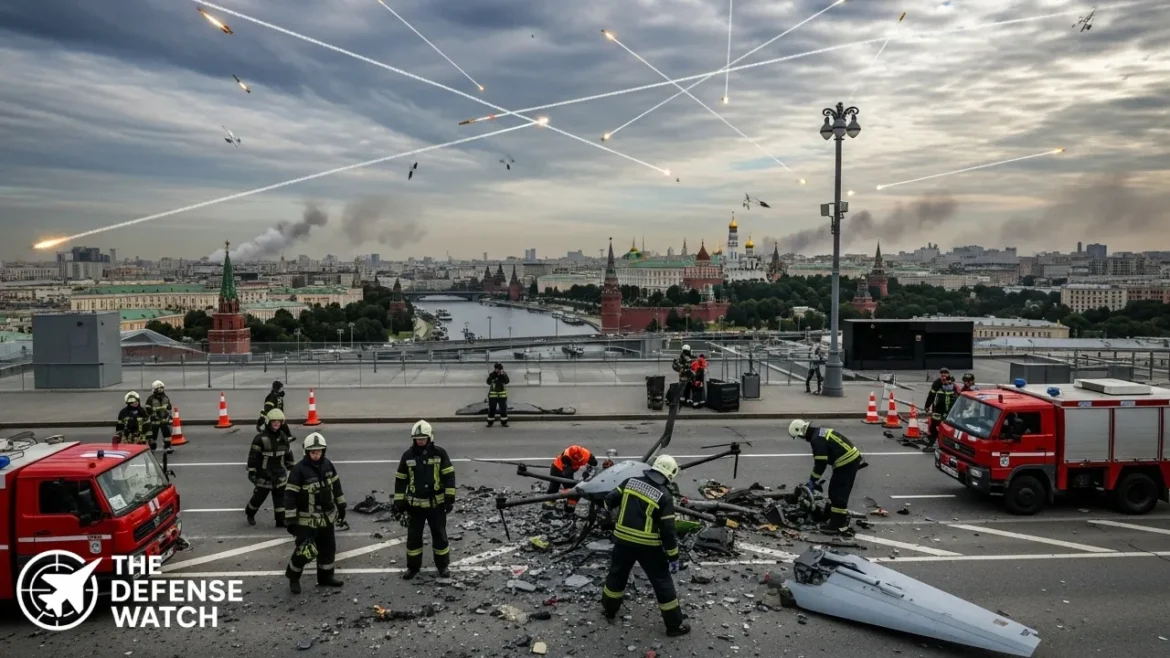
Russian Air Defences Neutralize Eight Drones Heading to Moscow
Russian air defense systems shot down eight drones en route to Moscow, the city’s mayor, Sergei Sobyanin, said Monday, following a major drone strike on nearby critical infrastructure the day before.
Background: The Shatura Power Station Strike
The drone intercepts come just one day after Ukrainian drones struck a power and heat station in the Moscow region. The targeted facility, the Shatura Power Station, is approximately 120 km east of central Moscow and provides electricity and heating to nearby towns. According to regional authorities, the strike triggered a fire and forced the activation of backup power and mobile heating systems for affected residents.

Details on the Drone Intercepts
- Mayor’s Statement: Moscow Mayor Sergei Sobyanin said in a public statement that eight incoming drones were successfully shot down by air defense units.
- Emergency Response: He added that emergency services are working at the sites where debris fell.
- Defense Ministry’s Report: Earlier, Russia’s Defense Ministry reported that ten Ukrainian drones had been intercepted across three regions — Moscow, Kaluga, and Bryansk.
- Airport Disruptions: In response to the threat, flight restrictions were imposed on Moscow’s three main airports. According to some reports, the curbs were lifted shortly afterward.
Context: Growing Drone Threats Over Moscow
This is not an isolated incident. In recent months, Moscow has reported multiple drone intercepts:
- In May 2025, Sobyanin said three drones were downed, prompting temporary suspensions at several airports.
- In March 2025, authorities claimed to have shot down four drones, with some debris reportedly damaging a residential building.
- In late September, a separate drone strike resulted in two civilian fatalities in the Moscow region.
These recurring incidents show an ongoing pattern: Moscow remains a target for long-range drone operations, and its air defenses are regularly called into action.
Strategic Implications
- Escalation Risk: The recent spike in drone activity close to Moscow raises the risk of more ambitious or destructive strikes by Ukraine—or by proxy actors—aiming to challenge Russian airspace security.
- Air Defence Strain: Repeated drone waves tax Moscow’s air defence networks and emergency response capacity. Each intercept involves not just missile systems but also the mobilization of rescue and investigation teams.
- Infrastructure Vulnerability: Targeting power and heat infrastructure, especially in sub-zero conditions, can have outsized effects on civilian populations and potentially disrupt both daily life and strategic logistics.
- Psychological Impact: Even if intercepted, drone incursions near the capital may erode perceptions of invulnerability and escalate domestic political and security debates within Russia.
- Diplomatic Significance: The timing — coming after a high-profile attack on energy infrastructure — may factor into broader geopolitics, particularly if drone strikes are leveraged in future ceasefire or peace negotiations.
What Comes Next
- Authorities will likely increase air defence readiness around Moscow and key infrastructure sites, especially power generation and heating facilities.
- Russia may publicly emphasize these intercepts to underscore its defensive capabilities and deter further drone incursions.
- Analysts will closely watch whether Ukraine (or other actors) continues pushing drone operations deeper into Russian territory, and whether these activities influence negotiations or retaliatory escalations.

Ukraine’s National Guard Urges Expansion of Drone Use as Winter Looms
KIEV, Ukraine — Ukraine’s National Guard is calling for a major ramp-up in drone deployment and more coordinated tactics, warning that denser coverage and better coordination are critical to halting Russian foot infiltration, particularly as winter approaches, National Guard head Oleksandr Pivnenko told Reuters.
Background: Drone Warfare Shapes Modern Battlefield
Since Russia’s full-scale invasion in February 2022, unmanned aerial vehicles (UAVs) have become central to combat operations on both sides. Drones are not only used for reconnaissance but also for strikes, surveillance, and close support across Ukraine’s 1,200 km front lines.
As the war has evolved, so too have tactics. According to Pivnenko, Russian forces increasingly move in small, dispersed groups and rely on drones for cover and target acquisition — a strategy that complicates defensive efforts. In addition, winter conditions could worsen movement challenges in the field, making drone coverage even more critical.
Key Details: Calls for More Drones, Better Coordination
- Drone Parity, But Manpower Imbalance: Pivnenko said Ukraine and Russia now have “parity in drones in key battlefield areas,” but Russia retains a significant manpower advantage.
- Weather Concerns: The onset of late autumn and early winter — characterized by wet soils and muddy terrain — will make movement harder. Pivnenko warned that without effective drone coverage, Russian troops could exploit infiltration routes on foot.
- Infiltration Risk: “We need to stop the enemy more as they approach on foot,” he said. If Ukrainian units carry out their tasks “with greater density on the front line … and the enemy infiltrates less deeply, it will be better for us.”
- Tiered Drone Operations: Pivnenko proposed a layered structure for drone operations — assigning different units to distinct operational “layers” so that teams operating close to the contact line don’t overlap or interfere with those further back.
- Structural Reforms: Since his appointment in 2023, Pivnenko has overseen a shift in the National Guard’s organization — moving from brigade- to corps-based commands, aiming to improve coordination, control, and responsiveness.
- Promoting Young Commanders: He highlighted the importance of empowering younger, more dynamic officers. “Young commanders … are more decisive … to change something in the situation in general,” Pivnenko said. Reuters
Strategic Analysis: Why This Matters
Pivnenko’s comments highlight a critical challenge for Ukraine: while it has built up a substantial drone capacity, the effectiveness of its unmanned systems is not just a function of quantity. Coordination, command structure, and tactical flexibility all matter — especially under harsh environmental conditions.
Winter can dramatically shift battlefield dynamics. As terrain becomes trickier and movement slows, the importance of persistent reconnaissance, rapid response, and layered drone coverage grows. Without tighter drone tactics, the risk of enemy infiltration increases, Pivnenko warns.
These remarks also come amid a broader technological race in the drone domain. Ukrainian military leaders have emphasized that interceptor drones — used to counter Russian Shahed and Geran UAVs — are a key component of layered air defense. Meanwhile, Ukraine’s unmanned systems forces have expressed concern that NATO armies remain ill-prepared for the demands of modern drone warfare.
Furthermore, Ukraine’s military command sees drone warfare as a long-term asymmetric advantage. Pivnenko’s push for denser coverage and structured drone “layers” aligns with larger efforts to institutionalize drone operations within command hierarchies — a sign that unmanned systems are no longer a supplementary asset but a backbone of Ukrainian defense.
Expert / Policy Perspective
Defense analysts note that Ukraine’s emphasis on drone density and coordination reflects hard-earned lessons from years of high-tempo, drone-heavy combat. The proliferation of small strike UAVs, FPV drones, and interceptors has reshaped how both sides fight.
Vadym Sukharevskyi, head of Ukraine’s Unmanned Systems Forces, has warned that NATO militaries are not yet prepared for the scope of drone warfare, urging allies to invest in AI-enabled targeting, ground drones, and other technologies.
At the same time, analysts emphasize the importance of doctrine and training. High drone numbers alone may not suffice; efficient command and control, tiered deployment strategies, and adaptive tactics are increasingly proving essential for battlefield success.
What’s Next: Implications & Outlook
Pivnenko’s call comes at a critical moment as Ukrainian forces brace for winter. If implemented, denser and more coordinated drone deployment could blunt Russian infiltration, protect defensive lines, and reduce the risk posed by foot-borne enemy advances.
However, realizing this vision will require continued investment in drones, training, and command reform. Ukraine will likely press its allies for further support — especially for interceptor systems, sensors, and command platforms.
On a broader level, Pivnenko’s remarks underscore how unmanned warfare is now a central pillar of Ukraine’s defense strategy. As both sides refine their drone tactics, the conflict continues to serve as a testing ground for next-generation UAV warfare — with lessons that may shape military doctrine globally.

What happened, when and where
On 3 November 2025, the Belgian Armed Forces’ Chief of Defense, Frederik Vansina, publicly announced that the military has been granted the authority to shoot down unidentified drones flying over Belgian military bases — provided engagements can be carried out safely and without collateral damage. The decision follows successive nights of small- and larger-scale drone intrusions, most notably over the Kleine-Brogel Air Base near Peer in the Belgian province of Limburg.
Background: contextualizing the drone threat
In recent weeks, Belgium has reported a spate of drone incursions over both military and civilian sites. For example, earlier in October, drones were observed above a military facility in Marche-en-Famenne. At Kleine-Brogel — a base widely understood to host U.S. nuclear weapons under NATO sharing arrangements — a number of unmanned aerial vehicles were detected over consecutive nights. Meanwhile, Belgium’s current counter-UAV capabilities (detection, jamming, drone-guns) are described as “limited”.
Details: orders, data and official sources
During a formal arrival ceremony for a new mine-hunter vessel in Zeebrugge on 3 November, Chief of Defense Vansina said:
“The order has been given to shoot them down.”
He added that such engagements “must be done without causing collateral damage” and acknowledged the challenge posed by small, maneuverable drones flying at night.The directive follows reported sightings of four drones over Kleine-Brogel on the evening of Sunday, 2 November — marking the third consecutive night of drone activity above Belgian military and civilian sites.
Defense Minister Theo Francken characterized the activity as likely espionage-oriented, stating that small drones first “tested radio frequencies” followed by larger drones “to destabilize the area”.
Belgium is preparing an accelerated program to bolster its drone defense capability. According to reporting the counter-UAS dossier worth approximately €50 million will be submitted to the Council of Ministers imminently, with a longer-term plan of over €500 million under consideration.
Analysis: capability gap and strategic implication
Belgium’s decision highlights two key dynamics: one, the increasing frequency and sophistication of drone incursions on military-sensitive sites; two, the lag in European defense systems adapted to counter-UAS threats. Analysts note that detecting and intercepting small unmanned aircraft remains technically difficult, especially in dark and complex environments.
By granting shoot-down authority, Belgium joins a growing number of NATO members seeking to empower defense forces to act more decisively against UAS threats. For example, Lithuania recently passed legislation authorizing its armed forces to destroy unauthorized drones entering its airspace.
Operationally, the engagement rule remains subject to safety constraints — any strike must minimize risk to civilians and infrastructure. Vansina’s statement acknowledges the complexity of choosing when and how to act. Until new systems are fielded, Belgian forces rely on jammers and early detection equipment, which have shown mixed effectiveness.
Expert or policy perspective
Security commentators emphasize that arming military bases with layered counter-UAS defenses — including radar, RF sensors, jammers, and hard-kill interceptors — is now a strategic imperative. For Belgium, NATO member and host to US assets, the stakes are elevated. The incident at Kleine-Brogel, given its nuclear-sharing role, raises particular concern about state-sponsored reconnaissance or provocation through drones.
Moreover, the Belgian case underscores the tension between civilian airspace regulation and military authorities’ need to defend critical infrastructure. Robust legal frameworks and rules of engagement will be vital as drone technology and threat vectors evolve rapidly.
What’s next / Impact
Going forward, Belgium will present a formal counter-UAS plan to its government, fast-tracking procurement of systems designed to detect, track and neutralize drones around key bases. If effective, this will enhance Belgium’s posture and serve as a model for other NATO countries facing similar threats.
Meanwhile, the practical rollout of shoot-down authority may serve as a deterrent to further incursions. However, until detection and interception capabilities are improved, unidentified drones will continue to challenge base protection regimes. The Belgian move may catalyze further coordination among European states on counter-drone policy, shared procurement and force protection standards.
AI-enabled drones are increasingly central to U.S. military modernization efforts. By combining autonomy, machine learning, sensor fusion, and advanced communications, these unmanned aerial systems (UAS) are being used in multiple roles—from surveillance and reconnaissance (ISR) to autonomous target recognition and countering hostile drone threats. This article explores the leading use cases, ongoing programs, and strategic challenges involved in integrating AI-enabled drones into the U.S. armed forces.
Leading Use Cases of AI-Enabled Drones in U.S. Military
Intelligence, Surveillance, and Reconnaissance (ISR) with Autonomous Assistance
One of the foundational use cases for AI in UAS is enhancing ISR. Drones equipped with AI can process imagery, video, thermal, LiDAR, radar, and other sensor data in real time, identifying objects of interest or changes in terrain without needing constant human intervention. Systems like Shield AI’s V-BAT use autonomy software (e.g., Hivemind) to operate even in GPS- and communications-denied environments.
These capabilities help reduce human workload in high-volume ISR missions and enable faster responses to emerging threats.
Precision Targeting, Recognition & Decision Support
AI-enabled drones assist targeting via algorithms that help distinguish between different kinds of objects—friendly vs adversary, civilian infrastructure, etc.—and prioritize threats. One example is the Pentagon’s Project Maven, which uses machine learning, computer vision, and data fusion to help filter and identify targets from surveillance feeds. While humans still have to approve lethal force or strikes, the system accelerates the “find, fix, finish, exploit, analyze, and disseminate” chain.
Swarm Tactics and Coordinated Operations
Swarming—multiple drones operating together in coordination—is an area receiving heavy investment. Swarm UAS can cover more ground, complicate adversary defenses, and enhance redundancy. U.S. programs such as Replicator are designed to deploy large numbers of low-cost, attritable autonomous systems. These may work collaboratively for surveillance, target saturation, or decoy missions.
Counter-Drone and Air Defense Systems
With proliferation of small drones as threats (for reconnaissance, loitering munitions, or kamikaze attacks), the U.S. military is pushing AI-based counter-drone systems. The Replicator initiative includes counter-drone technologies that detect, analyse, and neutralize hostile UAS threats.
Another example is from the Naval Postgraduate School, which is developing AI to automate ship-defensive high energy laser systems. These use AI to rapidly assess incoming drone threats, track them, and aim defensive lasers accordingly.
Operations in Degraded or Denied Environments
AI-enabled drones are particularly valuable when GPS, communications, or command-and-control links are compromised or jammed. Autonomous navigation, waypoints, obstacle avoidance, and on-board decision-making allow UAS to continue missions even under contested conditions. Shield AI’s V-BAT, for example, is built to function in GPS/beyond line-of-sight challenged environments.
Strategic Programs & Initiatives
- Replicator: A U.S. DoD program aiming to field thousands of low-cost autonomous systems in coming years, both for offensive use (attritable drones) and for defensive roles like counter-drone.
- Project Maven: Focused on target recognition from imagery/sensor data, helping human operators make faster and more accurate decisions.
Analysis & Context
The deployment of AI-enabled drones reflects a shift in how the U.S. military views unmanned systems—not merely as remote cameras or missiles, but as intelligent agents within a networked battlespace. Several factors are driving this:
- Pace of warfare: AI and automation compress decision cycles. Adversaries are fielding drones and EW (electronic warfare), so response times using AI assistance become critical.
- Cost & attritability: Using lower-cost autonomous drones that can be “lost” (attritable) in high risk zones makes operations more acceptable than risking expensive manned platforms.
- Resilience: In contested environments where satellites, GPS, or comms may be disrupted, UAS with autonomous capabilities ensure continuity of operations.
However, challenges remain: ethical issues around autonomous targeting; ensuring reliability and safety; adversarial counter-measures (jamming, spoofing, deception); legal and policy constraints; and scaling production while maintaining trust and interoperability.
What’s Next? Trends to Watch
- Greater autonomy with human oversight: Fully autonomous lethal systems remain controversial; likely future is supervised autonomy, where humans retain control of “kill decisions.”
- Improved sensor fusion & AI robustness: More resilient against spoofing, deception, and able to operate in adverse weather or complex terrain.
- Swarms & attritable mass production: More investment in systems that are inexpensive, disposable, networked.
- Regulatory, doctrine & ethical frameworks: Policies will need catching up to technology—defining acceptable levels of autonomy, rules of engagement, accountability.
Conclusion
AI-enabled drones are becoming a core component of U.S. military strategy, across ISR, precision targeting, swarm operations, and defense against drones. While the promise is immense, getting autonomy, ethics, policy, and industrial capacity in alignment will be essential for these technologies to deliver reliably and responsibly in future conflicts.
FAQs
Are U.S. AI-enabled drones operating fully autonomously (without human control)?As of now, most AI-enabled systems are semi-autonomous. Humans commonly retain control over critical decisions, especially lethal force. Fully autonomous lethal drones are constrained by legal, ethical, and policy limits.
What is an “attritable” drone?An “attritable” drone is a system that is designed to be low-cost and expendable. If lost or damaged in contested zones, the loss is acceptable compared to losing high-value or manned platforms.
How does the U.S. military handle counter-drone threats using AI?U.S. programs use radar, electronic warfare, AI for detection, tracking, classification, and then deploy effectors (jammers, kinetic interceptors, lasers) to neutralize hostile drones. Some systems can autonomously detect and classify threats and assist in real-time defensive decisions.
What are the ethical and legal concerns with AI-enabled drone use?Key concerns include proper distinction between combatants and civilians; whether AI decision making meets legal standards; accountability if AI malfunctions; ensuring transparency and oversight; and international norms.
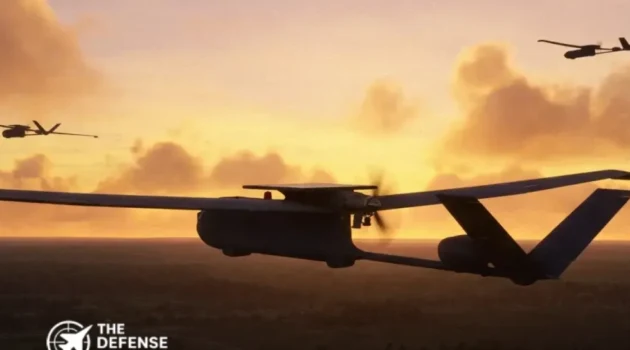
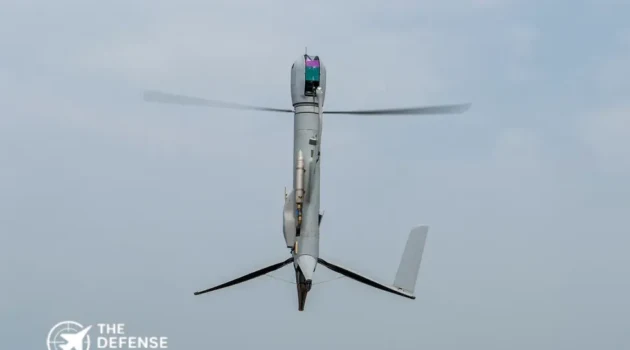
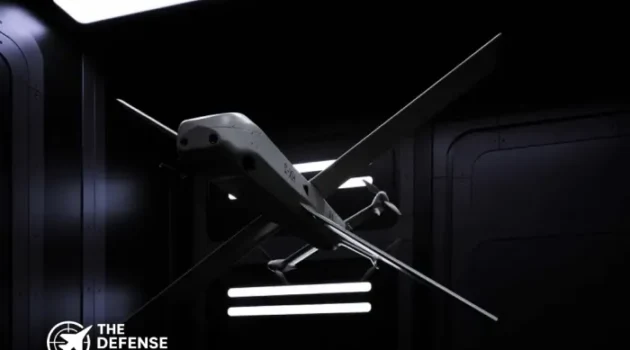
Note: The images are AI-generated.
Older Posts