Executive Summary:
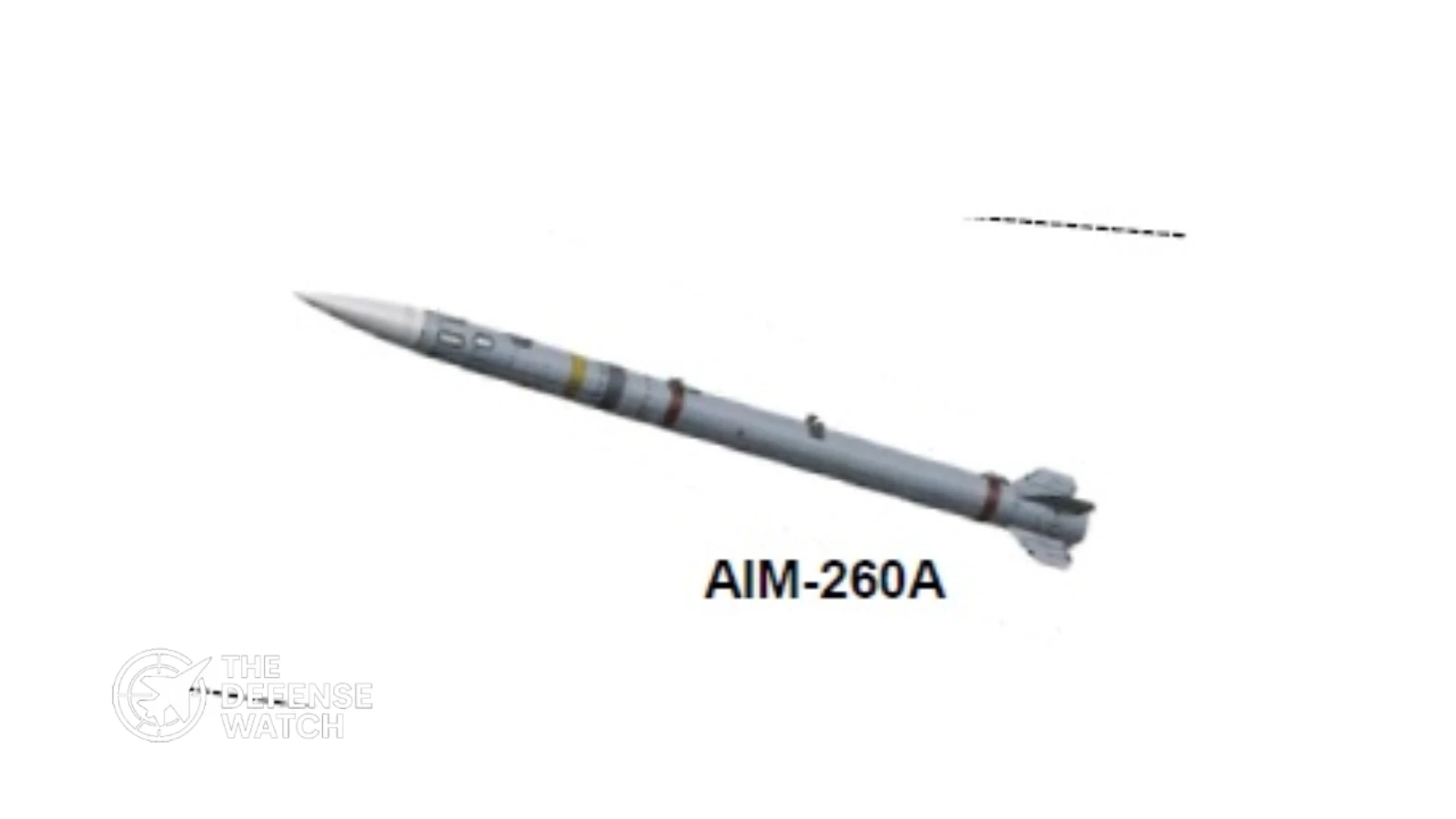
Australia has officially confirmed it will acquire the AIM-260 Joint Advanced Tactical Missile (JATM) through the U.S. Foreign Military Sales process, becoming the first international operator of the next generation air-to-air weapon. Announced during Exercise Pitch Black in Darwin, the procurement is intended to strengthen the Royal Australian Air Force’s long range air combat capability and deepen interoperability with the United States.
Australia Confirms AIM-260 JATM Procurement
Australia has formally confirmed its procurement of the AIM-260 Joint Advanced Tactical Missile (JATM), marking a significant milestone in the modernization of the Royal Australian Air Force (RAAF). The announcement was made by Deputy Prime Minister and Defence Minister Richard Marles during Exercise Pitch Black 2026 at RAAF Base Darwin, confirming that Australia will become the first nation outside the United States to field the advanced missile.
The acquisition follows earlier U.S. congressional approval of a Foreign Military Sales package covering up to 450 AIM-260 missiles, associated test vehicles, logistics support, training, and integration equipment. The approved package carried an estimated value of US$3.16 billion, although Australia’s initial procurement announcement identifies an investment of approximately A$736 million for the capability.
Initial Integration Across Australia’s Fighter Fleet
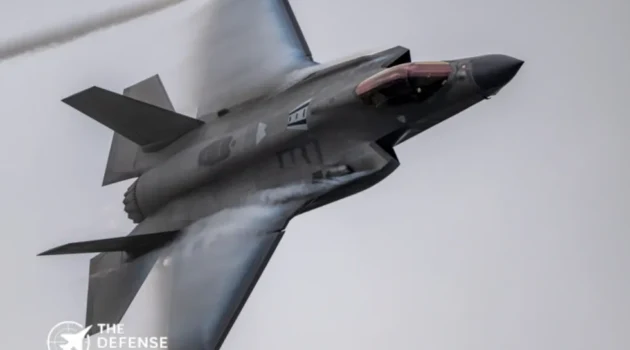
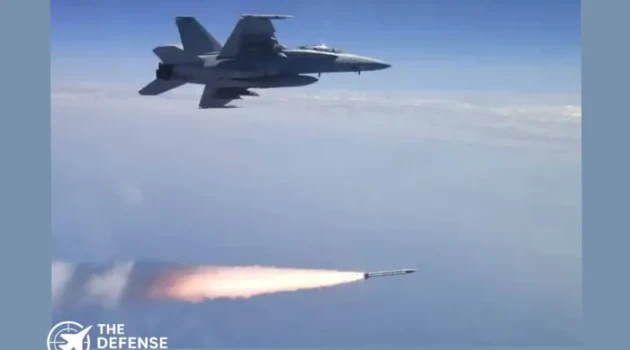
Australian officials confirmed the missile will first be integrated with the F/A-18F Super Hornet, followed by the F-35A Lightning II and the EA-18G Growler electronic attack aircraft. This phased approach allows the RAAF to introduce the capability across multiple frontline combat platforms while minimizing operational disruption.
The acquisition aligns with Australia’s broader effort to improve long range strike, air superiority, and integrated deterrence outlined in the 2026 National Defence Strategy. Australian officials described the missile as a key component of the country’s evolving layered defense architecture.
What Is The AIM-260 JATM?
The AIM-260 Joint Advanced Tactical Missile is the U.S. military’s next generation beyond visual range air-to-air missile, developed to succeed portions of the AIM-120 AMRAAM mission set.
Although many program details remain classified, official U.S. export documentation states the weapon provides:
Capability Available Information Mission Beyond visual range air-to-air combat Navigation GPS aided with secure M-Code capability Security Advanced anti-tamper protections Export Status Approved for Australia through FMS Primary Platforms F/A-18F, F-35A, EA-18G (Australia) Much of the missile’s propulsion system, seeker performance, maximum range, and electronic counter-countermeasure capabilities remain classified by the United States.
Why The Procurement Matters
The AIM-260 represents more than a routine weapons purchase.
Australia’s decision reflects a broader shift toward longer range air combat capabilities as Indo-Pacific military modernization accelerates. Regional air forces are introducing increasingly capable fighters, long range sensors, and advanced air-to-air weapons, placing greater emphasis on engaging targets before they can threaten friendly aircraft.
For Australia, the missile provides several operational advantages:
- Increased engagement reach compared with legacy air-to-air missiles.
- Improved interoperability with U.S. combat aircraft and joint operations.
- Enhanced capability for coalition air superiority missions.
- Greater flexibility across Australia’s Super Hornet, Growler, and F-35A fleets.
Rather than replacing every existing missile, the AIM-260 is expected to complement Australia’s broader inventory of air combat weapons, allowing commanders to tailor weapon selection to specific operational requirements.
Strategic Implications For The United States And Allies
Australia becoming the first foreign AIM-260 operator highlights the unusually close defense relationship between Canberra and Washington.
Historically, the United States has restricted exports of its newest air combat technologies until they have matured operationally. Allowing Australia to receive the AIM-260 ahead of other allies signals a high level of confidence in bilateral defense cooperation and reflects the growing importance of combined air operations in the Indo-Pacific.
From a U.S. perspective, common missile inventories simplify logistics, maintenance, software updates, pilot training, and coalition mission planning. Aircraft from both countries can operate with compatible weapons and tactics during multinational exercises and potential contingency operations.
The announcement also reinforces Australia’s expanding role within regional security initiatives and complements ongoing investments in guided weapons manufacturing, integrated air and missile defense, and advanced strike capabilities.
Technical And Operational Considerations
Introducing a new air-to-air missile involves considerably more than purchasing the weapon itself.
Each aircraft platform requires:
- Software integration and mission computer updates.
- Flight testing and certification.
- Pilot and maintenance training.
- Logistics support.
- Secure communications and encryption compatibility.
These integration activities often take years before a weapon reaches full operational capability across an entire fleet. Australia’s phased rollout beginning with the F/A-18F reflects this reality and reduces technical risk during introduction.
Looking Ahead
Australia has not publicly disclosed delivery schedules or the timeline for achieving initial operational capability. However, the procurement represents one of the country’s most significant investments in air-to-air combat capability in recent years.
As additional details emerge regarding integration milestones and operational testing, the AIM-260 is expected to become a central element of the Royal Australian Air Force’s future air superiority mission while strengthening interoperability with U.S. and allied forces throughout the Indo-Pacific.