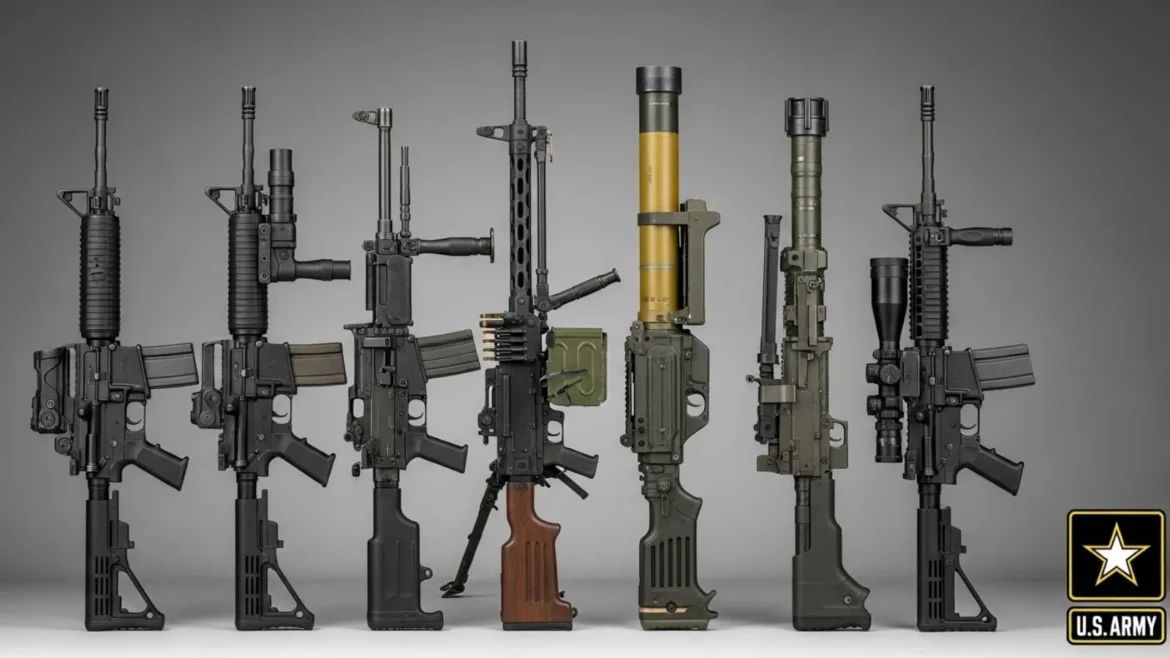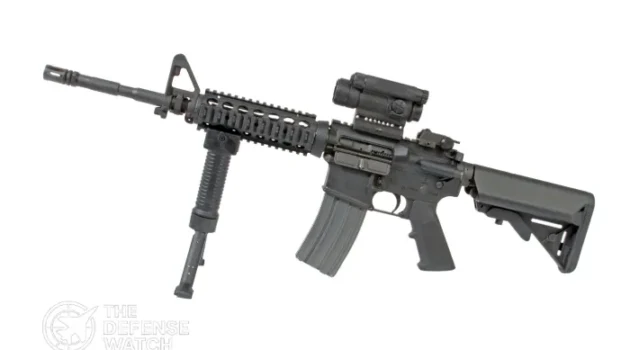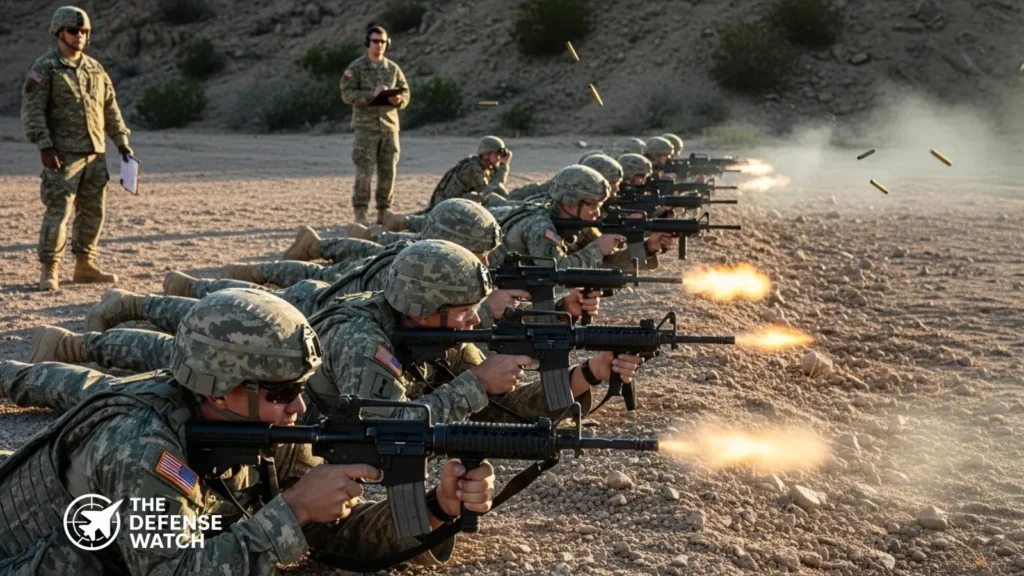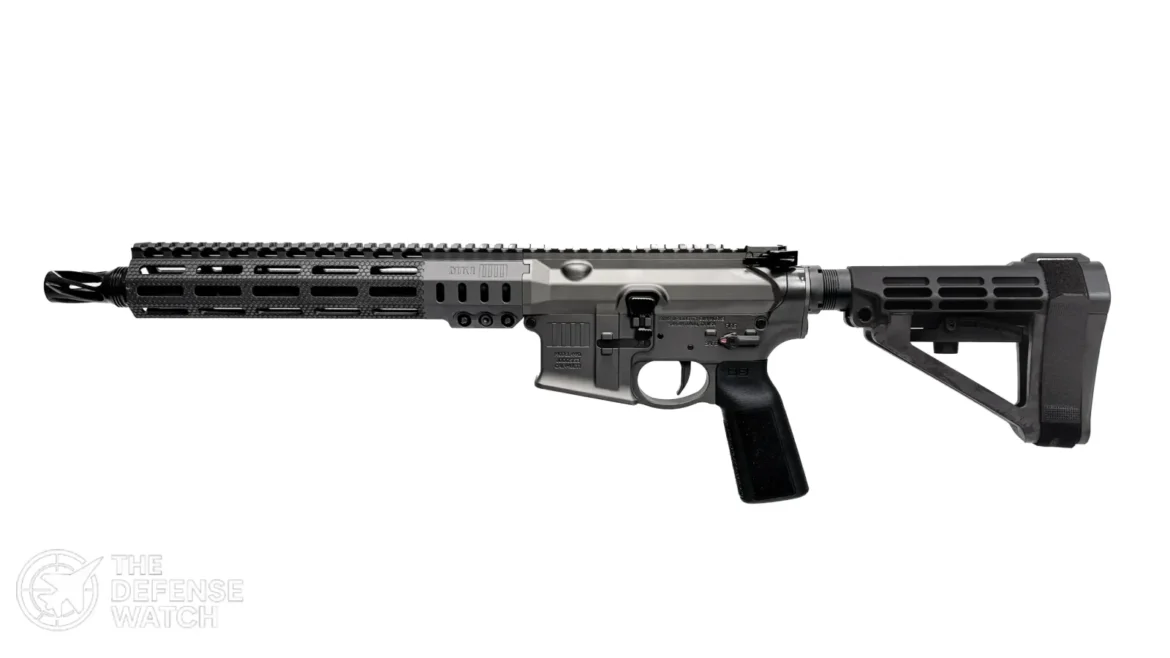
US Army Deploys M7 6.8mm Rifle To Replace M4A1 In Combat Units
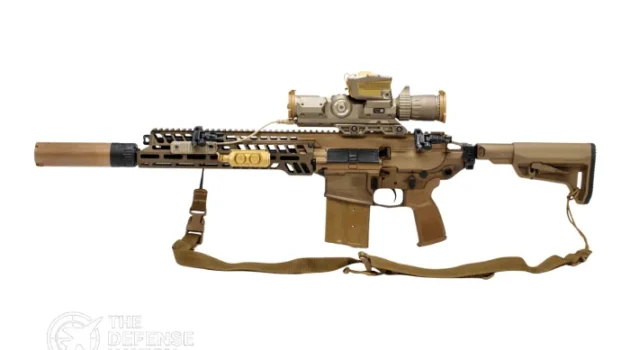
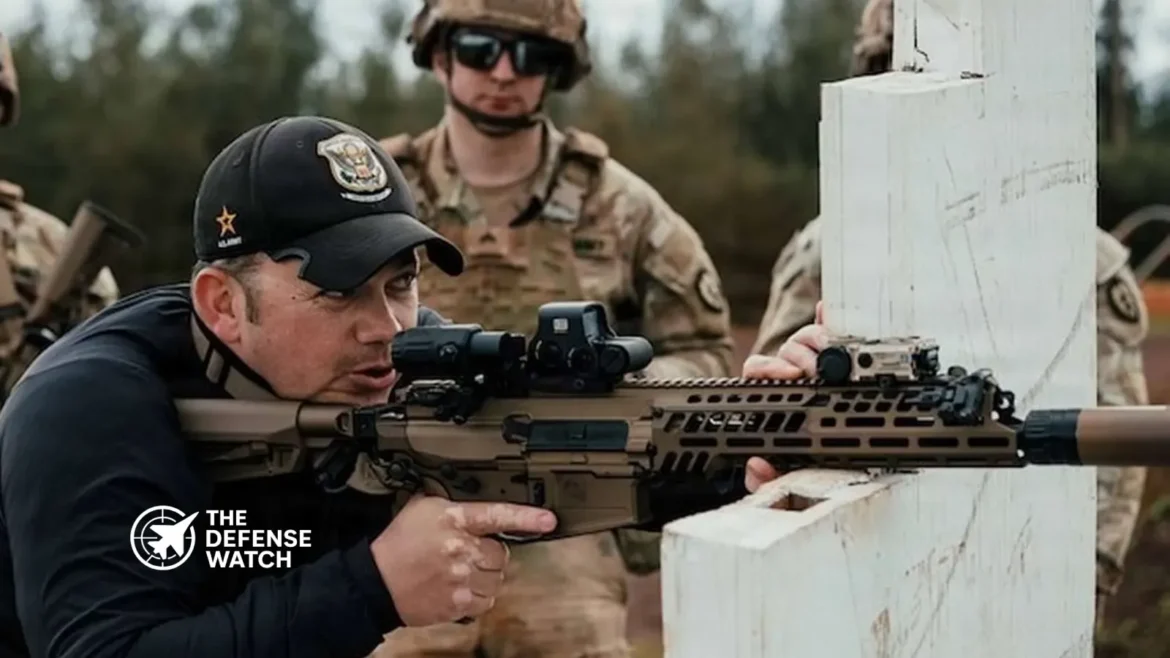
The US Army has officially begun deploying the M7 6.8mm rifle to replace the long serving M4A1 carbine in frontline combat formations, marking a significant shift in small arms capability under the Next Generation Squad Weapon program.
(adsbygoogle = window.adsbygoogle || []).push({});According to official Army statements and program updates, the M7 rifle is being fielded alongside the M250 automatic rifle as part of a broader modernization effort aimed at increasing lethality, range, and survivability for close combat forces.
The move signals the most substantial change in standard US infantry small arms in decades.
From M4A1 To M7: A Caliber Shift
The M7 rifle, previously designated as the XM7, was developed by SIG Sauer and selected in 2022 as the Army’s Next Generation Squad Weapon rifle. It replaces the 5.56x45mm NATO M4A1 with a new 6.8x51mm cartridge designed to deliver greater range and improved penetration against modern body armor.
The outgoing M4A1, produced by Colt’s Manufacturing Company and other contractors, has been the standard service rifle for US forces for more than two decades. It saw extensive use in Iraq, Afghanistan, and other operational theaters.
Army officials have stated that emerging battlefield threats and advances in protective equipment required a reassessment of small arms performance. The 6.8mm round is intended to provide improved terminal effects at extended distances while maintaining controllability in close combat.
Fielding To Close Combat Formations
Initial fielding of the M7 6.8mm rifle has focused on close combat units, including infantry, scouts, and combat engineers. These formations are typically the first to engage in direct ground combat operations and therefore receive priority for new equipment.
(adsbygoogle = window.adsbygoogle || []).push({});The M7 rifle is paired with the M157 Fire Control system, developed by Vortex Optics. The optic integrates variable magnification, laser rangefinding, ballistic computing, and environmental sensors to assist soldiers in engaging targets more accurately at extended ranges.
The combination of a higher energy cartridge and an advanced fire control optic represents a significant increase in squad level capability compared to legacy M4A1 configurations.
Army leadership has indicated that fielding will continue in phases, with additional units scheduled to receive the system over the coming years as production increases and training pipelines expand.
Technical Overview Of The M7 6.8mm Rifle
The M7 6.8mm rifle features a short stroke gas piston operating system and a 20 round magazine, chambered in the 6.8x51mm cartridge. The weapon is designed to offer improved performance against intermediate barriers and modern personal protective equipment.
Key features include:
- Select fire capability
- Suppressor compatible design
- Adjustable stock for improved ergonomics
- Integrated rail system for optics and accessories
The rifle is slightly heavier than the M4A1, largely due to the more powerful cartridge and robust construction. However, Army officials have emphasized that the tradeoff is justified by increased lethality and effective range.
- (adsbygoogle = window.adsbygoogle || []).push({});
The 6.8mm ammunition uses a hybrid case design to manage chamber pressures while maintaining weight efficiency. The new cartridge enables higher muzzle velocity compared to legacy 5.56mm rounds.
Modernization Under The Next Generation Squad Weapon Program
The M7 6.8mm rifle is part of the Army’s broader Next Generation Squad Weapon initiative, which aims to equip infantry squads with systems capable of addressing near peer threats.
The program was initiated in response to assessments that future battlefields may require greater stand off engagement distances and improved penetration capability. According to Army briefings, the objective is to enhance overmatch at the squad level.
The M250 automatic rifle complements the M7 by replacing the M249 Squad Automatic Weapon in selected units. Together, the two systems introduce the 6.8mm cartridge across the squad, standardizing ammunition within designated formations.
Implications For Infantry Tactics
The deployment of the M7 6.8mm rifle could influence squad level tactics and engagement ranges. With increased effective range and enhanced ballistic performance, units may be able to engage targets beyond traditional 5.56mm distances.
(adsbygoogle = window.adsbygoogle || []).push({});Training programs are being updated to reflect the characteristics of the new weapon system, including recoil management and employment of the advanced optic.
The Army has stressed that the transition will be gradual. Legacy systems such as the M4A1 will remain in service with many units during the transition period.
Strategic Context
The introduction of the M7 6.8mm rifle aligns with broader US military modernization efforts focused on preparing for high intensity conflict scenarios.
In recent years, the Army has pursued upgrades across multiple domains, including armored platforms, long range precision fires, air defense systems, and soldier systems. The small arms transition forms one component of that larger transformation.
See also: US Army Advances Long Range Precision Fires Modernization
Production And Industrial Base Considerations
Production of the M7 rifle and associated ammunition is being scaled through domestic manufacturing facilities. Army officials have underscored the importance of maintaining a resilient industrial base capable of meeting long term demand.
The contract award to SIG Sauer covers weapon production as well as ammunition supply under the Next Generation Squad Weapon program. Continued oversight will focus on cost, performance, and delivery timelines.
(adsbygoogle = window.adsbygoogle || []).push({});What Comes Next
As fielding progresses, operational feedback from deployed units will shape future refinements. The Army has indicated it will monitor reliability, durability, and soldier acceptance as part of the rollout process.
The M7 6.8mm rifle represents a clear shift in US Army small arms doctrine. While the full impact will become clearer over time, the deployment marks a notable milestone in infantry modernization.

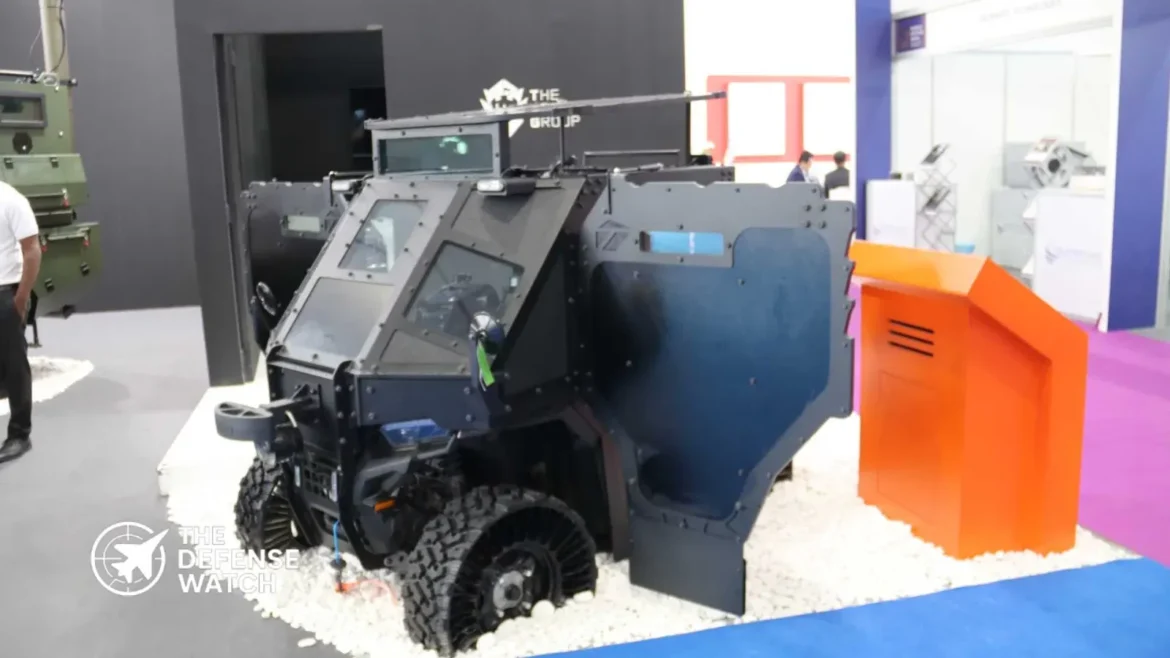
At the World Defense Show 2026, Armored Group introduced the LD-1 armored all-terrain vehicle, a compact, rifle-rated quad designed to provide protected mobility in dense urban and confined environments. The LD-1 armored quad aims to give rapid-response units the ability to maneuver where larger armored vehicles cannot.
Novel Rifle-Rated Protection
The LD-1 armored all-terrain vehicle is designed from the ground up as a protected platform rather than a modified utility ATV. It incorporates opaque armor and ballistic glass rated to stop rifle rounds, giving operators a level of ballistic protection while maintaining agility in tight spaces.
This protection level responds to a gap between standard patrol vehicles and heavier tactical trucks in environments where rifle fire is the primary threat rather than heavy weaponry.
Compact Design Optimized For Urban Use
Built on a Polaris Sportsman 850 4×4 chassis and powered by a 78-horsepower petrol engine, the LD-1 can exceed 60 miles per hour while offering the maneuverability needed for indoor and confined-area missions. Its small footprint allows it to fit through narrow hallways, corridors, and other spaces inaccessible to larger armored vehicles.
At just over seven feet in length and just over four feet wide, the LD-1 was shown at WDS 2026 in configurations that highlight its ability to balance protection with agility.
Tactical Configuration Options
The standard LD-1 layout supports a seated driver and a second operator on a rear standing platform. Ballistic-resistant airless wheels reduce the risk of tire failure under fire or debris loads.
At the show, optional equipment featured armored door upgrades, roof configurations, a tactical front bumper, search-and-rescue platforms, and modular attachment points based on military load-carrying standards. These options let operators tailor the LD-1 for specific mission sets, from SWAT and counterterrorism to dignitary protection and emergency response.
Operational Rationale
Armored Group positions the LD-1 for use by law enforcement and specialized security units that face rifle threats in built-up areas. Traditional armored trucks often cannot enter tight interior spaces, forcing teams to advance on foot under fire. The LD-1 lets teams maintain protected mobility deeper into structures such as schools, airports, and warehouses.
From a defense perspective, the platform bridges a capability gap for agencies that need armored mobility but cannot operate full-size tactical vehicles in confined or complex spaces.
Market Context
Compact protected mobility solutions are gaining interest globally as threat environments evolve. Armored and tactical police fleets in the United States and allied nations have increasingly sought vehicles that offer meaningful ballistic protection while preserving speed and access in dense environments.
The LD-1’s unveiling at WDS 2026 places it alongside other new armored platforms introduced at the event, including larger tactical vehicles and purpose-built military systems, underscoring wide interest in both specialized and general armored mobility solutions.
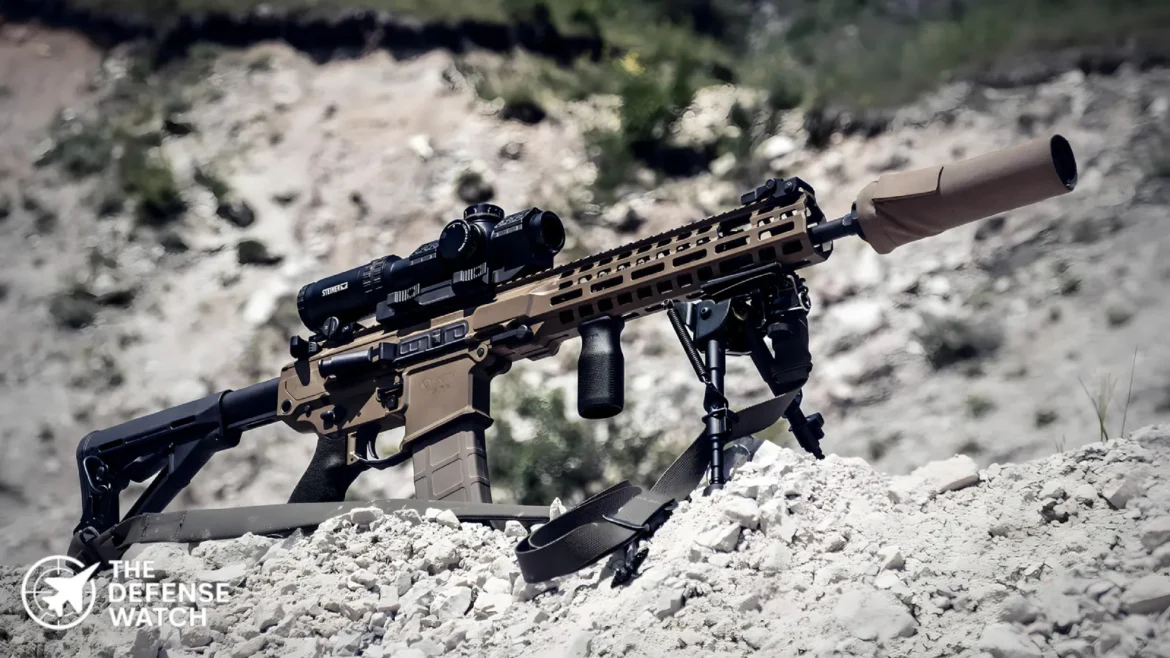
The UK Ministry of Defence has issued a new industry notice expanding work on Project Grayburn rifle replacement, outlining key characteristics and industry engagement as Britain prepares to replace the SA80 service rifle.
The Ministry of Defence has provided updated guidance to industry on Project Grayburn, the long-running programme to find a replacement for the British Army’s SA80A3 rifle. The move follows earlier public acknowledgements that the initiative remains in a concept phase focused on defining capability requirements and shaping future procurement.
The procurement pipeline notice from Defence Equipment and Support reinforces that no final investment decisions have been made, but it expands the scope of work being considered under Grayburn. The document highlights an emphasis on UK manufacture to strengthen sovereign supply chains, support skilled employment, and offer a platform with export potential.
Officials noted that Project Grayburn will explore a family of weapons built around a common lower receiver with multiple variants. Planned configurations include a standard dismounted close combat rifle to succeed the SA80A3, a shorter close combat variant, a personal defence weapon to replace the L22 carbine, a generalist rifle to replace the SA80A2, and a cadet rifle for training units.
The MoD also identified performance priorities likely to shape requirements. These include the ability to defeat contemporary and emerging body armour, integration with day optics and in-line night vision systems, signature reduction features on select variants, and a high degree of reliability across diverse climates and environments.
Indicative contract dates in the notice run from 2028 to 2045, but the MoD stressed these are not commitments to enter production at those points. A further information notice is expected as the concept phase progresses toward formal industry engagement.
Project Grayburn reflects broader efforts by the UK to modernize infantry small arms after decades of service by the SA80 family. Previous ministerial statements indicated the replacement programme aims to advance beyond early concept work, with details expected to be fleshed out in the Defence Investment Plan later this year.
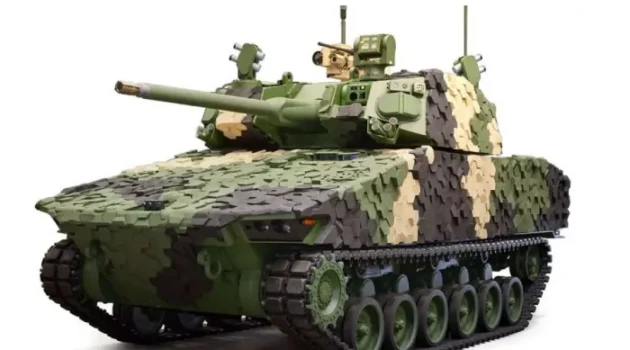
U.S. Army invests in XM30 IFV program for 2026
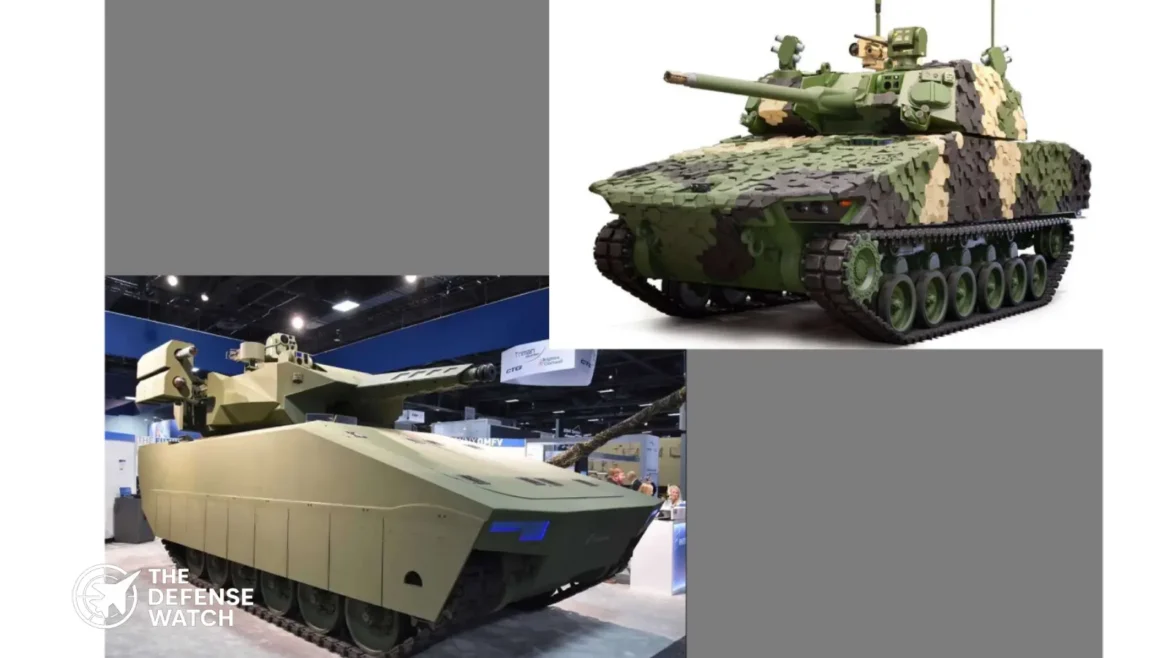
The U.S. Army will increase investment in the XM30 infantry fighting vehicle program in 2026 to accelerate development of next-generation armored platforms. The initiative aims to field advanced prototypes capable of replacing legacy Bradley IFVs.
According to Army sources, the XM30 fighting vehicle program will focus on modular design, enhanced lethality, and survivability to meet emerging operational requirements. The service is emphasizing adaptability to support a range of combat scenarios, including urban and high-intensity environments.
The planned prototypes will integrate advanced armor protection, improved mobility, and networked systems to enhance situational awareness for soldiers. The program reflects the Army’s broader effort to modernize armored units while maintaining interoperability with other ground and joint forces.
The XM30 infantry fighting vehicle effort aligns with the Army’s modernization strategy, which prioritizes lethality, survivability, and digital integration across combat vehicles. By investing in prototype development, the service expects to refine operational concepts and incorporate new technologies before final production decisions.
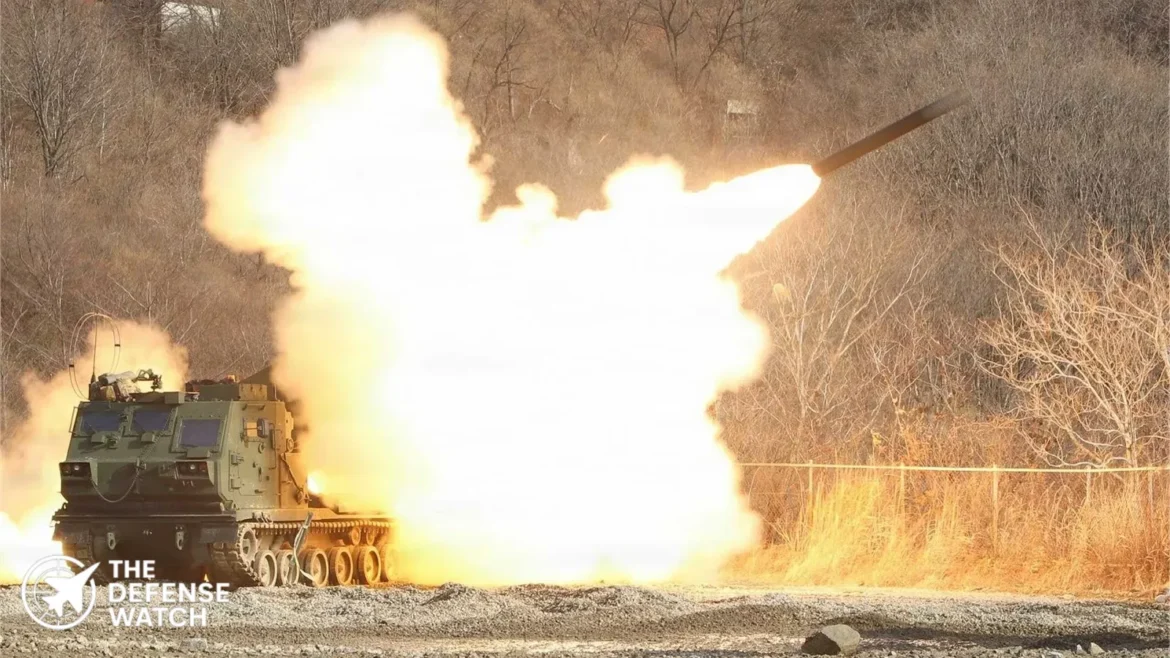
The M270A2 rocket launcher has been used operationally for the first time by U.S. forces in South Korea, marking a key step in U.S. Army artillery modernization near the North Korea border.
The U.S. Army has carried out the first known operational employment of its upgraded M270A2 Multiple Launch Rocket System during activities in South Korea, according to reporting by Army Recognition and U.S. military sources. The system was deployed close to the Demilitarized Zone, underscoring the role of long range rocket artillery in combined U.S. South Korea defense planning.
The M270A2 is a modernized version of the tracked M270 launcher, designed to extend service life while improving accuracy, range, and survivability. Key upgrades include a new fire control system, improved cab protection, and compatibility with current and future precision guided munitions. The launcher can fire Guided Multiple Launch Rocket System rockets and Army Tactical Missile System rounds.
U.S. Army units assigned to the Korean Peninsula operate under a high readiness posture due to North Korea’s large conventional artillery force and expanding missile capabilities. The deployment of the M270A2 adds depth to allied counter fire and long range strike options, supporting deterrence and rapid response missions.
Officials have emphasized that the activity was conducted in coordination with South Korean forces and aligns with long standing alliance commitments. The use of the M270A2 also reflects broader U.S. Army efforts to replace aging systems and improve interoperability across forward deployed units.
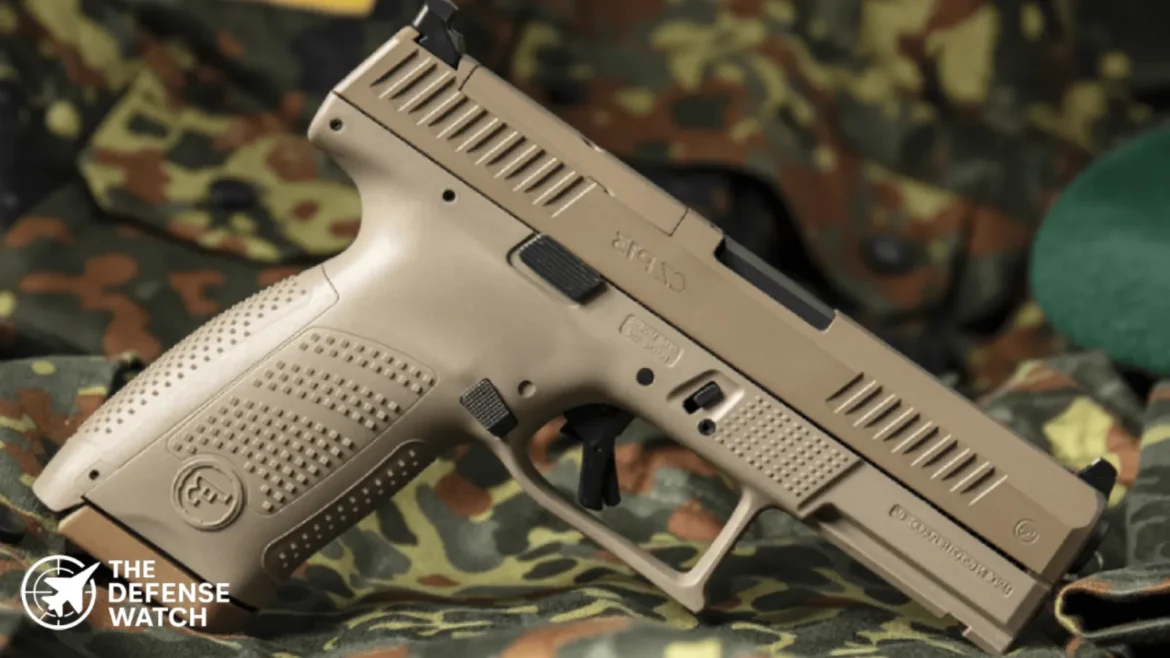
The German Army has officially adopted the CZ P13 9mm pistol as its new standard service sidearm, marking a key step in the modernization of individual weapons across the Bundeswehr. The decision was confirmed in 2025 following a competitive evaluation process led by Germany’s defense procurement authorities.
German Army CZ P13 Pistol Selection
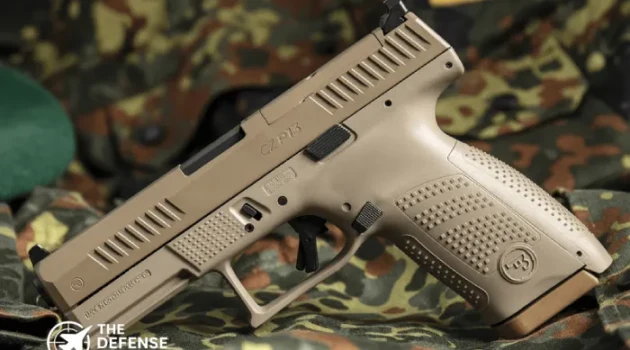
The CZ P13 9mm pistol will replace legacy service pistols currently used by German ground forces. According to defense reporting, the new sidearm was selected for its reliability, modern design, and compatibility with NATO standard ammunition. The German Army CZ P13 pistol is expected to be issued across multiple branches, including regular army units, support forces, and specialized formations.
Background on the CZ P13 9mm Pistol
Developed by Czech manufacturer Ceska Zbrojovka, the CZ P13 is a compact striker fired handgun designed for military and law enforcement use. It features a polymer frame, enhanced ergonomics, and an accessory rail for lights and aiming devices. The pistol is chambered in 9mm, aligning with standard ammunition already in Bundeswehr service.
The German Army has officially adopted the CZ P13 9mm pistol as its new standard service sidearm, marking a key step in the modernization of individual weapons across the Bundeswehr. The decision was confirmed in 2025 following a competitive evaluation process led by Germany’s defense procurement authorities.
Procurement and Operational Use
German defense officials stated that the new pistol meets updated operational requirements, including durability in harsh environments and ease of maintenance. The CZ P13 9mm pistol will support both domestic training and overseas deployments, ensuring commonality across units and improved logistical efficiency.
Initial deliveries are expected to begin following contract finalization, with phased fielding planned across the Bundeswehr. Training programs will be updated to reflect the new weapon system.
Strategic Context
The adoption of the CZ P13 9mm pistol supports Germany’s wider effort to modernize infantry equipment and standardize small arms. The move also strengthens defense industrial cooperation within Europe while ensuring German forces remain aligned with allied standards.
As the German Army CZ P13 pistol enters service, it will become a core element of the Bundeswehr’s individual weapons inventory for the coming years.
The Evolution of American Military Small Arms
The United States military’s small arms inventory represents decades of battlefield experience, technological innovation, and strategic adaptation. As of 2025, American forces deploy a carefully selected arsenal of infantry weapons designed to maintain tactical superiority across diverse combat environments. From close-quarters urban combat to extended-range engagements, these firearms form the backbone of individual soldier lethality and unit effectiveness.
Understanding the top small arms used by U.S. military personnel today provides crucial insight into American defense doctrine, procurement priorities, and the evolving nature of ground warfare. This comprehensive analysis examines the five most prevalent and strategically significant firearms currently equipping American servicemembers across all branches.
M4A1 Carbine: The Standard Bearer of American Infantry
Operational Overview and Specifications
The M4A1 Carbine maintains its position as the primary individual weapon for the vast majority of U.S. military personnel. This gas-operated, magazine-fed rifle chambered in 5.56×45mm NATO represents the culmination of the AR-15/M16 platform’s evolution, incorporating lessons learned from conflicts spanning Vietnam to Afghanistan.
The M4A1 features a 14.5-inch barrel, collapsible buttstock, and fully automatic fire capability—distinguishing it from the earlier semi-automatic/three-round-burst M4 variant. With an effective range of approximately 500 meters for point targets and 600 meters for area targets, the carbine weighs just 6.36 pounds unloaded, facilitating rapid maneuverability in complex terrain.
Modernization and Accessory Integration
Current M4A1 configurations extensively utilize the Picatinny rail system, enabling soldiers to mount advanced optics, laser designators, infrared illuminators, and foregrips according to mission requirements. The integration of the M320 Grenade Launcher Module and various sound suppressors further enhances the platform’s versatility.
According to recent U.S. Army acquisition data, over 500,000 M4A1 carbines currently serve across active-duty, National Guard, and Reserve components. The weapon’s modular design philosophy has influenced global small arms development, with numerous allied nations adopting similar platforms.

Conceptual illustration Analysis: The M4A1’s dominance reflects a calculated balance between firepower, weight, and adaptability. While debates continue regarding the 5.56mm cartridge’s effectiveness at extended ranges, the platform’s proven reliability and soldier familiarity ensure its continued frontline service well into the next decade. Ongoing programs exploring 6.8mm alternatives under the Next Generation Squad Weapon initiative may eventually supplement rather than replace the ubiquitous M4A1.
M249 Squad Automatic Weapon: Sustained Firepower at the Squad Level
Tactical Role and Capabilities
The M249 Squad Automatic Weapon (SAW) provides infantry squads with crucial sustained automatic fire capability, bridging the gap between individual rifles and vehicle-mounted weapons systems. Manufactured by FN Herstal under license, this belt-fed light machine gun chambers the same 5.56×45mm NATO ammunition as the M4A1, simplifying logistics and ammunition compatibility.
Fielded since the mid-1980s, the M249 delivers effective suppressive fire out to 1,000 meters, with a cyclic rate between 650-850 rounds per minute. The weapon feeds from either disintegrating metallic belt ammunition or standard M16/M4 magazines, offering tactical flexibility during ammunition shortages or emergency situations.
Operational Modifications and Variants
Recent modifications include the M249 Paratrooper variant featuring a shortened barrel and collapsible stock for airborne operations, and the improved Product Improvement Program (PIP) version incorporating heat-resistant components and enhanced reliability mechanisms. Modern M249s typically deploy with Trijicon ACOG or Elcan SpecterDR optics, dramatically improving first-round hit probability.
Analysis: Despite its weight—approximately 17 pounds unloaded—the M249 remains indispensable for squad-level tactics. Its ability to lay down suppressive fire while riflemen maneuver represents fundamental infantry doctrine. While the Army’s Next Generation Squad Weapon program includes the XM250 automatic rifle as a potential replacement, the M249’s extensive deployment and proven combat record ensure its continued relevance throughout this decade.
M240 Medium Machine Gun: The Reliable Workhorse
Platform Characteristics and Deployment
The M240 medium machine gun family represents the U.S. military’s primary 7.62×51mm NATO belt-fed weapon system, serving across infantry, armor, and aviation units. Originally adopted by the U.S. Marine Corps in the 1980s and subsequently by the Army, this FN MAG derivative offers superior range and penetration compared to 5.56mm weapons.
The standard M240B infantry variant weighs 27.6 pounds and delivers effective fire to 1,800 meters, with maximum effective range exceeding 3,000 meters with tripod-mounted configurations. Its gas-operated, open-bolt design ensures exceptional reliability even under sustained firing conditions that would induce failures in lesser weapons systems.
Variant Applications Across Military Branches
Multiple M240 variants serve specialized roles: the M240L features titanium components reducing weight by approximately 5.5 pounds for dismounted operations; the M240H serves as the standard coaxial machine gun for the M1 Abrams tank; and the M240D equips helicopters and other aircraft. This versatility consolidates training requirements and spare parts logistics across platforms.
According to Department of Defense procurement reports, the U.S. military maintains an inventory exceeding 50,000 M240 machine guns across all variants. The weapon’s continued production and modernization reflect its strategic value in providing squad and platoon-level indirect fire support.
Analysis: The M240’s 7.62mm NATO chambering addresses the range and penetration limitations inherent to 5.56mm platforms, particularly against hardened targets and at extended distances. Its reputation for reliability under adverse conditions—from Arctic cold to desert heat—has earned soldier confidence across multiple generations of servicemembers. While heavier than squad automatic weapons, the M240’s superior ballistics justify its tactical employment.
M110A1 Compact Semi-Automatic Sniper System: Precision at Extended Ranges
Operational Requirements and Capabilities
The M110A1 Compact Semi-Automatic Sniper System (CSASS) addresses the U.S. Army’s requirement for a lightweight, accurate, semi-automatic rifle capable of engaging targets between 300-800 meters—filling the gap between standard infantry rifles and dedicated long-range sniper systems. Adopted in 2019, this Knights Armament Company platform chambers 7.62×51mm NATO ammunition and features a 16-inch barrel with integrated sound suppressor.
Weighing approximately 15 pounds with loaded magazine and optic, the M110A1 provides designated marksmen with rapid follow-up shot capability unavailable from bolt-action platforms. The rifle’s accuracy guarantees sub-MOA (minute of angle) precision, typically grouping within 1 inch at 100 meters with quality ammunition.
Technological Integration and Operational Advantages
Standard configuration includes a Leupold Mark 5HD 3.6-18×44mm riflescope, backup iron sights, and Harris bipod. The weapon’s M-LOK handguard accommodates mission-specific accessories including night vision devices, laser rangefinders, and ballistic calculators. The integrated suppressor significantly reduces acoustic signature and muzzle flash, enhancing shooter concealment.
The M110A1 replaces the earlier M110 Semi-Automatic Sniper System, offering reduced weight, improved ergonomics, and enhanced modularity. According to U.S. Army procurement documentation, the service has acquired over 5,000 M110A1 systems for infantry and special operations units.
Analysis: The M110A1 exemplifies modern precision rifle philosophy—balancing accuracy, weight, and rapid engagement capability. Its semi-automatic action enables designated marksmen to maintain observation through the scope during recoil cycle, facilitating immediate follow-up shots or target transition. This capability proves particularly valuable in asymmetric conflict environments where threats emerge rapidly at varying distances. The weapon’s suppressor integration represents a broader trend toward sound signature reduction across military small arms.
M17/M18 Modular Handgun System: Sidearm Modernization
Platform Selection and Capabilities
The M17 and M18 Modular Handgun System (MHS), manufactured by SIG Sauer, replaced the venerable M9 Beretta as the U.S. military’s standard sidearm beginning in 2017. This striker-fired, semi-automatic pistol chambers 9×19mm Parabellum and features a modular grip design accommodating various hand sizes without tools.
The full-size M17 features a 4.7-inch barrel and 17+1 round capacity, while the compact M18 reduces barrel length to 3.9 inches and magazine capacity to 21+1 rounds with extended magazines. Both variants incorporate ambidextrous controls, loaded chamber indicators, and accessory rails for weapon lights or lasers.
Operational Deployment and Performance
The MHS contract, valued at approximately $580 million, calls for delivery of over 280,000 pistols across all military branches. The weapon system includes day/night sights, various magazine capacities, and the option for sound suppressor attachment. Enhanced accuracy and ergonomics represent significant improvements over the M9, with most shooters achieving tighter groupings during qualification courses.
According to U.S. Army Combat Capabilities Development Command research, the M17/M18 demonstrates improved reliability in extreme temperature and environmental conditions. The pistol’s striker-fired mechanism eliminates the M9’s double-action/single-action trigger complexity, simplifying training and improving consistency.
Analysis: While handguns represent secondary weapons for most servicemembers, their importance for personal protection, close-quarters combat, and specialized units cannot be understated. The M17/M18 adoption demonstrates military commitment to modernizing even supplementary weapons systems. The modular design philosophy—allowing frame size customization, optic mounting, and suppressor integration—reflects contemporary firearms engineering trends. For military police, aircrew, and special operations personnel relying primarily on pistols, these improvements translate directly to operational effectiveness.
Emerging Trends and Future Developments
Next Generation Squad Weapon Program
The U.S. Army’s ambitious Next Generation Squad Weapon (NGSW) program seeks to introduce revolutionary small arms technology through the XM7 rifle and XM250 automatic rifle, both chambered in 6.8×51mm. These weapons promise significantly increased effective range and penetration capability against advanced body armor. However, full-scale deployment remains years away, with fielding prioritized to close-combat forces.
Ammunition Technology Advances
Concurrent with platform development, the military invests heavily in ammunition innovation. The 6.8mm common cartridge features hybrid-case technology combining steel case bases with brass bodies, enabling higher chamber pressures and velocity. Additionally, smart ammunition incorporating guidance systems and programmable airburst capability enters developmental testing for specialized applications.
Modular and Adaptable Systems
Contemporary military small arms increasingly emphasize modularity—allowing rapid configuration changes for diverse mission sets without requiring entirely different weapons. This philosophy manifests in adjustable stocks, quick-change barrel systems, and universal accessory mounting interfaces. Future platforms will likely integrate electronic components including ballistic calculators, environmental sensors, and network connectivity.
Conclusion: Maintaining the Edge in Infantry Weapons
The top 5 small arms used by U.S. military forces reflect careful prioritization of reliability, effectiveness, and logistical sustainability. From the ubiquitous M4A1 Carbine to the precision-focused M110A1, each system addresses specific tactical requirements while maintaining interoperability with broader weapons ecosystems.
As near-peer military competition intensifies and asymmetric threats evolve, American small arms development continues adapting. The integration of advanced optics, suppressor technology, and next-generation ammunition ensures U.S. servicemembers maintain tactical advantages in individual and small-unit engagements.
While technology progresses, fundamental infantry principles—accurate fire, rapid maneuverability, and sustained combat effectiveness—remain paramount. These five weapons systems exemplify how traditional firearms platforms evolve through incremental improvement, incorporating cutting-edge materials, manufacturing techniques, and digital enhancements while preserving the proven mechanical principles that save lives in combat.
The coming decade will witness gradual introduction of revolutionary technologies like the NGSW program alongside continued refinement of existing platforms. This balanced approach—honoring proven designs while pursuing innovation—characterizes American military small arms philosophy and sustains the competitive edge essential for national security.
FAQs
What is the most widely used small arm in the U.S. military?The M4A1 Carbine is the most prevalent individual weapon across all U.S. military branches, with over 500,000 units currently in service. It serves as the standard rifle for infantry, support personnel, and most combat roles.
Why does the U.S. military use different calibers for different weapons?Different calibers serve specific tactical purposes: 5.56mm offers lightweight ammunition for rifles, 7.62mm provides increased range and penetration for machine guns, and 9mm delivers sufficient stopping power with manageable recoil for pistols. This caliber diversity optimizes each weapon system for its intended role.
When will the Next Generation Squad Weapon replace current rifles?The XM7 rifle and XM250 automatic rifle are scheduled for initial fielding to close-combat forces starting in 2024-2025, with broader deployment extending through the late 2020s. The M4A1 will likely remain in service alongside newer systems for years due to inventory size and budget constraints.
How does U.S. military small arms technology compare to peer adversaries?U.S. small arms emphasize modularity, accessory integration, and soldier ergonomics alongside basic ballistic performance. While Russian and Chinese platforms offer comparable raw effectiveness, American weapons typically demonstrate superior reliability, accuracy, and adaptability through advanced optics and attachments.
What training do U.S. military personnel receive on these weapons systems?All servicemembers receive basic rifle marksmanship training, typically on the M4A1 or M16A4. Specialized weapons like the M249, M240, M110A1, and M17/M18 require additional qualification courses specific to each system. Special operations forces receive extensive advanced training encompassing all platforms.
U.S. Selects SOLGW MK1 as Next‑Generation Assault Rifle
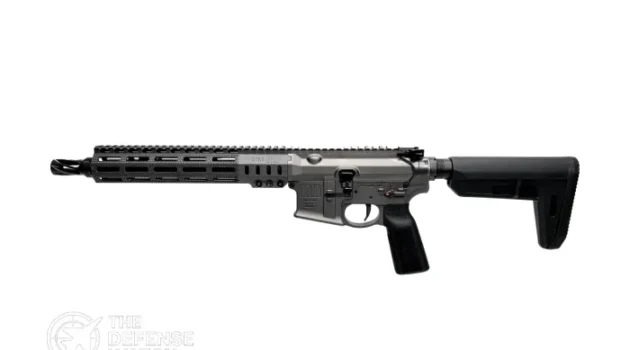
The U.S. Special Operations Command has chosen the Sons of Liberty Gun Works SOLGW MK1 as its next‑generation 5.56mm assault rifle under the Combat Assault Rifle program, marking a significant equipment update for elite U.S. forces. The selection was confirmed by SOCOM officials on November 20, 2025, and initial fielding is expected in late 2026 across Army Special Forces, Naval Special Warfare, Air Force Special Tactics, and Marine Raider units.
The SOLGW MK1 was selected following a competitive, multi‑year evaluation that tested candidate rifles under extreme conditions and assessed performance across reliability, modularity, and combat effectiveness.
Background on SOCOM Small Arms Modernization
For decades the Colt M4A1 carbine has served as the standard‑issue assault rifle for most Special Operations units in the U.S. military, with incremental improvements over its service life. The introduction of the SOLGW MK1 does not mean an immediate across‑the‑board replacement of the M4A1, but represents a targeted effort to provide select units with a platform tailored to modern mission requirements.
This shift reflects broader trends in U.S. defense procurement where special operations forces seek small arms that deliver higher levels of durability, adaptability, and performance under suppression. The MK1’s capabilities align with these priorities, particularly for expeditionary, clandestine, and high‑risk combat environments.
Combat Assault Rifle Program and Selection Process
SOCOM’s Combat Assault Rifle program was designed to identify a next‑generation 5.56mm weapon system capable of meeting rigorous mission demands. Candidate rifles were subjected to extended trials including salt fog corrosion, immersion in mud and brackish water, high‑volume firing with and without suppressors, and exposure to both arctic and desert climates. According to program officials familiar with the decision, the MK1 demonstrated consistent accuracy, high reliability, and robust durability throughout testing.
A key area of evaluation focused on performance under suppression, which is essential for many special operations scenarios. The MK1 showed minimal zero shift, reduced gas blowback, and stable recoil when fired with a suppressor attached, factors that contributed to its final selection.
Technical Details of the SOLGW MK1
The SOLGW MK1 is a select‑fire 5.56mm platform based on the AR‑15 family architecture, built around a forged 7075‑T6 aluminum receiver set and a 41V50 chrome‑moly‑vanadium barrel with a mid‑length gas system. The rifle includes ambidextrous controls, a free‑floating M‑LOK handguard, and a precision‑tuned two‑stage trigger.
SOCOM’s choice reflects the MK1’s balance of rugged construction and mission modularity. The platform is designed to accept a wide range of optics, aiming devices, and other enablers, providing operators with a flexible base for varied tactical roles. Army Recognition
Industry sources note the MK1’s rail system and receiver design emphasize low deflection and solid lockup, traits that aid sustained precision and accessory integration. Civilian and law enforcement variants of the rifle have similar features like integrated cable management, continuous top rails, and enhanced bolt carrier systems.
Fielding and Operational Impact
The rollout of the SOLGW MK1 will be phased, with initial deliveries slated for late 2026. Units that prioritize suppressed operations, maritime boarding, direct action raids, and special reconnaissance are expected to be among the first to receive the new rifle. SOCOM’s broader inventory of M4A1 rifles will remain in service for the foreseeable future, especially in roles where the standard carbine continues to meet requirements.
Although contract specifics such as total value and exact unit counts remain classified, procurement is expected to span several thousand rifles over multiple years. Further orders may follow based on operational feedback and evolving mission needs.
The selection of a rifle from a smaller manufacturer like Sons of Liberty Gun Works highlights SOCOM’s willingness to diversify its supplier base beyond traditional major defense contractors. It also underscores the importance of performance‑driven design choices in modern infantry weapons procurement.
Expert and Policy Perspective
The adoption of the SOLGW MK1 under the Combat Assault Rifle program signals a nuanced approach to U.S. small arms modernization. While larger initiatives such as the Army’s shift to the 6.8x51mm cartridge and the M7 rifle address broad force‑wide needs, SOCOM’s decision underscores the continued relevance of 5.56mm weapons in special operations. The focus on suppression performance, durability, and modularity reflects both current operational demands and anticipated future threats.
From a policy standpoint, awarding a contract to a smaller, quality‑focused domestic manufacturer may encourage further innovation in small arms design. It may also influence conventional force modernization if the MK1’s performance in the field meets or exceeds expectations.
What to Watch
SOCOM’s next steps include rolling out training and sustainment support for units receiving the MK1, and closely monitoring field performance. The results could shape future decisions on small arms acquisitions across the U.S. military. Observers will also watch how SOLGW scales production to meet operational demands while maintaining quality standards.
Glock 19: A Compact Icon of Modern Warfare
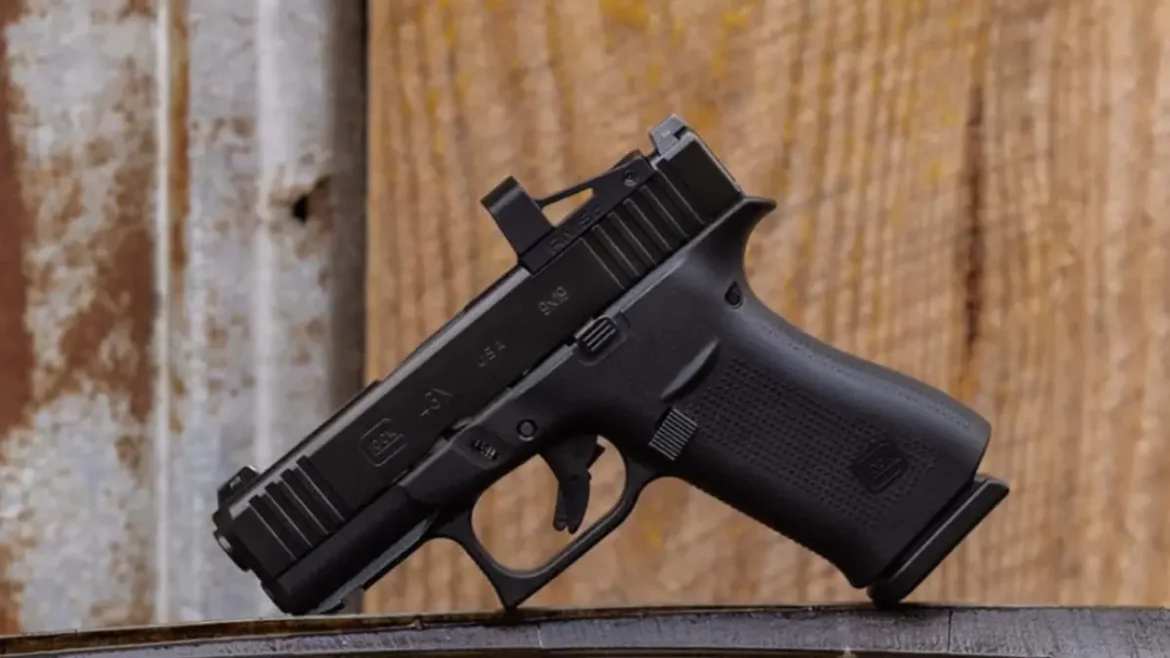
The Glock 19, chambered in 9×19mm NATO, has become one of the most widely used compact pistols in military and law enforcement service worldwide. Among its most prominent users are U.S. and allied Special Operations Forces (SOF), who employ the pistol in close-quarters battle (CQB) scenarios where reliability, compact size, and rapid deployment are essential.
Introduced in the late 1980s as a more compact version of the full-sized Glock 17, the Glock 19 balances portability with firepower, offering a 15-round magazine capacity in a lightweight, polymer-framed design. This combination has made it a standard sidearm not only for SOF but also for conventional military units, police agencies, and private security contractors across the globe.
Why Special Operations Forces Choose the Glock 19
Special operations units prioritize weapons that are lightweight, concealable, and extremely reliable under stress. The Glock 19 fulfills these requirements with its rugged simplicity—its striker-fired mechanism and limited external controls reduce the chances of malfunctions in high-stakes engagements.
The pistol’s compact size allows it to be carried as a secondary weapon during raids, reconnaissance missions, or protective security details. Operators often rely on it in situations where a rifle is impractical, such as urban CQB environments, aircraft operations, or close personal protection.
Additionally, the Glock 19 is compatible with suppressors and modern optics, further enhancing its adaptability to diverse mission profiles.
Global Military and Law Enforcement Adoption
The Glock 19 is not limited to U.S. SOF. It has been adopted by numerous NATO allies, special police units, and counterterrorism forces worldwide. Countries including the United Kingdom, Norway, and Israel field the pistol in their armed forces or elite security services.
Even within the United States, different branches and agencies—including the FBI and U.S. Customs and Border Protection—have selected the Glock 19 as a primary sidearm, citing its balance of size, accuracy, and reliability.
Technical Specifications of the Glock 19 (Gen 5 Model)
- Caliber: 9×19mm NATO
- Barrel Length: 4.02 in (102 mm)
- Overall Length: 7.36 in (187 mm)
- Height: 5.04 in (128 mm)
- Magazine Capacity: Standard 15 rounds, optional extended magazines
- Weight (unloaded): 23.63 oz (670 g)
These specifications illustrate why the Glock 19 is versatile enough to function as both a service pistol and a concealed-carry option, bridging the gap between compact and full-size handguns.
Analysis: Enduring Popularity of the Glock 19
The enduring dominance of the Glock 19 highlights a larger trend in modern sidearm selection: simplicity, modularity, and global interoperability matter as much as raw firepower. While newer competitors such as the SIG Sauer P320 (adopted by the U.S. military as the M17/M18) are gaining traction, the Glock 19 continues to hold a strong position due to its decades of combat-proven reliability and widespread user familiarity.
For SOF, the Glock 19 is not just a backup weapon—it is a trusted lifeline in CQB environments, where split-second decisions can determine mission success or failure.
Source : Official Glock Military and Law Enforcement Information
FAQs
Why do special operations forces use the Glock 19?Its compact size, reliability, and ability to function in CQB make it ideal for elite units.
How is the Glock 19 different from the Glock 17?The Glock 19 is a more compact version, with a shorter barrel and grip, making it easier to conceal and carry.
Is the Glock 19 still used by U.S. military forces today?Yes, while the SIG Sauer M17/M18 has replaced the Beretta M9 as the standard issue, SOF units and law enforcement still widely field the Glock 19.
SIG Sauer M17 Becomes Standard U.S. Army Sidearm
The SIG Sauer M17, a 9×19mm NATO modular handgun, has officially replaced the long-serving Beretta M9 as the standard-issue sidearm of the U.S. Army. Selected through the Modular Handgun System (MHS) program, the M17 is designed to provide greater flexibility, modern ergonomics, and advanced compatibility features that align with evolving battlefield requirements.
Adopted in 2017, the M17 and its compact counterpart, the M18, have been steadily integrated across the Army, Navy, Air Force, and Marine Corps. Today, they represent the primary service pistols for U.S. forces worldwide, marking a significant generational shift in sidearm capability.
Key Features and Modern Enhancements
The SIG Sauer M17 is derived from the commercial P320 platform but tailored to military specifications. Among its standout features:
- Modular Design: Interchangeable fire control units, grip frames, and slide lengths allow the weapon to be adapted for mission-specific needs.
- Suppressor-Ready: A threaded barrel accommodates suppressors, enhancing operational flexibility for special operations and low-visibility missions.
- Optics Compatibility: The slide is cut for red dot optics, reflecting the growing adoption of reflex sights on military handguns.
- Improved Ergonomics: Enhanced grip texture and ambidextrous controls ensure better handling across diverse operator preferences.
The M17 is issued with both standard 17-round magazines and extended 21-round options, providing greater ammunition capacity than the Beretta M9.
From M9 Beretta to M17 SIG Sauer
The Beretta M9, adopted in 1985, served the U.S. military for over three decades. While reliable, it lacked modularity and compatibility with modern optics and suppressors. The MHS competition, launched in 2015, sought a replacement that could meet evolving operational needs.
SIG Sauer’s M17 beat out competitors including Glock and Beretta, securing a $580 million contract to supply up to 238,000 pistols. By 2020, initial fielding was complete, with units ranging from conventional forces to special operations commands adopting the platform.
Analysis: Why the M17 Matters
The adoption of the M17 reflects a broader modernization trend within U.S. forces. While handguns are secondary weapons compared to rifles or machine guns, the Army prioritized a sidearm that offers adaptability for diverse scenarios—ranging from military police and pilots to special operators.
The M17’s optics-ready slide is particularly forward-looking, as U.S. forces anticipate a future where red dot-equipped handguns may become standard. Additionally, its modularity lowers long-term sustainment costs by allowing replacement of individual components instead of entire pistols.
Broader Implications for Allies and Industry
The M17 is also shaping procurement choices among allied nations. With the U.S. leading adoption of modular, optics-ready pistols, NATO and partner forces are increasingly evaluating similar upgrades. For SIG Sauer, the M17 contract cemented its reputation as a major supplier to Western militaries, creating downstream interest in both military and law enforcement markets.
Conclusion
The SIG Sauer M17, chambered in 9×19mm NATO, represents a modern leap in U.S. military sidearm capability. With suppressor-ready features, modular construction, and optics compatibility, it is positioned not just as a replacement for the Beretta M9 but as a platform for future handgun innovation across the U.S. armed forces.
For official background on the Modular Handgun System program, see the U.S. Army announcement.
FAQs
What caliber is the SIG Sauer M17?The M17 is chambered in 9×19mm NATO.
What pistol did the M17 replace in the U.S. Army?It replaced the Beretta M9, which had been in service since 1985.
Is the M17 optics-ready?Yes, the M17’s slide is cut for red dot sight compatibility.
Does the M17 come in different versions?Yes, the Army fields both the full-size M17 and the compact M18.
Why was the M17 chosen over the Glock or Beretta submissions?The M17 offered superior modularity, optics readiness, and cost efficiency during the MHS evaluation.
Note: The images are AI-generated.