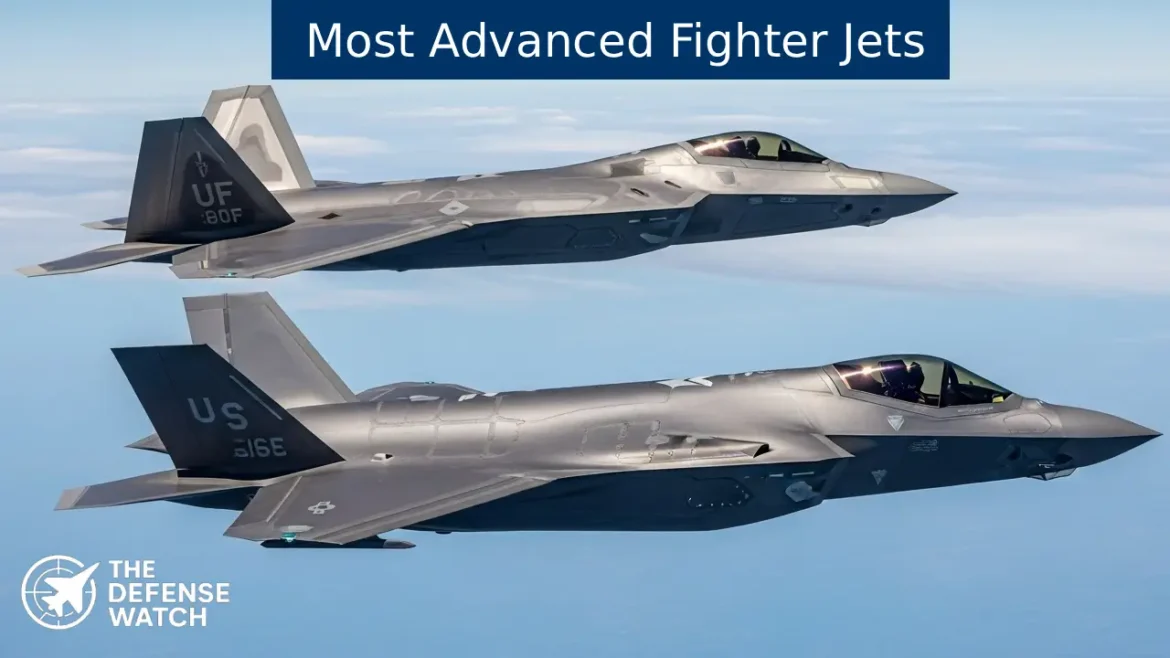
How the Ranking of the Most Advanced Fighter Jets Is Changing
The ranking of the most advanced fighter jets continues to evolve as air forces modernize fleets, integrate new sensors, and field upgraded weapons. As of 2025, only a handful of nations operate true fifth-generation platforms, while several others deploy high-end fourth-plus generation aircraft with advanced avionics and limited stealth. This report provides an updated, fact-driven assessment of today’s most capable fighters currently in operational service.
The ranking below is based on publicly available data regarding stealth characteristics, sensor fusion, range, weapons integration, electronic warfare (EW), and operational maturity.
The Top 10 Most Advanced Fighter Jets in Active Service (2025)
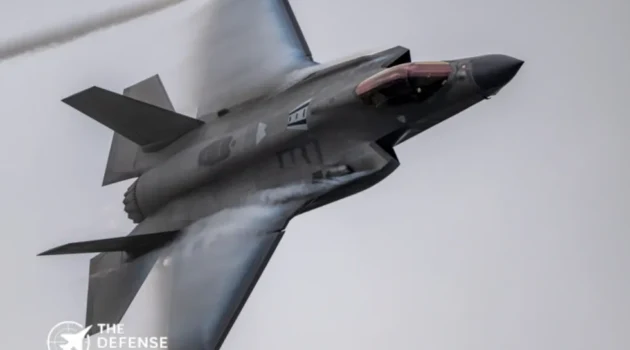
1. Lockheed Martin F-35 Lightning II (USA) — The Global Benchmark
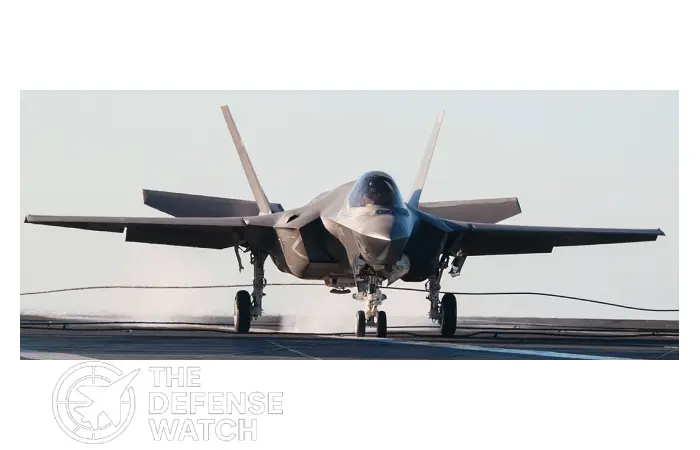
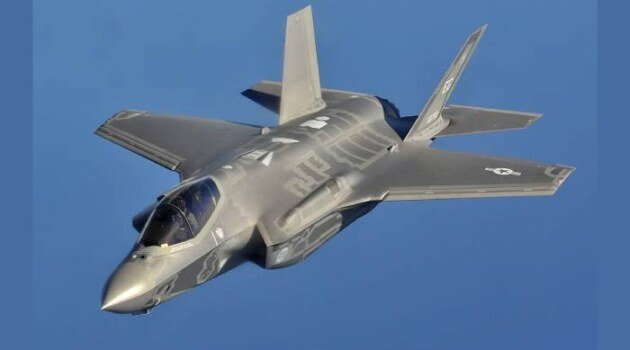
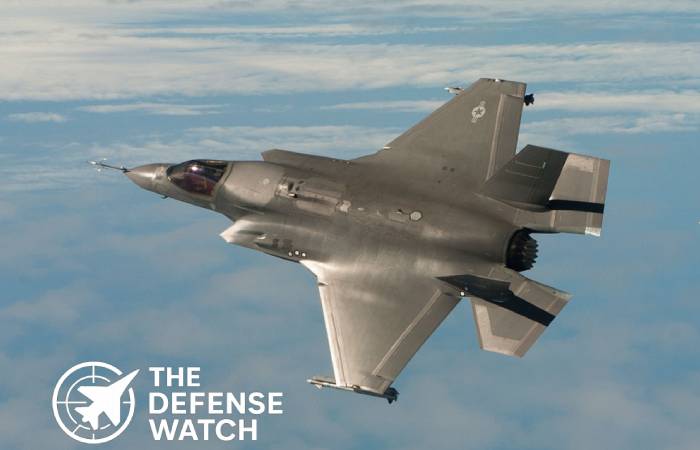
The F-35 remains the most widely deployed fifth-generation fighter, operated by more than a dozen allied air forces. Its strength lies in its fused sensor suite, advanced AESA radar, low-observable design, secure datalinks, and extensive weapons certification. Ongoing upgrades under the Block 4 modernization program expand its electronic attack capabilities and enable new long-range strike options.
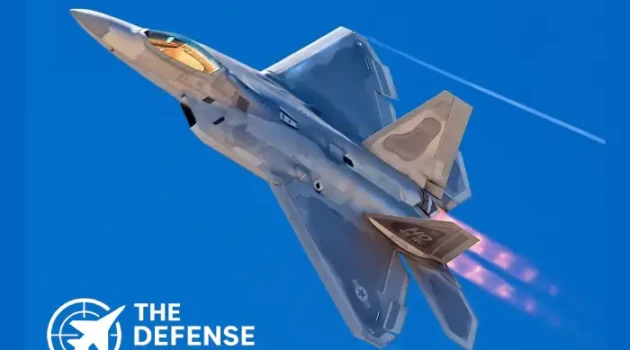
2. Lockheed Martin F-22 Raptor (USA) — Air Superiority Standard
Although produced in limited numbers, the F-22 remains unmatched in high-end air dominance missions. Its superior stealth, agility, supercruise performance, and integrated EW suite keep it at the top tier. The Raptor’s sensors and avionics continue to receive upgrades to maintain relevance against modern threats.
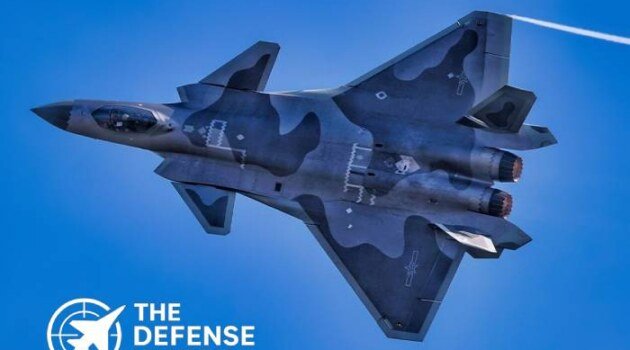
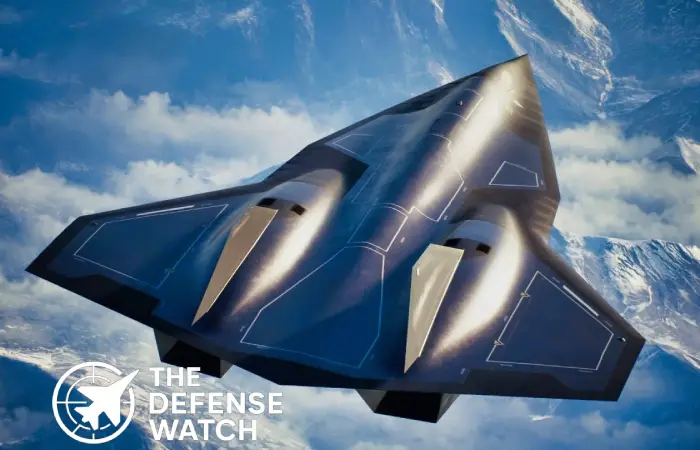
3. Chengdu J-20 Mighty Dragon (China)
China’s first operational fifth-generation fighter has entered mass production, with the latest “J-20B” variants reportedly fielding improved engines and avionics. Its large internal volume supports long-range missions in the Indo-Pacific, and its evolving sensor suite enhances situational awareness. Operational details remain classified, but the aircraft is now firmly established in front-line service.
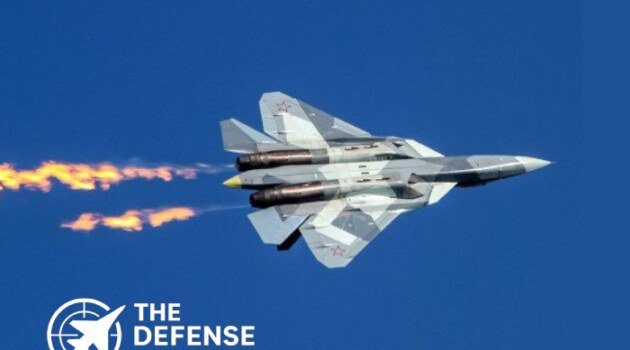
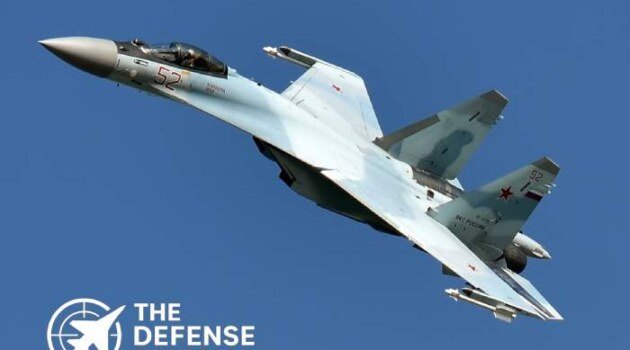
4. Sukhoi Su-57 Felon (Russia)
Russia’s Su-57 combines stealth shaping, supermaneuverability, and multi-role capability. While fleet numbers remain limited, the aircraft is actively deployed within the Russian Aerospace Forces. Its low-observable signature is less mature than U.S. or Chinese designs, but its advanced IRST and EW systems contribute to its ranking.
5. Eurofighter Typhoon (Europe) — Fully Mature 4.5-Gen Platform
Operated by the UK, Germany, Italy, Spain, and several export customers, the Typhoon’s latest Tranche 3 and ECR variants offer upgraded radars, expanded weapons integration, and strong electronic attack capability. Its high-altitude performance and reliability make it one of the leading non-stealth fighters.
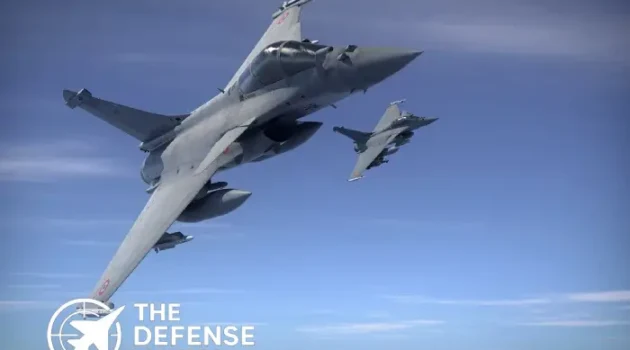
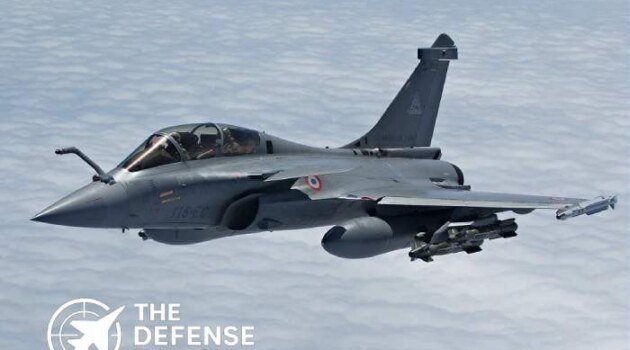
6. Dassault Rafale F3R/F4 (France)
The Rafale combines multi-role flexibility with advanced avionics, AESA radar, and cutting-edge EW systems (SPECTRA). The F4 standard enhances connectivity, weapons accuracy, and sensor performance, solidifying its position as a top-tier European fighter.
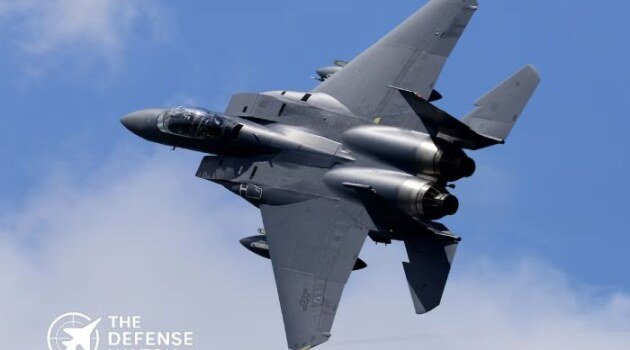
7. Boeing F-15EX Eagle II (USA)
Built on the proven F-15 lineage, the F-15EX introduces digital fly-by-wire controls, an advanced EPAWSS EW suite, and the world’s highest air-to-air weapons capacity. It lacks stealth but excels in payload, speed, and long-range combat.
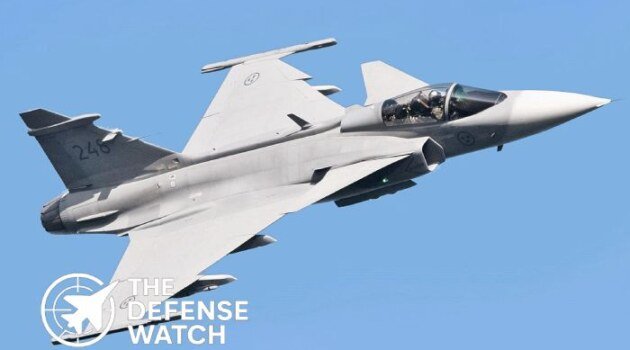
8. Saab JAS 39E/F Gripen (Sweden)
Designed for network-centric warfare, the Gripen E/F features the PS-05/A Mk5 radar suite, low operating costs, and a strong electronic warfare package. It is among the most cost-efficient high-performance fighters in service.
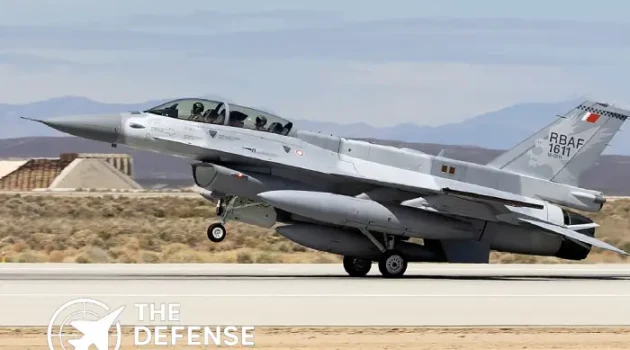
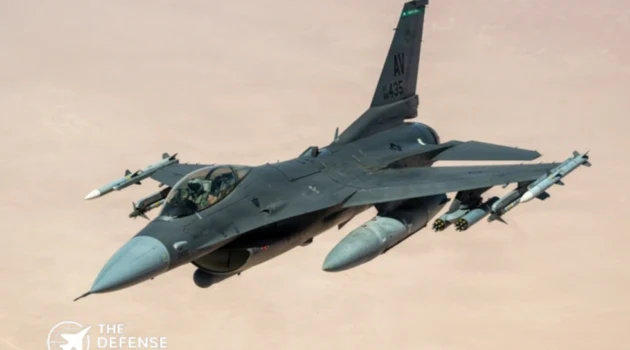
9. F-16V “Viper” Upgrade (USA / Allied Operators)
The F-16V represents the latest and most advanced configuration of the F-16 family. It incorporates an AESA radar, upgraded mission computer, modern cockpit displays, and advanced weapons — extending the operational relevance of this long-serving platform.
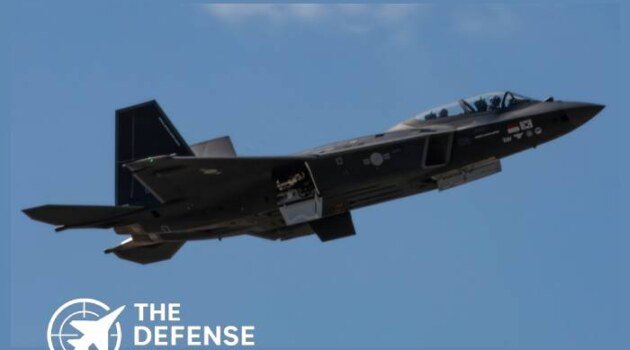
10. KAI KF-21 Boramae (South Korea) — Early Operational Entry
Although still in its formative operational stages, the KF-21 entered limited service with the Republic of Korea Air Force. Its capabilities — AESA radar, advanced sensors, and a modular open architecture — position it as one of the most promising future 4.5-generation designs.
Factors That Determine Fighter Jet Ranking
To evaluate the ranking of the most advanced fighter jets, several core criteria were applied:
Stealth & Survivability
Low-observable design and advanced EW systems significantly influence survivability in denied-airspace environments.
Sensors, Fusion, and Targeting
Platforms that integrate radar, IRST, EW, and communications into a unified display offer superior situational awareness.
Weapons Capability
Air-to-air missiles, stand-off weapons, precision strike systems, and integration flexibility are key differentiators.
Operational Maturity
Platforms with proven readiness, reliable maintenance cycles, and global deployment scores higher.
Analysis: Strategic Implications of the Current Rankings
The concentration of fifth-generation aircraft among a small group of nations shapes global airpower balance. The U.S. maintains a decisive advantage through the combined strength of the F-22 and F-35 fleets, supported by a robust industry and upgrade pipeline.
China’s J-20 is rapidly maturing, contributing to shifting dynamics in the Indo-Pacific and compelling regional states to accelerate modernization programs. Europe continues to rely on 4.5-generation fighters while preparing for sixth-generation partnerships such as FCAS and GCAP.
The presence of advanced but non-stealth platforms like the F-15EX illustrates that speed, payload, and EW capabilities still play critical roles in multi-domain operations, especially where stealth is not the primary factor.
Basis for Ranking: Why the F-35 Is No. 1 and the KF-21 Is No. 10
Why the F-35 Ranks #1
The F-35 is evaluated as the most advanced fighter jet in active service due to:
- Full fifth-generation stealth performance
- Mature sensor fusion and situational awareness
- Widest deployment among allied air forces
- Advanced electronic warfare and data-link systems
- Block 4 upgrade pathway expanding weapons and capabilities
- Proven operational record across multiple regions
These factors collectively position the F-35 as the top combat aircraft currently fielded anywhere in the world.
Why the KF-21 Ranks #10
The KF-21 Boramae is placed at Number 10 because:
- It is operational only in limited early deployment
- It is classified as a 4.5-generation fighter, not fifth-generation
- Its stealth characteristics are partial, not full-spectrum
- Weapons and avionics integration are still expanding
- Export and combat readiness remain unproven
However, it ranks within the top 10 because:
- It features modern AESA radar and sensor architecture
- It is designed with open systems for rapid upgrades
- It represents one of the most advanced emerging platforms
The KF-21 is considered a future growth aircraft, but as of 2025, it ranks below mature systems like the Rafale, Typhoon, and F-15EX.
FAQs
What is the most advanced fighter jet in service today?The F-35 is considered the most advanced due to its sensor fusion, stealth, and global operational maturity.
Which countries operate fifth-generation fighters?The United States, China, and Russia are the only nations with operational, indigenous fifth-generation aircraft.
Is the Su-57 fully deployed?Yes, but in limited numbers. Russia continues incremental deliveries and capability upgrades.
How does the J-20 compare to the F-22?The F-22 remains superior in air dominance, but the J-20 offers longer range and is improving rapidly.
Is the KF-21 considered a fifth-generation jet?Not yet — it is classified as a 4.5-generation platform, though it may gain low-observable features in future blocks.

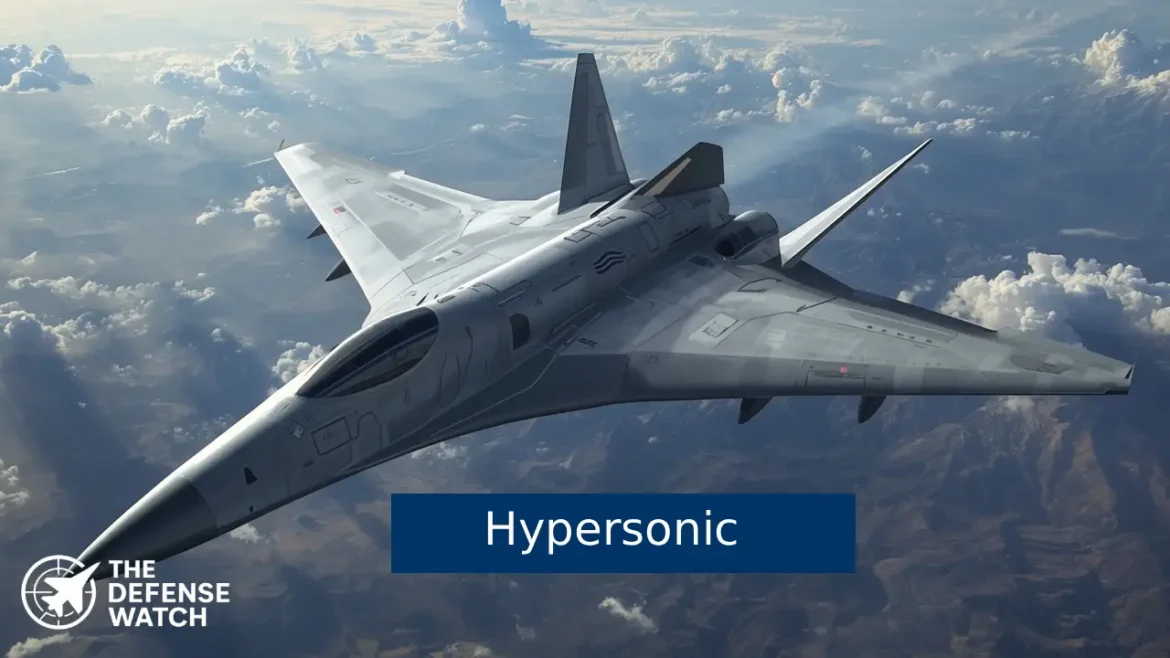
The pursuit of hypersonic flight—speeds exceeding Mach 5—represents one of the most ambitious technological challenges in modern aerospace engineering. While no confirmed flight tests have occurred for the SR-72 and it remains a design concept, the broader field of hypersonic aircraft development is advancing rapidly, with multiple programs demonstrating breakthrough capabilities that could revolutionize military operations and strategic deterrence.
Defining Hypersonic Speed: The Mach 5 Threshold
Hypersonic speed is universally defined as any velocity exceeding Mach 5, or five times the speed of sound. At sea level, this translates to approximately 3,800 miles per hour or 6,116 kilometers per hour. This threshold represents more than just a numerical milestone—it marks the point where a range of physical effects start becoming a significant engineering challenge, fundamentally changing how aircraft must be designed and operated.
The extreme velocities generate massive heat flux as vehicles travel through dense atmospheric layers, creating temperatures that can exceed 2,000 degrees Celsius on leading edges and structural surfaces. This thermal environment, combined with complex aerodynamic phenomena, distinguishes hypersonic flight from merely supersonic operations and requires revolutionary engineering solutions.
The SR-72 Concept: Son of Blackbird
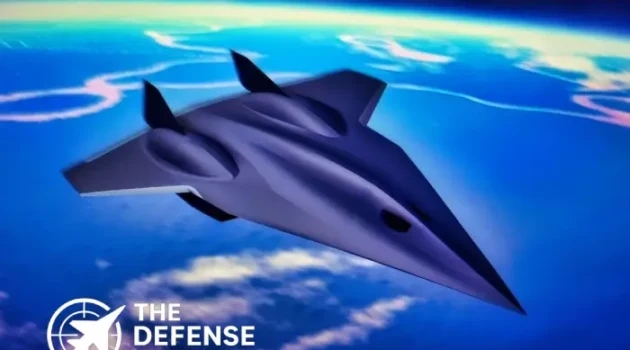
The Lockheed Martin SR-72, often dubbed “Son of Blackbird” as the proposed successor to the legendary SR-71 Blackbird reconnaissance aircraft, represents the cutting edge of hypersonic aircraft design. It was proposed privately in 2013 by Lockheed Martin with speculation persisting about potential service entry in the 2030s, though the program faces significant technical and financial hurdles.
Unlike its manned predecessor, the SR-72 is envisioned as an unmanned, reusable aircraft capable of autonomous missions at speeds exceeding Mach 6. With an anticipated length of over 100 feet, the aircraft would mirror the dimensions of the SR-71 but introduce fundamentally different propulsion architecture designed for sustained hypersonic flight.
Recent speculation in 2025 suggests Lockheed Martin could finalize a prototype of SR-72 by the end of 2025, though these remain unconfirmed projections. The program’s alignment with U.S. Air Force hypersonic roadmaps indicates a notional in-service date around 2030, contingent on overcoming substantial propulsion, thermal management, and materials challenges.

How Hypersonic Aircraft Work: Revolutionary Propulsion Systems
The heart of hypersonic flight lies in advanced propulsion technologies that operate efficiently at extreme velocities. Traditional turbojet and turbofan engines become impractical beyond Mach 3 due to the extreme temperatures and pressures generated by compressing incoming air at such speeds.
Scramjet Technology: Air-Breathing Hypersonics
A scramjet (supersonic combustion ramjet) is a variant of a ramjet airbreathing jet engine in which combustion takes place in supersonic airflow. Unlike conventional engines, scramjets have no moving parts—no compressor blades, no turbines. Instead, they rely entirely on the vehicle’s forward velocity to compress incoming air before mixing it with fuel and igniting it while maintaining supersonic flow throughout the engine.
The X-51 Waverider program demonstrated the viability of this technology, achieving a speed of Mach 5.1 and flying for 210 seconds until running out of fuel during its final test in May 2013. This represented the longest air-breathing hypersonic flight ever achieved and provided critical data informing current hypersonic weapons development.
Turbine-Based Combined Cycle (TBCC) Propulsion
For aircraft like the proposed SR-72, a more sophisticated approach is required: the Turbine-Based Combined Cycle (TBCC) propulsion system. This revolutionary design merges a traditional turbofan engine—used during subsonic operations like takeoff and landing—with a scramjet capable of sustaining speeds above Mach 5.
The TBCC system employs shared air intakes and nozzles but maintains distinct airflow conduits, optimizing performance across a wide operational envelope. This dual-mode configuration is not merely a performance enhancement but an operational necessity, as no single engine type can efficiently cover the entire speed range from takeoff to hypersonic cruise.
Operational Hypersonic Systems: What’s Actually Flying
While the SR-72 remains conceptual, several hypersonic systems are approaching or achieving operational capability in 2025:
Stratolaunch Talon-A: Breakthrough Testing Platform
Stratolaunch’s Talon-A2 vehicle conducted flights in December 2024 and March 2025 as part of the Pentagon’s Multi-Service Advanced Capability Hypersonic Test Bed (MACH-TB) program, marking the first reusable hypersonic aircraft operations since the X-15 program ended in 1968. Both flights exceeded Mach 5 with the fully autonomous vehicle landing successfully at Vandenberg Space Force Base, demonstrating unprecedented precision in hypersonic testing.
Army Long-Range Hypersonic Weapon (LRHW)
The U.S. Army’s 3rd Multi-Domain Task Force has successfully deployed a Long-Range Hypersonic Weapon system outside the continental U.S. for the first time, marking a significant milestone in operational hypersonic capability. The LRHW, also known as Dark Eagle, leverages the common hypersonic glide body and represents a new class of ultrafast, maneuverable long-range missiles launched from ground mobile platforms.
Air Force Hypersonic Programs
The U.S. Air Force is pursuing multiple hypersonic weapon systems. The Air Force wants to spend $387.1 million in fiscal 2026 to acquire its first hypersonic missile known as the AGM-183A Air-Launched Rapid Response Weapon (ARRW), officially transitioning the weapon from development into procurement after a troubled testing phase.
Additionally, the Hypersonic Attack Cruise Missile (HACM), developed by Raytheon and Northrop Grumman, employs scramjet propulsion and is expected to begin extensive flight testing in 2025, with operational capability targeted for 2027.
Technical Challenges: The Engineering Gauntlet
Sustained hypersonic flight presents extraordinary engineering challenges across multiple domains:
Thermal Management
Hypersonic velocities generate extreme heat loads that threaten airframe integrity, with the SR-72 incorporating advanced thermal protection systems including ceramic matrix composites and ablative coatings capable of withstanding temperatures exceeding 2,000°C. These materials, similar to those used in intercontinental ballistic missiles, ensure structural stability during prolonged hypersonic flight.
Materials Science
Developing materials that can withstand the punishing thermal and structural loads of hypersonic flight while remaining lightweight enough for efficient operation represents a critical bottleneck. Advanced composites combining carbon, ceramic, and metallic elements are essential for managing heat while maintaining structural integrity.
Propulsion Stability
Achieving reliable ignition and sustained combustion in supersonic airflow has been likened to “lighting a match in a hurricane.” The extreme velocities create turbulent, high-pressure conditions where fuel must be precisely injected, mixed, and ignited within milliseconds while maintaining stable thrust production.
Strategic Implications: Why Hypersonic Aircraft Change Warfare
Hypersonic aircraft and weapons fundamentally alter strategic military calculations in several critical ways:
Defeating Advanced Air Defenses
The SR-72’s ability to operate at altitudes above 80,000 feet and speeds beyond Mach 6 positions it beyond the reach of most current interceptors, providing a decisive intelligence advantage. Modern air defense systems like Russia’s S-500 and China’s HQ-19 are designed to intercept threats, but hypersonic vehicles traveling at Mach 6+ significantly reduce engagement windows and increase interception difficulty.
Rapid Global Reach
Hypersonic aircraft could traverse intercontinental distances in hours rather than the current timeframe of many hours or days. This rapid global reach enhances intelligence collection and strike capabilities, enabling commanders to respond to emerging crises with unprecedented speed.
Multi-Domain Strike Capability
The SR-72’s potential to carry hypersonic weapons such as the High-Speed Strike Weapon (HSSW) amplifies its battlefield impact, with the integration aligning with the U.S. Department of Defense’s 2025 National Defense Strategy emphasizing multi-domain operations. This combination of reconnaissance and strike capabilities in a single platform represents a force-multiplier for military operations.
Current Funding and Development Status
The Pentagon has significantly increased investment in hypersonic technologies. The 2025 budget request for hypersonic research totaled $6.9 billion, up from $4.7 billion in 2023, reflecting growing prioritization of these capabilities as China and Russia field operational hypersonic systems.
GE Aerospace announced remarkable propulsion and avionics milestones at the 2025 Air, Space & Cyber Conference, successfully demonstrating two rotating detonation combustion (RDC) engines: a missile-scale ramjet and a dual-mode ramjet for high-speed aircraft. The test campaign exceeded expectations, demonstrating a threefold increase in engine airflow compared to previously flight-tested hypersonic engines.
The Path Forward: 2025-2030
While the SR-72 remains in the concept and development phase, the broader hypersonic ecosystem is maturing rapidly. Multiple test programs are demonstrating critical technologies, operational weapons systems are entering service, and industrial capacity is expanding.
The next five years will likely see:
- Continued testing of reusable hypersonic test vehicles like Talon-A
- Initial operational deployment of hypersonic weapons including LRHW and potentially ARRW
- Maturation of scramjet and TBCC propulsion technologies
- Development of advanced thermal protection systems and materials
- Possible first flights of demonstrator aircraft incorporating SR-72-class technologies
Whether the SR-72 itself materializes as envisioned or evolves into a different configuration, the underlying technologies being developed are transforming aerospace capabilities and reshaping strategic military planning for decades to come.
FAQs
Is the SR-72 currently operational?No. The SR-72 remains a concept aircraft with no confirmed flight tests as of late 2025. While Lockheed Martin has conducted research and development work, the aircraft has not been built or flown, and speculation about a 2025 prototype remains unconfirmed.
What is the difference between the SR-71 and SR-72?The SR-71 Blackbird was a manned reconnaissance aircraft that flew at Mach 3.2 and was retired in 1998. The proposed SR-72 would be unmanned, fly at Mach 6+, and use entirely different propulsion technology (TBCC versus conventional turbojets). The SR-72 would approximately double the SR-71’s speed while operating autonomously.
How does scramjet propulsion workA scramjet (supersonic combustion ramjet) compresses incoming air using the vehicle’s forward velocity rather than mechanical compressors. It maintains supersonic airflow throughout the engine, mixing fuel with compressed air and igniting it while maintaining supersonic combustion—a process that only works efficiently above Mach 4-5.
What hypersonic weapons are currently operational?As of late 2025, the U.S. Army has deployed the Long-Range Hypersonic Weapon (LRHW/Dark Eagle) system, marking the first operational U.S. ground-launched hypersonic capability. The Air Force’s AGM-183A ARRW is transitioning to procurement phase with planned acquisition in fiscal 2026. Russia and China have fielded operational hypersonic systems including the Kinzhal, Avangard, and DF-ZF.
When might hypersonic passenger aircraft become available?Commercial hypersonic passenger aircraft remain decades away from operational service. While companies like Boom Supersonic are developing supersonic (not hypersonic) aircraft targeted for the late 2020s, true hypersonic passenger service faces enormous technical, safety, regulatory, and economic challenges that will require extensive research and development well into the 2030s and beyond.
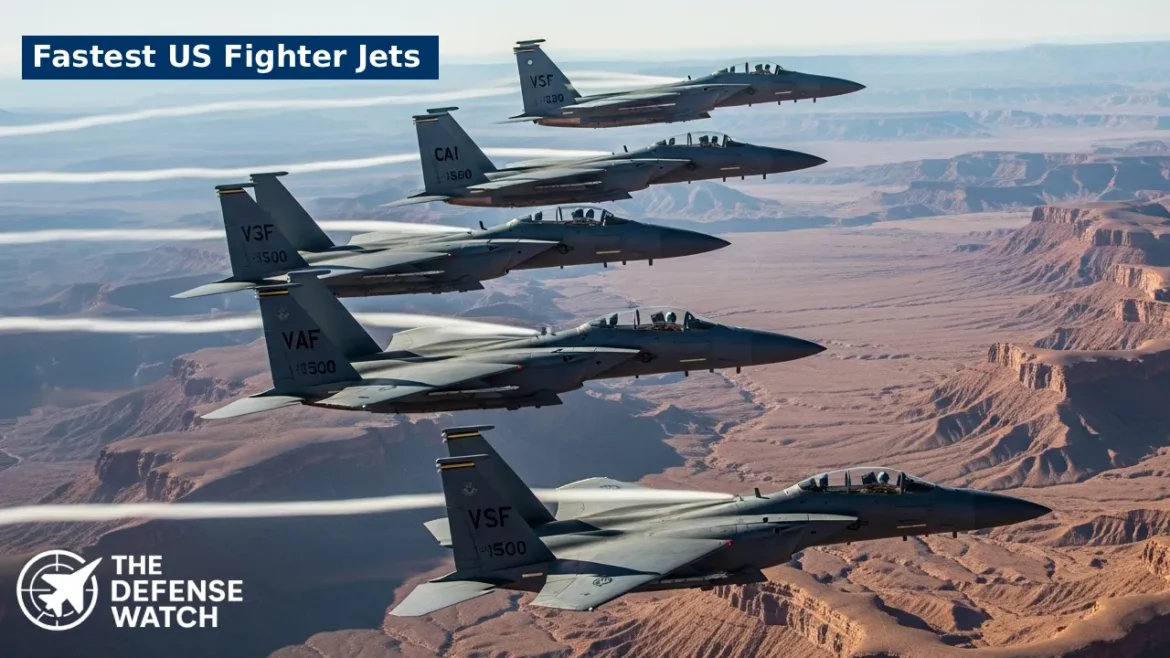
In an era where stealth and sensor fusion often steal the spotlight, the fastest fighter jets in the US military continue to underscore the enduring value of raw velocity. As of November 2025, these high-speed platforms form the backbone of America’s airpower, enabling rapid response, interception, and deep-strike operations amid escalating global tensions. From the Indo-Pacific to the Middle East, where adversaries field increasingly sophisticated defenses, the ability to outpace threats remains a cornerstone of strategic deterrence. This ranking draws on the latest operational data, highlighting the top five fastest fighter jets in the US military—platforms that blend blistering acceleration with cutting-edge avionics to maintain superiority.
The US Air Force and Navy’s fleet prioritizes not just top-end speeds but sustained performance under combat loads, a nod to real-world scenarios where pilots must evade missiles or surge to contested airspace. With ongoing upgrades and integration into networked battle management systems, these jets are evolving to counter peer competitors like China’s J-20 or Russia’s Su-57. Below, we break down the rankings based on maximum dash speeds at optimal altitudes, factoring in current deployments and enhancements through late 2025.
1. F-15EX Eagle II: The Pinnacle of Speed and Payload
At the apex of this list sits the Boeing F-15EX Eagle II, clocking a top speed of Mach 2.5—roughly 1,900 miles per hour at high altitude—making it the fastest fighter jet in the US military’s active inventory. Introduced to bridge the gap left by aging F-15C models, the Eagle II entered full-rate production in early 2025, with the first squadrons achieving initial operational capability at Eglin Air Force Base by summer. Its twin General Electric F110-GE-129 engines deliver over 29,000 pounds of thrust each, allowing for rapid climbs to 65,000 feet and seamless transitions from subsonic loiter to supersonic sprints.
What sets the F-15EX apart in 2025 is its unmatched weapons carriage: up to 22 air-to-air missiles or a mix of precision-guided munitions totaling 29,500 pounds. Fly-by-wire controls and a digital cockpit with large-area displays enhance pilot situational awareness, while the Eagle Passive Active Warning Survivability System (EPAWSS) provides robust electronic warfare protection against radar-guided threats. In exercises like Northern Edge 2025, F-15EX units demonstrated 20% faster response times compared to legacy Eagles, underscoring their role in high-threat environments. As the Air Force accelerates procurement to 144 units, this platform is poised to serve as a “missile truck” for fifth-generation fighters like the F-35, extending the reach of joint operations.
2. F-15E Strike Eagle: Versatile Velocity for All-Weather Strikes
Matching the F-15EX’s Mach 2.5 benchmark is the battle-tested F-15E Strike Eagle, a dual-role workhorse that has logged over 500,000 flight hours since its 1988 debut. Upgraded through the 2025 fiscal year with enhanced Pratt & Whitney F100-PW-229 engines—boasting 58,000 pounds of thrust—the Strike Eagle accelerates from idle to full afterburner in under four seconds, a critical edge in dynamic combat zones. Its conformal fuel tanks extend range to 2,400 nautical miles, enabling long-duration missions without mid-air refueling.
The jet’s conformal radar and LANTIRN targeting pods allow for precision strikes in adverse weather, from low-level terrain-following runs to high-altitude intercepts. In recent deployments supporting Operation Inherent Resolve, Strike Eagles have neutralized high-value targets with Joint Direct Attack Munitions, all while maintaining air-to-air viability via AIM-120D missiles. Ongoing Service Life Extension Programs (SLEP) through 2025 incorporate open-mission systems architecture, facilitating rapid software updates for emerging threats like hypersonic glide vehicles. This adaptability ensures the F-15E remains a staple in the US military’s fastest fighter jets lineup, balancing speed with multirole flexibility.
3. F-22 Raptor: Supercruise King of Stealthy Speed
Slightly trailing at approximately Mach 2.0 (around 1,500 mph), the Lockheed Martin F-22 Raptor redefined air dominance when it achieved operational status in 2005. Its Pratt & Whitney F119-PW-100 engines enable supercruise—sustained Mach 1.5+ flight without afterburners—reducing infrared signatures and fuel burn during patrols. Thrust vectoring nozzles provide unparalleled maneuverability, with post-stall recovery capabilities that excel in close-quarters dogfights.
By late 2025, the Raptor’s fleet of 183 aircraft has undergone Digital Airplane upgrades, integrating advanced data links for collaborative tactics with unmanned systems under the Collaborative Combat Aircraft (CCA) initiative. In Pacific theater simulations, F-22s have quarterbacked drone swarms to penetrate denied airspace, leveraging their Mach 2 dash for quick ingress and egress. Though production ended years ago, incremental enhancements like infrared search-and-track sensors keep it relevant against stealthy foes. The Raptor’s speed, combined with all-aspect stealth, positions it as a high-end asset in the US military’s fastest fighter jets arsenal, though its numbers highlight the urgency for successors like the Next Generation Air Dominance (NGAD) program.
4. F-15C/D Eagle: Legacy Speed with Unbroken Records
Another Mach 2.5 contender, the McDonnell Douglas F-15C/D Eagle, entered service in 1979 but continues to anchor air superiority missions in 2025. Its robust airframe and twin F100 engines yield a thrust-to-weight ratio exceeding 1:1, facilitating vertical climbs and sustained turns at supersonic speeds. The single-seat C variant and two-seat D trainer have amassed an impeccable combat record: 104 kills without a single loss in aerial engagements.
Modernized via the Eagle Passive/Active Warning and Survivability System (EPAWSS) retrofit—completed on most units by mid-2025—these jets now feature digital radars capable of tracking 20+ targets simultaneously. In homeland defense roles with the Air National Guard, F-15Cs routinely intercept Russian bombers off Alaska, leveraging their speed for rapid scrambles. While some squadrons transitioned to F-15EX platforms this year, the Eagle’s low operating cost (about $30,000 per flight hour) ensures its longevity. As one of the fastest fighter jets in the US military, it exemplifies how legacy designs can evolve to meet contemporary demands.
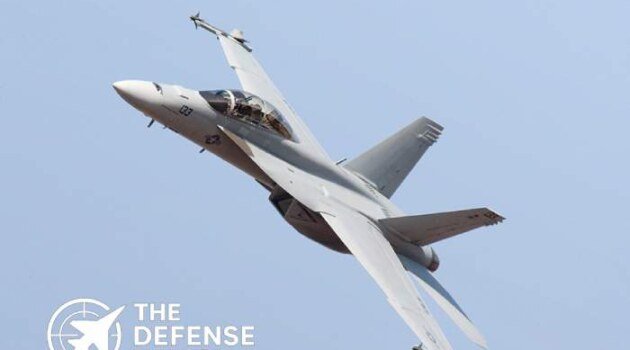
5. F/A-18E/F Super Hornet: Carrier-Launched Speed for Naval Power
Rounding out the top five is the Boeing F/A-18E/F Super Hornet, achieving Mach 1.8 (over 1,190 mph) from the deck of nuclear carriers like the USS Gerald R. Ford. First flown in 1995, the Super Hornet’s two F414-GE-400 engines provide 44,000 pounds of thrust, with growth potential for future Block III upgrades incorporating gallium nitride radars for better detection ranges.
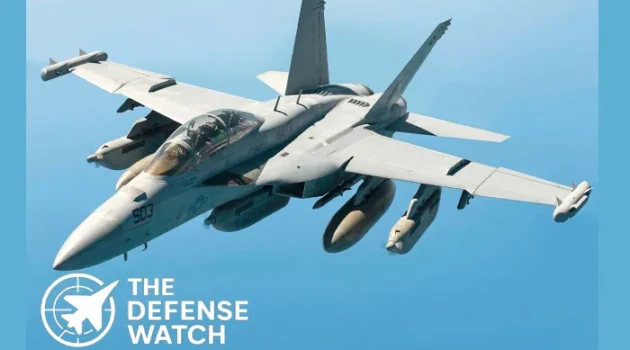
Optimized for naval operations, it carries a 20mm Vulcan cannon and up to 17,750 pounds of ordnance, including Harpoon anti-ship missiles and JSOW glide bombs. In 2025 Red Sea patrols, Super Hornets from Carrier Air Wing 1 executed over 1,000 sorties, using their speed to evade surface-to-air threats while delivering standoff strikes. The electronic attack variant, EA-18G Growler, further amplifies its utility with Next Generation Jammer pods. Though not the outright fastest, the Super Hornet’s carrier compatibility makes it indispensable for projecting US power projection across maritime domains.
Analysis: The Evolving Role of Speed in Networked Warfare
Speed alone no longer guarantees victory in 2025’s contested airspace, where integrated air defense systems and hypersonic threats demand a holistic approach. The fastest fighter jets in the US military, like the F-15EX and F-22, now operate within “kill webs”—data-sharing ecosystems that fuse off-board sensors for beyond-visual-range engagements. This shift reduces reliance on individual dash speeds, emphasizing instead endurance and survivability. For instance, the Air Force’s Advanced Battle Management System (ABMS) trials in October 2025 linked F-15Es with MQ-9 drones, allowing pilots to maintain subsonic efficiency while delegating high-speed intercepts to autonomous assets.
Yet, velocity retains tactical primacy in scenarios like Taiwan Strait contingencies, where closing speeds can outrun incoming missiles. Budget constraints—$849 million allocated for F-15EX in FY2025—signal a pivot toward affordable high-speed complements to stealth platforms, mitigating the F-22’s numerical shortfall. As adversaries accelerate hypersonic programs, US investments in adaptive engines could push these jets toward Mach 3 thresholds by decade’s end, ensuring speed evolves from a legacy metric to a networked multiplier.
Future Horizons: Toward Hypersonic Horizons
Looking beyond 2025, the US military’s fastest fighter jets will integrate with NGAD prototypes, expected to demonstrate Mach 2+ stealth supercruise by 2027. Programs like the Hypersonic Attack Cruise Missile, tested successfully in September 2025, will arm existing platforms, blurring lines between fighters and strategic bombers. This trajectory promises a more lethal, distributed force, where speed amplifies precision in an era of great-power competition.
FAQs
What is the fastest fighter jet in the US military in 2025?The F-15EX Eagle II leads with a top speed of Mach 2.5, followed closely by the F-15E Strike Eagle and F-15C/D Eagle.
How does the F-22 Raptor’s speed compare to other US fighters?The F-22 achieves about Mach 2.0 with supercruise capability at Mach 1.5+, prioritizing stealth and maneuverability over raw top-end velocity.
Why include the F/A-18 Super Hornet despite its lower speed?Its Mach 1.8 performance is optimized for carrier operations, making it vital for naval strike roles where versatility trumps absolute speed.
Are there plans for faster US jets beyond 2025?Yes, the NGAD program aims for sixth-generation fighters with enhanced speeds, while engine upgrades could boost current fleets toward Mach 3.
How has speed influenced recent US military operations?In 2025 Middle East deployments, high-speed intercepts by F-15 variants have neutralized drone swarms, highlighting velocity’s role in defensive layers.
In the high-stakes arena of modern aerial warfare, the best fighter jets in 2025 represent a fusion of cutting-edge stealth, supersonic speeds, and networked intelligence that redefine air dominance. As geopolitical tensions simmer from the Indo-Pacific to Eastern Europe, nations are investing heavily in these flying fortresses to secure strategic edges. This ranking draws on the latest assessments from defense analysts, production updates, and operational deployments as of November 2025, highlighting how these aircraft balance multirole versatility with raw combat prowess. Whether it’s penetrating enemy defenses undetected or engaging in beyond-visual-range dogfights, the top 15 best fighter jets in 2025 underscore a shift toward fifth-generation platforms that integrate AI-driven sensors and hypersonic threats.
The global fighter jet landscape has evolved rapidly this year, with over 5,000 active units across major powers, according to Global Firepower’s 2025 assessments. Production ramps for stealth models like China’s J-20 have surged, while U.S. exports of the F-35 continue to bolster alliances. Yet, challenges persist: escalating costs and supply chain disruptions amid U.S.-China tech rivalries could slow sixth-generation transitions.
The Pinnacle of Stealth and Versatility: Top 5 Best Fighter Jets in 2025
1. Lockheed Martin F-35 Lightning II (United States)
The F-35 Lightning II claims the top spot among the best fighter jets in 2025, thanks to its unmatched sensor fusion and global proliferation. With over 1,000 units delivered by mid-year, this fifth-generation multirole platform excels in air-to-air, air-to-ground, and electronic warfare missions. Its radar cross-section (RCS) of just 0.0015 square meters—smaller than a golf ball—allows it to evade detection while its AN/APG-81 AESA radar locks onto targets at 150 miles. Powered by the Pratt & Whitney F135 engine, it achieves Mach 1.6 speeds and carries up to 18,000 pounds of munitions internally for stealthy strikes.
In 2025, the F-35’s Block 4 upgrades have integrated AI-assisted targeting, enhancing its role in joint operations. Nations like Israel and Japan have leveraged it for real-world intercepts, proving its edge in contested environments. At around $80 million per unit (down from prior years due to economies of scale), it’s a cornerstone of NATO’s airpower balance.
2. Lockheed Martin F-22 Raptor (United States)
No discussion of the best fighter jets in 2025 omits the F-22 Raptor, the stealth benchmark with an RCS akin to a marble (0.0001 square meters). This air superiority specialist boasts a 1.26 thrust-to-weight ratio for supermaneuverability and supercruise at Mach 1.8 without afterburners, outpacing most adversaries. Armed with six AIM-120 AMRAAMs internally, it dominates beyond-visual-range engagements.
Though production ended in 2011, 2025 sustainment programs have extended its lifespan through digital upgrades, including helmet-mounted displays for 360-degree awareness. The U.S. Air Force’s 178 active Raptors remain elite, often paired with F-35s for “loyal wingman” tactics that amplify force multiplication.
3. Chengdu J-20 Mighty Dragon (China)
China’s J-20 has solidified its place among the top best fighter jets in 2025, with production exceeding 300 units amid the People’s Liberation Army Air Force’s expansion. This twin-engine stealth interceptor features a 24,000-pound internal weapons bay and WS-15 engines enabling supercruise at Mach 2. Its electro-optical targeting system and long-range PL-15 missiles make it a formidable counter to U.S. carriers in the South China Sea.
Recent 2025 deployments highlight its evolution from prototype to operational mainstay, with enhanced avionics for network-centric warfare. At an estimated $100 million per aircraft, the J-20 embodies Beijing’s push for regional air denial, though engine reliability issues linger.
4. Sukhoi Su-57 Felon (Russia)
The Su-57 Felon rounds out the top four best fighter jets in 2025, prized for its supermaneuverability via 3D thrust-vectoring nozzles and a thrust-to-weight ratio of 1.20. Russia’s fifth-generation entry carries 22,000 pounds of ordnance, including hypersonic Kinzhal missiles, and reaches Mach 2 with an RCS reduced to 0.1 square meters through composite materials.
By late 2025, over 30 Su-57s are combat-tested in Ukraine, showcasing resilience in electronic warfare-heavy skies. Priced at $50 million, it offers cost-effective stealth, though sanctions have hampered full-scale production.
5. Boeing F-15EX Eagle II (United States)
The F-15EX Eagle II, the heaviest hitter among the best fighter jets in 2025, hauls 29,500 pounds of weapons—enough for 22 air-to-air missiles—while hitting Mach 2.5, the fastest in U.S. service. Lacking full stealth, it compensates with the Eagle Passive/Active Warning Survivability System for threat evasion and digital fly-by-wire controls for precision.
Entering full-rate production this year, the F-15EX bridges fourth- and fifth-generation gaps, with 20 units delivered to the Air Force. Its interoperability with F-35s positions it as a high-volume missile truck in large-scale conflicts.
Proven Workhorses: Ranks 6-10 in the Best Fighter Jets of 2025
6. General Dynamics F-16 Fighting Falcon (United States)
The ubiquitous F-16 remains a staple among the best fighter jets in 2025, with 2,200+ active worldwide. This lightweight multirole jet, upgraded to Block 70/72 standards, features AESA radars and conformal fuel tanks for extended range up to 2,000 nautical miles. It tops out at Mach 2 and integrates seamlessly with NATO munitions.
Ongoing modernizations, including conformal low-drag wings, ensure its relevance; Taiwan’s 2025 deliveries underscore its export appeal in countering regional threats.
7. Sukhoi Su-35 Flanker-E (Russia)
Russia’s Su-35 excels as one of the best fighter jets in 2025 for close-quarters combat, with 2D thrust vectoring yielding a 1.15 thrust-to-weight ratio and Mach 2.25 speeds. Its Irbis-E radar detects stealth targets at 250 miles, and it lugs 17,600 pounds of payload over 1,900-mile ranges.
Export successes to Algeria and Iran in 2025 highlight its dogfighting prowess, though maintenance demands limit fleet growth.
8. Eurofighter Typhoon (Multinational: UK, Germany, Italy, Spain)
The Typhoon’s agility—1.15 thrust-to-weight and Mach 2 capability—secures its spot in the top best fighter jets in 2025. With 20,000 pounds of weapons and supercruise at Mach 1.5, Tranche 4 upgrades add Captor-E radars for beyond-visual-range kills.
European operators logged 500+ sorties in 2025 exercises, affirming its role in collective defense.
9. Boeing F/A-18E/F Super Hornet (United States)
Carrier-capable and rugged, the Super Hornet ranks high among best fighter jets in 2025 with 17,750 pounds of ordnance and Mach 1.8 performance. EA-18G variants enhance electronic attack, while Block III upgrades include infrared search-and-track systems.
The U.S. Navy’s 800+ fleet supports Pacific pivots, with Australia integrating them into AUKUS frameworks.
10. Dassault Rafale (France)
France’s Rafale, an omnirole marvel, features in the best fighter jets in 2025 with 20,900-pound payloads and SPECTRA electronic warfare suites that jam stealth radars. Its 1.10 thrust-to-weight ratio and Mach 1.8 speed shine in export markets like India and Egypt.
F4-standard aircraft delivered in 2025 boost sensor fusion, making it a neutral ally’s go-to for balanced capabilities.
Emerging Contenders: Ranks 11-15 Best Fighter Jets in 2025
11. Sukhoi Su-30SM (Russia/India)
The Su-30SM’s multirole flexibility, with 17,600-pound loads and Mach 2 speeds, earns it a nod among best fighter jets in 2025. Thrust vectoring and Bars radar enable superior endurance for maritime patrols.
India’s 2025 upgrades integrate BrahMos missiles, enhancing Indo-Pacific deterrence.
12. Saab JAS 39 Gripen E (Sweden)
Cost-effective at $85 million, the Gripen E offers AESA radar and Mach 2 agility in the best fighter jets in 2025 rankings. Its 15,000-pound payload and quick-turnaround basing suit expeditionary ops.
Brazil’s full squadron activation this year validates its neutral export model.
13. Shenyang J-16 (China)
China’s J-16, a 4.5-generation strike fighter, carries 12,000 pounds over Mach 2 ranges, with advanced ECM for suppression of enemy air defenses.
PLAAF’s 2025 expansions target Taiwan scenarios, rivaling Western multiroles.
14. KAI KF-21 Boramae (South Korea/Indonesia)
The KF-21 debuts in best fighter jets in 2025 with Mach 1.8 speeds and 9,700-pound payloads, bridging to sixth-gen with modular avionics.
Initial operational capability achieved in Q3 2025, bolstering Seoul’s autonomous defenses.
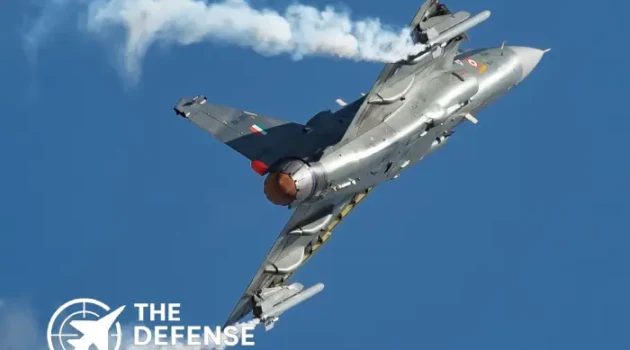
15. HAL Tejas Mk1A (India)
India’s indigenous Tejas Mk1A rounds out the list with AESA radar and Mach 1.6 performance for 11,000-pound loads.
2025 deliveries to the IAF emphasize lightweight agility in contested Himalayan skies.
Strategic Implications: How These Best Fighter Jets Shape 2025 Geopolitics
The dominance of U.S. platforms like the F-35 in the top best fighter jets in 2025 reflects Washington’s alliance-building strategy, with exports to 20 nations fostering interoperability. Conversely, Sino-Russian models signal a multipolar challenge, where quantity meets quality in hybrid threats. Analysts predict that by 2030, AI integration could widen gaps, urging mid-tier powers to adopt collaborative programs like GCAP.
Export dynamics further complicate the field: While the F-35’s software locks limit tech transfer, affordable options like the Gripen democratize access, potentially shifting airpower balances in Africa and Southeast Asia.
Ranking Methodology and Why This Order in 2025
The 2025 ranking of the world’s best fighter jets is based on a weighted composite score that reflects current operational realities rather than theoretical potential alone. Five core criteria were evaluated on a 100-point scale: (1) Stealth & Survivability (30%), (2) Sensor Fusion & Situational Awareness (25%), (3) Kinematic Performance & Maneuverability (20%), (4) Weapons Load, Range & Versatility (15%), (5) Proven Combat Record, Production Maturity & Sustainability (10%).
Data was cross-referenced from open-source intelligence, 2025 Global Firepower indices, U.S. Congressional Research Service reports, Janes Defense, and official ministry disclosures up to November 2025. For example, the F-35 scored 94/100 due to its near-undetectable RCS, Block 4 sensor suite, and 1,000+ airframes in active service across 20 air forces. The F-22 followed at 91 despite superior kinematics because its fleet is capped at 178 and lacks the F-35’s multirole flexibility and software-upgrade tempo. The J-20 (87) and Su-57 (84) trail primarily on proven stealth validation and global combat experience, while the F-15EX (82) surges ahead of pure fourth-generation jets because its 2025 digital architecture and massive payload make it the most lethal non-stealth platform in high-intensity scenarios. This methodology explains why raw top speed or thrust-vectoring alone no longer guarantees a top-five slot—survivability and information dominance now decide who rules contested skies.
Why These Jets Matter in 2025
- They influence global airpower balance, shaping deterrence and alliance strategies.
- Their capabilities (stealth, payload, range) reflect evolving doctrines — from high-intensity conflict to regional power projection.
- The proliferation and export potential of jets like the F-35 and KF-21 carry long-term political and economic implications.
FAQs
What makes the F-35 the best fighter jet in 2025?Its stealth, sensor fusion, and multirole adaptability allow seamless integration in joint operations, outpacing rivals in networked warfare.
How do fifth-generation best fighter jets in 2025 differ from fourth-generation?They prioritize internal weapons for low observability, supercruise, and advanced avionics over raw speed, enabling survival in high-threat zones.
Which country leads in best fighter jets in 2025 production?The United States, with the F-35 program delivering 150+ units annually, though China is closing the gap via J-20 ramps.
Are there any new entrants to the top 15 best fighter jets in 2025?Yes, the KF-21 Boramae enters operational service, offering affordable 4.5-gen capabilities for emerging powers.
What role do best fighter jets in 2025 play in unmanned teaming?They serve as “quarterbacks,” directing drone swarms for extended strikes, as seen in U.S. Air Force trials.

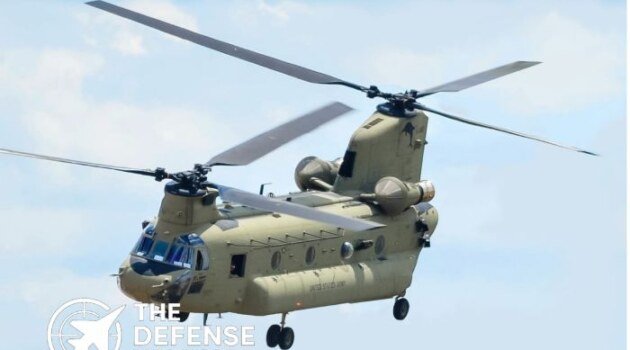
U.S. Special Operations Command Orders More MH-47G Block II Chinooks
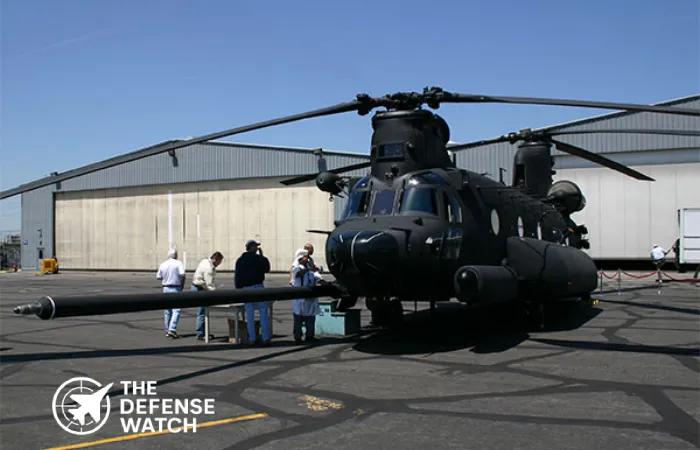
The U.S. Special Operations Command (USSOCOM) awarded Boeing a $877,742,891 delivery order to procure additional MH-47G Block II heavy-lift helicopters. The contract stipulates that most of the manufacturing activity will occur through late 2030, under the contracting activity based at MacDill Air Force Base.
Background: Why MH-47G Matters
The MH-47G is the special operations version of Boeing’s venerable CH-47 Chinook, tailored for the demanding missions of U.S. Army Special Operations Aviation Command (USASOAC), notably the 160th Special Operations Aviation Regiment (SOAR), also known as the Night Stalkers.
Derived from earlier MH-47 variants (D and E), the Block II brings critical upgrades: a reinforced airframe, redesigned “fat” fuel tanks, advanced avionics, and systems optimized for extended-range, high-threat, and night operations.
These helicopters support insertion, extraction, resupply, in-flight refueling, and even airborne command‐and‐control. Their low-level capability — paired with infrared suppression and countermeasure suites — makes them uniquely suited for clandestine and high-risk special operations.
Contract Details and Context
- The $877.7 million award represents a “delivery order,” meaning this is not a standalone contract but a continuation or extension of an existing procurement pathway.
- Production is expected to carry on until November 2030, giving Boeing and USASOAC a clear roadmap for the near term.
- This new order builds on a series of prior contracts:
- In March 2025, Boeing secured a $240 million deal to remanufacture five MH-47G Block II helicopters, with deliveries expected to begin in 2027.
- In June 2024, a $115 million contract for two additional MH-47G Block II Chinooks was awarded.
- Looking further back, in December 2023, Boeing received a $271 million award to remanufacture six MH-47G Block II airframes.
- According to these cumulative contracts, 51 MH-47G Block II helicopters are now under contract.
MH-47G Capabilities and Specifications
Key specifications and capabilities of the MH-47G Block II include:
- Powerplant: Two Honeywell T55-GA-714A turboshaft engines (approx. 4,734 hp each)
- Dimensions: Fuselage length ~ 15.9 m; total length with rotors ~ 30.2 m; rotor diameter ~ 18.8 m
- Fuel & Range: Internal fuel capacity around 7,828 liters; mission radius approx. 630 km; aerial refueling capability extends mission duration.
- Avionics: Digital cockpit compatible with night-vision goggles, Common Avionics Architecture System (CAAS), inertial/doppler navigation, GPS, and advanced radar.
- Defensive Systems: Infrared exhaust suppressors, missile warning system, electronic countermeasures, laser warning receiver, and flare dispensers.
- Armament and Personnel Systems: M134 minigun (7.62 mm) at forward doors, M240D machine guns in rear windows, fast-rope insertion/extraction, rope ladders, rescue hoist, and a personnel location system.
Expert & Policy Perspectives
From a defense policy standpoint, this contract underscores the U.S. military’s long-term commitment to sustaining and modernizing its special operations aviation capabilities. Analysts note that the continuous procurement of Block II MH-47Gs aligns with SOCOM’s broader strategy to extend platform service life while ensuring mission-ready readiness for high-risk operations across the globe.
Heather McBryan, Boeing’s Cargo Programs VP and Program Manager, has previously emphasized the “unique and complex mission requirements” of USASOAC, framing the MH-47G Block II as a force multiplier for special operators.
Budget documents released by the U.S. Department of Defense also reflect planned procurement through 2030, reinforcing that this isn’t a one-off investment but part of a sustained modernization roadmap.
Strategic Implications and What’s Next
- Extended production timeline: With production stretching to 2030, Boeing and its supply chain are likely to maintain a stable industrial base for heavy-lift special operations helicopters.
- Sustained operational capacity: The Night Stalkers (160th SOAR) will continue to operate an upgraded and modernized fleet — enhancing readiness for global missions.
- Future growth potential: Given the modular design of the Block II, there is room for further technology insertions or upgrades as threat environments evolve.
- Budget consistency: The award aligns with SOCOM’s budget justification documents, suggesting future delivery orders may follow under similar procurement frameworks.
What Just Happened
Former U.S. President Donald Trump announced that he plans to sell F-35 fighter jets to Saudi Arabia, marking a potentially historic shift in U.S. defense-export policy. Speaking in the Oval Office on the eve of Crown Prince Mohammed bin Salman’s visit to Washington, Trump said, “We’ll be selling F-35s… they want to buy them, they’ve been a great ally.”
Sources indicate that Saudi Arabia has requested up to 48 F-35A jets, and the deal could be part of a broader $142 billion U.S.–Saudi defense package. According to officials quoted in media reports, the request has already cleared a key review stage within the Pentagon.
Strategic and Political Context
This move would represent a significant break from past U.S. policy. Historically, the F-35 stealth jet has only been exported to a limited number of close U.S. allies — NATO members, Japan, and select partners.
One of the core concerns: maintaining Israel’s “Qualitative Military Edge” (QME). U.S. law requires that Israel retain superior military capability relative to its regional neighbors, and the F-35 is widely considered one of its most advanced systems.
At the same time, some U.S. national security officials are reportedly warning that sharing such advanced technology with Riyadh could pose a risk of technology leakage, particularly to China, given Saudi Arabia’s increasingly close ties with Beijing.
Details of the Proposed Deal
- Jet Model: The Saudi request centers on the F-35A, the conventional take-off and landing variant.
- Quantity: As many as 48 aircraft.
- Strategic Alignment: The jet sale appears tied to a broader defense cooperation pact, possibly akin to a mutual security assurance from the U.S. to Saudi Arabia.
- Congressional Risk: The deal would require congressional notification and could face pushback, particularly given human rights concerns and regional balance issues.
Policy Implications & Risks
Israel’s Military Edge
Israeli officials reportedly lobbied the Trump administration to condition any F-35 sale on further normalization of relations between Saudi Arabia and Israel. While some voices in Israel aren’t fully opposed, they emphasize Washington should extract diplomatic concessions in return to maintain regional stability.
Security & Technology Leakage
Some U.S. intelligence / defense officials have warned that Saudi Arabia’s security relationship with China could allow Beijing to glean sensitive insights into F-35 technology. This concern is heightened by the jet’s stealth, sensor, and software sophistication — key enablers of U.S. air dominance.
Governance & Oversight
- The deal cleared a significant hurdle at the Pentagon, advancing to senior levels.
- But final approval still hinges on White House sign-off, interagency coordination, and congressional review.
- There’s also a question of how the U.S. would structure security guarantees with Riyadh — whether via an executive order, treaty, or defense pact.
Expert & Policy Perspective
From a strategic perspective, this decision by Trump could reflect a broader realignment of U.S.-Gulf defense policy:
- For Riyadh, acquiring F-35s would significantly modernize its air force, closing capability gaps vis-à-vis regional adversaries (like Iran) and flagship U.S. systems.
- For Washington, it could leverage weapons sales to push Riyadh toward diplomatic outcomes — potentially using F-35 access as a diplomatic bargaining chip in Middle East normalization efforts.
- From an arms-control standpoint, the deal raises tough questions. If sold, would the U.S. accept concessions on basing, deployments, or restrictions on where the jets could be flown — especially given Israeli concerns?
- Long-term risk: The possibility of sensitive F-35 tech slipping into Chinese hands could undermine U.S. air dominance and expose stealth/AVIONICS secrets that are not easily safeguarded once systems are fielded in a foreign country.
What to Watch Next
- Congressional Review: Will lawmakers block or condition the sale? Key votes could come on the basis of QME, human rights, or technology security.
- Defense Pact Details: Whether the U.S. grants Riyadh “major non-NATO ally” or “major defense partner” status could reshape long-term cooperation.
- Operational Restrictions: Will the U.S. impose basing or flight-zone constraints to assuage Israeli concerns?
- Tech Safeguards: What measures will be built into the F-35 transfer to prevent leaks — such as encryption, maintenance controls, or off-limits software features?
- Regional Reactions: How will Iran, Israel, and Gulf neighbors respond? Will this sale accelerate normalization or trigger new security alignments?
Bottom Line
Trump’s commitment to sell F-35 stealth jets to Saudi Arabia marks a bold departure from previous U.S. export norms. If executed, it would make Saudi Arabia potentially only the second country in the Middle East — after Israel — to field the world’s most advanced fifth-generation fighter. But the proposal sets off alarm bells in Washington and Jerusalem: preserving Israel’s qualitative military edge, safeguarding advanced U.S. technology from China, and managing Congress’s wariness will all be critical. The deal may hinge not only on jets, but on diplomatic leverage, security guarantees, and geopolitical trade-offs.
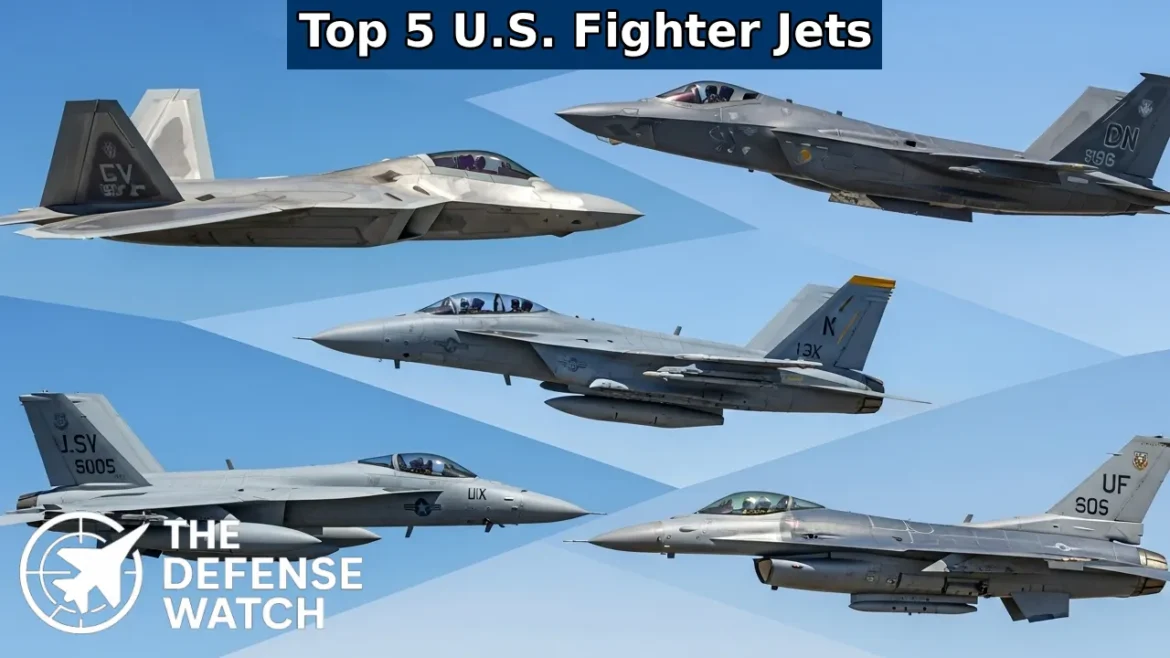
The Top 5 U.S. fighter jets represent the cutting edge of American airpower, combining stealth, advanced sensors, superior weapons, and unmatched operational experience. As the backbone of U.S. air dominance, these jets reflect decades of technological innovation, defense investment, and combat requirements. Together, they ensure the United States maintains a decisive advantage in both contested and permissive airspace.
This article examines the United States’ leading fighter aircraft, their roles, capabilities, and strategic importance, providing a clear picture of why they remain the world’s benchmark for air combat performance.
The Top 5 U.S. Fighter Jets in Service Today
1. F-22 Raptor — America’s Premier Air-Dominance Stealth Fighter
The F-22 Raptor remains the world’s most capable air-superiority fighter. Designed for unmatched stealth, supercruise, and aerial agility, it delivers decisive first-look, first-shot, first-kill capability. Despite production ending in 2012, the Raptor continues to anchor high-end air dominance missions.
Key Features:
- Stealth + supercruise (Mach 1.8 without afterburner)
- Advanced AESA radar and sensor fusion
- Unmatched dogfighting performance
- Primary role: air superiority and offensive counter-air
Strategic Importance:
Essential for high-threat environments against near-peer adversaries like China and Russia.2. F-35A Lightning II — The U.S. Air Force’s Stealth Multirole Backbone
The F-35A is the most widely deployed fifth-generation fighter and the backbone of future U.S. tactical aviation. Its stealth, electronic warfare suite, and sensor fusion allow it to penetrate contested airspace, conduct precision strikes, and serve as an intelligence node.
Key Features:
- Stealth multirole design
- High survivability in denied environments
- Advanced networking, targeting sensors
- Continuous upgrades through Block 4
Strategic Importance:
The F-35A’s versatility, production scale, and global interoperability make it the cornerstone of U.S. and allied airpower.3. F-15EX Eagle II — The Heavyweight Missile Truck
The F-15EX Eagle II represents the modernized evolution of the legendary F-15 lineage. With expanded payload capacity and advanced avionics, it serves as a “missile truck” capable of launching long-range weapons, providing air dominance and deep-strike support.
Key Features:
- Carries up to 22 air-to-air missiles
- Latest fly-by-wire controls and advanced cockpit
- Open mission system for rapid upgrades
- High speed and altitude performance
Strategic Importance:
Complements stealth aircraft by delivering massed firepower from standoff range.4. F/A-18E/F Super Hornet — Carrier-Based Multirole Workhorse
The Super Hornet remains the primary U.S. Navy fighter, performing air-to-air combat, strike missions, and maritime interdiction. Its reliability and versatility make it a cornerstone of carrier air wings.
Key Features:
- Carrier-capable multirole platform
- APG-79 AESA radar
- Proven combat record
- Excellent maintainability at sea
Strategic Importance:
The only U.S. fighter qualified across all Navy carriers, ensuring continuous maritime airpower projection.5. F-16C/D Fighting Falcon — The USAF’s Combat-Proven Multirole Jet
The F-16 Fighting Falcon continues to serve as one of the most flexible airframes in U.S. inventory. Decades of upgrades—including modern radars, datalinks, and targeting systems—keep it relevant in modern air combat.
Key Features:
- Lightweight, agile design
- APG-83 AESA radar on many upgraded units
- Low operating cost
- Vast weapons compatibility
Strategic Importance:
Though aging, its global popularity and modernization programs ensure it remains integral for homeland defense, air policing, and secondary strike missions.How These Jets Shape U.S. Airpower
Each aircraft fills a different role within the U.S. airpower ecosystem:
- F-22 dominates high-threat airspace.
- F-35A penetrates defenses and conducts precision strikes.
- F-15EX provides standoff firepower and air dominance support.
- F/A-18E/F anchors naval aviation operations.
- F-16 provides flexible, cost-effective multirole capability.
This layered approach ensures the United States maintains superiority across air, land, and maritime theaters.
Additional Context: Modernization Trends
Recent modernization trends reflect shifting strategic priorities:
- Expansion of NGAD (Next-Generation Air Dominance) for sixth-generation capabilities
- Upgrades to F-35 Block 4 and open architecture
- Standoff weapons integration on the F-15EX
- Improved EW systems for F-22 and F/A-18E/F
- Continued service-life extensions for F-16
The U.S. fighter fleet is evolving to face high-end threats from China’s PLA Air Force, Russia, and emerging long-range missile threats.
Analysis: The Future of American Fighter Airpower
The United States is shifting toward a hybrid model of stealth dominance and high-capacity fighter support. While fifth-generation platforms like the F-22 and F-35 ensure survivability, aircraft such as the F-15EX and Super Hornet deliver payload mass and mission endurance.
Key insights:
- The U.S. remains the only nation with two operational fifth-generation fighter lines.
- F-35 production scale will define global airpower for decades.
- Carrier aviation remains central to Indo-Pacific strategy.
- The U.S. requires both stealth platforms and high-capacity 4.5-generation fighters for large-scale conflict scenarios.
Future developments—including NGAD, Collaborative Combat Aircraft (CCAs), and advanced EW—will further transform how U.S. fighter jets operate.
FAQs
What is the most advanced U.S. fighter jet today?The F-22 Raptor is widely regarded as the most advanced U.S. air-dominance fighter.
Which U.S. fighter jet is used by the most countries?The F-16 Fighting Falcon, operated by more than 25 nations worldwide.
What is the newest U.S. fighter jet in production?The F-15EX and the F-35A Block 4 are the most recent major production upgrades.
Which U.S. fighter jet carries the most weapons?The F-15EX can carry up to 22 air-to-air missiles, the highest of any U.S. fighter.
What jet will replace the F-22?The NGAD program is expected to produce America’s next air-dominance fighter by the 2030s.
Russia Puts Su-57E on Display in Dubai
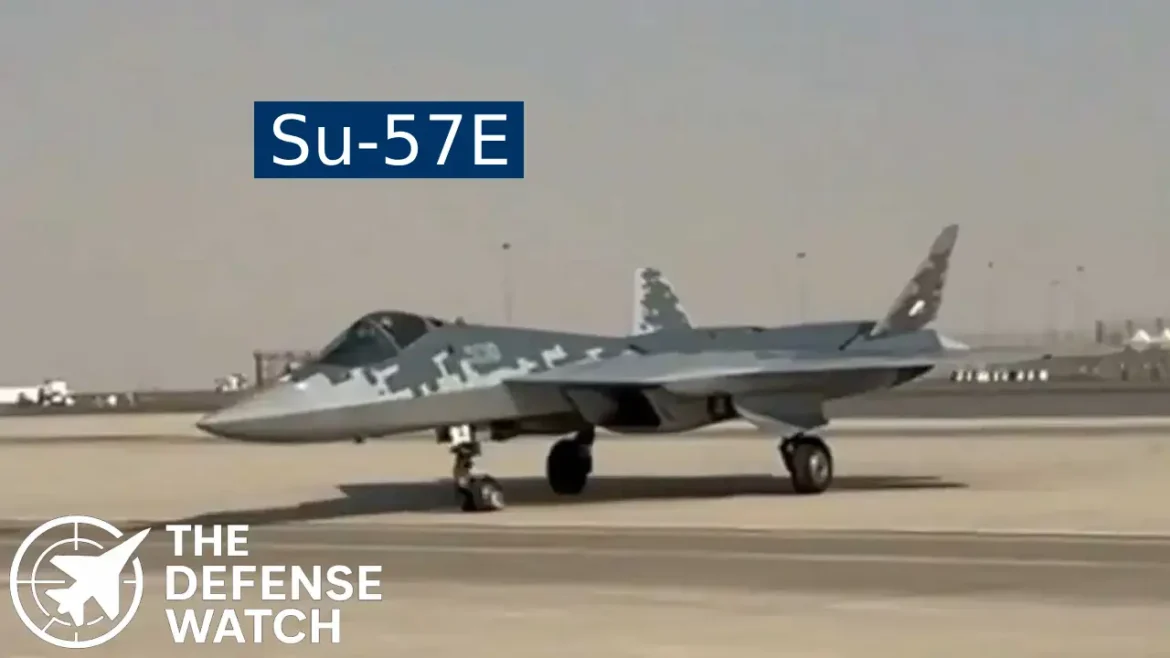
At the Dubai Airshow 2025, Russia publicly displayed its Su-57E, the export variant of the Su-57 fifth-generation fighter, for the first time in the Middle East. According to Russian defense authorities, the aircraft performed both static demonstration and flight displays — including high-angle-of-attack maneuvers, yaw rolls, and post-stall flight — to showcase its supermaneuverability and advanced thrust-vectoring capability.
Rosoboronexport and Sukhoi officials emphasized the Su-57E’s role as a multirole stealth platform suited for both air-to-air combat and strike missions.
What Makes the Su-57E Distinct
The Su-57E is tailored for export customers with certain cost optimizations, while retaining core performance traits: low observability, internal weapons bays, and a highly agile airframe.
Moscow has offered unprecedented technology transfer, including full access to the aircraft’s source code, allowing buyers to integrate their own avionics, mission computers, and weapons.
In a proposal to India, Russia has offered to produce the Su-57E locally at HAL’s Nashik facility, leveraging India’s ongoing Su-30MKI production lines.
India: A Key Target for Su-57E Sales
Russia’s outreach to India is especially ambitious. The offer includes:
- 20–30 Su-57E jets delivered off-the-shelf in the short term.
- Deep localization with 40–60% of the aircraft built in India.
- Full transfer of source code, enabling integration of Indian weapons such as the Astra air-to-air missile, Rudram anti-radiation missile, and Virupaksha AESA radar.
- Engine support: Russia has proposed supplying its AL-41F1S engine and, in the future, the newer Izdeliye-177S engine to India.
- An invitation for Indian Air Force test pilots to evaluate the Su-57E firsthand.
A recent technical assessment by a Russian delegation reportedly found that HAL already possesses around 50% of the capacity needed to produce Su-57 jets.
Export Track Record: Algeria First Customer
Algeria became the first confirmed export customer of the Su-57E, with deliveries expected in 2025. Reports suggest an initial batch of six aircraft, along with pilot training in Russia and support infrastructure.
Despite being offered at a lower price point than Western stealth fighters, the Su-57E has raised questions about sustainment, production scale, and long-term support — especially in the context of Russia’s strained defense-industrial base under sanctions.
Analysis: What This Means for U.S. Defense and Global Security
Challenging U.S. Dominance in Stealth Exports:
The Su-57E’s public debut in Dubai signals Russia’s renewed ambition to compete in the global fifth-generation market. Traditionally, stealth fighter exports have been dominated by U.S. aircraft such as the F-35. Offering source code access and deep technology transfer marks a departure from conventional Western export models, potentially appealing to countries that prioritize operational sovereignty.Strategic Implications in the Indo-Pacific:
Russia’s pitch to India reflects a long-term vision. If India accepts and co-produces the Su-57E, New Delhi could develop a homegrown stealth ecosystem, weakening U.S. leverage and shifting the regional defense balance. This comes amid India’s development of its own Advanced Medium Combat Aircraft (AMCA), and could act as an interim solution for India’s fifth-generation ambitions.Sustainment Risks and Geopolitical Constraints:
However, questions remain. Russia’s own Su-57 program has faced production delays, and sanctions could complicate parts supply and long-term maintenance for export customers. For Gulf buyers, embracing the Su-57E may offer cost-effective stealth, but it also ties them to a partner facing geopolitical and industrial headwinds. These aspects could limit broad adoption unless Russia proves it can reliably deliver and sustain the platform.Conclusion: Strategic Push and Watch for Buyers
Russia’s showcase of the Su-57E at the Dubai Airshow may mark a turning point in global stealth fighter exports. By combining attractive pricing, technology transfer, and export readiness, Moscow is staking out a position as a major competitor to traditional Western suppliers.
For buyers in the Middle East and Asia, the Su-57E represents a compelling, sovereign-rich path to fifth-generation combat capability. But the critical test ahead will be whether Russia can deliver on sustainment, production scale, and parts reliability under increasingly challenging geopolitical conditions.
As discussions deepen — especially with key potential buyers such as India — the Su-57E deal could reshape regional airpower dynamics and trigger a reassessment of long-term procurement strategies. For U.S. defense stakeholders, this underlines the need to sharpen competitive offerings and deepen alliances to counter Russia’s growing influence in the global stealth market.
Revolutionary Reusable Hypersonic Testing Takes Flight
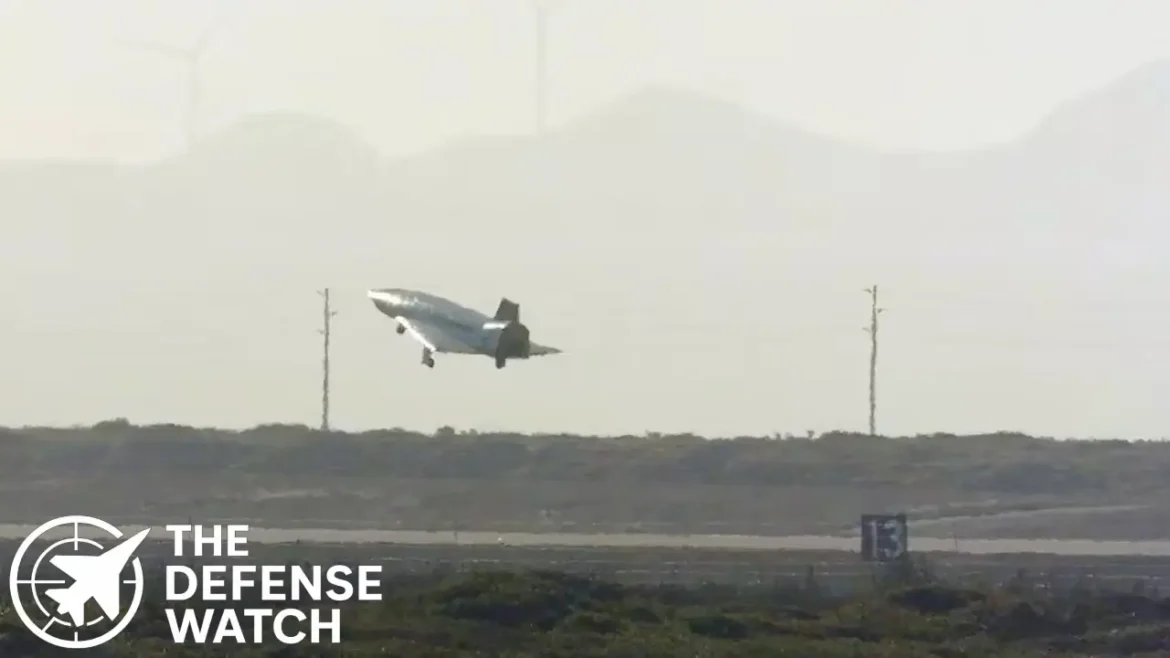
Stratolaunch has achieved a historic milestone in hypersonic technology, successfully completing two Talon-A hypersonic aircraft flights that exceeded Mach 5 speeds and featured full vehicle recovery. The California-based company’s Talon-A2 vehicle conducted flights in December 2024 and March 2025 as part of the Pentagon’s Multi-Service Advanced Capability Hypersonic Test Bed (MACH-TB) program, marking the first reusable hypersonic aircraft operations since the X-15 program ended in 1968.
Both flights met all Defense Department performance benchmarks within a one percent margin , demonstrating unprecedented precision in hypersonic testing. The March flight exceeded the December speed record, with the fully autonomous vehicle landing successfully at Vandenberg Space Force Base in California after each mission.
This achievement represents a fundamental shift in how the United States approaches hypersonic technology development. The ability to reuse the Talon-A will eventually make it a more affordable hypersonic testbed by orders of magnitude, addressing a critical bottleneck that has hampered U.S. hypersonic weapons development for decades.
Inside the Talon-A Hypersonic Aircraft
The Talon-A is a fully autonomous, rocket-powered hypersonic vehicle designed to serve as a reusable testbed for validating components, subsystems, and technologies under realistic flight conditions. The wedge-shaped unmanned aircraft features modular payload spaces to support high-speed flight test activities, allowing customers to rapidly iterate on hypersonic designs without the expense and complexity of full-scale weapon systems testing.
The air-launched Talon-A is ferried aloft by a captive-carry mother ship before accelerating to hypersonic speeds using a Hadley rocket engine developed by Colorado-based Ursa Major. While hypersonic speed is usually defined as anything above Mach 5, the Talon-A is expected to be able to reach speeds of at least Mach 6.
The vehicle’s autonomous capabilities eliminate the need for onboard pilots, reducing risk while enabling more aggressive test profiles. Stratolaunch’s Department of Defense customer, the Test Resource Management Center, can immediately recover and begin pulling data from the payloads flown on the vehicle following landing, dramatically accelerating the development cycle compared to expendable test vehicles.
Stratolaunch has conducted four Talon-A flights to date, with the company focused on expanding the vehicle’s flight envelope. Emphasis is on expanding its flight envelope, allowing it to fly faster, perform more maneuvers, and maintain hypersonic speeds for longer durations.
URSA Major’s Hadley Engine Powers Hypersonic Breakthrough
The propulsion system enabling Talon-A’s hypersonic performance is Ursa Major’s Hadley liquid rocket engine, a 5,000-pound-thrust liquid oxygen and kerosene, oxygen-rich staged combustion cycle reusable rocket engine for small vehicles or hypersonic applications.
Unlike historical rocket engines, Ursa Major uses metal additive manufacturing to speed up the production process, allowing the company to build engines in a matter of days. This advanced manufacturing approach represents a significant departure from traditional aerospace production methods, enabling rapid iteration and cost reduction.
The Hadley engine achieved a major milestone with the Talon-A flights. Both test flights exceeded flight and power objectives for Stratolaunch’s Talon-A2 testbed and featured the successful recovery of the hypersonic testbed vehicle post-landing for reuse Ursa Major CEO Dan Jablonsky stated the flights demonstrate the company is answering the call from military and government partners to innovate and meet the mission to provide critical national security capabilities.
The Hadley represents the first in a family of propulsion systems from Ursa Major. Hadley enables the U.S. Department of Defense to field new mission solutions faster and advances performance metrics of speed, range, and payload. The engine’s versatility has proven valuable across multiple applications, with Ursa Major delivering Hadley engines for both space launch and hypersonic missions.
In June 2025, Ursa Major was awarded a $32.9 million contract to develop and deliver 16 upgraded Hadley H13 engines to Stratolaunch. The Hadley H13 is a mission-upgraded variant that increases engine reusability with additional starts, driving down cost per flight while supporting new test objectives and mission profiles.
The Roc: World’s Largest Aircraft Serves as Launch Platform
Enabling Talon-A’s hypersonic missions is the Stratolaunch Roc, the world’s largest aircraft by wingspan. The aircraft features a twin-fuselage design and the longest wingspan ever flown, at 385 feet, surpassing even the legendary Hughes H-4 Hercules “Spruce Goose.”
Stratolaunch is powered by six Pratt & Whitney PW4056 engines positioned on pylons outboard of each fuselage, providing 56,750 pounds-force of thrust per engine. Many of the aircraft systems have been adopted from the Boeing 747-400, including the engines, avionics, flight deck, landing gear and other systems, reducing development costs.
The massive carrier aircraft serves as a mobile launch platform, carrying Talon-A vehicles to altitude before releasing them for powered hypersonic flight. Stretching over a football field long, Roc supports a robust payload capacity of over 500,000 pounds. The dual-fuselage configuration allows payloads to be carried between the fuselages and released from the center wing, providing optimal aerodynamic conditions for separation.
Roc has completed 24 flights to date, progressively expanding its operational envelope to support increasingly demanding hypersonic test missions. The aircraft requires specialized facilities, with the aircraft requiring 12,000 feet of runway to lift off.
Expanding Global Operations with Spirit of Mojave
Recognizing operational limitations imposed by Roc’s massive size, Stratolaunch is modifying its carrier aircraft to support test flights of its hypersonic Talon-A vehicle around the globe through a nearly $25 million contract from the Missile Defense Agency. The company will modify a Boeing 747-400 platform dubbed Spirit of Mojave to support hypersonic missions.
Through the Missile Defense Agency contract, the company will modify one of its launch platforms to fly from any airport that can support an aircraft the size of a 747 jetliner. Stratolaunch hopes to have the modifications complete to support testing by the fourth quarter of 2025.
The modifications will include installing Stratolaunch’s release mechanism on Spirit of Mojave, along with upgraded electrical interfaces and configured onboard displays for Talon-A operations. Having two test platforms equipped to fly Talon-A gives Stratolaunch flexibility to support multiple Department of Defense customers whose testing needs extend beyond the West Coast, which is where Roc has conducted Talon-A testing to date.
For the Missile Defense Agency, flexibility means it can test and calibrate the performance of its sensors to detect missiles launched from different locations around the world. This capability is critical for developing the Hypersonic and Ballistic Tracking Space Sensor experimentation effort and other advanced missile defense programs.
MACH-TB Program Accelerates U.S. Hypersonic Development
The Talon-A flights directly support the Pentagon’s Multi-Service Advanced Capability Hypersonic Test Bed program, a critical initiative designed to overcome infrastructure limitations that have constrained U.S. hypersonic development. MACH-TB was created in 2022 as part of efforts to help improve the Defense Department’s lagging hypersonic test infrastructure, which has slowed U.S. hypersonic weapons development.
The effort is led by the Pentagon’s Test Resource Management Center and the Naval Surface Warfare Center’s Crane Division. The program’s flying testbed is designed to validate hypersonic subsystems, advanced materials and other technologies as a system is being developed.
To address testing challenges, Department of Defense leaders have been on a path since 2022 to increase the department’s hypersonic flight cadence to around one test per week, and MACH-TB is a big part of that initiative. The program uses systems like Talon-A, which is powered by Ursa Major’s Hadley engine, as well as Rocket Lab’s HASTE rocket and Kratos’ Erinyes to test components and subsystems in a realistic flight environment that mimics the harsh conditions hypersonic vehicles face.
Program achievements have been significant. Scott Wilson, MACH-TB Program Manager, stated the data collected from the experiments flown on the initial Talon-A flight has been analyzed and the results are extremely positive. George Rumford, Director of the Department of Defense Test Resource Management Center, emphasized demonstrating the reuse of fully recoverable hypersonic test vehicles is an important milestone for MACH-TB, with lessons learned from this test campaign helping reduce vehicle turnaround time from months down to weeks.
Stratolaunch is on contract for five MACH-TB flights and will support a Missile Defense Agency test campaign later in 2025 . The company has a full flight manifest through 2025 and has started booking Talon-A missions for 2026.
MACH-TB continues evolving with MACH-TB 2.0, which transitions the program from concept demonstration to full-flight test capacity. After conducting over 25 flight tests and creating a hypersonic boost glide testbed under MACH-TB 1.0, the Pentagon is now moving to transition that technology from design and concept demonstration to full-flight test capacity in fiscal 2025 under the follow-on MACH-TB 2.0 effort. In January 2025, the Defense Department tapped Kratos to develop a testbed for hypersonic vehicles under the Multi-Service Advanced Capability Hypersonic Test Bed 2.0 program, with an agreement worth $1.45 billion if all options are exercised.
Analysis: Strategic Implications for U.S. Hypersonic Capabilities
Stratolaunch’s successful demonstration of reusable hypersonic flight testing capabilities arrives at a critical juncture for U.S. defense strategy. China and Russia have made substantial progress in hypersonic weapons development, with both nations fielding operational systems. The ability to conduct frequent, affordable hypersonic tests represents a potential game-changer for the United States as it seeks to close capability gaps with peer competitors.
The economics of reusable hypersonic testing cannot be overstated. Traditional hypersonic development has been constrained by the high cost and limited availability of test opportunities. Most major programs conduct only a handful of tests annually, with each expendable flight representing millions of dollars and months of preparation. By demonstrating vehicle recovery and reuse within months, Stratolaunch has validated a model that could enable weekly testing cadences envisioned by Pentagon planners.
The rapid turnaround demonstrated by Talon-A—flying twice in three months—suggests the potential for dramatically accelerated development cycles. This capability allows engineers to test incremental design changes and validate technologies under realistic flight conditions far more frequently than previously possible. The modular payload architecture enables multiple customers to leverage the same testbed platform, sharing costs while advancing diverse technology areas simultaneously.
URSA Major’s role as a commercially-focused propulsion provider represents another strategic advantage. The company’s use of advanced manufacturing techniques and oxygen-rich staged combustion cycle technology—previously the exclusive domain of Russian engine manufacturers—demonstrates growing U.S. industrial base capabilities in critical propulsion technologies. The Hadley engine’s versatility across both hypersonic and space launch applications provides economies of scale that reduce per-unit costs while maintaining high performance.
The expansion to Spirit of Mojave operations addresses a key operational limitation: geographic flexibility. Hypersonic threats can originate from any vector, and sensor systems designed to detect and track these weapons must be validated against realistic flight profiles from multiple launch points. A 747-based launch platform can operate from dozens of airfields globally, enabling test campaigns that more accurately replicate operational scenarios the U.S. and allied forces would face in conflict.
However, challenges remain. The United States still lacks fielded operational hypersonic weapons systems, despite years of development and billions in investment. While improved test infrastructure addresses one bottleneck, translating test data into deployable weapons requires sustained focus on systems integration, manufacturing scale-up, and operational doctrine development. The Government Accountability Office has noted concerns about program transparency and cost-effectiveness, issues that will require continued attention as programs transition from testing to production.
The competitive landscape also continues evolving. China’s hypersonic anti-ship ballistic missiles and Russia’s Kinzhal and Avangard systems represent operational capabilities against which U.S. systems must be measured. While test infrastructure improvements are essential, they must be accompanied by parallel progress in propulsion technologies, guidance systems, and hypersonic-capable air defense platforms.
Stratolaunch’s achievement demonstrates that private industry innovation can deliver critical capabilities for national security missions. The company’s transition from space launch to hypersonic testing—following founder Paul Allen’s death and subsequent acquisition by Cerberus Capital Management—illustrates how specialized aerospace firms can adapt to evolving defense priorities. This model of leveraging commercial innovation for defense applications aligns with broader Department of Defense initiatives to accelerate technology development through non-traditional partnerships.
Looking ahead, the key question is whether this testing capability translates into fielded systems that provide meaningful military advantage. With a goal of one flight test per month in 2025, Stratolaunch is positioning itself as a critical enabler for multiple Pentagon hypersonic programs. Success will ultimately be measured not just by test flights completed, but by whether those tests accelerate deployment of operational capabilities that enhance U.S. and allied deterrence and warfighting capacity in contested environments.
FAQs
What makes the Talon-A hypersonic aircraft unique compared to previous test vehicles?The Talon-A is the first fully autonomous, reusable hypersonic vehicle capable of landing on a runway after achieving Mach 5+ speeds. Unlike expendable test vehicles, it can be recovered, refurbished, and reflown within months, dramatically reducing testing costs and enabling rapid iteration.
How does the URSA Major Hadley engine enable hypersonic flight?The Hadley is a 5,000-pound-thrust liquid rocket engine using liquid oxygen and kerosene in an oxygen-rich staged combustion cycle. Built with advanced additive manufacturing, it can propel vehicles to speeds exceeding Mach 6 while remaining reusable across multiple flights.
Why is the MACH-TB program important for U.S. national security?MACH-TB addresses critical testing infrastructure limitations that have slowed hypersonic weapons development. By providing affordable, high-cadence testing of components and subsystems under realistic flight conditions, it accelerates the transition from ground testing to operational systems.
What advantages does air-launching from Roc provide over ground-based launches?Air-launching from Roc’s 35,000-foot altitude provides flexibility to test from multiple geographic locations, avoids weather delays and range conflicts, reduces fuel requirements by starting at altitude, and enables safer payload separation compared to ground launches.
How does Talon-A support both military and commercial hypersonic development?Talon-A’s modular payload architecture allows government and commercial customers to test various components, materials, and technologies in authentic hypersonic flight environments. This shared testbed approach reduces individual program costs while building a comprehensive hypersonic technology knowledge base.
Understanding Aircraft in Modern Aviation
An aircraft is one of humanity’s most transformative engineering achievements—an innovation that reshaped warfare, commerce, travel, and global mobility. From commercial airliners connecting continents to military aircraft securing national airspace, the aircraft remains central to how nations project power, move people, and respond to crises.
In 2025, aircraft are more advanced than ever, combining aerodynamic efficiency, digital avionics, artificial intelligence, stealth shaping, and long-range sensors. They serve as vital tools in humanitarian missions, commercial logistics, border defense, and strategic deterrence. Understanding what an aircraft is—and how different types operate—is essential to grasping the broader picture of global airpower and modern aerospace technology.
What Is an Aircraft?
An aircraft is any machine capable of sustained flight within Earth’s atmosphere. Unlike spacecraft, aircraft rely on aerodynamic lift created by wings, rotor blades, or the displacement of air. They operate using engines, flight-control systems, and aerodynamic surfaces allowing pilots—or autonomous systems—to maneuver safely through the sky.
Core Components of an Aircraft
Every aircraft, regardless of mission, features several key elements:
- Fuselage: Main body containing cockpit, systems, and payload
- Wings or Rotors: Generate aerodynamic lift
- Propulsion: Jet engines, turboprops, pistons, or electric motors
- Landing Gear: For ground operations
- Flight Controls: Allow altitude, speed, and directional changes
Aircraft range from light recreational flyers to sophisticated military platforms capable of stealth penetration or intelligence gathering.
Major Types of Aircraft
1. Fixed-Wing Aircraft
Fixed-wing aircraft use forward motion and aerodynamic lift to stay airborne. These include everything from small trainers to large airliners and advanced fighter jets.
Examples:
Airbus A320, Boeing 787, F-35 Lightning II, C-130 Hercules.Advantages:
- High speed
- Long range
- Efficient fuel consumption
- Ideal for commercial transport and long-distance operations
2. Rotary-Wing Aircraft (Helicopters)
Rotary-wing aircraft generate lift through spinning rotor blades, enabling vertical takeoff, hovering, and tight maneuvering.
Examples:
UH-60 Black Hawk, AH-64 Apache, CH-47 Chinook.Advantages:
- Operate without runways
- Superior mobility in complex terrain
- Ideal for rescue, assault, medevac, and close air support
3. Unmanned Aircraft Systems (Drones/UAVs)
UAVs operate remotely or autonomously, becoming crucial assets for surveillance, intelligence, and precision strike missions.
Examples:
MQ-9 Reaper, Bayraktar TB2, small quadcopter drones.Advantages:
- Long endurance
- Lower operational risk
- Cost-effective for surveillance and combat
4. Tiltrotor & Hybrid Aircraft
Tiltrotors combine helicopter takeoff capabilities with airplane speed and range.
Example:
V-22 Osprey.5. Gliders & Ultralights
Lightweight aircraft used in sport aviation, training, and specialized missions.
Military Aircraft and Their Strategic Roles
Military aircraft represent some of the most advanced machines ever built. They provide nations with capabilities ranging from aerial dominance to humanitarian relief.
Key Military Aircraft Categories
Fighter Aircraft
Designed for air-to-air combat and air superiority.
Examples: F-22 Raptor, Rafale, J-20.Bombers
Deliver large payloads over long distances.
Examples: B-52H Stratofortress, B-2 Spirit.Transport Aircraft
Carry troops, equipment, and humanitarian cargo.
Examples: C-17 Globemaster III.Maritime Patrol Aircraft
Support naval operations and anti-submarine warfare.
Examples: P-8A Poseidon.AEW&C and ISR Aircraft
Provide early warning and intelligence collection.
Examples: E-3 AWACS, E-7 Wedgetail.Combat & Utility Helicopters
Support ground forces, rescue missions, and special operations.
Why Aircraft Are Essential in Modern Warfare
Aircraft remain critical to defense planning because they:
- Secure air superiority, a prerequisite for modern operations
- Deliver precision strikes against high-value targets
- Support troop movement and logistics
- Provide ISR (Intelligence, Surveillance, Reconnaissance)
- Enhance deterrence and rapid reaction capability
As threats evolve, aircraft are increasingly integrated into joint-force networks with satellites, radars, and unmanned systems.
Fixed-Wing vs Rotary-Wing Aircraft: Key Differences
Fixed-Wing
- Fast (Mach 0.8–2+)
- Long-range capability
- Best for transport, strike, and surveillance
Rotary-Wing
- Vertical takeoff and hover
- Operate in complex environments
- Best for assault, medevac, and close support
Each serves a distinct mission set, and modern militaries require both for balanced airpower.
Evolution of Aircraft Technology: From Early Flight to 2026
Early Innovations (1900s–1930s)
The Wright Brothers’ 1903 flight marked the first controlled powered flight. Aircraft rapidly evolved during World War I for reconnaissance and combat.
World War II and the Jet Age
Wartime demand accelerated aircraft development, leading to early jet fighters and long-range bombers.
Cold War Era (1950s–1990s)
Supersonic aircraft, nuclear-capable bombers, and early stealth technology emerged during this period.
21st Century: Stealth, Digital Avionics, and Network Warfare
Platforms like the F-35 integrated multi-role capability with sensor fusion, data links, and low-observable design.
2025 and Beyond: AI-Driven and Autonomous Systems
The next generation of aircraft will introduce:
- AI copilots
- Loyal wingman drones
- Directed-energy weapons
- Hypersonic propulsion
- Adaptive cycle engines
Aircraft remain essential components of national security—and the future promises even more disruptive innovations.
Global Aircraft Trends
The aviation sector is experiencing rapid transformation driven by geopolitical tensions, commercial demand, and emerging technologies.
Commercial Aviation Recovery and Growth
Global air travel has returned to pre-pandemic levels, prompting major airlines to renew fleets for efficiency and sustainability.
Rising Defense Procurement
Europe, Asia, and the Middle East are increasing military aircraft orders due to a shifting global security environment.
UAV Expansion
Drones dominate reconnaissance and precision-strike missions across modern conflict zones.
Sustainability and Electric Aircraft Development
Civilian programs are exploring hybrid and electric propulsion to reduce emissions.
FAQs
What is an aircraft?An aircraft is any machine capable of sustained flight in the atmosphere using wings, rotors, or aerodynamic lift.
What are the main types of aircraft?Fixed-wing, rotary-wing, drones, tiltrotor, and gliders.
What makes military aircraft different from civilian aircraft?Military aircraft include combat systems, sensors, weapons, and armor for defense operations.
What is the fastest type of aircraft?High-performance fighter jets and specialized reconnaissance aircraft typically reach the highest speeds.
Will unmanned aircraft replace piloted aircraft?Not fully. UAVs will augment manned aircraft, especially for high-risk missions.
What are the four types of aircraft?Fixed-Wing Aircraft – Airplanes that generate lift via stationary wings (e.g., commercial jets, fighter jets).
Rotary-Wing Aircraft – Helicopters that use spinning rotor blades to lift and maneuver.
Unmanned Aerial Vehicles (UAVs/Drones) – Remotely piloted or autonomous aircraft for surveillance or strike missions.
Tiltrotor/Hybrid Aircraft – Combine vertical takeoff of helicopters with the speed and range of fixed-wing planes (e.g., V-22 Osprey).What is the difference between an aircraft and an airplane?An aircraft is a broad term for any machine capable of sustained flight, including airplanes, helicopters, drones, gliders, and tiltrotors.
An airplane (or aeroplane) is a specific type of fixed-wing aircraft that relies on forward motion and wings to generate lift. All airplanes are aircraft, but not all aircraft are airplanes.