Marines Select GA-ASI YFQ-42A For MUX TACAIR Collaborative Combat Aircraft Evaluation
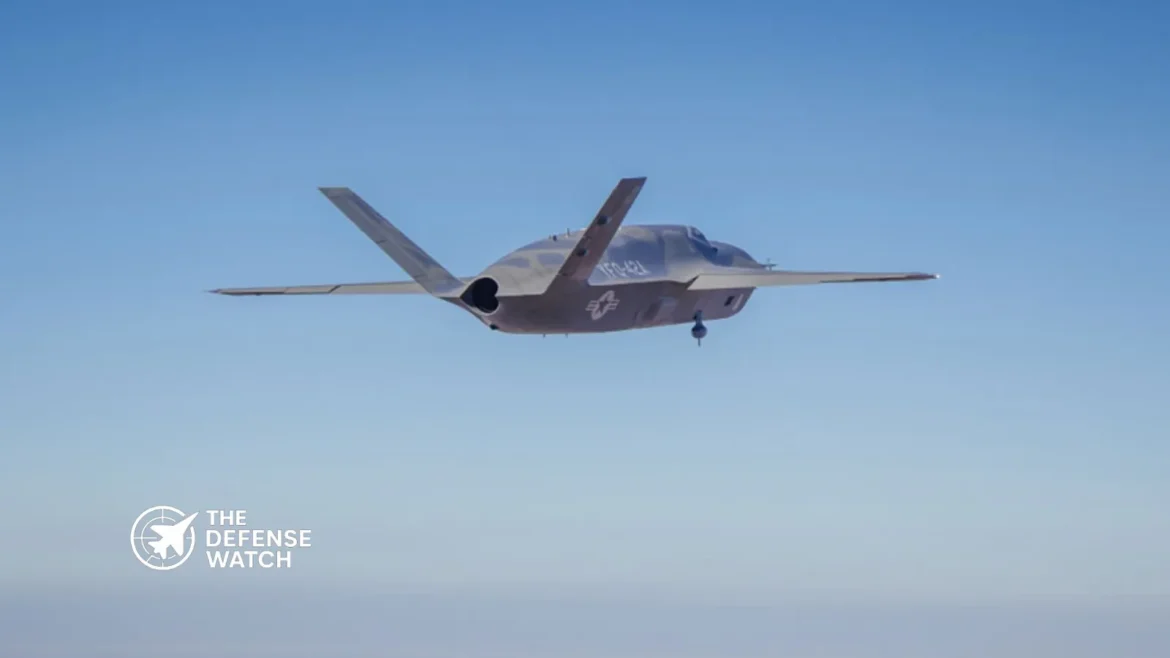
The U.S. Marine Corps has selected General Atomics Aeronautical Systems’ YFQ-42A platform for evaluation under its Marine Air-Ground Task Force Uncrewed Expeditionary Tactical Aircraft (MUX TACAIR) Collaborative Combat Aircraft (CCA) program, marking a key step in testing uncrewed combat aircraft working with crewed fighters.
USMC Moves Forward With Uncrewed Aircraft Evaluation
Under the contract, GA-ASI will integrate a Marine Corps mission kit, supplied by the government, onto its YFQ-42A uncrewed aircraft to serve as a surrogate testbed. The work focuses on assessing how autonomous aircraft equipped with advanced sensor and mission systems operate within Marine Air-Ground Task Force (MAGTF) expeditionary operations and alongside manned fighters.
The Marine Corps contract calls for rapid development of autonomy for the government-provided mission kit. That suite is expected to include software-defined systems and sensors capable of delivering both kinetic and non-kinetic effects. Evaluations will feed into future MUX TACAIR capability decisions.
Platform Background and Integration Goals
The YFQ-42A was first flown in August 2025 during testing under the U.S. Air Force’s Collaborative Combat Aircraft program, where it was chosen in 2024 to build production-representative flight test articles. Its design follows a modular “genus/species” concept that lets a common airframe integrate different mission systems rapidly.
GA-ASI brings its autonomy and uncrewed aircraft systems experience to the USMC effort. The company says its autonomy architecture, backed by multiple live flight tests, will help form the foundation for human-machine teaming in complex contested environments.
Mike Atwood, vice president of advanced programs for GA-ASI, noted that the company’s autonomous systems in service today and its integration expertise position the firm to provide an affordable CCA test solution that enhances Marine Air-Ground Task Force effectiveness.
Broader MUX TACAIR Context
The Marine Corps launched the MUX TACAIR program to explore how uncrewed aircraft can support and complement crewed tactical aviation, including integration with F-35s and other fighters. The effort aligns with wider Department of the Air Force CCA initiatives that emphasize crewed-uncrewed teaming to extend sensor reach and mission flexibility in contested airspace.
Northrop Grumman and Kratos also received awards related to the MUX TACAIR effort, with a team focusing on an XQ-58 Valkyrie-based platform to integrate Marine-specific systems.
What Comes Next
Over the coming months, the Marine Corps and GA-ASI will work on mission kit integration and autonomy development, with evaluation flights and testing planned as part of MAGTF operational experimentation. Insights from this phase will help inform future CCA acquisition and operational plans for Marine aviation.
Lockheed Martin Accelerates Defense Production with Record Q4 Performance
Lockheed Martin concluded 2025 with a transformative fourth quarter that demonstrated the defense contractor’s expanding production capabilities and technological innovation across multiple domains. The company announced January 29, 2026 that its Q4 achievements included record fighter jet deliveries, a historic missile production agreement, and breakthrough autonomous platform developments.
(adsbygoogle = window.adsbygoogle || []).push({});The Maryland-based defense giant’s fourth quarter accomplishments signal significant capacity expansion at a time when global defense demands continue to escalate. From air superiority platforms to missile defense systems and autonomous capabilities, Lockheed Martin’s Q4 performance established new benchmarks for the defense industrial base.
Historic PAC-3 Missile Production Agreement Transforms Air Defense Capacity
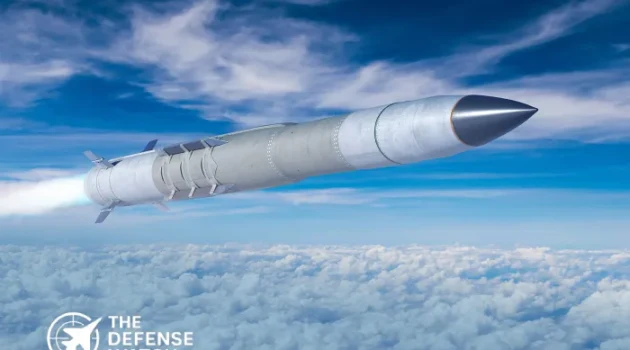
Lockheed Martin and the U.S. government finalized a seven-year partnership that will increase PAC-3 Missile Segment Enhancement (MSE) annual production from approximately 600 to 2,000 units. This more than threefold capacity increase represents one of the most significant defense production expansions in recent years.
The PAC-3 MSE system provides advanced air and missile defense capabilities against tactical ballistic missiles, cruise missiles, and aircraft threats. According to Lockheed Martin’s announcement, the expanded production will benefit U.S. forces, allied nations, and partner countries facing evolving aerial threats.
The production increase will create thousands of additional jobs across the PAC-3 program supply chain. The agreement comes as allied nations seek to strengthen integrated air and missile defense architectures amid global security challenges.
Record F-35 Deliveries Strengthen Allied Air Power
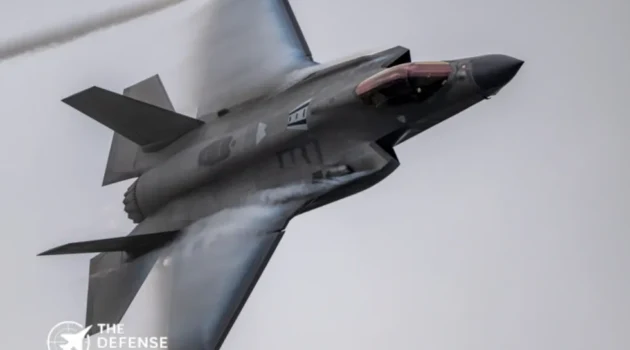
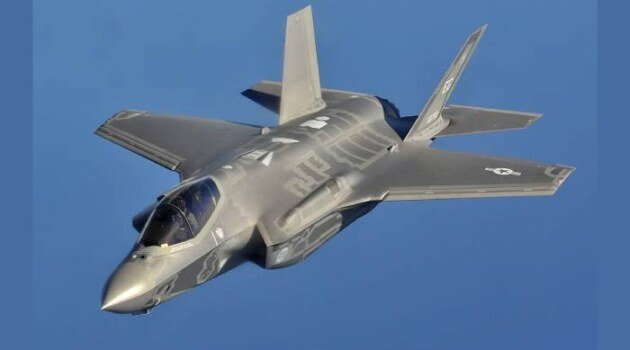
Lockheed Martin delivered 191 F-35 Lightning II fighter jets throughout 2025, marking a record annual total for the fifth-generation stealth fighter program. The company handed over 48 F-35s during the fourth quarter alone, demonstrating sustained production momentum.
Finland received its first F-35A aircraft in December 2025, expanding the growing international F-35 user community. The Nordic nation’s F-35 acquisition strengthens NATO’s northern flank air defense capabilities and represents continued international confidence in the platform’s advanced capabilities.
The F-35 program now includes nine partner nations and several foreign military sales customers. The aircraft’s advanced sensors, stealth characteristics, and networked capabilities continue to define modern air superiority requirements for allied air forces.
U-Hawk Autonomous Helicopter Advances Unmanned Aviation
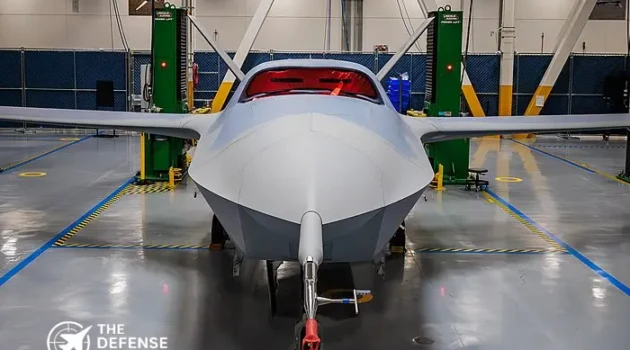
Sikorsky, Lockheed Martin’s rotary-wing division, unveiled the S-70UAS U-Hawk, a fully autonomous helicopter derived from the proven BLACK HAWK platform. The U-Hawk eliminates the cockpit in favor of 25 percent additional cargo space and autonomous operational capabilities.
Development teams progressed from initial concept to prototype in just 10 months, with first flight scheduled for 2026. The U-Hawk is designed to operate independently, in coordination with other U-Hawks, or as part of manned-unmanned teaming with piloted BLACK HAWK aircraft.
The autonomous platform provides ground commanders with enhanced logistics and tactical flexibility in contested environments. The U-Hawk’s rapid development timeline demonstrates Lockheed Martin’s accelerated approach to autonomous systems integration.
X-59 First Flight Initiates Quiet Supersonic Research
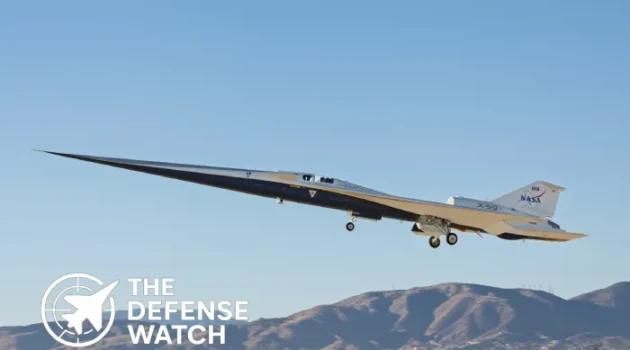
The X-59 experimental aircraft completed its inaugural flight in October 2025, launching NASA’s Quesst mission to demonstrate quiet supersonic flight technology. Developed through a partnership between Lockheed Martin’s Skunk Works and NASA, the X-59 aims to reduce sonic booms to a quiet “thump” rather than traditional disruptive sonic boom signatures.
The X-59 program could enable future commercial supersonic flight over land by addressing regulatory restrictions based on noise concerns. Flight testing will gather acoustic data to inform potential changes to supersonic flight regulations.
Lockheed Martin and NASA plan extensive testing to measure community response to the X-59’s reduced sonic signature during overland supersonic operations.
F-22 Demonstrates Unmanned Teaming Capability
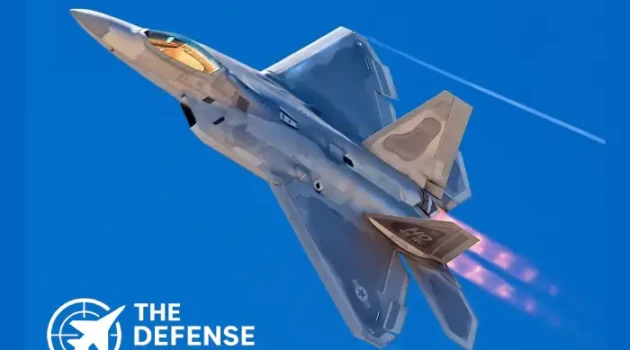
Lockheed Martin successfully demonstrated real-time command and control of an unmanned aerial system from an F-22 Raptor cockpit in November 2025. The in-flight demonstration showcased fifth-generation fighter aircraft integration with autonomous systems for enhanced mission effectiveness.
The manned-unmanned teaming capability expands what individual pilots can accomplish during single missions by extending their operational reach and sensor coverage. The technology aligns with U.S. Air Force concepts for Collaborative Combat Aircraft that will operate alongside crewed fighters.
Fifth-generation fighters serving as command nodes for autonomous systems represent an emerging operational paradigm across multiple allied air forces. The demonstrated capability builds on Lockheed Martin’s broader autonomous systems integration efforts.
Nomad VTOL UAS Combines Helicopter and Fixed-Wing Capabilities
Sikorsky introduced the Nomad family of vertical takeoff and landing unmanned aerial systems featuring twin tiltrotor configuration. The Nomad design combines fixed-wing efficiency for extended endurance with helicopter-like vertical takeoff and landing capabilities.
The runway-independent platform addresses operational requirements for long-endurance missions in austere environments without traditional airfield infrastructure. Nomad’s tiltrotor design enables efficient cruise flight while retaining the tactical flexibility of vertical flight operations.
(adsbygoogle = window.adsbygoogle || []).push({});Sikorsky’s Nomad development follows successful tiltrotor experience from the company’s S-97 Raider program and demonstrates continued innovation in vertical lift aviation.
Strategic Investment Accelerates Maritime Unmanned Capabilities
Lockheed Martin invested $50 million in Saildrone during October 2025 to accelerate unmanned surface vessel development for maritime defense applications. The strategic collaboration pairs Saildrone’s autonomous vessel platforms with Lockheed Martin’s defense systems integration expertise.
The partnership aims to deliver operationally ready unmanned surface vessels to the U.S. Navy more rapidly by combining established autonomous maritime platforms with combat-proven sensors and mission systems. Unmanned surface vessels provide persistent maritime domain awareness and contribute to distributed maritime operations concepts.
The investment reflects growing U.S. Navy emphasis on autonomous systems across surface, subsurface, and aerial domains for enhanced fleet capabilities.
Counter-UAS Technology Partnership with Microsoft
Lockheed Martin and Microsoft announced collaboration on next-generation counter-unmanned aerial system technologies leveraging Microsoft Azure cloud infrastructure. The partnership combines Lockheed Martin’s modular counter-UAS architecture with cloud-enabled artificial intelligence capabilities for enhanced threat detection and response.
The integrated system enables rapid innovation through cloud-based model training while maintaining edge processing for real-time operations. The architecture supports continuous adaptation as unmanned aerial threats evolve.
Counter-UAS capabilities have become critical requirements across military services as adversary drone proliferation continues globally. The Microsoft partnership accelerates Lockheed Martin’s counter-UAS technology development through advanced computing capabilities.
Orion Spacecraft Testing Advances Artemis Program
NASA’s Orion spacecraft undergoes comprehensive testing at Lockheed Martin’s Integrated Test Lab, a full-scale spacecraft replica used for system validation before launch. Engineers and astronauts conduct mission simulations testing every system, display, and software line prior to Artemis missions.
The Integrated Test Lab enables thorough spacecraft verification in ground environments before committing hardware to space operations. Orion serves as NASA’s deep space exploration vehicle for Artemis lunar missions.
Lockheed Martin serves as prime contractor for Orion development and production. The spacecraft will carry astronauts to lunar orbit as part of NASA’s sustained lunar exploration program.
Corporate Leadership Engagement with Veteran Community
Lockheed Martin’s executive leadership team participated in veteran community service activities during November 2025 in partnership with Rebuilding Together Atlanta. The volunteer effort restored community facilities supporting local veterans and their families.
The corporate engagement reflects Lockheed Martin’s continued emphasis on veteran employment and community support. The company employs thousands of military veterans across its operations.
(adsbygoogle = window.adsbygoogle || []).push({});Lockheed Martin maintains multiple programs supporting military service members, veterans, and their families through employment initiatives and community partnerships.
Defense Industrial Base Implications
Lockheed Martin’s fourth quarter achievements demonstrate accelerated production capacity and technology development across the defense industrial base. The PAC-3 production expansion, record F-35 deliveries, and rapid autonomous systems development signal the company’s response to increased global defense requirements.
The announced programs span air dominance, missile defense, autonomous systems, and space exploration capabilities. Lockheed Martin’s integrated approach addresses multiple defense priorities simultaneously while expanding production infrastructure.
As allied nations increase defense investments and modernization programs, Lockheed Martin’s expanded capacity positions the company to support growing international demand for advanced defense systems. The fourth quarter results establish momentum entering 2026 across the company’s diverse portfolio.

UK Project NYX Advances Apache Wingman Drone Prototypes
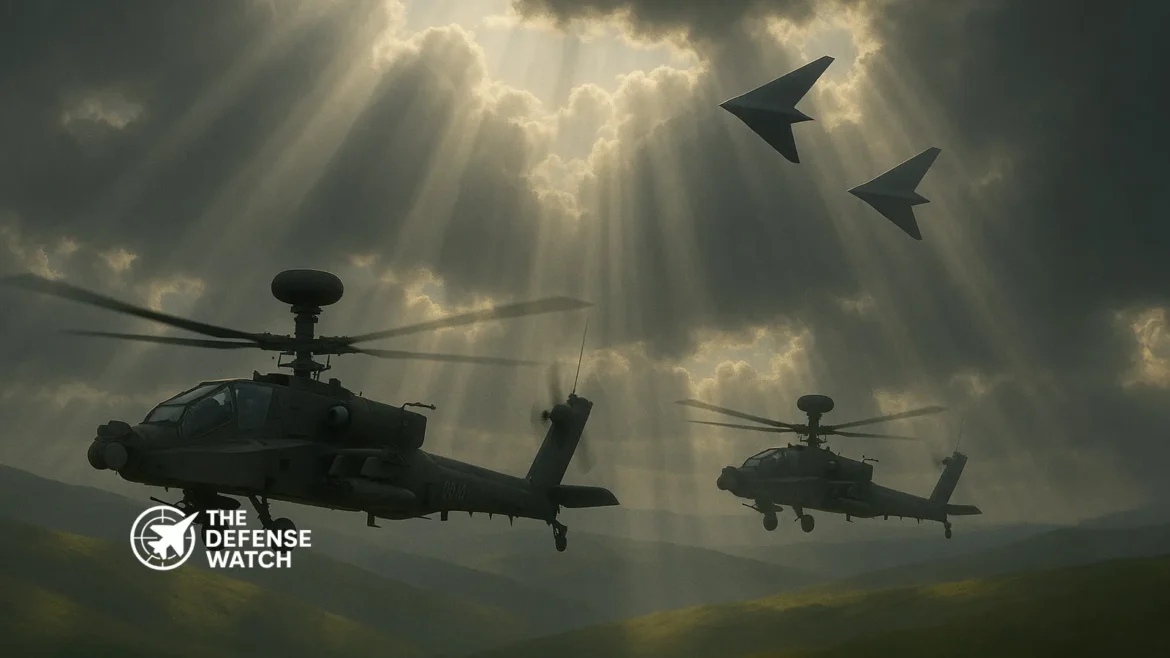
The United Kingdom has selected seven British-based defence companies to develop prototype uncrewed aerial systems under Project NYX, intended to operate alongside Apache attack helicopters. The move marks an advancement in autonomous military aviation and aligns with the UK Strategic Defence Review emphasis on integrated crewed and uncrewed systems.
(adsbygoogle = window.adsbygoogle || []).push({});Seven Firms Named for Prototype Designs
On January 24 the UK Ministry of Defence announced that Project NYX has entered a prototype design phase. Industry partners invited to submit concepts are Anduril, BAE Systems, Leonardo, Lockheed Martin UK, Syos, Tekever and Thales.
In March 2026 the list will be refined to four suppliers, which will be offered research and development contracts to produce a concept demonstrator. Initial operational capability for the system is targeted for 2030.
The programme is framed around uncrewed aircraft operating as so-called loyal wingmen. These platforms are intended to fly with crewed Apache AH-64E helicopters and conduct tasks such as reconnaissance, surveillance, electronic warfare, target acquisition and strike missions.
Autonomy and Command Architecture
Project NYX emphasises a “command rather than control” approach for autonomy, where human crews set mission goals and uncrewed systems execute within defined parameters. This framework aims to reduce pilot workload and enable the drones to react to complex battlefield conditions without direct remote piloting.
The programme is part of a broader UK defence strategy to integrate autonomous capabilities with conventional platforms and expand operational options in high-threat environments. It reflects sustained investment in uncrewed systems alongside investments such as the UK Defence Innovation funding for drone technology and counter-drone systems.
Industry Context and Capability Trends
Companies selected for Project NYX range from large primes to specialised technology firms. Anduril and Lockheed Martin UK bring experience in autonomous systems development. Traditional defence contractors BAE Systems, Leonardo and Thales contribute established aerospace and avionics expertise, while Syos and Tekever are known for rotary and fixed-wing unmanned platforms.
The UK defence industry has been active in drone and autonomous aircraft development across multiple programmes. For example Leonardo’s Proteus autonomous helicopter demonstrator recently completed its first flight in 2026, showcasing full-size autonomous rotorcraft capabilities that could inform future uncrewed operations.
(adsbygoogle = window.adsbygoogle || []).push({});Tekever has expanded its UK footprint with new production facilities to support unmanned aircraft manufacturing and integration, reflecting growing domestic capability.
Strategic Implications
Project NYX aligns with global interest in loyal wingman and collaborative combat aircraft concepts. These systems are seen as a way to expand combat mass, extend sensor reach and support crewed platforms while managing risk in contested airspace.
For the UK Army Aviation community, integrating loyal wingman drones with the Apache fleet could enhance tactical flexibility and survivability, especially as adversary air defenses and electronic threats evolve. Close cooperation with industry partners may also support broader economic and technological objectives as part of UK defence industrial strategy.