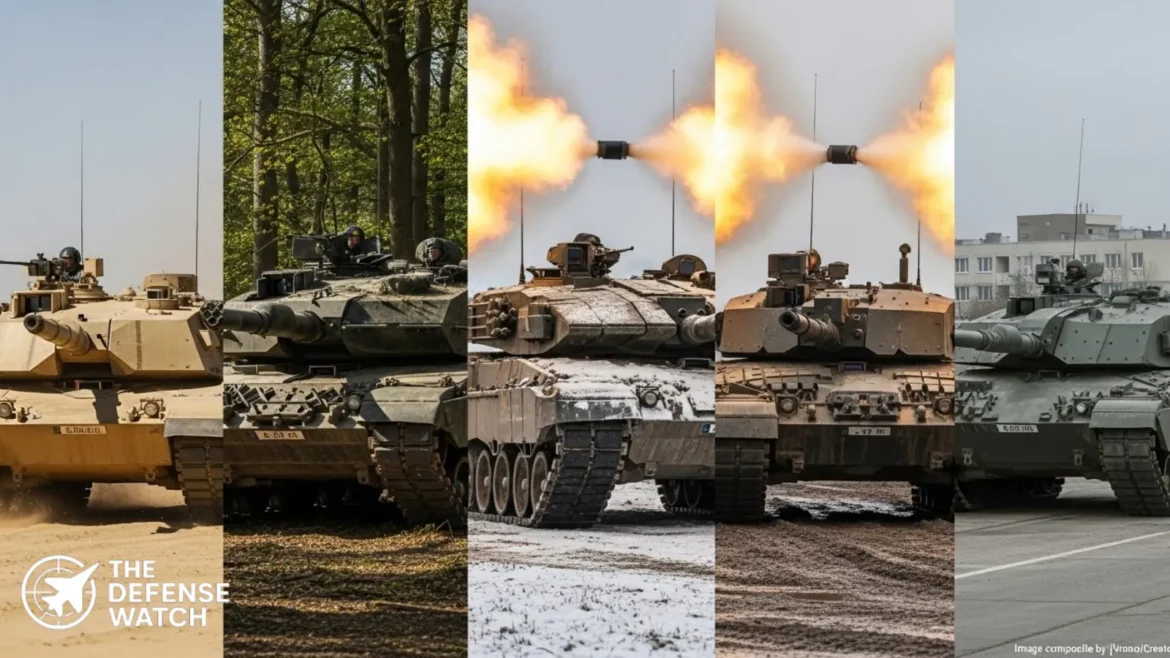
The Evolution of Armored Warfare in 2026
The best tanks in the world for 2026 represent the pinnacle of armored vehicle engineering, combining cutting-edge firepower, advanced protection systems, and network-centric warfare capabilities. As global tensions rise and battlefield dynamics shift toward multi-domain operations, main battle tanks (MBTs) remain critical assets for ground forces worldwide. Modern MBTs now integrate active protection systems (APS), artificial intelligence-assisted targeting, hybrid propulsion, and enhanced survivability features that redefine armored warfare.
This comprehensive analysis examines the top 5 tanks in 2026, evaluating combat-proven platforms and next-generation systems that set new standards in ground combat. From Germany’s legendary Leopard 2A8 to the technologically ambitious Russian T-14 Armata, these armored behemoths showcase how traditional tank design has evolved to meet 21st-century threats, including anti-tank guided missiles, drone swarms, and urban warfare challenges.
1. Leopard 2A8 (Germany) – The European Heavyweight Champion
Unmatched Combat Pedigree and Modernization
The German Leopard 2A8 continues its dominance as one of the best tanks in the world for 2026, building on decades of combat excellence and continuous upgrades. Developed by Krauss-Maffei Wegmann (now part of KNDS), the latest A8 variant integrates lessons learned from the Ukraine conflict, where earlier Leopard 2 models demonstrated exceptional survivability and lethality.
Key Technical Specifications
- Main Armament: 120mm L/55A1 smoothbore cannon with enhanced ammunition compatibility
- Armor Protection: Third-generation composite armor with Trophy APS integration
- Engine: MTU MB 873 Ka-501 diesel producing 1,500 hp
- Weight: Approximately 66 tons (combat-loaded)
- Crew: 4 (commander, gunner, loader, driver)
Advanced Protection Systems
The Leopard 2A8 features Rafael’s Trophy Active Protection System, successfully tested by the German military in 2024. This Israeli-developed APS can intercept incoming anti-tank missiles and rocket-propelled grenades before impact, significantly enhancing crew survivability. Additional upgrades include improved side armor packages, reactive armor tiles, and reinforced mine protection, addressing vulnerabilities identified in recent conflicts.
Battlefield Performance and Export Success
Over 18 nations operate Leopard 2 variants, demonstrating widespread confidence in the platform. The tank’s exceptional fire control system, powered by advanced thermal imaging and laser rangefinding, enables first-shot kills at ranges exceeding 3,000 meters. Germany’s commitment to continuous modernization ensures the Leopard 2A8 remains operationally relevant through 2040.
According to reports from Defense News, Germany approved €2.93 billion for Leopard 2A8 production in late 2024, with deliveries beginning in 2026.
2. M1A2 SEPv4 Abrams (United States) – American Armor Supremacy
The World’s Most Combat-Tested Tank Evolves
The M1A2 SEPv4 Abrams represents the latest iteration of America’s legendary main battle tank, incorporating technologies that maintain U.S. ground combat superiority. General Dynamics Land Systems has delivered over 10,000 Abrams tanks since 1980, with the SEPv4 variant introducing revolutionary upgrades that address modern battlefield threats.
Revolutionary Upgrades in the SEPv4 Configuration
- Main Gun: 120mm M256A1 smoothbore cannon (future 130mm upgrade planned)
- Armor: Depleted uranium composite with modular add-on protection
- Powerplant: Honeywell AGT1500C multi-fuel gas turbine (1,500 hp)
- Electronics: Third-generation Forward Looking Infrared (FLIR) system
- Weight: 73.6 tons (fully loaded)
Network-Centric Warfare Capabilities
The SEPv4 configuration prioritizes digital battlefield integration, featuring advanced command, control, communications, computers, and intelligence (C4I) systems. The Integrated Battle Command System (IBCS) enables real-time data sharing with infantry, artillery, and air assets, transforming the Abrams into a mobile battlefield hub. Enhanced cyber defense measures protect against electronic warfare threats increasingly prevalent in modern conflicts.
Trophy APS and Enhanced Survivability
Following successful Israeli combat experience, the U.S. Army rapidly fielded Trophy APS on Abrams tanks deployed to Europe and the Middle East. Combined with improved reactive armor packages and upgraded track systems, the M1A2 SEPv4 offers exceptional crew protection against tandem-charge warheads and top-attack missiles.
The U.S. Army’s modernization strategy, detailed by Breaking Defense, emphasizes extending Abrams service life through 2050 while developing next-generation platforms under the Optionally Manned Fighting Vehicle (OMFV) program.
3. T-14 Armata (Russia) – Revolutionary Design Philosophy
Moscow’s Ambitious Next-Generation Platform
The Russian T-14 Armata represents the most radical departure from conventional tank design among the top tanks of 2026. Unveiled in 2015, the Armata features an unmanned turret, fully automated loading system, and crew compartment isolated from ammunition storage—addressing catastrophic vulnerability issues that plagued earlier Russian designs.
Technical Innovation and Specifications
- Main Armament: 125mm 2A82-1M smoothbore cannon (152mm upgrade capability)
- Armor: Malachit dual-layer explosive reactive armor with Afghanit APS
- Engine: ChTZ 12N360 diesel producing 1,500 hp
- Crew: 3 (all positioned in armored capsule)
- Advanced Features: Unmanned turret, AI-assisted fire control
Afghanit Active Protection System
The T-14’s Afghanit APS represents one of the most comprehensive protection suites globally, combining millimeter-wave radar, optical sensors, and both hard-kill and soft-kill countermeasures. The system can reportedly defeat kinetic energy penetrators and tandem-charge warheads, though independent verification remains limited due to operational secrecy.
Production Challenges and Deployment Status
Despite its technological sophistication, the T-14 faces significant production obstacles. Russian defense industry sources indicate fewer than 100 units have entered service, with economic sanctions and manufacturing bottlenecks delaying mass production. Limited battlefield deployment in Ukraine suggests Russia prioritizes protecting this advanced technology while addressing reliability concerns.
Analysis from Janes Defence Weekly indicates Russia plans to accelerate T-14 production through 2027, though actual numbers remain uncertain.
4. K2 Black Panther (South Korea) – Asian Innovation Leader
High-Tech Engineering Excellence
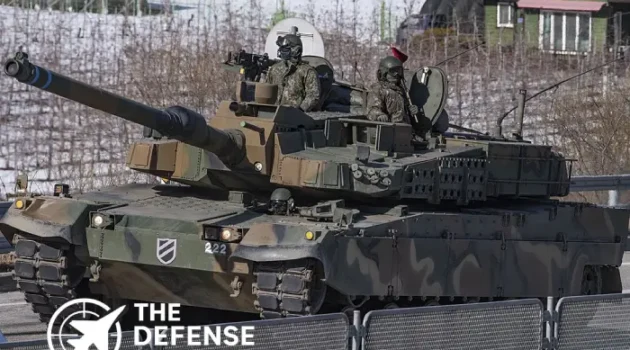
South Korea’s K2 Black Panther combines cutting-edge technology with indigenous defense industry capability, establishing itself among the best tanks in the world for 2026. Developed by Hyundai Rotem, the K2 addresses specific Korean Peninsula terrain challenges while offering exceptional export appeal to nations seeking alternatives to Western or Russian platforms.
Advanced Technical Features
- Main Gun: 120mm L/55 smoothbore with Korean-developed autoloader
- Armor: Composite armor with reactive armor tiles
- Propulsion: Doosan DV27K 1,500 hp diesel engine
- Suspension: Advanced hydropneumatic active suspension system
- Weight: 55 tons (combat-ready)
In-Arm Suspension Revolution
The K2’s hydropneumatic suspension system enables unprecedented mobility across challenging terrain. The tank can “kneel” to reduce its profile, raise specific corners to optimize gun angles, and adjust ground clearance for obstacle crossing. This system provides significant tactical advantages in mountainous Korean terrain while enabling rapid position changes during combat.
Export Success and International Recognition
Poland’s decision to acquire up to 820 K2 tanks represents the largest foreign military sale in South Korean history, validating the platform’s capabilities. The K2PL variant for Polish service includes NATO-standard communications, Trophy APS integration, and cold-weather modifications. Additional export negotiations with nations in the Middle East and Southeast Asia underscore growing international confidence in South Korean armor technology.
According to Defense News, South Korea delivered the first K2 tanks to Poland in 2024, with production continuing through 2030.
5. Challenger 3 (United Kingdom) – British Armor Reinvented
Complete Modernization of British Armor
The British Challenger 3 represents a comprehensive upgrade of the venerable Challenger 2 platform, transforming the United Kingdom’s main battle tank fleet for 21st-century warfare. Rather than developing an entirely new design, the British Army opted for deep modernization, replacing the turret, main gun, electronics, and protection systems while retaining the proven hull and automotive components.
Revolutionary Firepower Upgrade
- Main Armament: 120mm L/55A1 Rheinmetall smoothbore cannon
- Armor: Dorchester Level 2H composite with reactive armor
- Engine: MTU MT883 diesel (1,200 hp)
- Fire Control: Advanced digital fire control system with hunter-killer capability
- Crew: 4 members
Smoothbore Transition and NATO Standardization
The Challenger 3’s most significant change involves replacing the rifled 120mm gun with Rheinmetall’s L/55A1 smoothbore cannon, aligning British ammunition with NATO standards. This transition enables compatibility with advanced German-developed kinetic energy penetrators and programmable high-explosive rounds, dramatically enhancing lethality against modern armor and soft targets.
Digital Battlefield Integration
The Challenger 3 features comprehensive digital systems connecting tank crews with dismounted infantry, artillery, and aerial assets through secure networks. Enhanced situational awareness displays, powered by AI-assisted threat identification, reduce crew workload while improving target engagement speeds. The platform’s modular open architecture allows rapid technology insertion as capabilities mature.
Limited Production and Future Prospects
The British Army plans to field 148 Challenger 3 tanks by 2030, focusing on quality over quantity. While some defense analysts question this relatively small fleet size, proponents argue that advanced networking, superior training, and integration with broader military systems maximize combat effectiveness. The Challenger 3’s upgrade pathway ensures United Kingdom ground forces maintain credible armored capability through mid-century.
Reports from Breaking Defense indicate the first Challenger 3 prototypes completed testing in 2024, with initial operational capability expected in 2027.
Analysis: What Makes a Tank “The Best” in 2026?
Beyond Raw Specifications
Evaluating the best tanks in the world for 2026 requires examining factors beyond armor thickness and gun caliber. Modern tank effectiveness depends on:
Protection Integration: Active protection systems, reactive armor, and crew survivability features now matter as much as traditional armor thickness. The proliferation of advanced anti-tank guided missiles makes layered defense essential.
Network Connectivity: Tanks operating as isolated platforms face significant disadvantages. Integration with combined arms formations through secure data links multiplies combat effectiveness.
Logistical Sustainability: Fuel consumption, maintenance requirements, and supply chain resilience determine operational availability. Gas turbine-powered tanks like the Abrams offer exceptional power but consume significantly more fuel than diesel equivalents.
Crew Training and Doctrine: Even the most advanced tank proves ineffective without properly trained crews and sound tactical employment. Nations with superior training programs often achieve disproportionate combat success.
The Urban Warfare Challenge
Recent conflicts, particularly in Ukraine and Middle Eastern theaters, demonstrate that tanks face unprecedented challenges in dense urban environments. Overhead attacks from loitering munitions, close-range anti-armor teams, and restricted maneuverability demand new defensive measures. Future tank development increasingly emphasizes:
- Top-attack protection systems
- 360-degree situational awareness cameras
- Improved reactive armor coverage
- Enhanced infantry-tank cooperation protocols
Emerging Technologies Reshaping Armor Warfare
Several technological trends will reshape tank design beyond 2026:
Artificial Intelligence: AI-assisted target identification, automated threat prioritization, and predictive maintenance will reduce crew workload while improving combat effectiveness.
Directed Energy Weapons: High-energy laser systems may supplement or replace traditional active protection systems, offering unlimited “ammunition” against drones and missiles.
Hybrid Electric Propulsion: Next-generation tanks will likely incorporate hybrid powertrains, reducing fuel consumption, lowering thermal signatures, and enabling silent watch operations.
Unmanned Variants: Several nations explore optionally-manned or fully autonomous tank variants, potentially reducing crew risk while maintaining armored firepower.
Conclusion: The Future of Armored Warfare
The 5 best tanks in the world for 2026—the Leopard 2A8, M1A2 SEPv4 Abrams, T-14 Armata, K2 Black Panther, and Challenger 3—demonstrate that main battle tanks remain indispensable despite predictions of their obsolescence. These platforms combine traditional armored warfare principles with revolutionary technologies addressing modern battlefield threats.
Each tank offers unique advantages reflecting national defense priorities, industrial capabilities, and strategic requirements. Germany’s Leopard 2A8 provides proven reliability and continuous modernization. America’s Abrams leverages unmatched combat experience and industrial depth. Russia’s T-14 Armata showcases radical innovation despite production challenges. South Korea’s K2 Black Panther demonstrates emerging defense industry sophistication. Britain’s Challenger 3 proves smart modernization can extend platform relevance decades.
As military forces worldwide navigate complex geopolitical landscapes, these advanced armored vehicles will continue shaping ground combat outcomes through the 2030s and beyond. The integration of artificial intelligence, active protection systems, and network-centric warfare capabilities ensures that tanks evolve alongside emerging threats, maintaining their position as decisive instruments of military power.
FAQs
What is the most powerful tank in the world in 2026?The M1A2 SEPv4 Abrams and Leopard 2A8 are widely considered the most powerful operational tanks in 2026, combining proven combat effectiveness, advanced protection systems, and continuous modernization. The T-14 Armata offers revolutionary features but limited combat verification.
Which tank has the best armor protection?The M1A2 SEPv4 Abrams features depleted uranium composite armor offering exceptional protection, while the Leopard 2A8 and Challenger 3 utilize advanced composite arrays. All top tanks now integrate active protection systems like Trophy APS for comprehensive defense.
How much does a modern main battle tank cost?Modern main battle tanks cost between $8-15 million per unit depending on configuration. The K2 Black Panther costs approximately $8.5 million, while the M1A2 SEPv4 Abrams exceeds $10 million with full systems integration.
Can modern tanks be destroyed by drones?First-person-view (FPV) drones and loitering munitions pose significant threats to tanks lacking active protection systems. However, tanks equipped with Trophy APS, Afghanit, or similar systems can intercept many drone attacks. Top-attack remains a vulnerability for most platforms.
What is the future of tank warfare?Future tank development emphasizes artificial intelligence integration, hybrid-electric propulsion, enhanced network connectivity, and optionally-manned configurations. Directed energy weapons and advanced active protection systems will provide layered defense against evolving threats through 2040 and beyond.

Finland F-35A Delivery Begins
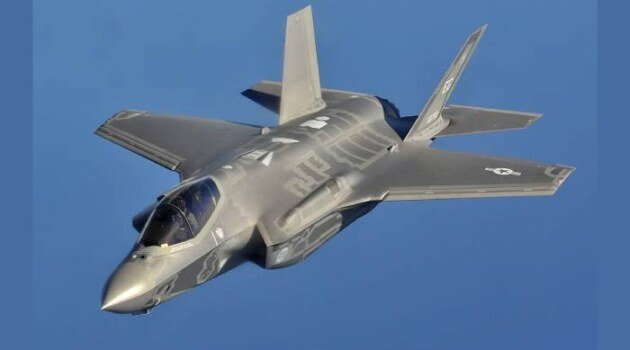
Finland F-35A delivery has officially begun with the handover of the first F-35A fighter jet to the Finnish Air Force. The aircraft was delivered from Lockheed Martin’s production line in the United States, marking a major milestone in Finland’s long-term air combat modernization program.
(adsbygoogle = window.adsbygoogle || []).push({});The delivery follows Finland’s 2021 decision to select the F-35A as the replacement for its aging F-18 Hornet fleet. The program represents the largest defense procurement in Finnish history and a central pillar of the country’s future air defense posture.
Strengthening Finnish Air Power
The Finnish Air Force plans to acquire a total of 64 F-35A aircraft under the HX Fighter Program. The fleet will gradually replace F-18 Hornets, which are scheduled to retire by the early 2030s.
According to the Finnish Ministry of Defense, the F-35A was selected for its ability to operate in contested airspace, its advanced sensors, and its ability to integrate with allied forces. The aircraft’s stealth design and data-sharing capabilities are expected to significantly enhance Finland’s situational awareness and deterrence capability.
NATO Interoperability and Regional Security
Finland’s F-35A delivery also strengthens interoperability with NATO allies. Several NATO members, including the United States, Norway, Denmark, and the Netherlands, already operate or are transitioning to the F-35 platform.
Defense officials have highlighted that shared aircraft types simplify joint training, logistics, and operational planning. This is particularly relevant for Finland following its accession to NATO, as the country focuses on collective defense in Northern Europe.
Training and Operational Timeline
Initial aircraft will be used primarily for pilot training and system familiarization. Finnish pilots and maintainers have already been training in the United States as part of the program.
Operational deployment in Finland is expected later in the decade as additional aircraft are delivered and supporting infrastructure is completed. The Finnish Air Force has stated that the F-35A will be tailored to operate from dispersed bases, a core element of Finland’s air defense doctrine.
Program Cost and Industrial Participation
The F-35A acquisition is valued at approximately 8.4 billion euros, covering aircraft, weapons, training, and sustainment. Finnish industry is also involved in the program, with local companies participating in component manufacturing and long-term maintenance support.
Officials have emphasized that domestic industrial participation will help ensure fleet availability throughout the aircraft’s service life.
China’s PLA long range modularized rocket systems took part in live-fire drills around Taiwan, the Eastern Theater Command said, showcasing expanding PLA precision strike capabilities near the island.
The People’s Liberation Army Eastern Theater Command released footage Tuesday showing ground forces firing long range modularized rocket systems in waters north and southwest of Taiwan Island.
Senior Captain Li Xi, a spokesperson for the command, said the live-fire training began at 9 am north of the island and later included joint simulated long range strikes with PLA Navy, Air Force and Rocket Force units to the south.
According to Chinese military experts quoted by state media, the drills are intended to conduct pinpoint attacks against what China calls the weaknesses of “Taiwan independence” forces. China’s official commentary focused on targeting key supply and import routes for the Democratic Progressive Party authorities on Taiwan.
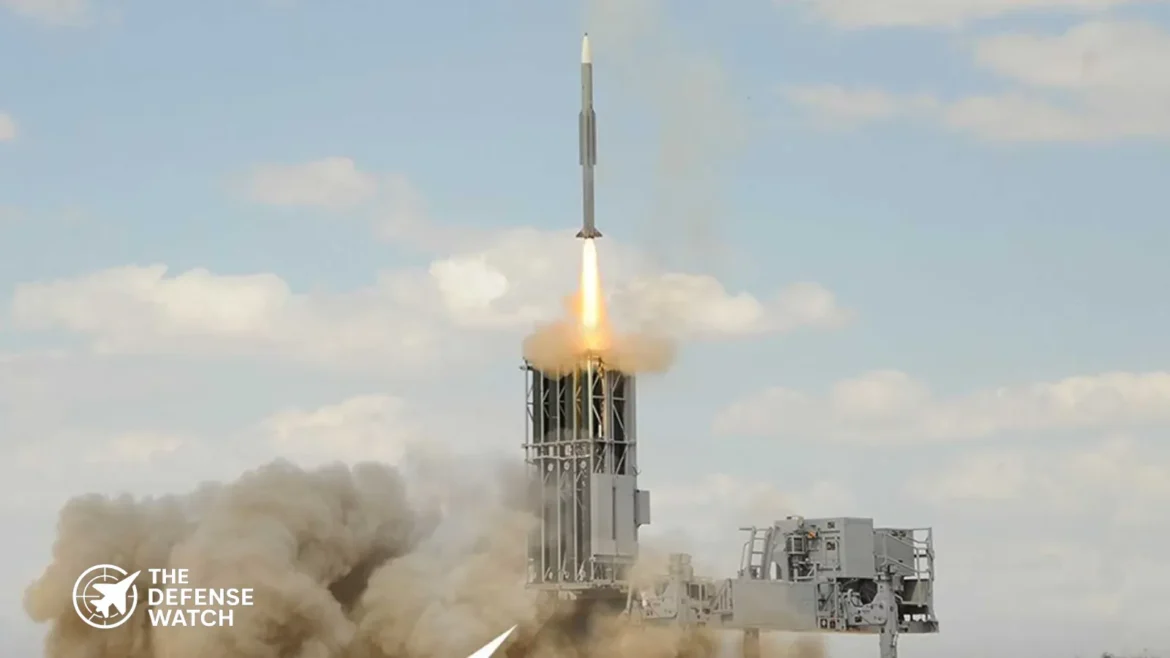
The long range modularized rocket system is described as having extended range, precision guidance capability and the ability to launch multiple munitions in a salvo. It is mobile and designed for rapid shoot-and-move missions.
Chinese commentary also highlighted the relative low cost and mass-production potential of the system, saying it complements other precision guided weapons and conventional missiles in the PLA arsenal.
This exercise took place amid a broader set of PLA actions around the Taiwan Strait region, including joint drills conducted under the “Justice Mission 2025” designation. The PLA Eastern Theater Command said these drills involve combined sea, air and missile operations around the island and are aimed at deterring “Taiwan independence” forces and external interference.
Chinese defense officials have framed these actions as legitimate measures to safeguard sovereignty and national unity. A defense ministry spokesperson reiterated that military drills serve as a warning against foreign arms sales and interference in cross-Strait issues.
U.S. Navy expands F-35 missile defense capability
The U.S. Navy has ordered Leonardo BRITECLOUD missile defense decoys to strengthen F-35 self protection against advanced radar guided threats. The move supports Navy efforts to improve aircraft survivability in high threat air defense environments.
The decoys will be used as part of the F-35 electronic warfare suite, adding an extra layer of defense against modern surface to air and air to air missile systems.
How BRITECLOUD supports F-35 survivability
BRITECLOUD is a small, expendable active decoy designed to defeat radar guided missiles. Once deployed, it creates a stronger radar signal than the aircraft, drawing incoming missiles away from the fighter.
Leonardo states that BRITECLOUD uses digital radio frequency memory technology to counter multiple threat types. The system is already in service with several allied air forces and is cleared for use on a range of combat aircraft.
For the F-35, BRITECLOUD missile defense decoys complement the jet’s stealth design and onboard sensors. Rather than replacing stealth, the system provides a backup option when aircraft are detected or operating closer to hostile air defenses.
Navy focus on layered aircraft protection
The U.S. Navy continues to invest in layered protection for its tactical aircraft. While the F-35 relies heavily on low observability and situational awareness, recent conflicts have shown the growing reach and density of integrated air defense systems.
By adding Leonardo BRITECLOUD decoys, the Navy improves resilience during contested operations, especially in maritime and expeditionary scenarios where escape options may be limited.
Program context and industry role
Leonardo UK leads BRITECLOUD production, with the system already integrated on platforms such as the Eurofighter Typhoon and Gripen. The Navy order reflects continued confidence in allied electronic warfare technology to meet evolving threat profiles.
US strikes drug boat loading facility in Venezuela
The US strikes drug boat loading facility in Venezuela as part of an American counter narcotics operation, according to a statement by former President Donald Trump. The action highlights renewed US military involvement against transnational drug trafficking networks operating in the Caribbean basin.
Trump said US forces targeted a coastal site used to load narcotics onto fast boats for onward movement toward Central America and the United States. The facility was described as a key logistical node supporting maritime drug smuggling routes.
US defense officials have not released detailed strike data, but confirmed that the operation focused on infrastructure rather than personnel. The objective was to disrupt trafficking capacity while limiting broader military escalation.
Military and security context
The US military has long supported counter narcotics missions in the Caribbean and eastern Pacific through surveillance aircraft, naval patrols, and partner nation cooperation. Recent years have seen increased use of precision strikes and maritime interdiction to degrade drug trafficking organizations at source.
According to US Southern Command, trafficking groups rely on coastal staging points, concealed river access, and small ports to rapidly load and disperse narcotics shipments. Targeting these facilities reduces operational tempo and increases interdiction success rates.
Strategic implications
The strike comes amid strained US Venezuela relations and ongoing concerns over organized crime activity linked to regional instability. While framed as a counter narcotics action, the operation carries broader geopolitical weight, signaling Washington’s willingness to use military force against illicit networks operating from hostile or uncooperative states.
Pentagon officials emphasized that US counter narcotics operations remain focused on maritime security and homeland protection, rather than regime change or conventional conflict.
What comes next
US officials are expected to continue intelligence driven maritime operations across the Caribbean and Gulf approaches. Additional naval deployments, aerial surveillance flights, and cooperation with regional partners are likely to follow as part of sustained pressure on trafficking routes.
Trump Warns Iran of Possible Strike After Netanyahu Meeting
U.S. President Donald Trump warned Iran of a possible future strike if it resumes rebuilding ballistic missile or nuclear weapons programs, following talks with Israeli Prime Minister Benjamin Netanyahu in Florida.
Speaking on Monday at his Mar a Lago estate, Trump said the United States could support another major military strike if Iran moves to restore capabilities targeted during a large U.S. operation in June. He added that Washington is closely monitoring Iranian activity related to missile development and nuclear infrastructure.
Trump made the remarks while standing beside Netanyahu, signaling continued alignment between Washington and Jerusalem on Iran related security concerns. The president suggested Tehran may already be attempting to recover from damage inflicted during the June strike, which U.S. officials have described as a significant setback to Iran weapons programs.
In addition to Iran, Trump issued a direct warning to Hamas, saying the group would face severe consequences if it does not disarm. He did not outline specific military steps but stressed that the United States supports Israel efforts to neutralize militant threats tied to Gaza.
Netanyahu echoed concerns about Iran regional activities and reiterated Israel position that Tehran must not be allowed to rebuild strategic weapons capabilities. Israeli officials have long argued that Iran missile and nuclear programs pose a direct threat to Israeli security and broader regional stability.
The comments come amid heightened tensions across the Middle East, with ongoing fighting in Gaza and continued concern over Iran role in supporting armed groups across the region. U.S. defense officials have previously stated that preventing Iran from advancing missile and nuclear systems remains a core objective of American military planning.
Trump Iran strike warning language reflects a continuation of a hard line approach toward Tehran, centered on deterrence and the threat of force. Analysts note that such statements are intended to reinforce U.S. red lines while signaling support for Israeli security priorities.
Pentagon Awards Boeing $8.6B Contract for F-15IA Jets for Israel
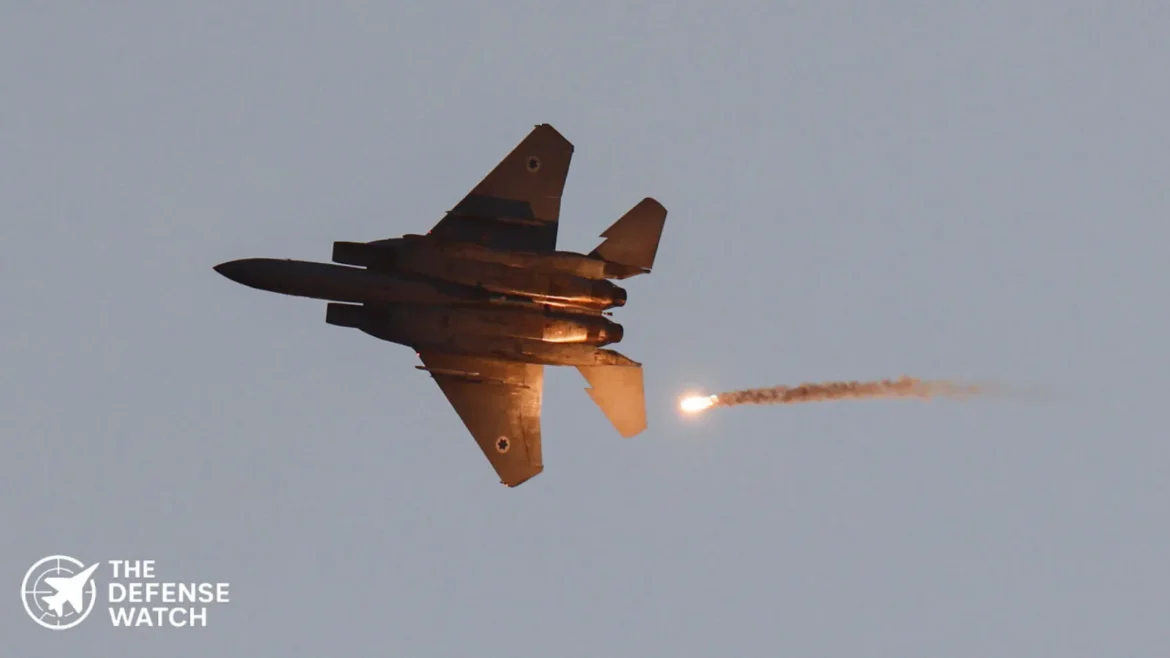
The Pentagon has awarded Boeing an $8.6 billion contract for the F-15IA jets for Israel, covering design, production, and delivery of 25 advanced fighter aircraft with an option for 25 additional jets under the U.S. Foreign Military Sales program, the Pentagon said in a statement.
The contract announcement follows a recent meeting between U.S. President Donald Trump and Israeli Prime Minister Benjamin Netanyahu in Florida. Work on the F-15IA jets for Israel program will be carried out in St. Louis, Missouri, with deliveries and related activities scheduled through December 2035.
Contract Details
- Pentagon awarded Boeing a hybrid cost-plus-fixed-fee and firm-fixed-price contract for the F-15IA jets for Israel.
- Scope includes design, integration, instrumentation, testing, production, and delivery of 25 aircraft, with option for 25 more.
- The contract is executed under the U.S. Foreign Military Sales (FMS) mechanism.
- Initial obligation at award was $840 million.
- Expected completion date is listed as December 31, 2035.
The F-15IA is an advanced variant of Boeing’s F-15EX, tailored for the Israeli Air Force to meet specific operational requirements. The FMS route means Israel funds the purchase, while the Pentagon administers the sale on behalf of the U.S. government.
Strategic Context
The U.S. remains the principal supplier of major weapons systems to Israel, and this contract reinforces the long-standing security partnership between the two countries. The deal comes amid ongoing regional tensions and debate in U.S. domestic politics over American arms sales to Middle East partners.
U.S. Industrial Impact
The award maintains production work for Boeing’s aerospace workforce in St. Louis and underscores the continued international demand for fourth-generation fighter platforms. The F-15 series has a long service record and ongoing upgrades aimed at modern combat roles.
Israel’s IAI Confirms Barak MX Air Defense Deal with Thailand
Israel Aerospace Industries (IAI) has officially confirmed a contract to supply its Barak MX air defense missile system to the Royal Thai Air Force. This deal marks a significant step in enhancing Thailand’s air defense capabilities with a modern, mobile missile system.
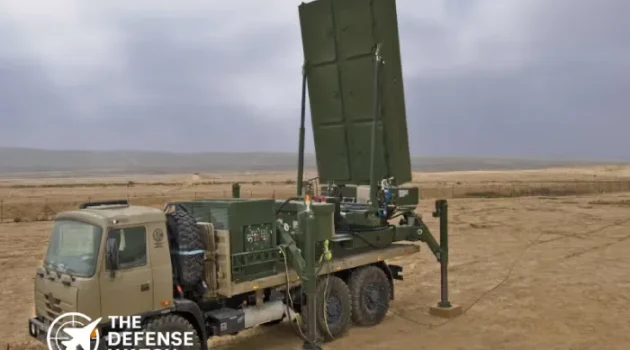
The Barak MX system is a state-of-the-art air defense solution designed to intercept a range of aerial threats, including aircraft, drones, and precision-guided munitions. IAI describes the system as highly versatile, capable of operating in multiple environments with rapid deployment and advanced radar integration.
(adsbygoogle = window.adsbygoogle || []).push({});According to IAI officials, the Barak MX offers extended detection and engagement ranges compared with earlier generations, and its networked architecture allows seamless integration into existing defense infrastructures. The system is also designed for mobility, enabling the Royal Thai Air Force to reposition assets quickly in response to evolving threats.
This contract underlines Thailand’s commitment to modernizing its air defense fleet and reflects ongoing regional interest in Israeli defense technology. Analysts note that Southeast Asia has increasingly prioritized air defense upgrades amid regional tensions and evolving aerial threats.
(adsbygoogle = window.adsbygoogle || []).push({});IAI has previously exported the Barak MX to multiple international clients, highlighting its proven reliability and operational flexibility. The system’s advanced radar and missile capabilities allow operators to respond to multiple targets simultaneously, reinforcing airspace security in complex operational environments.
Israel Fields First Operational Iron Beam Laser Air Defense System
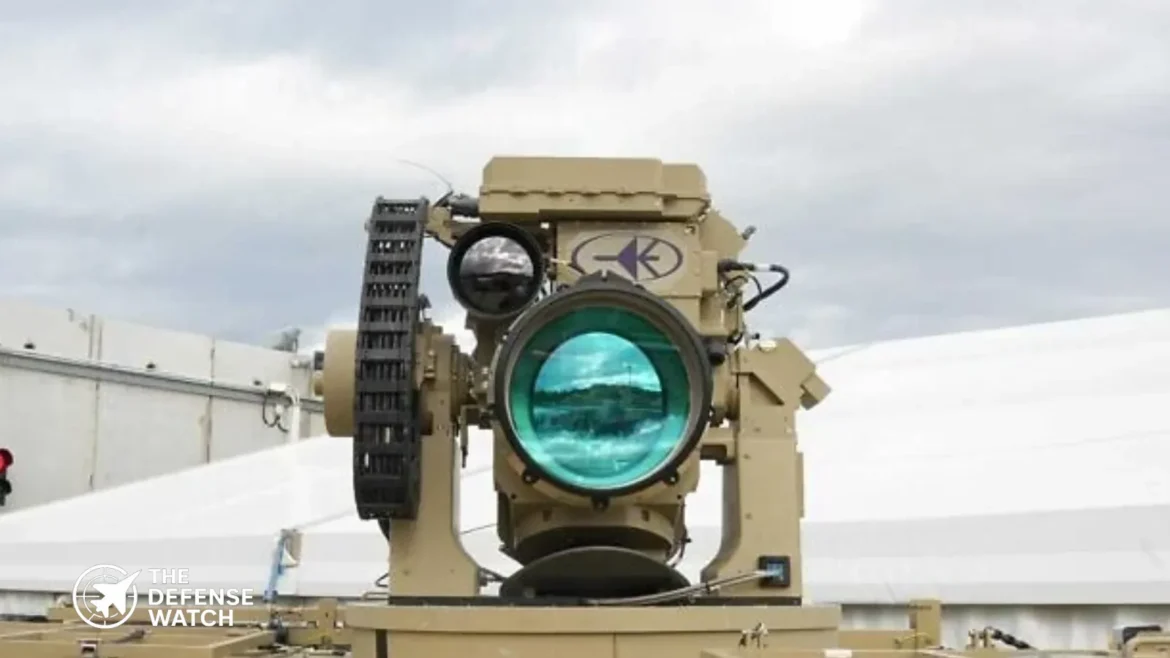
The Iron Beam laser air defense system has been officially delivered to the Israel Defense Forces (IDF), marking the first time a high-power directed-energy interceptor has reached full operational status anywhere in the world.
The system, developed by Rafael Advanced Defense Systems Ltd. in collaboration with the Israel Ministry of Defense’s Directorate of Defense Research & Development (DDR&D) and partners including Elbit Systems, was handed over during an official ceremony at Rafael’s headquarters in northern Israel on Dec. 28, 2025.
Laser Integration into Multi-Layered Air Defense
Iron Beam — also known by its Hebrew name Or Eitan — is set to be integrated into the Israeli Air Force and incorporated into the country’s layered air defense architecture alongside established systems such as Iron Dome, David’s Sling, and Arrow.
According to official statements, Iron Beam has completed extensive testing, successfully intercepting rockets, mortar shells, and various unmanned aerial threats. Its deployment is intended to complement missile-based interceptors, offering a cost-efficient capability against short-range and low-signature targets.
Directed Energy Meets Operational Reality
Unlike traditional interceptor missiles, the Iron Beam uses a high-power laser to engage threats at the speed of light, with negligible marginal cost per shot once deployed — a key operational advantage cited by Israeli defense officials.
“For the first time globally, a high-power laser interception system has achieved full operational maturity,” defense officials said at the handover, underscoring the milestone nature of this capability.
Strategic and Industrial Implications
Israeli leadership highlighted the system’s significance both as a technological milestone and a practical addition to the country’s defensive posture. Defense Ministry Director General Amir Baram described the delivery as marking the transition from development to serial production, with additional units expected in future deployments.
Rafael’s leadership emphasized the role of innovation and industrial cooperation in bringing the system from concept to operational use, noting that directed-energy weapons represent a growing area of defense modernization.
What Comes Next
While Iron Beam is now operational, it is not replacing existing missile interceptors but rather augmenting them — particularly against small, low-cost threats where traditional interceptors are less economical. Future evaluations will focus on performance in operational environments and refinement of integration with air defense command and control networks.
North Korea Reveals First Nuclear-Powered Missile Submarine
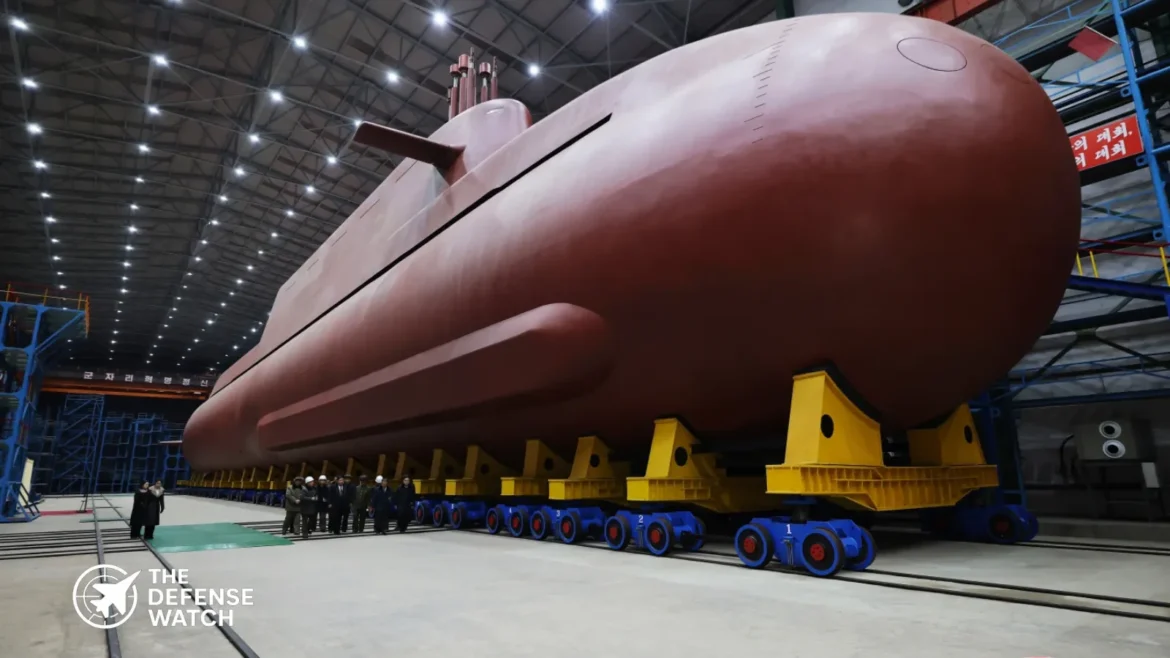
North Korea has publicly disclosed what it says is its first nuclear-powered missile submarine, showcasing an 8,000+-ton strategic vessel under construction as part of the Korean People’s Navy’s modernization efforts.
State media imagery released during an inspection tour by leader Kim Jong Un shows a large submarine hull at a domestic shipyard, described as a “nuclear-powered strategic guided missile submarine.”
Strategic Submarine Details
According to open-source reporting, the new submarine featured in state broadcasts appears to exceed 8,000 tonnes displacement and is larger than any of North Korea’s conventionally powered submarines. The vessel is reported to include multiple submarine-launched ballistic missile (SLBM) launch cells, potentially enabling a future sea-based nuclear strike capability.
Experts note that outward appearances suggest a unique configuration with sail-mounted missile silos — a design not typical of other nations’ SSBNs — and an estimated 10-missile capacity alongside standard torpedo tubes.
Context Within DPRK Naval Modernization
North Korea’s navy has historically operated smaller diesel-electric submarines, including boats modified to carry limited ballistic missiles. This nuclear-powered platform represents an expansion beyond those capabilities, aligning with broader military modernization goals articulated by Pyongyang.
State commentary emphasized the submarine’s role in strengthening North Korea’s deterrent posture. Kim Jong Un personally toured the assembly site, underscoring the vessel’s strategic significance to the regime’s defense strategy.
Regional Reaction and Security Implications
The disclosure occurs amid heightened regional tensions, with North Korea simultaneously conducting long-range strategic missile tests that South Korea’s military confirmed.
Seoul and Washington have repeatedly expressed concern over Pyongyang’s advancing weapons programs, framing such developments as destabilizing to peninsula security and broader deterrence dynamics. Analysts caution that a credible sea-based nuclear platform, if realized, could complicate allied strategic planning and undersea tracking missions.
Open Questions and Verification Challenges
Independent verification of the submarine’s nuclear propulsion system and operational status remains limited. State media claims are the primary source of information; outside confirmation of a working naval reactor or deployment timeline has not been publicly available. AP N