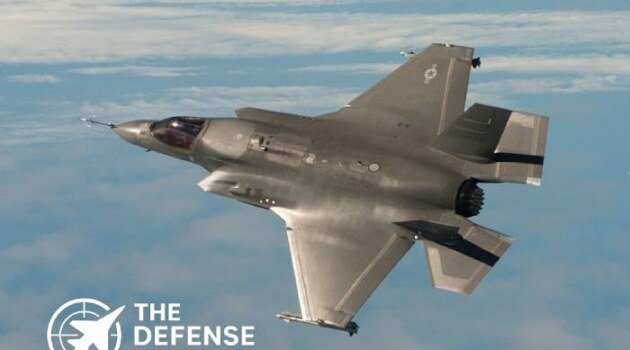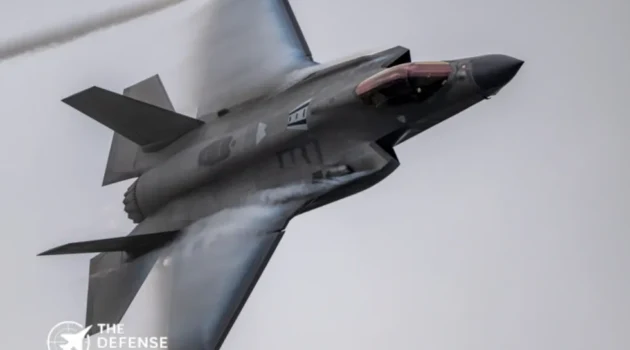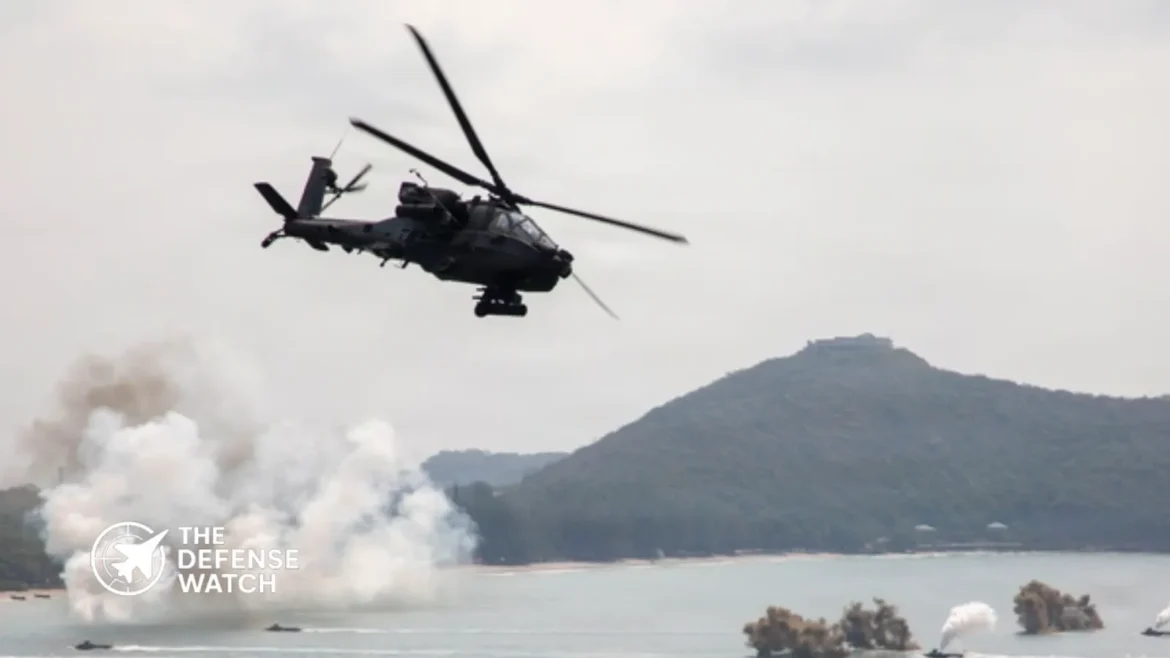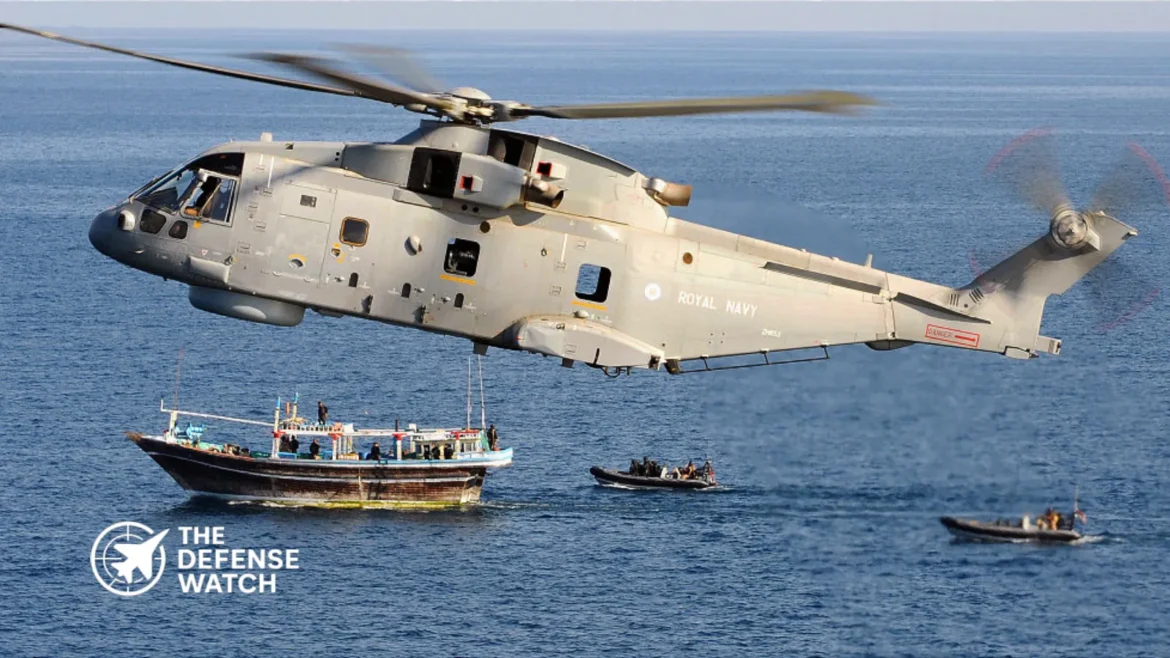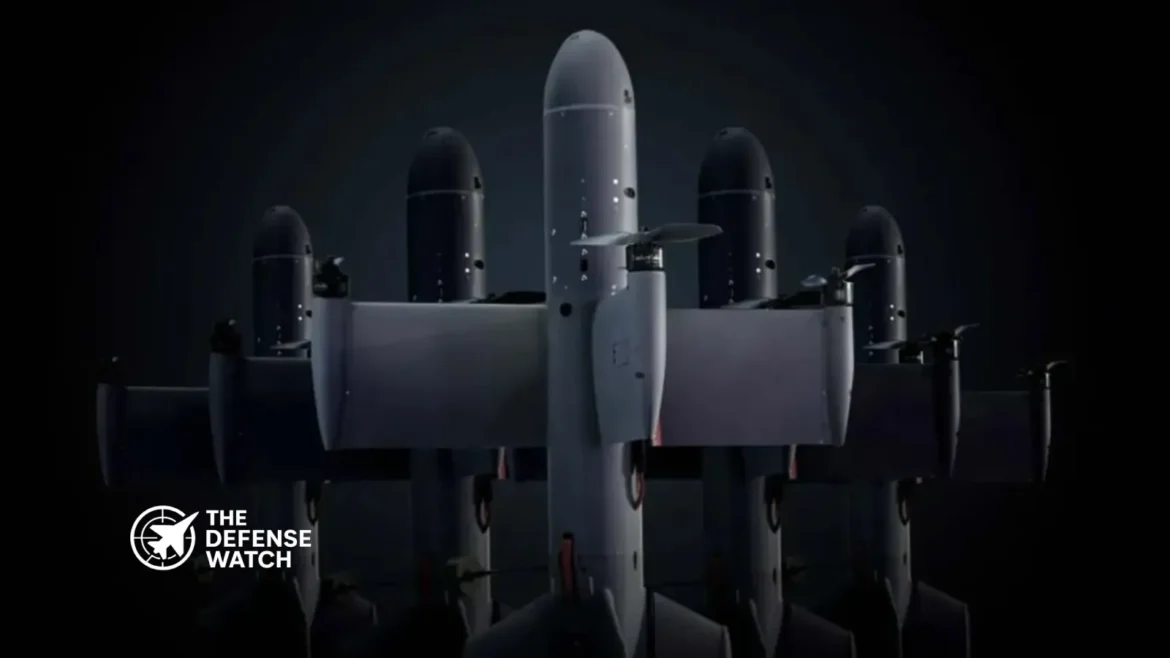
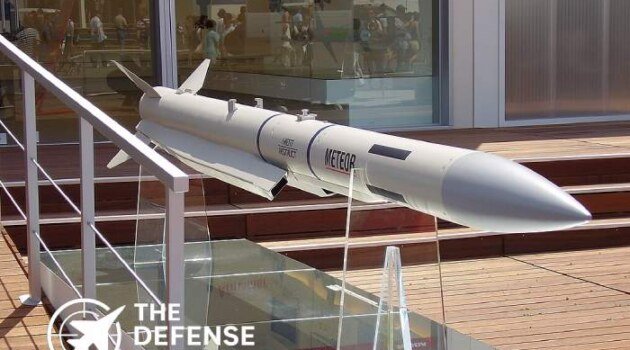
- The United Kingdom and France have launched early work on a successor to the Meteor beyond-visual-range air-to-air missile.
- The project is part of long-term efforts to maintain European air combat superiority against advanced threats.
- The Meteor missile, developed by MBDA, is currently one of the most capable BVRAAM systems in service.
- The successor missile is expected to support future combat aircraft programs including FCAS and Tempest.
- Early-stage development signals growing urgency to counter next-generation adversary air capabilities.
- The United Kingdom and France have launched early work on a successor to the Meteor beyond-visual-range air-to-air missile.
- The project is part of long-term efforts to maintain European air combat superiority against advanced threats.
- The Meteor missile, developed by MBDA, is currently one of the most capable BVRAAM systems in service.
- The successor missile is expected to support future combat aircraft programs including FCAS and Tempest.
- Early-stage development signals growing urgency to counter next-generation adversary air capabilities.
UK And France Meteor Successor Missile Program Gains Momentum
The Meteor successor missile program has officially entered early development, as the United Kingdom and France move to sustain their edge in beyond-visual-range air combat.
The initiative builds on the success of the current Meteor missile, widely regarded as one of the most advanced BVRAAM systems in operational service. Developed by European missile manufacturer MBDA, Meteor is fielded on platforms such as the Eurofighter Typhoon, Dassault Rafale, and Saab Gripen.
Officials in London and Paris are now looking beyond Meteor’s capabilities, recognizing that evolving threats from peer adversaries demand a new generation of air-to-air weapons with greater range, survivability, and network integration.
Why A Meteor Replacement Is Already Underway
Although the Meteor missile remains highly capable, defense planners are working years ahead of operational timelines. Modern air combat is rapidly shifting due to advances in stealth aircraft, electronic warfare, and long-range sensors.
The Meteor successor missile program reflects a broader strategic trend. Western air forces are preparing for contested environments where adversaries may deploy advanced fighters, including fifth- and sixth-generation platforms, supported by sophisticated air defense systems.
By starting early, the UK and France aim to avoid capability gaps as current systems approach obsolescence in the 2030s and beyond.
This approach mirrors U.S. efforts to develop next-generation air dominance capabilities and long-range missile systems designed to operate in denied environments.
Link To Future Combat Air Systems
A key driver behind the Meteor successor missile program is its expected integration with next-generation combat aircraft.
Europe is currently pursuing two major sixth-generation fighter initiatives. The UK-led Global Combat Air Programme, often associated with the Tempest fighter, and the Franco-German-Spanish Future Combat Air System (FCAS).
Both programs emphasize networked warfare, sensor fusion, and long-range engagement capabilities. A new air-to-air missile will need to match these requirements, offering enhanced data-link connectivity, improved targeting flexibility, and resistance to electronic countermeasures.
The successor to Meteor is therefore not just a replacement weapon, but a core component of future air combat ecosystems.
Industrial And Strategic Implications
The development effort is also significant for Europe’s defense industrial base. MBDA, the consortium behind Meteor, is expected to play a central role in the new program.
Sustaining indigenous missile development capabilities is a priority for both the UK and France, particularly as geopolitical tensions underscore the importance of strategic autonomy in defense manufacturing.
The Meteor successor missile program reinforces long-standing defense cooperation between the two countries, building on previous joint initiatives under frameworks such as the Lancaster House Treaties.
It also highlights Europe’s intent to remain competitive with U.S., Russian, and Chinese missile technologies, especially in the high-end air combat domain.
What The Next-Generation Missile Could Deliver
While specific technical details remain undisclosed, the Meteor successor missile is likely to focus on several key capability areas:
- Extended engagement range beyond current BVRAAM limits
- Improved propulsion systems for sustained high-speed performance
- Advanced seekers capable of operating in contested electronic environments
- Enhanced two-way data links for real-time targeting updates
- Greater compatibility with unmanned and optionally manned platforms
These features align with emerging operational concepts where aircraft act as nodes within a wider combat network, sharing targeting data across multiple platforms.
Strategic Analysis: Preparing For High-End Air Warfare
The timing of the Meteor successor missile program underscores a growing recognition among Western defense planners. Air superiority can no longer be taken for granted.
Potential adversaries are investing heavily in long-range air-to-air missiles, stealth aircraft, and integrated air defense systems designed to challenge NATO air dominance.
In this context, incremental upgrades are no longer sufficient. Instead, a generational leap in missile capability is required to maintain operational advantage.
The UK and France appear to be aligning their efforts with this reality, ensuring that their future air forces are equipped to operate in increasingly contested and complex battlespaces.
Conclusion
The launch of the Meteor successor missile program marks a critical step in Europe’s long-term air combat strategy.
By initiating early development, the United Kingdom and France are positioning themselves to counter emerging threats and support next-generation fighter programs well into the mid-21st century.
As the security environment continues to evolve, the success of this program will play a key role in shaping the balance of air power in future conflicts.

- The British Army conducted its largest parachute jump exercise in over a decade.
- Hundreds of airborne troops were deployed in a coordinated mass drop operation.
- The exercise tested rapid deployment, coordination, and operational readiness.
- Aircraft and airborne units operated jointly to simulate real-world combat insertion.
- The drill reflects renewed emphasis on high-readiness forces amid evolving security challenges.
British Army Parachute Jump Signals Renewed Focus On Rapid Deployment
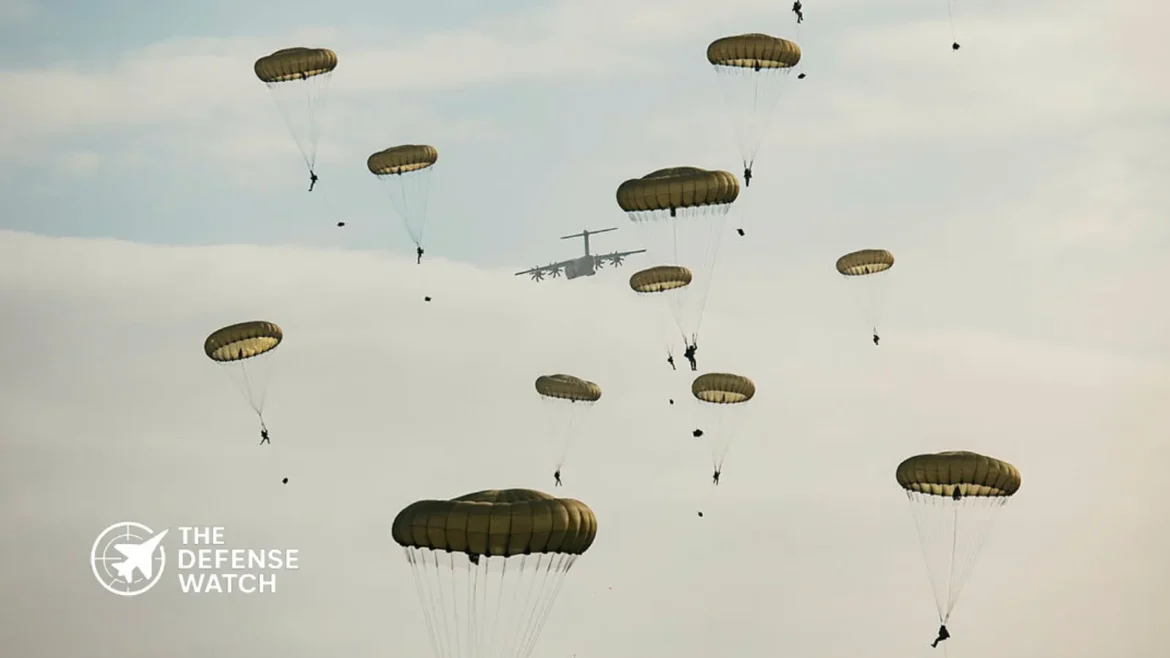
The British Army parachute jump conducted recently marks the largest airborne operation by the British Army in more than a decade, underscoring a renewed emphasis on rapid deployment capabilities and high-readiness forces.
Hundreds of paratroopers took part in a coordinated mass drop, designed to simulate real-world combat insertion scenarios. The exercise brought together airborne infantry, transport aircraft, and support elements in a synchronized operation aimed at testing operational readiness under realistic conditions.
This large-scale British Army parachute jump reflects a broader shift within UK defense planning, where speed, flexibility, and expeditionary capability are becoming increasingly central.
Scale And Coordination Highlight Operational Readiness
The exercise involved a complex airborne assault scenario, with troops deploying from military transport aircraft in rapid succession. Such operations require precise timing, coordination between air and ground elements, and the ability to establish a foothold immediately upon landing.
Airborne forces are typically among the first units deployed in a crisis. Their ability to insert behind enemy lines or secure key terrain quickly makes them a critical component of modern military strategy.
By conducting its largest British Army parachute jump in years, the UK is demonstrating that it retains the capability to deploy significant combat power at short notice. This is particularly relevant in scenarios where forward basing is limited or access is contested.
Strategic Context: Why Airborne Forces Matter Again
The renewed focus on airborne operations comes amid shifting geopolitical dynamics and increased emphasis on rapid response forces across NATO. Countries are investing more in units that can deploy quickly without relying on established infrastructure.
For the UK, airborne forces serve as a key element of its global response posture. They can be deployed independently or as part of a larger coalition force, supporting missions ranging from deterrence to high-intensity conflict.
The scale of this British Army parachute jump suggests that planners are preparing for scenarios where early entry forces must operate in contested environments. This includes potential operations in Eastern Europe, the High North, or other regions where rapid insertion could be decisive.
Operational Lessons And Capability Development
Large-scale exercises like this are not just demonstrations. They are critical for identifying gaps in capability and improving coordination across units.
Key areas likely assessed during the operation include:
- Aircraft loading and deployment efficiency
- Paratrooper dispersion and landing accuracy
- Communication between airborne and ground units
- Speed of assembling combat-ready formations after landing
These lessons feed directly into future doctrine and training cycles, ensuring that airborne units remain effective in modern combat environments.
The British Army parachute jump also highlights the importance of maintaining interoperability with allies. Airborne operations often involve multinational forces, particularly within NATO frameworks.
Air Mobility And Force Projection
Airborne operations depend heavily on transport aircraft and logistical support. While the exercise details did not specify all platforms involved, such operations typically rely on assets from the Royal Air Force, including heavy-lift and tactical transport aircraft.
This integration of air and land forces is essential for force projection. It allows the UK to respond quickly to emerging threats without the need for prolonged deployment timelines.
In practical terms, the ability to conduct a large British Army parachute jump enhances the UK’s credibility as a rapid reaction force contributor within NATO and other alliances.
What This Means For Future Operations
The scale and execution of this operation indicate that airborne forces remain a priority within UK defense strategy. While modern warfare increasingly includes cyber and space domains, traditional capabilities like airborne insertion continue to play a vital role.
This exercise sends a clear signal that the UK is investing in readiness and operational flexibility. It also demonstrates the continued relevance of airborne forces in scenarios where speed and surprise are critical.
As global security challenges evolve, the ability to deploy forces quickly and effectively will remain a key determinant of military effectiveness. The British Army parachute jump serves as a reminder that even long-established capabilities are being adapted to meet modern demands.
- ► British fighter jets have deployed to Romania as part of NATO’s enhanced air policing mission.
- ► RAF Typhoon aircraft will conduct quick reaction alert duties and joint training operations.
- ► Deployment reinforces NATO’s eastern flank amid continued regional security tensions.
- ► UK forces will operate alongside Romanian and allied air units to improve interoperability.
- ► The mission highlights sustained allied commitment to deterrence and collective defense.
British Fighter Jets Deploy To Romania Under NATO Mission
British fighter jets deploying to Romania mark the latest step in NATO’s effort to strengthen air defense along its eastern flank, as regional security concerns remain elevated.
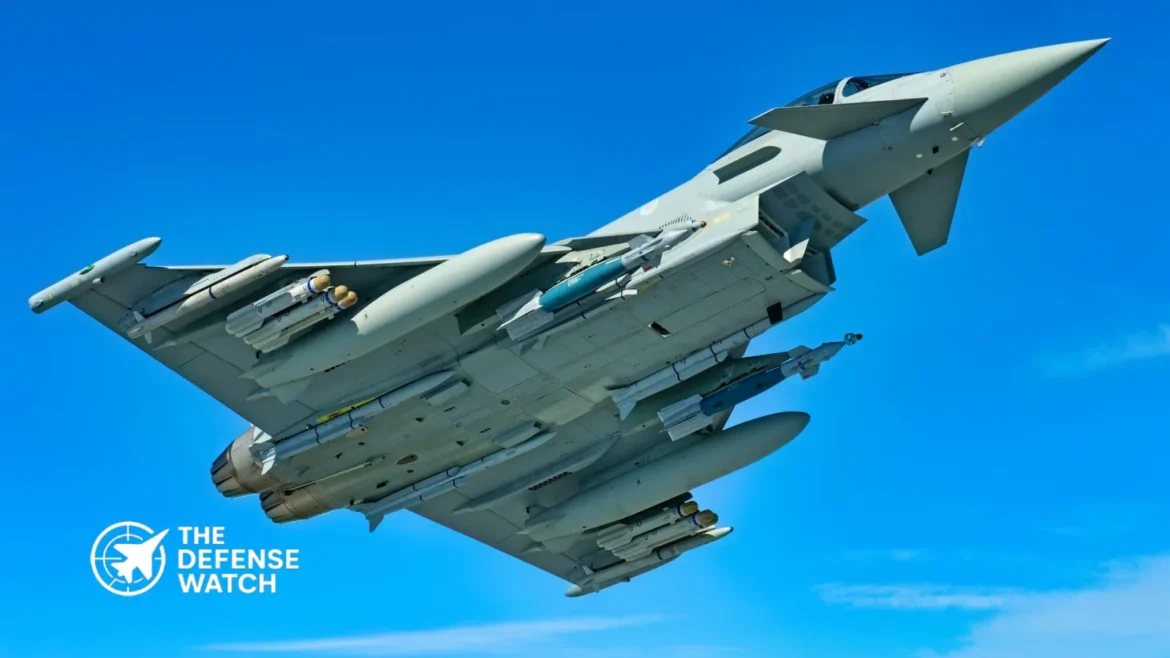
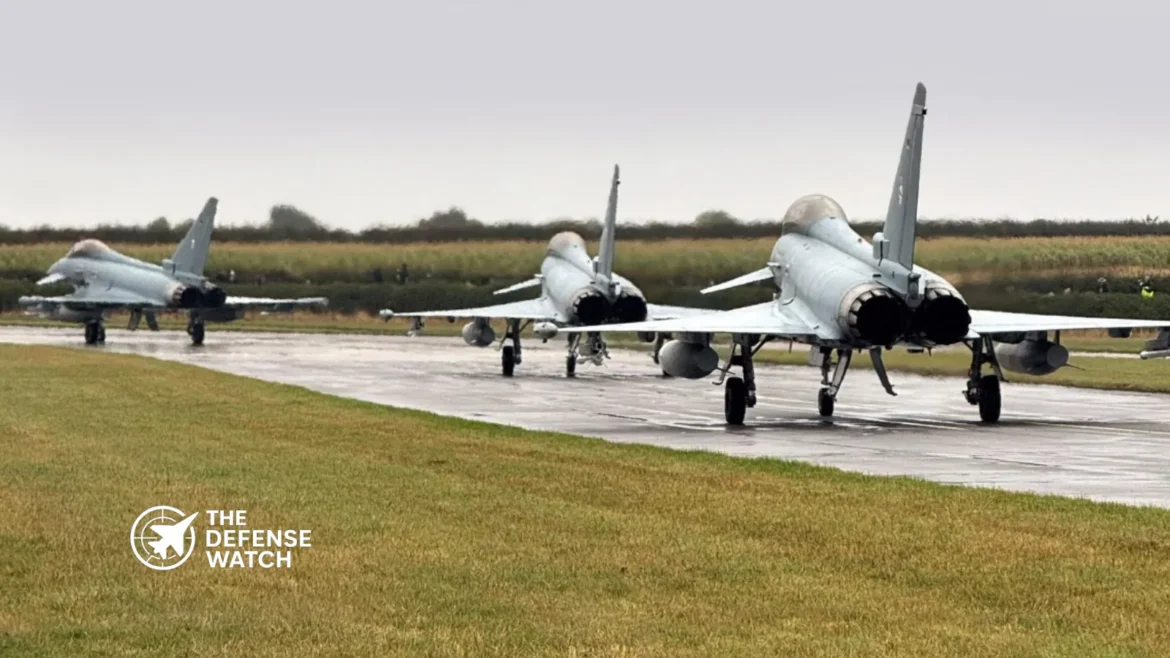
The United Kingdom has deployed Royal Air Force Typhoon fighter aircraft to Romania to support NATO’s enhanced Air Policing mission. The deployment places advanced multi-role fighters closer to the alliance’s southeastern frontier, enabling faster response times and improved situational awareness.
The mission is part of NATO’s long-standing rotational air policing framework, designed to safeguard the airspace of member states and deter potential incursions.
RAF Typhoons Take On Air Policing And Deterrence Role
The deployed aircraft are Eurofighter Typhoon jets operated by the Royal Air Force, one of NATO’s most capable quick reaction alert platforms.
These jets are tasked with intercepting unidentified aircraft, conducting patrols, and maintaining constant readiness. Operating from Romanian airbases, they will integrate with local and allied air defense networks.
Air policing missions typically involve round-the-clock alert status, ensuring aircraft can scramble within minutes if required. This rapid response capability is central to NATO’s deterrence posture, particularly in regions close to contested airspace.
Strategic Importance Of Romania In NATO’s Eastern Flank
Romania has become a critical hub for NATO operations in Eastern Europe. Its geographic position near the Black Sea places it at the intersection of key strategic corridors.
The deployment of British fighter jets to Romania underscores the growing importance of the region in alliance planning. NATO has steadily increased its presence across Eastern Europe since 2014, with air, land, and maritime forces rotating through frontline states.
From a strategic perspective, Romania offers several advantages:
- Proximity to potential flashpoints
- Established NATO infrastructure
- Access to Black Sea operational areas
This makes it a natural location for forward-deployed air assets.
Interoperability And Joint Training With Allies
Beyond air policing, the deployment also supports joint training with Romanian and other NATO forces. These exercises are designed to improve interoperability, a key requirement for multinational operations.
Pilots and ground crews will operate in integrated environments, sharing data, tactics, and procedures. This ensures that forces from different nations can function seamlessly during real-world contingencies.
Such training also enhances readiness across the alliance, reducing response times and improving coordination in complex scenarios.
Analysis: Reinforcing Deterrence Through Forward Presence
The British fighter jets deployment to Romania reflects a broader shift in NATO’s operational posture toward persistent forward presence.
Rather than relying solely on reinforcement from Western Europe, NATO is positioning high-end capabilities closer to potential areas of concern. This approach shortens decision cycles and strengthens deterrence by demonstrating immediate readiness.
From a military standpoint, deploying Typhoon aircraft provides several advantages:
- High-performance air superiority capability
- Advanced radar and sensor integration
- Flexibility for both defensive and offensive roles
At the same time, the rotational nature of these deployments allows NATO to distribute operational burden among member states while maintaining a continuous presence.
The move also signals political commitment. By deploying frontline assets, the UK reinforces its role as a leading contributor to NATO operations and underscores alliance cohesion.
Broader Geopolitical Context
The deployment comes amid ongoing tensions in Eastern Europe and increased military activity in the Black Sea region. NATO has responded by expanding its air policing missions and increasing the frequency of multinational exercises.
British participation in these missions aligns with broader alliance objectives, including deterrence, reassurance of member states, and maintaining stability in contested regions.
While air policing is defensive in nature, its visibility plays a significant role in signaling resolve. Regular patrols and rapid intercept capabilities serve as a clear message of readiness.
Operational Outlook
The British fighter jets in Romania are expected to remain on rotation for a defined period, during which they will conduct patrols, training sorties, and joint exercises.
Future deployments are likely to continue as part of NATO’s rotational model, ensuring sustained coverage of the alliance’s eastern airspace.
As NATO adapts to evolving threats, forward deployments like this are expected to remain a central component of its defense strategy.
- ► RAF F-35B Lightnings shot down uncrewed aerial systems over Jordanian airspace.
- ► The intercept marked the first operational kill for a British F-35 aircraft.
- ► The aircraft were operating in defense of Jordan.
- ► The UK Ministry of Defence confirmed the engagement.
- ► The F-35B Lightning II is the short takeoff and vertical landing variant used by the RAF and Royal Navy.
RAF F-35B Records First Operational Kill
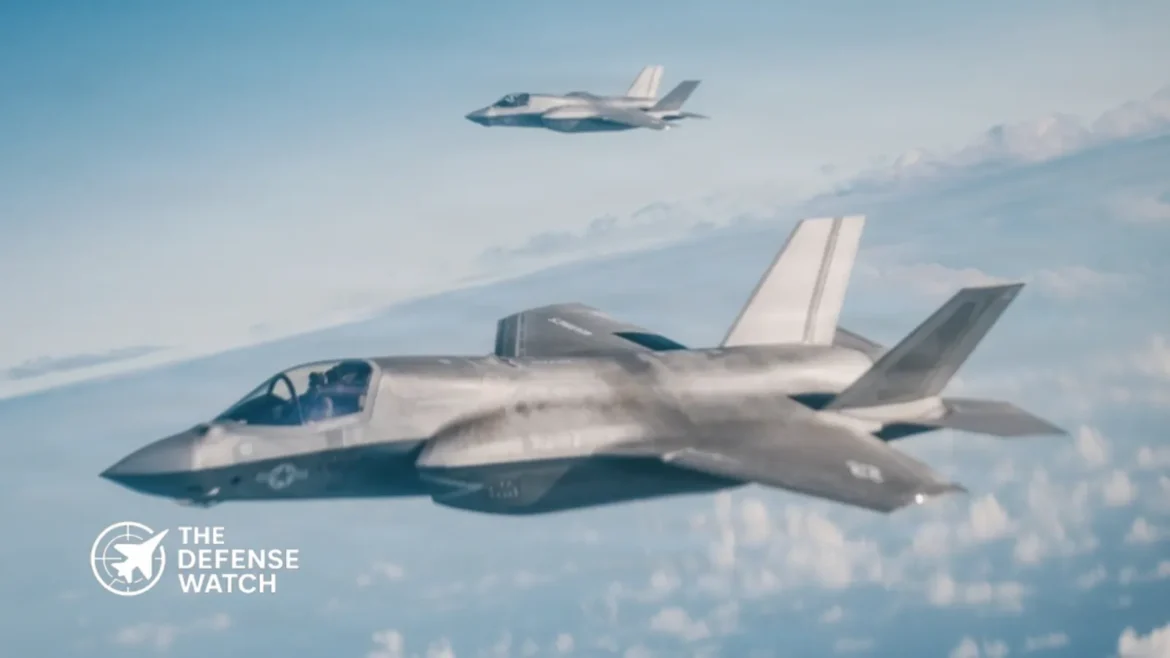
The British F-35B operational kill was confirmed after Royal Air Force Lightnings shot down uncrewed aerial systems while operating over Jordanian airspace in defense of the country.
According to the UK Ministry of Defence, the engagement marked the first time a British-operated F-35 has destroyed a target during live operations.
The aircraft involved were F-35B Lightning II jets assigned to the Royal Air Force. The F-35B is the short takeoff and vertical landing variant of the Joint Strike Fighter family, operated by both the RAF and the Royal Navy’s Fleet Air Arm.
The intercept took place over Jordanian territory, where UK aircraft were deployed as part of ongoing regional security operations.
Operational Context
The United Kingdom maintains a sustained military presence in the Middle East, including air assets based in Jordan and other regional locations. RAF fast jets have previously conducted counter-ISIS missions and regional deterrence patrols from Jordanian bases.
While officials did not disclose the specific type of uncrewed aerial system engaged, the use of drones by state and non-state actors across the Middle East has sharply increased in recent years. Low-cost one-way attack drones and reconnaissance platforms are now common in regional conflicts.
The British F-35B operational kill demonstrates that fifth generation aircraft are now actively contributing to counter-drone defense missions, not solely high end air superiority or strike roles.
Significance For The RAF
This event marks a milestone for the UK’s F-35 program. The United Kingdom is the only Tier 1 partner in the multinational F-35 program and operates the STOVL F-35B variant from both land bases and the aircraft carriers HMS Queen Elizabeth and HMS Prince of Wales.
Although US and Israeli F-35s have reportedly conducted combat operations in recent years, this is the first confirmed operational kill by a British F-35.
From a capability perspective, the engagement underscores the F-35B’s role as a multi-mission platform. Equipped with advanced sensors, data fusion, and beyond-visual-range weapons, the aircraft can detect and engage aerial threats with limited external cueing.
The use of a high end stealth fighter against uncrewed systems also reflects a broader shift in air warfare. Drones have become persistent threats, often launched in swarms or used to test air defenses. Western air forces increasingly rely on layered defense systems, combining ground-based air defense, electronic warfare, and combat air patrols.
Counter-Drone Implications
The British F-35B operational kill also highlights a cost and force management challenge. Shooting down relatively low-cost drones with advanced fighters raises questions about sustainability in prolonged conflicts.
However, in environments where speed, reach, and rapid decision making are required, fifth generation aircraft provide immediate response capability. The F-35’s sensor suite allows pilots to identify and classify airborne objects at extended ranges, reducing ambiguity in congested airspace.
Jordan sits at a strategic crossroads near Iraq, Syria, and Israel, regions where drone activity has become routine. Defensive patrols over Jordan reflect a precautionary posture amid broader regional instability.
Strategic Message
Beyond the tactical intercept, the event carries signaling value. The UK’s ability to deploy F-35Bs to the region and conduct live engagements reinforces its role as a security partner in the Middle East.
It also confirms that British F-35Bs have now transitioned fully from training and deterrence roles into active combat operations.
For London, the milestone supports long term investment in fifth generation airpower and validates the operational readiness of its Lightning force.
As drone proliferation continues across regional theaters, the integration of stealth fighters into counter-UAS missions will likely expand. The British F-35B operational kill may be the first of its kind for the RAF, but it is unlikely to be the last.
 ■ KEY FACTS AT A GLANCE
- ► The UK awarded Leonardo a £1 billion contract for a new fleet of military helicopters.
- ► The deal supports the New Medium Helicopter program to replace aging rotary wing aircraft.
- ► Production and assembly will be centered at Leonardo’s Yeovil facility in southwest England.
- ► The program is part of broader UK Armed Forces modernization and capability upgrades.
- ► The contract reinforces the UK’s domestic helicopter manufacturing base.
UK Military Helicopter Contract Advances Fleet Modernization
The UK military helicopter contract awarded to Leonardo marks a significant step in the British government’s effort to modernize its rotary wing fleet under the New Medium Helicopter program.
According to reporting by Reuters, the contract is valued at £1 billion and will see Leonardo deliver a new generation of medium lift helicopters for the UK Armed Forces. The aircraft are intended to replace several aging platforms currently in service across multiple branches.
The award underscores London’s push to consolidate and streamline helicopter capabilities while sustaining domestic aerospace manufacturing capacity.
Replacing Legacy Platforms
The New Medium Helicopter program aims to rationalize a diverse fleet of older aircraft types that have served in transport, support, and utility roles. Many of these platforms entered service decades ago and require increasing maintenance resources.
While the Ministry of Defence has not publicly detailed full fleet numbers in the initial announcement, the program is designed to provide a common airframe capable of supporting troop transport, logistics, medical evacuation, and special operations support missions.
By consolidating roles under a single helicopter type, the UK expects to reduce long term sustainment costs, simplify training pipelines, and improve operational availability.
Industrial Impact At Yeovil
A central element of the UK military helicopter contract is its impact on domestic industry. Final assembly and production work will be carried out at Leonardo’s facility in Yeovil, a long standing hub for British helicopter manufacturing.
The Yeovil site has historically supported key rotary wing programs, including the AW101 Merlin fleet. Maintaining activity at the site is viewed as strategically important for preserving sovereign design and manufacturing expertise in vertical lift systems.
Government officials have repeatedly stressed the importance of sustaining critical aerospace skills within the UK. The Leonardo award aligns with broader industrial policy goals tied to defense spending and national security resilience.
Strategic Context
The UK military helicopter contract comes at a time of heightened emphasis on readiness and expeditionary capability across NATO allies.
Modern conflicts have reinforced the need for flexible, rapidly deployable air mobility assets. Medium lift helicopters remain essential for moving troops, equipment, and supplies in contested or austere environments where fixed wing aircraft cannot operate.
Recent operations in Eastern Europe and the Middle East have highlighted the continued relevance of rotary wing platforms in both conventional and hybrid warfare scenarios.
By investing in a modern, standardized helicopter fleet, the UK aims to enhance interoperability with allied forces while ensuring its own units can respond quickly to emerging crises.
Budget Discipline And Procurement Reform
The contract also reflects ongoing efforts within the UK Ministry of Defence to improve acquisition efficiency after years of scrutiny over program delays and cost growth.
The £1 billion agreement signals a move toward clearer procurement pathways, defined industrial commitments, and structured fleet replacement timelines.
Defense analysts note that aligning platform consolidation with domestic industrial participation can help mitigate supply chain vulnerabilities, particularly in a period of global geopolitical uncertainty.
What Comes Next
Detailed delivery schedules and initial operational capability milestones are expected to be clarified in subsequent Ministry of Defence briefings.
In the near term, attention will focus on production ramp up at Yeovil and integration planning within Army and Joint Aviation Command units.
The UK military helicopter contract with Leonardo represents more than a procurement milestone. It reflects a calculated effort to align modernization, industrial strategy, and operational readiness under a single program structure.
As NATO allies continue increasing defense investment, London’s approach may serve as a reference model for balancing capability renewal with domestic aerospace sustainment.
■ KEY FACTS AT A GLANCE- ► The UK and Norway signed a new naval helicopter cooperation agreement focused on support, training, and sustainment.
- ► The pact strengthens collaboration between the Royal Navy and the Royal Norwegian Navy.
- ► Cooperation includes maritime helicopter training, maintenance, and logistics support.
- ► The agreement supports NATO operations in the North Atlantic and High North.
- ► The move reflects broader UK Norway defense cooperation amid rising regional tensions.
UK And Norway Sign Naval Helicopter Pact To Expand Maritime Cooperation
The UK and Norway naval helicopter pact marks a new step in deepening maritime defense cooperation between London and Oslo, reinforcing operational ties across the North Atlantic and High North.
Under the agreement, both governments will enhance collaboration on naval helicopter operations, training, maintenance, and long term sustainment. The deal reflects growing alignment between the two NATO allies as security concerns intensify in Northern Europe.
Cting official statements from the UK Ministry of Defence and Norwegian authorities.
Expanding Maritime Aviation Cooperation
The UK and Norway naval helicopter pact builds on an already close defense relationship between the two countries. Both operate advanced maritime helicopters and share similar operational environments, particularly in cold weather and high latitude conditions.
The UK’s Royal Navy and Norway’s Royal Norwegian Navy routinely conduct joint exercises across the North Atlantic. Helicopters play a central role in anti submarine warfare, surface surveillance, search and rescue, and fleet protection.
While specific platform details were not fully outlined in the initial announcement, cooperation is expected to involve maritime rotorcraft used for anti submarine and anti surface missions. For the UK, this includes aircraft such as the AgustaWestland AW101 Merlin, which serves as a backbone of Royal Navy carrier and frigate operations.
Norway also operates maritime helicopter platforms designed to support frigate and coastal defense missions. Shared sustainment and training frameworks can reduce costs, improve availability, and standardize procedures.
Strategic Context: The High North And NATO
The timing of the UK and Norway naval helicopter pact is significant. The High North has become an increasingly sensitive operational theater following Russia’s expanded military activity and the broader shift in European security after the invasion of Ukraine.
The United Kingdom has steadily increased its focus on northern maritime security. British forces regularly deploy to Norway for cold weather training, and London has committed to strengthening its presence in the Arctic and North Atlantic regions.
From a NATO perspective, helicopter interoperability is more than a technical issue. Maritime helicopters extend the sensor and strike range of surface combatants. They are often the first line of detection against submarines operating in contested waters.
By aligning training and maintenance standards, the UK and Norway reduce friction during joint operations. That matters in crisis scenarios where rapid integration can determine operational effectiveness.
Sustainment And Industrial Implications
Defense cooperation agreements of this type often have industrial consequences. Shared sustainment may open opportunities for cross support arrangements, spare parts pooling, and joint maintenance hubs.
Although no major procurement announcement accompanied the pact, closer collaboration can shape future acquisition decisions. When two allies operate similar systems and share infrastructure, lifecycle costs tend to decline.
For Norway, working closely with the UK provides access to one of Europe’s most experienced naval aviation communities. For the UK, deeper ties with Norway strengthen its northern flank strategy and reinforce its credibility as a leading European naval power.
Building Long Term Defense Alignment
The UK and Norway naval helicopter pact should be seen as part of a wider pattern of bilateral and multilateral defense integration across Europe.
Both nations are active contributors to NATO maritime groups and regularly participate in allied exercises in the North Atlantic. Naval helicopters are central to these missions, especially in anti submarine warfare and maritime domain awareness.
In practical terms, joint training ensures crews can operate from each other’s ships when required. Shared maintenance practices improve aircraft readiness rates. Common doctrine reduces risk during complex operations.
These incremental steps often receive less attention than major weapons purchases. Yet they are foundational to credible deterrence. Modern maritime operations depend not just on platforms, but on sustained readiness and seamless cooperation.
Why This Pact Matters
At first glance, the UK and Norway naval helicopter pact may appear technical. In reality, it reinforces three strategic objectives.
First, it strengthens NATO’s northern maritime posture at a time of heightened tension.
Second, it improves fleet readiness through shared logistics and training.
Third, it signals long term political alignment between two key maritime nations.
As Europe continues to adapt to a more contested security environment, agreements focused on operational integration will likely become more common.
For London and Oslo, the message is clear. Maritime security in the North Atlantic and High North remains a shared priority, and naval aviation is central to that mission.
UK Begins Mass Production Of Ukraine Designed Interceptor Drones
The United Kingdom has begun mass production of Ukraine designed interceptor drones, marking a significant step in European efforts to counter Russia’s sustained aerial attacks on Ukrainian cities and infrastructure.
The announcement was made by officials from the UK Ministry of Defence during discussions at the Munich Security Conference, where Western leaders addressed military assistance and long term support for Kyiv.
The move reflects a growing shift toward lower cost, scalable air defense solutions as Ukraine faces continued barrages of one way attack drones and cruise missiles.
Focus On The Octopus Interceptor Drone
At the center of the initiative is the Octopus interceptor drone, a Ukrainian developed system designed specifically to destroy incoming unmanned aerial vehicles.
According to British defense officials, the Octopus interceptor has demonstrated operational effectiveness against the Iranian designed Shahed loitering munitions used extensively by Russian forces. These systems, often referred to as Shahed one way attack drones, have been deployed in large numbers against Ukrainian power grids, industrial facilities, and civilian areas.
The UK Ministry of Defence stated that the interceptor costs less than 10 percent of the price of the drones it targets. That cost imbalance is central to the concept. Traditional surface to air missile systems, while effective, are expensive and limited in supply. Using them to destroy low cost drones places financial strain on air defense networks.
By contrast, Ukraine designed interceptor drones offer a more sustainable solution for countering persistent aerial threats.
Expanding European Production Partnerships
The British decision comes alongside parallel manufacturing agreements between Germany and Ukraine. German defense firms have also entered joint production arrangements aimed at boosting output of drone based air defense systems.
Officials have framed the effort as part of a broader European strategy to strengthen Ukraine’s defense industrial base while reducing dependence on limited stocks of high end Western air defense missiles.
Rather than relying solely on transfers from NATO inventories, the approach emphasizes co production and localized manufacturing capacity.
This model allows faster scaling of output and supports long term resilience in Ukraine’s defense sector.
A Response To Sustained Russian Drone Campaigns
Russia has used Iranian supplied Shahed drones, often launched in large waves, to overwhelm Ukrainian air defenses. These systems are relatively inexpensive compared to advanced air defense interceptors.
Ukrainian officials have repeatedly stressed that countering mass drone attacks requires layered air defense. That includes radar systems, electronic warfare, mobile anti aircraft guns, and increasingly, dedicated interceptor drones.
The UK’s decision to begin mass production of Ukraine designed interceptor drones directly addresses this operational reality.
By introducing lower cost interceptors in significant numbers, Kyiv can preserve more advanced missile systems for higher value targets such as cruise missiles or ballistic threats.
Cost Efficiency And Scalability
Cost has become a defining factor in the air defense equation.
Advanced systems such as Patriot batteries or other Western surface to air missile platforms can cost hundreds of thousands or even millions of dollars per interceptor. Deploying such systems against relatively inexpensive drones can create an unfavorable cost exchange ratio.
British officials noted that the Octopus interceptor drone is designed for affordability and rapid assembly. Mass production in the United Kingdom will increase output and shorten delivery timelines.
This also reflects a broader trend in modern warfare. Unmanned systems are reshaping air defense by offering flexible, distributed, and lower cost solutions.
Strategic Significance For The UK
For London, the initiative underscores continued political and military support for Ukraine.
Since the start of Russia’s full scale invasion, the United Kingdom has provided anti tank weapons, air defense systems, armored vehicles, and training for Ukrainian personnel. The expansion into joint drone manufacturing signals a deeper level of industrial integration.
British officials have emphasized that strengthening Ukraine’s domestic defense production is a long term objective. Co production of Ukraine designed interceptor drones supports that goal while also reinforcing UK defense industry ties.
The announcement at the Munich Security Conference also carried strategic messaging value. It signals to Moscow that Western support remains active and adaptive.
German Ukrainian Manufacturing Cooperation
Germany’s parallel agreements further illustrate Europe’s evolving defense posture.
Berlin has increased military aid to Kyiv and supported industrial partnerships focused on ammunition, armored vehicle repair, and now drone production.
Together, UK and German initiatives reflect a coordinated European approach. Instead of ad hoc transfers, governments are enabling structured manufacturing partnerships aimed at long term capacity building.
This aligns with wider NATO discussions on boosting defense production across the alliance.
Operational Impact On The Battlefield
The practical effect of expanded interceptor drone production will depend on deployment rates and integration with existing Ukrainian air defense networks.
Ukrainian forces already employ a mix of Western supplied systems and domestically produced solutions. Adding large numbers of Octopus interceptor drones could improve coverage over urban centers and critical infrastructure.
Low cost interceptors are particularly suited to countering swarm tactics, where multiple drones are launched simultaneously.
Defense analysts have noted that layered air defense, supported by cost efficient interceptors, is increasingly necessary as drone warfare evolves.
Broader Implications For Air Defense Doctrine
The UK’s move may also influence future Western air defense planning.
Traditional missile centric defense models are facing cost and supply constraints. The integration of interceptor drones offers a complementary layer that can reduce reliance on high end munitions.
If the Octopus interceptor continues to demonstrate effectiveness, other NATO members may explore similar production partnerships.
This could accelerate a shift toward hybrid air defense architectures that combine missiles, electronic warfare, and unmanned interceptors.
Looking Ahead
Mass production of Ukraine designed interceptor drones represents more than a short term response to battlefield pressures. It reflects a structural change in how Europe is supporting Ukraine and adapting to modern air warfare.
As Russia continues aerial strikes, cost effective countermeasures will remain essential.
For the United Kingdom, the program reinforces its role as a leading European security actor. For Ukraine, it strengthens domestic innovation and expands defensive capacity against sustained drone attacks.
The evolution of this partnership will likely shape the next phase of air defense cooperation across Europe.
UK Announces Major Air Defense Support For Ukrainian Forces
The United Kingdom has committed over £500 million in urgent air defense capabilities for Ukraine, marking a significant expansion of British military support as Kyiv faces intensified Russian drone and missile strikes. Defence Secretary John Healey announced the package on February 12, 2026, while co-chairing the 33rd Ukraine Defence Contact Group meeting at NATO headquarters in Brussels.
The comprehensive package represents the UK’s continued leadership in supporting Ukraine’s defense capabilities, with funding directed toward multiple critical air defense systems and munitions designed to counter Russia’s evolving aerial threat.
NATO PURL Initiative Receives First UK Contribution
For the first time, Britain will contribute £150 million to NATO’s Prioritised Ukraine Requirements List (PURL) initiative, a coordinated procurement program that enables rapid delivery of American-manufactured defense equipment to Ukrainian forces. The PURL mechanism was established to ensure continued supply of vital U.S. weapons systems after the Trump administration called for burden-sharing across the NATO alliance.
According to NATO Secretary General Mark Rutte, the initiative secured approximately $5 billion in weapons commitments for Ukraine in 2025, with projections for an additional $15 billion in 2026. The program focuses on critical capabilities including air defense interceptors, ammunition, and spare parts procured from United States manufacturers.
Around three-quarters of NATO’s 32 member nations have committed to the PURL program, with Australia and New Zealand also participating. The initiative coordinates purchases of advanced American defense systems while distributing financial responsibility across allied nations.
Belfast-Manufactured Missiles Strengthen Counter-Drone Defense
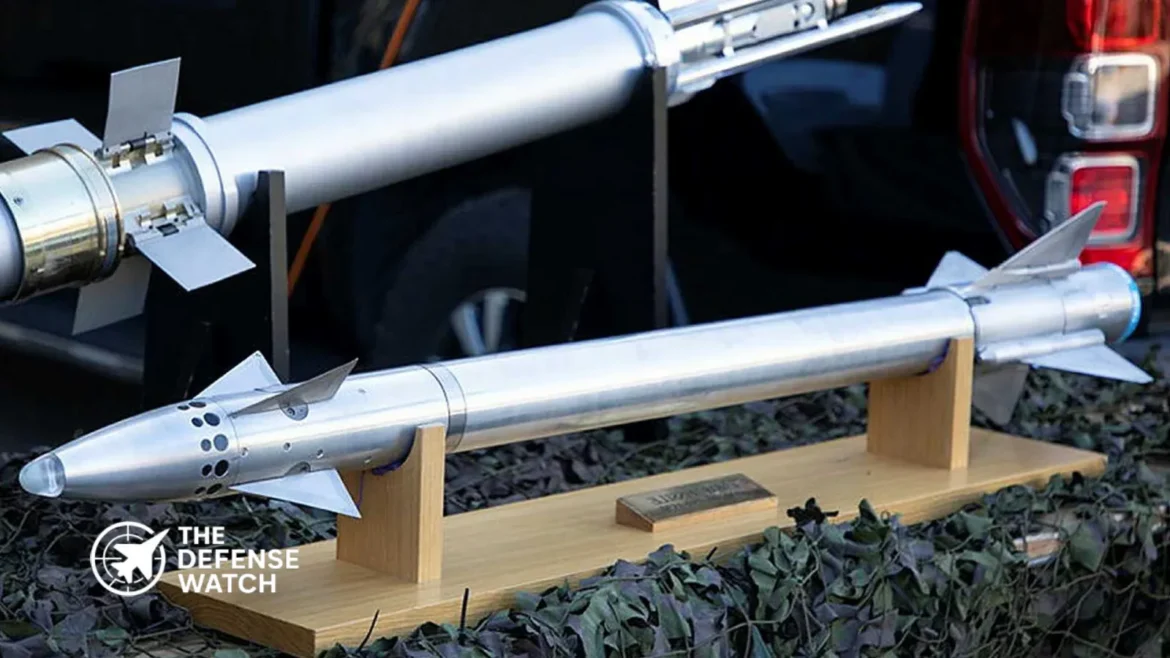
The UK package includes 1,000 Lightweight Multirole Missiles (LMMs), manufactured by Thales at their Belfast facility in Northern Ireland. The £390 million deal encompasses not only the missiles but also the transfer of Rapid Ranger launcher production and command-and-control vehicles to Ukraine, deepening industrial collaboration between British and Ukrainian defense sectors.
The LMM, designated Martlet in Royal Navy service, is a 13-kilogram precision-guided weapon capable of engaging drones, helicopters, and small maritime targets. With a maximum speed exceeding Mach 1.5 and an operational range of up to eight kilometers, the laser-guided system provides critical capabilities against Russia’s increasing use of long-range drone attacks on Ukrainian infrastructure and civilian targets.
Thales Belfast has doubled production capacity since the conflict began in February 2022, with the facility currently supporting 135 jobs and contributing to the local supply chain. Several hundred LMMs have already been delivered to Ukraine ahead of schedule under previous assistance programs.
Additional Munitions Through Air Defence Consortium
The British commitment extends beyond the immediate package, with plans to deliver an additional 1,200 air defense missiles and 200,000 rounds of artillery ammunition through the Air Defence Consortium (ADC) in coming months. This multi-layered approach addresses both immediate defensive needs and sustained operational requirements for Ukrainian forces.
Defence Secretary Healey emphasized the strategic importance of the package: “As we approach the fifth year of Putin’s full-scale invasion, the UK and our allies are more committed than ever to supporting Ukraine. I’m proud of the UK’s continued leadership and pleased to confirm a new half a billion pound package of air defense, including £150 million for PURL, to help Ukrainians defend against Putin’s relentless drone and missile attacks.
Strategic Context And Allied Coordination
The announcement comes as Ukraine faces ongoing Russian strikes targeting critical energy infrastructure during winter months. Ukrainian President Volodymyr Zelenskyy has called for daily deliveries of Patriot air defense system interceptors and accelerated PURL deliveries, particularly following recent attacks that killed civilians and damaged power facilities.
The 33rd Ukraine Defence Contact Group meeting brought together 50 nations, including co-chairs UK and Germany, Ukrainian Defense Minister Mykhailo Fedorov, NATO Secretary General Mark Rutte, and Australian Deputy Prime Minister Richard Marles. Discussions focused on Ukraine’s military requirements for 2026, battlefield assessments, equipment delivery schedules, and capability gaps requiring allied attention.
Britain assumed co-leadership of the Ukraine Defence Contact Group with Germany in 2025, alongside co-leading the Coalition of the Willing with France. Prime Minister Keir Starmer and Defence Secretary Healey have consistently emphasized that British national security begins with supporting Ukraine’s resistance to Russian aggression.
Industrial And Economic Implications
The package represents substantial investment in British defense manufacturing while supporting Ukraine’s operational needs. The Thales Belfast facility’s expanded production demonstrates the economic impact of sustained defense commitments, with the LMM program supporting local employment and supply chain development.
The transfer of Rapid Ranger launcher and command-and-control vehicle production to Ukraine marks an evolution in military assistance, moving beyond equipment provision toward capability development and industrial partnership. This approach aims to enhance Ukraine’s long-term defense industrial base while maintaining operational effectiveness.
Operational Impact Assessment
The LMM system’s versatility makes it particularly valuable against Russia’s layered aerial threat. The missile’s dual-effect warhead—combining blast fragmentation and shaped charge capabilities—enables engagement of various targets including armored vehicles, fast attack craft, and unmanned aerial systems.
Ukrainian forces have demonstrated effective integration of previously delivered British defense systems, including Starstreak high-velocity missiles and NLAW anti-tank weapons. The LMM’s proven operational record in Royal Navy service, including deployment during Operation Prosperity Guardian in the Red Sea, validates its effectiveness against small, maneuverable targets.
The package addresses urgent operational requirements while supporting NATO’s broader strategy of enhancing Ukraine’s defensive capabilities through coordinated allied contributions. As Russian forces continue aerial bombardment campaigns, particularly targeting energy infrastructure, strengthened air defense remains a critical priority for Ukrainian forces.
UK Expands Arctic Military Footprint With Norwegian Deployment
Britain has unveiled plans to double its military presence in Norway from 1,000 to 2,000 troops over the next three years, marking a significant expansion of UK defense commitments in the strategically vital Arctic region.
(adsbygoogle = window.adsbygoogle || []).push({});Defence Secretary John Healey is set to announce the deployment increase during a visit to Royal Marine Commandos stationed at Camp Viking in the Norwegian Arctic on Wednesday, according to an official UK government statement. The move comes as NATO finalizes preparations for its Arctic Sentry mission, designed to enhance alliance surveillance and deterrence capabilities across the High North.
Strategic Response To Russian Arctic Activity
The deployment expansion represents Britain’s direct response to escalating Russian military activity in the Arctic, where Moscow has steadily increased its military infrastructure and operational tempo over recent years. The Arctic has emerged as a critical geopolitical flashpoint as melting ice opens new shipping routes and access to natural resources, while simultaneously providing strategic advantages for military positioning.
The UK Ministry of Defence confirmed that the additional 1,000 troops will primarily consist of Royal Marine Commandos, who specialize in cold-weather and Arctic warfare operations. These elite units have maintained a rotational presence in Norway for decades, but the doubling of force levels signals London’s assessment that the security situation in the High North requires enhanced allied presence.
NATO Arctic Sentry Mission Framework
The UK troop increase aligns with NATO’s broader Arctic Sentry initiative, which aims to strengthen the alliance’s northern flank through improved intelligence gathering, surveillance capabilities, and rapid response forces. Arctic Sentry represents NATO’s most comprehensive effort to date to address security challenges in the region, incorporating assets from multiple member nations.
Norway, which shares a 196-kilometer land border with Russia in the Arctic, serves as a critical ally for NATO’s northern defense posture. The country has consistently advocated for stronger allied presence in the region, particularly following Russia’s 2022 invasion of Ukraine, which fundamentally altered European security calculations.
British Defense Commitment Details
According to the UK government statement, the phased deployment will occur over three years, allowing for infrastructure development and logistical preparation at Norwegian bases. Camp Viking, located in Troms county in northern Norway, serves as the primary training facility for multinational forces operating in Arctic conditions.
(adsbygoogle = window.adsbygoogle || []).push({});The Royal Marines bring specialized capabilities to Arctic operations, including mountain warfare expertise, cold-weather survival skills, and experience operating in extreme environments. Their deployment to Norway includes regular training exercises with Norwegian armed forces and participation in NATO’s Cold Response exercises, which occur biennially.
Defence Secretary Healey emphasized that the deployment reinforces Britain’s commitment to NATO collective defense while demonstrating solidarity with European allies facing Russian pressure. The announcement follows recent UK defense policy reviews that identified the Arctic as an area requiring increased attention and resources.
Geopolitical Context And Regional Security
Russia’s Northern Fleet, headquartered on the Kola Peninsula near Norway’s border, represents one of Moscow’s most strategically important military assets. The region houses nuclear-powered ballistic missile submarines, which form a critical component of Russia’s nuclear deterrent. Russian military modernization efforts have focused heavily on Arctic capabilities, including new icebreakers, airfields, and radar installations.
NATO members with Arctic territories—including the United States, Canada, Denmark (via Greenland), Iceland, and Norway—have expressed growing concern about Russian military buildup in the region. The alliance has responded with increased exercises, intelligence cooperation, and infrastructure investments designed to ensure freedom of navigation and territorial integrity.
The UK deployment joins existing American and other allied forces regularly training in Norway. The U.S. Marine Corps maintains a rotational presence of approximately 700 personnel in Norway, focused on pre-positioning equipment and conducting cold-weather training.
Operational Implications
Military analysts note that the doubled British presence enhances NATO’s ability to conduct sustained operations in Arctic conditions while providing a credible deterrent against potential Russian aggression. The deployment also improves interoperability between British and Norwegian forces, a key objective for alliance readiness.
The Royal Marines’ Arctic warfare expertise makes them particularly valuable for High North operations, where extreme cold, limited daylight during winter months, and challenging terrain require specialized training and equipment. Their presence enables more frequent and complex exercises that test NATO’s ability to operate in contested Arctic environments.
(adsbygoogle = window.adsbygoogle || []).push({});Britain’s commitment also sends a political signal about transatlantic defense cooperation at a time when European nations are reassessing their security requirements. The deployment demonstrates that the UK remains committed to European security despite Brexit and reflects London’s strategy of strengthening bilateral defense relationships with key allies.
Infrastructure And Support Requirements
The troop increase will necessitate expanded facilities and logistics support in Norway. The UK Ministry of Defence indicated that infrastructure investments will accompany the personnel deployment, though specific details about facility upgrades and equipment pre-positioning were not disclosed in the initial announcement.
Norway has invested significantly in military infrastructure in its northern regions, including enhanced radar systems, upgraded air bases, and improved port facilities capable of supporting allied operations. These investments facilitate the integration of partner nation forces and enable rapid reinforcement during crises.
International Response And Future Outlook
The announcement has been welcomed by Norwegian defense officials, who view increased allied presence as essential for maintaining regional stability. Norway’s Defence Minister has previously stated that permanent allied presence serves as a key deterrent factor in the High North.
Other NATO allies are expected to support the British deployment as part of coordinated alliance efforts to strengthen northern defenses. The Arctic Sentry mission framework provides a multilateral structure for coordinating various national contributions to regional security.
(adsbygoogle = window.adsbygoogle || []).push({});As climate change continues to open Arctic waters and increase accessibility to the region, military strategists anticipate that competition for resources and influence will intensify. The UK’s decision to double its Norwegian deployment reflects long-term strategic planning for a region that will likely become increasingly contested in coming decades.
The phased implementation over three years allows for adjustments based on evolving security conditions while demonstrating sustained British commitment to Arctic defense regardless of short-term political changes. Defence Secretary Healey’s visit to Camp Viking will provide additional details about operational timelines and specific force composition.
Royal Marines NATO Ready After Two Years Of Prep
The Royal Marines have achieved NATO readiness status after completing two years of mission rehearsals, qualifying 42 Commando for rapid deployment with the alliance’s Allied Reaction Force maritime task group, according to the Royal Navy.
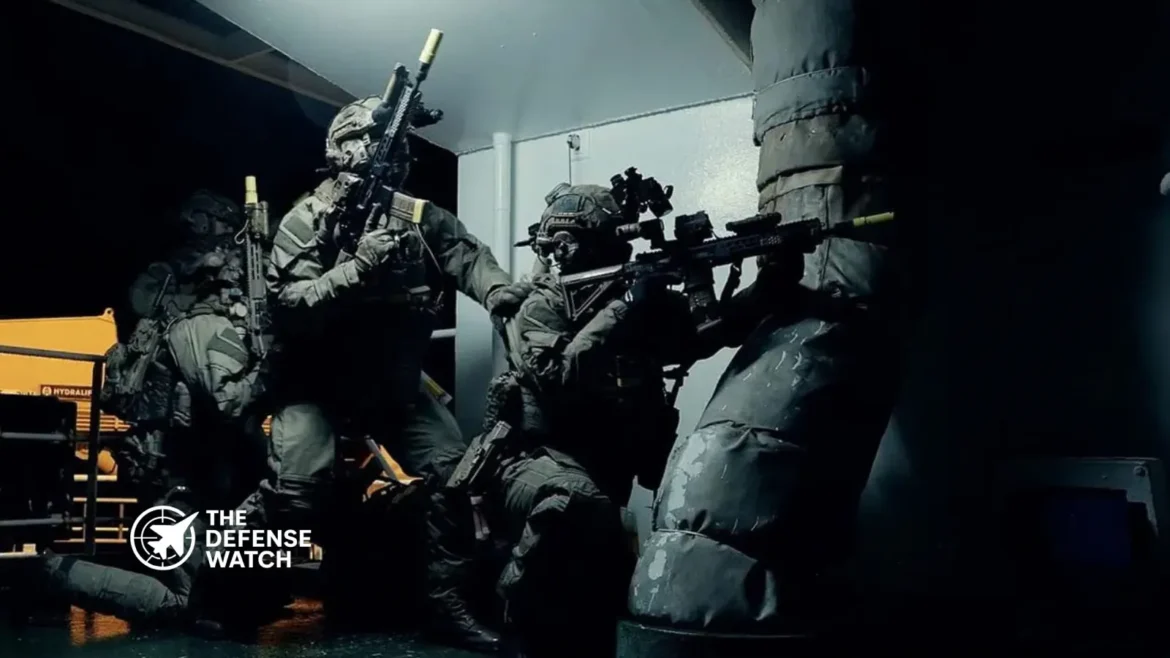
Members of Plymouth-based 42 Commando finished Exercise Hyperion Storm with a series of boarding drills, night operations, reconnaissance and helicopter assaults. The final evaluation confirmed the unit can be called up on short notice to support NATO special operations from July 2026 for approximately one year.
Hyperion Storm Validates Maritime Task Group Capability
Hyperion Storm was the capstone event in a long training cycle designed to meet NATO criteria for rapid response forces. The exercise involved a wide range of skills, including maritime interdiction, fast-roping from helicopters and coordinated operations with British Army Rangers and Royal Air Force helicopters.
The certification process required meeting more than 850 performance measures overseen by NATO’s Special Operations Forces Command Evaluation team. That validation clears the way for 42 Commando to fill a core role in the Special Operations Component of NATO’s Allied Reaction Force, a unit intended to provide an initial deterrent or response to emerging global crises.
Role And Tasks In NATO Framework
Once activated, the maritime task group led by Royal Marines will serve as the alliance’s primary rapid reaction force for maritime and littoral operations. Mission sets could include recapture of vessels, securing offshore infrastructure and covert raids from the sea.
This deployment marks the first time the UK’s Joint Special Operations Forces have been combined under a formal NATO command for such a leadership role, reflecting broader trends in alliance interoperability.
Broader UK And NATO Context
The Royal Marines’ certification and readiness are part of a larger shift in UK defense policy that emphasizes alliance deterrence and rapid response. The UK is set to assume command of NATO’s maritime component of the Allied Reaction Force in mid-2026, expanding its role within collective defense structures.
Training in recent years has spanned from the Baltic to the Arctic, with exercises such as Baltic Dawn and Cold Response helping build the advanced skills and interoperability needed for high tempo operations in complex environments.
What This Means For Allies
For U.S. and other NATO partners, the Royal Marines’ readiness adds a specialized maritime element to the alliance’s rapid reaction portfolio. The focus on interoperable doctrine and combined training aims to reduce time from decision to deployment in a crisis.