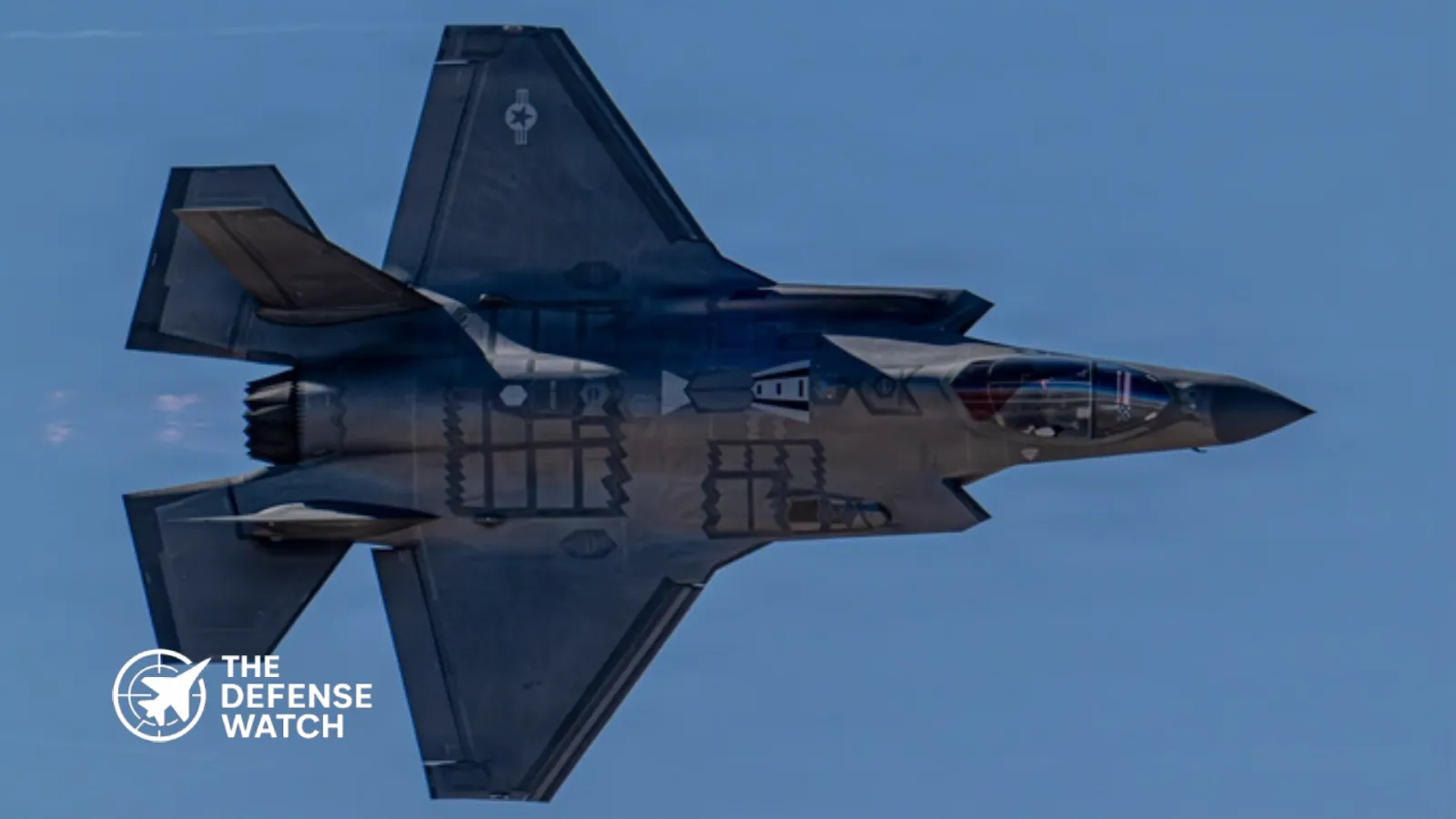
- FTG is supplying advanced printed circuit boards for the global F-35 fighter program.
- The company supports avionics, radar, and mission-critical systems integration.
- Its manufacturing spans North America and Asia, enabling global supply resilience.
- The F-35 program relies on a multinational supplier network for production and sustainment.
- Demand for high-reliability electronics continues to grow alongside F-35 fleet expansion.
FTG Strengthens F-35 Production Supply Chain
The F-35 production supply chain continues to expand as Canada-based FTG (Firan Technology Group) delivers advanced printed circuit boards for the global fleet of F-35 Lightning II fighters.
FTG plays a key role in manufacturing high-reliability electronics used across avionics and mission systems. These components are critical to maintaining operational performance in fifth-generation aircraft, where data processing and sensor fusion define combat capability.
The F-35 program, led by Lockheed Martin, depends on a wide network of international suppliers to sustain production and lifecycle support. FTG’s contribution highlights the importance of specialized electronics firms within this ecosystem.
High-Reliability Electronics for Mission Systems
FTG’s circuit boards are designed for demanding aerospace environments, supporting systems such as radar, communications, and flight controls. In modern fighters, these subsystems must operate under extreme conditions, including high temperatures, vibration, and electromagnetic interference.
The company’s expertise lies in producing complex, multilayer printed circuit boards that meet stringent military standards. These boards serve as the backbone for processing and transmitting data across the aircraft’s integrated systems.
As the F-35 continues to evolve, including software upgrades and block improvements, the role of electronics suppliers becomes even more critical. Each iteration increases reliance on processing power and data management, placing additional demands on hardware reliability.
Global Manufacturing Footprint Enhances Resilience
A notable aspect of FTG’s involvement in the F-35 production supply chain is its global manufacturing footprint. With facilities in North America and Asia, the company is positioned to support distributed production requirements.
This geographic diversification aligns with broader efforts across the defense sector to strengthen supply chain resilience. Recent disruptions, including pandemic-related delays and geopolitical tensions, have underscored vulnerabilities in highly specialized manufacturing sectors.

Image: U.S. Air Force. By maintaining multiple production sites, FTG can mitigate risks associated with single-point failures and support continuous delivery to prime contractors and subsystem integrators.
Strategic Importance of Supplier Networks
The F-35 program is one of the largest and most complex defense initiatives in history, involving dozens of partner nations and hundreds of suppliers. While prime contractors often receive the most attention, second- and third-tier suppliers like FTG are essential to sustaining production rates.
The F-35 production supply chain depends heavily on such firms to deliver components that meet exacting specifications. Any disruption at this level can cascade across the program, affecting delivery timelines and operational readiness.
This dynamic has prompted increased focus by governments and defense companies on supply chain transparency and risk management. Ensuring consistent access to critical components, especially electronics, has become a strategic priority.
Growing Demand Driven by Fleet Expansion
Demand for F-35 aircraft continues to rise, with new orders and ongoing deliveries to U.S. and allied forces. As the fleet grows, so does the need for replacement parts, upgrades, and sustainment support.
This trend directly benefits suppliers like FTG, which provide foundational components for both production and maintenance. The long service life of the F-35, expected to extend for decades, further amplifies the importance of reliable electronics manufacturing.
In addition, evolving threats are driving continuous upgrades to the aircraft’s capabilities. These upgrades often require new or enhanced hardware, reinforcing the need for adaptable and scalable production capabilities within the F-35 production supply chain.
Analysis: Electronics as a Critical Enabler of Air Dominance
The increasing reliance on advanced electronics reflects a broader shift in air combat toward information-centric warfare. In platforms like the F-35, superiority is not determined solely by speed or maneuverability, but by the ability to collect, process, and share data in real time.
This makes companies like FTG strategically important, even if they operate outside the spotlight. Their products enable core capabilities such as sensor fusion, electronic warfare, and networked operations.
From a U.S. defense perspective, maintaining a robust and diversified supplier base is essential to sustaining technological advantage. The inclusion of allied suppliers like FTG also strengthens interoperability and industrial cooperation across partner nations.
However, this interconnected model also introduces complexity. Managing quality, security, and delivery timelines across a global network requires significant coordination. As the F-35 program scales, these challenges will remain central to its long-term success.
UK Report Calls for Defence Procurement Reform to Boost SME Role
A new report urges structural reforms to help small and medium enterprises play a larger role in UK defence, arguing current processes favor larger firms and limit innovation and resilience in defence supply chains. The Next Line of Defence: Unlocking SME Potential in UK Defence from Policy to Practice, by Babcock International and the University of Exeter, identifies key barriers and recommendations to expand SME participation in defence procurement and capability development.
SME Role Seen as Central to Resilience
The report highlights that UK defence spending with SMEs remains low, at roughly four percent of total defence procurement, constraining the sector’s ability to harness innovation and support regional economic growth. Authors call for reforms in six priority areas, including simplifying procurement, modernizing infrastructure, building skills pipelines, and protecting sovereign capability.
In a joint statement, Babcock and University of Exeter contributors stress that SMEs can deliver niche technologies faster than larger firms, particularly in domains such as cyber, autonomy, and artificial intelligence, but face systemic hurdles in accessing defence contracts.
Six Priority Areas for Reform
Key reforms recommended by the report include:
- Simplifying bureaucratic procurement procedures that can disadvantage smaller suppliers.
- Rethinking the role of prime contractors so they act as partners rather than gatekeepers.
- Stabilizing funding cycles to give SMEs longer-term investment confidence.
- Strengthening the talent pipeline to ensure SMEs can access skilled workers.
- Upgrading infrastructure to support both digital and physical security needs.
- Ensuring sovereign capability by enabling more SMEs to contribute to critical defence systems.
Industry Charter and Ongoing Initiatives
Alongside the report, Babcock confirmed plans for an industry-led SME Charter to standardize how smaller firms are engaged across the defence sector. Details of the charter’s implementation have not yet been published but are expected in coming months.
The report aligns with ongoing UK government efforts to improve SME access to defence markets. Recent government announcements include new support measures and direct SME spending targets, alongside steps to reform procurement pathways to reduce administrative burdens on smaller firms.
Government Policy Context
The UK Ministry of Defence and government policy documents also emphasize SME engagement. The Defence and Security Industrial Strategy and associated Action Plan set out commitments to improve access to defence opportunities for SMEs, including revision of contracting standards, early market engagement practices, and proportionate risk-based approaches to liability.
Separate government policy measures have pledged support hubs and direct SME targets to increase participation in defence supply chains. Only a small share of MOD procurement currently goes directly to SMEs, and policymakers have signaled intent to raise that share as part of broader defence industrial strategy initiatives.
Barriers and SME Challenges
Despite policy commitments, SMEs still face hurdles in defense. Complex contracting standards and short funding cycles discourage smaller firms from pursuing defence work, while larger primes often dominate supply chains. Report authors argue that closer collaboration between government, primes, and SMEs is needed to unlock full value from the UK’s defence industrial base.
The report frames reform as essential not just for economic benefit but for defence resilience, especially as technological competition intensifies globally and demand for agile, innovative solutions grows.
What Happens Next
Industry and government stakeholders have called for a coordinated response to the report’s recommendations. Implementation will likely involve adjustments to procurement policy, new contractual frameworks, and formal mechanisms to track SME engagement. The proposed SME Charter and government-led initiatives may serve as key vehicles for change.
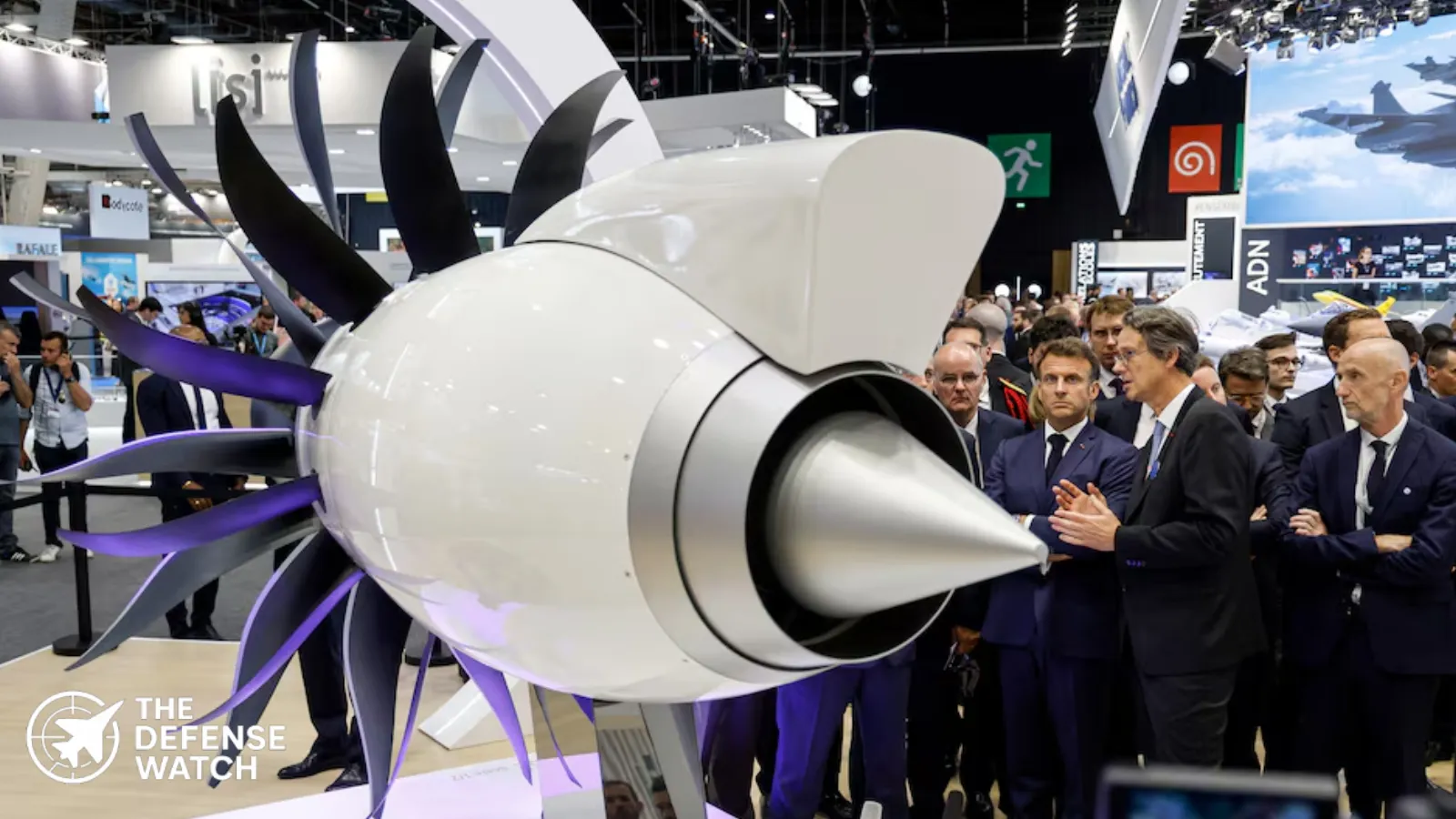
French aerospace groups warned French and European defense sectors face supply chain vulnerabilities, saying the growing “weaponisation” of global supply chains could squeeze critical inputs for jets and engines, industry leaders told reporters.
France’s aerospace industry raised concerns about the “weaponisation” of global supply chains on January 8, saying geopolitical pressures could put critical components at risk. The warning comes as tensions between major powers continue to strain defense technology networks.
Olivier Andries, president of the French aerospace association GIFAS and chief executive officer of Safran, said an estimated 90 percent of the industry’s rare earth element supply comes from China. Those materials are essential for jet engines and other aerospace components. He said this concentrated dependency gives foreign producers potential leverage over Western aerospace output.
Rare earths and magnets made from them play roles in modern aircraft beyond engines, including in sensors and electrical systems, making secure access a strategic concern for defense modernization.
Andries stressed that despite a recent trade truce between the United States and China, risks remain because of how quickly geopolitical agendas can reshape markets for key inputs. He said industry leaders are urging broader recognition of these supply chain pressures in strategic planning.
At the same briefing in Paris, Andries also criticised the lack of a finalized 2026 French state budget, calling ongoing delays a drag on planning for aerospace and defense projects. He said lawmakers appeared to have “lost direction” on budget priorities.
Despite those concerns, Andries noted that France’s defense commitments remain largely on track and that European countries continue to boost defense spending in the context of U.S. pressure and the war in Ukraine. He highlighted political backing for multinational programs like the next-generation European fighter jet, but said cooperation among industrial partners will be essential to advancing such efforts.
The supply chain warning is part of a broader push by aerospace firms to increase resilience, including diversifying production footprints and sourcing. French firms such as Safran have earlier announced expansions of manufacturing capacity abroad to reduce dependence on single sources for key parts.
The U.S. aerospace sector continues to face significant supply chain vulnerabilities in 2025, industry leaders warned this week, despite strong economic recovery and increasing global demand. The Aerospace Industries Association (AIA), in its newly released 2025 Facts & Figures report, highlighted persistent bottlenecks affecting flagship defense and commercial programs, including F-35 fighter jet production and critical missile component manufacturing.
Background
The aerospace supply chain has been under stress since the COVID-19 pandemic disrupted global logistics, diminished manufacturing capacity, and triggered labor shortages across multiple tiers of suppliers. While demand for aircraft, space systems, and defense equipment has surged—driven by geopolitical tensions and fleet modernization efforts—the industrial base has struggled to support consistent output levels.
According to AIA, the U.S. aerospace and defense sector contributed over $1 trillion to the national economy in 2024, reaffirming its status as one of the country’s most strategically vital industries. Yet, the report stresses that this economic strength masks ongoing fragility beneath the surface.
Persistent Bottlenecks Across Key Programs
F-35 Production
One of the most affected programs remains the Lockheed Martin F-35 Lightning II. Sub-tier suppliers continue to face shortages in specialized parts such as engine components, composite structures, microelectronics, and thermal management systems. These shortages have led to longer lead times and disrupted delivery schedules for several partner nations.
An industry official familiar with the program noted that even minor component delays can stall assembly lines:
“The F-35 has thousands of unique parts sourced from hundreds of suppliers. If a single microelectronic part lags behind, the entire delivery timeline is impacted.”
Missile and Precision Weapons Components
U.S. missile production—including JASSM, Patriot, and various air-to-air and air-to-ground munitions—has also been affected. Increased global demand, partly driven by ongoing conflicts and supply transfers to allies, has strained a system already under pressure.
Manufacturers cite shortages in rocket motors, guidance sensors, energetic materials, and specialized machining capacity, with many components lacking secondary suppliers.
Why Supply Chains Remain Fragile
1. Workforce Shortages
Despite rising employment numbers, the industry faces a structural gap in skilled technicians, machinists, and systems engineers. Many small and medium-tier suppliers reduced workforce levels during the pandemic and have struggled to rebuild capacity.
2. Overdependence on Single-Source Suppliers
AIA’s report warns of heavy reliance on sole-source providers for critical components. In many cases, the cost of certifying alternate suppliers is high, slowing diversification.
3. Global Competition for Materials
Specialty metals, advanced composites, and rare-earth elements remain in global short supply. Rising international demand—especially from Asia and Europe—intensifies procurement challenges for U.S. producers.
4. Financial Strain on Small Suppliers
Many Tier-3 and Tier-4 suppliers continue to face tight liquidity positions, making it difficult to invest in expansion or modernization. Late payments from larger OEMs further exacerbate financial instability.
Industry and Policy Perspectives
AIA President and CEO Eric Fanning emphasized that while the sector’s economic output is robust, its supply chain still requires strategic reinforcement:
“Our industrial base remains resilient, but resilience is not the same as invulnerability. We must invest in supplier diversification, workforce development, and manufacturing modernization to meet growing global demands.”
Defense analysts argue that supply chain risks pose a direct challenge to U.S. military readiness. Delays in aircraft, munitions, and space systems could limit the Pentagon’s ability to sustain long-term operations or adequately support allies.
Congressional leaders have called for increased funding to strengthen critical manufacturing, including incentives for new suppliers, onshoring of sensitive materials, and expanded workforce training initiatives.
What’s Next for the Aerospace Sector
The industry is expected to continue navigating supply chain instability through 2026. While major manufacturers are expanding production lines and implementing advanced digital tracking systems, experts caution that meaningful stability will require multi-year investments and stronger government-industry coordination.
AIA’s report concludes that without structural reforms, persistent bottlenecks could slow modernization programs across the U.S. Air Force, Navy, and Army, complicating strategic response efforts amid rising global tensions.