

Executive Summary:
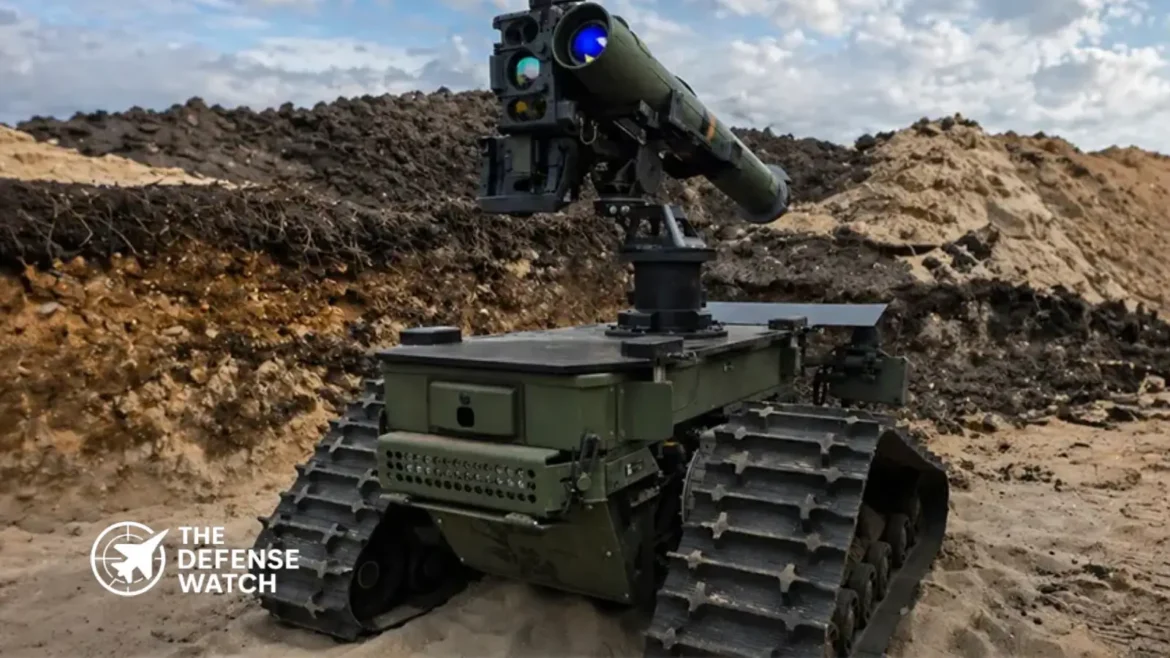
Diehl Defence has successfully conducted live firings of SPIKE LR anti tank guided missiles from the Ziesel unmanned ground vehicle platform. The tests demonstrate growing European efforts to integrate precision weapons with unmanned land systems for future battlefield operations.
Diehl Defence Demonstrates SPIKE LR Missile Capability On Ziesel UGV
The SPIKE LR missile system was successfully launched from the Ziesel unmanned ground vehicle during recent live fire trials conducted by Diehl Defence.
The demonstration marks another step in Europe’s push toward integrating unmanned ground systems with precision strike capabilities. The Ziesel platform, developed for high mobility and modular battlefield operations, was fitted with the combat proven SPIKE LR anti tank guided missile system for the trials.
According to the company, the firings validated the integration between the missile launcher and the remotely operated ground vehicle. The tests also demonstrated the platform’s ability to engage armored threats while keeping operators at safer stand off distances.
Growing Interest In Armed Unmanned Ground Vehicles
Armed unmanned ground vehicles are gaining increased attention among NATO and European defense planners as militaries seek to reduce personnel exposure in contested environments.
The combination of the Ziesel UGV and SPIKE LR missile system reflects broader trends in modern warfare, where autonomous and remotely operated systems are increasingly paired with precision guided munitions. Lessons from ongoing conflicts in Eastern Europe and the Middle East have accelerated investment in unmanned land systems capable of reconnaissance, logistics, and direct fire support.
The SPIKE LR missile, developed by Rafael Advanced Defense Systems, is already widely used by NATO member states and allied militaries. The weapon offers fire and forget as well as fire observe update modes, enabling operators to engage targets beyond direct line of sight.
Integrating such missiles onto a compact unmanned platform could provide infantry formations with additional anti armor capability while limiting risks to crews operating near front line positions.
European Defense Industry Pushes Battlefield Automation
The Ziesel UGV project also reflects a wider European defense industry effort to develop modular unmanned systems that can support multi domain operations.
European companies have accelerated work on robotic combat vehicles following increased demand for survivable and flexible battlefield platforms. Several defense firms across Germany, France, Estonia, and the United Kingdom are currently testing unmanned systems designed for logistics, reconnaissance, electronic warfare, and weapons deployment.
Diehl Defence stated that the successful integration demonstrates the adaptability of both the Ziesel platform and the SPIKE LR weapon system. While the company did not disclose future procurement plans or potential customers, the demonstration could strengthen interest among European armed forces seeking rapid modernization options.
The ability to remotely deploy anti tank guided missiles from lightweight unmanned vehicles may become increasingly important in future high intensity conflicts, especially in environments where electronic warfare, artillery threats, and drone surveillance complicate traditional armored operations.
Operational Implications For Modern Ground Warfare
The successful SPIKE LR missile firings from the Ziesel unmanned ground vehicle underscore how robotic systems are reshaping land warfare doctrine.
Unmanned combat platforms can potentially support distributed operations by extending reconnaissance reach and precision strike capability without exposing crews directly to enemy fire. Smaller unmanned systems also offer advantages in mobility and concealment compared to larger armored vehicles.
However, battlefield survivability for unmanned ground systems remains dependent on secure communications, electronic warfare resilience, and sustained logistical support. Modern conflicts have shown that unmanned systems can be vulnerable to jamming, signal interception, and counter drone measures.
Even so, defense analysts increasingly view armed UGVs as an important complement to conventional armored formations rather than a replacement for main battle tanks or infantry fighting vehicles.
The latest Diehl Defence trials highlight how European manufacturers are positioning unmanned systems as a core component of next generation military modernization programs.
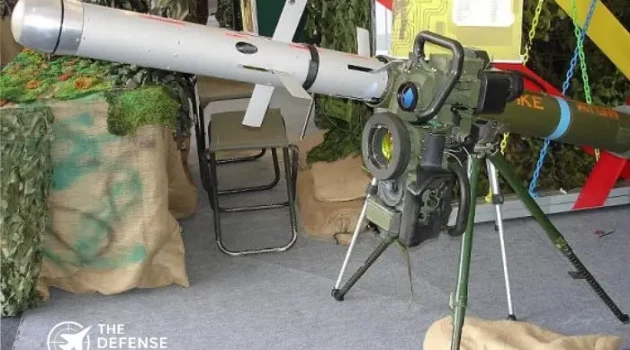

Germany equips Puma IFVs with SPIKE LR missiles
Germany is moving forward with plans to equip up to 200 Puma infantry fighting vehicles with the MELLs SPIKE LR anti-tank missile system, marking a significant step in Bundeswehr ground combat modernization. The decision was reported by Army Recognition, citing German defense procurement sources and industry partners.
The upgrade will integrate the Israeli-developed SPIKE LR missile, produced by Rafael, into the Puma IFV fleet operated by German mechanized infantry units. The MELLs program, short for Mehrrollenfähiges Leichtes Lenkflugkörpersystem, is already in service with German dismounted infantry and vehicle-mounted platforms.
Expanding Puma combat capability
The Puma IFV currently relies on its MK30-2 ABM 30 mm automatic cannon and advanced sensors for close and medium-range engagements. The addition of SPIKE LR missiles extends its effective engagement range to several kilometers, providing a true overmatch capability against modern main battle tanks and fortified targets.
The missile launchers will be integrated into the Puma’s turret system, allowing crews to fire from under armor. SPIKE LR supports fire-and-forget and fire-and-update modes, giving operators flexibility in complex battlefield conditions.
Part of wider Bundeswehr modernization
The Puma upgrade aligns with Germany’s broader effort to strengthen NATO-ready forces following increased defense spending commitments. The Bundeswehr has identified the need for improved anti-armor firepower as part of its rapid reaction and collective defense roles within the alliance.
German officials have emphasized that the MELLs SPIKE LR integration builds on existing logistics and training frameworks, reducing risk and accelerating fielding timelines.
See also: Germany expands Leopard 2 modernization program
Operational impact
Once fielded, Puma units equipped with SPIKE LR missiles will gain improved survivability and lethality in high-intensity conflict scenarios. The upgrade reinforces Germany’s role as a key contributor to NATO’s armored and mechanized forces in Europe.