Executive Summary:
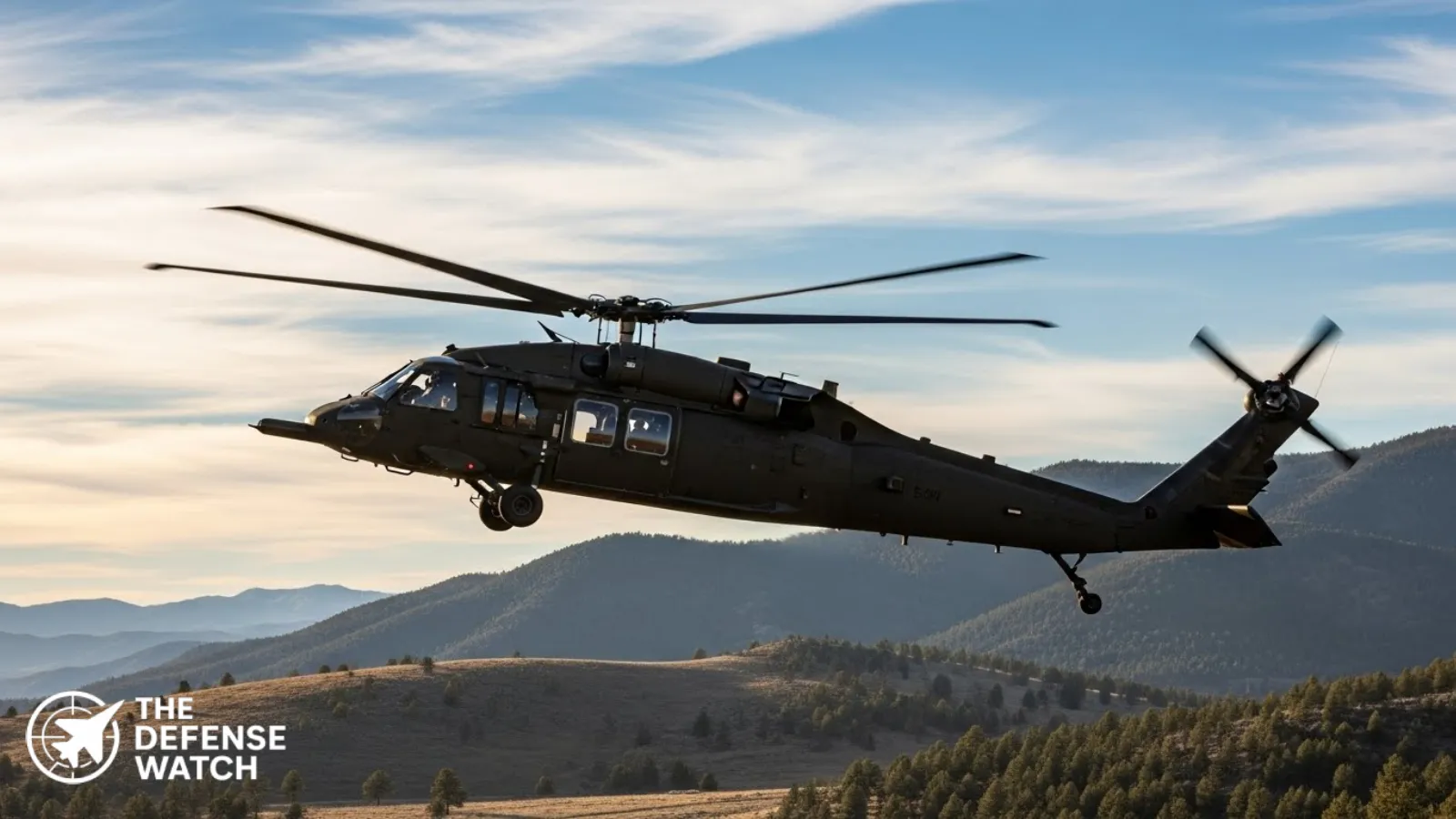
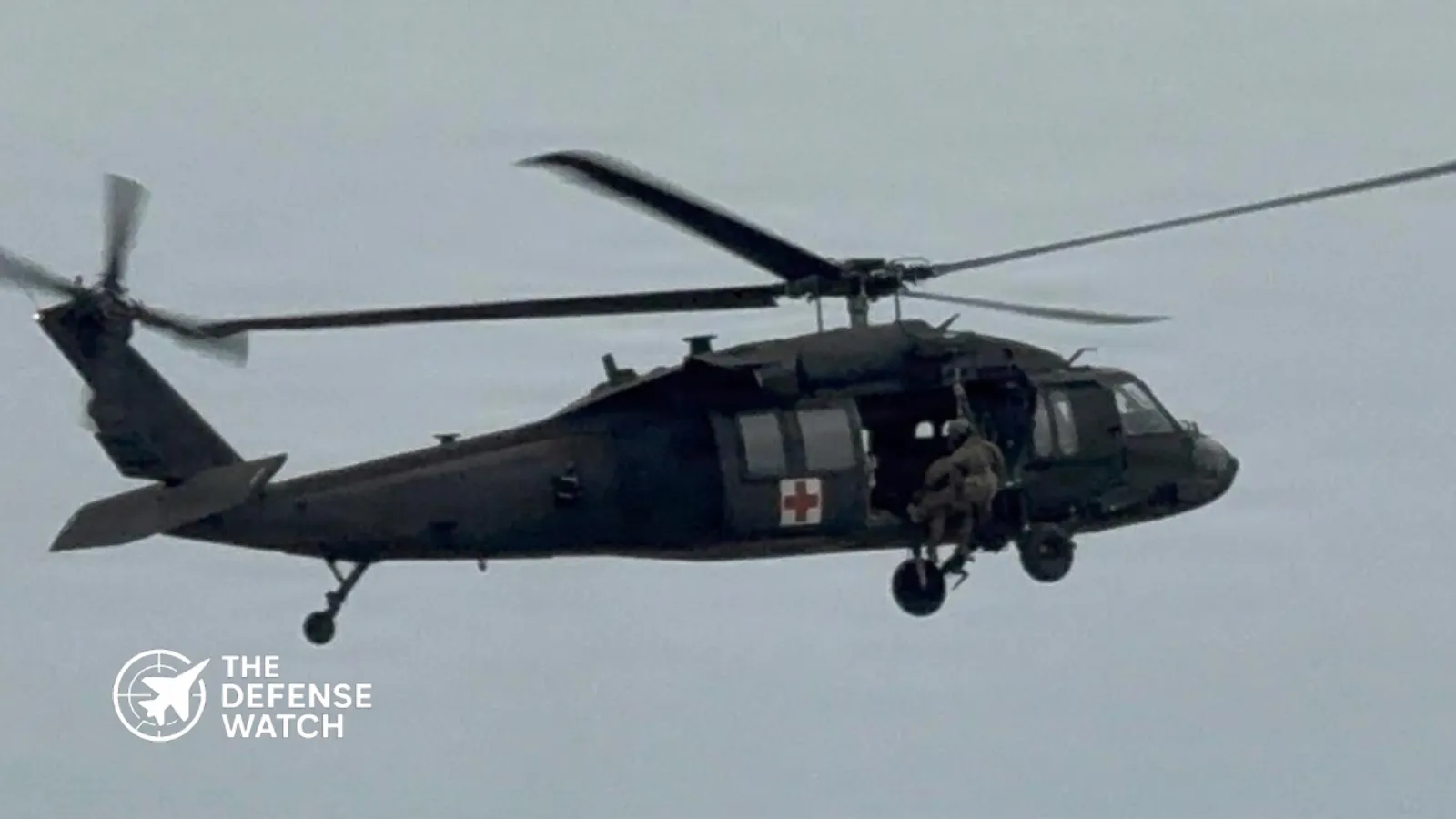
The U.S. Army has awarded Sikorsky Aircraft Corp. a $49.9 million contract modification to continue integrating and qualifying the Improved Turbine Engine (ITE) for the UH/HH-60M Black Hawk fleet. The effort supports the Army’s long term helicopter modernization strategy by improving power, fuel efficiency, and operational performance, with work scheduled to continue through June 2030.
Sikorsky Awarded $49.9 Million For UH-60M Black Hawk Improved Turbine Engine Integration
The U.S. Army has awarded Sikorsky Aircraft Corp. a $49,929,599 cost plus fixed fee contract modification to continue the integration and qualification of the Improved Turbine Engine (ITE) for the UH/HH-60M Black Hawk helicopter fleet. The award was announced by the Department of Defense as part of the Army’s ongoing rotorcraft modernization program.
The modification, identified as P00027 under contract W58RGZ-22-C-0063, increases the contract’s cumulative value to $137,968,024. The work will be performed at Sikorsky’s manufacturing and engineering facilities in Stratford, Connecticut, with completion expected by June 30, 2030.
The Army obligated the full $49.9 million in Fiscal Year 2026 Research, Development, Test and Evaluation (RDT&E) funding at the time of award. The contracting activity is the Army Contracting Command at Redstone Arsenal, Alabama.
What The Improved Turbine Engine Program Delivers
The Improved Turbine Engine is designed to replace the long serving T700 engine family that has powered multiple generations of Black Hawk and Apache helicopters for decades.
The new engine is expected to deliver substantially greater performance while reducing maintenance requirements and improving fuel efficiency. These improvements become increasingly important as Army helicopters carry heavier mission equipment and operate in hotter temperatures and higher altitude environments.
The contract specifically funds engineering services and technical data required to complete integration and qualification activities for the engine on the UH-60M utility helicopter and the HH-60M medical evacuation variant.
Why The Upgrade Matters
Modern military operations have steadily increased the demands placed on utility helicopters.
Today’s Black Hawks routinely carry heavier armor packages, advanced communications equipment, electronic warfare systems, sensors, and larger payloads than previous generations. These additions improve combat effectiveness but also increase aircraft weight and power requirements.
The Improved Turbine Engine is intended to address these challenges by providing:
Capability Operational Benefit Higher engine power Improved lift capacity and better hot and high performance Better fuel efficiency Increased operational range and reduced fuel consumption Improved durability Lower maintenance burden and higher readiness rates Modern digital controls Enhanced engine management and diagnostics Growth margin Supports future mission systems and survivability upgrades These improvements are expected to enhance mission effectiveness across combat, air assault, medical evacuation, logistics, and disaster response operations.
Supporting Long Term Army Aviation Modernization
The latest contract represents another step in the Army’s broader effort to modernize its legacy rotary wing fleet while future aircraft under the Future Vertical Lift initiative continue development.
Rather than replacing thousands of Black Hawks in the near term, the Army is investing in significant capability upgrades that extend the aircraft’s operational relevance for decades.
The UH-60M remains one of the Army’s most widely deployed helicopters, serving across active duty, National Guard, and Army Reserve formations while also supporting numerous international operators.
Integrating the Improved Turbine Engine allows the platform to better support evolving mission requirements without requiring an entirely new aircraft fleet.
Technical Challenges Of Engine Integration
Installing a more powerful engine involves considerably more than replacing the powerplant.
Engine integration requires extensive engineering work to ensure compatibility with:
- Aircraft transmission systems
- Rotor drive components
- Digital flight controls
- Electrical power generation
- Cooling systems
- Aircraft software
- Structural loads
- Flight safety requirements
Qualification testing also includes extensive ground evaluations and flight testing to verify reliability, safety, and performance across a wide range of operational conditions before the upgraded helicopters can enter service.
Because the Black Hawk is expected to remain in Army service for decades, these qualification efforts are essential to ensuring long term fleet reliability.
Strategic Significance
Although this contract focuses on engineering and testing rather than production, it represents an important investment in sustaining one of the U.S. Army’s most critical aviation assets.
The Black Hawk has served in nearly every major U.S. military operation since the late Cold War and continues to perform missions ranging from troop transport and special operations support to casualty evacuation and humanitarian assistance.
Improving engine performance directly enhances operational flexibility, particularly in environments where aircraft must operate with heavy payloads under demanding environmental conditions.
The investment also supports the Army’s strategy of combining new aircraft development with incremental modernization of proven platforms, reducing capability gaps while maintaining high readiness.
Contract Details
Item Details Contractor Sikorsky Aircraft Corp. Contract Modification P00027 Contract Number W58RGZ-22-C-0063 Contract Value $49,929,599 Total Contract Value $137,968,024 Aircraft UH-60M and HH-60M Black Hawk Program Improved Turbine Engine Integration and Qualification Work Location Stratford, Connecticut Completion Date June 30, 2030 Funding FY2026 Army RDT&E Contracting Activity Army Contracting Command, Redstone Arsenal, Alabama Outlook
With this latest contract modification, Sikorsky will continue integrating and qualifying the Improved Turbine Engine for the UH/HH-60M Black Hawk fleet, supporting one of the Army’s highest priority aviation modernization efforts.
Successful completion of the engineering and qualification work will help prepare the platform for future operational demands while improving power, efficiency, and sustainment. As the Army balances modernization with long term fleet readiness, engine upgrades such as the ITE program remain a key component of maintaining the Black Hawk’s role as the service’s primary utility helicopter well into the next decade.
Executive Summary:
Sikorsky and Safran Helicopter Engines announced an expanded strategic collaboration during the Farnborough International Air Show on July 22, 2026. The agreement builds on years of cooperation between the two companies and is intended to advance next generation helicopter propulsion technologies, improve sustainment capabilities, and support future military and civil rotorcraft programs.
Sikorsky Expands Helicopter Engine Partnership With Safran At Farnborough 2026
Sikorsky’s expanded partnership with Safran Helicopter Engines marks another significant step in the long standing relationship between two of the world’s leading rotorcraft manufacturers. Announced during the Farnborough International Air Show 2026, the agreement broadens collaboration across helicopter propulsion technologies while reinforcing both companies’ commitment to future military and commercial helicopter programs.
The announcement was made through an official joint statement by Lockheed Martin’s Sikorsky business and Safran Helicopter Engines, highlighting a renewed focus on innovation, industrial cooperation, and long term support for global helicopter operators.
Expanded Cooperation Builds On Decades Of Experience
Sikorsky and Safran Helicopter Engines have worked together on several helicopter platforms over many years. Their latest agreement extends that relationship beyond existing engine integration efforts by increasing cooperation in research, technology development, and lifecycle support.
According to the companies, the expanded collaboration includes work in several areas:
| Area | Purpose |
|---|---|
| Advanced propulsion technologies | Improve helicopter performance and efficiency |
| Future rotorcraft development | Support next generation helicopter programs |
| Engine integration | Enhance compatibility across future platforms |
| Sustainment services | Improve fleet readiness and maintenance support |
| Industrial collaboration | Expand engineering and manufacturing cooperation |
Neither company disclosed financial terms or identified a specific new helicopter program tied to the agreement.
Why The Partnership Matters
Modern military helicopters face increasing operational demands. Missions now require greater range, higher payload capacity, lower fuel consumption, and improved reliability while operating in harsh environments.
Engine technology plays a central role in meeting those requirements.
By combining Sikorsky’s expertise in helicopter design with Safran Helicopter Engines’ propulsion experience, the companies aim to accelerate development of technologies that can support future defense customers worldwide.
The collaboration also reflects broader trends across the aerospace industry, where airframe manufacturers and propulsion companies are working more closely to reduce development risk and shorten program timelines.
Focus On Long Term Rotorcraft Innovation
Although the announcement does not identify a specific aircraft, the agreement supports research into technologies expected to shape future helicopter fleets.
Potential areas include:
- Improved fuel efficiency
- Higher power to weight ratios
- Digital engine health monitoring
- Predictive maintenance systems
- Reduced operating costs
- Enhanced mission availability
These capabilities have become increasingly important as military operators seek to maximize readiness while controlling lifecycle costs.
Digital diagnostics and condition based maintenance are especially valuable because they allow operators to identify maintenance needs before failures occur, reducing aircraft downtime.
Strategic Importance For Defense Customers
The agreement comes at a time when many allied nations are modernizing helicopter fleets.
The United States, Europe, and Indo Pacific partners continue investing in advanced vertical lift capabilities to support transport, combat, special operations, search and rescue, and humanitarian missions.
While the expanded partnership does not announce a procurement program, it strengthens the industrial foundation supporting future helicopter development.
For defense ministries, closer cooperation between major aerospace suppliers can simplify technology integration, improve supply chain resilience, and enhance long term sustainment planning.
Analysis: What This Means For Future Military Helicopters
The significance of this announcement extends beyond a routine industry partnership.
Future military helicopters are expected to rely on increasingly integrated propulsion systems that combine greater efficiency with advanced digital management. Rather than treating engines as standalone components, manufacturers now design propulsion systems alongside aircraft avionics, mission systems, and predictive maintenance software.
This approach offers several operational advantages.
Higher engine efficiency can increase combat radius without enlarging the aircraft. Improved thermal management supports modern onboard electronics. Digital health monitoring reduces unscheduled maintenance while allowing fleets to remain operational for longer periods.
For Sikorsky, expanding its relationship with Safran also diversifies access to advanced propulsion expertise that could support international programs and export opportunities.
For Safran Helicopter Engines, deeper collaboration with one of the world’s largest military helicopter manufacturers strengthens its position in future global rotorcraft competitions.
The announcement therefore reflects a broader shift toward integrated industrial partnerships rather than isolated supplier relationships, an approach increasingly common across major defense aerospace programs.
Farnborough Continues To Showcase Defense Aerospace Collaboration
The Farnborough International Air Show remains one of the aerospace industry’s premier venues for announcing strategic agreements, technology partnerships, and defense initiatives.
This year’s exhibition has highlighted growing cooperation among manufacturers responding to rising global demand for advanced aerospace technologies, particularly in military aviation.
The Sikorsky and Safran announcement fits within that broader trend by emphasizing long term innovation rather than a single procurement contract.
Looking Ahead
The expanded strategic collaboration positions Sikorsky and Safran Helicopter Engines to continue developing propulsion technologies for future helicopter platforms while strengthening support for existing fleets.
Although the companies have not announced new aircraft programs under the agreement, the partnership reinforces their commitment to advancing rotorcraft performance, reliability, and lifecycle support for military and commercial customers worldwide.
As governments continue investing in next generation vertical lift capabilities, industrial partnerships such as this are expected to play an increasingly important role in delivering more capable and sustainable helicopter fleets.
Sikorsky Races To Deploy Nomad 100 VTOL Drone Amid Growing Demand For Autonomous Military Operations
Executive Summary:
Sikorsky, a Lockheed Martin company, has completed the initial ground and flight testing phase of its Nomad 100 autonomous uncrewed aerial system under DARPA’s Early VTOL Aircraft Demonstration (EVADE) program. The milestone advances a new generation of runway independent military aircraft designed to combine helicopter flexibility with fixed wing efficiency for future crewed and uncrewed operations.
Sikorsky Nomad 100 Reaches Major DARPA Flight Test Milestone
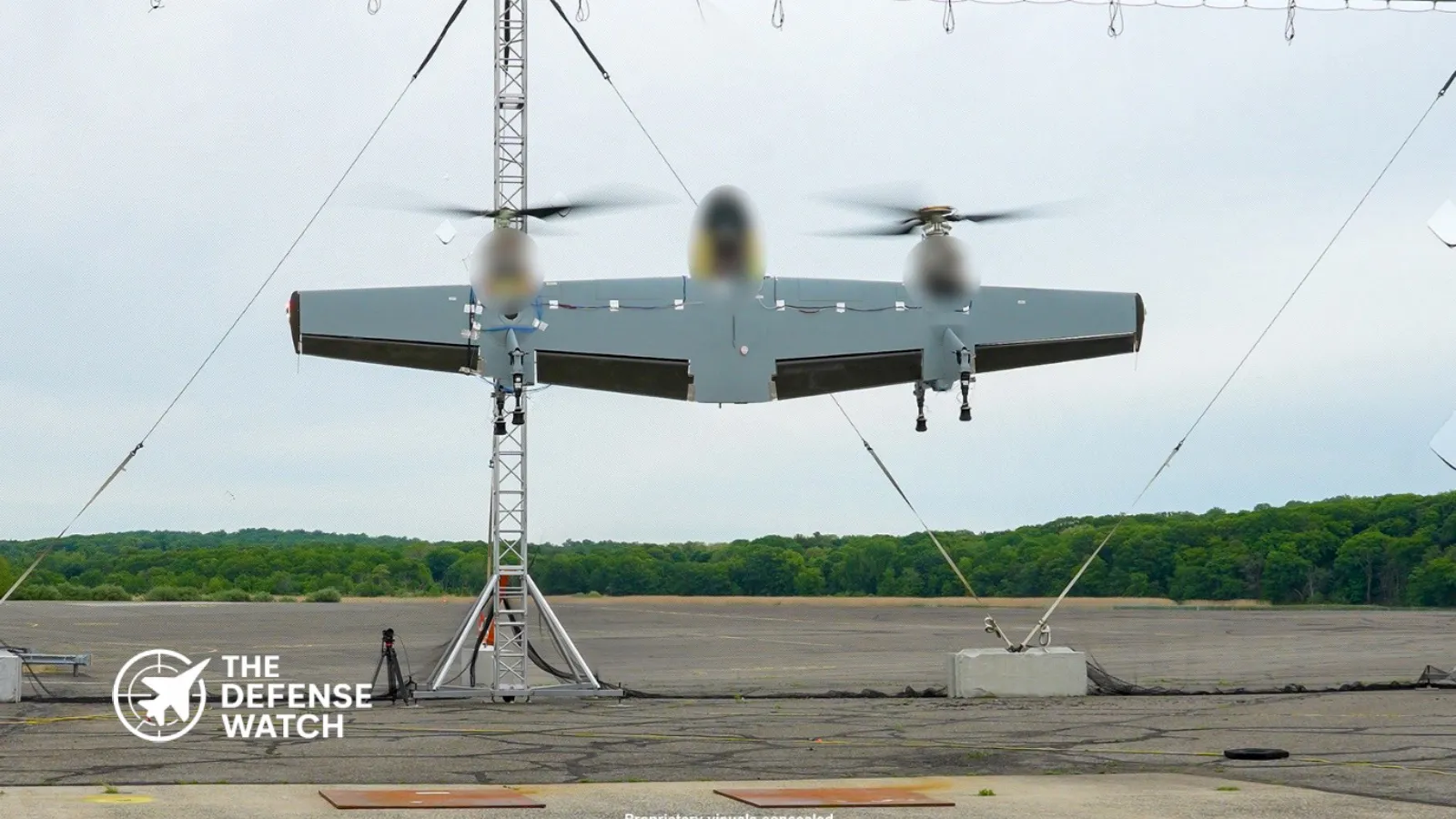
Lockheed Martin’s Sikorsky Nomad 100 has completed its first phase of ground and flight testing as part of the U.S. Defense Advanced Research Projects Agency (DARPA) Early VTOL Aircraft Demonstration (EVADE) program, according to an official company announcement released on July 22 during the Farnborough International Airshow. The achievement marks an important step toward validating autonomous vertical takeoff and landing technologies for future U.S. military missions.
The testing campaign demonstrates that the Nomad 100 is progressing from prototype development toward more demanding government evaluations. Sikorsky confirmed the aircraft will next undergo an expanded flight test campaign at a government facility where it will perform multiple operational mission profiles.
Designed For Future Multi Domain Operations
The Nomad 100 represents Sikorsky’s latest effort to enter the growing military uncrewed aircraft market with a platform capable of operating without traditional runways.
Unlike conventional drones, the aircraft uses a rotor blown wing architecture, combining helicopter style vertical lift with fixed wing cruise performance. This enables operations from locations where traditional aircraft cannot easily deploy.
According to Sikorsky, the platform is capable of:
- Vertical takeoff and landing
- Hover operations
- Fixed wing cruise flight
- Shipboard operations
- Operations from austere forward bases
- All weather missions over land and sea
MATRIX Autonomy Powers The Aircraft
A key feature of the Nomad 100 is its integration of Sikorsky’s MATRIX autonomous flight system, which DARPA selected as the common autonomy solution for all five aircraft participating in the EVADE program.
MATRIX enables operators to assign missions while allowing the aircraft to plan routes, avoid hazards, adapt to changing conditions, and execute complex tasks with reduced pilot workload.
According to Lockheed Martin, MATRIX has accumulated:
| Capability | Reported Status |
|---|---|
| Flight hours | More than 1,000 |
| Flight tests & demonstrations | More than 500 |
| Operators trained | More than 100 |
| Aircraft integrated | More than 20 platforms |
The technology has previously been demonstrated on several autonomous aircraft, including the S-70 UAS U-Hawk and Sikorsky’s Hybrid Electric Demonstrator.
Technical Characteristics
Although Sikorsky has not released full performance specifications, the company confirmed several notable design features.
| Feature | Description |
|---|---|
| Aircraft Type | Autonomous VTOL UAS |
| Takeoff Method | Vertical |
| Propulsion | Twin prop rotor system |
| Configuration | Rotor blown wing |
| Runway Requirement | None |
| Primary Missions | Logistics, resupply, multi role operations |
| Autonomy | MATRIX autonomous flight system |
Some technical details remain intentionally undisclosed because the program is still in development.
Why The Nomad 100 Matters
The Nomad 100 reflects a broader shift across the U.S. defense sector toward autonomous aircraft that can support forces operating in highly contested environments.
Future conflicts may require aircraft capable of launching from dispersed locations rather than established airfields. Vertical takeoff capability combined with autonomous navigation allows military planners to reduce dependence on vulnerable runways while expanding operational flexibility.
The rotor blown wing configuration also attempts to solve a longstanding engineering challenge. Traditional helicopters provide excellent hover capability but have limited speed and endurance. Conventional fixed wing aircraft are more efficient but require prepared runways. By combining both approaches, Sikorsky aims to deliver greater operational reach without sacrificing deployment flexibility.
Equally significant is the platform’s intended role in crewed and uncrewed teaming. Rather than replacing manned aircraft, the Nomad 100 is designed to operate alongside helicopters and other military assets, conducting logistics, reconnaissance, and support missions that reduce risk to human crews. This aligns with broader U.S. Department of Defense modernization priorities emphasizing autonomous systems, distributed operations, and resilient battlefield logistics.
Next Phase Of DARPA Testing
Following completion of the initial flight campaign, Sikorsky plans to move the aircraft into a government operated testing environment where additional missions will evaluate its performance under more operationally representative conditions.
These trials are expected to assess:
- Autonomous mission execution
- Crewed and uncrewed teaming
- Austere landing operations
- Maritime operations
- Multi mission adaptability
The results will help determine how technologies developed through DARPA’s EVADE program could transition into future U.S. military capabilities.
Broader Defense Industry Context
The Nomad 100 arrives as defense organizations worldwide accelerate investment in autonomous aviation. Programs increasingly emphasize runway independent aircraft that can deliver supplies, conduct reconnaissance, and operate in contested environments where conventional logistics are vulnerable.
For Lockheed Martin and Sikorsky, the Nomad family also represents an expansion beyond traditional rotorcraft into scalable autonomous systems supported by artificial intelligence, advanced manufacturing, and electric propulsion technologies. While the company has not announced production timelines, successful completion of the initial flight phase demonstrates measurable progress toward operational maturity.
Sikorsky Moves To Build European Production Line As NATO Advances Next Generation Rotorcraft Program
Executive Summary:
Sikorsky has announced plans to pursue a European production line for NATO’s Next Generation Rotorcraft Capability (NGRC) program, expanding its industrial footprint across allied nations. The initiative is intended to strengthen NATO’s future helicopter supply chain while supporting local manufacturing, technology collaboration, and long term sustainment as participating nations prepare to replace aging medium lift helicopter fleets.
Sikorsky Expands European Manufacturing Ambitions for NATO NGRC
Sikorsky is positioning itself for a larger role in NATO’s Next Generation Rotorcraft Capability (NGRC) program by pursuing a European production line for the alliance’s future medium class military helicopter. The announcement, made by the Lockheed Martin subsidiary, reflects a broader strategy to deepen industrial cooperation with European partners while supporting NATO’s long term modernization goals.
According to the company, establishing manufacturing capability inside Europe would strengthen regional defense production, improve supply chain resilience, and provide local sustainment capacity for future rotorcraft fleets. The proposal aligns with NATO’s growing emphasis on distributed industrial capacity across allied nations.
NATO’s NGRC Program Seeks a Successor to Today’s Medium Helicopters
The NGRC initiative was launched in 2022 to develop a next generation medium multirole rotorcraft capable of replacing helicopters expected to retire between 2035 and 2040.
Current participating nations include:
| Program Detail | Information |
|---|---|
| Lead Organization | NATO Support and Procurement Agency (NSPA) |
| Program | Next Generation Rotorcraft Capability (NGRC) |
| Participating Nations | France, Germany, Greece, Italy, Netherlands, United Kingdom, Canada |
| Observer Nations | United States, Spain |
| Planned Service Entry | Mid to late 2030s |
| Mission | Replace existing medium multirole helicopter fleets |
The NATO Support and Procurement Agency is managing the multinational effort, which seeks to leverage advances in digital engineering, manufacturing technologies, open systems architecture, and future propulsion concepts while reducing lifecycle costs.
European Production Would Expand NATO’s Industrial Base
Sikorsky said a European production line would go beyond final assembly.
The company envisions regional manufacturing of airframe structures, component production, systems integration, logistics support, workforce training, and long term sustainment. It also plans to partner with European aerospace companies, suppliers, and research organizations to create a locally sourced industrial ecosystem.
Lockheed Martin Europe Chief Executive Dr. Dennis Goege said expanding production inside Europe would reinforce the continent’s defense industrial base while improving NATO readiness and supporting highly skilled aerospace jobs.
X2 Technology Remains Sikorsky’s Technical Foundation
Although Sikorsky has not unveiled a final NGRC aircraft design, its proposal is expected to build upon the company’s X2 coaxial rotor technology, which has accumulated more than a decade of research and flight testing.
The X2 architecture combines coaxial main rotors with a rear pusher propeller to achieve:
- Higher forward speed
- Greater maneuverability
- Improved range
- Better survivability
- Enhanced operational flexibility
Sikorsky has invested more than $1 billion in X2 technology through demonstrators including the S-97 Raider and other Future Vertical Lift programs. The company argues that these technologies provide a mature foundation for NATO’s future operational requirements.
Strategic Importance Beyond Helicopter Production
Sikorsky’s manufacturing proposal carries significance beyond a single aircraft competition.
European governments have increasingly prioritized sovereign defense production, resilient supply chains, and reduced dependence on external manufacturing for critical military equipment. Locating production within Europe addresses several alliance priorities simultaneously, including industrial resilience, wartime sustainment, and interoperability.
For NATO, future rotorcraft will likely operate in highly contested environments requiring rapid deployment, networked operations, advanced sensors, electronic warfare resilience, and open architecture software capable of evolving throughout decades of service. A geographically distributed industrial base could help maintain fleet availability during crises while simplifying logistics across multiple allied operators.
The proposal also reflects a broader trend in multinational defense procurement. Rather than exporting complete platforms, major defense manufacturers are increasingly offering local production, technology sharing, and industrial participation to strengthen long term partnerships with allied governments.
Competition for NATO’s Future Helicopter Fleet
Sikorsky is one of three major contractors selected by NSPA to conduct integrated platform concept studies for NGRC.
The other competitors are:
- Airbus Helicopters
- Leonardo
Each company is developing independent concepts that explore how future rotorcraft can satisfy NATO’s operational requirements while incorporating advanced manufacturing methods, digital engineering, and modular mission systems. The concept studies are expected to inform NATO’s selection process as the program advances toward identifying a preferred solution later this decade.
Outlook
While the establishment of a European production line remains contingent on the NGRC program’s progress, Sikorsky’s announcement demonstrates how industrial strategy has become an increasingly important element of major NATO acquisition programs.
As allied nations prepare to replace large fleets of aging helicopters over the next two decades, decisions surrounding manufacturing location, technology transfer, sustainment capacity, and multinational industrial participation are likely to carry nearly as much weight as aircraft performance itself. For Sikorsky, expanding production into Europe is intended to strengthen both its competitive position and NATO’s long term defense industrial resilience.
Sikorsky CH 53K maintenance tooling contract strengthens Marine Corps readiness
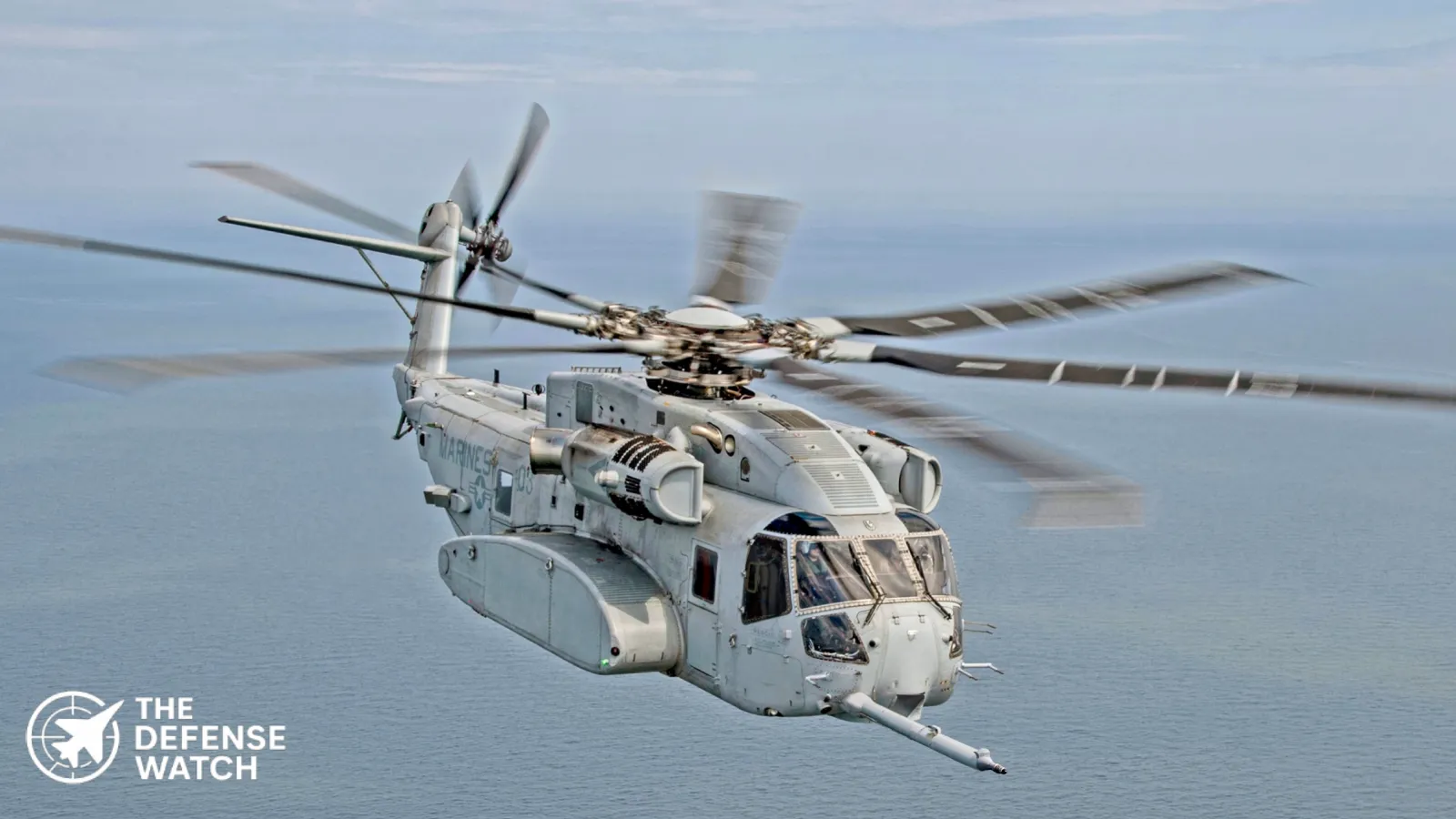
Sikorsky Aircraft Corp has been awarded a 9.5 million dollar Navy contract to produce and deliver specialized maintenance tooling for the CH 53K King Stallion helicopter, reinforcing long term sustainment support for the U.S. Marine Corps heavy lift fleet.
The firm fixed price order was issued by Naval Air Systems Command under an existing basic ordering agreement and supports gearbox and main rotor head maintenance, repair, and overhaul activities. All work will be performed in Stratford, Connecticut, with completion expected by August 2027.
Contract Details and Scope
The Navy contract, valued at 9,542,931 dollars, was awarded to Sikorsky Aircraft Corp, a Lockheed Martin company. It covers the production and delivery of tooling required to maintain the CH 53K helicopter’s main gearbox and rotor head assemblies, two of the most complex and mission critical systems on the aircraft.
According to the contract notice, funding comes from fiscal year 2024 Navy aircraft procurement accounts. The full contract value will be obligated at the time of award, and the funds will expire at the end of the current fiscal year. The contract action was not competed, consistent with sole source sustainment arrangements for original equipment manufacturers.
Naval Air Systems Command, based in Patuxent River, Maryland, serves as the contracting authority.
Why CH 53K Sustainment Matters
The CH 53K King Stallion is the Marine Corps next generation heavy lift helicopter, designed to replace the aging CH 53E Super Stallion fleet. It plays a central role in expeditionary operations, enabling the rapid movement of troops, vehicles, and supplies in contested and austere environments.
Compared to its predecessor, the CH 53K can lift significantly heavier payloads over greater distances, even in hot and high conditions. These performance gains place increased demands on drivetrain and rotor systems, making specialized maintenance tooling essential for fleet readiness.
By investing in dedicated tooling for gearbox and rotor head overhaul, the Navy and Marine Corps aim to improve maintenance efficiency, reduce downtime, and support higher operational availability across deployed squadrons.
Sikorsky Role in Lifecycle Support
As the original manufacturer of the CH 53K, Sikorsky remains deeply involved in the aircraft’s sustainment ecosystem. Beyond production, the company provides engineering support, logistics, training systems, and depot level maintenance solutions for U.S. and allied operators.
Tooling delivered under this contract will likely support both organic Marine Corps maintenance activities and contractor supported depot operations. Proper tooling is critical to performing complex disassembly, inspection, and reassembly tasks safely and consistently, particularly for high torque gearbox components and composite rotor assemblies.
Sikorsky has emphasized sustainment as a core element of the CH 53K program, aligning with broader Department of Defense efforts to improve platform availability and control lifecycle costs.
Industrial and Budget Context
The award reflects ongoing Navy and Marine Corps investment in sustainment infrastructure as the CH 53K fleet continues to grow. As more aircraft enter operational service, demand increases for maintenance capacity, trained personnel, and specialized equipment.
Fiscal year 2024 aircraft procurement funding for this effort underscores how sustainment tooling is treated as a long term readiness enabler rather than a one time acquisition expense. This approach aligns with Navy aviation sustainment strategies that prioritize reliability and mission capable rates.
From an industrial perspective, the work reinforces Sikorsky’s manufacturing and support footprint in Stratford, Connecticut, sustaining skilled jobs and specialized production capabilities tied to U.S. military aviation.
Broader Implications for Marine Aviation
Heavy lift helicopters remain a cornerstone of Marine Corps aviation, especially as the service adapts to distributed operations and contested logistics concepts. The CH 53K is expected to support amphibious operations, forward arming and refueling points, and rapid force movement across island chains and littoral regions.
Reliable maintenance and overhaul capability is essential to meeting these demands. Investments in tooling and infrastructure, while less visible than aircraft deliveries, directly affect sortie generation and operational tempo.
This contract signals continued confidence in the CH 53K program and highlights the importance of sustainment planning as the platform transitions from initial operational capability to full fleet integration.
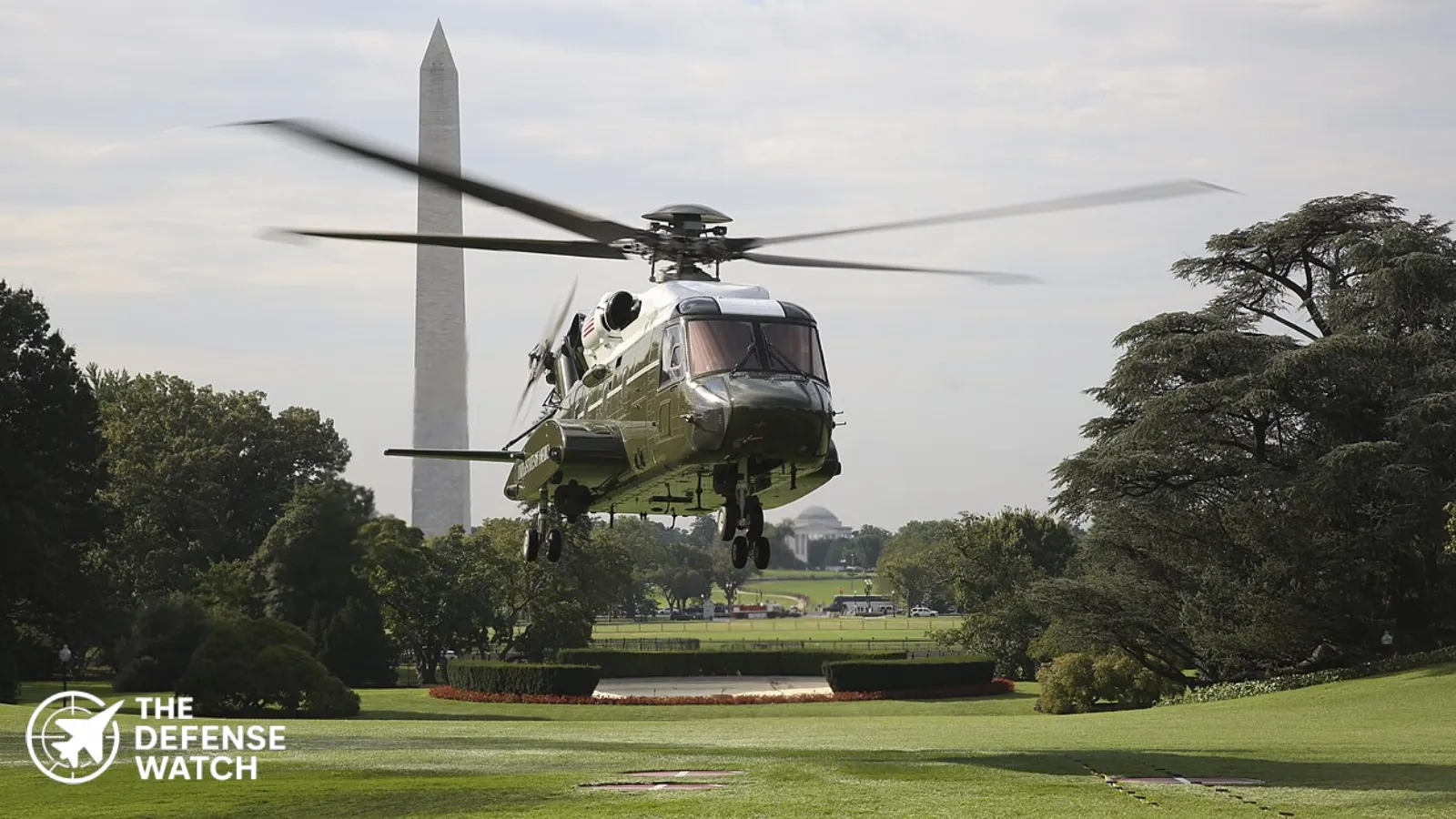
VH-92A engine torque testing is moving forward after the US Navy awarded Sikorsky Aircraft Corp. a not-to-exceed $21.6 million cost reimbursable undefinitized order to support test and certification work on the VH-92A Patriot helicopter program.
Contract Details and Scope
Sikorsky Aircraft Corp., a Lockheed Martin subsidiary based in Stratford, Connecticut, received the award under a previously issued basic ordering agreement. The order supports instantaneous access to 105 percent Transient Engine Torque testing and certification activities tied to planned modifications on the VH-92A aircraft.
The work focuses on validating engine performance margins needed to meet demanding mission profiles and safety standards for the Navy’s executive transport helicopter fleet. The VH-92A serves as the replacement for the legacy VH-3D and VH-60N helicopters.
Workshare and Schedule
According to the Navy, contract work will be performed across multiple US locations. The largest share will take place in Lynn, Massachusetts, accounting for 44 percent of the effort, followed by Stratford, Connecticut, at 36 percent. Additional work will occur in Florida, Pennsylvania, New York, Maryland, and New Jersey.
The project is expected to be completed by July 2027.
Funding and Oversight
At the time of award, the Navy obligated $5 million in fiscal year 2026 research, development, test, and evaluation funds. These funds will not expire at the end of the current fiscal year.
Naval Air Systems Command at Patuxent River, Maryland, is serving as the contracting activity, overseeing execution and compliance.
Program Context
The VH-92A engine torque testing effort supports ongoing maturation of the platform as the Navy continues to refine performance, reliability, and certification standards. Sikorsky remains the prime contractor for the VH-92A, which is operated by Marine Helicopter Squadron One in support of presidential and executive transport missions.
U.S. Army awards major Black Hawk helicopter contract
The U.S. Army has awarded Sikorsky Aircraft a contract valued at approximately 433 million dollars for the production and delivery of additional Black Hawk helicopters. The agreement covers new UH 60M utility helicopters and HH 60M medical evacuation variants, reinforcing the Army’s rotary wing fleet across multiple mission areas.
The contract was announced in December 2025 and supports ongoing modernization efforts aimed at maintaining operational readiness across active duty and reserve aviation units. Sikorsky, a Lockheed Martin company, will carry out the work at its facilities in the United States, with deliveries scheduled over the coming years.
Expanding the U.S. Army Black Hawk contract scope
Under the U.S. Army Black Hawk contract, Sikorsky will deliver a mix of UH 60M and HH 60M helicopters configured to meet current battlefield and humanitarian requirements. The UH 60M is the Army’s primary medium lift helicopter, while the HH 60M is optimized for combat medical evacuation missions.
Both variants are based on the same proven airframe but differ in mission equipment. The UH 60M supports troop transport, logistics resupply, command and control, and air assault operations. The HH 60M is equipped with advanced medical systems, patient litters, and defensive aids to operate in contested environments.
Background on the Black Hawk program
The Black Hawk family has been a cornerstone of U.S. Army aviation for more than four decades. Since its introduction in the late 1970s, the aircraft has been continuously upgraded to meet evolving operational demands.
The modern UH 60M configuration features improved engines, a strengthened drivetrain, digital cockpit displays, and enhanced survivability systems. These upgrades allow the helicopter to operate at higher altitudes, carry heavier payloads, and integrate with modern battlefield networks.
The HH 60M, introduced to replace older medical evacuation platforms, has become the standard Army MEDEVAC helicopter. It plays a critical role in reducing casualty evacuation times and improving survival rates for wounded personnel during combat operations.
Contract details and production timeline
According to official contract information, the 433 million dollar award covers procurement, integration, and support services for the helicopters. The work will be performed primarily at Sikorsky’s manufacturing site in Connecticut, with additional contributions from suppliers across the U.S. defense industrial base.
The U.S. Army Black Hawk contract is structured to ensure steady production while maintaining flexibility to adjust quantities based on operational needs and budget availability. This approach supports long term fleet planning and helps avoid gaps in helicopter availability.
Army officials have emphasized that continued investment in Black Hawk helicopters remains essential, even as future vertical lift programs advance. The platform provides a reliable and cost effective solution for a wide range of missions today.
Strategic importance for Army aviation
The latest U.S. Army Black Hawk contract reflects the service’s focus on sustaining proven platforms while integrating incremental upgrades. Despite the development of next generation rotorcraft under the Future Vertical Lift initiative, Black Hawk helicopters are expected to remain in service well into the 2040s.
By procuring additional UH 60M and HH 60M aircraft, the Army ensures consistent fleet commonality, simplified training, and reduced maintenance complexity. This is particularly important for medical evacuation units that rely on standardized equipment and procedures across deployments.
The contract also supports domestic manufacturing and skilled aerospace jobs, reinforcing the resilience of the U.S. defense supply chain.
What comes next
Delivery of the new helicopters will begin following completion of production and acceptance testing. Once fielded, the aircraft will be assigned to operational units in the United States and overseas.
As global security demands continue to evolve, the U.S. Army Black Hawk contract underscores the enduring value of a versatile and combat proven helicopter platform. Additional procurement actions and upgrade contracts are expected as the Army balances modernization goals with near term readiness requirements.