Executive Summary:
Patria has begun assembling the first F-35 forward fuselage sections in Finland, marking the country’s entry into Lockheed Martin’s global F-35 manufacturing network. The milestone supports Finland’s F-35 procurement program while expanding European industrial participation in one of the world’s largest defense aviation programs.
Patria Begins F-35 Forward Fuselage Production In Finland
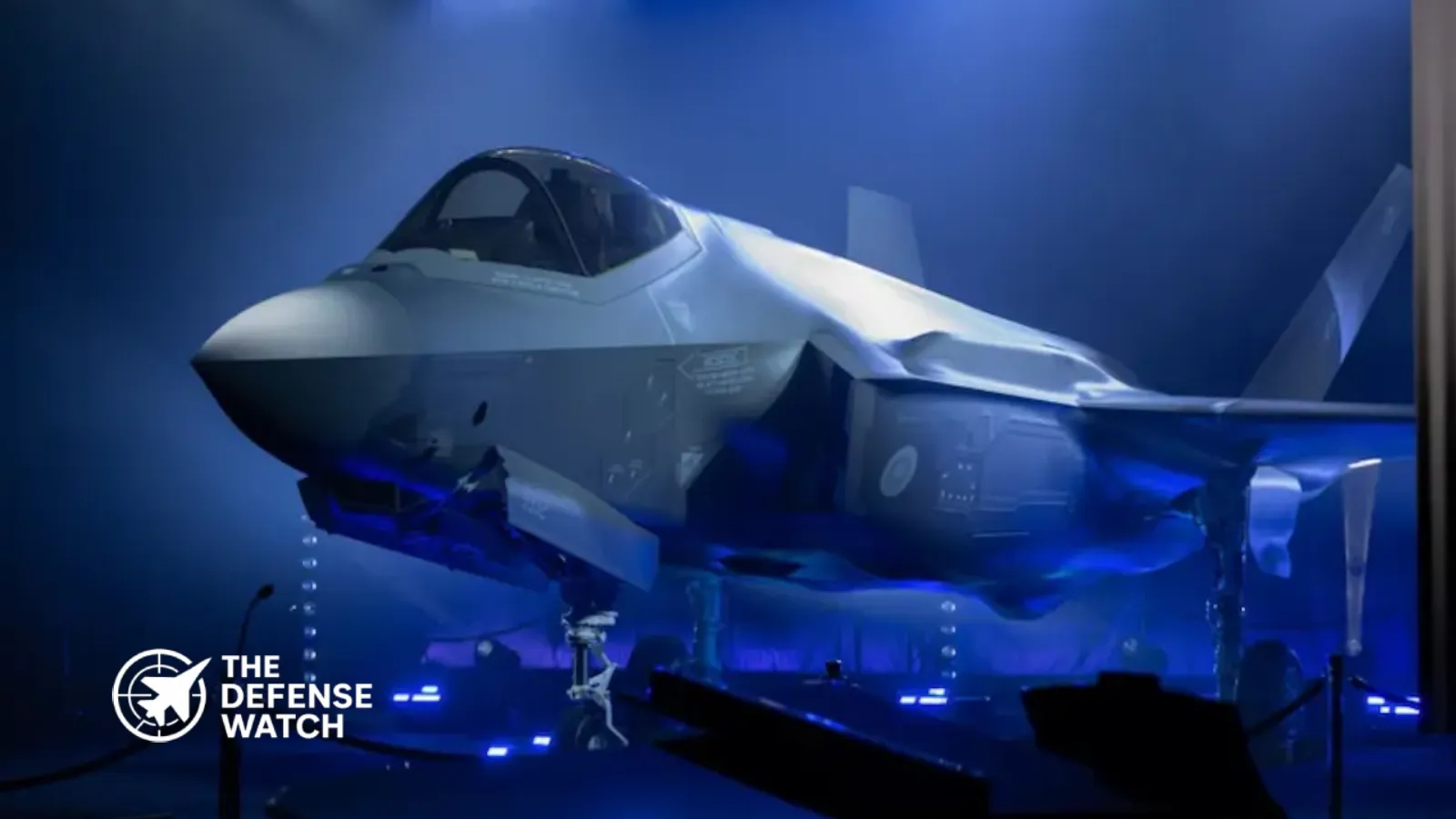
Patria has officially started F-35 forward fuselage production in Finland, reaching a significant milestone in the country’s participation in the global F-35 Lightning II program. The announcement follows the arrival of the first forward fuselage structures at Patria’s production facility, where assembly work has now commenced.
The milestone was confirmed by Patria as part of Finland’s industrial participation package linked to its acquisition of 64 F-35A Lightning II fighter aircraft. The production line will manufacture forward fuselage assemblies for the worldwide F-35 fleet rather than solely for Finnish aircraft, making Finland a long term contributor to the multinational fighter program.
The development represents one of the largest aerospace manufacturing investments in Finland’s history and strengthens the country’s position within NATO’s growing defense industrial base.
Finland Expands Its Role In The Global F-35 Enterprise
Finland selected the F-35A Lightning II in December 2021 under its HX Fighter Program, replacing the Finnish Air Force’s fleet of F/A-18 Hornets.
Beyond acquiring new aircraft, Finland negotiated an extensive industrial participation package intended to develop domestic aerospace capabilities and sustain national defense manufacturing over several decades.
Patria’s responsibility includes assembling forward fuselage sections that will be delivered into Lockheed Martin’s international production system. These structures form the front section of the aircraft and integrate numerous critical systems before final assembly.
Unlike offset agreements focused only on local maintenance, Finland’s participation directly supports worldwide F-35 production, ensuring manufacturing work continues regardless of domestic aircraft deliveries.
What The Forward Fuselage Includes
The forward fuselage is among the most technically demanding sections of the F-35 airframe. It houses several critical systems that require extremely precise manufacturing and quality control.
Key elements integrated within the forward fuselage include:
Component Function Cockpit structure Supports pilot controls and avionics installation Nose landing gear bay Houses the aircraft’s forward landing gear Mission systems interfaces Supports sensors, computing systems, and wiring Structural titanium and composite assemblies Provides strength while minimizing weight Precision attachment points Connects the forward fuselage with the center fuselage during final assembly Manufacturing these assemblies requires advanced machining, automated drilling, precision fastening, composite processing, and strict quality assurance procedures that meet Lockheed Martin’s production standards.
A Strategic Industrial Investment For Finland
The new production capability represents more than aircraft manufacturing.
Finland’s participation ensures its aerospace workforce develops expertise in fifth generation fighter production while creating high value engineering and manufacturing jobs expected to continue well beyond the delivery of Finland’s own aircraft.
The industrial package also supports resilience within NATO’s defense supply chain by distributing manufacturing across multiple allied nations rather than concentrating production in a limited number of facilities.
As geopolitical competition increases, diversified production networks have become increasingly important for maintaining aircraft availability and reducing supply chain vulnerabilities.
Strengthening Europe’s Defense Manufacturing Base
Patria’s production line arrives as European governments significantly increase defense investment following Russia’s invasion of Ukraine and Finland’s accession to NATO in 2023.
The F-35 program has become one of NATO’s most widely adopted fighter platforms, with numerous European operators including:
- Finland
- Norway
- Denmark
- Netherlands
- Belgium
- Poland
- Germany
- Italy
- United Kingdom
- Czech Republic (future operator)
Growing European demand has increased the importance of regional suppliers capable of supporting long term production and sustainment.
Patria’s manufacturing capability contributes directly to this expanding industrial ecosystem.
Analysis: Why This Matters Beyond Finland
The launch of forward fuselage production demonstrates an important evolution in how modern fighter programs are structured.
Rather than relying exclusively on domestic production, fifth generation aircraft increasingly depend on distributed manufacturing across allied nations. This approach improves production resilience while strengthening political and industrial cooperation among participating countries.
For the United States, expanding qualified suppliers within allied nations reduces risk across the broader F-35 enterprise. If manufacturing disruptions affect one production site, work can potentially be redistributed across the international network, improving long term program stability.
For Finland, domestic production delivers strategic advantages beyond economic benefits. Developing advanced aerospace manufacturing capabilities enhances national technological expertise while supporting future maintenance, upgrades, and sustainment activities throughout the aircraft’s service life.
The milestone also reflects a broader trend across NATO, where defense procurement increasingly emphasizes industrial resilience alongside military capability. Governments are seeking procurement models that strengthen both operational readiness and domestic industrial capacity.
As F-35 production continues into the coming decades, suppliers such as Patria are expected to play an increasingly important role in supporting aircraft delivered not only to Finland but to operators around the world.
Long Term Outlook
Patria’s entry into forward fuselage production represents the beginning of a long term manufacturing commitment rather than a short duration offset project.
The global F-35 fleet continues to expand, with more than twenty countries participating in procurement or operating the aircraft. As production remains active for years to come, Finnish manufactured assemblies are expected to become a regular part of Lockheed Martin’s worldwide manufacturing pipeline.
The investment also positions Finland to maintain advanced aerospace expertise that could support future defense aviation programs beyond the current generation of fighter aircraft.
Executive Summary:
Finland’s Patria has signed agreements with Czech state-owned defense firms to support its armored vehicle bid. The move strengthens local industrial participation and improves its chances in a key Czech military procurement. The partnership reflects a broader European push for defense cooperation and localized production.
Patria Armored Vehicle Bid Gains Czech Industrial Backing
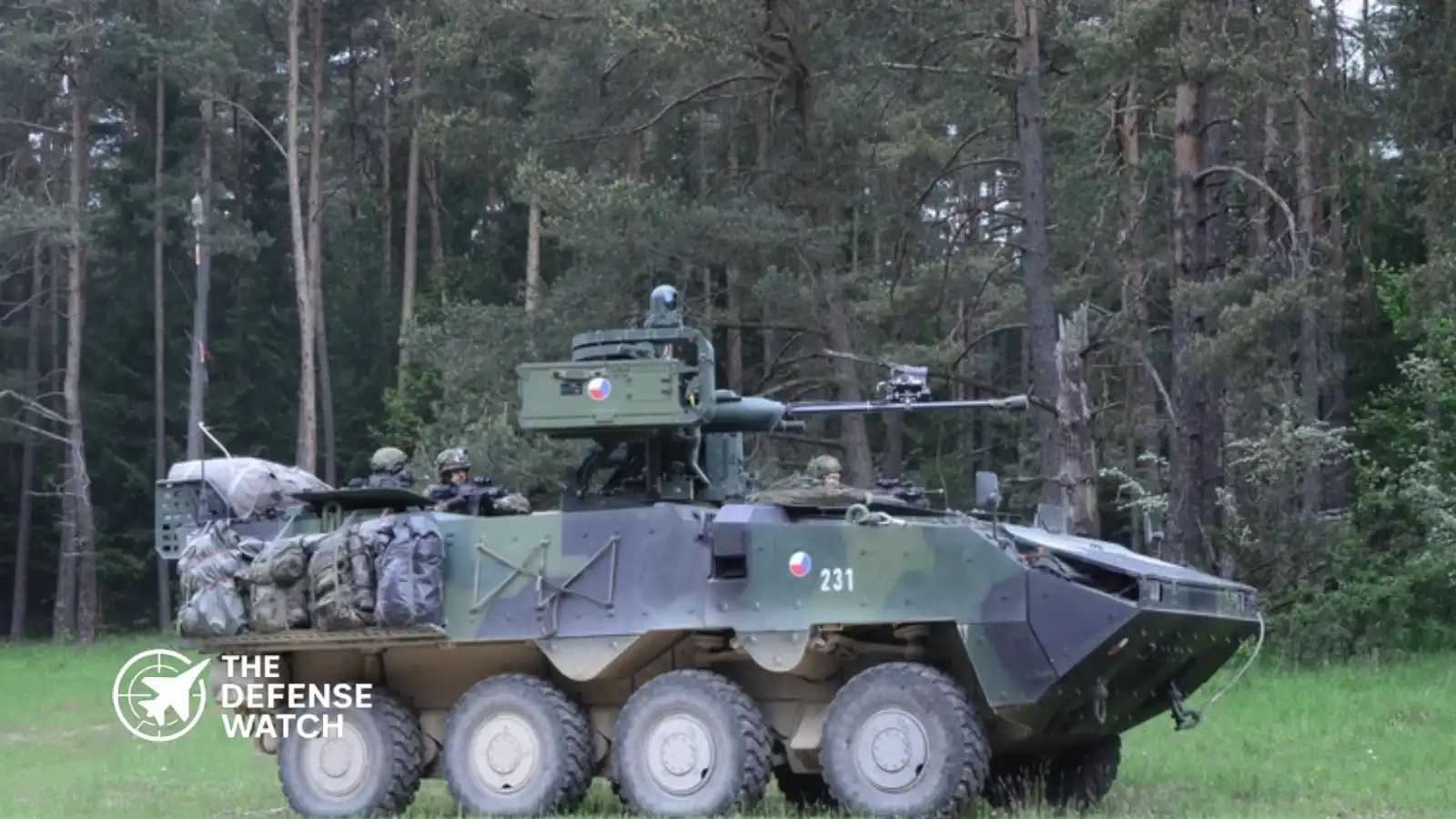
The Patria armored vehicle bid has taken a significant step forward as Finnish defense company Patria signed cooperation agreements with Czech state-owned firms to support its entry into a major armored vehicle procurement program.
The agreements aim to integrate Czech industry into the production, maintenance, and lifecycle support of Patria’s armored platforms, reinforcing the company’s competitiveness in the tender. The move aligns with Prague’s requirement for strong domestic industrial participation in defense acquisitions.
The partnerships involve key Czech defense enterprises and are designed to ensure local manufacturing, technology transfer, and long-term sustainment capabilities.
Strategic Push For Local Production And Sovereignty
The Czech Republic has increasingly emphasized domestic involvement in defense procurement, particularly for large-scale modernization programs. This reflects a broader European trend toward strengthening defense industrial sovereignty following supply chain disruptions and rising geopolitical tensions.
By partnering with Czech state firms, Patria positions itself as a contender that meets not only operational requirements but also political and industrial expectations.
Local production offers several advantages:
- Reduced dependency on foreign supply chains
- Faster delivery and sustainment timelines
- Job creation and economic benefits within the Czech Republic
This approach mirrors similar strategies across NATO Europe, where governments are prioritizing domestic capability development alongside interoperability.
Patria’s AMV Platform And Market Position
At the center of the Patria armored vehicle bid is the company’s Armored Modular Vehicle (AMV), a combat-proven 8×8 platform used by multiple European and international forces.
The AMV platform is known for:
- High mobility across varied terrain
- Modular design for multiple mission roles
- Strong ballistic and mine protection
- Compatibility with NATO standards
Patria has continued to evolve the platform, introducing upgraded variants with enhanced survivability, digital architecture, and integration options for modern weapon systems.
The Czech requirement is expected to focus on replacing or supplementing legacy armored fleets, making versatility and lifecycle support key evaluation factors.
Competitive Landscape And European Dynamics
The Czech armored vehicle program is expected to attract multiple European defense firms, making competition intense. Companies are likely to emphasize not only technical performance but also industrial partnerships and long-term value.
Patria’s decision to align with Czech state firms early in the process provides a strategic advantage. It demonstrates commitment to local industry and may help mitigate political risk in the procurement decision.
More broadly, the move reflects a shift in how defense contracts are awarded in Europe. Procurement decisions are no longer based solely on platform capability. Industrial cooperation, technology transfer, and economic impact now play a central role.
Broader Implications For European Defense Cooperation
The Patria armored vehicle bid highlights the growing importance of cross-border industrial collaboration within Europe’s defense sector.
As NATO countries increase defense spending in response to evolving security threats, there is a parallel push to ensure that investments strengthen regional industrial capacity.
This trend is driven by several factors:
- The need for resilient supply chains
- Increased demand for rapid production scaling
- Political pressure to support domestic industries
Patria’s partnership model aligns with these priorities, offering a framework that combines proven technology with localized production.
Analysis: Industrial Partnerships Now Factor
The significance of this development goes beyond a single procurement program. It underscores a structural shift in defense acquisition strategies across Europe.
In the past, platform performance often dominated procurement decisions. Today, industrial integration and economic impact are equally critical. Governments want systems that not only enhance military capability but also contribute to national resilience.
Patria’s approach reflects a clear understanding of this shift. By embedding itself within the Czech industrial ecosystem, the company increases its credibility as a long-term partner rather than just a supplier.
This strategy may prove decisive in a competitive field where technical differences between platforms are often marginal.
Outlook
The outcome of the Czech armored vehicle program remains uncertain, but Patria’s strengthened industrial position improves its prospects.
If successful, the deal could:
- Expand Patria’s footprint in Central Europe
- Deepen Finnish-Czech defense cooperation
- Set a precedent for future European defense partnerships
As European militaries continue to modernize, similar collaboration models are likely to become standard practice.
Patria, Pratt and Whitney Expand Finland F 35 Engine Assembly Capability
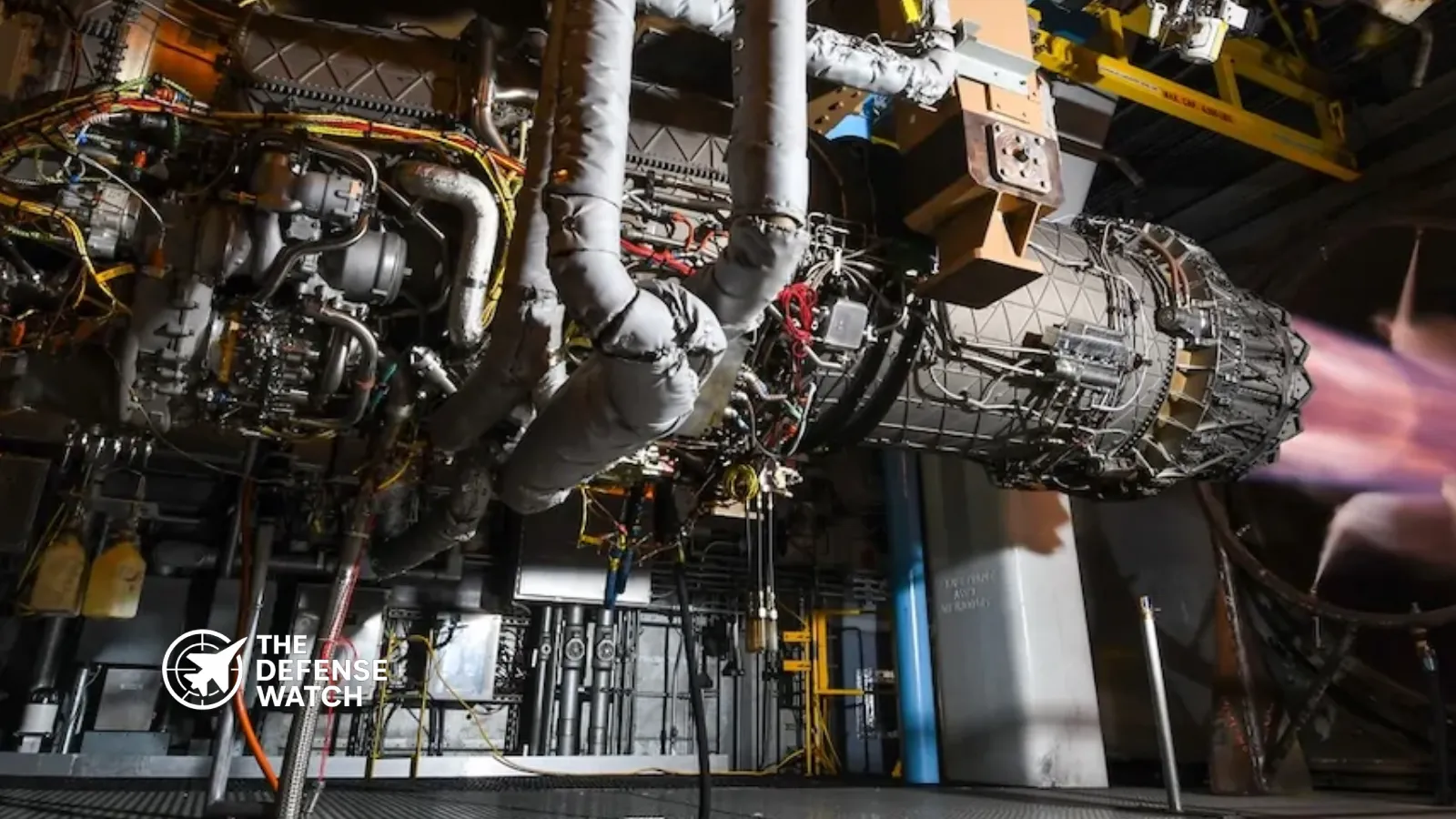
Patria and Pratt and Whitney have finalized an agreement enabling final assembly of the F135 engine in Finland for the country’s F 35 Lightning II fleet, a move that significantly expands domestic sustainment capacity for the Finland F 35 program.
The agreement supports Finland’s HX Fighter Program and reinforces national security of supply by ensuring critical propulsion system expertise remains available within the country throughout the F 35 lifecycle.
The announcement was confirmed by Patria and Pratt and Whitney, an RTX business, as part of broader industrial cooperation tied to Finland’s acquisition of 64 F 35A fighters.
Strengthening Finland’s F 35 Sustainment Ecosystem
Under the agreement, Patria will perform final assembly operations for the F135 engine, the sole powerplant for all variants of the F 35 Lightning II. The work will be carried out at Patria facilities in Finland and will support both operational readiness and long term sustainment of the Finnish Air Force’s future fighter fleet.
The F135 engine is one of the most powerful fighter engines ever produced and is central to the F 35’s performance, survivability, and mission flexibility. Local final assembly capability reduces reliance on external supply chains and improves resilience during crisis or high operational tempo scenarios.
Pratt and Whitney has emphasized that distributed sustainment across partner nations is a core element of the global F 35 enterprise, ensuring fleet availability while lowering long term operating risk.
Role of Patria in Finland’s Defense Industrial Base
Patria already plays a major role in Finland’s defense aviation ecosystem, with decades of experience in aircraft maintenance, repair, and overhaul. The addition of F135 engine final assembly further expands its technical portfolio and positions the company as a critical node within the global F 35 sustainment network.
According to Patria, the agreement will create high skill jobs and deepen domestic expertise in advanced propulsion systems. The company has also highlighted the importance of knowledge transfer and long term workforce development associated with the Finland F 35 engine assembly program.
This effort aligns with Finland’s broader defense industrial policy, which prioritizes sovereignty, readiness, and secure access to essential military capabilities.
Pratt and Whitney’s Global F135 Sustainment Strategy
Pratt and Whitney continues to expand its international sustainment footprint as the global F 35 fleet grows. More than a dozen countries now operate or have ordered the aircraft, with global flight hours increasing steadily year over year.
The company views partner nation industrial participation as essential to sustaining the fleet at scale. Final assembly and maintenance work performed outside the United States helps balance workload, improve turnaround times, and strengthen allied interoperability.
The Finland agreement complements other regional F135 sustainment hubs across Europe and the Asia Pacific, reinforcing the resilience of the overall F 35 propulsion enterprise.
Finland’s HX Program and Strategic Context
Finland selected the F 35A Lightning II in 2021 to replace its aging F A 18 Hornet fleet, citing survivability, sensor fusion, and alliance interoperability as key decision factors. The HX Fighter Program represents one of the largest defense procurements in Finnish history.
The inclusion of F135 engine final assembly in Finland supports Helsinki’s requirement for national security of supply, particularly given the country’s geographic proximity to Russia and its recent accession to NATO.
Ensuring domestic access to propulsion system expertise reduces operational risk and enhances Finland’s ability to sustain high readiness levels independently if required.
Implications for NATO and Regional Defense
Finland’s growing role in F 35 sustainment has broader implications for NATO’s northern flank. As more European allies field the F 35, distributed sustainment capabilities improve collective readiness and reduce single point dependencies.
Local F135 engine assembly also supports rapid recovery of aircraft during extended operations, contributing to alliance air power resilience in the Baltic and Arctic regions.
Timeline and Next Steps
Patria and Pratt and Whitney have not disclosed detailed timelines for initial assembly operations, but the work is expected to align with Finland’s F 35 delivery schedule later this decade.
Preparatory investments in facilities, tooling, and workforce training are already underway as part of the broader industrial participation package associated with the HX program.
Once operational, the Finland F 35 engine assembly capability will remain in place throughout the aircraft’s projected service life, which extends well into the 2060s.