

US Army Abrams Sustainment Contract Reinforces Armored Readiness
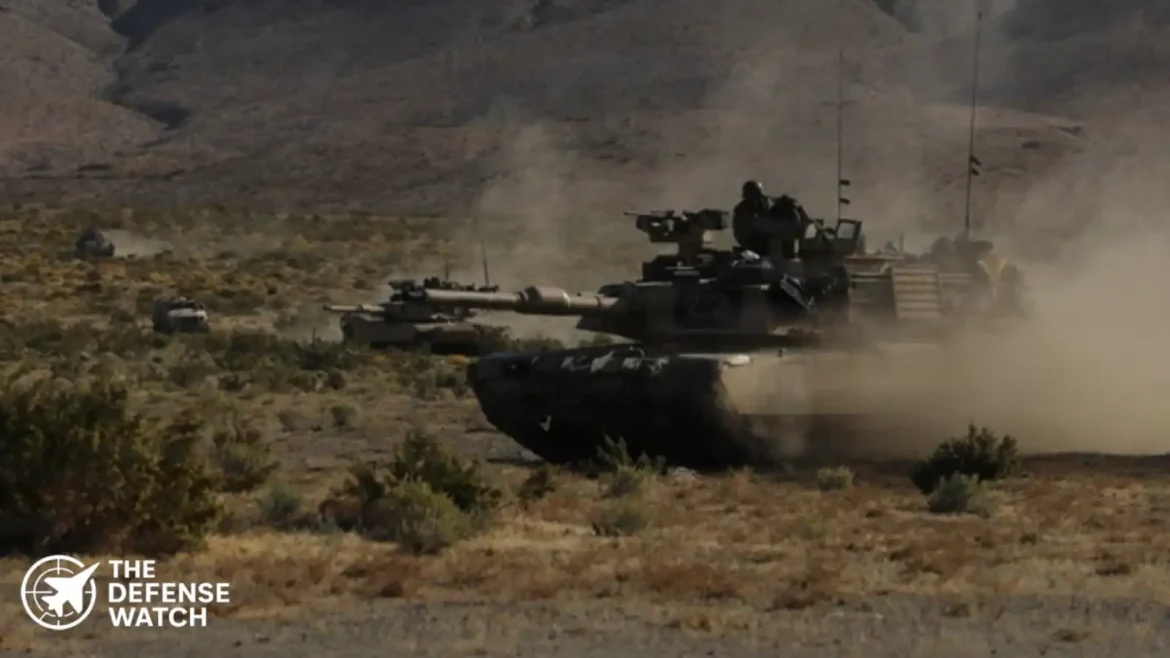
The US Army Abrams sustainment contract worth $716 million marks a significant investment in maintaining the operational readiness of the Army’s armored and combat engineering fleets. The contract covers sustainment support for Abrams main battle tanks alongside key engineering vehicles used in combat operations.
- US Army awarded a $716 million contract for sustainment of Abrams tanks and combat engineering vehicles.
- The contract focuses on maintenance, logistics support, and lifecycle management.
- Abrams main battle tanks remain the backbone of US armored forces.
- Combat engineering vehicles support mobility, breaching, and battlefield infrastructure tasks.
- The deal reflects ongoing US Army emphasis on readiness and modernization of legacy platforms.
This move underscores the Army’s continued reliance on its heavy armored platforms, even as modernization programs advance across the force.
Sustainment As A Strategic Priority
The US Army Abrams sustainment contract is not simply a maintenance agreement. It reflects a broader shift toward lifecycle management of critical systems. Rather than replacing platforms outright, the Army is prioritizing upgrades, repairs, and logistical support to extend service life and maintain combat effectiveness.
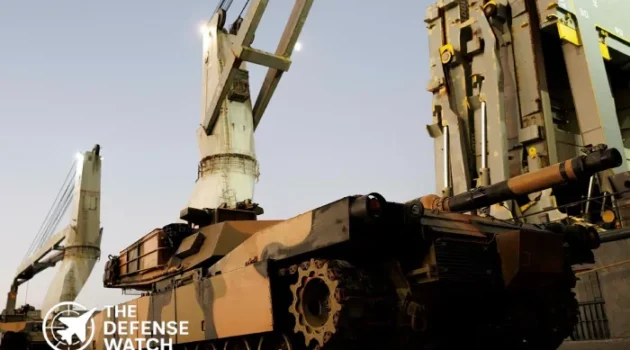
Abrams tanks, in service since the 1980s and continuously upgraded, remain central to US ground combat capability. Their survivability, firepower, and mobility make them a core asset in both conventional and high intensity conflict scenarios.
Combat engineering vehicles included in the contract play a complementary role. These systems enable breaching operations, obstacle clearance, and route construction, all essential for maneuver warfare. Without them, armored units would face significant mobility constraints on contested terrain.
Why This Contract Matters Now
The timing of the US Army Abrams sustainment contract is notable. The US military is balancing two parallel priorities, preparing for near peer conflict while sustaining current operational readiness.
Recent global tensions and lessons learned from conflicts in Eastern Europe and the Middle East have reinforced the importance of armored warfare. Tanks and engineering units remain highly relevant in contested environments where mobility, protection, and firepower are decisive.
Sustainment contracts like this ensure that existing platforms can perform reliably under these conditions. Equipment availability rates, maintenance cycles, and supply chain efficiency all directly impact combat readiness.
Industrial Base And Logistics Impact
Beyond battlefield implications, the US Army Abrams sustainment contract supports the defense industrial base. Sustainment work typically involves a network of contractors, suppliers, and maintenance facilities across the United States.
This helps preserve technical expertise in armored vehicle systems while ensuring rapid turnaround for repairs and upgrades. It also reduces long term costs compared to full platform replacement programs.
From a logistics perspective, the contract likely includes spare parts provisioning, technical support, and system diagnostics. These elements are critical for maintaining readiness across both active duty and reserve units.
Balancing Modernization And Legacy Systems
While the Army continues to invest in next generation combat vehicles under programs like the Optionally Manned Fighting Vehicle, legacy systems such as the Abrams remain indispensable.
The US Army Abrams sustainment contract highlights this balance. Modernization does not eliminate the need for proven platforms. Instead, it integrates upgrades such as improved armor, sensors, and digital systems into existing fleets.
This approach allows the Army to maintain a capable force today while preparing for future battlefield requirements.
Operational Implications
In practical terms, the contract ensures that armored brigades can deploy with fully mission capable equipment. High readiness levels are essential for deterrence and rapid response operations.
Engineering vehicles supported under the contract also enhance operational flexibility. Whether in breaching fortified positions or supporting disaster response missions, these systems expand the Army’s range of capabilities.

US Air Force Sustainment Contract Overview
The US Air Force Sustainment Center has awarded a major sustainment contract valued at up to seven billion dollars to support contract field team labor augmentation across the force.
The indefinite delivery indefinite quantity multiple award contract supports aircraft and system sustainment missions worldwide and will run for ten years, according to official Air Force contract data.
Contract Scope and Structure
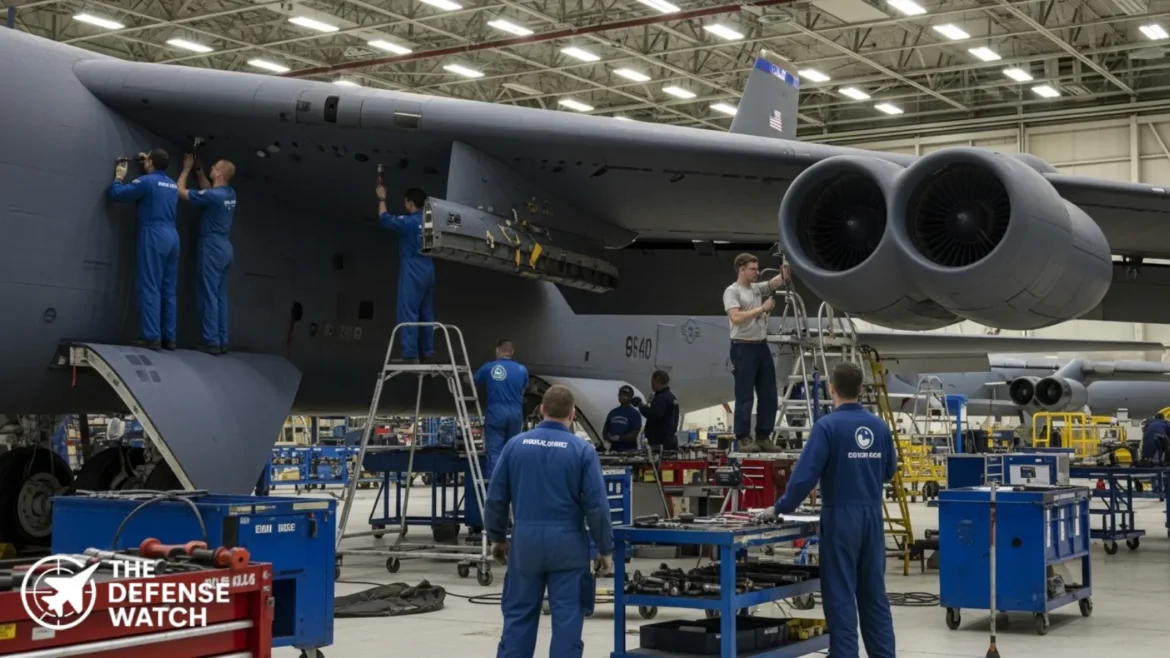
The contract provides contract field team labor augmentation to support Air Force maintenance, repair, and operational readiness missions. These teams are typically deployed to supplement organic Air Force maintenance units, particularly for high demand aircraft platforms and specialized systems.
The effort covers a ten year period from February 2026 to January 2036 and includes a five year base period with one five year option. Work locations will be determined through individual task orders and may include domestic and overseas operating sites.
The total contract ceiling is set at seven billion ten million dollars. At the time of award, fiscal year 2026 operations and maintenance funding totaling eleven thousand five hundred dollars was obligated, reflecting the initial administrative action rather than full program execution.
The contracting activity is the Air Force Sustainment Center at Tinker Air Force Base in Oklahoma.
Companies Selected for the Award
Twenty three companies were selected under the multiple award structure following a competitive acquisition that received twenty six offers.
Awarded firms include
4MHR Logistics LLC of Texas
Adams Communication Engineering Technology of Maryland
Aircraft Readiness Alliance of Alaska
Akima Logistics Services of Virginia
Global Logistics Support Services of Alabama
Kay and Associates of Illinois
PKL Services of California
Powerhouse Resources International of North Carolina
R2C Limited Liability of Alabama
Resicum International of Virginia
S and K Aerospace of Montana
Strategic Technology Institute of Maryland
Vali of Alabama
Vector Solutions of Arizona
AAR Government Services of Illinois
Amentum Services of Virginia
M1 Support Services of Texas
Several companies received more than one contract line under the award structure, reflecting their ability to support multiple mission areas.
Why Field Team Support Matters
Contract field teams play a central role in sustaining complex Air Force aircraft fleets, especially legacy platforms that require specialized technical expertise.
These teams often support depot level maintenance, aircraft modification programs, foreign military sales support, and surge operations where organic manpower is insufficient. They also provide continuity for long term sustainment programs where contractor experience is critical.
According to Air Force sustainment planning documents, contractor field support helps maintain readiness while allowing uniformed maintainers to focus on core operational missions.
Strategic Context
The award aligns with broader Air Force sustainment priorities focused on fleet availability, cost control, and lifecycle management. As aircraft fleets age and modernization efforts compete for funding, sustainment contracts remain a critical pillar of force readiness.
The Air Force Sustainment Center oversees maintenance and supply chain operations for a wide range of aircraft, including bombers, tankers, fighters, and mobility platforms. Contracted field team support enables rapid response to maintenance demands across this diverse inventory.
Defense acquisition experts note that large scale multiple award contracts also increase flexibility, allowing the Air Force to compete task orders and adjust workload distribution based on performance and mission need.