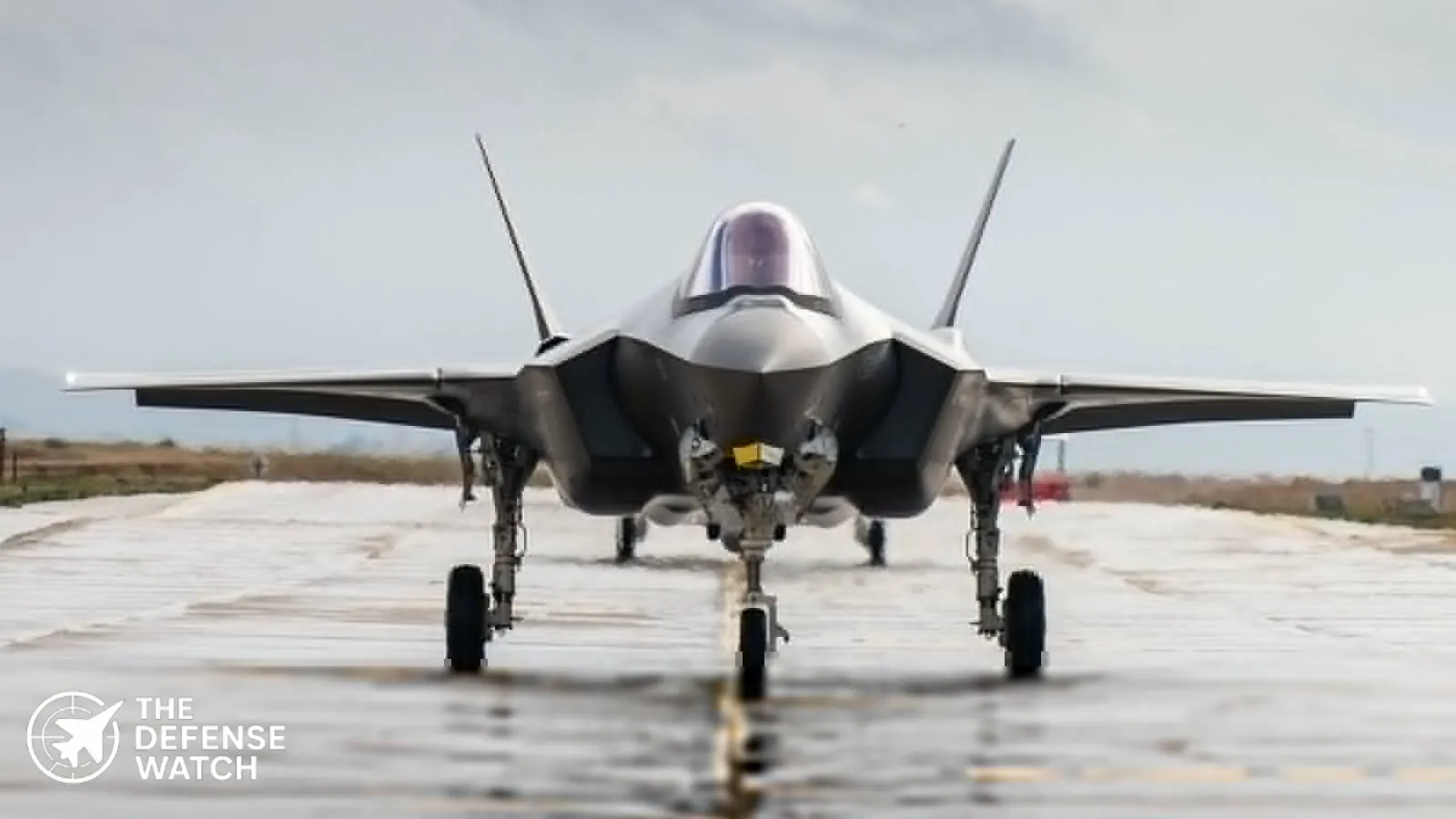
Saudi F-35A With RSAF Emblem Appears Amid Historic F-35 Sale Talks
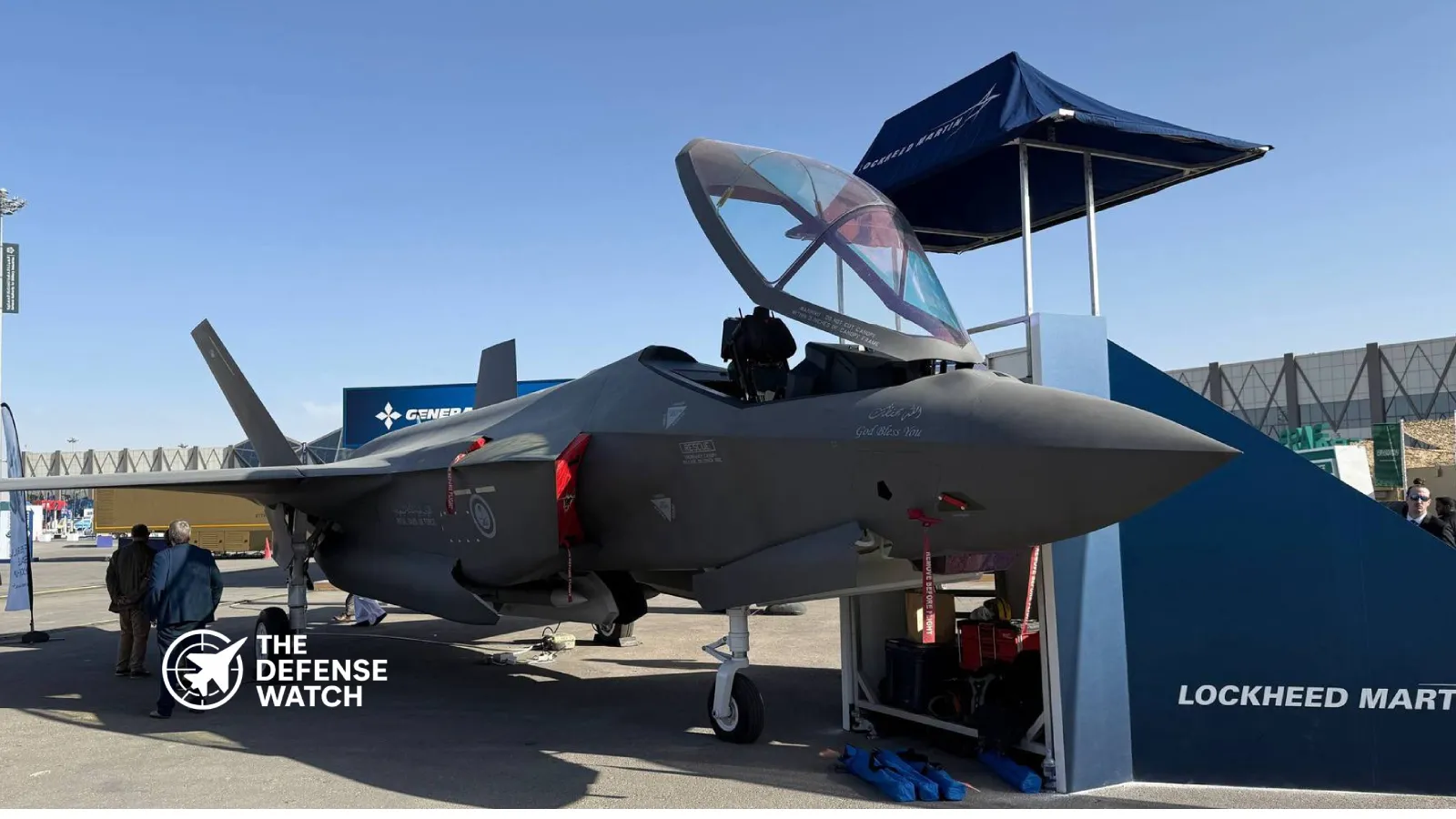
A Lockheed Martin F-35A Lightning II bearing the Saudi flag and Royal Saudi Air Force (RSAF) emblem has surfaced in new visuals, highlighting the potential for Saudi Arabia to become the first Arab country to receive the US fifth-generation fighter jet. The F-35A is operated by only a handful of nations worldwide and is widely regarded as one of the most advanced combat aircraft in service.
Current negotiations between Riyadh and Washington have advanced to the point where Saudi Arabia may purchase F-35 aircraft, marking a major shift in regional defense modernization.
Context: F-35 Sale Talks With Saudi Arabia
US President Donald Trump confirmed that the United States intends to sell F-35 stealth fighters to Saudi Arabia, a move that would make the Kingdom the only Arab state besides Israel to field the aircraft. Trump’s remarks came ahead of a high-level visit by Saudi Crown Prince Mohammed bin Salman to Washington and reflect a broader push to strengthen bilateral defense ties.

Sources familiar with the negotiations say Saudi Arabia has sought up to 48 F-35 jets. The potential agreement has cleared key Pentagon review stages but still requires formal approval from the White House and the US Congress.
Why This Matters
The F-35A Lightning II is the most widely exported variant of the F-35 family, a stealth multirole fighter designed for air superiority, strike capability, and advanced sensor fusion. It is part of the US defense industrial base that supports partner air forces and allied operations around the world. Saudi acquisition of the F-35 would represent a significant modernization step for the Royal Saudi Air Force.
To date, only a limited group of US allies and partners operate the F-35, including the United States, several NATO members, Japan, South Korea, and Israel in the Middle East. Saudi Arabia’s entry into that group would reshape regional airpower discussions.
Legal and Strategic Considerations
Any F-35 sale to Saudi Arabia remains subject to US export controls and congressional review. Past efforts to sell F-35 jets to Gulf states, including the United Arab Emirates, have been politically sensitive due to concerns about regional balances and technology protection.

Analysts note that if approved, restrictions may be placed on software or armament capabilities to preserve US strategic interests and treaty obligations with other partners. Reporting suggests US officials may limit certain upgrades or advanced weapons that would normally accompany F-35 exports.
Regional Impact
A Saudi F-35 fleet would alter airpower capabilities in the Middle East. Israel has long been the only regional operator of the F-35, and its qualitative edge has been a cornerstone of US policy in the region. A Saudi acquisition would prompt debate over how to balance capability transfers with strategic stability.
Saudi defense modernization plans, which extend beyond F-35 acquisition, also include procurement of other high-end platforms such as F-15EX fighters, underscoring Riyadh’s long-term air force expansion efforts.
What Comes Next
The next steps involve formal submission of sale notifications to the US Congress, final executive approval, and production planning with Lockheed Martin and its global industrial partners. If completed, deliveries would likely begin several years after approval, given production cycles and training requirements.
US Navy Royal Saudi Naval Forces Exercise Strengthens Maritime Cooperation
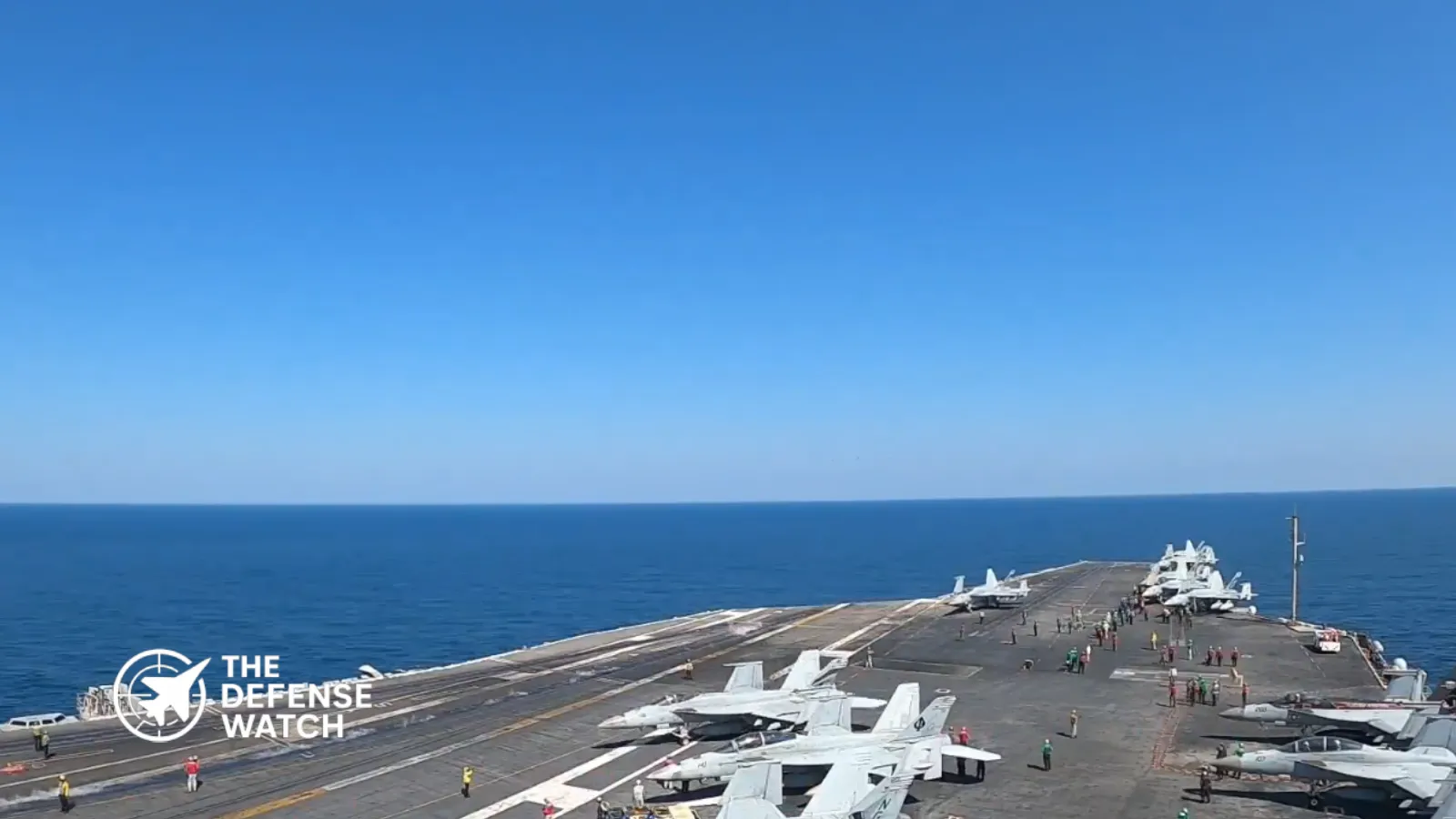
The US Navy and Royal Saudi Naval Forces have concluded Exercise Indigo Defender, a bilateral maritime drill aimed at improving interoperability, tactical coordination, and regional maritime security, according to US Central Command.
The exercise was conducted in the Red Sea and surrounding waters, a region critical to global trade and energy flows. Indigo Defender brought together surface combatants, maritime patrol assets, and naval personnel from both countries in a series of coordinated operations focused on real world naval missions.
US Central Command described the exercise as part of ongoing efforts to strengthen partnerships and maintain freedom of navigation in the Middle East maritime domain.
Exercise Indigo Defender and Its Strategic Purpose
Exercise Indigo Defender is a recurring bilateral naval exercise designed to improve cooperation between the US Navy and Royal Saudi Naval Forces. The drill focuses on enhancing combined maritime operations, information sharing, and command and control procedures.
During the latest iteration, participating forces conducted a range of naval activities, including maritime interdiction operations, surface warfare drills, tactical maneuvering, and communication exercises. These activities are intended to ensure that both navies can operate together effectively during routine patrols or in response to regional contingencies.
US Central Command stated that the exercise supports its broader mission to work with regional partners to promote stability, deter aggression, and protect the free flow of commerce through key waterways.
Operational Areas and Training Activities
The Red Sea remains one of the most strategically significant maritime corridors in the world. It links the Mediterranean Sea to the Indian Ocean through the Suez Canal and Bab el Mandeb Strait, carrying a large share of global shipping traffic.
Exercise Indigo Defender emphasized operations relevant to this environment. Training events included visit, board, search, and seizure procedures, coordinated surface patrols, and maritime domain awareness activities. These drills help naval forces identify and respond to potential threats such as smuggling, piracy, or hostile actions against commercial shipping.
By operating together in complex maritime scenarios, the US Navy and Royal Saudi Naval Forces improved their ability to communicate, share situational awareness, and execute combined missions with minimal friction.
Role of the Royal Saudi Naval Forces
The Royal Saudi Naval Forces play a central role in protecting Saudi Arabia’s extensive coastline along both the Red Sea and the Arabian Gulf. In recent years, Saudi Arabia has invested heavily in naval modernization, including new surface combatants, improved command systems, and expanded training programs.
Participation in Exercise Indigo Defender allows Saudi naval forces to refine their operational skills alongside a technologically advanced partner. It also supports Saudi Arabia’s broader defense objectives, which include safeguarding maritime infrastructure, energy export routes, and critical ports.
US officials have repeatedly highlighted Saudi Arabia as a key maritime security partner in the Middle East, particularly in efforts to counter regional threats and maintain stability in international waters.
US Navy Objectives and Regional Presence
For the US Navy, Indigo Defender supports long standing objectives in the US Central Command area of responsibility. These include maintaining freedom of navigation, deterring state and non state threats, and building partner capacity through combined training.
The exercise aligns with US Navy efforts to operate with allies and partners as part of integrated maritime security frameworks. By conducting regular bilateral and multilateral exercises, the US Navy aims to ensure that partner forces can operate seamlessly during joint missions.
US Central Command noted that exercises like Indigo Defender demonstrate a shared commitment to maritime security and reinforce the rules based international order at sea.
Broader Middle East Maritime Security Context
Maritime security remains a major concern in the Middle East due to regional tensions, threats to commercial shipping, and the presence of armed non state actors. Attacks on vessels, attempted seizures, and the use of naval mines and unmanned systems have highlighted the need for strong cooperative security measures.
Bilateral exercises such as Indigo Defender complement wider multinational initiatives focused on maritime domain awareness and cooperative patrols. They also serve as a visible signal of cooperation between the United States and regional partners.
According to US Central Command, strengthening naval partnerships helps reduce the risk of miscalculation and improves collective readiness to respond to emerging threats.
Importance of Interoperability and Trust
A key outcome of Exercise Indigo Defender is improved interoperability between the US Navy and Royal Saudi Naval Forces. Interoperability goes beyond shared tactics and includes compatible communication systems, aligned procedures, and mutual trust between personnel.
Exercises provide sailors and officers with direct experience working together, building professional relationships that are critical during real world operations. This human element is often cited by military leaders as one of the most valuable aspects of combined training.
US Central Command emphasized that sustained engagement with regional navies contributes to long term stability and enhances collective maritime security capabilities.
Looking Ahead
While US Central Command did not announce details of future iterations, Indigo Defender is part of an ongoing series of bilateral engagements between the United States and Saudi Arabia. Similar exercises are expected to continue as both countries seek to adapt to evolving maritime threats.
As regional security challenges persist, combined naval training remains a cornerstone of US and Saudi defense cooperation. Exercises like Indigo Defender underline the importance of readiness, partnership, and shared responsibility in safeguarding vital maritime routes.
Iran Unveils Fattah-1: A New Chapter in Hypersonic Warfare
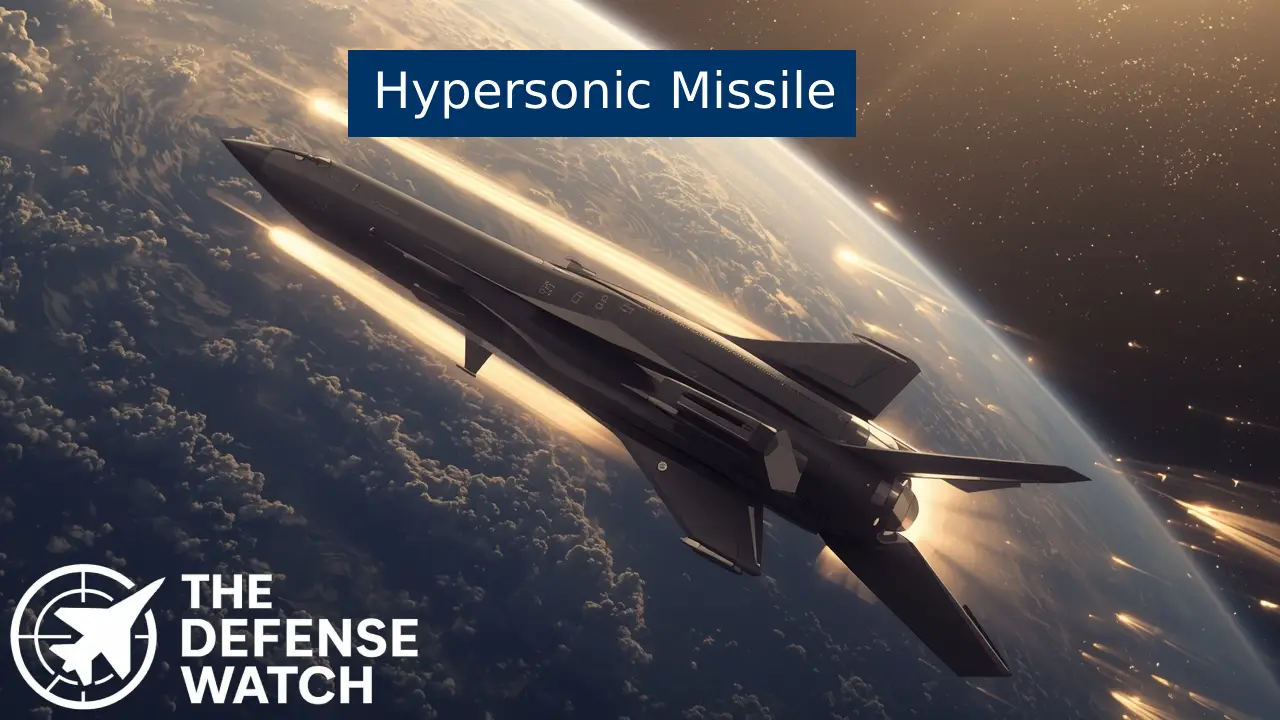
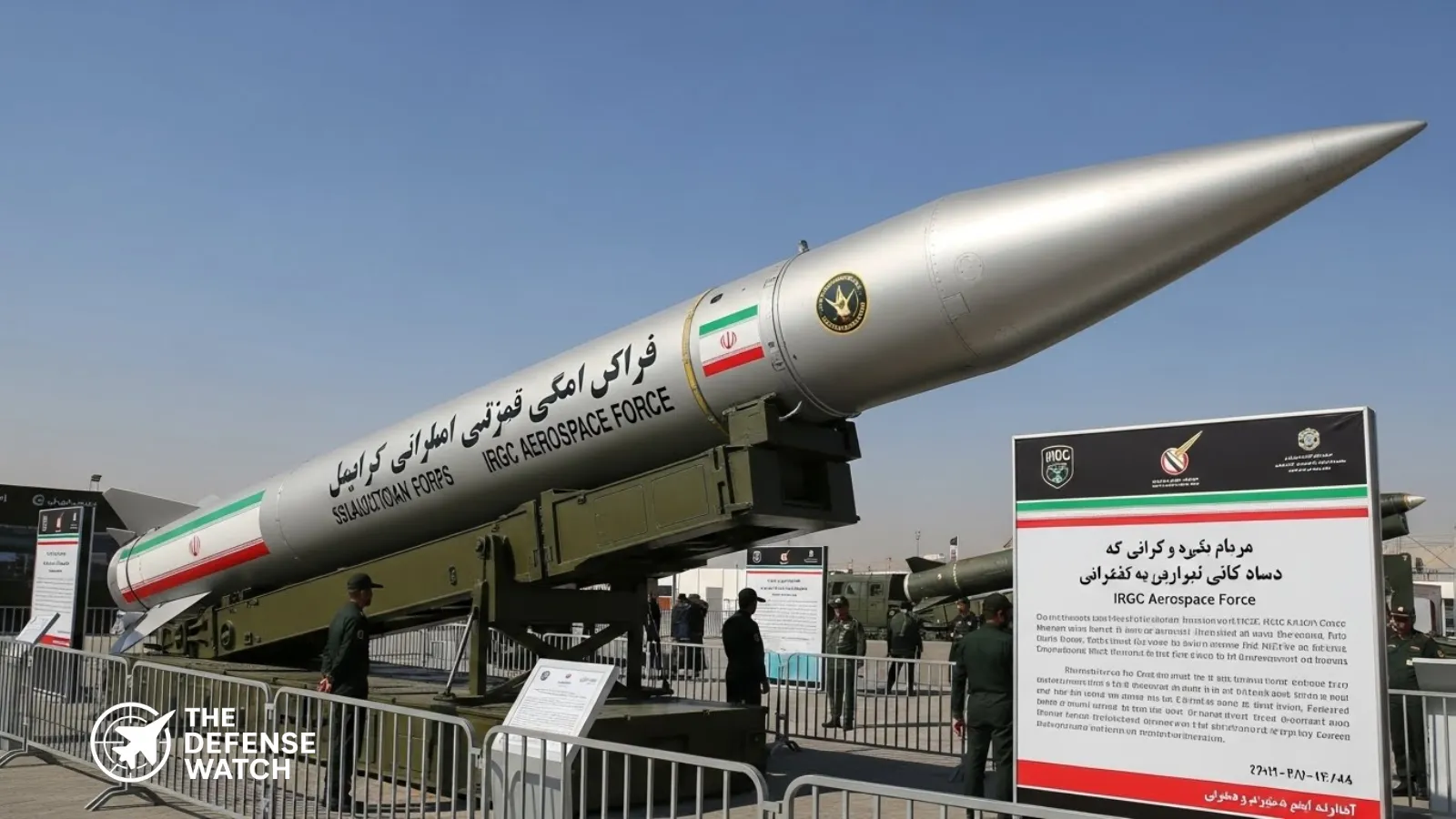
Iran unveiled the Fattah-1 hypersonic missile in a ceremony on June 6, 2023, marking what Tehran describes as a transformational advancement in its missile capabilities. Developed by the Islamic Revolutionary Guard Corps Aerospace Force, the Fattah-1 represents Iran’s first entry into the hypersonic weapons category, joining an exclusive technological club previously dominated by major military powers.
The fattah-1 hypersonic missile has already been deployed in combat operations. Researchers from the James Martin Center for Nonproliferation Studies identified Fattah-1 debris from Iranian strikes against Israel in both April and October 2024, demonstrating that Iran has moved beyond testing to operational use of its hypersonic missile technology.

The unveiling of Iran’s hypersonic missile capability represents a significant shift in Middle Eastern military balance. The October 1 deployment of Fattah-1 missiles against Israeli targets demonstrated its effectiveness, with multiple missiles reportedly penetrating Israel’s defense networks, raising questions about the future of missile defense in an era of hypersonic flight.
Understanding Hypersonic Missiles: Beyond Speed Alone
The term “hypersonic” has become a source of both fascination and confusion in defense circles. A hypersonic weapon is defined as one that can travel and maneuver significantly during atmospheric flight at hypersonic speed, which is above Mach 5—five times the speed of sound. However, speed alone does not define a true hypersonic weapon.
Hypersonic weapons typically fall into two main categories: hypersonic glide vehicles (boost-glide weapons) and hypersonic cruise missiles (airbreathing weapons). What distinguishes these systems from conventional ballistic missiles—which also reach hypersonic speeds—is sustained maneuverability throughout their flight path.
In modern warfare, experts say hypersonic weapons must have advanced navigation systems that make them nimble and capable of changing trajectory midflight. This combination of extreme velocity and maneuverability creates a defensive challenge that traditional interceptor systems struggle to address.

The engineering challenges behind hypersonic flight are formidable. At hypersonic speeds, friction and air resistance create an incredible amount of heat, which needs to be managed through tough but lightweight heat shields and thermal protection systems. The materials, guidance systems, and propulsion technologies required represent the cutting edge of aerospace engineering.
Technical Specifications: Inside the Fattah-1 System
The Fattah-1’s design reflects sophisticated engineering tailored specifically for hypersonic warfare. With a range of 1,400 kilometers, the Fattah-1 is classified as a medium-range ballistic missile, capable of targeting Israel from any corner of western Iran. This range encompasses critical strategic targets throughout the Middle East, including Israeli military installations and U.S. bases in the region.
The missile’s speed capabilities are particularly noteworthy. The Fattah-1’s terminal speed is Mach 13 to 15, which translates to 16,000 to 18,500 kilometers per hour—three times faster than the lower limit of hypersonic speed. At these velocities, defenders have mere seconds to detect, track, and engage incoming threats before impact.

The Fattah-1 utilizes a two-stage solid-propellant system and carries a maneuverable re-entry vehicle capable of independent flight and in-flight course correction. This propulsion architecture allows rapid acceleration from launch while maintaining agility during the terminal phase of flight.
Maneuverable Re-Entry Vehicle Technology
The missile’s warhead section represents a departure from traditional ballistic missile design. The warhead measures approximately 3.6 meters long with thrust vector control for midcourse and terminal maneuverability, weighing roughly 1,000 kilograms and containing up to 500 kilograms of high-explosive payload.
The Fattah-1 features movable nozzles that allow the missile to maneuver in all directions both in and out of the Earth’s atmosphere, making it immune to interception by existing anti-missile systems according to Iranian claims. These control surfaces enable the weapon to execute unpredictable flight paths that complicate defensive targeting solutions.
The guidance systems aboard the Fattah-1 remain classified, but the missile’s ability to adjust its course implies sophisticated guidance technology ensuring greater targeting precision essential for hitting high-value targets with accuracy. This combination of speed, maneuverability, and precision represents the core challenge hypersonic weapons pose to modern air defenses.
The Fattah-2: Evolution of Iran’s Hypersonic Arsenal
Iran has not rested on its laurels following the Fattah-1 debut. In November 2023, Iran presented the improved Fattah-2 model, featuring a gliding warhead that creates a new classification: Hypersonic Cruise Glide Vehicle. This represents a technological evolution beyond the original design.
While the Fattah-2’s first stage remains the same as the initial version, the second stage features a different warhead design with a solid fuel booster carrying a gliding warhead. This hybrid approach combines boost-glide technology with cruise capabilities, potentially extending range and enhancing terminal maneuverability.
The progression from Fattah-1 to Fattah-2 demonstrates Iran’s commitment to advancing its hypersonic missile capabilities. The modifications suggest Iranian engineers are working to address limitations in the original design while incorporating lessons learned from testing and operational deployment.

How Hypersonic Flight Challenges Missile Defense Systems
The emergence of iran hypersonic missiles has forced a fundamental reassessment of air defense architectures throughout the Middle East. The Fattah-1 compresses Israel’s response time for interception to mere seconds, far below the time available for slower ballistic missiles. This temporal compression creates cascading challenges for every element of the defensive kill chain.
Traditional ballistic missile defense relies on predictable trajectories. Unlike traditional ballistic missiles which follow a predictable arc, the Fattah-1 is capable of in-flight course adjustments, allowing it to glide and alter its trajectory within the atmosphere. This maneuverability forces defense systems to continuously recalculate intercept solutions, stretching computational resources and reducing engagement opportunities.
Israel’s multilayered air defense network—comprising Iron Dome, David’s Sling, Arrow 2, and Arrow 3 systems—was designed primarily to counter conventional ballistic threats. Yet hypersonic missiles like Iran’s Fattah-1 pose a new and serious challenge due to their extreme speed combined with mid-flight maneuverability, making them far harder to track and intercept even for advanced systems like Arrow.
Radar Detection and Tracking Limitations
The low-altitude flight profile that hypersonic weapons can employ creates additional detection challenges. Hypersonic glide vehicles can fly lower than traditional ballistic missiles, using terrain to hide from radar and reducing response time for defense systems. This terrain masking exploits the geometric limitations of ground-based radar systems, shrinking the engagement envelope available to interceptors.
However, hypersonic weapons are not invisible. The intense heating of a hypersonic vehicle traveling faster than about Mach 6 to 10 produces a very bright infrared signal during its glide phase that can be detected by currently deployed early-warning satellites. This thermal signature provides one potential vulnerability that defensive systems might exploit.
Operational Deployment: Combat Performance Assessment
Iran has moved beyond claims and demonstrations to actual combat employment of its hypersonic missile technology. In October 2024, Iran launched approximately 200 ballistic missiles at targets in Israel in at least two waves, using hypersonic missiles such as the Fattah weapons system. This represented the largest direct Iranian attack on Israel during the ongoing conflict.
The effectiveness of these strikes generated considerable debate. The October 1 deployment demonstrated the Fattah-1’s capacity to bypass Israel’s defense systems, showcasing Iran’s ability to reach high-value or strategic targets deep within Israeli territory. Multiple missiles penetrated Israeli air defenses, striking military bases and causing damage despite the multilayered defensive architecture.
U.S. military officials have responded by deploying additional assets to the region. The U.S. maintains THAAD (Terminal High Altitude Air Defense) batteries in Israel and Navy destroyers equipped with SM-3 interceptors offshore. However, these reinforcements represent finite resources subject to the same inventory pressures facing Israeli forces.
Production and Proliferation Questions
Critical uncertainties remain regarding Iran's production capacity. Questions persist about how many hypersonic missiles Iran is able to produce, as these sophisticated systems usually cost significant amounts to produce in great numbers. Serial production capability determines whether Iran possesses a handful of demonstration systems or a sustainable operational force.
Some analysts suspect external assistance in Iran's rapid development timeline. While analysts question the full extent of Iran's claimed capabilities and suspect Russian assistance in their rapid development, even partially realized, these hypersonic missiles represent a serious escalation in regional military technology. Technology transfer from Russia or China could accelerate Iranian capabilities significantly.
Comparative Context: Global Hypersonic Race
Iran's entry into hypersonic weapons development occurs within a broader global competition. Countries including Brazil, Australia, the United Kingdom, France, Germany, Iran, Japan, South Korea and North Korea all have hypersonic weapons programs. This proliferation trend suggests hypersonic technology is gradually becoming more accessible despite its complexity.
The United States, China, and Russia remain at the forefront of hypersonic development. China has demonstrated morphing missile concepts, while Russia claims operational deployment of systems like Avangard and Kinzhal. The Department of Defense has spent more than $8 billion since 2019 on programs to develop hypersonic missiles, reflecting the priority Washington places on matching peer competitors.
However, the technology faces inherent limitations. Hypersonic weapons at theater ranges still experience intense heating for about eight minutes when gliding for a thousand kilometers at low altitude. These thermal management challenges, combined with materials science requirements, create natural barriers to proliferation.
Future Defense Technologies and Countermeasures
Countering the hypersonic threat requires new technological approaches. Israel could accelerate research into directed energy weapons, which offer the rapid engagement necessary for high-speed threats, or explore kinetic interceptors specifically tailored for hypersonic maneuvering targets. Laser systems traveling at the speed of light could theoretically engage hypersonic threats if sufficient power and beam control can be achieved.
Advanced sensor networks represent another critical element. Israel's defense industry may need to develop advanced radar systems with real-time data fusion capabilities to detect and intercept these missiles at different stages of flight. Earlier detection extends the engagement timeline, partially offsetting the speed advantage hypersonic weapons possess.
Regional cooperation offers strategic advantages in facing distributed threats. U.S. officials have urged Gulf nations to acquire additional interoperable sensors and weapons capable of sharing early warning and employing uniform tactics. An integrated regional defense architecture could provide overlapping coverage and distributed interceptor inventories.
The European Union has recognized the urgency of this challenge. The European Union is studying how to develop an interceptor for hypersonic missiles as it ramps up defense spending to counter threats. This reflects growing global awareness that hypersonic weapons will define next-generation air defense requirements.
Analysis: Reassessing Middle East Military Balance
Iran's development and deployment of the Fattah-1 hypersonic missile system represents more than an incremental capability upgrade—it signals a potential inflection point in regional military dynamics. Whether or not the Fattah-1 meets strict technical definitions of a hypersonic weapon matters less than its demonstrated ability to complicate Israeli air defenses and penetrate multilayered protection systems.
The strategic calculus has shifted in three key areas. First, interceptor economics now favor the attacker, as relatively inexpensive ballistic missiles force the expenditure of sophisticated, costly interceptors. Second, the compressed engagement timelines associated with high-speed threats stress command-and-control systems, increasing the probability of defensive gaps. Third, the psychological dimension of hypersonic weapons—their perceived invincibility—carries deterrent value independent of actual interception rates.
Iran's achievement also highlights the democratization of advanced military technology. What was once the exclusive domain of superpowers is now accessible to regional powers with sufficient technical expertise and resources. This proliferation trend will likely continue, forcing defense establishments worldwide to invest heavily in next-generation air defense systems.
The Fattah-1's operational deployment in 2024 provided real-world performance data that will inform both Iranian refinements and Israeli defensive adaptations. Future variants will likely incorporate lessons learned regarding optimal flight profiles, warhead design, and guidance algorithms. Meanwhile, Israeli and American engineers will analyze intercept data to develop improved tracking and engagement solutions.
Ultimately, the hypersonic era forces a return to fundamental questions about deterrence, first-strike advantages, and strategic stability. If hypersonic missiles can reliably penetrate defenses, does this restore some of the nuclear-age logic of assured retaliation? Or does it incentivize preemptive strikes against mobile launchers before they can be employed? These questions will shape Middle Eastern security dynamics for the coming decade.
FAQs
What makes the Fattah-1 a hypersonic missile?The Fattah-1 achieves speeds between Mach 13-15 (three times faster than the Mach 5 hypersonic threshold) and features maneuverable reentry vehicle technology allowing mid-flight trajectory adjustments. However, some Western analysts debate whether its maneuverability meets strict hypersonic weapon definitions since it operates primarily during terminal phase rather than throughout the entire flight path.
Can Israeli air defenses intercept Iran's hypersonic missiles?Israeli officials report intercepting over 95 percent of Iranian missile attacks, though some Fattah-1 systems have penetrated defenses and struck targets. The combination of extreme speed, maneuverability, and potential saturation attacks challenges even advanced Arrow and David's Sling systems, particularly as interceptor inventories become constrained during sustained conflicts.
How does hypersonic flight technology work?Hypersonic flight involves traveling at speeds above Mach 5 while managing extreme temperatures generated by atmospheric friction. Advanced hypersonic weapons use heat-resistant materials, sophisticated guidance systems, and either boost-glide or air-breathing propulsion to maintain both speed and maneuverability throughout their flight profile.
Which countries possess operational hypersonic missiles?The United States, Russia, and China lead hypersonic development with various systems in testing or deployment. Iran, North Korea, India, and several European and Asian nations maintain active development programs. The technology remains challenging, with significant barriers related to materials science, propulsion, and guidance systems.
What countermeasures exist against hypersonic weapons?Potential countermeasures include directed energy weapons (lasers) for speed-of-light engagement, advanced early-warning satellites detecting thermal signatures, improved radar networks for extended tracking, specialized kinetic interceptors designed for hypersonic targets, and regional integrated defense architectures sharing sensor data and coordinating responses.
US withdrawal from Al Asad Airbase in Iraq is now complete, Iraqi officials and the Pentagon confirmed, marking the end of US operations at one of the country’s most significant military installations and signaling a further reduction in America’s on-the-ground presence.
The withdrawal reflects Washington’s ongoing shift from combat operations to advisory and support roles as Iraq continues to assert greater control over its security environment.
Pentagon Confirms Exit From Key Iraqi Base
Al Asad Airbase, located in Iraq’s western Anbar province, has been a central hub for US and coalition forces since 2014 during the campaign against the Islamic State group. The Pentagon confirmed that US forces have fully vacated the base and transferred remaining responsibilities to Iraqi security forces.
US Central Command declined to provide specific timelines or troop numbers tied to the departure, citing operational security. Defense officials emphasized that the move aligns with previously announced plans to streamline the US military presence in Iraq rather than representing a sudden policy shift.
Iraqi Officials Frame Withdrawal as Planned Transition
Iraqi defense and security officials described the US withdrawal from Al Asad Airbase as part of a coordinated transition agreed upon by both governments. Baghdad has increasingly pushed for a recalibration of the foreign military presence following years of domestic political pressure.
Iraqi authorities stressed that the Iraqi Air Force and ground units are prepared to assume full operational control of the base, which includes extensive infrastructure for air operations, logistics, and training.
US Military Presence in Iraq Continues Elsewhere
Despite the closure of Al Asad Airbase, the Pentagon confirmed that US forces remain in Iraq at other locations under bilateral agreements. The US military presence in Iraq continues to focus on intelligence sharing, counterterrorism coordination, and training missions.
Defense officials reiterated that American troops are no longer engaged in a direct combat role, instead supporting Iraqi forces in preventing a resurgence of extremist groups.
Strategic Implications for the Middle East
The US withdrawal from Al Asad Airbase underscores a broader recalibration of US force posture across the Middle East, as Washington balances regional commitments with global priorities. Analysts note that while the footprint is shrinking, the United States aims to maintain influence through partnerships rather than permanent basing.
Al Asad had previously been targeted by missile and rocket attacks, including Iran’s ballistic missile strike in January 2020, which heightened concerns about force protection and escalation risks.
Pentagon Emphasizes Ongoing Commitment
Pentagon officials stressed that the exit from Al Asad Airbase does not signal a full departure from Iraq. Instead, it reflects an evolution of the mission based on threat assessments and Iraqi capabilities.
The Department of Defense stated it will continue to evaluate force levels in coordination with Iraqi leaders, ensuring flexibility to respond to emerging security challenges.
F-35i Adir FighterJets have expanded the Israel Air Force fleet after three new aircraft landed at Nevatim Air Force Base, reinforcing Israel’s frontline combat aviation during a period of sustained operations.
The Israel Air Force confirmed that three newly manufactured F-35i Adir fighter jets arrived at Nevatim Air Force Base today. The aircraft were built by Lockheed Martin and delivered as part of Israel’s ongoing F-35 procurement program with the United States.
The jets will be assigned to two frontline units, the Southern Lions Squadron (116 Squadron) and the Golden Eagle Squadron (140 Squadron). Upon arrival, the aircraft received the Israel Air Force emblem, marking their formal induction into operational service.
The F-35i Adir is Israel’s customized version of the F-35A Lightning II. It integrates Israeli-developed systems for command and control, electronic warfare, and weapons integration, while retaining the core stealth, sensor fusion, and networked combat capabilities of the baseline aircraft. These modifications allow the Israel Air Force to adapt the platform to regional operational requirements.
According to the Israel Defense Forces, the Adir fleet has been operating continuously since the outbreak of the current conflict, conducting both defensive and strike missions across multiple theaters. Missions have included air defense, intelligence support, and precision strike operations, highlighting the aircraft’s multirole flexibility.
The delivery of additional F-35i Adir fighter jets is intended to maintain sortie capacity and operational readiness during an extended period of high operational tempo. Israeli defense officials have repeatedly emphasized the importance of sustaining fleet size and availability as missions continue across different fronts.
Israel’s F-35 program is closely tied to its long-standing security partnership with the United States. Lockheed Martin produces the aircraft in the U.S., while the program is supported through Foreign Military Financing and long-term defense cooperation agreements. Israeli officials have stated that the partnership plays a key role in preserving Israel’s qualitative military edge and contributing to regional stability.
Nevatim Air Force Base serves as the main hub for Israel’s F-35i operations and training. The base supports multiple Adir squadrons and associated maintenance and mission planning infrastructure, making it central to Israel’s fifth-generation air combat capability.
With these latest arrivals, Israel continues the gradual expansion of its F-35i Adir force, which remains one of the most operationally active F-35 fleets worldwide.
Iran is developing chemical and biological warheads for long-range ballistic missiles, military sources told Iran International, marking a significant potential shift in Tehran’s missile program amid rising regional tensions.
Iran’s Islamic Revolutionary Guard Corps (IRGC) Aerospace Force is working on unconventional warhead designs as it relocates missile launchers to the eastern part of the country, two unnamed sources said.
Background and Program Details
The initiative, described by sources as accelerating in recent months, involves adapting existing ballistic missile systems to carry non-conventional payloads, including chemical and biological agents.
Western intelligence agencies have reportedly detected what they describe as “unusual” movements and command-and-control signal activity tied to IRGC Aerospace Force deployments, prompting increased surveillance.
Officials familiar with the matter said Tehran frames the effort as a deterrent option under scenarios of direct conflict with Israel or the United States, even as Iranian authorities publicly deny any pursuit of weapons of mass destruction and reaffirm compliance with international commitments.
Regional Security Implications
If confirmed, the development of chemical and biological warheads could influence deterrence dynamics across the Middle East, raising questions about escalation risks and arms control regimes. Analysts say unconventional payloads on ballistic systems would draw global scrutiny and potential punitive measures.
Regional tensions remain high following a brief but intense conflict between Iran and Israel in June 2025, in which missile and air defense infrastructure sustained damage, according to multiple sources.
Strategic Context
Iran’s broader missile modernization has focused on increasing range and precision, a program that has long drawn concern from Western governments and regional states.
In parallel developments, Iran continues to advance its space capabilities, recently launching three domestically built satellites into orbit from Russia, a move that underscores dual-use technology concerns with strategic missile delivery systems.