

Executive Summary:
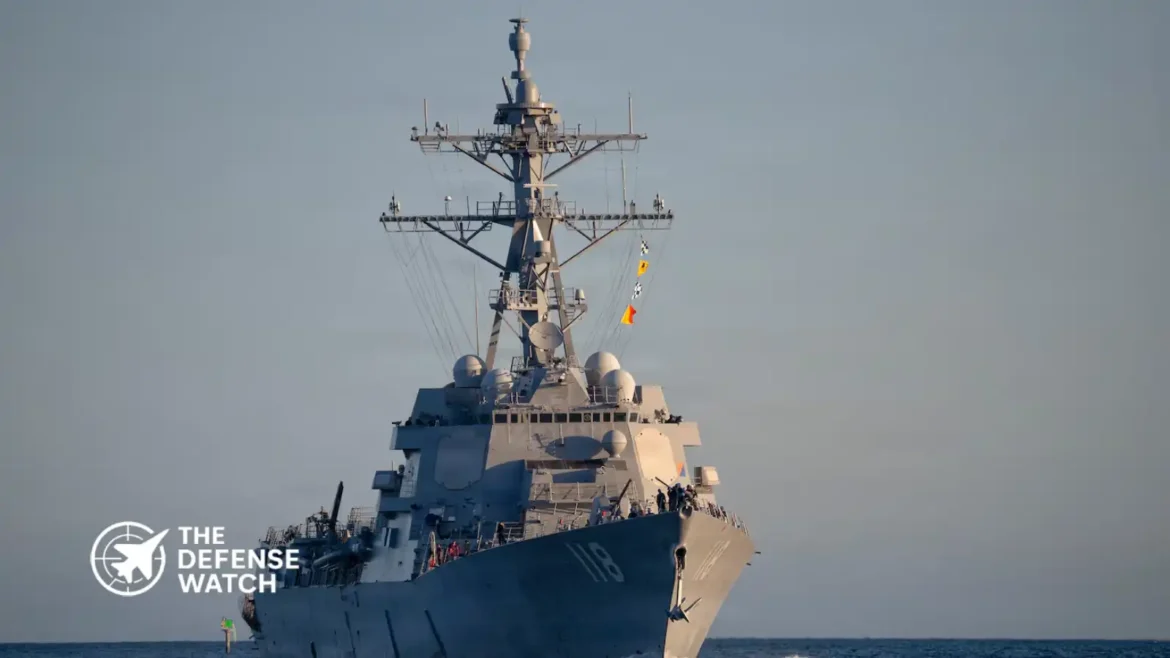
The US Navy has announced the early return of USS Daniel Inouye (DDG 118) following a successful maintenance period completed ahead of schedule. The Arleigh Burke class destroyer’s early delivery back to the fleet underscores improved shipyard efficiency and supports ongoing efforts to maintain high operational readiness across the surface force.
USS Daniel Inouye returns early from maintenance
The early return of USS Daniel Inouye (DDG 118) marks a notable milestone in US Navy fleet readiness planning. According to a US Navy news release, the Arleigh Burke class destroyer completed its maintenance availability ahead of schedule and has now rejoined the operational fleet.
The development reflects broader efforts within the US Navy to streamline maintenance cycles, reduce downtime, and ensure high-end surface combatants remain available for tasking across global theaters.
Fleet Readiness and Maintenance Efficiency Gains
The early completion of maintenance for USS Daniel Inouye (DDG 118) highlights a key priority for US naval forces, maximizing ship availability while sustaining long term platform performance.
Arleigh Burke class destroyers are central to US surface warfare capability, providing multi mission flexibility across air defense, anti submarine warfare, and surface strike roles. Keeping these vessels at peak readiness is essential given current global maritime demands.
The US Navy has increasingly focused on improving shipyard throughput, modernizing maintenance workflows, and reducing delays that have historically affected fleet availability. Early returns like this one indicate progress in that direction, although systemic pressures across the maintenance enterprise remain a challenge.
Operational Significance of Early Return
The return of this destroyer to active duty improves near term deployment flexibility for the US Navy surface fleet. Each Arleigh Burke class ship contributes to carrier strike group operations, independent patrol missions, and maritime security tasks.
By reducing time in maintenance, the Navy increases the number of ready ships available for global tasking. This is particularly important in an operational environment characterized by increased activity in both the Indo Pacific and European theaters.
The early completion also signals improved coordination between naval maintenance planners, shipyard personnel, and fleet scheduling commands. While individual milestones do not resolve broader capacity constraints, they contribute to incremental improvements in force readiness.
Platform Background: Arleigh Burke Class Capability
The USS Daniel Inouye (DDG 118) is part of the Arleigh Burke class destroyer family, one of the most capable and widely deployed surface combatant classes in the world.
These ships are equipped with the Aegis Combat System, advanced radar suites, and vertical launch systems capable of firing a wide range of missiles for air defense, land attack, and anti ship roles. The class is designed for sustained multi domain operations, often serving as the backbone of US Navy surface action groups and carrier strike formations.
Modern variants of the class continue to evolve with incremental upgrades in sensors, combat systems, and integration with networked warfare architectures.
Strategic Context and Fleet Pressure
The US Navy continues to operate under increasing demand for presence missions, deterrence operations, and joint exercises with allied navies. As a result, ship availability has become a central concern for force planners.
Maintenance optimization efforts, including early completion milestones such as this one, are part of a broader strategy to improve operational readiness without significantly expanding fleet size in the short term.
While the early return of USS Daniel Inouye (DDG 118) is a positive indicator, long term readiness will still depend on shipyard modernization, workforce stability, and supply chain performance.
Broader Implications for Naval Operations
Incremental improvements in maintenance timelines directly impact deployment cycles for surface combatants. Faster turnaround enables commanders to better manage rotational deployments and sustain presence in high priority regions.
For the US Navy, these gains contribute to maintaining deterrence posture, particularly in contested maritime environments where presence operations are a key element of strategy.
The ability to return high value assets to the fleet ahead of schedule also supports training cycles, joint exercises, and coalition operations with allied navies.
Analysis
This report is based on official US Navy communications and reflects verified maintenance outcomes for USS Daniel Inouye (DDG 118). The analysis focuses on operational readiness, fleet sustainment trends, and naval force structure implications.
No speculative assessments have been included. All conclusions are grounded in publicly released Navy information and established understanding of Arleigh Burke class destroyer operations.
Türkiye Maritime Task Force Deploys for Steadfast Dart 2026
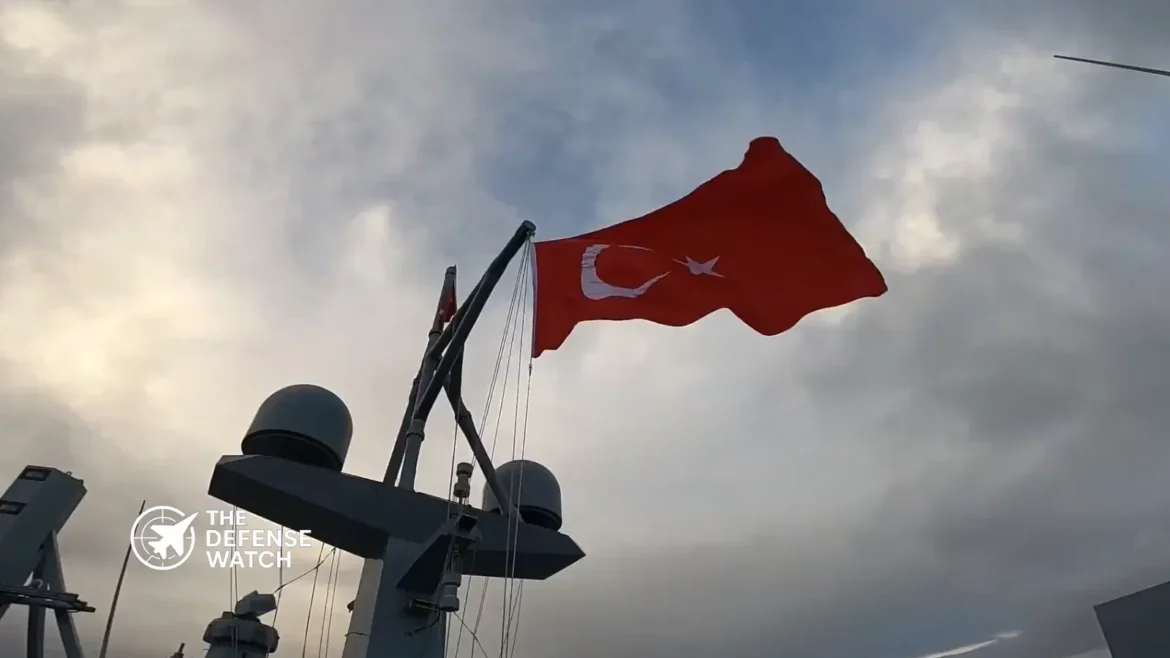
The Türkiye Maritime Task Force has begun its long range deployment from home waters toward the Baltic Sea as part of NATO Exercise Steadfast Dart 2026, underscoring Ankara’s role within the Allied Reaction Force and its commitment to collective defense.
(adsbygoogle = window.adsbygoogle || []).push({});The transit, conducted under the Anadolu Turkish Maritime Task Force framework, marks a significant naval movement from the Eastern Mediterranean into Northern European waters at a time of heightened focus on NATO readiness and rapid reinforcement capabilities.
According to official Turkish Ministry of National Defense statements, the deployment is designed to demonstrate alliance cohesion, interoperability, and credible deterrence across multiple maritime theaters.
NATO Steadfast Dart 2026 and the Allied Reaction Force
Steadfast Dart 2026 is one of NATO’s flagship high readiness exercises, intended to test the activation, deployment, and sustainment of the Allied Reaction Force across land, air, maritime, cyber, and space domains.
The exercise builds on NATO’s post Madrid force posture reforms, which replaced the NATO Response Force with the more scalable and rapidly employable Allied Reaction Force. This structure enables NATO to respond to emerging crises with tailored force packages rather than a single standing formation.
Türkiye’s participation through a forward deployed maritime task force reflects its dual role as both a regional naval power and a key contributor to NATO’s southern and eastern flanks.
NATO officials have consistently emphasized that Steadfast Dart is not directed at any specific adversary, but rather focused on readiness, mobility, and command integration under Article Five scenarios.
Composition and Role of the Anadolu Maritime Task Force
While Ankara has not released a full public order of battle for the task force, Anadolu Maritime Task Force deployments typically include a mix of frigates, auxiliary support vessels, and embarked naval aviation elements.
Turkish Navy surface combatants frequently involved in NATO exercises include the Barbaros class and Gabya class frigates, both upgraded with modern combat management systems, advanced sensors, and NATO standard data links.
These vessels are designed for air defense, antisubmarine warfare, maritime security operations, and command and control roles, making them well suited for Allied Reaction Force integration.
The deployment also provides an opportunity for Turkish crews to operate in colder water environments and congested Northern European sea lanes, conditions that differ significantly from the Mediterranean and Aegean operating areas.
Strategic Significance of the Baltic Sea Transit
The movement of a Turkish naval task force from the Eastern Mediterranean to the Baltic Sea carries both operational and strategic weight. It highlights NATO’s ability to shift forces rapidly across internal lines of communication, reinforcing deterrence through visible presence and mobility.
The Baltic Sea remains a critical focus area for NATO, particularly following Finland and Sweden’s accession to the alliance. Maritime operations in the region now involve a broader range of Allied navies and require tighter coordination across air, surface, and undersea domains.
Türkiye’s participation signals alliance solidarity and demonstrates that NATO’s collective defense commitments extend beyond immediate regional boundaries.
Defense analysts note that such deployments also support burden sharing by ensuring that no single group of allies carries the full weight of forward presence missions.
Türkiye’s Broader Naval Modernization Context
The Steadfast Dart 2026 deployment comes amid an ongoing period of modernization for the Turkish Navy. Ankara continues to invest in indigenous shipbuilding programs, advanced sensors, and network centric warfare capabilities.
(adsbygoogle = window.adsbygoogle || []).push({});Key initiatives include the MILGEM program, which has delivered Ada class corvettes and Istanbul class frigates, as well as future plans for air defense destroyers under the TF two thousand program.
These efforts aim to enhance Türkiye’s ability to operate independently while remaining fully interoperable with NATO partners. Participation in large scale alliance exercises provides critical validation of these capabilities in real world operational settings.
Allied Interoperability and Operational Testing
Exercises like Steadfast Dart serve as practical tests of command structures, logistics chains, and digital connectivity across allied forces. Maritime components are particularly important, as naval forces often provide the first visible signal of alliance response during crises.
The Turkish Maritime Task Force is expected to conduct joint maneuvers, communications drills, and maritime security operations alongside allied navies from Northern Europe and North America.
Such activities help identify gaps in procedures, equipment compatibility, and sustainment planning, allowing NATO to refine its response posture ahead of real world contingencies.
Outlook
As Steadfast Dart 2026 unfolds, the presence of the Türkiye Maritime Task Force in the Baltic Sea will remain a visible indicator of NATO’s evolving force structure and multinational integration.
For Ankara, the deployment reinforces its position as a capable maritime contributor across multiple theaters, while for NATO, it underscores the alliance’s emphasis on speed, flexibility, and collective deterrence in an increasingly complex security environment.
US Marines Test V-BAT Drone From Warship in Nighttime Intelligence Operations
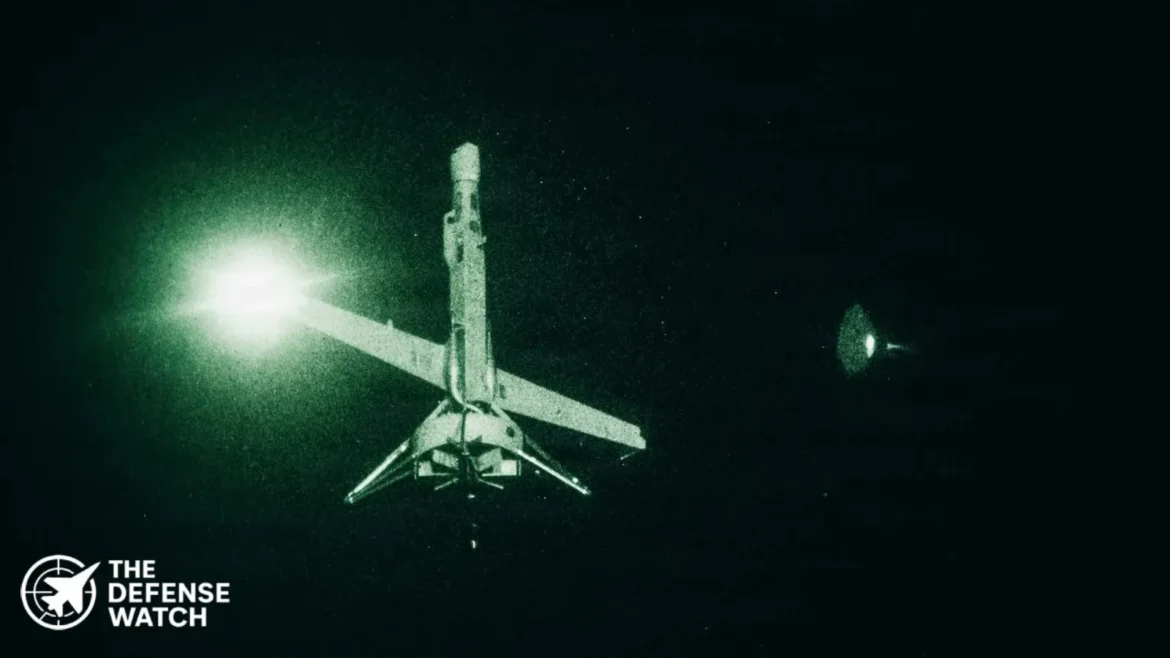
The US Marines tested the V-BAT drone from an amphibious warship at night, using the vertical takeoff and landing UAV for maritime intelligence, surveillance, and reconnaissance (ISR) missions. The flight on January 23, 2026 showed how ship-launched drones can operate from confined decks without runways, opening new options for forward deployed naval forces.
(adsbygoogle = window.adsbygoogle || []).push({});Shipboard Test From USS Portland
Marine Expeditionary Unit Sailors and Marines launched a V-BAT vertical takeoff and landing unmanned aircraft system from the flight deck of the San Antonio-class amphibious transport dock USS Portland during nighttime operations in the Pacific Ocean. The 11th MEU’s flight was one of the first operational uses of this UAV type from an LPD-class ship.
The mission aimed to assess the drone’s performance under limited visibility and tight deck conditions, simulating real world scenarios where runway space is scarce or unavailable.
V-BAT Capabilities and Design
The V-BAT drone is a vertical takeoff and landing platform that transitions to fixed wing flight after liftoff. Its single-engine, ducted-fan design lets it lift off and land straight up and down, then fly efficiently for longer range and endurance.
At just over 10 feet long with about a 9-foot wingspan, the drone is compact enough for ship decks, expeditionary sites, or austere islands. It can fly up to eight hours and carry various payloads, such as high-resolution electro-optical/infrared sensors, synthetic aperture radar, and electronic warfare equipment.
Shield AI’s autonomy software gives the V-BAT navigation and target recognition capability even in GPS-denied or communications-contested environments.
Operational Context and Modernization
Marine Corps leaders aboard the Boxer Amphibious Ready Group see this nighttime test as part of broader efforts to integrate unmanned systems into distributed maritime operations. Concepts like Expeditionary Advanced Base Operations and distributed forces depend on persistent ISR to give commanders a shared picture of activity across dispersed units.
Using V-BAT from amphibious ships directly supports ship-to-shore command and control and helps bridge gaps between sea and land forces in contested areas. With tensions rising globally and potential near-peer competitors investing in anti-access strategies, timely intelligence and targeting data are critical for modern littoral operations.
Drone Integration on Naval Decks
Unlike conventional UAVs that need runways or catapult systems, the V-BAT’s vertical takeoff design reduces logistical burden. Marines and Sailors worked with embarked contractors and deck crews to demonstrate reliable launches and recoveries at night. The flights also involved real-time data links to other ships, showing the potential for a shared maritime sensor picture in complex operational settings.
(adsbygoogle = window.adsbygoogle || []).push({});This mission builds on earlier Marine and Navy experience with the V-BAT, including tests from ships like USS Harpers Ferry and USS Portland in past years. The success of this latest operation adds to the case for using compact VTOL UAVs to extend the reach of naval intelligence and reconnaissance.
What Comes Next
As the Corps and Navy evaluate lessons from this nighttime launch, they will refine shipboard handling, communications integration, and endurance planning for future missions. The effort reflects a larger shift toward organic ISR assets on amphibious and expeditionary vessels, helping Marine units operate with greater situational awareness in contested seas and littoral zones.
