

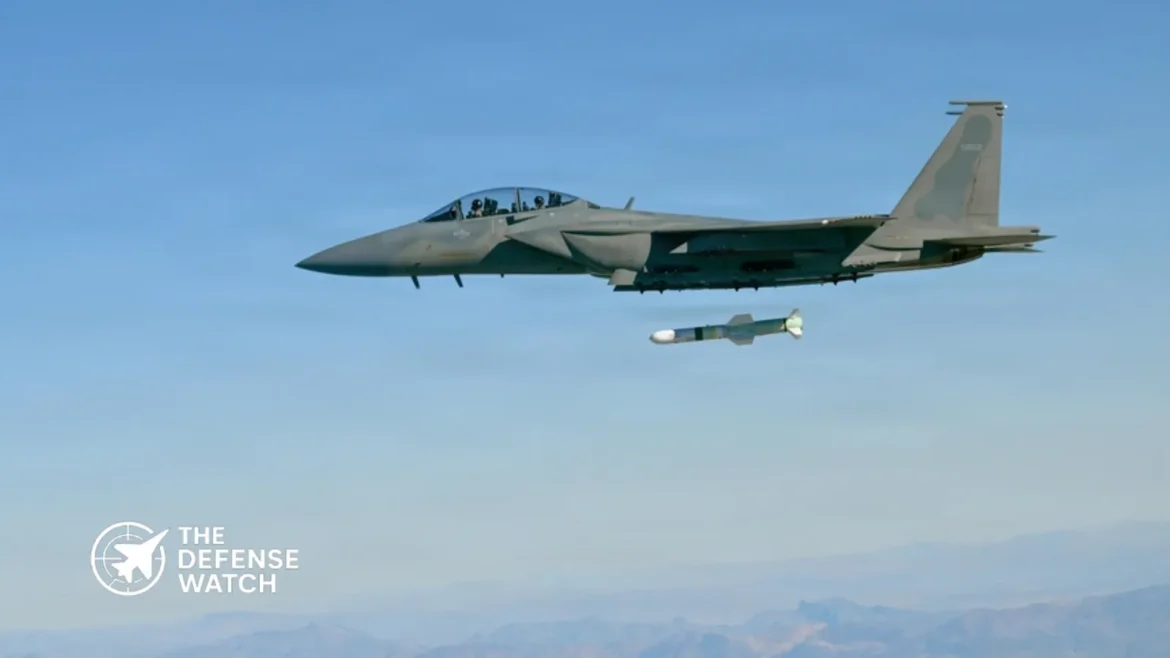
U.S. Navy Completes Harpoon Block II Delivery
The Harpoon Block II missile delivery marks a significant milestone as the U.S. Navy has officially completed the final Lot 91 shipment, reinforcing allied capabilities in anti-ship and coastal strike operations. According to reporting from Army Recognition, the delivery concludes one of the longest-running and most widely deployed anti-ship missile programs in modern naval warfare.
The Harpoon system, originally developed during the Cold War, continues to evolve. The Block II variant integrates GPS guidance and enhanced targeting, enabling precision strikes against both maritime and land-based targets. This dual-role capability reflects shifting operational requirements where naval forces increasingly face hybrid threats in littoral environments.
- U.S. Navy has completed delivery of the final Lot 91 Harpoon Block II anti-ship missiles.
- The missiles support allied naval forces in anti-ship and coastal strike missions.
- Harpoon Block II features GPS guidance and improved targeting against land and maritime threats.
- The system remains a key component of U.S. and allied maritime strike arsenals.
- Delivery reflects sustained demand for proven, cost-effective anti-ship missile systems.
Sustained Relevance In Modern Naval Warfare
Despite the emergence of newer missile systems, the Harpoon Block II missile delivery underscores the enduring relevance of the platform. Its adaptability, relatively low cost, and proven combat record make it a preferred choice for many allied navies.
Unlike next-generation hypersonic or stealth cruise missiles, Harpoon offers reliability and interoperability across a wide range of platforms. It can be launched from surface ships, submarines, aircraft, and coastal defense batteries. This flexibility allows allied forces to maintain a layered maritime strike capability without requiring extensive platform upgrades.
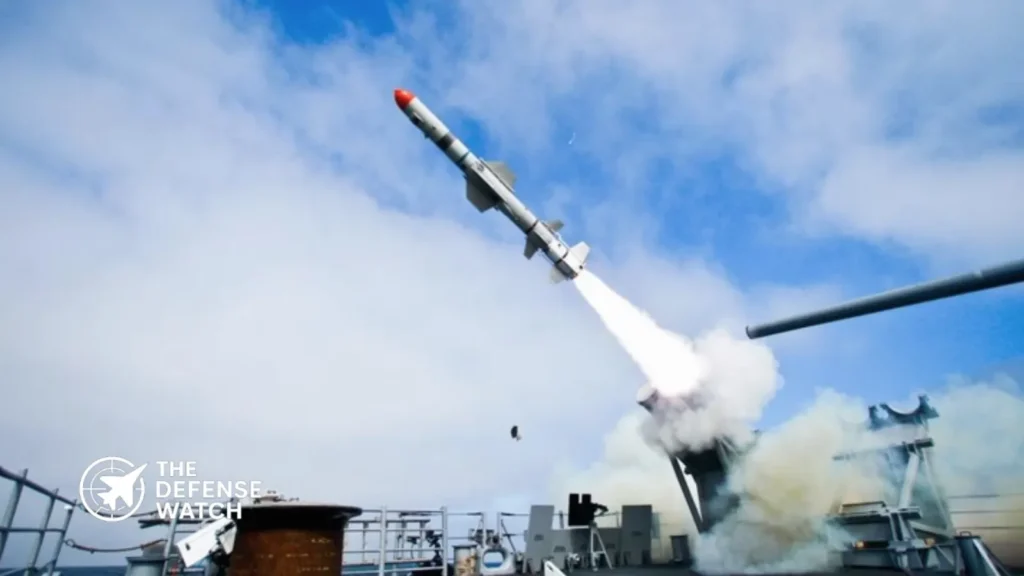
From an operational standpoint, the Block II upgrade significantly enhances targeting in contested environments. GPS-aided navigation allows the missile to engage targets in complex coastal regions where traditional radar-guided systems may face limitations. This is particularly relevant in regions such as the Indo-Pacific and the Persian Gulf, where dense shipping traffic and geographical constraints complicate targeting.
Strategic Implications For Allied Forces
The completion of the Harpoon Block II missile delivery also highlights broader trends in defense procurement. Many allied nations are prioritizing upgrades to existing systems rather than investing solely in high-cost next-generation platforms.
This approach reflects a balance between capability and affordability. While advanced systems like long-range anti-ship missiles offer extended reach, Harpoon remains effective for medium-range engagements and coastal defense scenarios. For smaller navies, it provides a credible deterrent without the logistical burden of more complex systems.
Moreover, the widespread adoption of Harpoon strengthens interoperability among allied forces. Shared systems simplify joint operations, training, and logistics, which are critical in coalition-based maritime security missions.
Industrial And Program Significance
The Lot 91 delivery represents the continuation of a mature production line that has supported decades of U.S. and allied defense requirements. Programs like Harpoon demonstrate the long lifecycle of military systems, where incremental upgrades extend operational relevance far beyond initial expectations.
The delivery also reflects ongoing international demand. Several countries continue to procure or upgrade Harpoon systems, reinforcing its position as a global standard in anti-ship weaponry.
This sustained demand provides stability for the defense industrial base while allowing incremental innovation. Instead of replacing legacy systems entirely, upgrades like Block II ensure compatibility with modern targeting and navigation technologies.
Evolving Threat Environment
The completion of the Harpoon Block II missile delivery comes at a time of increasing maritime tensions. Naval forces worldwide are adapting to challenges such as anti-access and area denial strategies, contested sea lanes, and the proliferation of advanced missile systems.
In this context, Harpoon serves as a dependable component of a broader strike ecosystem. While it may not match the speed or range of emerging systems, its reliability and integration across multiple platforms make it a critical tool for maintaining operational readiness.
Its role is particularly important in scenarios where rapid deployment and proven performance outweigh the need for cutting-edge capabilities. For many allied navies, this balance is essential in maintaining credible deterrence.
U.S. Navy Completes Final Harpoon Block II Missile Update Test
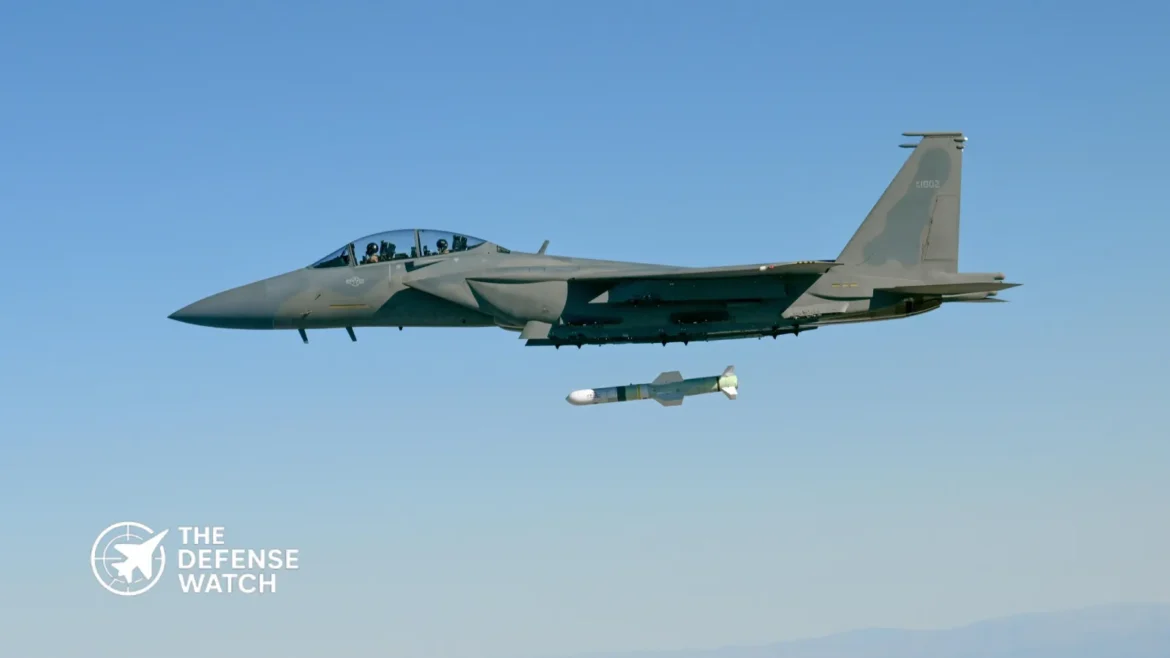
The U.S. Navy has completed the final update test of the Harpoon Block II missile, marking a key milestone in expanding the weapon’s effectiveness in littoral and land-strike operations. The test confirms the missile’s upgraded guidance, navigation, and mission flexibility as the Navy modernizes legacy strike systems for contested maritime environments.
(adsbygoogle = window.adsbygoogle || []).push({});According to defense industry reporting and U.S. Navy program updates, the successful event concludes the Block II update effort and clears the missile configuration for operational employment across multiple surface combatants.
Harpoon Block II Update Test Overview
The final test validated improvements introduced under the Harpoon Block II upgrade, which adapts the long-serving anti-ship missile for operations closer to shore and against fixed land targets.
Key objectives of the update test included:
- Verification of enhanced GPS aided navigation
- Improved accuracy in cluttered littoral environments
- Validation of land-attack targeting capability
- System compatibility with existing naval launch platforms
The U.S. Navy designed the update to ensure Harpoon remains relevant as peer and near-peer threats increasingly operate within coastal and contested maritime zones.
Expanded Littoral and Land-Strike Capability
Unlike earlier Harpoon variants focused primarily on open-ocean anti-ship warfare, the Block II configuration allows commanders to engage targets in coastal regions with greater precision.
The missile’s guidance enhancements enable:
- Engagement of enemy vessels operating near shorelines
- Precision strikes against fixed land targets such as coastal infrastructure
- Reduced susceptibility to navigational interference in complex terrain
This capability aligns with U.S. Navy doctrine emphasizing distributed maritime operations and flexible strike options for surface forces.
(adsbygoogle = window.adsbygoogle || []).push({});Operational Impact for U.S. Surface Combatants
Harpoon Block II remains integrated on several U.S. Navy platforms, including guided-missile destroyers and cruisers. Completing the final update test ensures the fleet retains a proven, mature strike option alongside newer missile systems.
For forward-deployed naval forces, the updated Harpoon provides:
- A reliable intermediate-range strike capability
- Reduced dependence on higher-cost missile inventories
- Enhanced mission adaptability during joint and coalition operations
The missile’s continued relevance is particularly important as the Navy balances modernization timelines with operational demands across multiple theaters.
Harpoon in the Broader U.S. Navy Missile Portfolio
While the U.S. Navy is fielding newer systems such as the Naval Strike Missile and Long Range Anti-Ship Missile, Harpoon Block II fills a critical role during the transition period.
Defense planners value the missile for:
- Established logistics and training pipelines
- Interoperability with allied navies operating Harpoon variants
- Proven combat reliability and sustainment infrastructure
The final update test confirms that Harpoon Block II can remain operationally viable well into the current decade.
Industry and Program Significance
The completion of the final update test represents the conclusion of a focused modernization effort rather than the introduction of a new missile variant. It underscores the Navy’s approach of extending the utility of proven weapons through targeted upgrades.
(adsbygoogle = window.adsbygoogle || []).push({});This strategy allows rapid capability enhancement without the cost and timeline risks associated with full system replacement, a key consideration amid rising global naval competition.
What Comes Next
With testing complete, the updated Harpoon Block II configuration is expected to support fleet operations without further developmental trials. The Navy will continue integrating the missile into operational planning while newer strike systems are fielded in parallel.
The successful test also reinforces confidence in legacy system upgrades as a cost-effective method of sustaining combat readiness.