►
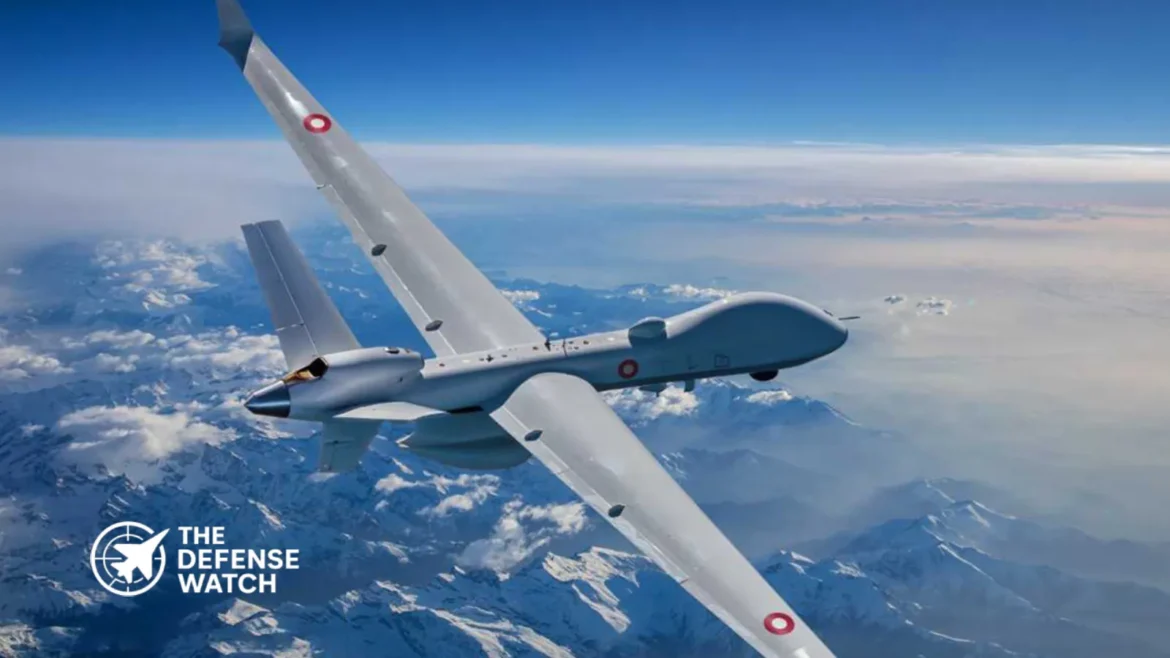
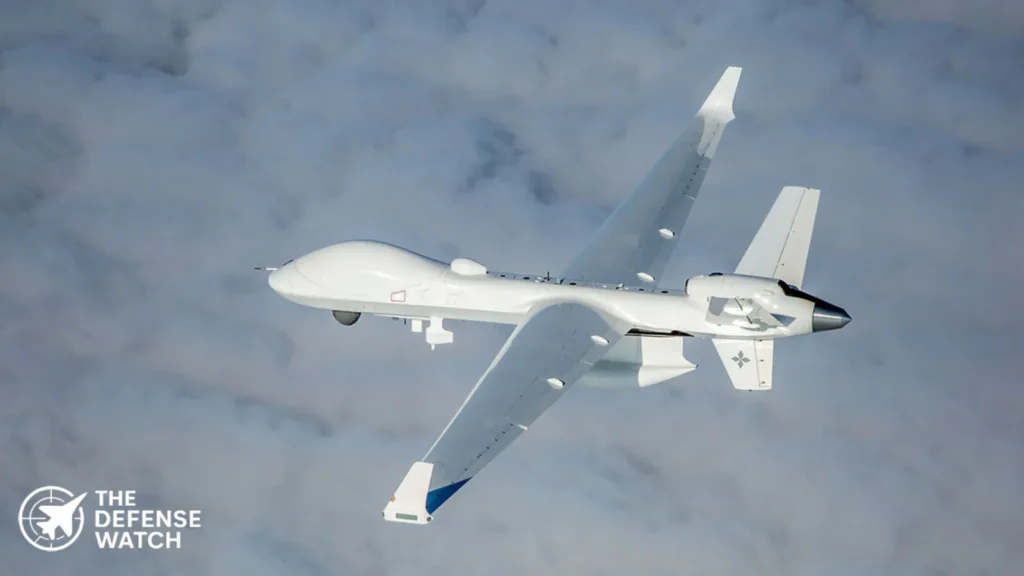
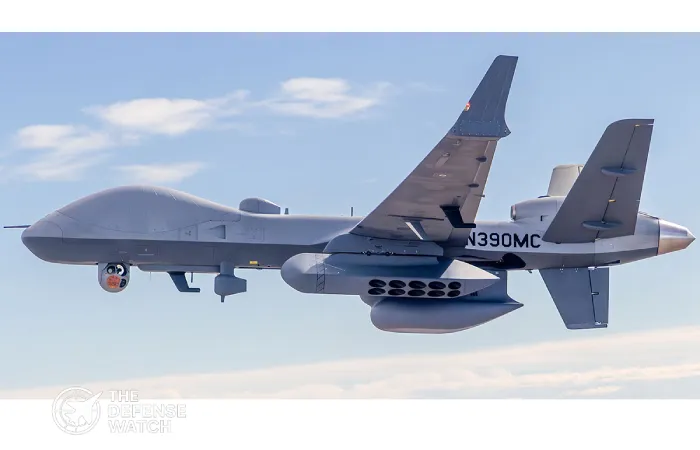
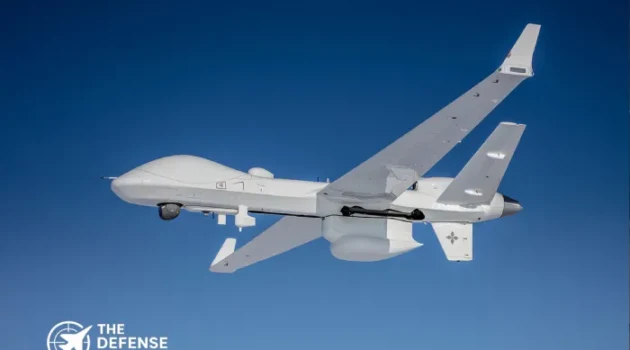
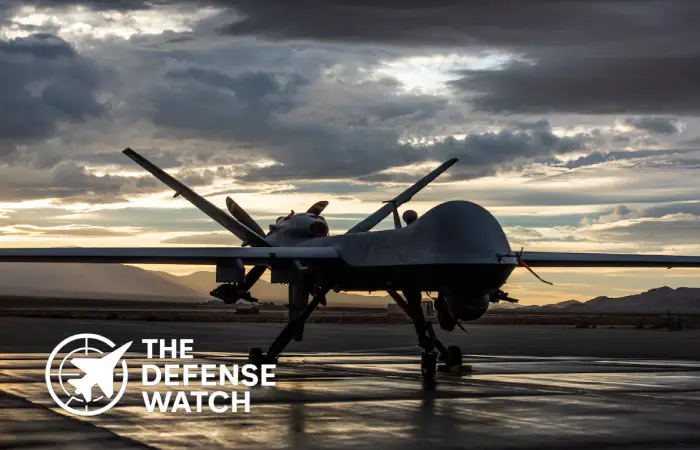
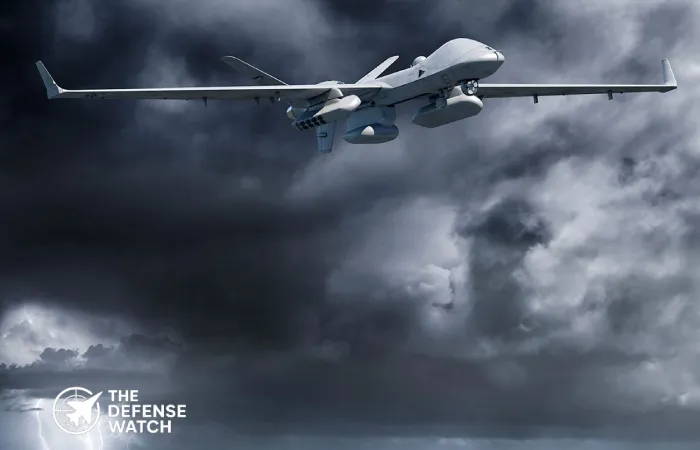
Denmark is establishing a new long-range drone squadron within the Royal Danish Air Force.
►
The squadron will operate long-endurance unmanned aircraft for intelligence, surveillance, and reconnaissance missions.
►
Missions will cover Danish national interests, including the Baltic Sea, North Sea, and Arctic areas.
►
The initiative is part of Denmark’s broader defense agreement aimed at strengthening NATO contributions.
►
The new capability will enhance Denmark’s independent situational awareness and long-range monitoring capacity.
►
The squadron will support NATO intelligence sharing and allied operational planning in Northern Europe.
Denmark Long-Range Drone Squadron Marks a Strategic Shift in Nordic ISR
Denmark’s long-range drone squadron is set to become a new operational element within the Royal Danish Air Force, expanding the country’s ability to conduct persistent surveillance across the Baltic Sea and the Arctic.
The decision reflects more than force restructuring. It signals Copenhagen’s recognition that long-endurance unmanned aircraft are now central to NATO’s deterrence architecture in Northern Europe.
The squadron will focus on long-range intelligence, surveillance, and reconnaissance missions. That mission set is increasingly critical as Russia’s military activity in the Baltic region and High North continues to draw allied attention.
Denmark has traditionally relied on maritime patrol aircraft and allied ISR coverage. The establishment of a dedicated long-range drone capability suggests a move toward greater national autonomy in persistent surveillance.
Why This Matters Now
The timing is not coincidental.
Since Russia’s invasion of Ukraine in 2022, NATO has reinforced its eastern and northern flanks. The accession of Finland and Sweden to NATO has reshaped the Baltic security map. The Baltic Sea is now effectively a NATO-dominated maritime space, except for Russia’s Kaliningrad enclave and St. Petersburg region.
In this environment, ISR gaps become strategic liabilities.
Long-range drones offer continuous coverage at lower operating cost than crewed aircraft. They can remain airborne for extended periods, track naval movements, monitor infrastructure, and support targeting networks.
For Denmark, whose territory includes Greenland and the Faroe Islands, the requirement extends well beyond the Baltic. Arctic surveillance is becoming a core mission area as climate change opens new sea routes and increases great power competition in the High North.
Track surface vessels and submarine support activity
Monitor undersea cable infrastructure
Support search and rescue operations in the Arctic
Feed real-time data into NATO’s command network
For Denmark, this means reduced dependence on allied airborne assets such as U.S. RQ-4 Global Hawk deployments or British P-8 patrol rotations.
It also enhances interoperability. NATO increasingly relies on distributed ISR networks, linking national drone fleets with alliance data fusion centers.
Denmark’s investment aligns with broader European trends. Germany operates the Heron TP. Italy fields MQ-9 variants. Poland is expanding MALE drone procurement. The UK integrates Protector RG1 into its ISR structure.
Copenhagen is moving into the same operational category.
The drone squadron reflects where those funds are going: networked, high-end surveillance rather than legacy mass platforms.
Long-range unmanned systems offer a favorable cost-to-effect ratio. Operating costs per flight hour are typically lower than those of crewed maritime patrol aircraft. Personnel demands are also smaller.
From a procurement perspective, Denmark’s decision may open opportunities for U.S. and Israeli manufacturers, depending on platform selection. If Copenhagen selects a U.S.-built system such as the MQ-9 family, it would deepen transatlantic industrial integration.
Following suspected sabotage incidents involving Baltic undersea infrastructure in recent years, European governments have intensified maritime monitoring.
Unmanned ISR platforms are particularly suited for identifying unusual vessel behavior patterns over time.
In the Arctic, Denmark’s responsibilities extend to Greenland. The High North has seen increasing Russian submarine patrols and renewed U.S. strategic interest. Persistent ISR coverage enhances both sovereignty enforcement and alliance reassurance.
Comparison With Nordic Peers
Denmark’s move mirrors developments among Nordic allies.
Norway operates long-endurance ISR platforms and has expanded maritime patrol coverage with P-8 aircraft. Sweden, now a NATO member, maintains strong airborne early warning capabilities. Finland integrates ground-based sensors with allied ISR networks.
The Denmark long-range drone squadron ensures Copenhagen remains an active contributor rather than a peripheral participant in this evolving Nordic security architecture.
Unlike larger NATO members, Denmark cannot field large fleets. But high-end drones allow it to punch above its weight in surveillance contributions.
Alliance Dynamics and NATO Burden Sharing
NATO’s northern flank is no longer secondary.
The Baltic region is now a primary theater of deterrence planning. Persistent ISR coverage reduces escalation risks by improving transparency. It also strengthens crisis response timelines.
By investing in long-range drones, Denmark demonstrates tangible burden sharing rather than relying solely on U.S. ISR deployments.
For Washington, this is strategically welcome. The U.S. Department of Defense has consistently encouraged European allies to build independent ISR capabilities that integrate into NATO networks.
Denmark’s decision fits that pattern.
Strategic Assessment
The Denmark long-range drone squadron has implications beyond air force restructuring.
Impact on Regional Power Balance: Persistent surveillance strengthens NATO’s situational awareness in the Baltic and Arctic. That reduces Russia’s ability to operate undetected in maritime corridors near Danish territory.
Deterrence Implications: ISR does not directly project force, but it underpins targeting, early warning, and decision-making. Better visibility increases deterrence credibility.
Budget Signals: Denmark is prioritizing advanced, networked capabilities over legacy mass platforms. That reflects NATO’s broader shift toward high-end surveillance and data dominance.
Alliance Dynamics: The squadron reinforces Denmark’s standing within NATO as a serious contributor to northern security. It also reduces pressure on U.S. ISR assets in Europe.
Escalation Risks: Improved monitoring can reduce miscalculation. However, increased surveillance in contested areas may also generate diplomatic friction with Russia, particularly in Arctic airspace corridors.
Overall, this move does not alter the military balance dramatically. It does incrementally tighten NATO’s ISR net in a region where warning time matters.
What Happens Next
The key questions now involve platform selection, timeline to operational readiness, and integration into NATO’s ISR architecture.
If Denmark fields a medium-altitude, long-endurance platform comparable to the MQ-9 class, operational capability could significantly expand within a few years.
Full integration with NATO data-sharing networks will determine the real strategic value of the squadron.
For now, Denmark has signaled clearly that long-range unmanned surveillance is no longer optional. It is foundational to modern Nordic defense planning.
Italy Commits Nearly $11 Billion to Trilateral Fighter Program
Italy’s parliament has approved approximately €8.77 billion in funding for the Global Combat Air Programme’s initial development phases, marking a significant commitment to the trilateral sixth-generation fighter initiative with the United Kingdom and Japan. The Thursday approval comes despite program costs more than tripling since initial 2021 estimates.
The defense committee of Italy’s lower house of parliament authorized the funding proposal, which will be disbursed through annual installments extending to 2037. Under Italian parliamentary procedures, the committee’s vote is final and does not require full chamber approval.
The GCAP funding approval represents one of the most expensive military aviation programs in Italian history, surpassing even the nation’s F-35 acquisition program in total projected development costs.
Program Costs Surge From Original Estimates
Italy now expects its total contribution to GCAP’s early development phases to reach €18.6 billion (approximately $21.8 billion), a dramatic increase from the roughly €6 billion estimated at 2021 prices when the program was initially proposed to parliament. The recently approved €8.77 billion represents the immediate funding authorization, with the remaining €7.8 billion to be arranged through future appropriations.
The Global Combat Air Programme was formally launched in December 2022 when Italy, the United Kingdom, and Japan merged their separate sixth-generation fighter development efforts into a unified program. The initiative aims to deliver an operational next-generation fighter aircraft by 2035, designed to integrate crewed and uncrewed platforms, advanced sensors, and networked data systems into a comprehensive “system of systems” architecture.
According to parliamentary documentation, the cost increases stem from updated estimates for technology maturation, expanded testing and development requirements, and enhanced design specifications. Defense analysts note that sixth-generation fighter programs inherently involve greater complexity and cost than previous aircraft generations due to their integration of artificial intelligence, loyal wingman drones, combat cloud networks, and advanced stealth capabilities.
Political Response and Strategic Context
The funding approval drew immediate criticism from Italy’s opposition Five Star Movement, which questioned the magnitude of the cost increase without detailed parliamentary explanation. Five Star parliamentarians noted that GCAP has become the most expensive program in Italian military history, exceeding the F-35 program’s €18 billion expenditure for 90 aircraft.
Despite domestic political scrutiny, Italian Prime Minister Giorgia Meloni’s governing coalition holds majorities in both parliamentary chambers, making final approval highly probable. The Italian government has consistently reaffirmed its commitment to GCAP at the international level, with Meloni and Japanese Prime Minister Takaichi Sanae expressing satisfaction with program progress during a January 2026 meeting in Tokyo.
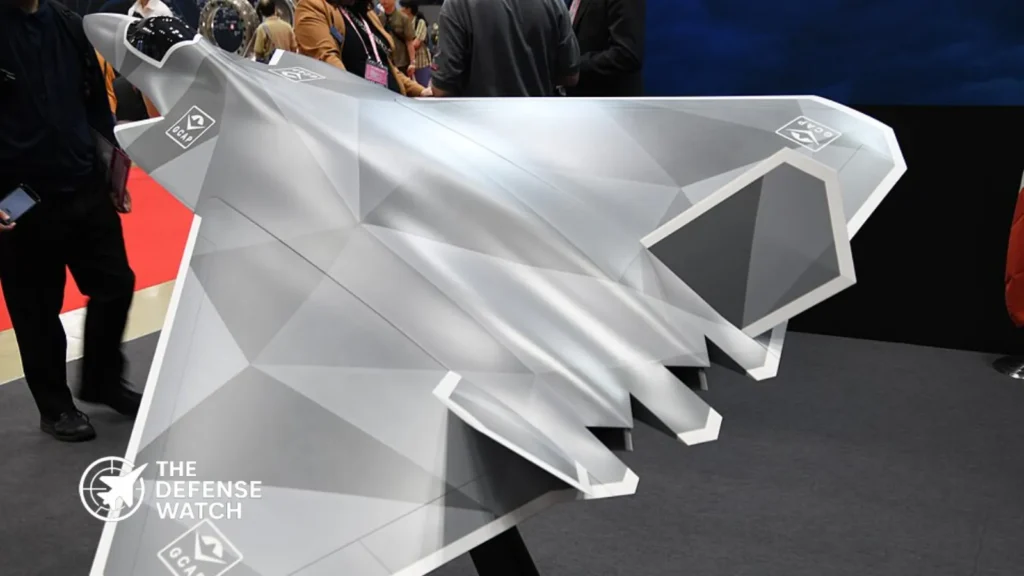
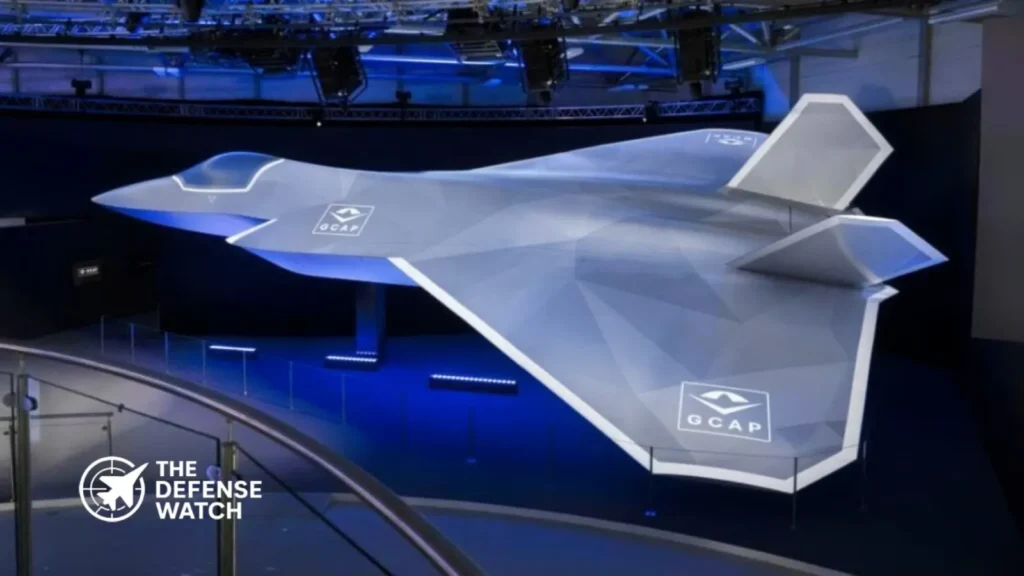
GCAP Fighter. Industry Handout Image. (adsbygoogle = window.adsbygoogle || []).push({});
Italian Defense Minister Guido Crosetto has publicly stated that GCAP represents a strategic investment in technological sovereignty and equal partnership, contrasting it with previous programs where Italy played a more subordinate role. During recent parliamentary testimony, Crosetto indicated that additional countries including Germany and Australia have expressed interest in joining the program.
GCAP vs FCAS: Competing European Visions
The Italian parliamentary approval occurs against the backdrop of significant tensions within the rival Franco-German-Spanish Future Combat Air System (FCAS) program. FCAS has experienced prolonged industrial disputes, particularly over workshare allocation and intellectual property rights between Dassault Aviation and Airbus, leading to schedule delays and political friction.
Multiple European defense publications have reported that Germany is actively considering abandoning FCAS in favor of joining GCAP, a development that would fundamentally reshape European combat air cooperation. During a January 2026 summit in Rome, German Chancellor Friedrich Merz reportedly discussed GCAP participation with Prime Minister Meloni, though no formal decisions have been announced.
The contrast between the two programs has become increasingly stark. GCAP partners established a formal international treaty in December 2023, created a joint business venture among BAE Systems, Japan Aircraft Industrial Enhancement Company, and Leonardo, and have maintained consistent program timelines. Meanwhile, FCAS continues to struggle with fundamental governance and industrial participation issues.
(adsbygoogle = window.adsbygoogle || []).push({});GCAP Fighter. Industry Handout Image.
Italian Foreign Minister Antonio Tajani stated in early February 2026 that Italy remains open to expanding GCAP membership if additional nations wish to join, emphasizing that broader participation could reduce per-nation costs while increasing technological capacity and economic returns.
Technical Capabilities and Industrial Organization
GCAP is designed as a comprehensive sixth-generation combat air system, not merely a single aircraft platform. The program encompasses development of a next-generation manned fighter as the core platform, integration with Adjunct Combat Aircraft (loyal wingman drones), establishment of a combat cloud data exchange architecture connecting space-based, airborne, naval, and ground sensors, and incorporation of artificial intelligence for enhanced decision-making and autonomous operations.
The three-nation partnership operates under an explicitly equal framework, with each country holding one-third stakes in the joint industrial venture. BAE Systems serves as the UK industrial lead, responsible for airframe development and overall integration. Leonardo leads Italian participation, with specific responsibilities for flight system integration, weapons integration, and training systems. Mitsubishi Heavy Industries heads Japanese industrial involvement, managing airframe production and systems integration for Japan.
The program structure includes provisions for technology transfer and shared intellectual property rights, addressing concerns that arose in previous collaborative efforts where certain partners retained disproportionate control over critical technologies and capabilities.
Operational Requirements and Timeline
GCAP aims to replace the Eurofighter Typhoon in Royal Air Force and Italian Air Force service, and the Mitsubishi F-2 in Japan Air Self-Defense Force operations. The target in-service date of 2035 positions GCAP to address the obsolescence of current fourth-generation and early fifth-generation platforms as peer competitors field their own advanced systems.
Defense planners envision GCAP aircraft operating in contested environments where communication with traditional support assets may be restricted or denied. The platform’s design emphasizes extended range, potentially enabling transatlantic missions on internal fuel, internal weapons carriage exceeding current fifth-generation fighters to maintain stealth characteristics, and data processing capacity sufficient to coordinate multiple uncrewed wingman aircraft in real-time combat scenarios.
Flight testing of technology demonstrators is scheduled to commence in 2027-2028, with the UK’s Excalibur flight test aircraft program already underway using modified Boeing 757 airframes. Italy and Japan have announced plans to develop their own domestic flight test platforms to accelerate development and reduce risk.
Budget Implications and Future Funding
For fiscal year 2025, Italy has allocated over €600 million to GCAP, placing it among the nation’s largest defense expenditures alongside F-35 procurement and Eurofighter upgrade programs. The approved €8.77 billion will be disbursed in annual increments through 2037, requiring sustained budgetary commitment across multiple government administrations.
Italy currently operates 118 Eurofighter aircraft and plans to acquire 115 F-35s, with combined inventory projected to exceed 180 aircraft through the 2040s. GCAP is expected to initially supplement, then gradually replace the Eurofighter fleet as those aircraft reach end-of-service life.
The Italian government is leveraging defense spending provisions within the European Union’s Stability Pact framework, which allows military expenditures to be temporarily excluded from deficit calculations under certain circumstances. This mechanism provides financial flexibility to sustain major long-term defense programs without immediately impacting fiscal targets.
International Interest and Program Expansion
Beyond Germany’s potential participation, multiple nations have expressed varying levels of interest in GCAP. Australia received an informational briefing from the GCAP consortium during the March 2025 Avalon Airshow, though Royal Australian Air Force officials indicated that significant uncertainties remain before formal consideration.
Saudi Arabia has pursued GCAP membership since 2023, though Japan initially expressed reservations regarding export policy, technology security, and timeline concerns. Recent diplomatic discussions at the 2024 G20 Summit and subsequent ministerial meetings suggest that Saudi participation remains under active consideration, particularly regarding cost-sharing arrangements and technology transfer provisions.
Canada has also examined GCAP as a potential future acquisition to succeed its planned F-35A fleet, according to diplomatic sources. Portugal’s defense minister indicated in 2025 that the country would consider joining either GCAP or FCAS as an observer under broader Portuguese Air Force modernization plans.
The potential expansion of GCAP membership presents both opportunities and challenges. Additional participants would broaden the program’s financial base and industrial capacity while potentially complicating governance structures and technology sharing arrangements. The three founding nations have indicated they are developing formal criteria for new member admission to balance these considerations.
Strategic Implications for European Defense
The approval of major GCAP funding by Italy, combined with potential German participation, carries significant implications for European defense industrial consolidation. Defense market analysts have long argued that Europe cannot sustainably support multiple competing sixth-generation fighter programs given limited procurement budgets and industrial capacity.
If Germany formally joins GCAP, the program would unite four of Europe’s five largest defense economies (UK, Italy, Germany, and potentially Spain if it follows Germany), leaving France pursuing FCAS either independently or with significantly reduced European participation. Such an outcome would represent a fundamental realignment of European combat air development away from traditional Franco-German defense cooperation.
The United Kingdom’s departure from the European Union had initially raised questions about UK-EU defense industrial cooperation, but GCAP demonstrates that substantive partnerships can proceed outside formal EU frameworks. Italy’s full commitment despite being an EU member state and potential German interest suggest that operational requirements and industrial pragmatism may outweigh political preferences for EU-internal programs.
NATO interoperability considerations also favor GCAP expansion, as the program explicitly incorporates data-sharing standards and communications architectures designed for integration with other allied systems. The inclusion of Japan, a major non-NATO ally with increasing security cooperation with European nations, provides additional strategic value in an era of great power competition.
Italy’s parliamentary approval of €8.77 billion in immediate GCAP funding, despite a tripling of estimated total program costs to €18.6 billion, demonstrates the nation’s strategic commitment to sixth-generation combat air capabilities through equal international partnership. The program’s progress contrasts sharply with the troubled FCAS initiative, potentially attracting additional European participants and reshaping the continent’s future combat air landscape.
As GCAP advances toward technology demonstration flights in 2027-2028 and an operational aircraft by 2035, the program represents not merely a weapons acquisition but a comprehensive transformation in how allied nations develop, integrate, and employ air combat capabilities in an increasingly contested operational environment.
European allies now control all three NATO Joint Force Commands under a major restructure of the alliance’s military leadership. The shift, agreed by NATO members on February 6 and publicly outlined on February 10, reflects a rebalancing of responsibility within NATO’s command structure while preserving core US leadership roles.
What Changed In NATO’s Command Structure
NATO has agreed to redistribute senior officer responsibilities across its operational command structure, moving leadership of the main Joint Force Commands from the United States to European allies.
Under the new arrangement:
The United Kingdom will assume command of Joint Force Command Norfolk, previously led by the United States.
Italy will take over Joint Force Command Naples from US leadership.
While European allies take these senior posts, the United States continues to hold critical NATO leadership positions. U.S. officers remain in charge of the theater component Commands, including Allied Air Command, Allied Land Command and Allied Maritime Command. The U.S. also retains the role of Supreme Allied Commander Europe (SACEUR), the top military position in the alliance.
NATO officials describe the change as part of broader planning for future rotation cycles rather than an abrupt departure from long-standing U.S. influence within alliance military command.
Strategic Context
The redistribution is framed as a response to calls from within the alliance for a fairer share of responsibilities among member states. European nations have increased defense investments following Russia’s invasion of Ukraine and evolving security pressures on NATO’s eastern and northern flanks.
Shifting command leadership to European officers aligns with these trends, while preserving deep U.S. involvement in NATO’s strategic and operational planning.
Some commentators note the move could help spread the burden of operational leadership among more NATO members. Others emphasize the enduring need for close US-Europe cooperation in deterrence and interoperability across the alliance’s global operations.
What This Means For NATO Operations
The command shifts affect how NATO plans and executes joint military responses across multiple theaters. With European commanders at the helm of the Joint Force Commands, NATO aims to sustain readiness and operational planning capability. At the same time, U.S. leadership of land, air and maritime component commands ensures continuity in major operational domains.
The combined approach reflects NATO’s long-term strategy: build allied capacity across Europe while maintaining integrated capabilities under alliance control.
Future Outlook
Implementation of the new structure will occur over several years, aligned with scheduled rotations and personnel changes. NATO leaders stress that the evolution of the command framework will proceed within existing alliance planning cycles and with ongoing consultation among member states.
As Europe faces persistent security challenges on its eastern and northern borders, the prominence of European leadership within NATO’s military hierarchy may increase allied responsiveness and cohesion.
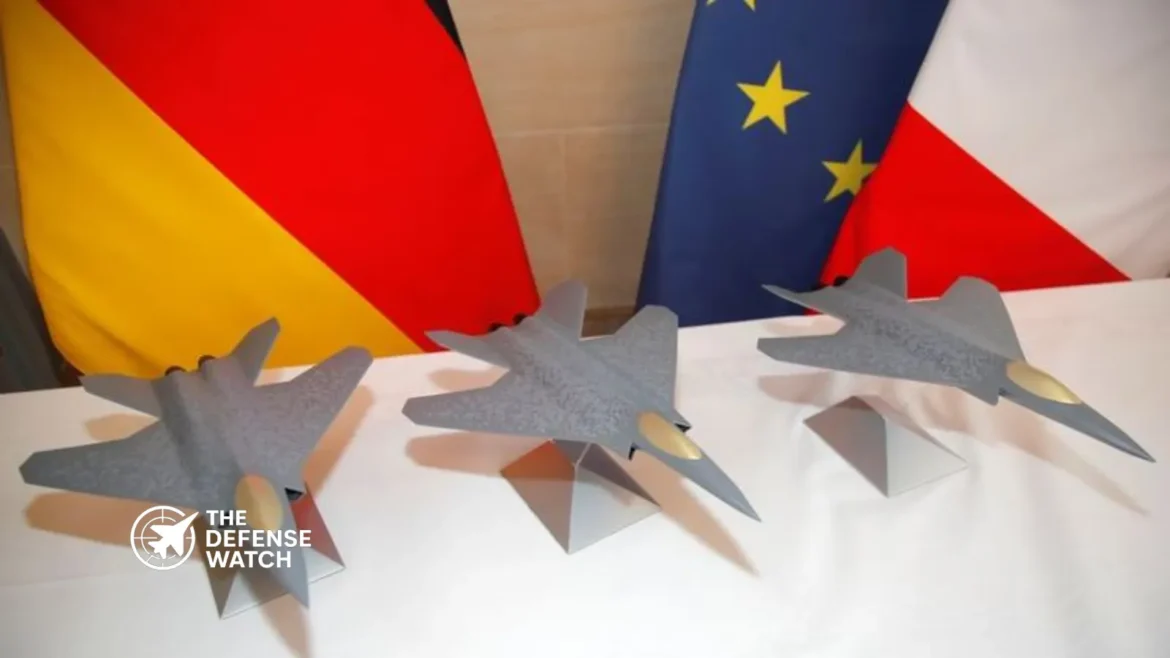
French President Says FCAS Fighter Jet Program Is Not Dead
French President Emmanuel Macron said the FCAS fighter jet program is not dead and expressed hope for progress in talks with German leaders.
Macron made the comments in interviews with European media, including Le Monde and the Financial Times, following months of difficulty in the joint European defense initiative.
Macron Pushes Back On Reports Of Collapse
Macron dismissed recent reporting that the Future Combat Air System (FCAS) programme – a joint effort by France, Germany and Spain to build a next generation fighter aircraft – had stalled or was close to termination. He said the French view remains that the project is valuable, and noted he has not heard German officials say it is not worthwhile.
The president added that he planned to discuss the project soon with German Chancellor Friedrich Merz to seek a path forward.
Recent Setbacks and Diplomatic Deadlock
The FCAS programme has faced significant hurdles. In December, defence ministers from the three partner nations failed to reach an agreement on how to rescue the troubled initiative, leaving uncertainty over its future.
Those talks were intended to set a clear roadmap for joint development of a sixth generation fighter to replace France’s Rafale aircraft and the Eurofighter fleet used by Germany and Spain.
The programme’s estimated cost is more than 100 billion euros, and it includes not just a manned fighter but also a suite of drones and advanced systems designed to operate together.
German and French officials previously agreed to work toward a decision on the programme by the end of 2025, but that deadline passed without resolution.
France’s stance underscores its commitment to maintaining a strong European aerospace industrial base and to ensuring future strategic autonomy in high-end military capabilities.
France Launches Major Recruitment Initiative For Military Aviation Technical Training
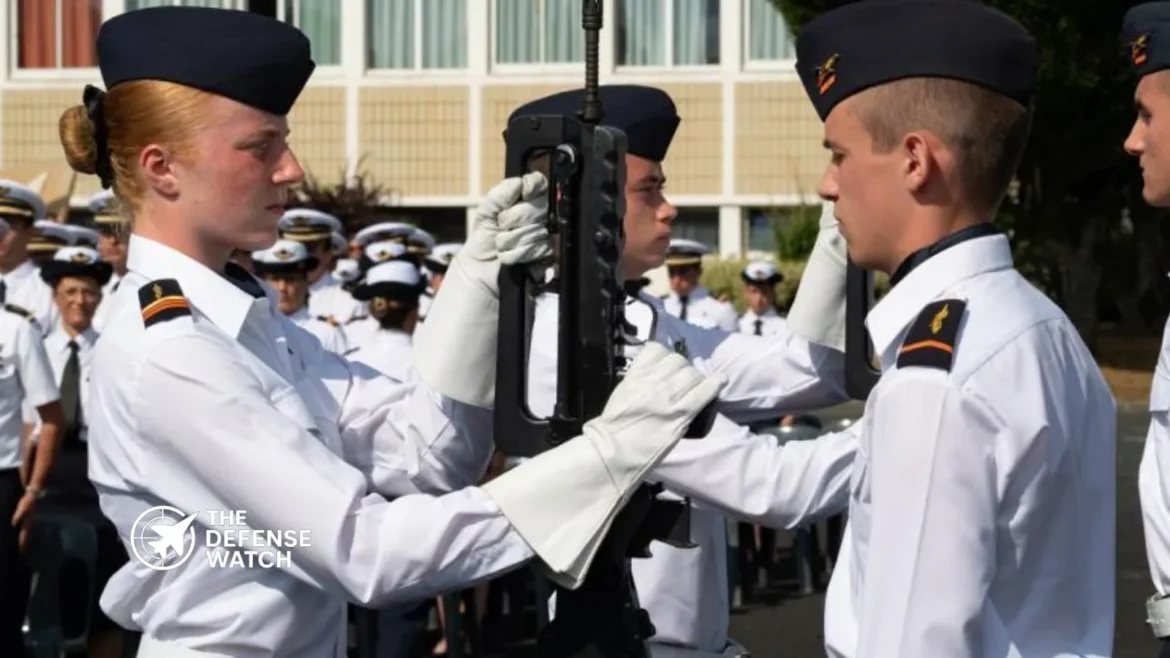
The French Air and Space Force technical school (École d’enseignement technique de l’armée de l’Air et de l’Espace – EETAAE) has opened applications for its 159th graduating class, according to an official announcement from France’s Ministry of Armed Forces. The recruitment drive runs from February 2 through April 26, 2026, with 352 positions available for students entering the program in late August 2026.
Located at Air Base 722 in Saintes, Charente-Maritime, the EETAAE represents a unique pathway for young French citizens to combine military service with technical education in aerospace fields. The institution has trained more than 47,000 airmen since its establishment in 1949, making it a cornerstone of France’s military aviation workforce development strategy.
Academic Excellence Meets Military Discipline
The French Air and Space Force technical school accepts candidates as young as 16 years old, who enter either as high school juniors (première) or seniors (terminale). Students pursue general, technological, or professional baccalaureate tracks while simultaneously receiving military instruction. The dual-track program integrates academic coursework delivered by national education teachers with military training provided by specialized instructors and physical education staff.
Strategic Workforce Development For French Aerospace Defense
For the 2026 academic year, the French Air and Space Force technical school has allocated 322 positions for students entering as juniors and 30 positions for direct senior-year entry. Upon completing their two-year academic and military formation, graduates receive specialized assignments at French air bases throughout metropolitan France and overseas territories.
The recruitment initiative supports France’s broader strategy to maintain a technically proficient aerospace force capable of operating advanced military aviation platforms. As European nations continue modernizing their air capabilities with next-generation fighter aircraft, unmanned systems, and space-based assets, programs like EETAAE serve as critical talent pipelines for specialized technical personnel.
Application Process And Selection Criteria
Prospective students must submit applications through the school’s digital platform using France’s simplified administrative procedures system (démarches simplifiées). The Ministry of Armed Forces has not disclosed specific selection criteria, though the competitive nature of the program and limited enrollment capacity suggest rigorous evaluation of academic performance, physical fitness, and motivation for military service.
The EETAAE conducted an open house event in early 2026, providing interested candidates and their families opportunities to tour facilities and meet with instructional staff. Detailed information about the institution’s programs and selection process remains available through official French Air and Space Force channels.
Context: European Military Aviation Training Programs
The EETAAE model differs from U.S. military service academies in its acceptance of students at secondary school age rather than requiring completion of high school before entry. This approach allows the French Air and Space Force to begin military acculturation and technical skill development earlier in candidates’ educational trajectories.
Similar programs exist across European armed forces, though specific structures vary by nation. Germany’s Bundeswehr operates technical schools for various service branches, while the United Kingdom maintains apprenticeship programs combining military service with vocational training in aerospace maintenance and operations.
Implications For French Defense Capabilities
The sustained investment in technical education through institutions like EETAAE demonstrates France’s commitment to maintaining autonomous aerospace defense capabilities. With domestic production of Rafale fighter aircraft, development of future combat air systems through international partnerships, and expansion of space-based military assets, France requires a steady supply of technically trained personnel.
The school’s location at Air Base 722 in Saintes provides students access to operational military aviation facilities, enabling practical training alongside theoretical instruction. This integration of academic and operational environments distinguishes military technical schools from civilian vocational programs.
As France continues its role as a leading European defense power with global military commitments, programs ensuring technical competency among enlisted personnel remain strategically important. The EETAAE’s consistent performance metrics and long operational history suggest the model effectively meets French Air and Space Force requirements for qualified technical specialists.
Looking Ahead
Applications for the 159th EETAAE class remain open through April 26, 2026. Selected candidates will begin their program in late August 2026, joining a tradition of military aviation technical education spanning more than seven decades.
The French Ministry of Armed Forces has not announced plans for enrollment expansion beyond the 352 positions allocated for 2026, though demographic trends and defense modernization requirements may influence future recruitment targets. Additional information about French Air and Space Force career pathways and educational programs is available through official Ministry channels and the service’s recruitment website.
Eurofighter Secures Major Contract for Advanced Aerodynamic Enhancement
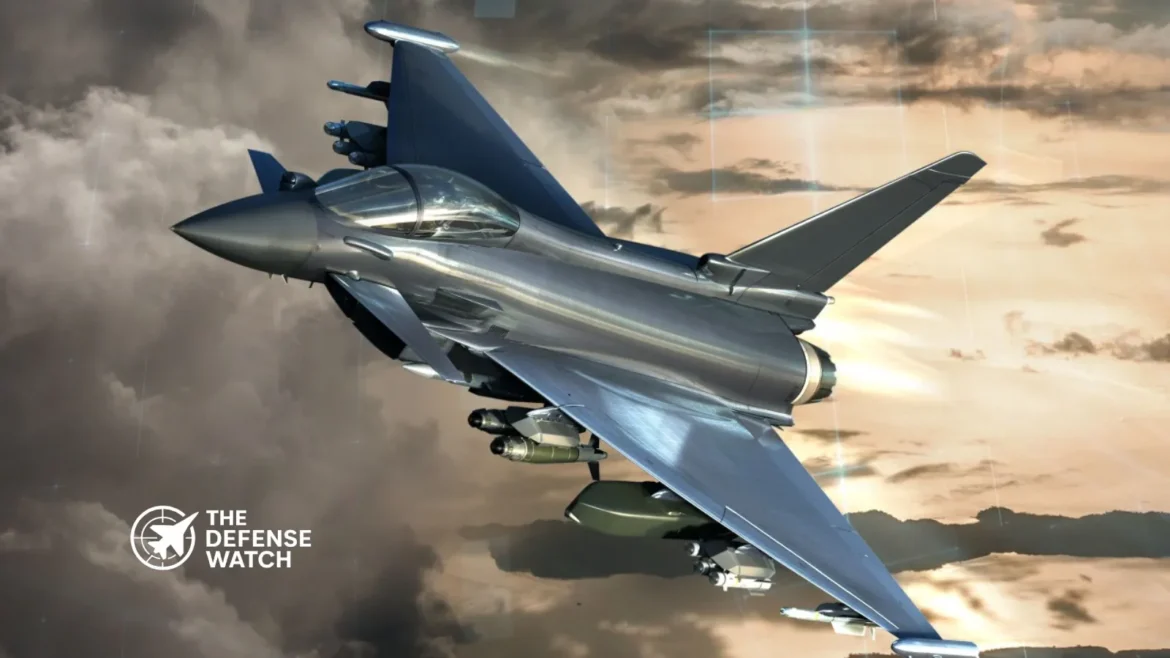
The NATO Eurofighter and Tornado Management Agency (NETMA) has officially signed a contract with Eurofighter GmbH to advance the Aerodynamic Modification Kit (AMK), representing a significant milestone in the ongoing modernization of the Eurofighter Typhoon fleet. The Eurofighter Aerodynamic Modification Kit is designed to substantially enhance the aircraft’s maneuverability and combat effectiveness through comprehensive aerodynamic improvements.
According to official statements from Eurofighter, the newly signed agreement enables the progression of the AMK program, which aims to integrate advanced aerodynamic features onto the multi-role fighter platform. The contract signing demonstrates continued commitment from the four partner nations—Germany, Italy, Spain, and the United Kingdom—to maintain the Typhoon’s competitive edge in modern air combat scenarios.
Understanding the Aerodynamic Modification Kit
The NETMA Eurofighter AMK contract focuses on developing and implementing fuselage-mounted strakes and leading-edge root extensions that significantly improve the aircraft’s aerodynamic performance. These modifications are specifically engineered to enhance agility during close-range combat scenarios and improve overall handling characteristics across the flight envelope.
Industry sources indicate the Aerodynamic Modification Kit will provide measurable improvements in lift generation, vortex control, and sustained turn rates—critical parameters for air superiority operations. The AMK builds upon the Typhoon’s already formidable aerodynamic design, which features a delta-wing canard configuration optimized for high maneuverability.
The contract represents a continuation of efforts to ensure Eurofighter Typhoon fighters remain technologically relevant amid evolving threat environments. Defense analysts note that aerodynamic enhancements complement ongoing avionics and weapons system upgrades already underway across the Typhoon fleet.
Strategic Importance for European Air Power
The Typhoon fighter jet upgrades under the AMK program align with broader European defense modernization priorities. With over 550 Eurofighter Typhoons delivered to eight nations, the platform serves as a cornerstone of European air defense capabilities. The AMK contract ensures these aircraft can effectively counter advanced adversary fighters well into the 2030s and beyond.
NETMA, which manages procurement and support for the Eurofighter program on behalf of partner nations, emphasized that the contract reflects collaborative commitment to maintaining operational superiority. The agency coordinates acquisition activities for Germany’s Luftwaffe, Italy’s Aeronautica Militare, Spain’s Ejército del Aire, and the United Kingdom’s Royal Air Force.
Germany currently operates approximately 140 Eurofighter Typhoons, while the United Kingdom fields around 160 aircraft. Italy and Spain maintain fleets of approximately 96 and 73 aircraft respectively. Additional export customers including Saudi Arabia, Austria, Kuwait, Oman, and Qatar also operate the platform.
While specific contract values and delivery schedules remain undisclosed, the Eurofighter combat capabilities enhancement program typically follows a structured development pathway. Initial design work and wind tunnel testing precede flight testing and eventual fleet integration.
Previous Eurofighter upgrade contracts have demonstrated timelines ranging from 24 to 48 months from contract signature to initial operational capability, depending on modification complexity. The AMK program is expected to follow similar development protocols, with prototype testing likely preceding any fleet-wide installation campaign.
Eurofighter GmbH, headquartered in Munich, Germany, serves as the industrial prime contractor for the program. The company coordinates work share among the four partner nations’ aerospace industries: BAE Systems (United Kingdom), Airbus Defence and Space (Germany and Spain), and Leonardo (Italy).
Broader Context of Fighter Aircraft Modernization
The European fighter aircraft modernization effort extends beyond aerodynamic improvements. Concurrent upgrade programs address radar systems, electronic warfare capabilities, weapons integration, and cockpit systems. The AMK contract complements these parallel initiatives to deliver a comprehensively enhanced platform.
Recent years have seen increasing emphasis on extending the operational lifespan of fourth-generation fighters like the Typhoon while next-generation platforms remain in development. The Future Combat Air System (FCAS), a joint French-German-Spanish program, and the UK-led Tempest initiative represent long-term replacements but won’t achieve operational status until the 2030s at earliest.
This timeline necessitates continuous Typhoon improvements to bridge the capability gap. Aerodynamic enhancements provide cost-effective performance gains without requiring extensive structural redesign or entirely new aircraft acquisitions.
Industry and Defense Community Response
Defense industry observers view the NETMA Eurofighter AMK contract as confirmation of sustained investment in the Typhoon platform despite economic pressures facing European defense budgets. The signing demonstrates political will among partner nations to fund modernization rather than accept capability degradation.
Aviation Week has previously reported that aerodynamic modifications can deliver substantial performance improvements at relatively modest cost compared to entirely new aircraft development. The AMK approach allows partner nations to maximize return on existing platform investments.
Competitor platforms including the Dassault Rafale, Boeing F-15EX, and Lockheed Martin F-35 continue advancing their own capabilities, creating competitive pressure for Typhoon operators to pursue continuous improvement. The AMK program helps ensure the Eurofighter remains operationally relevant in this contested environment.
For U.S. defense planners and NATO strategists, European fighter aircraft modernization directly impacts alliance air power availability and interoperability. Enhanced Eurofighter Typhoon capabilities strengthen collective defense posture, particularly given the aircraft’s significant presence across European NATO members.
The United States maintains close cooperation with European allies on air combat doctrine, training, and operations. Improved Typhoon performance enhances potential coalition operations and burden-sharing arrangements within the alliance framework.
Joint exercises including Red Flag, Ramstein Apex, and various NATO air policing rotations regularly involve Eurofighter Typhoons operating alongside U.S. Air Force assets. Platform capability improvements benefit overall alliance readiness and effectiveness in these collaborative contexts.
As geopolitical tensions persist and air combat technology rapidly evolves, sustained investment in proven platforms like the Typhoon provides European nations with credible deterrent capabilities while next-generation systems mature. The AMK program demonstrates pragmatic balancing of near-term readiness requirements against long-term modernization objectives.
Defense industry sources anticipate additional contract announcements in coming months as various Typhoon upgrade initiatives progress through development phases. The AMK program will likely serve as a template for collaborative modernization approaches across the four-nation partnership.
France has officially launched development of the SCALP Mk2 cruise missile, marking the next phase in the modernization of the country’s long range precision strike capability. The program is being led by the French Defense Procurement Agency, known as the DGA, with partial management through the Organisation for Joint Armament Cooperation, or OCCAr.
The SCALP Mk2 cruise missile is intended to build on the combat-proven SCALP EG system currently in service with the French Air and Space Force and several allied nations. According to French defense authorities, the upgraded missile will deliver improved guidance, targeting accuracy, and target acquisition performance, ensuring relevance against modern and future air defense environments.
Program Management and Institutional Oversight
The development effort is being overseen by the DGA, France’s central authority for defense acquisition and technology programs. OCCAr’s involvement reflects a continued European approach to collaborative weapons development, particularly for high value strike systems.
OCCAr has previously managed complex multinational programs such as the A400M transport aircraft and the TIGER attack helicopter. Its participation in the SCALP Mk2 cruise missile program suggests an emphasis on structured development milestones, cost control, and potential future export compatibility with partner nations.
French officials have not disclosed full program timelines or budget figures, but the decision to proceed confirms that cruise missiles remain a core component of France’s air delivered deterrence and conventional strike posture.
Program Management and Institutional Oversight
The development effort is being overseen by the DGA, France’s central authority for defense acquisition and technology programs. OCCAr’s involvement reflects a continued European approach to collaborative weapons development, particularly for high value strike systems.
OCCAr has previously managed complex multinational programs such as the A400M transport aircraft and the TIGER attack helicopter. Its participation in the SCALP Mk2 cruise missile program suggests an emphasis on structured development milestones, cost control, and potential future export compatibility with partner nations.
French officials have not disclosed full program timelines or budget figures, but the decision to proceed confirms that cruise missiles remain a core component of France’s air delivered deterrence and conventional strike posture.
Key Capability Improvements Expected
While detailed technical specifications have not been publicly released, French defense statements indicate several core areas of improvement for the SCALP Mk2 cruise missile.
These include enhanced guidance algorithms, improved target recognition in contested environments, and better acquisition performance against mobile or time sensitive targets. Such upgrades are essential as adversaries increasingly rely on decoys, electronic countermeasures, and layered air defense systems.
The missile is also expected to benefit from improved mission planning interfaces and greater compatibility with modern combat aircraft sensor fusion architectures.
Integration with French Combat Aircraft
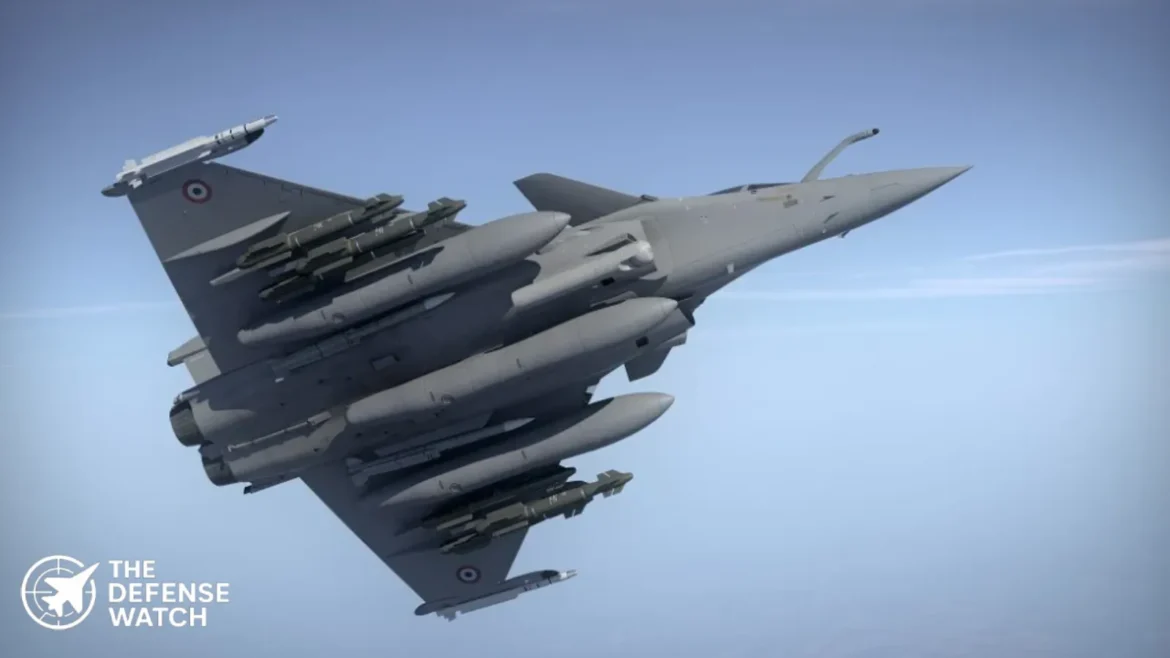
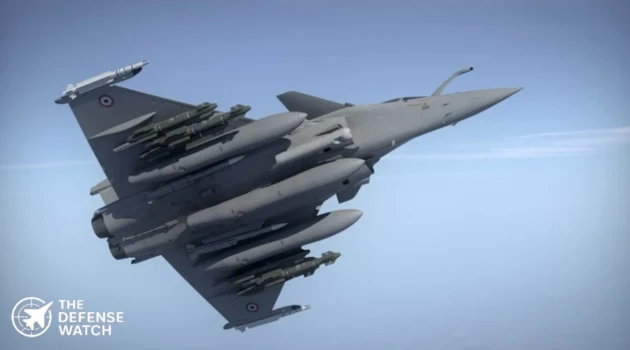
The SCALP Mk2 cruise missile is expected to be compatible with France’s current and future combat aircraft fleet, including the Dassault Rafale. Rafale is the primary strike platform for the French Air and Space Force and has been central to France’s expeditionary operations over the past decade.
Ensuring seamless integration with Rafale’s avionics and networking systems will be a key requirement. This includes compatibility with updated mission planning systems and secure data handling environments.
France has not indicated whether the SCALP Mk2 will be cleared for naval aviation platforms, but air launched precision strike remains the program’s central focus.
Strategic Context and European Relevance
The decision to develop the SCALP Mk2 cruise missile comes amid a broader reassessment of long range strike capabilities across Europe. Modern conflicts have reinforced the importance of stand off weapons that allow aircraft to strike defended targets without entering high threat airspace.
France’s investment in cruise missile modernization aligns with its broader defense posture, which emphasizes strategic autonomy, credible deterrence, and the ability to operate independently or within allied coalitions.
By involving OCCAr, the program also leaves open the possibility of future cooperation or commonality with European partners operating similar systems, though no multinational procurement has been announced at this stage.
The SCALP Mk2 cruise missile program is still in its early development phase. Further details on testing schedules, production planning, and operational entry timelines are expected as the program matures.
For France, the effort reinforces a long standing commitment to maintaining a high end precision strike capability under national control. As air defense systems grow more sophisticated, incremental upgrades such as those planned for the SCALP Mk2 will play a critical role in sustaining operational effectiveness.
Dutch Government Plans Freedom Tax to Fund Defense Spending Growth
The incoming Dutch government plans a new freedom tax that will fund increased defense spending, as it commits to raise military budgets toward NATO targets. The proposal would add a surcharge to income and corporate tax revenue to generate several billion euros annually for the armed forces and related capabilities.
The main aim is to move Dutch defense spending well above current levels toward 3.5 percent of gross domestic product by 2035, from around 2 percent now. The move reflects broader pressure within NATO for stronger European military contributions amid rising global tensions.
Coalition Budget Plan Includes Freedom Tax
In its coalition agreement the new government, a minority partnership of pro-EU centrist D66, conservative Christian Democrats, and the VVD, outlined plans for a freedom tax. The surcharge on income and corporate taxes is expected to raise about 5 billion euros a year for defense. Implementation depends on parliamentary negotiations, as the coalition holds 66 of 150 seats in the lower house of parliament.
The defense budget target is part of a long-term plan to meet NATO spending benchmarks. The government aims to raise defense outlays to 2.8 percent of GDP by 2030 and 3.5 percent by 2035. This increase could entail roughly 16 to 19 billion euros a year in additional funding, financed through the freedom tax and cuts in other areas such as healthcare and welfare.
Strategic Context for Military Spending
The Dutch shift comes at a time when NATO allies are reassessing defense postures and burden sharing. Dutch parties across the spectrum have debated defense spending levels, with some backing targets above the formal 2 percent guideline. Broad support, including from opposition parties in the parliament, has emerged for higher spending to address regional security threats, including Russia’s military actions in Ukraine and wider concerns about European defense readiness.
Government documents also reaffirm continuing support for Ukraine, tying defense funding increases to broader foreign and security policy commitments. The new administration plans sustained multiyear support for Kyiv and encourages the use of frozen Russian assets for reconstruction and defense.
Fiscal and Political Challenges Ahead
The freedom tax has drawn scrutiny from both political opponents and some public stakeholders. Given the minority nature of the coalition, passage of major tax legislation will require negotiation with other parties in both chambers of parliament. That political dynamic could shape timing and scope of defense budget increases.
The broader Dutch budget outlook also factors into defense funding choices. Policymakers must balance fiscal discipline, European Union budget rules, and domestic spending priorities as they scale military outlays. Past budget advisory groups have noted the challenge of managing rising defense costs alongside demographic pressures and social service needs.
What Comes Next
The full cabinet expected to take office in the coming weeks will flesh out defense funding details and the freedom tax mechanism. Implementation of the tax and initial defense funding ramp-up may begin in the 2026 budget cycle, subject to parliamentary approval and broader fiscal negotiations.
Europe Might Use 500 Billion Euro Crisis Fund for Defense
Europe could tap a crisis finance vehicle with capacity above 430 billion euros to help fund military spending, the head of the European Stability Mechanism said on Friday, in comments highlighting shifting fiscal tools for defense in the face of geopolitical pressure.
The European Stability Mechanism, or ESM, was created in the euro zone debt crisis to provide emergency loans to struggling economies. Its mandate does not explicitly cover defense. But Pierre Gramegna, managing director of the ESM, told Reuters that euro area members should consider using unused credit lines to support defense budgets in countries with solid finances but tight spending plans.
ESM’s Traditional Role and the Defense Pitch
The ESM holds more than 430 billion euros in lending capacity. It has been largely dormant in recent years, with limited use since the euro debt crisis eased. Gramegna said opening credit lines for defense could be done without the kinds of heavy economic reform demands that typically accompany ESM support.
In his comments, Gramegna said the fund’s full potential should be used in “these times of geopolitical turmoil,” a reference to persistent regional security pressures in Europe.
What Would Change
Under the proposal, euro zone members could tap precautionary credit lines to ease budget stress tied to military spending. These lines are usually offered to countries with strong finances as a form of insurance against future shocks. Adapting them for defense would shift the fund’s use beyond its core financial stability role.
Any move to repurpose the ESM would need unanimous approval from the 21 euro-area countries that back it. Nations that do not use the euro, such as Poland, would be ineligible for support. Neutral EU members, including Austria, Cyprus, Malta and Ireland, may pose political resistance.
Gramegna’s remarks also revive discussion of a so-called “defense support line” concept, which would offer low-cost credit for defense at up to roughly 2 percent of GDP. Deployment of such a line would mirror a COVID-related support mechanism that was never tapped.
Political and Structural Hurdles
The ESM’s founding treaties do not foresee routine defense lending, and any change would require legal and political work. Voices in Brussels and member capitals have differed on how Europe should fund defense more broadly, including whether the continent should rely on pooled financing, new EU mechanisms, or national commitments.
Some analysts note this discussion is part of a broader debate across the EU about reducing reliance on external security guarantees while strengthening collective capabilities.
Implications for U.S.-Europe Defense Relations
Gramegna’s comments come amid persistent debate over burden sharing between the United States and European allies. In recent years U.S. policymakers have pressed for greater European defense investment, while some European leaders have explored ways to increase fiscal space for military spending within EU frameworks.
For the U.S. defense community, shifts in European defense finance structures could influence alliance planning, procurement cooperation, and interoperability initiatives.
What’s Next
Before the ESM can be used for defense, detailed discussions among euro area finance and defense officials will be needed. Legal adjustments, political buy-in from member states, and clarity on terms of credit lines for defense will shape whether this proposal moves beyond talk.
UK France Multinational Force for Ukraine Takes Shape
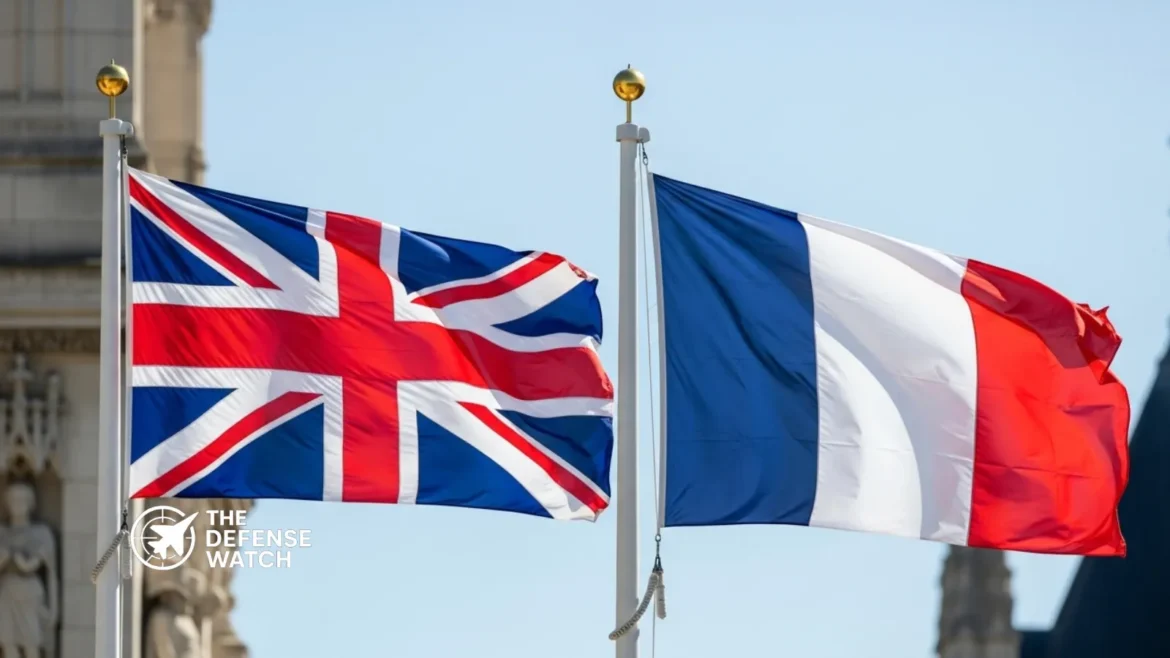
The UK France multinational force for Ukraine has been formally announced, with London and Paris assuming leadership roles in a new allied military framework designed to coordinate long term security support for Kyiv. The initiative reflects a shift from ad hoc assistance toward structured multinational cooperation as the war with Russia continues into its third year.
The announcement was confirmed by UK and French officials following high level defense and security consultations with European and NATO partners. The new force is intended to strengthen planning, training coordination, and long term defense support for Ukraine without deploying combat troops inside Ukrainian territory.
A New Structure for Allied Support
According to UK Defence Journal and official statements from the British government, the multinational force will operate as a standing coordination body rather than a traditional deployed military formation. Its primary mission will be to align training programs, equipment assistance, and operational planning among participating nations supporting Ukraine.
UK Defence Secretary Grant Shapps and French Armed Forces Minister Sebastien Lecornu both emphasized that the force is designed to ensure continuity of support regardless of political cycles or changes in national leadership. The UK France multinational force for Ukraine is expected to include contributions from several European allies, with discussions ongoing about participation from non European partners.
The structure is modeled on previous multinational frameworks used by NATO members to support partner nations, but officials stress that it will remain distinct from formal NATO command structures. This separation is intended to reduce escalation risks while maintaining effective coordination.
Leadership Roles for London and Paris
Under the proposed arrangement, the United Kingdom and France will jointly lead strategic planning and coordination efforts. This includes oversight of training missions, logistics synchronization, and long term force development planning for Ukrainian armed forces.
British officials noted that the UK already plays a central role in training Ukrainian troops under Operation Interflex, which has trained tens of thousands of Ukrainian personnel since 2022. France has similarly expanded its training and equipment support, particularly in artillery systems, air defense, and armored vehicles.
By placing the UK and France at the helm, allied governments aim to leverage both countries’ expeditionary experience and existing command infrastructure. The UK France multinational force for Ukraine is also seen as a signal of sustained European leadership in the conflict, even as the United States remains a key supporter.
Relationship With NATO and Existing Coalitions
Officials were careful to clarify that the new force does not replace NATO mechanisms or existing Ukraine Defense Contact Group activities. Instead, it is designed to complement them by focusing specifically on long term capability development rather than short term battlefield requirements.
NATO Secretary General Jens Stoltenberg has repeatedly called for predictable, multi year support commitments for Ukraine. The creation of a dedicated multinational force aligns with this objective by institutionalizing cooperation among key allies.
Defense analysts note that this approach may reduce duplication of effort and improve efficiency in areas such as training standards, equipment compatibility, and sustainment planning. The UK France multinational force for Ukraine could also serve as a model for future security assistance frameworks beyond the current conflict.
No Deployment of Combat Forces
One of the most sensitive aspects of the announcement is what the force will not do. UK and French officials stressed that there are no plans to deploy combat troops into Ukraine under this framework. The force will operate primarily from allied territory, focusing on coordination, planning, and support functions.
The emphasis remains on enabling Ukrainian forces to defend their territory independently, consistent with international law and existing security assistance policies.
Strategic Context and Timing
The launch of the UK France multinational force for Ukraine comes at a critical moment. Ukraine continues to face intense pressure along multiple fronts, while allied governments work to sustain political and public support for continued assistance.
European defense planners are increasingly focused on long term deterrence and resilience, not only for Ukraine but for the broader European security environment. The new force reflects growing recognition that the conflict has lasting implications for NATO posture, defense spending, and military readiness.
Initial reactions from allied capitals have been cautious but broadly supportive. Several European governments have signaled interest in participating, though details on force composition and funding mechanisms remain under discussion.
Defense analysts say the success of the UK France multinational force for Ukraine will depend on sustained political backing and clear division of responsibilities. Past multinational initiatives have sometimes struggled with overlapping mandates and slow decision making.
However, proponents argue that the urgency of the Ukraine conflict and the experience gained over the past two years increase the chances of effective implementation.
What Comes Next
Further details are expected in the coming weeks, including formal terms of reference, participating nations, and initial leadership appointments. Defense ministries are also expected to outline how the force will interact with existing training missions and equipment delivery programs.
The UK France multinational force for Ukraine represents another step toward institutionalizing Western support for Kyiv. While it stops short of direct military intervention, it underscores a long term commitment to Ukraine’s security and defense modernization.