

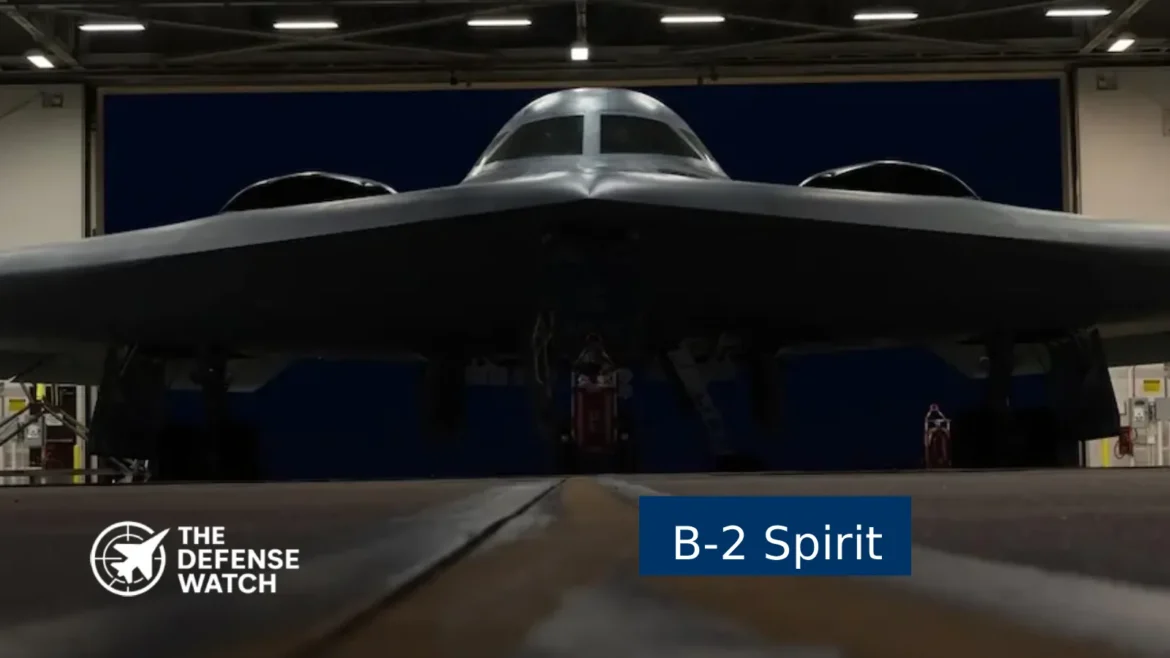
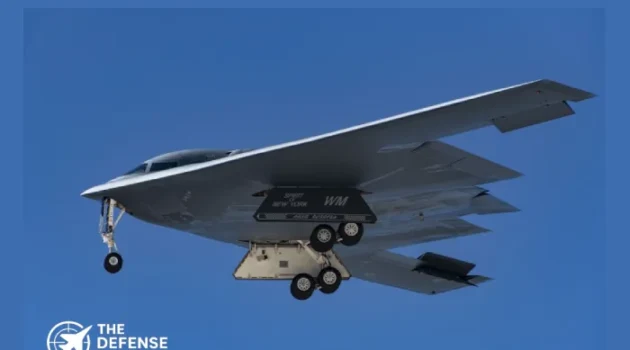
- ► Four B-2A Spirit stealth bombers flew directly from Whiteman Air Force Base, Missouri, to strike Iranian ballistic missile sites on the night of February 28 to March 1, 2026.
- ► The aircraft refueled over the central Atlantic from KC-46 tankers staged at Lajes Air Base in the Azores.
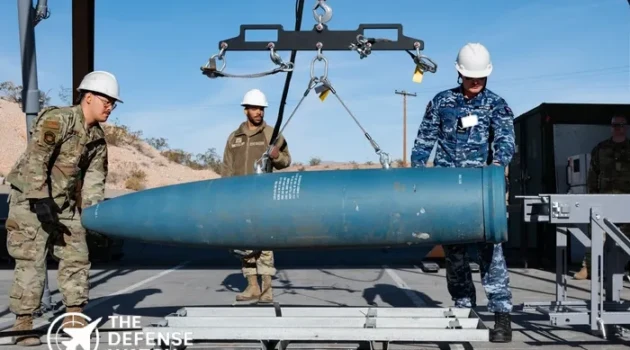
- ► CENTCOM confirmed the B-2s carried 2,000-pound bombs targeting hardened ballistic missile facilities — not the GBU-57 Massive Ordnance Penetrator used in Operation Midnight Hammer in June 2025.
- ► Operation Epic Fury marks the second confirmed B-2 combat strike against Iran in less than nine months.
- ► The targeted sites are described as ballistic missile launchers concealed in rock formations and underground tunnel networks — what analysts refer to as “missile cities.”
- ► The GBU-57 MOP weighs approximately 13,600 kilograms and is designed to penetrate up to 60 meters of earth or eight meters of reinforced concrete before detonation.
- ► CENTCOM has separately confirmed that ATACMS tactical missiles were also employed as part of Operation Epic Fury’s broader target set.
Operation Epic Fury: Why the B-2 Spirit Returned to Iran — and What the Munitions Choice Tells Us
Operation Epic Fury, confirmed by U.S. Central Command on March 1, 2026, represents the second time in nine months that the United States has employed B-2 Spirit stealth bombers in direct strikes against Iranian military infrastructure. This time, the target set shifted from nuclear facilities to hardened ballistic missile sites — and the munitions choice shifted with it.
From Midnight Hammer to Epic Fury: A Deliberate Escalation Ladder
In June 2025, Operation Midnight Hammer saw B-2s deploy the GBU-57 Massive Ordnance Penetrator against Iran’s underground nuclear facilities — the only aircraft capable of carrying the 13,600-kilogram bunker-busting weapon. The message at that time was unambiguous: the United States was targeting the hardest, deepest infrastructure in Iran’s strategic arsenal, and only one platform in the world could do that job.
Operation Epic Fury presents a different scenario. CENTCOM confirmed the B-2s were armed with 2,000-pound JDAMs, not MOPs. This is not a downgrade — it is a doctrinal signal.
Iran’s ballistic missile “cities” — underground tunnel complexes carved into mountain formations across multiple provinces — are not the same engineering problem as a uranium enrichment facility buried under 80 meters of rock. They are networked. Collapsing one exit or one launcher bay rarely eliminates the underlying capability. The complex reroutes. Launchers are repositioned. Crews clear rubble and resume operations.
Against that type of target, a single 13,600-kilogram penetrator may achieve less than a sustained campaign using multiple precision-guided 2,000-pound weapons applied systematically across tunnel entrances, ventilation infrastructure, logistics nodes, and launch hardstands. The munitions selection in Epic Fury suggests U.S. planners have been thinking carefully about this distinction.
What “Missile Cities” Actually Mean for Targeting
Iran’s underground ballistic missile infrastructure is among the most extensive in the world outside of China and Russia. Iranian state media has periodically broadcast footage of tunnel networks housing Shahab, Emad, and Ghadr-series missiles on mobile transporter-erector-launchers. These facilities are not fixed silos — they are mobile launch systems that operate from tunnel exits, making them fundamentally harder to neutralize than static hardened sites.
The challenge for any strike planner is that destroying the tunnels themselves is operationally expensive and logistically difficult. A tunnel network with 15 or 20 access points requires either an implausible number of MOP-class weapons or a sustained precision campaign targeting the exits, rail infrastructure, generator systems, fuel storage, and associated command nodes in sequence.
The use of 2,000-pound class weapons in Epic Fury likely reflects a targeting approach focused on launcher infrastructure, exit points, and supporting logistics rather than tunnel excavation per se. Whether that approach achieved meaningful degradation of Iran’s ballistic missile launch capacity will depend on battle damage assessment data that will not be public for some time, if ever.
The B-2’s Operational Envelope and What This Mission Demonstrates
The Whiteman AFB-to-Iran round trip — including mid-Atlantic refueling from KC-46s staged at Lajes in the Azores — underscores what makes the B-2 Spirit operationally unique and strategically irreplaceable until the B-21 Raider achieves full operational capability.
No other platform can combine the B-2’s payload capacity, low-observable radar cross section, and the range necessary for a continuous-flight intercontinental strike mission. The KC-46 tanker integration is a critical element of this equation; without forward-positioned tanker assets, the mission profile becomes significantly more constrained. The selection of Lajes, a joint U.S.-Portuguese facility on Terceira Island, reflects long-standing access agreements within the NATO alliance that remain operationally relevant well beyond the European theater.
This is worth noting in a broader context: two combat strikes against Iran using the B-2 in under a year represents a higher operational tempo for the Spirit than at any previous point in its service history, including its use over Kosovo in 1999, Afghanistan post-2001, and Libya in 2011. The 509th Bomb Wing at Whiteman is sustaining a genuine combat commitment, not a one-time demonstration.
The Readiness Question Nobody Is Asking Loudly Enough
The B-2 fleet consists of 20 operational aircraft. That number has been stable for years, and it is not increasing. Two consecutive combat deployments of four aircraft each represent a meaningful fraction of the available fleet on any given day, accounting for scheduled depot maintenance, modification programs, and routine availability rates.
The U.S. Air Force’s long-term answer to this capacity problem is the B-21 Raider, currently in low-rate initial production at Northrop Grumman’s Palmdale facility. The service has stated an intent to procure at least 100 B-21s, which would roughly triple the penetrating bomber fleet. But that fleet exists in the future. Today, the B-2 carries the full weight of U.S. penetrating strike capability, and repeated combat deployments impose real costs on airframe hours, crew readiness, and maintenance cycles.
Congress and the Air Force leadership will face difficult questions about B-2 sustainment funding in the FY2027 budget cycle if this operational tempo continues.
Strategic Assessment
Impact on Regional Power Balance
Iran retains substantial residual ballistic missile capability despite two rounds of U.S. strikes. The Islamic Revolutionary Guard Corps Aerospace Force has invested decades and significant resources in distributed, hardened, and mobile missile infrastructure precisely to survive this type of campaign. Degradation of the launch network is likely, but elimination is implausible. Iran’s ability to threaten regional neighbors, U.S. bases in the Gulf, and Israeli population centers is reduced — not removed.
Deterrence Implications
The back-to-back use of B-2s sends a clear message about U.S. willingness to sustain a strategic strike campaign using its most capable penetrating bomber. The deliberate CENTCOM public statement — “No nation should ever doubt America’s resolve” — is directed at audiences beyond Iran, including North Korea and China, both of which operate hardened underground facilities that would require similar or greater effort to hold at risk. The credibility of U.S. extended deterrence is being demonstrated, at operational cost, in real time.
Budget and Procurement Signals
Every combat sortie flown by a B-2 reinforces the procurement rationale for the B-21 Raider. The argument for accelerating B-21 production — already gaining momentum in Air Force planning documents and Congressional testimony — becomes considerably stronger when the 20-aircraft B-2 fleet is visibly under operational strain. Northrop Grumman’s recent announcements of accelerated B-21 production timelines are likely to find a receptive audience on the Hill in the near term.
Alliance Dynamics
The use of Lajes Air Base for KC-46 tanker staging highlights the operational importance of Atlantic basing rights within the NATO framework. Portugal’s continued hosting of U.S. assets under the Lajes Field agreement provides a forward logistics node that has proven relevant to Middle East operations — a fact that is not lost on alliance planners as debates about NATO burden-sharing continue.
Escalation Risks
Iran’s reported retaliatory salvo of more than 300 ballistic missiles and nearly 300 drones on the first day of the broader U.S.-Israeli campaign illustrates that the escalation ladder has multiple rungs remaining. Sustained pressure on Iranian missile infrastructure may accelerate Iranian decisions about proxy activation in Lebanon, Iraq, and Yemen, and raises questions about the durability of U.S. missile defense assets — THAAD, Patriot, and shipborne SM-3 — to absorb continued high-volume attacks without degradation. Defense officials have already flagged concerns about interceptor inventory sustainability under prolonged engagement conditions.

- ► Open-source data indicates more than 300 U.S. military aircraft have entered or operated within the CENTCOM area of responsibility.
- ► Aircraft types reportedly include fighters, bombers, tankers, ISR platforms, and strategic airlift assets.
- ► The buildup spans multiple regional bases across the Middle East under U.S. Central Command.
- ► The deployment comes amid heightened regional tensions and increased U.S. deterrence messaging.
- ► U.S. defense officials have not publicly detailed the full scope of the air movement.
United States Deploys Over 300 Military Aircraft To CENTCOM In Major Force Posture Shift
The United States deploys over 300 military aircraft to the U.S. Central Command area of responsibility, according to open-source intelligence and flight tracking analysis, signaling a significant adjustment in American force posture across the Middle East.
(adsbygoogle = window.adsbygoogle || []).push({});Open-source monitoring groups and publicly available flight data indicate that more than 300 U.S. military aircraft have been observed operating in or transiting through the CENTCOM theater in recent weeks. The deployments reportedly include fighter jets, bombers, aerial refueling tankers, surveillance aircraft, and strategic airlift platforms.
The scale of the movement suggests one of the largest recent concentrations of U.S. airpower in the region.
Scope Of The Deployment
The reported surge affects the area overseen by U.S. Central Command, which covers the Middle East, parts of Central Asia, and surrounding waters. The CENTCOM theater includes key U.S. operating hubs such as Al Udeid Air Base in Qatar, Al Dhafra Air Base in the United Arab Emirates, and Naval Support Activity Bahrain.
While the Pentagon has not publicly confirmed the precise number of aircraft involved, flight tracking data and logistics patterns suggest sustained movement of combat and support assets into the region.
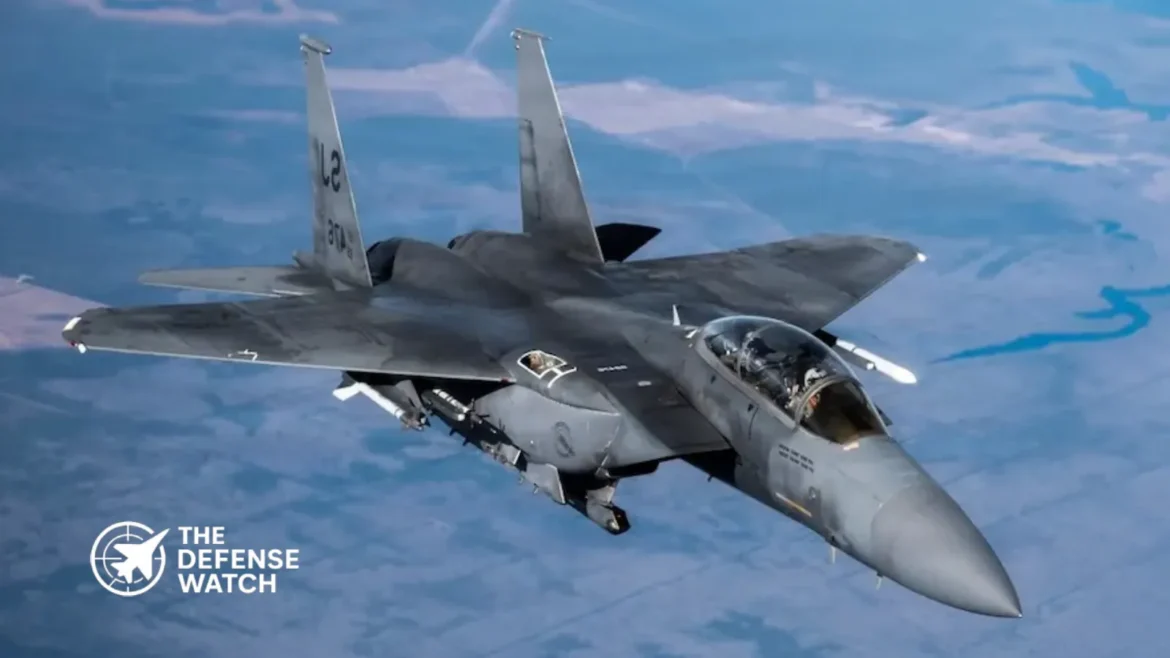
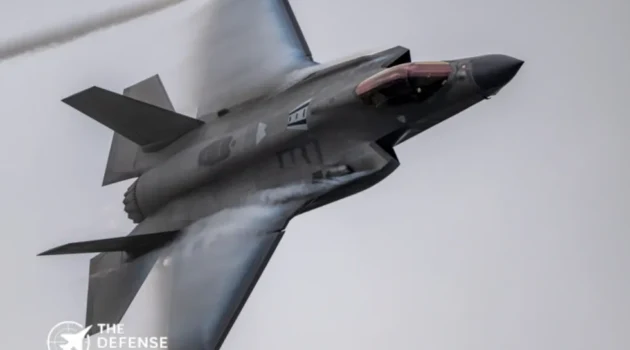
(adsbygoogle = window.adsbygoogle || []).push({});Aircraft reportedly observed include advanced fighters such as the F-22 Raptor and F-35 Lightning II, along with legacy platforms like the F-15E Strike Eagle. Strategic bombers including the B-52 Stratofortress have also rotated through the region in recent months under bomber task force missions.
Supporting aircraft, including the KC-135 Stratotanker and KC-46 Pegasus, are critical to sustaining high sortie rates across extended distances.
Deterrence And Signaling
The decision as open sources indicate the United States deploys over 300 military aircraft reflects a broader U.S. strategy of visible deterrence. In recent years, Washington has relied on rotational bomber task forces, fighter deployments, and carrier strike groups to reassure regional partners and signal resolve.
CENTCOM Commander General Michael Kurilla has previously stated that integrated air and missile defense remains a core priority in the region, particularly amid drone and missile proliferation among state and non-state actors.
A surge of this size increases flexibility. It allows rapid response to crises, strengthens air defense coverage, and enhances strike capacity if required.
Operational Implications
From an operational perspective, a concentration exceeding 300 aircraft provides layered capability.
Fifth generation fighters enhance air superiority and suppression of enemy air defenses. Tankers extend reach and endurance. Intelligence, surveillance, and reconnaissance platforms improve situational awareness across contested airspace.
Such a buildup also supports joint operations with regional allies. CENTCOM routinely conducts multinational exercises focused on air defense integration, maritime security, and counter drone operations.
(adsbygoogle = window.adsbygoogle || []).push({});However, sustaining large air packages requires significant logistical throughput. Fuel, maintenance crews, spare parts, and base infrastructure must scale accordingly. The presence of strategic airlift aircraft suggests ongoing sustainment rather than a short term surge.
Strategic Context
The Middle East remains a complex operating environment. Iran’s missile and drone capabilities, ongoing instability in parts of Iraq and Syria, and maritime security challenges in the Red Sea and Gulf all shape U.S. force posture decisions.
Recent Pentagon statements have emphasized force protection and deterrence without committing to permanent increases. Historically, the United States has adjusted air deployments in CENTCOM in response to crisis cycles, then reduced presence once tensions ease.
(adsbygoogle = window.adsbygoogle || []).push({});If confirmed at scale, the fact that the United States deploys over 300 military aircraft could represent a temporary peak rather than a long term structural shift. Much will depend on evolving security dynamics and diplomatic engagement across the region.
What To Watch
Analysts will monitor several indicators in the coming weeks:
- Additional bomber task force rotations
- Increased aerial refueling activity
- Expanded joint exercises with Gulf partners
- Public statements from the Department of Defense
Open-source intelligence has become a key tool in tracking modern military deployments. Commercial satellite imagery and ADS-B flight tracking now provide near real time visibility into force movements that once remained opaque.
U.S. Central Command Chief Visits USS Abraham Lincoln
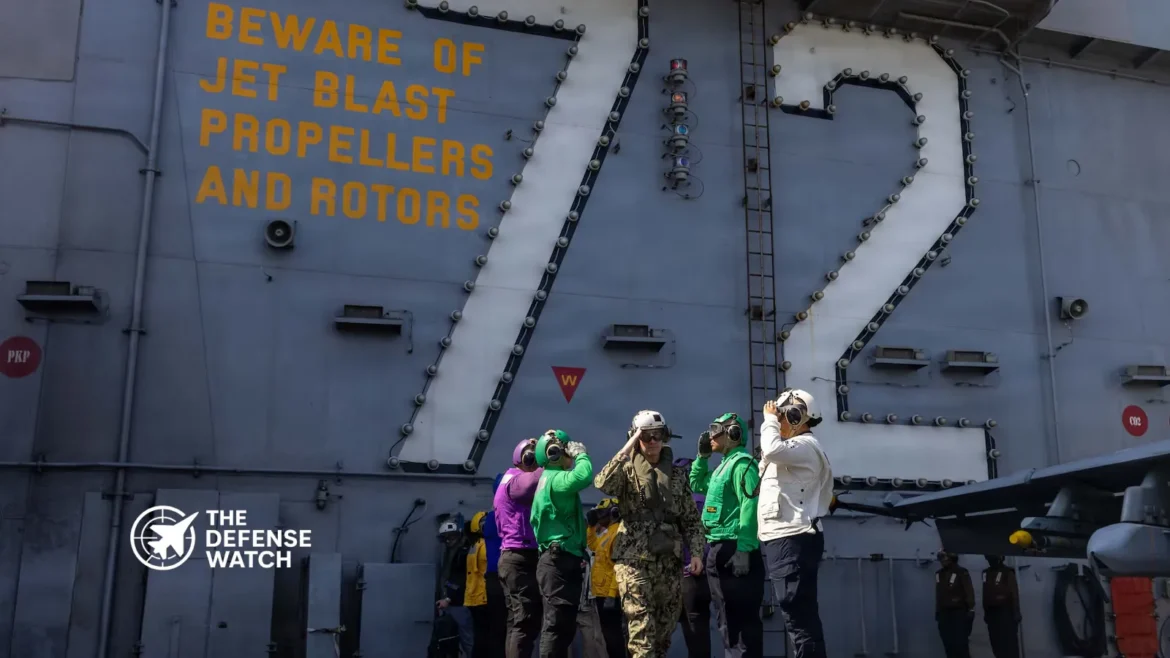
The U.S. Central Command chief visited USS Abraham Lincoln during its ongoing deployment in the Arabian Sea, underscoring the carrier strike group’s role in U.S. military operations across the Middle East.
(adsbygoogle = window.adsbygoogle || []).push({});According to U.S. Navy and Central Command reporting, the visit took place while the Nimitz class aircraft carrier was transiting the Arabian Sea in support of regional maritime security and air operations. The engagement included meetings with ship leadership, air wing commanders, and enlisted sailors supporting the mission.
USS Abraham Lincoln is operating under U.S. Fifth Fleet and Central Command tasking, a key element of Washington’s forward deployed naval presence in a region marked by ongoing security challenges, freedom of navigation concerns, and air and maritime operations tied to deterrence and crisis response.
Leadership Engagement Aboard a Deployed Carrier
During the visit, the CENTCOM commander received operational briefings on current carrier air wing sorties, maritime security patrols, and sustainment efforts supporting extended deployment operations. Navy officials said the discussions focused on readiness, force protection, and the carrier’s integration with joint and coalition partners operating in the region.
Senior leaders also met with sailors from across the ship’s departments, including flight deck crews, engineering teams, and command staff. Such visits are standard practice during major deployments and are intended to reinforce command priorities, assess conditions firsthand, and maintain direct engagement with deployed forces.
The U.S. Navy has emphasized that aircraft carriers remain central to U.S. power projection in the Middle East, providing flexible options ranging from strike operations to intelligence, surveillance, and reconnaissance support.
USS Abraham Lincoln and Carrier Strike Group Operations
USS Abraham Lincoln is one of the U.S. Navy’s nuclear powered Nimitz class aircraft carriers and embarks a full carrier air wing composed of strike fighters, electronic attack aircraft, airborne early warning platforms, helicopters, and support aircraft.
(adsbygoogle = window.adsbygoogle || []).push({});Operating in the Arabian Sea allows the carrier strike group to support missions across the U.S. Central Command area of responsibility while maintaining access to key maritime routes linking the Red Sea, Gulf of Oman, and Indian Ocean.
Carrier strike groups typically operate with guided missile cruisers and destroyers equipped with the Aegis combat system, providing layered air and missile defense. These escorts also contribute to maritime security operations and regional deterrence.
Strategic Context in the Arabian Sea
The Arabian Sea remains a strategically important operating area due to its proximity to major shipping lanes and ongoing regional tensions. U.S. naval deployments in the area are intended to reassure partners, deter state and non state threats, and ensure the free flow of commerce.
Central Command has stated that carrier deployments provide commanders with scalable options that do not rely on host nation basing, a factor that continues to shape U.S. force posture decisions in the Middle East.
The visit by the CENTCOM chief signals continued senior level attention to naval operations, even as the U.S. military balances global commitments across Europe and the Indo Pacific.
Carrier Air Power and Joint Operations
Carrier air wings embarked aboard USS Abraham Lincoln are capable of conducting a wide range of missions, including precision strike, close air support, maritime interdiction, and airborne command and control.
Officials note that carrier based aviation remains closely integrated with U.S. Air Force, allied, and partner nation forces operating in the region. Joint and combined operations are a routine part of Central Command missions, particularly for intelligence sharing and coordinated air tasking.
(adsbygoogle = window.adsbygoogle || []).push({});The presence of a carrier strike group also provides rapid response capability during emerging crises, allowing U.S. leaders to adjust force posture without requiring new deployments from the continental United States.
Sailor Welfare and Readiness
In addition to operational briefings, leadership visits often address sailor welfare, maintenance status, and sustainment challenges associated with long deployments. Navy leadership has acknowledged the strain placed on crews during extended operations, particularly in high tempo regions like the Middle East.
USS Abraham Lincoln’s deployment reflects ongoing efforts by the U.S. Navy to maintain readiness while managing maintenance cycles and personnel demands across the carrier fleet.


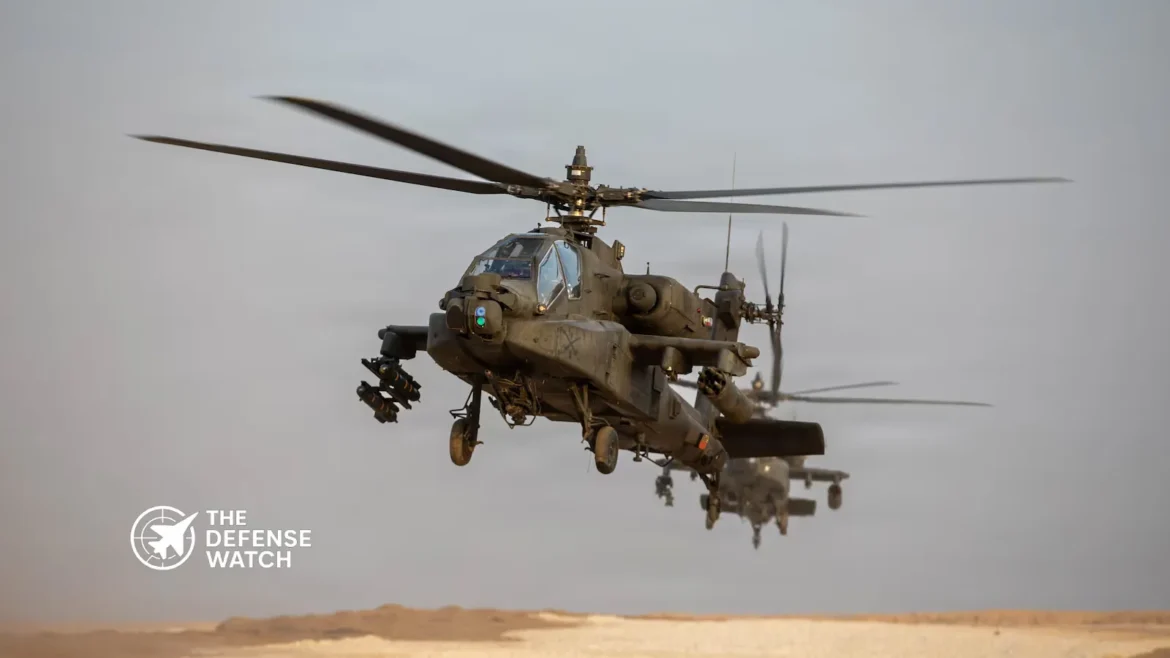
US forces strike ISIS targets in Syria with precision munitions, the U.S. Central Command announced, delivering focused blows to terrorist infrastructure and logistics as part of the ongoing Operation Hawkeye Strike.
(adsbygoogle = window.adsbygoogle || []).push({});Between January 27 and February 2, CENTCOM carried out five separate air and unmanned aircraft strikes on Islamic State positions across Syrian territory, destroying a communications site, a critical logistics node and weapons storage facilities.
Operation Hawkeye Strike Continues
CENTCOM said the most recent actions form part of Operation Hawkeye Strike, launched in response to a December 13 ISIS-linked ambush near Palmyra that killed two U.S. service members and one U.S. civilian interpreter.
Adm. Brad Cooper, commander of U.S. Central Command, said the strikes demonstrate continued focus on preventing an ISIS resurgence in Syria. U.S. and coalition partner forces, including ground units and air assets, have worked together to sustain pressure on the group’s operational capabilities.
Precision Munitions and Target Set
According to the CENTCOM statement, about 50 precision munitions were used in the Jan. 27 to Feb. 2 operations. Fixed-wing aircraft, rotary-wing aircraft and unmanned aerial systems delivered the ordnance against ISIS targets.
The targeted facilities included:
• A communications node used by ISIS operatives, degrading their ability to coordinate cells and attacks.
• A crucial logistics hub used to move supplies and materiel across different regions of eastern and central Syria.
• Weapons storage sites that posed risks for future operations by the group.
CENTCOM noted partner forces continue to assist in these efforts, aligning intelligence and operational capabilities to track and target ISIS networks.
(adsbygoogle = window.adsbygoogle || []).push({});Ongoing Impact and Context
In addition to the most recent strikes, U.S. forces have conducted operations across Syria since late December 2025, with more than 50 ISIS fighters killed or captured, CENTCOM said. A deliberate strike on Jan. 16 in northwest Syria killed a terrorist leader directly linked to the ambush in December.
Operation Hawkeye Strike reflects an ongoing U.S. counterterrorism focus in Syria that has continued following the peak of ISIS territorial control in the region. These operations aim to disrupt the group’s ability to regroup, recruit and conduct attacks on U.S. or partner forces, or generate threats beyond the immediate theater.
Regional and Strategic Implications
The strikes come as Syria moves to close camps housing individuals linked to ISIS in the northeast, a step analysts say may reshape security and humanitarian dynamics in the region.
U.S. strikes in Syria are part of a broader long-term counterterrorism mission, maintained through coordination with regional partners and allied forces. Continued operations reflect Washington’s priority to contain and degrade terrorist groups that pose direct threats to U.S. personnel and global security interests.
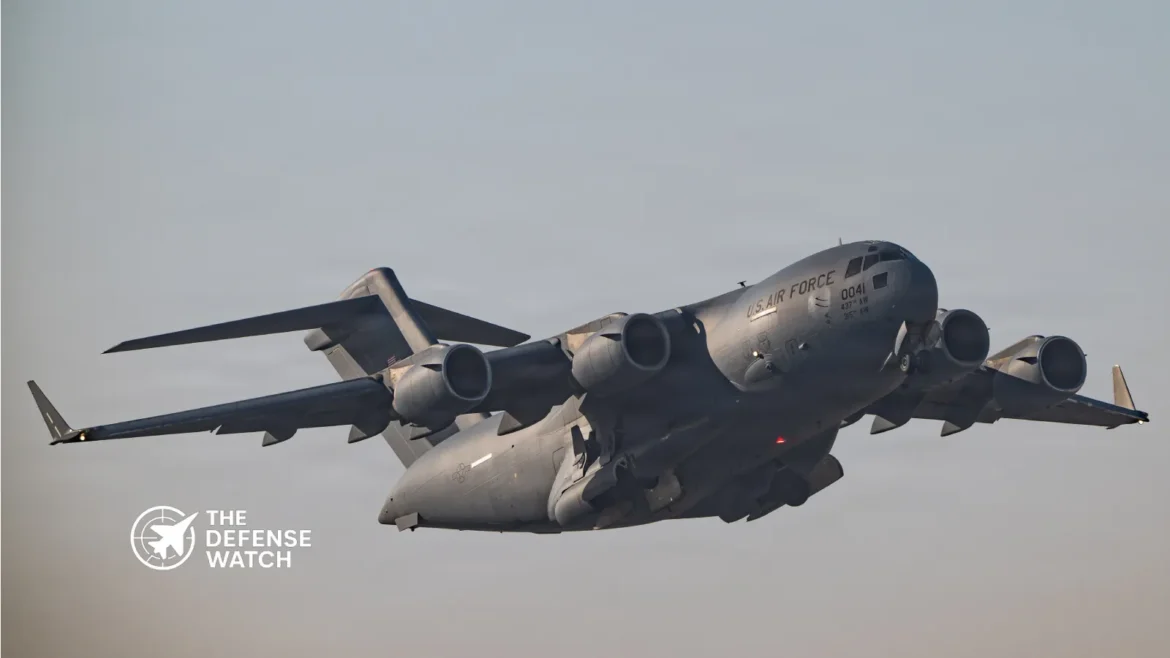
Air Forces Central Validates Combat Readiness Through Regional Exercise
Ninth Air Force (Air Forces Central) has initiated a multi-day readiness exercise designed to demonstrate the U.S. military’s ability to deploy, disperse, and sustain combat airpower across the U.S. Central Command area of responsibility, according to an official announcement from AFCENT public affairs.
The exercise represents a comprehensive validation of operational procedures critical to maintaining air superiority in a contested environment. AFCENT forces will test rapid personnel and aircraft movement, conduct operations from contingency locations with minimal logistical footprints, and demonstrate integrated command and control capabilities across the expansive CENTCOM region.
“Our Airmen are proving they can disperse, operate, and generate combat sorties under demanding conditions—safely, precisely and alongside our partners,” said Lt. Gen. Derek France, AFCENT commander and Combined Forces Air Component commander for CENTCOM, in the official statement.
Exercise Objectives Focus on Dispersed Operations and Regional Integration
The AFCENT readiness exercise targets four primary operational areas that align with contemporary air warfare requirements and evolving threat environments in the Middle East and Central Asia.
Rapid Movement Validation
U.S. forces will validate procedures for quickly repositioning personnel and aircraft to multiple locations throughout the theater. This capability proves essential for maintaining operational flexibility against potential adversaries who might target concentrated military installations.
Contingency Location Operations
Teams will deploy to various forward operating locations to establish rapid set-up, launch, and recovery procedures. The exercise emphasizes efficient support packages that can operate effectively with reduced logistical footprints—a critical capability for austere environments.

Multinational Command and Control
The training event will test integrated command and control systems across large geographic areas, incorporating partner nation forces and coordination mechanisms. This element strengthens interoperability with regional allies and enhances coalition warfare capabilities.
Sovereignty and Safety Protocols
All activities will proceed with host-nation approval and close coordination with civil and military aviation authorities throughout the region. AFCENT emphasized that safety, precision, and respect for partner sovereignty remain paramount considerations during execution.
Strategic Context: Agile Combat Employment in CENTCOM
The exercise reflects broader U.S. Air Force modernization efforts focused on Agile Combat Employment (ACE) doctrine. This operational concept emphasizes dispersing forces across multiple locations to complicate adversary targeting while maintaining the ability to mass effects when required.
The CENTCOM area of responsibility presents unique challenges for dispersed operations. The region encompasses diverse terrain, political environments, and infrastructure capabilities across 21 nations spanning from Northeast Africa through the Middle East to Central and South Asia.
Recent geopolitical developments in the region have underscored the importance of maintaining credible airpower presence while reducing vulnerability to precision strike capabilities that potential adversaries continue developing.
Lt. Gen. France’s statement emphasized that the exercise reinforces deterrence objectives: “This exercise reinforces peace through strength by fielding a credible, combat-ready, and responsible presence designed to deter aggression, reduce the risk of miscalculation and assure partners.”
Operational Capabilities Under Assessment
The multi-day exercise will evaluate several operational capabilities essential for modern air warfare in contested environments.
Aircraft and Personnel Dispersal
The ability to quickly redistribute combat aircraft and support personnel across multiple locations reduces vulnerability to massed strikes against concentrated bases. This dispersal capability also complicates adversary intelligence collection and targeting processes.
Logistics Sustainment
Operating from contingency locations with minimal footprints tests logistics chains, maintenance capabilities, and supply distribution systems. Success in this area demonstrates the Air Force’s ability to sustain operations without reliance on major established bases.
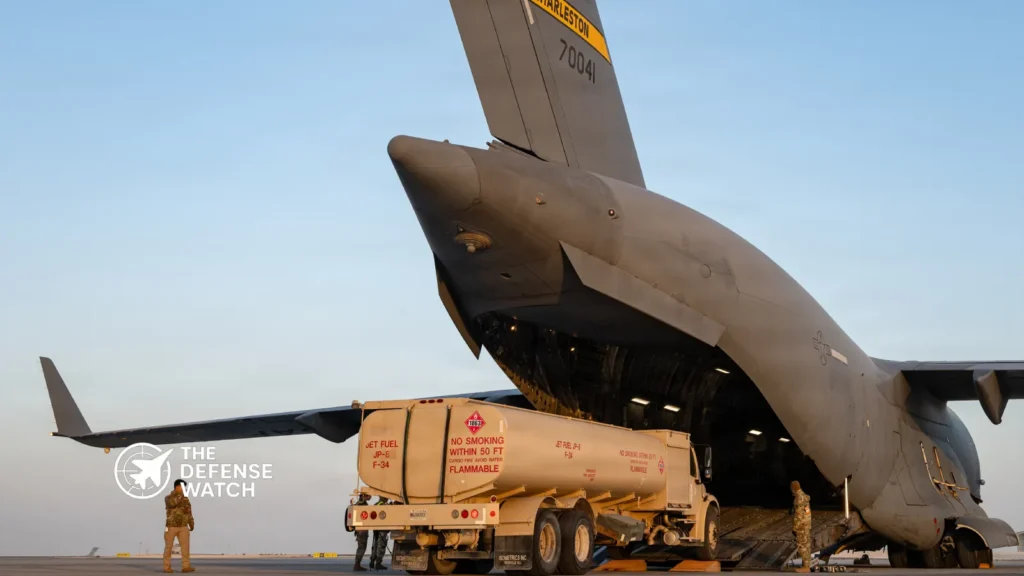
Partner Integration
The exercise provides opportunities to validate coordination procedures with regional partner air forces. Multinational interoperability enhances combined defensive capabilities and demonstrates alliance cohesion to potential adversaries.
Tactical Adaptability
By practicing tactics, techniques, and procedures in a rapidly evolving operational environment, participating units sharpen their ability to adapt to changing conditions and mission requirements.
Regional Partnership Emphasis
AFCENT’s statement highlighted the exercise’s role in strengthening partnerships throughout the CENTCOM region. The United States maintains security cooperation relationships with numerous Middle Eastern and Central Asian nations, many of which host U.S. forces or provide access to military facilities.
These partnerships enable the dispersed operations model that the exercise validates. Access to multiple locations across the theater provides operational flexibility that concentrated basing structures cannot match.
The exercise also serves diplomatic objectives by demonstrating U.S. commitment to regional security and reassuring partners about American capabilities and resolve. Visible, professional military operations conducted with host-nation approval can strengthen bilateral relationships and enhance allied confidence.
Implications for Regional Security Architecture
The readiness exercise occurs amid evolving security dynamics throughout the CENTCOM area of responsibility. Regional tensions, ongoing conflicts, and great power competition continue shaping the strategic environment.
U.S. airpower remains central to security architecture across the Middle East. American combat aircraft provide deterrence against potential aggression, support counterterrorism operations, and enable freedom of navigation in critical maritime chokepoints.
The dispersed operations concept that this exercise tests responds to adversary development of advanced precision strike capabilities, including ballistic and cruise missiles that could threaten concentrated military installations. By demonstrating the ability to operate from multiple dispersed locations, U.S. forces complicate adversary targeting and reduce vulnerability.
France’s reference to deterring aggression and reducing miscalculation risk reflects concerns about regional escalation dynamics. Credible, visible combat readiness can prevent conflicts by convincing potential adversaries that military action would prove costly and unsuccessful.
Documentation and Transparency
AFCENT announced that imagery from the exercise will be available through the Defense Visual Information Distribution Service (DVIDS) at the command’s official page. This transparency measure allows public visibility into U.S. military training activities while demonstrating professionalism to international audiences.
Public documentation of military exercises serves multiple purposes. It provides accountability to American taxpayers, demonstrates operational capabilities to allies and adversaries, and counters potential disinformation about U.S. military activities in the region.
The commitment to document the exercise also reflects confidence in operational procedures and force professionalism. By inviting media coverage, AFCENT signals that its forces can execute complex operations under scrutiny while maintaining safety and effectiveness standards.
Broader Air Force Modernization Context
This AFCENT readiness exercise aligns with Air Force-wide efforts to adapt to evolving threat environments and operational concepts. The service has prioritized developing distributed operations capabilities that reduce vulnerability while maintaining combat effectiveness.
Similar exercises have occurred in other combatant command regions as the Air Force validates ACE concepts globally. These training events provide data on operational effectiveness, identify capability gaps, and refine procedures before they might be required in actual contingencies.
Investment in dispersed operations capabilities requires balanced resource allocation across multiple areas: infrastructure at dispersed locations, transportable logistics packages, secure communications networks, and trained personnel capable of operating in austere environments with reduced support.
The exercise tests not only hardware and infrastructure but also the doctrine, organization, training, and leadership necessary for distributed operations success. Human factors often prove more challenging than technical capabilities in complex operational environments.
Training Value for Participating Forces
For Airmen participating in the exercise, the training provides invaluable experience in demanding operational conditions. The ability to deploy rapidly, establish operations at contingency locations, and execute combat missions with minimal support develops individual and unit proficiency essential for real-world contingencies.
Multi-day exercises stress personnel and systems in ways that routine operations cannot replicate. Fatigue, equipment limitations, coordination challenges, and uncertainty all factor into realistic training scenarios that prepare forces for actual combat conditions.
Integration with partner nation forces exposes U.S. personnel to different operational procedures, equipment, and communication protocols. This experience enhances cultural awareness and builds relationships that prove valuable during coalition operations.
The exercise also provides leadership opportunities at multiple levels. Junior officers and enlisted personnel gain experience making decisions in dynamic environments, while senior leaders validate command and control procedures across distributed operations.
Conclusion
The AFCENT multi-day readiness exercise demonstrates the U.S. Air Force’s commitment to maintaining combat-ready forces capable of operating effectively across the challenging CENTCOM region. By validating dispersed operations procedures, strengthening partner relationships, and testing rapid response capabilities, the exercise enhances deterrence and readiness.
As regional security dynamics continue evolving, the ability to deploy, disperse, and sustain airpower across multiple locations provides operational flexibility essential for modern warfare. The exercise results will inform future training requirements, capability development, and operational planning throughout Air Forces Central.
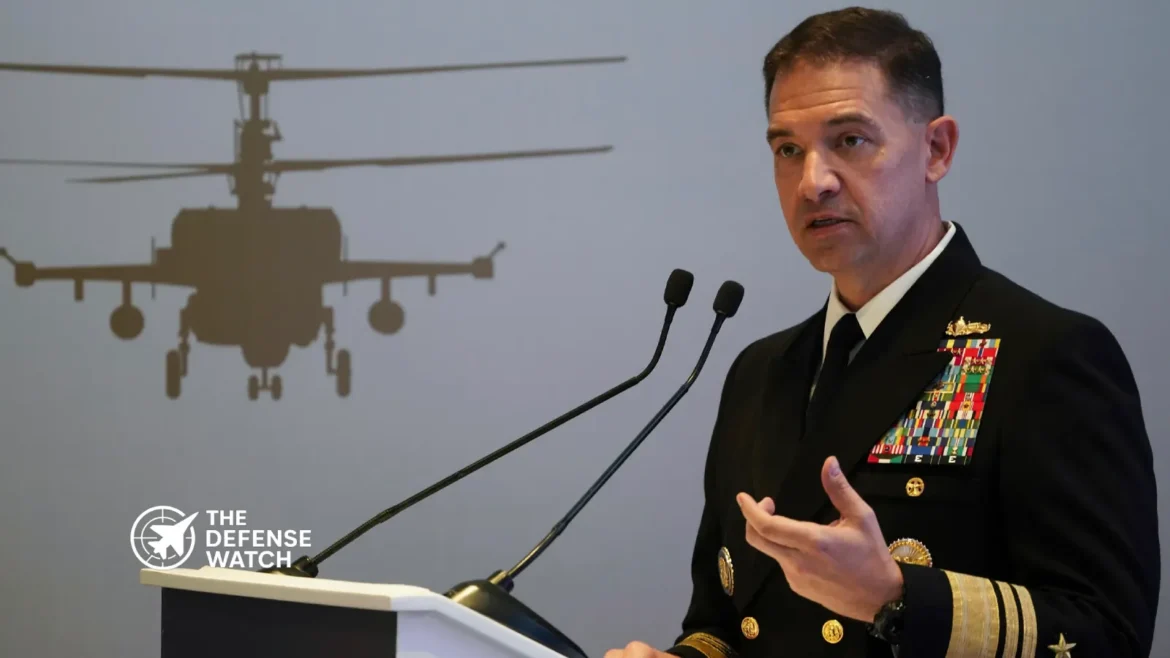
CENTCOM Chief Israel Visit Signals Heightened U.S. Military Posture in Middle East
The CENTCOM chief Israel visit is set to take place this Saturday, underscoring Washington’s deepening military engagement in the Middle East as tensions rise across multiple fronts.
According to Israeli media reports, U.S. Central Command (CENTCOM) commander Adm. Brad Cooper is scheduled to arrive in Israel for high-level security talks with senior Israeli defense officials. The visit comes amid an expanding U.S. military buildup in the region, driven by concerns over Iran, proxy threats, and broader regional instability.
The trip reflects the growing urgency of U.S.-Israeli coordination as American forces continue to reposition major combat assets, reinforce air and missile defense coverage, and enhance deterrence across the CENTCOM area of responsibility.
High-Level Talks Amid Escalating Regional Threat Environment
During his visit, Adm. Cooper is expected to meet with Israel Defense Forces (IDF) Chief of Staff Lt. Gen. Eyal Zamir and Israeli Air Force Commander Maj. Gen. Tomer Bar, focusing on shared threat assessments, operational coordination, and regional contingency planning.
Israeli defense officials have reportedly raised growing concerns about the risk of a potential Iranian preemptive strike, as well as possible U.S.-led military action targeting Iranian military or nuclear infrastructure.
Israeli Channel 12 reported that Israel’s air force remains on elevated alert status, reflecting heightened readiness across multiple operational theaters.
This latest CENTCOM chief Israel visit follows a series of intensive U.S.-Israeli defense engagements aimed at strengthening combined preparedness and ensuring rapid operational coordination should tensions escalate.
U.S. Military Buildup Across CENTCOM Theater
The visit coincides with a broader U.S. military buildup across the Middle East, involving naval deployments, air power repositioning, and enhanced missile defense integration.
In recent months, the Pentagon has deployed additional naval strike groups, long-range bombers, and air defense assets across strategic locations in the Gulf, Red Sea, and Eastern Mediterranean. These deployments are designed to bolster deterrence, protect U.S. forces and allies, and maintain freedom of navigation in critical maritime corridors.
Senior U.S. defense officials have emphasized that these moves are defensive in nature, aimed at countering threats from Iran and its network of regional proxies, including Hezbollah, the Houthis in Yemen, and various militia groups in Iraq and Syria.
See also: U.S. Expands Naval Presence in Red Sea to Counter Houthi Missile Threats
Deepening U.S.-Israel Defense Integration
Since Israel’s inclusion under CENTCOM’s operational umbrella, U.S.-Israeli military coordination has expanded significantly. The integration has enabled closer real-time intelligence sharing, joint air defense planning, and coordinated operational responses across multiple domains.
Recent exercises have focused on integrated air and missile defense, counter-drone operations, and joint strike planning, reflecting the evolving complexity of regional threats.
The CENTCOM chief Israel visit highlights Washington’s strategic emphasis on maintaining Israel’s qualitative military edge while strengthening coalition defense architecture involving Gulf partners.
Defense analysts note that CENTCOM’s engagement with Israel now plays a central role in shaping U.S. regional posture, particularly as concerns grow over Iran’s missile capabilities, UAV programs, and proxy warfare strategy.
Iran Factor Driving Strategic Calculations
Iran remains at the center of U.S. and Israeli strategic planning. Western intelligence agencies continue to monitor Tehran’s missile development, drone production, and nuclear program, all of which factor heavily into CENTCOM’s operational priorities.
Israeli security officials fear that Iran could attempt a preemptive regional escalation in response to mounting international pressure, sanctions, and covert operations targeting its strategic infrastructure.
At the same time, Washington seeks to balance deterrence with crisis management, attempting to prevent localized conflicts from spiraling into full-scale regional war.
Strategic Implications for Middle East Stability
The timing of the CENTCOM commander’s visit underscores growing uncertainty across the Middle East, where overlapping crises — from Gaza and Lebanon to Yemen and the Gulf — continue to strain regional security.
By reinforcing military coordination and maintaining forward-deployed combat power, the United States aims to preserve deterrence while reassuring allies of its long-term commitment to regional stability.
For Israel, the visit reinforces the depth of U.S. security backing at a moment when multi-front operational planning has become increasingly complex.
Outlook
As regional tensions remain elevated, the CENTCOM chief Israel visit is expected to produce renewed operational alignment between U.S. and Israeli defense leadership, particularly in air defense, missile interception, and contingency planning.
Further U.S. force posture adjustments across the CENTCOM theater remain possible, depending on developments involving Iran and its regional allies.
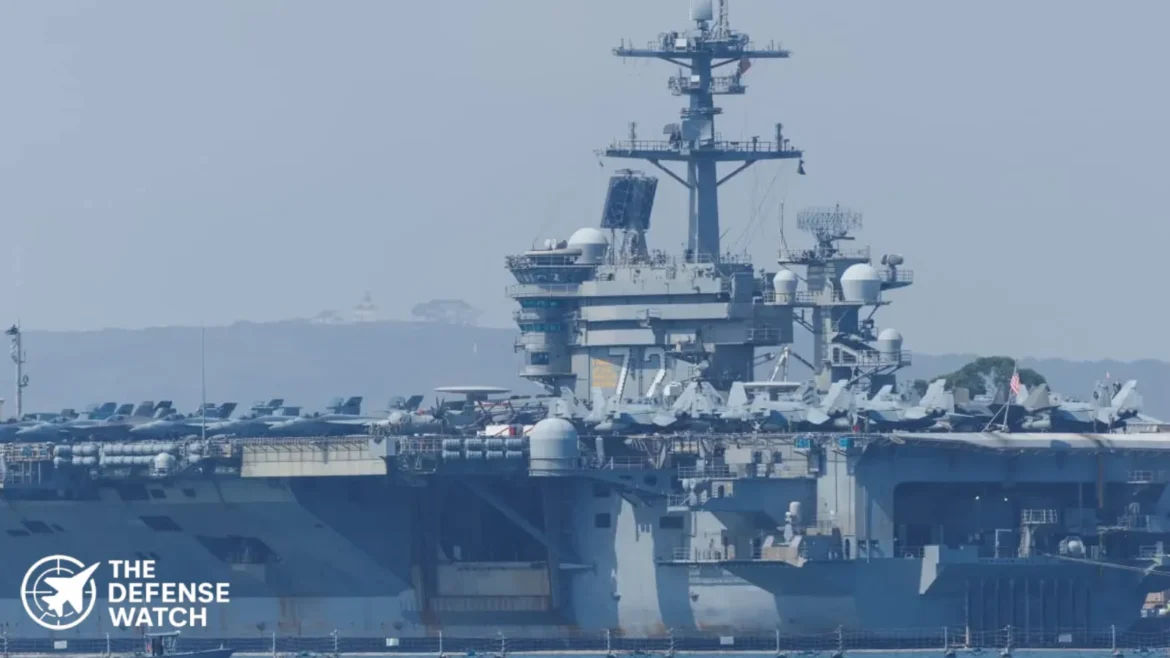
The US military buildup in the Middle East continues with a sharpened focus on Iran strike options as tensions rise between Washington and Tehran, according to recent defense reports.
US Military Buildup in the Region
The United States is reinforcing its military footprint in the Middle East in response to escalating tensions with Iran, deploying carrier strike assets and additional airpower to enhance deterrence and readiness.
Aircraft carrier USS Abraham Lincoln and its strike group, including destroyers USS Spruance and USS Michael Murphy, are moving toward the US Central Command’s area of responsibility after transiting the Strait of Malacca.
In the past 24 hours, 12 F-15 fighter jets arrived in Jordan, with more air assets heading to the region, while strategic airlift has landed at the US base on Diego Garcia.
US defense officials told The Jerusalem Post that all options are under consideration, a phrasing that underscores Washington’s intent to maintain flexible military choices should Iranian actions escalate.
Regional Diplomatic and Strategic Context
Reports indicate that previous plans for a strike were postponed due in part to limited US operational capacity in the region after deployments elsewhere. Some Arab states have also signaled they would not grant access for strike missions from their territory.
Expert Views on Strategic Options
Former US ambassador and defense official Dan Shapiro said the renewed force posture gives the US presidency a broad range of military options. Shapiro noted that deliberate pressure on Iran could include targeting senior leadership, though such moves carry significant risk and strategic cost.
Iranian leadership denounced such targeting, warning that strikes on top Iranian figures would trigger full-scale conflict.
Domestic Pressures in Iran
Separately, analysts highlight that internal unrest in Iran is being suppressed by the regime, deepening societal hostilities. Iran’s response to domestic protests adds complexity to Tehran’s calculus amid external pressure.
Implications for US Defense Strategy
The expanded presence of US naval and air assets signals a shift toward robust deterrence. This posture aligns with broader CENTCOM objectives to reassure partners and deter Iranian action against US and allied interests in the region.
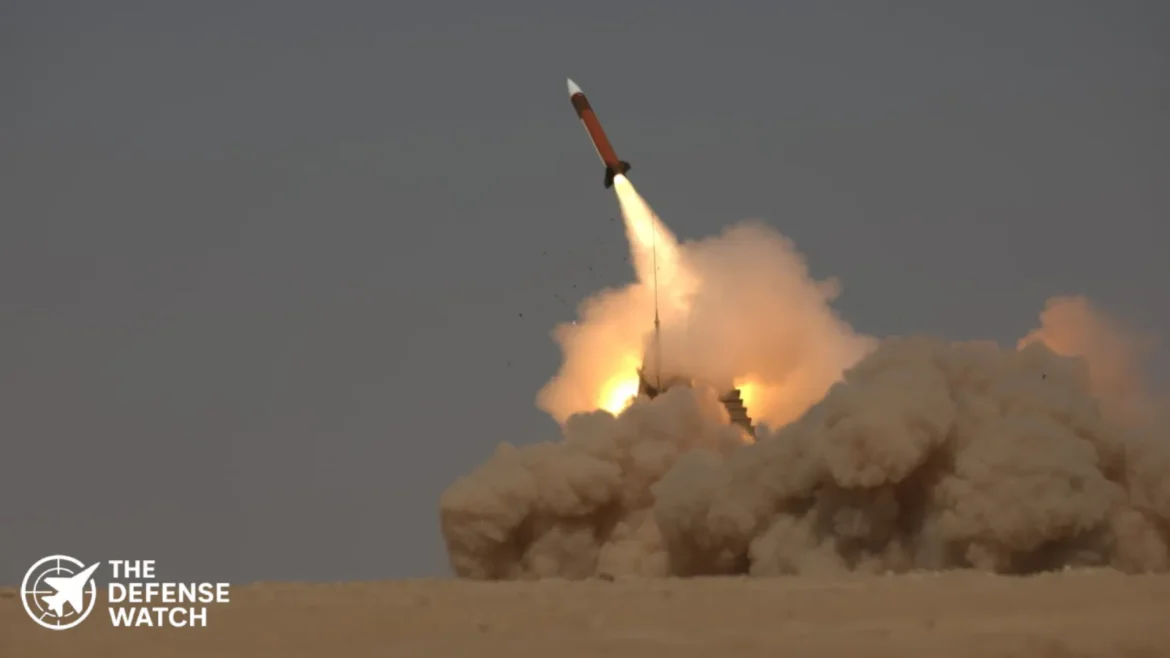
US Opens Air Defense Operations Cell in Qatar
The United States and regional partners have opened a new air defense operations cell in Qatar to improve integrated air and missile defense coordination across the Middle East, U.S. Central Command announced. The air defense operations cell in Qatar is designed to enhance coordination among partner forces and streamline information sharing and planning for potential threats.
The new Middle Eastern Air Defense Combined Defense Operations Cell (MEAD-CDOC) is housed within the Combined Air Operations Center (CAOC) at Al Udeid Air Base. The CAOC has operated for more than 20 years and includes representatives from 17 partner nations coordinating the employment of military air assets in the region.
CENTCOM commander Admiral Brad Cooper said the MEAD-CDOC is a “significant step forward in strengthening regional defense cooperation” and will improve how regional forces coordinate and share air and missile defense responsibilities.
Purpose and Structure
MEAD-CDOC is intended to enhance real-time information sharing, threat warnings, joint planning of exercises, and coordinated responses to contingencies involving aerial threats. U.S. Air Force Central personnel will work side by side with regional counterparts inside the cell to improve operational integration and collective defense efforts.
The cell builds on recent efforts to integrate regional air defense capabilities, following the opening last year of bilateral combined command posts for air and missile defense with Qatar and Bahrain. Those facilities serve as hubs for integrated planning and operations with partner nations.
Strategic Context
Al Udeid Air Base, home to the new cell, is the largest U.S. military installation in the Middle East and serves as a key hub for operations across the region. Placing MEAD-CDOC within the existing CAOC framework allows for deeper integration of partner systems and helps create a consistent venue for shared expertise and solutions on air and missile defense.
Lt. Gen. Derek France, commander of U.S. Air Force Central, said the permanent, combined workspace will strengthen integrated air and missile defense throughout the region by aligning partner planning, drills, and contingency response efforts.
What Comes Next
With MEAD-CDOC now operational, the United States and its partners aim to improve collective readiness against ballistic missiles, cruise missiles, and unmanned aerial systems. The new cell reflects ongoing U.S. efforts to deepen defense cooperation in the Middle East amid evolving regional security dynamics.
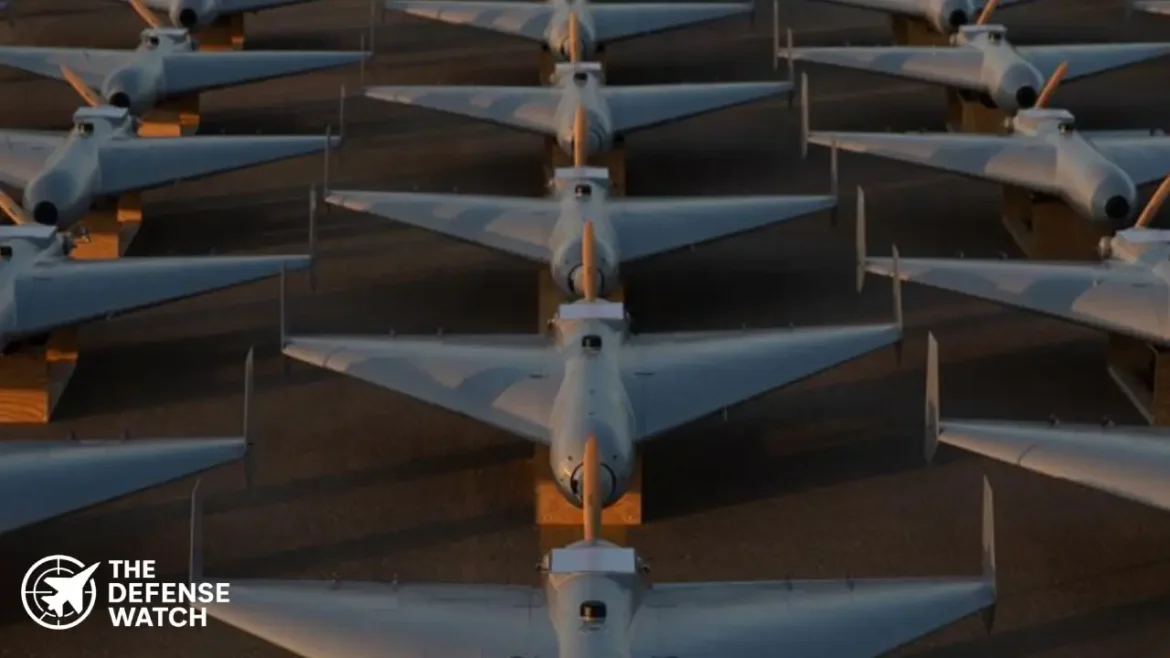
United States Central Command (CENTCOM) announced the activation of its first one-way attack drone squadron — a dedicated unit built around a new drone design derived from the Iranian HESA Shahed 136. The new force, dubbed Task Force Scorpion Strike (TFSS), immediately deployed low-cost strike drones to the Middle East, signaling a major shift in U.S. drone strategy.
Background: Shahed-136 and Low-Cost Drone Warfare
The Shahed-136 is an Iranian-designed loitering munition — commonly described as a “kamikaze drone” — that has been widely used by Tehran, its allied militias and Russia (under the designation Geran-2) in various conflicts, including in Ukraine.
Measuring roughly 3.5 m in length, with a 2.5 m wingspan, weighing about 200 kg and carrying a warhead of 30–50 kg, the Shahed-136 features a delta-wing configuration, rear-mounted pusher propeller, and uses GNSS/INS guidance.
Because of its relatively low cost and simple design — in stark contrast to expensive, sophisticated U.S. or NATO missiles — the Shahed-136 has become a symbol of a shift toward scale: saturation attacks with many cheap drones rather than fewer high-cost precision munitions.
What Happened: Deployment of the LUCAS Squadron
CENTCOM Unveils Task Force Scorpion Strike
According to CENTCOM, Task Force Scorpion Strike was activated on 3 December 2025. The new force is built around one-way, expendable attack drones derived from the Shahed-136 design. These drones, known as Low-cost Unmanned Combat Attack System (LUCAS), have already been deployed to the Middle East.
In remarks accompanying the activation, CENTCOM commander Admiral Brad Cooper described the new task force as a demonstration of rapid innovation and deterrence: “This new task force sets the conditions for using innovation as a deterrent,” he said.
LUCAS Drones Mirror Shahed-136 Design, Offer Low-Cost Strike Option
Visual evidence released by CENTCOM shows rows of LUCAS drones situated at an undisclosed base in its area of responsibility. The design strongly resembles the Shahed-136: delta wing, rear-mounted propeller, vertical stabilizers and compact airframe.
Though CENTCOM has not released full specifications, the LUCAS drones are described as having “extensive range” and autonomous operation capability. Launch methods include catapults, rocket-assisted takeoff, or mobile vehicle-based launchers — enabling flexible deployment in austere environments.
Industry sources and media reporting associate LUCAS closely with the product line developed by Arizona-based uncrewed aircraft manufacturer SpektreWorks, specifically its “FLM 136” family originally designed to emulate Shahed drones for threat testing.
Cost and Strategic Trade-Offs
Each LUCAS drone reportedly costs approximately USD 35,000 — a fraction of what legacy U.S. strike systems or precision missiles cost. mint+1
By comparison, traditional U.S. strike assets such as strike jets or guided missiles can cost tens of thousands to millions of dollars per shot. The economics of LUCAS reverses that equation: expend cheap drones en masse, rather than expend expensive missiles one at a time.
Analysis: Strategic Implications of the New Drone Squadron
A Shift From Defense to Low-Cost Offense
Historically, U.S. drone efforts have prioritized surveillance, precision strikes, and high-value targets — using expensive, reusable platforms. The deployment of a dedicated one-way attack drone squadron signals a doctrinal shift, embracing the notion that “quantity has a quality all its own.” The LUCAS drones allow the Pentagon to field large numbers of inexpensive kamikaze UAVs capable of saturating air defenses or striking dispersed or hardened targets.
Catching Up With Adversaries’ Playbook
This move can be seen in part as a reaction to the widespread use of Shahed-type drones by adversaries, including state and non-state actors, which has challenged U.S. and allied defenses in recent years. By reverse-engineering the Shahed-136 and deploying LUCAS, the U.S. military closes the gap — developing the capability to use low-cost one-way drones offensively, not just defend against them.
Lowering the Entry Barrier for Drone Warfare
At USD 35,000 per drone, LUCAS makes drone strikes accessible for tactical units. The modular launch mechanism (catapults, rocket assist, vehicle-based launchers) simplifies deployment. This could enable small ground units — not only air or special-forces — to leverage drone strikes as a regular part of their toolbox.
Potential Risks and Considerations
Because these drones are expendable, ethical and collateral-damage risks may increase. Moreover, adversary forces may respond by upgrading inexpensive counter-UAS systems, leading to a renewed arms race. The autonomous nature of LUCAS (loitering then diving onto targets) also raises command, control, and risk-of-fratricide challenges, especially in complex environments.
What’s Next: Wider Rollout and Operational Use
According to CENTCOM, the establishment of Task Force Scorpion Strike is just the first step. The Pentagon has launched a multiyear initiative to acquire hundreds of thousands of low-cost, one-way drones, with purchase orders beginning in early 2026.
Over the next 18–24 months, this could mean widespread deployment not only in the Middle East but potentially other theaters deemed high-risk or strategically vital.
In practical terms, we may see LUCAS drones used in saturation strikes, suppression of enemy air defenses, targeting of hardened infrastructure, or rapid response strikes — shifting small drones from auxiliary roles to frontline offensive tools.
