

Executive Summary:
Embraer has delivered the first C-390 Millennium tactical transport aircraft to the Czech Air Force, approximately 20 months after Prague signed a contract for two aircraft. The delivery significantly expands the Czech Republic’s strategic airlift capabilities while reinforcing NATO’s growing adoption of the Brazilian transport platform across Europe.
C-390 Millennium Delivered To Czech Air Force Following Rapid Acquisition Timeline
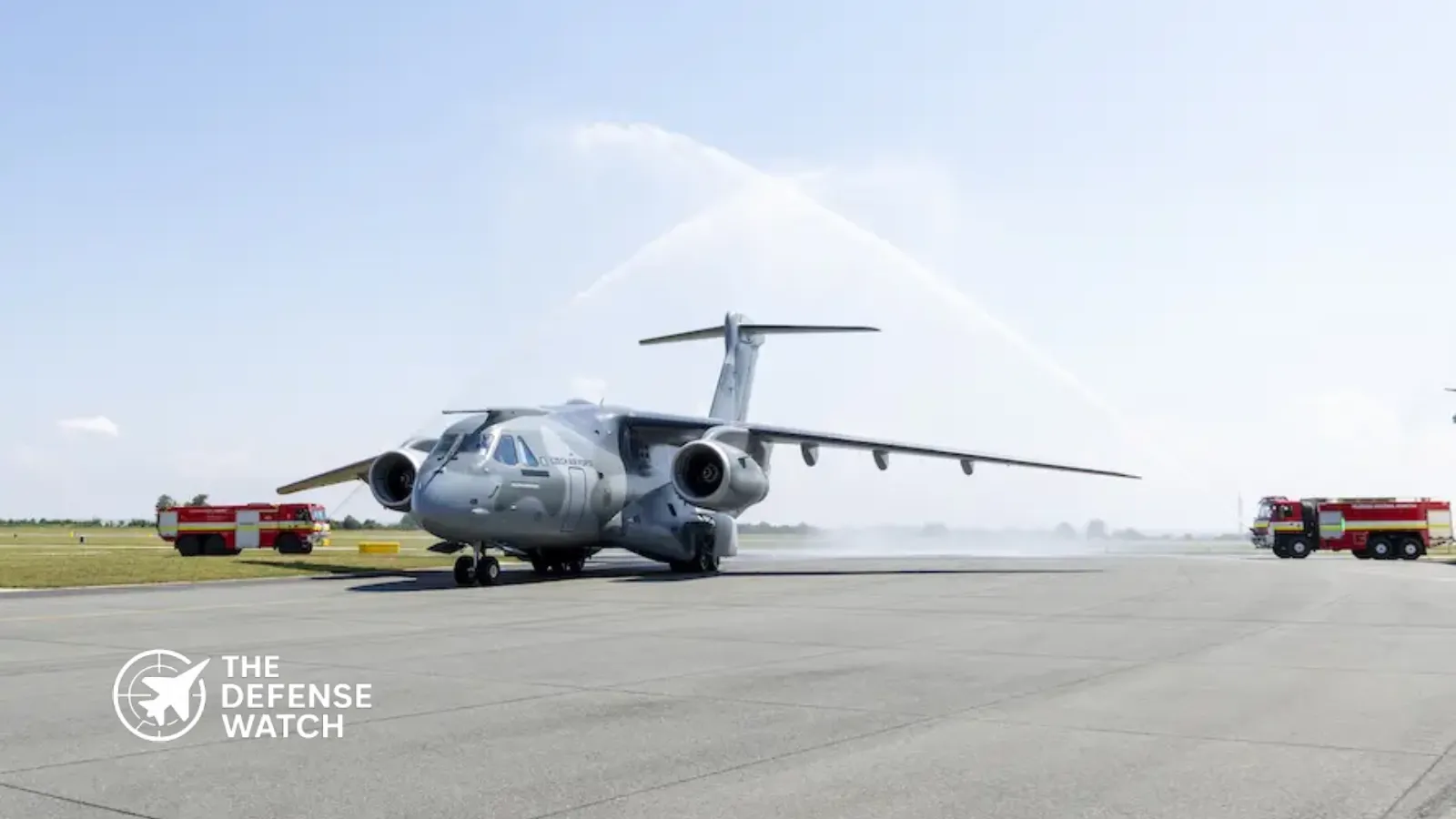
Embraer has officially delivered the first C-390 Millennium transport aircraft to the Czech Air Force during a ceremony at Prague-Kbely Air Base, marking a major milestone in the country’s military modernization program. The delivery comes roughly 20 months after the Czech Republic signed its acquisition agreement with the Brazilian aerospace manufacturer, underscoring one of the faster procurement timelines for a modern tactical transport aircraft in Europe.
Senior Czech defense leaders, including Defence Minister Jaromír Zůna, Chief of the General Staff General Miroslav Hlaváč, Czech Air Force Commander General Petr Tománek, and Embraer Defense & Security President Bosco da Costa Junior attended the handover ceremony. According to Czech military officials, the aircraft will immediately begin strengthening national and NATO transport missions.
The Czech Republic ordered two C-390 Millennium aircraft to replace aging transport capabilities while improving the military’s ability to deploy personnel, vehicles, humanitarian supplies, and oversized cargo across Europe and beyond. The second aircraft is expected to be delivered in late 2027.
New Capability For NATO Operations
Brig. Gen. Jaroslav Falta, commander of the Czech Air Force’s 24th Air Transportation Base, described the aircraft as a major enhancement to national air mobility.
According to the Czech military, the C-390 enables transportation of heavy and oversized cargo over long distances while supporting NATO deployments, humanitarian assistance, disaster response, and emergency operations throughout Europe.
The aircraft also provides greater operational flexibility than previous transport platforms by supporting multiple mission sets from a single airframe, including:
Capability C-390 Millennium Tactical cargo transport Yes Troop transport Yes Medical evacuation (MEDEVAC) Yes Humanitarian assistance Yes Search and rescue Yes Aerial refueling (configured variants) Yes Operations from semi-prepared runways Yes The jet-powered aircraft can carry payloads of up to approximately 26 metric tons while operating at higher cruise speeds than many legacy tactical airlifters, improving response times during military and humanitarian missions.
Growing European Adoption Of The C-390
The Czech Republic becomes the fourth operational user of the C-390 following Brazil, Portugal, and Hungary, while several additional countries have selected the aircraft for future deliveries. Embraer says the platform has now secured orders from 12 nations, reflecting growing international demand for a modern medium airlift aircraft.
Recent European customers include:
- Austria
- Netherlands
- Slovakia
- Sweden
- Czech Republic
- Portugal
- Hungary
Outside Europe, customers include Brazil, South Korea, Uzbekistan, and the United Arab Emirates, demonstrating the aircraft’s expanding global market presence.
Why The Delivery Matters
The Czech delivery represents more than the arrival of a new transport aircraft. It highlights an increasingly visible shift in Europe’s military airlift market.
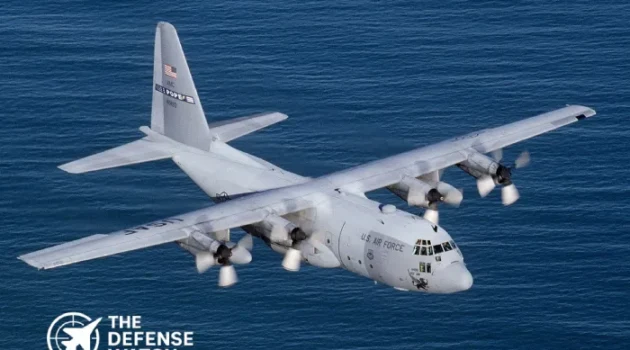
For decades, NATO tactical transport fleets have largely centered on variants of the C-130 Hercules. The C-390 is emerging as a credible alternative for nations seeking higher cruise speed, modern avionics, digital maintenance systems, and multi-role flexibility while maintaining NATO interoperability.
For the Czech Republic, the acquisition strengthens several operational priorities:
- Improved strategic mobility across Europe.
- Faster deployment of forces during NATO operations.
- Greater capacity for humanitarian and disaster relief missions.
- Enhanced interoperability with allied air forces adopting the same platform.
The relatively short period between contract signature and first delivery also demonstrates Embraer’s ability to move customers from procurement to operational capability on an accelerated schedule, an increasingly important factor as European governments continue expanding defense spending following heightened regional security concerns.
Broader Strategic Implications
The continued expansion of the C-390 program illustrates how Europe’s military aviation market is becoming more competitive. Rather than relying exclusively on traditional U.S. or European suppliers, NATO members are increasingly evaluating platforms based on lifecycle costs, delivery timelines, industrial partnerships, and mission flexibility.
For Embraer, each additional European operator strengthens logistics support, training cooperation, and maintenance networks across NATO, potentially lowering long-term operating costs for future customers.
For alliance planners, a growing fleet of interoperable C-390 aircraft provides additional lift capacity for multinational exercises, rapid reinforcement, humanitarian operations, and crisis response missions across the European theater.

Embraer Moves To Expand C-390 Sales In Colombia And Chile As Latin America Modernization Accelerates
Executive Summary: Embraer is seeking to expand sales of its C-390 Millennium military transport aircraft in Latin America, with Colombia and Chile identified as key potential buyers. The move reflects growing regional demand for modern tactical airlift capabilities. The strategy highlights intensifying competition in the medium military transport market.
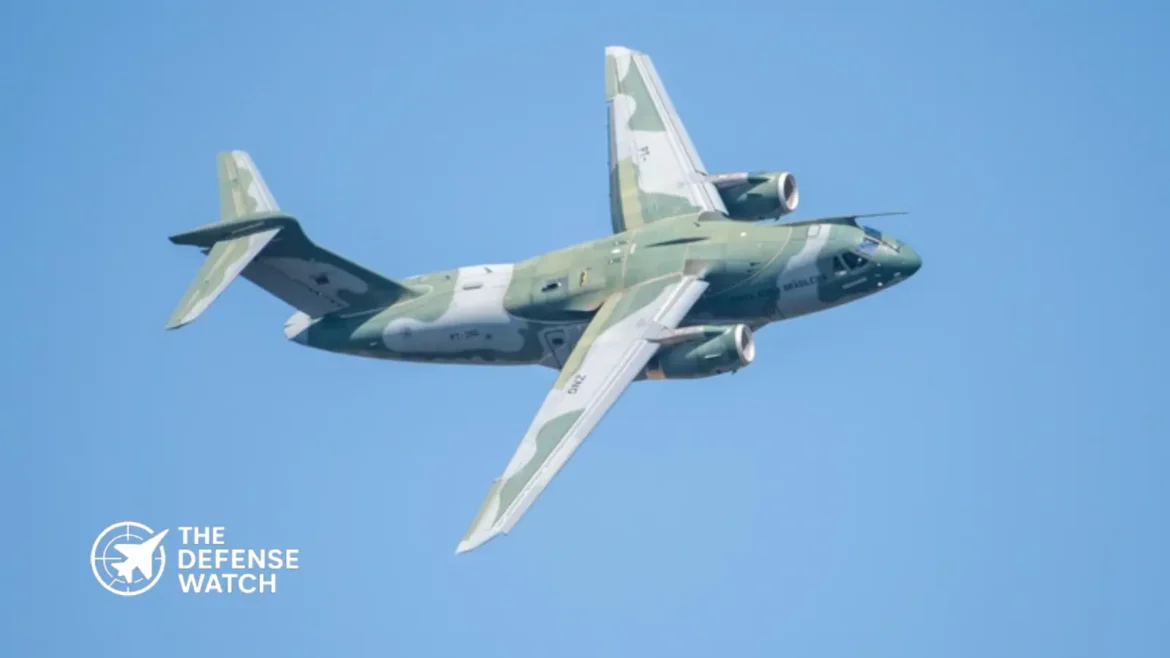
Embraer C-390 military aircraft is at the center of a renewed push by Embraer to expand its defense footprint in Latin America, with Colombia and Chile emerging as priority markets.
The company is positioning the C-390 Millennium as a next generation alternative in the tactical airlift segment, aiming to meet growing regional requirements for mobility, logistics support, and multi mission operations.
Latin America Becomes Key Growth Market For C-390 Military Aircraft
Embraer is actively pursuing new export opportunities for the Embraer C-390 military aircraft as several Latin American air forces assess modernization plans for aging transport fleets.
The C-390 Millennium is designed to perform a wide range of missions including troop transport, cargo delivery, medical evacuation, and aerial refueling. It is increasingly being marketed as a versatile replacement for legacy platforms such as older C-130 variants used across the region.
The companys strategy reflects a broader shift in defense procurement trends in Latin America, where countries are balancing limited budgets with the need for multi role capability aircraft.
Colombia And Chile Emerge As Strategic Targets
Colombia has been evaluating options to modernize its military transport fleet as it continues to operate aging aircraft that require higher maintenance and reduced operational availability. The Embraer C-390 military aircraft is seen as a candidate capable of improving readiness and reducing lifecycle costs.
Chile is also assessing long term replacement options for its air mobility fleet. The C-390 offers interoperability with NATO standards, which is increasingly relevant as Chile expands cooperation with Western defense partners.
Both nations represent strategically important customers for Embraer as it seeks to expand beyond its existing operators in Europe and Asia.
Competitive Positioning In Global Tactical Airlift Market
The Embraer C-390 military aircraft competes in a segment traditionally dominated by established Western platforms. However, Embraer has positioned the aircraft as a more modern and cost efficient solution with higher cruise speed and payload flexibility compared to legacy designs.
Unlike older turboprop based transports, the C-390 uses a twin engine jet configuration that allows faster deployment over long distances. This performance profile is particularly relevant for countries with large geographic territories or dispersed operational theaters.
The aircraft is also designed for interoperability in multinational operations, a factor that is becoming increasingly important in joint military exercises and coalition logistics planning.
Regional Defense Modernization Drives Demand
Across Latin America, defense forces are gradually increasing investment in mobility and logistics capabilities. This trend is driven by disaster response needs, border security requirements, and participation in multinational peacekeeping missions.
The Embraer C-390 military aircraft aligns with these priorities due to its multi mission flexibility and ability to operate from semi prepared airfields.
For Embraer, expanding sales in the region strengthens its position as a global competitor in the medium airlift category, where demand is expected to grow steadily over the next decade.
Industrial And Strategic Implications
Embraers push for additional C-390 sales in Colombia and Chile also carries industrial implications. Increased regional adoption could support long term maintenance, training, and logistics networks across South America.
This would reinforce Brazil’s role as a regional aerospace hub and reduce dependency on external suppliers for strategic airlift capabilities.
From a geopolitical perspective, greater adoption of the Embraer C-390 military aircraft may also reflect a gradual diversification of defense procurement sources in Latin America.
Market Outlook For C-390 Millennium
The C-390 Millennium continues to build its export profile, with Embraer focusing on expanding its customer base beyond initial operators. Future sales in Colombia and Chile would further validate the aircrafts positioning in the global market.
While competition remains strong, Embraer is emphasizing operational performance, lower lifecycle costs, and mission flexibility as key differentiators.
Executive Summary:
The United Arab Emirates has ordered 20 C-390 Millennium military transport aircraft from Brazil’s Embraer, becoming the first Middle Eastern operator. The deal reflects Abu Dhabi’s push to modernize its airlift fleet with faster, more versatile platforms. It also strengthens Brazil’s position in the global military transport market.
UAE Orders C-390 Millennium To Strengthen Strategic Airlift
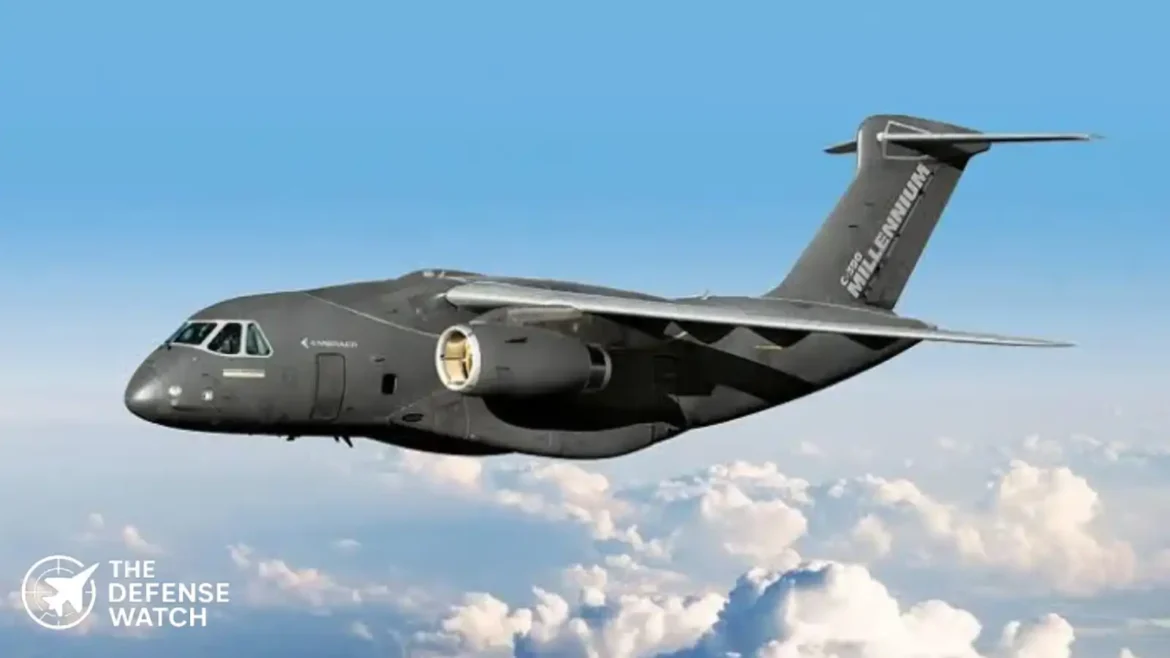
The UAE C-390 Millennium deal marks a significant step in the country’s ongoing effort to modernize its military transport fleet and expand expeditionary logistics capabilities. Announced via Army Recognition, the agreement covers the acquisition of 20 aircraft from Embraer, making the United Arab Emirates the first operator of the platform in the Middle East.
The Embraer C-390 Millennium is a next-generation tactical airlifter designed to perform a wide range of missions, including troop and cargo transport, medical evacuation, aerial refueling, and disaster relief operations. Its adoption by the UAE highlights a broader shift toward multi-role, jet-powered transport platforms capable of faster response times and reduced operational costs compared to legacy turboprop aircraft.
The UAE Ministry of Defence has not publicly disclosed the total contract value, but the scale of the order suggests a major long-term investment in air mobility infrastructure.
Platform Capabilities And Operational Advantages
The C-390 Millennium is powered by twin jet engines, enabling higher cruising speeds and longer range compared to traditional transport aircraft such as the Lockheed Martin C-130J Super Hercules. It can carry payloads of up to approximately 26 tons and operate from semi-prepared runways, giving it flexibility in austere environments.
Key capabilities include:
- Rapid deployment of troops and heavy equipment
- Aerial refueling, both as tanker and receiver
- Humanitarian assistance and disaster response missions
- Medical evacuation with modular onboard systems
The aircraft’s advanced avionics suite and fly-by-wire controls reduce pilot workload while improving mission precision. Its cargo handling system is fully automated, allowing quicker turnaround times, which is critical in high-tempo operations.
From an operational standpoint, the UAE C-390 Millennium acquisition aligns with the need for faster strategic lift across long distances, especially given the country’s expanding defense footprint and international engagement.
Strategic Context: Why The UAE Is Investing Now
The UAE has steadily expanded its military modernization programs over the past decade, focusing on rapid deployment forces, joint operations, and global logistics reach. The UAE C-390 Millennium deal fits into this broader strategy.
Unlike turboprop platforms, jet-powered transports like the C-390 offer shorter transit times between theaters such as North Africa, the Eastern Mediterranean, and South Asia. This capability is increasingly relevant as regional security dynamics evolve.
Additionally, the UAE’s participation in multinational operations and humanitarian missions requires a flexible and interoperable airlift fleet. The C-390’s compatibility with NATO standards and its multi-mission design make it well suited for such roles.
From an analytical perspective, this procurement also reflects a diversification strategy. The UAE has traditionally relied on U.S. and European defense suppliers. By selecting a Brazilian platform, Abu Dhabi broadens its supplier base while gaining access to competitive pricing and technology transfer opportunities.
Implications For The Global Airlift Market
The UAE C-390 Millennium order represents a significant win for Embraer in the competitive military transport sector. The aircraft has already been adopted by countries such as Brazil, Portugal, and Hungary, but entry into the Middle East marks a new phase of market expansion.
The deal positions the C-390 as a viable alternative to established platforms like the C-130J, particularly for countries seeking modern capabilities without the higher acquisition and lifecycle costs associated with legacy systems.
For Embraer, this contract strengthens its credibility as a global defense supplier and could open doors to additional sales in the Gulf region, where demand for advanced air mobility solutions continues to grow.
Regional And Operational Impact
The introduction of the C-390 Millennium into the UAE Air Force is expected to enhance operational readiness and logistical efficiency. The aircraft’s ability to perform multiple mission profiles reduces the need for specialized fleets, streamlining maintenance and training requirements.
In a region characterized by rapid response requirements, whether for military contingencies or humanitarian crises, the UAE C-390 Millennium fleet will provide a flexible and scalable solution.
There is also a potential regional signaling effect. As the first Middle Eastern operator, the UAE could influence neighboring countries to evaluate similar platforms, particularly as airlift modernization becomes a priority across Gulf Cooperation Council states.

Greece C-390 Transport Aircraft Decision Nears
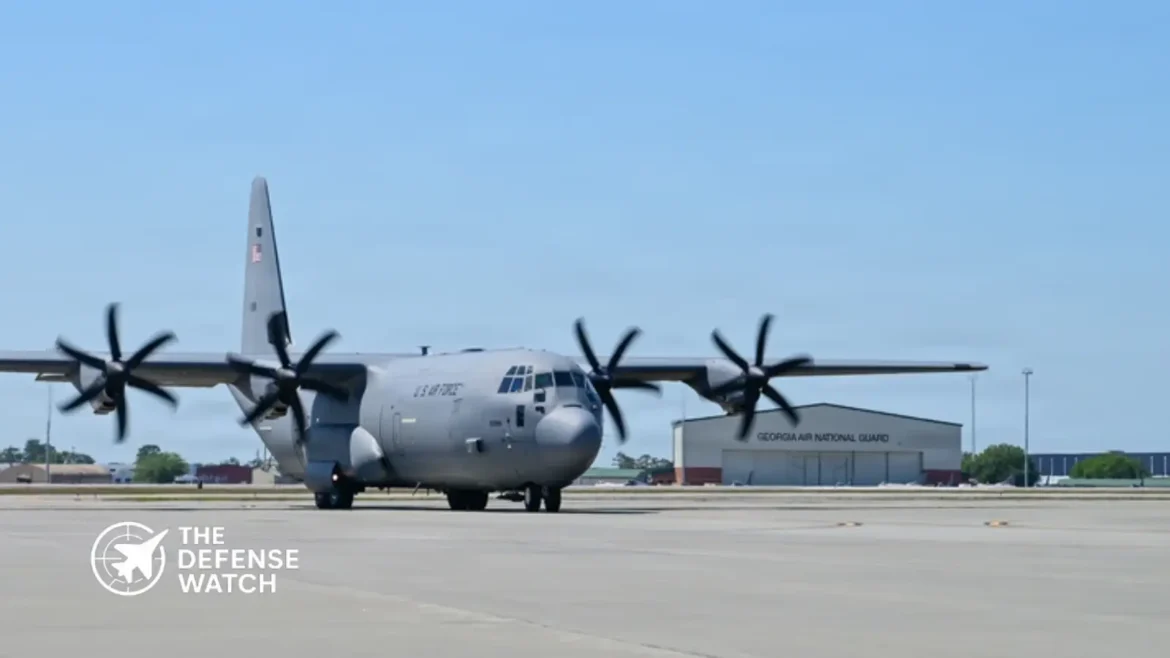
Greece C-390 transport aircraft plans appear to be moving closer to a formal decision as Athens looks to restore strained military airlift capacity. Reports indicate Greece could select up to three Brazilian-built Embraer C-390 Millennium aircraft by May 2026 as a replacement path for parts of its aging C-130 Hercules fleet.
- Greece is reportedly considering an initial purchase of three Embraer C-390 transport aircraft.
- The aircraft would help replace aging U.S.-made C-130 Hercules transports in Greek service.
- Only a limited number of Greek C-130 aircraft have recently remained operational.
- The C-390 offers higher cruise speed, modern avionics, and multi-mission capability.
- A Greek decision would further expand the C-390 footprint across Europe and NATO.
The issue is operational urgency. Greece has long depended on C-130 transports for troop movement, humanitarian response, island resupply, and NATO commitments. But fleet age, maintenance delays, and spare parts challenges have reduced aircraft availability in recent years. Previous reporting indicated only a small number of Greek C-130s were mission ready.
That makes this more than a procurement story. It is a readiness story.
Why The C-390 Is Gaining Ground
The Embraer C-390 Millennium has emerged as a strong global competitor in the medium airlift market once dominated by the Lockheed Martin C-130 Hercules.
The twin-engine jet transport offers:
- Payload capacity around 26 tons
- Faster cruise speed than legacy turboprop rivals
- Troop, cargo, medevac, tanker, and firefighting roles
- Modern fly-by-wire controls and digital avionics
- Compatibility with NATO-style missions and logistics networks
For Greece, speed matters. The country must support dispersed islands, remote garrisons, and rapid contingency movement across the Aegean and Eastern Mediterranean. A faster jet transport can shorten response timelines.
Strategic Meaning For Greece
A Greece C-390 transport aircraft purchase would also signal a broader shift in defense sourcing. Greece remains a major customer of U.S. and European systems, including fighters, helicopters, and naval platforms. Choosing a Brazilian aircraft would show Athens is willing to diversify suppliers when capability and delivery timelines align.
That does not mean abandoning U.S. systems. Instead, it reflects a practical trend seen across Europe, where governments increasingly seek faster acquisition cycles, lower lifecycle cost, and wider industrial partnerships.
Growing European Momentum
The C-390 has already secured customers including Portugal, Hungary, Austria, the Netherlands, Czech Republic, Slovakia, Sweden, and South Korea, helping Embraer build credibility in NATO-aligned markets. Reuters previously reported Austria and the Netherlands formalized a joint nine-aircraft order.
If Greece joins that list, the aircraft’s European presence would deepen further, improving training, sustainment, and interoperability opportunities.
What Happens Next
No official contract has yet been announced by Athens or Embraer. Final timing will depend on budget approvals and defense priorities. But if a May 2026 decision materializes, Greece could move quickly to rebuild a transport fleet that has become increasingly stressed.
For the Hellenic Air Force, replacing old aircraft is not optional forever. It is becoming urgent.
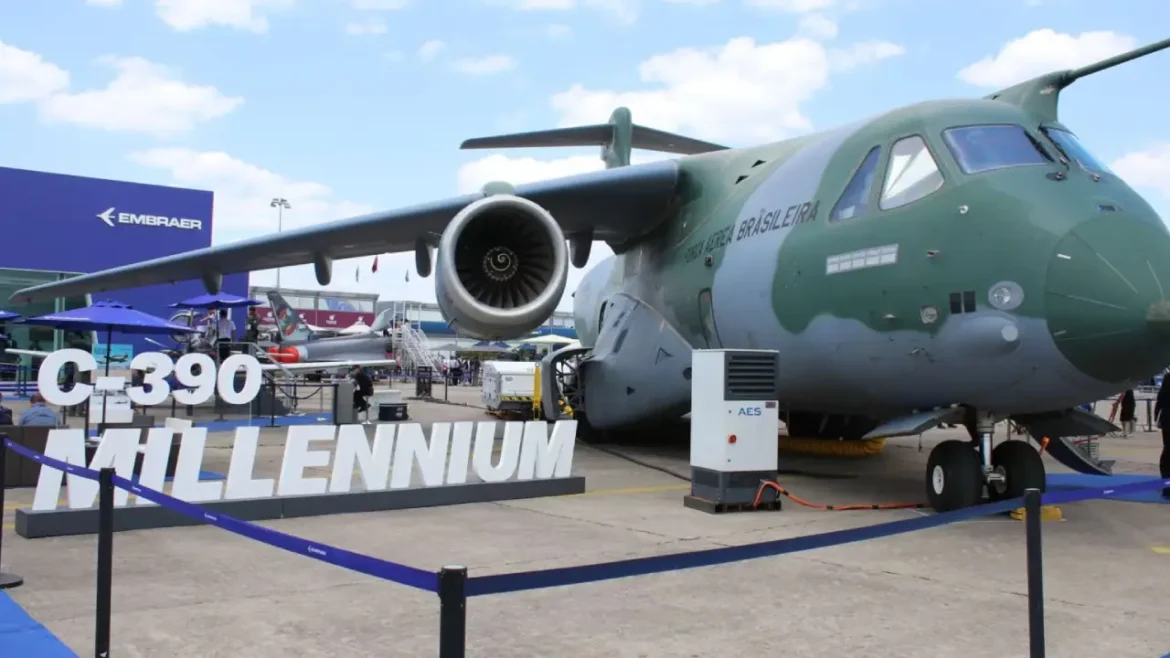
On 12 November 2025, the Dutch Ministry of Defense and Brazilian manufacturer Embraer confirmed the start of structural assembly of the first Dutch-configured C‑390 Millennium military transport aircraft at Embraer’s Gavião Peixoto facility in Brazil. This milestone forms a central part of a trilateral procurement program involving the Netherlands, Austrian Armed Forces and Swedish Air Force aimed at renewing medium-airlift capability across three European nations and reinforcing NATO air mobility.
Background
The C-390 Millennium is a twin-jet, multi-role military transport aircraft from Embraer, designed for tactical transport, medical evacuation, airdrop, tanker roles and rapid logistic operations. The Netherlands, Austria and Sweden signed a joint agreement in July 2024 for a package of 13 aircraft, plus options, under the so-called “Replacement of Tactical Airlift Capacity” program. The Netherlands acts as lead nation in this effort, overseeing the framework and sharing logistics, maintenance and training structures among the participating partners.
In European and NATO terms, the effort reflects a larger trend toward shared fleet architectures, burden-sharing, common mission-kit standards and enhanced interoperability. The C-390 is positioned between smaller turboprop transports and larger heavy airlifters, delivering speed and medium-lift capacity in one package.
Details of the Assembly Milestone
According to the Dutch MoD and Embraer, structural assembly of the first Dutch aircraft has begun in Brazil. The partner nations intend the C-390 series to replace aging fleets in the medium-airlift segment for the Netherlands and Austria, while Sweden’s initial order covers four aircraft plus options. For the Netherlands specifically, the firm order is for five aircraft with initial deliveries expected from 2027 following earlier schedule adjustments.
Embraer notes that construction of a C-390 airframe takes around two years from start to finish: about eight months for the airframe build, followed by integration of flight-management, self-protection and mission-specific systems. The Dutch-led model will share a common configuration, enabling all three partner air forces—Netherlands, Austria and Sweden—to operate the same air-frame, mission kits (such as aeromedical modules) and logistic support regimes.
On performance, the C-390 carries up to around 26 tonnes at cruise speeds near Mach 0.80, giving it a payload-and-speed advantage over many turboprop contemporaries. Comparatively, larger transports such as the A400M offer higher payloads (up to roughly 37 tonnes) but at heavier scale and cost. The C-390 therefore fits a medium-lift niche.
Strategic and Policy Implications
From a NATO mobility perspective, the start of Dutch C-390 assembly strengthens the alliance’s tactical transport network at a time of heightened emphasis on rapid response and surge logistics. Shared procurement and fleet-standardisation across nations not only reduce unit-costs but enhance multinational deployments, joint training and maintainability.
For the Netherlands and Austria, replacing ageing platforms with a modern jet transport will enhance speed, flexibility and strategic reach. For Sweden, participation in the framework builds synergy with partner air forces and aligns with broader defense-industrial and mobility goals.
From an industrial viewpoint, the choice of Embraer and production in Brazil underscores globalized supply chains and cross-continent manufacturing partnerships. For European defense planners, the cooperative model of acquisition reflects evolving approaches to multinational fleet management, training, sustainment and logistics in the medium-lift sector.
What’s Next
With structural assembly underway, deliveries to the Netherlands are currently scheduled from 2027 onward. Its partners, Austria and Sweden, will follow the coordinated window under the trilateral agreement. As the aircraft move from assembly into mission-kit integration, training, certification and shared support systems will become key tasks.
Operational deployment will mark the C-390’s integration into mixed allied fleets, supporting roles such as tactical airlift, humanitarian relief, aeromedical evacuation and rapid logistics across NATO theatres. The program thus not only addresses national capability upgrades, but also advances broader alliance mobility and readiness goals.